Last updated October 8, 2026


Toubkal vs Kilimanjaro: Which African Summit Should You Climb First?
For most hikers entering high altitude, climb Toubkal first and Kilimanjaro second. Toubkal reaches 4,167 m / 13,671 ft on a compact 2–3 day non-technical summer trek. Kilimanjaro reaches 5,895 m / 19,341 ft— a full 1,728 metres / 5,669 feet higher— and turns acclimatization, recovery and multi-day endurance into the central problem.
Toubkal Is the Better First Test. Kilimanjaro Is the Bigger Altitude Commitment.
Choose Toubkal first if you have solid hiking fitness but little or no experience above 4,000 metres. The standard summer route is non-technical, relatively inexpensive, refuge-based and short enough to fit into a Morocco trip.
Choose Kilimanjaro when you are ready to move from “high hike” to a genuine multi-day altitude objective. Kilimanjaro requires almost no technical climbing skill on standard routes, but the summit sits 1,728 metres higher than Toubkal.
That difference changes the problem. On Toubkal, the question is often: Can I handle a long summit day above 4,000 m? On Kilimanjaro, the question becomes: Can I eat, sleep, recover and keep moving as I approach 6,000 m over many days?
October Is Shoulder Season
October is normally an excellent quieter trekking month, but early snow becomes increasingly possible on the upper mountain. The licensed-local-guide requirement remains part of the standard Imlil–Toubkal system and credentials are checked along the approach.
October Remains a Strong Trekking Window
Kilimanjaro operates year-round. October sits near the end of the broad June–October drier period. TANAPA requires summit climbs to operate through licensed tour operators.
Toubkal vs Kilimanjaro at a Glance
Both can be non-technical trekking summits. The altitude and expedition commitment are not remotely equal.
| Factor | Jebel Toubkal | Mount Kilimanjaro | Decision |
|---|---|---|---|
| Elevation | 4,167 m / 13,671 ft | 5,895 m / 19,341 ft | Kilimanjaro is 1,728 m higher. |
| Country | Morocco | Tanzania | North Africa vs East Africa. |
| Regional title | Highest in North Africa | Highest in all Africa | Kilimanjaro is the continental high point. |
| Seven Summit | No | Yes | Kilimanjaro |
| Summer technicality | Non-technical trek | Non-technical trek on standard routes | Broadly similar technical class. |
| Winter technicality | Can require crampons, axe and winter skills | Standard routes remain trekking objectives | Winter Toubkal changes the comparison. |
| Typical duration | 2–3 days | 6–9 days commonly planned | Toubkal much shorter. |
| Standard Toubkal distance | ~22 km round trip | Route-dependent and multi-day | Different trip structures. |
| Guide rule | Licensed local guide required | Licensed operator required | Neither is a standard solo objective. |
| Accommodation | High Atlas refuge / village system | Tents on most routes; huts on Marangu | Different mountain cultures. |
| Porter support | Mules commonly move overnight gear to refuge | Large porter-supported expedition model | Kilimanjaro far more supported. |
| Primary challenge | Big summit day + fast altitude gain | Acclimatization + sustained altitude exposure | Kilimanjaro harder. |
| Altitude-learning value | First 4,000 m data point | Near-6,000 m data point | Logical progression. |
| 2026 guided climb cost | Often ~$200–$500 for 2–3 day local program | Packages broadly ~$1,500–$7,500 | Toubkal much cheaper. |
| Full-trip cost | Often ~$800–$2,500 depending origin | Often $3,500–$10,000+ from North America | Toubkal |
| Best beginner role | First international 4,000 m summit | First serious multi-day altitude summit | Toubkal → Kilimanjaro |

Toubkal Is High Enough to Teach You Something Without Turning the Trip Into an Expedition.
You get thin air, a pre-dawn start, cold, a real mountain refuge and a long descent— but you can still complete the standard summer objective inside a long weekend.
Which Is Harder: Toubkal or Kilimanjaro?
In normal trekking conditions, Kilimanjaro is clearly harder overall.
Kilimanjaro
Uhuru Peak sits 1,728 metres above Toubkal’s summit.
Kilimanjaro
The climb normally continues for roughly a week, rather than 2–3 days.
Roughly tied
Both standard objectives are hiking / trekking climbs rather than rope climbs.
Toubkal
Lower altitude, shorter schedule and far lower cost make it the easier experiment.

Kilimanjaro Is a Trekking Mountain With a Mountaineering-Scale Altitude Problem.
That combination is exactly why the mountain is so valuable as an early progression objective. Technical skill is not the primary filter. Acclimatization is.
Toubkal Introduces Altitude. Kilimanjaro Makes Altitude the Main Event.
This is the central reason the two mountains belong in a progression rather than being treated as substitutes.
4,167 m
High enough for many first-time climbers to notice slower movement, poor sleep, headache or reduced appetite.
5,895 m
The summit pushes close to 6,000 metres, where acclimatization and itinerary design dominate performance.
1,728 m
Toubkal experience is useful information. It is not proof that your body will respond equally well near 5,900 metres.
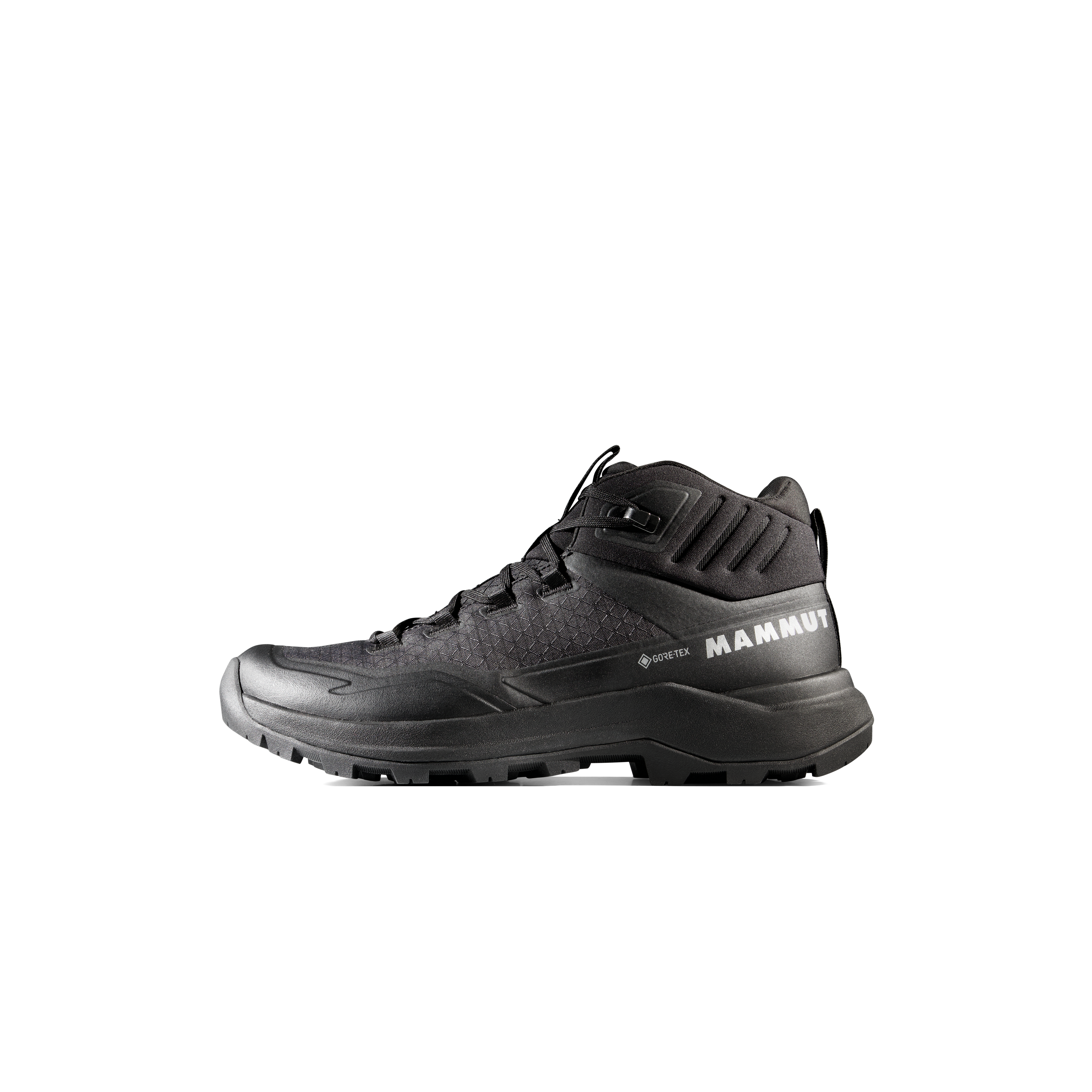
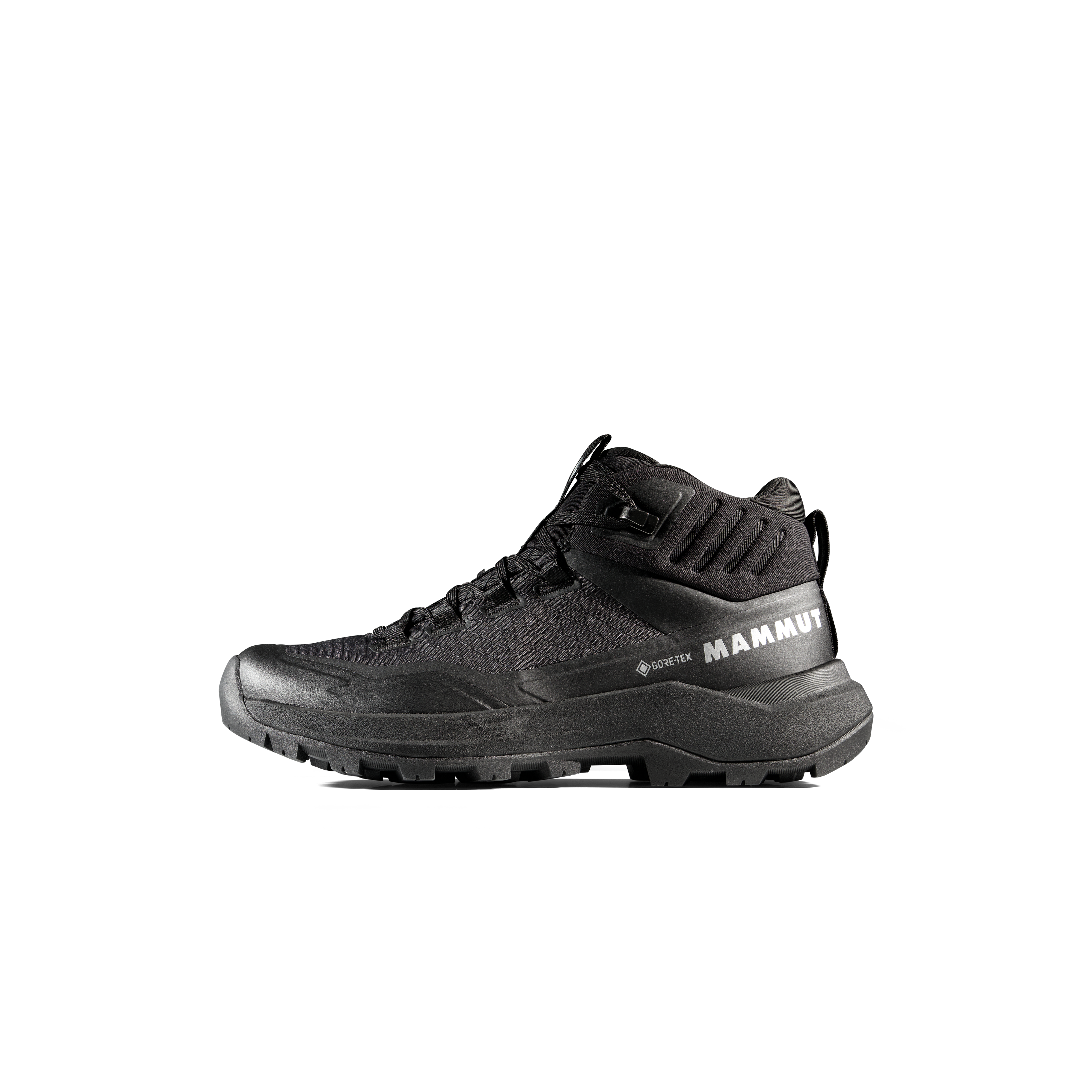
High-Altitude Hiking Boots & Socks
Both mountains reward footwear that is already broken in before the trip. Toubkal’s long scree descent and Kilimanjaro’s multi-day mileage are poor places to discover a blister problem.
Affiliate disclosure: Global Summit Guide may earn a commission from qualifying purchases at no additional cost to you.
High-Altitude Hiking Boots & Socks
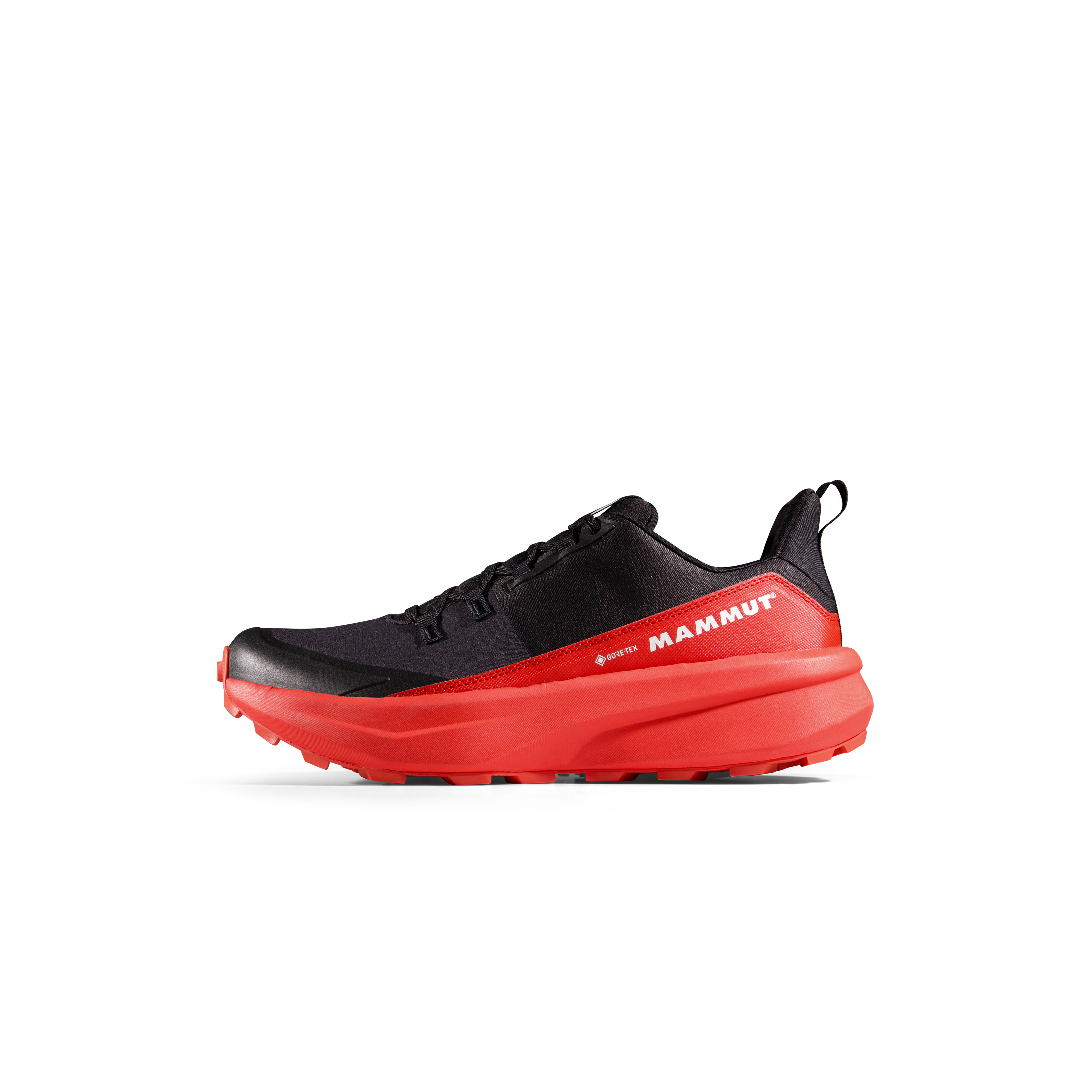
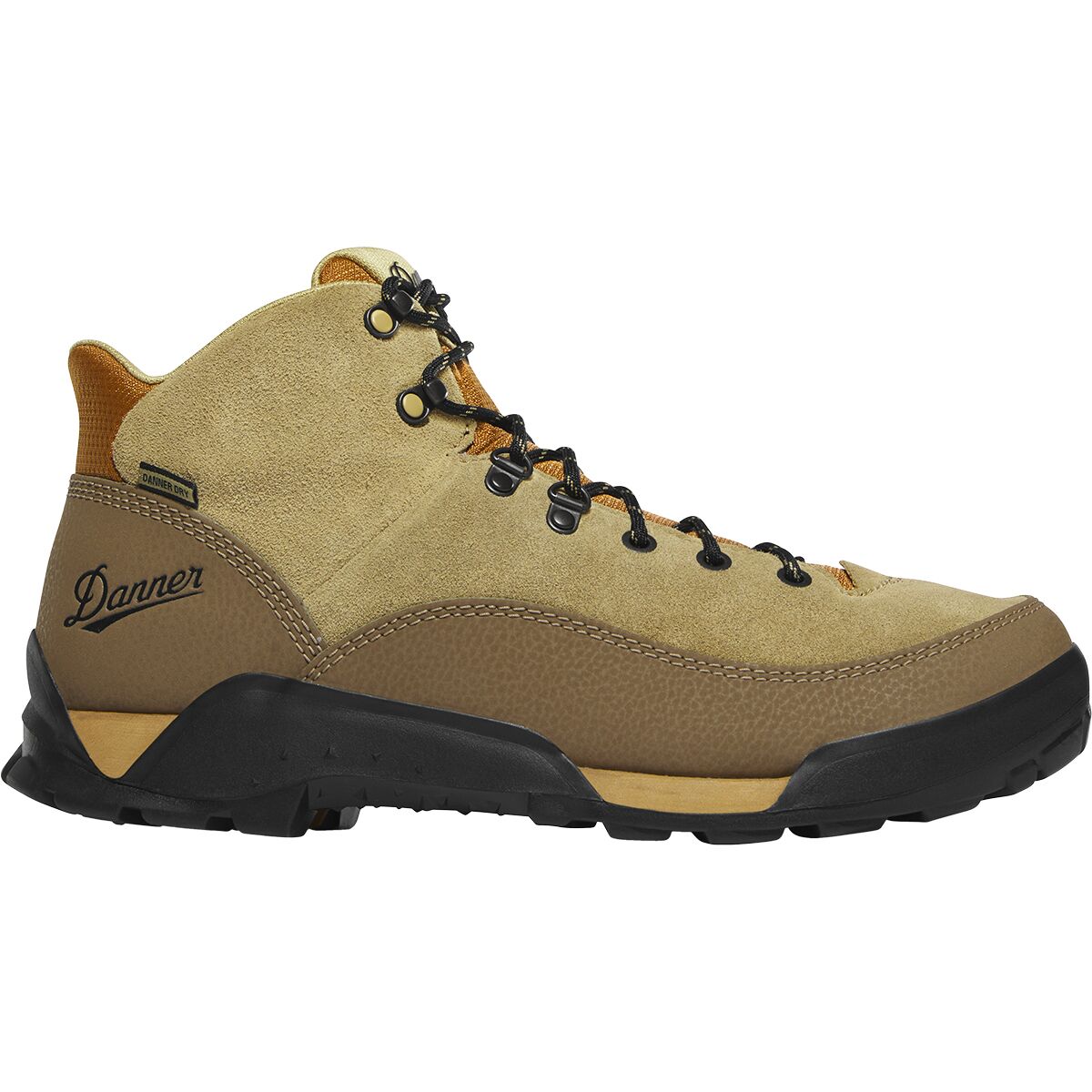
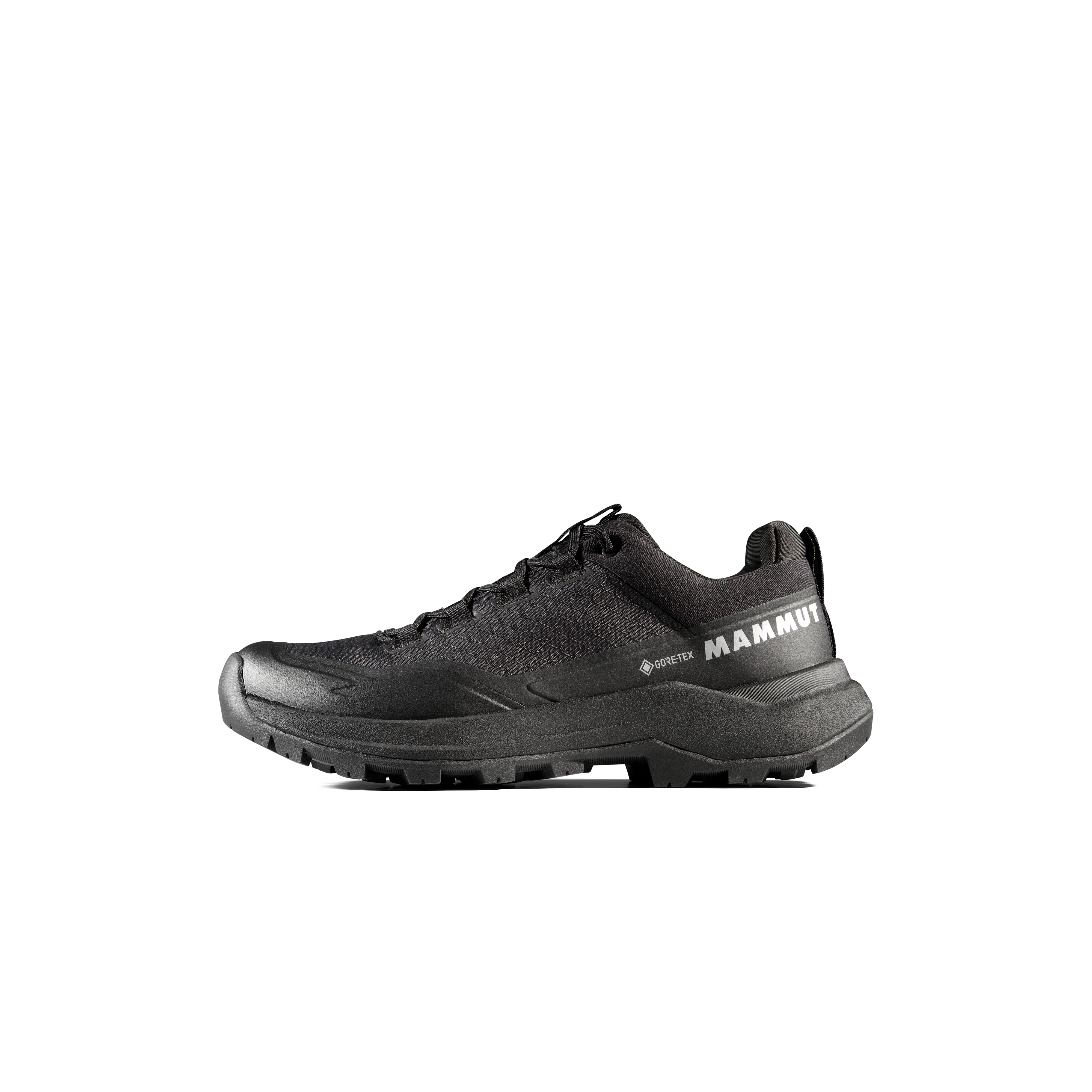
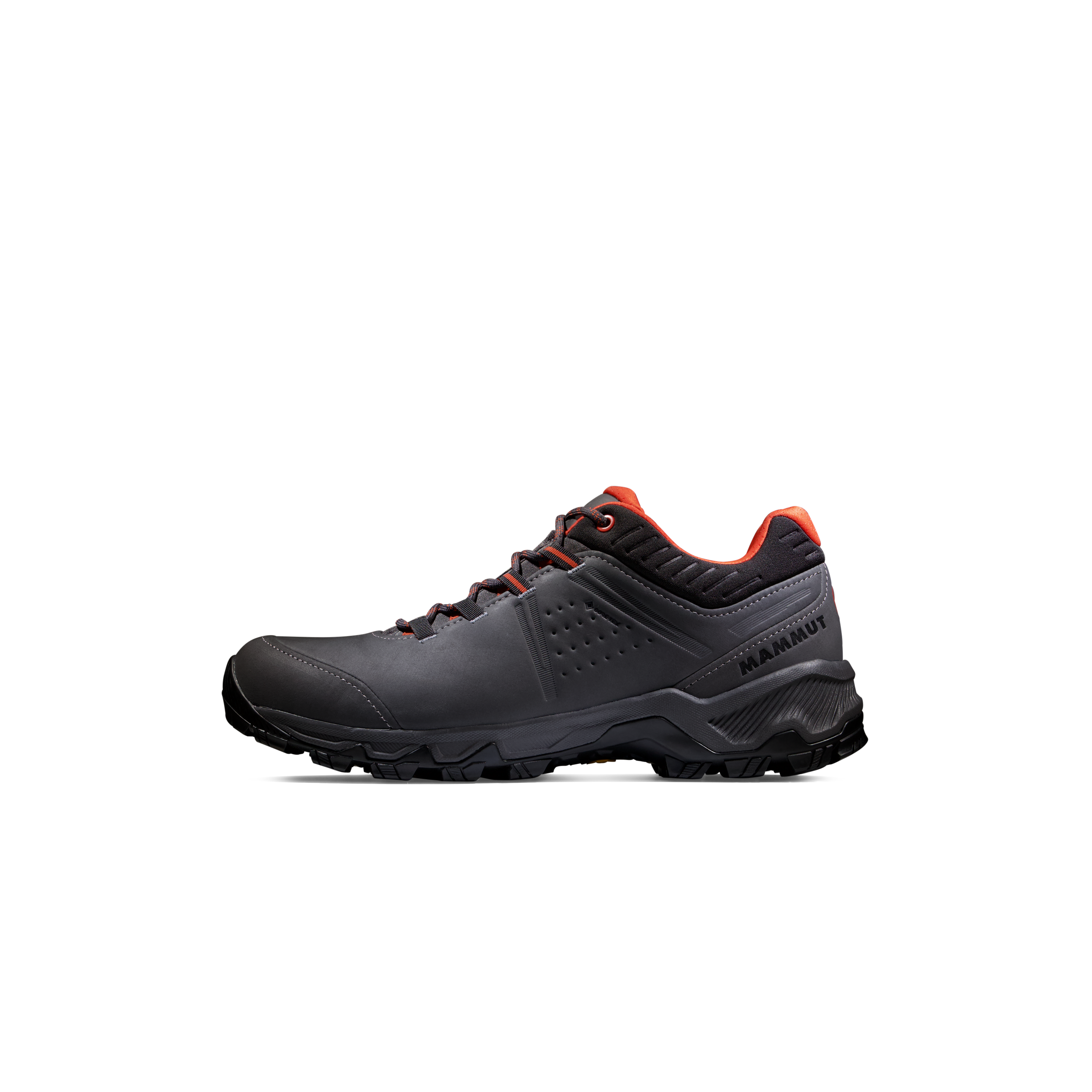
We may earn a commission if you buy through these links, at no extra cost to you. Affiliate disclosure

Toubkal Compresses a Lot of Mountain Into Two or Three Days.
That efficiency is part of the appeal. It is also why first-time 4,000-metre hikers should resist turning the mountain into a race.
Toubkal Has One Dominant Normal Route. Kilimanjaro Makes Route Choice Part of Acclimatization.
Both require organized support, but the systems serve very different mountains.
Imlil Normal Route
- Imlil · ~1,740 m
- Aroumd
- Sidi Chamharouch
- Toubkal refuges · ~3,207 m
- Tizi n’Toubkal / south-cirque ascent
- Summit · 4,167 m
The standard summer route is a hiking objective over trail, rock and scree. Licensed local guiding is mandatory and checked along the approach.
Seven Major Trekking Choices
- Lemosho
- Machame
- Rongai
- Marangu
- Northern Circuit
- Umbwe
- Shira
The route decision changes number of days, approach, camp pattern, crowd level and—most importantly— acclimatization opportunity.
Route Length Is the First Booking Decision.
Do not choose the shortest itinerary simply because the terrain is non-technical. On Kilimanjaro, extra days are primarily an acclimatization investment.

Kilimanjaro’s Glaciers Do Not Make the Normal Routes Technical.
Standard trekking routes do not require glacier travel. The summit challenge remains altitude, cold and sustained movement— which is precisely why it works so well as the next step after Toubkal.
Toubkal Is a Big Day Inside a Short Trip. Kilimanjaro Is a Big Day After Nearly a Week of Climbing.
Fatigue arrives in different ways.
2–3 Days
A classic two-day schedule:
- Day 1: Imlil → refuge
- Day 2: refuge → summit → refuge → Imlil
That second day can run roughly 9–12 hours depending on pace, conditions and how far you descend.
A third day gives first-time altitude hikers more recovery and a less compressed experience.
6–9 Days
Kilimanjaro’s summit night arrives only after multiple days of progressively higher camps.
- Repeated hiking days
- Changing ecosystems
- Reduced sleep quality
- Increasing altitude
- Cold pre-dawn summit push
- Long descent after Uhuru Peak
Fitness matters, but recovery becomes just as important.
Kilimanjaro tests whether you can preserve enough energy to produce that summit day after several days of ascent.
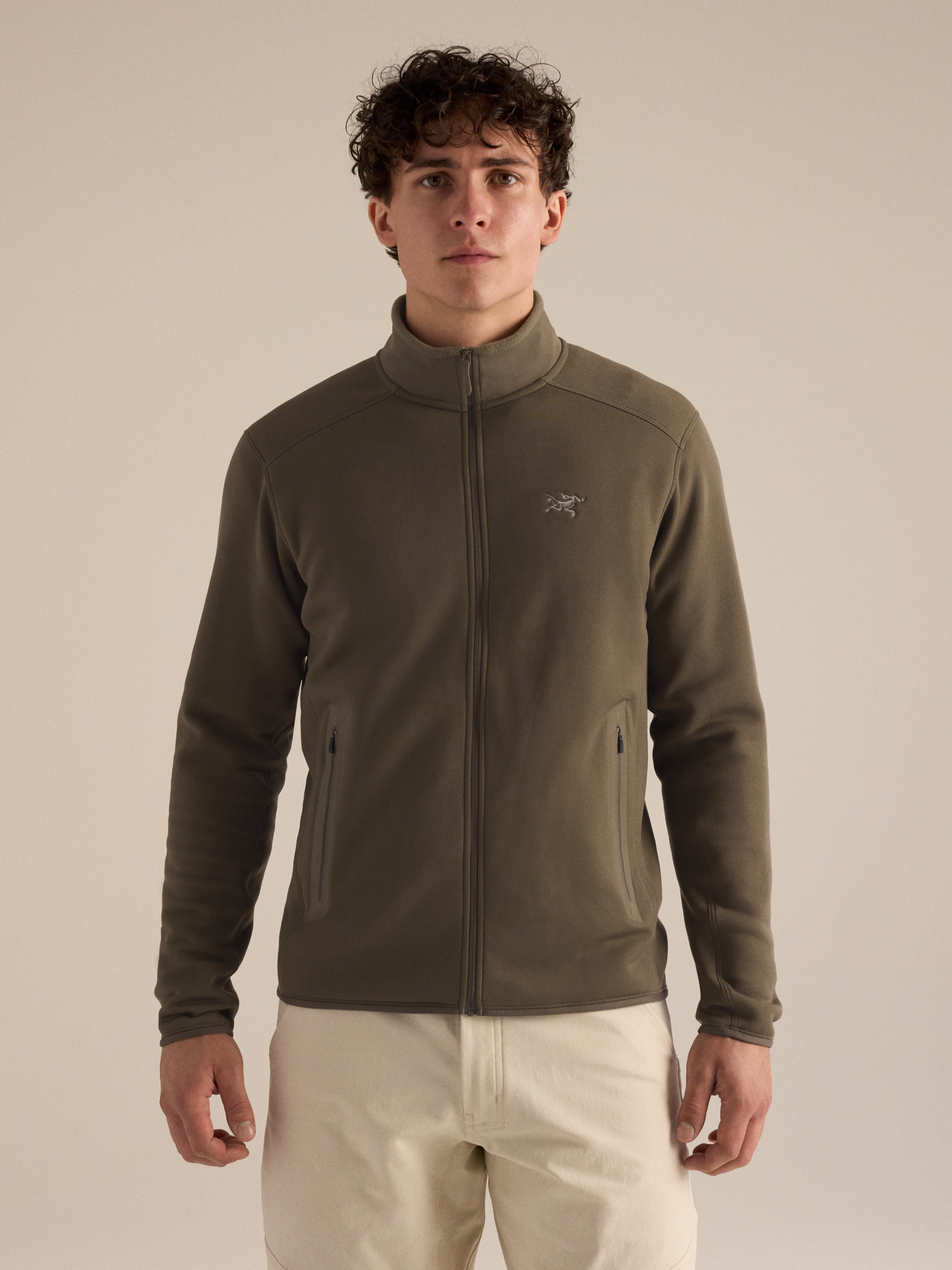
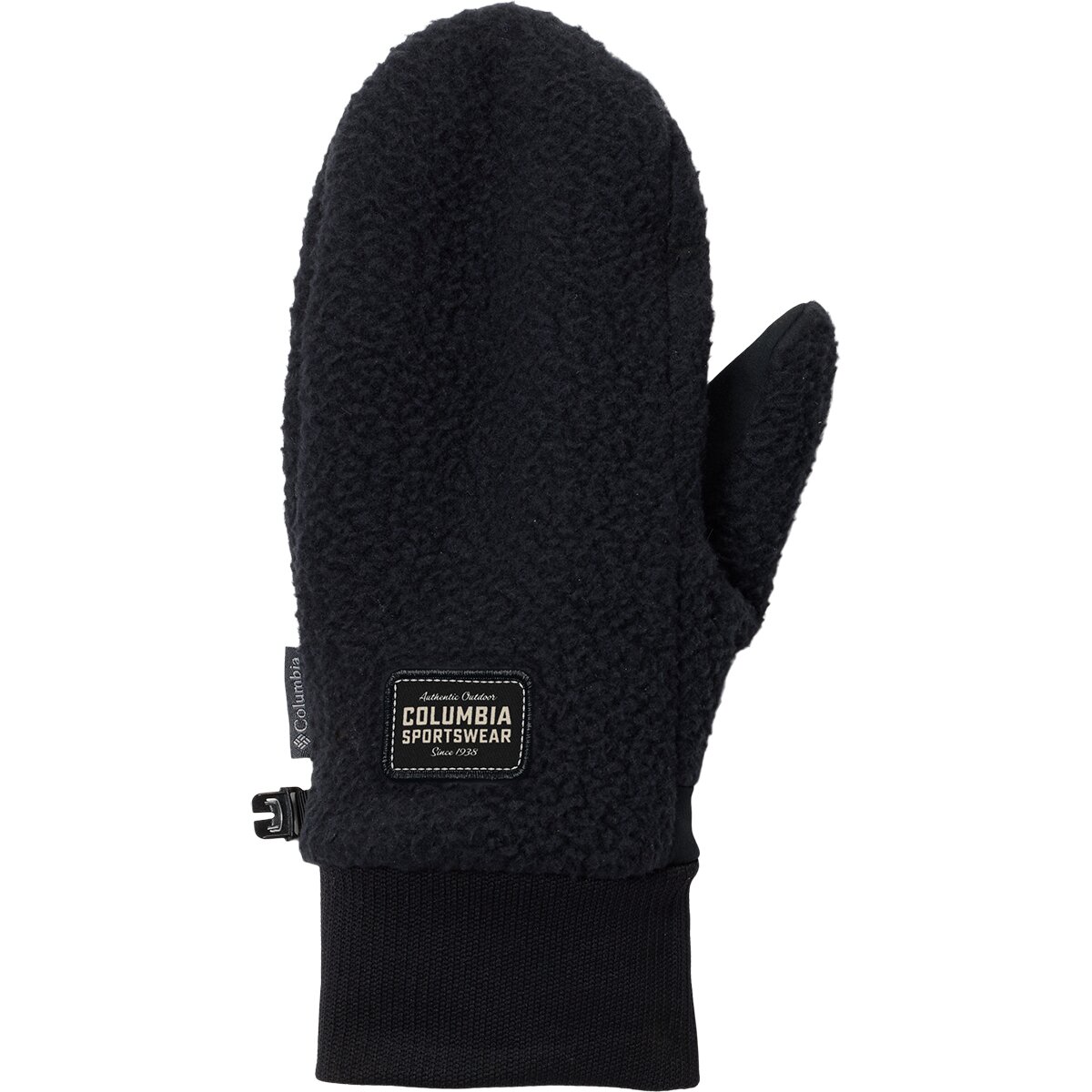
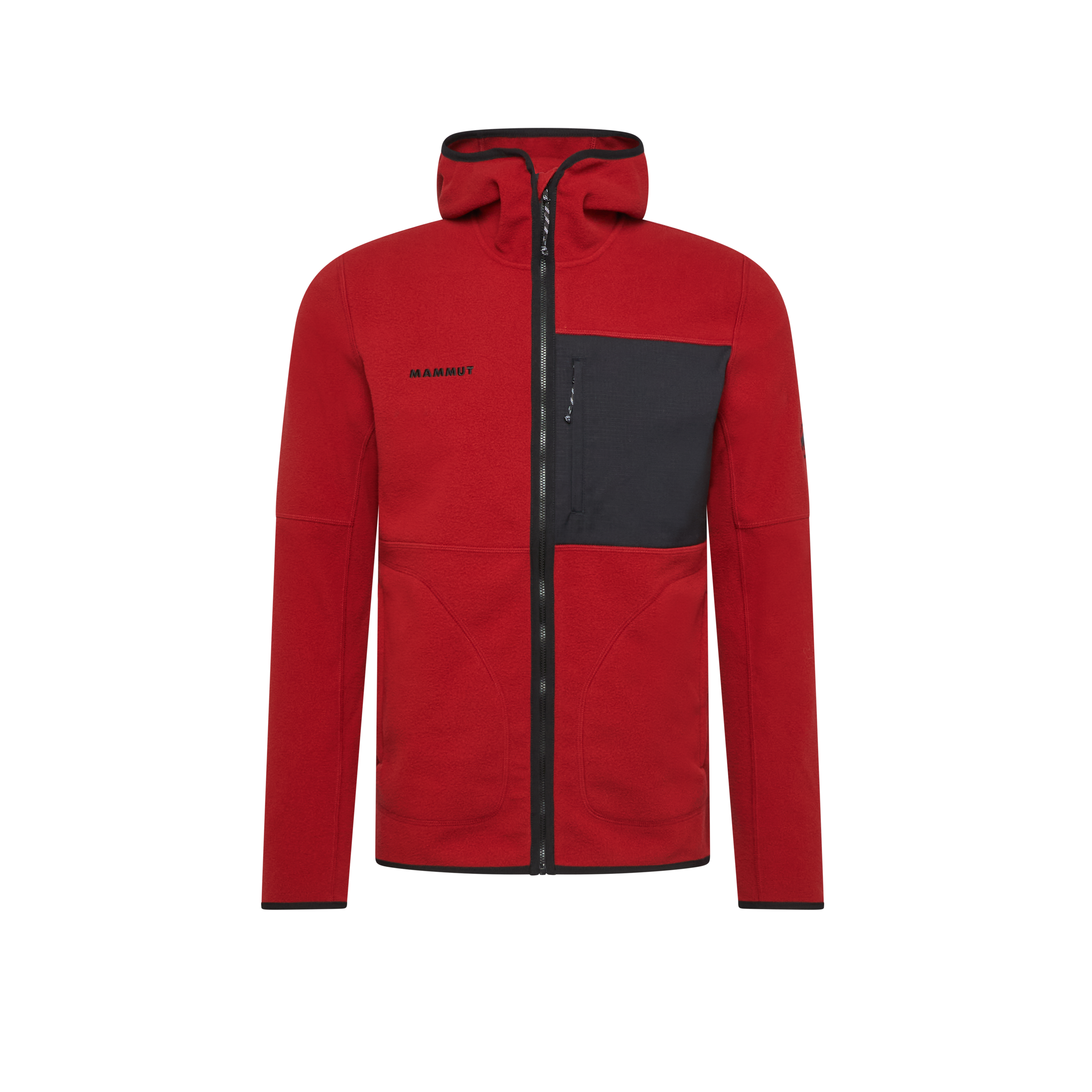
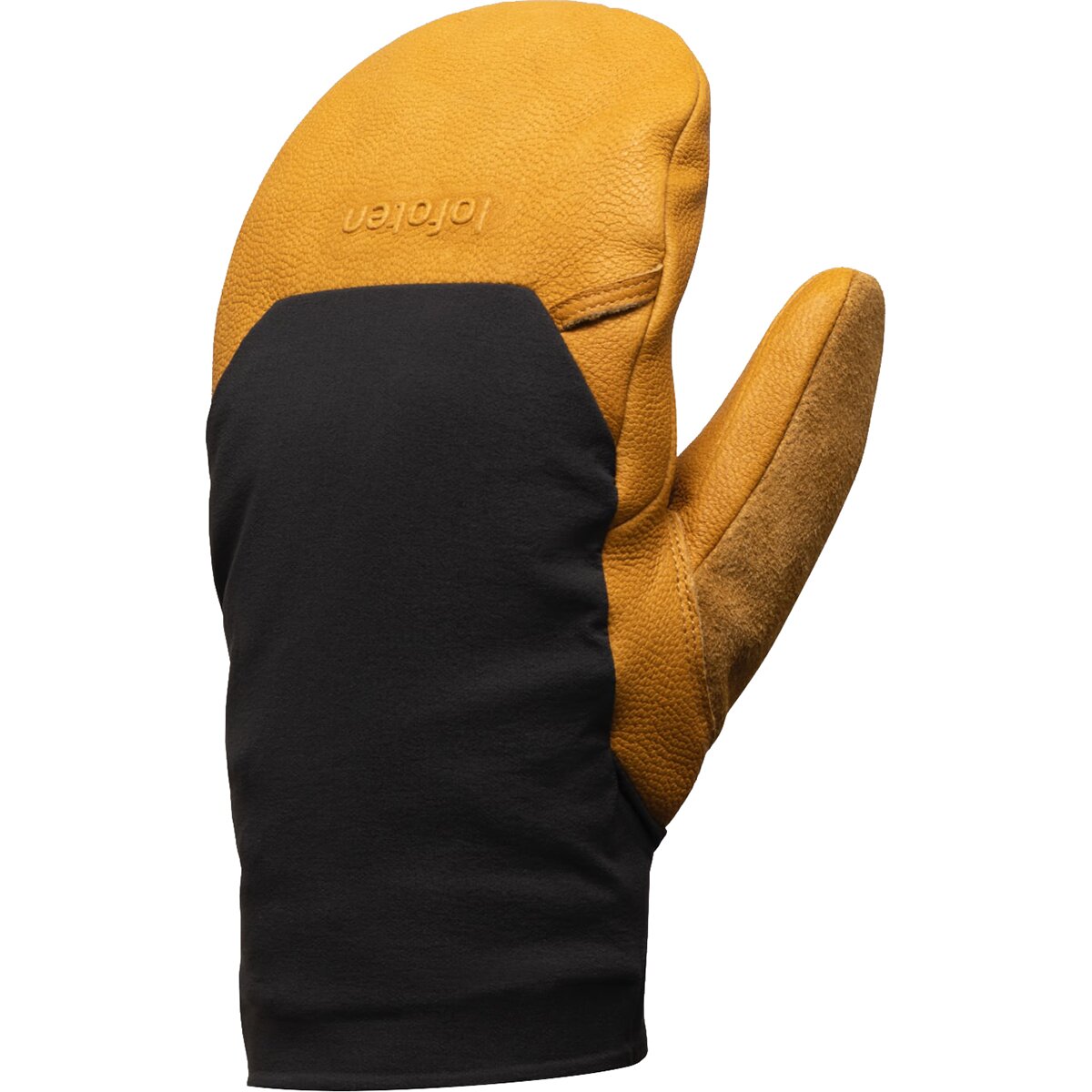
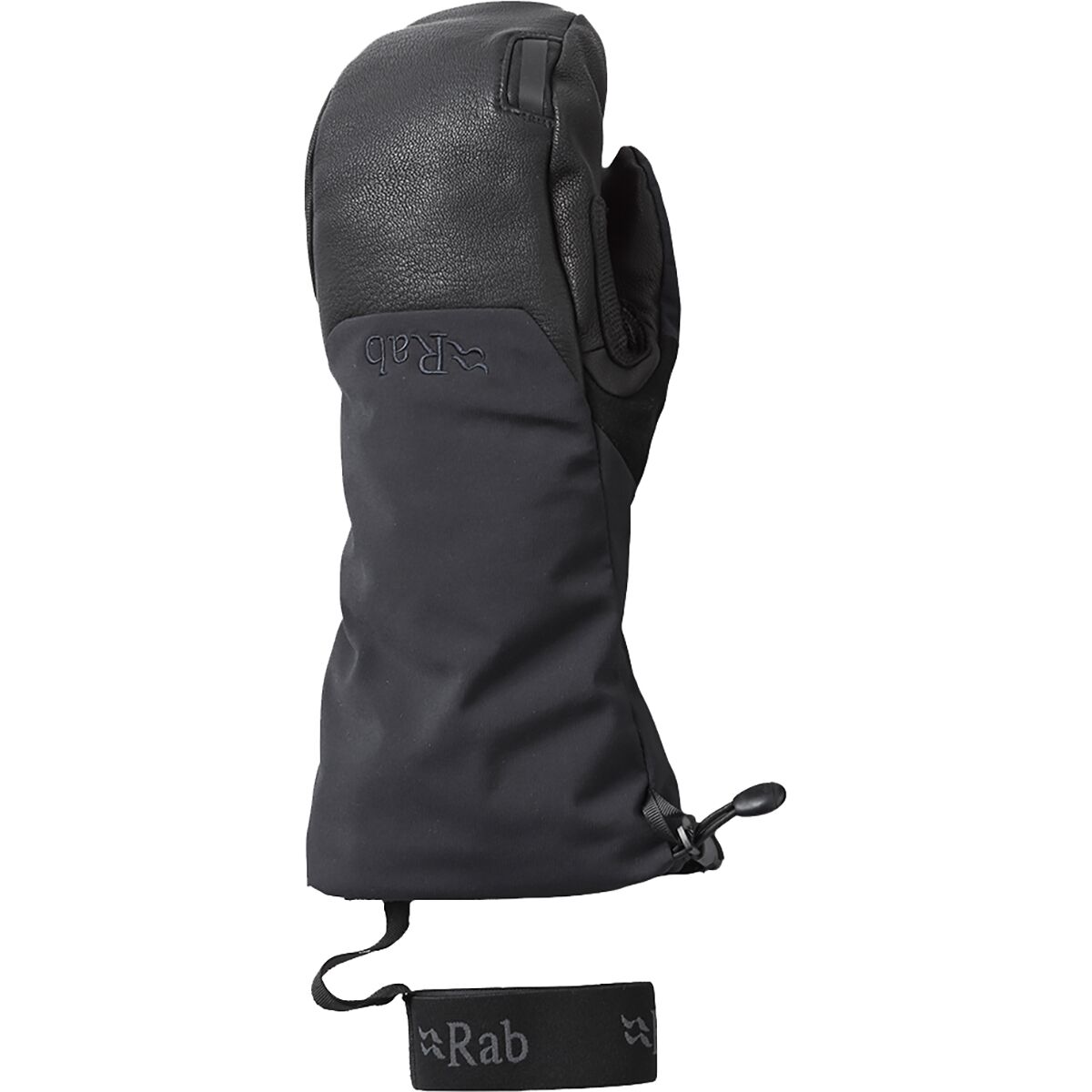
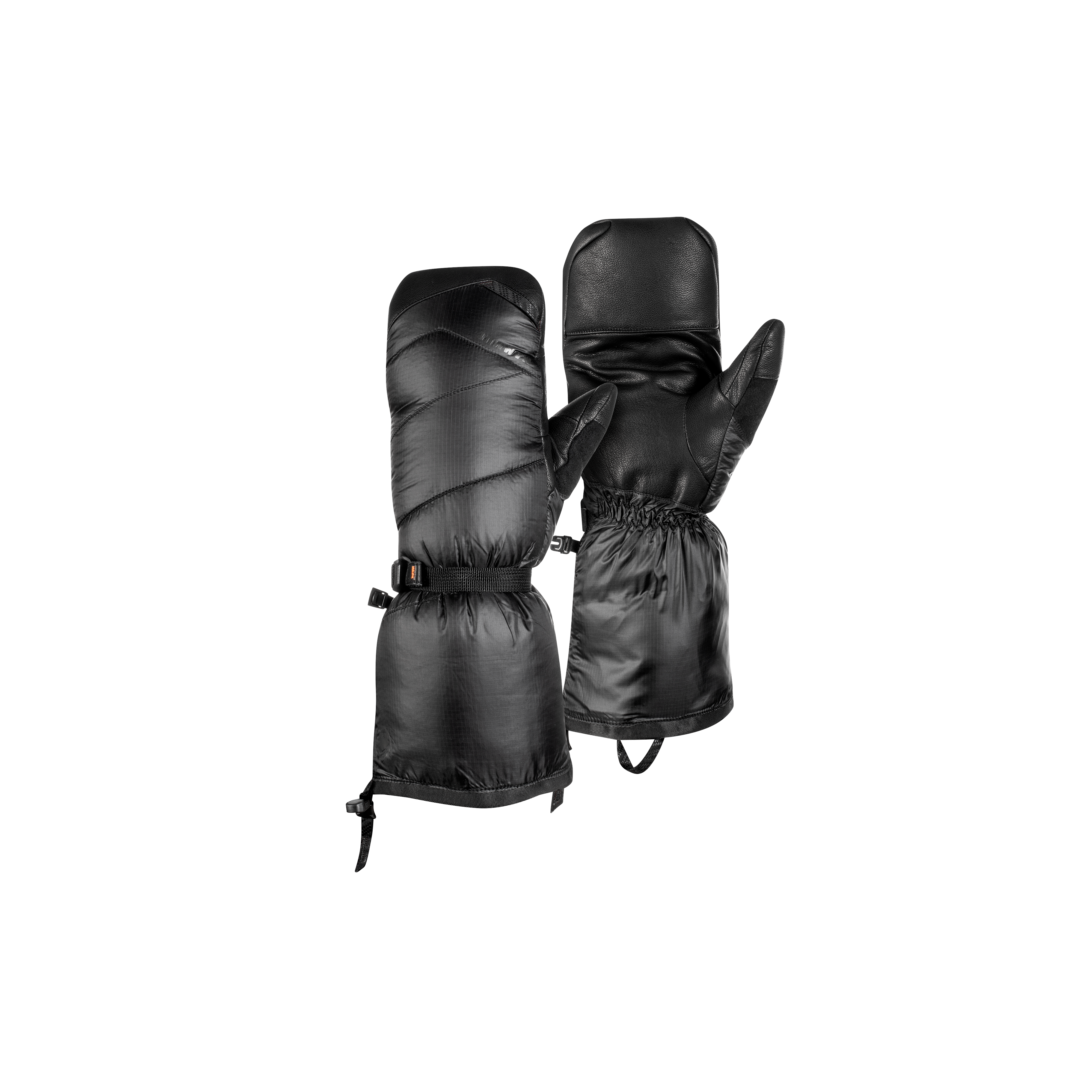
Cold Summit Layers
Marrakech, Imlil, Moshi and lower Kilimanjaro can all feel warm. Neither summit should be packed according to valley weather. Wind, darkness and altitude can make the upper mountain dramatically colder.
Cold Summit Layers

Toubkal Gives New Climbers a Real Summit Without Requiring a Week of Vacation.
That makes it unusually useful as an early checkpoint: meaningful enough to teach something, cheap and short enough that it does not need to become a once-a-year expedition.
Toubkal Changes Technical Category in Winter. Kilimanjaro Mostly Changes Weather Character.
This is one of the most important differences on the page.
May–October for Trekking
- Jun–Sep: driest / busiest trekking period.
- May & Oct: excellent shoulder months.
- Apr & Nov: transition and possible snow.
- Dec–Mar: winter mountaineering conditions.
Once snow and ice establish on the upper mountain, crampons, ice axe and winter judgment can become part of the route.
January–February & June–October
Kilimanjaro can be climbed year-round, but the main drier periods are usually preferred.
- January–February
- June–October
- Rainier shoulder periods between
- Cold and wind possible in every month
Standard summit routes remain primarily trekking objectives rather than converting into a routine crampon-and-axe climb.
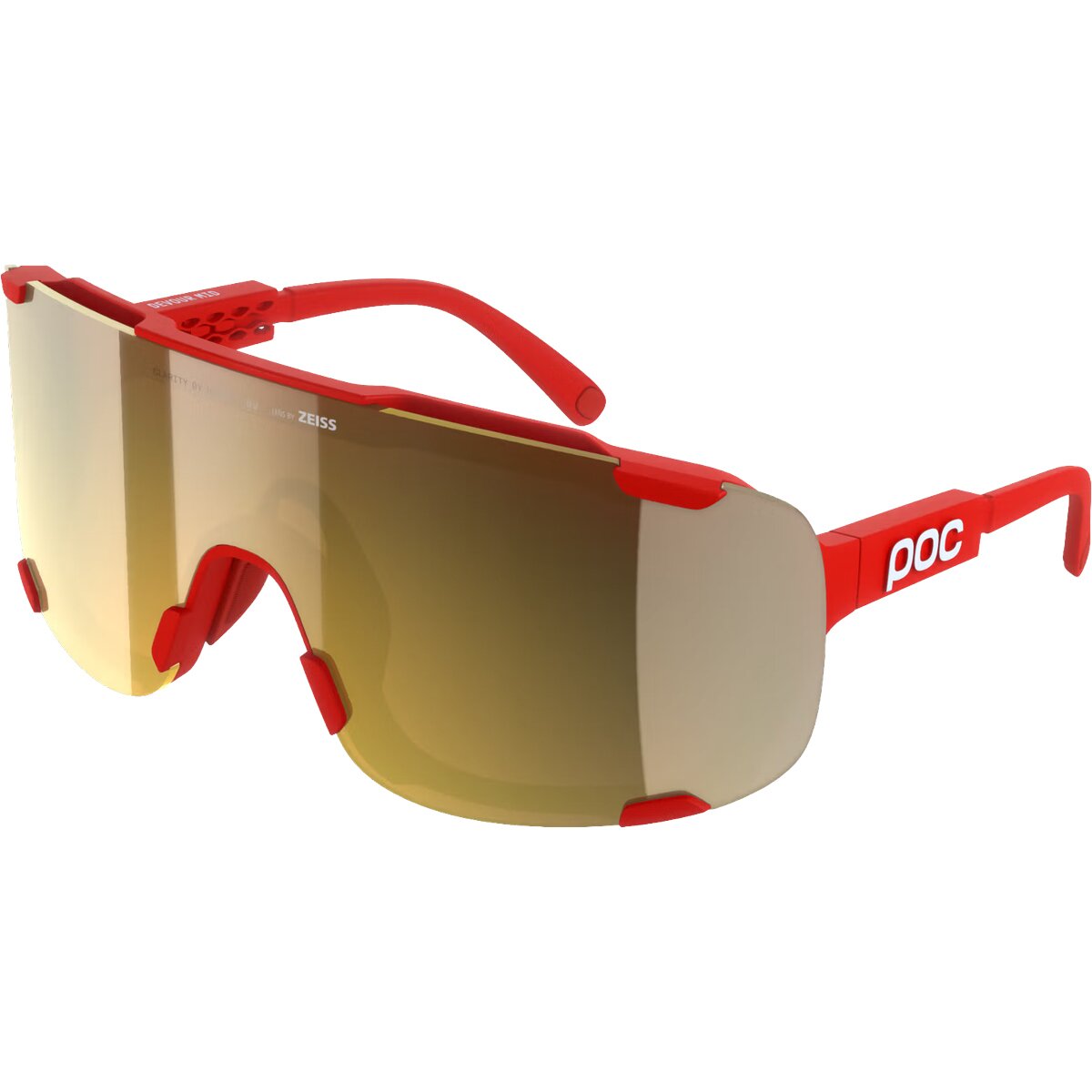
High-Altitude Sunglasses
Both mountains spend substantial time above vegetation in strong UV exposure. Kilimanjaro adds several days of exposure, while snowy Toubkal can add reflected light.
High-Altitude Sunglasses

Kilimanjaro Is Where a Beginner Altitude Plan Stops Being a Weekend Experiment.
The technical terrain remains approachable. The summit altitude does not. That is why route length, pacing and willingness to descend matter more than speed.
Toubkal Is One of the Cheapest Serious International Summits. Kilimanjaro Is a Major Travel Purchase.
The gap in cost is far larger than the gap in technical difficulty.
Roughly $200–$500 for the Standard Guided Climb
Current GSG research puts many 2–3 day guided Toubkal programs around:
- Group: roughly $200–$350
- Solo: roughly $350–$500
- Premium: roughly $400–$700
Packages commonly bundle guide, mule support, refuge accommodation and meals.
A complete international trip may still land around $800–$2,500 depending on flights, trip length and hotel standard.
Roughly $1,500–$7,500 for the Climb Package
Kilimanjaro’s support structure carries a very different cost:
- Park conservation fees
- Camping / hut fees
- Guides
- Porters
- Cook and mountain staff
- Transport to gates
- Multi-day food and camp equipment
GSG’s current total-trip scenarios from North America generally begin around $3,500 and can exceed $10,000.
Should You Climb Toubkal Before Kilimanjaro?
For most new high-altitude hikers: yes.
Build Ordinary Hiking Fitness
Start with sustained uphill hiking, long descents, repeated weekend days and enough leg durability that basic distance is no longer the experiment.
Use Toubkal as the First 4,000-Metre Checkpoint
A three-day version is stronger for many first-time altitude hikers than compressing everything into two days.
Record What Altitude Actually Did
Pay attention to sleep, appetite, headache, hydration, recovery, pace and how well you descended after the summit.
Build Multi-Day Durability
Kilimanjaro is not simply a higher Toubkal summit day. Practice hiking on consecutive days without losing pace, appetite or foot health.
Choose a Kilimanjaro Route for Acclimatization
For most first-timers, favor a seven- or eight-day itinerary over a compressed “fastest possible” option.
Let Kilimanjaro Become the Near-6,000-Metre Test
Now the technical movement is still familiar hiking, but the body must perform almost 1.7 vertical kilometres higher than it did on Toubkal.
See Where Toubkal and Kilimanjaro Fit in the Bigger Progression.
Toubkal offers a lower-cost international checkpoint. Kilimanjaro then completes the African Seven Summit while adding a much bigger altitude test.
Toubkal’s Risk Is Compressed. Kilimanjaro’s Risk Accumulates.
Neither route should be dismissed because it is called a trek.
Fast Ascent + Long Descent
- Rapid altitude gain
- Cold / wind
- Loose scree
- Long summit day
- Dehydration
- Early / late-season snow
- Winter avalanche hazard
Altitude + Cumulative Fatigue
- Acute mountain sickness
- HACE / HAPE
- Dehydration
- Cold summit night
- Reduced appetite
- Poor sleep
- Long final descent
Check Rescue, Evacuation and Altitude Coverage Before the Trip
Read the actual policy wording. Kilimanjaro’s 5,895-metre summit makes altitude ceilings especially important. Toubkal winter climbers should also verify whether snow-and-ice mountaineering changes coverage.
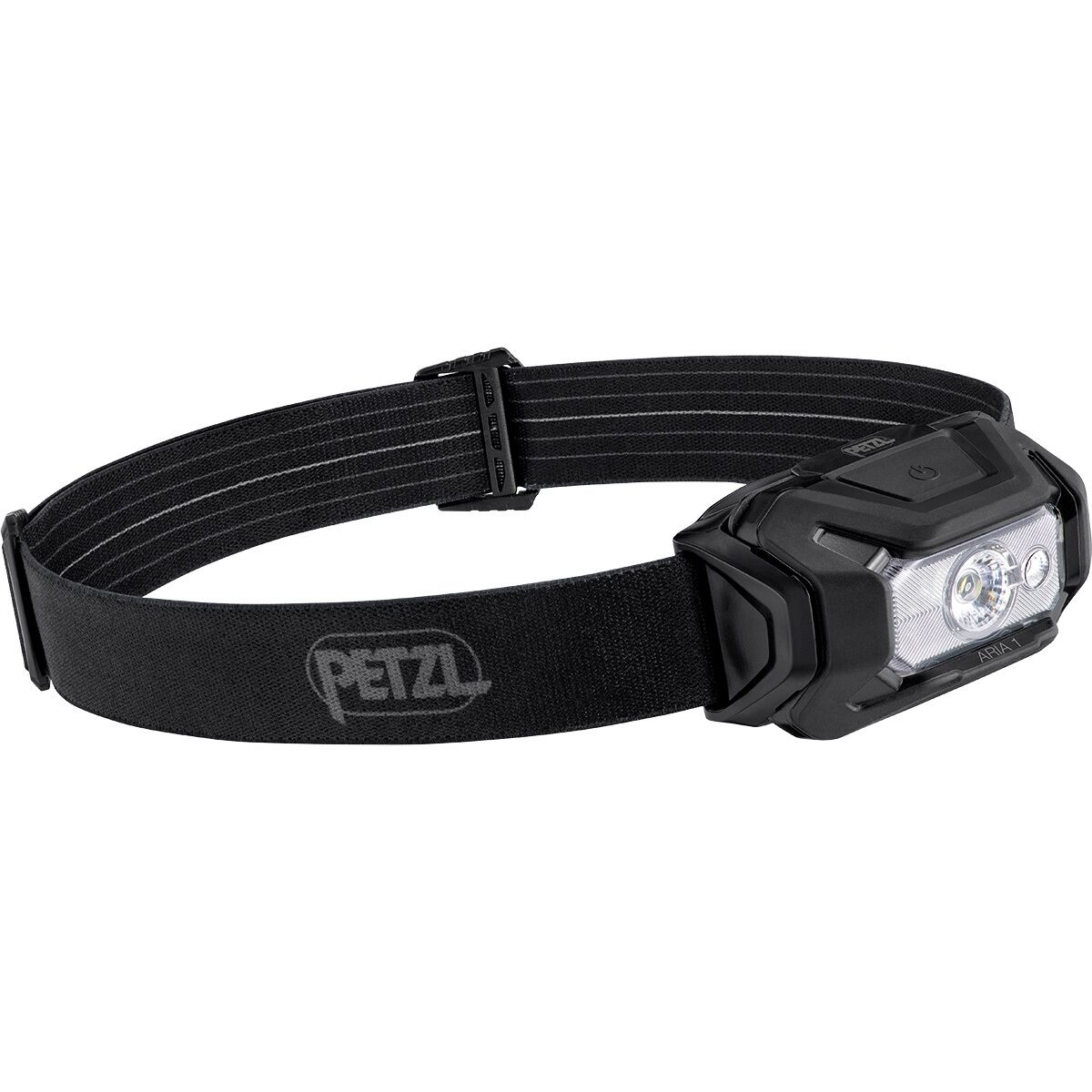
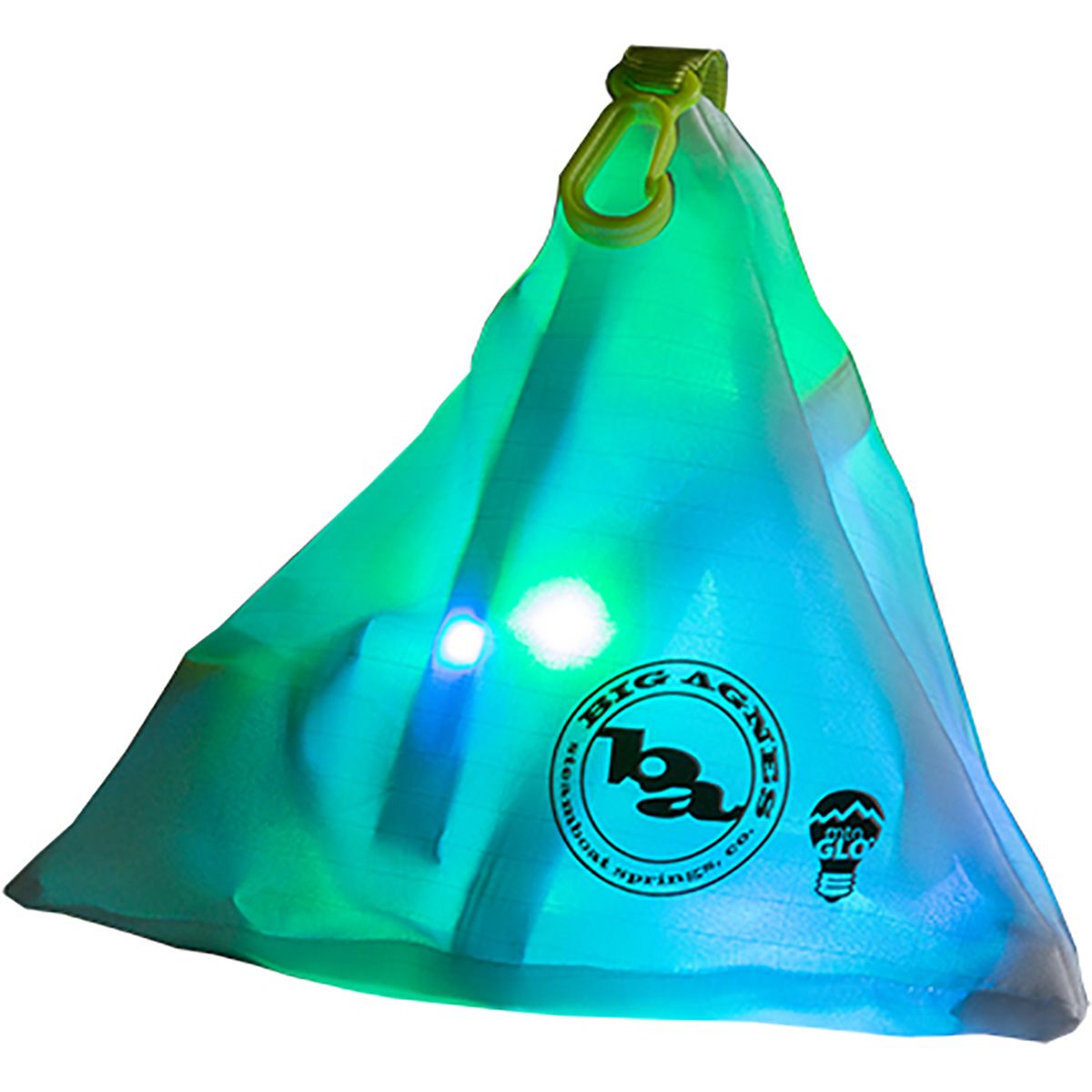
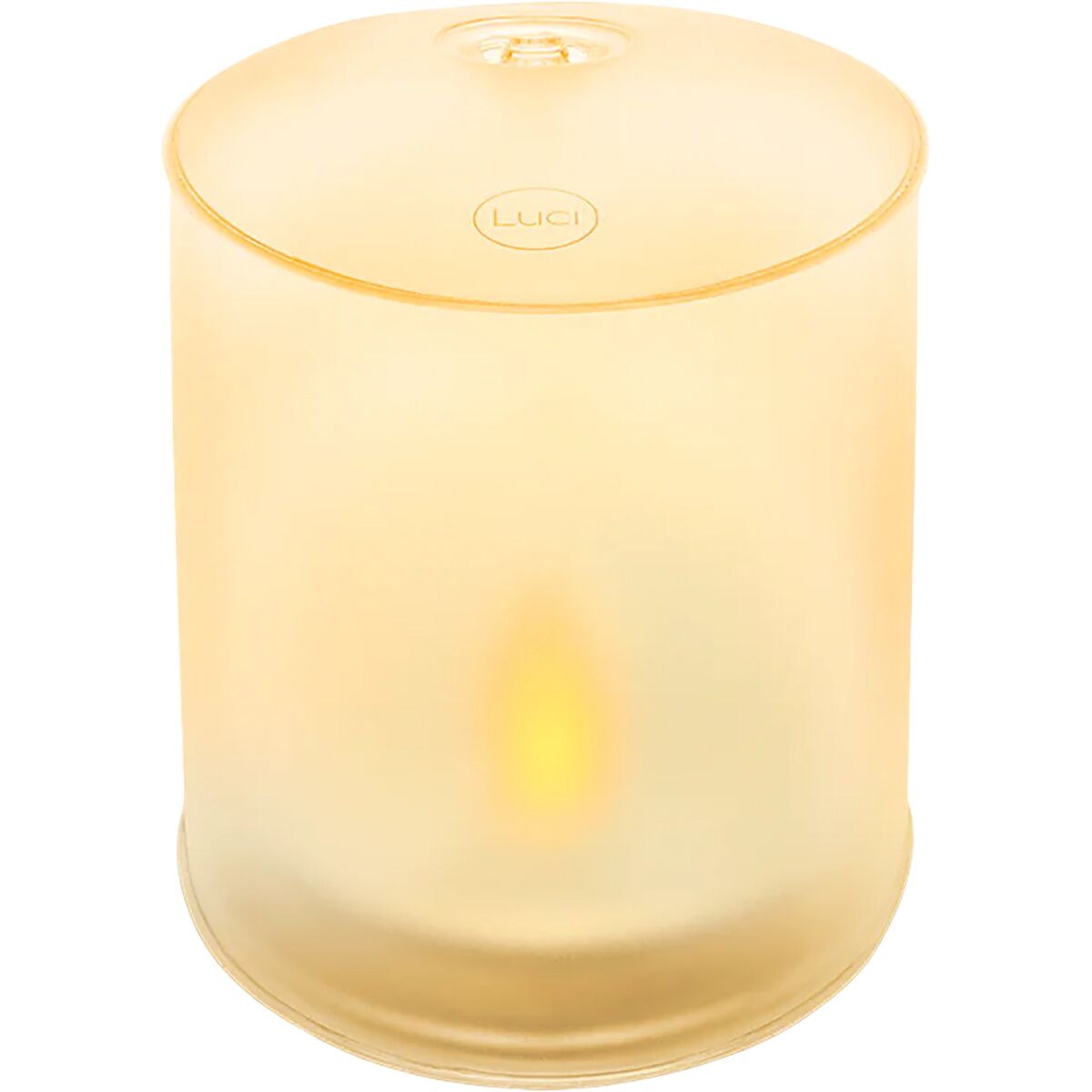
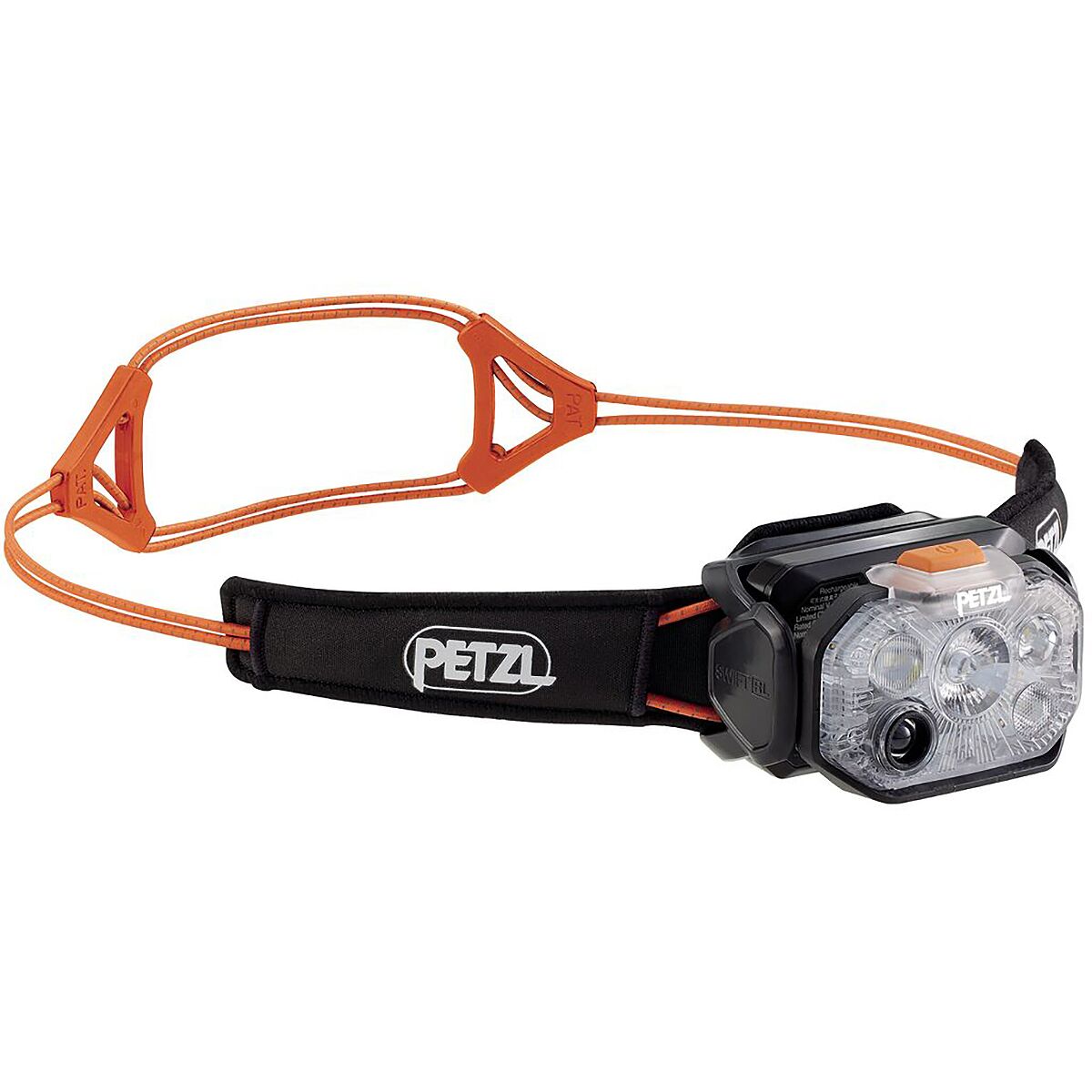
Headlamps for Summit Morning
Both mountains commonly put important movement into darkness. A reliable headlamp should already be familiar, charged and tested before summit day.
Headlamps for Pre-Dawn Summit Starts
Choose Toubkal or Kilimanjaro by What You Need to Learn Next
The best mountain is not the one with the bigger number. It is the one that closes the right gap.
You Need the Lower-Barrier First Step
- You have never been above 4,000 m.
- You are a strong hiker but new to international summits.
- You have only 3–5 days available.
- Your budget is limited.
- You like refuge-based trekking.
- You want to combine Marrakesh and the High Atlas.
- You want an inexpensive altitude checkpoint before Kilimanjaro.
You Are Ready for the Bigger Altitude Goal
- You have strong multi-day hiking fitness.
- You can devote roughly a week or more to the mountain.
- You want a meaningful near-6,000 m summit.
- You want one of the Seven Summits.
- You prefer a fully supported mountain crew.
- Your budget supports the larger expedition.
- You want altitude rather than technical climbing to be the main test.
If you already know 4,000–5,000 m altitude: Kilimanjaro may be the more useful objective.
If your goal is the Seven Summits: Kilimanjaro is the required African summit, while Toubkal is optional preparation.
Do Not Keep Collecting Bigger Trekking Peaks by Habit.
Your next mountain should add something new: glacier travel, technical snow, a 6,000-metre summit or longer expedition systems.
The High Atlas vs the Roof of Africa
Both are major African high points, but the travel rhythm, mountain culture and scale are very different.
Approx. 31.061° N, 7.916° W. The standard route begins in Imlil and climbs through Aroumd and Sidi Chamharouch to the Toubkal refuges.
Approx. 3.067° S, 37.356° E. Multiple official routes climb Kibo from different sides of Kilimanjaro National Park.
Still Unsure? Solve the Progression Question Instead.
The real issue may be readiness, route choice or what comes next.
Toubkal vs Kilimanjaro FAQ
Direct answers to the questions that actually change the decision.
Which is higher, Toubkal or Kilimanjaro?
Kilimanjaro is much higher. Jebel Toubkal reaches 4,167 metres / 13,671 feet. Kilimanjaro reaches 5,895 metres / 19,341 feet. Kilimanjaro is therefore approximately 1,728 metres, or 5,669 feet, higher.
Which is harder, Toubkal or Kilimanjaro?
In normal summer conditions, Kilimanjaro is harder overall. Both can be non-technical trekking objectives, but Kilimanjaro is much higher, takes several more days and places greater demands on acclimatization and recovery.
Should I climb Toubkal before Kilimanjaro?
For many first-time altitude hikers, yes. Toubkal provides a comparatively inexpensive first experience above 4,000 metres. Kilimanjaro can then become the larger near-6,000-metre objective.
Do I need Toubkal before Kilimanjaro?
No. Toubkal is useful preparation, not a mandatory prerequisite. Fit hikers with suitable training and a well-paced Kilimanjaro itinerary can climb Kilimanjaro without first summiting Toubkal.
Is Toubkal technical?
In normal summer conditions, the standard Toubkal route is a non-technical trek over trails, rock and scree. Winter is different: snow and ice can require crampons, ice axe and winter-mountaineering skills.
Is Kilimanjaro technical?
Standard Kilimanjaro routes are non-technical trekking routes. Climbers normally do not need ropes, crampons, ice axe or glacier-travel skills. Altitude is the primary challenge.
Do you need a guide for Toubkal?
Yes. The standard Imlil–Toubkal route requires a licensed local guide, and credentials are checked at points along the approach.
Can you climb Kilimanjaro independently?
No. TANAPA requires Kilimanjaro climbs to operate through licensed tour operators. Solo independent trekking to the summit is not the standard legal access model.
How long does Toubkal take?
The normal route is commonly completed in two or three days from Imlil. A three-day version is the stronger default for many first-time 4,000-metre hikers because it reduces schedule compression.
How long does Kilimanjaro take?
TANAPA describes summit climbs as generally taking about five to eight days depending on route. Many modern commercial itineraries extend to seven, eight or nine days to improve acclimatization.
How much does Toubkal cost?
Current GSG research places many guided 2–3 day Toubkal climbs around $200–$500 per person, depending on group size, guide model and inclusions. Premium arrangements can cost more.
How much does Kilimanjaro cost?
Current 2026 climb packages span roughly $1,500–$7,500. Complete international trips commonly cost several thousand dollars more once flights, hotels, tips, equipment, insurance and other travel expenses are included.
Which is better for beginners?
Toubkal is the easier first international summit for many fit hikers because it is lower, shorter and cheaper. Kilimanjaro is a strong first major high-altitude objective once multi-day trekking fitness and schedule are in place.
Which is better preparation for bigger mountains?
They teach different levels of the same basic progression. Toubkal introduces 4,000-metre altitude, refuge travel and long summit days. Kilimanjaro adds several days of recovery, a much higher summit and a more serious acclimatization problem.
Is Toubkal good preparation for Kilimanjaro?
Yes, particularly for climbers who have never been above 4,000 metres. It provides useful information about altitude response and summit-day endurance. It does not reproduce Kilimanjaro’s 5,895-metre altitude or week-long structure.
Is Kilimanjaro good preparation for technical mountaineering?
Kilimanjaro provides excellent altitude, pacing and multi-day trekking experience, but standard routes do not teach glacier travel, crampons, ice axe or rope systems. A later mountain should add those skills if technical mountaineering is the goal.
Research-Based Toubkal Comparison, With First-Hand Kilimanjaro Context in the GSG Cluster
Global Summit Guide separates firsthand experience from researched mountain coverage.
Research-Based
Current Toubkal coverage is built from the Imlil guiding framework, route references, current operator information and 2026 trip research.
First-Hand Team Context
The GSG Kilimanjaro cluster includes first-hand Lemosho summit context alongside current TANAPA, route and operator research.
Fast-Changing Inputs
- Toubkal snow conditions
- Guide / refuge availability
- Kilimanjaro fees
- Operator terms
- Weather
- Transport
- Insurance wording
Your Next Page Depends on Which Step You Chose
Move directly from comparison into route, budget or progression planning.
Toubkal Is the Better First Experiment. Kilimanjaro Is the Bigger Altitude Goal.
Choose Toubkal if you are a fit hiker who wants a first international summit, a first 4,000-metre altitude test and a mountain that can fit inside a short Morocco trip.
Choose Kilimanjaro when you are ready for a week-scale objective where the terrain remains non-technical but acclimatization, sleep, appetite, pacing and recovery determine how the trip unfolds.
For most developing climbers, the clean progression is: strong hiking → Toubkal → multi-day training → Kilimanjaro.
Toubkal teaches what 4,000 metres feels like. Kilimanjaro asks whether your systems still work nearly 1,700 metres higher.
Plan Toubkal Plan Kilimanjaro Compare More MountainsWas this helpful?
🏔Related peaks nearby
🧭Explore & compare
Global Summit Guide is an independent mountaineering resource founded in 2026. The team combines first-hand trekking and climbing experience with in-depth research and professional health and nutrition review to help climbers choose objectives, prepare properly, and stay safe.
Health, altitude, and nutrition content is reviewed by Taylor Ludlow (Registered Nurse) and Brigg Hoopes (Nutritionist).
What We Don't Know Yet
Mountain information changes quickly. This box explains the limits of what this page can responsibly promise.
- Comparisons simplify complex decisions; the better mountain depends on current conditions, skills, timing, budget, and risk tolerance.
- Visa, passport, vaccination, border, insurance, and local transportation rules may change before your trip.
- Route conditions, snowpack, closures, and weather can change quickly after this page is updated.
- Permit rules, fees, quotas, and reservation windows may change between review cycles.
- Operator availability, pricing, guide ratios, and cancellation terms can change by season.
Verify current conditions with official land managers, guide services, local forecasts, and current route reports before booking or climbing.
Mountaineering, rock and ice climbing, glacier travel, and high-altitude activity are inherently dangerous and can result in serious injury or death. The information on Global Summit Guide is provided for general informational and educational purposes only and is not a substitute for professional instruction, qualified guiding, proper equipment, or your own judgment and experience.
Route conditions, weather, snowpack, permits, regulations, and hazards change constantly and may differ from what is described here. Details may be incomplete, out of date, or contain errors. Always verify current information with local authorities, certified guides, and official sources before making any decision in the mountains.
Nothing on this site is medical, legal, or financial advice. Our fitness, acclimatization, altitude, and nutrition content is general in nature; consult a qualified physician before beginning any strenuous exercise program or exposing yourself to high altitude.
You are solely responsible for your own safety and decisions. To the fullest extent permitted by law, Global Summit Guide and its team accept no liability for any loss, injury, damage, or expense arising from use of, or reliance on, this information. By using this site you acknowledge these risks and accept these terms.
Some links on this site may be affiliate links. If you buy through them we may earn a small commission at no extra cost to you; this never affects our recommendations.
Global Summit Guide recommendation path
Next Best Mountain to Research
Use these recommendations to continue the right planning path instead of stopping on one page.
Use current permit, weather, route, and operator information before booking or climbing.