Global Summit Guide logo featuring mountain imagery, symbolizing hiking and mountaineering resources for trip planning and safety.

Tag: alaska range

  • The Greatest Mountains in the USA Ranked: 20 American Peaks Climbers Should Know

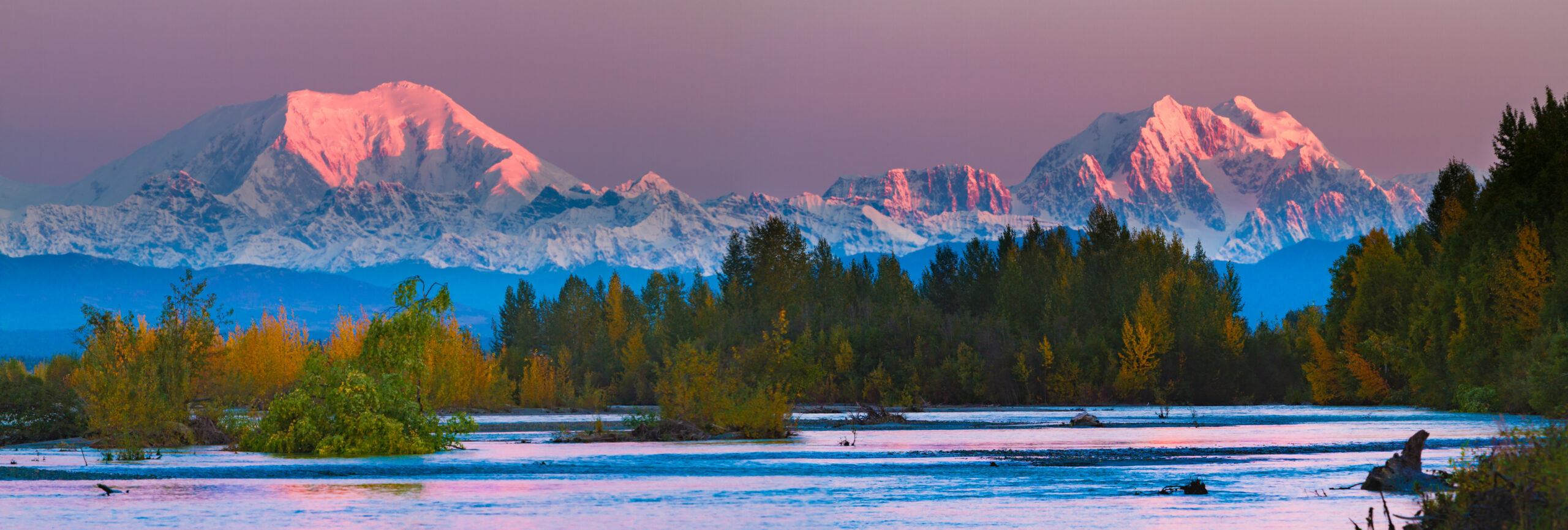
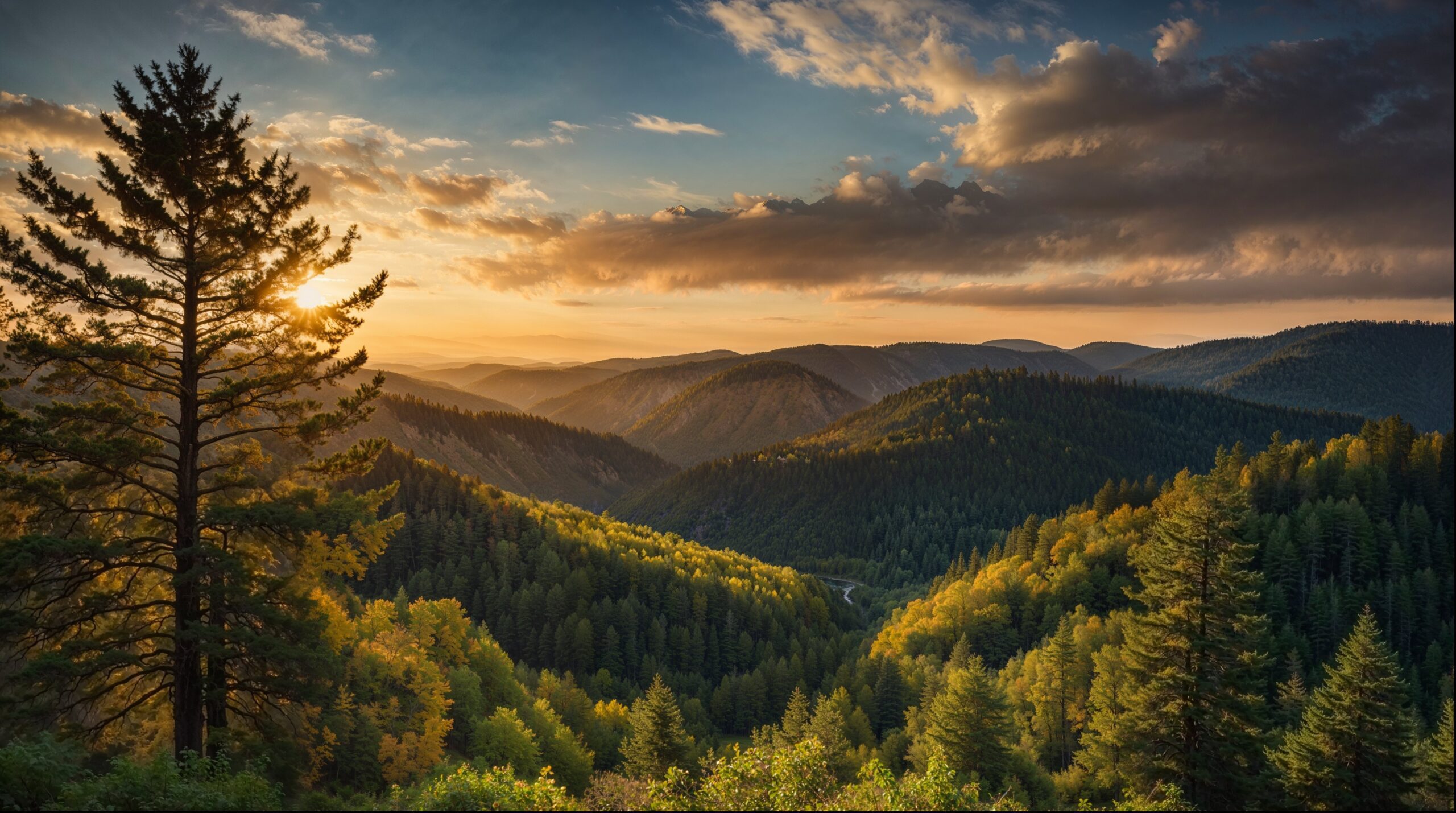
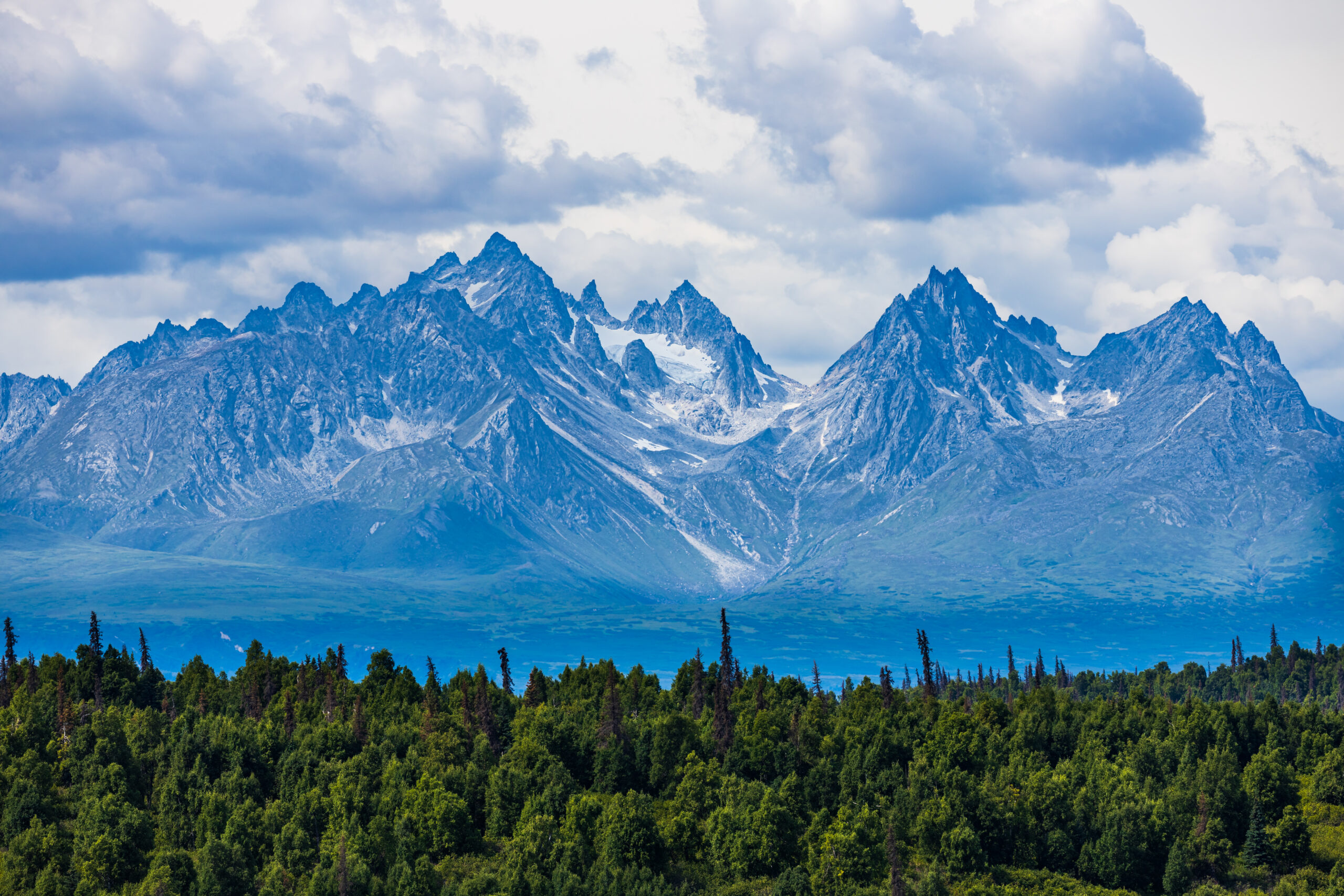
    Mountain range landscape at sunset, showcasing American peaks and US mountaineering.
    🇺🇸 USA · Climber’s Ranking · Denali to Rainier to Whitney · 2026 Guide

    The Greatest Mountains in the USA Ranked: 20 American Peaks Climbers Should Know

    The United States is one of the few countries where a climber can progress from first summit hikes to glacier travel, alpine rock, expedition camping, severe weather, and Alaska Range mountaineering without leaving the country. This ranking explains the peaks that matter most — not only the tallest, but the mountains that shape American climbing.

    ◆ How to use this guide

    Use the ranking to choose your next American mountain by goal. If you want your first big hiking summit, start with Whitney, Elbert, or a moderate Colorado 14er. If you want glacier skills, build through Hood, Baker, Shasta, and Rainier. If you want expedition climbing, the path eventually points toward Denali and the Alaska Range.

    ⚡ The Quick Answer

    The greatest mountain in the USA for climbers is Denali because it combines the highest elevation in North America, major glacier expedition logistics, high-latitude cold, severe weather, and a true multi-week commitment.

    The best training mountain is Mount Rainier. It is the standard American glacier classroom before Denali, Aconcagua, and bigger international expeditions. The best first high summit is Mount Whitney for fit hikers who want the highest point in the lower 48 without technical climbing.

    20,310 ft
    Denali · USA high point
    14,505 ft
    Whitney · lower 48 high point
    96
    US 14ers
    6+
    Major mountain systems

    How the Ranking Works

    “Greatest” is not the same thing as tallest. If the list were only elevation, Alaska would dominate almost every position. If it were only popularity, drive-up and tourist peaks would crowd out serious climbing objectives. This ranking weighs the mountains that define American climbing culture and teach transferable mountain skills.

    Ranking factorWhy it mattersPeaks that score high
    Climbing significanceDoes the mountain shape American mountaineering?Denali, Rainier, Grand Teton, El Capitan
    Height & prominenceDoes it dominate its region?Denali, Whitney, Rainier, Saint Elias
    Skill developmentDoes it teach useful climbing skills?Rainier, Hood, Baker, Shasta, Grand Teton
    Objective hazardDoes it demand real judgment?Denali, Rainier, Washington, Saint Elias
    Cultural recognitionIs the mountain iconic beyond climbers?Rainier, Whitney, Grand Teton, Half Dome, Pikes Peak
    Progression valueDoes it prepare climbers for bigger objectives?Hood, Baker, Shasta, Rainier, Denali
    The ranking in one sentenceDenali is the crown. Rainier is the classroom. Whitney is the gateway. Grand Teton is the alpine-rock icon. Hood, Longs, Washington, Shasta, Saint Elias, and Foraker complete the range from accessible mountaineering to elite expedition climbing.

    The Top 10 Greatest USA Mountains Ranked

    #1 · The crown

    Denali — Alaska

    Elevation
    20,310 ft
    Range
    Alaska Range
    Style
    Expedition glacier
    Season
    May–early July

    Denali is the highest peak in the United States, the highest peak in North America, and the most important American expedition mountain. It is not merely taller than the rest of the country — it is colder, more remote, more self-sufficient, and more physically demanding than the standard objectives below it.

    The standard West Buttress route is not highly technical by elite Alaska standards, but it demands glacier travel, sled hauling, heavy packs, snow camping, crevasse awareness, fixed-line movement, and disciplined weather patience over a three-week itinerary. For American climbers, Denali is the great divider between weekend mountaineering and expedition mountaineering.

    Best for: experienced glacier climbers ready for a major expedition. Start with the Denali climbing guide, then compare Rainier vs Denali and the Denali progression plan.

    #2 · The proving ground

    Mount Rainier — Washington

    Elevation
    14,410 ft
    Range
    Cascades
    Style
    Glacier climb
    Season
    May–Sep

    Mount Rainier is the most important training mountain in American mountaineering. It has the visibility of an icon, the glacier systems of a serious alpine objective, and the access that lets thousands of climbers test themselves on rope-team terrain every year.

    Rainier teaches the skills that transfer directly to Denali and beyond: cramponing, self-arrest, roped glacier travel, crevasse risk, heavy-pack movement, early alpine starts, and the discipline to turn around when weather or route conditions deteriorate. It is beautiful, accessible, and serious — a rare combination.

    Best for: aspiring mountaineers building toward Denali, Aconcagua, or international expeditions. See the Mount Rainier guide, what to climb before Rainier, and best peaks after Rainier.

    Mount Rainier glacier mountain training for mountaineering and alpine objectives
    Mount Rainier is the American glacier classroom. Its beauty makes it famous; its crevasses, weather, heavy packs, and route conditions make it useful preparation for larger peaks.
    #3 · The lower 48 high point

    Mount Whitney — California

    Elevation
    14,505 ft
    Range
    Sierra Nevada
    Style
    High-altitude hike
    Season
    Jul–Sep

    Mount Whitney is the highest mountain in the contiguous United States and the great California gateway to altitude. The standard trail is not a technical climb, but the mountain still demands fitness, acclimatization, weather awareness, and a permit.

    Whitney’s greatness is access to height. A fit hiker can stand on the lower-48 high point by walking rather than roped climbing, while more advanced climbers can move to the Mountaineers Route, East Buttress, or surrounding Sierra alpine objectives.

    Best for: fit hikers seeking a first serious high summit. Compare Mount Whitney vs Mount Rainier and Half Dome vs Mount Whitney.

    #4 · The alpine-rock icon

    The Grand Teton — Wyoming

    Elevation
    13,775 ft
    Range
    Tetons
    Style
    Alpine rock
    Season
    Jul–Sep

    The Grand Teton is one of the most visually powerful mountains in North America: a clean granite pyramid rising above Jackson Hole. The standard Owen-Spalding route is not a simple hike; it involves exposed scrambling and a short technical section. The Exum Ridge adds one of America’s classic moderate alpine rock climbs.

    Best for: climbers who want exposure, scrambling, and classic alpine-rock character without Alaska-scale expedition logistics.

    #5 · The accessible snow classroom

    Mount Hood — Oregon

    Elevation
    11,249 ft
    Range
    Cascades
    Style
    Snow climb
    Season
    May–July

    Mount Hood is one of the most accessible serious snow climbs in the United States. It is close to Portland, starts high from Timberline, and gives climbers real crampon-and-ice-axe terrain without requiring a long expedition.

    Its accessibility is also the trap: many accidents happen when climbers underestimate descent conditions, warming snow, icefall, rockfall, or a route that feels straightforward on the way up and less forgiving when tired.

    Best for: early mountaineering skill building before Rainier. Strengthen the skills with microspikes vs crampons and how to use an ice axe.

    #6 · Colorado’s serious classic

    Longs Peak — Colorado

    Elevation
    14,259 ft
    Range
    Front Range
    Style
    Class 3 scramble
    Season
    Jul–Sep

    Longs Peak is the most famous 14er in Rocky Mountain National Park and one of the most serious standard-route experiences in Colorado. The Keyhole Route includes the Ledges, Trough, Narrows, and Homestretch — a progression of exposed terrain where weather, fatigue, route-finding, and altitude matter.

    Best for: hikers moving from walk-up 14ers toward exposed scrambling. Build context in the Colorado 14ers guide.

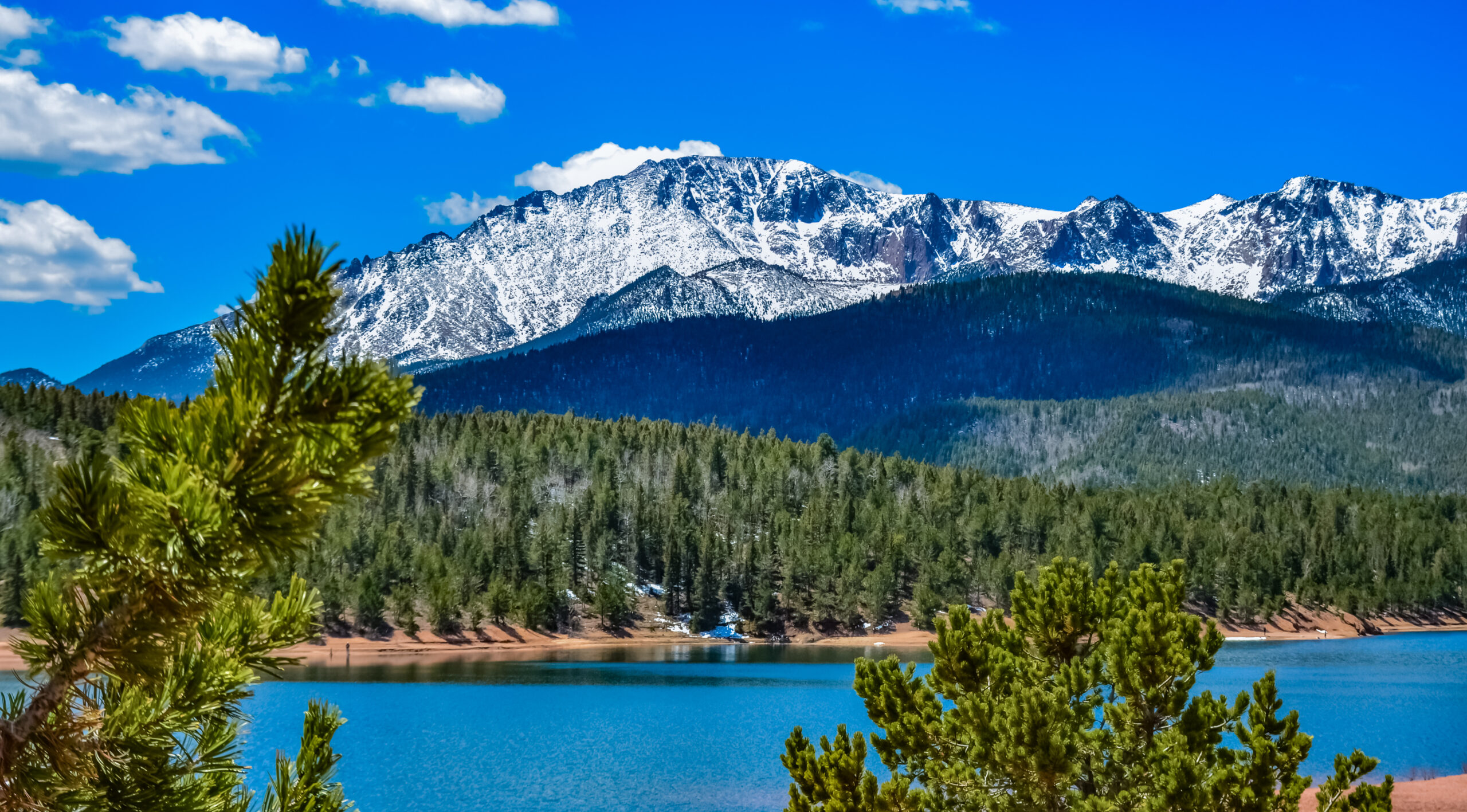
    Snow-capped peaks of the Rocky Mountains and a turquoise lake, Colorado 14ers reference
    Colorado gives American climbers a complete altitude classroom. The 14ers range from simple walk-ups to loose, exposed, dangerous scrambles that teach judgment before larger objectives.
    #7 · The weather mountain

    Mount Washington — New Hampshire

    Elevation
    6,288 ft
    Range
    Presidentials
    Style
    Weather alpine
    Season
    Summer / winter

    Mount Washington proves that elevation alone does not define danger. At barely over 6,000 feet, it has some of the harshest and most unpredictable mountain weather in the country. The summit’s 1934 wind record became part of American mountain history, and winter conditions can feel Arctic despite the modest altitude.

    Best for: East Coast hikers and winter climbers who want serious weather lessons without western elevation.

    #8 · California’s snow volcano

    Mount Shasta — California

    Elevation
    14,179 ft
    Range
    Cascades
    Style
    Snow climb
    Season
    May–July

    Mount Shasta is one of the best first serious snow climbs in the United States. Avalanche Gulch gives fit climbers a big day or two-day climb with crampons, ice axe, snow travel, and altitude — but usually without the complex glacier system that defines Rainier.

    Best for: climbers preparing for Rainier or a bigger Cascade progression. See Mount Shasta vs Mount Rainier.

    Mount Shasta towering over a vibrant blue lake surrounded by lush green forests and snow-capped peaks, showcasing the natural beauty of the Cascade Volcanoes in the Pacific Northwest.
    Mount Shasta is often the bridge between hiking and mountaineering. It is big, high, snowy, and serious enough to teach early starts, snow conditions, and descent discipline.
    #9 · The remote giant

    Mount Saint Elias — Alaska / Yukon

    Elevation
    18,008 ft
    Range
    Saint Elias
    Style
    Remote expedition
    Season
    Alaska window

    Mount Saint Elias is one of the wildest major peaks in North America. It rises from near sea level to 18,000 feet in a spectacular coastal wall of ice, weather, and remoteness. It is not a common climber’s objective; that scarcity is part of the seriousness.

    Best for: advanced expedition climbers beyond Denali who want a remote, storm-prone, committing objective.

    #10 · The advanced Alaska test

    Mount Foraker — Alaska

    Elevation
    17,400 ft
    Range
    Alaska Range
    Style
    Technical alpine
    Season
    May–June

    Foraker is Denali’s neighbor, but not Denali’s understudy. Its standard routes are more technical, less traveled, and more committing than Denali’s West Buttress. For elite American alpinists, Foraker represents the step beyond the famous summit.

    Best for: advanced Alaska Range climbers with Denali-level experience and stronger technical alpine skills.

    The Next 10 Iconic American Peaks Worth Knowing

    The top 10 carry the strongest all-around climbing significance. The next 10 complete the American mountain picture: big-wall history, famous skyline peaks, state high points, and accessible summits that bring millions of people into mountain culture.

    RankPeakStateWhy it mattersBest for
    11El CapitanCaliforniaThe defining American big wallTechnical rock climbers
    12Half DomeCaliforniaThe Yosemite hiking-and-climbing iconPermit-based adventure hikers
    13Mount BakerWashingtonThe best glacier-training peak before RainierFirst rope-team climbs
    14Mount AdamsWashingtonA big Cascade snow climb with less glacier complexityShasta/Rainier prep
    15Mount ElbertColoradoHighest peak in Colorado and the RockiesFirst 14er / state high point
    16Pikes PeakColoradoAmerica’s most visited high summitAccessible altitude
    17Mauna KeaHawaiiTallest mountain on Earth from base to summitVolcanic high point context
    18Mount KatahdinMaineAppalachian Trail northern terminus and Knife Edge classicExposed scrambling
    19Humphreys PeakArizonaArizona high point and high desert altitude objectiveSouthwest hikers
    20Kings PeakUtahUtah high point and Uinta backpacking objectiveMulti-day wilderness hiking

    USA Mountain Map & Weather

    American mountain planning is weather planning. Denali requires expedition-level forecast windows, Rainier and the Cascades depend on snow bridges and maritime storms, Whitney and the Sierra demand lightning awareness, Colorado 14ers reward pre-dawn starts, and Mount Washington can deliver winter-like conditions in shoulder seasons.

    🗺 Interactive Map — Major USA Mountain Regions

    Centered on the United States. The major climbing regions stretch from the Alaska Range and Pacific Northwest Cascades to the Sierra Nevada, Rockies, Tetons, White Mountains, Appalachians, and island volcanoes of Hawaii.

    🌤 USA Mountain Weather — Live Windy Overview

    Windy overview centered on the United States with Mount Rainier marked as the default detail point. Use the map to compare wind, precipitation, temperature, and storm flow across the western ranges, Alaska, and the Northeast before clicking into peak-specific forecasts.

    Weather rule for US mountainsStart earlier than feels necessary, especially in Colorado, the Sierra, the Cascades, and the Tetons. Afternoon lightning, soft snow, rockfall, and route deterioration are often time-of-day problems. On the serious peaks, the descent is the real test.

    Best USA Mountain by Goal

    Most climbers do not need a generic “best mountain.” They need the best mountain for the skill they are trying to build next.

    First high summit

    Mount Whitney

    Highest in the lower 48, non-technical by the standard trail, but long enough and high enough to feel serious.

    First 14er

    Mount Elbert

    A strong Colorado starting point for altitude, pacing, early starts, and Rocky Mountain weather.

    First snow climb

    Mount Hood or Shasta

    Both teach crampon and ice-axe judgment, with Shasta usually the bigger wilderness-feeling climb.

    First glacier climb

    Mount Baker

    The most common first rope-team glacier classroom before Rainier.

    Denali prep

    Mount Rainier

    The best American bridge from weekend climbing to expedition objectives.

    Major expedition

    Denali

    The American crown and the peak that proves expedition readiness.

    USA Mountains by Region

    The strength of American mountaineering is regional variety. A climber can build a deep skill portfolio by moving between ranges rather than repeating the same kind of peak.

    RegionClimbing characterSignature peaksBest season
    Alaska RangeExpedition glacier climbing, cold, remotenessDenali, Foraker, Hunter, Mooses ToothMay–early July
    Cascade RangeGlaciated volcanoes, snow travel, rope teamsRainier, Baker, Hood, Adams, ShastaMay–July
    Sierra NevadaGranite peaks, long approaches, alpine rockWhitney, Russell, Muir, Half Dome, El CapitanJuly–September
    Rocky Mountains14ers, scrambling, altitude, thunderstormsElbert, Longs, Pikes, Maroon Bells, CapitolJuly–September
    Teton RangeExposed alpine rock and classic ridgesGrand Teton, Middle Teton, Mount OwenJuly–September
    White MountainsSevere weather at modest elevationMount Washington, Adams, Jefferson, MadisonSummer / winter
    Utah Wasatch & UintasAccessible training hikes and backpacking high pointsKings Peak, Timpanogos, Nebo, Lone PeakJuly–September
    Hawaii volcanoesVolcanic high points and island altitudeMauna Kea, Mauna Loa, HaleakalaYear-round with weather checks
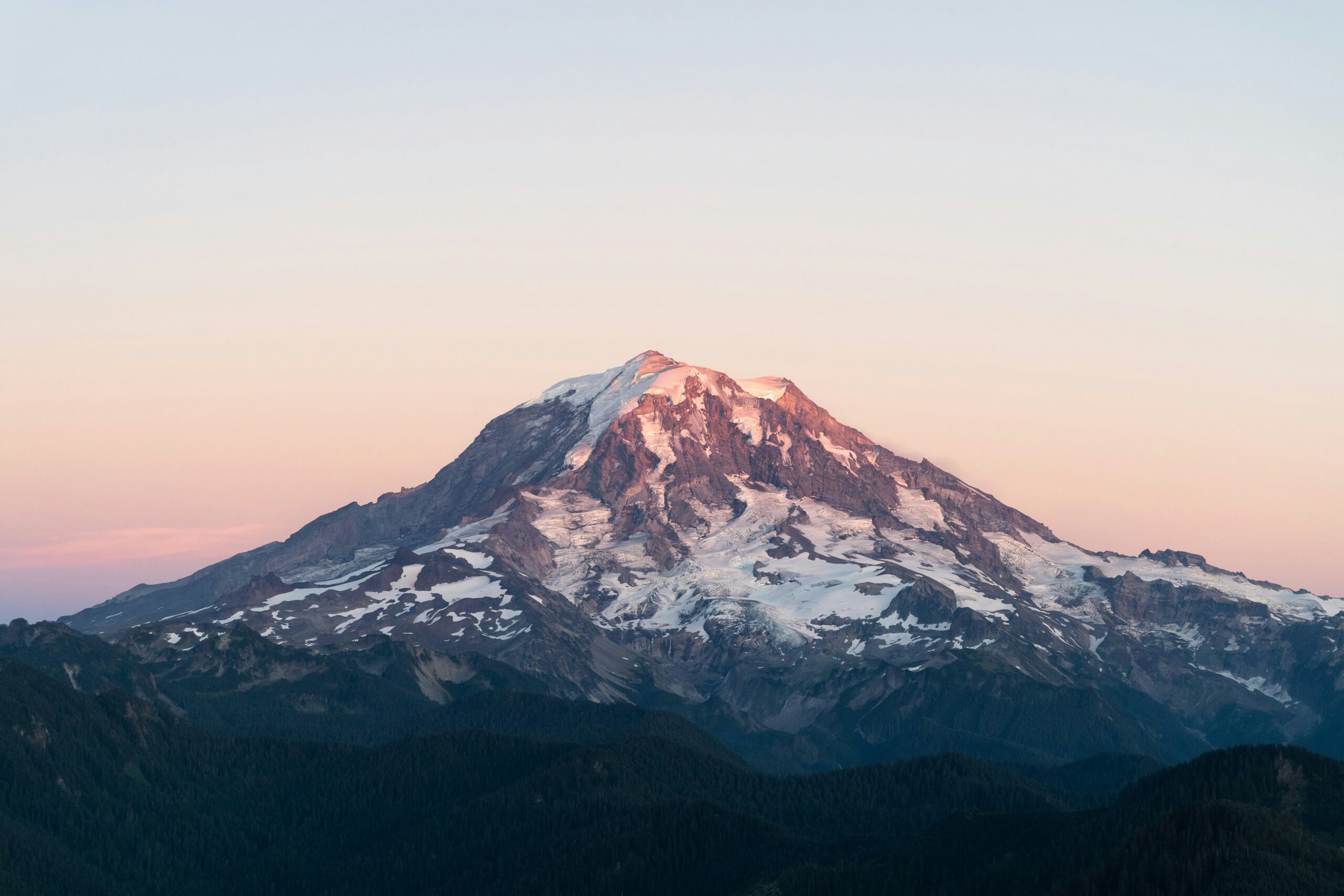
    Mount Rainier at sunrise, showcasing glaciated peaks and surrounding forested landscape, representing the Cascade Volcanoes in the Pacific Northwest.
    The Cascades are America’s glacier classroom. Mount Baker, Mount Hood, Mount Adams, Mount Shasta, and Mount Rainier create the most useful progression for climbers who eventually want Denali.

    A Practical American Climbing Progression

    The smartest way to use this list is not to chase the biggest name first. Build the next skill, then the next mountain. A safe progression usually looks like this:

    StageObjective typeGood US peaksSkill gained
    1Fitness hiking and altitudeWhitney, Elbert, Pikes, Kings PeakPacing, altitude, long days
    2Intro snow travelSt. Helens, Adams, Shasta, HoodCrampons, ice axe, snow timing
    3Roped glacier travelBaker, Rainier, OlympusRope teams, crevasse risk, glacier movement
    4Major glacier objectiveRainier, Shasta harder routes, Baker north-side routesHeavy packs, camps, weather patience
    5Expedition preparationRainier repeat, Alaska prep course, winter skillsCold systems, self-sufficiency
    6Major expeditionDenali West ButtressThree-week expedition competence
    7Advanced alpineForaker, Saint Elias, Hunter, technical TetonsAdvanced risk and technical judgment
    Best internal pathFor a complete step-by-step plan, start with what to climb before Rainier, move into the Rainier progression plan, then use the Denali progression plan when expedition climbing becomes realistic.

    Cost & Season Framework for USA Peaks

    American peaks are often cheaper than international equivalents, but the cost range is wide. A permit-based day hike is not the same kind of budget as a guided Rainier program or a Denali expedition.

    Trip typeTypical cost rangeExample peaksNotes
    Self-guided high hike$100–$500Whitney, Elbert, Kings PeakPermits, fuel, lodging, food, gear gaps
    Colorado 14er weekend$200–$700Elbert, Bierstadt, LongsHigher if flying in or staying near resorts
    Intro guided snow climb$800–$1,800Hood, Shasta, BakerUsually 2–3 days with instruction
    Guided glacier climb$1,800–$3,500Rainier, Grand TetonCommon entry point for serious climbers
    Major US expedition$9,000–$25,000+DenaliDepends heavily on guided vs independent style
    Elite remote expedition$15,000–$30,000+Saint Elias, advanced AlaskaFlights, pilots, logistics, weather buffers
    RegionBest windowPrimary issue
    Alaska RangeMay–early JulyCold, storms, glacier travel, expedition duration
    CascadesMay–JulySnow condition, crevasse bridges, rockfall later in season
    Colorado 14ersJuly–SeptemberAfternoon thunderstorms and loose rock
    Sierra NevadaJuly–SeptemberPermits, altitude, lightning, lingering snow
    TetonsJuly–SeptemberDry rock, lightning, exposure, route-finding
    White MountainsJune–September / Jan–MarExtreme weather and rapid temperature swings

    Methodology: How We Ranked These Peaks

    Our ranking method

    This list weighs climbing significance more heavily than tourist popularity. A mountain earns a high rank when it changes what a climber can do next, represents a major American mountain system, or carries a history that shaped US climbing culture.

    • Height and prominence: Denali, Whitney, Rainier, Saint Elias, and Elbert matter because of how strongly they dominate their regions.
    • Skill transfer: Rainier, Baker, Hood, Shasta, and the Grand Teton teach skills that transfer to bigger climbs.
    • Objective hazard: Denali, Rainier, Washington, Saint Elias, Foraker, and Longs demand weather, terrain, and turnaround judgment.
    • Historical and cultural weight: Denali, Rainier, Whitney, Grand Teton, Half Dome, El Capitan, Pikes Peak, and Mount Washington are known far beyond specialist climbers.
    • Progression value: The list is built to help readers move from hiking to snow climbing to glacier travel to expedition mountaineering without choosing an objective too early.

    Greatest Mountains in the USA FAQ

    What is the greatest mountain in the USA?

    For climbers, Denali is the greatest mountain in the United States. It is the highest peak in North America, the highest in the USA, and the country’s premier expedition mountaineering objective. It demands glacier travel, high-latitude cold management, crevasse awareness, fixed-line movement, heavy loads, and multi-week expedition judgment.

    What is the best mountain to climb first in the USA?

    For non-technical hikers, Mount Whitney, Mount Elbert, Pikes Peak, and easier Colorado 14ers are good first major mountain goals. For aspiring mountaineers, start with St. Helens, Adams, Hood, Shasta, or a guided Baker course before moving toward Rainier.

    What is the hardest mountain to climb in the United States?

    Denali is the hardest mainstream objective because of its altitude, cold, expedition duration, glacier travel, heavy packs, and weather. For more advanced technical climbers, Foraker, Saint Elias, Mount Hunter, and Alaska Range technical routes may be harder than Denali’s standard West Buttress.

    What is the most famous mountain in America?

    Denali, Mount Rainier, Mount Whitney, Grand Teton, Mount Hood, Mount Washington, Pikes Peak, Half Dome, El Capitan, and Mauna Kea are among the most famous mountains or mountain objectives in America. Climbers tend to place Denali and Rainier at the top because of their role in mountaineering progression.

    Which US mountain is best preparation for Denali?

    Mount Rainier is the best standard preparation peak for Denali. It teaches roped glacier travel, crampon movement, crevasse awareness, heavy packs, alpine starts, camp systems, and weather decisions. Most climbers should also build through Mount Baker, Mount Hood, Mount Adams, Mount Shasta, or an alpine course first.

    When is the best season to climb mountains in the USA?

    It depends on the region. Denali and the Alaska Range are usually May to early July. Cascade volcanoes are often best from May through July. Colorado 14ers and Sierra Nevada peaks are usually July through September. The White Mountains are summer hiking objectives but also serious winter mountaineering training grounds from January through March.

    About Global Summit Guide

    Travis Ludlow — Editor · Reviewed by Dawson Ludlow, Safety & Altitude

    Global Summit Guide is an independent mountain planning resource based in Nephi, Utah. Our USA coverage helps climbers move from first high hikes to glaciated peaks, route comparisons, operator research, weather planning, and expedition progression.

    For corrections, updated permit information, or operator feedback, contact info@globalsummitguide.com.

    Choose the mountain that builds the next skill

    The greatest American mountain for you is not always the biggest one. Start with the skill you need next — altitude, snow, glacier travel, rock exposure, weather judgment, or expedition self-sufficiency — then choose the peak that teaches it honestly.

    USA mountain master guide → Denali progression → Colorado 14ers →

    Start with Crestone Peak.

    Was this helpful?

    Yes
    No
    Thanks for your feedback!
  • Aconcagua vs Denali vs Rainier: the North American expedition progression compared

    Mountain Comparisons / Americas

    Aconcagua vs Denali vs Rainier: the North American expedition progression compared

    4,392 m
    Rainier (entry)
    6,190 m
    Denali
    6,961 m
    Aconcagua
    3 peaks
    2-5 year progression
    Part of the Americas progression series This three-way comparison consolidates our Aconcagua vs Denali and Rainier vs Denali deep dives, plus the broader Seven Summits framework. Aconcagua vs Denali →

    If you climb in North America and you are building toward big mountains, three peaks define the standard progression: Mount Rainier, Denali, and Aconcagua. Each represents a distinct step in expedition mountaineering — Rainier as the introduction to real glaciated expedition climbing, Denali as the cold-weather Alaska Range giant, Aconcagua as the high-altitude South American crown. This is the direct three-way comparison: difficulty, altitude, training, cost, and the natural order most climbers follow. For deeper single-comparison detail see our Aconcagua vs Denali and Rainier vs Denali guides.

    The three-way head-to-head at a glance

    Mount Rainier

    The Foundation Peak
    Elevation4,392 m
    LocationWashington, USA
    Standard routeDisappointment Cleaver
    Technical gradeF+ / PD-
    Trip duration2-3 days
    Primary challengeGlacier travel intro
    Cold exposureModerate
    Self-supported?No, day-trip style
    Guided cost$1,500-3,000
    Success rate~50%

    Denali

    The Expedition Peak
    Elevation6,190 m
    LocationAlaska, USA
    Standard routeWest Buttress
    Technical gradeAD-
    Trip duration17-21 days
    Primary challengeCold + logistics
    Cold exposureExtreme (-40°F)
    Self-supported?Yes, sled hauling
    Guided cost$8,000-13,000
    Success rate~50%

    Aconcagua

    The Altitude Peak
    Elevation6,961 m
    LocationArgentina
    Standard routeNormal Route
    Technical gradeF (non-technical)
    Trip duration18-21 days
    Primary challengeAltitude + wind
    Cold exposureModerate-high
    Self-supported?Mules to base camp
    Guided cost$5,000-9,000
    Success rate~40%
    The 30-second answer

    Rainier first, Denali or Aconcagua next, finish with whichever is left.

    Rainier is non-negotiable as the starting point — it builds the glacier and rope-team skills the other two require. Whether you climb Denali or Aconcagua second comes down to whether you prefer cold-weather expedition logistics (Denali) or pure high-altitude exposure (Aconcagua).

    The natural progression in three steps

    1

    Mount Rainier — the foundation

    4,392 m · 2-3 day trip · ~$2,000 guided · Year 1

    Rainier is where you learn whether expedition mountaineering is actually for you. The standard Disappointment Cleaver route teaches glacier travel, rope team work, crampon technique on steep snow, and the discipline of moving in the dark from a high camp. The summit day is short by expedition standards (8-12 hours round trip from Camp Muir), but the technical fundamentals you build here are the foundation everything else relies on. The full route framework is in our Rainier progression plan.

    2

    Denali (or Aconcagua) — the major expedition

    6,190 m · 17-21 days · ~$10,000 guided · Year 2-3

    Step two is your first true expedition. Most American climbers go to Denali next because the cold weather and self-supported expedition style build skills that translate directly to Himalayan objectives. Climbers who want pure altitude experience without the cold often choose Aconcagua second instead. Either order works. Denali teaches sled-hauling logistics, multi-week high-camp life, and cold-weather management. The full framework is in our Denali progression plan and our Denali route comparison.

    3

    Aconcagua — the altitude crown

    6,961 m · 18-21 days · ~$7,000 guided · Year 3-5

    Step three is the highest peak in the Americas and the standard 7 Summits South America objective. Aconcagua is non-technical (no ropes required on the Normal Route), but the altitude is the test. At 6,961 m, the summit day is performed in air with less than half the oxygen of sea level. The route is well-established but the weather window and altitude tolerance determine success. The full route framework is in our Aconcagua season guide and the cost framework is in our Aconcagua permits and cost guide.

    The honest order question

    The Denali-or-Aconcagua-second question depends on what you find harder. Climbers who do not handle cold well prefer Aconcagua second (warmer, simpler logistics). Climbers who do not handle altitude well prefer Denali second (lower, but extreme cold). There is no universal right answer — both orders produce successful 7 Summits aspirants.

    Aconcagua vs Denali head-to-head

    This is the comparison that drives most of the actual decision-making, since these two peaks fill the “biggest North/South American mountain” slot in most climbers’ plans. The full deep dive on this single comparison is in our Aconcagua vs Denali comparison — here is the summary:

    DimensionAconcaguaDenaliHarder
    Elevation6,961 m6,190 mAconcagua
    Technical gradeF (non-technical)AD-Denali
    Cold exposure-10 to -20 °F summit-20 to -40 °F sustainedDenali
    Wind exposureSevere (Vientos Blancos)Severe (Arctic systems)Tie
    Self-support logisticsMules carry to base campYou carry everythingDenali
    Total weight carried~30 lbs after base camp~60-80 lbs in sled+packDenali
    Altitude oxygen~45% of sea level~50% of sea levelAconcagua
    Trip cost$5,000-9,000 guided$8,000-13,000 guidedDenali (more $)
    Permit cost$800-1,000$415Aconcagua (more $)
    Bush plane required?NoYes (Talkeetna to base)Denali logistics
    Death rate~0.1%~0.3%Denali
    Overall difficultyAltitude-drivenCold + logistics + altitudeDenali (most agree)

    Most experienced climbers rate Denali harder than Aconcagua despite Aconcagua’s higher elevation, primarily because Denali stacks more challenges: extreme cold, self-supported logistics, technical sections, AND altitude. Aconcagua is essentially a single challenge — altitude — without the cold or technical or logistics complexity. That said, Aconcagua’s higher absolute elevation (770 m higher) means the summit-day oxygen reality is meaningfully worse, and climbers who do not adapt well to altitude can find Aconcagua brutally hard regardless of its simpler logistics.

    Denali vs Rainier head-to-head

    This is the comparison that determines whether you are ready for expedition mountaineering. The full single-comparison detail is in our Rainier vs Denali guide:

    DimensionRainierDenaliGap
    Elevation4,392 m6,190 m+1,798 m
    Technical gradeF+ / PD-AD-2 tiers harder
    Trip duration2-3 days17-21 days~7-10x longer
    Cold exposureModerate, +20 to 0 °FExtreme, -20 to -40 °F40-60 °F colder
    Self-support styleNone (day trip)Full expeditionCategorical shift
    Weight carried~30-40 lbs pack~60-80 lbs sled+pack~2x weight
    Glacier complexity1 major (Emmons/Ingraham)2 major (Kahiltna/Muldrow)More crevasse hazard
    Bush plane / logisticsDrive inBush plane to base campMajor logistics step
    Cost$1,500-3,000 guided$8,000-13,000 guided4-5x more
    Prior peaks requiredNone (entry level)Rainier or equivalentMajor skills jump
    Difficulty gapTraining peakMajor expeditionRoughly 2-3 tiers

    The gap between Rainier and Denali is the largest single jump in the standard North American progression. Climbers who attempt Denali without Rainier-level prior experience have meaningfully lower success rates and higher injury rates. Most Denali guide services either require or strongly recommend Rainier (or equivalent peaks like Mount Hood at full winter capability, Mount Baker via more difficult routes, or the Bolivian high peaks) as a prerequisite. Skipping Rainier is rarely worth the risk.

    Rainier vs Aconcagua head-to-head

    The third pair is less commonly discussed but matters when climbers consider the Rainier-to-Aconcagua jump that some choose over the Rainier-Denali-Aconcagua sequence:

    DimensionRainierAconcaguaGap
    Elevation4,392 m6,961 m+2,569 m
    Altitude categoryVery high (4,000-5,500 m)Extreme (5,500-8,000 m)Major altitude jump
    Technical gradeF+ / PD-F (non-technical)Aconcagua easier technically
    Trip duration2-3 days18-21 days~7x longer
    Cold exposureModerateModerate-high, very windyAconcagua colder + windier
    Logistics complexityDrive to trailheadInternational travel, permits, mulesAconcagua significantly more complex
    Cost$1,500-3,000$5,000-9,000~3x more
    Glacier travelYes, technical trainingLimited, mostly walkingAconcagua easier on snow
    Wind exposureModerateSevere (Vientos Blancos)Aconcagua much worse
    Overall comparisonTechnical trainingAltitude enduranceDifferent challenges entirely

    Rainier and Aconcagua test almost entirely different skills. Rainier is technical glacier climbing on a moderate-altitude peak. Aconcagua is non-technical walking-and-camping at extreme altitude. The jump from Rainier to Aconcagua skips the Denali expedition-style step, which means some skills (cold weather expedition logistics, sled hauling, multi-week camp life) get learned for the first time on Aconcagua rather than on Denali. Some climbers do make this jump successfully, but the expedition-experience gap shows.

    The full cost across all three

    Expense categoryRainierDenaliAconcagua
    Permit / park fee$50 climbing fee$415 special use$800-1,000 peak season
    Guide service (typical)$1,500-2,500$8,000-13,000$5,000-9,000
    Guide ratio1:3 typical1:2 typical1:3 typical
    Transportation to peak$50 in gas$700 bush plane$1,200-2,000 flights to Argentina
    Pre-trip lodging$200$400$500-800
    Food (expedition)Included in guidedIncluded in guidedIncluded in guided
    Gear (if needed)$500-1,500$2,000-5,000 expedition kit$1,500-3,000
    Insurance$200$500-800$400-700
    Total all-in (guided)$2,500-5,000$12,000-20,000$8,500-14,500
    Total all-in (self-guided)$1,000-2,000$5,000-8,000$3,500-6,000

    Costs scale roughly with difficulty: Rainier is the cheapest by a wide margin, Aconcagua is mid-range, Denali is the most expensive. The Denali premium comes from the bush plane logistics, the longer expedition duration, the more elaborate gear requirements, and the higher guide ratios required for safety. Climbers building toward all three should budget roughly $25,000-40,000 for the full guided progression, or $10,000-15,000 self-guided with strong prior experience. The broader cost context for South American expeditions is in our Aconcagua cost guide.

    When to climb each peak

    PeakPrimary seasonPeak windowAvoid
    Mount RainierLate May – early SeptemberLate June – JulyLate September onward
    DenaliMid-May – early JulyLate May – mid JuneAugust onward (cold returns fast)
    AconcaguaDecember – FebruaryMid-December – early FebruaryMarch onward (winter returns)

    A useful detail for climbers planning all three: the seasons don’t overlap. Rainier and Denali are northern hemisphere summer peaks. Aconcagua is a southern hemisphere summer peak, which means December-February in the southern hemisphere. This means a climber can theoretically climb Rainier in June, fly to Alaska for Denali in late May (skipping the typical sequence to use one window), and then attempt Aconcagua the following December — all within a 6-month period. Most climbers do not move this fast, but the seasonal alignment makes it possible. The Cascade Volcanoes seasonal context is in our Cascade Volcanoes collection.

    Where these three fit in the Seven Summits

    Two of these three peaks are formal Seven Summits objectives. Aconcagua is the South American 7 Summits peak (highest in South America at 6,961 m). Denali is the North American 7 Summits peak (highest in North America at 6,190 m). Mount Rainier is not a Seven Summits peak — Mount Whitney at 4,418 m is technically slightly higher in the continental US, but neither makes the global 7 Summits list. Rainier earns its place in this comparison because it is the universally recognized training peak for the Americas expedition tier.

    For climbers pursuing the full Seven Summits, the typical sequence:

    1. Kilimanjaro (5,895 m) — Africa, the gateway high-altitude peak (non-technical, well-established commercial route).
    2. Aconcagua (6,961 m) — South America, the first major altitude test.
    3. Elbrus (5,642 m) — Europe, glaciated but moderate, often combined with Caucasus exposure. Framework in our Elbrus progression plan.
    4. Denali (6,190 m) — North America, the expedition skills test.
    5. Everest (8,849 m) — Asia, the altitude apex.
    6. Vinson (4,892 m) — Antarctica, cold and remote.
    7. Carstensz Pyramid or Kosciuszko (4,884 m / 2,228 m) — Oceania, depending on which list you follow.

    Aconcagua and Denali are typically attempted in years 2-4 of a Seven Summits campaign, after Kilimanjaro builds the altitude foundation and before Everest. Rainier sits earlier as the training peak that determines whether you should commit to the broader plan. The full framework is in our Seven Summits collection.

    Which to climb first honest decision framework

    If you can only climb one of these three this year

    Climb Rainier. No exceptions. Rainier teaches the skills you need for the others. Climbing Denali or Aconcagua without Rainier-equivalent prior experience is a meaningful step up in risk for the reward of skipping a single 2-3 day trip. The math does not work.

    If you have completed Rainier (or an equivalent peak — Hood, Baker, or Boliviano high peaks at full skill level), the second-peak decision comes down to a few honest self-assessments:

    Pick Denali second if you…

    • Want to build toward Himalayan expeditions where cold and self-supported logistics matter.
    • Have already done multi-week wilderness trips and are comfortable with that style of expedition.
    • Live in North America and prefer minimizing international travel costs.
    • Have shown you handle altitude reasonably well (no AMS issues on Rainier or other peaks at 4,000+ m).
    • Are physically very fit — Denali rewards strength and endurance more than Aconcagua does.

    Pick Aconcagua second if you…

    • Want the highest altitude experience available without going to the Himalaya.
    • Prefer single-challenge climbs (altitude) over multi-challenge climbs (cold + logistics + altitude).
    • Have a tighter budget — Aconcagua is meaningfully cheaper than Denali.
    • Have the southern hemisphere summer (December-February) window available.
    • Are uncertain about expedition skills and want pure altitude experience first.
    The order most climbers actually follow

    Looking at the population of climbers who complete all three, the most common order is Rainier → Aconcagua → Denali. Aconcagua second teaches altitude. Denali third uses the cold-weather expedition skills as the capstone before potential Himalayan objectives. The reverse order (Rainier → Denali → Aconcagua) is equally valid but less common.

    Where these three lead in the broader progression

    Climbers who complete the Rainier-Denali-Aconcagua progression have the foundation for nearly any non-Himalayan objective in the world and a real platform for considering Himalayan expedition climbing. The natural next steps after completing all three:

    • Mount Vinson (4,892 m, Antarctica) — the 7 Summits Antarctica peak, similar logistics to Denali but in a more extreme setting.
    • Cho Oyu (8,188 m, Tibet/Nepal) — the standard introductory 8,000-meter peak. Most accessible eight-thousander.
    • Manaslu (8,163 m, Nepal) — the alternative entry-level 8,000-meter peak.
    • Everest (8,849 m, Nepal/Tibet) — the altitude apex of the Seven Summits.
    • Technical Alaska Range peaks — Mt Hunter, Mt Foraker, the harder routes on Denali itself.

    The fitness and skills built across Rainier, Denali, and Aconcagua are foundational rather than complete preparation for the Himalayan eight-thousanders. Climbers progressing to 8,000-meter peaks typically add several intermediate altitude objectives (Bolivian high peaks, Andean 6,000-meter peaks, or Nepalese trekking peaks like Mera or Island Peak) between Aconcagua and Cho Oyu. The full 8,000-meter framework is in our 14 Eight-Thousanders collection.

    ★ Single-Comparison Deep Dives

    For the specific two-peak comparisons

    The full detail on each individual comparison — route specifics, training plans, and decision frameworks.

    Aconcagua vs Denali →

    The bottom line on the three-way progression

    Mount Rainier, Denali, and Aconcagua form the standard expedition mountaineering progression for North American climbers. Rainier is the technical foundation — non-negotiable as the entry point. Denali is the cold-weather expedition test. Aconcagua is the high-altitude endurance crown. Most climbers complete all three across 2-5 years, in the order Rainier → Aconcagua → Denali or Rainier → Denali → Aconcagua depending on personal preferences and trip windows. The total cost runs $25,000-40,000 guided or $10,000-15,000 self-guided for serious climbers with prior experience. Whichever order you choose, the progression builds the platform for nearly any non-Himalayan objective in the world. The single-comparison deep dives sit in our Aconcagua vs Denali guide and our Rainier vs Denali guide, with the broader framework in our Seven Summits collection.

    Frequently asked questions

    Is Aconcagua harder than Denali?

    Aconcagua and Denali are roughly comparable in difficulty but in different ways. Aconcagua is significantly higher (6,961 m vs 6,190 m) and the altitude is the primary challenge — the standard Normal Route is non-technical. Denali is lower but technically more demanding, involves expedition-style logistics (you carry and bury your own loads, no porters), and exposes climbers to extreme cold and weather in the Alaska Range. Most experienced climbers find Denali harder despite the lower elevation because the cold, weather, and self-supported expedition style add cumulative difficulty that the altitude on Aconcagua does not fully match.

    Is Denali harder than Rainier?

    Yes, Denali is significantly harder than Mount Rainier in every dimension that matters for expedition mountaineering. Denali is higher (6,190 m vs 4,392 m), colder (sustained -20 to -40 F at altitude), longer (17-21 day expedition vs 2-3 day climb), and requires self-supported logistics including hauling sleds and carrying multiple weeks of food and fuel. Rainier is the standard training peak for Denali aspirants — you should be able to climb Rainier confidently before attempting Denali. The difficulty gap is roughly 2-3 tiers.

    Should I climb Rainier before Denali?

    Yes, climbing Rainier before Denali is the standard expedition progression and is strongly recommended. Rainier teaches the foundational skills Denali requires: glacier travel in rope teams, crampon and ice axe technique on steep snow, multi-day high-camp logistics, cold weather management, and confidence on real glaciated terrain. Most Denali guide services either require or strongly recommend Rainier (or an equivalent peak) as a prerequisite. Climbing Denali without prior Rainier or equivalent experience dramatically increases your risk of failure or worse.

    What is the natural progression from Rainier to Denali to Aconcagua?

    The standard expedition mountaineering progression for North American climbers builds from Rainier (4,392 m) as the introduction to glaciated expedition climbing, to Denali (6,190 m) as the first major expedition with extreme cold and self-supported logistics, and finally to Aconcagua (6,961 m) as a high-altitude objective. Some climbers reverse the Denali and Aconcagua order, treating Aconcagua as the altitude introduction before Denali. Either order works but the Rainier-first step is essentially mandatory for serious aspirants of the higher peaks.

    Which is colder, Denali or Aconcagua?

    Denali is dramatically colder than Aconcagua. Denali’s high latitude (63 degrees north) and Alaska Range location produce sustained temperatures of minus 20 to minus 40 Fahrenheit at altitude, with wind chill commonly reaching minus 60 to minus 80. Aconcagua sits at 33 degrees south latitude in subtropical Argentina, with summit-day temperatures typically minus 10 to minus 20 Fahrenheit. The cold management on Denali is a primary expedition challenge in a way it is not on Aconcagua. Denali frostbite incidents are common; Aconcagua frostbite is less frequent.

    What is the cheapest way to climb all three?

    For self-guided strong climbers, the total cost ranges from approximately 15,000 to 25,000 USD for all three peaks combined (guide-free, gear amortized, basic logistics). For guided climbs, the total ranges from approximately 25,000 to 45,000 USD for all three. Rainier guided climbs cost 1,500 to 3,000 USD, Aconcagua 5,000 to 9,000 USD, and Denali 8,000 to 13,000 USD. The Aconcagua permit alone is 800 to 1,000 USD during peak season. Denali has lower permit fees but much higher logistics costs due to the bush plane flight to base camp and longer expedition duration.

    How long does it take to climb each mountain?

    Mount Rainier is typically climbed as a 2 to 3 day trip from the trailhead. Aconcagua expeditions run 18 to 21 days including acclimatization on the standard Normal Route. Denali expeditions run 17 to 21 days from Anchorage to summit and return. For a climber completing all three, expect 6 to 8 weeks of actual expedition time spread across several years, plus the travel time, training time, and gear preparation between each climb.

    Was this helpful?

    Yes
    No
    Thanks for your feedback!
Language »