web analytics
GLOBAL SUMMIT GUIDE

Tag: mount washington

  • 20 Greatest Mountains in the USA, Ranked for Climbers

    USA MOUNTAINS / EDITORIAL RANKING / 2026

    20 Greatest Mountains in the USA for Climbers

    From Denali’s remote ice to the granite walls of Yosemite, these are the American peaks that matter most to climbing history, skill development and mountain ambition.

    Quick verdict: Denali is our #1 expedition mountain, Rainier our #2 glacier-training classic, Whitney our #3 lower-48 altitude milestone, and Grand Teton our #4 alpine-rock icon.

    Editorial scores are judgments, not objective safety ratings. Last editorial review: October 2026. Verify conditions, access, and permits before attempting a route.
    20ranked objectives
    97/100Denali score
    6scoring factors
    8regions represented
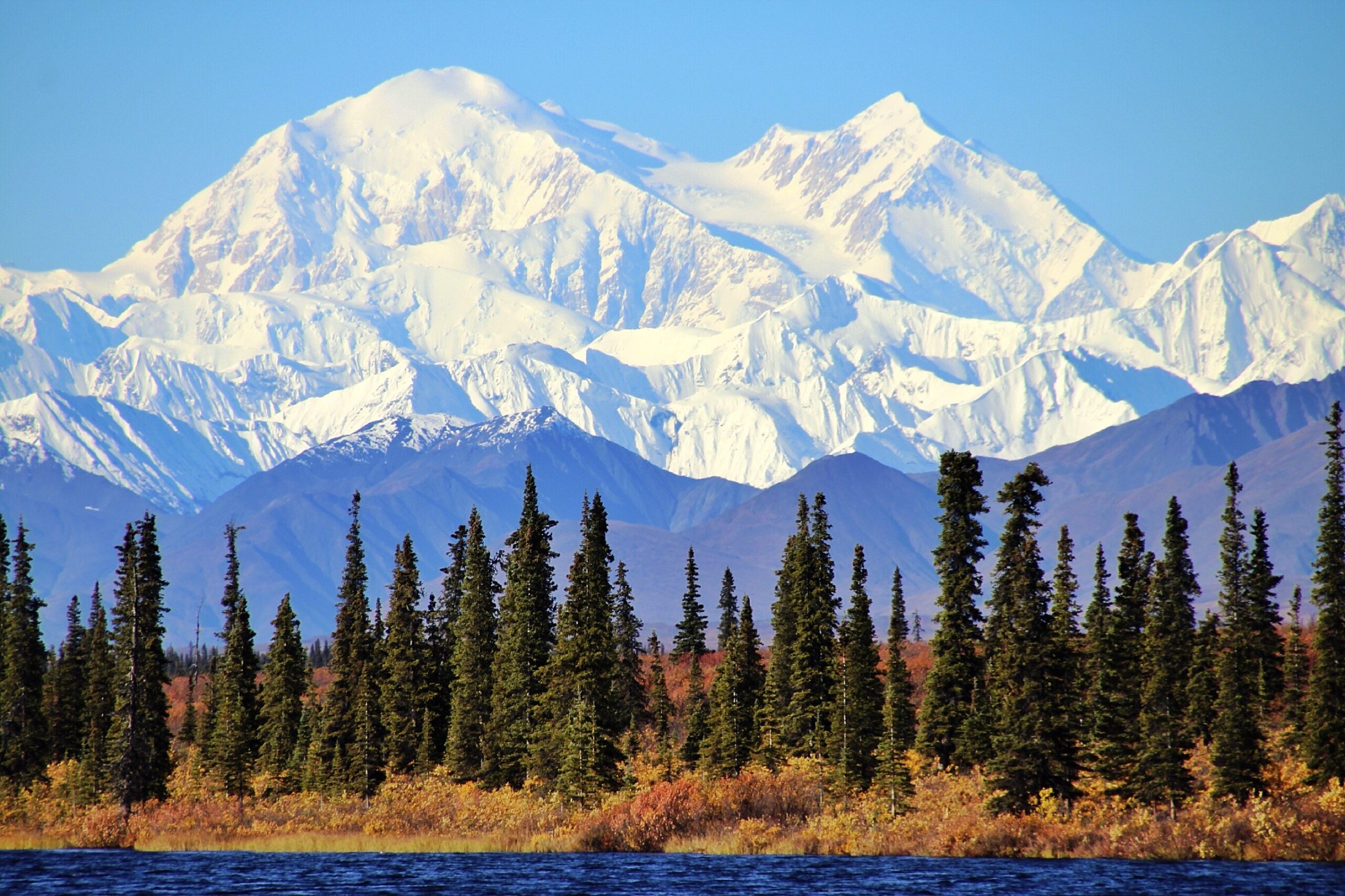
    Denali mountain range and snowy peaks illustrating Denali expedition operators and climbing conditions.
    Denali, Alaska: North America’s tallest mountain and the top expedition objective on this editorial list.
    A ranking built for climbers

    How we chose the 20 greatest

    “Greatest” does not mean highest, most dangerous, most popular or prettiest. Our six-factor editorial model rewards each mountain’s contribution to American climbing and what a climber learns there. This is a judgment-based ranking, not a scientific performance score.

    25 points

    Climbing significance

    Influence on American mountaineering and climbing culture.

    20 points

    History & culture

    First ascents, wider recognition and lasting influence.

    20 points

    Skill development

    Transferable rock, snow, glacier, weather and expedition lessons.

    15 points

    Stature & presence

    Height, relief, prominence and physical scale.

    10 points

    Route quality

    Classic lines, route variety and climbing character.

    10 points

    Progression value

    How the objective prepares climbers for a logical next step.

    Different intent from the USA master guide: This page owns the ranked editorial answer. For recommendations by state, experience level or trip style, use the Best Mountains in the USA planning guide.
    The complete answer

    All 20 mountains, ranked

    Compare the defining climbing value at a glance. Scores are editorial, not a comparison of accident risk or technical grade. Click verified mountain guides where provided.

    RankMountainStateElevationClimbing styleWhy it mattersScore
    #1DenaliAlaska20,310 ftGlacier expeditionAmerica’s ultimate expedition mountain97/100
    #2Mount RainierWashington14,410 ftGlacier mountaineeringAmerica’s glacier classroom94/100
    #3Mount WhitneyCalifornia14,505 ftHigh-altitude hiking / alpine rockLower-48 altitude gateway88/100
    #4Grand TetonWyoming13,775 ftAlpine rockDefining alpine-rock icon87/100
    #5Mount HoodOregon11,249 ftSteep snowAccessible early mountaineering test84/100
    #6Longs PeakColorado14,259 ftExposed scramblingColorado’s serious standard-route classic82/100
    #7Mount WashingtonNew Hampshire6,288 ftSevere-weather alpineWeather seriousness beyond elevation81/100
    #8Mount ShastaCalifornia14,179 ftSnow climbBridge from hiking to mountaineering80/100
    #9Mount Saint EliasAlaska / Yukon18,008 ftRemote expeditionExceptional relief and commitment79/100
    #10Mount ForakerAlaska17,400 ftTechnical alpineAdvanced Alaska challenge78/100
    #11El CapitanCalifornia7,573 ftBig-wall rockDefining American big wall77/100
    #12Half DomeCalifornia8,839 ftCables / rock climbingYosemite’s broadest mountain icon75/100
    #13Mount BakerWashington10,781 ftGlacier climbFirst rope-team glacier objective74/100
    #14Mount AdamsWashington12,281 ftSnow climbCascade snow progression72/100
    #15Mount ElbertColorado14,440 ftHigh-altitude hikingRocky Mountains high point70/100
    #16Pikes PeakColorado14,115 ftLong hiking / public accessHistoric American altitude icon68/100
    #17Mauna KeaHawaii13,803 ftVolcanic high pointRemarkable volcanic scale67/100
    #18Mount KatahdinMaine5,269 ftExposed ridge hikingKnife Edge and Appalachian Trail66/100
    #19Humphreys PeakArizona12,633 ftHigh-altitude hikingArizona altitude landmark64/100
    #20Kings PeakUtah13,528 ftWilderness backpackingMulti-day wilderness high point62/100

    Elevation and route conditions can vary between datasets and seasons; this page preserves the existing ranking and published editorial scores.

    In-depth profiles

    The top 10 American climbing icons

    A good mountain is the right challenge for your current skills. These profiles explain why each peak made the list and whom it best serves.

    #1 / 97 POINTS

    Denali

    Alaska · 20,310 ft · Glacier expedition · Typical window: May–early July

    West Buttress combines heavy packs, sled hauling, crevasse terrain, sustained cold, acclimatization and self-supported camps. It is a test of expedition competence, not merely summit fitness.

    Read the Denali climbing guide →

    Mount Rainier reflection in lake, glaciated peak and evergreen forest landscape
    #2 / 94 POINTS

    Mount Rainier

    Washington · 14,410 ft · Glacier mountaineering · Typical window: May–September

    Rope-team travel, crevasse systems and early alpine starts make Rainier an important training ground for more remote expeditions. The standard routes are never guaranteed or crevasse-free.
    Read the Mount Rainier climbing guide →

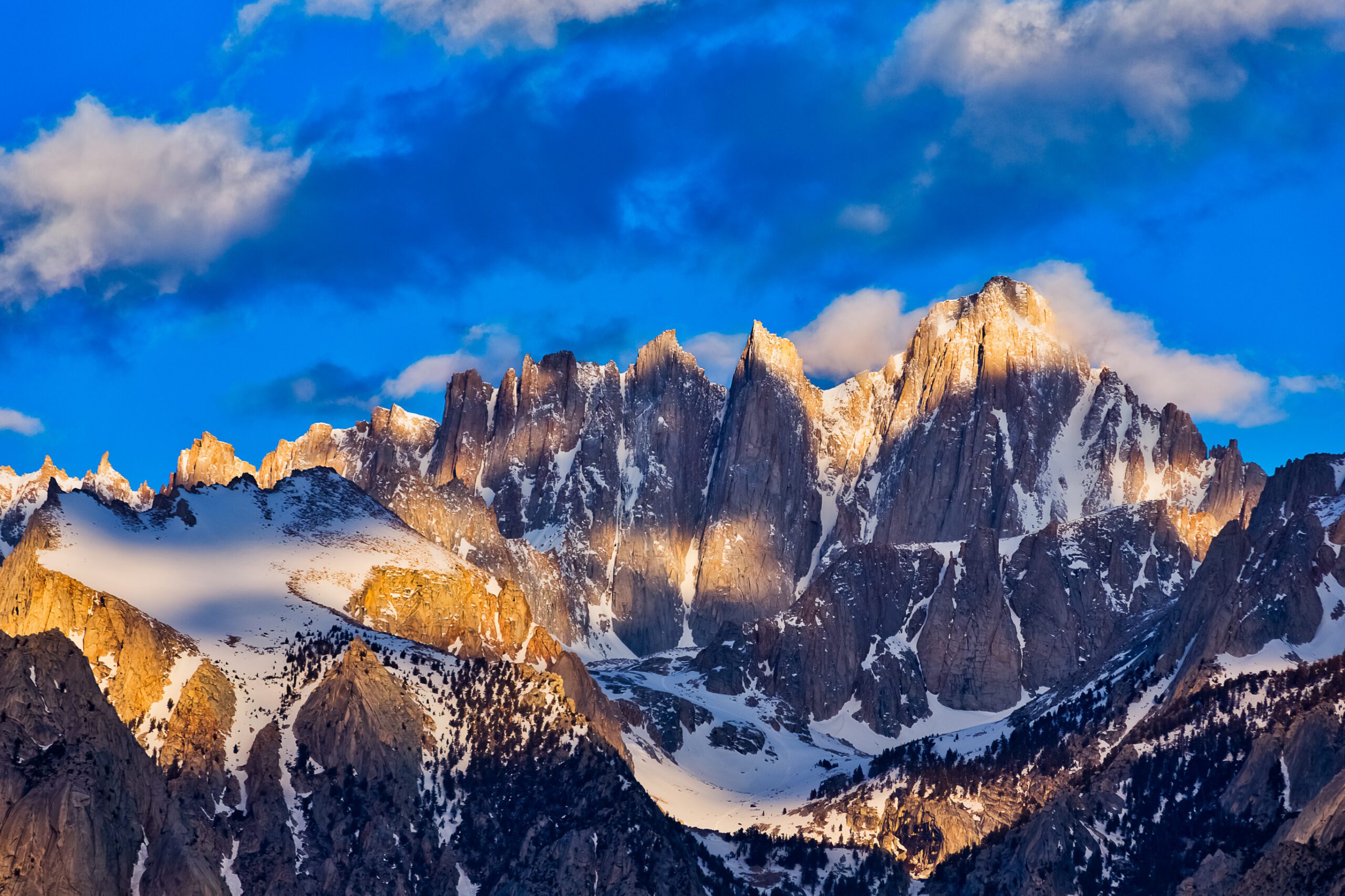
    Mount Whitney summit ridge at sunrise, Sierra Nevada California, iconic peak and challenging hike
    #3 / 88 POINTS

    Mount Whitney

    California · 14,505 ft · High-altitude hiking / alpine rock · Typical window: July–September

    The standard Mount Whitney Trail makes serious altitude accessible to prepared hikers, while the Mountaineer’s Route and East Buttress offer a distinct technical path. Permits, storms and acclimatization remain crucial.
    Read the Mount Whitney climbing guide →

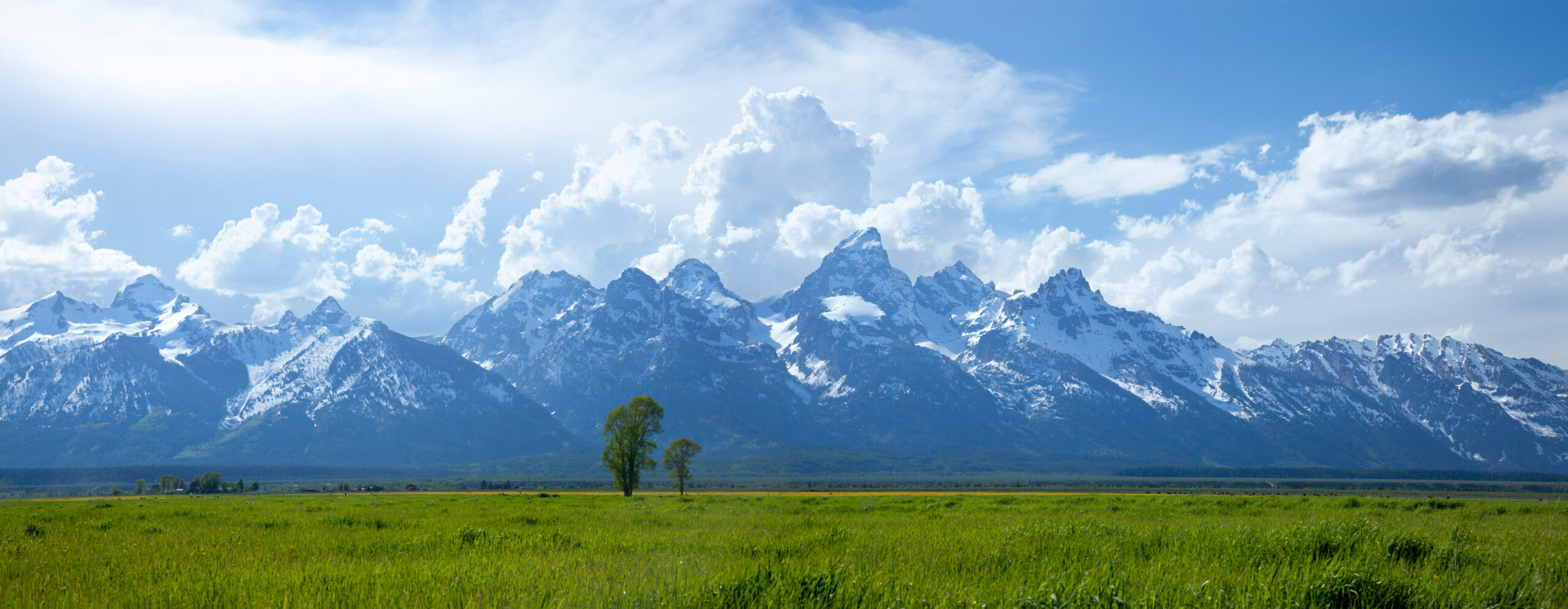
    Snow-capped mountains in Wyoming, scenic view for hiking and climbing enthusiasts.
    #4 / 87 POINTS

    Grand Teton

    Wyoming · 13,775 ft · Alpine rock · Typical window: July–September

    The Owen-Spalding and Exum Ridge routes bring exposure, route-finding and technical movement to a dramatic granite summit. This is not a walk-up and most first-timers benefit from a guide.

    Read the Grand Teton climbing guide →

    #5 / 84 POINTS

    Mount Hood

    Oregon · 11,249 ft · Steep snow · Typical window: May–July

    Quick access to the upper mountain can conceal the hazards of steep snow, rapidly warming conditions and consequential descents. An effective bridge toward larger Cascade volcanoes.
    Read the Mount Hood climbing guide →

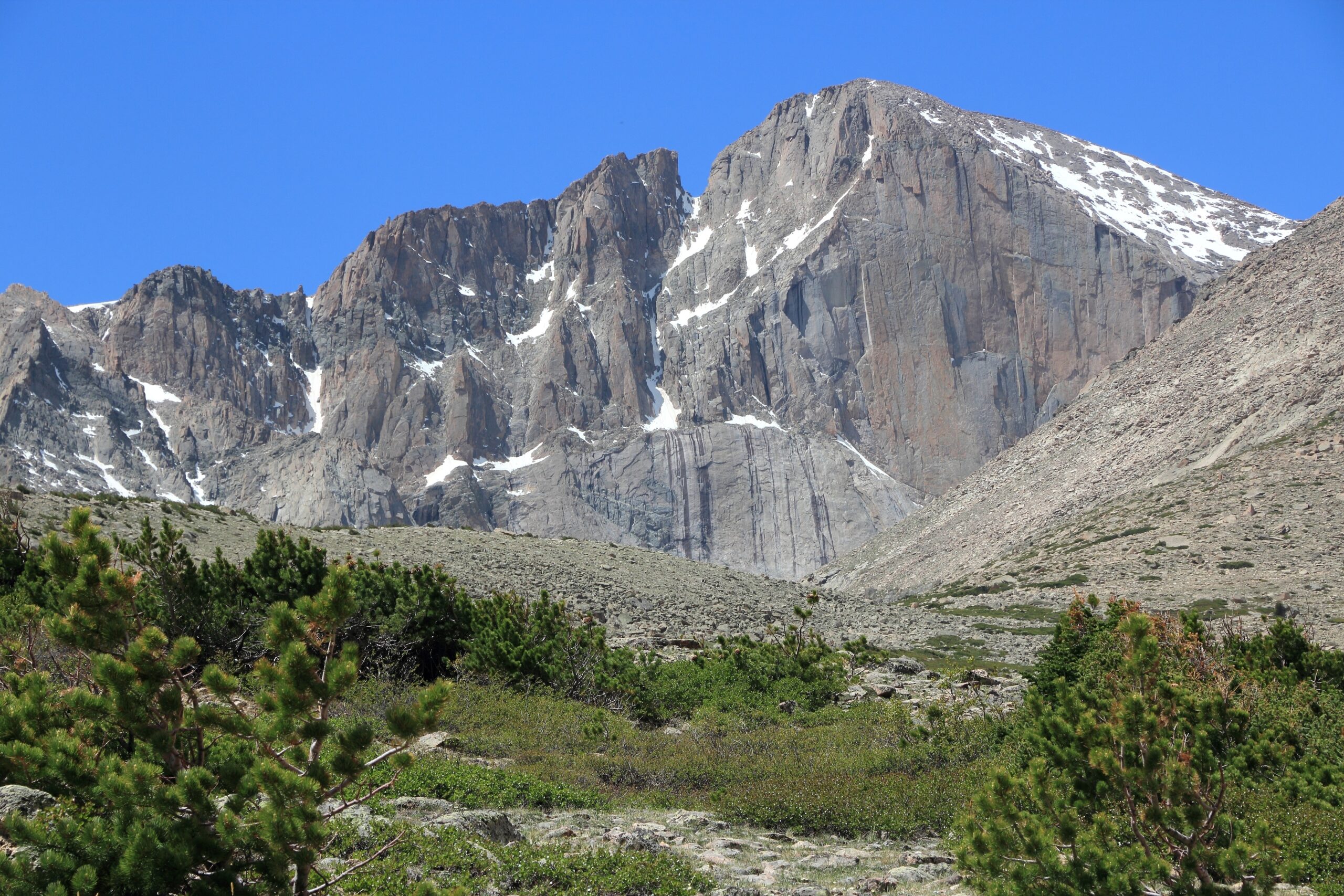
    Longs Peak Colorado 14er, Keyhole Route climbing gear and equipment
    #6 / 82 POINTS

    Longs Peak

    Colorado · 14,259 ft · Exposed scrambling · Typical window: July–September

    The Keyhole Route rewards route-finding, timing and calm movement through sustained exposure. Thunderstorms, ice and retreat decisions matter as much as elevation.

    Read the Longs Peak climbing guide →

    Mount Washington in New Hampshire, United States
    #7 / 81 POINTS

    Mount Washington

    New Hampshire · 6,288 ft · Severe-weather alpine · Typical window: Summer / winter

    The summit’s relatively low elevation can be misleading. Strong winds, rapid changes and cold-weather navigation make the mountain an excellent lesson in respecting conditions.
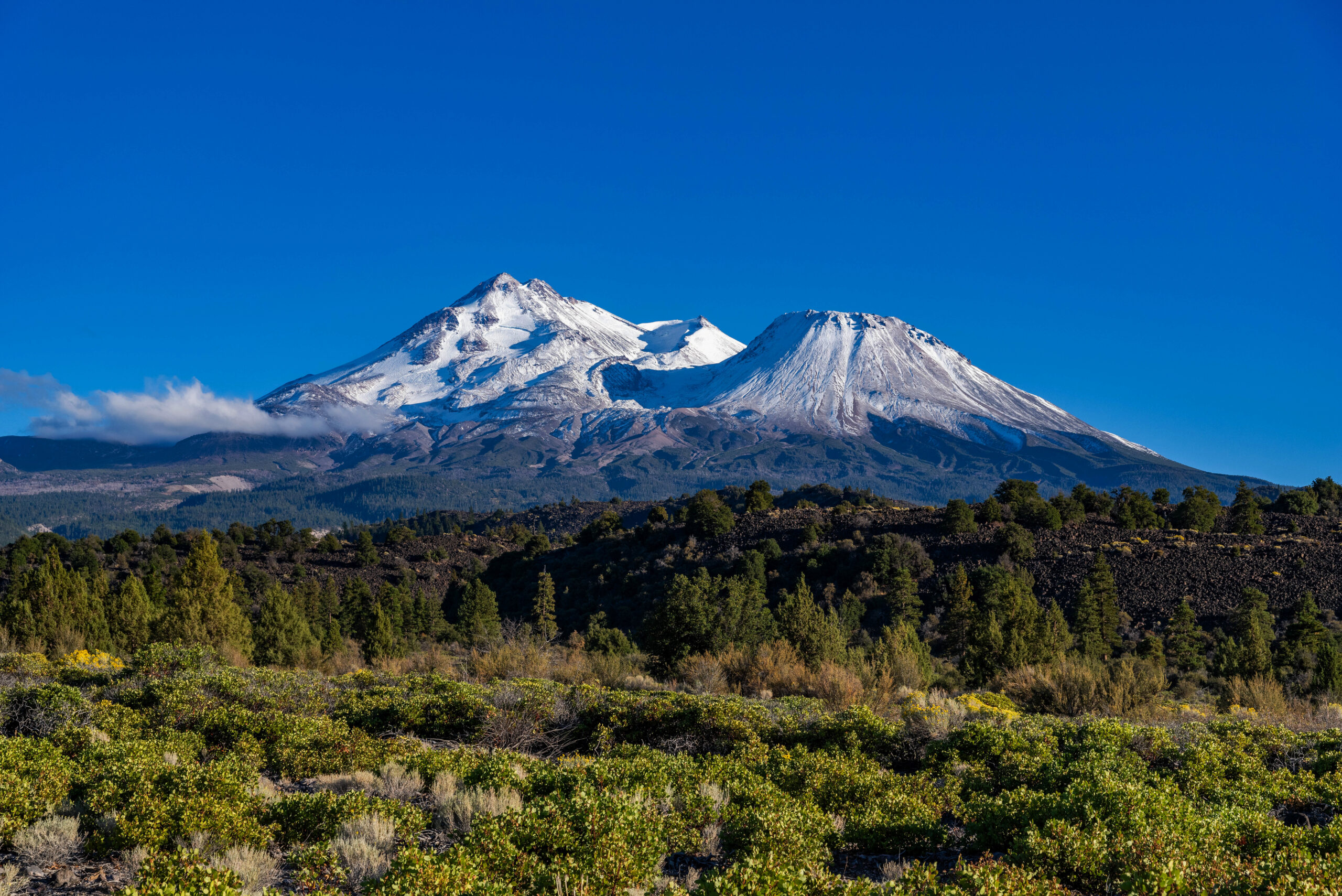
    Read the Mount Washington climbing guide →

    Snow-capped Mt. Shasta volcano and glacier in the Cascade Range, California climbing peak
    #8 / 80 POINTS

    Mount Shasta

    California · 14,179 ft · Snow climb · Typical window: May–July

    Avalanche Gulch delivers long snow travel, crampon movement and altitude without the same standard-route glacier complexity as Rainier. Rockfall and changing snow conditions still demand care.

    Read the Mount Shasta climbing guide →

    #9 / 79 POINTS

    Mount Saint Elias

    Alaska / Yukon · 18,008 ft · Remote expedition · Typical window: Season-dependent

    Rising dramatically near the Gulf of Alaska, Saint Elias pairs tremendous relief with dangerous storms, difficult access and complex glaciated terrain. An advanced expedition, not a next beginner objective

    #10 / 78 POINTS

    Mount Foraker

    Alaska · 17,400 ft · Technical alpine · Typical window: May–June

    Denali’s immense neighbor offers far less traffic and substantially more technical commitment on commonly attempted alpine routes. Strong independent climbing teams only.

    Beyond the headline peaks

    Ranks 11–20: Why each matters

    #11 / 77 POINTS

    El Capitan

    California · 7,573 ft · Big-wall rock

    A vertical granite wall rather than a conventional summit objective. El Capitan earns its place through unmatched influence on big-wall, free and speed climbing.

    #12 / 75 POINTS

    Half Dome

    California · 8,839 ft · Cables / rock climbing

    The cable route, historic rock faces and unmistakable profile unite hiking ambition and climbing heritage. Cable access is permit-controlled and weather sensitive.

    #13 / 74 POINTS

    Mount Baker

    Washington · 10,781 ft · Glacier climb

    The Easton and Coleman-Deming routes are popular places to develop glacier travel, crevasse rescue awareness and rope-team efficiency.

    #14 / 72 POINTS

    Mount Adams

    Washington · 12,281 ft · Snow climb

    The South Spur provides a substantial snow objective for fit climbers progressing from hikes to ice axe and crampon skills. Conditions determine the necessary techniques.

    #15 / 70 POINTS

    Mount Elbert

    Colorado · 14,440 ft · High-altitude hiking

    Elbert’s usual routes are nontechnical in good conditions, making it a valuable altitude and endurance milestone before committing to more exposed fourteeners.

    #16 / 68 POINTS

    Pikes Peak

    Colorado · 14,115 ft · Long hiking / public access

    Pikes Peak combines a major endurance hike with broad cultural recognition and unusual road and rail access. The long Barr Trail remains serious for hikers.

    #17 / 67 POINTS

    Mauna Kea

    Hawaii · 13,803 ft · Volcanic high point

    High altitude, isolation and fast-changing weather shape this summit. Cultural sensitivity and land-access rules are central to responsible planning.

    #18 / 66 POINTS

    Mount Katahdin

    Maine · 5,269 ft · Exposed ridge hiking

    Katahdin is the northern terminus of the Appalachian Trail and delivers serious exposure on the Knife Edge despite comparatively modest elevation.

    #19 / 64 POINTS

    Humphreys Peak

    Arizona · 12,633 ft · High-altitude hiking

    Arizona’s high point offers thin-air hiking, changing alpine weather and an accessible test of pacing and fitness before larger western objectives.

    #20 / 62 POINTS

    Kings Peak

    Utah · 13,528 ft · Wilderness backpacking

    Utah’s high point emphasizes remote backpacking, route planning and endurance. Its standard approach is a long wilderness commitment rather than a technical rock climb.

    Build skills, not just a summit list

    A practical American climbing progression

    01 / Foundation

    Hiking fitness + altitude

    Develop long-day fitness, weather routines, navigation, hydration and pace on nontechnical peaks such as Elbert or Whitney in suitable conditions.

    02 / Snow competence

    Shasta / Hood / Adams

    Learn crampon technique, ice-axe arrest, snow assessment and safe descent with instruction and conditions suited to your abilities.

    03 / Glacier competence

    Baker → Rainier

    Practice rope-team systems, crevasse rescue, winter camping and objective-hazard decisions with qualified instruction.

    04 / Alpine complexity

    Grand Teton and technical routes

    Progress toward scrambling exposure, pitched climbing and route finding with a competent partner or guide.

    05 / Expedition systems

    Denali preparation

    Arrive able to handle heavy loads, severe cold, glacier rescue and extended self-supported camping before flying onto the glacier.

    06 / Advanced alpine goals

    Foraker / Saint Elias

    Treat these as separate elite objectives requiring experience beyond a Denali summit.

    Safety principle: A progression is illustrative, not a qualification. Training, partner ability, current conditions and objective route hazards determine readiness. Use the Global Summit Guide planning tools to organize the decision.
    Regional context

    Why the USA offers so many different climbing styles

    Alaska

    Major glacier expeditions, severe cold and remote technical alpine lines.

    Cascades

    Volcanic snow climbs, complex glaciers and fast-changing Pacific Northwest weather.

    Sierra Nevada

    High-altitude trail objectives, granite climbing and alpine routes.

    Rocky Mountains

    High points and exposed scrambling at altitude.

    Northeast

    Unforgiving weather, winter terrain and iconic ridge hikes.

    Yosemite & Hawaii

    World-defining granite walls and culturally important volcanic summits.

    Before choosing your trip

    Season, permit and budget framework

    Dates are broad seasonal patterns, not current route reports. Conditions shift yearly and official permit requirements can change.

    Objective typeCommon planning windowMain cost driverWhat to verify
    Lower-48 summer hikesGenerally summer to early autumnTravel, access and lodgingPermit lottery or reservations, snow, storm forecasts
    Cascades snow climbsOften late spring to summerGuide or instruction, equipmentCrevasse and avalanche conditions, route permits
    Alpine rock routesOften midsummer to early autumnGuide, technical equipment, lodgingRoute conditions, local permits, approach closures
    Alaska expeditionsUsually late spring to early summerFlights, guide services, expedition gearNPS fees, registration, flights, glacier conditions
    Winter alpine objectivesHighly condition dependentTechnical systems and safety marginsWeather, avalanche forecast, partner competence
    Frequently asked questions

    Questions climbers ask

    What is the greatest mountain in the United States for climbers?

    Denali ranks first in this editorial model for altitude, remoteness, weather, glacier travel and expedition commitment. It is not the best first mountain for most people.

    Is this a ranking of the hardest mountains in the USA?

    No. The rankings combine history, route quality, significance and learning value with stature and progression. Hardest and greatest answer different questions.

    Why does Mount Whitney rank above more technical peaks?

    Whitney’s position rewards its lower-48 high-point status, cultural significance and role as an accessible altitude milestone. It does not imply the standard trail is more technical.

    Is Mount Rainier good preparation for Denali?

    Rainier is an important glacier-training objective. Denali preparation also requires heavy-load hauling, cold-weather camping, expedition logistics and strong judgment.

    Which USA mountain should a beginner climb first?

    A fit beginner might start with an appropriate nontechnical peak, depending on altitude, weather and experience. Begin with a mountain-by-skill guide rather than using this overall ranking as an itinerary.

    Was this helpful?

    Thanks for your feedback!
  • Best Mountains to Climb for Beginners: 12 First Peaks

    Global Summit Guide / Beginner mountain collection

    Best Mountains for Beginner Climbers: 12 First Peaks

    Your first mountain should teach the next skill—not expose you to five unfamiliar hazards at once. Compare hikes, guided glacier courses, Alpine 4,000ers and altitude expeditions before choosing.

    The verdict: St. Helens, Fuji and Toubkal are strong first trekking summits. Baker is our best first instructional glacier climb. Kilimanjaro is a supported first altitude expedition—but not an easy first hike.

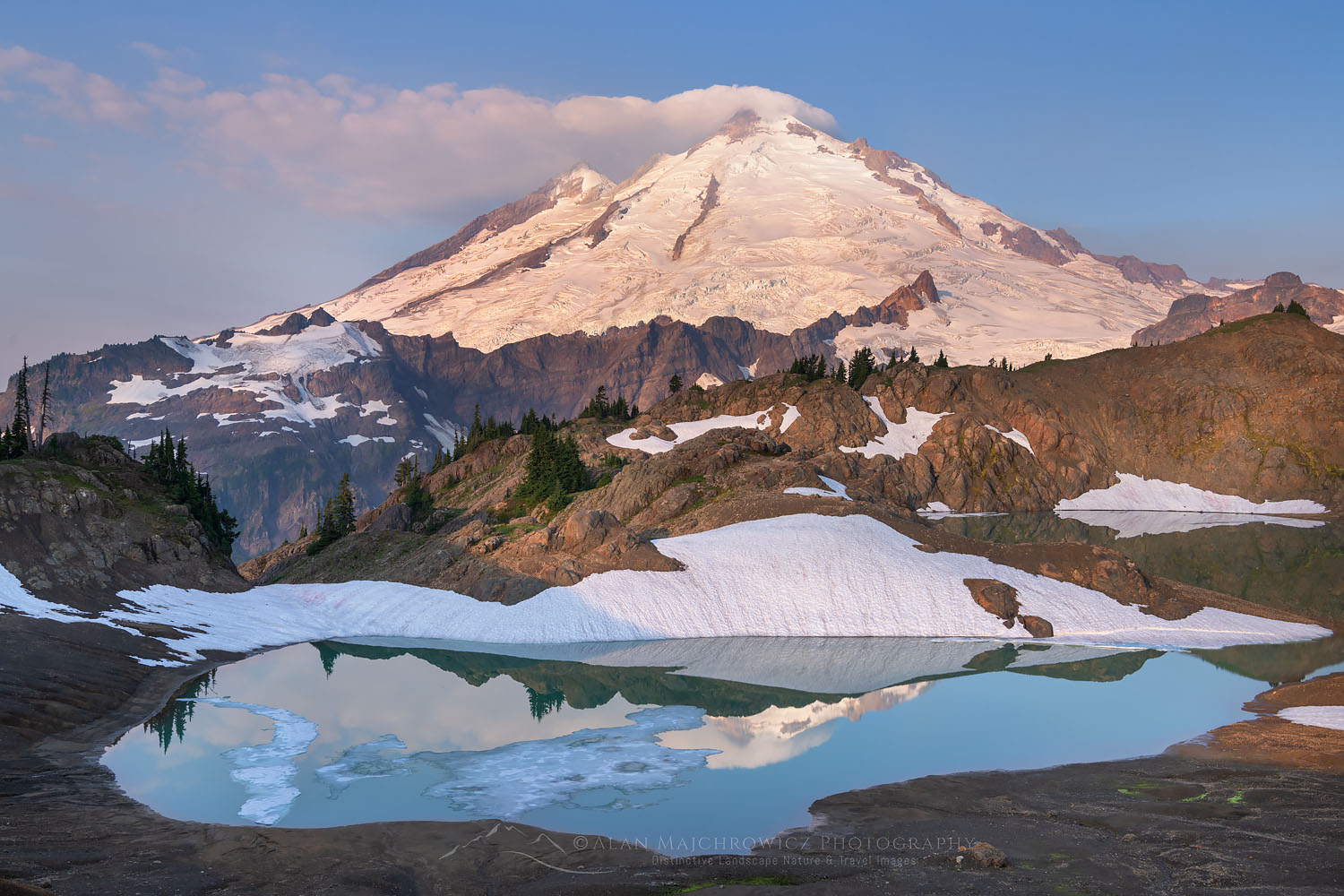
    Mount Rainier reflection in lake, glaciated peak and evergreen forest landscape

    Mount Rainier is a progression goal, not an untrained first mountain.

    12Mountain pathways
    4Types of beginner
    68–94Comparative suitability scores
    5Progression steps

    The ranking / 2026

    All 12 beginner mountains compared

    Ranked by teaching value, suitable entry point, technical barrier, objective hazards and support—not by height or summit prestige. Ratings are an editorial framework, not safety guarantees.

    RankMountainBest forFirst-ever?ElevationTypical durationBudgetScore
    01Mount BakerWashington, USAFirst technical mountaineering courseYes, as a guided instructional climb3,286 m5–6 days$$$94
    02BreithornSwiss–Italian AlpsFirst guided Alpine 4,000erConditional: guided, acclimatized and fit4,164 m1 day$$–$$$91
    03Gran ParadisoItalyFirst hut-to-summit Alpine climbConditional: strong fitness, guided glacier skills4,061 m2–3 days$$$90
    04Mount HoodOregon, USAShort guided snow summitConditional: instructed/guided technical ascent3,429 m2–3 days$$–$$$88
    05Mount St. HelensWashington, USAFirst summer volcano summitYes, for a fit hiker in suitable summer conditions2,549 m1 day$86
    06Mount FujiJapanFirst international trekking summitYes, during the official climbing season3,776 m1–2 days$–$$84
    07Jebel ToubkalMoroccoFirst guided international 4,000m trekYes, for a fit hiker with local guide4,167 m2–3 days$–$$83
    08Mount AdamsWashington, USAFirst independent snow objective after trainingNo: obtain snow and navigation skills first3,742 m2 days$80
    09KilimanjaroTanzaniaFirst supported high-altitude expeditionConditional: strong fitness and slow itinerary5,895 m7–9 days$$$$78
    10Mount Kenya — Point LenanaKenyaFirst African multi-day trekking summitConditional: fit and properly acclimatized4,985 m4–6 days$$$76
    11Pico de OrizabaMexicoFirst 5,000m technical-altitude progressionNo: snow skills and altitude experience needed5,636 m7–10 days$$$72
    12Mount RainierWashington, USAFirst major glacier expedition after a courseNo: prior glacier instruction recommended4,392 m4–6 days$$$68

    Budget tiers: $ local low-cost objective; $$ short guided climb or international trek; $$$ multi-day guided/course objective; $$$$ international supported expedition. Actual prices vary substantially.

    How the 100-point Beginner Score works: first-mountain suitability 25; technical barrier 20; hazard burden 20; guide/rescue infrastructure 15; access/budget 10; transferable progression value 10. A high score does not mean low risk.

    Interactive planning tool

    Find your first mountain

    Choose your experience and goals to get a shortlist. This tool cannot evaluate current route conditions, fitness or medical suitability.

    First mountain suggestions: Mount St. Helens, Mount Fuji and Jebel Toubkal are suitable trekking starting points for prepared hikers. Adjust your choices to refine the list.

    Not sure you’re ready? Take the GSG planning-tool assessments and compare first guided climbs.

    Mountain by mountain

    What each mountain teaches

    Use these profiles to narrow the decision. Always verify seasonal permits, local rules and recent route conditions independently.

    Glaciated Mt. Baker summit reflecting in alpine lake, Washington climbing destination

    #01 · Score 94/100

    Mount Baker

    Washington, USA · 3,286 m · 5–6 days

    Best for: First technical mountaineering course.

    First-ever: Yes, as a guided instructional climb.

    Teaches: Glacier skills: crampons, rope travel and crevasse rescue.

    Read mountain guide →

    #02 · Score 91/100

    Breithorn

    Swiss–Italian Alps · 4,164 m · 1 day

    Best for: First guided Alpine 4,000er.

    First-ever: Conditional: guided, acclimatized and fit.

    Teaches: Glacier rope travel and altitude pacing.

    Read mountain guide →

    #03 · Score 90/100

    Gran Paradiso

    Italy · 4,061 m · 2–3 days

    Best for: First hut-to-summit Alpine climb.

    First-ever: Conditional: strong fitness, guided glacier skills.

    Teaches: Hut systems, glacier travel and exposed summit scrambling.

    Read mountain guide →
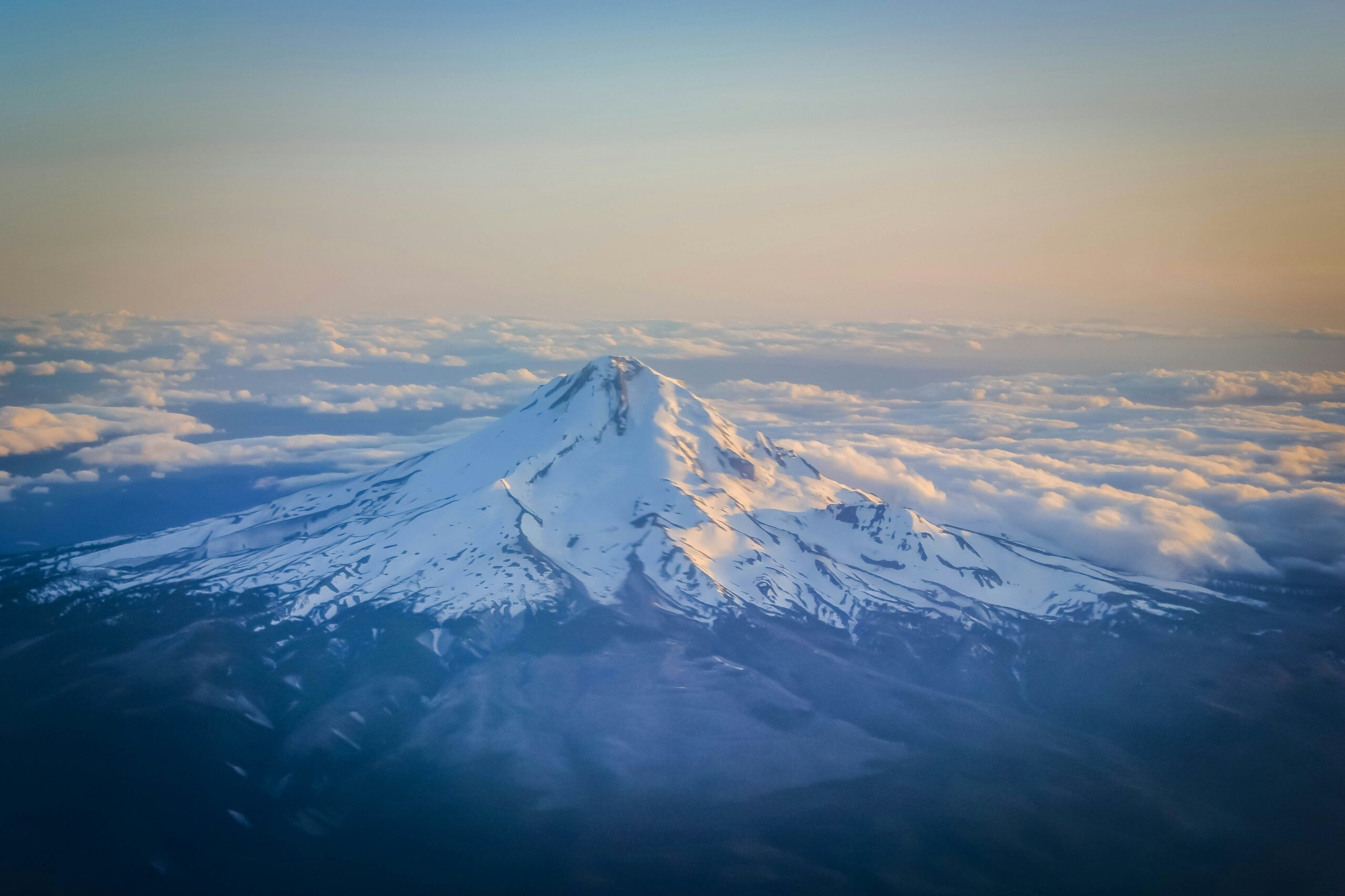
    Snow-capped peak of a Cascade Volcano, surrounded by clouds, representing Mount Shasta in the Pacific Northwest, highlighting its majestic beauty for climbers and adventurers.

    #04 · Score 88/100

    Mount Hood

    Oregon, USA · 3,429 m · 2–3 days

    Best for: Short guided snow summit.

    First-ever: Conditional: instructed/guided technical ascent.

    Teaches: Self-arrest, crampons, exposure and turnaround timing.

    Read mountain guide →

    #05 · Score 86/100

    Mount St. Helens

    Washington, USA · 2,549 m · 1 day

    Best for: First summer volcano summit.

    First-ever: Yes, for a fit hiker in suitable summer conditions.

    Teaches: Pacing, permit planning, navigation and turnaround decisions.

    Read mountain guide →

    #06 · Score 84/100

    Mount Fuji

    Japan · 3,776 m · 1–2 days

    Best for: First international trekking summit.

    First-ever: Yes, during the official climbing season.

    Teaches: Altitude awareness, hut logistics and weather.

    Read mountain guide →

    #07 · Score 83/100

    Jebel Toubkal

    Morocco · 4,167 m · 2–3 days

    Best for: First guided international 4,000m trek.

    First-ever: Yes, for a fit hiker with local guide.

    Teaches: Long mountain days, refuge travel and altitude.

    Read mountain guide →

    #08 · Score 80/100

    Mount Adams

    Washington, USA · 3,742 m · 2 days

    Best for: First independent snow objective after training.

    First-ever: No: obtain snow and navigation skills first.

    Teaches: Self-supported snow climbing and camp systems.

    Read mountain guide →
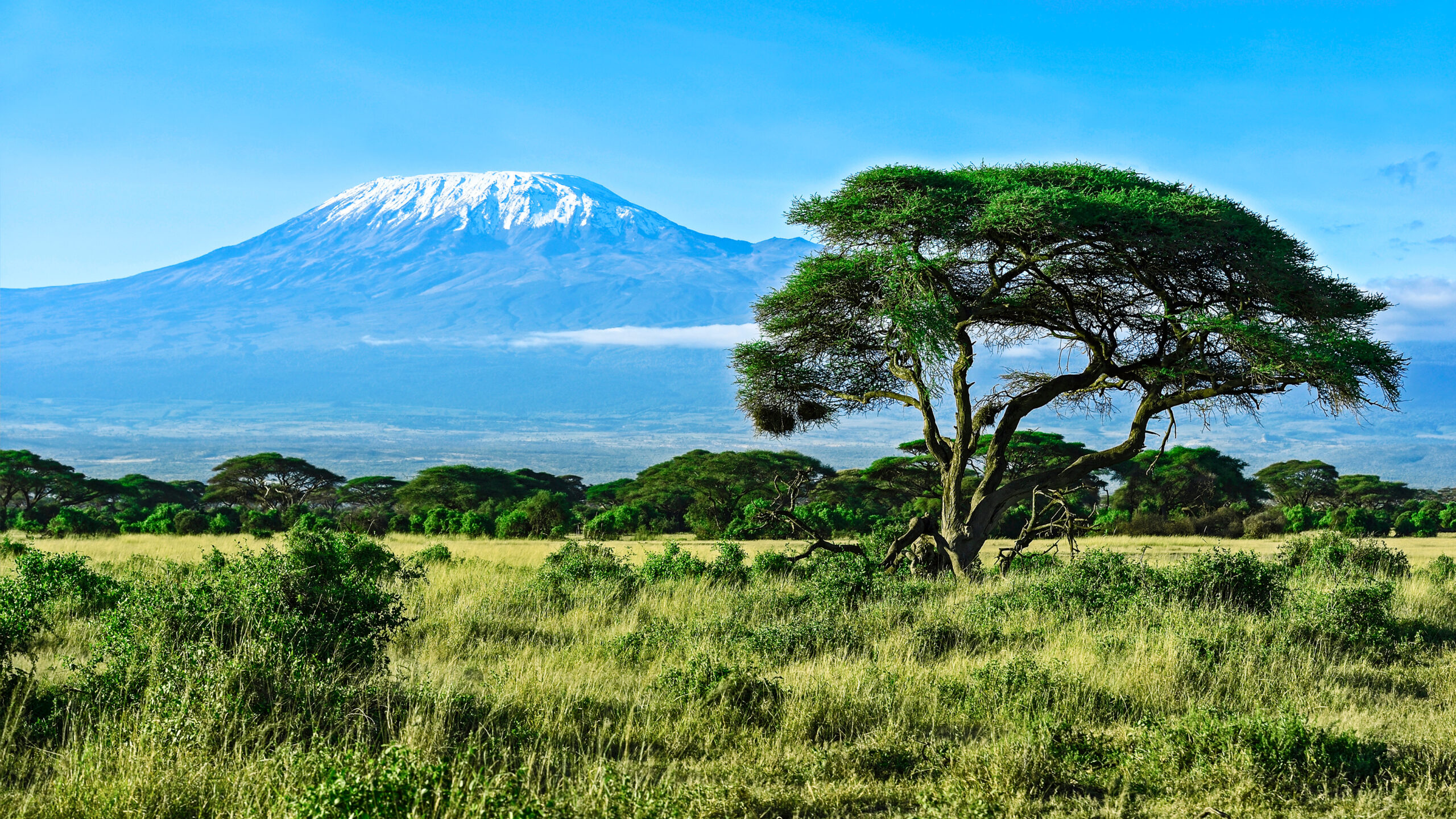
    Snow-capped Mount Kilimanjaro rising above savanna landscape and acacia tree in Kenya.

    #09 · Score 78/100

    Kilimanjaro

    Tanzania · 5,895 m · 7–9 days

    Best for: First supported high-altitude expedition.

    First-ever: Conditional: strong fitness and slow itinerary.

    Teaches: Expedition rhythm, acclimatization and altitude decisions.

    Read mountain guide →

    #11 · Score 72/100

    Pico de Orizaba

    Mexico · 5,636 m · 7–10 days

    Best for: First 5,000m technical-altitude progression.

    First-ever: No: snow skills and altitude experience needed.

    Teaches: Crampon movement and very high-altitude planning.

    Read mountain guide →
    Mount Rainier reflection in lake, glaciated peak and evergreen forest landscape

    #12 · Score 68/100

    Mount Rainier

    Washington, USA · 4,392 m · 4–6 days

    Best for: First major glacier expedition after a course.

    First-ever: No: prior glacier instruction recommended.

    Teaches: Complex glacier routes and sustained summit days.

    Read mountain guide →

    Practical progression

    Five stages from hiker to mountaineer

    Build your hiking base

    Repeat long hikes with sustained elevation gain; practice fueling, navigation and safe turnarounds.

    Complete a first summit

    Start with a suitable summer trekking objective to learn summit-day decision making.

    Take a technical course

    Practice crampons, ice axe, anchors, rope systems and crevasse rescue with qualified instruction.

    Apply the skills

    Choose Hood, Breithorn, Gran Paradiso or Adams with appropriate supervision and conditions.

    Add altitude or expedition complexity

    Progress to Kilimanjaro, Point Lenana, Orizaba and eventually Rainier-level objectives.

    Gear & cost

    Plan for the real cost

    A self-supported trekking day may only need transport, a permit and equipment you already own. Glacier courses, guides, huts, flights, rentals and multi-day expedition logistics change the equation.

    See the mountaineering gear guide and build a mountain-specific budget before committing to a date.

    Some gear or travel links on GSG may be affiliate links. Purchases may support the site at no extra cost to you. Editorial rankings are not available for purchase.

    Before you book

    • Confirm the actual route and season—not just the mountain name.
    • Read government permit, access and hut requirements.
    • Ask guides which skills are taught versus required on arrival.
    • Build a weather contingency and turnaround plan.
    • Check altitude exposure and gradual acclimatization.
    • Budget for equipment, insurance and a change of plans.

    Common questions

    Beginner mountain FAQs

    What is the best first mountain to climb?

    For a prepared hiker seeking a nontechnical summit, Mount St. Helens in suitable summer conditions, Mount Fuji during its official season and Jebel Toubkal with the required local guide are strong options. Choose based on where you live and the conditions.

    What is the best first technical mountaineering climb?

    A guided instructional Mount Baker course is our top choice because it teaches glacier travel and safety systems alongside a summit objective.

    Can a beginner climb Mount Rainier?

    Rainier can be a first major glacier expedition for a fit climber who has completed appropriate instruction. It is not a good untrained first-ever mountain.

    Is Kilimanjaro a beginner climb?

    Standard routes are nontechnical, but the elevation of 5,895 metres makes altitude sickness and itinerary pacing significant concerns. A slower supported itinerary is advisable.

    What is the difference between a beginner summit and a beginner climbing course?

    A hiking summit develops endurance, decision-making and navigation. A technical course teaches crampons, rope systems, self-arrest and rescue skills before using them in glaciated terrain.

    Was this helpful?

    Thanks for your feedback!
Language »