
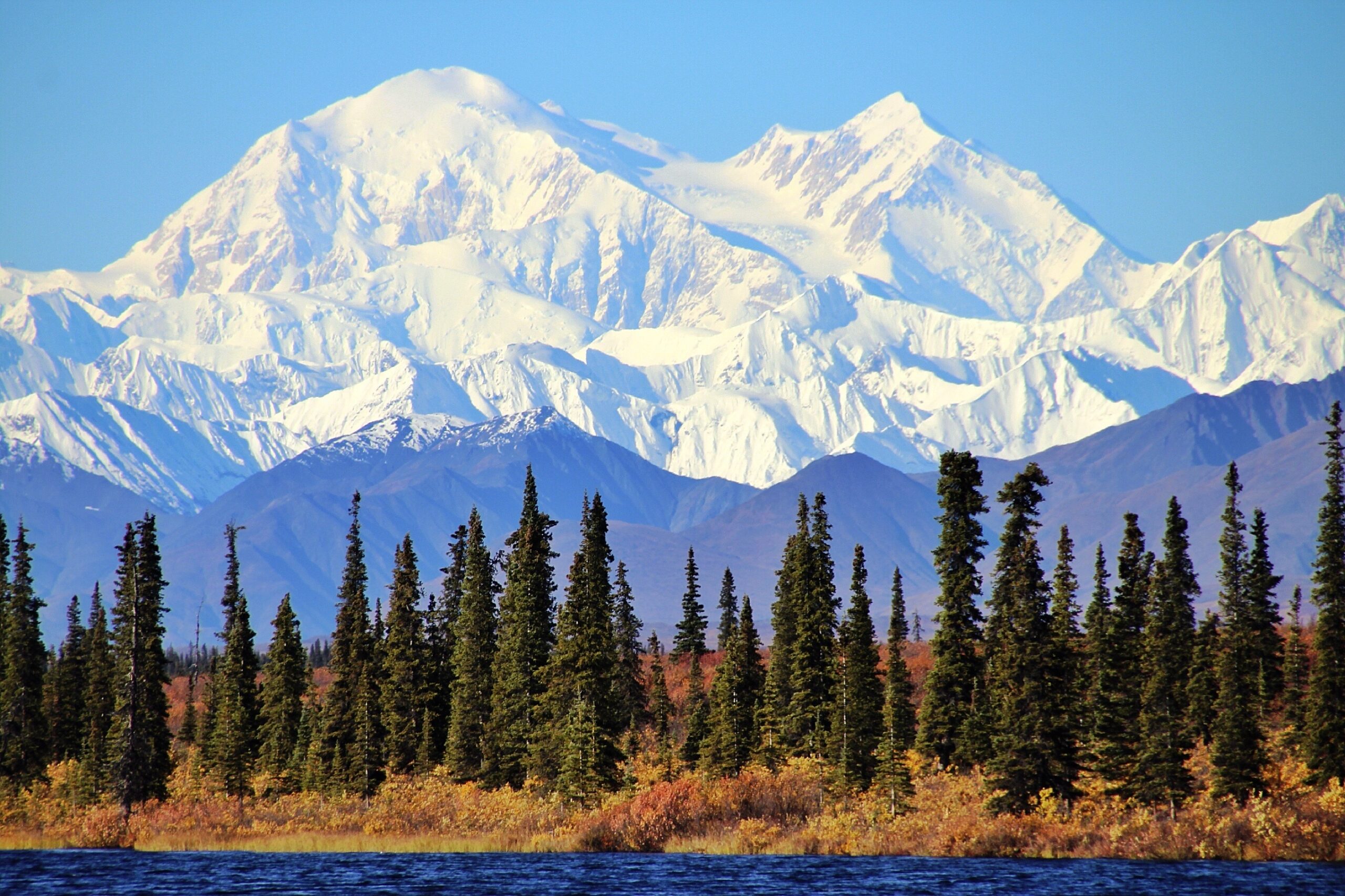
20 Greatest Mountains in the USA: Ranked for Climbers.
The defining climbs of American mountaineering—from Denali’s expedition ice to Rainier’s glaciers, Whitney’s altitude, Grand Teton’s alpine rock and the walls of Yosemite. Compare all 20, explore their real locations on the map and choose the right next challenge.
Which Are America’s Greatest Mountains for Climbers?
Denali is our #1 American mountaineering objective because its glacier expedition, elevation and commitment represent the highest overall test of US expedition climbing. Mount Rainier ranks #2 as the country’s premier glacier-training mountain; Mount Whitney ranks #3 for its lower-48 high-point status and accessible altitude; Grand Teton ranks #4 as an iconic technical alpine-rock ascent.
Important: “greatest” is an editorial climbing judgment—not an objective measurement of beauty or danger, and not a list of the 20 tallest mountains. Our six-factor scoring preserves this page’s existing rankings. We include El Capitan explicitly as a defining climbing objective, not a topographically independent mountain.
The 20 Greatest US Mountain Objectives at a Glance.
The ranking is based on climbing significance (25 points), history and culture (20), transferable climbing skills (20), stature and presence (15), route quality (10) and progression value (10). Scores express editorial judgment, not measured danger or a claim that every climber will agree.
| Rank | Mountain / Objective | Where | Summit / landmark elevation | Primary climbing style | Editorial score |
|---|---|---|---|---|---|
| 1 | Denali America’s defining expedition mountain | Alaska | 20,310 ft | Glacier expedition | 97/100 |
| 2 | Mount Rainier The national glacier classroom | Washington | 14,410 ft | Glacier mountaineering | 94/100 |
| 3 | Mount Whitney The lower-48 altitude gateway | California | 14,505 ft | Altitude hiking / alpine rock | 88/100 |
| 4 | Grand Teton America’s alpine-rock icon | Wyoming | 13,775 ft | Alpine rock | 87/100 |
| 5 | Mount Hood The approachable—but serious—snow climb | Oregon | 11,249 ft | Steep snow / volcanic | 84/100 |
| 6 | Longs Peak A Colorado test of exposure | Colorado | 14,259 ft | Exposed scrambling | 82/100 |
| 7 | Mount Washington The eastern weather classroom | New Hampshire | 6,288 ft | Severe-weather alpine | 81/100 |
| 8 | Mount Shasta The bridge from hiking to snow climbing | California | 14,179 ft | Snow and volcanic | 80/100 |
| 9 | Mount Saint Elias Immense relief from sea to summit | Alaska / Yukon | 18,008 ft | Remote expedition | 79/100 |
| 10 | Mount Foraker An elite Alaska Range challenge | Alaska | 17,400 ft | Advanced alpine expedition | 78/100 |
| 11 | El Capitan America’s definitive big wall | California | 7,573 ft | Big-wall rock | 77/100 |
| 12 | Half Dome A Yosemite icon for many styles | California | 8,839 ft | Cables hike / technical rock | 75/100 |
| 13 | Mount Baker A rope-team glacier apprenticeship | Washington | 10,781 ft | Glacier mountaineering | 74/100 |
| 14 | Mount Adams Cascade altitude and endurance | Washington | 12,281 ft | Long volcanic snow climb | 72/100 |
| 15 | Mount Elbert Rockies high point | Colorado | 14,440 ft | High-altitude hiking | 70/100 |
| 16 | Pikes Peak The mountain that inspired America | Colorado | 14,115 ft | Long hike / public-access summit | 68/100 |
| 17 | Mauna Kea Pacific volcanic and cultural scale | Hawaiʻi | 13,803 ft | High volcano / sacred summit | 67/100 |
| 18 | Mount Katahdin The Appalachian Trail terminus | Maine | 5,269 ft | Exposed ridge hiking | 66/100 |
| 19 | Humphreys Peak Southwest high-point ambition | Arizona | 12,633 ft | Alpine hiking | 64/100 |
| 20 | Kings Peak The High Uintas wilderness objective | Utah | 13,528 ft | Wilderness backpacking | 62/100 |
Put All 20 Mountain Objectives on the Map.
Select the Lower 48, Alaska or Hawaiʻi, or zoom out to see the full geographic spread. Tap any gold pin to see its editorial rank, climbing style and the link to its guide. The map uses real OpenStreetMap tiles, with a noninteractive fallback if map scripts are blocked.
Explore by Mountain.
Click a mountain to center the map and see its position. Use the table for the full 20-objective comparison.
The map will become interactive when loaded.
Map caveat: These pins are geographical reference points only. They are not trailheads, GPS tracks, summit approach directions or safety recommendations. Confirm permitted access and route conditions with the relevant land manager.
Why These Ten Mountains Lead the Ranking.
For US mountaineering, skill progression matters more than simply collecting a taller summit. These profiles explain each mountain’s place in the ranking—and what a climber actually learns there.
Denali
The summit is North America’s highest point, but height alone does not explain its place at #1. Denali demands a multiweek glacier expedition, heavy carries, self-sufficiency and sustained decisions in severe cold.
What it develops: Roped glacier travel, crevasse rescue, load hauling and high-camp logistics. A long mountain, not a quick summit outing.
Typical planning window: May–early July. Exact safe timing changes each season.
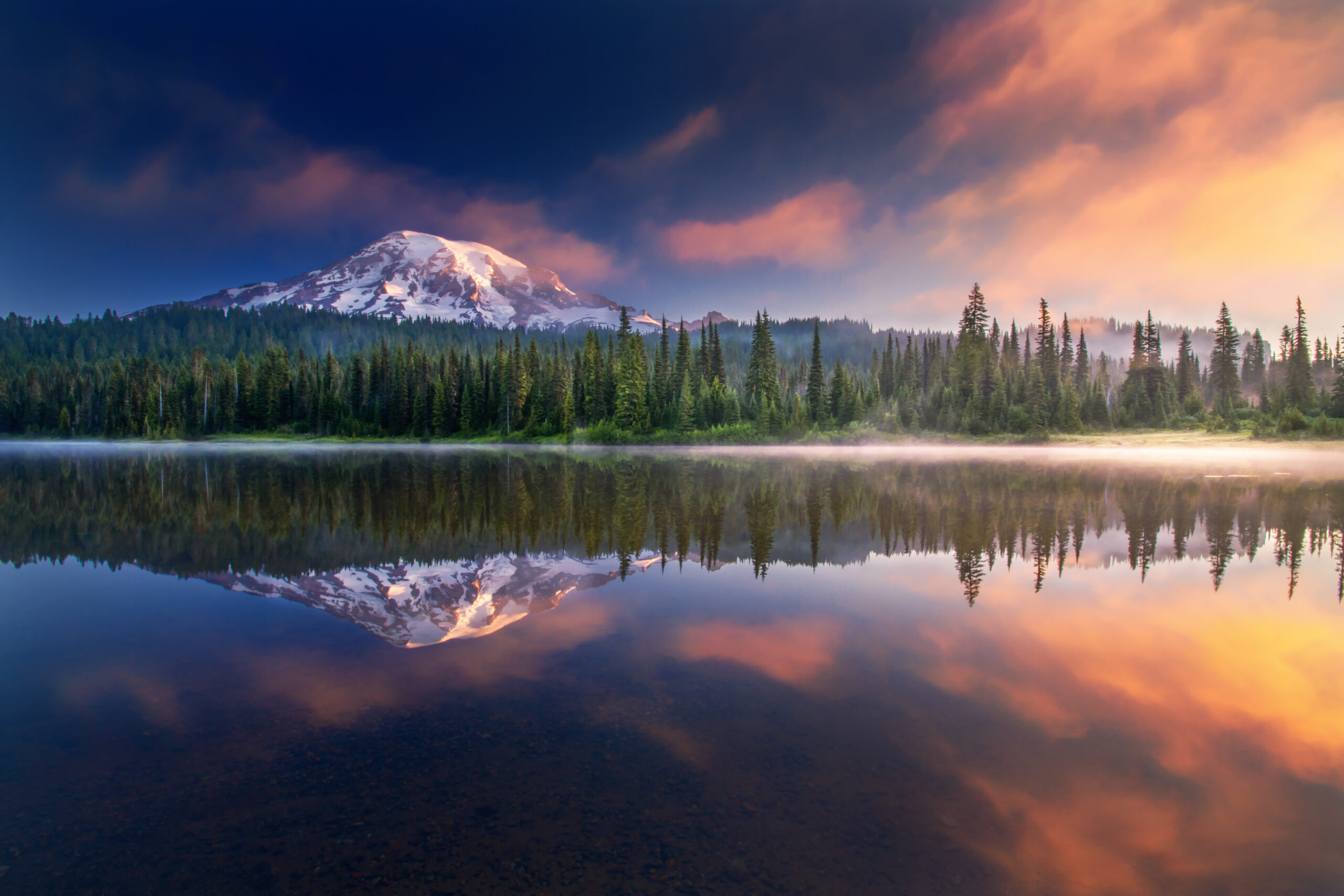
Mount Rainier
Rainier offers an unusually complete glaciated-mountain education within a few days: rope teams, crevasses, route changes, altitude, snow bridges and alpine timing.
What it develops: A cornerstone goal for climbers graduating from snow travel into true glacier systems; standard summit routes remain technical.
Typical planning window: May–July. Exact safe timing changes each season.
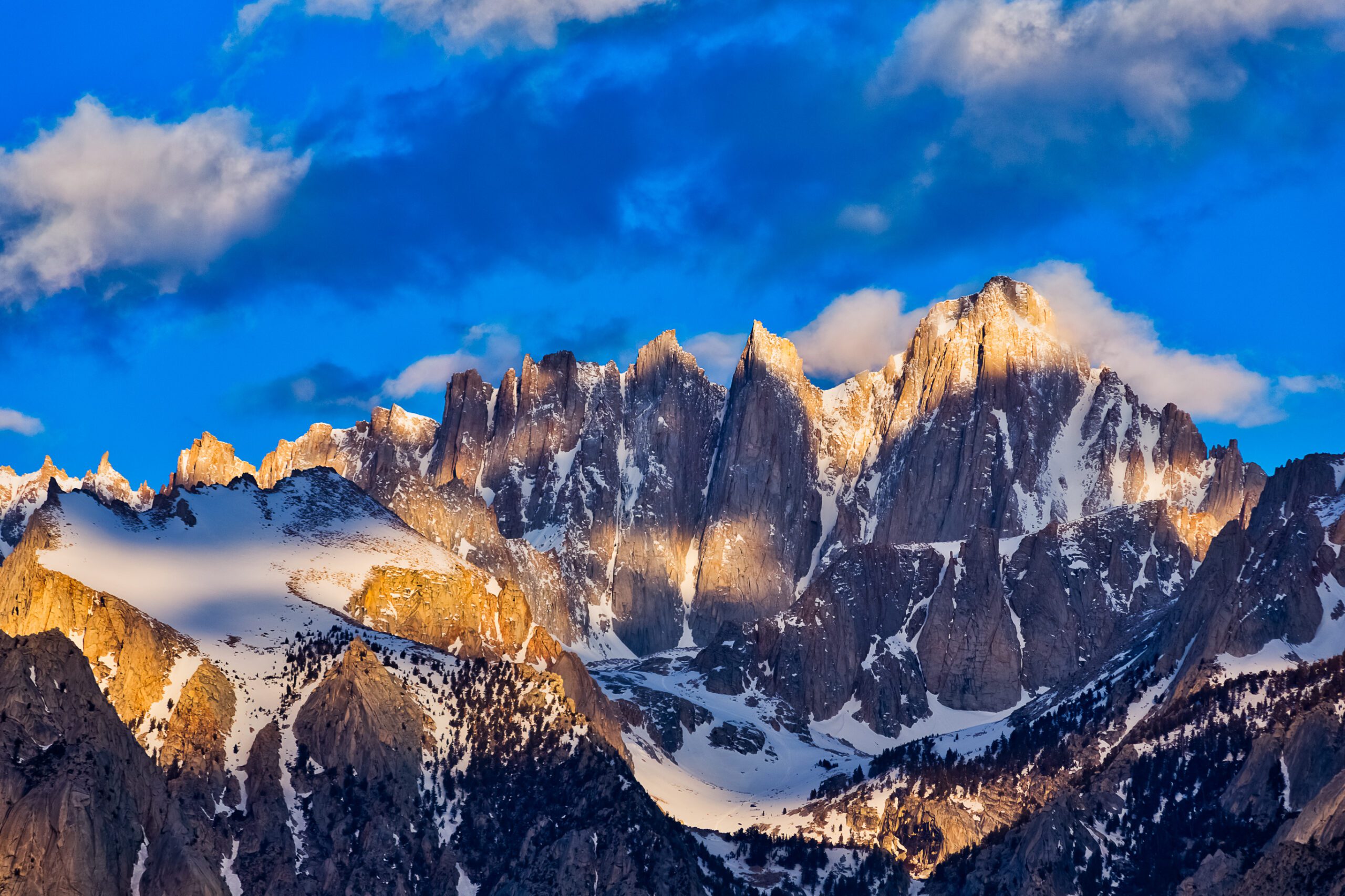
Mount Whitney
Whitney is the highest summit in the contiguous United States. Its popular trail lets ambitious hikers test altitude, pacing and endurance without claiming they have completed a technical climb.
What it develops: The Mountaineer’s Route and east-face rock lines add much harder alternatives; permit and snow conditions change the experience.
Typical planning window: July–September. Exact safe timing changes each season.
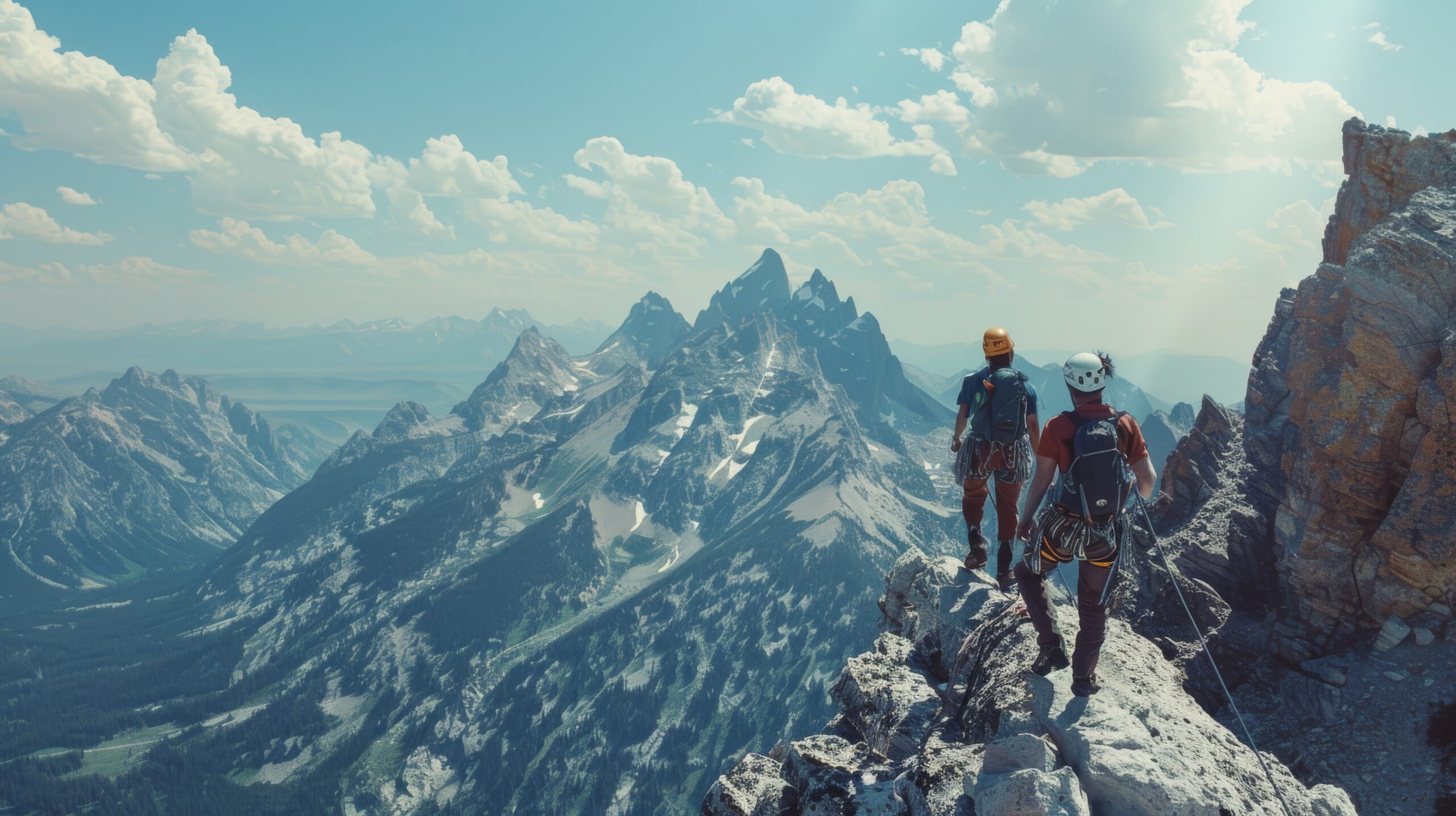
Grand Teton
The Grand rises abruptly above Jackson Hole. Its classic Exum and Owen–Spalding routes convert rock technique into a genuine mountain day where exposure, weather and route finding matter.
What it develops: Technical scrambling or roped rock, efficient movement, rappelling judgment and rapid response to thunderstorms.
Typical planning window: July–September. Exact safe timing changes each season.
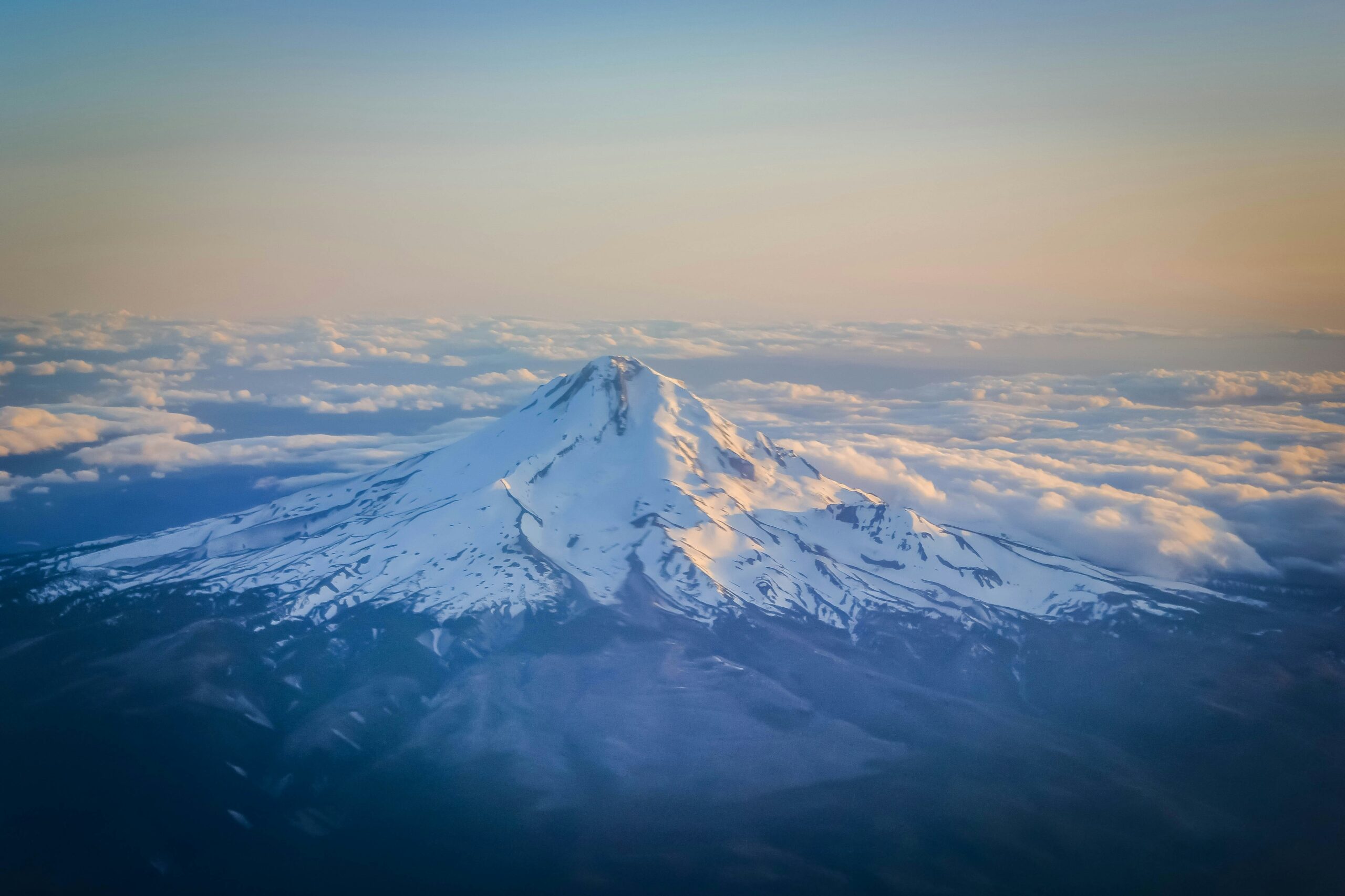
Mount Hood
Hood can seem accessible because trailheads are close to Portland and the south-side route is popular. Steep summit terrain, falling ice and fast-changing conditions are why it belongs among America’s essential mountaineering objectives.
What it develops: Crampon movement, ice-axe arrest, steep-snow judgment and early starts; route choice is conditions-dependent.
Typical planning window: Spring–early summer. Exact safe timing changes each season.
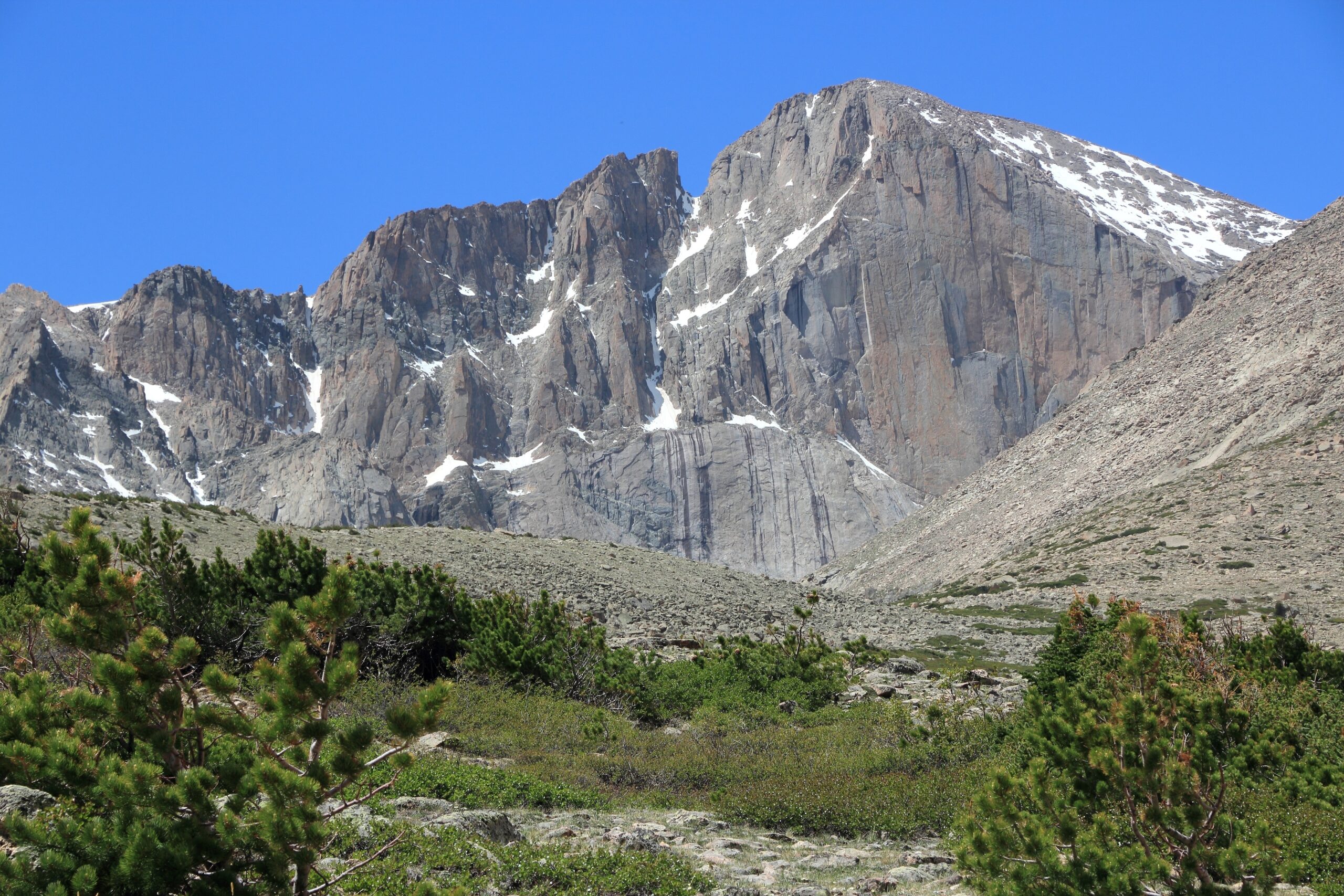
Longs Peak
Longs is not a casual walk-up despite its famous Keyhole Route. Broad alpine terrain, ledges, a long summit day and Colorado’s afternoon weather force climbers to value decisions over summit fever.
What it develops: Third-class exposure, movement on slabs, altitude pacing and conservative turnaround times.
Typical planning window: July–September. Exact safe timing changes each season.

Mount Washington
Its low elevation hides an outsized lesson: weather governs risk. The Presidential Range has long taught American climbers that winter wind, whiteouts and cold can be harder than altitude.
What it develops: Route choice, layered clothing, navigation, wind assessment and, in winter, full mountaineering preparation.
Typical planning window: Summer / expert winter. Exact safe timing changes each season.
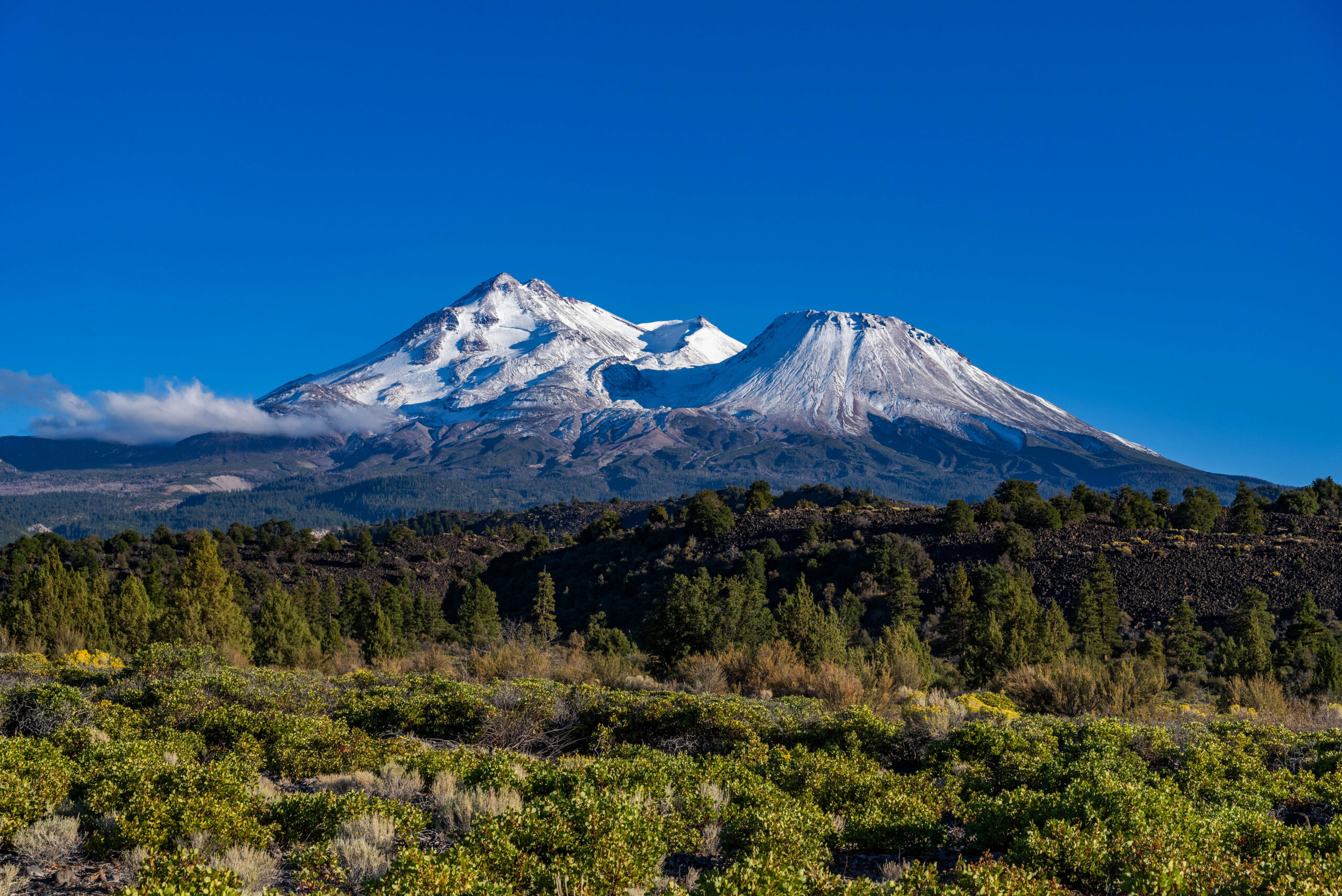
Mount Shasta
A huge independent volcano with classic snow routes, Shasta is one of the best-known places to convert basic hiking fitness into snow and ice-axe proficiency—when avalanche and rockfall hazards are properly evaluated.
What it develops: Crampon technique, arrest practice, snow timing and avalanche awareness; not a beginner-only mountain.
Typical planning window: May–July. Exact safe timing changes each season.
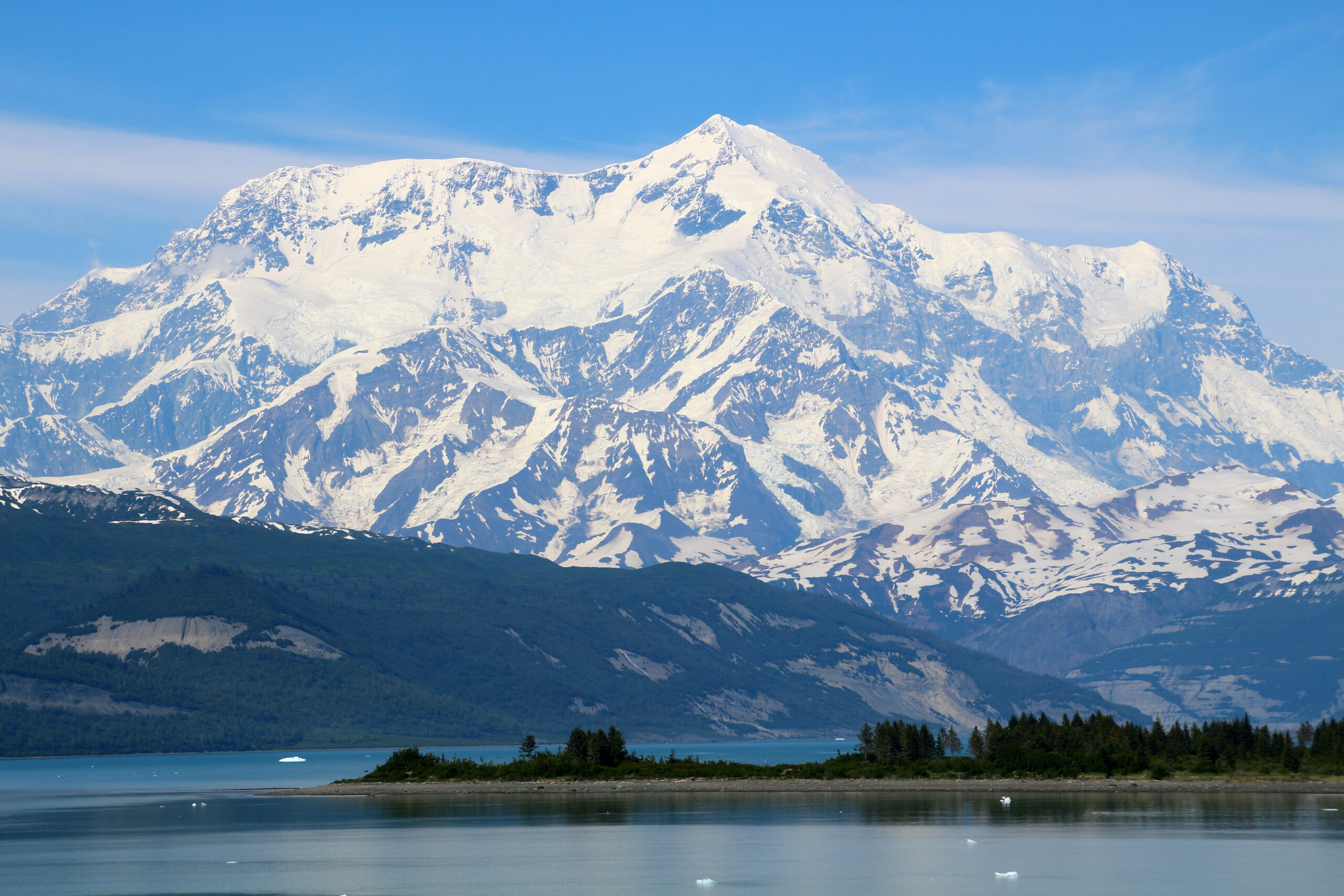
Mount Saint Elias
Near the Gulf of Alaska, Saint Elias rises with astonishing vertical relief and weather exposure. Few American summit objectives demand this level of access planning and expedition tolerance.
What it develops: Remote glacier logistics, very high consequence decisions, advanced expedition competency. The summit lies on the Alaska–Yukon international boundary.
Typical planning window: Late spring–summer. Exact safe timing changes each season.
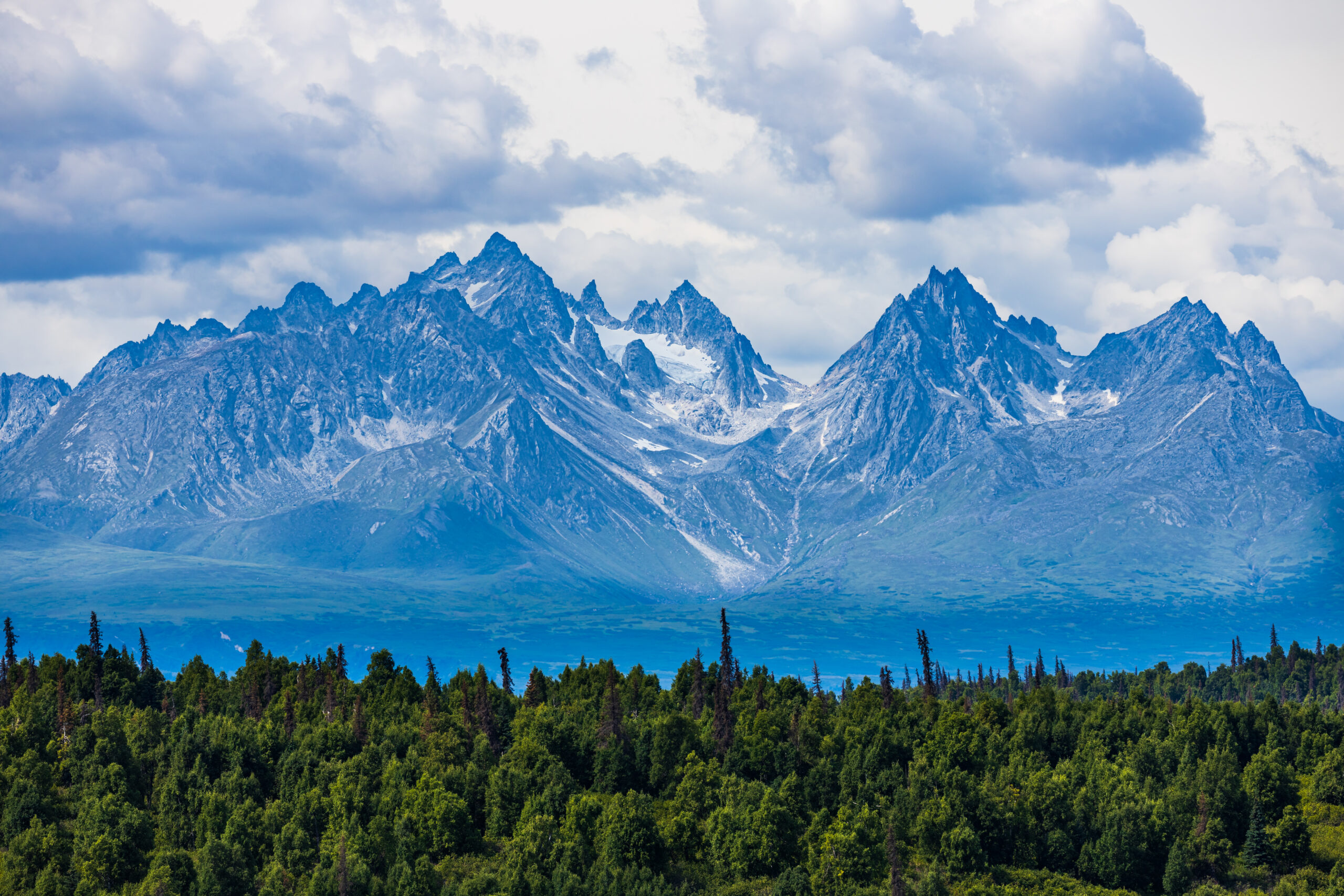
Mount Foraker
Foraker stands close to Denali yet is a different undertaking: technically complex routes and remote glacier approaches make it a natural long-term ambition for very experienced teams.
What it develops: Expert ice and mixed technique, self-reliant expedition judgment and major storm contingencies.
Typical planning window: May–early July. Exact safe timing changes each season.
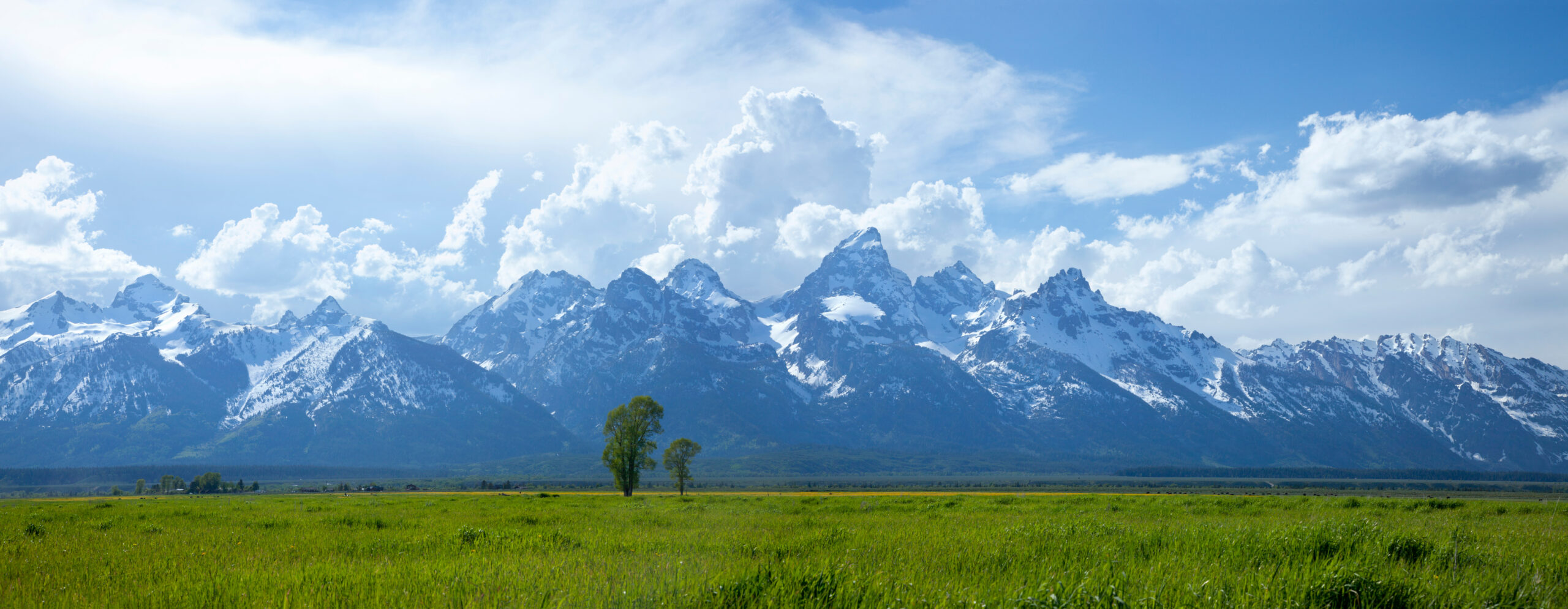
From Rainier’s Glacier Rope Teams to Grand Teton’s Alpine Rock.
No single objective represents every part of American climbing. A strong progression often combines snow, rock, altitude and judgment—rather than moving in a straight line to higher and higher peaks.
Ranks 11–20: Big Walls, Glaciers, State High Points and Wilderness.
These ten illustrate why the best US mountaineering objectives extend beyond technical alpine summits. Big-wall climbing, long wilderness hikes and regional traditions all shaped the American climbing landscape.
El Capitan
El Capitan is a rock formation rather than a separate high-prominence mountain. It belongs here because American climbing cannot be ranked honestly without its defining big-wall routes.
Browse US mountain guides →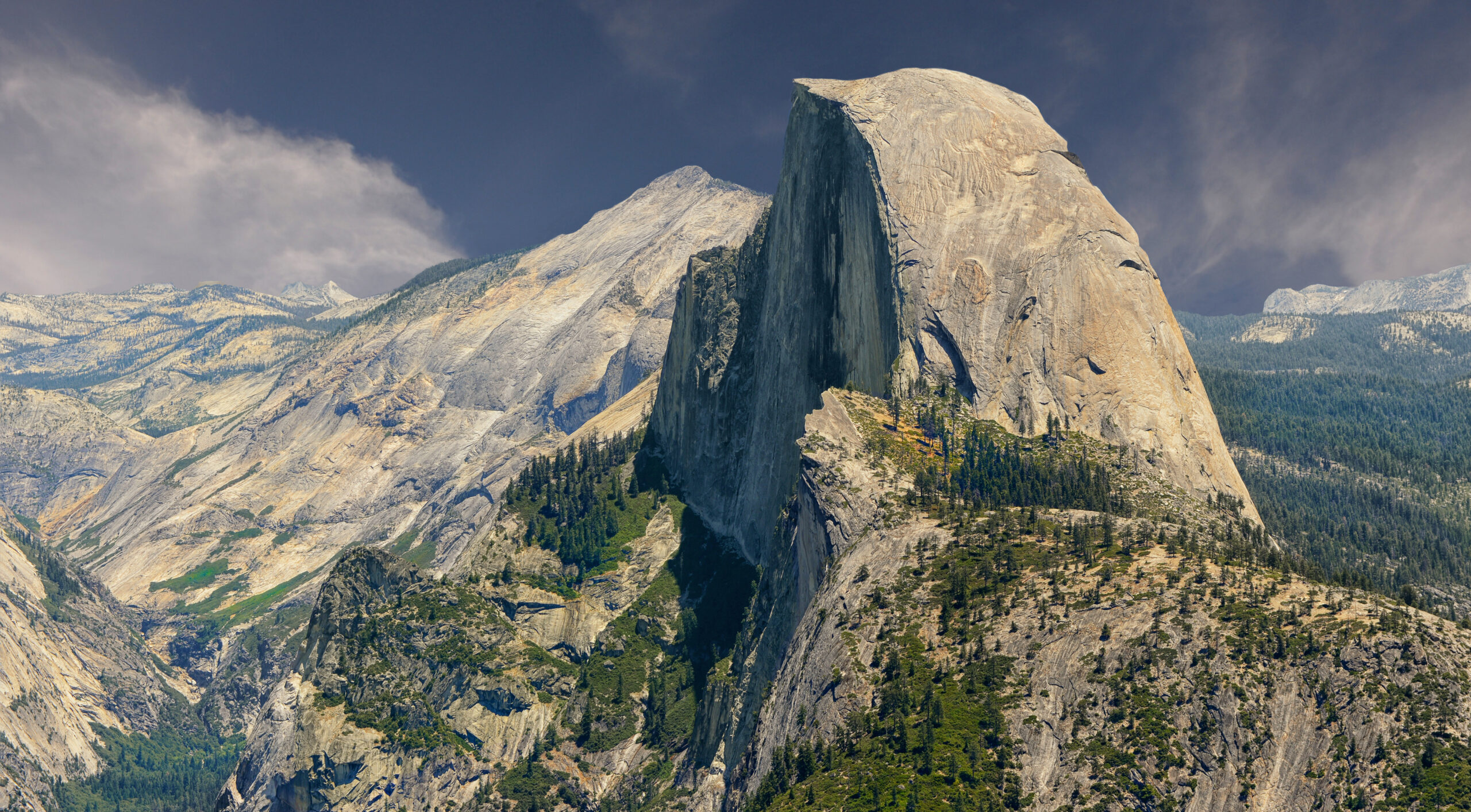
Half Dome
The Half Dome cables route and the classic technical face routes are very different undertakings. Both have helped define the American idea of Yosemite adventure.
Read the Mountain Guide →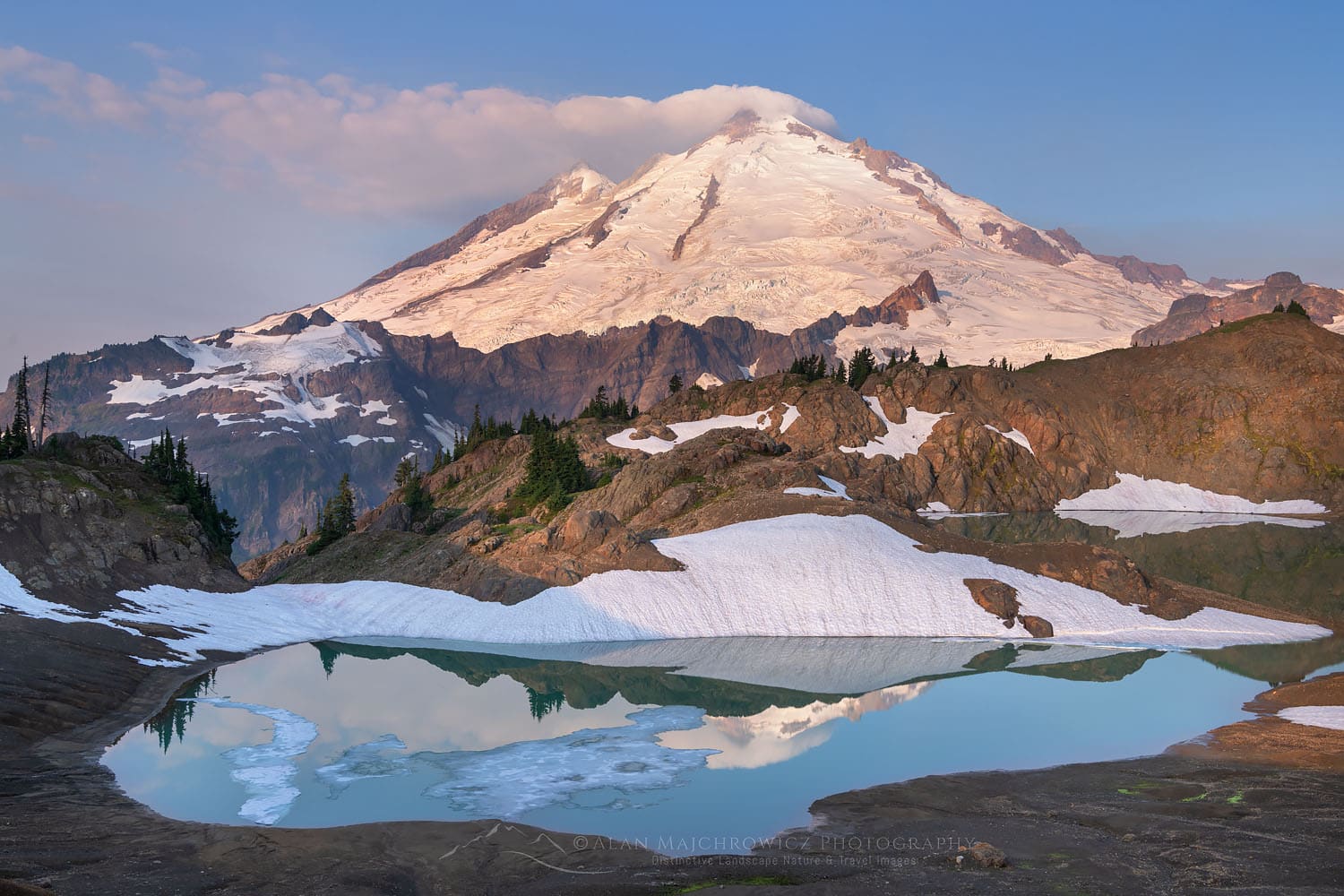
Mount Baker
Baker combines a large glacial environment with routes commonly used in mountaineering courses. It is an excellent learning mountain only with the required instruction and competent companions.
Read the Mountain Guide →Mount Adams
Adams provides a long Cascade snow ascent without being a substitute for glacier training. The south-side route is a natural step for skilled hikers developing snow competence.
Read the Mountain Guide →
Mount Elbert
Elbert is Colorado’s and the Rocky Mountains’ high point. Summer hiking routes make it an accessible altitude and endurance test rather than a technical mountaineering benchmark.
Read the Mountain Guide →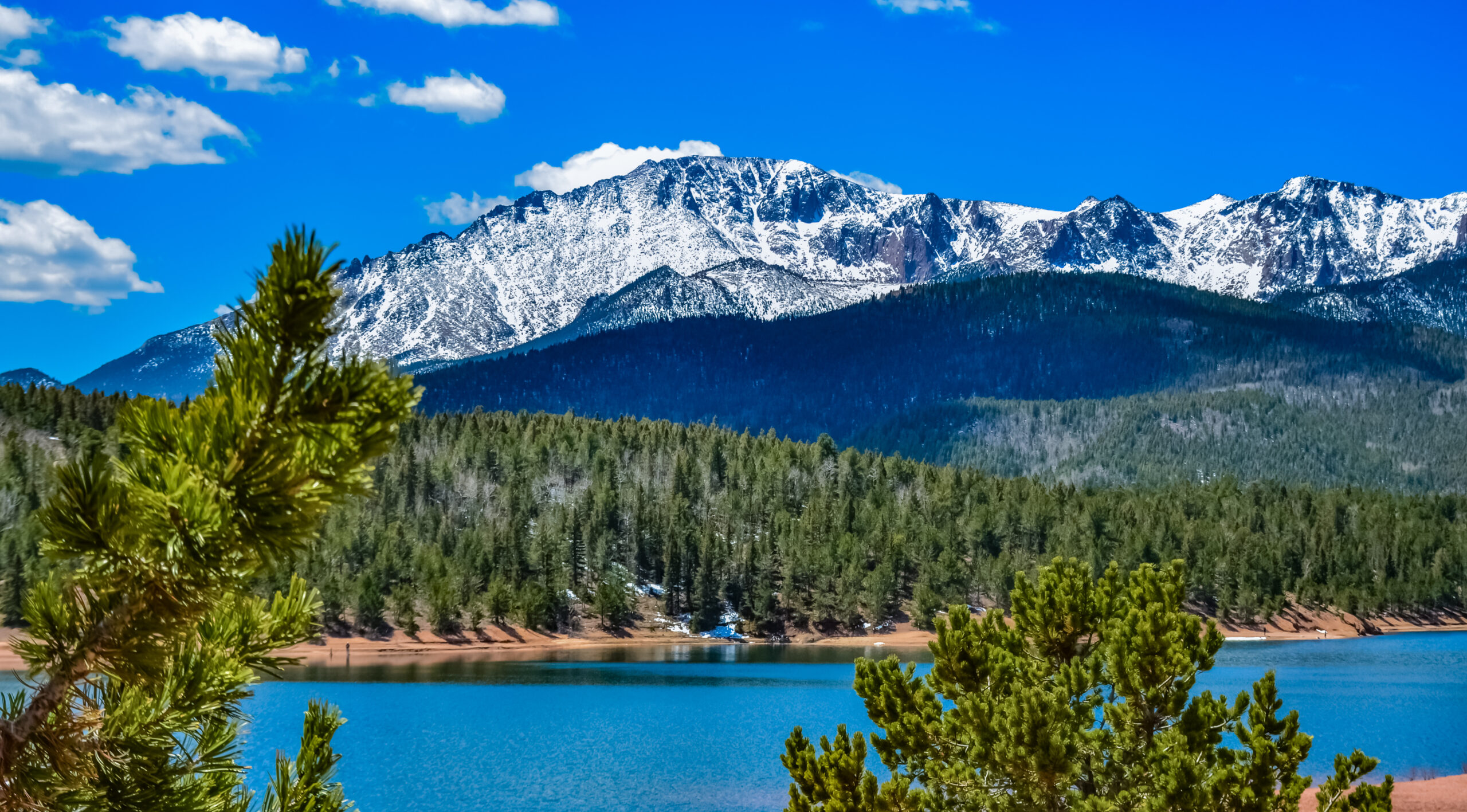
Pikes Peak
Its road and railway do not reduce the challenge of climbing by foot. Pikes Peak is a touchstone of American mountain culture and a substantial ascent by the Barr Trail.
Read the Mountain Guide →
Mauna Kea
Measured from its submarine base, Mauna Kea is among Earth’s most imposing volcanic mountains. It is also a sacred landscape; respectful access decisions take precedence over a summit checkbox.
Read the Mountain Guide →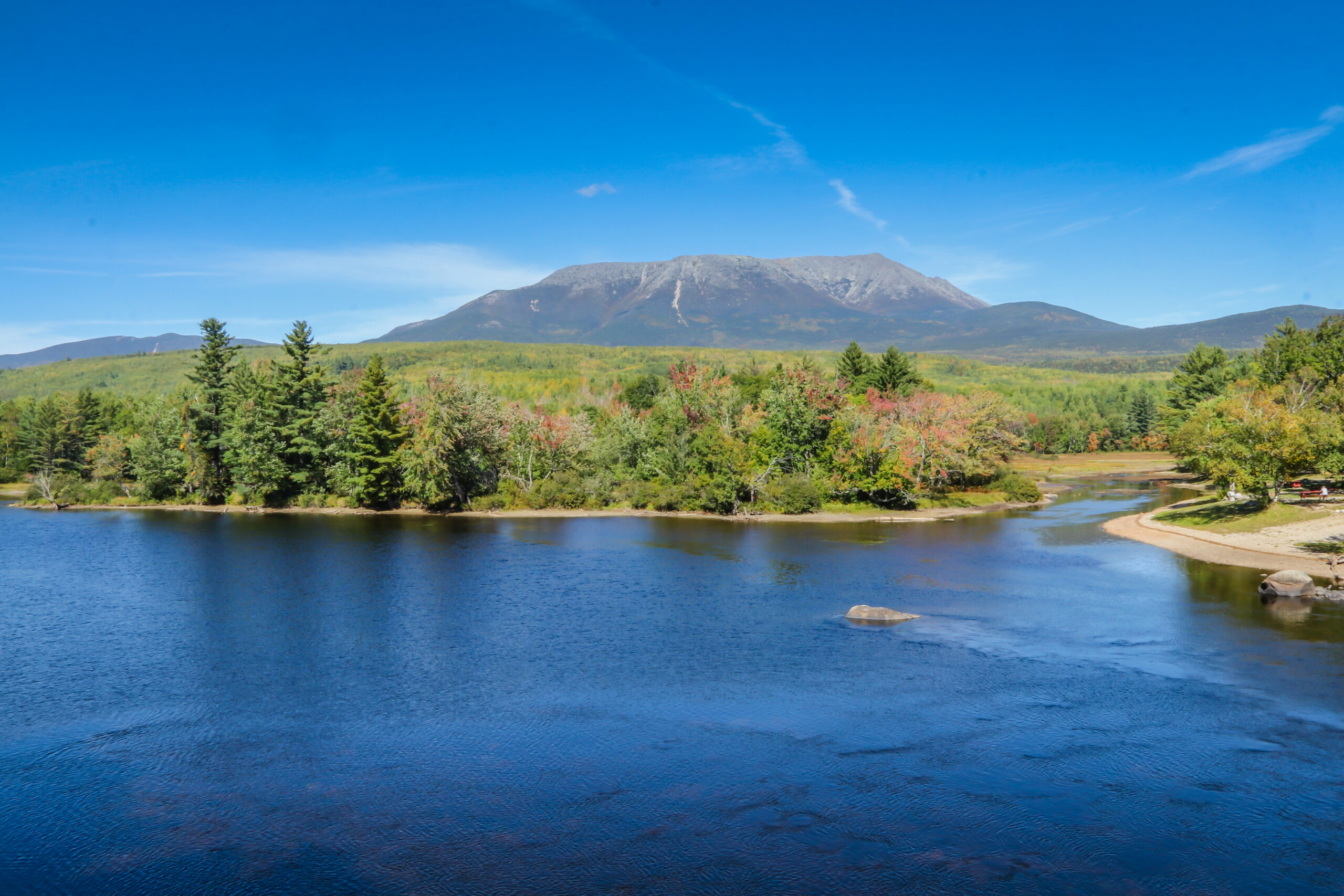
Mount Katahdin
Katahdin’s Knife Edge, weather and dramatic prominence above the Maine forest make it a true Eastern challenge and the symbolic northern end of the Appalachian Trail.
Browse US mountain guides →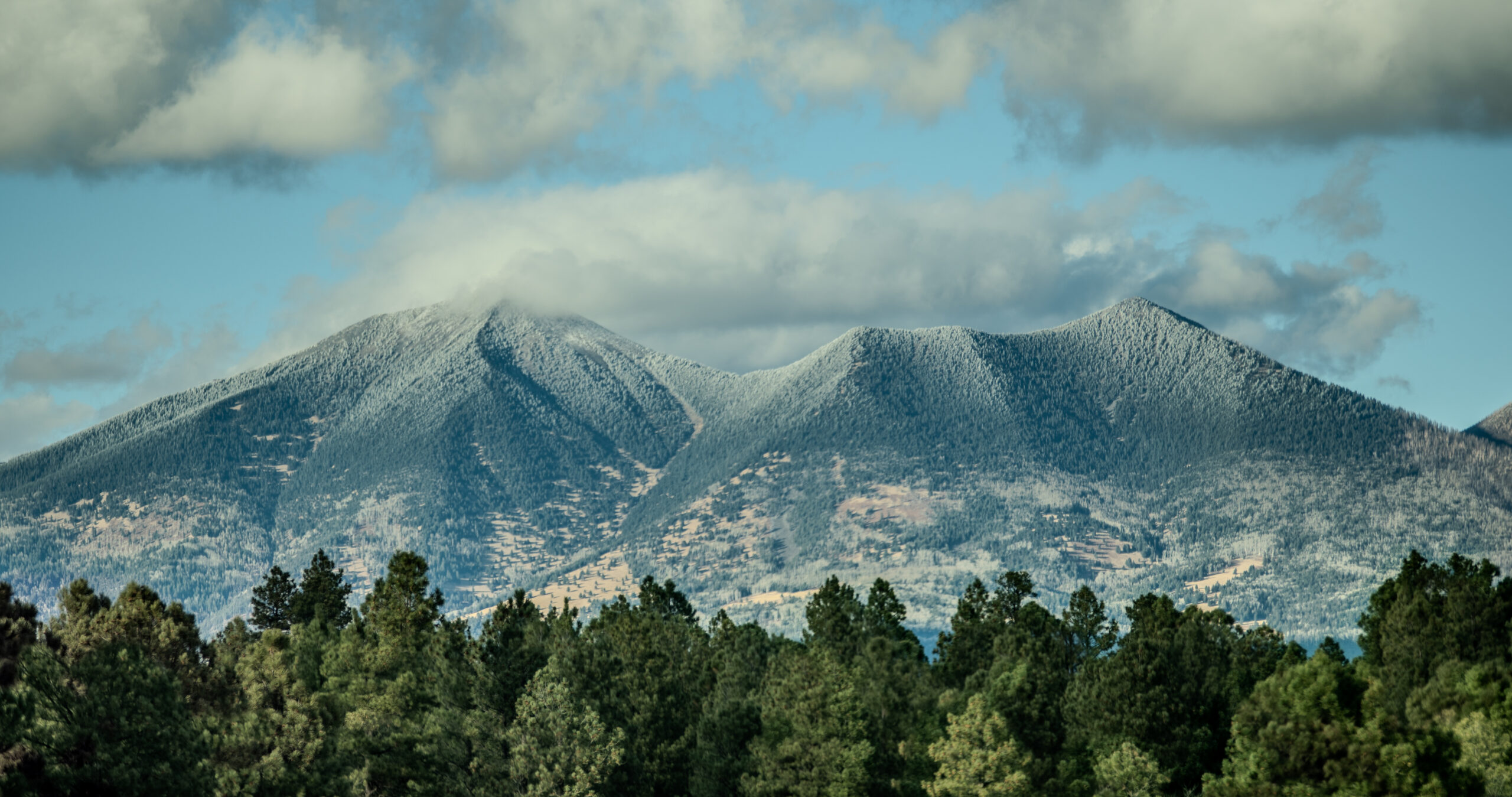
Humphreys Peak
Humphreys rises above Flagstaff in the San Francisco Peaks. It rewards high-country hiking skills and adds a different Southwestern mountain environment to an otherwise glacier-heavy list.
Browse US mountain guides →
Kings Peak
Utah’s high point asks for a long approach through the High Uintas, often making the backpacking and wilderness decision-making as important as the summit scramble.
Read the Mountain Guide →El Capitan (#11) is a sheer granite wall in Yosemite, not a separate major summit in the same way Denali or Rainier is. We retain it because the page explicitly ranks America’s most significant climbing objectives. That distinction prevents a misleading geological comparison.
Four Close Calls—and Why We Ranked Them This Way.
Why Rainier Beats Whitney.
Whitney is slightly higher, but Rainier requires rope-team and crevasse skills on its standard glacier routes. We place more weight on transferable mountaineering technique than altitude alone.
Whitney vs. Rainier comparison →Why Whitney Beats Grand Teton.
Grand Teton is the stronger technical rock climb. Whitney’s position reflects national recognition, its lower-48 high-point status and its role as an attainable altitude goal for ambitious hikers.
Explore Grand Teton routes →Why Mount Washington Ranks So High.
At 6,288 feet, Mount Washington would rank low by height. Alpine storms and severe winter conditions have shaped generations of eastern climbers. Weather judgment is mountaineering skill.
Read mountain-weather skills →Why El Capitan Counts.
A climbers’ ranking should account for the rise of American big-wall culture. We classify El Capitan clearly as a rock-climbing objective, not pretend its rim is an independent high mountain.
Compare Yosemite objectives →Your US Mountaineering Progression Should Follow Skills.
A mountain can be easy in dry summer conditions and dangerous in winter. Use this as a decision pathway, not a substitute for training, current route information or professional instruction.
Build the Base.
Mount Elbert, Whitney’s summer trail or Kings Peak help develop pacing, backpacking, navigation and altitude awareness.
Start with Mount Elbert →Earn the Snow Skills.
Hood, Shasta and Adams reward climbers who have already learned crampon use, self-arrest, avalanche awareness and the right conditions.
Explore Shasta →Glacier and Rock.
Mount Baker and Rainier build glacier fundamentals; Grand Teton adds serious alpine rock, route finding and efficient transitions.
What to Climb Before Rainier →Expedition Readiness.
Denali demands physical volume, cold-camp systems, crevasse rescue and long-term expedition judgment, not merely one successful summit.
Build Your Denali Plan →The Yosemite to Teton Route.
Multi-pitch competence, anchors, rope handling and movement on real rock lead toward technical Grand Teton routes and elite big-wall ambitions.
Study the Grand Teton →Learn Weather the Hard Way—Safely.
Develop navigation and decision-making on Katahdin and New England terrain before attempting winter Mount Washington with appropriate training.
Mount Washington Guide →The United States Has More Than One Kind of Mountaineering.
Alaska Range
Denali and Foraker are expedition-scale mountains: travel, camps, crevasses, cold and self-reliance dominate the experience. Saint Elias adds remarkable coastal relief and extreme remoteness.
Explore Alaska climbing →Cascades
Rainier, Baker, Hood and Adams make the Pacific Northwest America’s premier classroom for volcanic snow ascents and glacier technique, with dramatically different hazards on each mountain.
Explore Cascade volcanoes →High Sierra & Yosemite
Whitney offers high-altitude objectives while Grand Teton—not in the Sierra—offers its own brand of alpine rock. El Capitan and Half Dome in Yosemite represent the technical-wall and iconic-hiking ends of the spectrum.
Explore California mountains →Rockies, Appalachians, Hawaii & Southwest
Elbert, Longs and Pikes Peak anchor Colorado; Washington and Katahdin teach eastern judgment; Humphreys, Kings Peak and Mauna Kea broaden the story across deserts, wilderness and volcanic Pacific landscapes.
Browse American mountain ranges →A Visual Sampler: Different American Mountain Personalities
Seasons and Costs: Do Not Plan These as the Same Kind of Trip.
Below are illustrative planning ranges from the previous editorial guide—not current operator price quotes. Flights, permits, specialist equipment and guide fees can materially change total cost. Check each current land manager’s rules and current conditions before reserving.
| Trip type | Example objectives | Illustrative budget | What drives the cost |
|---|---|---|---|
| Self-guided summer high hike | Elbert, Whitney, Kings Peak | $100–$500 | Travel, permit, camping, food and equipment already owned |
| Colorado alpine weekend | Elbert, Longs Peak | $200–$700 | Lodging, transport, trailhead logistics and gear gaps |
| Intro guided snow climb | Hood, Shasta, Baker | $800–$1,800 | Instruction, group size, equipment and duration |
| Guided glacier or alpine rock | Rainier, Grand Teton | $1,800–$3,500 | Guiding ratio, number of days and skills training |
| Major Alaska expedition | Denali | $9,000–$25,000+ | Air transport, guides, glacier access, weather buffers and gear |
| Remote advanced expedition | Saint Elias, Foraker | $15,000–$30,000+ | Charter access, specialist support and contingency plans |
Alaska: late spring–early summer for classic Denali season. Cascades: late spring to mid-summer for many snow and glacier routes. Colorado/Tetons/Sierra: predominantly summer for dry-route objectives. Eastern peaks: summer hiking differs sharply from winter mountaineering.
Storms, heat, snow bridge stability, rockfall, avalanche conditions, wildfire restrictions, permits and closures. Always consult official park/forest updates, mountain weather, and qualified local guides if needed. Neither this ranking nor its map is real-time hazard reporting.
Mountaineering Equipment Is Specific to the Objective.
Snow & Volcano
Appropriate traction, helmet, ice axe and trained self-arrest skills may be necessary on Hood, Shasta and Adams. Snow conditions change what is required.
Microspikes vs. crampons →Glacier
Rainier, Baker and Denali demand more than a pair of crampons: roped travel, crevasse-rescue skills and partner competence are central.
How to use an ice axe →Rock & Ridge
Grand Teton, El Capitan and Half Dome require very different systems—from scrambling or permitted cables to advanced roped climbing.
Study technical Grand Teton routes →Mediavine Journey display advertising remains managed automatically by the site; this article does not insert or imitate Journey ad units. To add GSG Gear Ads later, use a separate WordPress Shortcode block outside this Custom HTML block.
How Global Summit Guide Ranked America’s Greatest Climbs.
We preserved the six-part ranking and scores from this article’s prior edition. We did not manufacture a scientific danger score or claim to have climbed every mountain. The scoring favors importance to US climbing, skill transfer and enduring routes rather than Instagram popularity.
Editorial boundary: these are comparative judgments, not measured probabilities of death, difficulty grades or claims that conditions are currently safe. The page distinguishes ordinary hiking lines, glacier routes, alpine rock and exceptional objectives—an essential distinction when the same mountain name can refer to very different climbs.
Our elevation references draw primarily from the relevant federal agencies and conventional published mountain descriptions. For example, the National Park Service confirms Denali at 20,310 ft, Mount Rainier at 14,410 ft, and Mount Whitney at 14,505 ft. Some older topographic maps show different values because survey standards changed.
The mountain photographs on this page were chosen from the Global Summit Guide media library using source titles identifying the depicted destination. No photo of one named mountain is reused as another. Photo licensing is governed by the site’s existing media assets.
US Mountaineering FAQ.
What is the best mountain to climb in the United States?
There is no single best mountain for everyone. Our editorial #1 is Denali for an experienced expedition climber. For glacier-skill development, Rainier or Mount Baker are stronger targets with appropriate instruction. For ambitious hikers, summer Mount Elbert or Mount Whitney may be more suitable.
What is the highest mountain in the USA?
Denali in Alaska is the highest mountain in the United States and North America, at 20,310 feet (6,190 meters). Some current federal publications use Mount McKinley as its official name; this climbing guide retains the name Denali used widely in mountaineering.
What is the hardest mountain in America to climb?
Difficulty depends on the exact route, weather and climber experience. Remote high-altitude objectives such as Denali, Mount Foraker and Mount Saint Elias can involve exceptional commitment, while El Capitan routes require advanced rock-climbing ability. A single mountain-wide difficulty rating is misleading.
Is Mount Whitney harder than Mount Rainier?
On their commonly used standard summer routes, Mount Rainier requires technical glacier travel and snow safety systems while the Mount Whitney Trail is normally a high-altitude hiking route. Whitney can be physically demanding and winter or technical routes are substantially more serious.
Is Mount Rainier good for beginner mountaineers?
Rainier is not a beginner hike. It can be an early major glacier-climbing goal when climbers have trained in crampon movement, rope teams and crevasse rescue, often through a qualified mountaineering course or guide.
Why does the list include El Capitan?
This is a ranking for climbers, not a geological list of independent summits. El Capitan is a famous granite big-wall climbing objective, so it belongs in American climbing history even though it is not a separate major mountain in the topographic sense.
Where is the best mountaineering in the United States?
Alaska excels in large glacier expeditions; Washington and Oregon in volcano and glacier routes; Wyoming in alpine rock; California in high Sierra objectives and Yosemite walls; Colorado in high-altitude peakbagging; New Hampshire and Maine in severe-weather and exposed-ridge skills.
Can I use the map as a mountain route map?
No. The map locates mountains approximately. It does not plot trailheads, climbing lines, crevasses, avalanche terrain, private land boundaries, access restrictions or current conditions. Use official maps and current land-manager information for navigation.
Find the Next Page for Your Mountain Goal.
Choose a Climb That Builds Your Next Skill.
Use the editorial ranking as inspiration, the interactive map as context and the mountain guides for route-specific research. Your next summit should fit your training, weather window, partners and risk tolerance.
Explore US Mountains
Every major American range, list and challenge in one place — pick your next one below.