
Last updated March 21, 2026
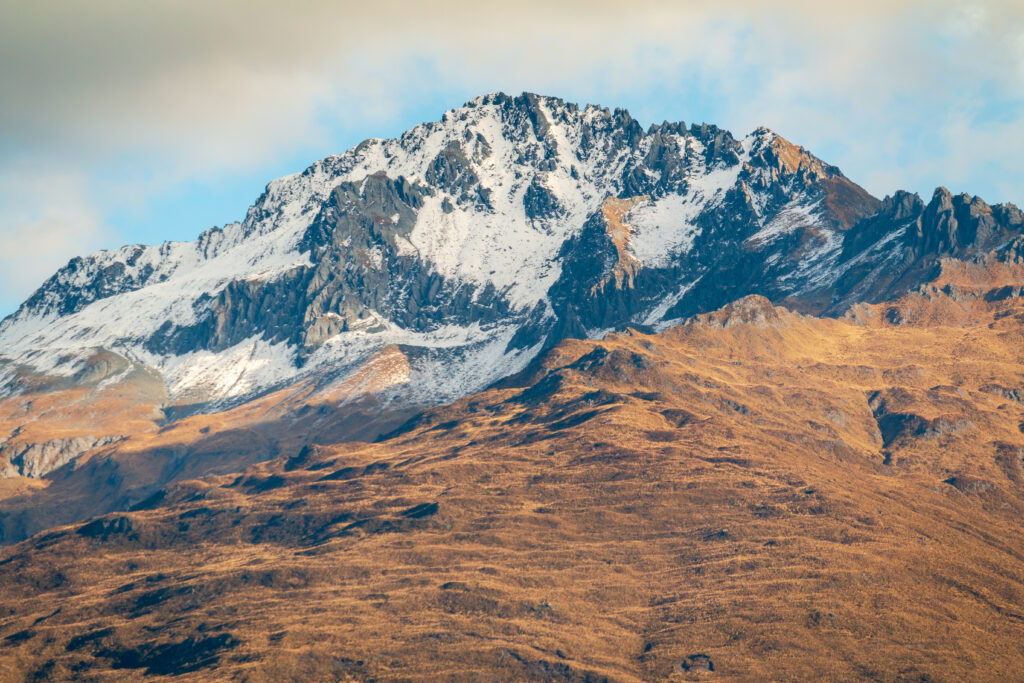
Mount Aspiring / Tititea – New Zealand
Mount Aspiring / Tititea Guide: Routes, Climbing Style, Season, Logistics, Gear & Safety
Mount Aspiring / Tititea is one of New Zealand’s most elegant alpine peaks and one of the most sought-after guided summits in the Southern Alps. Known in te reo Māori as Tititea, “the glistening one,” it is often compared to a smaller Matterhorn because of its horn-like shape and dramatic rise above the Matukituki Valley. What makes it special is the combination of huge visual appeal, serious glaciated climbing, and a broader national park that also offers excellent non-summit experiences for regular visitors. This page covers the main route concepts, access planning, season notes, essential gear, safety considerations, featured videos, and guide companies for planning a Mount Aspiring experience.
Mount Aspiring / Tititea Quick Facts
| Category | Details |
|---|---|
| Country | New Zealand |
| Region | Mount Aspiring National Park, South Island |
| Elevation | 3,033 m / 9,951 ft |
| Status | Highest peak in Mount Aspiring National Park |
| Alternative name | Tititea |
| Mountain type | Glaciated horn-shaped alpine peak |
| Climbing style | Technical alpine climbing with glacier travel, snow slopes, and summit ridge terrain |
| Typical duration | Often 5 days on guided expeditions, depending on access, weather, and summit window |
| Primary risks | Crevasses, avalanche exposure, weather shifts, steep snow or ice, route deterioration, and long summit-day movement |
Main Routes (Overview)
Route #1: North West Ridge
- Theme: the normal guided summit route.
- Best for: climbers with real alpine experience seeking the standard ascent.
- Character: glacier access, steep snow terrain, ridge climbing, and a serious summit day on a classic alpine line.
- Important note: even the normal route is a true technical climb, not a trekking objective.
Route #2: South West Ridge
- Theme: the more demanding classic line.
- Best for: stronger and more experienced alpinists.
- Character: a more committing route that raises the technical and aesthetic level beyond the normal guided ascent.
- Note: this line is generally treated as a step up from the North West Ridge.
Route #3: Bevan Col Access Strategy
- Theme: the practical access pattern behind many guided climbs.
- Best for: understanding how Mount Aspiring is commonly approached by guides.
- Character: helicopter support to Bevan Col is often used to streamline the high alpine approach and focus on the summit objective.
Route #4: Aspiring as a Viewing Objective
- Theme: how most visitors experience Tititea.
- Best for: park visitors, hikers, photographers, and travelers not attempting the summit.
- Character: valley walks, alpine tracks, glacier viewpoints, and scenic aviation provide the practical gateway to Mount Aspiring for most people.
Why Mount Aspiring is so different
- It is one of New Zealand’s most beautiful peaks, but the summit remains a serious alpine objective.
- The mountain rises dramatically above accessible valleys, creating a strong contrast between easy viewing and hard climbing.
- Mount Aspiring gives visitors a world-class alpine setting even if they never attempt the summit itself.
Access & Logistics
What to know before you go
- Wanaka and the Matukituki Valley area are the main gateways for Mount Aspiring planning.
- The summit climb is normally guided and uses a true alpine strategy rather than a simple track approach.
- Helicopter access is commonly part of guided summit logistics.
- Most regular visitors should plan a national park experience rather than a summit attempt.
Typical climbing rhythm
- Arrive in Wanaka and assess weather, fitness, and objective readiness.
- Move into the high mountain access zone, often with aircraft support.
- Climb from the Bevan Col side toward the summit line.
- Take advantage of the best practical summit window, then descend the same route.
Planning notes
- Mount Aspiring is often marketed as more approachable than Aoraki, but it is still a serious climb.
- Guided access simplifies logistics but does not remove objective hazard.
- For non-climbers, nearby park tracks and glacier viewpoints are usually the better choice.
Best Time to Visit or Climb (Season Window)
| Season | Typical Conditions | Pros | Watch-outs |
|---|---|---|---|
| Main guided climbing season | Usually the preferred season for summit attempts and alpine-guiding programs | Best combination of access, guide availability, and workable summit conditions | Weather windows still control success, and later-season route deterioration can matter |
| Visitor walking season | Good for track access, park travel, and scenic viewing | Better for easier alpine experiences and national park exploration | Backcountry and glacier-adjacent terrain still demand weather respect and track awareness |
Season planning tip
For Mount Aspiring, the key seasonal question is whether you want a true summit climb or a park-based alpine experience, because those are very different trips.
Essential Gear Checklist
Summit-climbing essentials
- Full alpine climbing kit appropriate for glacier travel, ridge climbing, and steep snow terrain
- Warm technical clothing for changing Southern Alps conditions
- Helmet, crampons, glacier eyewear, and route-specific protection systems
- Efficient mountain movement and solid fitness are essential
For non-summit visitors
- Layered clothing for rapid weather change
- Strong walking shoes or boots for alpine tracks
- Rain protection and sun protection
- Check track conditions before committing to longer national park walks
Most underestimated factor
The biggest mistake at Mount Aspiring is assuming that because it is lower than Aoraki, it is a casual summit. It is still a real glaciated alpine climb with serious consequences for poor judgment.
Difficulty & Safety Notes
What makes Mount Aspiring challenging
- Glacier travel: crevasses and changing snow bridges are part of the climb.
- Weather: Southern Alps conditions can shift quickly and shut down summit windows.
- Technical terrain: the summit routes demand real alpine skill, not just hiking fitness.
- Route condition: snow and ice quality can strongly affect how serious the climb feels.
- False expectations: beautiful visibility from the valley does not mean an easy summit day.
Featured Videos (Mount Aspiring / Tititea)
Mount Aspiring / Tititea: Watch & Learn
These videos help visualize the mountain’s shape, Southern Alps setting, and the difference between park access and summit climbing.
Watch on YouTube
Watch on YouTube
Watch on YouTube
Featured Mount Aspiring / Tititea Guide Companies
Below are three guide or operator pages you can feature for Mount Aspiring climbing and nearby glacier or alpine experiences.
Alpine Guides
A Southern Alps specialist guiding company offering Mount Aspiring expeditions, alpine skills training, and progression objectives.
Adventure Consultants
A high-end expedition operator offering guided Mount Aspiring climbs for mountaineers with some climbing experience.
Ultimate Hikes / HeliGuides
A scenic glacier-access style operator option for travelers who want a South Island alpine experience without attempting the summit itself.
Frequently Asked Questions
Can beginners climb Mount Aspiring?
Not as a summit objective. Mount Aspiring is a real alpine climb that requires technical ability, glacier systems, and strong mountain judgment.
What is the normal route on Mount Aspiring?
The normal guided route is the North West Ridge.
Do most visitors summit Mount Aspiring?
No. Most visitors experience Tititea through national park walks, scenic viewpoints, and easier alpine activities rather than the main summit.
What is the biggest challenge on Mount Aspiring?
The biggest challenges are glacier travel, changing weather, and the fact that the summit is a true alpine climb rather than a high hike.
Related Peaks
More New Zealand & Southern Alps Objectives
Strong additions to your New Zealand internal linking structure.
Map of Mount Aspiring / Tititea
View the summit location, route area, current weather, and 5-day mountain forecast.
Was this helpful?
🏔Related peaks nearby
🧭Explore & compare
Global Summit Guide is an independent mountaineering resource founded in 2026. The team combines first-hand trekking and climbing experience with in-depth research and professional health and nutrition review to help climbers choose objectives, prepare properly, and stay safe.
Health, altitude, and nutrition content is reviewed by Taylor Ludlow (Registered Nurse) and Brigg Hoopes (Nutritionist).
What We Don't Know Yet
Mountain information changes quickly. This box explains the limits of what this page can responsibly promise.
- Permit availability, reservation windows, quotas, and official fee rules may change after this page is updated.
- Weather, snowpack, avalanche risk, road access, and route conditions can change quickly and may be different on your climbing dates.
- Route conditions, trailhead access, crevasse exposure, stream crossings, and rescue access may vary from published planning guidance.
- Gear requirements can change by season, route variation, weather window, personal cold tolerance, and guide-service requirements.
- Comparisons simplify complex decisions; the better mountain depends on current conditions, skills, timing, budget, and risk tolerance.
Verify current conditions with official land managers, guide services, local forecasts, and current route reports before booking or climbing.
Mountaineering, rock and ice climbing, glacier travel, and high-altitude activity are inherently dangerous and can result in serious injury or death. The information on Global Summit Guide is provided for general informational and educational purposes only and is not a substitute for professional instruction, qualified guiding, proper equipment, or your own judgment and experience.
Route conditions, weather, snowpack, permits, regulations, and hazards change constantly and may differ from what is described here. Details may be incomplete, out of date, or contain errors. Always verify current information with local authorities, certified guides, and official sources before making any decision in the mountains.
Nothing on this site is medical, legal, or financial advice. Our fitness, acclimatization, altitude, and nutrition content is general in nature; consult a qualified physician before beginning any strenuous exercise program or exposing yourself to high altitude.
You are solely responsible for your own safety and decisions. To the fullest extent permitted by law, Global Summit Guide and its team accept no liability for any loss, injury, damage, or expense arising from use of, or reliance on, this information. By using this site you acknowledge these risks and accept these terms.
Some links on this site may be affiliate links. If you buy through them we may earn a small commission at no extra cost to you; this never affects our recommendations.
Global Summit Guide recommendation path
Next Best Mountain to Research
Use these recommendations to continue the right planning path instead of stopping on one page.
Use current permit, weather, route, and operator information before booking or climbing.
Explore Travel Options for Your Destination
Once your mountain, dates and route are taking shape, compare flights, hotels and other travel options that fit the trip.
Affiliate link. We may earn a commission at no additional cost to you.