
Last updated July 21, 2026
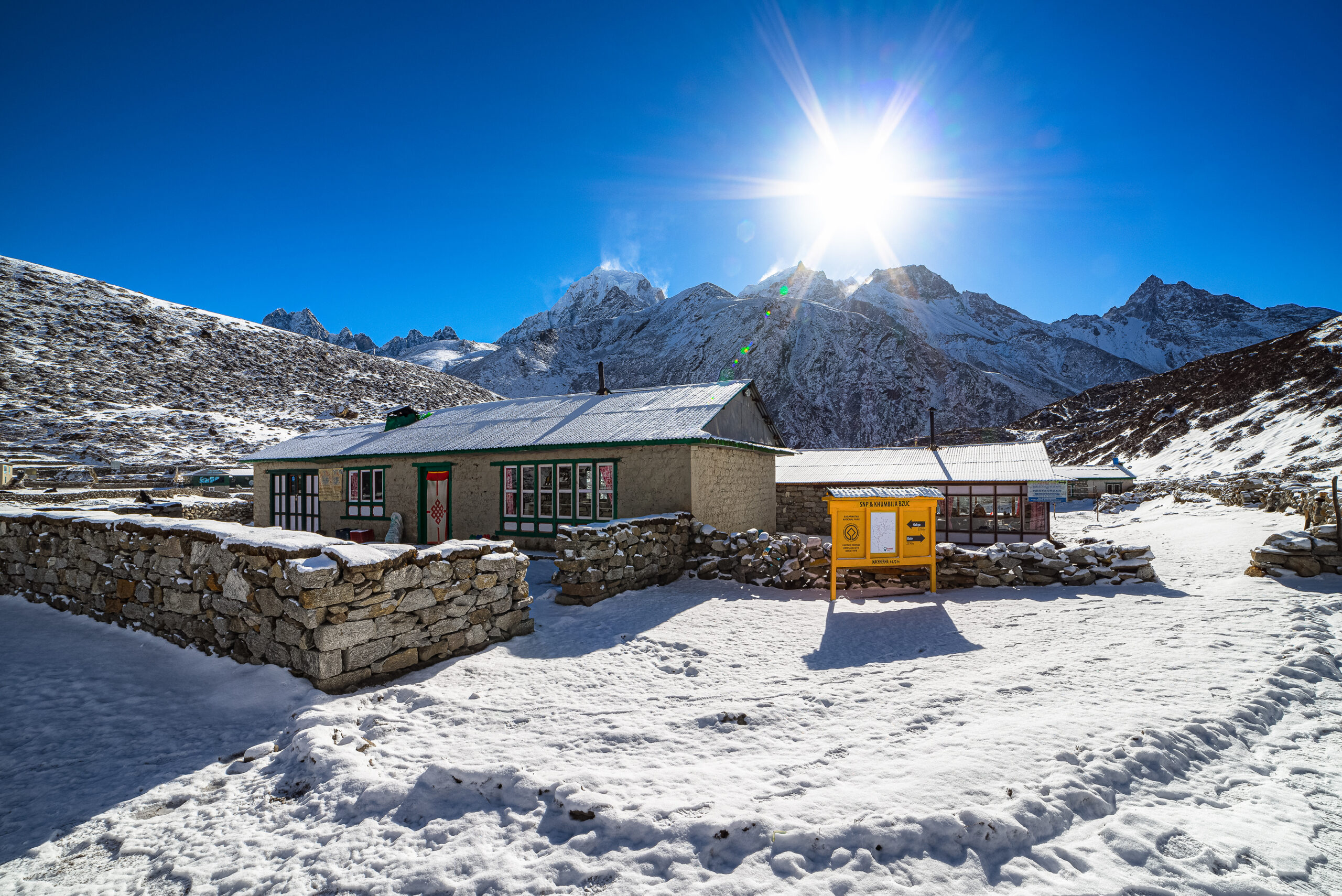
Best One-Week High-Altitude Hiking Circuits
You do not need a month and a Himalayan expedition to walk among the world’s highest peaks. These circuits deliver 4,000 to 5,600 metre passes, glaciers, and thin, luminous air in about a week of trekking, the sweet spot for a normal holiday. The one thing they all demand is respect for altitude. Distances in kilometres (miles); elevations in metres (feet).
Some of the most spectacular walking on earth happens above 4,000 metres, where the air thins, the light sharpens, and the mountains take on a scale that lower trails never touch. The good news is that you do not need to disappear for a month to experience it. A whole category of world-class circuits fits inside about a week of trekking, from the turquoise lakes of the high Andes to the glacier passes of the Khumbu. The catch, and it is a serious one, is that a week is a short time to go high safely. Altitude, not distance, is what makes or breaks these trips.
On a one-week high circuit, altitude is the challenge, not the mileage.
These routes are rarely long, but they cross passes where thin air, not tired legs, decides the outcome. A safe one-week high trek builds in acclimatization, starts from an already-high town, or assumes you arrive pre-acclimatized. Choose the itinerary and operator that respect that timeline over the shortest schedule.
Before you book, read our altitude acclimatization guide, and see how these circuits fit the bigger picture in our World’s Great High Routes pillar.
Trekking
Great high circuits that fit a normal holiday.
Circuits
Across the Andes, Himalaya, Africa, and Central Asia.
Above roughly 2,500 m the body needs time to adapt, and no level of fitness substitutes for it. On a short, high trek the temptation is to compress the schedule, but rushing to a 5,000 m pass in the first day or two is exactly how trekkers develop AMS, and occasionally the life-threatening HACE or HAPE.
Ascend gradually, keep sleeping-altitude gains modest above 3,000 m, build in rest days, and be willing to descend on symptoms. Our acclimatization guide covers the protocol in full.
What makes a great one-week high circuit
Not just any short trek. The best ones combine altitude, a sensible acclimatization profile, and a loop worth flying for.
The circuits here were chosen on four things. First, real altitude: each crosses high passes, usually between 4,000 and 5,600 metres, where the mountains feel truly big. Second, a one-week rhythm: the walking fits roughly five to eight days, so the trip slots into normal annual leave once you add travel. Third, a workable acclimatization profile, either built into the route or achievable by arriving a few days early. And fourth, that they are circuits or self-contained traverses that feel like a complete journey rather than an out-and-back. What they are not is easy: high altitude makes even a short, non-technical trek serious, which is why every entry below comes with an honest note on its demands.
The Andes
The high Andes of Peru are the world capital of one-week high circuits: dry, dependable, and staggeringly high. Part of the wider picture in our best mountains in South America guide.
1.Ausangate Circuit, Peru
The finest one-week high circuit in the Andes, looping the sacred peak of Ausangate past glacial lakes, hot springs, alpaca herders, and the famous Rainbow Mountain. Remote and seriously high, with several passes above 5,000 m, so acclimatize in Cusco first.
2.Salkantay Trek, Peru
A dramatic crossing beneath the ice pyramid of Salkantay, descending from high puna into cloud forest and finishing near Machu Picchu. Well served by lodges and a popular, spectacular introduction to high Andean trekking.
3.Santa Cruz Trek, Cordillera Blanca
The classic Cordillera Blanca trek, threading beneath 6,000 m giants in the shadow of Huascaran, Peru’s highest peak. Short, high, and scenically overwhelming, best after a couple of days acclimatizing in Huaraz.
4.Cordillera Huayhuash (short loop), Peru
Often called one of the most beautiful mountain ranges on earth, the Huayhuash can be walked as a shorter loop that still delivers a wall of glaciated peaks and a string of high passes. Remote and committing, for fit, acclimatized trekkers.
Himalaya & Ladakh
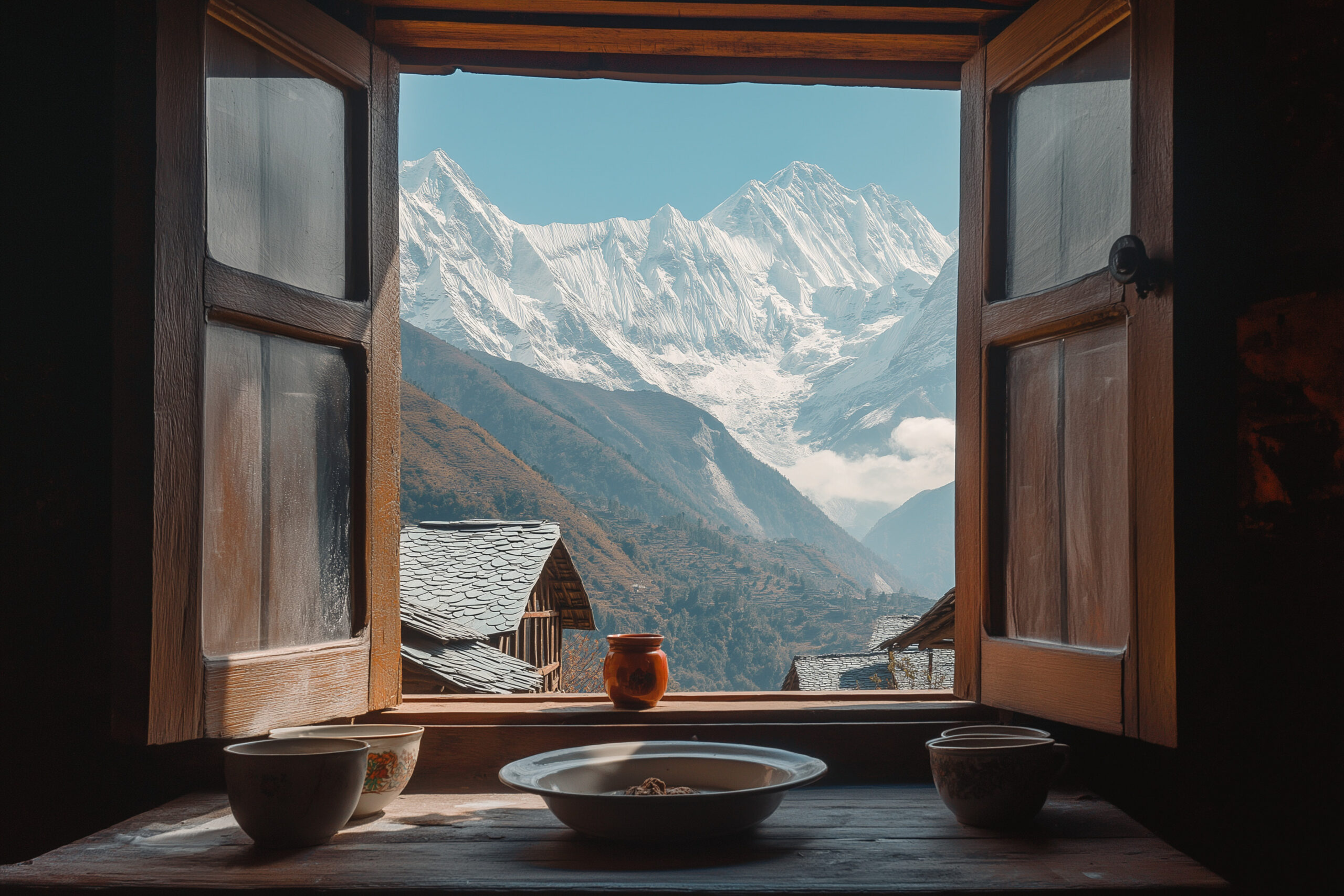
The Himalaya’s teahouse networks make short, high circuits possible with a light pack.
5.Annapurna Circuit high week, Nepal
Road access now lets trekkers walk the spectacular high heart of the Annapurna Circuit in about a week, from Manang over Thorong La to the sacred site of Muktinath. Teahouses keep the pack light, but the pass is serious, and acclimatization days in Manang are essential.
6.Gokyo Lakes, Nepal
A quieter, arguably more beautiful alternative to Everest Base Camp, climbing to a chain of turquoise lakes and the viewpoint of Gokyo Ri, with a panorama of Everest, Lhotse, Makalu, and Cho Oyu. Fly into Lukla and acclimatize carefully on the way up.
7.Markha Valley, Ladakh, India
A high desert trek through Hemis National Park, over the Ganda La and Kongmaru La, past monasteries and Ladakhi homestays with the Zanskar Range on the horizon. Leh sits at 3,500 m, so a few days there acclimatizes you before you start.
Africa & Central Asia
Two continents, three very different high circuits, all walkable in a week.
8.Toubkal Circuit, Morocco
A circuit of the High Atlas around North Africa’s highest peak, with an optional summit of Toubkal, Berber villages, and mule-supported travel between refuges. Accessible from Marrakech and one of the best-value high circuits anywhere.
9.Simien Mountains, Ethiopia
Trekking along the edge of a vast escarpment, with gelada baboons, thousand-metre drops, and Afroalpine plateau walking. Less about a single pass and more about sustained time at altitude on one of Africa’s great trekking landscapes.
10.Ala-Kul, Kyrgyzstan
A short, wild trek to a startling turquoise glacial lake and over a high pass in the Tien Shan, with hot springs and yurt stays. A superb, uncrowded introduction to Central Asia’s mountains for fit trekkers.
Tibet: the sacred kora
Short in days, but as high as trekking gets.
11.Mount Kailash kora, Tibet
The most sacred circuit in Asia, a three-day loop around Mount Kailash crossing the Dromala pass at 5,630 m. Short in distance but exceptionally high and remote, requiring a guide and permits, and serious prior acclimatization on the Tibetan plateau.
Compare the circuits
Commonly cited figures. Days, high points, and grades vary by variant and source.
| Circuit | Region | Days | High point | Difficulty | Season |
|---|---|---|---|---|---|
| Ausangate Circuit | Peru (Andes) | 5-7 | ~5,200 m | Strenuous, very high | May-Sep |
| Salkantay Trek | Peru (Andes) | ~5 | 4,600 m | Strenuous | Apr-Oct |
| Santa Cruz Trek | Peru (Cordillera Blanca) | ~4 | 4,750 m | Moderate-strenuous | May-Sep |
| Cordillera Huayhuash (short) | Peru (Andes) | 5-8 | ~5,000 m | Strenuous, remote | May-Sep |
| Annapurna Circuit high week | Nepal | 6-8 | 5,416 m | Strenuous, very high | Spr/Aut |
| Gokyo Lakes | Nepal (Khumbu) | 7-8 | 5,357 m | Strenuous, very high | Spr/Aut |
| Markha Valley | Ladakh, India | 6-7 | 5,260 m | Moderate-strenuous | Jul-Sep |
| Toubkal Circuit | Morocco (High Atlas) | 6-7 | 4,167 m | Moderate-strenuous | Apr-Oct |
| Simien Mountains | Ethiopia | ~7 | ~4,500 m | Moderate, high | Oct-Mar |
| Ala-Kul | Kyrgyzstan (Tien Shan) | 4-5 | ~3,900 m | Moderate-strenuous | Jul-Sep |
| Mount Kailash kora | Tibet | 3 | 5,630 m | Strenuous, extreme | May-Oct |
Planning & acclimatization
On a short, high trek this is the whole game. Get it right and the rest is walking.
The difference between a memorable high circuit and a miserable or dangerous one is almost always acclimatization. Because these routes are short, they leave little room to adapt on the trail, so the smart approach is to arrive at the gateway town a few days early and spend them active at moderate altitude. Follow the climb-high, sleep-low principle, keep your sleeping-altitude gains modest above 3,000 m, and treat any rest day as non-negotiable rather than optional. Get the season right for the range, decide honestly whether you want a guide or agency, which some regions require, and sort permits well ahead. Above all, be willing to turn around: on a one-week trip the pressure to push through symptoms is real, and it is exactly the wrong instinct at altitude.
Plan a safe one-week high circuit
- Arrive early to acclimatize – spend a few days at moderate altitude before the trek starts.
- Choose an unrushed itinerary – favor routes and operators that respect the acclimatization timeline over the shortest schedule.
- Know the high point – a 5,400 m pass is a serious undertaking; plan and pace for it.
- Get the season right – dry season in the Andes, spring or autumn in Nepal, summer in Ladakh and Central Asia.
- Sort guides and permits – some circuits require an agency or restricted-area permit.
- Be ready to descend – altitude illness is treated by going down; never push through worsening symptoms.
Getting there and where to stay
These circuits start from a gateway city where you will want a few nights to acclimatize and sort logistics – Cusco, Huaraz, Kathmandu, Leh, Marrakech. Booking those nights and your flights early makes the whole trip smoother and gives your body the head start it needs.
Disclosure: the link below is an affiliate link. If you book through it, Global Summit Guide may earn a small commission at no extra cost to you. It does not affect which circuits we include or how we rank them.
Find lodging and flights to gateway cities →Explore the Great High Routes cluster
Where one-week high circuits fit among the world’s great long walks.
One-week high circuits FAQ
The questions trekkers ask most before booking a short, high trip.
Can you do a high-altitude trek in one week?
Yes, but altitude, not distance, is the limit. World-class circuits like Ausangate, Gokyo Lakes, and Toubkal fit a week of walking. The catch is acclimatization: a safe one-week high trek either builds in acclimatization days, starts from an already-high town, or assumes you arrive pre-acclimatized. Rushing to a 5,000 m pass on day two invites altitude sickness.
How high do these circuits go?
Most cross passes between roughly 4,000 and 5,600 m. Toubkal tops out near 4,167 m, Ausangate and the Nepal routes cross passes above 5,300 m, and the Mount Kailash kora reaches about 5,630 m. At these elevations altitude illness is a real risk that fitness alone does not prevent.
How do I acclimatize for a one-week high trek?
Arrive a few days early at moderate altitude, follow climb-high, sleep-low, and keep sleeping-altitude gains modest, commonly 300 to 500 m per night above 3,000 m with a rest day roughly every 1,000 m. Some trekkers pre-acclimatize at home or on a nearby peak. Choose an itinerary that respects this timeline. See our acclimatization guide for the protocol.
Do I need a guide?
It varies. Markha and Toubkal can be done independently by experienced trekkers, while the Mount Kailash kora and Nepal’s restricted areas require a guide or agency. Even where optional, a guide adds acclimatization judgment and a safety margin many value on a short, high trip.
When is the best season?
Dry season in the Peruvian Andes is May to September, Nepal is spring and autumn, Ladakh is July to September, Morocco is spring to autumn, and Ethiopia’s Simiens are best October to March. High passes hold snow outside these windows, so check current conditions.
📋 How this guide is built
This guide is a research synthesis by the Global Summit Guide Editorial Team, drawing on national-park and operator information, route data, and our team’s own trekking and summit-trek experience, including Kilimanjaro and trekking in Patagonia. Days, high points, and difficulty are commonly cited ranges that vary by variant and source, so we give ranges rather than false precision. Reviewed for safety by Dawson Ludlow, our Climbing & Mountaineering Lead (Wilderness First Aid). Verify current permits, guiding rules, and conditions before you book or set out.
Sources and further reading
- National-park and protected-area information for the Andes, Khumbu, Hemis, High Atlas, and Simien Mountains.
- Established trekking operators and route guidebooks for days, stages, and pass elevations.
- Wilderness Medical Society guidance on altitude acclimatization and ascent rates.
- Nepal, Peru, India, and Tibet permit and guiding-rule information.
- Figures are commonly cited ranges; confirm current data before planning.
Was this helpful?
Global Summit Guide is an independent mountaineering resource founded in 2026. The team combines first-hand trekking and climbing experience with in-depth research and professional health and nutrition review to help climbers choose objectives, prepare properly, and stay safe.
Health, altitude, and nutrition content is reviewed by Taylor Ludlow (Registered Nurse) and Brigg Hoopes (Nutritionist).
What We Don't Know Yet
Mountain information changes quickly. This box explains the limits of what this page can responsibly promise.
- Guide-company prices, departure dates, guide ratios, included services, and cancellation rules can change without notice.
- Weather, snowpack, avalanche risk, road access, and route conditions can change quickly and may be different on your climbing dates.
- Route conditions, trailhead access, crevasse exposure, stream crossings, and rescue access may vary from published planning guidance.
- Fitness and altitude response vary by person; no guide, itinerary, or training plan can guarantee acclimatization or summit success.
Verify current conditions with official land managers, guide services, local forecasts, and current route reports before booking or climbing.
Mountaineering, rock and ice climbing, glacier travel, and high-altitude activity are inherently dangerous and can result in serious injury or death. The information on Global Summit Guide is provided for general informational and educational purposes only and is not a substitute for professional instruction, qualified guiding, proper equipment, or your own judgment and experience.
Route conditions, weather, snowpack, permits, regulations, and hazards change constantly and may differ from what is described here. Details may be incomplete, out of date, or contain errors. Always verify current information with local authorities, certified guides, and official sources before making any decision in the mountains.
Nothing on this site is medical, legal, or financial advice. Our fitness, acclimatization, altitude, and nutrition content is general in nature; consult a qualified physician before beginning any strenuous exercise program or exposing yourself to high altitude.
You are solely responsible for your own safety and decisions. To the fullest extent permitted by law, Global Summit Guide and its team accept no liability for any loss, injury, damage, or expense arising from use of, or reliance on, this information. By using this site you acknowledge these risks and accept these terms.
Some links on this site may be affiliate links. If you buy through them we may earn a small commission at no extra cost to you; this never affects our recommendations.
Global Summit Guide recommendation path
Next Best Mountain to Research
Use these recommendations to continue the right planning path instead of stopping on one page.
Use current permit, weather, route, and operator information before booking or climbing.