
Last updated September 16, 2026
Best Mountain Hikes by Public Transport: 13 Car-Free Trips
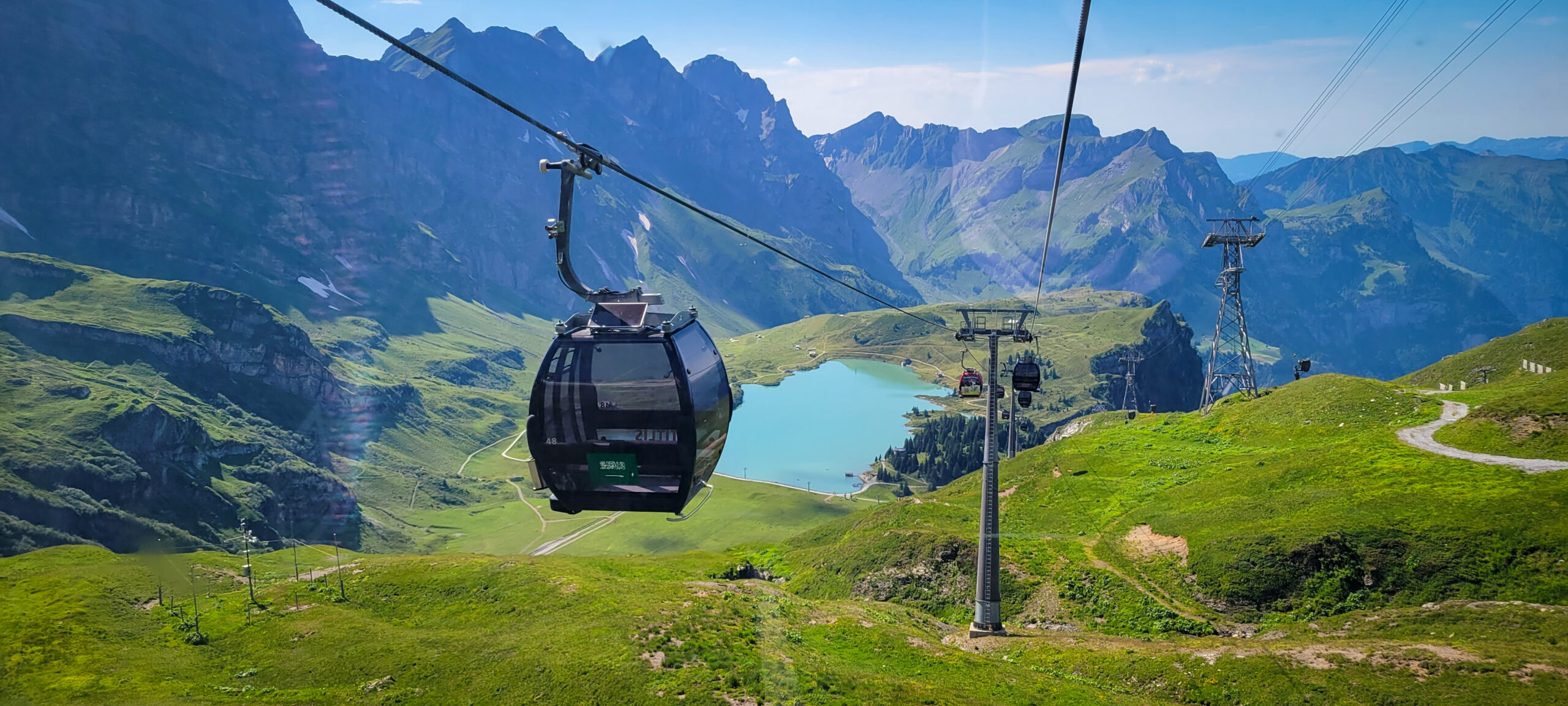
The best car-free mountain trips do more than eliminate the rental car. They use transport to improve the hike: train to one trailhead and finish at another, ride a boat to the far end of a ridge, or sleep in a village where the lift leaves from the center of town.
Where Is Car-Free Mountain Hiking Easiest?
Switzerland is the strongest overall system: Zermatt, the Jungfrau region and Kandersteg combine national rail with mountain railways, buses and lifts. Norway is best when transport becomes part of a point-to-point route, especially Besseggen and Romsdalseggen. Japan is strongest for regulated mountain access: Kamikochi is car-free by design, while Mount Fuji’s trailheads are built around climbing buses during the official season.
For a first trip, choose the Five Lakes Walk in Zermatt for the easiest complete car-free mountain holiday, Besseggen for the best boat-assisted ridge, and Eiger Trail for the cleanest train-to-train point-to-point hike.
13 Best Mountain Hikes You Can Reach by Public Transport
The ranking rewards hikes where scheduled transport is not merely possible, but genuinely useful to the route design.
| # | Hike | Car-free access | Difficulty | Transit ease | Why it works |
|---|---|---|---|---|---|
| 01 | Five Lakes Walk Zermatt, Switzerland | Train → Zermatt → Sunnegga/Blauherd lifts | Moderate | Excellent | Matterhorn views; completely car-free base |
| 02 | Eiger Trail Jungfrau Region, Switzerland | Train → Eigergletscher; finish by rail at Alpiglen | Moderate | Excellent | Point-to-point directly between railway stations |
| 03 | Oeschinensee Panorama Kandersteg, Switzerland | Train → Kandersteg → cable car / trail | Moderate | Excellent | Lake-and-cliff hiking from a rail-served village |
| 04 | Lac Blanc Chamonix, France | Mont Blanc Express / valley bus → lift or trail access | Moderate–Hard | Excellent | Classic Mont Blanc-range day without a rental car |
| 05 | Seceda Ridge Val Gardena, Italy | Regional bus → Ortisei → gondola/cable car | Easy–Moderate | Excellent | High Dolomites scenery with simple lift logistics |
| 06 | Tre Cime Circuit Dolomites, Italy | Train/bus → Dobbiaco → seasonal trailhead bus | Moderate | Very good | Iconic circuit; current reservation/access rules matter |
| 07 | Besseggen Ridge Jotunheimen, Norway | Bus → Gjendesheim → Gjende boat to Memurubu | Hard | Excellent | Boat-assisted point-to-point ridge |
| 08 | Romsdalseggen Ridge Åndalsnes, Norway | Train → Åndalsnes → seasonal ridge bus | Hard | Excellent | One-way ridge finishes back in town |
| 09 | Yr Wyddfa / Snowdon Eryri, Wales | Rail/bus → Llanberis/Pen-y-Pass → Sherpa’r Wyddfa | Moderate–Hard | Very good | Multiple trailheads connected by bus |
| 10 | Beinn na Lap from Corrour Scottish Highlands | West Highland Line → Corrour station | Moderate–Hard | Excellent | Road-free station; trail starts from the railway |
| 11 | Kamikochi to Karasawa Japanese Alps | Train → Matsumoto → bus into car-free Kamikochi | Hard / multi-day | Excellent | Private cars excluded from the valley |
| 12 | Mount Fuji — Yoshida Trail Japan | Rail/express bus → Fuji area → 5th Station bus | Hard | Very good | True summit hike accessible by scheduled buses |
| 13 | Scout Lookout / Angels Landing Zion, USA | Springdale shuttle → Zion Canyon shuttle → The Grotto | Hard / exposed | Very good | Park shuttle serves the trailhead; permit needed beyond Scout Lookout |
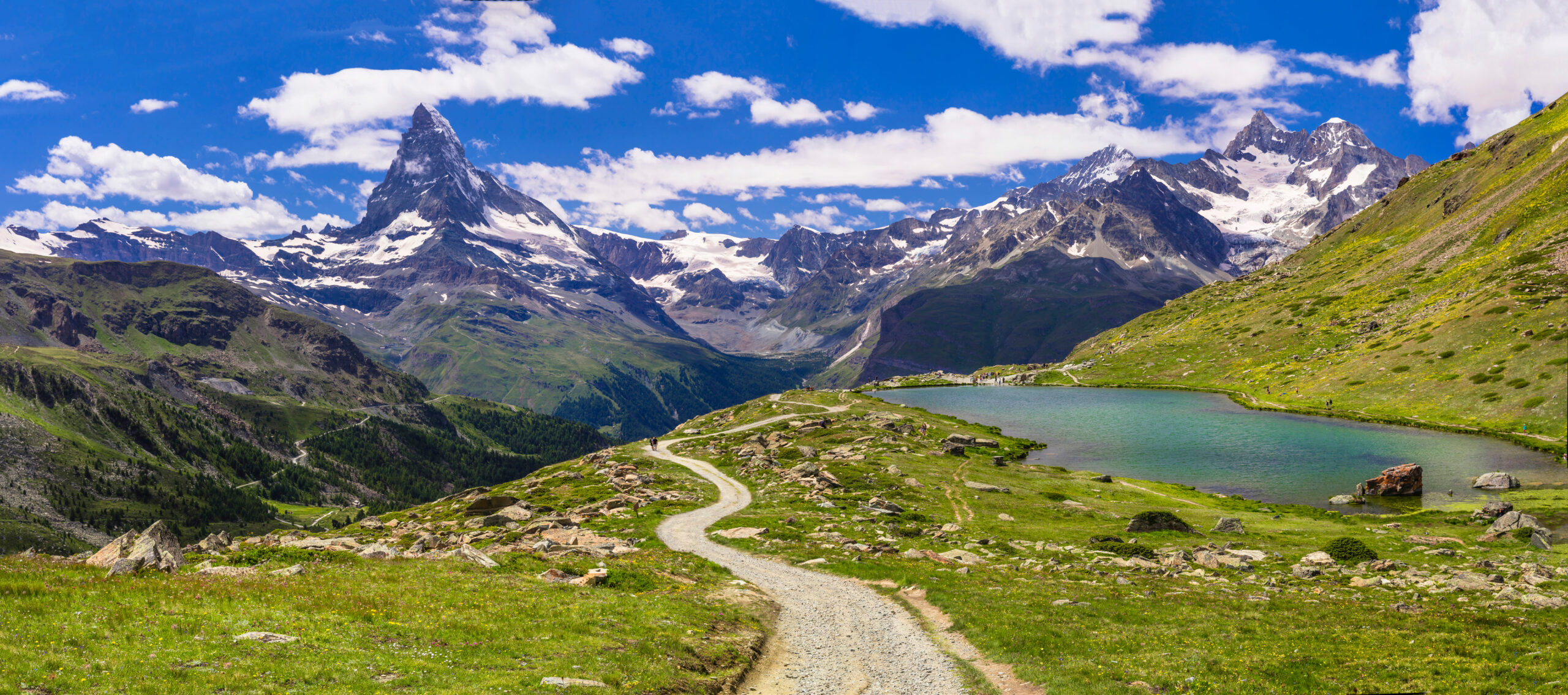
Zermatt Shows What Happens When the Car-Free System Is Better Than Driving.
You arrive by rail, the village itself excludes ordinary private cars, and funiculars, cable cars and the Gornergrat railway spread out above town. The transport system is not a workaround—it is the hiking infrastructure.
Why Switzerland Owns the Category
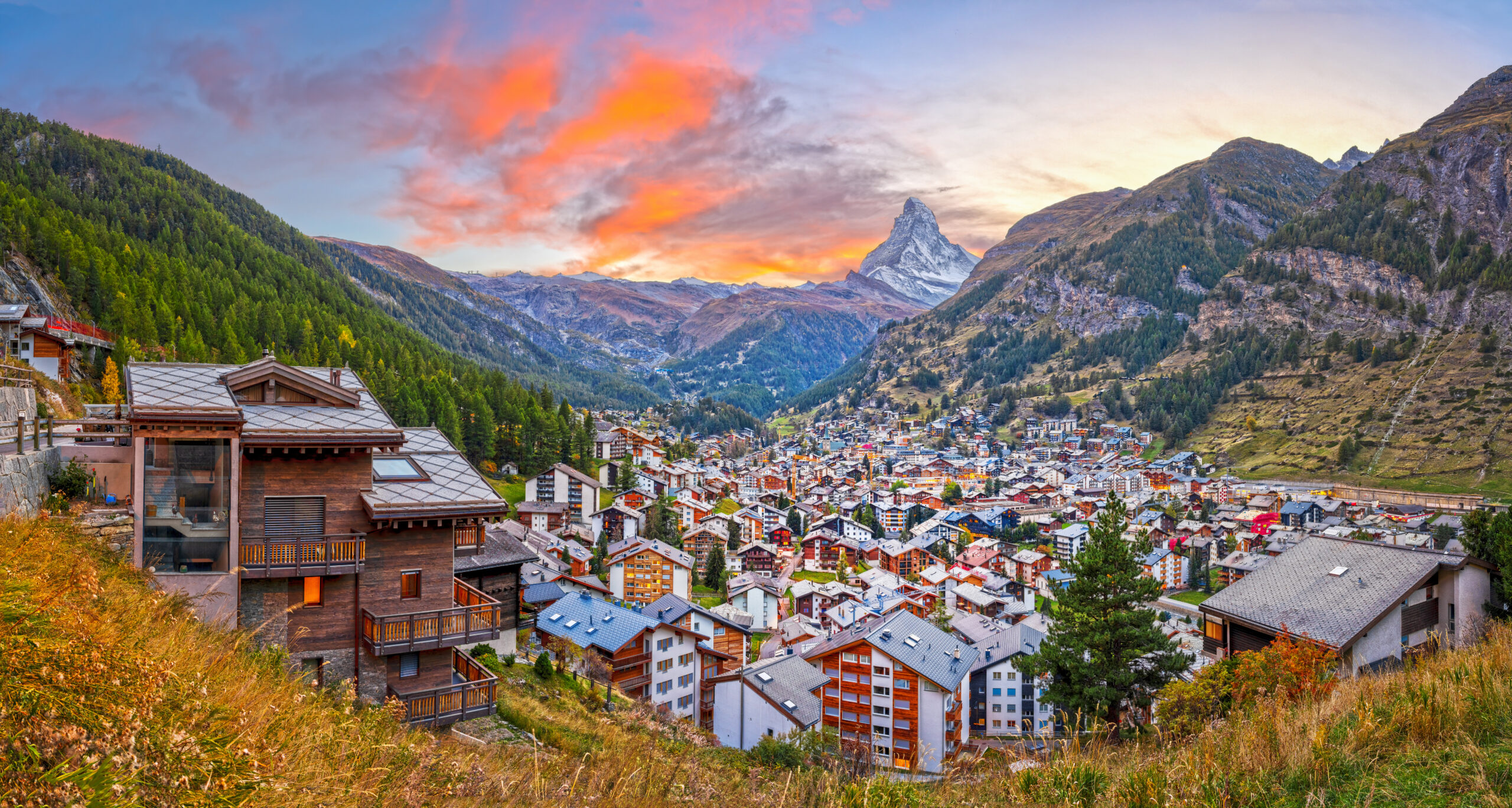
Switzerland turns national rail, village transit and mountain lifts into one continuous hiking system. That matters more than raw train frequency because it lets you design linear mountain days instead of out-and-back routes built around a parking lot.
- Five Lakes: best first car-free mountain hike for Matterhorn scenery.
- Eiger Trail: best example of transport improving a point-to-point mountain route.
- Oeschinensee: easiest lake-centered day from a mainline rail village.
Five Lakes Walk
Train directly to Zermatt, then use the Sunnegga/Blauherd lift system. The hike is moderate, scenic and easy to shorten if weather changes.
Eiger Trail
Start from Eigergletscher station and finish toward Alpiglen. A parked car would add no value because rail naturally serves both ends.
Oeschinensee
Kandersteg station makes the village easy by rail, with the lake cable car removing the lower approach when desired.
Chamonix and the Dolomites: Use One Mountain Town as the Transit Hub
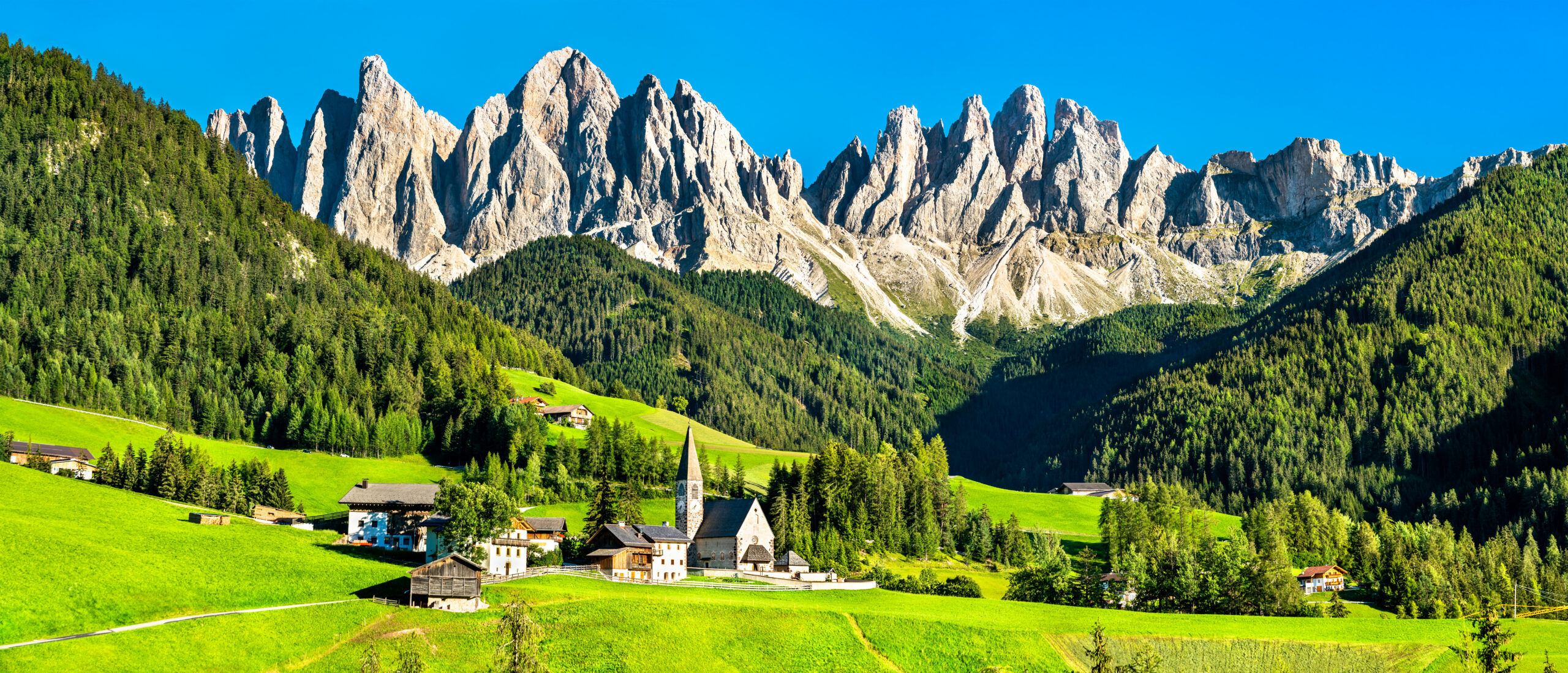
These regions are slightly less seamless than Switzerland, but excellent once you base yourself in the right valley. Chamonix has the Mont Blanc Express plus valley buses and lifts; Val Gardena combines regional buses with lifts from Ortisei; the Tre Cime area uses seasonal trailhead buses.
Planning lesson: stay in the valley that owns your hikes. Crossing the Dolomites every morning defeats much of the advantage of going car-free.

Besseggen Is Better Because You Do Not Have to Return to a Car.
Take the Gjende boat to Memurubu and hike the ridge back toward Gjendesheim. Romsdalseggen follows the same logic with a seasonal ridge bus from Åndalsnes to the start. These are public-transport hikes in the strongest sense: transport creates the one-way route.
Boats, Ridge Buses and Road-Free Railway Stations
Northern Europe adds route types that are difficult to reproduce with a rental car.
Bus + Gjende Boat + Ridge
Reach the Gjendesheim area, take the boat to Memurubu, then hike back. Reserve the boat and build the day around the sailing rather than assuming walk-up availability.
Train + Ridge Bus
The railway brings you to Åndalsnes; the seasonal ridge bus takes hikers to the one-way trail start, and the route finishes back in town.
Sherpa’r Wyddfa Trailhead Network
The bus network links Llanberis, Pen-y-Pass and other access points, making it possible to ascend by one path and descend toward another bus stop.
Train to a Station With No Public Road
Corrour station on the West Highland Line is reachable only by train or on foot. It is one of the purest car-free mountain trailheads in Britain.

Kamikochi and Mount Fuji Are Built Around Controlled Access
Kamikochi excludes private cars, so bus access is not an alternative—it is the normal system. From the valley, hikers can move toward Yokoo, Karasawa and the Northern Japanese Alps hut network.
Mount Fuji is different: the official climbing system uses scheduled buses to the fifth stations and private-vehicle restrictions during key periods. For the 2026 season, the official Fuji site listed bus access from Fujikawaguchiko/Mt. Fuji Station and direct express-bus options to the Fuji-Subaru Line 5th Station.
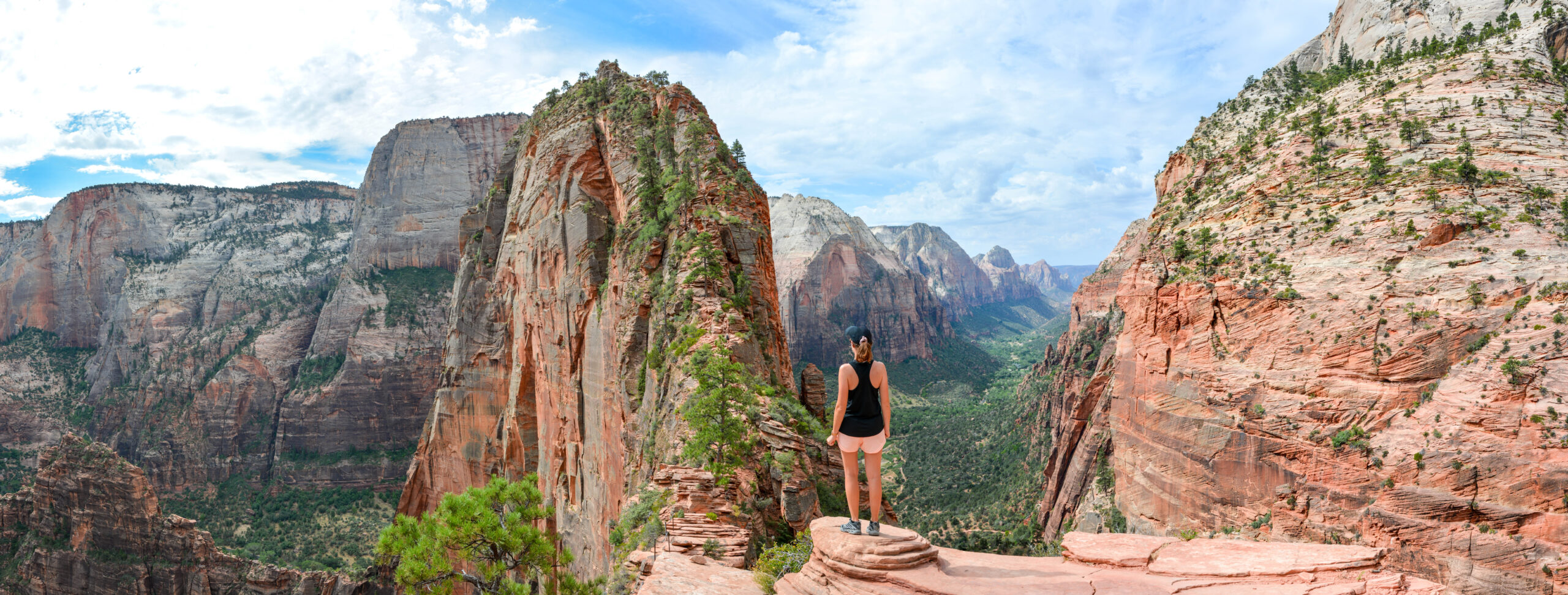
Zion Is One of the Few U.S. Parks Where the Shuttle Is the Normal Trailhead System.
In 2026, Zion’s canyon shuttle serves trailheads including The Grotto for Scout Lookout and Angels Landing. Once you are based in Springdale, a car is often less useful inside the main canyon than the park shuttle itself.
Scout Lookout / Angels Landing by Shuttle
Public transport solves the trailhead. It does not remove the separate permit and exposure decisions.
Springdale → Park Shuttle → The Grotto
Zion’s 2026 seasonal shuttle began March 7. When operating, the Springdale and Zion Canyon lines connect lodging areas with the main canyon trailheads.
Scout Lookout Is Not the Same as Angels Landing
The shuttle gets you to the trail, but the chain section beyond Scout Lookout requires an Angels Landing permit under the 2026 lottery system.
Transit Does Not Make Exposure Easier
Choose Scout Lookout when you want the hike without the permitted exposed ridge. Public access and mountain suitability are separate questions.
Plan the Return Trip Before You Plan the Hike
The best transit hike fails if you discover the last bus has already left.
Check the Last Return Service First
Find the final train, bus, boat or lift from the finish point before choosing your start time. Build a meaningful buffer rather than aiming for the last possible connection.
Separate Year-Round Rail From Seasonal Mountain Transport
A valley train may run all year while the trailhead bus, ferry or cable car operates only in summer. Off-season public transport can change the route completely.
Check Whether Transport Needs Its Own Reservation
Boats, trailhead buses and some mountain systems can sell out or require prebooking. A trail permit does not automatically reserve the transportation—and vice versa.
Use the Freedom to Hike Point-to-Point
Do not recreate a parking-lot itinerary out of habit. If trains or buses serve both ends, cross the pass or ridge and finish somewhere new.
Choose Lodging Beside the Transport Spine
Zermatt station, central Ortisei, Åndalsnes, Chamonix and Springdale are useful because the hiking transport starts where you are already sleeping.
Have a Missed-Connection Plan
Know whether the fallback is another bus, a lower walking route, a taxi, a hut, or simply turning around earlier. Mountain weather is allowed to ruin the timetable.
Which Car-Free Mountain Trip Fits You?
Transit quality is only one variable. Choose the hiking experience first.
Zermatt or Kandersteg
Excellent rail access, straightforward lodging and routes that can be shortened with lifts make Switzerland the easiest introduction.
Besseggen or Romsdalseggen
Transport is part of the route design, not just the way you reach the trailhead.
Mount Fuji
A true major summit with scheduled bus access—but only during the official climbing season and under current access rules.
Kamikochi
Bus into a car-free valley, then continue into the hut network and Northern Japanese Alps.
Chamonix or Val Gardena
Use a single mountain town as the transit hub for multiple lift-served hiking days.
Zion
One of the clearest American examples where public shuttle access is central to how the main hiking canyon works.
Build the Hike After You Solve the Access
Use this page to choose a car-free mountain system, then move into the regional or route guide for the actual trail decision.
How This Guide Handles Timetables That Change
This page describes the transport chain and the planning decision rather than freezing fragile departure times into an evergreen ranking. Always check the official operator immediately before travel.
- Switzerland: national/regional rail, mountain railways and lift systems; verify current connections through the relevant Swiss operator.
- Norway: current Global Summit Guide Norway review confirms the boat-assisted Besseggen structure and 2026 Romsdalseggen ridge-bus system.
- Mount Fuji: the official 2026 Fuji site listed bus access to the fifth stations, a July–September climbing season, access restrictions and trail-gate rules. The 2026 climbing season has now ended.
- Zion: NPS says the 2026 Zion Canyon shuttle began March 7; the shuttle serves the Grotto/West Rim trail access while Angels Landing requires a separate permit beyond Scout Lookout.
Editorial rule: a route only belongs here if a normal traveler can build the hiking day around scheduled public transport, a park shuttle, a ferry/boat, or a mountain railway/lift system without needing a rental car for the core trail access.
Mountain Hiking by Public Transport
The most important distinction is whether transport simply reaches the region or genuinely solves the trailhead and finish logistics.
What are the best mountain hikes reachable by public transport?
Start with the Five Lakes Walk in Zermatt, Eiger Trail, Oeschinensee, Besseggen, Romsdalseggen, Seceda, Lac Blanc, Kamikochi and Mount Fuji. Each has a clear scheduled transport chain to the hiking system.
Which country is easiest without a car?
Switzerland is the easiest overall because rail, PostBus services, mountain railways and lifts connect both mountain bases and trailheads. Norway, Japan, Britain, France and northern Italy have excellent route-specific systems too.
Can public transport actually improve the hike?
Yes. Eiger Trail, Besseggen and Romsdalseggen are cleaner as point-to-point routes because transport serves opposite ends. A car would force extra backtracking or a second transport solution.
What should I check first?
The last return service. Then check seasonal operation, whether the bus/boat/lift needs a reservation, and whether the hike itself requires a separate permit.
Can I climb Mount Fuji without a car?
Yes during the official climbing season. The official Fuji site lists buses to the fifth stations, including connections from rail hubs and some direct express-bus services. The mountain’s seasonal closures and current access rules still control the climb.
Can I hike Zion without a car?
Yes once you are staying in Springdale. The town shuttle and Zion Canyon shuttle create a strong car-free system for the main canyon. Angels Landing requires a separate permit beyond Scout Lookout.
Stop Designing Every Mountain Day Around a Parking Lot.
Use trains, buses, boats and lifts to make the hiking route better: cross the pass, finish in a different village, take the boat to the far end of the ridge, and let the transport network become part of the mountain journey.
Was this helpful?
Global Summit Guide is an independent mountaineering resource founded in 2026. The team combines first-hand trekking and climbing experience with in-depth research and professional health and nutrition review to help climbers choose objectives, prepare properly, and stay safe.
Health, altitude, and nutrition content is reviewed by Taylor Ludlow (Registered Nurse) and Brigg Hoopes (Nutritionist).
What We Don't Know Yet
Mountain information changes quickly. This box explains the limits of what this page can responsibly promise.
- Visa, passport, vaccination, border, insurance, and local transportation rules may change before your trip.
- Route conditions, snowpack, closures, and weather can change quickly after this page is updated.
- Permit rules, fees, quotas, and reservation windows may change between review cycles.
- Operator availability, pricing, guide ratios, and cancellation terms can change by season.
- Your fitness, altitude response, risk tolerance, and experience level may change what is safe or realistic.
Verify current conditions with official land managers, guide services, local forecasts, and current route reports before booking or climbing.
Mountaineering, rock and ice climbing, glacier travel, and high-altitude activity are inherently dangerous and can result in serious injury or death. The information on Global Summit Guide is provided for general informational and educational purposes only and is not a substitute for professional instruction, qualified guiding, proper equipment, or your own judgment and experience.
Route conditions, weather, snowpack, permits, regulations, and hazards change constantly and may differ from what is described here. Details may be incomplete, out of date, or contain errors. Always verify current information with local authorities, certified guides, and official sources before making any decision in the mountains.
Nothing on this site is medical, legal, or financial advice. Our fitness, acclimatization, altitude, and nutrition content is general in nature; consult a qualified physician before beginning any strenuous exercise program or exposing yourself to high altitude.
You are solely responsible for your own safety and decisions. To the fullest extent permitted by law, Global Summit Guide and its team accept no liability for any loss, injury, damage, or expense arising from use of, or reliance on, this information. By using this site you acknowledge these risks and accept these terms.
Some links on this site may be affiliate links. If you buy through them we may earn a small commission at no extra cost to you; this never affects our recommendations.
Global Summit Guide recommendation path
Next Best Mountain to Research
Use these recommendations to continue the right planning path instead of stopping on one page.
Use current permit, weather, route, and operator information before booking or climbing.
Search Flights, Hotels & Rental Cars
Have the mountain or destination picked? Use Expedia to compare the flights, lodging and rental cars that fit your actual trip dates. For mountain travel, consider arriving early enough for delays and adding a buffer night after the climb before a fixed flight home.
Compare current flight, hotel and car options.
Affiliate disclosure: Global Summit Guide may earn a commission if you book through this link, at no additional cost to you.