
Last updated September 9, 2026
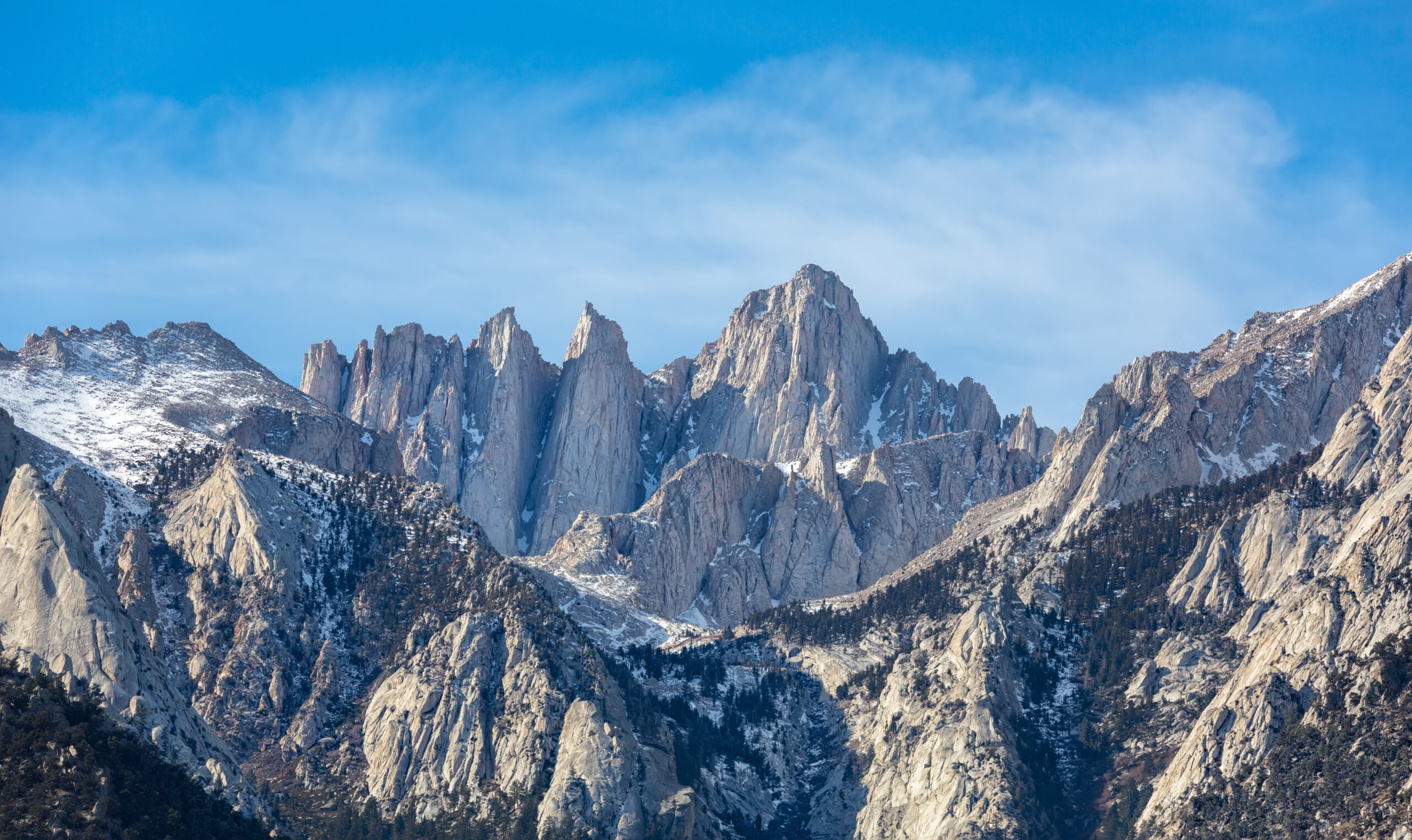
Gratitude at the Summit
A summit is easy to measure. Elevation. Time. Distance. Rank. Success or failure. The deeper part is harder to record: the people who helped, the conditions that held, the fear that passed, the body that kept moving, the view that appeared—and the simple fact that you were there to receive it.
The summit means more when I stop treating it as proof that I deserved to be there.
There is nothing wrong with wanting the summit. I like goals. I like the discipline of training toward something difficult. I like knowing the elevation, the route, the distance and the time. Those numbers give shape to an objective.
But the summit itself has never felt like a number once I was standing there.
It feels like a pause.
The climb that occupied weeks or months of thought suddenly becomes very small. There may be a photograph, a handshake, a hug, a quick look at the horizon. Sometimes the weather allows only a few minutes. Sometimes there is no dramatic feeling at all.
Then the descent begins.
That briefness is one reason I think gratitude fits the summit better than conquest. Conquest sounds permanent. A summit is temporary. I stand there for a moment, and then the mountain has the top to itself again.
Mountains invite measurement.
Elevation is part of the attraction. So are vertical gain, route grade, elapsed time, summit count and progression. We make lists because lists help us organize ambition. We compare peaks because comparison helps us choose what should come next.
I do not think those things are shallow.
A metric can motivate a year of training. A summit goal can pull someone into better health, better preparation and a stronger sense of purpose. A time goal can make an athlete disciplined. A list can turn scattered travel into a coherent project.
The problem begins when the metric becomes the meaning.
If the only question after a climb is, “Did you summit?” then everything below the top becomes supporting material. The partner who slowed down for you. The guide who read the weather. The sunrise at camp. The decision that kept the team safe. The months of training. The moment you nearly quit. The family member who encouraged the trip. The quiet realization halfway up that you were already having the experience you came for.
None of those things fit neatly into a yes-or-no summit column.
Yet they may be the reason the climb matters years later.
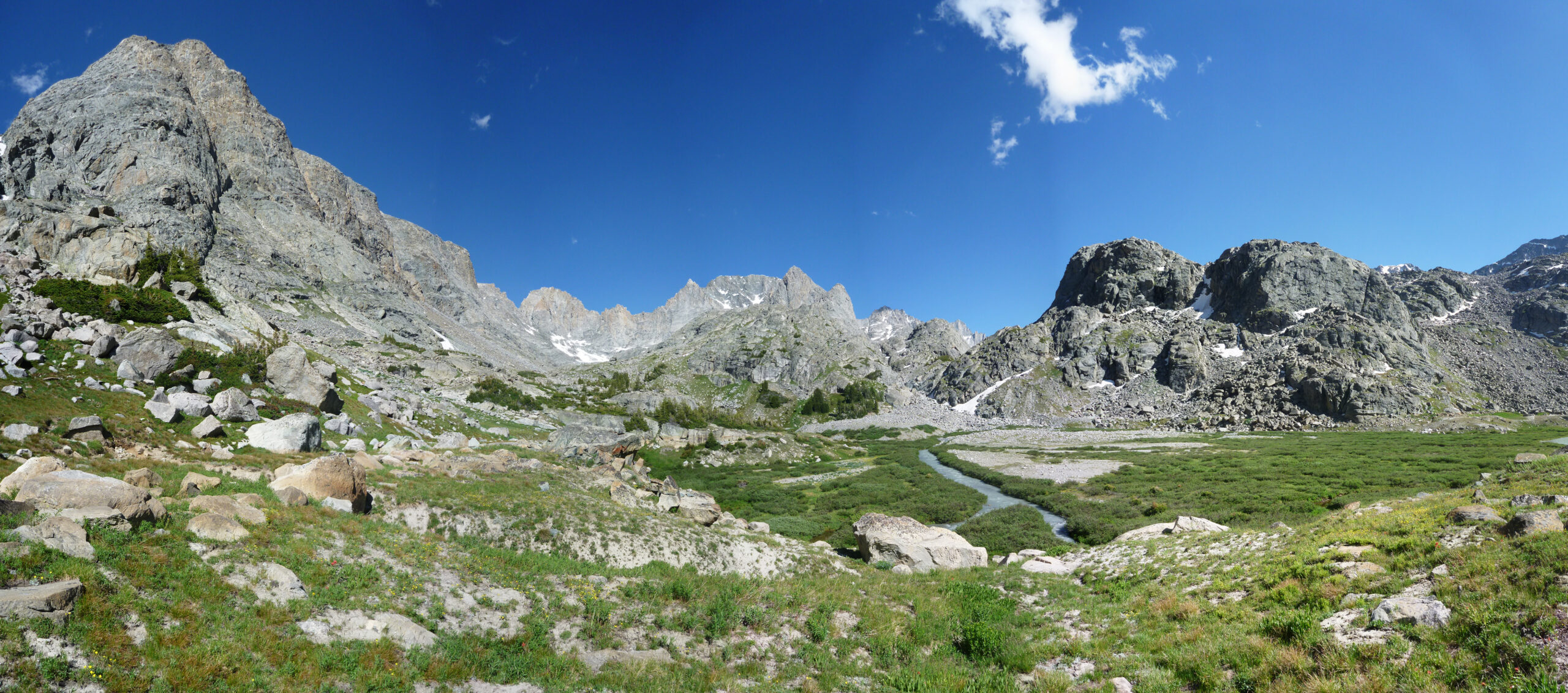
Most summit moments are smaller than the dreams that preceded them.
That is not disappointment. It may be part of their beauty. Months of anticipation become a few breaths, a view and the knowledge that it happened.
Achievement becomes gratitude when I notice how much of it was received.
There is a strange temptation after a hard climb to tell the story as if the ending were inevitable.
I trained. I prepared. I followed the plan. I reached the summit.
All of those statements may be true. They are also incomplete.
The weather may have given a window. My body may have responded well to altitude. The route may have been in condition. A partner may have made a good decision when I was tired. A guide may have seen something I did not. A flight may have arrived on time. A road may have remained open. A storm may have passed twenty-four hours earlier instead of arriving twelve hours sooner.
None of those facts erase preparation. Gratitude does not mean pretending effort was irrelevant.
It simply places effort inside reality.
I worked hard for the opportunity. I did not control the opportunity.
That distinction changes the emotional shape of the summit. Pride can still be present. Satisfaction can still be present. Relief can be present. But gratitude creates room for something larger than self-congratulation.
It asks me to notice what carried me besides my own legs.
Very few summits are truly solo achievements.
Even when one person stands on the top alone, the climb usually rests on a web of people whose names do not appear in the summit statistic.
The person who matched your pace, checked your harness, broke trail, shared food, watched the forecast or simply stayed calm when you were tired.
On many expeditions, the visible summit is built on route preparation, camp systems, transport, cooking, carrying, fixing and decisions made by people whose work is easy to overlook.
The people at home may have absorbed months of training schedules, travel costs, anxiety, absence and conversation about the same mountain.
Earlier failures, easier peaks, training days and mistakes often created the judgment that made the later summit possible.
I think gratitude improves the story because it makes the circle wider.
Instead of asking only what I accomplished, I can ask who made the accomplishment possible. Who taught me? Who waited for me? Who encouraged me? Who told me no when I needed to hear no? Who made the route safer? Who carried part of the burden?
Those questions turn the summit away from possession.
The mountain may have one top, but the journey belongs to more than one person.
Gratitude lives in the space between preparation and certainty.
The Humility & Mortality reflection looks at this from the harder side: weather, risk, limits and the possibility that reality will refuse the plan.
Gratitude looks at the same uncertainty from the other direction.
Sometimes reality cooperates.
The storm clears. The body acclimatizes. The crevasse bridge holds. The wind drops. The road opens. A permit is available. A partner feels strong. The sunrise appears exactly when you reach the ridge.
We often call that luck.
I am comfortable with the word. I am also comfortable, in my own faith, calling some of it grace.
I do not mean that God owes a believer good weather or a summit. Mountains make that idea impossible to defend honestly. Faithful people turn around. Strong people get sick. Careful people experience accidents. Sometimes weather closes the mountain despite every prayer.
For me, grace is not a guarantee of success.
It is the ability to receive a good moment without pretending I manufactured every condition that made it possible.

Gratitude should survive a turnaround.
If gratitude exists only when the summit happens, it becomes another form of victory language. Some of the most important mountain days end below the top.
A mountain can give something even when it does not give the summit.
This may be the hardest version of gratitude.
It is easy to feel thankful after the goal is achieved. The weather was beautiful. The team was strong. The photograph exists. The story has a clean ending.
What about the day when the summit disappears into cloud and the team turns around?
What about illness? Wind? A closed route? A missed weather window? A partner who needs to descend?
I do not think disappointment needs to be denied. A person can be grateful and still be deeply disappointed. Gratitude that requires pretending the loss did not matter is not very useful.
The more interesting question is whether disappointment is the only thing the mountain gave.
Maybe the team made a good decision. Maybe the day exposed a training weakness that can be fixed. Maybe a partner showed remarkable patience. Maybe the view below the summit was still extraordinary. Maybe the climb clarified what the next attempt will require. Maybe everyone came home safely from a mountain capable of much worse outcomes.
None of that turns a turnaround into a summit.
It does keep the summit from owning the entire meaning of the trip.
That is one reason I like the way My Climb treats a turnaround or hard lesson as information for what comes next. A mountain experience remains useful even when the highest point was not reached.
For me, gratitude eventually becomes prayer.
Not because every summit proves divine favor, but because the mountain often makes me more aware of what I did not create and could not guarantee.
There are moments when gratitude arrives before words.
A first view from a ridge. A safe return to camp. The sight of people I care about after a long trip. A summit that once felt beyond me. A body that kept working when I asked a lot of it.
My faith gives those moments a direction.
I can say thank you to my partners. I can thank a guide. I can thank my family. I can be grateful for training, timing and good fortune.
And I can thank God.
I do not see those forms of gratitude as competitors. They belong together. Faith does not require me to erase the human work inside an accomplishment. It gives me one more reason not to imagine that the accomplishment began and ended with me.
The Stewardship of Creation reflection asks what gratitude should make us do for the places we love. The answer here is even simpler: first, notice that you are grateful.
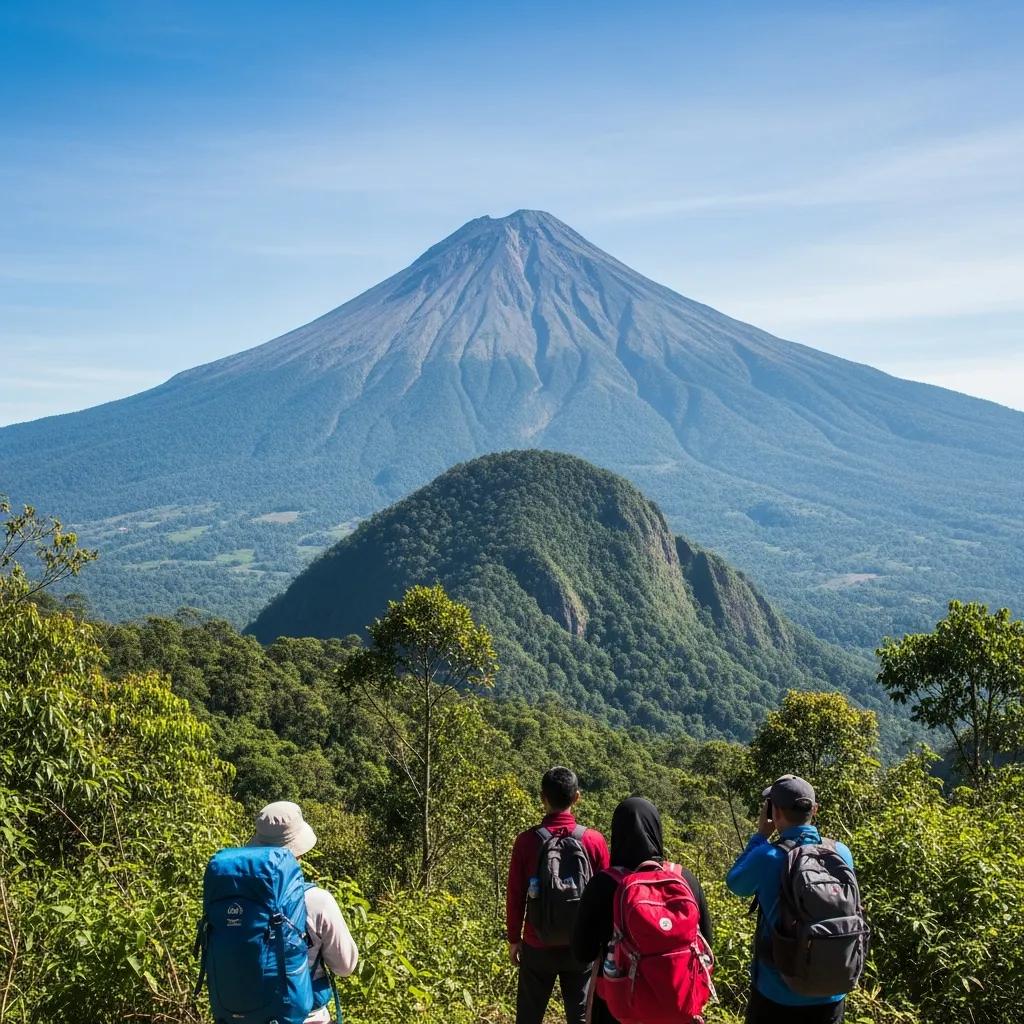
The summit becomes memory almost immediately.
The question after the climb is what we preserve. Not just the GPS line or summit photograph, but the people, decisions, fear, laughter, gratitude and lessons that made the route matter.
Do not let the whole expedition collapse into one photograph.
Global Summit Guide’s My Climb system already treats the return home as part of the climber journey. That is exactly where gratitude can become something durable.
What actually happened?
Record the decisions that worked, the assumptions that failed, what surprised you, what the conditions were like and what you would change next time.
Who deserves a thank-you?
Name the partner, guide, family member, porter, friend or stranger whose help made the trip better. Gratitude becomes more real when it is expressed directly.
What do you want to remember in five years?
The summit may be obvious. Write down the smaller moments before they disappear: the joke at breakfast, fear on the ridge, the quiet walk out, the first sight of the mountain.
What changed in you?
A good climb should update your understanding of fitness, altitude, skill, judgment, support and the kind of mountain experience you want next.
Keep the whole story.
Photos, route notes, maps, costs and trip details matter. So do the names, feelings and decisions that cannot be reconstructed from GPS data later.
Let gratitude shape the next objective.
The next mountain does not have to be higher. It can be more meaningful, more appropriate, more shared or better matched to the climber you became on this trip.
The summit photo is proof that I was there. Gratitude is what makes the moment stay.
Every summit eventually becomes a story told in the past tense.
At first the details are sharp. You remember the temperature, the wind, the sound of your breathing, the way the sky looked, the exact place someone stood for the photo.
Then time edits the experience.
The route gets shorter in memory. The bad night becomes funny. The fear becomes a sentence. The summit becomes the picture everyone has seen.
Gratitude resists some of that flattening.
It keeps the climb connected to people. It remembers that the good weather was not guaranteed. It remembers the body that worked, the partner who stayed, the family who waited, the mountain that allowed passage for a few hours.
For me, gratitude also protects the summit from becoming too important.
I can love the moment without making it the measure of my life. I can be proud without believing the mountain proved my worth. I can celebrate without pretending I conquered something that will remain long after I am gone.
The summit is real.
So is the descent.
So is the drive home.
So is the ordinary morning a week later when the gear is dry, the photos are backed up and the mountain is already becoming memory.
Maybe gratitude is what allows the climb to keep giving after the metric is finished.
Five ways the mountains change the conversation.
Gratitude closes the first Faith & the Mountains reflection sequence by returning the climber to the whole journey.
Why We Climb
The larger question of why high places can feel sacred, meaningful and spiritually charged.
Stewardship of Creation
Gratitude becoming responsibility for the places we enter.
Solitude & Silence
Attention, prayer and what becomes audible when ordinary noise falls away.
Humility & Mortality
Risk, turning around and the difference between preparation and control.
Gratitude at the Summit
The moment over the metric—and the journey that remains after the summit photo.
Sacred Mountains
The cultural half of the collection: mountains people worship, climb as pilgrimage and sometimes refuse to climb.
Gratitude, summits and the mountain journey
The summit matters. The reflection asks what happens when we refuse to let it be the only thing that matters.
What does gratitude at the summit mean?
It means receiving the summit as more than proof of performance. Training and effort still matter, but the moment also depends on weather, health, partners, access, timing, judgment and many conditions no climber controls alone.
Is it wrong to care about summit goals and records?
No. Goals can organize training and give a climb meaning. The reflection is not against ambition or measurement. It asks whether the metric has become so important that the climber stops noticing the people, place, luck and grace that made the moment possible.
How can I practice gratitude after a climb?
Write down what surprised you, who helped, what went right, what did not, what the mountain taught you and what you want to remember in five years. Thank partners, guides or family directly. Preserve more than the summit photo.
What if I did not reach the summit?
Gratitude does not require a summit. A safe turnaround, strong partnership, beautiful day, lesson learned or simply returning home can still be worthy of thanks. The mountain experience is larger than the final elevation.
Why connect gratitude with mountaineering?
Because mountain success is never created by effort alone. Weather, route conditions, physiology, access, partners and timing all matter. Gratitude recognizes the difference between working for an outcome and controlling it.
Is this a religious reflection?
It is written from a personal faith perspective, including gratitude to God, but it is intentionally open to readers who understand the same mountain moment through wonder, fortune, community, nature or another belief.
How does this tie into My Climb?
Global Summit Guide's My Climb system treats Return, Debrief, Remember and What Comes Next as part of the full climber journey. Gratitude fits naturally there: record not only what you achieved, but who helped, what changed and what you want to carry forward.
What should I read next in Faith & the Mountains?
Why We Climb is the anchor reflection. Stewardship of Creation considers gratitude becoming care, Solitude & Silence considers attention and listening, and Humility & Mortality looks at limits, risk and turning around.
Remember more than the elevation.
Record the summit if you reached it. Record the turnaround if you did not. Then preserve the people, decisions, lessons and gratitude that made the climb worth remembering.
Finish the reflection—and carry the climb into what comes next
Move through the other reflections, then use My Climb and the post-climb journey tools to preserve what the mountain actually taught you.
Was this helpful?
Global Summit Guide is an independent mountaineering resource founded in 2026. The team combines first-hand trekking and climbing experience with in-depth research and professional health and nutrition review to help climbers choose objectives, prepare properly, and stay safe.
Health, altitude, and nutrition content is reviewed by Taylor Ludlow (Registered Nurse) and Brigg Hoopes (Nutritionist).
What We Don't Know Yet
Mountain information changes quickly. This box explains the limits of what this page can responsibly promise.
- Visa, passport, vaccination, border, insurance, and local transportation rules may change before your trip.
- Route conditions, snowpack, closures, and weather can change quickly after this page is updated.
- Permit rules, fees, quotas, and reservation windows may change between review cycles.
- Operator availability, pricing, guide ratios, and cancellation terms can change by season.
- Your fitness, altitude response, risk tolerance, and experience level may change what is safe or realistic.
Verify current conditions with official land managers, guide services, local forecasts, and current route reports before booking or climbing.
Mountaineering, rock and ice climbing, glacier travel, and high-altitude activity are inherently dangerous and can result in serious injury or death. The information on Global Summit Guide is provided for general informational and educational purposes only and is not a substitute for professional instruction, qualified guiding, proper equipment, or your own judgment and experience.
Route conditions, weather, snowpack, permits, regulations, and hazards change constantly and may differ from what is described here. Details may be incomplete, out of date, or contain errors. Always verify current information with local authorities, certified guides, and official sources before making any decision in the mountains.
Nothing on this site is medical, legal, or financial advice. Our fitness, acclimatization, altitude, and nutrition content is general in nature; consult a qualified physician before beginning any strenuous exercise program or exposing yourself to high altitude.
You are solely responsible for your own safety and decisions. To the fullest extent permitted by law, Global Summit Guide and its team accept no liability for any loss, injury, damage, or expense arising from use of, or reliance on, this information. By using this site you acknowledge these risks and accept these terms.
Some links on this site may be affiliate links. If you buy through them we may earn a small commission at no extra cost to you; this never affects our recommendations.
Global Summit Guide recommendation path
Next Best Mountain to Research
Use these recommendations to continue the right planning path instead of stopping on one page.
Use current permit, weather, route, and operator information before booking or climbing.