
Last updated September 15, 2026
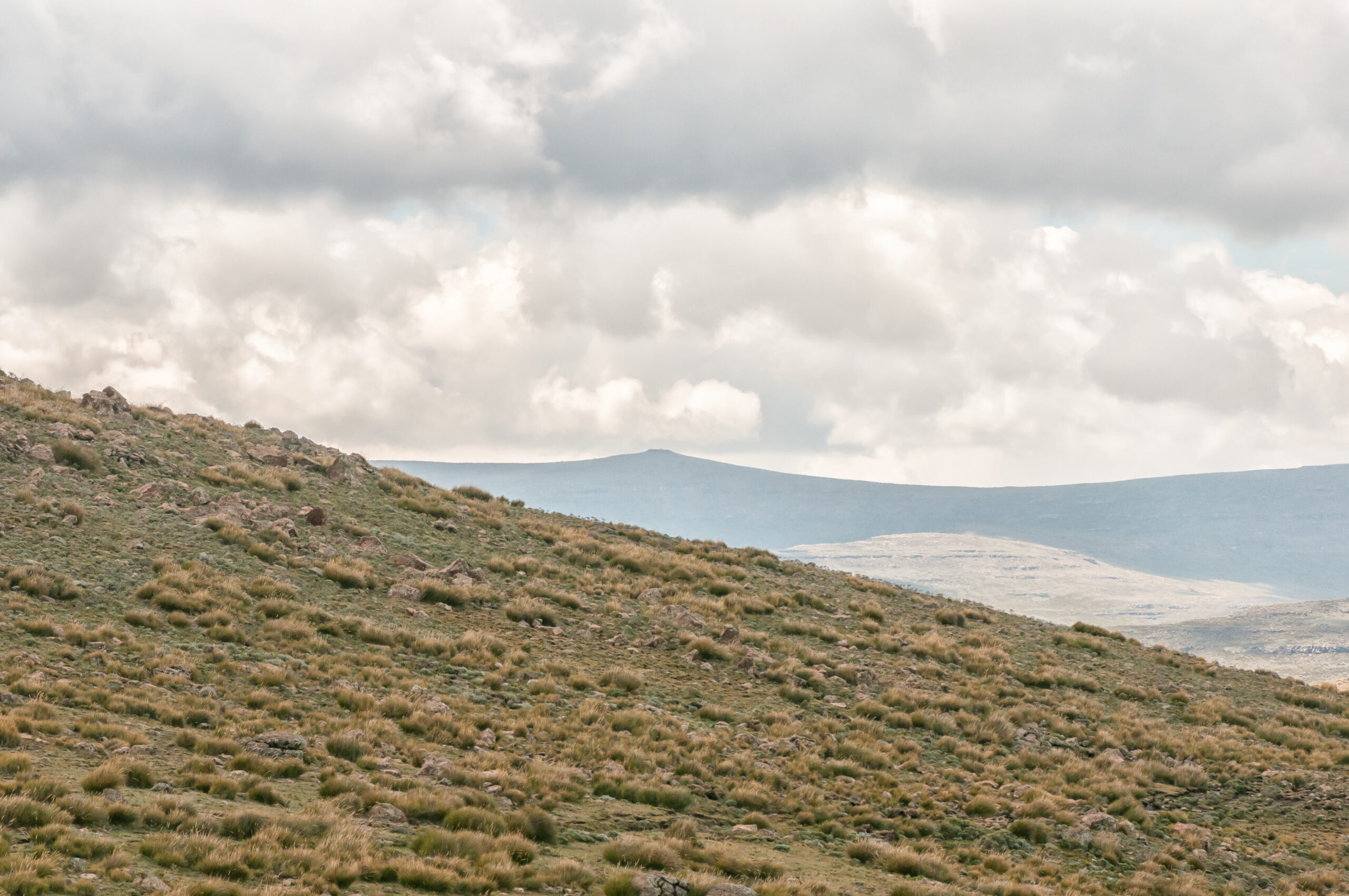
Thabana Ntlenyana: Complete Guide to Climbing Southern Africa’s Highest Peak
Thabana Ntlenyana is the highest mountain in Lesotho and in all of southern Africa — reached not by technical climbing but by a high-altitude hike from the top of the legendary Sani Pass. This is the complete 2026 guide: the route, the 4×4 and border logistics, difficulty, best season, gear, itineraries and costs.
Thabana Ntlenyana (3,482 m / 11,424 ft) is the highest mountain in Lesotho and the highest peak in southern Africa — the highest point in Africa south of Kilimanjaro. It stands in the Maloti Mountains near Sani Pass and is climbed as a non-technical high-altitude hike, typically over two to three days from the Lesotho side.
A non-technical hike to southern Africa’s rooftop — where the logistics, not the climbing, are the challenge.
What it is: a moderate 8-hour (or 2–3 day) hike at altitude to 3,482 m. No ropes, no scrambling — but no marked trail either, so navigation matters, and the 4×4-plus-border access is the real complexity.
Why it’s special: you summit the highest peak in southern Africa with a free permit — versus $800–$1,500 for Kilimanjaro — starting from the “Highest Pub in Africa” at the top of Sani Pass. It’s the continent’s most accessible major high point.
The catch: it’s in Lesotho, reached across an international border. You need a passport, a high-clearance 4×4 (strictly enforced), and respect for weather that turns fast at altitude.
What is Thabana Ntlenyana?
The highest point in Lesotho and southern Africa — and the meaning behind the name.
Thabana Ntlenyana rises to 3,482 metres (11,424 feet) in the Maloti Mountains that crest the Kingdom of Lesotho. It is the highest peak in Lesotho, the highest in the entire Drakensberg system, and — the phrasing that matters most for getting the fact right — the highest mountain in southern Africa, the highest point in Africa south of Kilimanjaro.
The name comes from Sesotho and is usually translated as “Beautiful Little Mountain” — a modest name for the roof of a region, reflecting that from the high Lesotho plateau the summit rises only gently above its surroundings rather than as a dramatic spire.
Sani Pass — the standard approach
The climb begins with one of Africa’s most famous mountain roads.
Almost every ascent of Thabana Ntlenyana starts at the top of the Sani Pass, the spectacular 4×4 road that climbs from South Africa’s KwaZulu-Natal into Lesotho. The pass itself is part of the experience — and its logistics shape the whole trip.
| Parameter | Detail |
|---|---|
| Bottom elevation | ~1,544 m (South African side, near Underberg) |
| Top elevation | 2,874 m (Lesotho side, Sani Mountain Lodge) |
| Vertical gain | 1,330 m over the pass |
| Distance (one way) | ~33 km from Underberg to the top |
| Vehicle requirement | 4×4 strictly enforced by the South African border post |
| Passport requirement | Mandatory — this is an international border |
| Border posts | South Africa at the bottom of the unpaved section; Lesotho at the top |
| Border hours | Typically 6 AM – 6 PM (verify before your trip) |
| Drive time | 1.5–2 hours up; 1.5–2 hours down |
4×4 & transport options
How to get up the pass — from renting your own vehicle to a full guided program.
| Option | Cost (approx. 2026) | Best for |
|---|---|---|
| Rent a 4×4 (Durban / Pietermaritzburg) | R 1,200–2,500/day (~$65–135) | Independent travelers; multi-day trips; flexibility |
| Guided Sani Pass day tour | R 1,500–2,500 per person (~$80–135) | Day-trip experience; does not include the Thabana Ntlenyana hike |
| Drakensberg Hiker 4×4 + hike | R 6,000–12,000 (~$325–650) | Full 2–3 day Thabana Ntlenyana program |
| Lesotho on Track package | Variable; book direct | Lesotho-based operator; full logistics |
| Your own 4×4 | Self-organized costs only | Experienced 4×4 drivers comfortable with steep terrain |
Note the key distinction: a standard Sani Pass day tour is not a Thabana Ntlenyana climb — it takes you up the pass to the pub and back. To actually summit the peak you need a dedicated hiking program or a self-organized 2–3 day trip with an overnight on the Lesotho side.
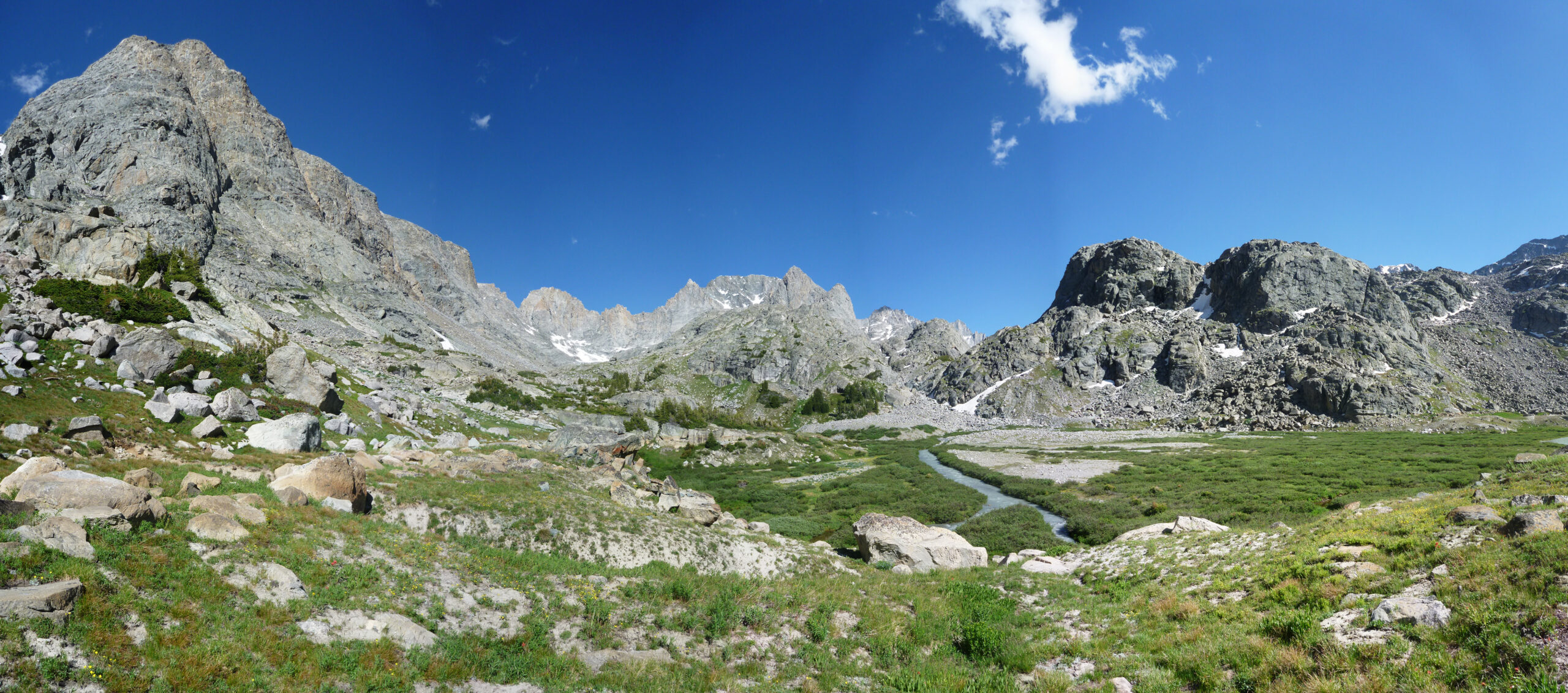
Thabana Ntlenyana difficulty: how hard is it?
Non-technical, but not to be underestimated — the challenges are altitude, navigation and logistics.
| Aspect | Rating | Notes |
|---|---|---|
| Technical climbing skill | ★☆☆☆☆ None required | Pure hiking, no scrambling |
| Physical fitness | ★★★☆☆ Moderate | 8 hours of sustained hiking at altitude |
| Altitude challenge | ★★★☆☆ Moderate | 3,482 m affects unacclimatized hikers |
| Navigation difficulty | ★★★★☆ Significant | No marked trail — easy to get lost |
| Weather risk | ★★★☆☆ Moderate | Rapid changes possible; summer lightning |
| Logistical complexity | ★★★☆☆ Moderate | 4×4 + border + lodging all required |
| Overall rating | ★★★☆☆ Moderate | Accessible to fit hikers with proper logistics |
How to climb Thabana Ntlenyana, step by step
The full sequence from booking to summit and back across the border.
Plan your dates and book accommodation
Best season is May to September (Southern Hemisphere winter dry season). Book Sani Mountain Lodge or Drakensberg-side accommodation in advance, especially around South African school holidays.
Arrange 4×4 transport
Either rent a high-clearance 4×4 or book with a Sani Pass 4×4 tour operator. A 4×4 is strictly enforced at the South African border post.
Border-crossing preparation
Bring a valid passport for yourself and any passengers. You clear the South African exit post at the bottom of the unpaved section and the Lesotho post at the top.
Drive Sani Pass to the Lesotho border
The pass climbs from about 1,544 m to 2,874 m over winding switchbacks — typically 1.5–2 hours up.
Overnight at Sani Mountain Lodge
Stay at Sani Mountain Lodge (2,874 m) — home of the “Highest Pub in Africa” — to rest and acclimatize before the summit hike.
Hike to the summit
The out-and-back from Sani Mountain Lodge to the 3,482 m summit is roughly 8 hours — non-technical but at altitude, with no marked trail, so navigation is essential.
Descend and exit Lesotho
Return to Sani Mountain Lodge and cross back over the border, clearing the Lesotho exit and South African entry posts before descending the pass.
Routes & itineraries
Three ways to structure the climb, from a hard day hike to a three-day expedition.
| Itinerary | Duration | Format | Best for |
|---|---|---|---|
| Day Hike | 8+ hours | Sani Lodge → summit → Sani Lodge | Acclimatized fit hikers; early start essential |
| 2-Day Trek | 2 days, 1 night | Lodge → camp → summit + return | Most popular; balances time and comfort |
| 3-Day Expedition | 3 days, 2 nights | Drive up + 2-hr hike → summit → return | International visitors; weather buffer; cultural immersion |
A typical 2–3 day trek looks like this:
| Day / time | Activity | Distance / time |
|---|---|---|
| Day 1 Morning | Meet in Underberg/Himeville; lunch en route | — |
| Day 1 Afternoon | Drive Sani Pass (4×4); border crossing; arrive Sani Mountain Lodge ~1 PM | ~33 km drive |
| Day 1 Late afternoon | 2-hour hike from Sani Lodge to first camp (mountain-stream area) | ~5 km hike |
| Day 2 Morning | Summit push to Thabana Ntlenyana (3,482 m) | ~5 hours up |
| Day 2 Afternoon | Descend to second camp in Lesotho | ~3–4 hours |
| Day 3 Morning | Hike back to Sani Mountain Lodge | ~3–4 hours |
| Day 3 Midday | Lunch at the “Highest Pub in Africa”; drive down Sani Pass | 1.5–2 hours |
Best time to climb Thabana Ntlenyana
This is the Southern Hemisphere — winter is the dry season and the best window.
| Period | Conditions | Recommendation |
|---|---|---|
| December–February (summer) | Warm but daily thunderstorms; lightning risk above the tree line | Generally avoided despite SA school-holiday demand |
| March–April (autumn) | Declining storms; pleasant temperatures | Excellent — less crowded, stable weather |
| May–June (early winter) | Ideal weather window; clear skies; cold but stable | Often the best months overall |
| July–August (mid-winter) | Peak winter; potential snow on the peak; cold nights | Popular due to SA school holidays; very cold nights |
| September (spring) | Spring transition; milder; generally good weather | Excellent — pleasant temperatures |
| October–November (late spring) | Increasing thunderstorm activity | Variable — check forecasts carefully |
Required gear
Pack for altitude, cold nights and self-sufficient navigation — even in summer, nights drop below freezing.
| Category | Items |
|---|---|
| Footwear | Mid-weight waterproof hiking boots with good ankle support; broken in before the trip |
| Hydration | 2–3 litres capacity; water filter or treatment tablets (mountain streams must be treated) |
| Clothing layers | Synthetic base layer, insulating mid-layer (fleece/down), waterproof outer shell |
| Cold weather | Beanie, gloves, neck buff/balaclava — nights drop below freezing even in summer |
| Sun protection | Sunglasses (essential at altitude — high UV), sunscreen SPF 30+, hat |
| Navigation | GPS app (AllTrails / Maps.me with offline maps); paper map; compass; route description |
| Safety | Headlamp + spare batteries; first-aid kit; whistle; emergency bivy / space blanket |
| Food | 2,500–3,500 calories per day; high-energy snacks; hot drinks for camp |
| Sleeping (overnight) | Down bag rated 0°F/-18°C or warmer; sleeping pad; tent if not staying in the lodge |
Sani Mountain Lodge — the “Highest Pub in Africa”
Your base camp, acclimatization point and post-summit celebration, all at the top of the pass.
| Parameter | Detail |
|---|---|
| Elevation | 2,874 m / 9,429 ft |
| Location | Top of Sani Pass, Lesotho side |
| Claim to fame | The “Highest Pub in Africa” |
| Accommodation types | Backpacker dormitories; private rondavels; en-suite rooms |
| Restaurant | Full meals; known for hearty Drakensberg fare |
| Booking | Recommended in advance for peak seasons |
| Role for climbers | Primary base camp and acclimatization point |
| Vehicle parking | Secure parking included for guests |
| Peak booking seasons | Dec–Jan (SA Christmas holidays); Jul–Aug (SA winter school holidays) |
Accommodation options
Where to base yourself on either side of the border.
| Location | Best for | Approx. cost/night |
|---|---|---|
| Underberg / Himeville (SA) | South African base; pre/post trip; B&Bs | R 800–2,000 ($45–110) |
| Sani Mountain Lodge (Lesotho) | Top of pass; primary climbing base; famous pub | R 500–1,800 ($25–100) |
| Sani Pass Hotel (SA side) | Premium pre-trip accommodation; closer to the border | R 1,500–3,500 ($80–190) |
| Mokhotlong (Lesotho) | Lesotho-side exploration; basic lodging | Variable; basic options |
| Camping in Lesotho | 2–3 day expedition style; remote experience | Free wild camping permitted |
| Drakensberg lodges | South African side; combined Drakensberg trips | R 1,000–4,000 ($55–220) |
Thabana Ntlenyana vs Kilimanjaro & other African peaks
Where southern Africa’s highest peak sits among the continent’s giants — and why its free permit stands out.
| Peak | Elevation | Country | Days required | Permit cost |
|---|---|---|---|---|
| Kilimanjaro | 5,895 m | Tanzania | 6–9 days | $800–1,500+ (mandatory) |
| Mount Kenya (Batian) | 5,199 m | Kenya | 4–6 days (technical) | $60–150/day |
| Mount Stanley | 5,109 m | Uganda/DRC | 7–10 days | $700–1,100 |
| Mount Meru | 4,562 m | Tanzania | 3–4 days | $350–600 |
| Ras Dashen | 4,550 m | Ethiopia | 4–6 days | $100–200 |
| Mount Karisimbi | 4,507 m | Rwanda | 2 days | $400–500 |
| Mount Cameroon | 4,040 m | Cameroon | 2–3 days | $80–150 |
| Thabana Ntlenyana | 3,482 m | Lesotho | 2–3 days | FREE |
It’s the lowest of the continent’s notable high points, but it carries something none of the others do: no permit fee at all. Where Kilimanjaro demands $800–1,500 and a week, Thabana Ntlenyana gives you a national and regional high point for the cost of transport and a lodge — the strongest budget-versus-bragging-rights case in African mountaineering. For the fuller picture, see the complete ranking of Africa’s highest mountains and how it compares to Kilimanjaro.
Thabana Ntlenyana FAQ
Direct answers on elevation, location, the Sani Pass, difficulty and season.
What does Thabana Ntlenyana mean?
Thabana Ntlenyana translates as 'Beautiful Little Mountain' or 'Pretty Little Mountain' from Sesotho, the official language of Lesotho. Specifically, the name is somewhat ironic — Thabana Ntlenyana is anything but little at 3,482 meters (11,424 feet), making it the highest peak in all of Southern Africa (the entire region south of Kilimanjaro and Mount Meru in Tanzania). Generally, the name reflects the Basotho cultural relationship with these mountains — the Maloti range is sacred to Lesotho's heritage, and giving the highest peak an affectionate diminutive name suggests deep familiarity rather than dominance. Notably, the pronunciation is approximately tah-BAH-nə in-TLAY-nyə-nə in English phonetic transcription. Specifically, Lesotho itself is referred to as the 'Kingdom in the Sky' and the 'Mountain Kingdom' due to its uniquely high elevation — Lesotho is the only independent country in the world that lies entirely above 1,400m elevation, and over 80% of the country sits above 1,800m.
How high is Thabana Ntlenyana?
Thabana Ntlenyana is 3,482 meters high — equivalent to 11,424 feet above sea level. Specifically, this makes it: (1) the highest peak in Lesotho; (2) the highest mountain in Southern Africa (the entire region south of Tanzania); (3) the highest peak in the Drakensberg/Maloti mountain range; (4) the 11th most isolated peak in the world (3,003 km to the next higher peak, Mount Loolmalasin in Tanzania); (5) an Ultra peak (with prominence over 1,500m — Thabana Ntlenyana's prominence is 2,392m). Generally, Thabana Ntlenyana is significantly higher than the highest peaks of: South Africa's Drakensberg Park (Mafadi at 3,450m and Champagne Castle at 3,377m); Zimbabwe (Mount Nyangani at 2,592m); Zambia (Mafinga Central at 2,329m); and most other Southern African countries. Notably, only Kilimanjaro (5,895m), Mount Kenya (5,199m), Mount Stanley/Margherita Peak (5,109m in Uganda/DRC), Mount Meru (4,562m), and a few other East African peaks exceed Thabana Ntlenyana in elevation across the African continent.
Where is Thabana Ntlenyana located?
Thabana Ntlenyana is located in the Maloti Mountains of Lesotho, near the eastern border with South Africa, at coordinates approximately 29°28'S, 29°16'E. Specifically, the peak sits in the Mokhotlong District of Lesotho, approximately 8 km from the top of the famous Sani Pass — the primary access route used by virtually all visitors. Generally, Lesotho is a small landlocked country entirely surrounded by South Africa, sometimes called the 'Mountain Kingdom' or 'Kingdom in the Sky' due to its uniquely high elevation. Notably, the closest South African town providing logistics access is Underberg in KwaZulu-Natal, approximately 35 km from the bottom of Sani Pass. Specifically, the closest Lesotho settlement is Mokhotlong, approximately 100 km north of the peak via mountain roads. Generally, the entire region around Thabana Ntlenyana is sparsely populated with traditional Basotho mountain villages, sheep herders, and the famous Sani Mountain Lodge at the top of Sani Pass.
Do you need a 4×4 to drive the Sani Pass?
Yes — a 4×4 vehicle is required to drive the full Sani Pass from South Africa into Lesotho. Specifically, the South African border post at the bottom of Sani Pass strictly enforces this requirement — they will not let 2-wheel-drive vehicles proceed up the unpaved upper section to the Lesotho border post at the top. Generally, the requirement reflects road conditions: the lower South African section is currently being paved or has paved sections, but the steep upper section from the South African border post to the Lesotho border post (approximately 1,330m of vertical gain over winding switchbacks) is unpaved, rocky, and includes steep grades that demand 4×4 traction and high clearance. Notably, the Sani Pass road has long been planned for full paving but the steep upper section remains rugged 4×4 terrain in 2026. Specifically, two practical options for visitors without their own 4×4: (1) rent a 4×4 from Durban, Pietermaritzburg, or major South African rental agencies; (2) book a guided Sani Pass 4×4 tour from operators based in Underberg, Himeville, or Sani Top — these typically include the round-trip drive plus border crossing logistics and lunch at the Sani Mountain Lodge.
Do you need a passport to go up Sani Pass?
Yes — a valid passport is mandatory to travel up Sani Pass because it is an international border crossing from South Africa into the Kingdom of Lesotho. Specifically, two border posts must be cleared: (1) South Africa exit border post at the bottom of Sani Pass (in KwaZulu-Natal); (2) Lesotho entry border post at the top of Sani Pass (at 2,874m elevation, adjacent to Sani Mountain Lodge). Generally, both passport stamps are required for legal entry — visitors who attempt to drive partway up the pass without intending to cross into Lesotho are not permitted past the South African border post since the entire pass from that point is considered Lesotho transit territory. Notably, most nationalities (US, UK, EU, Canada, Australia, etc.) do NOT require a pre-arranged visa for Lesotho — visas are typically issued on arrival at the Lesotho border post for up to 14-30 days. Specifically, the passport must have at least one blank page for stamps. Generally, while the border crossing is straightforward, allow 30-60 minutes for processing time at each border post — Sani Pass is a busy crossing during peak season.
Is Thabana Ntlenyana difficult to climb?
Thabana Ntlenyana is NOT technically difficult to climb — it is a non-technical hike on grassland and rocky alpine terrain with no climbing skills required. Specifically, the challenges come from three sources rather than technical difficulty: (1) ALTITUDE — at 3,482m, the thin air affects unacclimatized hikers significantly, particularly those flying in from sea level; (2) NAVIGATION — there is no marked trail to the summit, making route-finding tricky in the featureless high plateau terrain; (3) WEATHER — afternoon storms and rapid weather changes are common, with snow possible even in summer months. Generally, the recommended difficulty rating is 'moderate to challenging' for the standard 2-3 day hike from the top of Sani Pass. Notably, the lack of marked paths is the most underrated challenge — local sources strongly recommend hiring a guide because route-finding can be genuinely confusing in low visibility conditions. Specifically, hikers should be reasonably fit (capable of 8+ hours of high-altitude hiking with elevation gain) and prepared for sudden weather changes. Generally, no special technical skills (climbing, glacier travel, technical scrambling) are required — Thabana Ntlenyana is one of the most accessible 3,000m+ peaks for fit hikers without mountaineering experience.
How long does it take to climb Thabana Ntlenyana?
Climbing Thabana Ntlenyana takes 8 hours minimum as a long day hike from Sani Mountain Lodge — though most hikers and guided tours complete the climb as a 2-3 day expedition with overnight camping or lodge stays. Specifically, the timing options: (1) DAY HIKE — minimum 8 hours from Sani Mountain Lodge at 2,874m to the 3,482m summit and back; requires fit acclimatized hikers and early start; (2) 2-DAY OVERNIGHT — Day 1: drive Sani Pass + 2 hours hike to camp; Day 2: summit (~5 hours up) + return to Sani Top; (3) 3-DAY GUIDED EXPEDITION — Day 1: drive Sani Pass + 2-hour hike to first camp; Day 2: summit Thabana Ntlenyana; Day 3: return hike to Sani Top + drive back down. Generally, the 3-day option is most popular for non-acclimatized international visitors since it provides better adaptation to the altitude and allows for weather flexibility. Notably, the 8-hour day-hike option requires starting hiking by 6-7 AM to complete the round trip in daylight and avoid afternoon storms. Specifically, the actual summit push from the closest camp typically takes 3-5 hours one-way depending on weather and pace.
What is the Sani Mountain Lodge?
The Sani Mountain Lodge is a famous mountain hotel and lodge located at 2,874 meters elevation at the top of Sani Pass, on the Lesotho side of the international border with South Africa. Specifically, the lodge features the famous 'Highest Pub in Africa' — a major tourist attraction that draws visitors who drive up Sani Pass just for the experience of having a drink at this elevation. Generally, the lodge offers various accommodation options ranging from backpacker dormitories to private rondavels (traditional round huts), making it suitable for budget travelers as well as those wanting more comfort. Notably, Sani Mountain Lodge serves as the primary base for Thabana Ntlenyana climbs — most guided expeditions and independent hikers stay here for at least one night either before or after their summit attempt. Specifically, the lodge provides: restaurant meals, the famous pub, secure parking for vehicles while you hike, basic supplies, and connection with local Basotho guides for the Thabana Ntlenyana hike. Generally, advance booking is recommended for peak season (December-January Christmas holidays and July-August South African school holidays) when the lodge fills with tourists doing the Sani Pass day trip.
What is the best time to climb Thabana Ntlenyana?
The best time to climb Thabana Ntlenyana is May through September — the Southern Hemisphere dry winter season when weather is most stable, though cold temperatures and possible snow require preparation. Specifically, the seasonal breakdown: (1) MAY-JUNE: ideal weather window with clear skies, cold but stable conditions, manageable trail conditions; (2) JULY-AUGUST: peak winter with potential snow on the peak, can be very cold at night (below freezing) but clear daytime conditions; (3) SEPTEMBER: spring transition with milder temperatures, generally good weather; (4) OCTOBER-NOVEMBER: spring with increasing thunderstorm activity; (5) DECEMBER-FEBRUARY (summer): warm temperatures but daily afternoon thunderstorms with lightning risk above tree line — generally avoided by serious hikers despite being South African school holiday season; (6) MARCH-APRIL: autumn with declining storm activity and pleasant temperatures. Generally, July-August is the most popular booking period despite cold temperatures because South African school holidays drive demand. Notably, the most experienced Drakensberg hikers prefer May-June or September for the best combination of stable weather and manageable temperatures. Specifically, regardless of season, weather can change rapidly at altitude — hikers should be prepared for snow, rain, wind, and sun in any month.
How does Thabana Ntlenyana compare to Kilimanjaro?
Thabana Ntlenyana (3,482m) and Kilimanjaro (5,895m) are very different mountains despite both being major African summits — Kilimanjaro is significantly higher at 5,895m and significantly more demanding logistically. Specifically, key comparisons: (1) ELEVATION — Kilimanjaro is 2,413m taller (5,895m vs 3,482m), a substantial difference for altitude effects; (2) DURATION — Kilimanjaro requires 6-9 days minimum; Thabana Ntlenyana is 2-3 days; (3) COST — Kilimanjaro $2,000-5,000+ all-in; Thabana Ntlenyana $500-1,500 (much cheaper); (4) PERMITS — Kilimanjaro requires expensive Tanzania National Parks permits and mandatory guide; Thabana Ntlenyana has no permit and guides are optional (though recommended for navigation); (5) ALTITUDE RISK — Kilimanjaro has significant AMS, HAPE, and HACE risk above 4,000m; Thabana Ntlenyana has mild altitude effects but generally safe for fit hikers; (6) EXPERIENCE — Kilimanjaro requires 8+ days off work and substantial training; Thabana Ntlenyana fits in a long weekend with relatively modest preparation. Generally, Thabana Ntlenyana is an excellent introduction to high-altitude hiking and provides a 'taste' of African mountain adventure for travelers who can't commit to the Kilimanjaro experience. Notably, climbing Thabana Ntlenyana can be useful preparation for a future Kilimanjaro attempt since it provides initial altitude exposure.
Methodology & editorial standards
Elevation and geographic facts are compiled from national and geographic references; Sani Pass parameters, border rules, itineraries and 2026 cost ranges from Lesotho and Drakensberg operators and lodge documentation. Where sources differ on the exact framing of “highest,” this page follows the precise, verifiable version: highest in Lesotho and in southern Africa — the highest in Africa south of Kilimanjaro — with Mafadi noted as the separate high point of the nation of South Africa.
Research position: Global Summit Guide has not climbed Thabana Ntlenyana; this is a research-based guide, not a first-hand trip report. Reviewed each season; last updated July 28, 2026. Border hours, 4×4 enforcement, permits and prices change — verify current information before travel.
Southern Africa’s highest peak, for the price of the drive
No permit, no technical climbing — just a passport, a 4×4 up the Sani Pass, and a high-altitude hike to the roof of the region. Plan the season, sort the border logistics, and Thabana Ntlenyana is one of the most rewarding accessible summits on the continent.
See Africa’s Highest Peaks Best Mountains in AfricaThree facts to verify before hiking Thabana Ntlenyana
The summit itself is a non-technical high-altitude hike. The changing part of the trip is the access: international border procedures, vehicle requirements and current weather. These are the items to recheck shortly before departure.
Lesotho Tourism identifies Thabana Ntlenyana at 3,482 metres as the highest point in Southern Africa. That is the geographic claim this guide uses.
South African government guidance identifies the upper Sani Pass as 4×4 terrain. Road work and conditions change, so verify the vehicle requirement immediately before travel.
From July 1, 2026, travellers entering or leaving South Africa through land borders are required to submit a South African Traveller Management System declaration before travel, subject to the current SARS process and exceptions.
Was this helpful?
🏔Related peaks nearby
🧭Explore & compare
Global Summit Guide is an independent mountaineering resource founded in 2026. The team combines first-hand trekking and climbing experience with in-depth research and professional health and nutrition review to help climbers choose objectives, prepare properly, and stay safe.
Health, altitude, and nutrition content is reviewed by Taylor Ludlow (Registered Nurse) and Brigg Hoopes (Nutritionist).
What We Don't Know Yet
Mountain information changes quickly. This box explains the limits of what this page can responsibly promise.
- Route conditions, snowpack, closures, and weather can change quickly after this page is updated.
- Permit rules, fees, quotas, and reservation windows may change between review cycles.
- Operator availability, pricing, guide ratios, and cancellation terms can change by season.
- Your fitness, altitude response, risk tolerance, and experience level may change what is safe or realistic.
- Use this page for planning guidance, then verify current information with official sources and qualified local experts before committing.
Verify current conditions with official land managers, guide services, local forecasts, and current route reports before booking or climbing.
Mountaineering, rock and ice climbing, glacier travel, and high-altitude activity are inherently dangerous and can result in serious injury or death. The information on Global Summit Guide is provided for general informational and educational purposes only and is not a substitute for professional instruction, qualified guiding, proper equipment, or your own judgment and experience.
Route conditions, weather, snowpack, permits, regulations, and hazards change constantly and may differ from what is described here. Details may be incomplete, out of date, or contain errors. Always verify current information with local authorities, certified guides, and official sources before making any decision in the mountains.
Nothing on this site is medical, legal, or financial advice. Our fitness, acclimatization, altitude, and nutrition content is general in nature; consult a qualified physician before beginning any strenuous exercise program or exposing yourself to high altitude.
You are solely responsible for your own safety and decisions. To the fullest extent permitted by law, Global Summit Guide and its team accept no liability for any loss, injury, damage, or expense arising from use of, or reliance on, this information. By using this site you acknowledge these risks and accept these terms.
Some links on this site may be affiliate links. If you buy through them we may earn a small commission at no extra cost to you; this never affects our recommendations.
Global Summit Guide recommendation path
Next Best Mountain to Research
Use these recommendations to continue the right planning path instead of stopping on one page.
Use current permit, weather, route, and operator information before booking or climbing.
Search Flights, Hotels & Rental Cars
Have the mountain or destination picked? Use Expedia to compare the flights, lodging and rental cars that fit your actual trip dates. For mountain travel, consider arriving early enough for delays and adding a buffer night after the climb before a fixed flight home.
Compare current flight, hotel and car options.
Affiliate disclosure: Global Summit Guide may earn a commission if you book through this link, at no additional cost to you.