
Last updated October 5, 2026
Broad Peak & Gasherbrum 2026: Final Summit Results
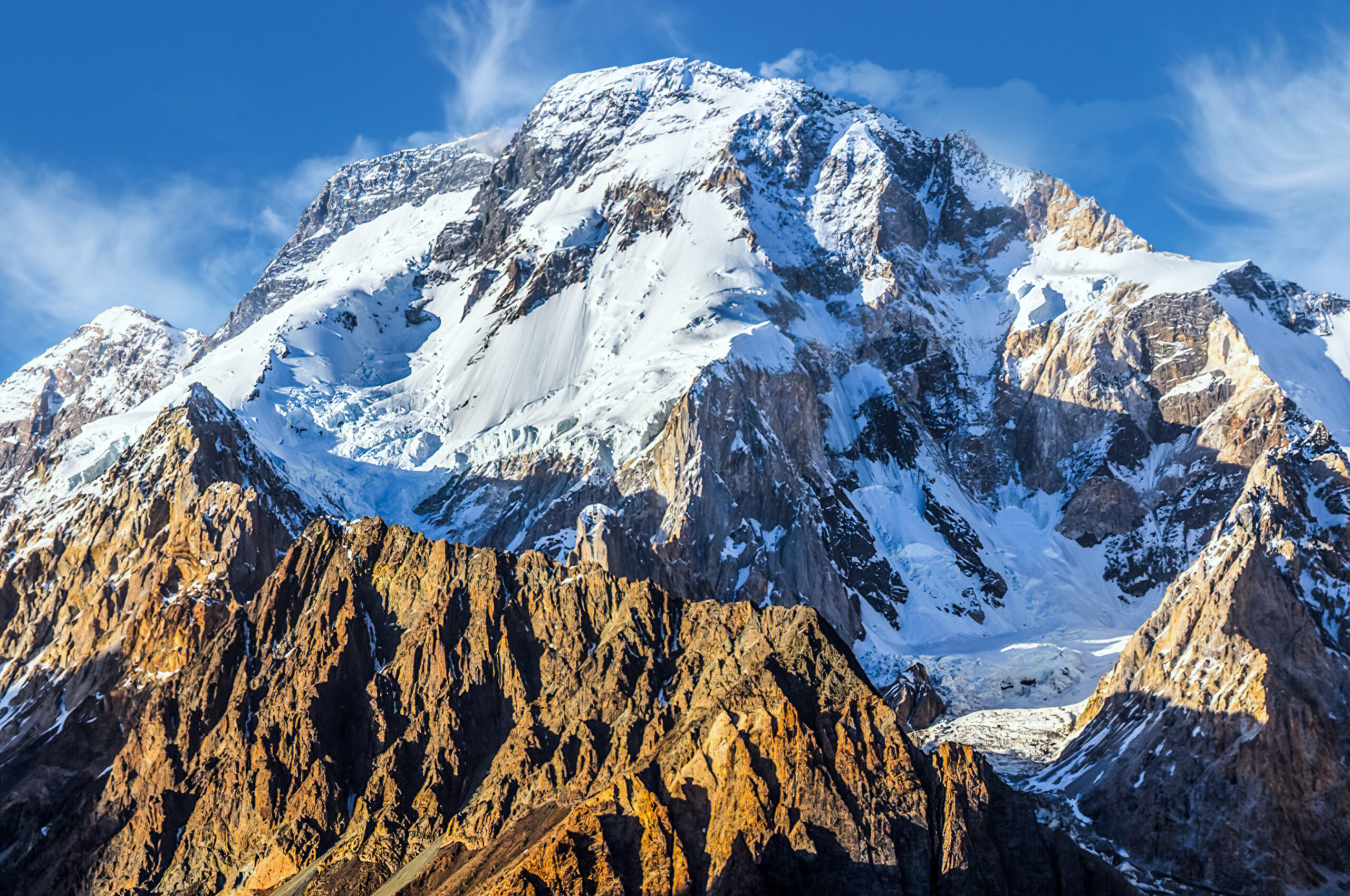
Broad Peak produced successful summits before a devastating late-July avalanche. Gasherbrum II delivered one of the clearest summit successes of the Karakoram summer. Gasherbrum I finished without a confirmed summit. This is the final record of how the three neighboring 8,000ers moved from early route fixing to a season that ended very differently on each mountain.
What Happened on Broad Peak and the Gasherbrums in 2026?
Broad Peak was summited on July 19. A Pakistani rope-fixing team climbing with Juan Pablo Toro reached the true summit after a very long summit day.
Gasherbrum II was summited on July 21. Imagine Nepal reported six climbers reaching the 8,035-meter summit after deep snow and insufficient fixed rope had stopped their first push.
Gasherbrum I finished the summer without a successful summit. The late-July push never converted into a summit before the season closed.
The season’s defining event came on July 30, when an avalanche on Broad Peak killed all ten members of an international climbing team. The disaster also redirected climbers and resources across the Baltoro toward search, rescue and recovery.
Three Neighboring 8,000ers. Three Different Outcomes.
A single label like “bad Karakoram season” hides too much. Broad Peak, Gasherbrum I and Gasherbrum II shared weather systems and logistics but did not produce the same result.
| Peak | Elevation | 2026 outcome | Key date | Season context |
|---|---|---|---|---|
| Broad Peak | 8,051 m | Successful summit(s) | July 19 | Pakistani rope fixers and Juan Pablo Toro reached the summit. A second late push ended in the July 30 avalanche that killed ten climbers. |
| Gasherbrum II | 8,035 m | Successful summit | July 21 | Imagine Nepal’s six-person summit team succeeded on a second push after the first attempt was stopped by deep snow and insufficient rope. |
| Gasherbrum I | 8,080 m | No successful summit | Season close | Teams prepared for a late-July attempt, but the summit window never produced a successful ascent before the season ended. |
| K2 | 8,611 m | No successful summit | Season close | Included only as neighboring context. K2 has its own dedicated 2026 archive. |

Broad Peak, K2 and the Gasherbrums Run on the Same Karakoram Clock.
They are close enough to share the major Baltoro weather story, expedition logistics and a small community of high-altitude climbers. But route readiness, snow conditions and technical demands still make each peak’s outcome independent.
How the 2026 Karakoram Season Changed in Three Weeks.
The original version of this page stopped on July 11. The meaningful story came afterward.
Teams Establish on Broad Peak and the Gasherbrums
Commercial and independent climbers completed the Baltoro approach, began rotations and pushed fixed-line systems higher.
Gasherbrum II’s First Major Push Stops Short
Deep snow and insufficient fixed rope prevented safe progress high on GII. The team descended, reorganized and prepared to try again.
Broad Peak Produces Its First Major 2026 Summit Success
Karakorum Expeditions’ rope-fixing team and Juan Pablo Toro climbed to the true summit after roughly twenty hours from Camp 3.
Gasherbrum II Summit Team Reaches 8,035 m
Phur Galjen Sherpa, Aangdu Sherpa, Lhakpa Nuru Sherpa, Wang Zhong, Sim Phei Sunn and Valentyn Sypavin reached the summit.
A Late Window Sends Teams Back Up
Climbers on K2, Broad Peak and Gasherbrum I began moving with hopes of using a narrow late-July weather break.
Broad Peak Avalanche Changes the Season
An avalanche struck a ten-person summit-bound team. All ten climbers ultimately died. Search, rescue and recovery became the priority across the Baltoro.
Gasherbrum I and K2 Close Without Summits
Final reporting recorded no successful summer summit on either mountain. The Karakoram season ended with a sharply uneven result across the neighboring peaks.
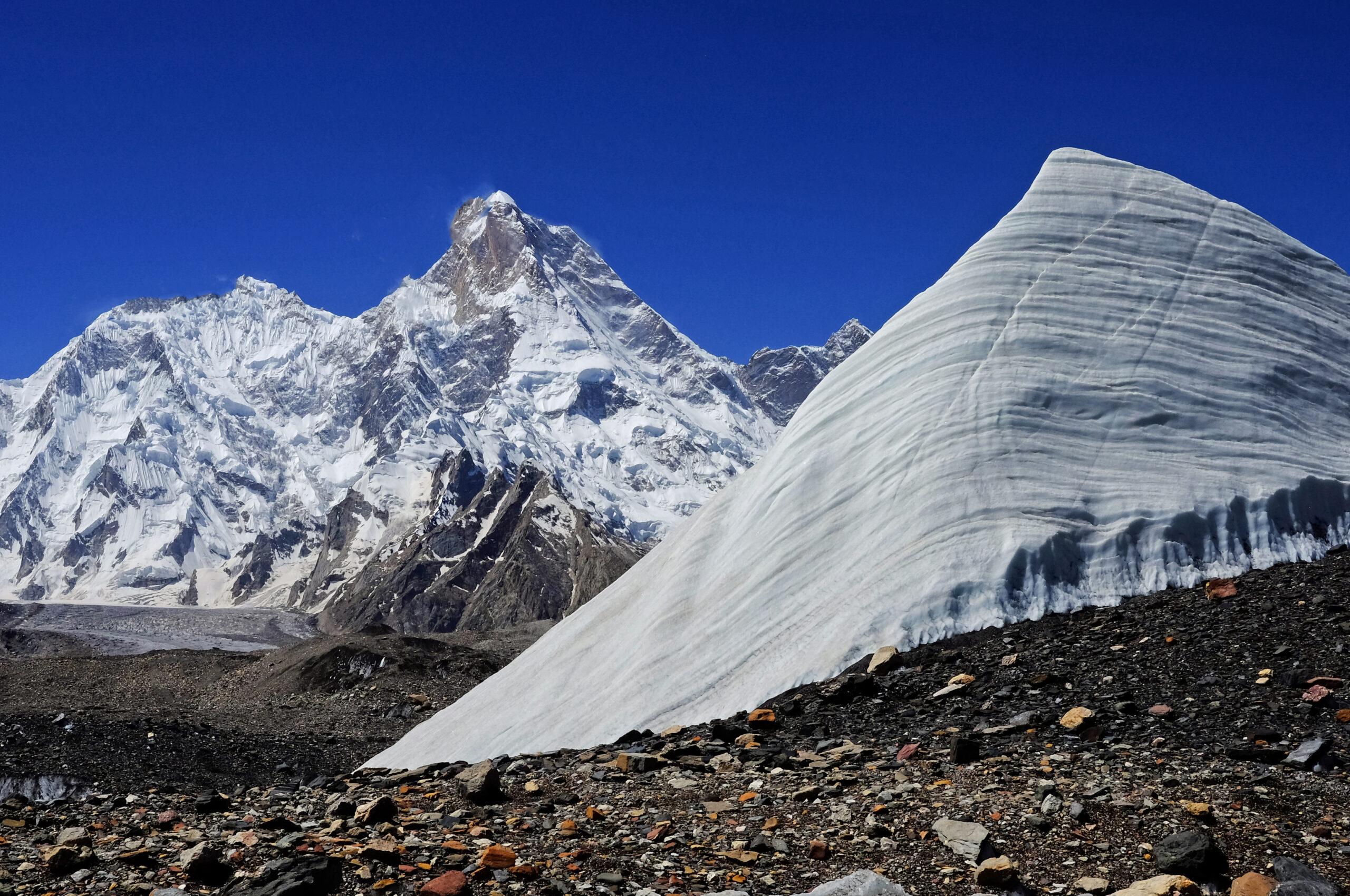
Shared Base Camp Does Not Mean Shared Difficulty—or Shared Results.
Gasherbrum I and II rise from the same mountain group and can be combined logistically, but G1’s steeper technical demands and GII’s more approachable southwest ridge create very different summit probabilities.
Broad Peak Went From Summit Success to the Season’s Defining Tragedy.
Both facts belong in the record. The successful July 19 climb should not be erased by what happened eleven days later, and the later avalanche should not be sensationalized as if the entire season consisted of one event.
The Summit
A Pakistani rope-fixing group climbing with Juan Pablo Toro reached Broad Peak’s Main Summit late in the day after a long push from Camp 3.
Fresh Snow Returns
Heavy snowfall and unstable conditions complicated the next summit cycle. Some climbers who had been on the mountain earlier chose not to make another attempt.
Avalanche
Ten climbers on a later summit push were caught by a large avalanche. Subsequent reporting confirmed that all ten died.
“One of the Easier 8,000ers” Never Meant Low Risk.
Broad Peak’s normal route is less technically sustained than K2, but the 2026 season showed how avalanche exposure, extreme altitude, unstable snow and weather can dominate a route regardless of its comparative grade.
GII Converted the Window. GI Did Not.
This is perhaps the clearest comparison of the season: two 8,000ers sharing the same massif and much of the same weather, yet only one produced a successful 2026 summit.
Successful on the Second Push
The July 18 attempt stopped when deep snow and insufficient rope blocked safe progress. The team descended, reorganized and returned. On July 21, six climbers reached the summit.
No Successful Summit
G1 remained the more difficult Gasherbrum objective. A late-July push developed alongside activity on K2 and Broad Peak, but final season reporting recorded no successful summit.

The July 21 Success Came After the Team Had Already Turned Back Once.
The first attempt failing was not the failure of the expedition. Retreat, recovery and a second attempt inside a better tactical window produced one of the clearest summit results of the 2026 Karakoram season.
The Avalanche Must Be Recorded With Accuracy and Restraint.
Ten climbers were caught by a major avalanche while ascending Broad Peak. Subsequent reporting confirmed that all ten died. The scale of the event made Summer 2026 Broad Peak’s deadliest recorded climbing season.
This page does not attempt to assign individual fault or reconstruct decisions beyond what established reporting supports. Its purpose is to preserve the season record and explain how the event affected the wider Baltoro climbing community.

An Emergency on One Baltoro Mountain Can Change Plans on Another.
K2, Broad Peak and the Gasherbrums are separate mountains, but their expeditions share a remote logistics corridor and a relatively small high-altitude community. In late July 2026, that connection became operationally important.
Weather Was Shared. Route Readiness Was Not.
Neighboring mountains can receive the same regional forecast but still have very different summit outcomes.
Fixed-Line Progress
Teams can only exploit a short window if enough of the route is established before the window arrives.
Snow Loading
Fresh snow affects trail-breaking, avalanche exposure and the time needed to secure the route.
Technical Character
GII’s normal route and G1’s more demanding terrain do not convert the same weather break into the same summit opportunity.
Remaining Calendar
Every failed window consumes acclimatization, supplies, recovery time and the number of realistic attempts left in the season.
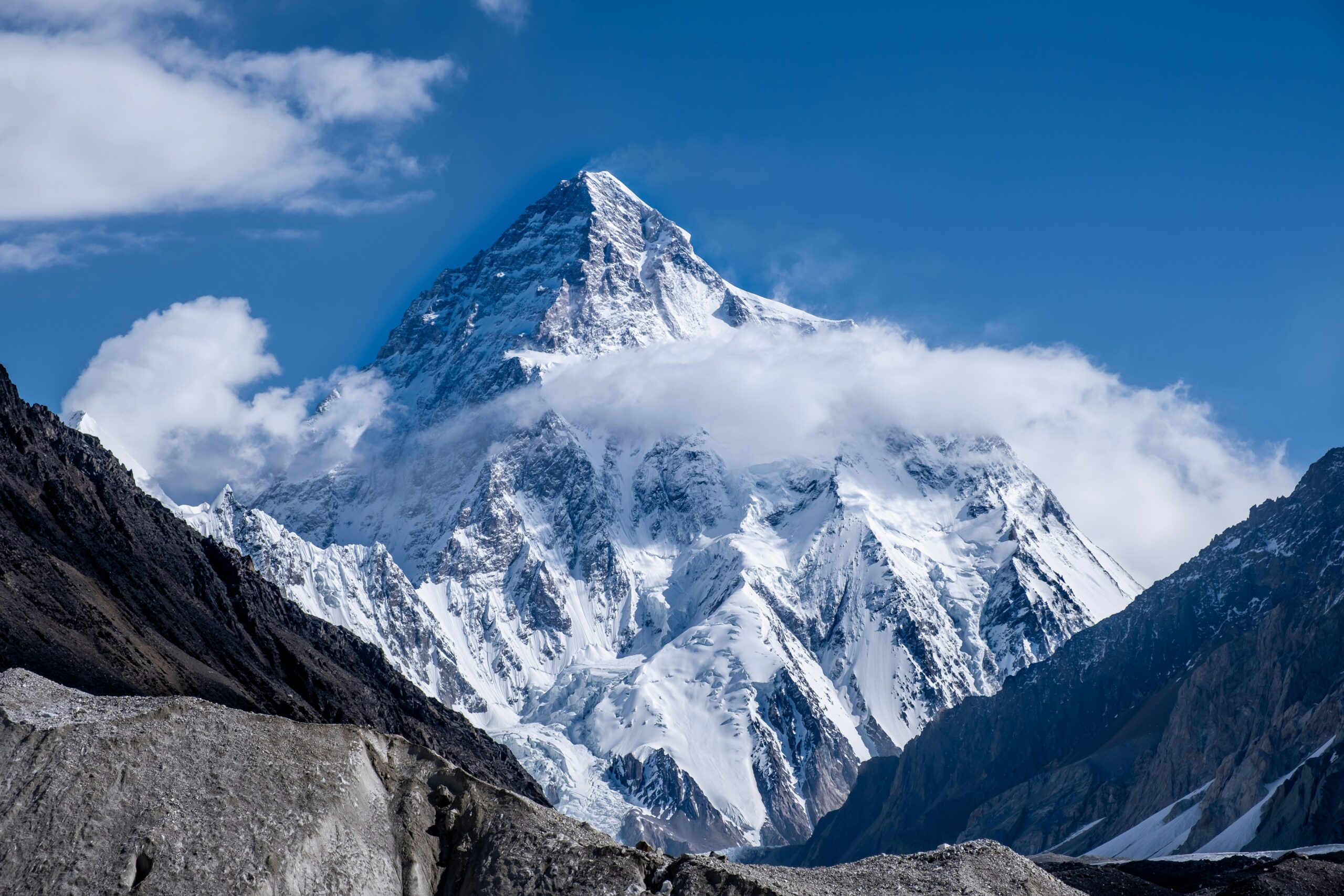
K2 and Gasherbrum I Both Finished Without a Summit.
That contrast matters. GII and Broad Peak showed that summit windows did exist, but those windows did not align with route readiness and acceptable conditions across every mountain in the central Karakoram.
Why Broad Peak, K2 and the Gasherbrums Share One Seasonal Story.
Concordia and the upper Baltoro form the geographic center of the climbing season. Broad Peak and K2 lie up the Godwin-Austen corridor, while the Gasherbrums sit farther east around the South Gasherbrum Glacier.
Broad Peak & Gasherbrum 2026 FAQ.
Final answers now that the Karakoram summer season is complete.
Was Broad Peak summited in 2026?
Yes. A Karakorum Expeditions rope-fixing team climbing with Juan Pablo Toro reached Broad Peak’s Main Summit on July 19, 2026.
Was Gasherbrum II summited in 2026?
Yes. Six members and guides from Imagine Nepal reached the 8,035-meter summit on July 21 after an earlier attempt had been stopped by deep snow and insufficient fixed rope.
Was Gasherbrum I summited in 2026?
No successful Gasherbrum I summer summit was recorded in final 2026 season reporting. G1 and K2 both ended the Karakoram summer without a successful summit.
What happened on Broad Peak on July 30, 2026?
An avalanche struck a ten-person international climbing team during a summit push. Subsequent reporting confirmed that all ten climbers died.
How many people died on Broad Peak in 2026?
Ten climbers died in the July 30 avalanche. Under Global Summit Guide’s season-by-season dataset, Summer 2026 became Broad Peak’s deadliest recorded climbing season.
Did the Broad Peak avalanche affect K2?
Yes operationally, but the fatalities remain Broad Peak fatalities. K2 teams abandoned remaining summit plans and assisted with the response.
Which of Broad Peak, Gasherbrum I and Gasherbrum II is easiest?
Gasherbrum II is generally considered the most approachable standard-route objective of the three. Broad Peak follows, while Gasherbrum I is more technical and demanding. All three remain extreme-altitude expeditions.
When is the Broad Peak and Gasherbrum climbing season?
The normal Karakoram expedition season runs from roughly June through August, with the main summit activity usually concentrated in July and early August.
Continue Into the Mountain-Specific Records.
This page owns the shared season story. The mountain guides and trackers own route-specific planning and detail.
How the 2026 Record Was Closed.
Contemporary expedition reporting can be incomplete while climbers are still on the mountain. This archive therefore separates dated first reports from later final-season confirmation.
- ExplorersWeb · July 20, 2026 — Broad Peak summit report
- ExplorersWeb · July 21, 2026 — Gasherbrum II summits
- Imagine Nepal · July 21, 2026 — GII expedition summit announcement
- ExplorersWeb · August 10, 2026 — Broad Peak avalanche follow-up
- Alan Arnette · August 22, 2026 — final Karakoram season wrap
Archive boundary: future climbing conditions should not be inferred from the 2026 season. This page remains indexed as the historical owner of the Broad Peak–Gasherbrum 2026 season record and should only be revised if stronger reporting materially changes the established result.
Broad Peak and Gasherbrum II Summited. Gasherbrum I Did Not.
The 2026 central Karakoram season cannot be reduced to either success or failure. It contained successful 8,000-meter summits, repeated weather setbacks, a zero-summit result on Gasherbrum I and K2, and a Broad Peak avalanche that took ten lives and changed the closing weeks of the season.
Broad Peak & Gasherbrum: The 2026 Karakoram Season
This season update is one snapshot. See the full guides and how the Karakoram 8000ers fit the wider set below.
Was this helpful?
🏔Related peaks nearby
🧭Explore & compare
Global Summit Guide is an independent mountaineering resource founded in 2026. The team combines first-hand trekking and climbing experience with in-depth research and professional health and nutrition review to help climbers choose objectives, prepare properly, and stay safe.
Health, altitude, and nutrition content is reviewed by Taylor Ludlow (Registered Nurse) and Brigg Hoopes (Nutritionist).
What We Don't Know Yet
Mountain information changes quickly. This box explains the limits of what this page can responsibly promise.
- Visa, passport, vaccination, border, insurance, and local transportation rules may change before your trip.
- Route conditions, snowpack, closures, and weather can change quickly after this page is updated.
- Permit rules, fees, quotas, and reservation windows may change between review cycles.
- Operator availability, pricing, guide ratios, and cancellation terms can change by season.
- Your fitness, altitude response, risk tolerance, and experience level may change what is safe or realistic.
Verify current conditions with official land managers, guide services, local forecasts, and current route reports before booking or climbing.
Mountaineering, rock and ice climbing, glacier travel, and high-altitude activity are inherently dangerous and can result in serious injury or death. The information on Global Summit Guide is provided for general informational and educational purposes only and is not a substitute for professional instruction, qualified guiding, proper equipment, or your own judgment and experience.
Route conditions, weather, snowpack, permits, regulations, and hazards change constantly and may differ from what is described here. Details may be incomplete, out of date, or contain errors. Always verify current information with local authorities, certified guides, and official sources before making any decision in the mountains.
Nothing on this site is medical, legal, or financial advice. Our fitness, acclimatization, altitude, and nutrition content is general in nature; consult a qualified physician before beginning any strenuous exercise program or exposing yourself to high altitude.
You are solely responsible for your own safety and decisions. To the fullest extent permitted by law, Global Summit Guide and its team accept no liability for any loss, injury, damage, or expense arising from use of, or reliance on, this information. By using this site you acknowledge these risks and accept these terms.
Some links on this site may be affiliate links. If you buy through them we may earn a small commission at no extra cost to you; this never affects our recommendations.
Global Summit Guide recommendation path
Next Best Mountain to Research
Use these recommendations to continue the right planning path instead of stopping on one page.
Use current permit, weather, route, and operator information before booking or climbing.