
Last updated October 2, 2026

Best Avalanche Safety Gear: Beacon, Probe & Shovel
Avalanche rescue gear is a system, not a shopping list. Your transceiver helps partners locate the signal. The probe confirms the exact location and burial depth. The shovel removes dense avalanche debris. None of those tools prevents an avalanche—and none is useful enough without trained partners who have practiced using the complete system.
Sends your signal and searches for the signal of a buried partner.
Confirms the exact location and gives the rescuers burial depth.
Moves dense avalanche debris after a positive probe strike.
Phone, radio or satellite communication supports the larger response.
Every Person Needs the Full Rescue Kit—not One Kit Per Group.
In avalanche terrain, the person carrying the group shovel could be the person who is buried. The same is true of the probe. That is why the rescue system is individual: every traveler carries a functioning avalanche transceiver on their body plus an accessible probe and rescue shovel in the pack.
Current AIARE course equipment guidance calls for a digital three- antenna transceiver that is less than ten years old, has current firmware and fresh batteries; a UIAA-certified probe at least 260 cm long with visible one-centimeter markings; and a UIAA-certified avalanche rescue shovel.
A communication device is also part of the rescue system. It does not replace companion rescue: the people already at the avalanche are the ones positioned to begin searching immediately.
Avalanche Gear to Compare
Beacon range numbers are useful but should not be treated as a simple leaderboard. Manufacturer measurement methods and search-strip specifications are not always identical.
| Equipment | Role | Antennas / Kit | Published Search Width | Standout Feature | Best Fit |
|---|---|---|---|---|---|
| Mammut Barryvox 2 | General transceiver | 3 antennas | 70 m | Intuitive interface + group/self checks | Most recreational backcountry users |
| BCA Tracker4 | Rugged transceiver | 3 antennas | 55 m digital range | Simple controls + Big Picture mode | Users prioritizing straightforward operation |
| ORTOVOX FOCUS VOICE | Voice-guided transceiver | 3 antennas | 80 m search strip | Voice guidance + interference protection | Users who value strong guided search cues |
| Mammut Barryvox S2 | Advanced transceiver | 3 antennas | 70 m | Interactive fine-search guidance | Advanced recreational / complex search use |
| PIEPS PRO IPS | Advanced / professional beacon | 3 antennas | 80 m search strip | Interference Protection System | Experienced users prioritizing advanced search tools |
| BCA T4 Rescue Package | Complete rescue kit | Beacon + 300 cm probe + shovel | Tracker4 platform | Complete matched three-piece package | Building a full rescue kit at once |
Why You Need a Beacon, Probe AND Shovel
Each tool solves a different stage of the same time-critical rescue.
Signal Search
The transceiver gets rescuers from an avalanche field to the buried person’s transmitting signal.
Fine Search
The transceiver narrows the location as the rescuer approaches the strongest signal.
Probe
The probe confirms the exact location and indicates how deeply the person is buried.
Strategic Digging
The shovel moves avalanche debris so rescuers can reach the buried person.
Choose Simplicity You Can Operate Under Stress
An avalanche beacon—more precisely an avalanche transceiver—spends normal travel in transmit mode. During a rescue, searchers switch their devices to receive/search mode and follow the signal of the buried transceiver.
Modern units use digital processing and three antennas to guide the rescuer through direction and distance information. Higher-end units add features such as voice guidance, advanced multiple-burial management, interference protection and more interactive fine-search support.
More features are not automatically better for every traveler. Controls you understand immediately can be more valuable than functions you rarely practice.

3 Antennas
Current recreational avalanche education standards are built around modern digital three-antenna devices.
Intuitive Controls
Search/send switching and marking should make sense immediately, even with gloves and high stress.
Current Firmware
Register the device and keep up with manufacturer firmware, service and safety notices.
Practice Interface
Use the same transceiver often enough that its tones, arrows, controls and fine-search behavior become familiar.
The Probe Is Not an Optional Accessory
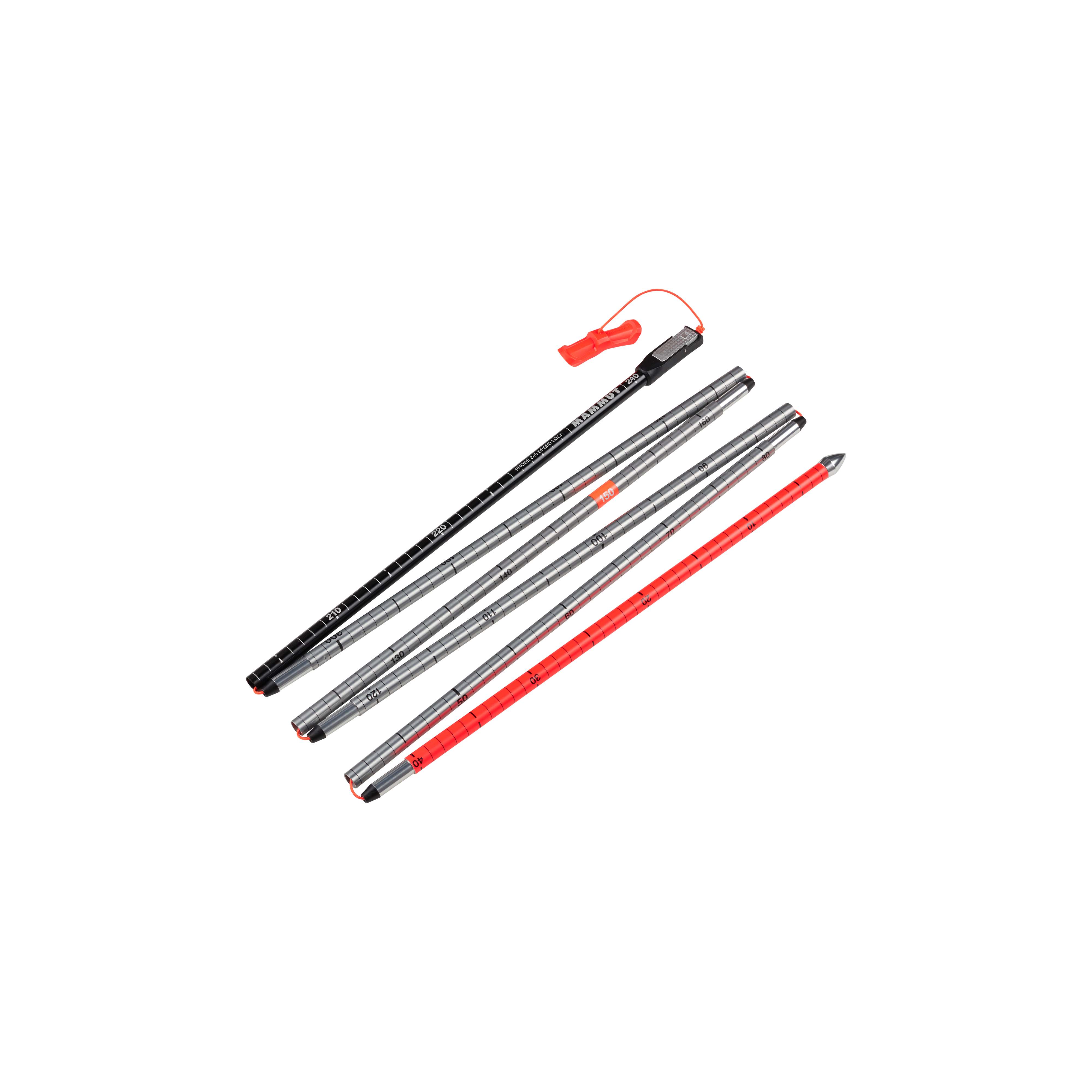
The transceiver gets you close. The probe identifies the exact place to dig and provides valuable burial-depth information.
260 cm or Longer
AIARE’s current course equipment list specifies a UIAA-certified probe at least 260 cm long.
Readable Depth Scale
Visible one-centimeter markings let rescuers estimate burial depth and organize the excavation.
Fast Assembly
Practice throwing and tensioning the probe until deployment is automatic rather than a puzzle of loose sections.
Aluminum vs Carbon
Carbon reduces weight; aluminum is common and durable. Rescue reliability should outrank saving a few ounces.
Avalanche Debris Requires a Real Rescue Shovel
Avalanche debris can be extremely dense. A lightweight emergency scoop is not the same thing as a certified avalanche rescue shovel.
Strength Before Minimal Weight
The shovel has to survive hard, repetitive digging through debris. Look for a real avalanche-rescue design rather than a plastic convenience shovel.
Enough Leverage to Dig
Telescoping handles add useful leverage while still packing inside a winter backpack. Practice assembling the handle with gloves.
UIAA Rescue Standard
Current AIARE course guidance specifies a UIAA-certified avalanche rescue shovel. Verify certification on the product you choose.
Six Avalanche Rescue Options to Compare
The first five are transceiver choices. The final option is a complete beacon/probe/shovel package for someone building the system at once.
Mammut Barryvox 2
Mammut’s current Barryvox 2 combines a straightforward interface with modern search-support functions and a large published search strip.
- Digital 3-antenna transceiver
- 70 m search strip
- Group check and automatic self test
- Auto-revert to SEND
- Interference Guard
- App-based firmware and training support
BCA Tracker4
Tracker beacons have long emphasized direct controls. The Tracker4 continues that philosophy in a durable housing with a large LED display.
- 3 antennas
- Published 55 m digital range
- Big Picture mode
- Signal suppression
- Multiple-burial indication
- Motion-based auto revert
ORTOVOX FOCUS VOICE
The FOCUS VOICE is ORTOVOX’s newer voice-guided transceiver and adds strong visual guidance, interference protection and a large search strip.
- 3 antennas
- 80 m published search strip
- Voice navigation
- Large MIP display
- Interference protection
- Rechargeable low-temperature battery
Mammut Barryvox S2
The S2 adds more advanced fine-search assistance while keeping the compact Barryvox platform and 70 m search strip.
- Digital 3-antenna transceiver
- 70 m search strip
- Interactive fine-search guidance
- Probe indication
- High-contrast MIP display
- App updates and configuration
PIEPS PRO IPS
PIEPS builds the PRO IPS around stable signal performance, interference management and advanced search functions.
- 3 antennas
- 80 m published search strip
- Interference Protection System
- Dual Antenna Signal Processing
- Auto Search-to-Send
- Scan and Bluetooth functions
BCA T4 Rescue Package
This package combines the Tracker4 with BCA’s 300 cm Stealth probe and Dozer 1T avalanche shovel.
- Tracker4 transceiver
- Stealth 300 probe
- Dozer 1T shovel
- Probe QuickLock deployment
- Telescoping shovel handle
- Beacon carrying harness
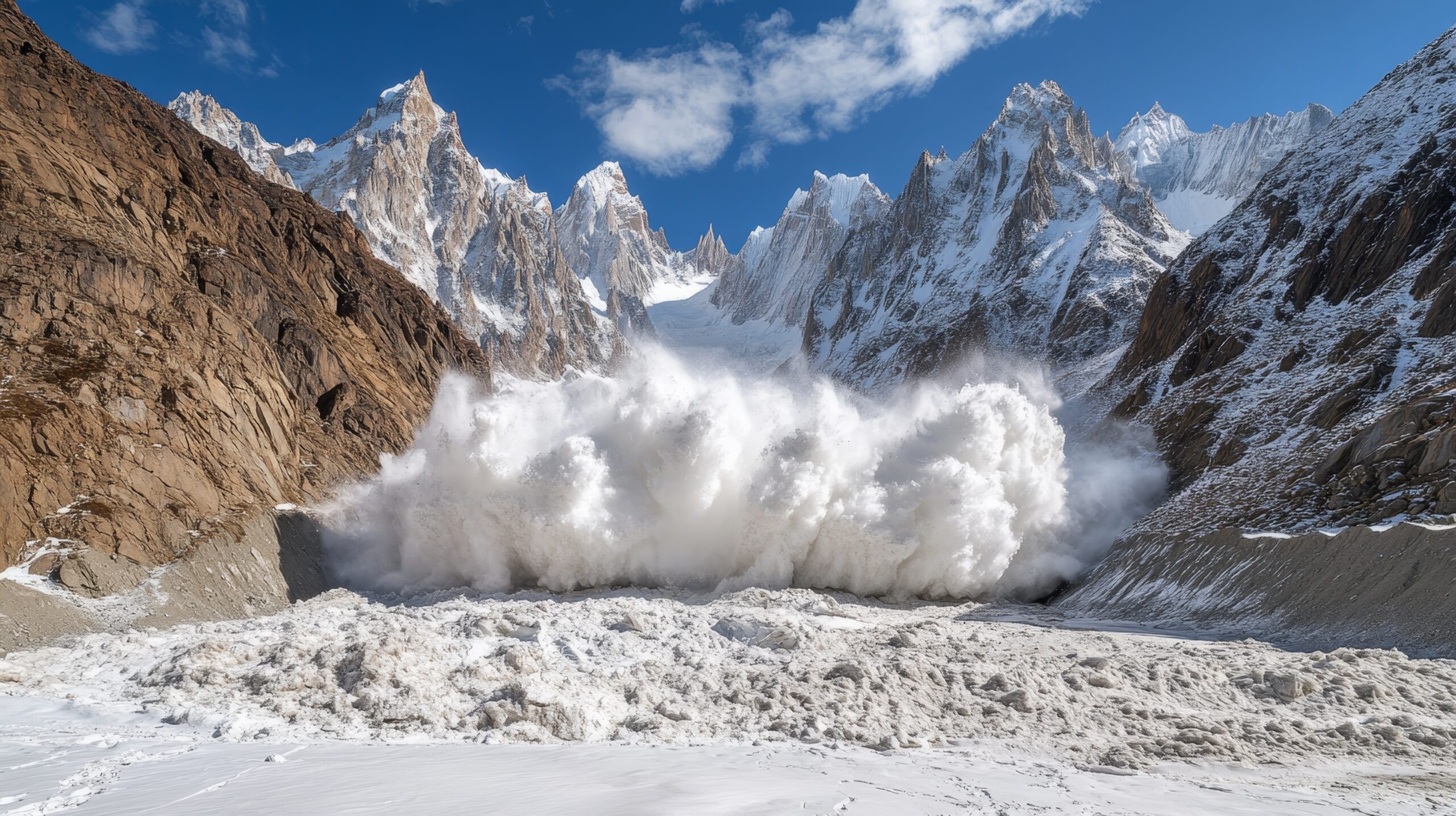
The Best Rescue Is Still the One Your Team Never Has to Perform.
Transceivers, probes and shovels are emergency tools. Terrain selection, avalanche forecasting, route choice and the willingness to turn around are what keep them in the pack.
Practice the System Before You Need the System
Avalanche rescue is stressful, physical and time-sensitive. Familiar equipment does not become familiar by sitting in a backpack.
Search Drills
Practice signal search, fine search and multiple-device scenarios using the specific transceiver you carry.
Deploy Fast
Assemble the probe repeatedly with gloves until tensioning it is immediate and reliable.
Actually Dig
Avalanche rescue requires physical excavation skill. Practice the shoveling system taught in your rescue course.
Realistic Scenarios
Practice with the people you travel with so roles, communication and equipment transitions are not being invented during an emergency.
Electronics Can Interfere With Avalanche Transceivers
Phones, radios, watches, heated clothing, magnets and other electronics have become more common in the same pockets and chest areas where avalanche beacons are carried.
Avalanche educators and beacon manufacturers warn that electronic and magnetic devices can affect transceiver performance. Potential sources include heated gloves or clothing, magnetic closures, chest-mounted electronics, Bluetooth or transmitting watches, radios, phones, snowmachines and certain medical electronics.
There is no reason to memorize one universal separation number from a general gear article. Follow the current interference guidance supplied by the manufacturer of your exact transceiver and practice your rescue configuration with the electronics you actually carry.
Avalanche Airbags, RECCO & Emergency Communication
Useful additions can improve the system, but none replaces the transceiver-probe-shovel foundation.
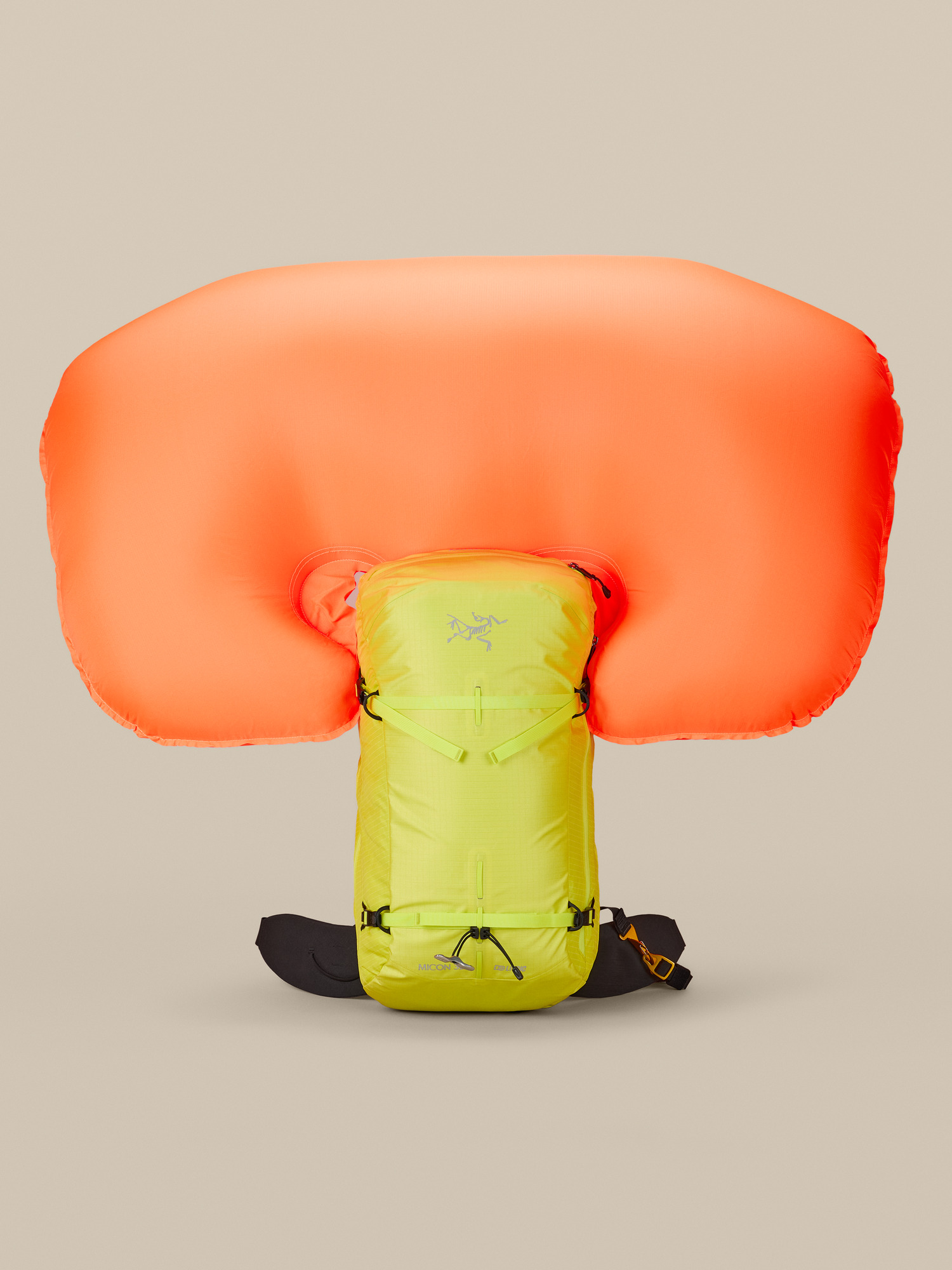
Avalanche Airbag
Airbag systems are intended to help a person stay nearer the surface of moving avalanche debris and can reduce burial depth in some incidents.
They are not a substitute for avalanche avoidance, rescue equipment or a trained partner.
RECCO Reflector
RECCO reflectors can assist equipped professional rescuers, but a reflector is passive and does not let your backcountry partner perform the same immediate companion search as an avalanche transceiver.
Communication Device
A phone may work near populated terrain. Radios improve communication inside a group. A satellite communicator provides another option in areas without cellular coverage.
Communications support rescue; they do not replace immediate companion rescue.
When Mountaineers Should Think About Avalanche Rescue Gear
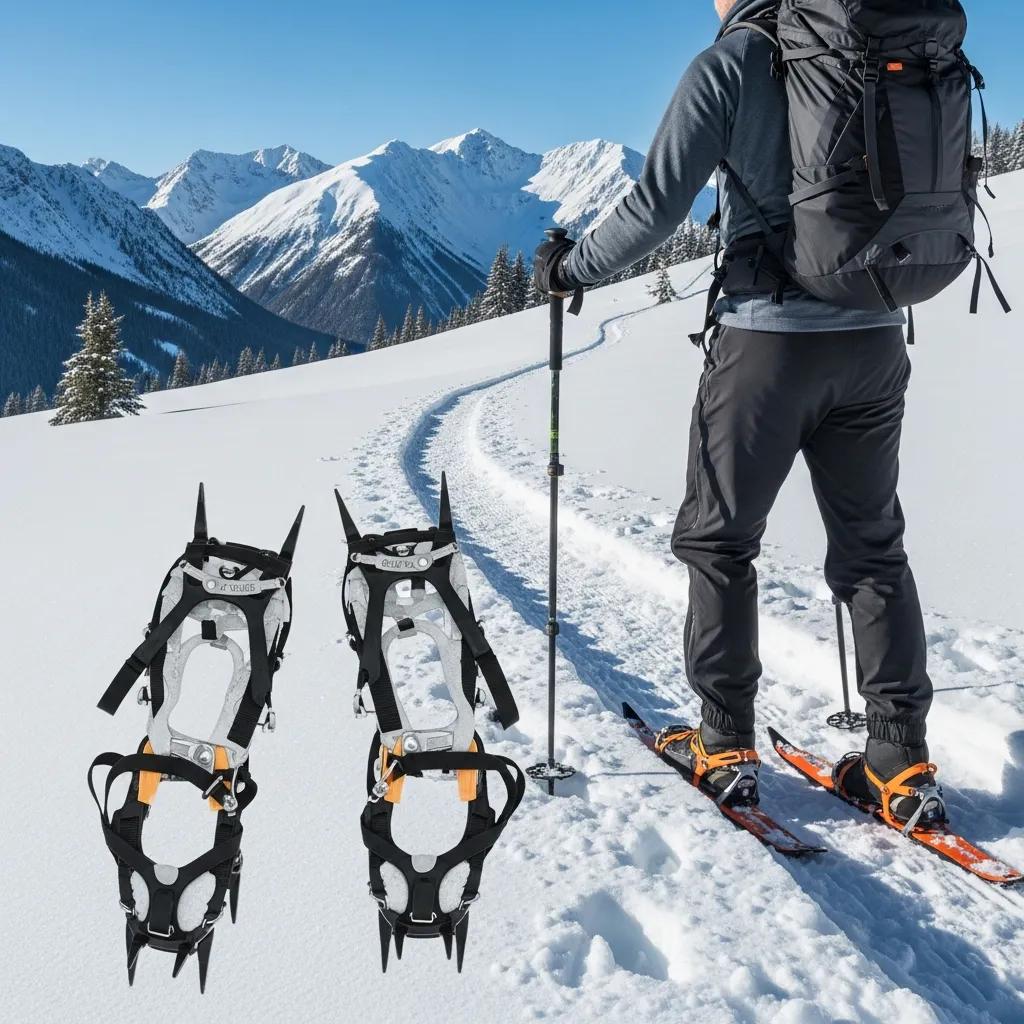
Climbers sometimes associate beacon/probe/shovel kits mainly with ski touring. But mountaineering approaches can cross the same loaded slopes, avalanche paths, couloirs and terrain traps.
Volcano climbs, winter peaks, glacier approaches, snow gullies and expedition camps can all involve avalanche exposure. Whether rescue equipment belongs on a specific objective should come from terrain, current conditions, local avalanche information, your training and guide-service requirements—not simply from whether skis are involved.
A climbing rope is not an avalanche rescue system. If the terrain calls for companion-rescue equipment, every person should be equipped and trained accordingly.
Avalanche Rescue Gear Buying Checklist
A complete kit should pass these checks before it becomes the emergency system you trust.
| Component | Check Before Buying | Check Before Every Trip |
|---|---|---|
| Transceiver | Digital 3-antenna design; manufacturer support; interface you understand; carrying system; current model/firmware support. | Battery status, function/group check, correct carry position, transmit mode. |
| Probe | UIAA certification; 260 cm+ if following current AIARE course standard; visible depth markings; fast tensioning system. | Assemble it once and confirm all segments lock properly. |
| Shovel | UIAA rescue certification; strong blade; practical handle length; packs securely inside your avalanche compartment. | Confirm handle and blade connect cleanly and are immediately accessible. |
| Communication | Match device to cellular coverage, group radios and remoteness. | Battery, contacts, route information and emergency plan. |
| Airbag | Pack fit, system type, travel logistics and manufacturer service requirements. | Follow the manufacturer’s deployment/system check. |
Current Avalanche Safety Gear
Compare current rescue equipment after deciding what is missing from your own transceiver-probe-shovel system.
Current Avalanche Gear Picks


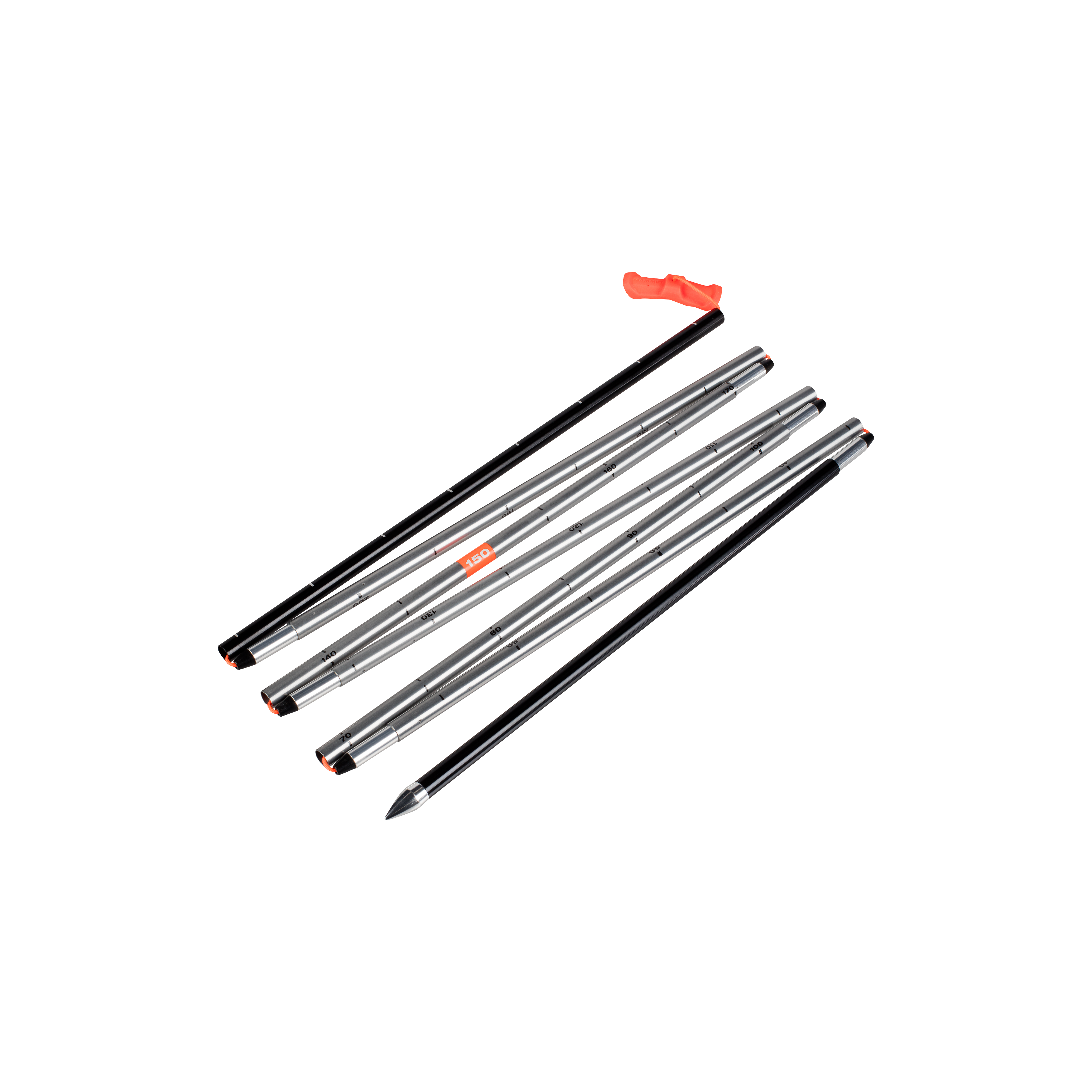
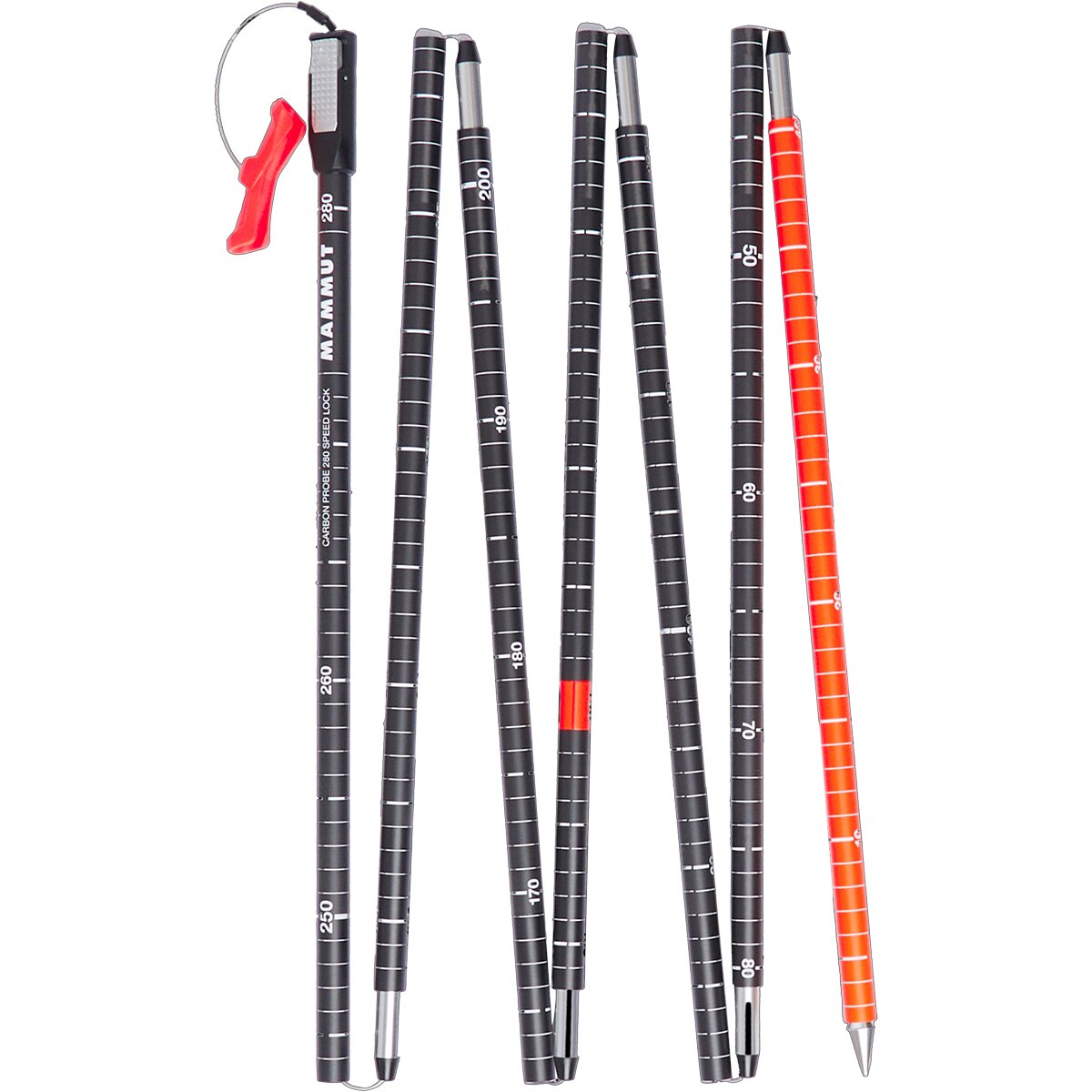
We may earn a commission if you buy through these links, at no extra cost to you. Affiliate disclosure
Which Avalanche Rescue Setup Fits You?
The decision is mostly about interface, training level and whether you are assembling individual components or buying the full kit.
| Your Situation | Priority | Direction to Compare |
|---|---|---|
| First full rescue kit | Complete matched system | BCA T4 Rescue Package or another compliant 260 cm+ kit |
| New beacon user | Simple intuitive interface | Barryvox 2 / Tracker4 |
| Prefer audible guidance | Voice-supported search | ORTOVOX FOCUS VOICE |
| Experienced beacon user | Advanced fine-search support | Barryvox S2 |
| High-electronics environment | Strong interference-management features | PIEPS PRO IPS / FOCUS VOICE, plus correct separation practices |
| Old beacon replacement | Current supported three-antenna device | Replace before relying on outdated unsupported electronics |
Avalanche Safety Gear FAQ
What are the three essential avalanche rescue tools?
A modern avalanche transceiver, a proper avalanche probe and a certified rescue shovel. Each traveler should carry their own set. Reliable communication is also an important part of the overall emergency system.
Is an avalanche beacon the same thing as a transceiver?
In normal outdoor usage, yes. “Beacon” is the common shorthand. “Transceiver” is more descriptive because the device both transmits its own signal and receives signals while searching.
How long should my avalanche probe be?
Current AIARE course equipment guidance calls for a UIAA-certified probe at least 260 cm long with visible one-centimeter markings. Longer probes are also available for professional and deeper-burial contexts.
Can one person carry the shovel and another carry the probe?
That creates a serious weakness: the person carrying the missing component could be the person who is buried. Every member of the group should carry the full rescue kit.
Do avalanche airbags replace beacons?
No. An airbag is an additional risk-reduction tool. It does not replace the beacon, probe, shovel, partner or avalanche education.
Does RECCO replace an avalanche beacon?
No. RECCO can assist professional rescue teams equipped with the corresponding detector. It is not a replacement for the immediate transceiver search performed by trained companions.
Can my phone interfere with my beacon?
Electronic and magnetic equipment can interfere with avalanche transceivers. Follow the current separation and use instructions from your beacon manufacturer rather than relying on a generic distance that may not apply to your device.
Should climbers carry avalanche rescue gear?
When a climbing route enters avalanche terrain, the rescue problem is the same whether the traveler arrived on skis, snowshoes or mountaineering boots. Terrain, current conditions, training and the route—not the sport label—should drive the decision.
Related Avalanche & Winter Gear Guides
Carry the Full Kit. Practice the Full Rescue. Avoid Needing Either.
Beacon, probe and shovel are the emergency system after something has already gone badly wrong. Avalanche education, current forecasting, conservative terrain choices and strong team communication are what give that equipment the best chance of staying unused.
Was this helpful?
Global Summit Guide is an independent mountaineering resource founded in 2026. The team combines first-hand trekking and climbing experience with in-depth research and professional health and nutrition review to help climbers choose objectives, prepare properly, and stay safe.
Health, altitude, and nutrition content is reviewed by Taylor Ludlow (Registered Nurse) and Brigg Hoopes (Nutritionist).
What We Don't Know Yet
Mountain information changes quickly. This box explains the limits of what this page can responsibly promise.
- Weather, snowpack, avalanche risk, road access, and route conditions can change quickly and may be different on your climbing dates.
- Gear requirements can change by season, route variation, weather window, personal cold tolerance, and guide-service requirements.
- Visa, passport, vaccination, border, insurance, and local transportation rules may change before your trip.
Verify current conditions with official land managers, guide services, local forecasts, and current route reports before booking or climbing.
Mountaineering, rock and ice climbing, glacier travel, and high-altitude activity are inherently dangerous and can result in serious injury or death. The information on Global Summit Guide is provided for general informational and educational purposes only and is not a substitute for professional instruction, qualified guiding, proper equipment, or your own judgment and experience.
Route conditions, weather, snowpack, permits, regulations, and hazards change constantly and may differ from what is described here. Details may be incomplete, out of date, or contain errors. Always verify current information with local authorities, certified guides, and official sources before making any decision in the mountains.
Nothing on this site is medical, legal, or financial advice. Our fitness, acclimatization, altitude, and nutrition content is general in nature; consult a qualified physician before beginning any strenuous exercise program or exposing yourself to high altitude.
You are solely responsible for your own safety and decisions. To the fullest extent permitted by law, Global Summit Guide and its team accept no liability for any loss, injury, damage, or expense arising from use of, or reliance on, this information. By using this site you acknowledge these risks and accept these terms.
Some links on this site may be affiliate links. If you buy through them we may earn a small commission at no extra cost to you; this never affects our recommendations.
Global Summit Guide recommendation path
Next Best Mountain to Research
Use these recommendations to continue the right planning path instead of stopping on one page.
Use current permit, weather, route, and operator information before booking or climbing.