Last updated November 28, 2026
Canyoneering Guide
Explore canyon terrain, route choices, water and weather hazards, access rules and the skills that make technical canyon travel different from an ordinary hike.
Published November 28, 2026 · Research-led mountain planning

Understand the canyon before planning an outing
Canyoneering can range from nontechnical canyon walks to demanding descents involving rappels, swims, cold water, navigation and difficult exits. A scenic canyon hike and a technical canyon descent are not interchangeable activities.
Nontechnical canyon walks
Established trails and canyon viewpoints offer a useful introduction to canyon landscapes without committing to rope-dependent descents.
Technical canyon descents
Rappels, anchors, rope retrievals, partner rescue systems and confined terrain require hands-on instruction and a qualified team.
Water & flash floods
Drainage-wide rainfall can cause deadly floods far from the trailhead. Water levels, cold exposure and escape limitations must shape every decision.
Permits & access
Canyons may have quotas, permits, seasonal restrictions, group limits or private-property access constraints; check the managing agency.
Desert travel planning
Route descriptions should identify entry and exit points, commitment level, natural anchors, turnaround options and realistic travel time.
Utah canyon country
Explore an established statewide starting point for Zion, Moab, red-rock parks and adjacent mountain destinations.

Canyoneering requires a different safety framework
The most consequential canyon decisions often happen before entry: weather across the watershed, technical obstacles, local regulations, group capability, contingency exits and the realistic possibility of delayed rescue.
- Never enter flood-prone canyon terrain when rain or flash flooding is possible anywhere in the relevant watershed.
- Technical descents require training in rope systems, anchors, communications, emergency response and appropriate protective equipment.
- Cold water and immersion can create hypothermia risk even in warm desert air.
- For Utah routes, use current park and land-manager regulations, including permit requirements and closures.
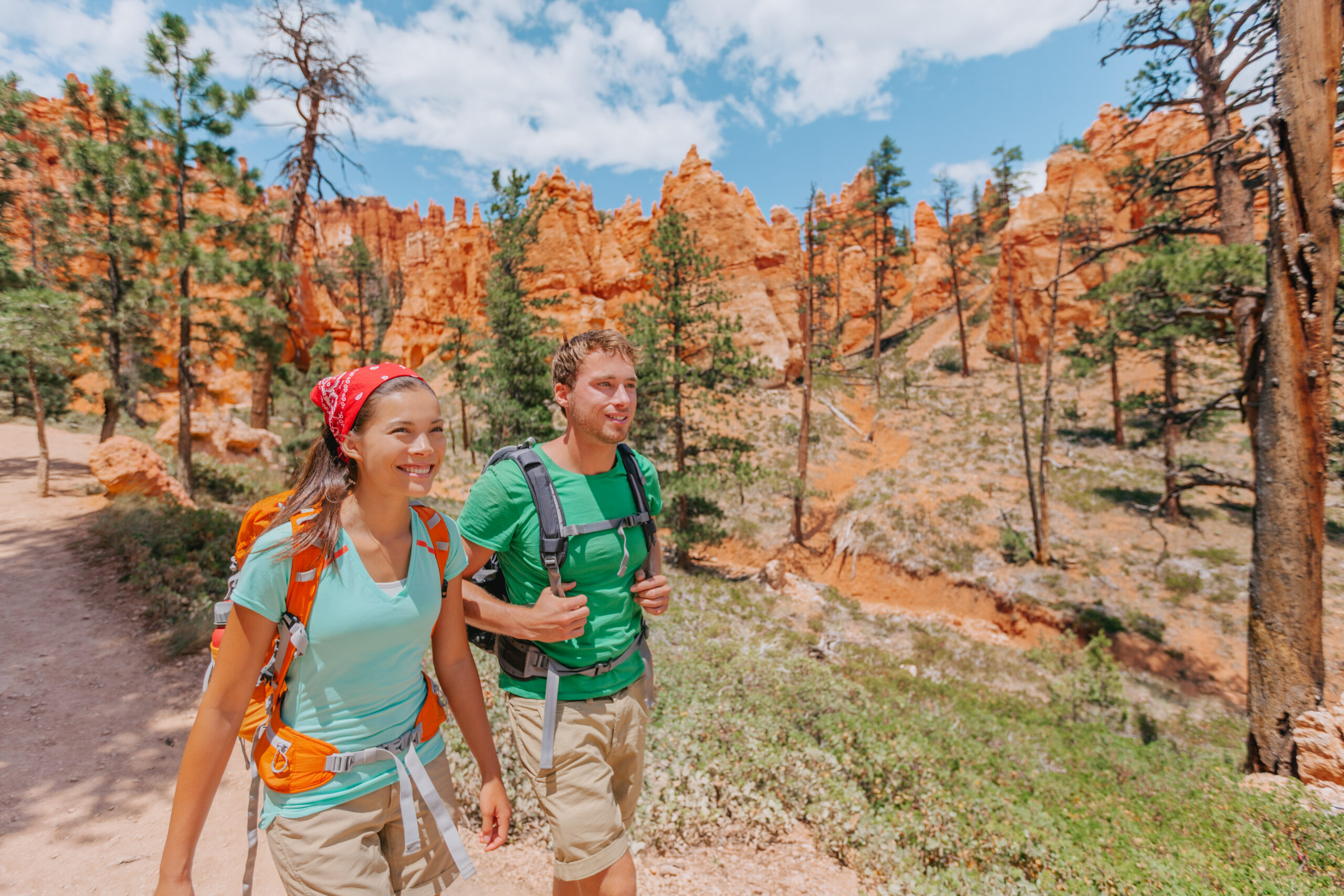
Explore related mountain resources
The dedicated canyoneering cluster will grow with route research, safety fundamentals, region guides and equipment comparisons. Begin with the existing Utah guide and always verify technical route information against qualified local sources.
Always confirm local access, permits, land-manager notices, weather and current conditions before an outdoor trip. Technical climbing, rope travel and swiftwater environments require appropriate skills and equipment; this introductory hub is not a substitute for instruction or qualified guidance.
Was this helpful?
Global Summit Guide is an independent mountaineering resource founded in 2026. The team combines first-hand trekking and climbing experience with in-depth research and professional health and nutrition review to help climbers choose objectives, prepare properly, and stay safe.
Health, altitude, and nutrition content is reviewed by Taylor Ludlow (Registered Nurse) and Brigg Hoopes (Nutritionist).
What We Don't Know Yet
Mountain information changes quickly. This box explains the limits of what this page can responsibly promise.
- Permit availability, reservation windows, quotas, and official fee rules may change after this page is updated.
- Weather, snowpack, avalanche risk, road access, and route conditions can change quickly and may be different on your climbing dates.
- Route conditions, trailhead access, crevasse exposure, stream crossings, and rescue access may vary from published planning guidance.
Verify current conditions with official land managers, guide services, local forecasts, and current route reports before booking or climbing.
Mountaineering, rock and ice climbing, glacier travel, and high-altitude activity are inherently dangerous and can result in serious injury or death. The information on Global Summit Guide is provided for general informational and educational purposes only and is not a substitute for professional instruction, qualified guiding, proper equipment, or your own judgment and experience.
Route conditions, weather, snowpack, permits, regulations, and hazards change constantly and may differ from what is described here. Details may be incomplete, out of date, or contain errors. Always verify current information with local authorities, certified guides, and official sources before making any decision in the mountains.
Nothing on this site is medical, legal, or financial advice. Our fitness, acclimatization, altitude, and nutrition content is general in nature; consult a qualified physician before beginning any strenuous exercise program or exposing yourself to high altitude.
You are solely responsible for your own safety and decisions. To the fullest extent permitted by law, Global Summit Guide and its team accept no liability for any loss, injury, damage, or expense arising from use of, or reliance on, this information. By using this site you acknowledge these risks and accept these terms.
Some links on this site may be affiliate links. If you buy through them we may earn a small commission at no extra cost to you; this never affects our recommendations.
Global Summit Guide recommendation path
Next Best Mountain to Research
Use these recommendations to continue the right planning path instead of stopping on one page.
Use current permit, weather, route, and operator information before booking or climbing.