Last updated November 28, 2026
Rock Climbing
From boulders and sport routes to traditional climbing and long alpine walls, explore the skills, equipment and destination research that help you choose a climb suited to your experience.
Published November 28, 2026 · Research-led mountain planning
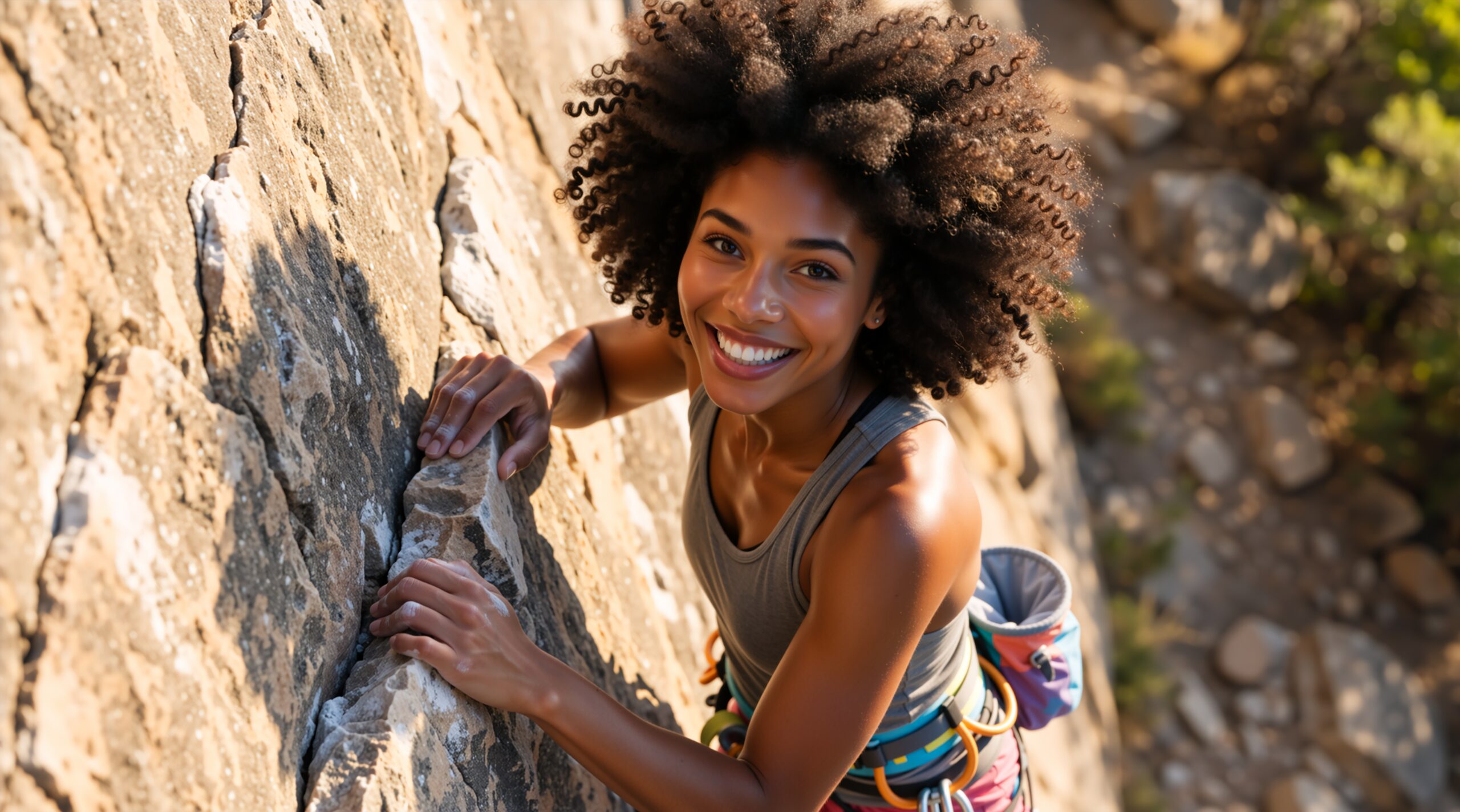
Choose the climbing style that fits your goals
Rock climbing includes several distinct disciplines. The right starting point depends on your technique, access to instruction, partner experience and the kind of terrain you want to climb.
Sport climbing
Bolted rock routes where the focus is movement, route reading and lead-climbing systems. Learn safe belaying and clipping with qualified instruction.
Traditional climbing
Routes protected with removable equipment. Anchor construction, placement judgment, communication and retreat planning become central skills.
Bouldering
Shorter climbs without ropes using pads and attentive spotting. Landing terrain, fall practice and respectful access matter even at modest heights.
Multi-pitch & alpine rock
Longer routes introduce route-finding, weather exposure, descent decisions and potentially complex belays, rescue and partner systems.
Destinations & terrain
Compare rock type, weather windows, approach commitments, local ethics and seasonal access before selecting an area.
Equipment & preparation
Build a discipline-specific kit and arrange skills training instead of assuming all mountaineering or climbing equipment serves the same purpose.
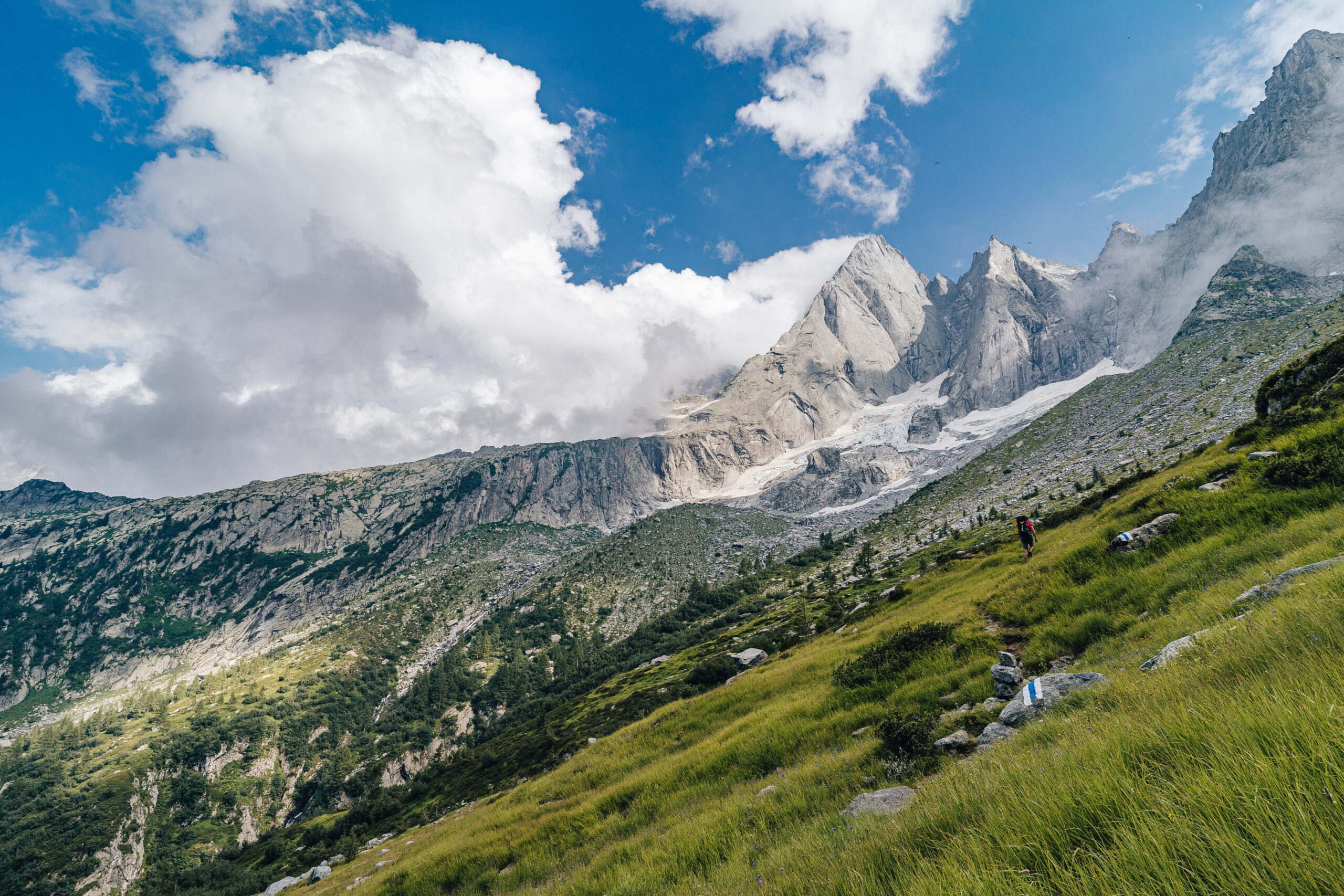
Prepare for the actual route, not only the grade
Difficulty ratings vary by grading system and style. A safe plan considers approach, protection, descent, weather, partner skills and local conditions—not simply a number or letter on a guidebook route.
- Start with instruction from qualified climbing professionals; practice partner checks and communication.
- Use current local route information and obey closures, access agreements and climbing-area ethics.
- Check weather, daylight, escape options, rescue access and the full descent before committing.
- Treat climbing helmets, ropes, harnesses and protection as life-safety equipment requiring correct use and inspection.
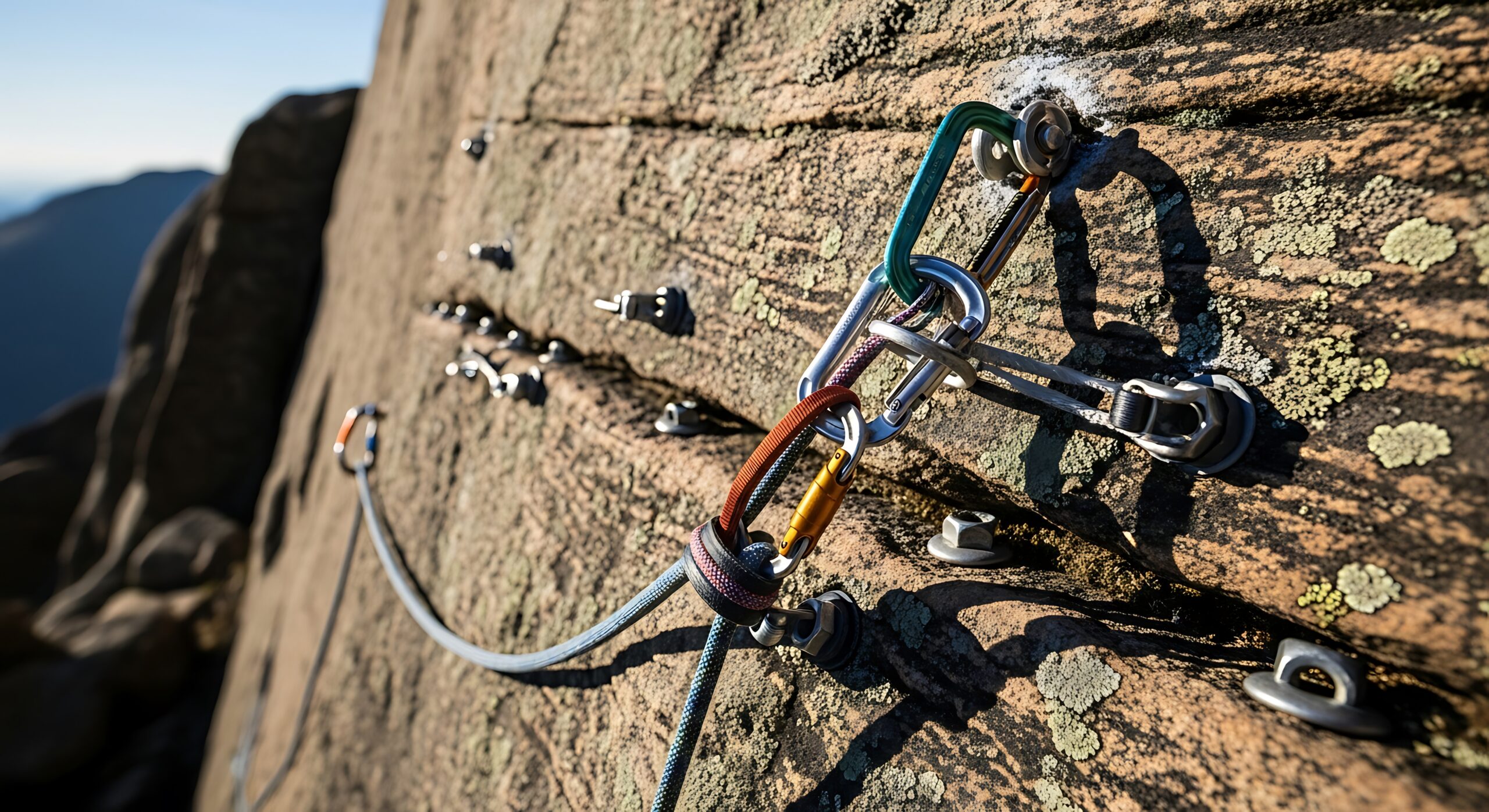
Explore related mountain resources
This hub is the foundation for a future rock-climbing cluster covering skills, routes, destinations, access and gear. Begin with published mountain research while more detailed rock guides are added.
Always confirm local access, permits, land-manager notices, weather and current conditions before an outdoor trip. Technical climbing, rope travel and swiftwater environments require appropriate skills and equipment; this introductory hub is not a substitute for instruction or qualified guidance.
Was this helpful?
Global Summit Guide is an independent mountaineering resource founded in 2026. The team combines first-hand trekking and climbing experience with in-depth research and professional health and nutrition review to help climbers choose objectives, prepare properly, and stay safe.
Health, altitude, and nutrition content is reviewed by Taylor Ludlow (Registered Nurse) and Brigg Hoopes (Nutritionist).
What We Don't Know Yet
Mountain information changes quickly. This box explains the limits of what this page can responsibly promise.
- Weather, snowpack, avalanche risk, road access, and route conditions can change quickly and may be different on your climbing dates.
- Route conditions, trailhead access, crevasse exposure, stream crossings, and rescue access may vary from published planning guidance.
- Fitness and altitude response vary by person; no guide, itinerary, or training plan can guarantee acclimatization or summit success.
- Comparisons simplify complex decisions; the better mountain depends on current conditions, skills, timing, budget, and risk tolerance.
Verify current conditions with official land managers, guide services, local forecasts, and current route reports before booking or climbing.
Mountaineering, rock and ice climbing, glacier travel, and high-altitude activity are inherently dangerous and can result in serious injury or death. The information on Global Summit Guide is provided for general informational and educational purposes only and is not a substitute for professional instruction, qualified guiding, proper equipment, or your own judgment and experience.
Route conditions, weather, snowpack, permits, regulations, and hazards change constantly and may differ from what is described here. Details may be incomplete, out of date, or contain errors. Always verify current information with local authorities, certified guides, and official sources before making any decision in the mountains.
Nothing on this site is medical, legal, or financial advice. Our fitness, acclimatization, altitude, and nutrition content is general in nature; consult a qualified physician before beginning any strenuous exercise program or exposing yourself to high altitude.
You are solely responsible for your own safety and decisions. To the fullest extent permitted by law, Global Summit Guide and its team accept no liability for any loss, injury, damage, or expense arising from use of, or reliance on, this information. By using this site you acknowledge these risks and accept these terms.
Some links on this site may be affiliate links. If you buy through them we may earn a small commission at no extra cost to you; this never affects our recommendations.
Global Summit Guide recommendation path
Next Best Mountain to Research
Use these recommendations to continue the right planning path instead of stopping on one page.
Use current permit, weather, route, and operator information before booking or climbing.