
Last updated October 1, 2026
Best Mountaineering Gloves & Mittens (2026)
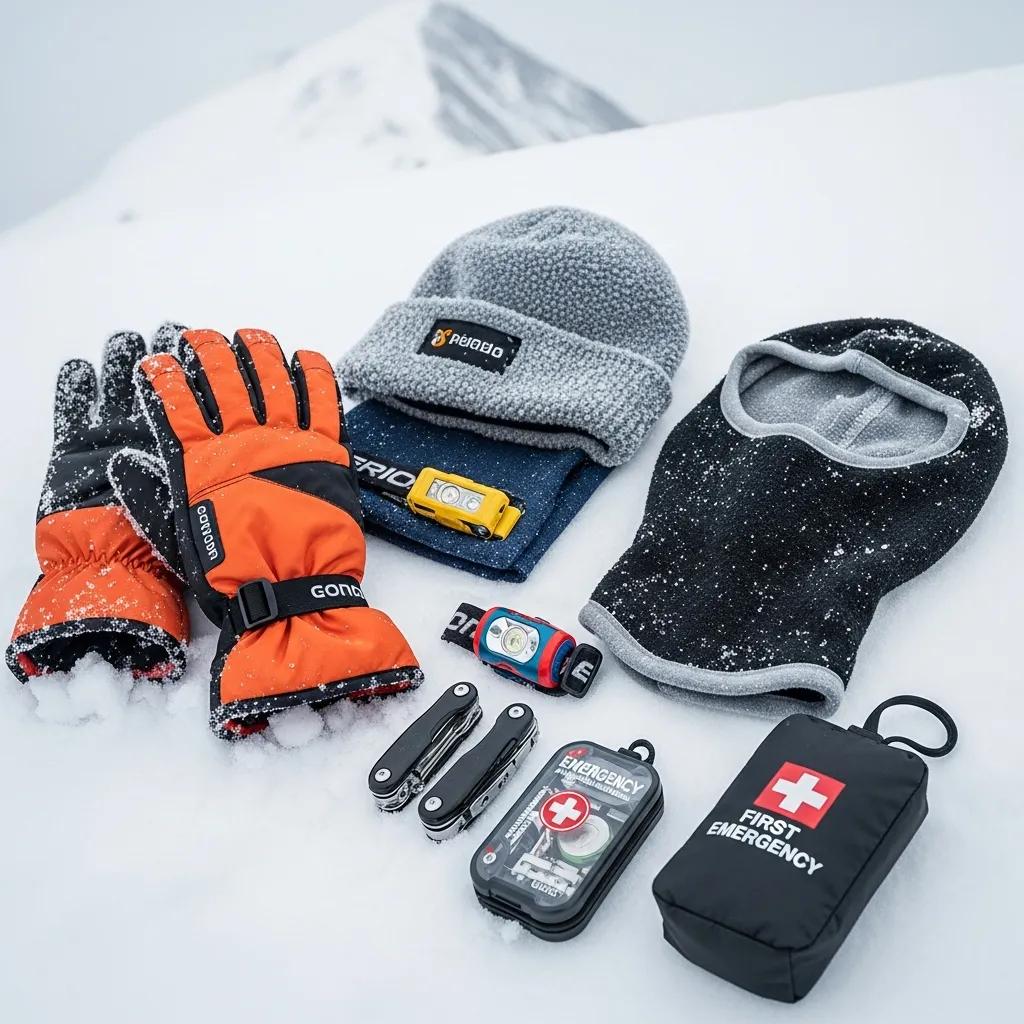
Do not look for one glove to handle every stage of a cold mountain. Build a hand system. Use a thin liner for transitions, a dexterous working glove for active climbing, an insulated glove when the mountain gets colder and a true summit mitten when warmth matters more than fine motor control.
Thin enough for small tasks and useful for reducing bare-skin exposure.
Dexterous softshell or light insulation for poles, tools, ropes, buckles and active climbing.
Weather-resistant warmth for colder climbing, belays and exposed summit terrain.
The warm reserve for severe cold, long stops and expedition summit pushes.
The Best Mountaineering Glove Is Usually More Than One Pair.
Mountaineering creates conflicting demands. Your hands need enough dexterity to operate zippers, poles, ice axes, ascenders and carabiners, but every increase in finger separation and fine motor control can make it harder to build maximum warmth.
The practical solution is a progression. A liner gives you a minimal barrier when the outer glove comes off. A working glove handles the majority of active movement. A more insulated glove comes out as temperature, wind or inactivity increases. A summit mitten provides a much warmer shared chamber for the fingers when conditions exceed what a normal glove can comfortably handle.
You may not wear all four layers simultaneously. Think of them as four jobs inside one system, with overlap depending on fit and conditions.
Quick Picks by Hand-System Role
Choose the missing layer in your system rather than buying another pair that does the same job as gloves you already own.
| System Role | Current Example | Primary Job | Weather Protection | Dexterity | Best Match |
|---|---|---|---|---|---|
| Liner | Smartwool Liner Glove | Moisture + transitions | Low | Very high | Under heavier gloves / short tasks |
| Work glove | Black Diamond Midweight Softshell | Active climbing | Light weather resistance | High | Poles, tools, zippers, approaches |
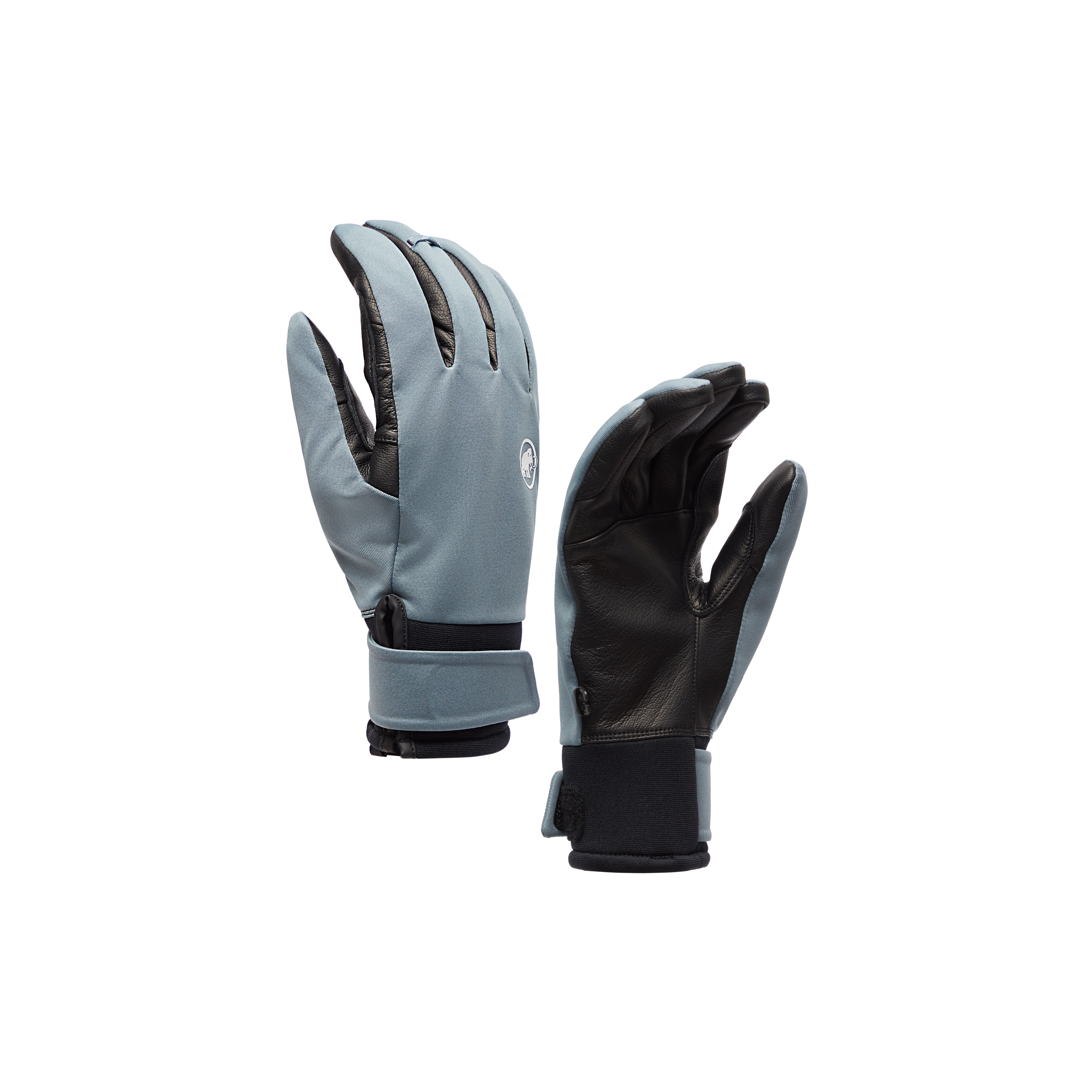
| Technical insulated | Mammut Eiger Nordwand Pro 2 in 1 | Cold technical work | Waterproof | High for category | Alpine / ice / rope work |
| Warm insulated | Black Diamond Guide / Soloist | Cold mountain protection | Waterproof | Moderate | Winter alpine objectives |
| 3-finger | Mammut Eiger Nordwand Warm 3-Finger | Extra warmth + index control | Waterproof | Moderate-high | Cold summit days |
| Summit mitten | Mammut Arctic Mitten | Maximum passive warmth | Wind / water repellent | Low | Cold summit reserve |
| Expedition mitten | Black Diamond Absolute Mitt | Extreme-cold protection | Waterproof | Low | High-altitude / polar use |
The Four-Layer Mountaineering Hand System
“Layer” describes the job in the system. It does not mean you must always wear four gloves over one another.
Protect the Transition
A thin merino or synthetic liner gives you enough dexterity for a zipper, buckle, phone or small adjustment without immediately exposing bare skin.
It should fit close enough to disappear beneath the next layer but not so tight that it feels restrictive. Carrying a dry spare is easy insurance on multi-day cold-weather trips.
Do Most of the Climbing
This is the glove you want on your hands during active movement: softshell, leather palm, good articulation and enough weather resistance for the conditions.
It should operate your real equipment. Test your headlamp buttons, harness buckles, locking carabiners, ice axe, trekking poles and pack clips while wearing it.
Move Into Real Cold
The insulated mountaineering glove sacrifices some precision for a major warmth increase. Waterproof inserts, longer cuffs and synthetic insulation become much more useful here.
This is often the center of a Rainier, Mont Blanc or winter alpine system when conditions are cold but the climber still needs five fingers.
Keep a Warmer Place to Go
A summit mitten groups the fingers together and allows much more insulation around the hand. It belongs where cold exposure becomes a primary problem rather than a secondary inconvenience.
Carry it somewhere accessible. A mitten buried beneath the entire pack is less useful when wind rises and hand function begins to deteriorate.
Gloves vs Mittens vs 3-Finger Designs
Five-finger gloves separate every finger. That makes rope handling, zippers, buckles and tool use easier, but it also creates more surface area and less shared warmth between the fingers.
Mittens place four fingers together inside one larger insulated chamber. Fine motor control drops, but warmth generally improves. That is why a summit mitten is not simply an oversized glove—it performs a different job.
Three-finger or trigger designs sit between the two. Several fingers share insulation while the index finger remains independent for more precise control.
Dexterity vs Warmth: Decide Which Problem You Are Solving
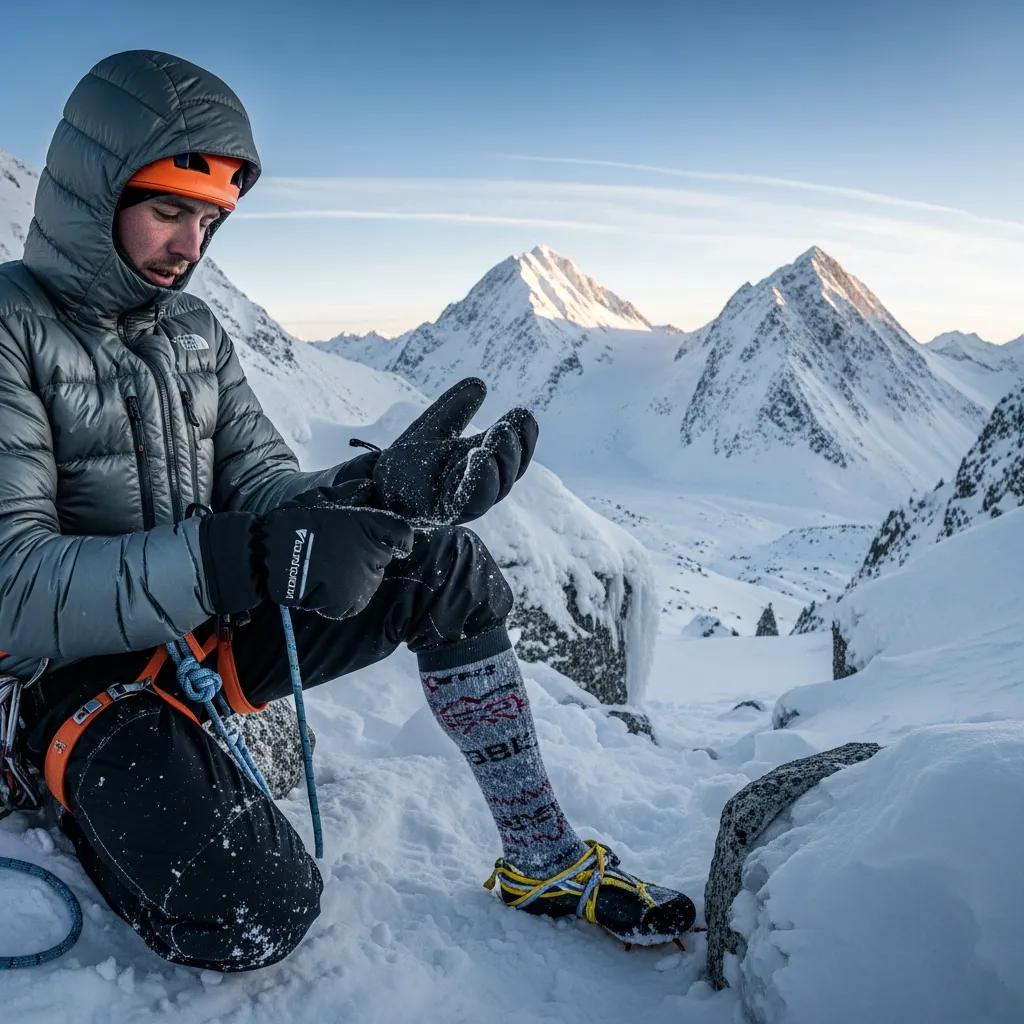
Buying the warmest glove available can create its own problem if every technical task forces you to expose your bare hands.
Liner
Excellent finger control, but very little protection from serious cold, wind or precipitation.
Work Glove
Designed around grip and manipulation while providing enough protection for active movement.
Insulated / 3-Finger
More warmth, bigger cuffs and greater weather protection while preserving useful control.
Summit Mitten
Fine manipulation becomes difficult, but passive warmth rises dramatically.
Waterproofing Matters—but So Does Drying Gloves Overnight
Moisture can enter from snow and rain or come from your own hands while climbing hard.
Snow, Sleet & Wet Rope
Waterproof inserts become increasingly useful when gloves spend hours in wet snow, precipitation or repeated contact with damp equipment.
Sweat Can Soak the System
Wearing the warmest glove during a hard approach can leave the insulation damp before the coldest portion of the climb begins. Switch layers before overheating.
Removable Liners
A removable liner is easier to separate from the shell and move into a dry, protected area overnight. That can be especially valuable on expedition-style trips.
Mountaineering Glove Picks by Layer & Job
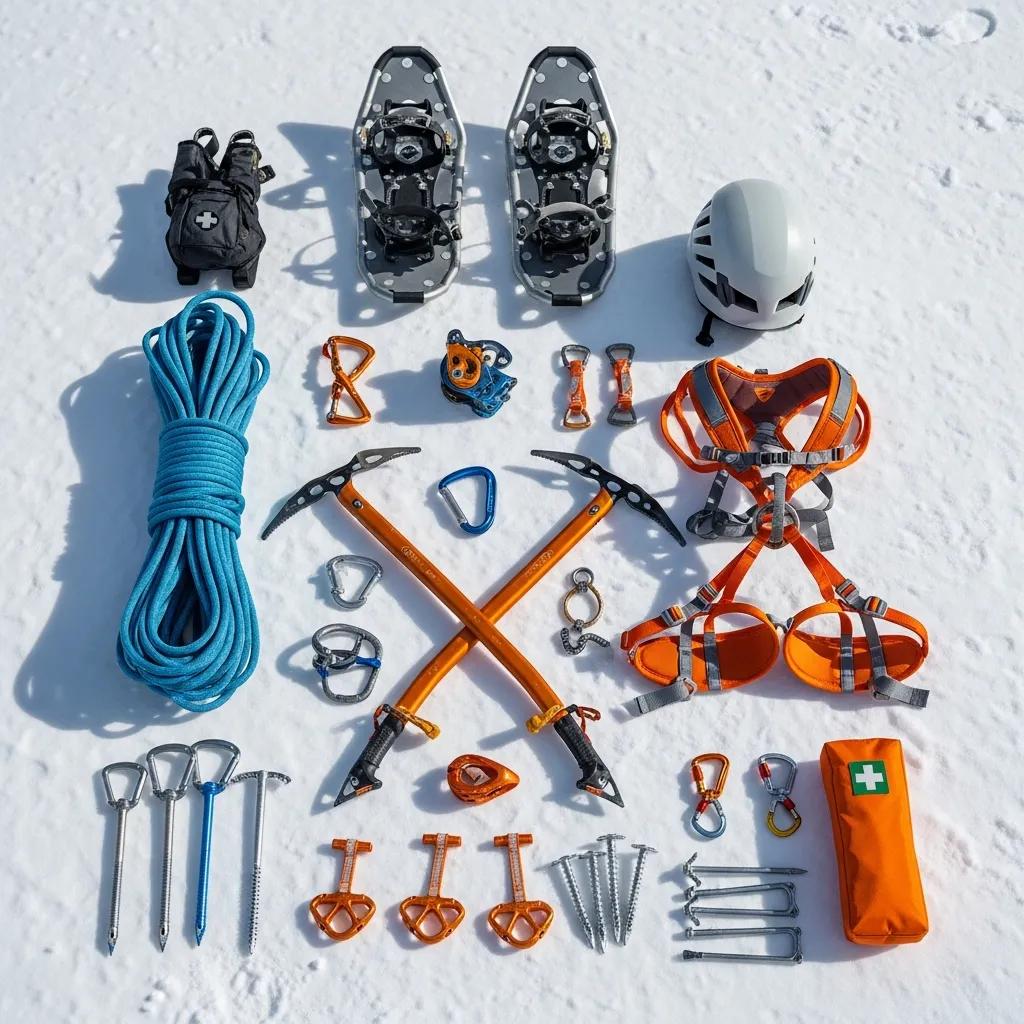
These are examples of distinct system roles. They are not a universal first-through-eighth ranking.
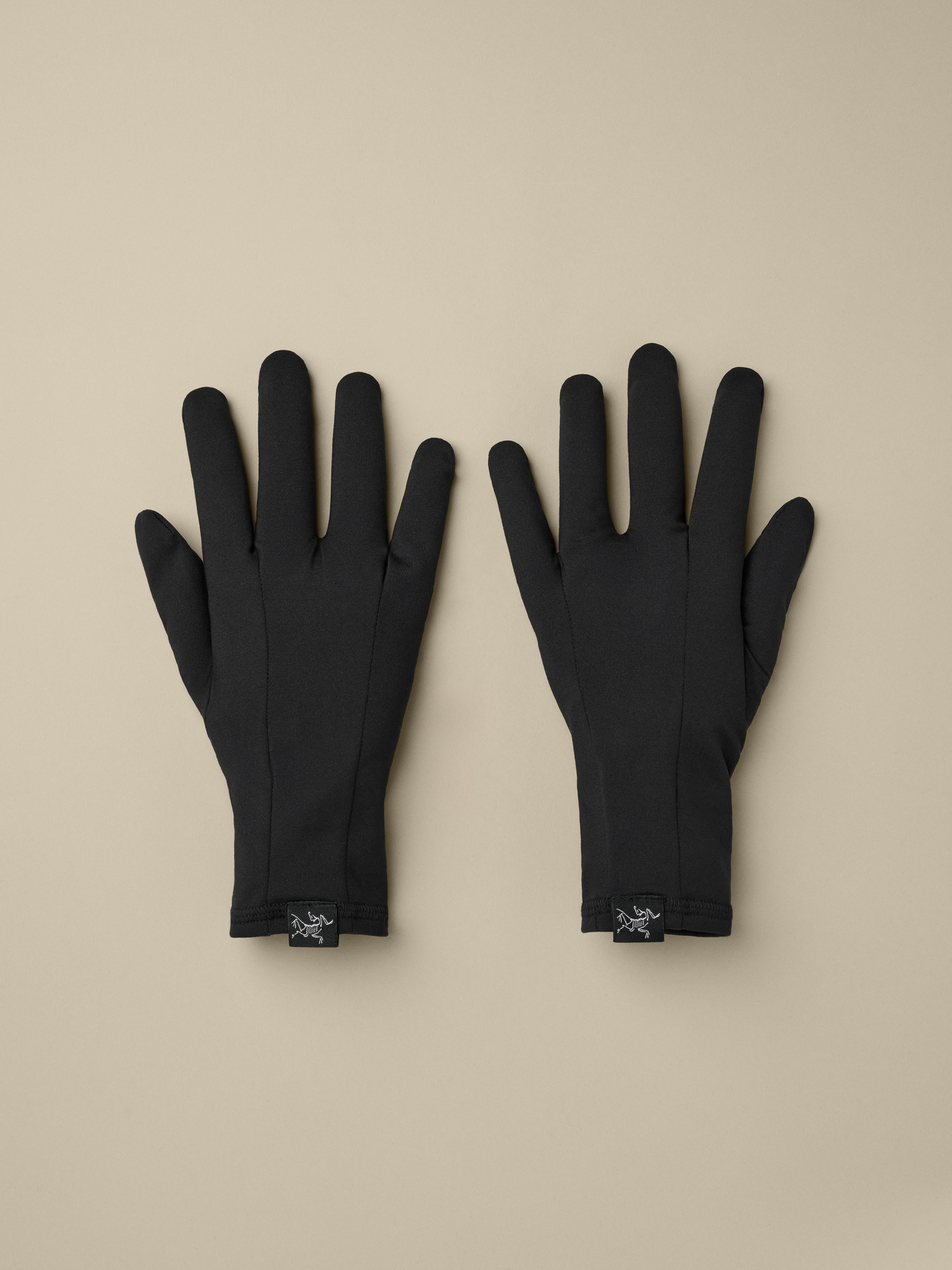
Smartwool Liner Glove
A low-profile merino-blend liner designed to fit underneath a heavier glove while managing moisture and preserving fine dexterity.
- Thin profile
- Merino-blend construction
- Useful beneath heavier handwear
- High dexterity
Black Diamond Midweight Softshell
A dexterous softshell option with a leather palm and light insulation for active hiking, climbing and tool use.
- Stretch softshell
- Leather palm
- Light insulation
- Touchscreen-compatible fingers
Mammut Eiger Nordwand Pro 2 in 1
The unusual two-chamber construction allows the hand to move between a grip-oriented chamber and a warmer chamber without changing gloves.
- GORE-TEX ePE insert
- PrimaLoft Gold
- Goat-leather palm
- Grip + warmth chambers
Black Diamond Soloist
A waterproof alpine glove using a removable insulated liner, useful when drying and adapting the system matters.
- BD.dry waterproof protection
- Removable PrimaLoft liner
- Leather palm
- Long gauntlet
Black Diamond Guide Glove
A burly cold-weather glove combining waterproof protection, substantial synthetic insulation and a removable liner.
- GORE-TEX insert
- PrimaLoft Gold
- Wool-blend liner
- Goat-leather palm
Mammut Eiger Nordwand Warm 3-Finger
Mammut’s trigger-style design groups several fingers together while keeping the index finger independent for greater control than a full mitten.
- GORE-TEX ePE insert
- PrimaLoft Gold Luxe
- Leather palm
- Long cuff
Mammut Arctic Mitten
A highly insulated, compressible mountaineering mitten using PrimaLoft Gold Luxe and a lightweight Pertex Quantum outer.
- PrimaLoft Gold Luxe
- Pertex Quantum
- Leather palm
- Long adjustable cuff
Black Diamond Absolute Mitt
A full expedition mitten designed for extremely cold environments, with waterproof protection and a removable liner.
- GORE-TEX insert
- Removable high-loft liner
- Pertex Quantum shell
- Reinforced leather palm
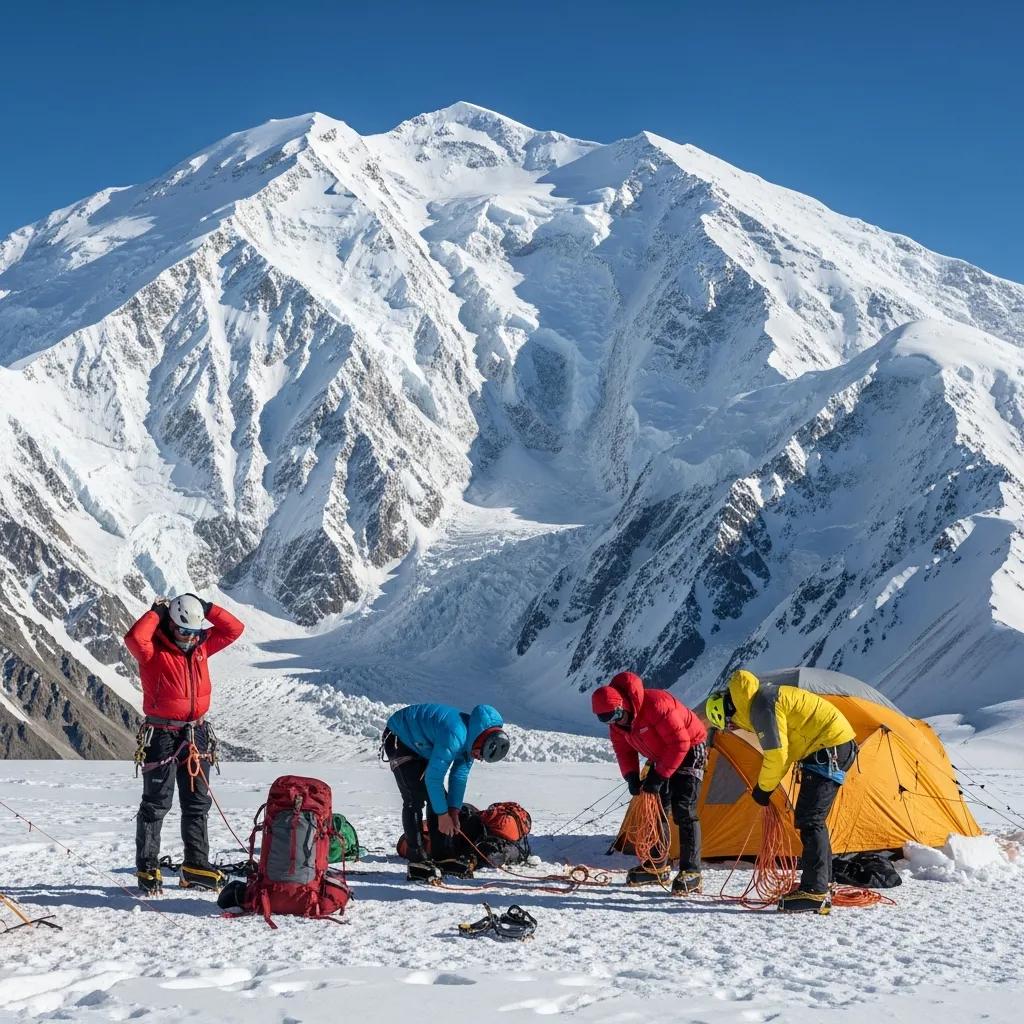
Put the Warmer Layer On Before Your Hands Force the Decision.
A summit mitten works best as prevention. Once hand function is already deteriorating, every zipper, buckle and gear transition becomes harder.
Rainier / Mont Blanc vs an 8,000-Meter Expedition
Use these as system examples, not fixed mandatory packing lists. Forecast, route, season, personal circulation and guide-service requirements can change the final kit.
Rainier / Mont Blanc Style Objective
On normal-season alpine objectives, much of the climbing can happen while moving steadily enough to generate heat. Dexterity therefore remains important.
- Thin liner for transitions and backup.
- Softshell or lightly insulated glove for active movement.
- Waterproof insulated glove for summit cold, wind and snow.
- Warmer mitten available for a cold forecast, long stop or emergency.
The exact combination should be reconciled with the current route, forecast and guide-service list.
Everest / 8,000-Meter Style Objective
High altitude raises the consequence of wet gloves, lost gloves and inadequate summit insulation. Redundancy becomes a core design goal.
- Multiple liner options so a damp layer can be exchanged.
- Dexterous glove for fixed-line transitions and equipment.
- Substantially insulated glove for upper-mountain movement.
- Expedition mitt sized for the planned inner glove.
- Dry backup protected inside the pack.
Always defer to the current operator equipment list for the expedition because oxygen equipment, fixed-line systems and route logistics affect what the hands must operate.
Size the Glove Over the Layers You Will Actually Wear
Buying each glove in isolation is one of the easiest ways to create a system that becomes too tight when combined.
Do Not Jam the Ends
Your fingertips should not press hard against the glove when the hand is relaxed.
Test the Real Stack
Bring or wear the liner you intend to use when sizing an insulated glove or mitten.
Avoid Excess Palm Fabric
Too much material can bunch around tools, poles and carabiners and reduce control.
Do Not Compress Insulation
Adding more layers can backfire if the complete system becomes tight enough to crush loft or restrict comfortable circulation.
Frostbite Prevention Starts Before Your Fingers Go Numb
Handwear is one part of frostbite prevention. Warmth also depends on staying dry, maintaining overall body temperature and responding to early warning signs instead of accepting numb fingers as normal mountaineering.
Use the warmer layer early when conditions deteriorate. Swap damp liners. Keep the backup mitten dry. Avoid an overly tight system. Protect bare fingers during long equipment transitions.
Redness or pain can be early warning signs of cold injury. Numbness, pale or grayish skin, or skin that becomes unusually firm or waxy requires taking the situation seriously, protecting the person from further cold exposure and seeking medical care.

Shop Current Mountaineering Gloves & Summit Mittens
These two modules intentionally use the existing broad gloves catalog tag. The mitten block then narrows the same inventory with a text search.
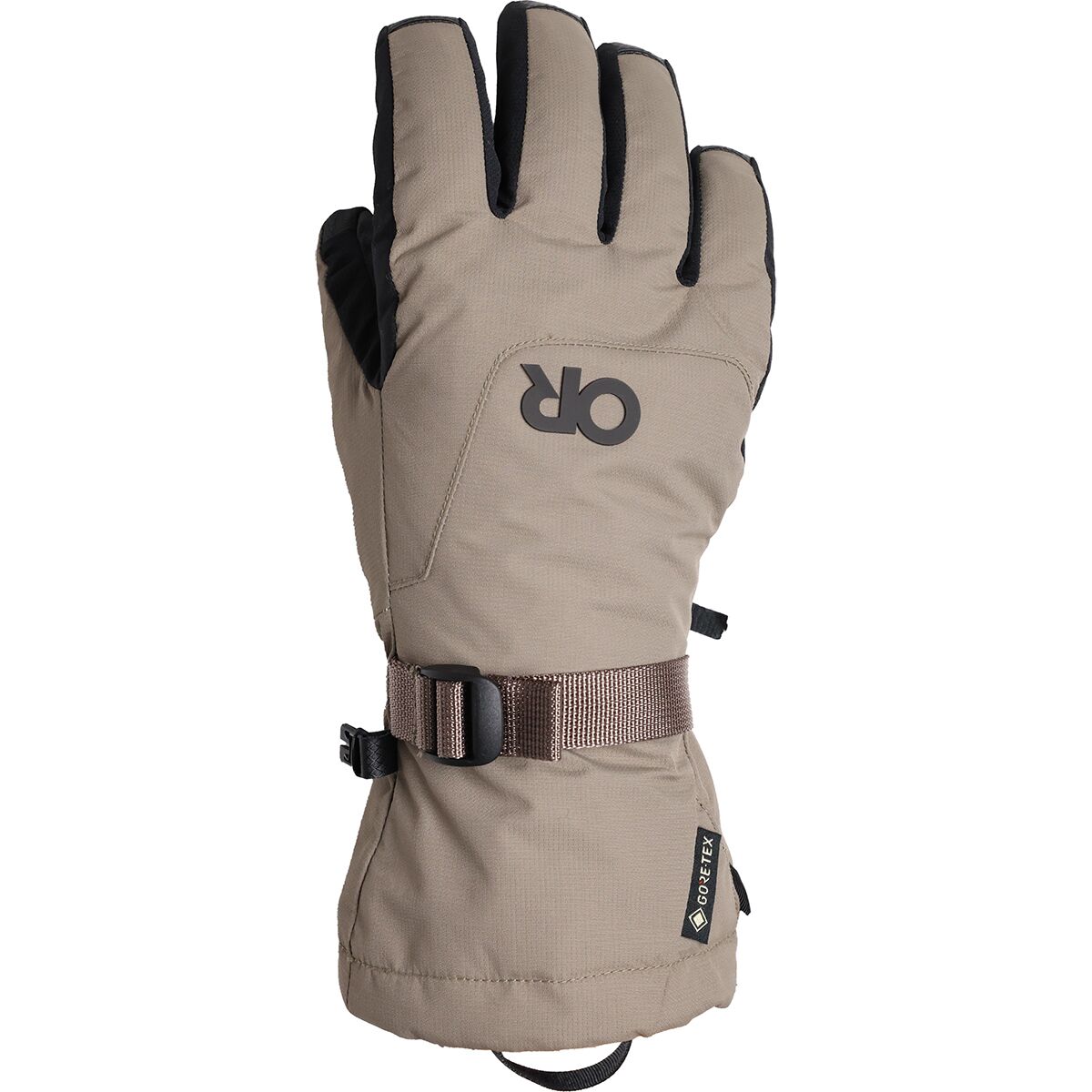
Current Glove Picks
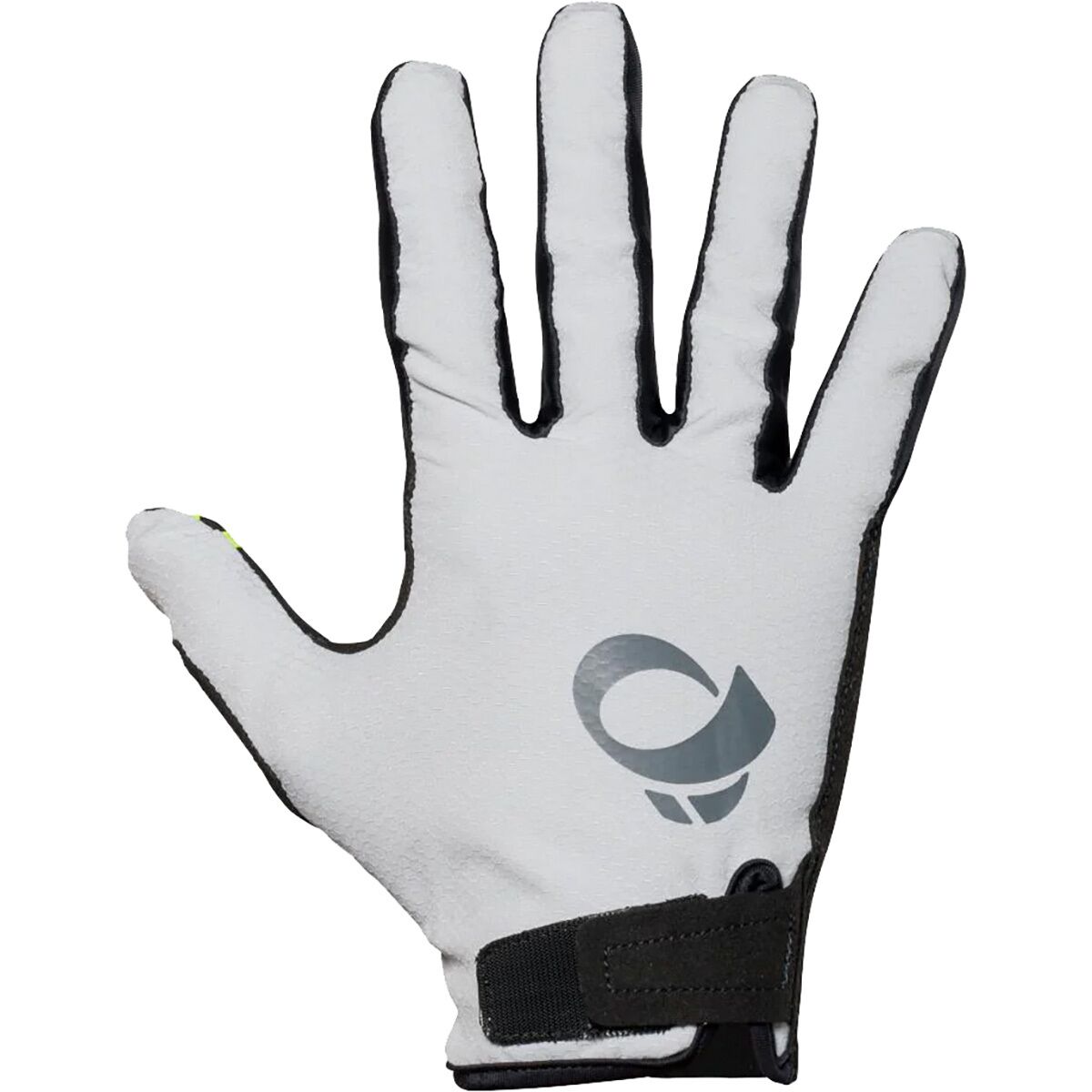
Use this block for liners, working gloves and insulated mountain gloves.
Current glove picks

Summit Mittens
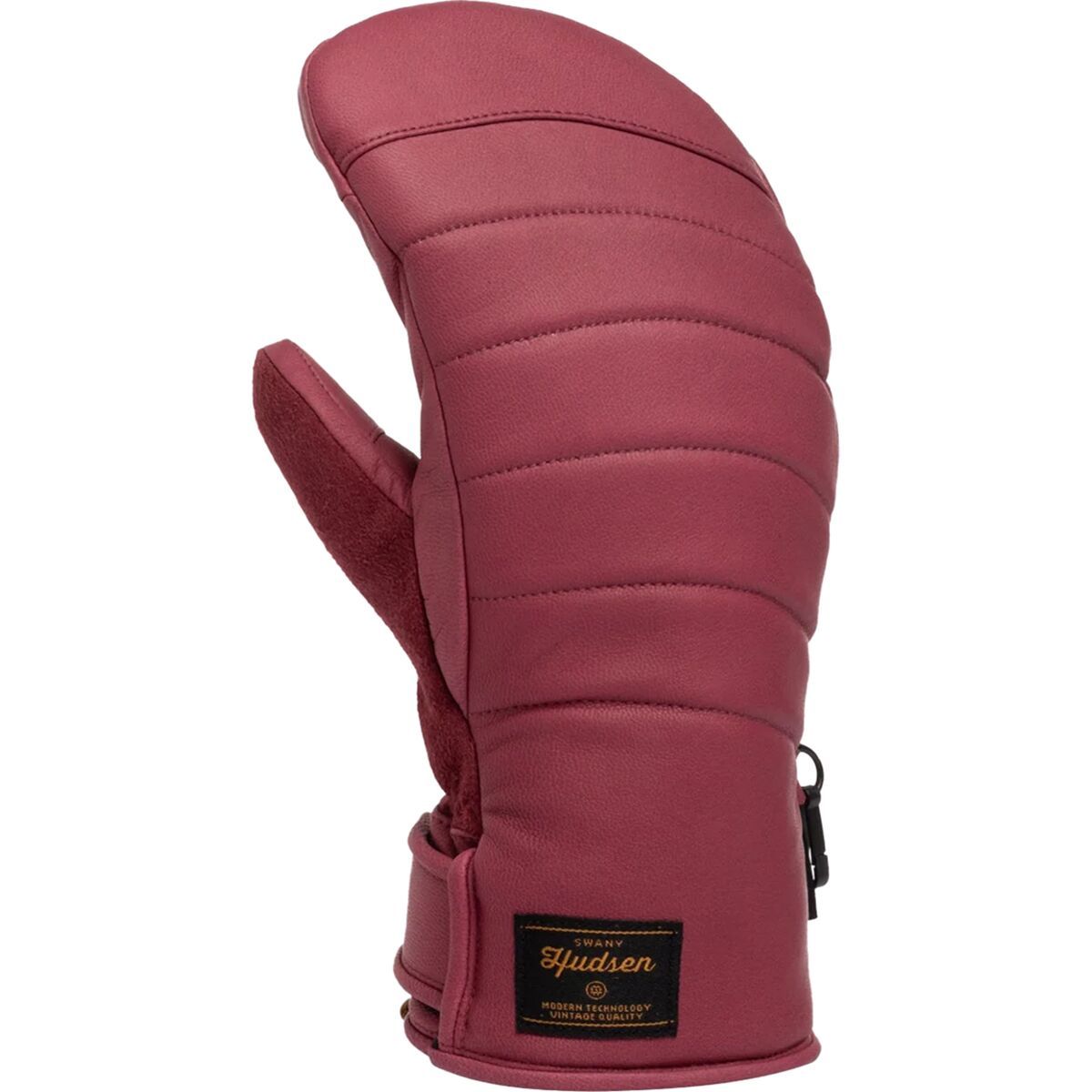
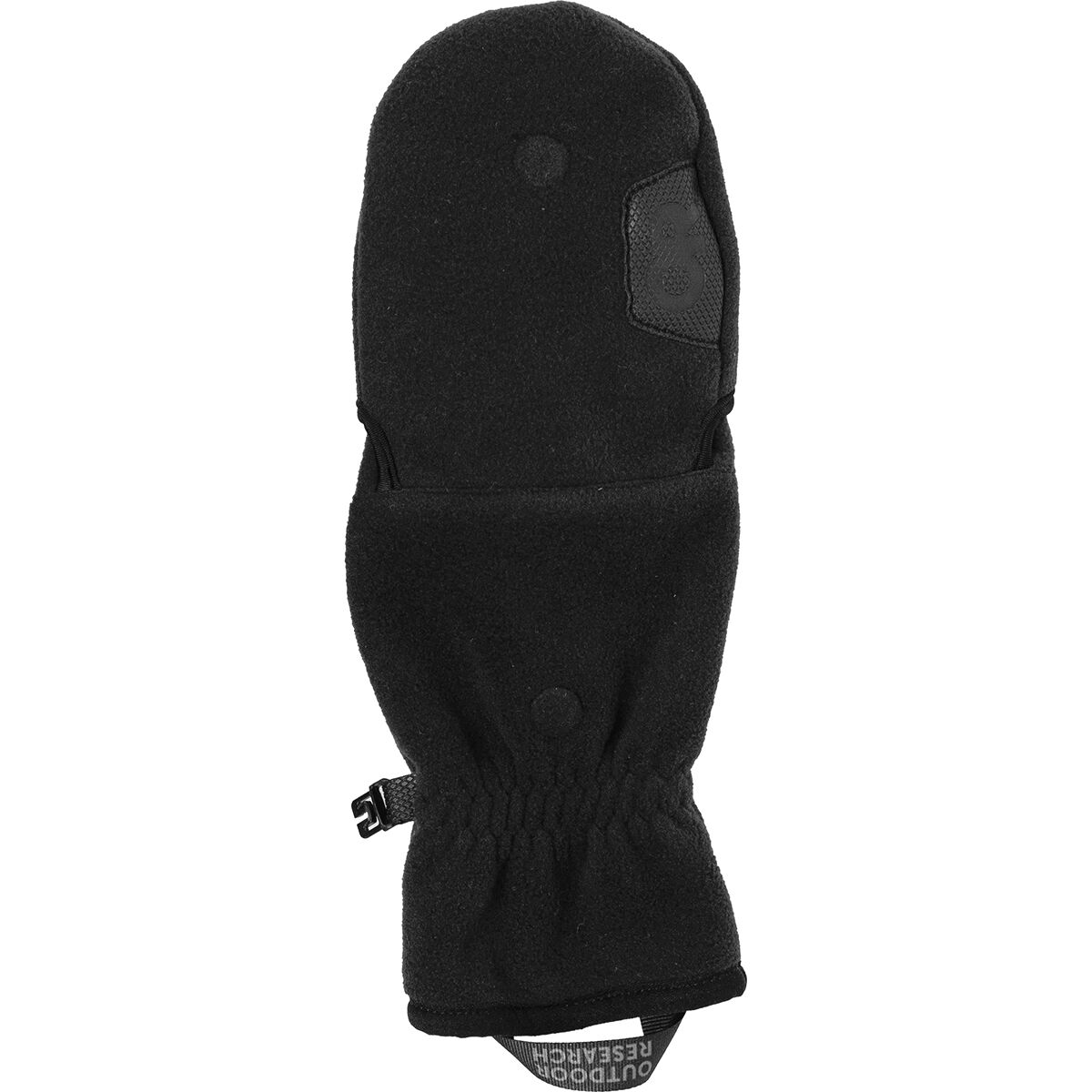
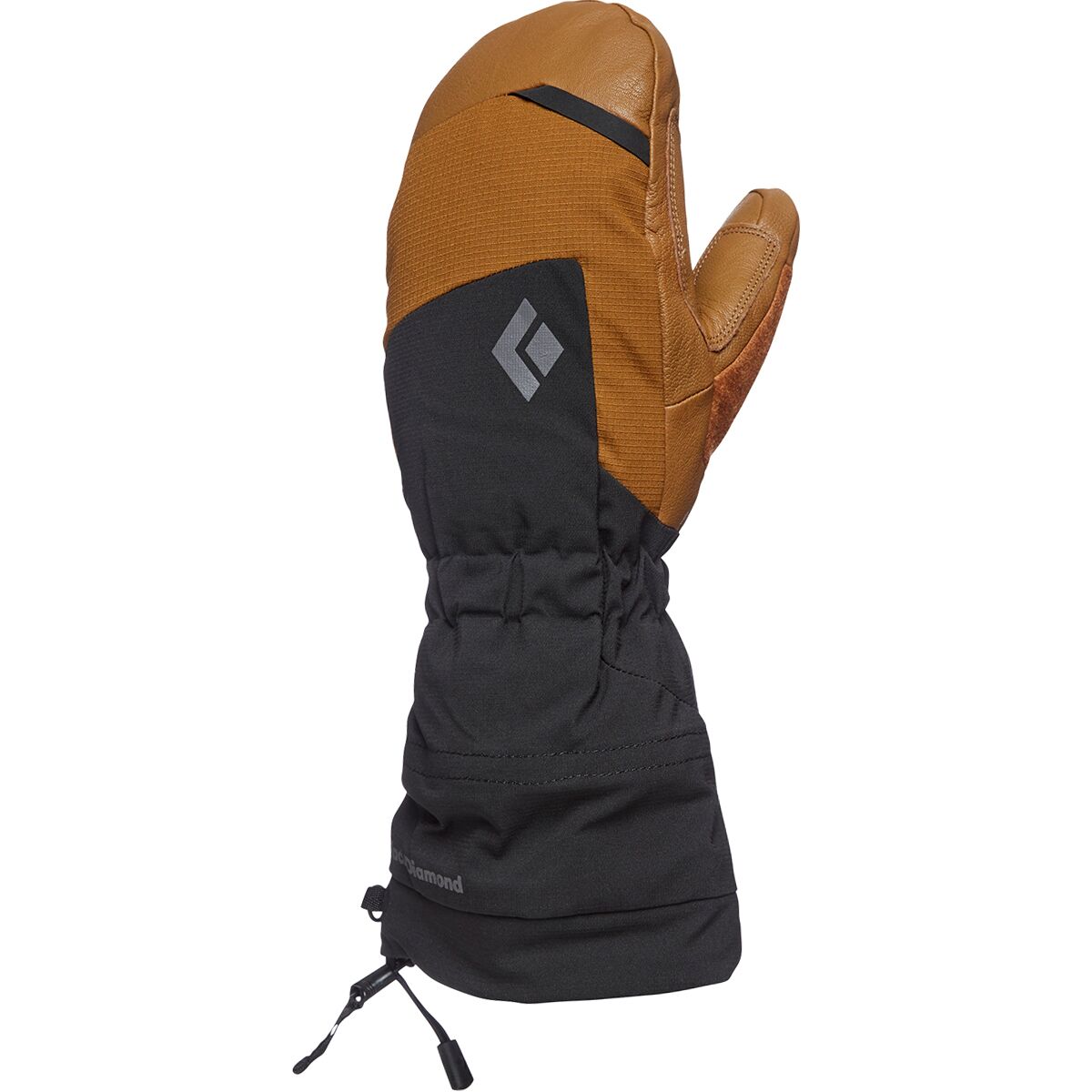
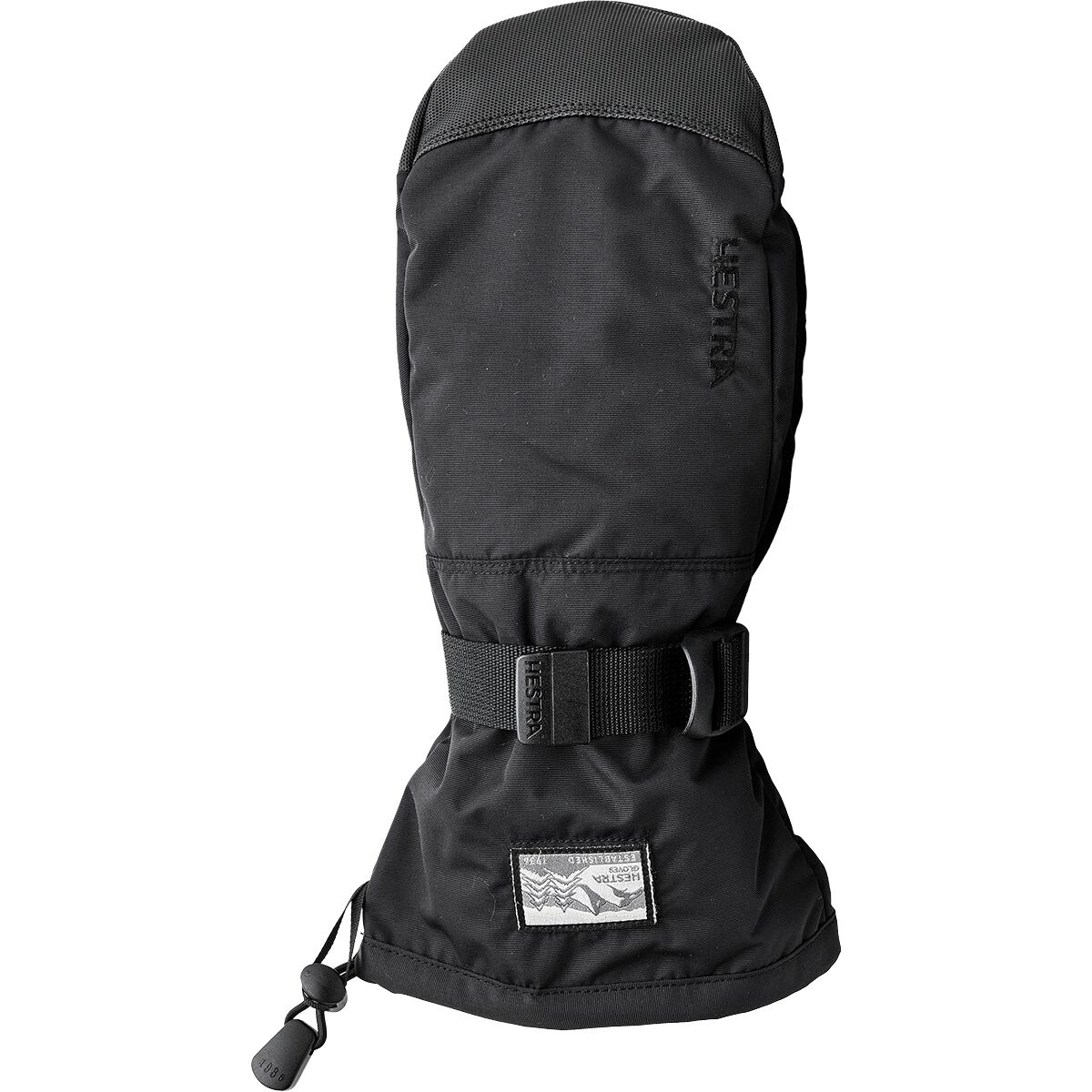
Warmer mitten-style options for the fourth layer of the system.
Summit mittens
Build the Final Hand System by Objective
The goal at the bottom of the buying guide is not “Which single glove wins?” It is “Which layers are missing from my system?”
| Objective | Liner | Work Glove | Insulated Glove | Summit Mitten | Redundancy |
|---|---|---|---|---|---|
| Winter hiking | Useful | Primary | Cold-weather dependent | Optional reserve | Dry backup recommended in severe weather |
| Rainier / Cascade volcano | Yes | Yes | Primary cold layer | Forecast dependent / reserve | At least one dry backup layer |
| Mont Blanc / classic alpine | Yes | Yes | Primary summit layer | Cold forecast dependent | Guide-specific |
| Winter technical climbing | Yes | Technical primary | Warm backup | Useful for belays / severe cold | Strongly useful |
| Denali-style expedition | Multiple | Yes | Heavy insulated | Yes | Essential system consideration |
| Everest / 8,000m | Multiple | Fixed-line capable | Heavy insulated | Expedition level | Dry backup + operator-specific system |
Mountaineering Gloves & Mittens FAQ
Are mittens warmer than gloves?
Usually. Mittens allow the fingers to share one insulated chamber, while five-finger gloves separate them. The trade-off is dexterity, which is why a complete mountaineering system often contains both.
How many pairs of gloves should I take mountaineering?
It depends on the route, but a cold-weather system may contain a liner, a working glove, a waterproof insulated glove and a warmer mitten or dry backup. Bigger expeditions increase the importance of redundancy.
What are the best mittens for Everest?
Look for expedition-level mittens designed for severe cold, but do not select the Everest hand system from a buyer’s guide alone. Reconcile the mitten, liner and working-glove combination with the current operator equipment list and make sure the mitten fits over the intended inner system.
Should a summit mitten fit over an insulated glove?
Only if that is the system you intend to use. Some climbers wear the mitten over a thinner liner or work glove rather than over a bulky insulated glove. Test the exact combination before the expedition and make sure it does not become restrictive.
Are three-finger gloves worth it?
They can be excellent when you need more warmth than a five-finger glove provides but still want an independent index finger for tools, zippers or hardware.
Can tight gloves make your hands colder?
A system that is too tight can compress insulation and feel restrictive. Size the outer glove or mitten while wearing the inner layer you intend to use.
How do you dry gloves on a multi-day climb?
Separate removable liners, keep the system protected from new moisture and use normal body or shelter warmth where practical. Avoid direct high heat that can damage glove materials.
What should I do if my fingers become numb?
Persistent numbness in severe cold should not be ignored. Protect the hands from further exposure, move toward shelter or warmth as conditions allow and seek medical attention when frostbite is suspected. Use the dedicated frostbite guide for medical information.
Related Mountaineering Gear Guides
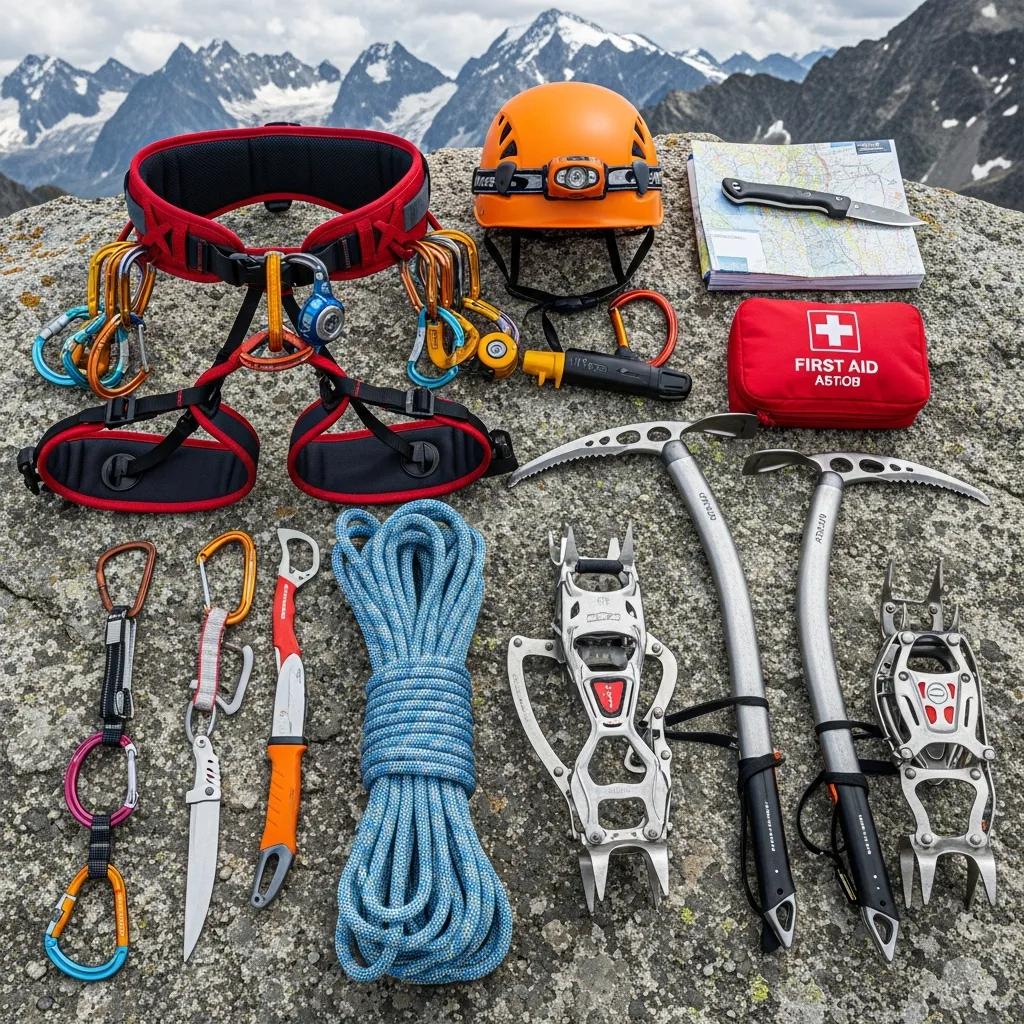
Do Not Search for One Perfect Glove.
Give each layer a job. Keep a dexterous glove for the work, a warmer glove for the cold and a summit mitten for the conditions where keeping your fingers warm matters more than manipulating tiny hardware.
Was this helpful?
Global Summit Guide is an independent mountaineering resource founded in 2026. The team combines first-hand trekking and climbing experience with in-depth research and professional health and nutrition review to help climbers choose objectives, prepare properly, and stay safe.
Health, altitude, and nutrition content is reviewed by Taylor Ludlow (Registered Nurse) and Brigg Hoopes (Nutritionist).
What We Don't Know Yet
Mountain information changes quickly. This box explains the limits of what this page can responsibly promise.
- Weather, snowpack, avalanche risk, road access, and route conditions can change quickly and may be different on your climbing dates.
- Comparisons simplify complex decisions; the better mountain depends on current conditions, skills, timing, budget, and risk tolerance.
- Visa, passport, vaccination, border, insurance, and local transportation rules may change before your trip.
Verify current conditions with official land managers, guide services, local forecasts, and current route reports before booking or climbing.
Mountaineering, rock and ice climbing, glacier travel, and high-altitude activity are inherently dangerous and can result in serious injury or death. The information on Global Summit Guide is provided for general informational and educational purposes only and is not a substitute for professional instruction, qualified guiding, proper equipment, or your own judgment and experience.
Route conditions, weather, snowpack, permits, regulations, and hazards change constantly and may differ from what is described here. Details may be incomplete, out of date, or contain errors. Always verify current information with local authorities, certified guides, and official sources before making any decision in the mountains.
Nothing on this site is medical, legal, or financial advice. Our fitness, acclimatization, altitude, and nutrition content is general in nature; consult a qualified physician before beginning any strenuous exercise program or exposing yourself to high altitude.
You are solely responsible for your own safety and decisions. To the fullest extent permitted by law, Global Summit Guide and its team accept no liability for any loss, injury, damage, or expense arising from use of, or reliance on, this information. By using this site you acknowledge these risks and accept these terms.
Some links on this site may be affiliate links. If you buy through them we may earn a small commission at no extra cost to you; this never affects our recommendations.
Global Summit Guide recommendation path
Next Best Mountain to Research
Use these recommendations to continue the right planning path instead of stopping on one page.
Use current permit, weather, route, and operator information before booking or climbing.