
Last updated September 29, 2026
Best Down Jackets for Hiking & Mountaineering: 8 Picks by Use
The best down jacket is not simply the one with the highest fill-power number. Choose by the job: lightweight hiking insulation, an alpine midlayer, a cold belay jacket or a high-altitude parka—then compare fill weight, total weight, baffle design, shell protection and fit.
For Most Hikers and Mountaineers, Choose an 800–850 Fill Jacket by Warmth-to-Weight, Fit and Use—Not Fill Power Alone.
A premium 800-fill jacket can be warmer than a 900-fill jacket if it contains more down. Fill power describes how efficiently the down lofts; fill weight tells you how much down is actually inside. Construction, baffle size, hood, draft control and fit decide how well that insulation works in the field.
For general hiking and travel, a versatile 800-fill jacket such as the Cotopaxi Fuego or Patagonia Down Sweater is a practical category. For lower-weight alpine use, Mammut Broad Peak, Rab Mythic Alpine, Mountain Hardwear Ghost Whisperer and Arc’teryx Cerium emphasize packability and warmth-to-weight. For colder stationary use, a roomier belay-focused jacket such as Patagonia Fitz Roy moves into a different class.
A down jacket is still only one part of the clothing system. Use it with moisture-managing base layers, an active midlayer and a weatherproof shell when conditions require one.
8 Down Jackets Worth Comparing in 2026
The list is grouped by real use rather than a universal ranking. Current manufacturer specifications were rechecked in September 2026, and the page does not claim hands-on testing of every model.
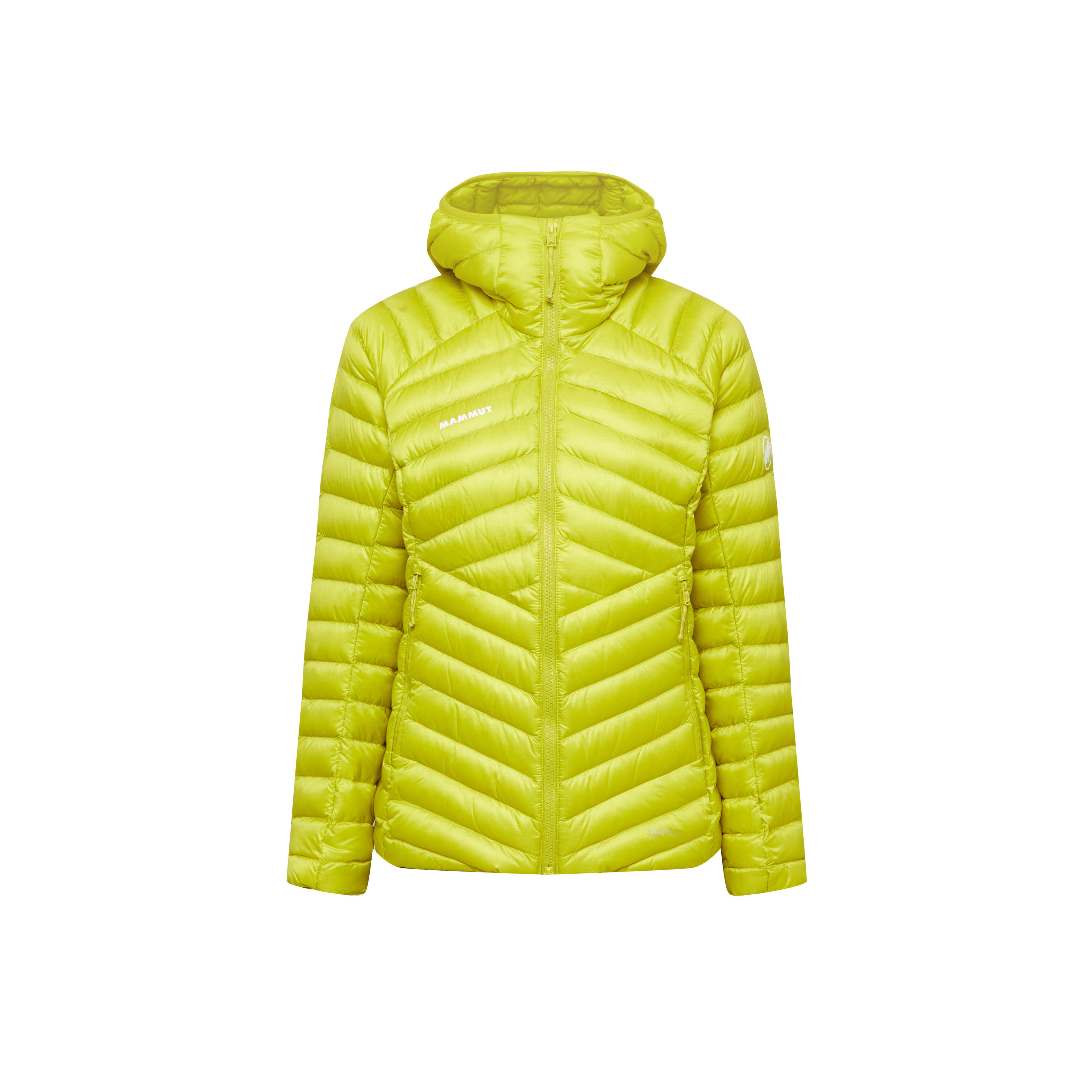
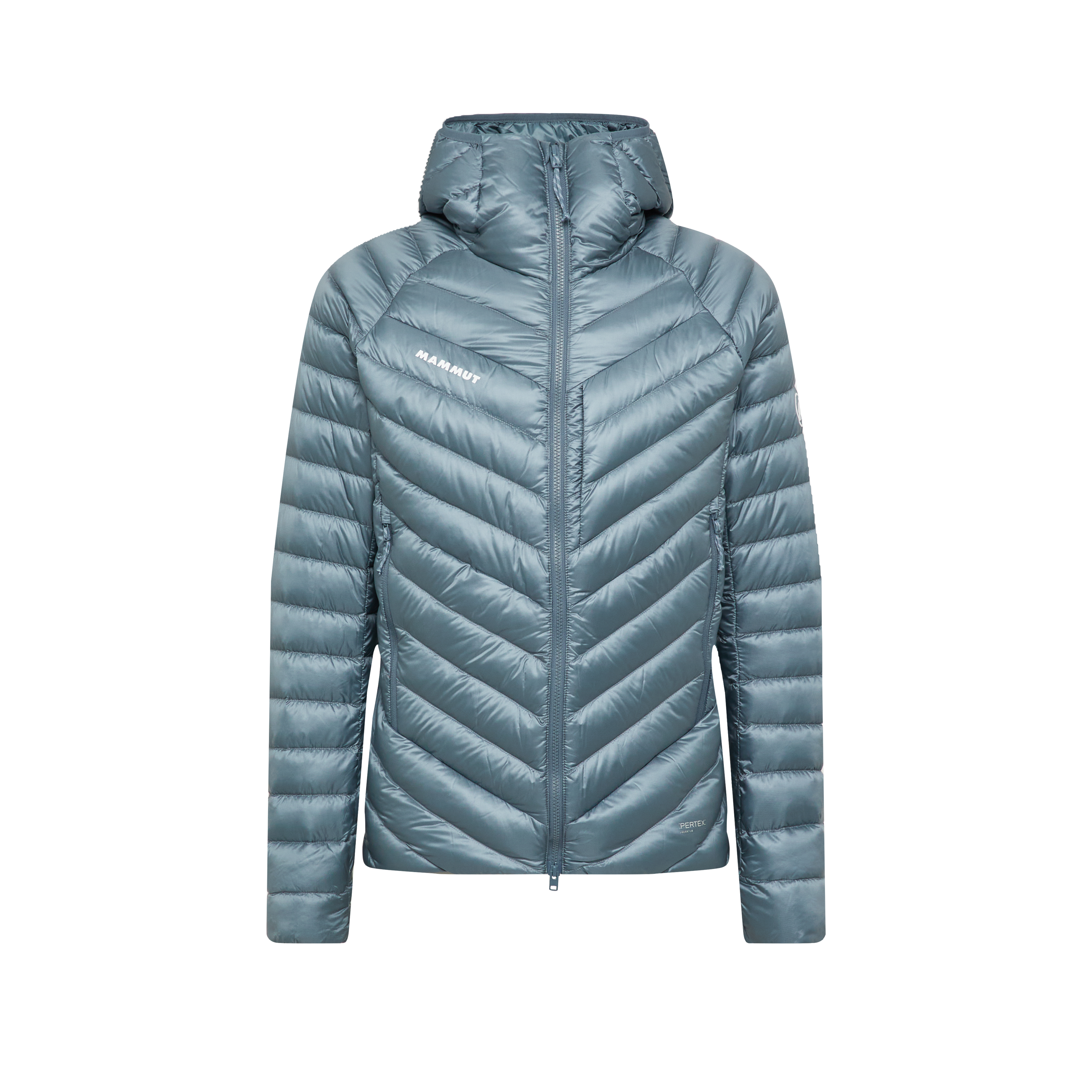
Mammut Broad Peak IN Hooded
A mountain-focused 800-fill jacket with a Pertex Quantum shell, hydrophobic down and harness-friendly pockets.
- 800 cuin down
- 383 g men’s reference weight
- 115 g down fill in men’s reference size
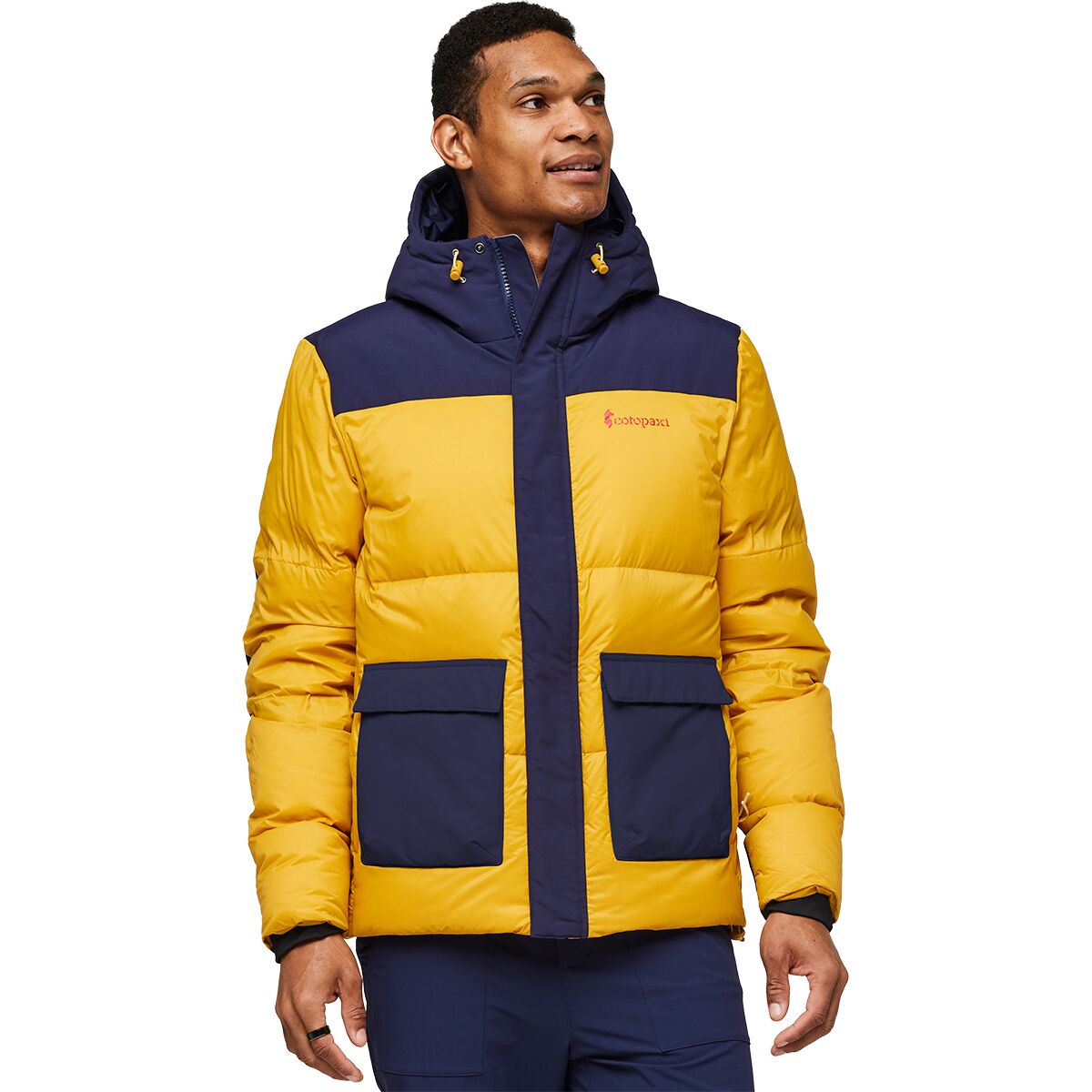
Cotopaxi Fuego Down Hooded 2.0
A redesigned 800-fill all-round jacket with a recycled shell, C0 DWR and a more relaxed layering fit than earlier versions.
- 800-fill responsibly sourced down
- 100% recycled nylon shell
- Packs into internal pocket
Patagonia Fitz Roy Down Hoody
A substantially warmer midweight belay layer built for cold alpine objectives, with a helmet-compatible hood and two-way front zip.
- 800-fill RDS down
- 541 g current reference weight
- Belay-oriented cut and pocket layout
Rab Mythic Alpine
A slim technical jacket built around high-loft down and an ultralight Pertex Quantum shell for climbers who care intensely about grams.
- 900FP hydrophobic goose down
- 313 g men’s reference weight
- 140 g down fill in current men’s reference size
Mountain Hardwear Ghost Whisperer Hoody
A long-running ultralight category benchmark for backpacking, alpine climbing and travel where packed size matters.
- 800-fill RDS down
- 302 g men’s reference weight
- 84 g insulation reference
Arc’teryx Cerium Hoody
A trim alpine layer combining 850-fill down with synthetic insulation in moisture-prone zones such as shoulders and cuffs.
- 850-fill goose down
- 338 g current reference weight
- 15D recycled outer
Outdoor Research Helium Down Hoodie
A heavier 800-fill option that adds waterproof overlays at exposed zones for climbers who expect more contact with wet snow and wind.
- 800-fill responsibly sourced down
- 437 g reference weight
- Waterproof overlays at hood, shoulders and upper sleeves
Patagonia Down Sweater Hoody
A classic 800-fill option that works across hiking, travel and general mountain use without becoming a specialized alpine belay parka.
- 800-fill RDS down
- Wind-resistant recycled shell
- Broad all-purpose fit and use case
Important: fill-power numbers are not warmth ratings. A jacket’s total down quantity, baffle geometry, fit and shell construction can matter more than a 50- or 100-point difference in fill power.
| Jacket | Fill | Weight reference | Best use | Main trade-off |
|---|---|---|---|---|
| Mammut Broad Peak IN | 800 cuin | 383 g | Mountaineering / ski touring | More weight than ultralight models |
| Cotopaxi Fuego Hooded 2.0 | 800 fill | Manufacturer page does not foreground weight | Hiking / travel / general use | Less technical than alpine-specific designs |
| Patagonia Fitz Roy | 800 fill | 541 g | Cold alpine belay | Bulkier than midlayers |
| Rab Mythic Alpine | 900FP | 313 g | Fast technical alpine | Light shell needs care |
| Ghost Whisperer Hoody | 800 fill | 302 g | Ultralight hiking / climbing | Limited warmth for long static stops |
| Arc’teryx Cerium | 850 fill + synthetic mapping | 338 g | Alpine midlayer | Trim fit may limit over-layering |
| OR Helium Down | 800 fill | 437 g | Weather-exposed alpine use | Heavier than pure ultralight options |
| Patagonia Down Sweater | 800 fill | Varies by current version / size | General mountain + everyday | Not a full belay parka |
Define the Jacket’s Job Before Comparing Specs.
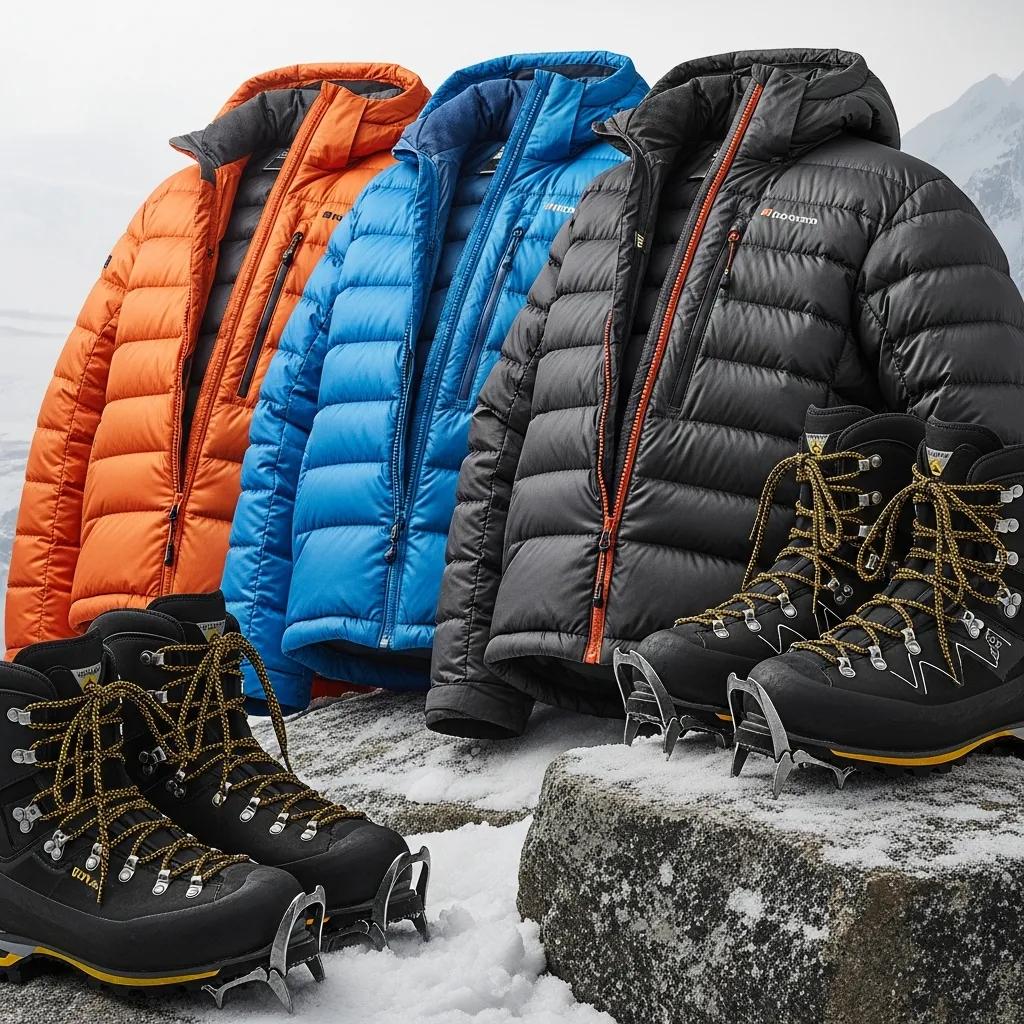
Active midlayer: lower bulk, closer fit and enough warmth to layer under a shell.
Stop layer: a jacket carried in the pack and pulled on during breaks, at camp or when weather deteriorates.
Belay parka: more insulation, larger hood, harness-aware pockets and enough room to go over active layers.
Expedition parka: much more insulation and coverage for extreme cold. This page focuses primarily on hiking through alpine belay jackets rather than 8,000 m down suits.
Fill Power vs Fill Weight
Fill power tells you the loft efficiency of the down. Fill weight tells you how much insulation is actually inside the jacket.
Efficiency
Higher fill power means the down creates more loft per unit weight. It can reduce weight and packed size for a given warmth target.
Quantity
More grams of down generally means more potential warmth when construction and fit are comparable.
The whole garment
Shell, zippers, pockets, hood and baffles all add weight. Extremely light jackets often achieve low weight partly through lighter fabrics and fewer features.
Sewn-Through Baffles Save Weight. Box Baffles Reduce Cold Spots.
Most lightweight hiking and alpine down jackets use sewn-through construction because it is simple, light and compressible. The trade-off is reduced loft where the inner and outer fabrics are stitched together.
Heavier expedition and belay jackets may use more complex baffles to maintain loft across the garment. That adds weight and cost but reduces direct cold bridges.
Baffle size matters too. Very small baffles control down migration but add stitching. Larger chambers improve loft efficiency but require careful design to keep insulation distributed.
Down vs Synthetic: Choose Around Moisture and Output.
Down dominates when compressibility and warmth-to-weight matter. Synthetic insulation earns its place when the jacket will repeatedly get damp.
Cold + relatively dry
Excellent for backpacking, camp, belays and cold alpine use when the insulation can be protected from sustained moisture.
Damp + high-output
Retains more useful insulation when wet and dries faster, making it attractive for wet snow, maritime climates and stop-start movement.
Map each material to its job
Jackets such as the Arc’teryx Cerium place synthetic insulation in moisture-prone areas while preserving down where efficiency matters most.
A Down Jacket Must Have Enough Room to Loft—But Not So Much That It Pumps Heat Away.
The correct fit depends on where the jacket sits in the layering system.
Trim enough for a shell
An alpine midlayer should move easily over a base layer and light fleece but remain compact enough to fit under a hardshell.
Room over active layers
A belay jacket often needs to go over a softshell, harness and sometimes the hardshell without crushing the down.
Match helmet use
If the jacket is for climbing, confirm whether the hood is designed to fit over a helmet and still seal around the face.
Long enough under a harness
A jacket that rides above the waist belt or harness can create a cold gap exactly when you stop moving.
Work with real gloves
Test the cuff with the gloves you use in cold conditions. Tiny openings and bulky gauntlets can fight each other.
Clear the pack belt and harness
High hand pockets and chest pockets remain usable when waist belts or climbing harnesses cover the lower torso.
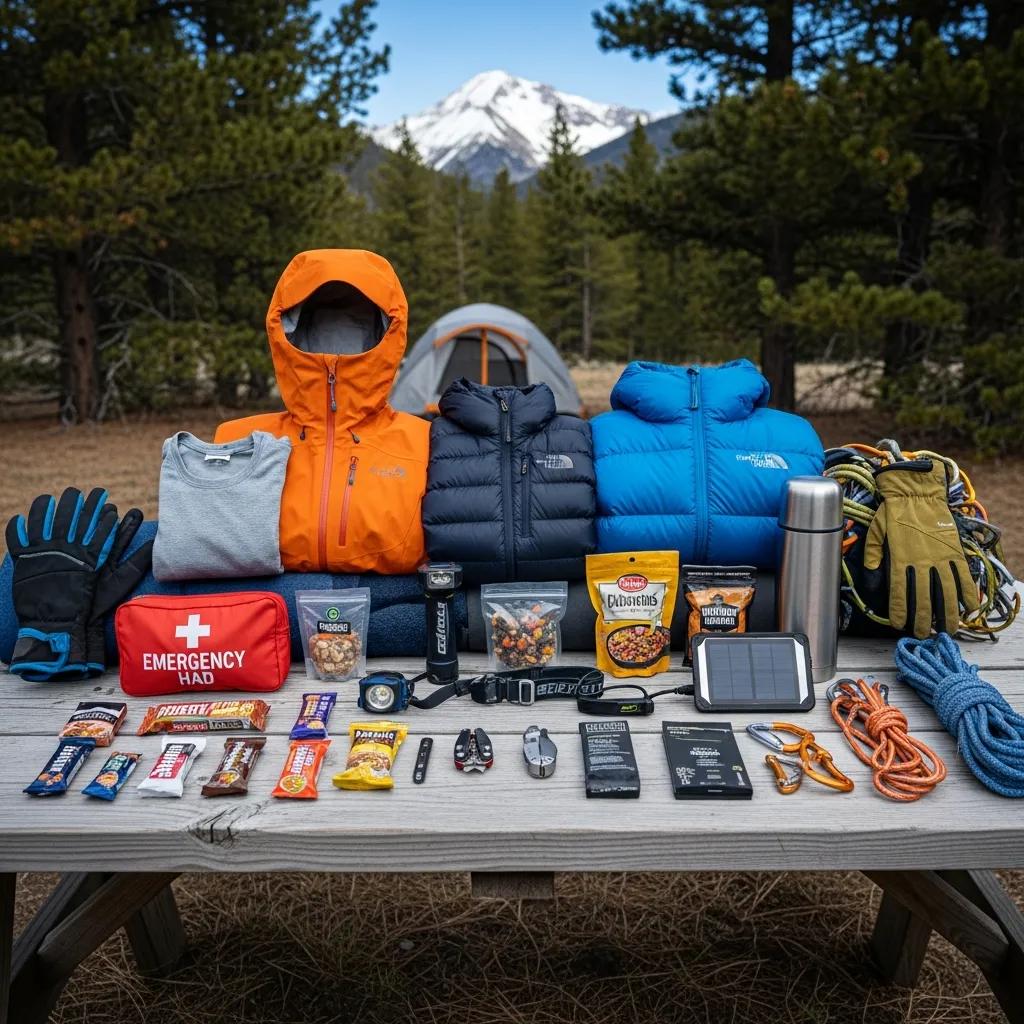
Current Down Jackets Through Backcountry
The live module pulls from the Global Summit Guide gear catalog. The verified Gear Ads tag is down-jackets, so current inventory can rotate without hard-coding stale retailer prices.
Shop Current Down Jackets
Use the framework above first, then compare current sizes, colors and inventory.
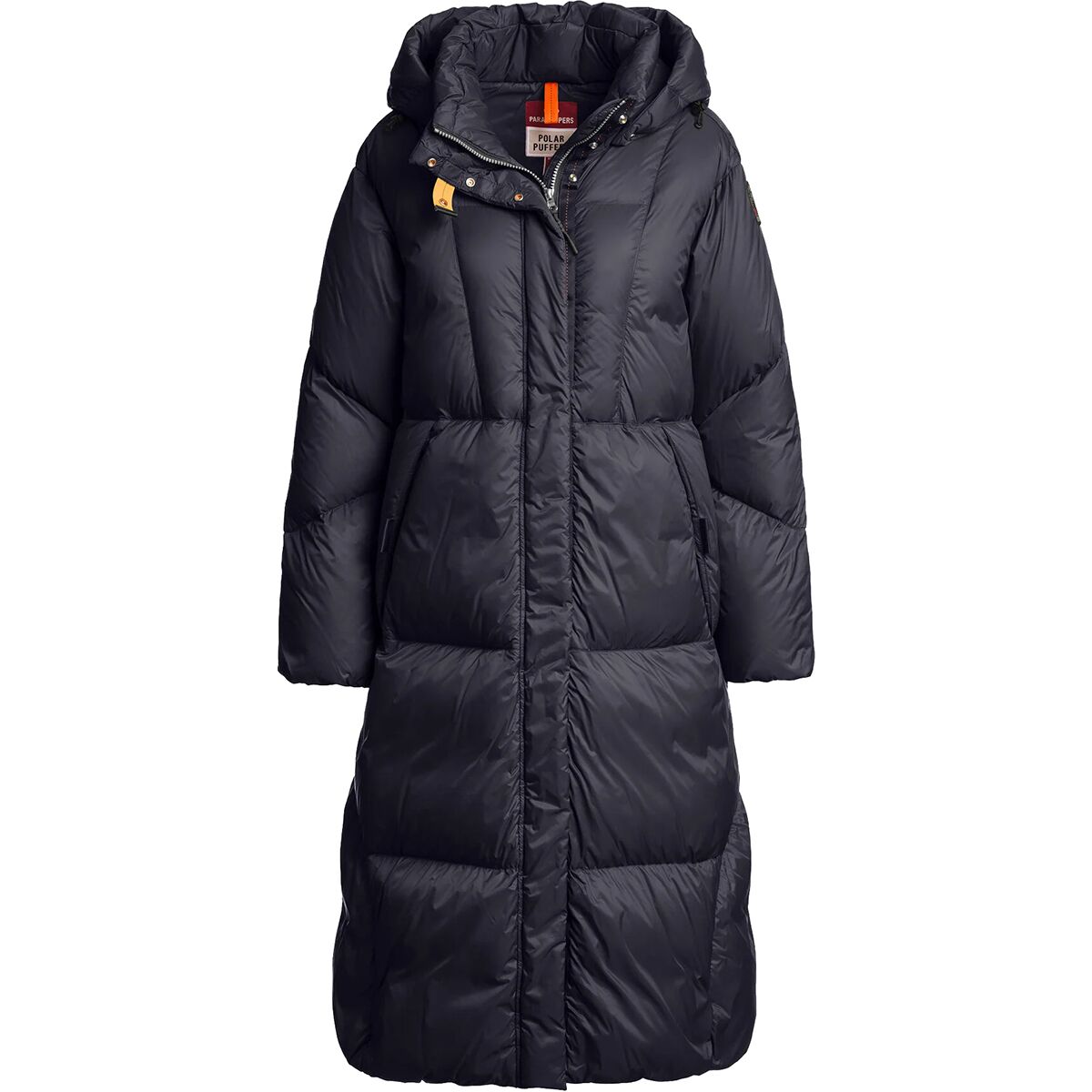
- ParajumpersParajumpers Liu Hooded Down Coat – Women's$873.60
$1,248Check price at Back Country (opens in a new tab)
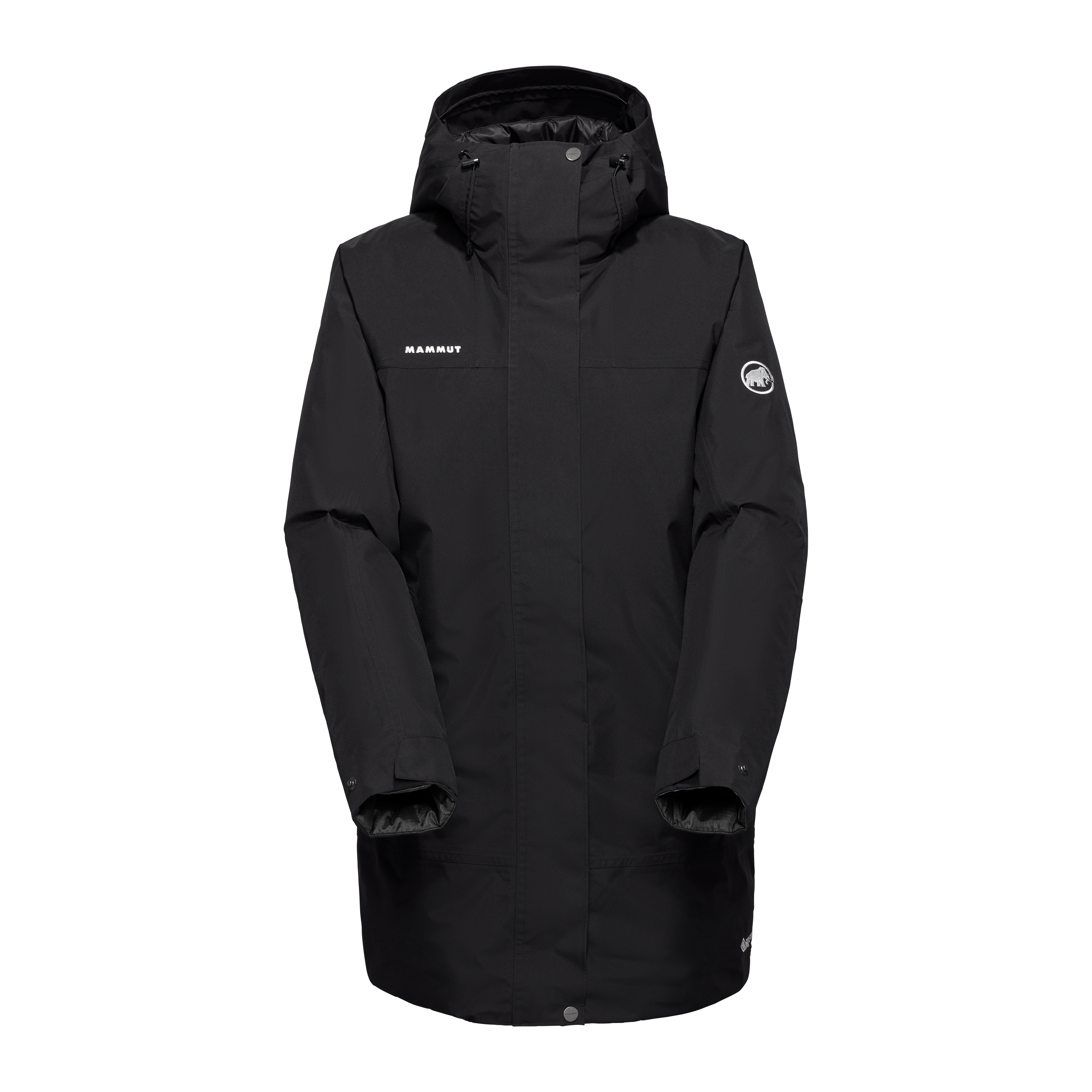
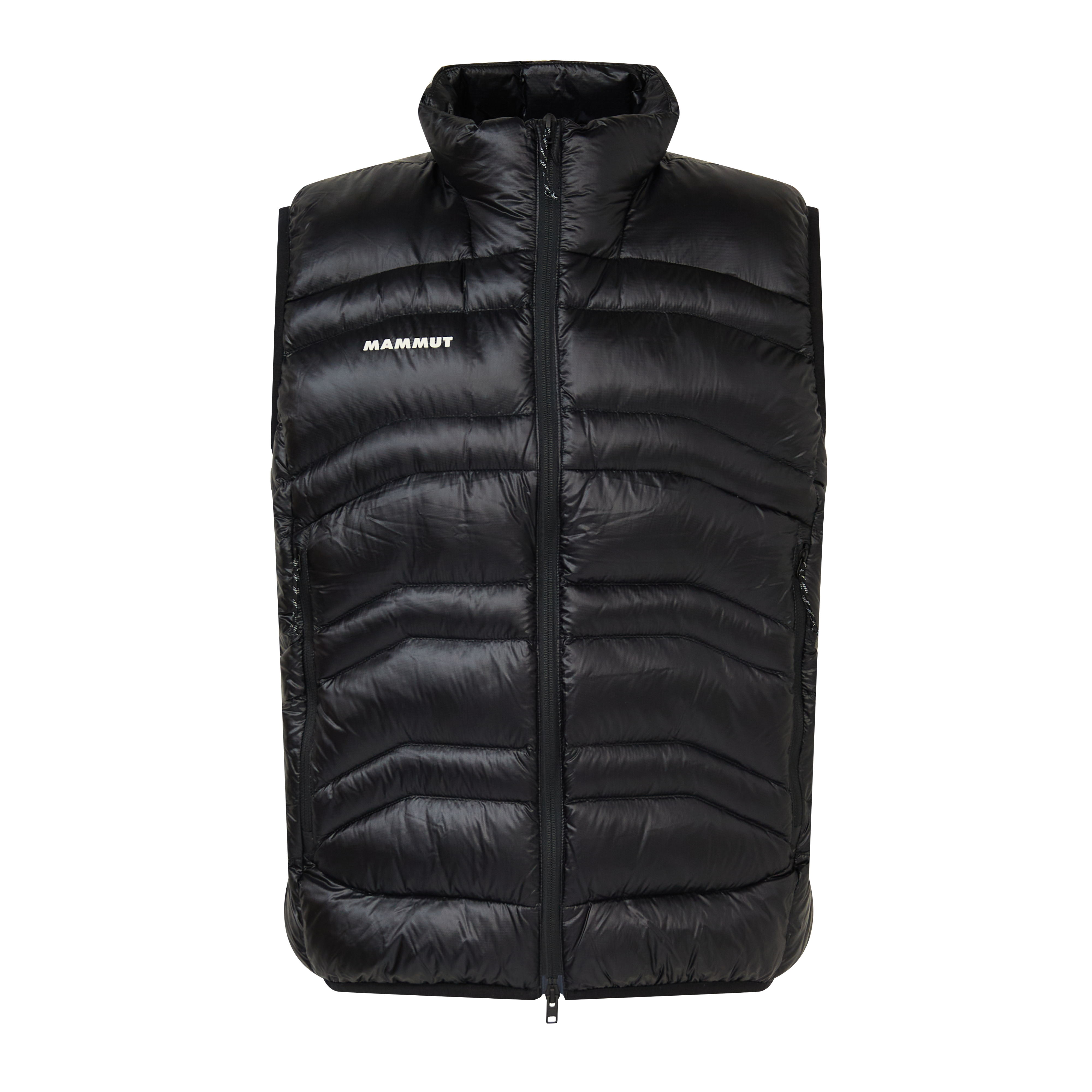
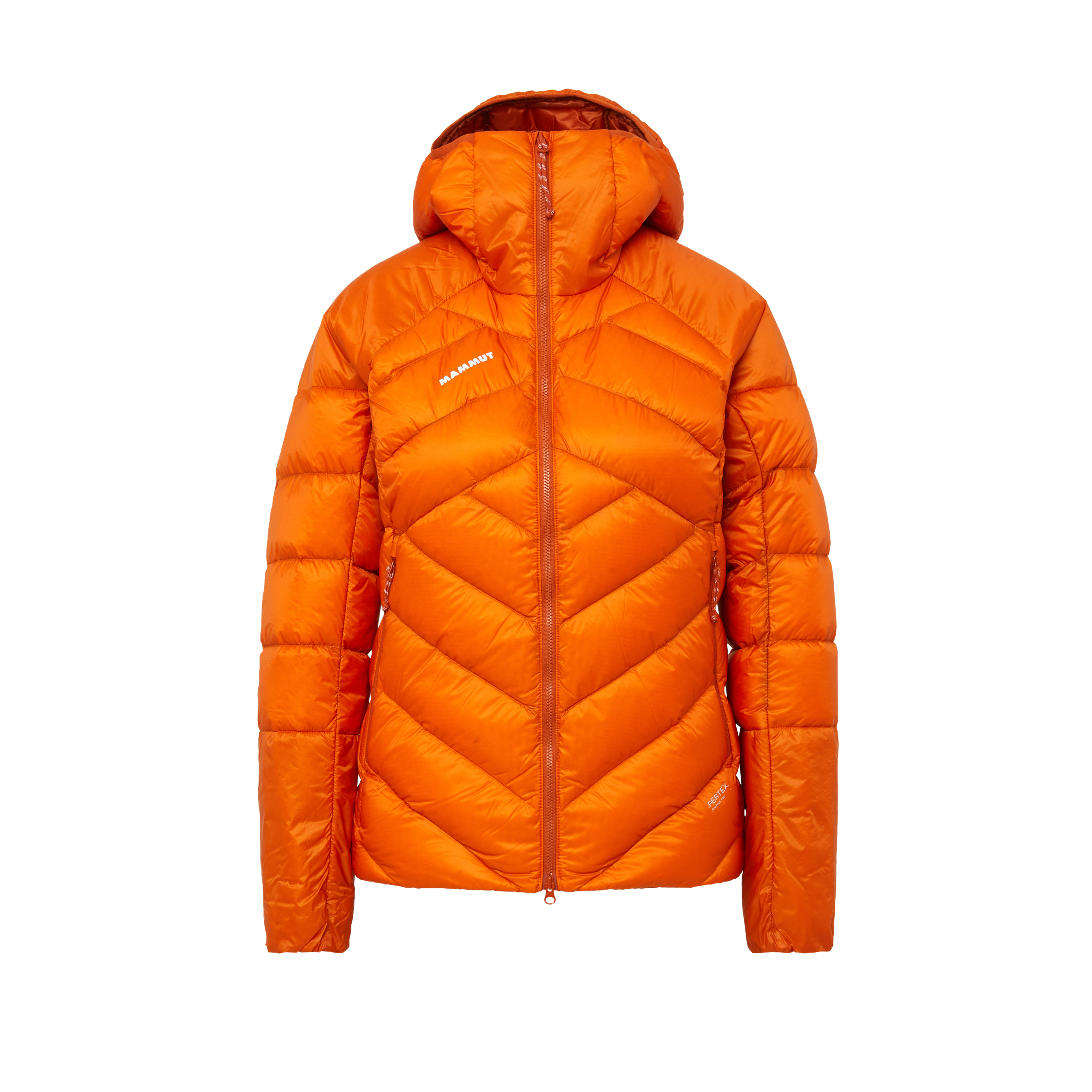

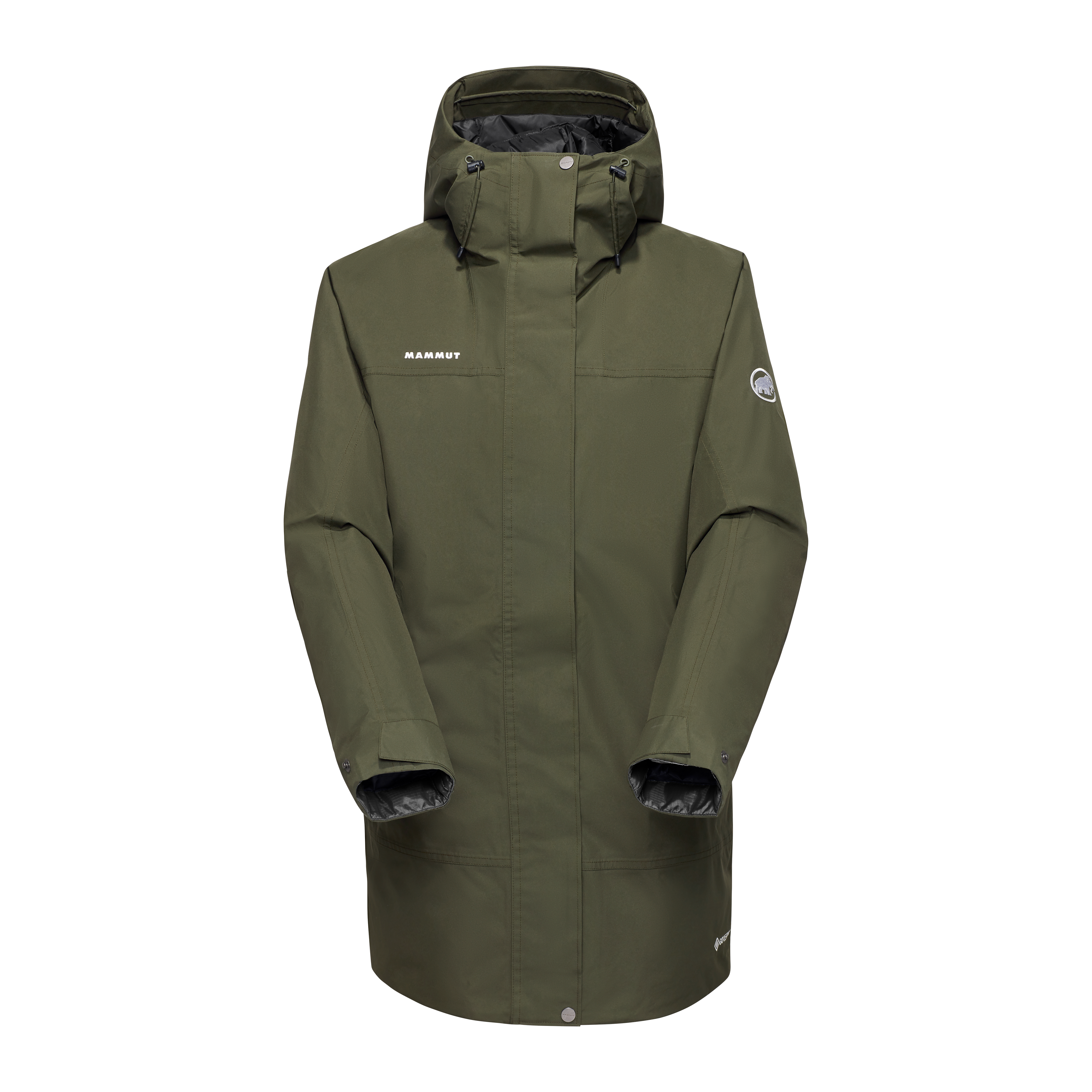
Mammut Down Jackets
The Broad Peak IN Hooded is a particularly strong fit for this page because Mammut currently positions it for mountaineering, ski touring, hiking and trekking, with 800 cuin hydrophobic down and a 20D Pertex Quantum shell.
Current Mammut down jackets
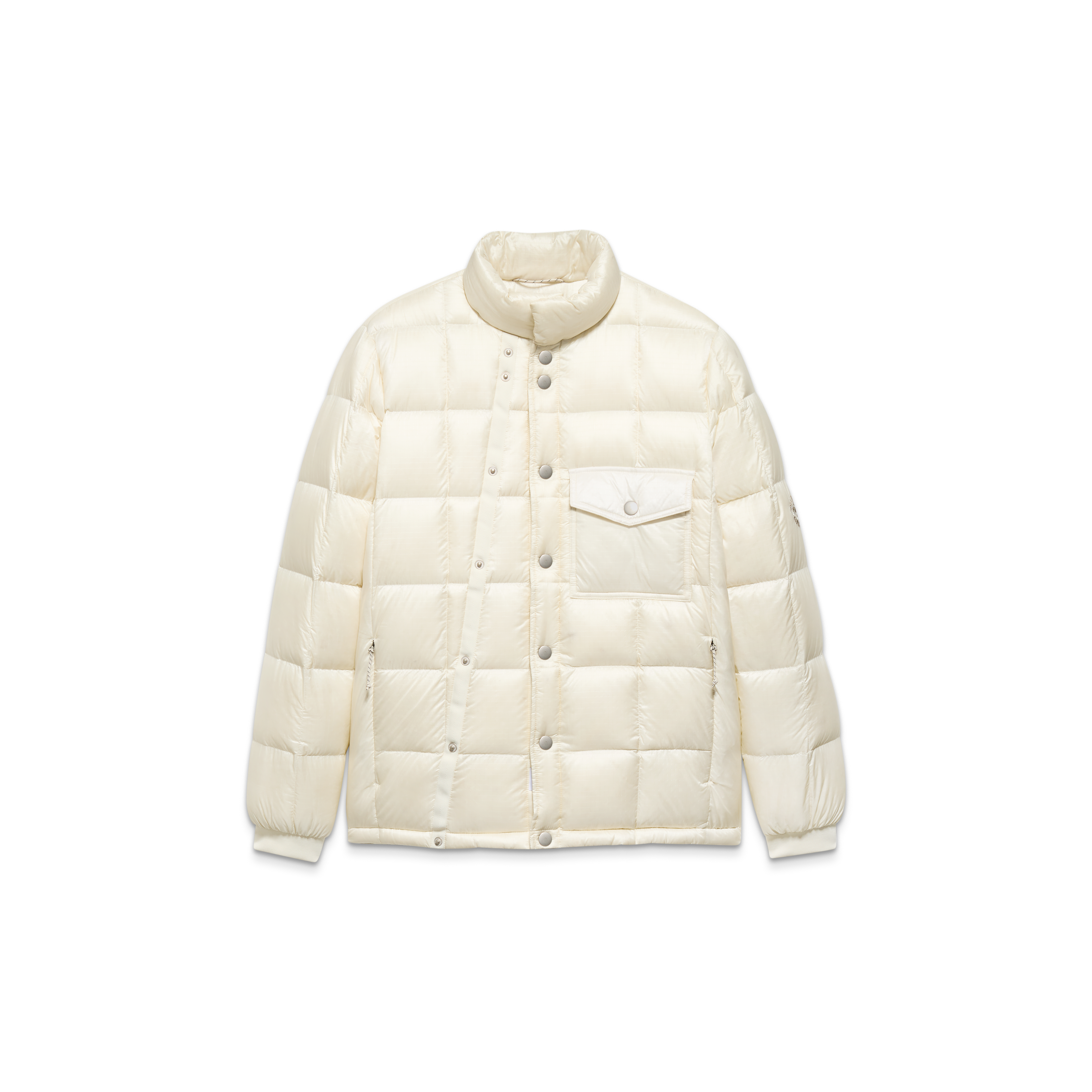
Cotopaxi Fuego & Current Down Jackets
The current Fuego 2.0 remains an 800-fill, packable general-purpose jacket with a recycled nylon shell and updated fit. It belongs in the hiking, travel and all-around mountain category rather than the technical belay-parka category.
Current Cotopaxi down jackets



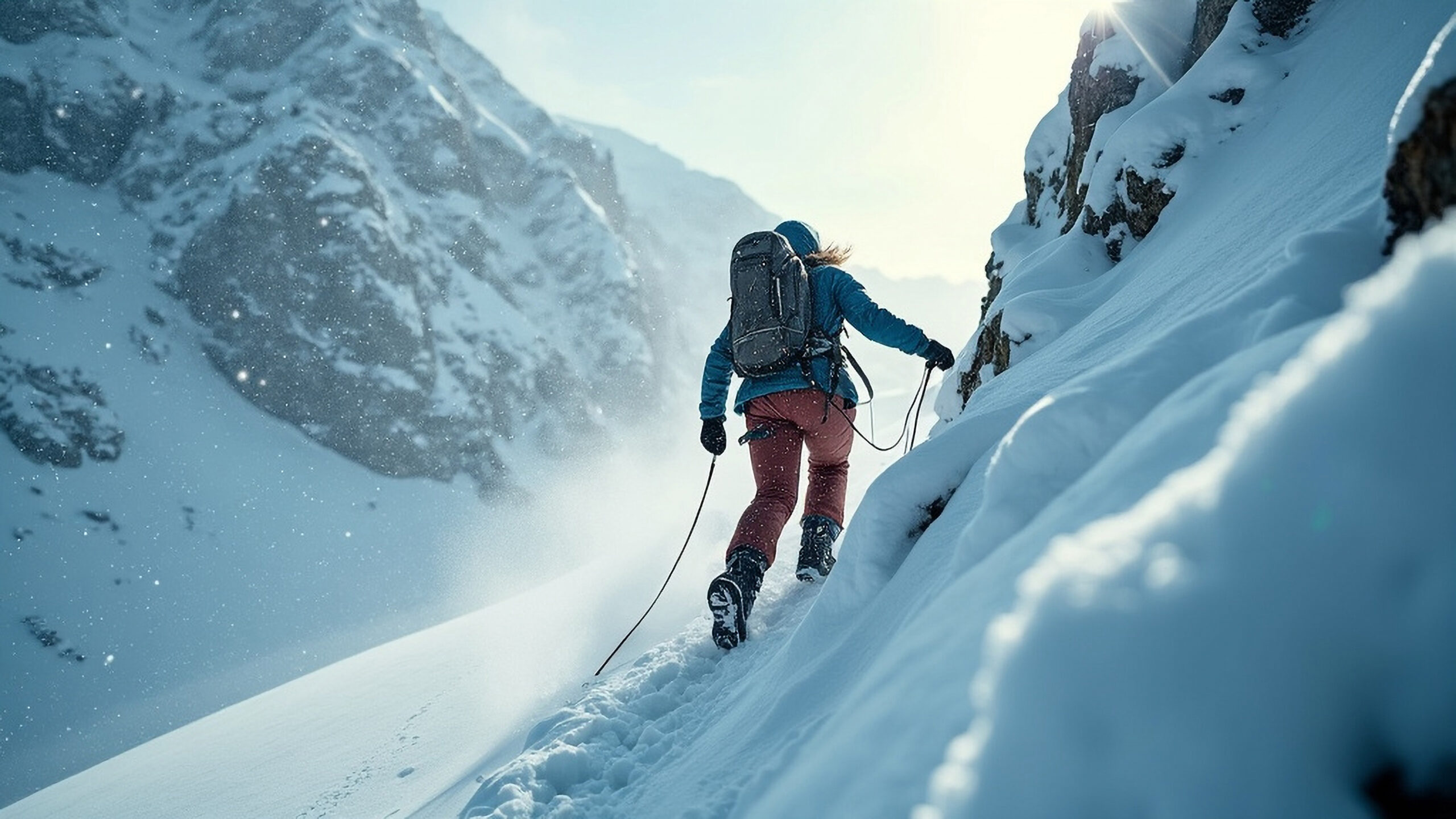
A Down Jacket Is Not a Storm Shell.
DWR treatments and tightly woven shells can shed light snow and short exposure, but most down jackets are not waterproof. Sustained wet snow, rain and wind-driven precipitation still call for a hardshell or a more weather-resistant insulation strategy.
Hydrophobic down treatments can slow moisture absorption. They do not make down waterproof. The real protection comes from keeping the insulation dry through shell choice, ventilation, pack storage and camp management.
How to Wash, Dry & Store Down Jackets
Down performs because it traps air. Dirt, body oils, long-term compression and incomplete drying reduce loft.
Follow the garment label
Use the manufacturer’s current care instructions and avoid fabric softener unless the label explicitly allows it.
Dry completely
Low-heat tumble drying with clean dryer balls or tennis balls is commonly used to break up clumps and restore loft when permitted by the label.
Do not leave compressed
Keep long-term storage loose and dry rather than packed tightly into a stuff sack.
Patch shell damage quickly
A small tear can release down rapidly. Carry compatible repair tape on mountain trips and arrange a permanent repair later.
How This Down-Jacket Guide Is Built
This is a new gap page built to own the broad “best down jackets” intent while feeding into the site’s existing layering, high-altitude and mountain-gear cluster.
Current product verification, no fabricated testing
Global Summit Guide rechecked current September 2026 manufacturer information for Mammut Broad Peak IN Hooded, Cotopaxi Fuego, Patagonia Fitz Roy and Down Sweater, Rab Mythic Alpine, Mountain Hardwear Ghost Whisperer, Arc’teryx Cerium and Outdoor Research Helium Down.
Manufacturer names are listed for transparency, but the published page intentionally avoids non-affiliate outbound manufacturer links. Commercial clicks remain inside Global Summit Guide’s affiliate modules.
No invented stars or personal-testing claims: use-case placement is based on current specifications, construction, intended activity and how each jacket fits into a mountain layering system.
Best Down Jackets FAQ
What fill power is best for a down jacket?
For premium outdoor jackets, 800 fill is common and 850–900 fill can improve warmth-to-weight. But fill power is only an efficiency measurement. Total down weight, baffle design and fit also determine warmth.
Is 800-fill down warm enough for mountaineering?
Yes, depending on how much 800-fill down is in the jacket and what the jacket is designed to do. A light 800-fill hiking puffy and an 800-fill belay parka can have dramatically different warmth.
Is 900-fill always better than 800-fill?
No. 900-fill down is more loft-efficient, but a well-designed 800-fill jacket with more down can be warmer. Compare fill weight and construction, not just the fill-power number.
Is down or synthetic better for mountaineering?
Down generally provides better warmth-to-weight and packability in cold, relatively dry conditions. Synthetic insulation is more forgiving when repeatedly damp and is often better for wet climates or high-output use.
Should a down jacket fit over a hardshell?
A belay parka often should. A lightweight down midlayer usually goes under the shell. Decide whether the jacket is an active layer or an over-everything stop layer before choosing size.
Can a down jacket replace a hardshell?
No. Light DWR and wind resistance do not turn most down jackets into waterproof storm protection.
How should I store a down jacket?
Store it clean, completely dry and uncompressed. Long-term compression reduces the jacket’s ability to loft freely.
Build the Complete Mountain Clothing System
Mountaineering & Hiking Gear Guide
Connect insulation to the complete mountain equipment system.
Layering parentHigh-Altitude Layering Guide
Place the down jacket correctly inside the four-layer system.
How-toMountaineering Layering System
Learn when to add, remove and protect insulation while moving.
Planning toolMountain Gear Planner
Build the insulation system around the actual route and climate.
Sleep systemBest High-Altitude Sleeping Bags
Coordinate overnight insulation with the clothing carried in camp.
Carry systemExpedition Pack Selection
Make room for bulky cold-weather layers without breaking the carry system.
Deep recoveryFrostbite in Climbers
Understand why insulation, circulation and early cold-injury recognition matter together.
Deep recoveryMountain Weather for Climbers
Translate wind, precipitation and freezing level into clothing decisions.
Deep recoveryGear Safety
Audit clothing and equipment as systems rather than isolated products.
Choose the Job First. Then Compare the Down.
Fill power matters. Fill weight matters more than most buyers realize. But the right jacket is the one whose warmth, fit, hood, shell and packability match the mountain conditions where you will actually use it.
Was this helpful?
Global Summit Guide is an independent mountaineering resource founded in 2026. The team combines first-hand trekking and climbing experience with in-depth research and professional health and nutrition review to help climbers choose objectives, prepare properly, and stay safe.
Health, altitude, and nutrition content is reviewed by Taylor Ludlow (Registered Nurse) and Brigg Hoopes (Nutritionist).
What We Don't Know Yet
Mountain information changes quickly. This box explains the limits of what this page can responsibly promise.
- Visa, passport, vaccination, border, insurance, and local transportation rules may change before your trip.
- Route conditions, snowpack, closures, and weather can change quickly after this page is updated.
- Permit rules, fees, quotas, and reservation windows may change between review cycles.
- Operator availability, pricing, guide ratios, and cancellation terms can change by season.
- Your fitness, altitude response, risk tolerance, and experience level may change what is safe or realistic.
Verify current conditions with official land managers, guide services, local forecasts, and current route reports before booking or climbing.
Mountaineering, rock and ice climbing, glacier travel, and high-altitude activity are inherently dangerous and can result in serious injury or death. The information on Global Summit Guide is provided for general informational and educational purposes only and is not a substitute for professional instruction, qualified guiding, proper equipment, or your own judgment and experience.
Route conditions, weather, snowpack, permits, regulations, and hazards change constantly and may differ from what is described here. Details may be incomplete, out of date, or contain errors. Always verify current information with local authorities, certified guides, and official sources before making any decision in the mountains.
Nothing on this site is medical, legal, or financial advice. Our fitness, acclimatization, altitude, and nutrition content is general in nature; consult a qualified physician before beginning any strenuous exercise program or exposing yourself to high altitude.
You are solely responsible for your own safety and decisions. To the fullest extent permitted by law, Global Summit Guide and its team accept no liability for any loss, injury, damage, or expense arising from use of, or reliance on, this information. By using this site you acknowledge these risks and accept these terms.
Some links on this site may be affiliate links. If you buy through them we may earn a small commission at no extra cost to you; this never affects our recommendations.
Global Summit Guide recommendation path
Next Best Mountain to Research
Use these recommendations to continue the right planning path instead of stopping on one page.
Use current permit, weather, route, and operator information before booking or climbing.