
Last updated September 30, 2026
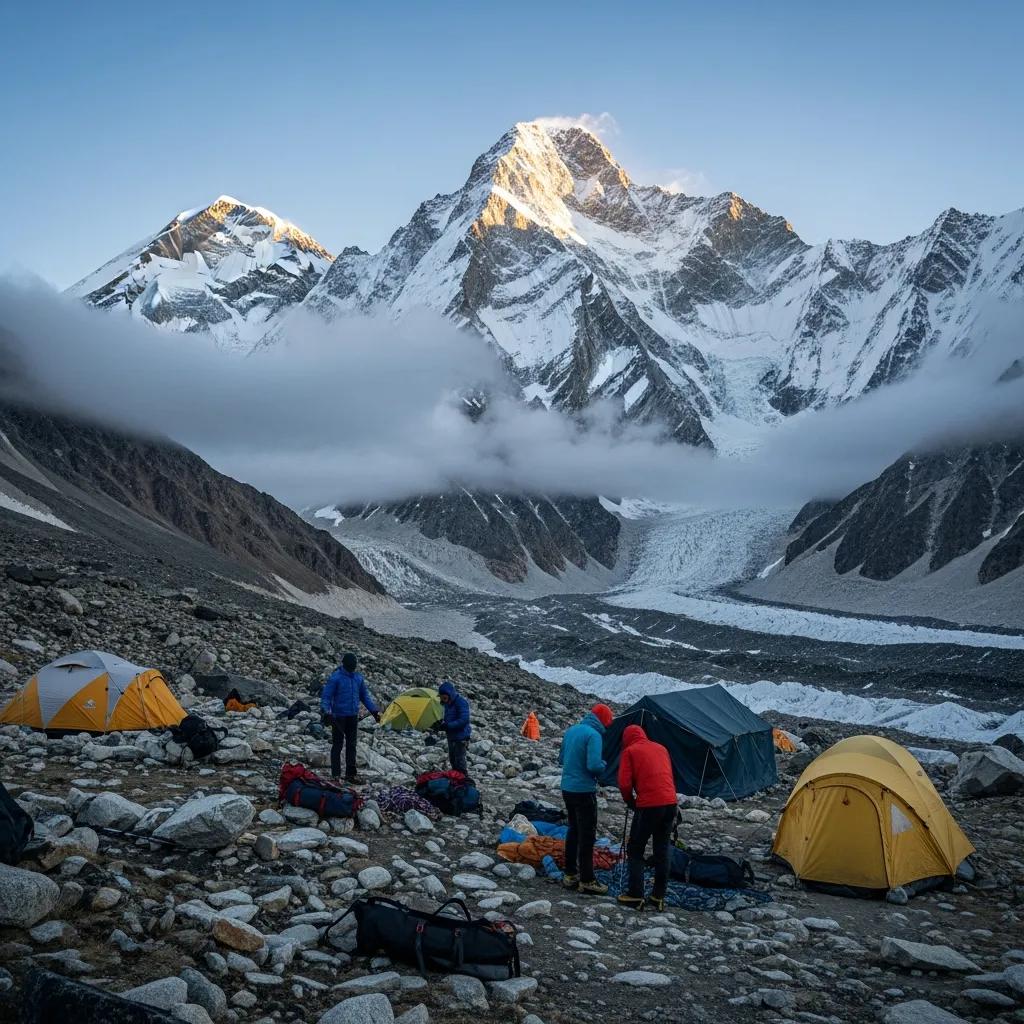
Best Base Layers for Hiking & Mountaineering: 8 Picks by Use
A base layer has one primary job: manage moisture next to your skin while adding only the warmth you actually need. The best choice depends on output, temperature, trip length and whether you value fast drying, odor resistance or maximum thermal efficiency.
For Most Mountain Users, a Lightweight-to-Midweight Base Layer Is More Versatile Than the Warmest Option.
Most hikers create far more heat while climbing than they expect. Starting in a thick thermal layer often leads to early sweating, which then makes insulation management harder when the pace slows. A close-fitting lightweight or midweight layer usually gives a wider operating range.
Choose merino when odor resistance, next-to-skin comfort and multi-day wear are priorities. Choose synthetic when fast drying, durability and high-output performance matter most. Choose a blend when you want a compromise between those strengths.
For cold expeditions, do not solve every temperature problem with a thicker base layer. Keep the base relatively moisture-focused and add warmth with active insulation, fleece, down and shell layers that can be removed independently.
8 Base Layers Worth Comparing in 2026
These are grouped by use case rather than ranked from first to eighth. Current product families and specifications were rechecked in September 2026.
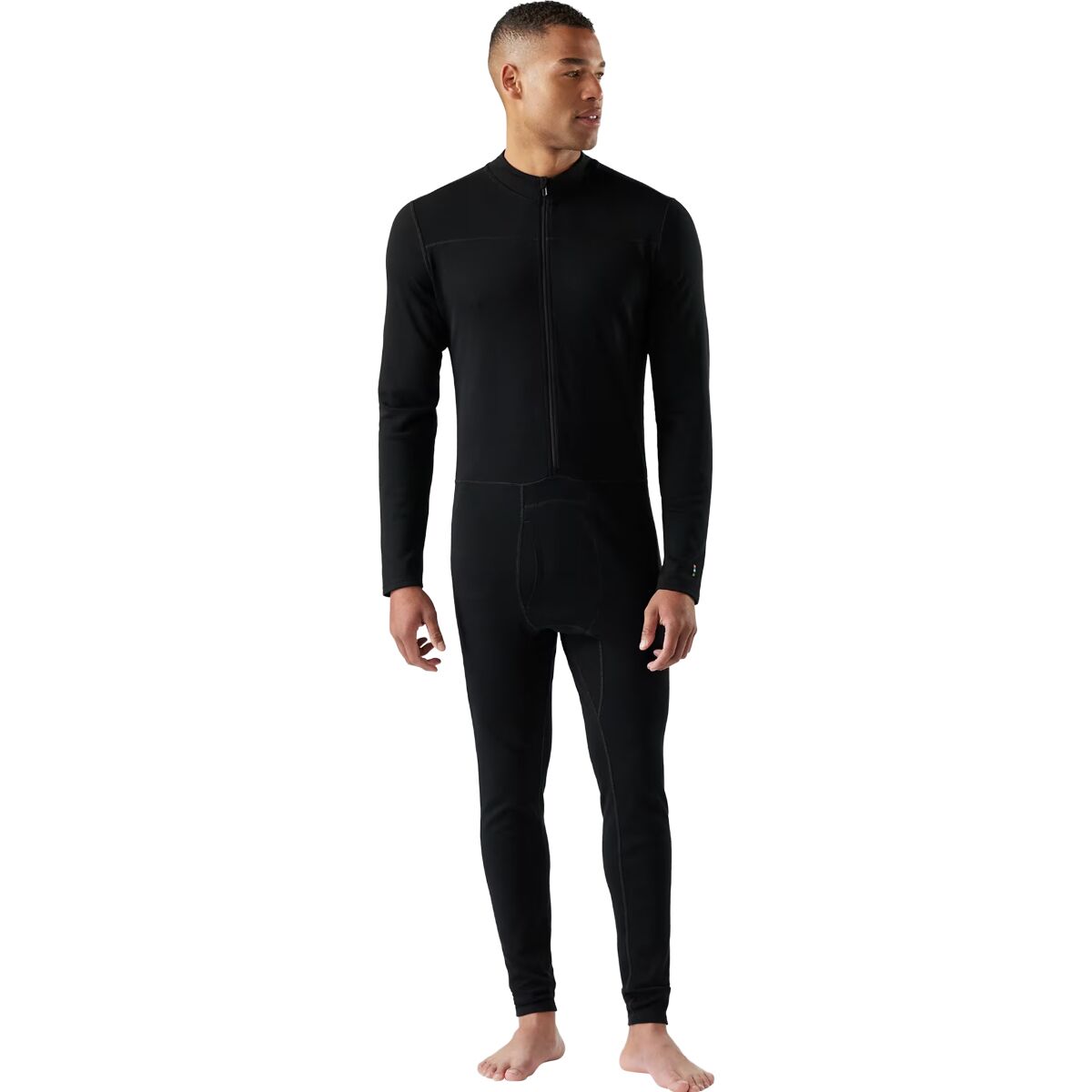
Smartwool Classic Thermal Merino 1/4 Zip
A warm merino option for cool-to-cold conditions, with venting from the zip and strong odor resistance for repeated wear.
- 250 g/m²-class merino line
- Best for cold hiking, skiing and slower alpine days
- Trade-off: slower drying than synthetics
Icebreaker Merino 200 Oasis Long Sleeve Crewe
A straightforward 100% merino base layer that sits in the versatile middle of the warmth range.
- 200-weight merino jersey
- 100% merino wool
- Best for trekking, travel and moderate-cold mountain use
Patagonia Capilene Midweight Crewneck
A recycled-polyester midweight layer built for repeated winter movement and fast moisture management.
- 100% recycled polyester
- Midweight synthetic
- Best for hiking, climbing and cold active use
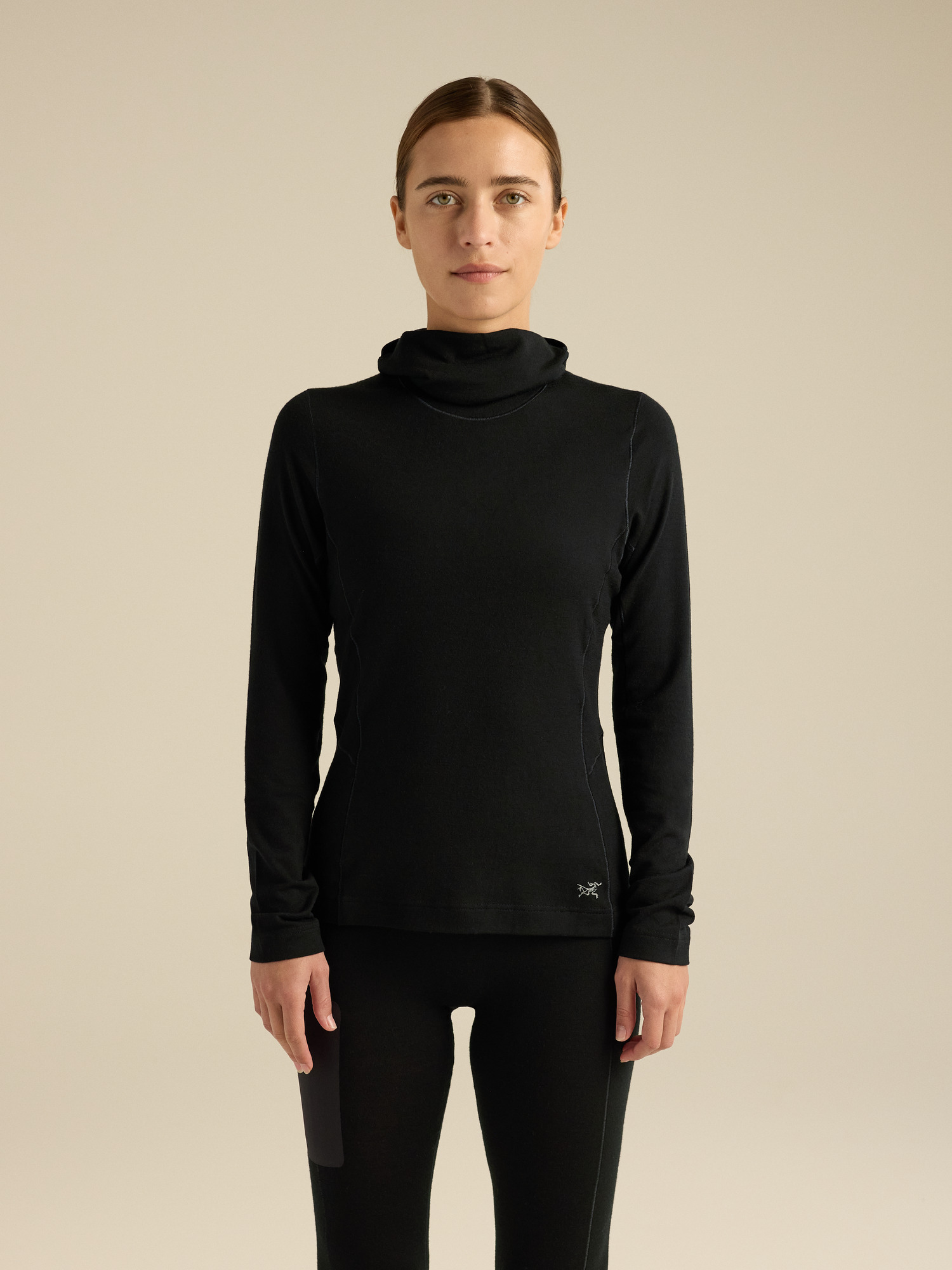
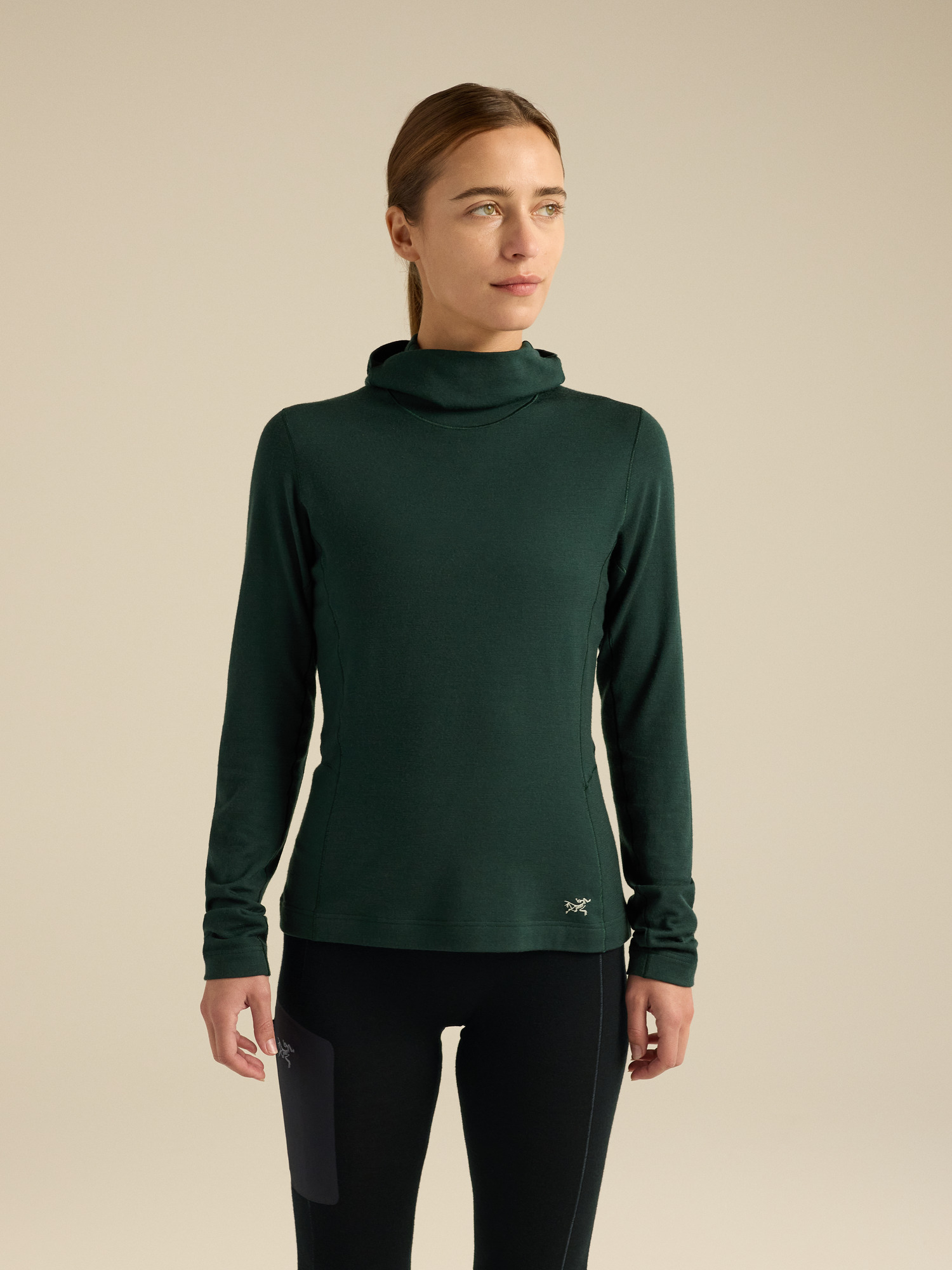
Arc’teryx Rho LT Crew Neck
A trim, brushed synthetic layer aimed at mixed-output activities in cool and cold conditions.
- 185 gsm Torrent stretch fleece
- 84% polyester / 16% elastane
- 230 g men’s reference weight
Outdoor Research Alpine Onset Merino 150 Crew
A light merino-synthetic blend for high-output hikes and shoulder-season mountain use.
- 53% merino / 42% polyester / 5% Lycra
- 150 gsm class
- Best for higher-output movement
Smartwool Classic All-Season Merino
A lighter merino-blend category for hikers who want odor control without committing to a heavy thermal wool layer.
- 150 g/m²-class line
- Merino blend
- Best for three-season trekking and active winter layering
Patagonia Capilene Thermal Weight Crew
A grid-fleece synthetic that traps more warmth while still moving moisture during cold active days.
- Polartec Power Grid
- 92% recycled polyester / 8% spandex
- 5.2 oz current men’s reference
Rab Sonic Ultra Zip
A lighter zipped synthetic option for running, fast hiking and high-output mountain movement where venting matters.
- Lightweight category
- Zip-neck ventilation
- Best for fast / sweaty efforts
Important: “lightweight,” “midweight” and “thermal” are not standardized across brands. Compare actual fabric weight and construction when available rather than assuming every brand uses the same category boundaries.
| Base layer | Material direction | Warmth class | Best use | Main trade-off |
|---|---|---|---|---|
| Smartwool Classic Thermal 1/4 Zip | Merino | Mid / thermal | Cold trekking + winter mountain use | Slower drying |
| Icebreaker 200 Oasis | 100% merino | Midweight | Multi-day hiking + travel | Less abrasion-resistant than many synthetics |
| Patagonia Capilene Midweight | Synthetic | Midweight | Cold active hiking / climbing | Can retain odor more than merino |
| Arc’teryx Rho LT | Synthetic stretch fleece | Light-mid thermal | Cool / cold mixed output | Warmer than needed for hard uphill work |
| OR Alpine Onset Merino 150 | Merino blend | Lightweight | High-output hiking / touring | Less warmth for slow cold days |
| Smartwool Classic All-Season | Merino blend | Lightweight | Three-season / active winter | Less thermal margin than 250-class wool |
| Patagonia Capilene Thermal Weight | Synthetic grid fleece | Thermal | Cold active use | Too warm for many mild approaches |
| Rab Sonic Ultra Zip | Synthetic | Lightweight | Fast hiking / running | Less cold-weather warmth |
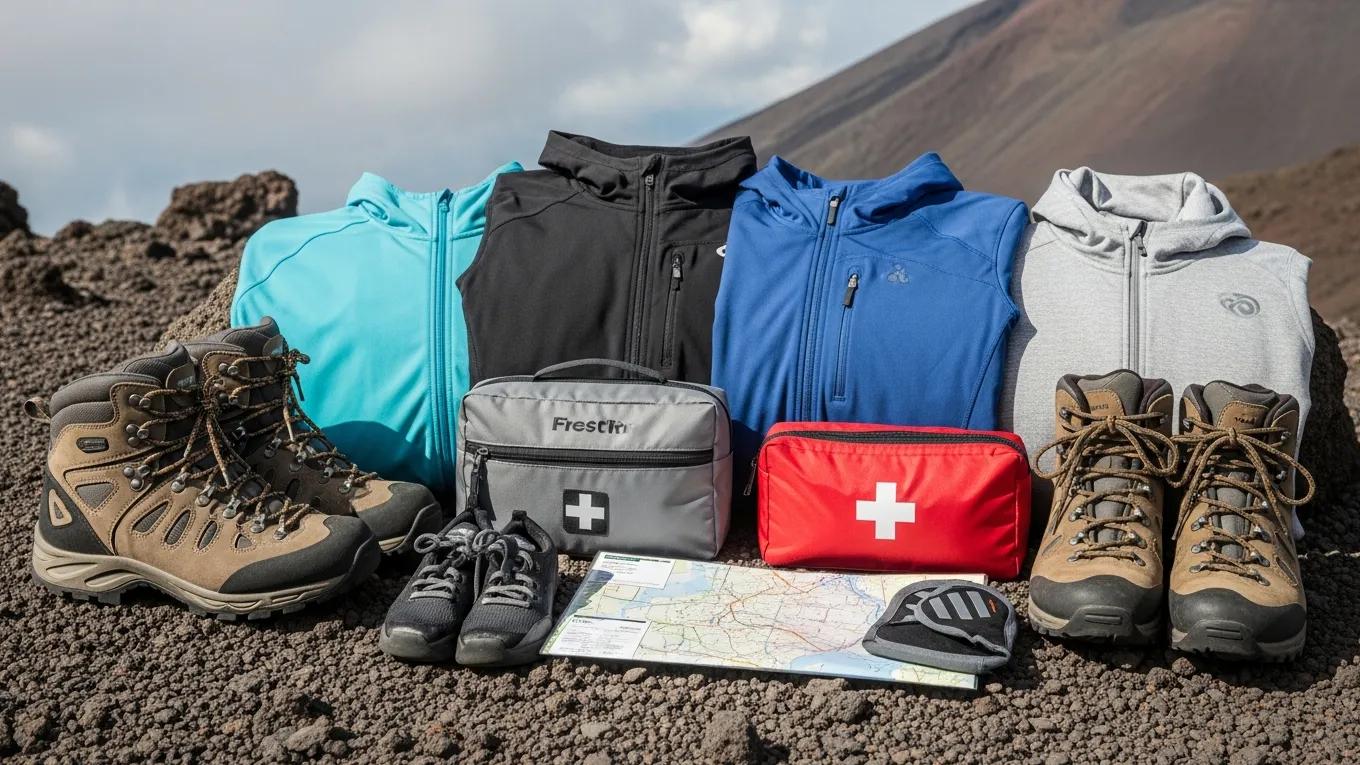
Merino vs Synthetic vs Blends
Merino: excellent odor resistance, comfortable next to skin and useful across multi-day trips. It can absorb substantial moisture without immediately feeling clammy, but it usually dries more slowly than polyester and can be less durable under abrasion.
Synthetic: typically dries faster, survives hard repeated use well and often costs less. For high-output uphill movement, that fast-drying behavior is a major advantage.
Blends: use nylon, polyester or elastane to improve stretch, durability, drying or shape retention while keeping some of merino’s odor and comfort advantages.
Lightweight, Midweight or Thermal?
Fabric weight is useful, but construction changes warmth. A grid fleece and a smooth merino knit at similar grams per square meter can feel very different.
Lightweight
Best for high-output movement, milder weather and hikers who run warm. Often ideal under a fleece or shell because it manages moisture without adding much insulation.
Midweight
The broadest-use category for cool-to-cold hiking, trekking and winter movement. Enough warmth for cold starts without automatically becoming oppressive on climbs.
Thermal / heavyweight
Useful for low-output cold, frigid starts and people who run cold. Often too warm as the only next-to-skin answer for sustained steep uphill movement.
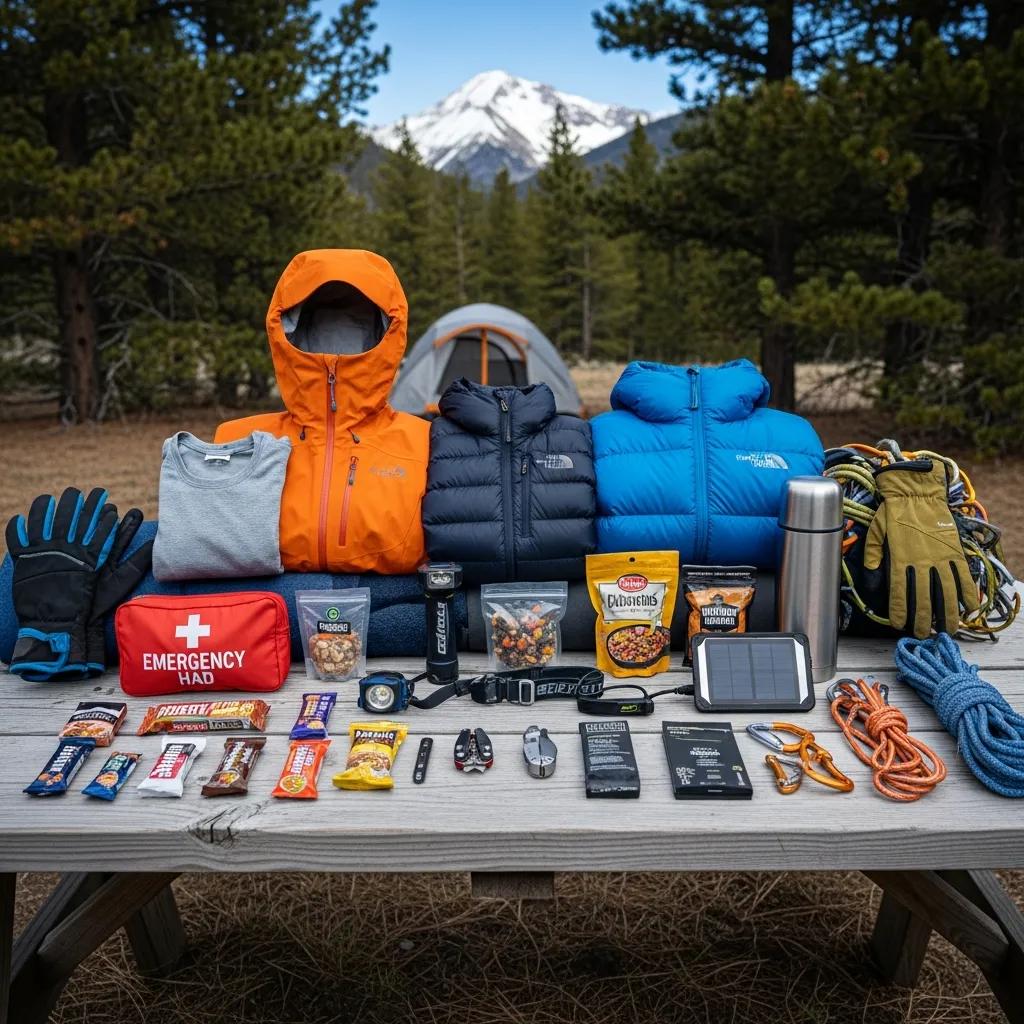
Close to the Skin—Without Restricting Movement.
A base layer cannot move moisture efficiently if it hangs like a loose sweatshirt, but compression is not the goal either.
Close contact
The fabric should touch most of the torso without pulling across the chest or restricting breathing.
Full reach
Raise both arms overhead. Backpacking and climbing movement should not drag the hem upward.
Stay away from pressure points
Flatlock or offset shoulder seams reduce rubbing under pack straps and harnesses.
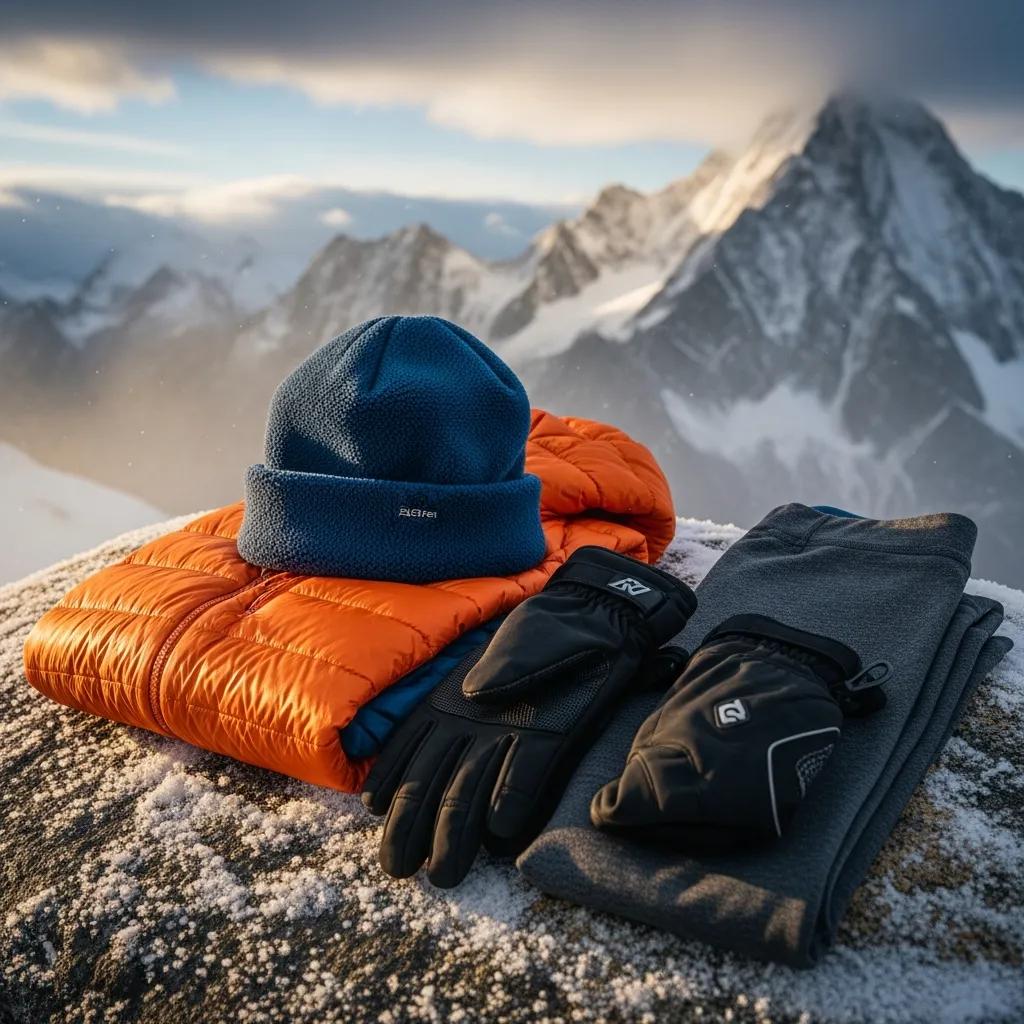
You May Need a Base-Layer Top Long Before You Need Bottoms.
Legs create substantial heat while hiking uphill. Wearing thermal bottoms too early can create unnecessary sweat that becomes a liability later.
| Scenario | Top | Bottom | Reasoning |
|---|---|---|---|
| Mild three-season hiking | Lightweight | Usually none | Upper body moisture control matters more; legs often stay warm from movement. |
| Cool backpacking | Light / midweight | Optional light | Bottoms can double as camp or sleep clothing. |
| Winter day hiking | Light / midweight | Light / midweight | Wind, snow and colder starts increase lower-body heat loss. |
| Alpine summit day | Midweight or route-specific | Light / midweight | Long cold starts and exposed ridgelines can justify full-body base layers. |
| High-altitude expedition | Multiple dry rotation options | At least one cold-weather set | Dry clothing redundancy becomes more important than owning one “perfect” garment. |
Altitude Does Not Automatically Mean a Heavy Base Layer.
A climber can be working extremely hard at altitude even when the air is cold. If you begin the climb overdressed, sweat can accumulate before the first major break.
Use the base layer to stay reasonably dry while moving. Add fleece or active insulation when output drops, use down for longer cold stops, and use the shell to block wind and precipitation.
On expedition trips, pack rotation matters. A dry base layer reserved for camp, sleep or summit day may be more valuable than carrying one very heavy top for every stage.
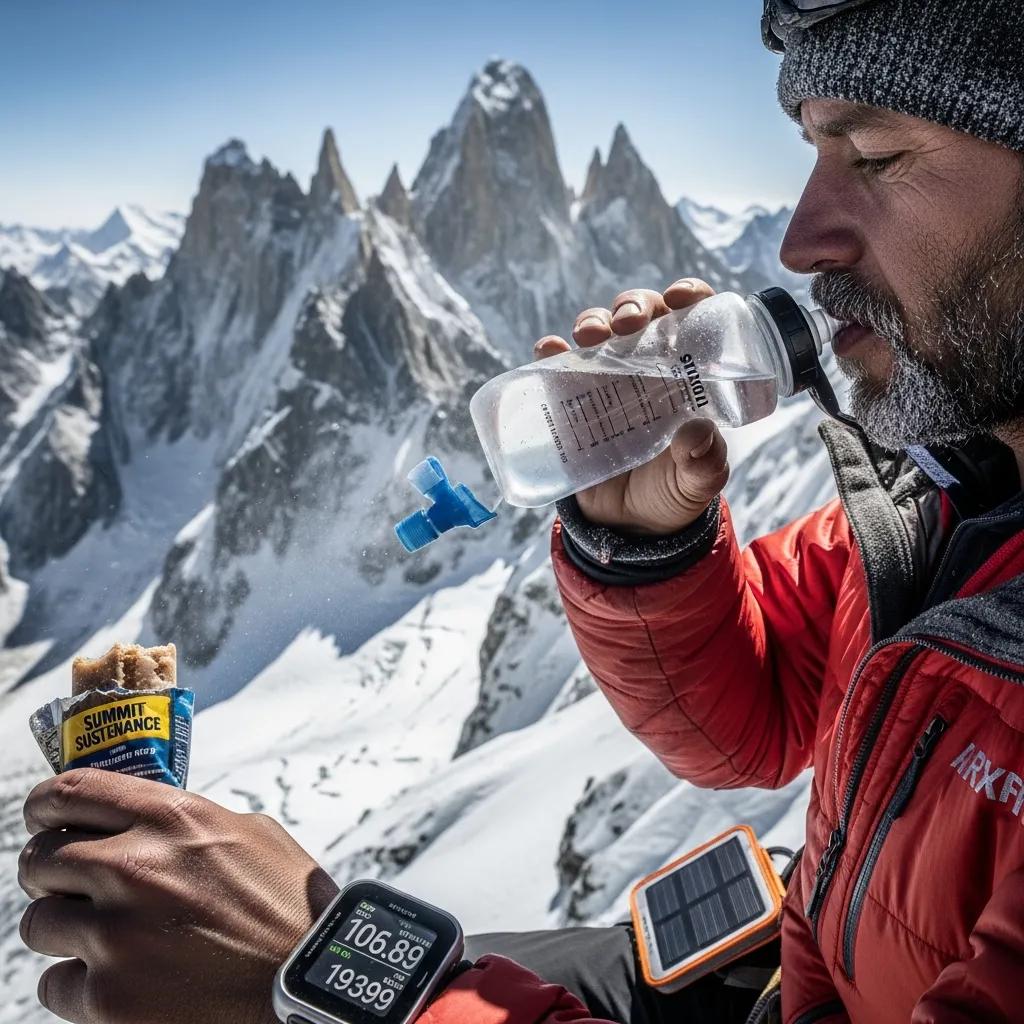
Current Base Layers in the Gear Catalog
Because the live Gear Ads tag registry cannot currently be queried from this environment, this build avoids claiming that a category tag is valid. It uses a title search instead.
Shop Current Base Layers
Searches the live product catalog for “baselayer” instead of relying on an unverified category tag.
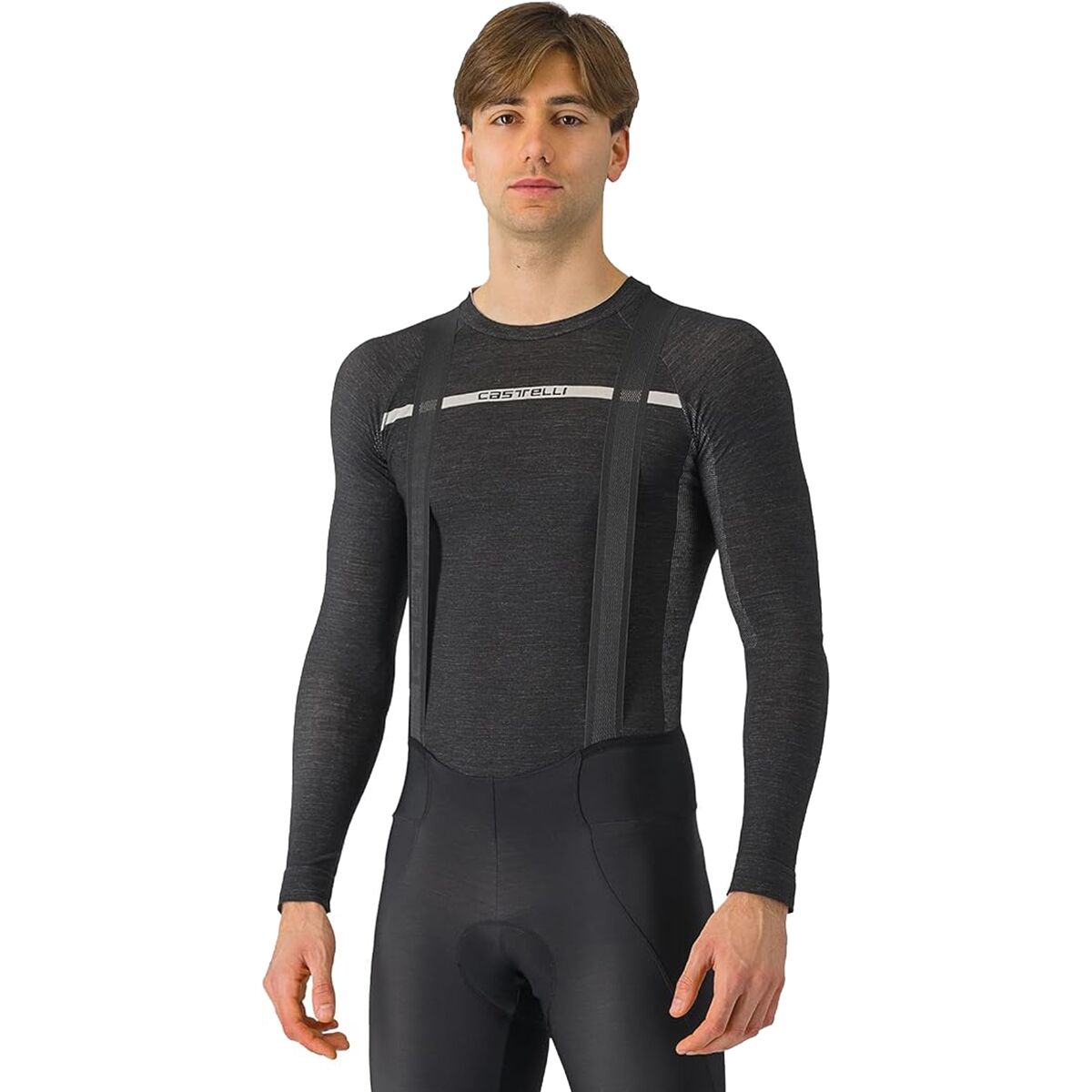
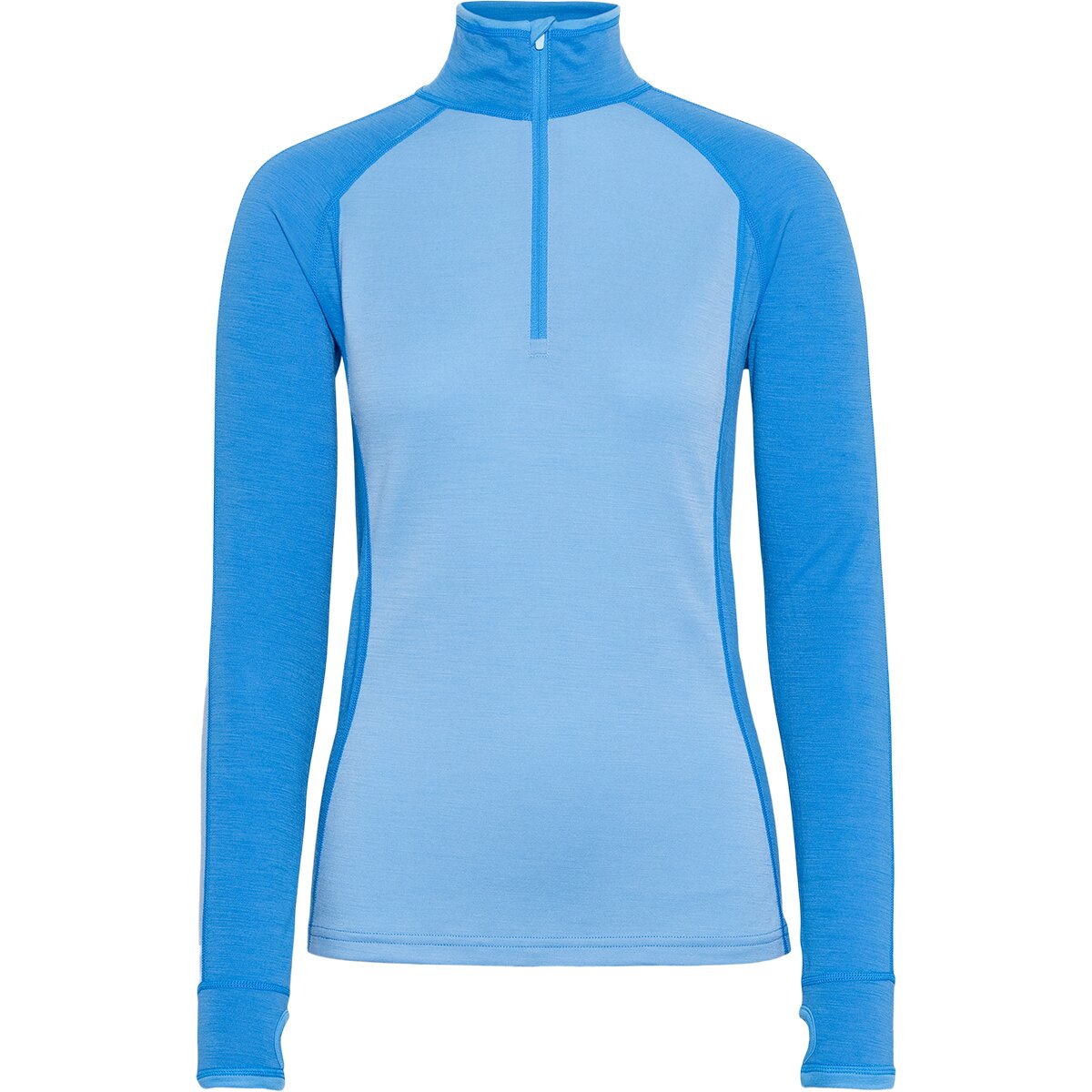
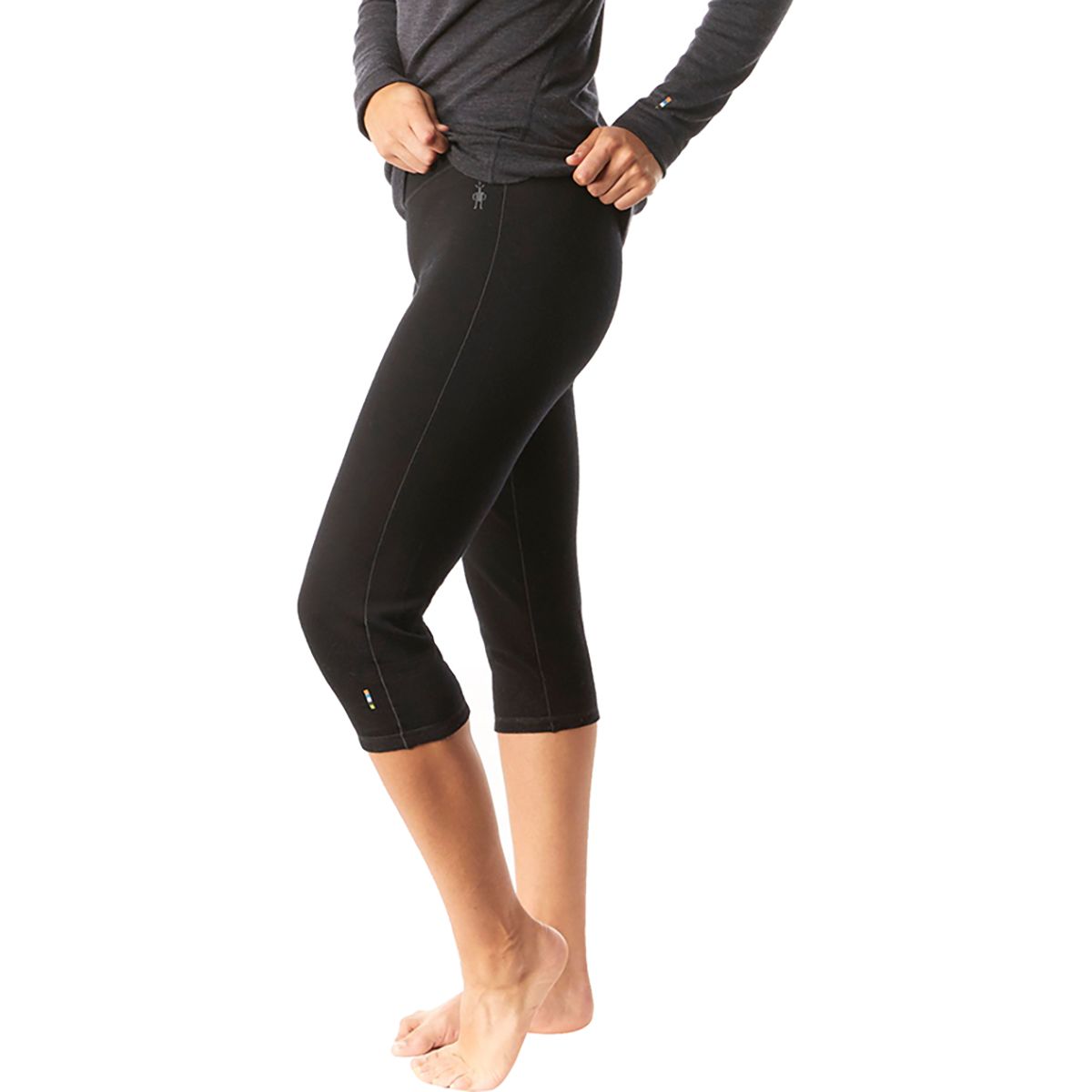
Current Base Layers
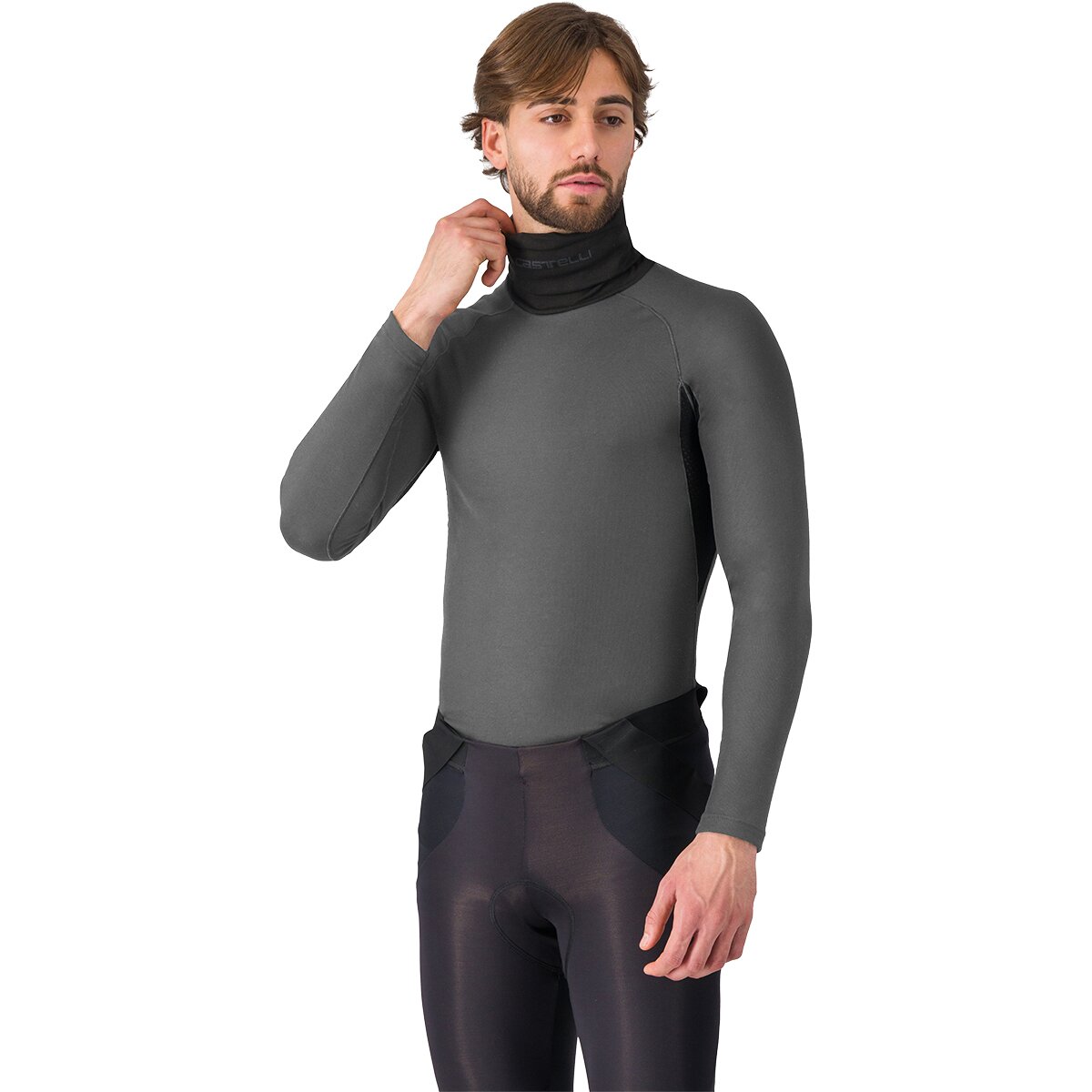

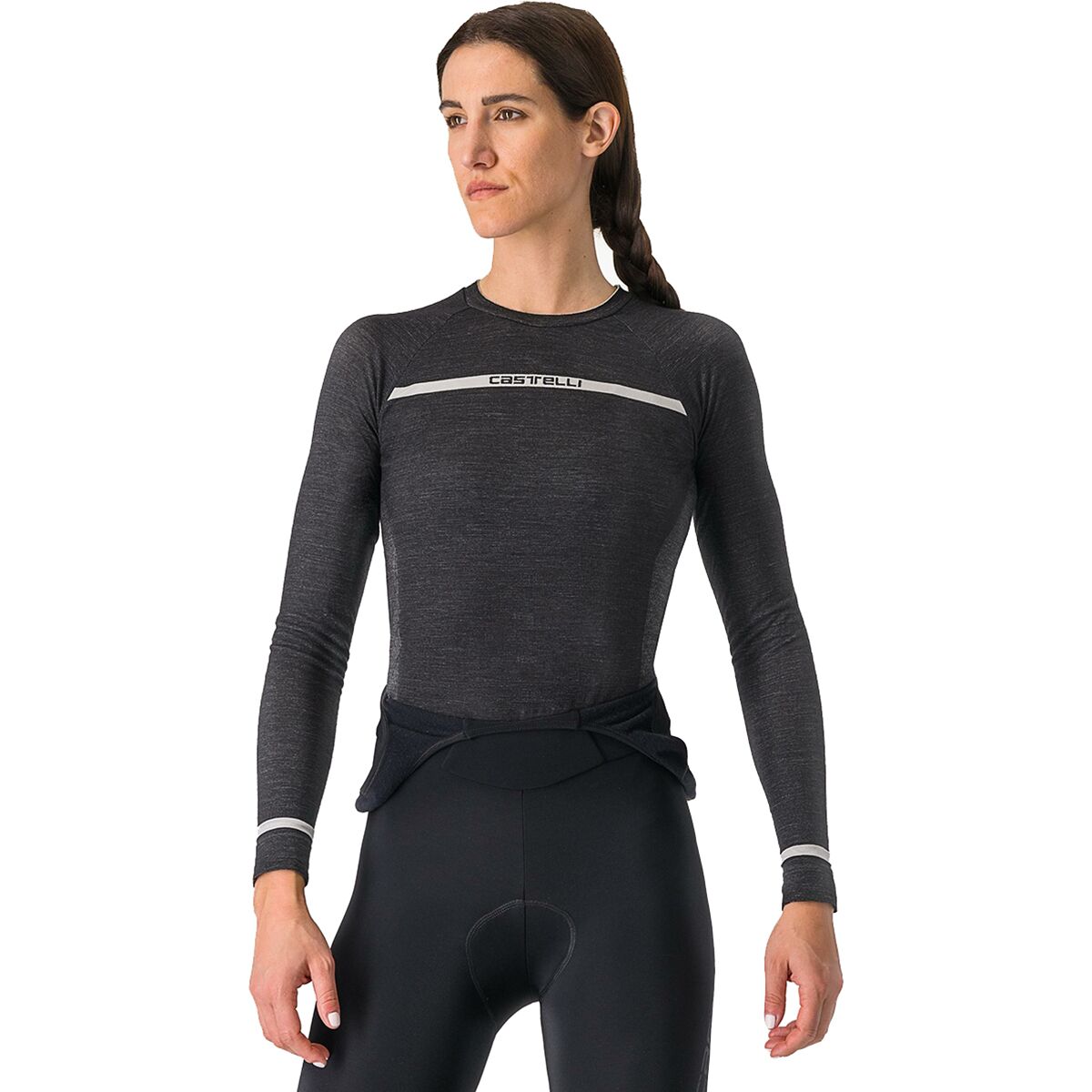
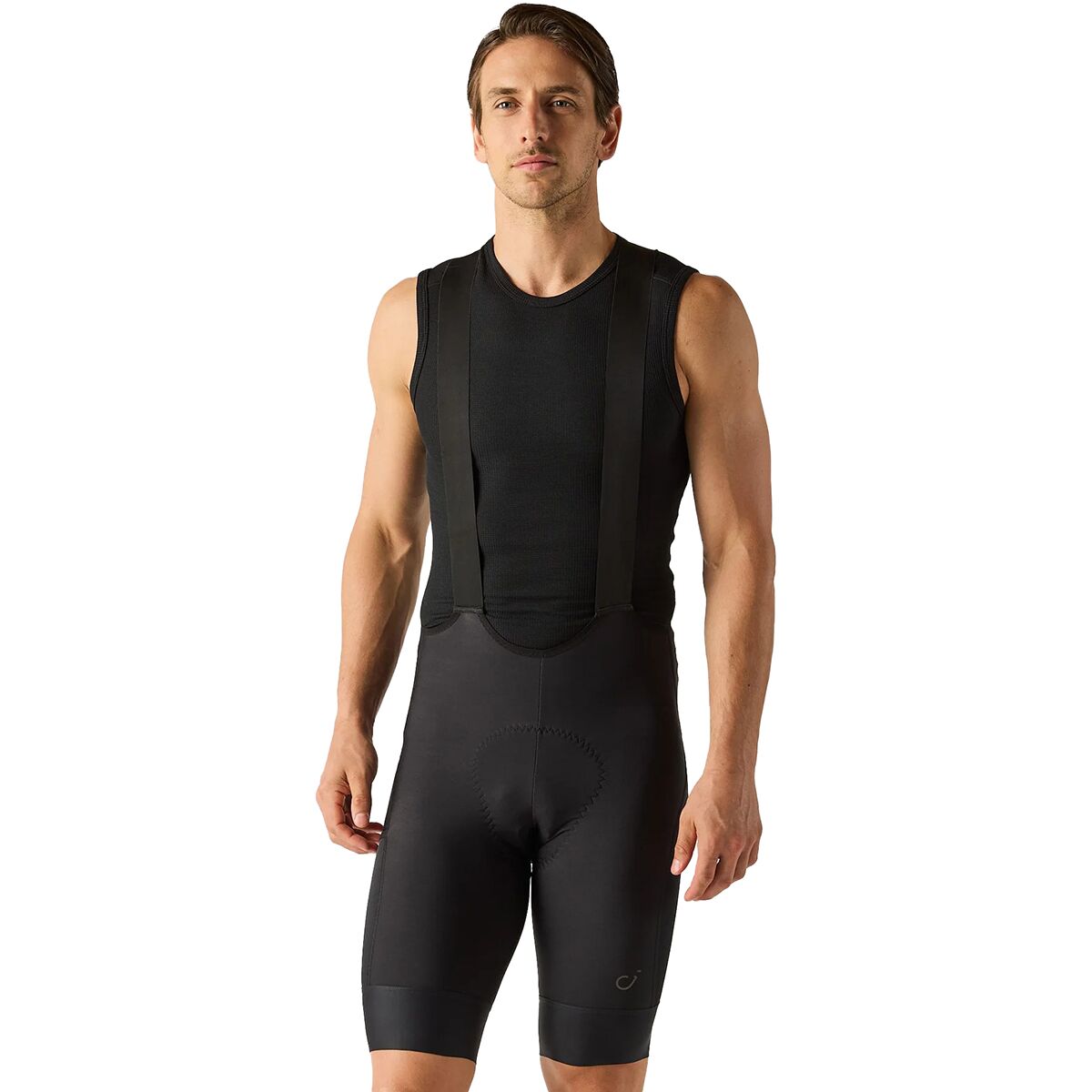

Current Merino Layers
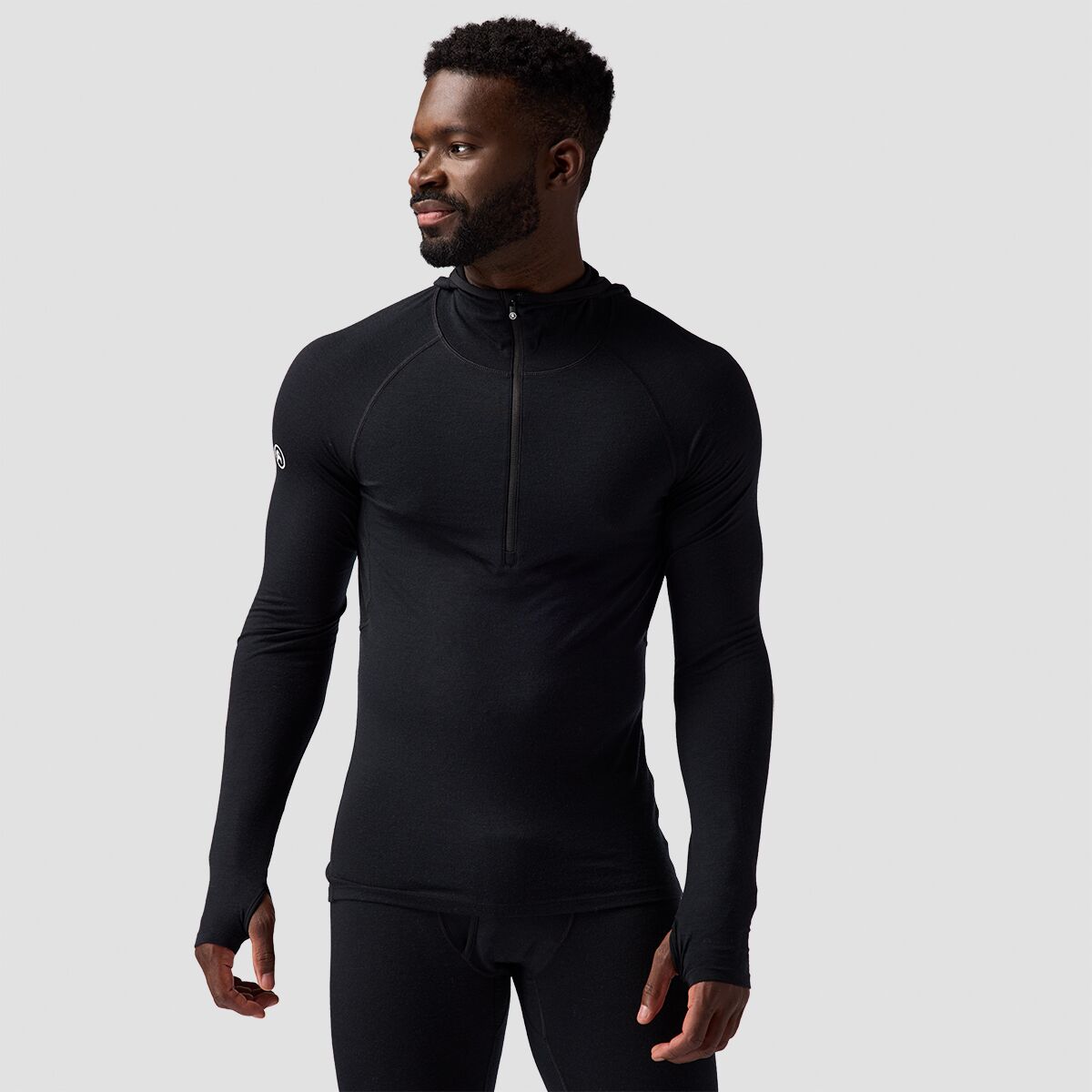
A broader fallback search for merino products in the live catalog.
Current Merino Base Layers
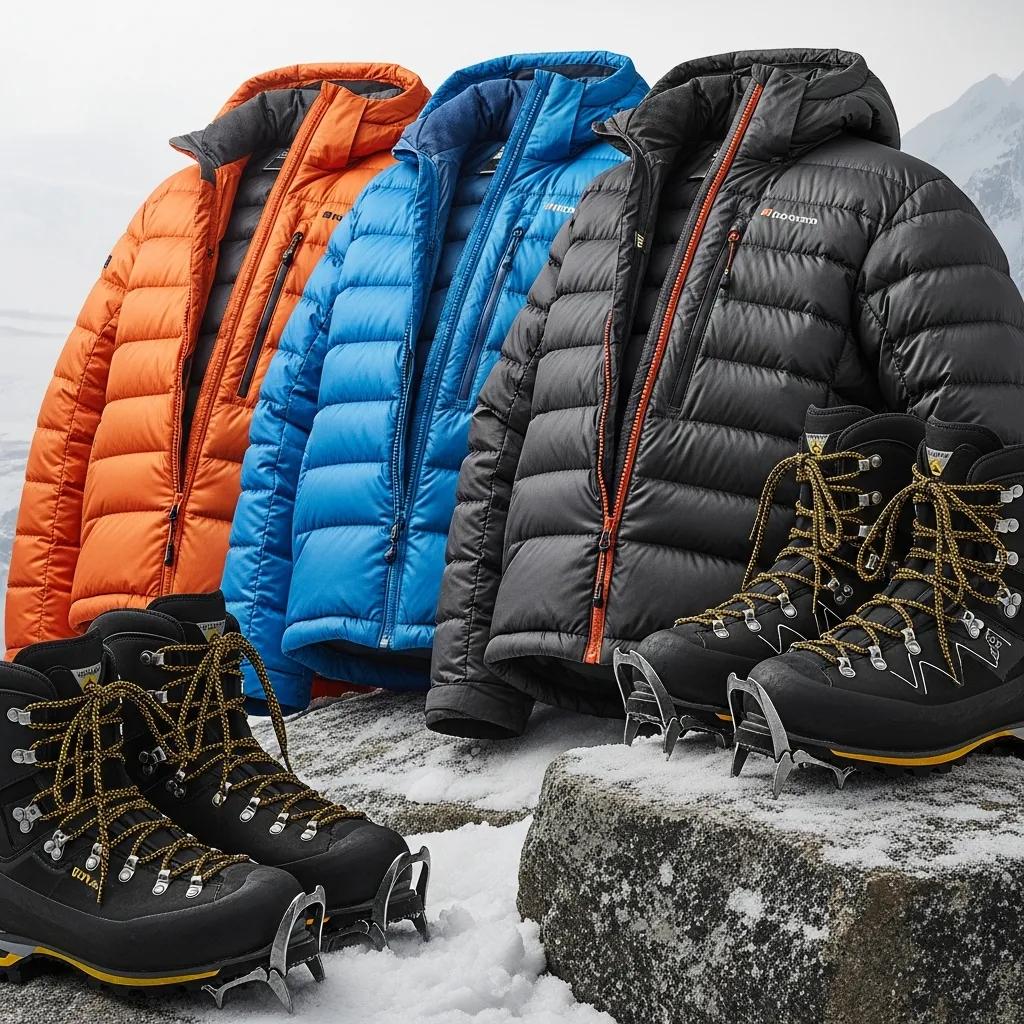
Base Layer + Fleece + Down + Shell: Each Layer Should Have One Clear Job.
Base: move moisture away from the skin.
Active insulation: add adjustable warmth while moving.
Down / stop layer: deliver efficient warmth when pace drops or the team stops.
Shell: block wind and precipitation.
If the base layer is doing the work of two or three layers, temperature control becomes harder because you cannot remove its warmth without exposing skin.
Wash for the Fabric You Bought.
Merino and synthetic garments often have different wash and dry instructions. Follow the garment label first.
Gentle wash, low stress
Use the care instructions on the garment and avoid aggressive heat or friction that can shrink or distort wool.
Control oils and odor
Regular washing helps remove skin oils that reduce comfort and can make synthetic odor more persistent.
Completely before storage
Do not stuff damp base layers into expedition bags for days. Drying between uses helps both comfort and garment life.
Protect a dry set
On multi-day cold trips, keep one layer clean and dry for camp, sleep or the summit push.
How This Base-Layer Guide Is Built
This is a new commercial child page designed to own “best base layers” while supporting the site’s broader layering and high-altitude gear system.
Current product verification, no fabricated testing
Global Summit Guide rechecked current 2026 product information for Smartwool Classic Thermal and All-Season lines, Icebreaker Merino 200 Oasis, Patagonia Capilene Midweight and Thermal Weight, Arc’teryx Rho LT, Outdoor Research Alpine Onset Merino 150 and Rab Sonic Ultra.
Current Backcountry category pages also show active base-layer inventory from Smartwool, Icebreaker, Patagonia, Mammut, Outdoor Research, Rab and other mountain brands.
No invented rankings, stars or field-test claims: the use-case framework is based on current material, fabric weight, fit, published construction and how each garment fits into a mountain clothing system.
Best Base Layers FAQ
Is merino or synthetic better for hiking?
Merino is excellent for odor resistance and multi-day comfort. Synthetic fabrics generally dry faster and are often more durable. A blend is often the middle ground.
What fabric weight should I buy?
Lightweight is best for high output and milder conditions, midweight is the most broadly useful, and thermal or heavyweight layers are for colder or lower-output conditions. Brand labels are not standardized.
Should a base layer fit tight?
Close-fitting is useful for moisture movement and clean layering, but the garment should not restrict breathing, shoulder mobility or circulation.
Do I need base-layer bottoms?
Not on every hike. Bottoms become more useful in cold, windy and low-output conditions. Many hikers carry them for camp or summit day rather than wearing them on a warm approach.
Can I wear two base layers?
You can, but it is usually better to add a purpose-built midlayer rather than doubling next-to-skin garments. Separate layers are easier to vent and remove.
Is cotton okay as a base layer?
Cotton absorbs moisture and dries slowly, making it a poor default for cold mountain conditions where wet clothing can increase heat loss.
How many base layers do I need for an expedition?
That depends on trip length, laundry opportunities and cold exposure. The practical goal is enough rotation to keep one dry next-to-skin set available when it matters most.
Build the Complete Mountain Clothing System
High-Altitude Layering Guide
Place the base layer inside the full four-layer system.
InsulationBest Down Jackets
Add efficient stop-layer warmth without overloading the base layer.
Weather shellBest Rain Jackets
Protect the moisture-management system from wind and precipitation.
ExecutionMountaineering Layering System
Learn when to add, vent and remove layers while moving.
Planning toolMountain Gear Planner
Build a route-specific clothing and equipment list.
Gear pillarMountaineering & Hiking Gear Guide
Connect clothing to footwear, traction, packs and technical equipment.
Deep recoveryMountain Weather for Climbers
Translate temperature, wind and precipitation into clothing decisions.
Deep recoveryGear Safety
Audit mountain equipment as systems rather than isolated products.
Deep recoveryFinal 72-Hour Checklist
Recheck forecast, clothing rotation and backup layers before departure.
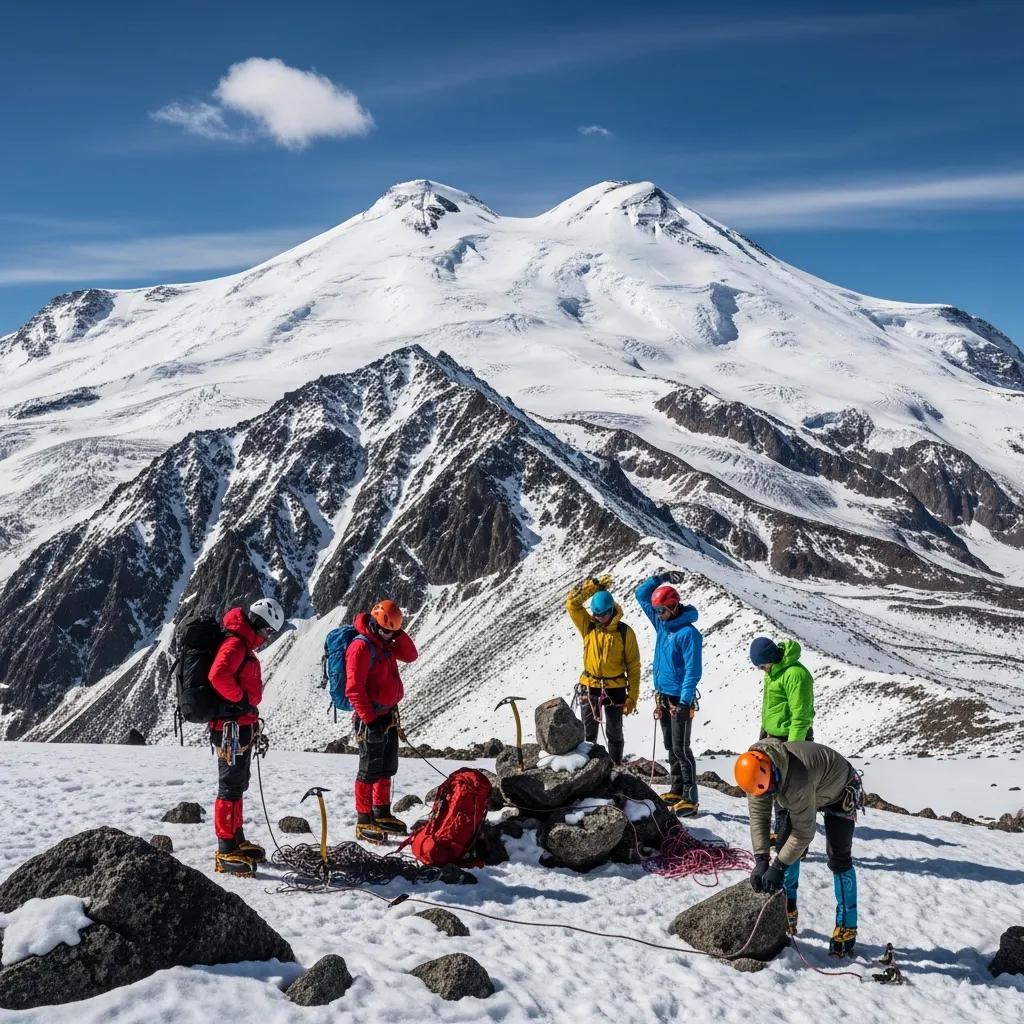
Stay Dry First. Add Warmth Above It.
The best base layer is not the warmest garment you can tolerate. It is the next-to-skin layer that keeps moisture moving so the rest of your clothing system can do its job.
Was this helpful?
Global Summit Guide is an independent mountaineering resource founded in 2026. The team combines first-hand trekking and climbing experience with in-depth research and professional health and nutrition review to help climbers choose objectives, prepare properly, and stay safe.
Health, altitude, and nutrition content is reviewed by Taylor Ludlow (Registered Nurse) and Brigg Hoopes (Nutritionist).
What We Don't Know Yet
Mountain information changes quickly. This box explains the limits of what this page can responsibly promise.
- Gear requirements can change by season, route variation, weather window, personal cold tolerance, and guide-service requirements.
- Visa, passport, vaccination, border, insurance, and local transportation rules may change before your trip.
- Route conditions, snowpack, closures, and weather can change quickly after this page is updated.
- Permit rules, fees, quotas, and reservation windows may change between review cycles.
- Operator availability, pricing, guide ratios, and cancellation terms can change by season.
Verify current conditions with official land managers, guide services, local forecasts, and current route reports before booking or climbing.
Mountaineering, rock and ice climbing, glacier travel, and high-altitude activity are inherently dangerous and can result in serious injury or death. The information on Global Summit Guide is provided for general informational and educational purposes only and is not a substitute for professional instruction, qualified guiding, proper equipment, or your own judgment and experience.
Route conditions, weather, snowpack, permits, regulations, and hazards change constantly and may differ from what is described here. Details may be incomplete, out of date, or contain errors. Always verify current information with local authorities, certified guides, and official sources before making any decision in the mountains.
Nothing on this site is medical, legal, or financial advice. Our fitness, acclimatization, altitude, and nutrition content is general in nature; consult a qualified physician before beginning any strenuous exercise program or exposing yourself to high altitude.
You are solely responsible for your own safety and decisions. To the fullest extent permitted by law, Global Summit Guide and its team accept no liability for any loss, injury, damage, or expense arising from use of, or reliance on, this information. By using this site you acknowledge these risks and accept these terms.
Some links on this site may be affiliate links. If you buy through them we may earn a small commission at no extra cost to you; this never affects our recommendations.
Global Summit Guide recommendation path
Next Best Mountain to Research
Use these recommendations to continue the right planning path instead of stopping on one page.
Use current permit, weather, route, and operator information before booking or climbing.