
Last updated September 30, 2026
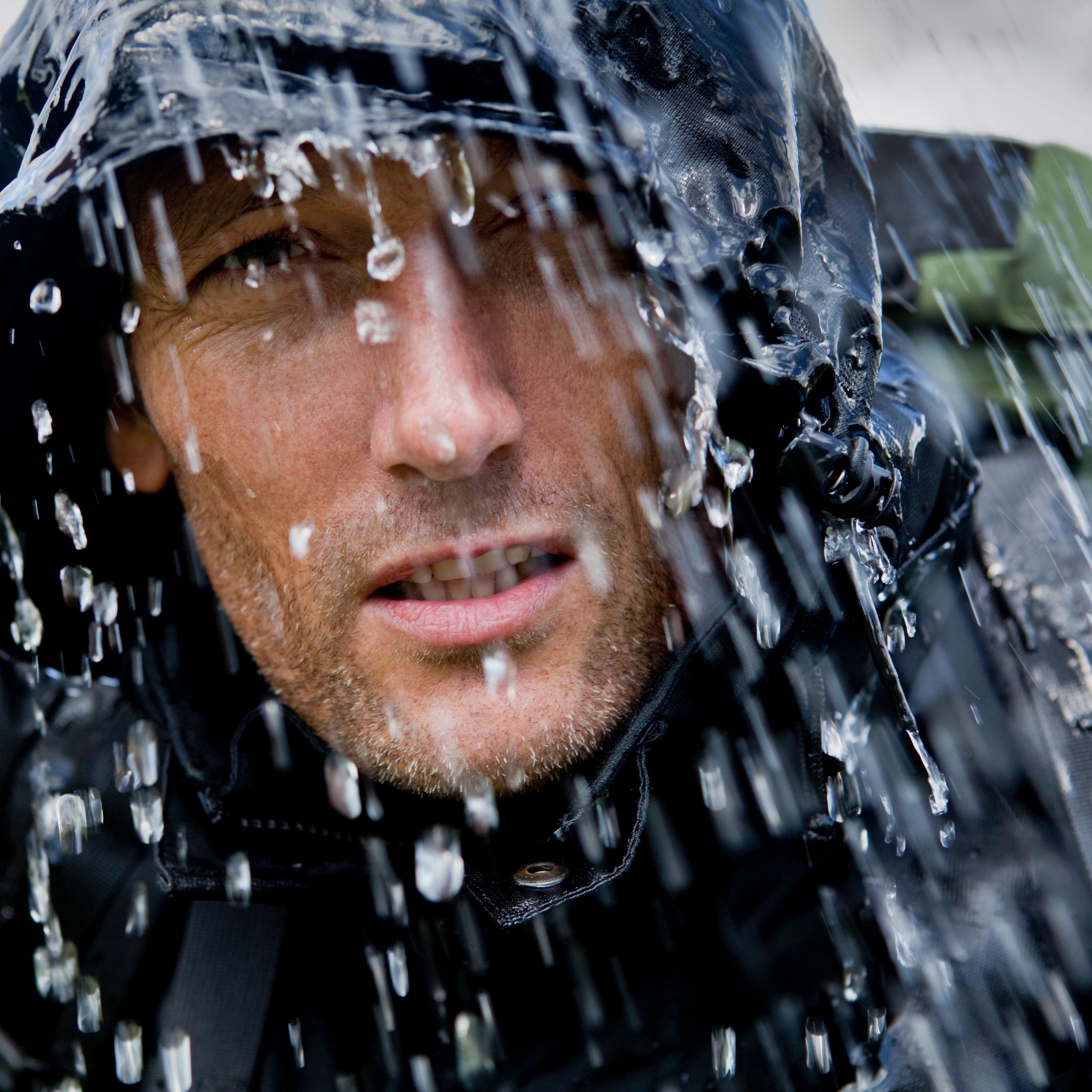
Best Rain Jackets for Hiking & Mountaineering: 8 Shells by Use
The best rain shell is the one that matches how long you will wear it, how hard you will move, how heavy your pack is and how exposed the route becomes. A 9-ounce emergency shell and a helmet-compatible 3-layer mountaineering jacket solve different problems.
For Most Hikers, a Well-Vented 3-Layer Shell Is the Best Long-Term Choice; Go Lighter Only When Packability Matters More Than Repeated Storm Use.
For general hiking and backpacking, Patagonia Torrentshell 3L, Outdoor Research Foray 3L and Patagonia Granite Crest sit in the dependable all-purpose category. They give you fully waterproof construction, adjustable hoods and enough structure for repeated wet-weather use without becoming heavy alpine shells.
If weight matters more, Arc’teryx Beta SL, Black Diamond Fineline Stretch and Mammut Alto Light HS move toward the lighter end. If mountaineering features matter more than ounces, Mammut Alto Guide HS adds a helmet-compatible hood, harness-friendly pockets and a 3-layer 20,000 mm waterproof construction.
The membrane is only part of the system. Mechanical ventilation, hood fit, cuffs, hem, pack compatibility and DWR maintenance can matter as much as the membrane name once you are actually hiking uphill in sustained rain.
8 Rain Jackets Worth Comparing in 2026
The list is organized by use case rather than a universal ranking. Current manufacturer and major-retailer information was rechecked in September 2026.
Patagonia Torrentshell 3L
A durable, straightforward 3-layer rain shell with pit zips and a long record as a hiking and backpacking workhorse.
- 3-layer H2No construction
- Pit-zipped ventilation
- Best for: hiking, backpacking, travel
Arc’teryx Beta SL
A lighter premium shell for hikers and mountain users who want serious weather protection without moving into a heavy expedition jacket.
- 3-layer premium waterproof shell
- Strong storm-protection focus
- Best for: light alpine / all-season mountain use
Outdoor Research Foray 3L
A current 3-layer AscentShell Dry jacket with TorsoFlo hem-to-bicep venting for hikers who generate heat quickly.
- 3-layer AscentShell Dry
- TorsoFlo mechanical ventilation
- Best for: humid hiking + backpacking
Rab Downpour
A softer-feeling waterproof shell aimed at hiking, travel and general wet-weather use where comfort and mobility matter.
- Budget-to-midrange category
- Comfort + mobility emphasis
- Best for: hiking / travel
Black Diamond Fineline Stretch
A lightweight stretch rain shell for fast hiking and climbing where movement and low pack weight matter.
- Approx. 9.4 oz class in current testing
- Stretch-oriented mobility
- Best for: fast hiking / climbing
Mammut Alto Light HS
A 2.5-layer hiking hardshell with pit zips, 15,000 mm waterproof rating and a compact, packable design.
- 2.5L Mammut DRY Tour
- 15,000 mm water column
- 355 g current men’s reference
Mammut Alto Guide HS
A more technical 3-layer shell with helmet-compatible hood, harness-friendly pockets and higher waterproof / breathability numbers.
- 3L Mammut DRY Tour
- 20,000 mm water column
- 480 g current men’s reference
Patagonia Granite Crest
A lighter 3-layer H2No trail shell with recycled face fabric and a softer, more mobile feel than many burly mountain shells.
- 3-layer H2No shell
- Trail-focused construction
- Best for: all-day hiking in wet weather
Editorial note: Global Summit Guide does not claim hands-on testing of every model. Product placement is based on current specifications, intended use, construction, ventilation, shell design and how each jacket fits into a mountain layering system.
| Shell | Construction | Best use | Primary strength | Main trade-off |
|---|---|---|---|---|
| Patagonia Torrentshell 3L | 3-layer H2No | General hiking / backpacking | Durable value + pit zips | Heavier / crinklier than ultralight shells |
| Arc’teryx Beta SL | Premium 3-layer | Light alpine / mountain | Storm protection at modest weight | High price |
| OR Foray 3L | 3-layer AscentShell Dry | Humid hiking / backpacking | Exceptional mechanical ventilation | More feature-heavy than minimalist shells |
| Rab Downpour | Waterproof shell | Hiking / travel | Comfort + value | Not an alpine-specific hardshell |
| BD Fineline Stretch | Light stretch waterproof shell | Fast hiking / climbing | Mobility + low weight | Less ideal for prolonged severe storms |
| Mammut Alto Light HS | 2.5L DRY Tour | Hiking / via ferrata | Packability + pit zips | Less durable than heavier 3L shells |
| Mammut Alto Guide HS | 3L DRY Tour | Mountaineering / trekking | Helmet + harness features | Heavier than hiking-only shells |
| Patagonia Granite Crest | 3-layer H2No | All-day trail movement | Comfort + trail features | Premium price over basic shells |
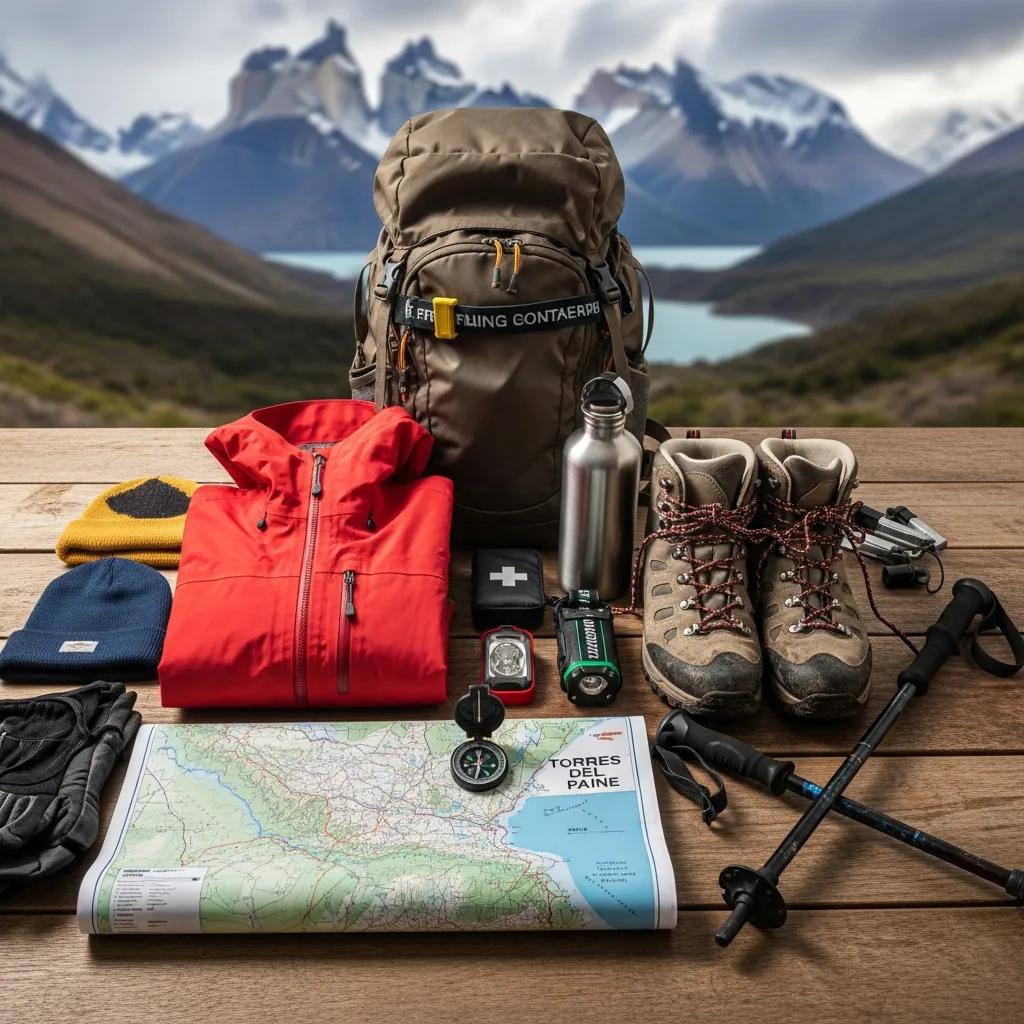
Buy for How Long You Will Wear the Shell—not Just the Forecast.
Emergency shell: carried most of the day, worn briefly when showers hit. Low weight and compact storage dominate.
Backpacking shell: may be worn for hours under shoulder straps. Venting, pocket placement and face-fabric durability matter more.
Alpine shell: must fit over active layers, move with arms overhead, seal around gloves and often work with a helmet and harness.
Expedition shell: durability, coverage, repairability and severe-weather protection outrank low weight.
2-Layer vs 2.5-Layer vs 3-Layer Rain Jackets
The layer count describes how the face fabric, waterproof membrane and inner protection are assembled—not how many clothing layers you should wear.
Comfort-oriented
The waterproof membrane is bonded to the outer fabric with a separate liner. Common in casual and some ski shells, but less common in technical lightweight hiking jackets.
Light + packable
A printed or textured inner protective layer reduces weight and bulk. Excellent for carrying as storm insurance, but often less durable and less pleasant during long, sweaty use.
Durable mountain use
Face fabric, membrane and inner backer are bonded into one fabric. Usually the best choice for repeated wet weather, backpacking and mountaineering.
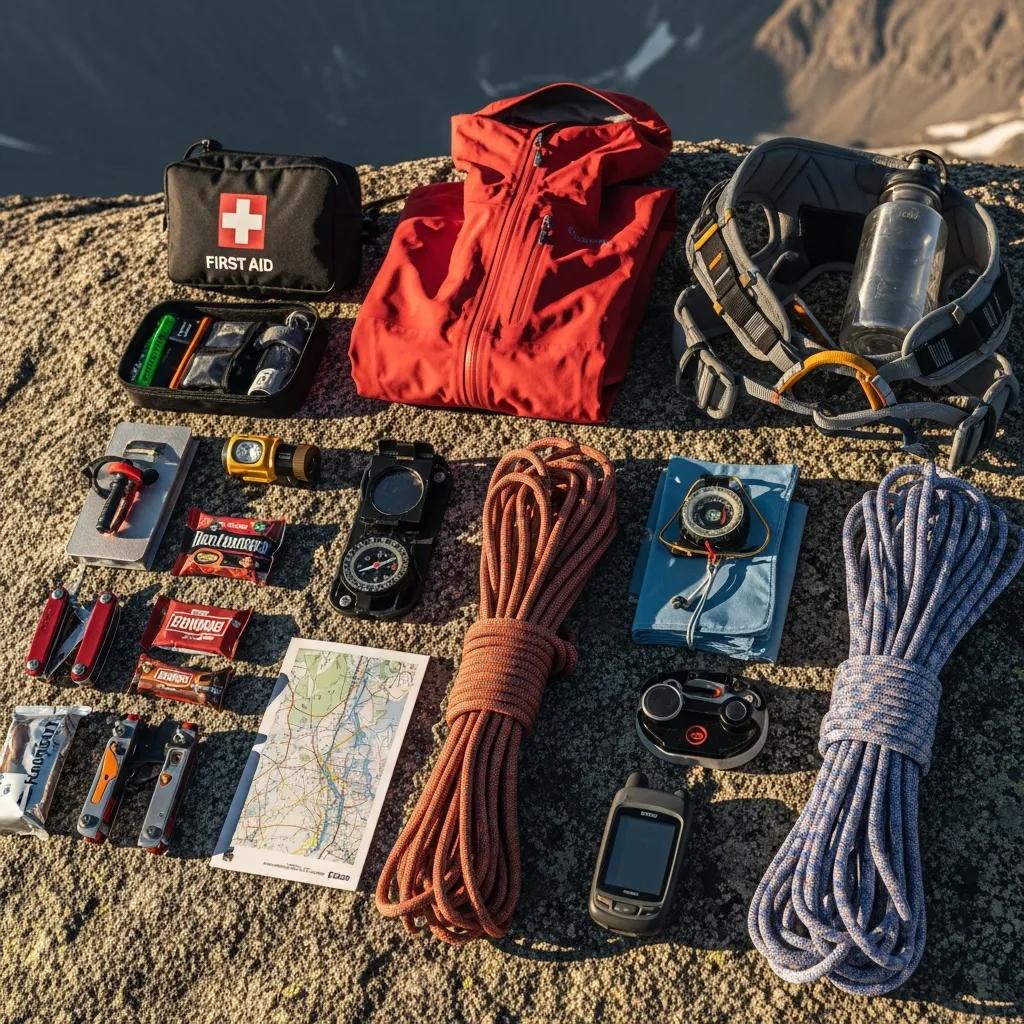
What Waterproof Ratings Actually Tell You
Water-column numbers are useful for comparing fabrics inside one brand, but they are not a complete prediction of whether you stay dry.
Stops liquid water
The waterproof layer must remain intact and properly bonded to keep precipitation from passing through.
Must be sealed
Needle holes created during sewing require seam tape or another sealing method on a true waterproof shell.
Keeps face fabric from wetting out
Durable water repellent helps rain bead and roll off so the outer fabric stays lighter and more breathable.
Hood, cuffs and zippers matter
Water entering at the face, neck or cuffs can make a perfectly waterproof membrane feel like it failed.
No Waterproof Membrane Can Out-Breathe a Hard Climb.
Breathability matters, but mechanical ventilation is often the fastest way to control heat and moisture during sustained uphill movement.
Simple and effective
Large underarm openings dump heat without exposing the torso directly to rain.
More airflow
Designs like Outdoor Research TorsoFlo open farther down the sides, creating substantial mechanical ventilation.
Manage sweat before it starts
Slow the pace, remove insulation and vent early. Once base layers are soaked from sweat, the shell cannot undo the moisture load.
Hood, Hem, Cuffs and Pockets Decide Whether the Shell Works on the Mountain.
Try the jacket with the actual layers, pack, gloves and helmet you expect to use.
Turn your head, keep coverage
A good hood should move with your head, protect the sides of the face and retain peripheral vision when cinched.
Only if you need one
A helmet-compatible hood adds volume. Excellent for mountaineering; unnecessary bulk for many hiking-only shells.
Stay covered under a pack
Raise your arms and bend forward. The hem should not climb above the pack belt or expose insulating layers.
Seal over or under gloves
Adjustable cuffs help stop water from running into sleeves and let the shell integrate with mountain gloves.
Clear the hipbelt
Backpacking and climbing shells should keep key pockets accessible when a hipbelt or harness covers the lower torso.
Room for movement
Articulation matters when trekking poles, ice axes or climbing movements repeatedly bring the arms overhead.

Current Rain Jackets Through Backcountry
This section uses Gear Ads search and merchant filters instead of a category tag, so it does not depend on a non-existent rain-shells tag.
Shop Current Rain Shells
Use the construction, ventilation and fit framework first, then compare current sizes and availability.
Mammut Alto Light vs Alto Guide
Alto Light HS: current 2.5-layer Mammut DRY Tour hiking shell, 15,000 mm water column, 15,000 g/m²/24h breathability and 355 g men’s reference weight. It is the lighter hiking choice.
Alto Guide HS: current 3-layer Mammut DRY Tour shell, 20,000 mm water column, 20,000 g/m²/24h breathability, helmet-compatible hood, harness-compatible pockets and 480 g men’s reference weight. It is the stronger mountaineering choice.
Mammut Alto Rain Shells
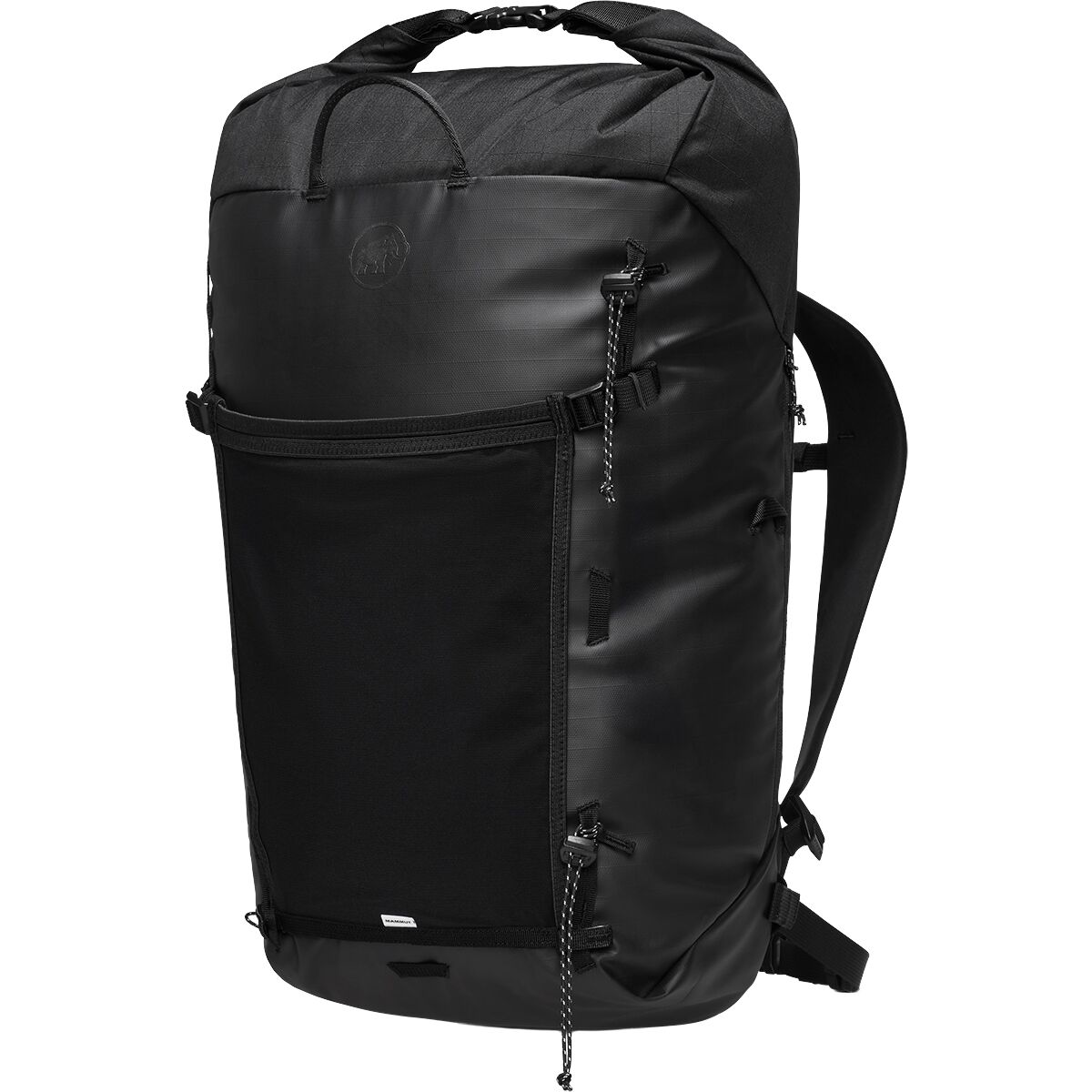
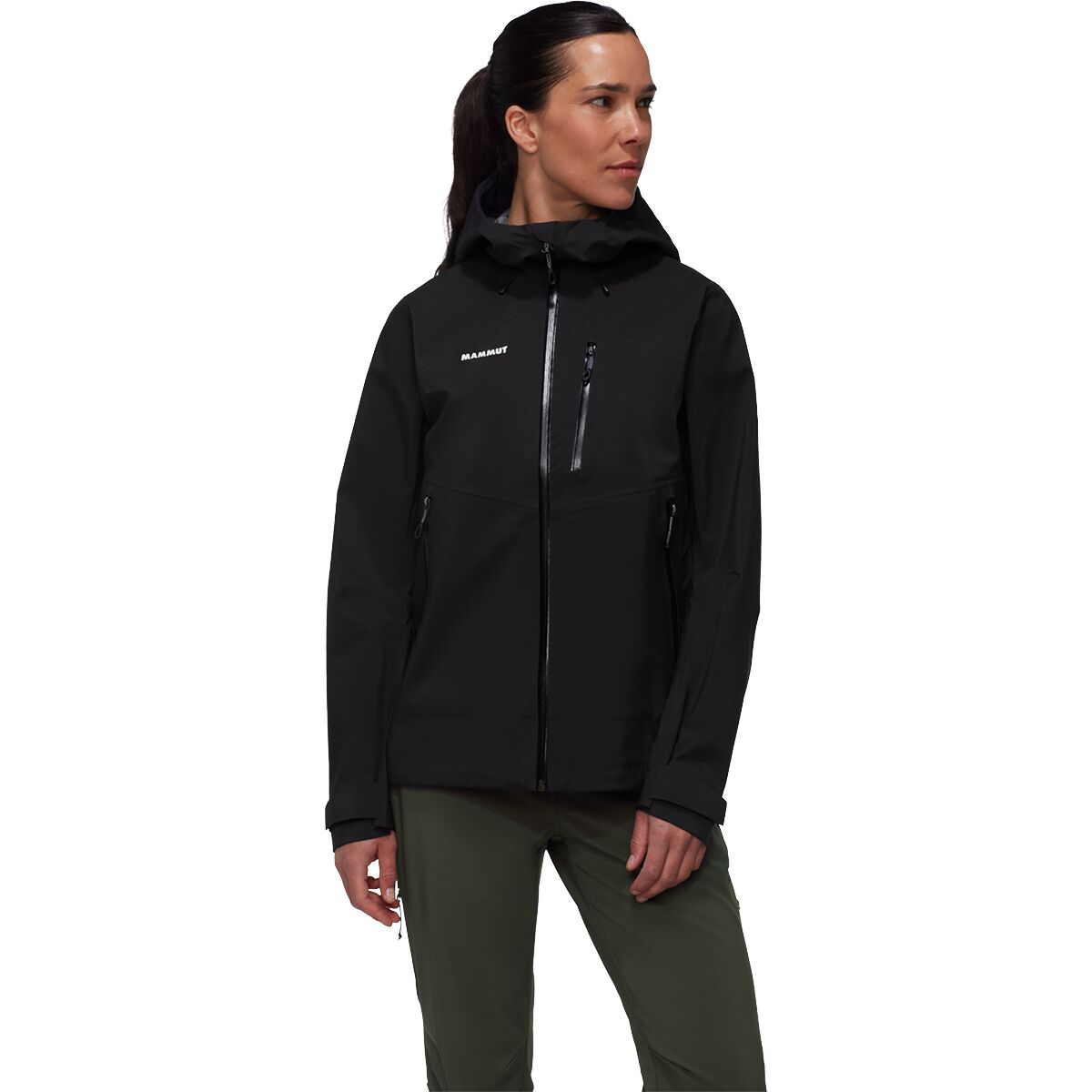
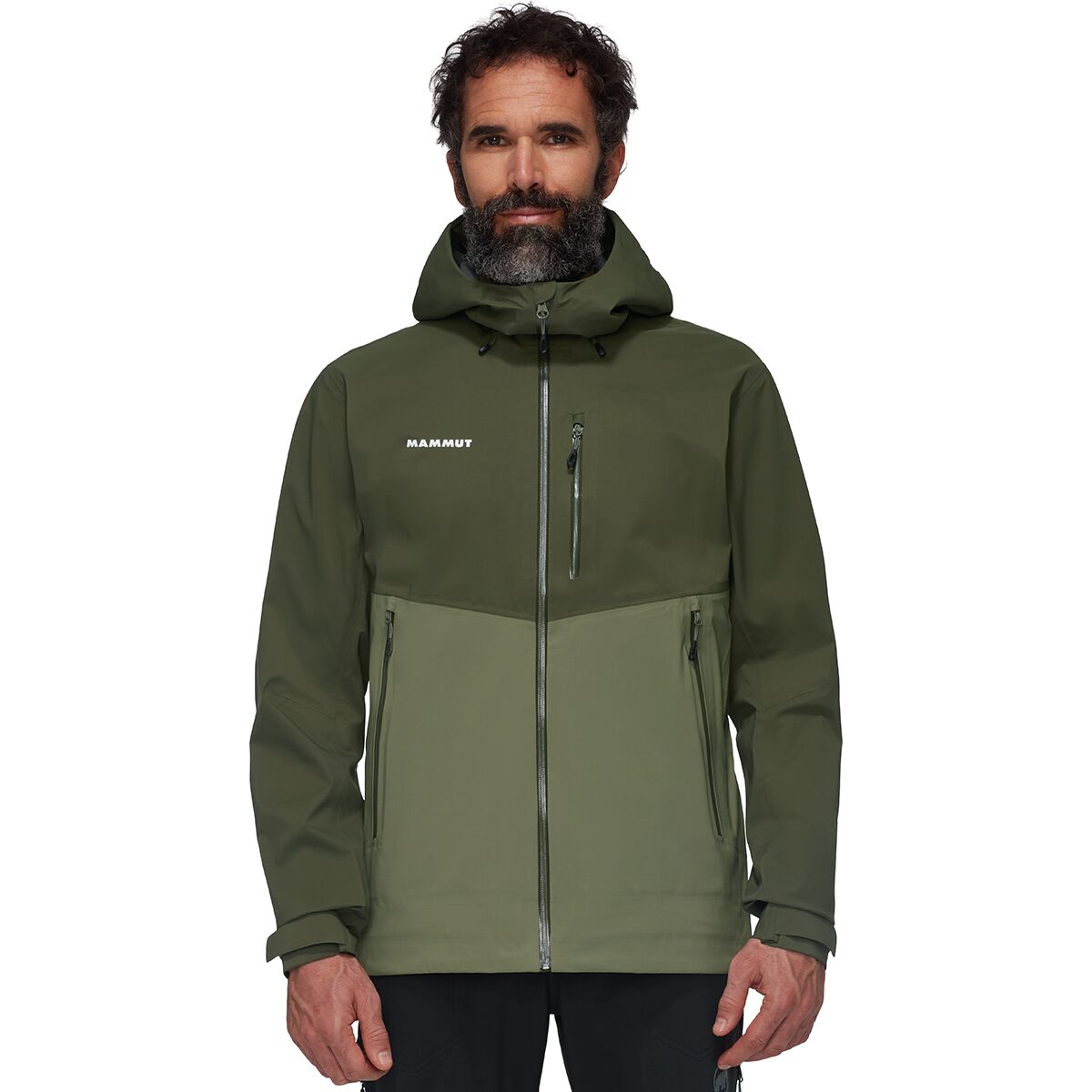
- MammutMammut Alto Guide HS Hooded Jacket – Men'sFrom $191.95
$369Check price at Back Country (opens in a new tab)
Weather Protection Is Not Weather Immunity.
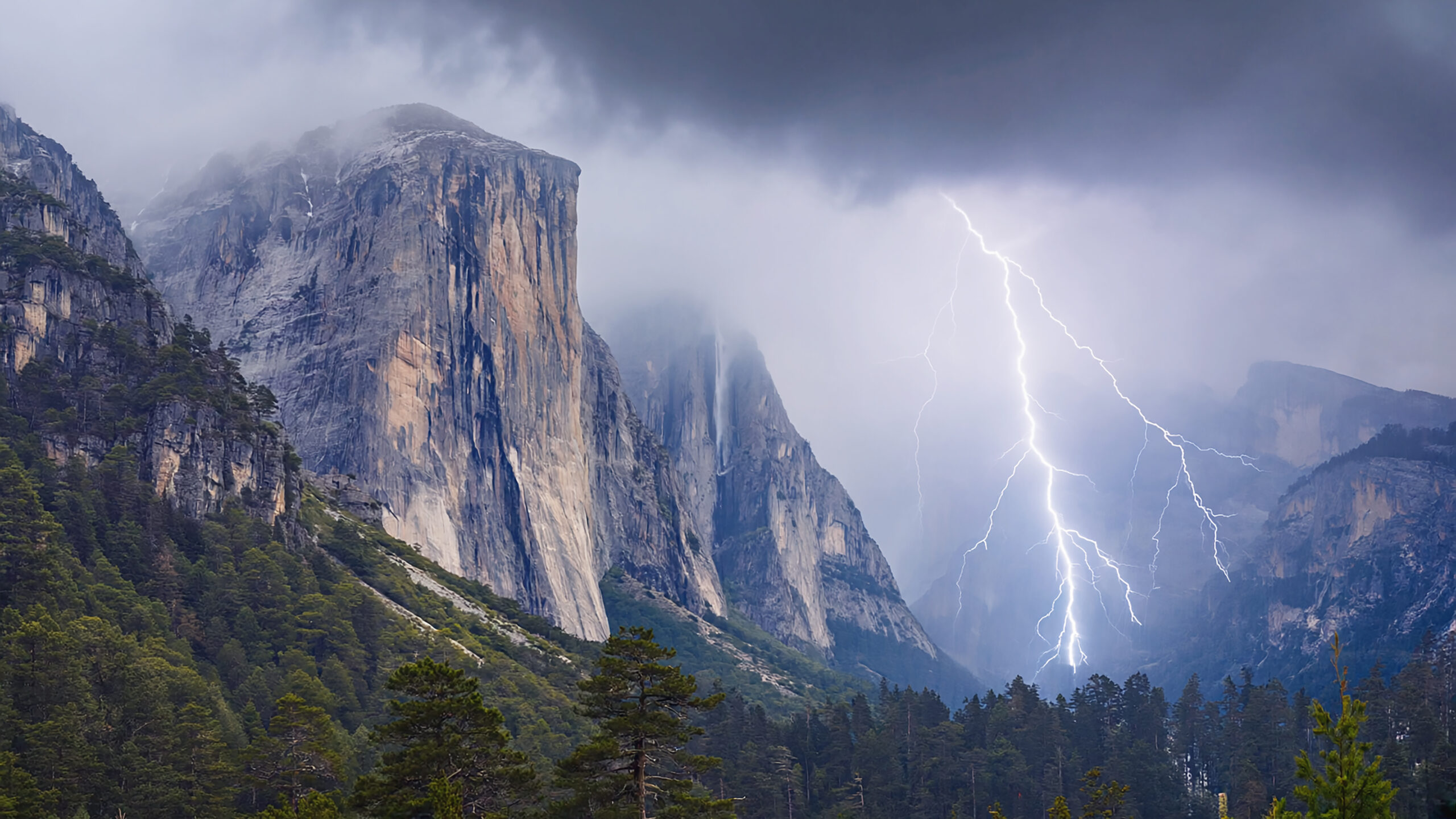
A waterproof shell helps preserve body heat and protects insulation, but it does not make lightning, flash flooding, exposed ridgelines or hurricane-force wind safe.
Use current forecasts and route-specific weather decisions to decide when to turn around. The shell is the backup system after good planning—not permission to ignore changing conditions.
How to Wash and Restore a Rain Shell
Dirt, body oils and worn DWR reduce performance. Waterproof shells need maintenance rather than being left dirty until they “stop working.”
Follow the care label
Membranes and DWR chemistries vary. Use the garment’s current manufacturer instructions.
Remove oils and grime
Use an appropriate technical wash or approved detergent. Avoid fabric softener.
Use heat only as directed
Some DWR treatments respond to low tumble drying or gentle heat; others require a renewed treatment.
Patch punctures early
Small shell tears grow under pack straps and climbing movement. Repair them before the next trip.
How This Rain-Shell Guide Is Built
This is a new commercial child page designed to own broad “best rain jackets” intent while supporting—not duplicating—the site’s layering and mountain-weather guides.
Current 2026 product verification, no fabricated testing
Global Summit Guide rechecked current 2026 product information and major comparison coverage for Patagonia Torrentshell 3L and Granite Crest, Arc’teryx Beta SL, Outdoor Research Foray 3L, Rab Downpour, Black Diamond Fineline Stretch, Mammut Alto Light HS and Mammut Alto Guide HS.
Independent 2026 testing from REI and OutdoorGearLab was used to confirm that Torrentshell 3L, Beta SL, Foray 3L, Rab Downpour and Fineline Stretch remain active comparison models. Mammut’s current product pages were used for Alto Light and Alto Guide construction, waterproof ratings and weights.
Manufacturer names are shown for transparency, but the published page intentionally avoids non-affiliate outbound manufacturer links. Shopping traffic stays inside Global Summit Guide’s Gear Ads modules.
No invented stars or hands-on claims: this is a research-based selection framework, not a claim that Global Summit Guide field-tested every jacket.
Best Rain Jackets FAQ
Is a 3-layer rain jacket better than a 2.5-layer jacket?
A 3-layer shell is usually more durable and comfortable for sustained mountain use. A 2.5-layer shell is often lighter, more compact and less expensive. Choose around how much time the jacket will spend on your body versus in the pack.
How waterproof should a hiking rain jacket be?
Water-column numbers help, but seam sealing, hood design, zipper protection, DWR condition and fit also affect real-world protection. For serious mountain use, prioritize a fully waterproof-breathable shell with sealed seams.
Do I need pit zips?
They are extremely useful for hikers who run warm. Mechanical ventilation can dump heat much faster than any membrane can move water vapor during a hard climb.
Can a rain jacket be used for mountaineering?
Yes, if it has adequate durability, coverage and mountain features. Helmet hoods, harness-compatible pockets, tougher face fabrics and 3-layer construction become more important as terrain gets more technical.
Why does my waterproof jacket feel wet inside?
Condensation can accumulate when sweat production exceeds the shell’s ability to vent moisture. A wetted-out outer fabric can also reduce breathability. Vent earlier, reduce insulation and maintain the DWR.
How do I restore DWR?
Wash the shell according to the care label, then reactivate or renew the DWR using the process recommended for that specific garment.
Should I size a rain shell larger?
Size it around its role. A hiking shell needs room for a base layer and light insulation. A mountaineering shell may need room over thicker active layers while still fitting under a pack and harness.
Build the Complete Mountain Clothing System
Mountaineering & Hiking Gear Guide
Place the shell inside the complete equipment system.
Layering parentHigh-Altitude Layering Guide
Understand where the waterproof shell belongs in the full clothing system.
InsulationBest Down Jackets
Pair weather protection with the right stop and insulation layers.
FootwearBest Hiking Boots & Shoes
Match waterproof upper protection with footwear appropriate to the same conditions.
Planning toolMountain Gear Planner
Build the rain system around the actual route and climate.
ExecutionMountaineering Layering System
Learn when to add and remove the weather shell while moving.
Deep recoveryMountain Weather for Climbers
Translate precipitation, wind and freezing level into clothing decisions.
Deep recoveryGear Safety
Inspect weather protection as part of the full mountain safety system.
Deep recoveryFinal 72-Hour Checklist
Recheck forecast, shell condition and backup layers before departure.

Buy for the Hours You Will Spend Inside It.
A great rain shell is not the jacket with the most famous membrane. It is the shell that keeps weather out, moves moisture out, fits your layers and pack, and remains comfortable enough that you actually wear it when the mountain turns wet.
Was this helpful?
Global Summit Guide is an independent mountaineering resource founded in 2026. The team combines first-hand trekking and climbing experience with in-depth research and professional health and nutrition review to help climbers choose objectives, prepare properly, and stay safe.
Health, altitude, and nutrition content is reviewed by Taylor Ludlow (Registered Nurse) and Brigg Hoopes (Nutritionist).
What We Don't Know Yet
Mountain information changes quickly. This box explains the limits of what this page can responsibly promise.
- Visa, passport, vaccination, border, insurance, and local transportation rules may change before your trip.
- Route conditions, snowpack, closures, and weather can change quickly after this page is updated.
- Permit rules, fees, quotas, and reservation windows may change between review cycles.
- Operator availability, pricing, guide ratios, and cancellation terms can change by season.
- Your fitness, altitude response, risk tolerance, and experience level may change what is safe or realistic.
Verify current conditions with official land managers, guide services, local forecasts, and current route reports before booking or climbing.
Mountaineering, rock and ice climbing, glacier travel, and high-altitude activity are inherently dangerous and can result in serious injury or death. The information on Global Summit Guide is provided for general informational and educational purposes only and is not a substitute for professional instruction, qualified guiding, proper equipment, or your own judgment and experience.
Route conditions, weather, snowpack, permits, regulations, and hazards change constantly and may differ from what is described here. Details may be incomplete, out of date, or contain errors. Always verify current information with local authorities, certified guides, and official sources before making any decision in the mountains.
Nothing on this site is medical, legal, or financial advice. Our fitness, acclimatization, altitude, and nutrition content is general in nature; consult a qualified physician before beginning any strenuous exercise program or exposing yourself to high altitude.
You are solely responsible for your own safety and decisions. To the fullest extent permitted by law, Global Summit Guide and its team accept no liability for any loss, injury, damage, or expense arising from use of, or reliance on, this information. By using this site you acknowledge these risks and accept these terms.
Some links on this site may be affiliate links. If you buy through them we may earn a small commission at no extra cost to you; this never affects our recommendations.
Global Summit Guide recommendation path
Next Best Mountain to Research
Use these recommendations to continue the right planning path instead of stopping on one page.
Use current permit, weather, route, and operator information before booking or climbing.