
Last updated September 29, 2026

Best Hiking Boots & Shoes for the Way You Actually Hike
The best hiking footwear is not automatically the tallest boot or the lightest shoe. Start with terrain, pack weight, weather and your foot shape, then choose the least-bulky option that gives you enough traction, protection and stability for the trail.
For Most Hikers, the Best Choice Is the Lightest Footwear That Still Matches the Terrain and Load.
Choose a hiking shoe when the trail is maintained, the pack is light and you value low weight and flex. Move toward a mid-height hiking boot as terrain becomes rougher, weather wetter, days longer or pack weight heavier. A tall boot does not automatically prevent ankle injury, and a low-cut shoe is not automatically too flimsy for backpacking.
The final decision is individual. Heel hold, toe clearance, forefoot width, arch support and how the midsole feels after several hours matter more than a brand name or internet ranking.
This page focuses on current hiking boots and shoes. For snow-and-ice footwear with crampon compatibility, use our How to Choose Mountaineering Boots guide instead.
9 Hiking Boots & Shoes Worth Comparing
These picks are organized by use case rather than a fake one-size-fits-all ranking. The right footwear depends on terrain, load, weather and fit. Current 2026 test roundups and manufacturer specifications were cross-checked to keep the shortlist current.
HOKA Kaha 3 GTX
A supportive, highly cushioned option for hikers who want more underfoot protection and structure on longer days.
- Best match: long days, backpacking, rougher trails
- Trade-off: more boot than many fast hikers need
Merrell Moab Speed 2 Mid GTX
A lighter-feeling mid-height boot category that bridges traditional boots and faster modern hiking footwear.
- Best match: moderate terrain, mixed day hikes
- Trade-off: less traditional structure than heavy backpacking boots
LOWA Renegade Evo GTX Mid
A structured hiking boot direction for hikers who prefer a more substantial platform on rocky or rugged terrain.
- Best match: rugged terrain, backpacking
- Trade-off: heavier and less agile than low-cut footwear
Salomon X Ultra 5 Mid GORE-TEX
Built around a lighter, more agile feel than a traditional backpacking boot while still providing a mid-height upper and aggressive trail traction.
- Best match: rugged day hiking
- Trade-off: fit can feel narrower for some feet
Merrell Moab 3 Mid Waterproof
A long-running traditional hiking-boot platform that remains relevant for hikers who want familiar cushioning, support and wide-size availability.
- Best match: general hiking, budget-conscious buyers
- Trade-off: heavier than fast-hiking designs
Altra Lone Peak 9 Waterproof Mid
A good comparison point for hikers who prefer a broader toe area and a lower-drop geometry than traditional hiking boots.
- Best match: hikers who already prefer Altra-style fit
- Trade-off: geometry can feel unfamiliar if you are used to traditional boots
HOKA Speedgoat 7
A lightweight trail-running platform that many hikers use when speed, low weight and cushioning matter more than a boot upper.
- Best match: fast day hikes, lighter packs
- Trade-off: less upper protection than a boot
Merrell Moab 3 Hiking Shoe
A low-cut option for hikers who like the familiar Moab platform but do not need a mid-height collar.
- Best match: maintained trails, day hiking
- Trade-off: less protection around the ankle and lower leg
Salomon XA Pro 3D V9 GORE-TEX
A more structured low-cut option for hikers who want trail-shoe agility with a chassis designed to control movement on uneven terrain.
- Best match: rocky day hikes, mixed terrain
- Trade-off: narrower fit for some hikers
Editorial note: Global Summit Guide is not claiming hands-on testing of every model above. The shortlist is built from current published field testing, manufacturer specifications, terrain use and fit considerations. Use it to narrow the category, then fit competing footwear on your own feet.
| Footwear | Category | Best use | Why compare it | Main question before buying |
|---|---|---|---|---|
| HOKA Kaha 3 GTX | Supportive boot | Long days / backpacking | Cushion + structure | Do you like a high-cushion feel? |
| Merrell Moab Speed 2 Mid GTX | Light mid | Moderate terrain | Boot-shoe crossover | Enough structure for your pack? |
| LOWA Renegade Evo GTX Mid | Traditional boot | Rugged terrain | Support + protection | Worth the extra weight? |
| Salomon X Ultra 5 Mid GTX | Agile mid | Rugged day hiking | Traction + agility | Does the last fit your forefoot? |
| Merrell Moab 3 Mid WP | Traditional mid | General hiking | Value + familiar fit | Too heavy for your hiking style? |
| Altra Lone Peak 9 WP Mid | Roomy low-drop mid | Moderate terrain | Toe-room alternative | Are you adapted to low-drop geometry? |
| HOKA Speedgoat 7 | Trail runner | Fast hiking | Low weight + cushion | Enough upper protection? |
| Merrell Moab 3 Shoe | Low hiking shoe | Day hiking | Traditional shoe platform | Do you need a boot collar at all? |
| Salomon XA Pro 3D V9 GTX | Technical shoe | Rocky day hiking | Low-cut stability | Does the fit feel too narrow? |
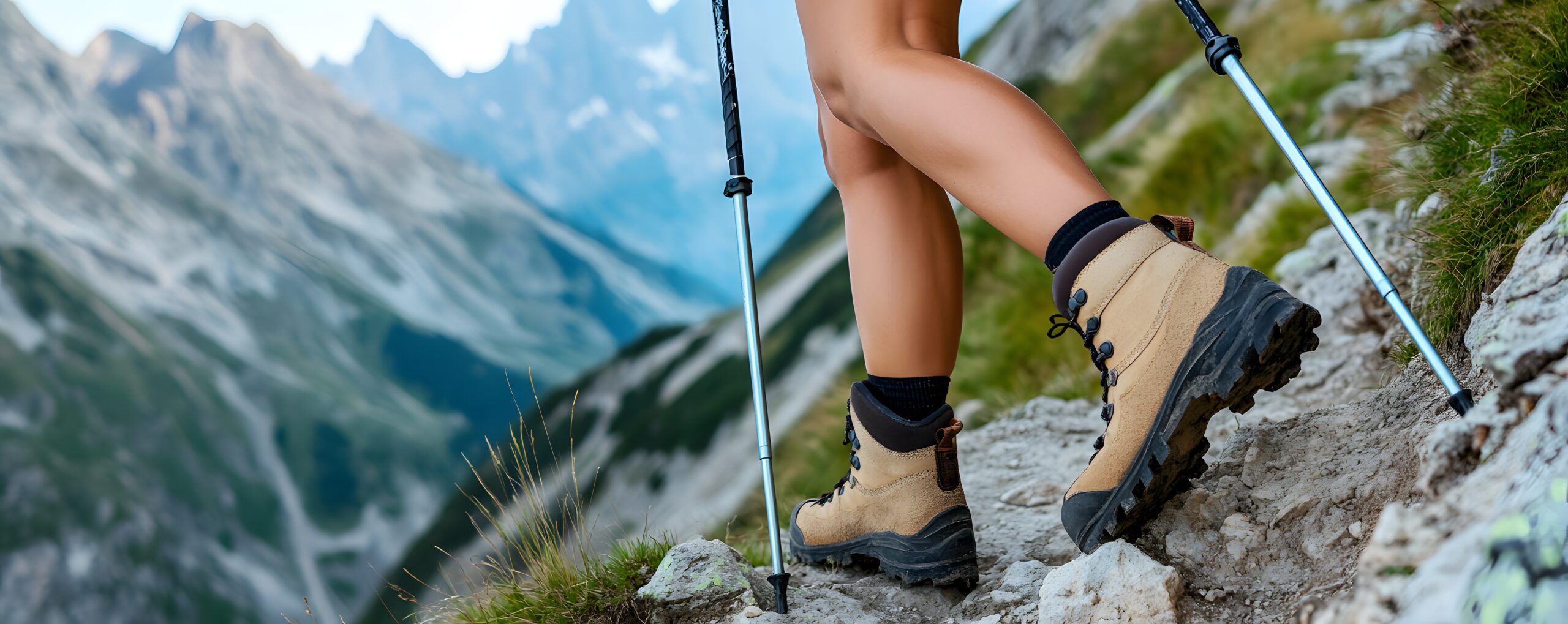
Choose the Upper Height Last, Not First.
A low-cut hiking shoe is usually lighter, more flexible and faster-drying. A mid-height boot adds upper protection, can feel more secure in rough terrain and often pairs with more substantial midsoles.
What a boot collar does not automatically guarantee is injury prevention. Fit, strength, terrain, fatigue and how the sole behaves under your foot all matter.
For many hikers, the real decision is not “boot or shoe?” but “how much structure do I need underfoot, and how much protection do I want around the foot?”
Terrain Should Eliminate the Wrong Footwear Quickly.
Think about the hardest recurring terrain on the route—not the easiest trailhead mile and not a once-in-a-trip scramble that belongs in a different footwear category.
Favor comfort and low weight
Low-cut hiking shoes and trail runners can be more than enough when surfaces are predictable and packs are light.
Add underfoot structure
A firmer midsole, protective toe cap and stable platform help when every step lands differently.
Prioritize outsole grip
Deep, well-spaced lugs and rubber that grips wet surfaces can matter more than the height of the upper.
Breathability can beat waterproofing
Hot, dry trails often reward ventilated footwear that releases heat instead of trapping it behind a membrane.
Match support to the real load
There is no universal pack-weight cutoff. Hikers with lighter loads often use shoes successfully; others prefer a firmer boot.
Know when hiking footwear stops being enough
When crampon compatibility, front-pointing or serious cold enters the route, move to mountaineering footwear.
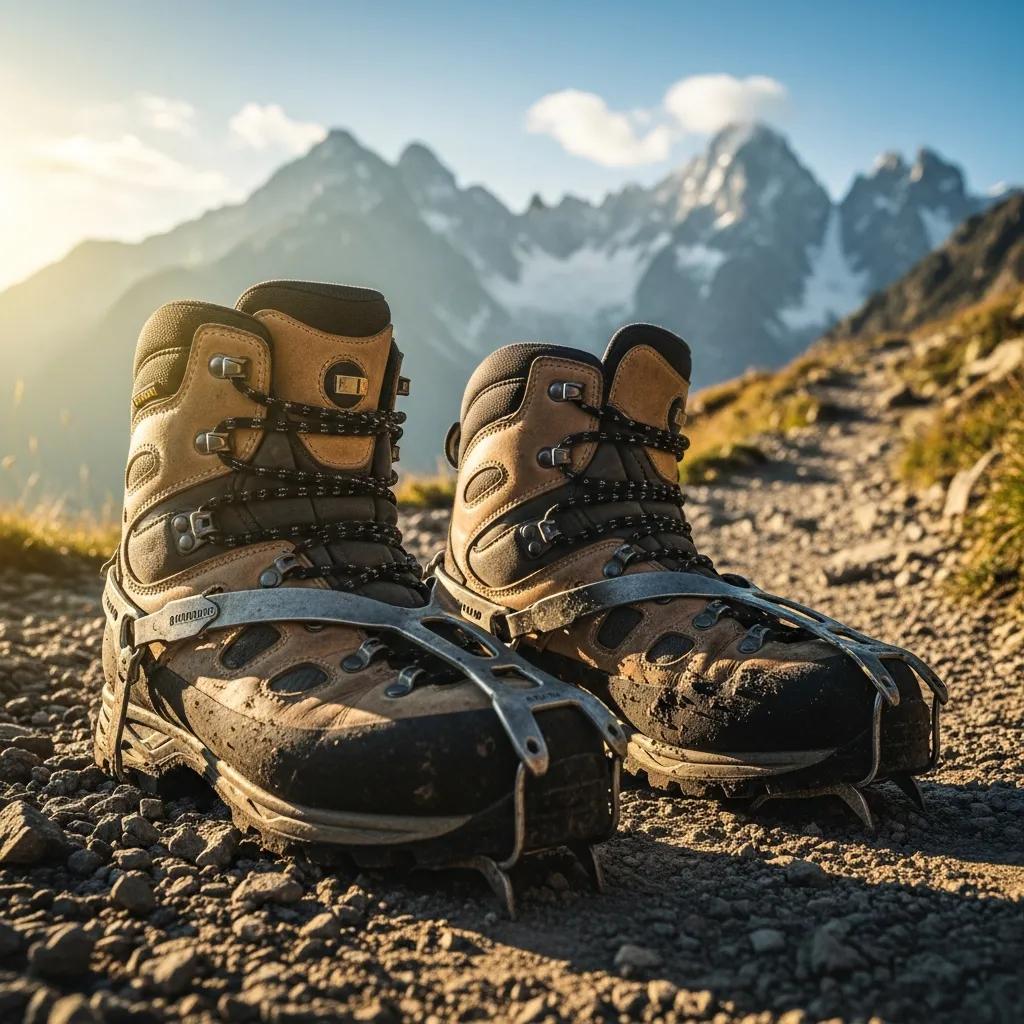
Waterproof Is a Condition Choice, Not an Automatic Upgrade.
Waterproof membranes are useful when you expect sustained wet grass, mud, cold rain, shallow snow or repeated puddle exposure. They can also make a boot or shoe feel warmer and may dry more slowly once water enters from the top.
On hot, dry trails, breathable footwear can be more comfortable. On long routes where stream crossings are unavoidable, some hikers deliberately choose non-waterproof shoes because they drain and dry faster.
Simple rule: choose waterproofing when keeping external moisture out matters more than maximizing ventilation and dry-out speed.
How Hiking Boots & Shoes Should Fit
Do not buy hiking footwear from a size number alone. Last shape, foot volume, sock thickness and how your feet swell late in the day all change the answer.
Secure without rubbing
A little movement may be normal, but repeated lift that creates friction is a poor sign for long descents.
Clear the front downhill
Use an incline or stairs. Your toes should not repeatedly slam into the front of the shoe.
Enough room for your shape
Side pressure, numbness or crushed toes rarely improve enough to justify the wrong last.
Support should feel natural
Too much or too little structure becomes obvious after time under load, not just a quick store lap.
Fit the real system
Try footwear with the actual hiking socks and footbeds you plan to use.
Fit later in the day
Feet often swell with heat and mileage, so late-day fitting can expose a shoe that is too short or tight.
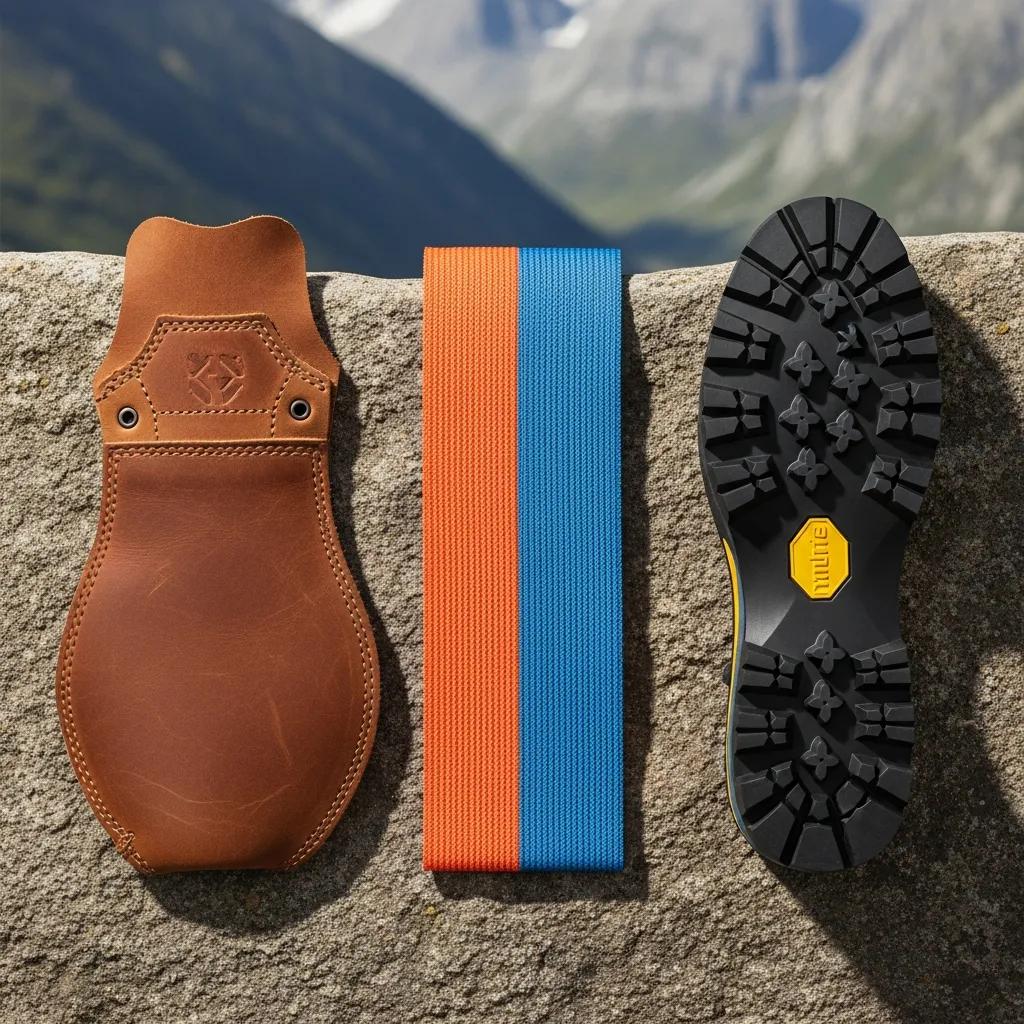
Traction Is More Than Lug Depth.
Deep, widely spaced lugs can shed mud and bite into loose trail. A pronounced heel brake can improve control on descents. Rubber compound affects grip and wear: softer compounds often feel stickier, while harder rubber can last longer.
Midsole stiffness matters too. A flexible shoe can feel natural on smooth trail but may fatigue your feet on sharp talus. A firmer platform spreads load across rough surfaces but can feel less forgiving on easy trail.
Do not evaluate the outsole alone. Traction only helps when the shoe fits securely enough that your foot is not sliding inside it.
Current Hiking Boots Through Backcountry
The live product grid comes from the Global Summit Guide gear catalog. Inventory and pricing change, so the module rotates current products tagged as hiking boots.
Shop Current Hiking Boots
Use the comparison framework above first. Then compare what is actually in stock today.
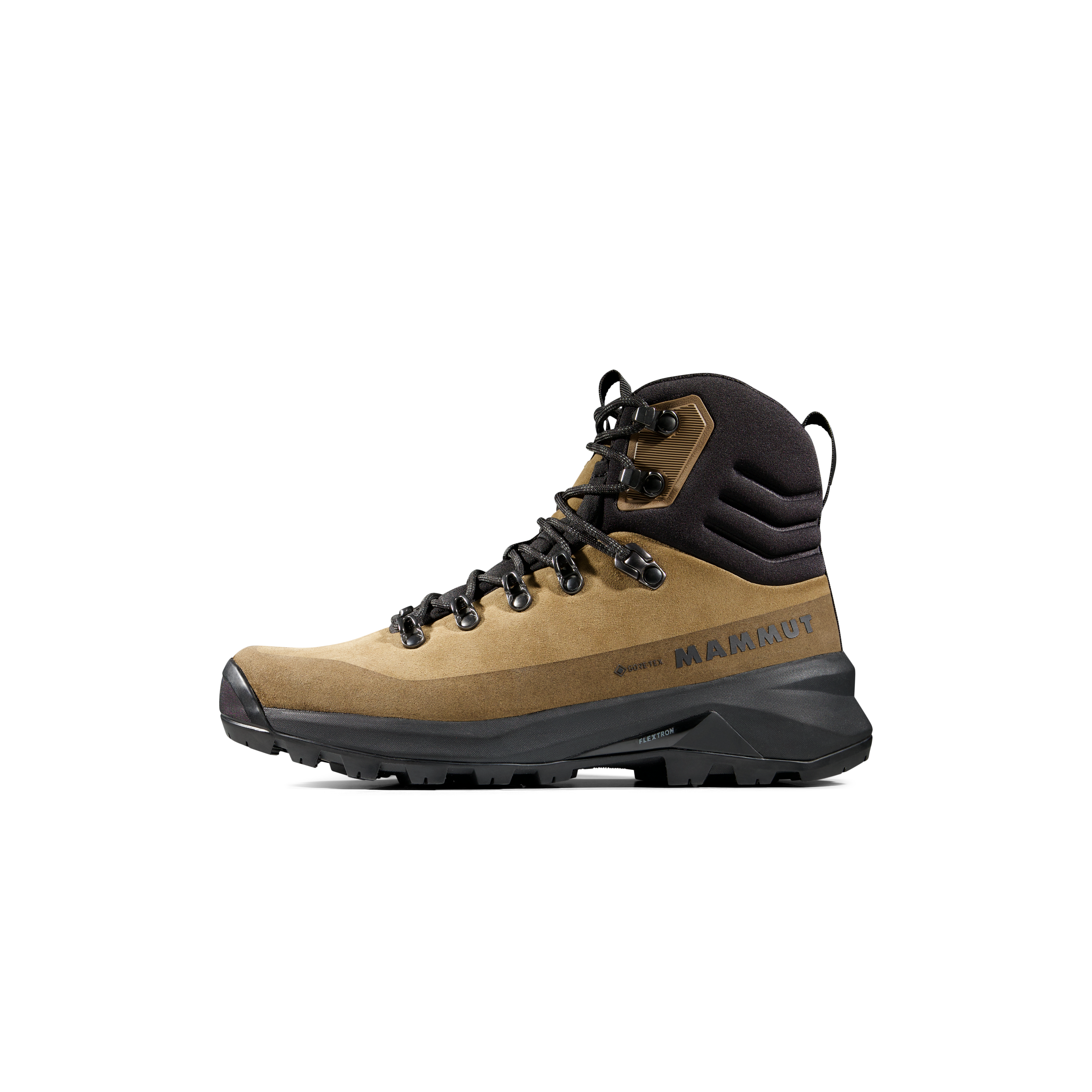
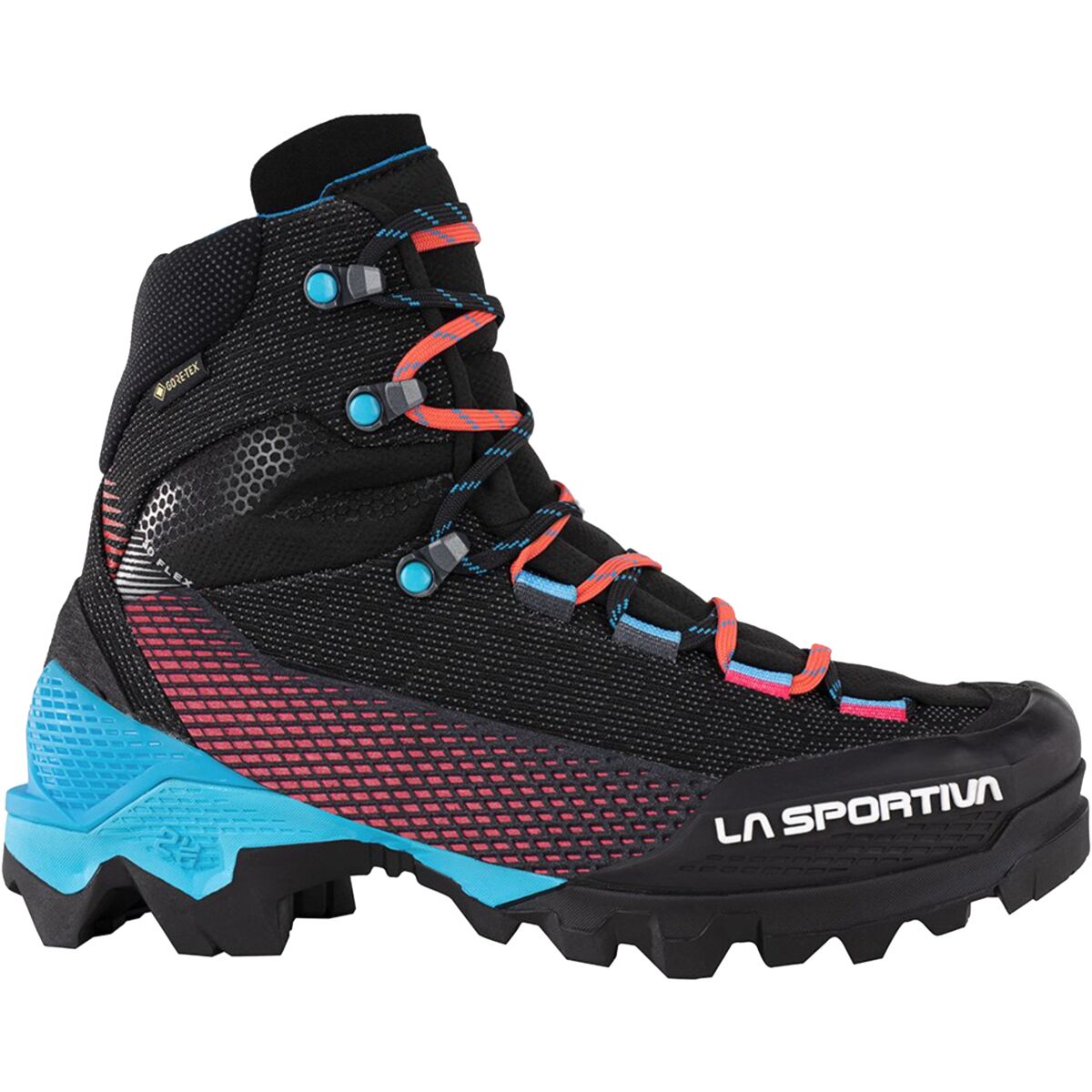
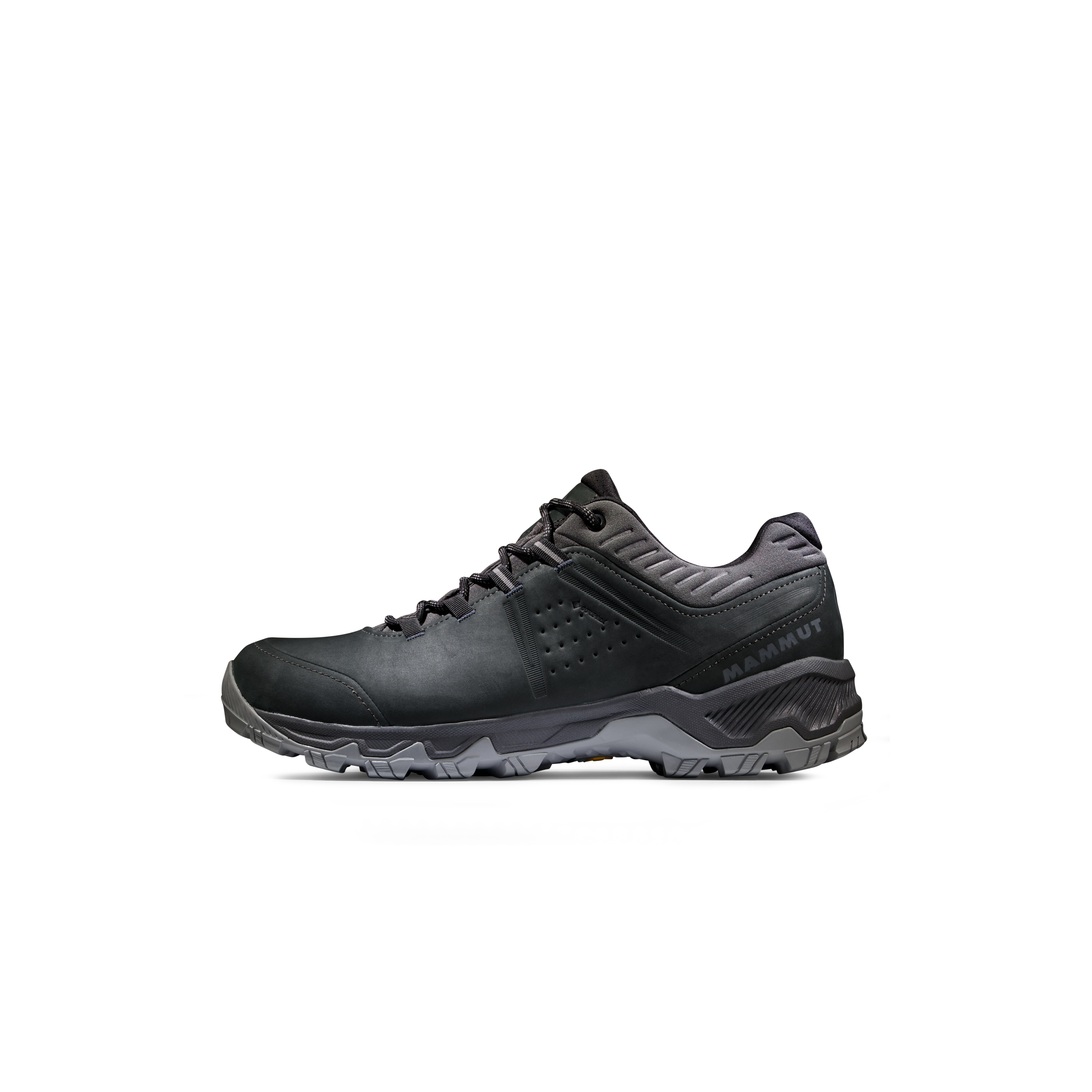
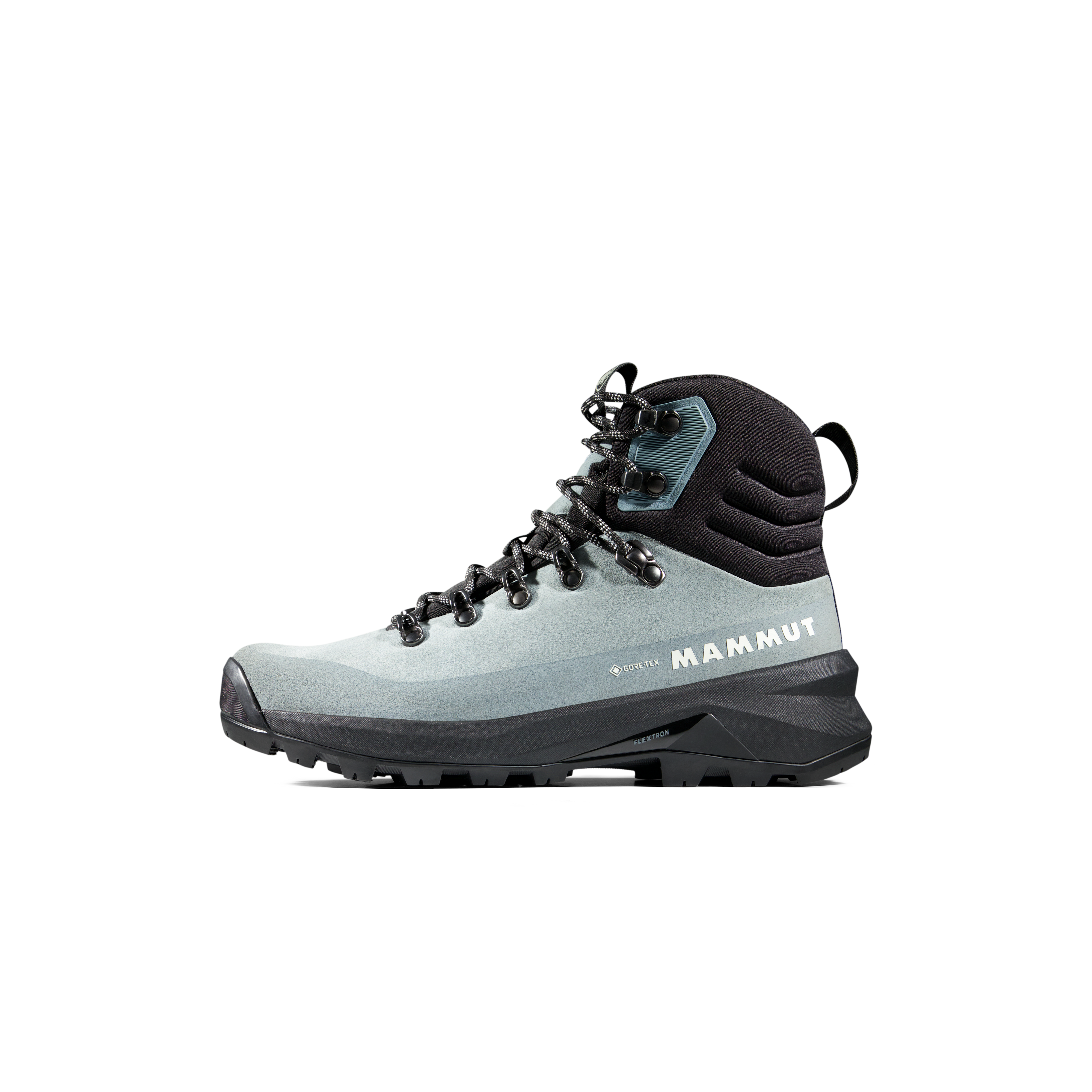
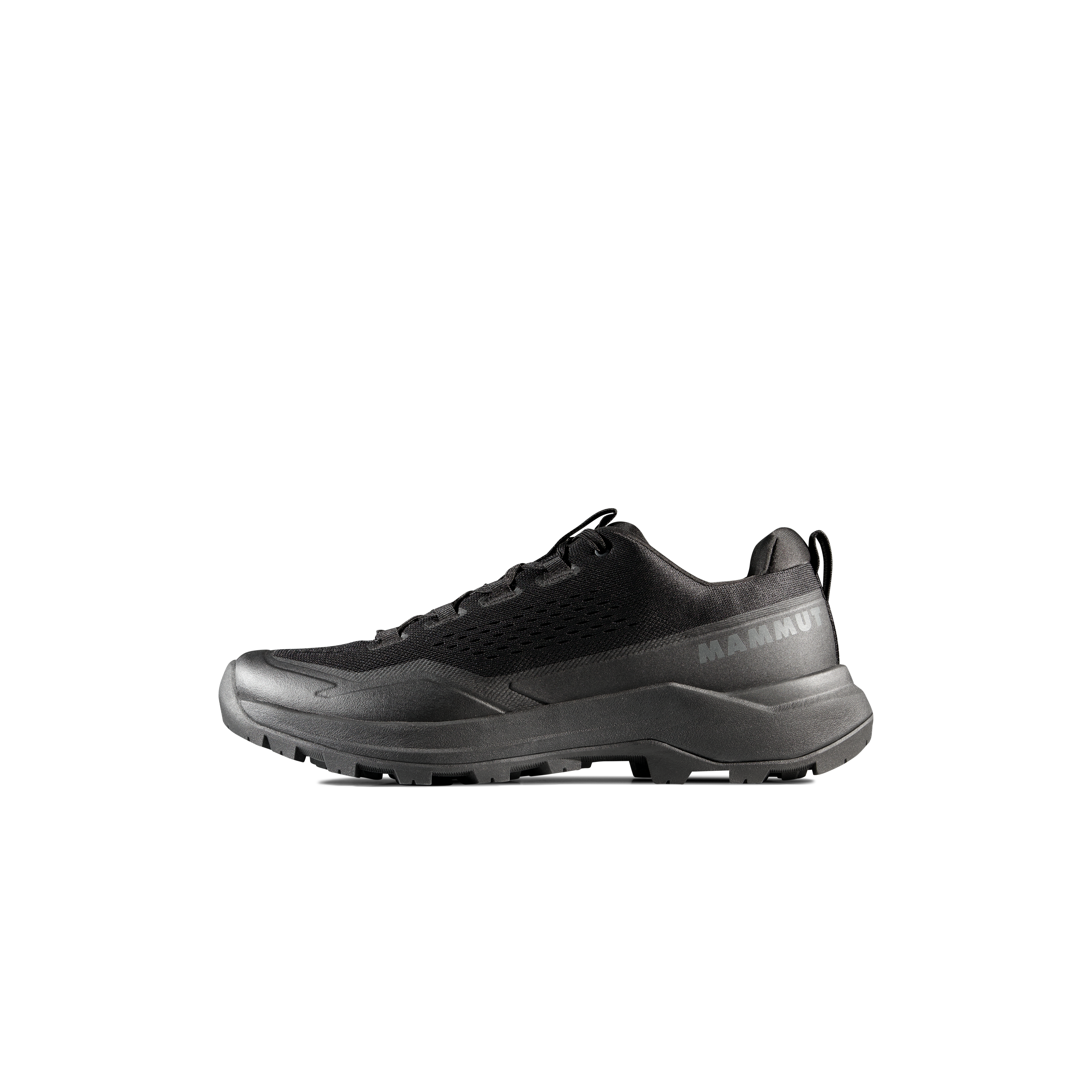
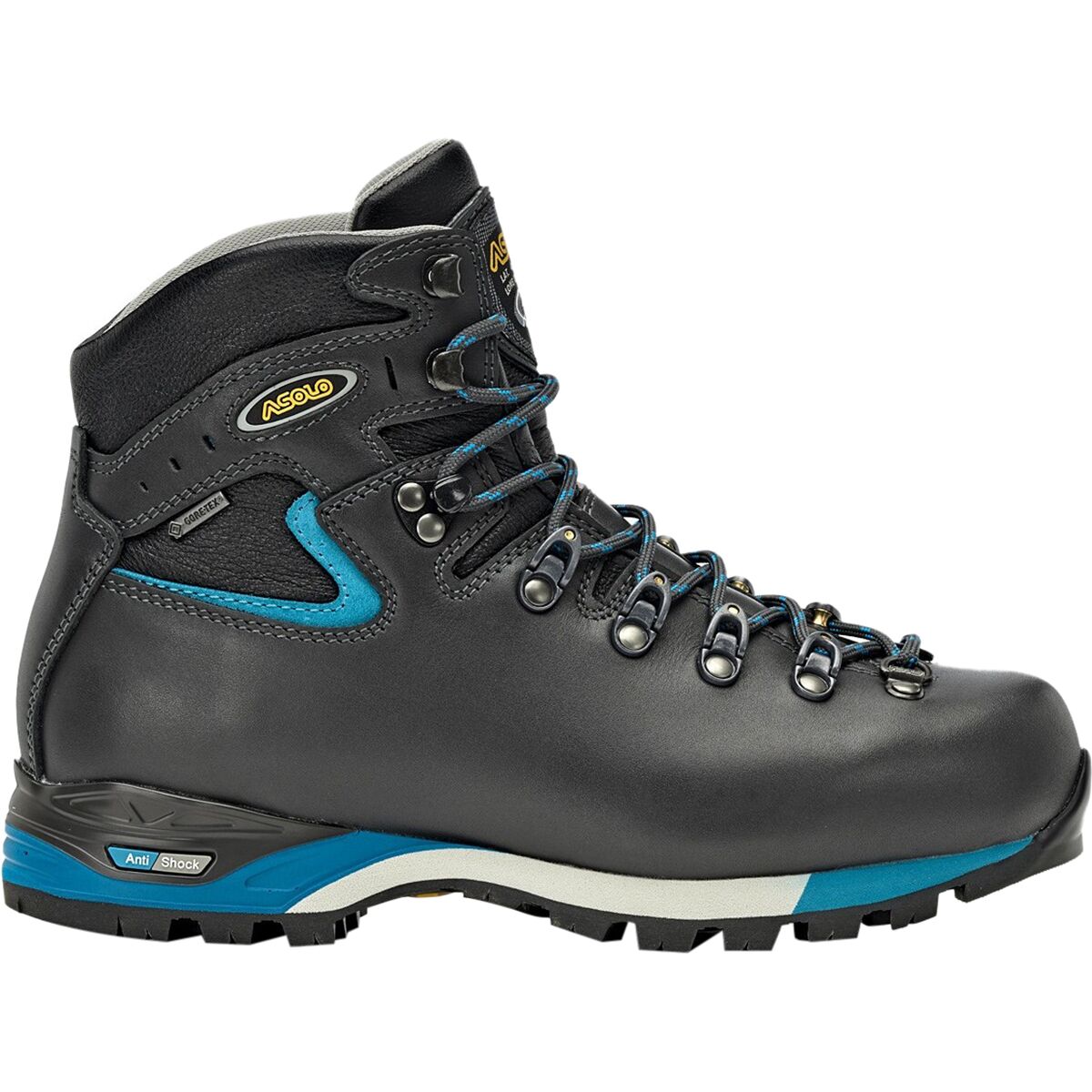
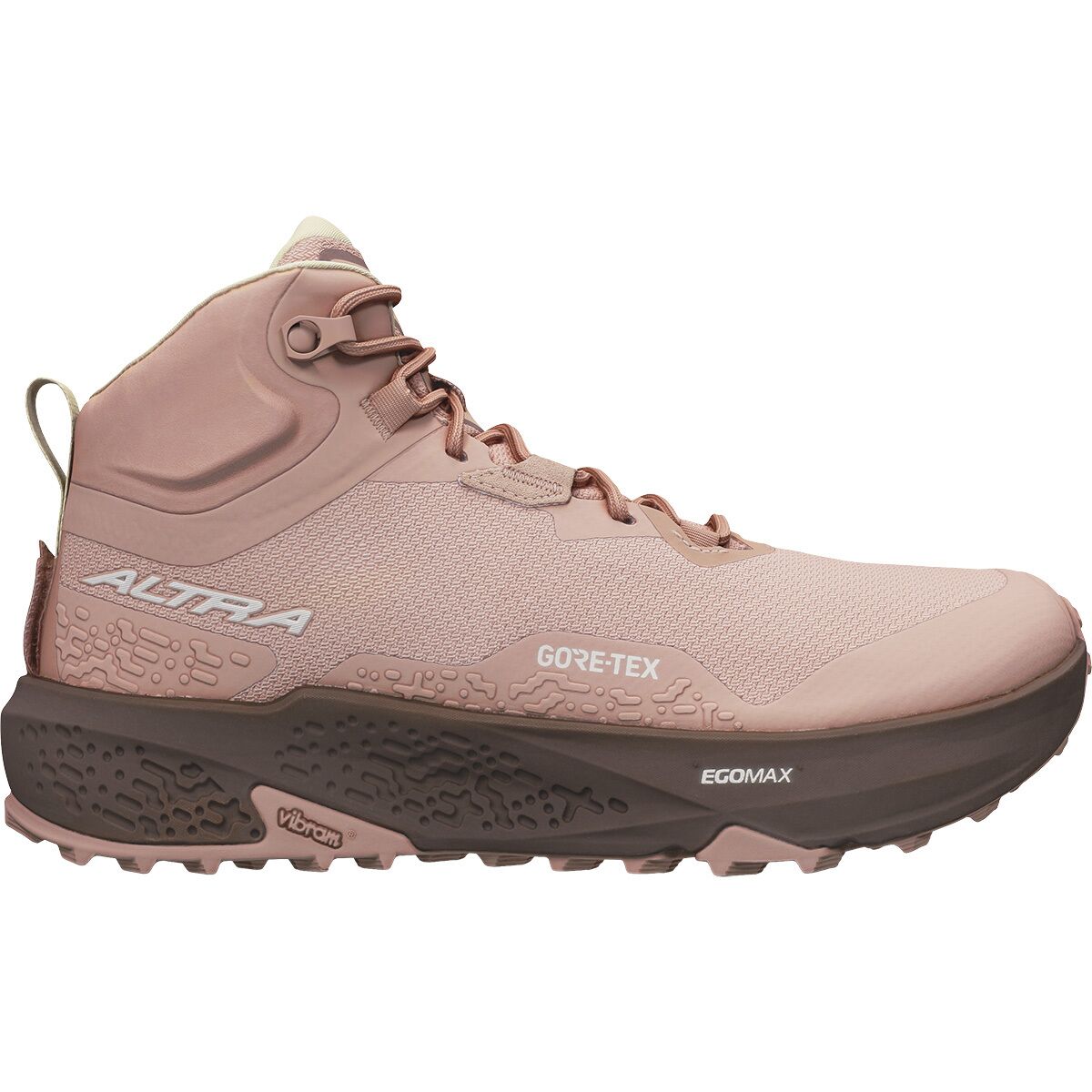
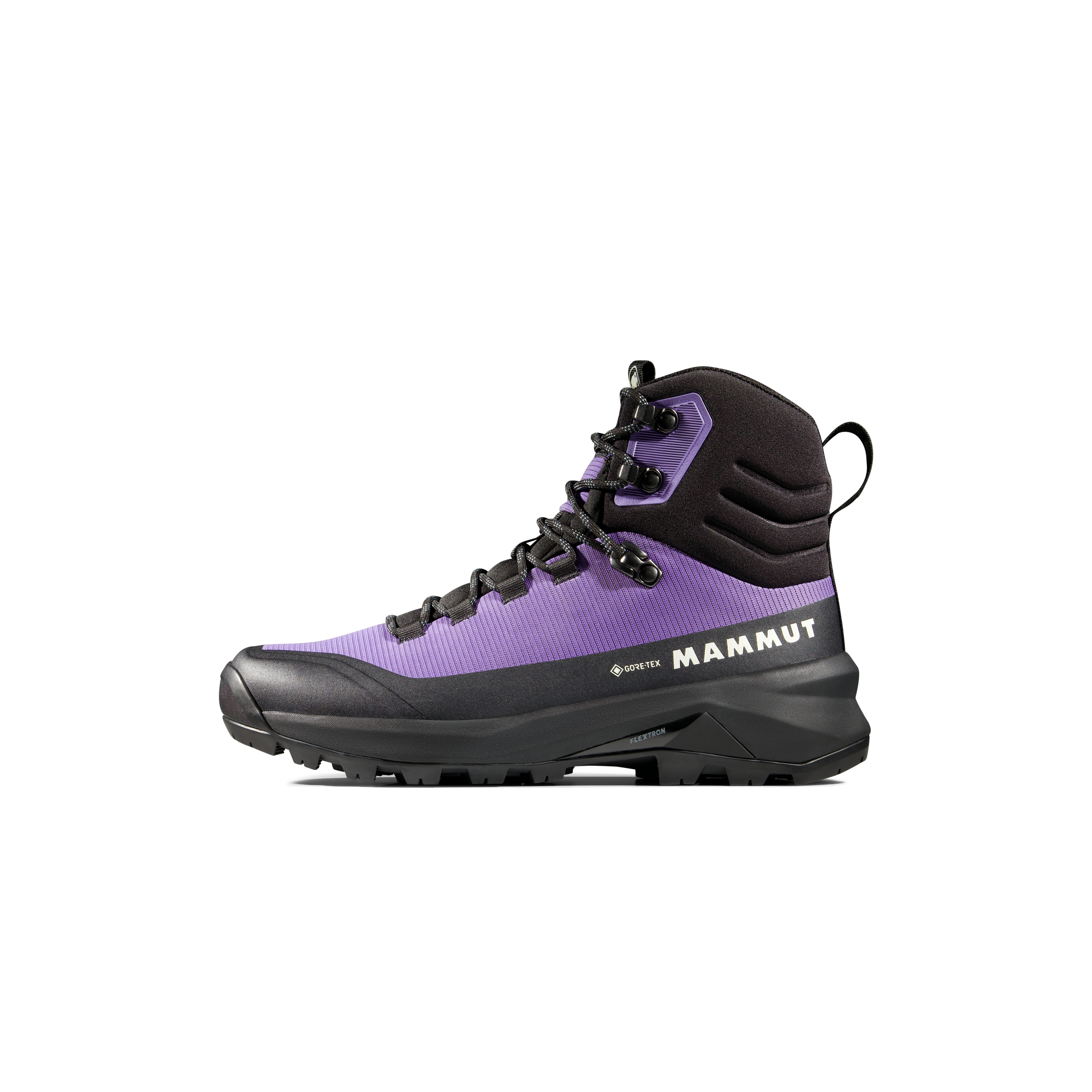
NORTIV 8: A Lower-Cost Hiking Boot Option
NORTIV 8 is most relevant here as a budget hiking and trekking footwear alternative. Compare fit, traction, waterproofing and intended terrain the same way you would with premium brands; price does not replace the need for a secure fit and appropriate outsole.
Backpacking Does Not Automatically Require a Heavy Boot.
Modern backpackers use everything from trail runners to traditional leather boots. The correct choice depends on the total system and the hiker—not one universal pack-weight threshold.
Shoes can work extremely well
If terrain is maintained and your feet tolerate flexible footwear, low-cut options can reduce fatigue and dry quickly.
Choose by terrain and foot preference
A structured shoe or light mid often gives enough protection without moving to a heavy backpacking boot.
More structure can become useful
Long off-trail days, sharp rock and larger loads are where firmer midsoles and more protective boots earn their weight.
Care, Drying & When to Replace Hiking Footwear
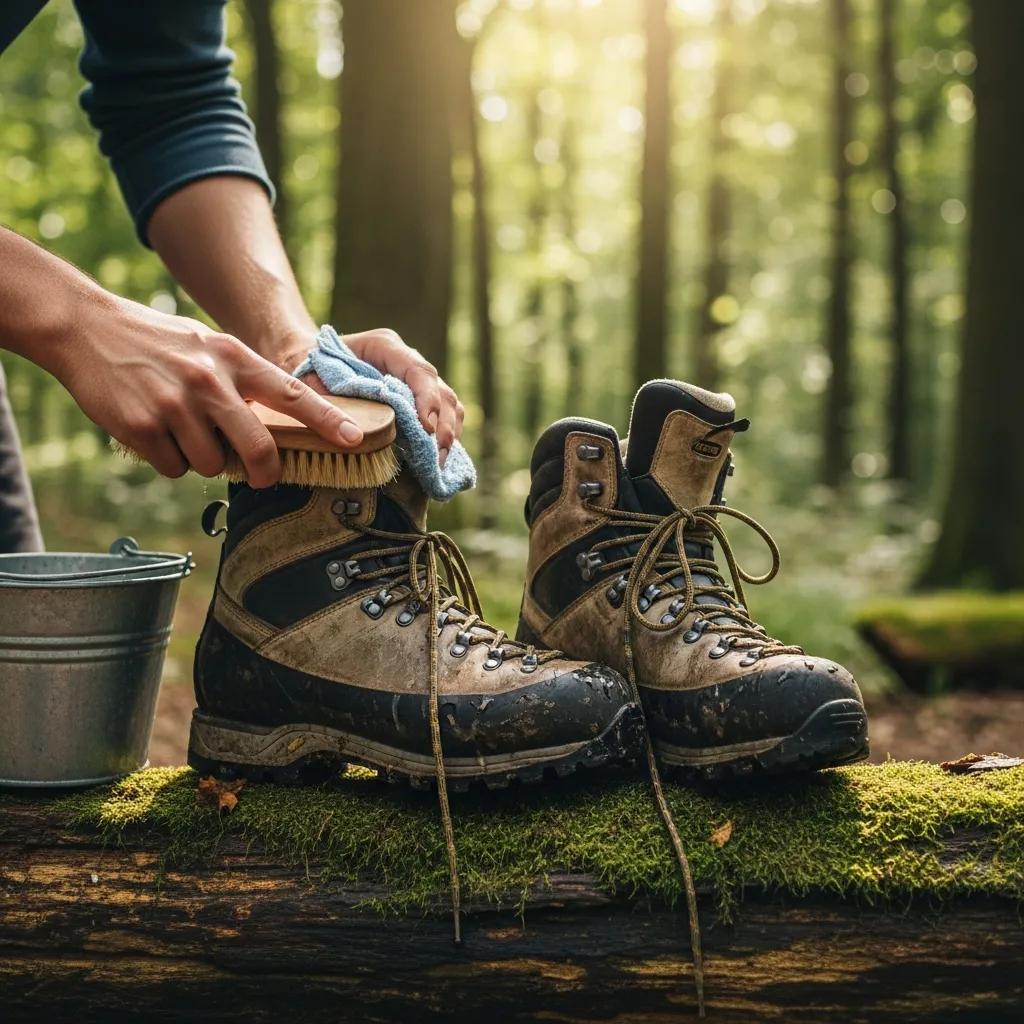
Brush away dirt and mud, rinse salt when necessary and dry footwear away from direct high heat. Remove insoles when appropriate so the interior dries fully.
Watch the outsole before the upper looks destroyed. Rounded lugs, exposed midsole foam, uneven wear and loss of traction can matter before the boot looks “old.” Midsole compression also changes support over time.
Replace by condition and performance rather than a universal mileage number. A hiker on abrasive desert rock may wear out an outsole far faster than someone hiking soft forest trails.
How This Guide Is Built
No fabricated testing or star ratings
Global Summit Guide does not claim hands-on field testing of footwear we have not personally tested and does not invent star ratings. The current-model shortlist is based on published 2026 field-testing roundups, manufacturer specifications, intended terrain, fit considerations and how each footwear category fits into the larger hiking and mountain system.
Current research cross-check: REI Co-op Expert Advice’s June 2026 hiking boot and hiking shoe testing, current OutdoorGearLab 2026 hiking-boot testing, and current manufacturer specifications. These source names are listed for transparency but are intentionally not linked because this page keeps outbound commerce focused on Global Summit Guide affiliate partners.
Best Hiking Boots & Shoes FAQ
Are hiking boots or hiking shoes better?
Neither is automatically better. Hiking shoes are usually lighter and more flexible; boots add upper protection and often more structure. Match the choice to terrain, weather, pack weight and your foot.
Do I need waterproof hiking boots?
Waterproof footwear is useful in sustained wet, cold or muddy conditions. Hot and dry trails often favor breathable non-waterproof shoes that release heat and dry faster.
How should hiking boots fit?
Your heel should stay secure, the forefoot should not be crushed and your toes should not hit the front on descents. Fit with your real hiking socks and footbeds, preferably later in the day.
Can hiking shoes be used for backpacking?
Yes. Many backpackers use hiking shoes or trail runners, especially with lighter packs and maintained trails. Rough terrain, heavy loads, cold or personal support preferences may justify a boot.
Should I size up in hiking boots?
Do not rely on a universal “size up” rule. Size for heel hold, toe clearance, swelling and the sock system you will actually use.
What is the difference between hiking boots and mountaineering boots?
Hiking boots prioritize walking, trail traction and support. Mountaineering boots are stiffer, warmer and designed for snow, ice and crampon compatibility. Technical mountain terrain requires a different footwear decision.
Are trail runners good hiking shoes?
They can be excellent for fast hiking, maintained trails and lighter loads. The trade-off is less upper protection and often less underfoot structure than a traditional hiking boot.
Build the Rest of the Trail System
Mountaineering & Hiking Gear Guide
Move from footwear into the complete gear system.
Long-distance systemThru-Hiking Gear List
See where footwear fits inside a lightweight long-trail setup.
Trail movementTrekking Poles Guide
Pair footwear with efficient pole technique on climbs and descents.
Planning toolMountain Gear Planner
Build a route-specific gear system around your actual objective.
Technical progressionHow to Choose Mountaineering Boots
Know when hiking footwear stops being enough for snow and ice.
Technical comparisonBest Mountaineering Boots
Compare current boots built for alpine, ice and high-altitude use.
Choose a trailBest Long-Distance Trails for Beginners
Put footwear decisions into a real trail context.
Trip styleSection Hiking vs Thru-Hiking
Trip duration and resupply strategy change what footwear makes sense.
Cold trail conditionsMicrospikes vs Crampons
Know when ordinary hiking traction is enough and when terrain requires more.
Choose for the Trail You Hike Most.
Fit first. Match the outsole and structure to the terrain. Add waterproofing only when conditions justify it. Then spend your miles thinking about the trail instead of your feet.
Was this helpful?
Global Summit Guide is an independent mountaineering resource founded in 2026. The team combines first-hand trekking and climbing experience with in-depth research and professional health and nutrition review to help climbers choose objectives, prepare properly, and stay safe.
Health, altitude, and nutrition content is reviewed by Taylor Ludlow (Registered Nurse) and Brigg Hoopes (Nutritionist).
What We Don't Know Yet
Mountain information changes quickly. This box explains the limits of what this page can responsibly promise.
- Gear requirements can change by season, route variation, weather window, personal cold tolerance, and guide-service requirements.
- Comparisons simplify complex decisions; the better mountain depends on current conditions, skills, timing, budget, and risk tolerance.
- Visa, passport, vaccination, border, insurance, and local transportation rules may change before your trip.
Verify current conditions with official land managers, guide services, local forecasts, and current route reports before booking or climbing.
Mountaineering, rock and ice climbing, glacier travel, and high-altitude activity are inherently dangerous and can result in serious injury or death. The information on Global Summit Guide is provided for general informational and educational purposes only and is not a substitute for professional instruction, qualified guiding, proper equipment, or your own judgment and experience.
Route conditions, weather, snowpack, permits, regulations, and hazards change constantly and may differ from what is described here. Details may be incomplete, out of date, or contain errors. Always verify current information with local authorities, certified guides, and official sources before making any decision in the mountains.
Nothing on this site is medical, legal, or financial advice. Our fitness, acclimatization, altitude, and nutrition content is general in nature; consult a qualified physician before beginning any strenuous exercise program or exposing yourself to high altitude.
You are solely responsible for your own safety and decisions. To the fullest extent permitted by law, Global Summit Guide and its team accept no liability for any loss, injury, damage, or expense arising from use of, or reliance on, this information. By using this site you acknowledge these risks and accept these terms.
Some links on this site may be affiliate links. If you buy through them we may earn a small commission at no extra cost to you; this never affects our recommendations.
Global Summit Guide recommendation path
Next Best Mountain to Research
Use these recommendations to continue the right planning path instead of stopping on one page.
Use current permit, weather, route, and operator information before booking or climbing.