
Last updated May 2, 2026
Best Time To Climb Mountains: When To Climb – Peak vs Shoulder Season Strategies
By Travis Ludlow, Global Summit Guide
Timing your climb affects both safety and enjoyment. Peak seasons usually give more stable weather and higher success rates; shoulder seasons offer fewer crowds and lower costs but more variable conditions. This guide explains what peak and shoulder seasons mean, the typical weather you’ll face, the main benefits and risks of each, and how to plan expeditions around seasonal factors.
Peak Season Strategies
Peak season is the period when local conditions are most favourable for climbing: more stable weather, milder temperatures, and clearer skies. These factors improve visibility and reduce weather-related hazards, so plan routes and logistics to match peak windows for your chosen range.
Regional timing varies. For example, the Himalayas see peak conditions in April–May; the Andes are often best from June–August. Expect larger crowds during peak times, which can increase route congestion and introduce additional safety considerations.
During peak season you can rely on established guide services and operators who are familiar with typical conditions. Use reputable sources—such as established guide services and climbing information hubs—to confirm timing, permits and logistical details before you book.
Beyond weather, peak windows simplify many operational tasks: resupply options, vehicle access, and medical evacuation procedures tend to run more predictably because local services work at higher capacity. When booking during a peak period, prioritise operators who publish clear itineraries and contingency plans; ask specifically about group sizes, daily mileage expectations and emergency response protocols. These operational details reduce uncertainty and help teams maintain conservative margins for safety while still taking advantage of the better weather window.
Shoulder Season Strategies
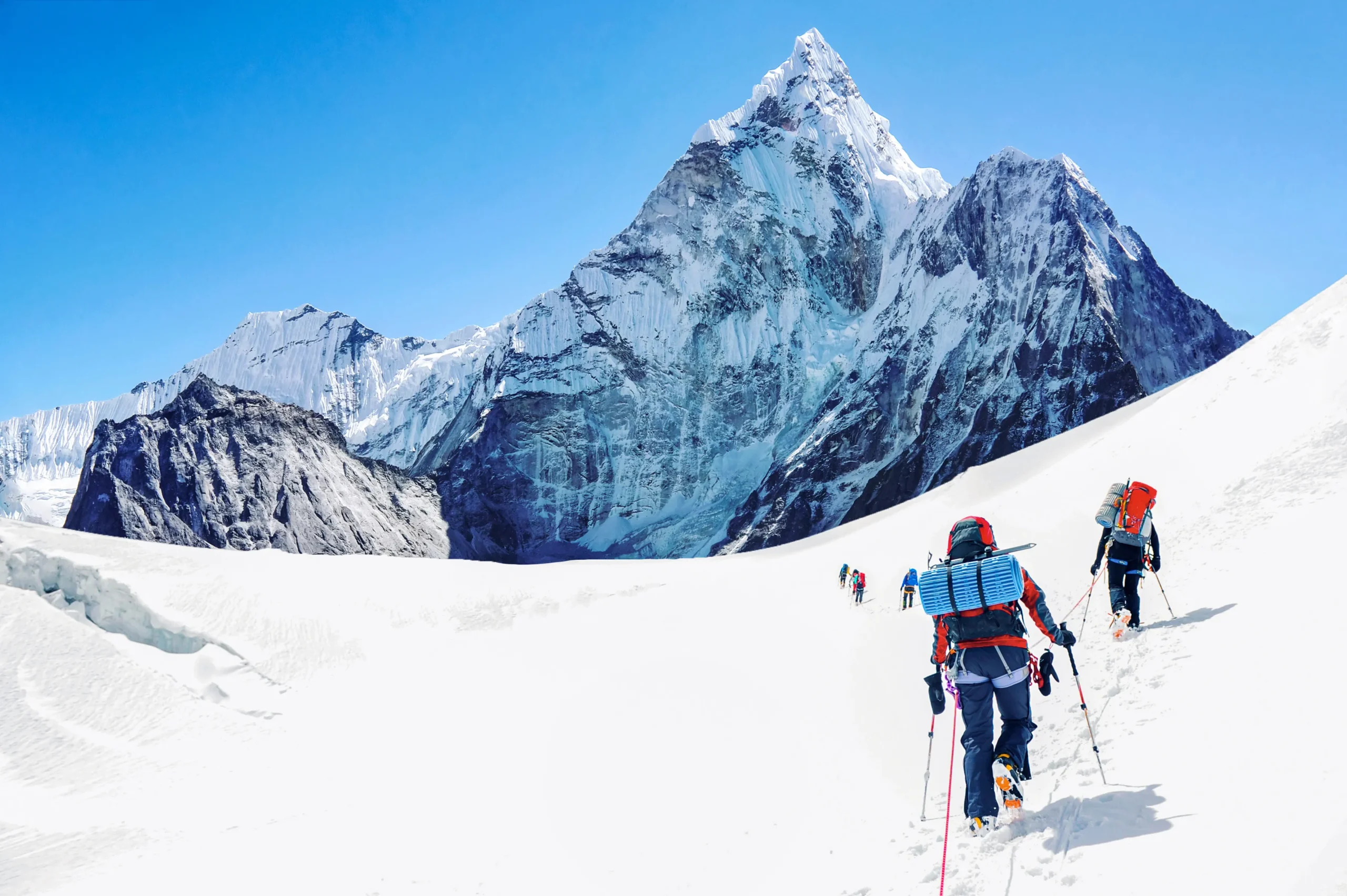
Shoulder season covers transitional periods between peak and off-peak. Advantages include fewer people on routes and often lower permit or service costs. That solitude can make for a quieter, more focused climb.
But shoulder seasons bring more variable weather. Temperatures and precipitation can change quickly. For example, the Rocky Mountains may still have snowstorms in late spring or early fall, so expect to adapt your gear and schedule accordingly.
To manage shoulder season risk, monitor local forecasts, build contingency days into your itinerary, and be prepared to change plans. Consult reliable resources for route conditions and seasonal advice before departure.
Decision-making in shoulder seasons often leans toward flexibility and conservative margins. Practically, this means setting earlier turnaround times, limiting exposure on corniced crests or unstable slopes, and choosing routes where descent options exist at multiple points. Teams should practise rapid gear changes and emergency shelter construction in training so that, if weather closes in, the group can secure itself quickly and execute a safe retreat without relying on external support that might be limited outside peak months.
Optimal Conditions for Climbers
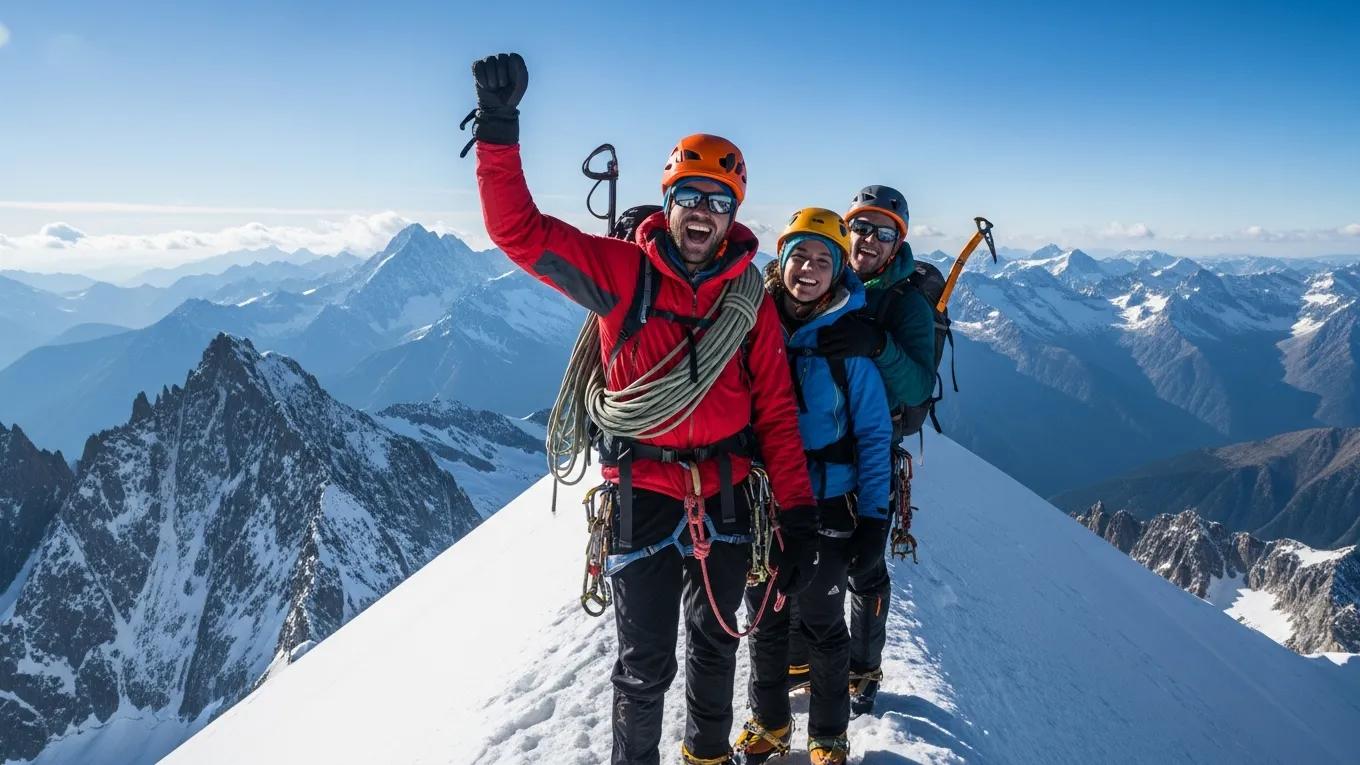
Optimal conditions depend on the route and the season. Stable weather during peak windows usually raises success rates and lowers objective hazards. Shoulder season can still offer good days, but increased variability raises the need for contingency planning and conservative decision-making.
The table summarises typical differences between seasons. When planning, also assess seasonal route hazards such as accelerated snowmelt or increased rockfall in shoulder periods, and factor those into your risk assessment.
Interpreting these contrasts in practical terms helps teams prioritise: if your objective is technical climbing with long approach days, favour peak windows where objective hazard exposure is lower. If you prioritise solitude or photography, shoulder windows may be better but require trade-offs. Make a simple decision matrix that weights variables such as objective hazard, evacuation time, and likelihood of encountering assisted services to choose the window that matches your team’s risk tolerance and logistical capability.
How Are Peak and Shoulder Seasons Defined in Mountaineering?
Seasons are defined by recurring climatic patterns that influence safety and climbability. Peak seasons have extended periods of predictable, favourable weather; shoulder seasons are the transition windows with more fluctuation. For example, the Alps generally have a peak from June–September, with shoulder periods in late May and early October.
Definitions are also shaped by local infrastructure. A “peak” on one mountain may be a shoulder period on another if local transport, rescue services and guiding operations differ. When researching a target mountain, collect information on both climate and infrastructure calendars so you understand when safe access and reliable support align with good weather.
What Are the Typical Weather Patterns During Each Season?
Peak seasons usually bring longer stretches of clear skies and lower precipitation probability. Shoulder seasons can include rapid temperature swings, sudden storms or late-season snow. Check multi-day forecasts and historical patterns before committing to a route.
Look for patterns such as diurnal wind shifts, seasonal precipitation cycles and temperature inversions that can affect snow stability and visibility. Combine short-term weather models with recent trip reports to form a composite view of likely conditions for the exact dates you plan to travel.
What Are the Advantages of Climbing in Peak Season?
Climbing during peak season offers clear operational benefits you can use to plan safer trips. The following list highlights the main practical advantages.
- Stable Weather Conditions: Peak seasons typically feature clear skies and minimal precipitation, which are crucial for safe climbing.
- Higher Success Rates: With optimal conditions, climbers are more likely to reach their summits successfully.
- Safety Considerations: Experienced guides and operators are more readily available during peak seasons, providing additional safety and support.
In addition to those items, peak seasons tend to reduce uncertainty around rapid rescues and permit enforcement. Rescue teams operate on regular schedules during peak months, communications infrastructure is more likely to be fully staffed, and access roads are less likely to be closed. These factors lower operational risk and make it easier to keep a predictable itinerary—valuable when coordinating large teams or organising complex logistics.
How Do Weather Conditions Favor Climbing Success in Peak Season?
Stable temperatures and reduced precipitation let teams move efficiently and keep objective hazard exposure low. In the Himalayas, for example, clearer skies and milder conditions in peak months support safer high-altitude progress and predictable acclimatization schedules.
Good peak weather improves visibility for route-finding and reduces time spent in exposed terrain, which directly affects fatigue and decision-making quality. Less time dealing with weather-related delays preserves energy for technical sections and lowers the cumulative physiological stress of a multi-day ascent.
What Safety Protocols Are Recommended During Peak Season Climbs?
Follow standard safety protocols: confirm route conditions, carry appropriate weather-resistant clothing and safety kit, and climb with experienced guides when possible. Pre-trip briefings, emergency plans and clear communication procedures further reduce risk.
During peak operations, maintain disciplined group management: check in at scheduled intervals, set explicit turn‑around times for key objectives, and rehearse emergency procedures before leaving base camp. Even in good weather, technical problems and illness can occur; having clear leadership and an agreed decision-making framework is essential to translating peak-season advantages into safe outcomes.
What Are the Benefits and Challenges of Shoulder Season Mountaineering?
Shoulder season climbing brings definite benefits that appeal to certain objectives and budgets. Key benefits include:
- Fewer Crowds: Climbers can enjoy a more solitary experience, allowing for deeper connections with nature.
- Cost-Effectiveness: Permits and services may be less expensive during shoulder seasons, making it a more budget-friendly option.
- Unique Experiences: Climbers may encounter different flora and fauna, as well as stunning landscapes that are less frequented.
These upsides come with trade-offs. Expect less predictable weather and build contingency plans—extra days, flexible transport, and conservative turnaround times help manage those risks.
Shoulder windows also provide unique opportunities for learning. Fewer groups on the route mean quieter camps and more time for navigation practice, snow condition assessment, and small-group skill-building. For guided groups, this can be an ideal time to focus on technique and client education, provided the team accepts a potentially slower schedule and a higher emphasis on self-reliance.
How Does Shoulder Season Affect Climbing Risks and Safety?
Shoulder season raises objective risk through more frequent and less predictable weather events. Monitor forecasts closely, set conservative decision points, and pack additional protective and emergency gear to reduce exposure to sudden storms or temperature drops.
Risk management in shoulder months often requires more active daily assessment: evaluate overnight changes, inspect snowpack frequently, and be ready to alter route choices with short notice. Teams that practise conservative navigation and maintain simple, redundant communication plans will generally manage shoulder-season hazards better than groups that rely on rigid schedules.
What Gear Adaptations Are Necessary for Shoulder Season Climbs?
Gear choices should prioritise versatility and protection. Common adaptations include layered clothing systems, robust weather-resistant outer layers, and a larger emergency kit with extra food and water to cover weather-related delays.
Practical gear checklist items to prioritise in shoulder season include:
- Layering system with thermal base layers, insulating mid-layers and waterproof outer shells for sudden temperature swings.
- Compact shelter options such as bivy sacks or four-season tents if you expect unexpected overnight stops.
- Navigation aids: reliable maps, GPS device and spare batteries; compasses and basic route notes are essential in case electronic devices fail.
- Expanded emergency kit: extra food rations, water purification tablets, repair tape and multi-tool, plus a small medical kit with high-elevation considerations.
How Do Mountain-Specific Seasonal Considerations Influence Climbing Plans?
Each range has distinct seasonal behaviour that affects route choice and timing. Study local microclimates and route reports—for example, the Andes can show sharp differences in conditions from one side of the range to the other—and adapt your plan and gear list to those specifics.
Consult regional guidebooks and recent trip logs to identify season-specific hazards such as persistent cornices, spring runoff timing or late-season freeze-thaw cycles. Plan alternate routes that reduce exposure to the most volatile terrain if forecasts deteriorate or if you encounter unexpected conditions during the approach.
What Are Seasonal Climbing Tips for Popular Mountains Like Everest and Kilimanjaro?
When planning climbs on peaks such as Everest or Kilimanjaro, follow established timing, permitting and acclimatisation practices. Match your itinerary to known peak windows and allow time for staged ascent and contingency days.
Know the local safety and risk-management protocols for each peak, especially in regions like East Africa, and apply them to route planning, guide selection and emergency procedures.
Mountain Climbing Safety: Risk Management & Protocols
This study examined safety concerns, risk management and standards of practice for preparing and handling emergencies in the East African afro‑alpine regions (Mt. Kenya, the Rwenzori and Mt. Kilimanjaro). It outlines recommended standards of practice and risk assessment approaches for outdoor adventure programmes.
Standards of practice, risk assessment, and safety concerns in outdoor adventure programmes in the afro-alpine mountains of east
Africa, LJ Wachira, 2022
- Research Peak Times: Understanding the best times to climb these mountains can significantly impact success rates.
- Book Early: Due to high demand, securing permits and guides well in advance is essential.
- Prepare for Altitude: Climbers should acclimatize properly to avoid altitude sickness, which can be more prevalent during peak seasons.
For high-profile mountains with complex logistics, break planning into phases: permit and transport, gear and supplies, acclimatisation schedule, and emergency contingencies. Allocate time early in the planning phase to confirm each of these elements so you can pivot quickly if permit windows shift, flights are delayed, or local conditions change.
How Does Elevation and Location Impact Seasonal Climbing Strategies?
Elevation magnifies weather effects: higher terrain can stay colder and retain snow longer. Location matters too—exposure, aspect and local wind patterns change conditions. For example, the Rockies can see snow at higher elevations well into late spring, while lower routes may be stable.
How Should Climbers Plan Expeditions According to Seasonal Factors?
Effective seasonal planning focuses on three practical steps:
- Monitor Weather Patterns: Staying informed about local weather forecasts can help climbers anticipate changes and adjust their plans.
- Understand Permit Requirements: Different seasons may have varying permit requirements, so climbers should research these in advance.
- Utilize Seasonal Climbing Calendars: Climbers can benefit from using seasonal climbing calendars to identify the best times for their expeditions.
Expand each of those three steps into day-by-day actions when you build an itinerary. For monitoring, set specific times to check short-term forecasts and delegate a team member to interpret models. For permits, create a timeline that lists key deadlines and contact points for local authorities. For calendars, cross-reference historic trip reports with current-year weather and route updates so you have both context and contemporary input when making final decisions.
What Are the Permit Requirements and Operator Services by Season?
Permit availability and operator services change with demand. Peak season often requires earlier bookings and stricter permit allocations; shoulder season can offer more flexibility. Check official park or local operator sites for current rules and timing.
When you contact operators, ask about cancellation policies, group minimums and what their contingency plans include. Clear contracts that outline what happens if weather forces delays—who covers additional nights, evacuation costs and equipment replacements—will prevent surprises and help you assess provider reliability before committing financially.
How Can Climbers Use Seasonal Climbing Calendars and Weather Data Effectively?
Use calendars and data to: review historical weather patterns, account for long‑term climatic trends, and update plans with real‑time forecasts during the trip. Combine historical context with live data to make practical, safety‑based decisions.
Set up a simple planning dashboard before departure that contains region-specific historical summaries, links to multiple forecast models and a checklist of decision points tied to forecast thresholds. This approach turns raw information into operational choices you can act on quickly when conditions change.
What Are the Emerging Trends and Climate Impacts on Climbing Seasons?
Climate change is shifting seasonal patterns and increasing weather variability. Climbers should track these trends for their chosen regions and adjust timing, risk assessments and gear lists as long‑term patterns evolve.
Longer-term shifts may require rethinking classic season windows and putting a greater emphasis on real-time condition monitoring rather than relying solely on calendar expectations. Stay engaged with regional guide associations and research outputs that summarise how seasonal behaviour is changing for the particular mountain systems you climb.
How Is Climate Change Affecting Peak and Shoulder Season Conditions?
Warming and altered precipitation patterns are changing when and how routes are climbable. Examples include earlier snowmelt and a higher frequency of extreme weather events, both of which can alter route safety and timing.
Why Are Shoulder Season Expeditions Increasing in Popularity?
Shoulder season trips are growing because they can be more affordable, less crowded and offer distinct natural experiences. These benefits appeal to climbers who prioritise solitude or lower cost over predictable weather.
As shoulder season interest rises, understanding its trade-offs—especially weather variability and necessary preparedness—becomes more important for safe planning.
Frequently Asked Questions
What Should Climbers Consider When Choosing Between Peak and Shoulder Seasons?
Decide based on weather stability, crowd tolerance and your experience level. Choose peak season for predictability and higher support; choose shoulder season for solitude and lower costs if you can accept greater uncertainty and carry extra contingency gear.
How Can Climbers Prepare for Unpredictable Weather in Shoulder Seasons?
Prepare by monitoring forecasts, packing a flexible layering system, choosing weather‑resistant gear and carrying emergency supplies like extra food and water. Build buffer days into your schedule so you can delay or reroute if conditions worsen.
What Are the Key Differences in Climbing Gear for Peak vs. Shoulder Seasons?
Peak-season gear tends to be lighter and more breathable. For shoulder-season climbs, prioritise layered clothing, durable weatherproof shells and an expanded emergency kit to cover potential delays or sudden storms.
How Do Climbers Ensure Safety During High Crowds in Peak Seasons?
Avoid congestion by starting early, planning less crowded routes or times, and keeping clear communication with your team and guides. Follow established route etiquette and be prepared to change plans if crowding creates unsafe conditions.
What Role Does Acclimatization Play in Seasonal Climbing Success?
Acclimatisation reduces the risk of altitude illness by allowing your body to adapt to lower oxygen. Plan gradual ascents, include rest days and follow recognised acclimatisation schedules—this applies in any season and is critical for safety at altitude.
How Can Climbers Utilize Seasonal Climbing Calendars Effectively?
Use calendars to pick your target window, then cross‑check with historical weather and recent route reports. Adjust plans as real‑time forecasts update and maintain flexibility in logistics to respond to changing conditions.
Conclusion
Choosing the right season shapes your risk profile and experience. Peak season favours predictable conditions and higher support; shoulder season offers solitude and savings but needs stronger contingency planning. Plan around local weather patterns, follow safety protocols, and use reliable resources to prepare. With careful planning you increase both safety and the chance of a successful climb.
Final practical checklist: confirm permits and operator policies early, build at least one full contingency day per week of planned travel, carry a compact emergency shelter and extra rations, delegate weather-monitoring responsibilities within your team, and agree on conservative turn‑around criteria before departure. These concrete steps convert season-based planning into actions that protect your team and maximise enjoyment on the mountain.
Was this helpful?
Global Summit Guide is an independent mountaineering resource founded in 2026. The team combines first-hand trekking and climbing experience with in-depth research and professional health and nutrition review to help climbers choose objectives, prepare properly, and stay safe.
Health, altitude, and nutrition content is reviewed by Taylor Ludlow (Registered Nurse) and Brigg Hoopes (Nutritionist).
What We Don't Know Yet
Mountain information changes quickly. This box explains the limits of what this page can responsibly promise.
- Permit availability, reservation windows, quotas, and official fee rules may change after this page is updated.
- Guide-company prices, departure dates, guide ratios, included services, and cancellation rules can change without notice.
- Weather, snowpack, avalanche risk, road access, and route conditions can change quickly and may be different on your climbing dates.
- Route conditions, trailhead access, crevasse exposure, stream crossings, and rescue access may vary from published planning guidance.
- Total trip cost can change with flights, lodging, guide pricing, permits, gear rentals, transportation, and exchange rates.
Verify current conditions with official land managers, guide services, local forecasts, and current route reports before booking or climbing.
Mountaineering, rock and ice climbing, glacier travel, and high-altitude activity are inherently dangerous and can result in serious injury or death. The information on Global Summit Guide is provided for general informational and educational purposes only and is not a substitute for professional instruction, qualified guiding, proper equipment, or your own judgment and experience.
Route conditions, weather, snowpack, permits, regulations, and hazards change constantly and may differ from what is described here. Details may be incomplete, out of date, or contain errors. Always verify current information with local authorities, certified guides, and official sources before making any decision in the mountains.
Nothing on this site is medical, legal, or financial advice. Our fitness, acclimatization, altitude, and nutrition content is general in nature; consult a qualified physician before beginning any strenuous exercise program or exposing yourself to high altitude.
You are solely responsible for your own safety and decisions. To the fullest extent permitted by law, Global Summit Guide and its team accept no liability for any loss, injury, damage, or expense arising from use of, or reliance on, this information. By using this site you acknowledge these risks and accept these terms.
Some links on this site may be affiliate links. If you buy through them we may earn a small commission at no extra cost to you; this never affects our recommendations.
Global Summit Guide recommendation path
Next Best Mountain to Research
Use these recommendations to continue the right planning path instead of stopping on one page.
Use current permit, weather, route, and operator information before booking or climbing.
Explore Travel Options for Your Destination
Once your mountain, dates and route are taking shape, compare flights, hotels and other travel options that fit the trip.
Affiliate link. We may earn a commission at no additional cost to you.