
Last updated September 12, 2026
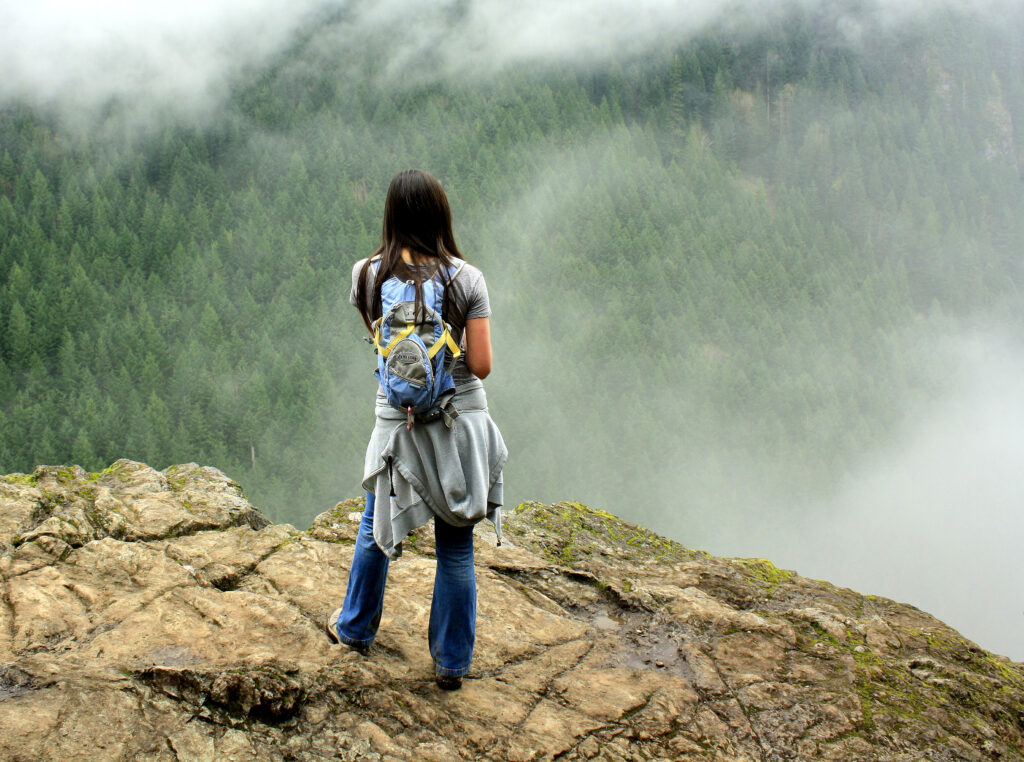
Best Beginner Mountains in the USA by Region
Your best first mountain is usually not the tallest or most famous peak you can reach. It is the closest objective that matches your current fitness, trail experience, altitude tolerance and comfort with mountain weather. These 18 choices are divided into starter peaks, fit-beginner hikes and progression objectives.
“Beginner mountain” does not mean “easy mountain.”
Technical difficulty, physical difficulty and altitude are separate problems. Kuwohi can be a first mountain with almost no hiking background. Quandary Peak is technically straightforward but reaches 14,272 feet. Charleston Peak requires a very long mountain day. They belong at different stages of a beginner progression.
- Never hiked before: choose a Starter objective.
- Regular 5–8 mile hiker: move into Fit Beginner routes.
- Ready for altitude/endurance: use a Progression objective.
- First 14er: Quandary can work after lower-elevation experience.
- Snow changes everything: ratings assume normal snow-free conditions.
Starter
Short, obvious routes with low technical complexity and easy turnaround options.
Fit Beginner
A real mountain day requiring sustained uphill movement and basic mountain judgment.
Progression
Objectives that add altitude, long mileage, exposed ridges or a strenuous full day.
18 Beginner Mountains Compared
Use the readiness label first, then compare route character, altitude and access.
| Region | Mountain | Readiness | Route character | Commitment | Altitude / gain | Access | Best for |
|---|---|---|---|---|---|---|---|
| Pacific NW | Mount Si, WA | Fit beginner | Maintained trail; avoid Haystack scramble | 4–6 hr | ~3,150 ft gain | Discover Pass | Strong first major uphill day |
| Pacific NW | Black Butte, OR | Fit beginner | Short, steep forest trail | 2–4 hr | ~1,500–1,600 ft gain | Forest recreation access | Fit first-time summit hikers |
| Pacific NW | Spencer Butte, OR | Starter | Maintained summit trail | 1–2.5 hr | ~700 ft gain | City park access | First real summit experience |
| Rockies | Quandary Peak, CO | Progression | Class 1 East Ridge | 5–8 hr | 14,272 ft / ~3,450 ft gain | Seasonal parking system | First 14er after lower peaks |
| Mountain West | Bald Mountain, UT | Fit beginner | Short high-altitude trail | 2–3 hr | 11,943 ft summit | Mirror Lake Highway | Controlled first altitude summit |
| Mountain West | Sacagawea Peak, MT | Progression | Steep rocky alpine hike | 3–5 hr | ~2,000 ft gain | Fairy Lake access | Rocky alpine progression |
| Southwest | Humphreys Peak, AZ | Progression | Strenuous high-altitude trail | 6–8 hr | 12,633 ft / 3,400+ ft gain | Snowbowl trailhead | First serious high state highpoint |
| Southwest | Wheeler Peak, NM | Progression | High-altitude ridge hiking | Full day | 13,161 ft | Carson NF | Altitude and weather progression |
| Southwest | Charleston Peak, NV | Progression | Long, strenuous trail | 8–12+ hr | 11,900+ ft | Spring Mountains | Endurance-ready hikers |
| Southeast | Kuwohi, TN/NC | Starter | Steep paved summit walk | 30–60 min | 6,643 ft | Smokies parking tag | First-ever mountain experience |
| Southeast | Mount LeConte, TN | Progression | Long, steep rocky trail | 6–9 hr | 6,593 ft | Smokies parking tag | First long Appalachian day |
| Southeast | Brasstown Bald, GA | Starter | Short summit trail | 30–75 min | 4,784 ft | Visitor fee | Simple state-highpoint summit |
| Northeast | Mount Monadnock, NH | Fit beginner | Rocky hiking, some hand use | 4–6 hr | 3,165 ft | Reservation recommended | Rocky New England movement |
| Northeast | Slide Mountain, NY | Fit beginner | Established Catskills trail | 3–5 hr | 4,180 ft | NY wilderness trailhead | Basic full trail day |
| Northeast | Mount Greylock, MA | Fit beginner | Straightforward base-to-summit hike | 4–5 hr | 3,491 ft | State park | First full New England summit |
| Midwest | Taum Sauk Mountain, MO | Starter | Short highpoint walk | 20–45 min | 1,772 ft | State park | Basic mountain-day habits |
| Midwest | Rib Mountain, WI | Starter | Large trail network | 1–3 hr | 1,900+ ft | Vehicle admission sticker | Gradual distance progression |
| Midwest | Mount Arvon, MI | Starter | Short forest summit outing | 1–2 hr + drive | 1,979 ft | Check local roads | Remote-access planning |
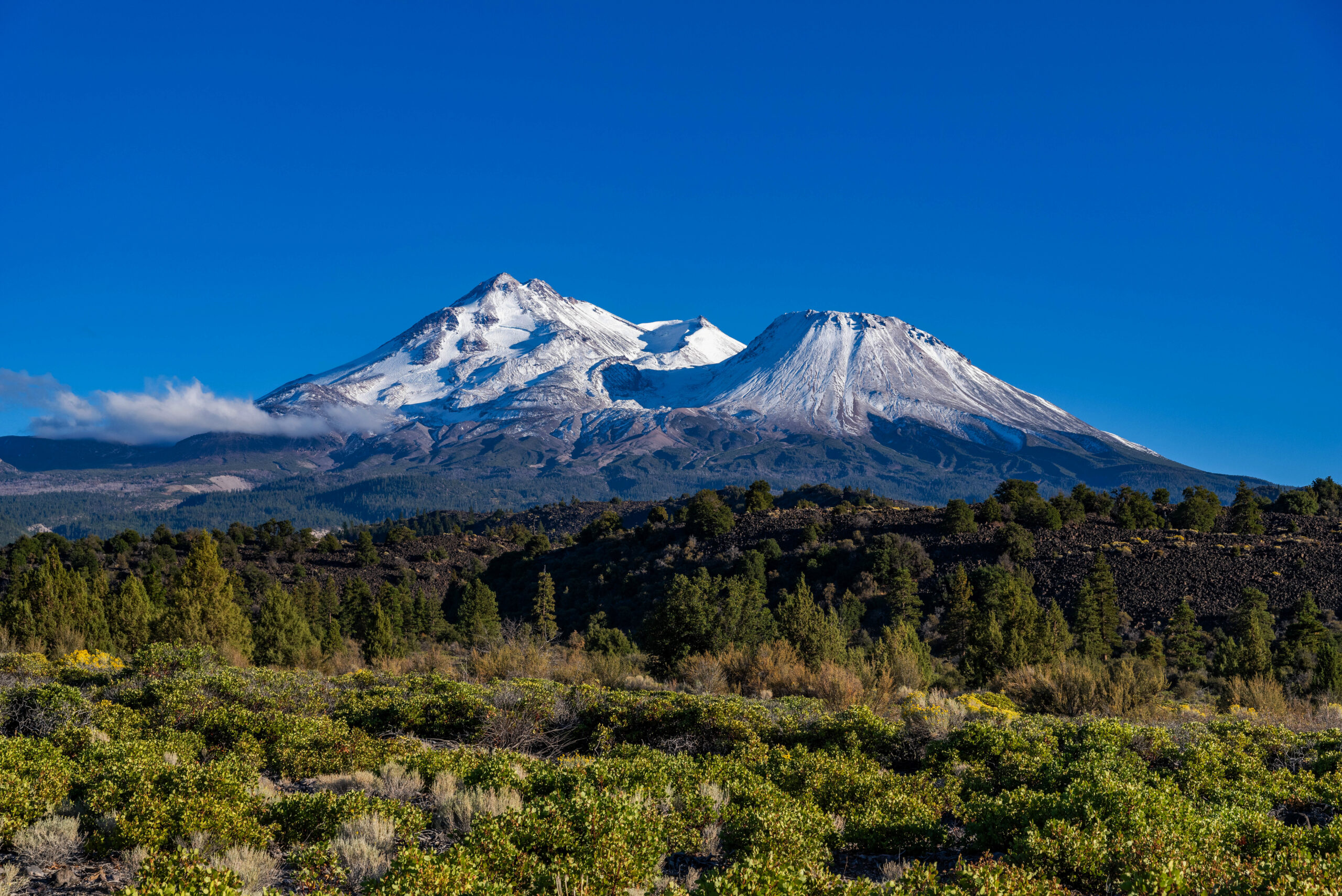
Start Below the Big Volcanoes
Mount Si, Black Butte and Spencer Butte help hikers build trail fitness and mountain judgment before progressing toward the snow-covered Cascade volcanoes.
Global Summit Guide media library · AdobeStockPacific Northwest
Washington · Oregon · wet weather · steep forest trails
Mount Si
Best lesson: sustained climbing fitness. Use the maintained main trail and leave the exposed Haystack scramble for later.
Black Butte
Best lesson: steep pacing. Short mileage does not automatically mean easy.
Spencer Butte
Best lesson: a genuine summit without committing to a full day.
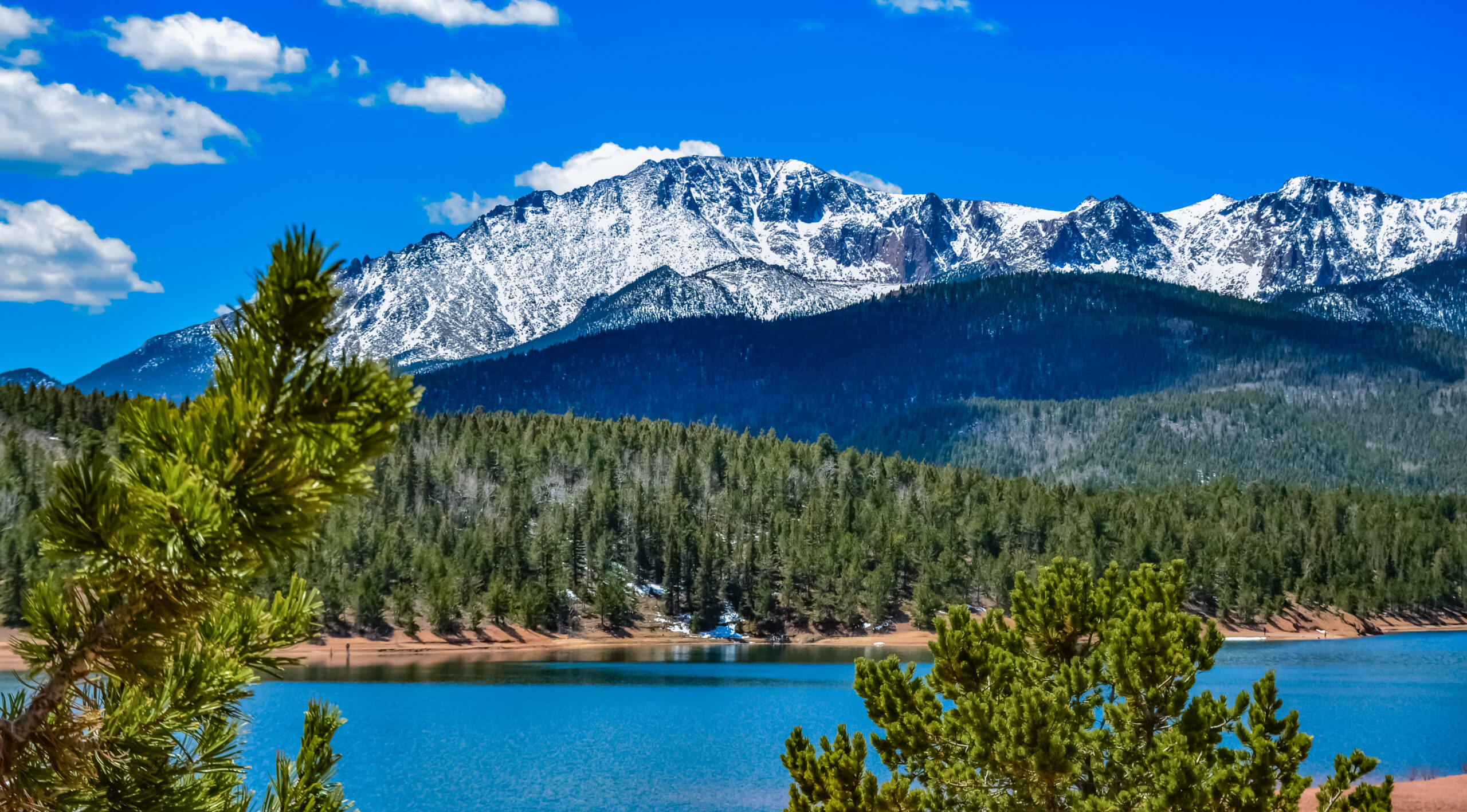
Altitude Is a New Variable — Not Just More Elevation
Bald Mountain introduces altitude in a compact day. Quandary adds the 14,000-foot environment. The progression should teach your body and judgment what high elevation feels like before you add technical terrain.
Global Summit Guide media library · AdobeStockRocky Mountains & Mountain West
Colorado · Utah · Montana · altitude becomes the major variable
Quandary Peak
Best lesson: a true 14,000-foot day on a nontechnical route.
Bald Mountain
Best lesson: high altitude in a short, controlled outing.
Sacagawea Peak
Best lesson: steeper alpine hiking and rougher access.

Fitness Changes Which Mountain Is Beginner-Friendly
Humphreys, Wheeler and Charleston are not technical climbs in normal hiking conditions, but altitude, distance and exposure make them progression objectives rather than first-ever hikes.
Global Summit Guide media library · AdobeStockSouthwest
Arizona · New Mexico · Nevada · altitude, sun and monsoon timing
Humphreys Peak
Best lesson: 12,000-foot endurance on a long trail.
Wheeler Peak
Best lesson: exposed altitude and weather decisions.
Charleston Peak
Best lesson: long-day management after several shorter successful mountains.
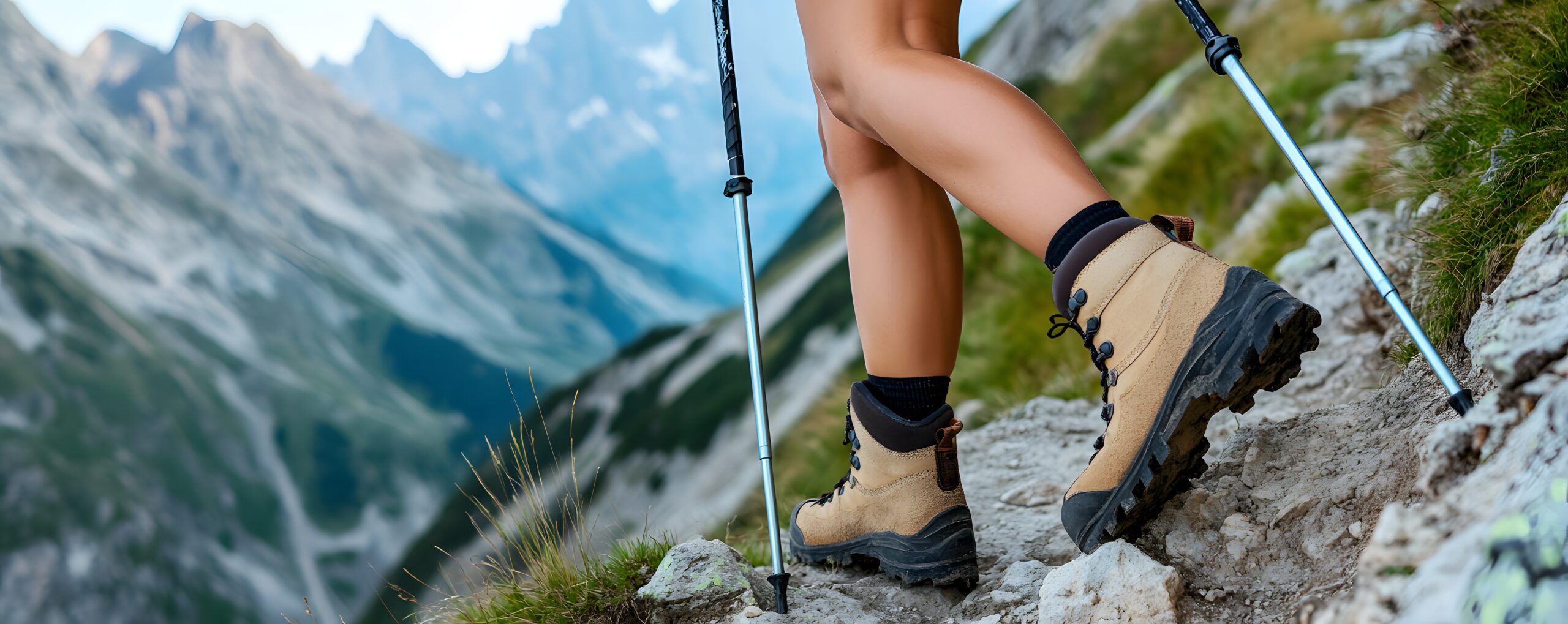
Build Trail Systems Before Technical Systems
On starter mountains, the key skills are simple and transferable: comfortable footwear, pacing, hydration, layers, weather awareness and knowing when to turn around.
Global Summit Guide media library · AdobeStockSoutheast
Smokies · Georgia · humidity · long Appalachian trail days
Kuwohi
Best lesson: confidence and basic mountain weather awareness.
Mount LeConte
Best lesson: sustained Appalachian hiking over a genuine full day.
Brasstown Bald
Best lesson: simple summit logistics and a manageable first objective.

Low Elevation Does Not Mean Low Consequence
New England mountains teach a lesson Western elevation numbers can hide: rocky trails, exposed summits, wind and fast weather changes can make modest-elevation peaks serious mountain days.
Global Summit Guide media library · AdobeStock Mount WashingtonNortheast
New England · Catskills · rocky terrain · fast-changing weather
Mount Monadnock
Best lesson: hands-on rocky hiking and exposed summit weather.
Slide Mountain
Best lesson: a full trail day with moderate gain.
Mount Greylock
Best lesson: steady base-to-summit climbing.
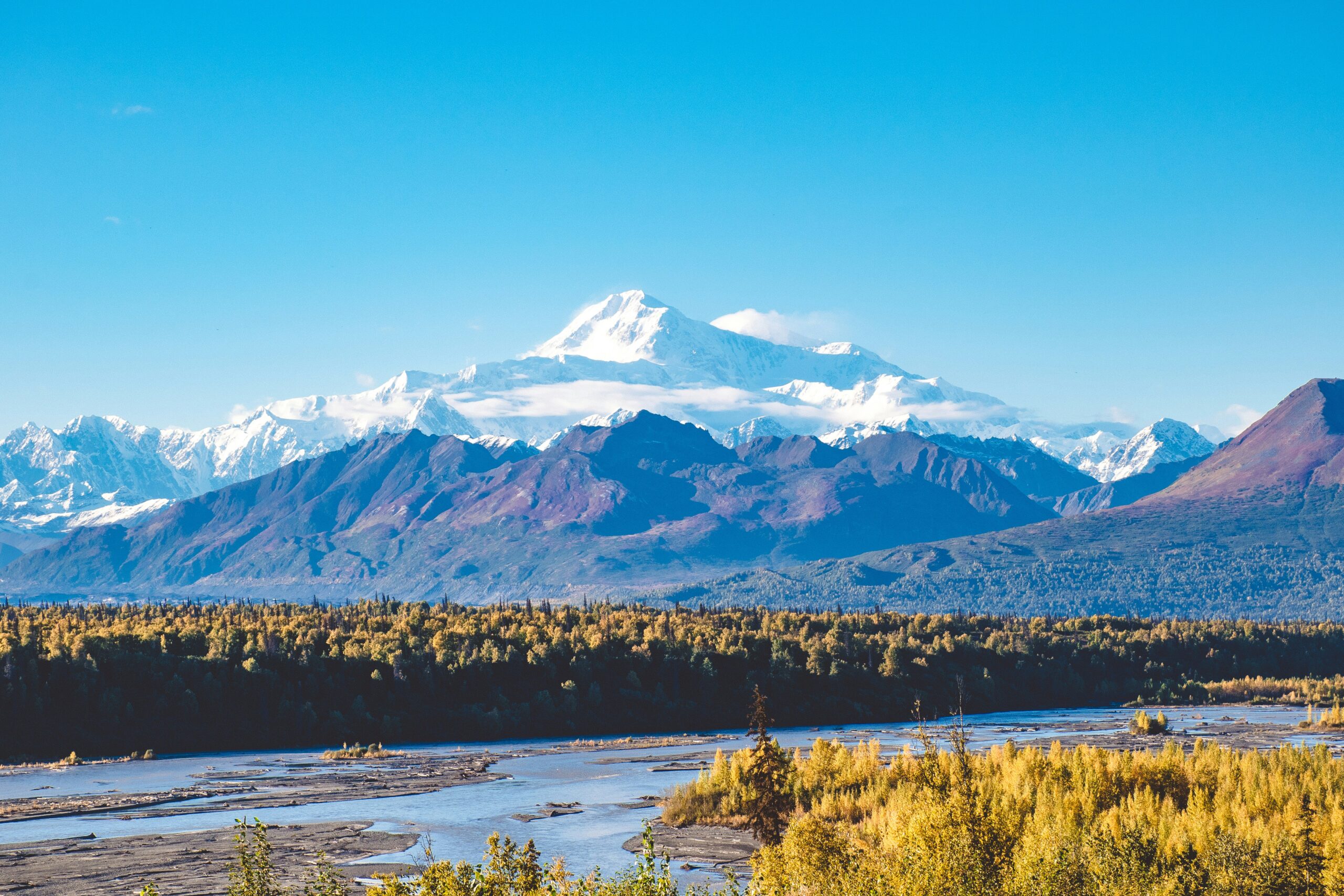
Your First Mountain Is the Beginning, Not the Test
A successful first summit should leave you with better pacing, better gear judgment and a clearer idea of what to try next. Add one new challenge at a time: distance, elevation gain, altitude, scrambling, snow or remoteness.
Global Summit Guide media libraryMidwest
Missouri · Wisconsin · Michigan · systems before altitude
Taum Sauk Mountain
Best lesson: basic mountain-day habits without major physical consequences.
Rib Mountain
Best lesson: building distance gradually with easy retreat options.
Mount Arvon
Best lesson: remote logistics without technical climbing.
How We Decide Whether a Mountain Belongs Here
The page evaluates the whole objective rather than pretending technical class alone determines difficulty.
Technical Skill
Normal-season hiking or low-level scrambling rather than rope, glacier or technical climbing systems.
Physical Load
Distance, ascent and time are evaluated separately from technical grade.
Altitude
A Class 1 route at 14,000 feet can be more serious than rocky hiking at 3,000 feet.
Navigation
Beginner routes should have understandable route finding and clear turnaround options.
Access
Parking, seasonal roads, passes and trailhead logistics are part of the difficulty.
Progress one variable at a time.
Add distance before altitude, or altitude before scrambling, rather than choosing a mountain that adds a 12-hour day, 14,000-foot summit, difficult navigation and exposed rock all at once.
Choose the Mountain, Then Build the Skills
Use exact-intent links for the next decision rather than a generic related-post grid.
Beginner Mountains in the USA FAQ
What is the best mountain for a complete beginner?
Choose a Starter-tier mountain close to home. Kuwohi, Taum Sauk Mountain, Brasstown Bald and Spencer Butte all provide simple summit experiences without extreme mileage, scrambling or altitude.
What is the best beginner 14er?
Quandary Peak’s standard East Ridge is a Class 1 route and a common first-14er choice, but it should follow lower mountain experience and acclimatization.
Are Class 1 mountains always easy?
No. Class describes technical terrain, not altitude, distance, gain, weather exposure or total time.
Why isn’t every mountain here a first-ever hike?
This is a progression list. Some peaks are confidence-building starters; others are first altitude or endurance objectives.
How many mountains should I climb before trying a 14er?
There is no magic number. Build several successful mountain days, comfort with 6–8 hours of movement, reliable weather judgment and some altitude experience first.
Was this helpful?
🏔Related peaks nearby
🧭Explore & compare
Global Summit Guide is an independent mountaineering resource founded in 2026. The team combines first-hand trekking and climbing experience with in-depth research and professional health and nutrition review to help climbers choose objectives, prepare properly, and stay safe.
Health, altitude, and nutrition content is reviewed by Taylor Ludlow (Registered Nurse) and Brigg Hoopes (Nutritionist).
What We Don't Know Yet
Mountain information changes quickly. This box explains the limits of what this page can responsibly promise.
- Visa, passport, vaccination, border, insurance, and local transportation rules may change before your trip.
- Route conditions, snowpack, closures, and weather can change quickly after this page is updated.
- Permit rules, fees, quotas, and reservation windows may change between review cycles.
- Operator availability, pricing, guide ratios, and cancellation terms can change by season.
- Your fitness, altitude response, risk tolerance, and experience level may change what is safe or realistic.
Verify current conditions with official land managers, guide services, local forecasts, and current route reports before booking or climbing.
Mountaineering, rock and ice climbing, glacier travel, and high-altitude activity are inherently dangerous and can result in serious injury or death. The information on Global Summit Guide is provided for general informational and educational purposes only and is not a substitute for professional instruction, qualified guiding, proper equipment, or your own judgment and experience.
Route conditions, weather, snowpack, permits, regulations, and hazards change constantly and may differ from what is described here. Details may be incomplete, out of date, or contain errors. Always verify current information with local authorities, certified guides, and official sources before making any decision in the mountains.
Nothing on this site is medical, legal, or financial advice. Our fitness, acclimatization, altitude, and nutrition content is general in nature; consult a qualified physician before beginning any strenuous exercise program or exposing yourself to high altitude.
You are solely responsible for your own safety and decisions. To the fullest extent permitted by law, Global Summit Guide and its team accept no liability for any loss, injury, damage, or expense arising from use of, or reliance on, this information. By using this site you acknowledge these risks and accept these terms.
Some links on this site may be affiliate links. If you buy through them we may earn a small commission at no extra cost to you; this never affects our recommendations.
Global Summit Guide recommendation path
Next Best Mountain to Research
Use these recommendations to continue the right planning path instead of stopping on one page.
Use current permit, weather, route, and operator information before booking or climbing.
Start Planning Your Next Mountain Adventure
Found a mountain, hiking region or destination worth exploring? Use Expedia to start comparing the flights, places to stay, rental cars and travel options that can turn the idea into a realistic trip.
Explore current travel options for your next destination.
Affiliate disclosure: Global Summit Guide may earn a commission if you book through this link, at no additional cost to you.