
Last updated October 4, 2026
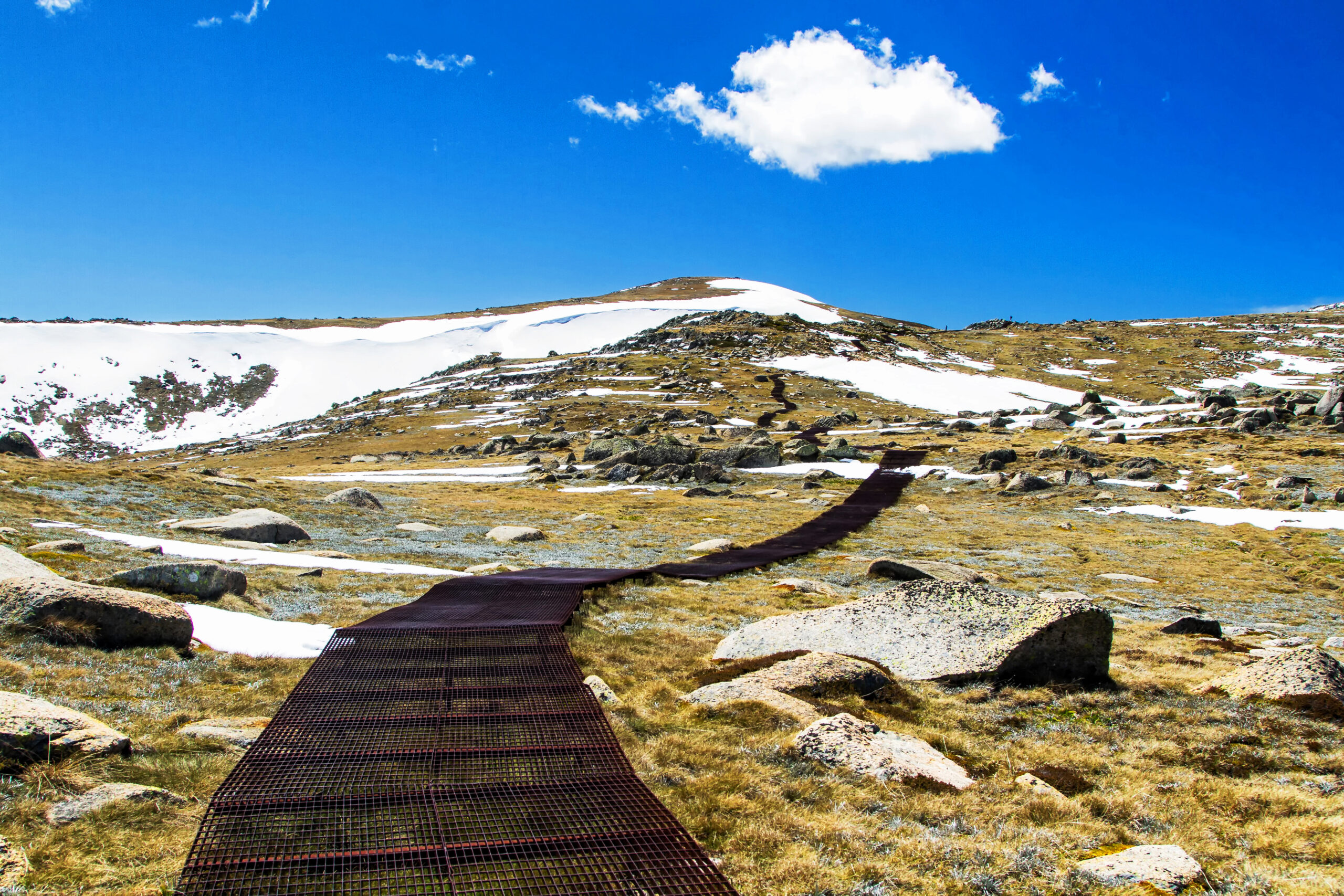
Mount Kosciuszko has the lowest-complexity profile for a true beginner.
If the goal is a genuine first mountain rather than simply the most famous summit, Mount Kosciuszko is the strongest starting point in this group. Its standard summer walking routes avoid technical climbing, major exposure and extreme altitude while still introducing alpine weather, pacing and mountain decision-making.
Mount Fuji, Mount Elbert, Pikes Peak and Mount Kinabalu are stronger choices for hikers who already have basic endurance. Mount Whitney and Kilimanjaro demonstrate why nontechnical does not automatically mean low risk: altitude, distance and accumulated fatigue can create serious consequences even when ropes are unnecessary.
Where the Beginner Mountains on This List Are Located
The list deliberately spans different mountain environments. A volcanic trail in Japan, a Colorado 14er, a Scottish summit and Australia’s alpine high point can all be “nontechnical,” but they expose a beginner to very different combinations of altitude, weather, route length and navigation.
Beginner mountain orientation map
World context for the twelve peaks evaluated in this guide.
What Makes One Beginner Mountain Safer Than Another?
There is no defensible universal “safety score” for mountains, so Global Summit Guide does not invent one. Instead, we compare the factors that determine how many problems a new climber must manage simultaneously.
Technical terrain
Walking is simpler to manage than exposed scrambling, glacier travel, steep snow or rope-dependent climbing.
Altitude
A straightforward trail at 5,000–6,000 meters can impose more physiological risk than a more rugged route at modest elevation.
Exposure
We favor routes where an ordinary stumble is unlikely to become catastrophic.
Navigation
Established trails and obvious retreat routes give beginners more margin when visibility deteriorates.
Weather
Treeline exposure, thunderstorms, wind, snow and cold can outweigh the nominal hiking grade.
Commitment
Long approaches, extreme summit days and difficult retreat increase consequences even when climbing technique is simple.
If this will literally be your first mountain trip, start with our first-mountain packing guide before buying technical equipment you may not need.
12 Safer Mountains for Beginners Compared
The ranking emphasizes controllable risk and simplicity rather than fame. Peaks move down the list when altitude, route length, navigation or seasonal hazards begin to offset their low technical grade.
| Rank | Mountain | Elevation | Technical barrier | Main beginner issue | Best fit |
|---|---|---|---|---|---|
| 1 | Mount Kosciuszko | 2,228 m | Very low | Alpine weather | True first summit |
| 2 | Haleakalā | 3,055 m | Low | Cold, UV, altitude | Controlled high-elevation experience |
| 3 | Mount Fuji | 3,776 m | Low | Altitude, cold, fatigue | Iconic first international summit |
| 4 | Mount Elbert | 4,401 m | Low | Altitude, thunderstorms | Strong first Colorado 14er |
| 5 | Pikes Peak | 4,302 m | Low | Long routes, altitude, storms | Fit hikers building altitude experience |
| 6 | Mount Kinabalu | 4,095 m | Low–moderate | Steepness, altitude, fatigue | Supported international progression |
| 7 | Jebel Toubkal | 4,167 m | Low in summer | Altitude and seasonal snow | Trekking progression |
| 8 | Ben Nevis | 1,345 m | Low | Weather and navigation | Experienced hill walkers |
| 9 | Galdhøpiggen | 2,469 m | Route dependent | Snow/glacier route choice | Route-specific progression |
| 10 | Mount Olympus | 2,918 m | Summit dependent | Exposure/scrambling near Mytikas | Hikers who choose summit carefully |
| 11 | Mount Whitney | 4,421 m | Low but strenuous | 22-mile day and altitude | Strong experienced hikers |
| 12 | Kilimanjaro | 5,895 m | Low technical / high altitude | Extreme altitude exposure | Prepared trekkers using acclimatization |
The Lowest-Complexity Choices
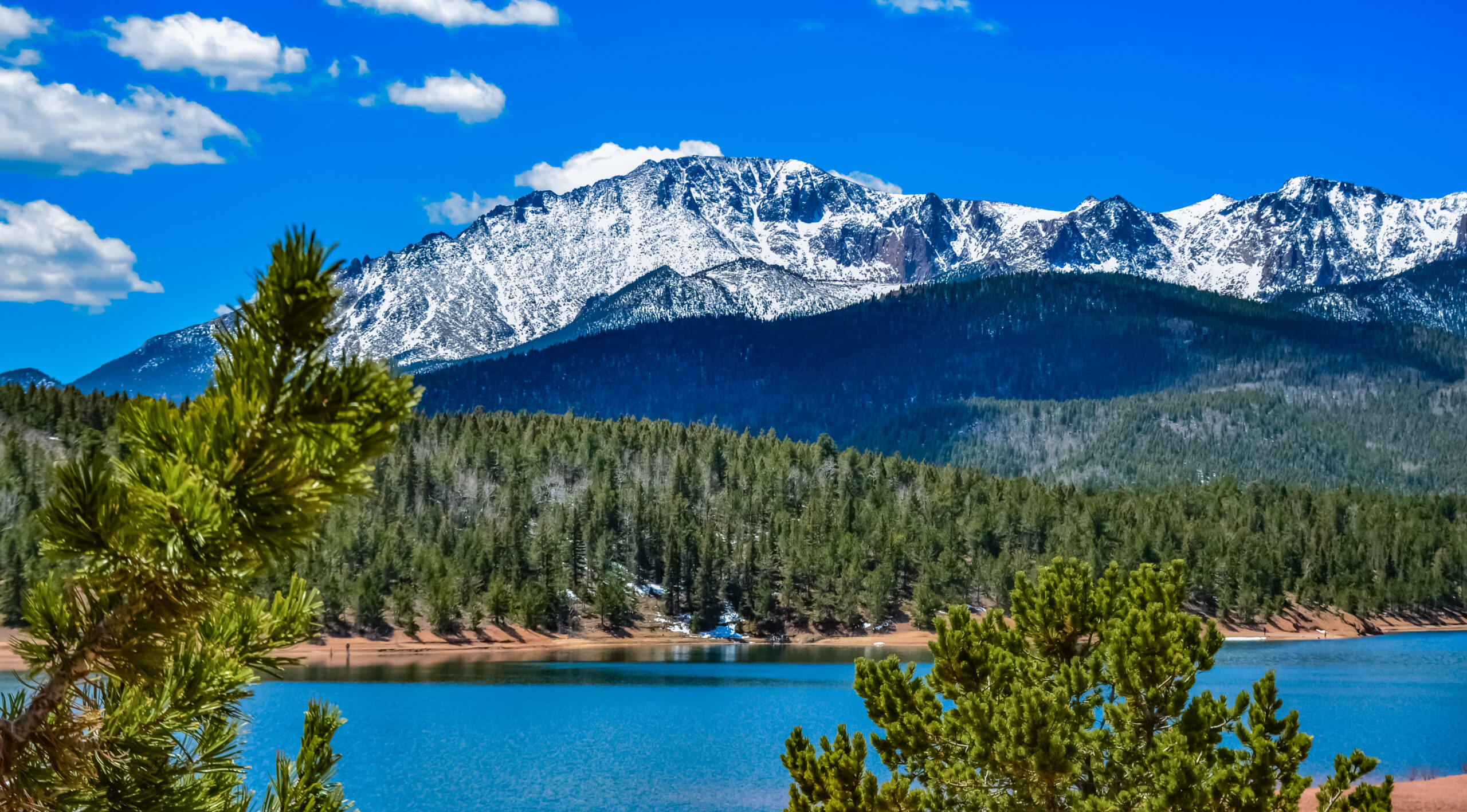
The clearest starting point. NSW National Parks describes the Charlotte Pass summit walk as a formed Grade 3 track and lists no prior experience requirement, while still warning that alpine weather can be extreme and unpredictable. Read the Kosciuszko guide →
Useful for learning how clothing, hydration and pacing change at elevation without adding technical climbing. The summit district can be dramatically colder than Hawaii’s coast. Read the Haleakalā guide →
A strong first iconic summit for hikers who already have basic endurance. The official seasonal climbing system, established routes and mountain huts reduce logistical uncertainty, but altitude and cold remain real. Read the Mount Fuji guide →
Good Second-Step Mountains
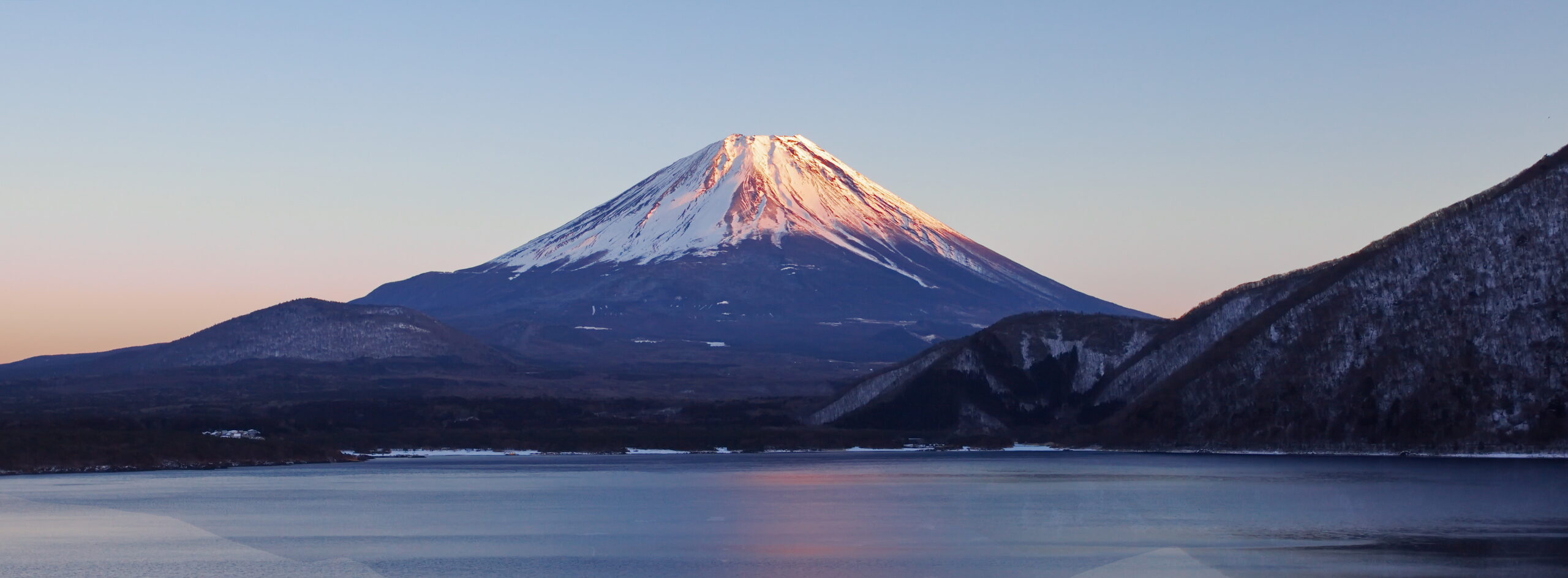
Once someone has completed a few full hiking days, the next useful progression is usually to add altitude or duration—not altitude, exposure, winter conditions and technical climbing all at once.
Mount Elbert
Straightforward hiking terrain lets a climber focus on pacing, altitude and early thunderstorm timing rather than technical skills.
Mount Kinabalu
Structured access and a well-established summit system make Kinabalu useful for a first supported international mountain.
Jebel Toubkal
A logical trekking progression in summer conditions, while winter snow can fundamentally change the required skills and equipment.
Nontechnical Does Not Mean Safe for a Complete Beginner
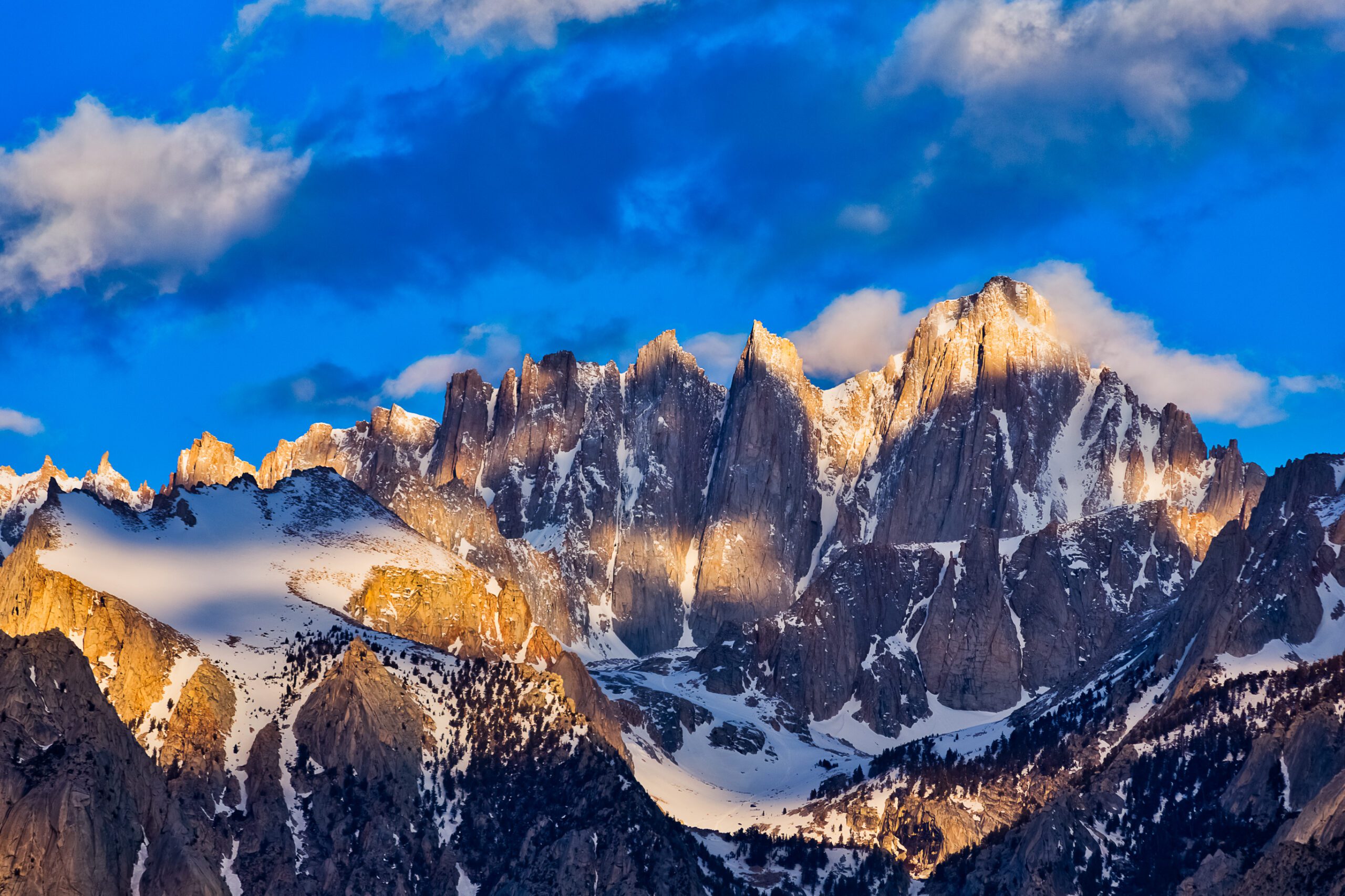
A huge hiking day
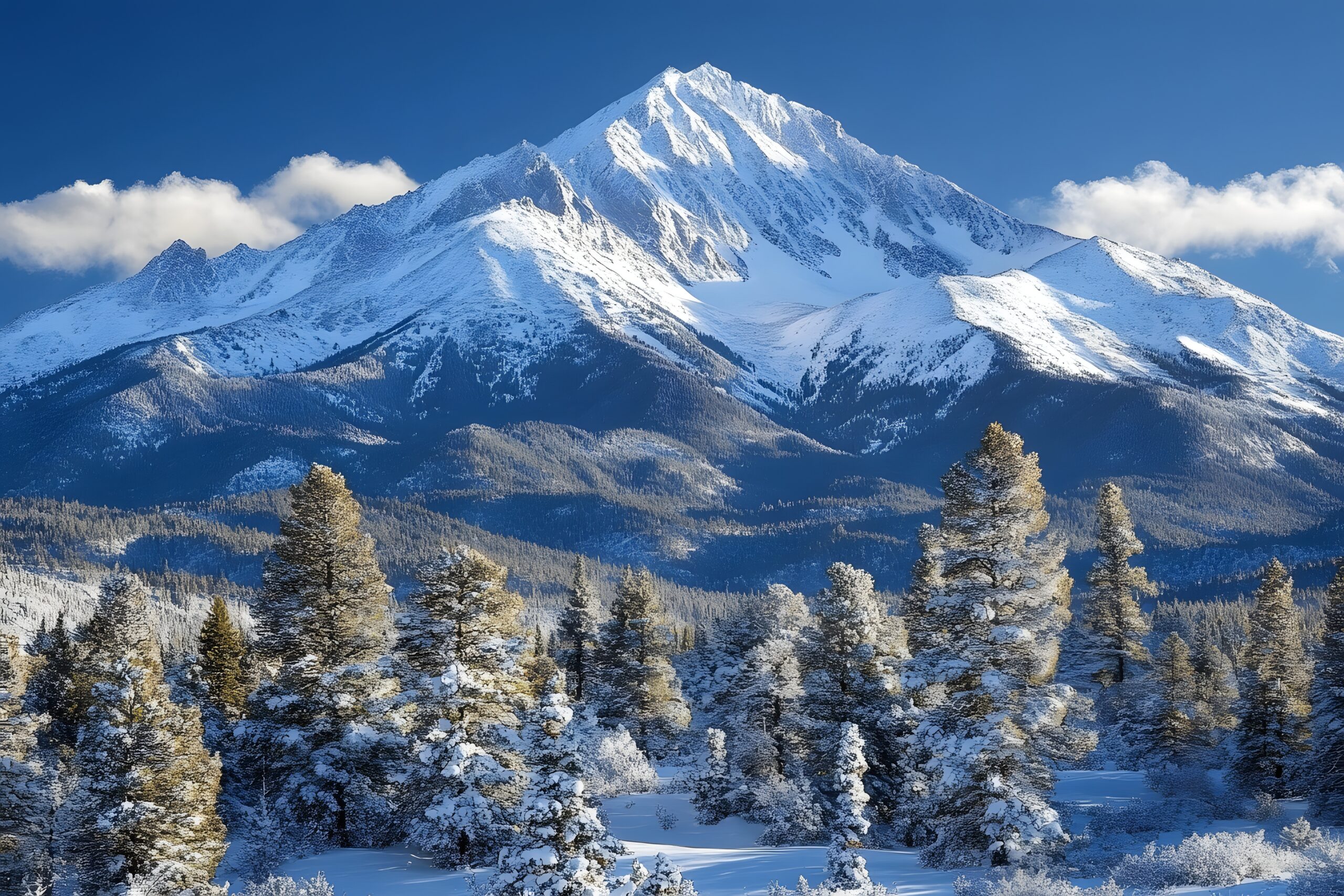
The classic Whitney Trail is nontechnical when snow-free, but the official route is about 22 miles round trip, gains more than 6,200 feet and commonly takes 12–14 hours. That makes Whitney an endurance-and-altitude objective rather than a casual first summit.
Simple terrain, serious altitude
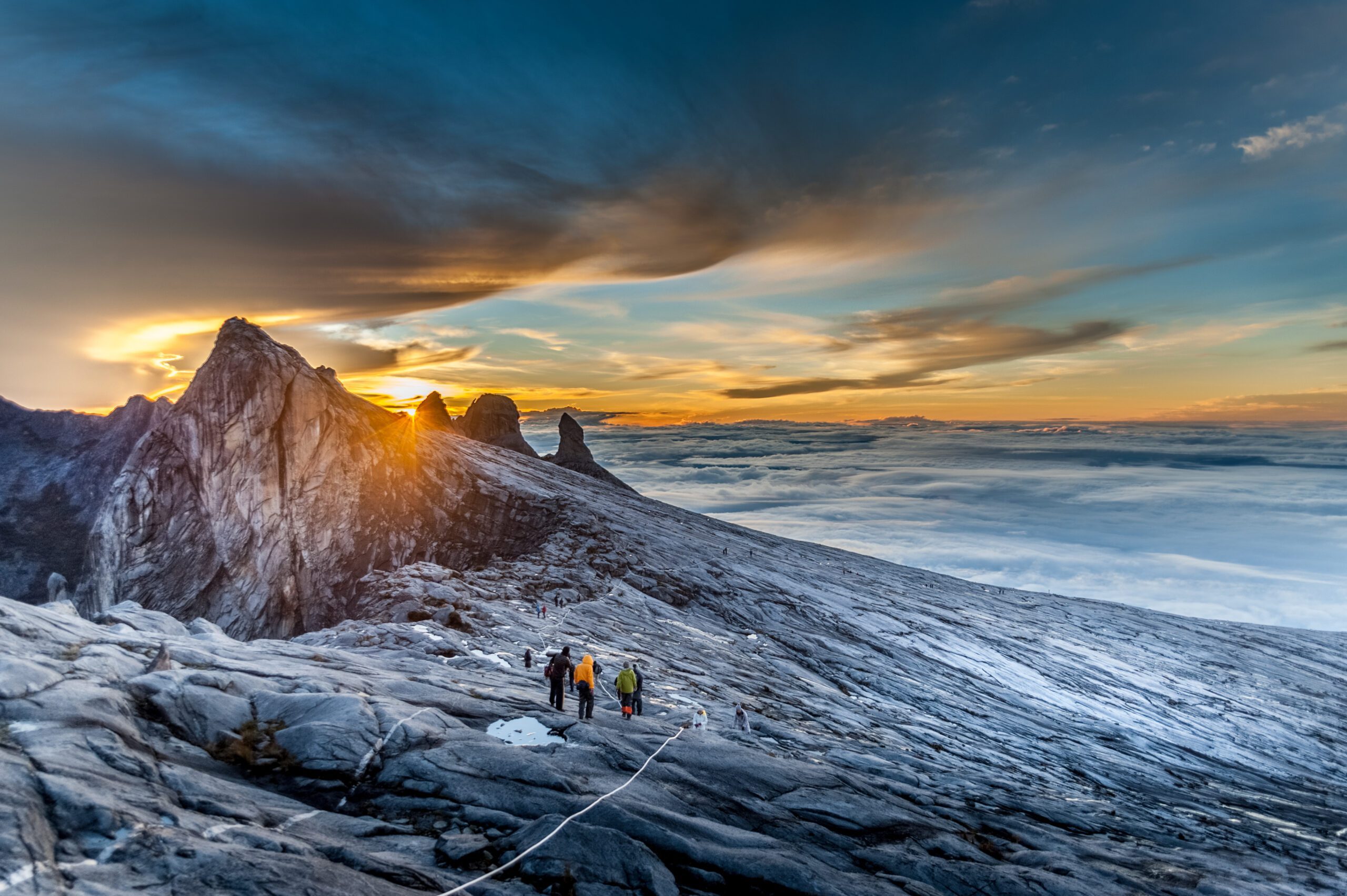
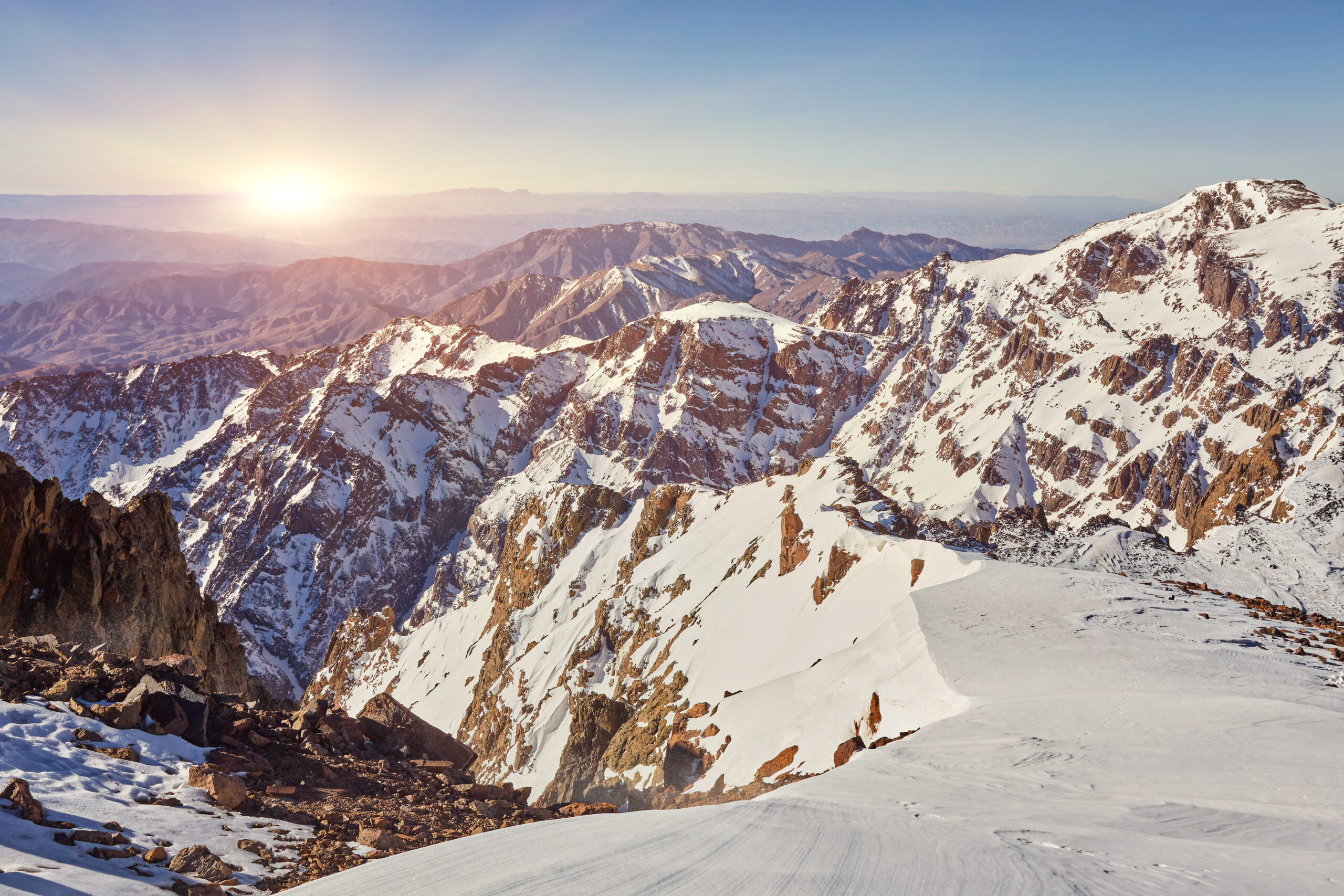
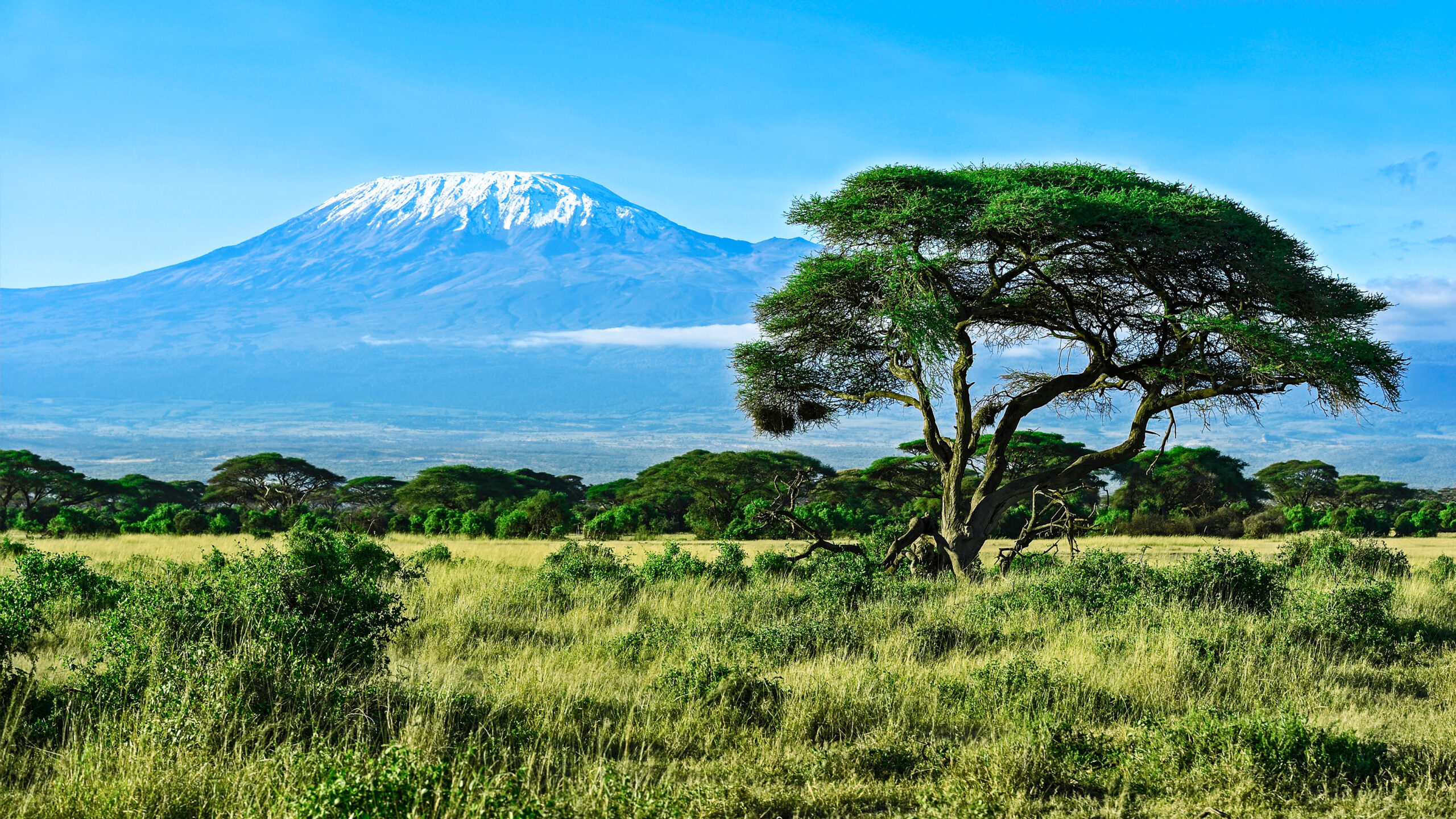
Standard trekking routes remove much of the technical climbing barrier, but Uhuru Peak stands at 5,895 meters. Acclimatization becomes far more important than rope skills.
Our Climber Journey A–Z shows how first hikes, fitness, gear, altitude exposure and larger expeditions can be built as a progression instead of unrelated one-off trips.
Weather Can Change the Ranking in a Few Hours
No list of “safe mountains” should encourage someone to ignore current conditions. Mountain difficulty is partly fixed by terrain—but risk is dynamic.
Above-treeline Colorado peaks can become the wrong choice when electrical storms are forecast.
Fuji, Ben Nevis and Haleakalā can feel dramatically colder than nearby lowlands or trailheads.
A hiking route can require mountaineering equipment and skill when seasonal snow or ice covers the normal trail.
Fog or whiteout conditions can turn an obvious trail into a navigation problem.
High UV exposure and dehydration can matter even when the route itself is mechanically simple.
Which Mountain Should You Choose First?
Start with a formed trail, modest altitude and simple retreat. Kosciuszko is the clearest fit from this list.
Add altitude without adding technical climbing. Fuji, Elbert or selected Pikes Peak approaches can make sense with suitable fitness and weather.
Fuji or Kinabalu offer substantial infrastructure while still teaching real altitude and mountain-day lessons.
Whitney becomes more reasonable after you already know you can function well during long days at elevation.
Treat it as a first expedition rather than a first hike. The question is less about technical climbing and more about acclimatization, pacing and multi-day endurance.
For the broader decision process, see How to Choose Your First Mountain.
For a larger menu of first objectives, compare these with our Best Mountains for Beginners.
Official Planning Sources
Use official sources again before departure
- NSW National Parks — Mount Kosciuszko Summit Walk
- U.S. National Park Service — Haleakalā Weather
- Official Website for Mt. Fuji Climbing
- Recreation.gov / Inyo National Forest — Mt. Whitney permits and trail information
Access rules, closures, fees, permit systems, seasonal opening dates and current mountain conditions can change after publication.
Where Global Summit Guide has direct mountain experience, we separate that from desk research in our first-hand climbs and field reports.
Safest Mountains for Beginners FAQ
What is the safest mountain for a complete beginner?
Among the major named summits compared here, Mount Kosciuszko has one of the lowest-complexity profiles in normal summer conditions because its standard walking routes combine modest altitude, low technical difficulty and relatively simple retreat. Alpine weather still requires preparation.
What is the safest famous mountain for beginners?
Mount Fuji is one of the strongest iconic choices for someone who already has reasonable hiking fitness. Its established seasonal trail system reduces logistical uncertainty, while altitude, cold and fatigue remain genuine concerns.
Is Mount Whitney safe for beginners?
Whitney’s standard trail is nontechnical when snow-free, but its approximately 22-mile round trip, more than 6,200 feet of climbing and 14,505-foot summit make it better suited to strong, experienced hikers than complete beginners.
Is Kilimanjaro a beginner mountain?
Kilimanjaro has a relatively low technical barrier on its standard trekking routes, but the 5,895-meter summit creates a major altitude problem. It can be a first expedition for a fit, prepared trekker, but it is not a low-risk first mountain.
Do beginners need a guide on every mountain?
No. Some straightforward hiking peaks are commonly climbed independently by properly prepared hikers. Others have local rules or logistics that require or strongly favor guides. Check the current rules for the exact route before traveling.
What makes a mountain beginner-friendly?
Low technical complexity, limited exposure, manageable altitude, an obvious route, simple retreat and good information infrastructure all improve the beginner profile. Favorable weather and the correct season are still essential.
Is the easiest mountain always the safest?
No. A physically easy route can still involve serious exposure, navigation or weather. Conversely, a tiring hiking route may have low technical risk. The safest choice is the one whose hazards match the climber’s existing experience.
Choose the Right First Objective
Safety is only one way to choose a first mountain. Compare difficulty, overall beginner fit and specific peak guides before committing to an objective.
Choose the Experience Before the Summit Name
A first mountain should teach useful skills without forcing you to solve every mountain problem at once. Start with terrain and conditions you can manage, then add altitude, endurance and technical complexity deliberately.
Compare Beginner Mountains Choose Your First MountainThe Safest Mountains for Beginners
Safe first peaks are a progression decision. See the beginner picks, the foundations series and the step-up plans below.
Was this helpful?
🏔Related peaks nearby
🧭Explore & compare
Global Summit Guide is an independent mountaineering resource founded in 2026. The team combines first-hand trekking and climbing experience with in-depth research and professional health and nutrition review to help climbers choose objectives, prepare properly, and stay safe.
Health, altitude, and nutrition content is reviewed by Taylor Ludlow (Registered Nurse) and Brigg Hoopes (Nutritionist).
What We Don't Know Yet
Mountain information changes quickly. This box explains the limits of what this page can responsibly promise.
- Visa, passport, vaccination, border, insurance, and local transportation rules may change before your trip.
- Route conditions, snowpack, closures, and weather can change quickly after this page is updated.
- Permit rules, fees, quotas, and reservation windows may change between review cycles.
- Operator availability, pricing, guide ratios, and cancellation terms can change by season.
- Your fitness, altitude response, risk tolerance, and experience level may change what is safe or realistic.
Verify current conditions with official land managers, guide services, local forecasts, and current route reports before booking or climbing.
Mountaineering, rock and ice climbing, glacier travel, and high-altitude activity are inherently dangerous and can result in serious injury or death. The information on Global Summit Guide is provided for general informational and educational purposes only and is not a substitute for professional instruction, qualified guiding, proper equipment, or your own judgment and experience.
Route conditions, weather, snowpack, permits, regulations, and hazards change constantly and may differ from what is described here. Details may be incomplete, out of date, or contain errors. Always verify current information with local authorities, certified guides, and official sources before making any decision in the mountains.
Nothing on this site is medical, legal, or financial advice. Our fitness, acclimatization, altitude, and nutrition content is general in nature; consult a qualified physician before beginning any strenuous exercise program or exposing yourself to high altitude.
You are solely responsible for your own safety and decisions. To the fullest extent permitted by law, Global Summit Guide and its team accept no liability for any loss, injury, damage, or expense arising from use of, or reliance on, this information. By using this site you acknowledge these risks and accept these terms.
Some links on this site may be affiliate links. If you buy through them we may earn a small commission at no extra cost to you; this never affects our recommendations.
Global Summit Guide recommendation path
Next Best Mountain to Research
Use these recommendations to continue the right planning path instead of stopping on one page.
Use current permit, weather, route, and operator information before booking or climbing.
Explore Travel Options for Your Destination
Once your mountain, dates and route are taking shape, compare flights, hotels and other travel options that fit the trip.
Affiliate link. We may earn a commission at no additional cost to you.