Last updated October 9, 2026

Laugavegur vs West Highland Way: Which Trek Should You Choose?
Iceland’s Laugavegur is only about 55 km long, but its short distance hides an exposed Highland environment of volcanic terrain, snow patches, rapidly changing weather and unbridged river crossings. Scotland’s West Highland Way is almost three times longer, yet stronger transport, food, lodging and baggage support make it the easier first international long-distance walk for most hikers.
Choose Laugavegur for Wilderness. Choose the West Highland Way for the Easier First Long Trek.
Choose Laugavegur if the reason you are traveling is Iceland’s landscape itself: geothermal mountains, obsidian, black volcanic desert, glaciers, remote huts and the experience of crossing rivers on foot. It is the shorter trip, but it asks for better weather judgment and more self-sufficiency.
Choose the West Highland Way if you want your first major international long-distance walk to emphasize hiking rather than wilderness logistics. You can sleep indoors, eat in villages, use baggage transfer and reach many parts of the route by public transportation.
The useful distinction is simple: WHW is the bigger endurance challenge; Laugavegur is the bigger environmental challenge.
These Two Trails Reverse the Normal Distance Rule.
On paper, this should be an easy comparison. The West Highland Way is almost three times longer than the classic Laugavegur route.
In practice, Laugavegur’s 12–17 km stages pass through a much less forgiving environment. There are no villages between Landmannalaugar and Þórsmörk. Hikers cross exposed volcanic plateaus, can encounter snow in summer and normally ford several unbridged rivers.
WHW hikers walk considerably farther, including several 20+ km days, but the support system is unusually strong. Villages, lodging, food, public transport and bag-transfer services repeatedly reduce the consequences of ordinary trail problems.
That makes this one of the clearest examples of why distance and difficulty are not the same measurement.
Choose From the Experience, Not the Mileage.
Compare terrain, weather, accommodation, food, river hazards and transport before deciding which route fits.
Laugavegur vs West Highland Way
One is a compact Icelandic wilderness trek. The other is a long but highly supported journey through Scotland.
| Factor | Laugavegur | West Highland Way |
|---|---|---|
| Country | Iceland. | Scotland, UK. |
| Route | Landmannalaugar → Þórsmörk. | Milngavie → Fort William. |
| Distance | ≈54–55 km / 34 mi. | 154 km / 96 mi. |
| Typical duration | 4 classic hiking days. | 6–8 days; seven is a strong first itinerary. |
| Highest terrain | Highland plateau above roughly 1,000 m, with sections reaching around 1,200 m. | ≈550 m at the Devil’s Staircase. |
| Main challenge | Weather, rivers, remoteness and self-sufficiency. | Back-to-back mileage, rough Loch Lomond footing and wet weather. |
| River crossings | Several unbridged rivers normally require wading. | No routine river-fording system comparable to Laugavegur. |
| Accommodation | Mountain huts or designated campsites. | Hotels, B&Bs, hostels, bunkhouses and campsites. |
| Wild camping | Not the normal managed-trail model; camp at designated hut campsites. | Possible under Scottish access rights outside restricted management zones. |
| Food | Carry your core trail food. | Frequent villages, cafés, hotels and shops. |
| Baggage transfer | Not the standard independent trail system. | Widely available and exceptionally convenient. |
| Public transport | Seasonal Highland buses at both ends. | Strong rail and bus access before, during and after the walk. |
| Main season | Late June to early September; actual opening depends on conditions. | Broad spring-through-autumn walking season. |
| Best first long trek | Best for hikers with existing backcountry competence. | West Highland Way. |
| Best short wilderness trek | Laugavegur. | More developed and integrated with communities. |
West Highland Way
The infrastructure lets you learn multi-day pacing without also solving a remote-backcountry logistics problem.
Laugavegur
Four days can deliver volcanic mountains, snow, black desert, glacial rivers and genuine Highland exposure.
WHW → Laugavegur
Scotland teaches the multi-day rhythm first. Iceland adds remoteness, rivers and weather consequence next.

Scotland Becomes More Mountainous Gradually.
The WHW begins on gentle tracks outside Glasgow and lets hikers grow into the journey before reaching Rannoch Moor, Glen Coe, the Devil’s Staircase and the mountains around Fort William.
Buachaille Etive Mòr from Kingshouse · Andrew Bowden / Wikimedia Commons · CC BY-SA 2.0.Four Wild Days vs a Week-Long Journey Through Scotland.
Laugavegur changes landscape almost hourly. WHW changes more gradually while giving the trip a stronger sense of progression from lowlands to Highlands.

Every Day Looks Like Another Iceland.
The classic trail moves from colorful rhyolite and geothermal terrain into snowier high country, lake basins, black volcanic desert and finally the green birch valleys of Þórsmörk.
The visual reward is enormous relative to the mileage, but the environment remains exposed from the beginning.

The Route Gets Wilder as Your Legs Adapt.
The WHW begins near Glasgow, crosses the Highland Boundary Fault, follows Loch Lomond and then expands into Rannoch Moor, Glen Coe and the mountain country around Fort William.
It is a much longer walking project, but daily life remains unusually supported for a famous long-distance trail.
WHW Is Harder on Endurance. Laugavegur Is Harder on Judgment.
Both are hiking routes without normal technical climbing, but the source of difficulty is completely different.
| Difficulty factor | Laugavegur | West Highland Way |
|---|---|---|
| Daily distance | Normally about 12–17 km. | Often 19–31 km on a seven-day itinerary. |
| Overall endurance | Four days limits cumulative fatigue. | Six to eight days creates a larger endurance problem. |
| Trail surface | Volcanic soil, lava, snow patches, black sand and riverbeds. | Tracks, old roads, stone, mud, roots and rough lochside trail. |
| Weather exposure | High. Little shelter across open Icelandic Highland terrain. | Meaningful, particularly on Rannoch Moor and northern stages. |
| Navigation | Marked, but fog and snow can make the first stages serious. | Well waymarked; map and navigation skills remain sensible backup. |
| River skill | Important. Multiple fords are part of the normal route. | Not a defining skill requirement. |
| Food self-sufficiency | Carry the meals and snacks needed between trailheads. | Frequent food services reduce resupply complexity. |
| Easy exit options | Limited once between the trailheads. | Far stronger road, rail and bus connections. |
| Better beginner choice | Experienced hikers new to hut trekking. | Fit first-time long-distance walkers. |
Distance tells you how long you must walk. It does not tell you whether the route includes snow, zero-visibility weather, an unbridged glacial river or a four-hour wait for conditions to improve.

Laugavegur Compresses a Huge Wilderness Experience Into Four Days.
Its short length is the advantage: hikers can experience one of Europe’s most unusual landscapes without committing two weeks to the route. The trade-off is that those four days demand real weather and river judgment.
Landmannalaugar from Laugavegur · Chmee2 / Wikimedia Commons · CC BY-SA 4.0.Scotland Gives You Months. Iceland Gives You a Short Highland Window.
Laugavegur’s season is governed by snow, Highland-road access and river conditions. WHW has a much broader usable calendar.
| Season factor | Laugavegur | West Highland Way |
|---|---|---|
| Normal core season | Late June through early September. | Late spring through early autumn is the core walking season. |
| July | Prime season, but snow can still survive on high sections. | Long daylight, full services and stronger midge pressure. |
| August | Excellent access window but busy huts and rain remain possible. | Full services, long days, crowds and midges. |
| September | Rapidly shrinking bus, hut and weather margin. | Often an excellent cooler shoulder-season choice. |
| Summer snow | Possible and relevant to navigation. | Usually on surrounding mountains rather than the standard trail. |
| Rain | Cold wind-driven rain can create hypothermia conditions quickly. | Persistent wet weather is one of the trail’s defining annoyances. |
| Wind | A major tent, exposure and comfort issue. | Important on open moorland but usually with more escape options. |
| Planning advantage | Short trip makes waiting for a good window valuable. | Longer season provides much more scheduling flexibility. |
Highland roads, snow, rivers and hut operations determine when the route is practically usable. Check FÍ, SafeTravel and road conditions immediately before departure.

Laugavegur Requires a Skill the WHW Normally Does Not: River Judgment.
Several major streams on Laugavegur are unbridged and normally crossed on foot. Water depth and force can change after rain or rapid snowmelt.
FÍ specifically describes at least three river fords on the classic route. The final Þröngá crossing can become dangerous after heavy rain.
That changes how hikers should think. A booked hut is not a deadline that makes an unsafe crossing acceptable. If the river is beyond your ability, waiting or turning back is the correct move.
Scotland asks you to keep walking. Iceland occasionally asks whether continuing at all is the correct decision.
Mountain Huts vs Inns, Hotels & Campsites.
The overnight system may matter more than mileage when deciding which experience sounds enjoyable.
| Overnight factor | Laugavegur | West Highland Way |
|---|---|---|
| Indoor option | Simple communal mountain huts. | B&Bs, inns, hotels, hostels and bunkhouses. |
| Camping | Designated campsites beside the huts. | Commercial campsites plus responsible wild-camping options where allowed. |
| Advance booking | Strongly recommended and often essential. | Recommended for indoor lodging during popular periods. |
| Kitchen | Hut guests generally have cooking facilities; campers bring their own cooking setup. | Meals and food services are much easier to access along the route. |
| Private room | Not the normal hut model. | Easy to build into an inn-to-inn itinerary. |
| Emergency flexibility | Limited by hut and trailhead locations. | Much greater because of roads, villages and transport. |
FÍ expects hikers to have confirmed hut or campsite bookings before beginning the route. Camping is concentrated at designated sites beside the hut system rather than dispersed across fragile Highland terrain.

You Can Make the WHW as Supported—or as Independent—as You Want.
Hotel-to-hotel with bag transfer, hostel-to-hostel, campsite walking or a mixed itinerary all work. That flexibility is one reason the route succeeds so well as a first long trail.
West Highland Way, Glen Coe · Wikimedia Commons.WHW Lets the Trail Support You. Laugavegur Makes You Support Yourself.
This is where first-time international trekkers feel the largest difference between the routes.
| Logistics | Laugavegur | West Highland Way |
|---|---|---|
| Trailhead access | Seasonal Highland bus is the simplest choice for most travelers. | Train or bus access to Milngavie is exceptionally easy. |
| Finish transport | Highland buses leave Þórsmörk during the operating season. | Fort William has regular rail and coach connections. |
| Food carry | Carry core meals for the trek. | Regular villages and lodging dramatically reduce food carries. |
| Hut supplies | Some basic items are sold, but do not build the food plan around them. | Shops, cafés, pubs and hotels are integrated throughout much of the route. |
| Baggage service | Not part of the normal independent route system. | Numerous companies move bags between participating accommodations. |
| Trip recovery | Fewer options if weather or injury disrupts the itinerary mid-route. | Transport and settlements create far more ways to modify the trip. |
| Planning winner | More compact once the hut chain and transport are secured. | Easier overall logistics. |
The Same Core Hiking Kit—With a Much Bigger Weather Margin in Iceland.
Both reward proven footwear, layered clothing, waterproofs and trekking poles. Laugavegur requires less tolerance for marginal equipment.
Weather + River Protection
- Reliable waterproof jacket and trousers
- Warm insulating layer
- Gloves and warm hat
- River-crossing footwear
- Trekking poles
- Offline navigation
- Dry storage for critical clothing
Foot Care + Rain Management
- Proven walking footwear
- Dependable rain shell
- Fast-drying layers
- Trekking poles
- Blister system
- Midge head net in season
- Dry bags or pack liner
Do Not Test New Gear Here.
- Use footwear already proven on long days.
- Know how the waterproof system performs.
- Carry insulation even in summer.
- Keep critical clothing dry.
- Build the pack around actual lodging style.
- Adidas TERREXAdidas TERREX Terrex Anylander Hiking Shoe – Women's$52.46
$74.95Check price at Back Country (opens in a new tab)
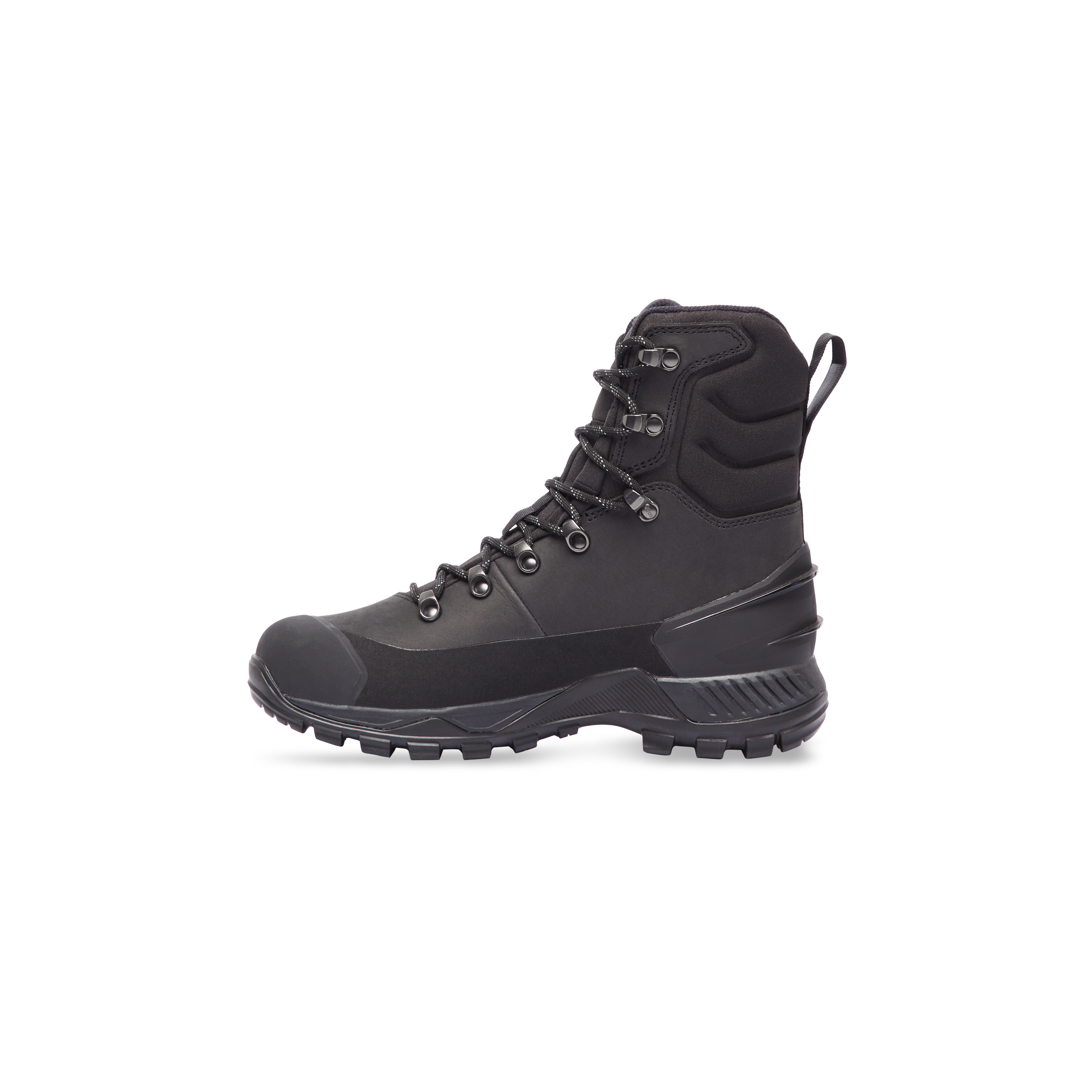
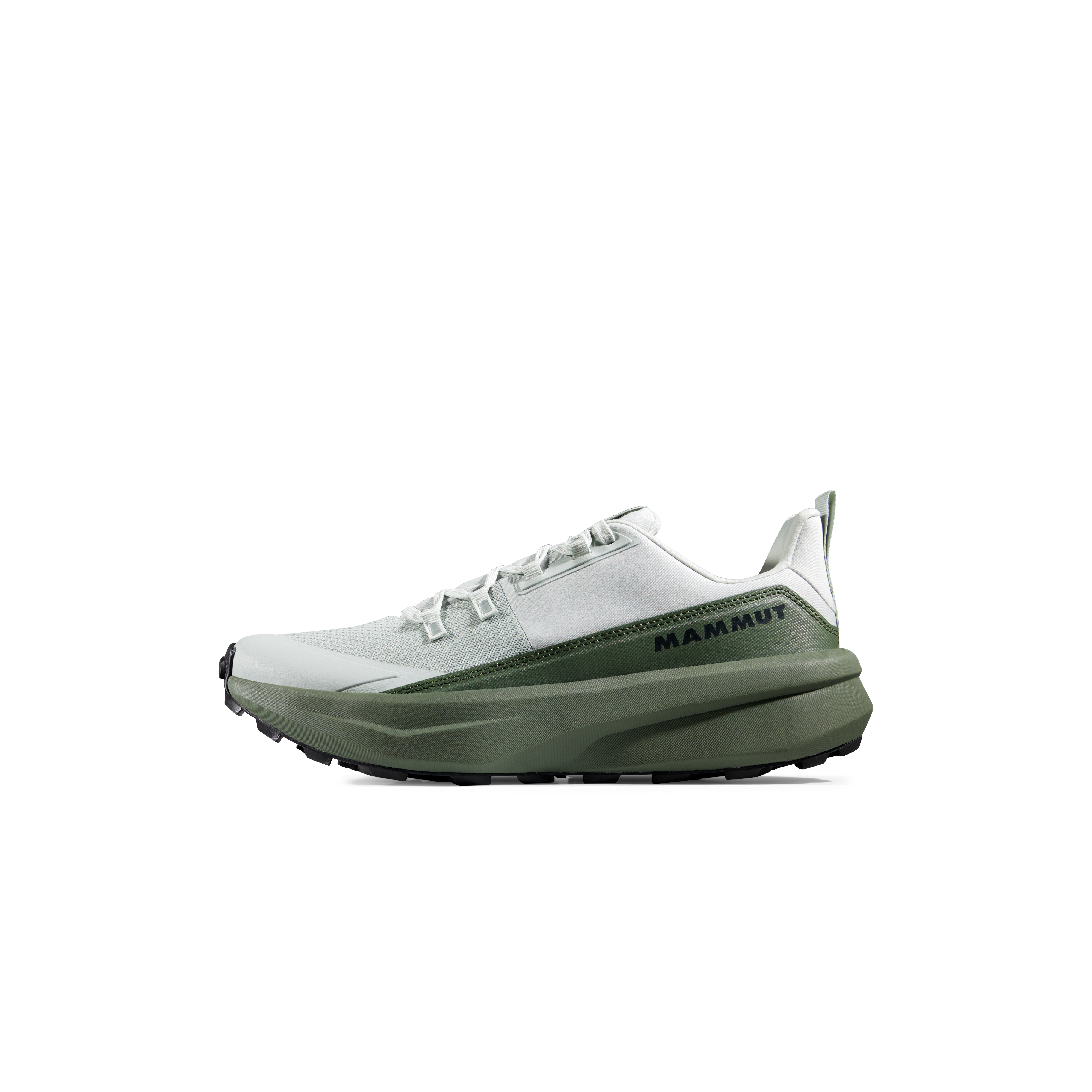
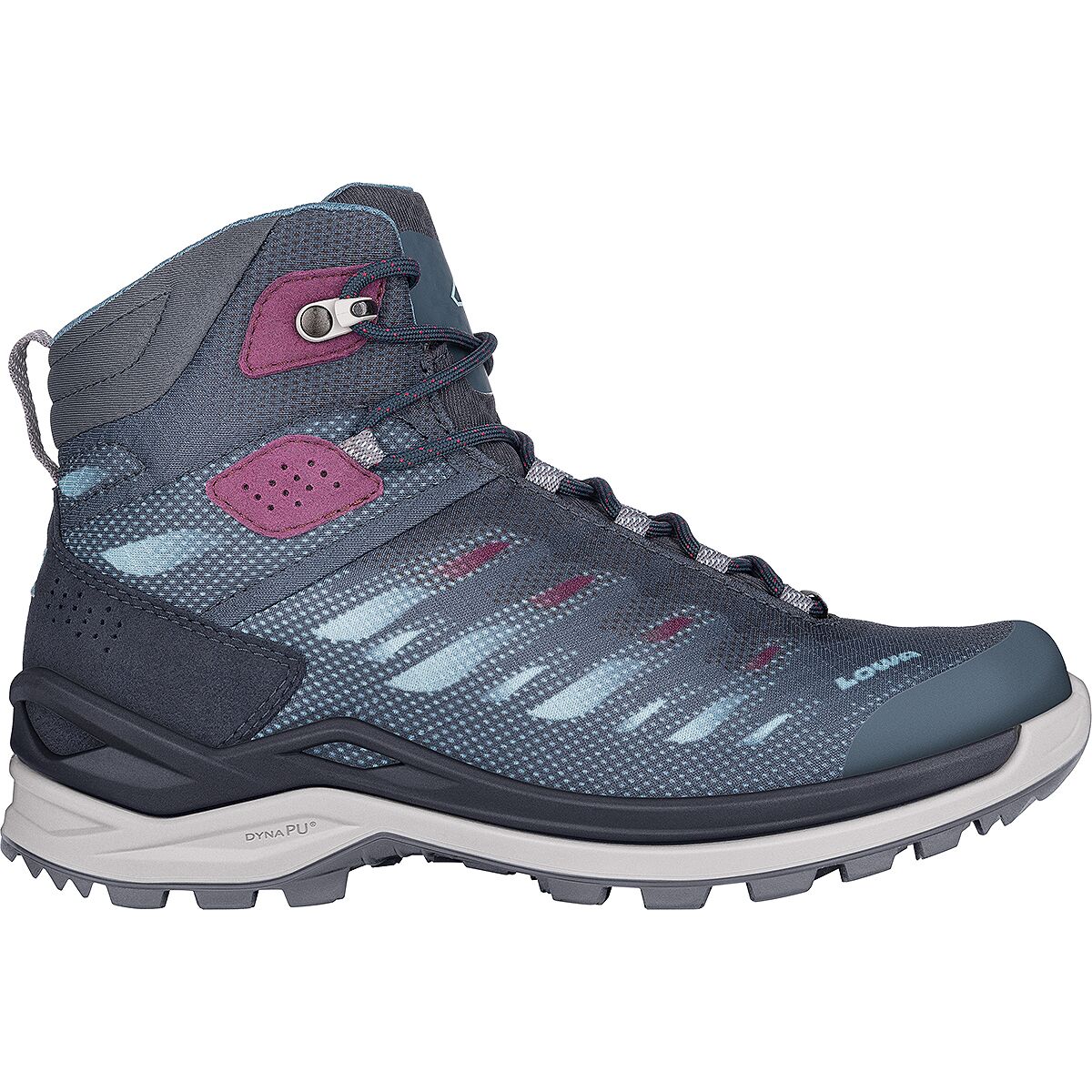
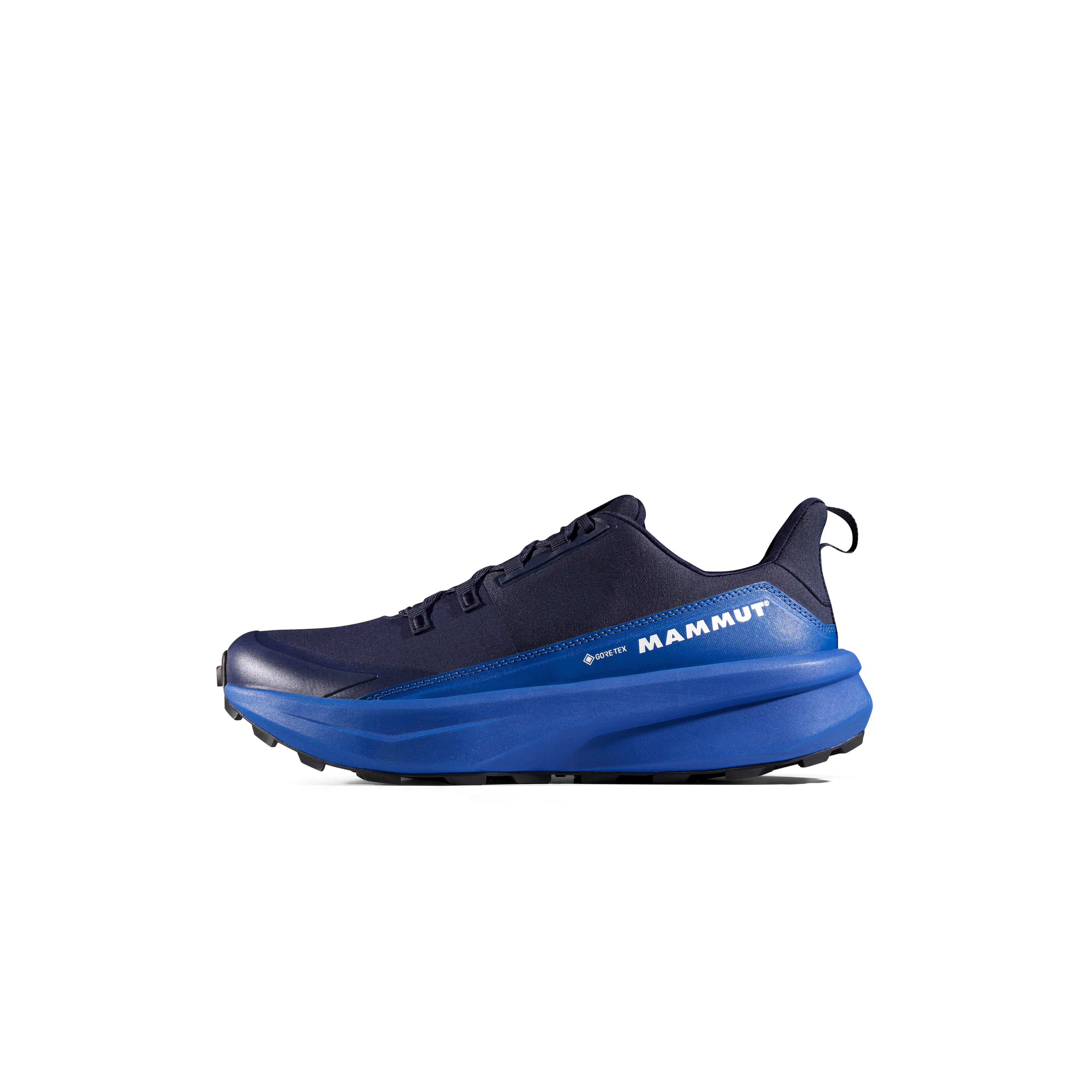
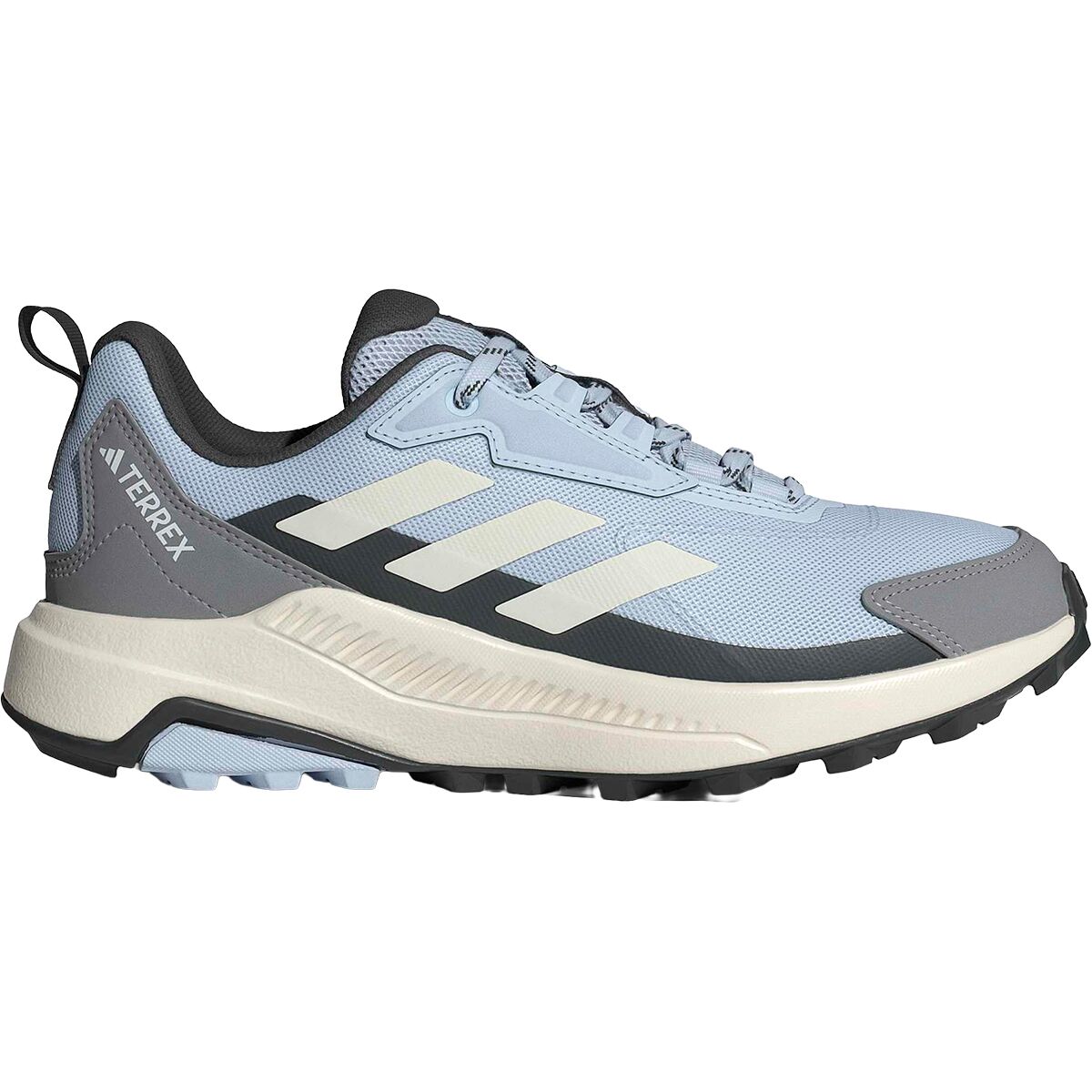
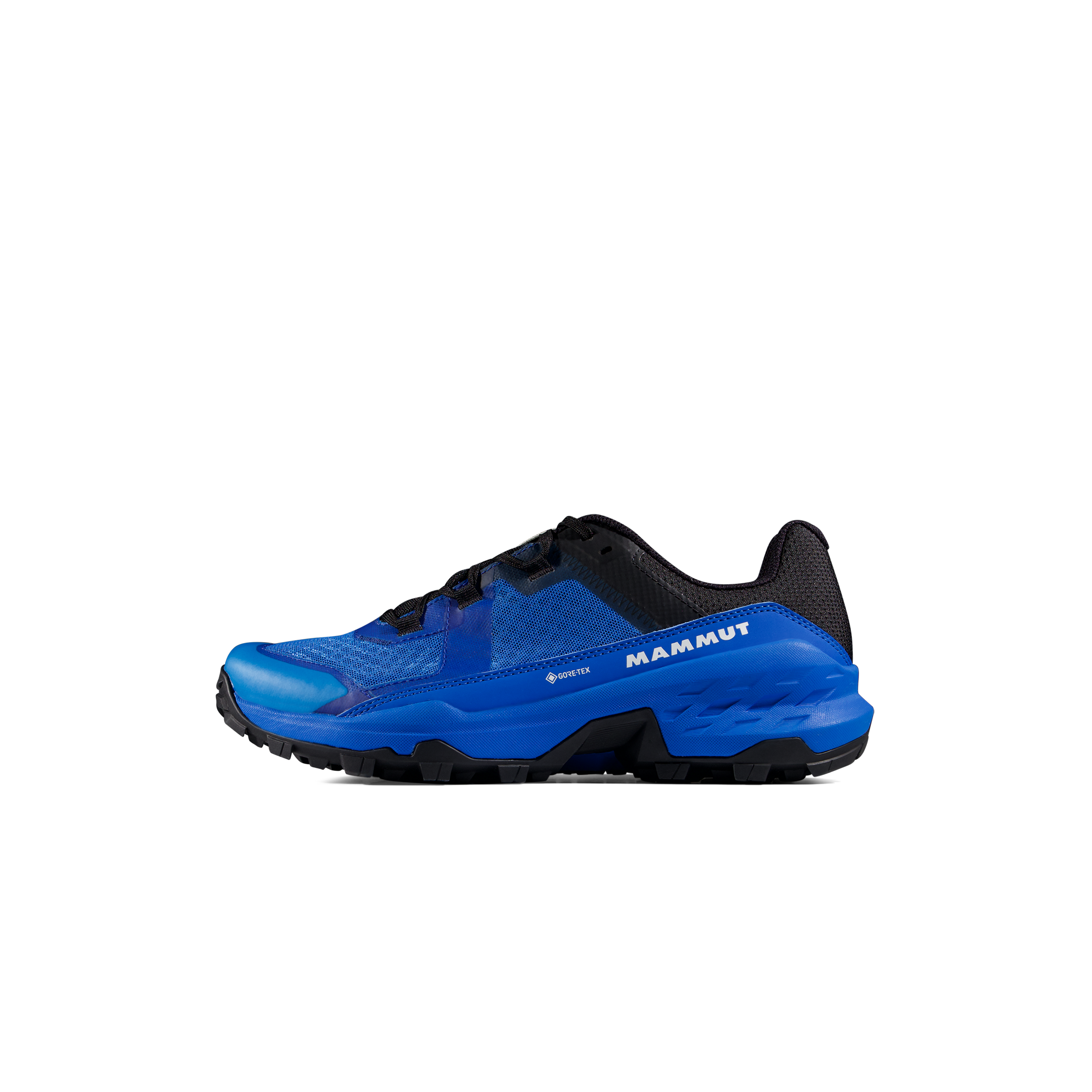
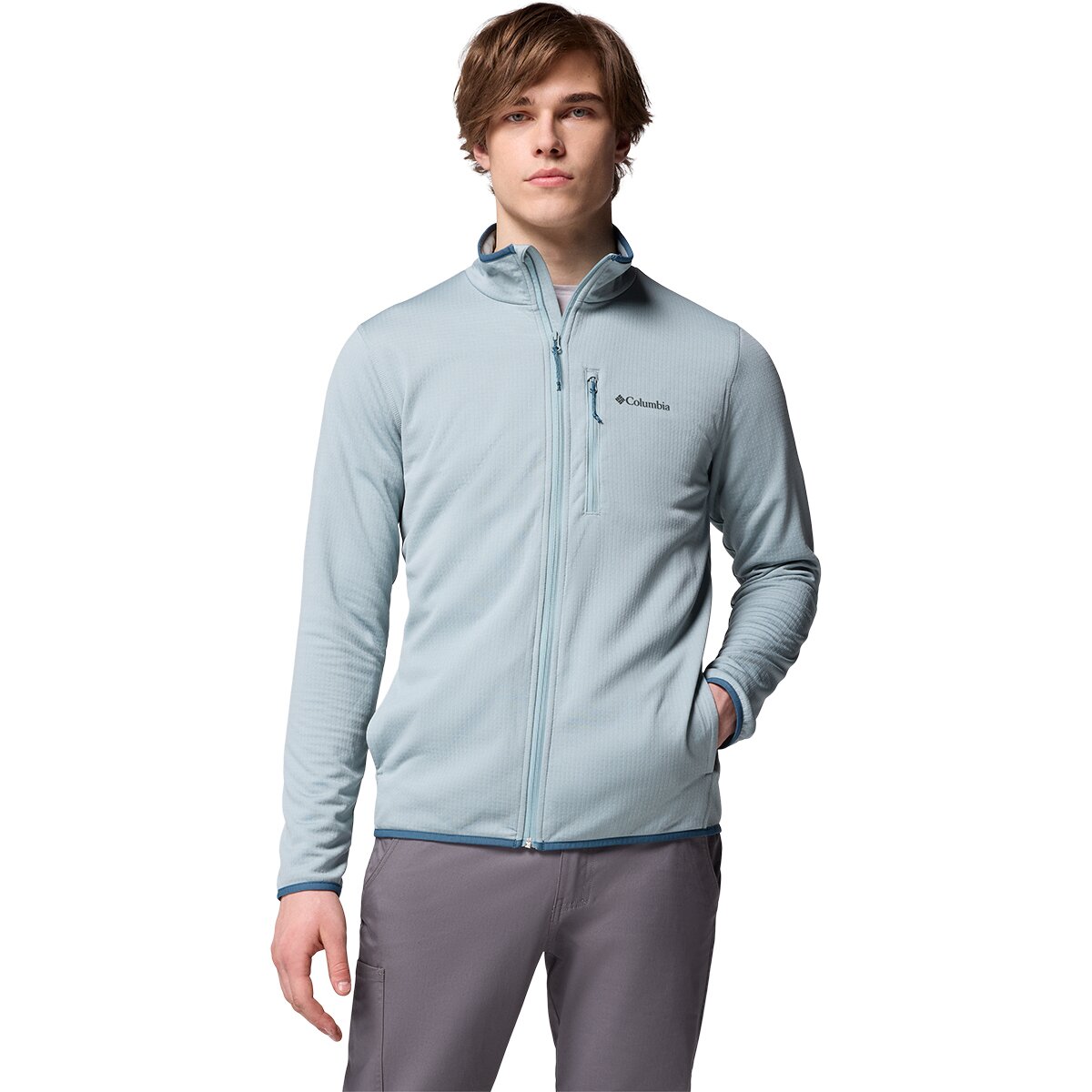
We may earn a commission if you buy through these links, at no extra cost to you. Affiliate disclosure

Pack for the Weather You Hope Not to Get.
FÍ warns hikers to expect unpredictable conditions, including strong wind, cold rain, fog and summer snow. Cotton clothing and optimistic forecast-based packing are poor strategies.
Hut users can save considerable pack weight by leaving the tent and personal cooking equipment behind, but they still need serious weather protection, food and emergency margin.
Landmannalaugar–Hrafntinnusker terrain · Wikimedia Commons · CC BY 2.0.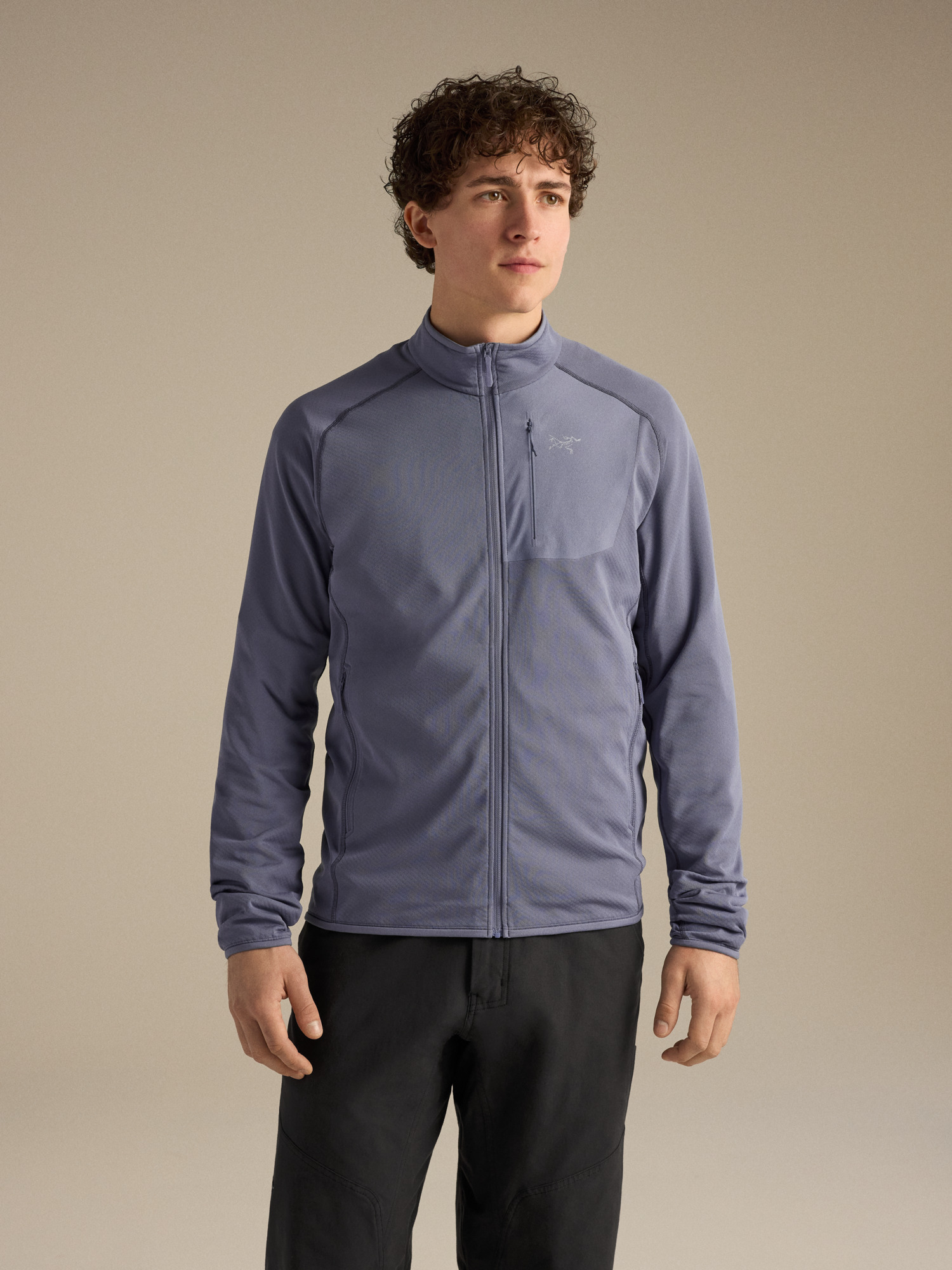

One Crosses Iceland’s Highlands. One Walks Into the Scottish Highlands.
These are orientation maps only. Use the official current maps and route files for navigation.
Landmannalaugar → Þórsmörk
A compact north-to-south crossing of Iceland’s southern Highlands.
Milngavie → Fort William
A south-to-north journey from Glasgow’s edge into Lochaber and Ben Nevis country.
Which Trail Fits You?
The decision becomes much easier when you compare the kind of uncertainty you are comfortable managing.
You Want Four Days to Feel Wild.
- You already have multi-day hiking experience.
- Cold, wet and windy conditions do not intimidate you.
- You are comfortable evaluating river crossings.
- Simple communal huts are appealing.
- You want volcanic scenery more than village culture.
- You can travel inside a narrow summer window.
You Want the Better First Long Trail.
- This is your first week-long walking holiday.
- You want easy access from a major city.
- Indoor lodging sounds better than mountain huts.
- You want baggage transfer as an option.
- You prefer food and services along the route.
- You need more calendar flexibility.
Your Basic Systems Are Untested.
- Your footwear has never handled consecutive long days.
- You have not tested waterproofs in sustained rain.
- You are unsure how your knees handle long descents.
- You have never carried your actual trekking pack all day.
- You have no navigation backup when visibility disappears.
When wilderness matters most.
When accessibility matters most.
For Most New Long-Distance Walkers: Scotland First, Iceland Second.
These trails work extremely well as a progression rather than rivals.
Build Back-to-Back Walking Days.
Learn what happens to your feet, shoulders, knees and appetite after multiple long days rather than one big weekend hike.
Walk the West Highland Way.
Use Scotland’s support network to learn pacing, multi-day recovery, weather management and long-distance trail rhythm.
Add Laugavegur’s Wilderness Variables.
Carry those multi-day skills into a shorter trek where river crossings, limited exits and fast-changing Highland weather matter more.

The Better Trail Is the One Whose Problems You Actually Want to Solve.
Scotland asks whether you can keep walking for a week. Iceland asks whether you can make sound decisions when weather, rivers and remoteness complicate a much shorter trip.
Lagangarbh and Buachaille Etive Mòr · Colin / Wikimedia Commons · CC BY-SA 4.0.Laugavegur vs West Highland Way FAQ
The questions that usually determine whether Iceland or Scotland is the better first international trek.
Which is harder, Laugavegur or West Highland Way?
They are hard in different ways. West Highland Way is much longer and generally the larger endurance challenge. Laugavegur is much shorter but more remote and weather-sensitive, with several unbridged river crossings and fewer easy exit options.
Which trail is longer?
West Highland Way is far longer at 154 km / 96 miles. Laugavegur is approximately 54–55 km / 34 miles between Landmannalaugar and Þórsmörk.
Which is better for beginners?
West Highland Way is the stronger first long-distance trail for most fit beginners because food, lodging, transport and baggage support are much easier to arrange and the route does not normally require river-fording decisions.
Can a beginner hike Laugavegur?
A fit beginner with appropriate preparation can complete Laugavegur, particularly using the hut system, but the trail should not be treated as a casual four-day walk. Weather, rivers, navigation and remote logistics require competent judgment.
Do you have to cross rivers on Laugavegur?
Yes. Several bridges exist, but at least three significant streams normally require wading on the classic route. Conditions vary with rain and snowmelt.
Do you need to camp on Laugavegur?
No. The classic route is served by FÍ mountain huts. Hut beds should be reserved well in advance because space is limited.
Can you camp on Laugavegur?
Yes, at the designated campsites associated with the hut system. FÍ expects campers to reserve their campsite before starting and campers must carry their own cooking equipment.
Can you walk West Highland Way without camping?
Yes. The entire route can be structured using B&Bs, hotels, hostels, bunkhouses and other indoor accommodation. Baggage-transfer services can also move a main bag between many stops.
When is the best time to hike Laugavegur?
The normal season is late June to early September, with July and August providing the most reliable combination of open huts, Highland-road access and trail conditions. Actual opening dates depend on snow and weather.
When is the best time to walk West Highland Way?
Spring through early autumn provides the main walking season. The official trail authority says May is the most popular month, while spring and autumn can be particularly attractive.
Which has better scenery?
Laugavegur wins for geological drama: rhyolite mountains, geothermal terrain, obsidian, black desert and glaciers. West Highland Way gives a longer landscape progression through Loch Lomond, Rannoch Moor, Glen Coe and the mountains around Ben Nevis.
Which one should I hike first?
For most hikers new to multi-day international walking, West Highland Way first and Laugavegur second is the stronger progression. Experienced backpackers comfortable with poor weather and river crossings can reasonably start with Laugavegur.
Choose Here. Verify Conditions Before You Depart.
Laugavegur is especially condition-dependent. Snow, river levels, Highland-road openings, bus schedules and hut operations can change the practical route window.
WHW is more stable, but diversions, accommodation, storms and Loch Lomond camping restrictions still deserve a final current check.
Choose the Trail. Then Move Into the Complete Guide.
This page owns the Laugavegur-versus-West-Highland-Way decision. The parent guides own route stages, accommodation, current conditions and complete logistics.

First Long Trek? Scotland. Ready for More Wilderness? Iceland.
Choose the West Highland Way when you want the stronger introduction to multi-day walking: longer mileage but easier logistics and more support. Choose Laugavegur when you want a shorter journey where volcanic wilderness, rivers and rapidly changing weather are part of the reason to go.
Was this helpful?
Global Summit Guide is an independent mountaineering resource founded in 2026. The team combines first-hand trekking and climbing experience with in-depth research and professional health and nutrition review to help climbers choose objectives, prepare properly, and stay safe.
Health, altitude, and nutrition content is reviewed by Taylor Ludlow (Registered Nurse) and Brigg Hoopes (Nutritionist).
What We Don't Know Yet
Mountain information changes quickly. This box explains the limits of what this page can responsibly promise.
- Comparisons simplify complex decisions; the better mountain depends on current conditions, skills, timing, budget, and risk tolerance.
- Visa, passport, vaccination, border, insurance, and local transportation rules may change before your trip.
- Route conditions, snowpack, closures, and weather can change quickly after this page is updated.
- Permit rules, fees, quotas, and reservation windows may change between review cycles.
- Operator availability, pricing, guide ratios, and cancellation terms can change by season.
Verify current conditions with official land managers, guide services, local forecasts, and current route reports before booking or climbing.
Mountaineering, rock and ice climbing, glacier travel, and high-altitude activity are inherently dangerous and can result in serious injury or death. The information on Global Summit Guide is provided for general informational and educational purposes only and is not a substitute for professional instruction, qualified guiding, proper equipment, or your own judgment and experience.
Route conditions, weather, snowpack, permits, regulations, and hazards change constantly and may differ from what is described here. Details may be incomplete, out of date, or contain errors. Always verify current information with local authorities, certified guides, and official sources before making any decision in the mountains.
Nothing on this site is medical, legal, or financial advice. Our fitness, acclimatization, altitude, and nutrition content is general in nature; consult a qualified physician before beginning any strenuous exercise program or exposing yourself to high altitude.
You are solely responsible for your own safety and decisions. To the fullest extent permitted by law, Global Summit Guide and its team accept no liability for any loss, injury, damage, or expense arising from use of, or reliance on, this information. By using this site you acknowledge these risks and accept these terms.
Some links on this site may be affiliate links. If you buy through them we may earn a small commission at no extra cost to you; this never affects our recommendations.
Global Summit Guide recommendation path
Next Best Mountain to Research
Use these recommendations to continue the right planning path instead of stopping on one page.
Use current permit, weather, route, and operator information before booking or climbing.