Last updated November 14, 2026


GR20 vs Alta Via 1: Which European Hut Trek Should You Choose?
GR20 is the harder trek. Alta Via 1 is the better introduction to major European hut-to-hut hiking. Corsica’s GR20 crosses roughly 180 km / 112 mi in 16 rugged stages of granite, boulders, slabs, scree and sustained climbing. Alta Via 1 runs roughly 125 km / 78 mi through the Dolomites, climbing about 7,300 metres / 24,000 feet while linking some of Italy’s great rifugi.
GR20 Is the Harder Trek. Alta Via 1 Gives You More Mountain With Less Friction.
Choose GR20 when the difficulty itself is one of the reasons you are going. It is longer, climbs more, lasts more days and repeatedly puts hikers on rough granite terrain where pace is controlled by footing and exposure, not cardiovascular fitness alone.
Choose Alta Via 1 when you want a serious high-mountain journey without making rough terrain the defining feature of every day. The Dolomites route still requires repeated climbing, confident descending, Alpine weather judgment and more than a week of back-to-back hiking.
But the rifugi change the trip. You can sleep inside, eat dinner and breakfast at the mountain huts, carry less food and build the route around one of Europe’s strongest hut cultures.
The 2026 Staffed Season Ended October 4
PNRC refuges were staffed from May 16 through October 4, 2026. The standard supported season is therefore over. Off-season travel can involve unstaffed refuges, colder weather, shorter daylight, early snow and substantially more self-sufficiency.
The Normal 2026 Through-Trek Season Is Also Finished
Alta Via 1’s normal window runs approximately late June through late September. Individual rifugi set their own closing dates. Rifugio Nuvolau, for example, ended overnight service September 20 and says 2027 reservations begin in January 2027.
GR20 vs Alta Via 1 at a Glance
GR20 is longer and considerably rougher. Alta Via 1 is shorter, but remains a serious multi-day mountain trek.
| Factor | GR20 | Alta Via 1 | Decision |
|---|---|---|---|
| Location | Corsica · France | Italian Dolomites | Island mountains vs limestone Alps. |
| Route type | Point-to-point island traverse | Point-to-point Dolomites traverse | Both are journeys rather than circuits. |
| Distance | ≈180 km / 112 mi | ≈125 km / 78 mi | GR20 ≈55 km longer. |
| Total ascent | ≈12,000 m commonly cited | ≈7,300 m | GR20 |
| Classic structure | 16 stages | 12 stages | GR20 longer commitment. |
| Typical trip | ≈15–16 days | ≈8–12 days | AV1 easier vacation fit. |
| High point | ≈2,600 m | ≈2,750 m around Lagazuoi | Altitude is not the key difference. |
| Technical hiking | Frequent rough / hand-assisted terrain | Moderate mountain hiking if planned without ferrata | GR20 harder. |
| Scrambling | Regular feature | Limited on hiking-only itinerary | GR20 |
| Exposure | Regular northern-route factor | Route dependent | GR20 |
| Trail surface | Granite slabs · boulders · scree | Limestone trail · scree · gravel | GR20 rougher. |
| Accommodation | Simple PNRC refuges + designated bivouac | Italian rifugi | AV1 more comfortable overall. |
| Camping | Designated refuge areas only | Not needed for classic rifugio trek | AV1 simpler. |
| Food | Basic refuge meals / shops | Half board and strong rifugio cuisine | AV1 |
| Booking | PNRC reservation system | Each rifugio booked individually | Different planning problem. |
| Wild camping | Prohibited | Not the normal AV1 model | Use formal overnight systems. |
| Luggage transfer | Limited fit for full route | Possible on many—but not all—stages | AV1 |
| Best first hut trek | No | Yes for fit mountain hikers | Alta Via 1 |
| Overall difficulty | Very demanding | Moderate–strenuous | GR20 harder. |

GR20 Makes Short Distances Expensive.
Twelve kilometres of granite, boulders, scree and steep descent do not behave like twelve kilometres of ordinary trail. That is the heart of the difficulty comparison.
Which Is Harder: GR20 or Alta Via 1?
GR20, by a meaningful margin on standard hiking itineraries.
GR20
Granite slabs, boulders and scrambling-style movement appear repeatedly.
GR20
Roughly 12,000 metres compared with about 7,300 metres on AV1.
GR20
Sixteen classic stages create greater cumulative fatigue.
Alta Via 1
Rifugi, cooked meals and a lighter pack improve recovery.

On Alta Via 1, the Bed Is Part of the Mountain Experience.
Dinner, sleep, sunrise and tomorrow’s trail can all happen from the same dramatic high-mountain perch. That changes both pack weight and recovery.
Granite Fighting vs Limestone Traveling
Both are rocky. Only GR20 makes technical-feeling movement a defining characteristic.
You Repeatedly Use Your Hands
- Granite slabs
- Boulder fields
- Scree
- Exposed ridges
- Protected passages
- Steep rocky descents
- Slow movement after rain
- Real consequences for poor footing
Smooth-trail fitness does not automatically produce GR20 efficiency.
Rockier Than the Mileage Suggests
- Limestone trail
- Loose scree
- Gravel
- Steep descents
- High passes
- Long climbing days
- Some exposed terrain
- Route-dependent protected sections
AV1 requires surefooted mountain hiking, but a planned hiking itinerary need not become a scrambling route.
Footwear for Rocky European Treks
GR20 emphasizes grip and secure rocky movement. Alta Via 1 emphasizes comfort over repeated limestone, scree and long descents. Use footwear already proven on consecutive mountain days.
Footwear for Rocky European Treks
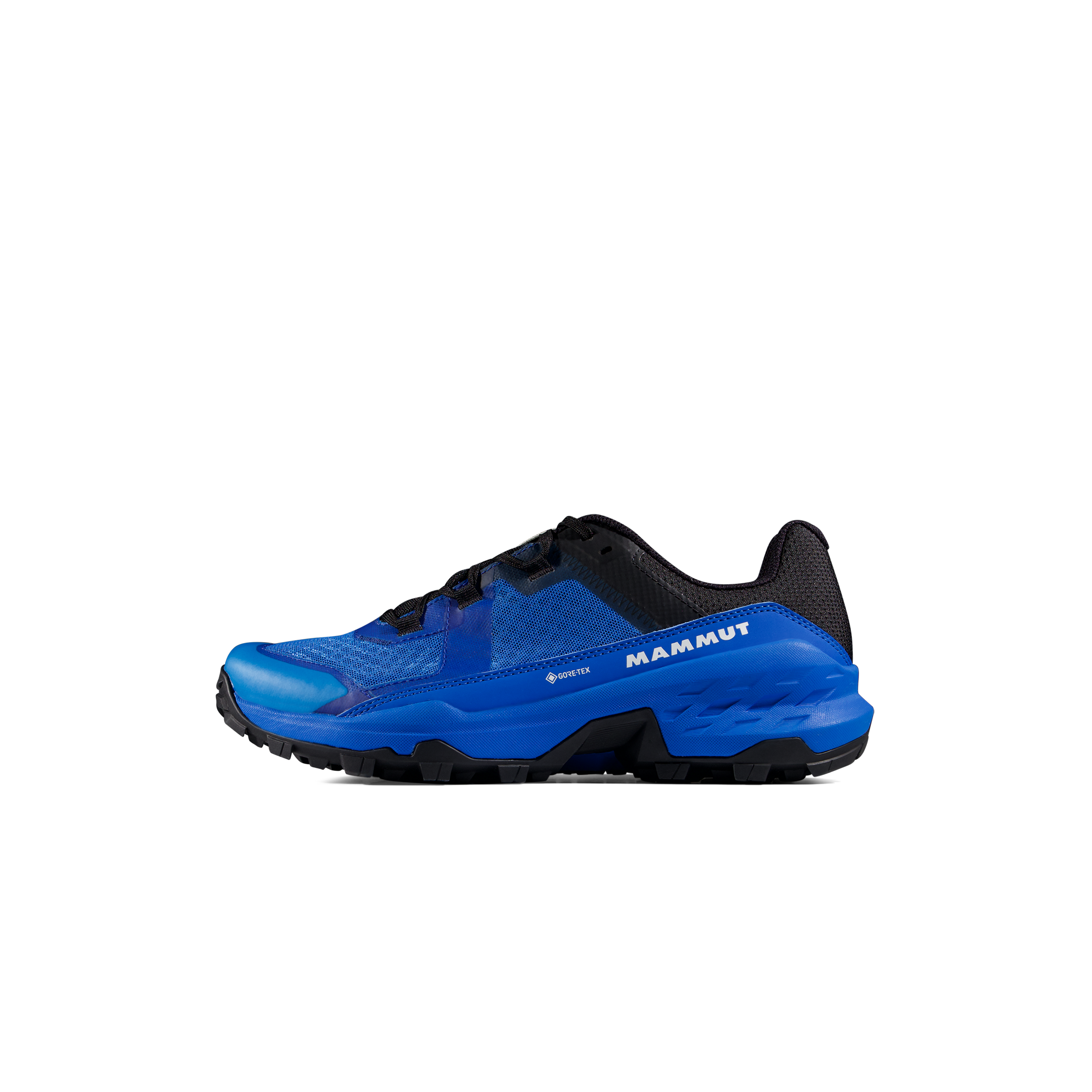
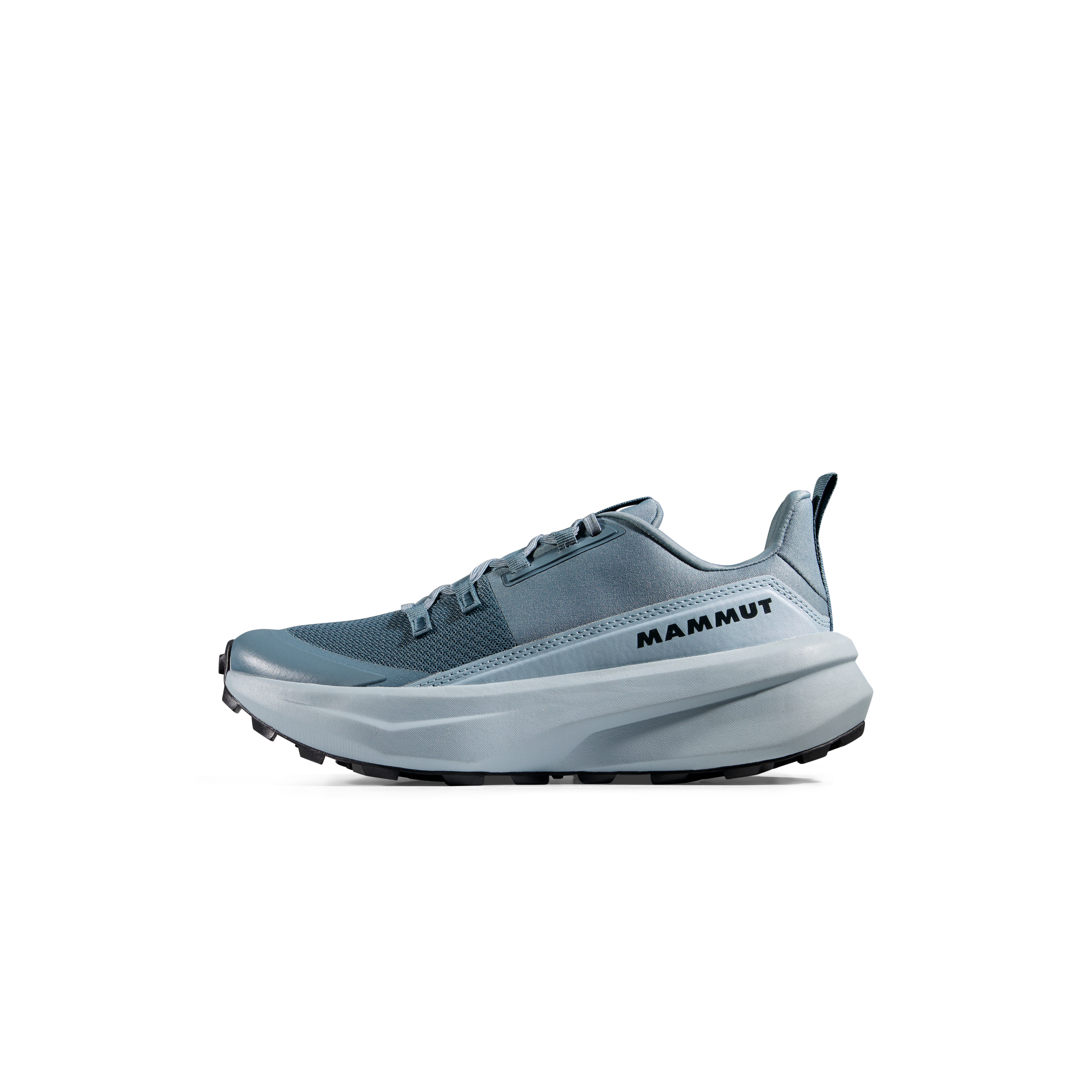
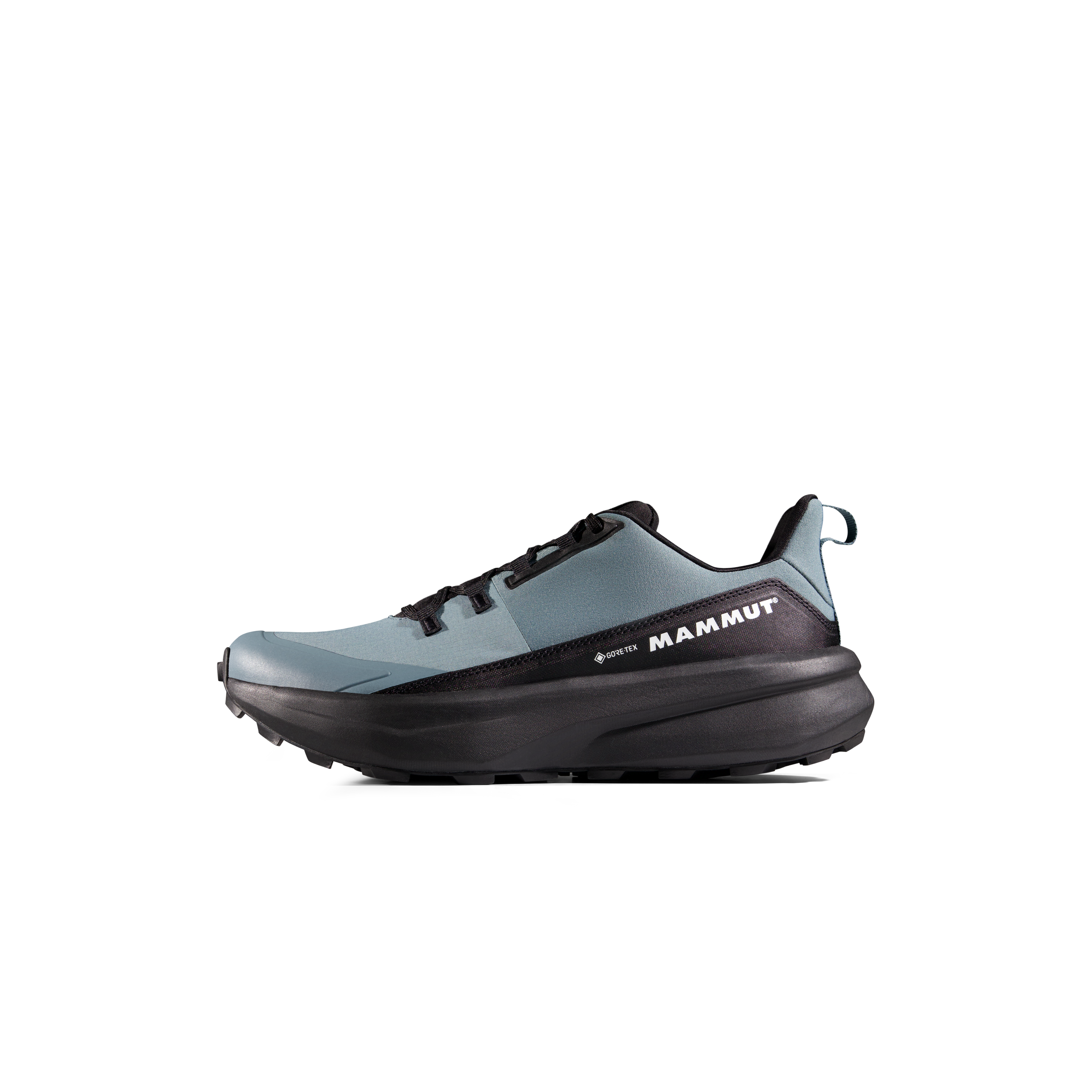
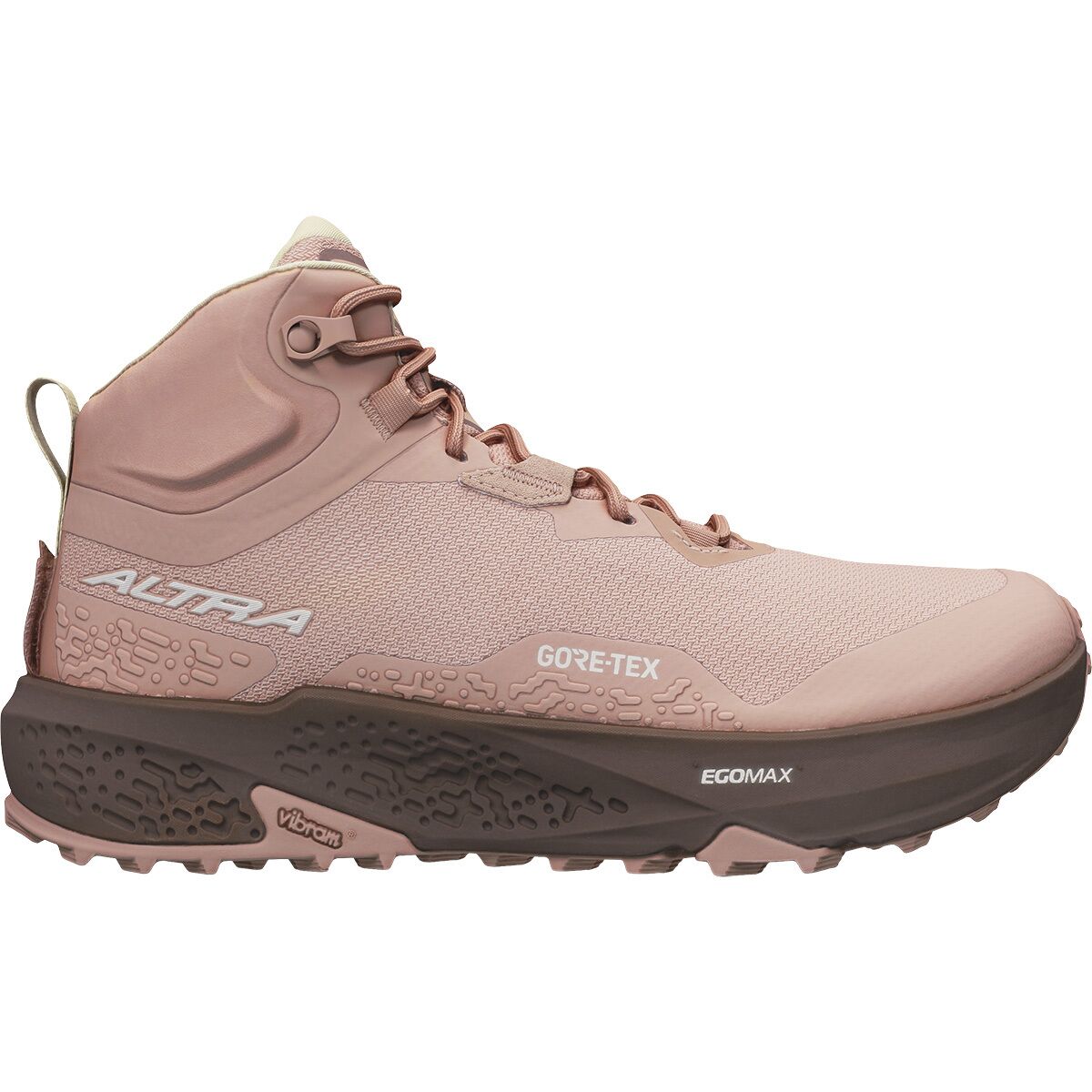
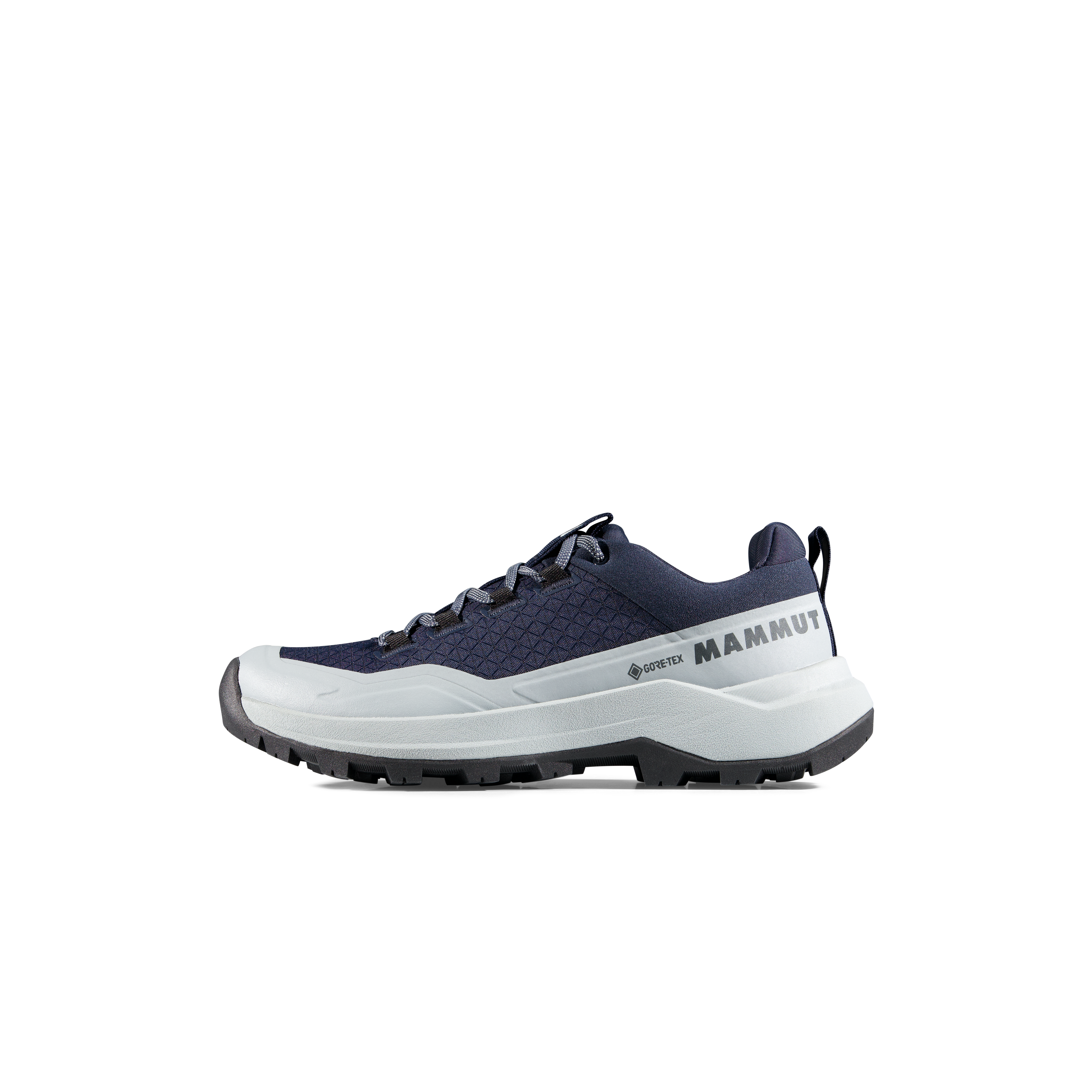
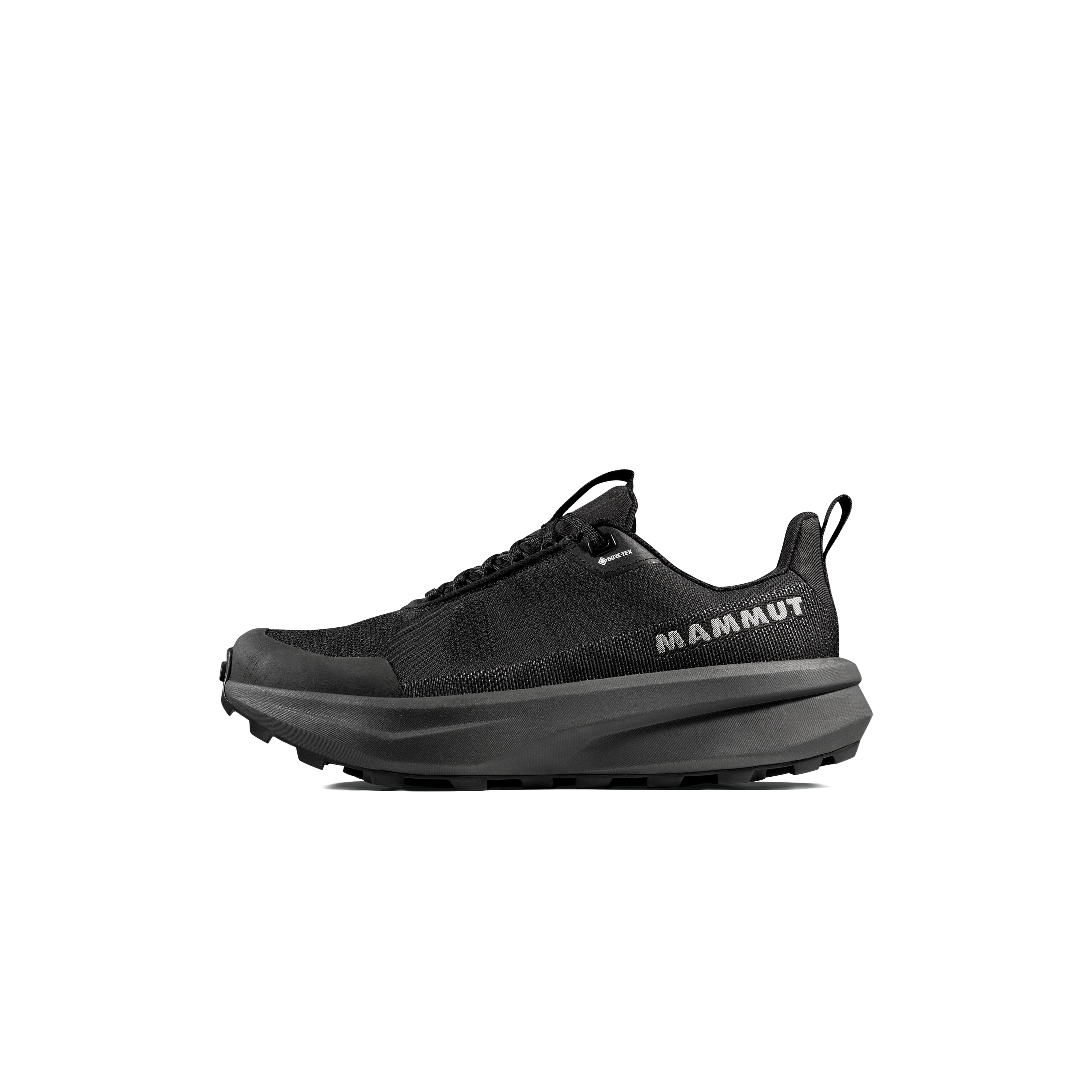
We may earn a commission if you buy through these links, at no extra cost to you. Affiliate disclosure

The GR20 Is Harder—but It Is Not Sixteen Days of Bare Granite.
Alpine lakes, forest, pozzines, high pasture and Mediterranean landscapes repeatedly change the character of the crossing.
Both Have Mountain Huts. They Do Not Offer the Same Style of Trek.
This may be the biggest lifestyle difference after trail difficulty.
Shelter First
PNRC refuges exist primarily to support the crossing.
- Shared dormitories
- Designated bivouac areas
- PNRC rental tents
- Basic meals
- Small supplies
- Simple showers / facilities
- Cash useful
- More backup food sensible
Rifugio Culture
The overnight is one of the reasons to hike the route.
- Shared dormitories
- Half board common
- Cooked dinners
- Breakfast
- Packed lunches
- Drinks and café service at many huts
- Distinctive regional food
- Iconic high-mountain locations

Alta Via 1 Gets Its Drama From the Walls Around the Trail.
Pelmo, Civetta, Tofane, Lagazuoi and the Belluno Dolomites turn the route into a moving tour of limestone architecture.
Does Alta Via 1 Require Via Ferrata?
No— if you deliberately build a hiking itinerary.
Hiking
The majority of the route is ordinary mountain hiking on rocky trails, passes and scree.
Route Choice Matters
The historic line toward 7° Alpini can use protected or via-ferrata terrain.
Available
A longer non-ferrata alternative allows hikers to keep AV1 a trekking route.
GR20 Has One Park System. Alta Via 1 Has a Chain of Individual Businesses.
Neither route should be booked by improvising July overnights once you arrive.
PNRC Controls the Overnight Framework
During the 2026 staffed season, reservations were required for:
- Refuge bunks
- PNRC rental tents
- Own-tent bivouac spaces
Your reservation chain is tied to dates and specific refuges. Doubling a stage can therefore break the accommodation plan.
Build the Whole Chain Hut by Hut
There is no universal Alta Via 1 reservation that secures every night.
- Some rifugi use online booking.
- Some use forms.
- Some use email.
- Some require direct contact.
- Opening dates differ.
- Deposits and cancellation rules differ.
Book the hardest night to replace first, not automatically Night 1.
Compare Alta Via 1 With Tour du Mont Blanc.
TMB adds distance, international variety and easier valley logistics. AV1 adds deeper Dolomite immersion and a more continuous rifugio experience.

The South Is Smoother Than the North. It Is Still GR20.
Forest and rolling high country provide some relief, but Bavella reminds hikers that the crossing never truly becomes an easy walking holiday.
GR20 Is Usually Cheaper Per Night. Alta Via 1 Buys More Comfort.
A €20 refuge bunk and a high Dolomites rifugio are different products.
Low-Cost Mountain Shelter
- Refuge bunk: €20
- Own-tent bivouac: €12
- Rental tent · one person: €27
- Rental tent · two people: €39
PNRC also suggested approximate meal pricing around €10 breakfast, €10 packed lunch and €20 dinner during 2026.
Private facilities along the route can charge differently.
Higher Prices—More Included
Alta Via 1 has no single route-wide tariff. Pricing varies from rifugio to rifugio.
One useful 2026 reference: Rifugio Lagazuoi listed a dormitory bed with breakfast at €85, with dinner for half board another €35.
That is a high-profile hut, not a valid average for every AV1 night. Use it to understand the different accommodation category, not as a route-wide price claim.
Alta Via 1 wins if your budget goal is to spend money on recovery rather than carry camping and food weight.

AV1 Is Shorter Than GR20 Without Feeling Like a Short Mountain Trip.
Fanes, Lagazuoi, Pelmo, Civetta, Moiazza and Schiara make 125 kilometres feel like a journey through several distinct mountain worlds.
GR20 Has the Wider Staffed Window. Alta Via 1 Depends More on the Rifugio Chain.
Neither route should be scheduled from calendar dates alone.
June–September Core Window
- May: high snow possible.
- June: long days, improving high routes.
- July: heat and thunderstorms increase.
- August: heat, fire risk, dry water sources.
- September: cooler and often excellent.
- October: short days and closing services.
Late June–Late September
- Early June: many huts closed; snow possible.
- Late June: route opens progressively.
- July: core season.
- August: peak demand and thunderstorms.
- Early September: excellent when huts remain open.
- Late September: closures can break the chain.
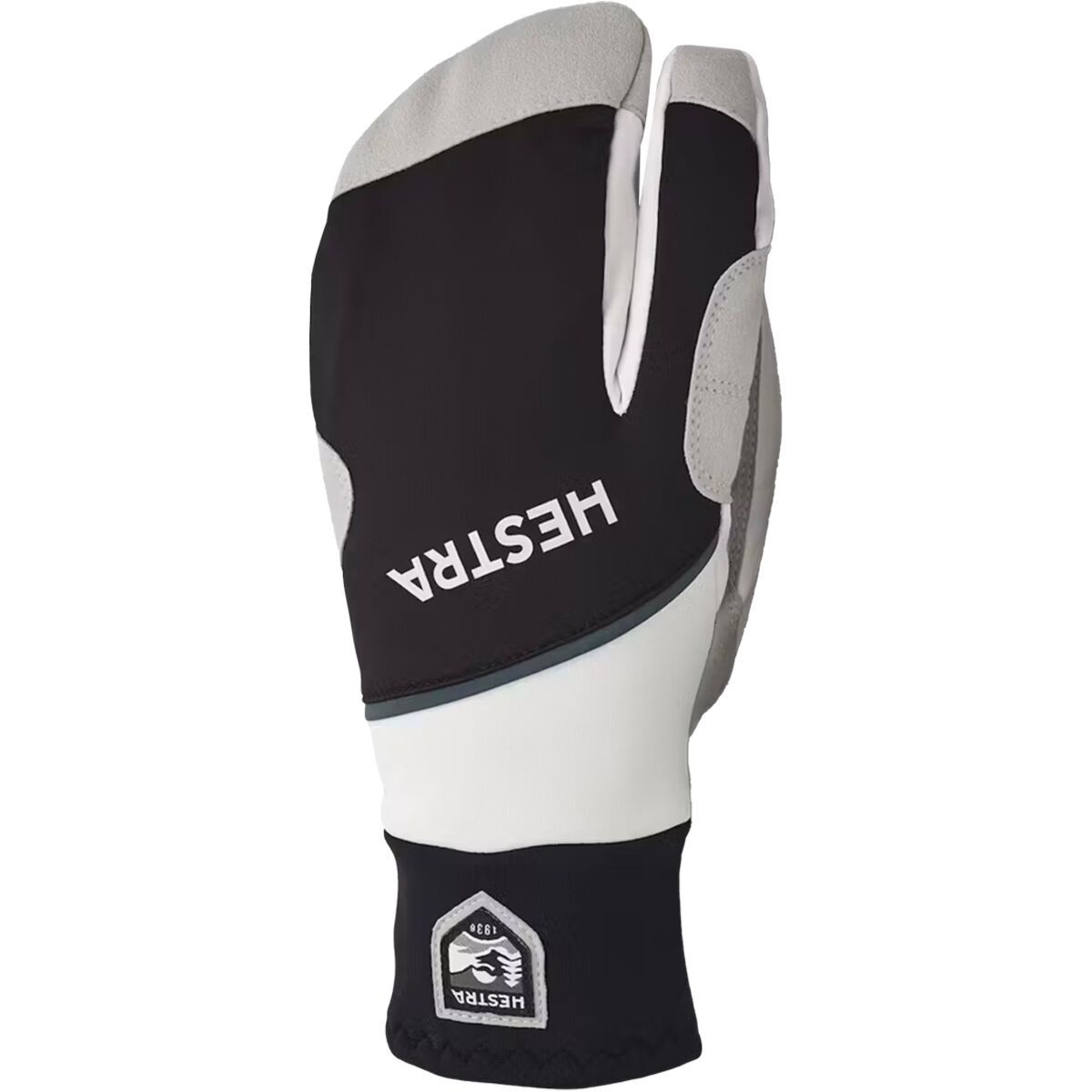
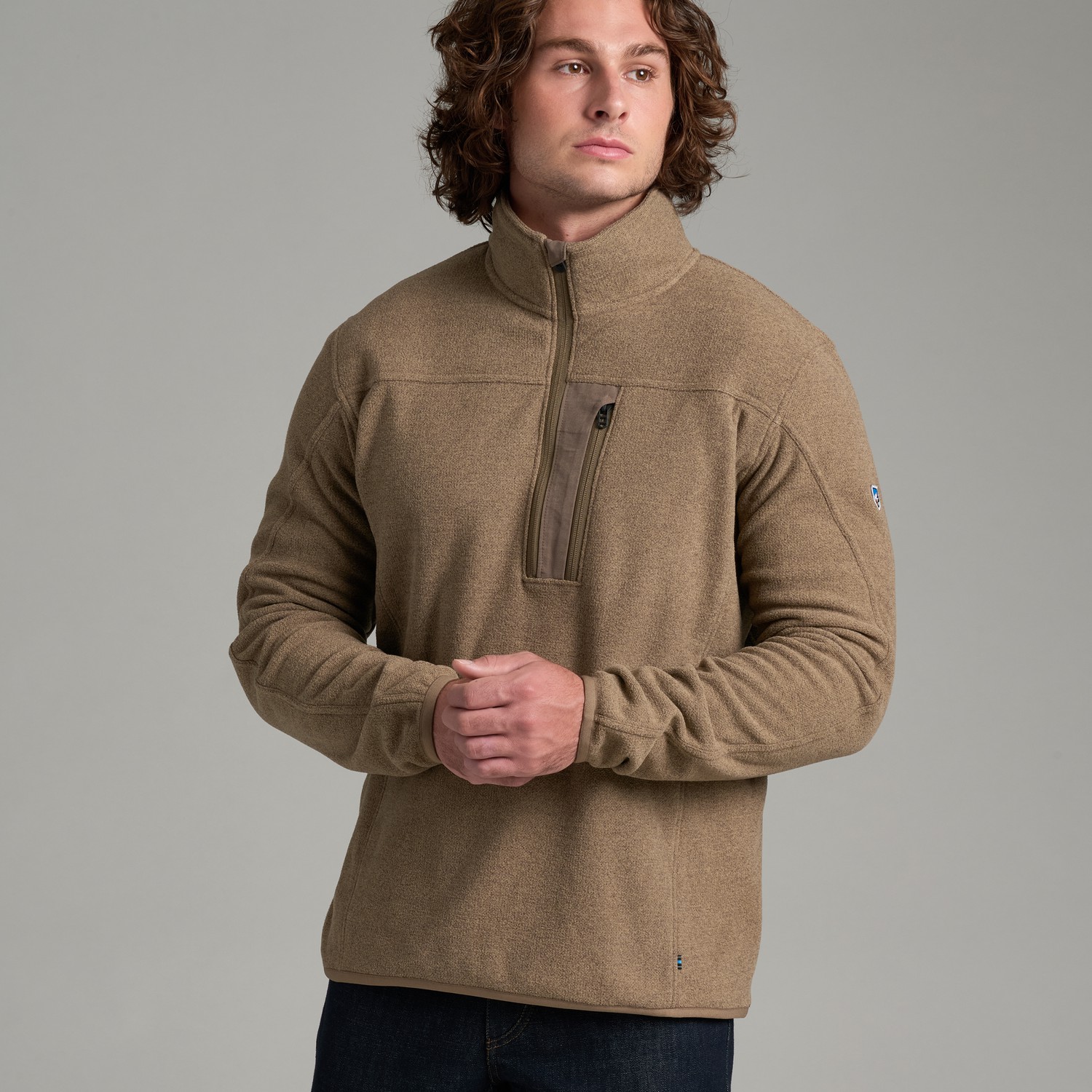
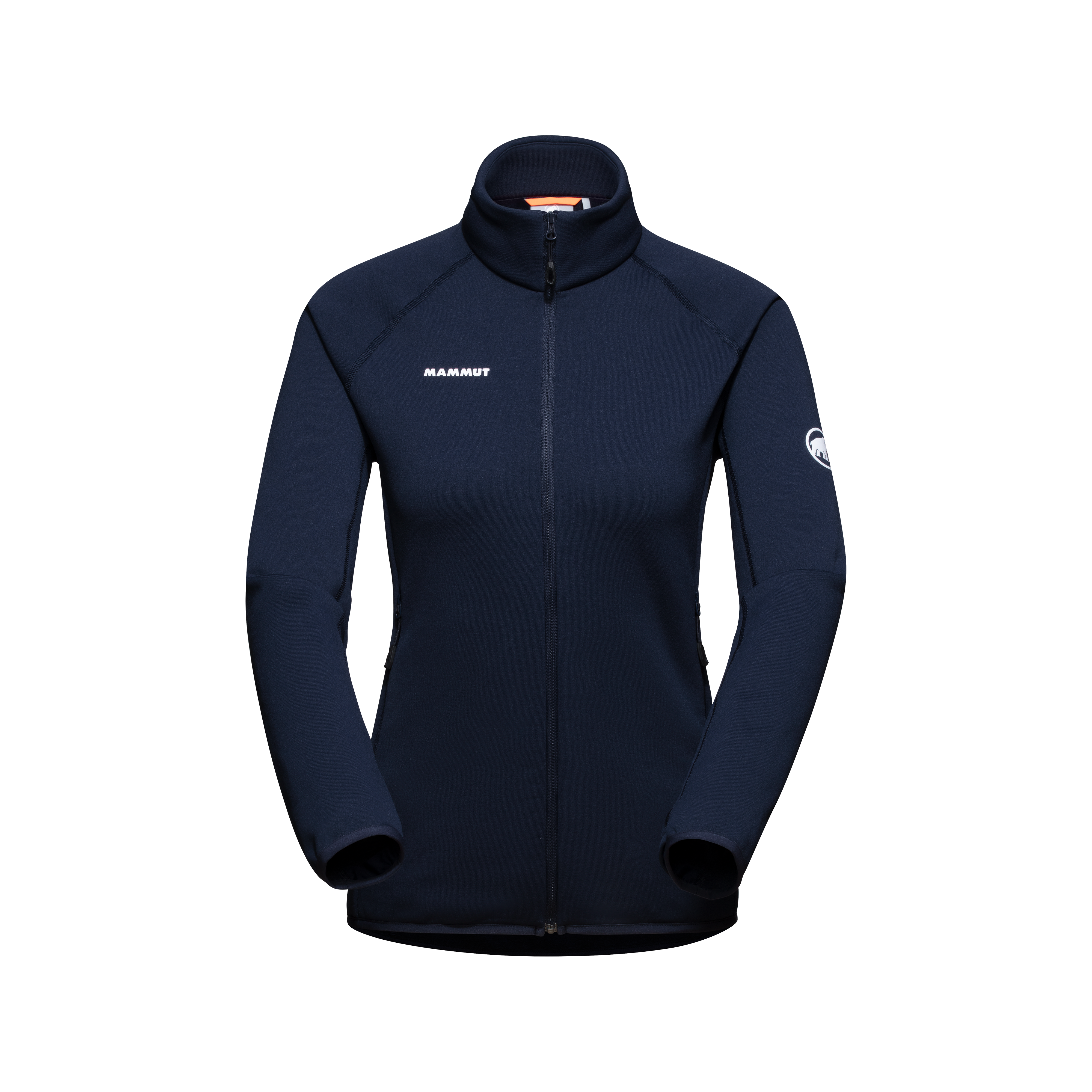
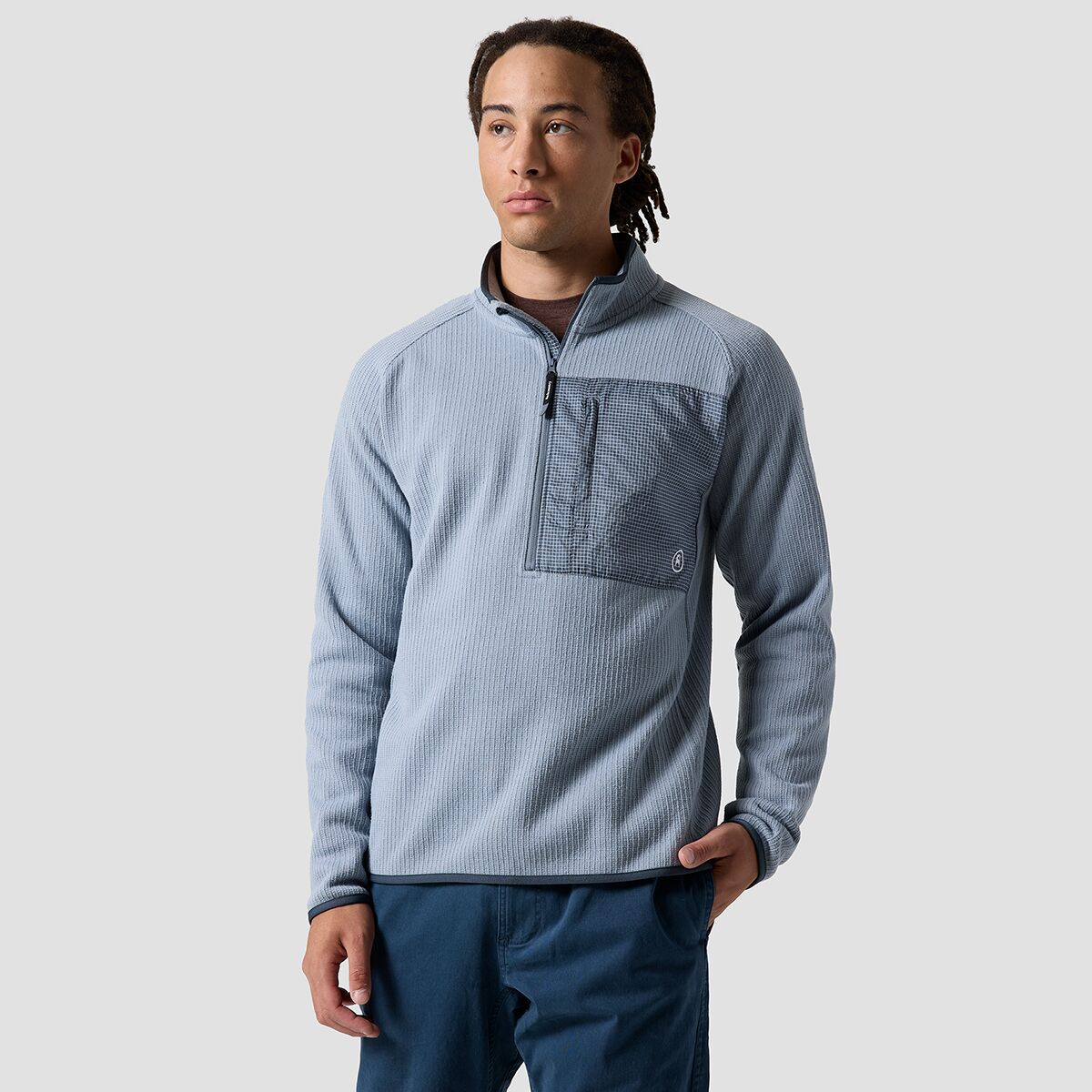
Mountain Layers for Corsica & the Dolomites
Corsica can be hot in the valleys and cold on exposed ridges. The Dolomites can move from sunshine to hail, wind and cold rain in one afternoon. Carry a real insulating system.
Mountain Layers for Corsica & the Dolomites
- BackcountryBackcountry BGA Wander Sweater Fleece 1/2-Zip – Men'sFrom $83.30
$119Check price at Back Country (opens in a new tab)
GR20 Punishes Extra Weight. Alta Via 1 Gives You More Ways to Remove It.
Pack weight changes balance, footwork and descent fatigue.
Stay Light
Every unnecessary kilogram moves across granite slabs, steep descents and hand-assisted terrain for more than two weeks.
Rifugio Trek
Beds, blankets, meals and resupply remove the need for a traditional camping load.
Possible—Not Universal
AV1 services can move bags between road-accessible nights, but vehicles cannot reach every rifugio.
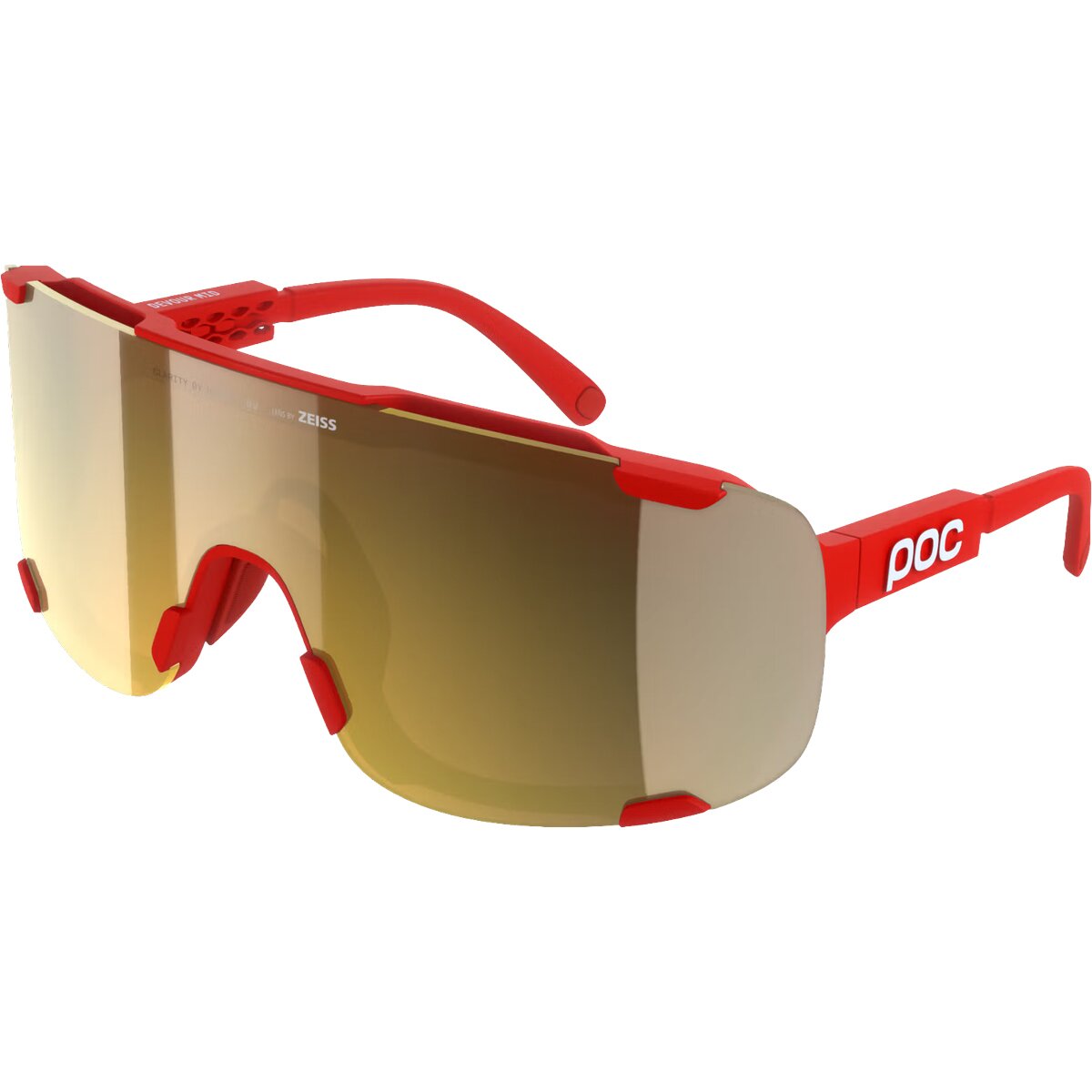
Mountain Sunglasses
Both routes spend long days above tree line on exposed mountain terrain. Keep eyewear accessible rather than buried in the pack.
Mountain Sunglasses
Should You Hike Alta Via 1 Before GR20?
For most hikers entering European hut trekking: yes.
Learn Consecutive Mountain Days
- Rifugio rhythm
- Repeated climbing
- Rocky descents
- Mountain weather
- Pack discipline
- Foot care
- Daily recovery
- Trail logistics
Add Roughness and Commitment
- More days
- More vertical
- More scrambling
- More exposure
- Harder footing
- Water-management problems
- Simpler accommodation
- Less logistical flexibility
Experienced backpackers and scramblers do not need Alta Via 1 first. Progression closes skill gaps; it is not a mandatory checklist.
Compare It With Tour du Mont Blanc.
TMB retains major Alpine mileage and vertical gain while providing much deeper transport, lodging and village support.
Choose by the Experience You Want Every Day
Both are spectacular. Only one should be your first major hut trek if rough terrain is still unfamiliar.
You Want the Challenge
- You are an experienced mountain hiker.
- You enjoy scrambling.
- You move confidently on loose and broken rock.
- Exposure does not control your pace.
- You accept simple accommodation.
- You can manage water and backup food.
- You have roughly two weeks available.
- You actively want one of Europe’s harder marked treks.
You Want the Complete Hut-Trek Experience
- This is your first major European high route.
- You love dramatic limestone scenery.
- You want dinner and breakfast at rifugi.
- You prefer 8–12 days.
- You want a lighter pack.
- You are comfortable on rocky mountain trails.
- You prefer less scrambling.
- You want the Dolomites themselves to be the entire point.
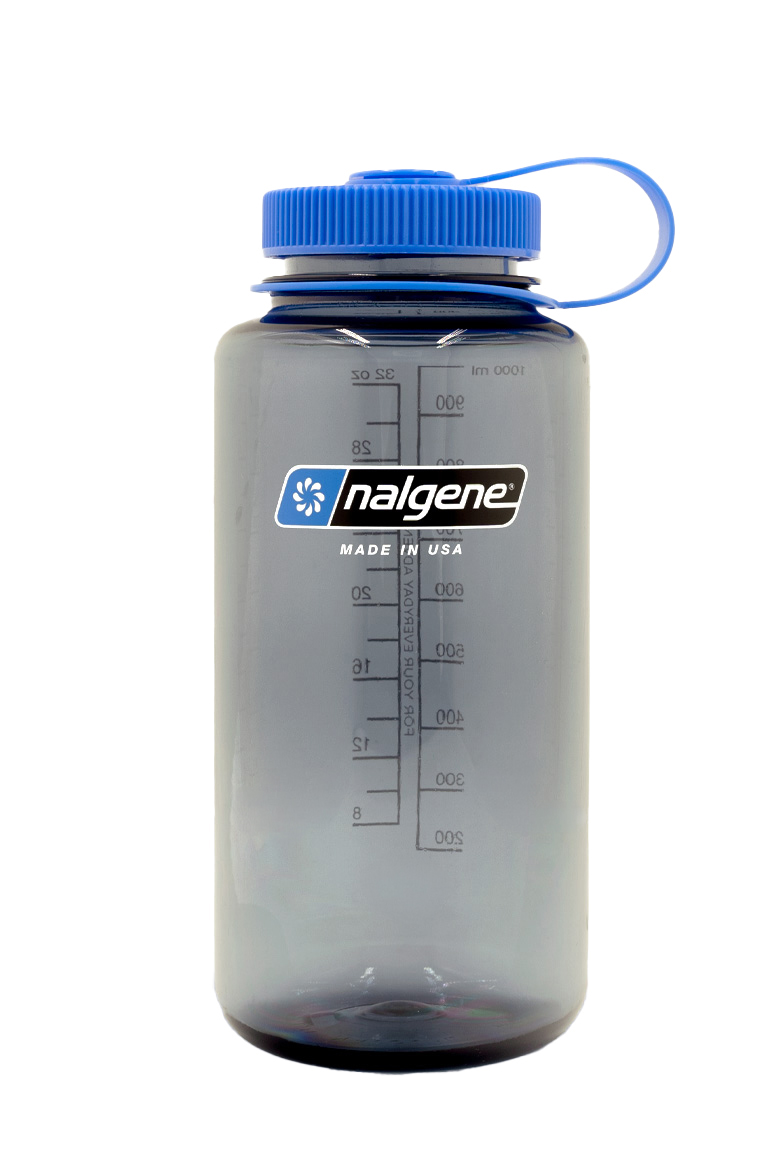
Trail Essentials Under $60
Reliable light, hydration and foot-care backups are inexpensive compared with either trip. GR20’s slower terrain makes spare headlamp margin particularly useful.
Trail Essentials Under $60


Island Spine vs Dolomite Corridor
Both are point-to-point, but their landscapes create completely different journeys.
Calenzana → Vizzavona → Bavella → Conca along Corsica’s mountainous interior.
Lago di Braies → Fanes → Lagazuoi → Pelmo → Civetta → Belluno.
Move From Comparison Into Actual Planning
The parent guides own stages, huts, current conditions and trip logistics.
GR20 vs Alta Via 1 FAQ
Direct answers to the questions most likely to determine the choice.
Which is harder, GR20 or Alta Via 1?
GR20 is harder overall. It is longer, accumulates more climbing, involves substantially rougher terrain, includes more scrambling and exposure, uses simpler accommodation and normally requires more days.
How long is GR20 compared with Alta Via 1?
GR20 is roughly 180 kilometres / 112 miles. Alta Via 1 is roughly 125 kilometres / 78 miles. GR20 is therefore about 55 kilometres longer on the standard planning figures.
Which route has more elevation gain?
GR20 is commonly measured around 12,000 metres of cumulative ascent. Alta Via 1 gains approximately 7,300 metres. Mapping variants can change exact totals.
Is GR20 technical?
GR20 remains a marked hiking route, but it repeatedly involves scrambling-style terrain, hand-assisted movement, granite slabs, scree, steep descents, exposure and selected protected passages.
Is Alta Via 1 technical?
Alta Via 1 can be completed as a non-technical mountain-hiking trek. However, the historic southern Schiara route includes protected / via-ferrata terrain. A hiking alternative exists, so route choice matters.
Does Alta Via 1 require via-ferrata gear?
No, not when the itinerary is deliberately planned using non-ferrata hiking alternatives. Hikers choosing protected technical variants need the appropriate equipment, skill and weather conditions.
Which trek is better for beginners?
Alta Via 1 is the better choice for most fit hikers entering multi-day European hut trekking. GR20 is better suited to hikers who already move confidently on rough, exposed mountain terrain.
Should I hike Alta Via 1 before GR20?
For many hikers, yes. Alta Via 1 develops consecutive-day hiking, refuge logistics, mountain weather judgment and recovery. Add scrambling and rough-terrain training before moving to GR20.
How long does GR20 take?
The official structure uses 16 stages. Roughly 15–16 days is a sensible classic format, although strong experienced hikers sometimes combine stages.
How long does Alta Via 1 take?
The historic complete route contains 12 stages. Modern hikers commonly use roughly 8–12 days, depending on hut choices, route variants and whether shorter stages are combined.
Do you need to reserve GR20 refuges?
During the 2026 staffed season, PNRC required advance reservations for refuge bunks, rental tents and designated own-tent bivouac spaces. Future-season requirements should be checked directly with PNRC.
Do Alta Via 1 rifugi need reservations?
Advance reservations are strongly recommended and can be essential during July and August. Each rifugio manages its own booking, so there is no single reservation for the entire route.
Which trek has better accommodation?
Alta Via 1 generally offers the stronger accommodation experience. Italian rifugi commonly combine a bed, dinner, breakfast and mountain atmosphere. GR20 refuges are simpler and more functional.
Which trek is cheaper?
GR20 is normally cheaper for basic overnight accommodation. PNRC’s 2026 refuge bunk cost €20. Alta Via 1 rifugi have individually set prices and can cost considerably more, especially when half board is included.
Can you camp on GR20?
Wild bivouacking is prohibited. Camping is restricted to designated refuge and authorized bivouac areas, and the 2026 staffed-season system required reservations even for hikers carrying their own tent.
Do you need to camp on Alta Via 1?
No. The classic route is designed around staffed mountain rifugi. That allows hikers to complete the traverse without carrying normal camping equipment.
Which has better scenery?
That depends on preference. GR20 emphasizes Corsican granite, island ridges, forests, alpine lakes and Mediterranean mountain landscapes. Alta Via 1 emphasizes enormous pale limestone walls, rifugi, high passes, Pelmo, Civetta, Lagazuoi and the classic Dolomites skyline.
Route Character Is Stable. Huts, Snow and Booking Are Not.
The difficulty relationship is unlikely to change. Annual logistics should still be checked every season.
PNRC Framework
Current GSG research uses the Parc naturel régional de Corse framework for stages, refuge rules, camping, seasonal operation and current prices.
Official Dolomites Route
The classic route runs about 125 km in 12 stages between Lago di Braies and Belluno. Current GSG research also checks individual rifugio rules.
Live Variables
- Snow
- Thunderstorms
- Fire closures
- Water sources
- Rifugio opening dates
- Trail damage
- Braies access rules
Once You Pick the Trail, Move Into the Planning Owner
This page owns the decision. Parent guides own the actual itinerary.
Hike Alta Via 1 for the Rifugi. Hike GR20 for the Test.
Alta Via 1 is the better choice for most hikers: a serious eight-to-twelve-day Dolomites journey with thousands of metres of climbing, rocky mountain trail and some of Europe’s most memorable rifugi.
GR20 is the better choice when that sounds slightly too comfortable. It adds roughly 55 kilometres, thousands more metres of climbing, more scrambling, more exposure, more days and fewer ways to soften the experience.
Alta Via 1 is the better first hut trek. GR20 is the bigger mountain challenge.
Plan GR20 Plan Alta Via 1 Compare More TreksWas this helpful?
Global Summit Guide is an independent mountaineering resource founded in 2026. The team combines first-hand trekking and climbing experience with in-depth research and professional health and nutrition review to help climbers choose objectives, prepare properly, and stay safe.
Health, altitude, and nutrition content is reviewed by Taylor Ludlow (Registered Nurse) and Brigg Hoopes (Nutritionist).
What We Don't Know Yet
Mountain information changes quickly. This box explains the limits of what this page can responsibly promise.
- Comparisons simplify complex decisions; the better mountain depends on current conditions, skills, timing, budget, and risk tolerance.
- Visa, passport, vaccination, border, insurance, and local transportation rules may change before your trip.
- Route conditions, snowpack, closures, and weather can change quickly after this page is updated.
- Permit rules, fees, quotas, and reservation windows may change between review cycles.
- Operator availability, pricing, guide ratios, and cancellation terms can change by season.
Verify current conditions with official land managers, guide services, local forecasts, and current route reports before booking or climbing.
Mountaineering, rock and ice climbing, glacier travel, and high-altitude activity are inherently dangerous and can result in serious injury or death. The information on Global Summit Guide is provided for general informational and educational purposes only and is not a substitute for professional instruction, qualified guiding, proper equipment, or your own judgment and experience.
Route conditions, weather, snowpack, permits, regulations, and hazards change constantly and may differ from what is described here. Details may be incomplete, out of date, or contain errors. Always verify current information with local authorities, certified guides, and official sources before making any decision in the mountains.
Nothing on this site is medical, legal, or financial advice. Our fitness, acclimatization, altitude, and nutrition content is general in nature; consult a qualified physician before beginning any strenuous exercise program or exposing yourself to high altitude.
You are solely responsible for your own safety and decisions. To the fullest extent permitted by law, Global Summit Guide and its team accept no liability for any loss, injury, damage, or expense arising from use of, or reliance on, this information. By using this site you acknowledge these risks and accept these terms.
Some links on this site may be affiliate links. If you buy through them we may earn a small commission at no extra cost to you; this never affects our recommendations.
Global Summit Guide recommendation path
Next Best Mountain to Research
Use these recommendations to continue the right planning path instead of stopping on one page.
Use current permit, weather, route, and operator information before booking or climbing.