
Last updated August 11, 2026
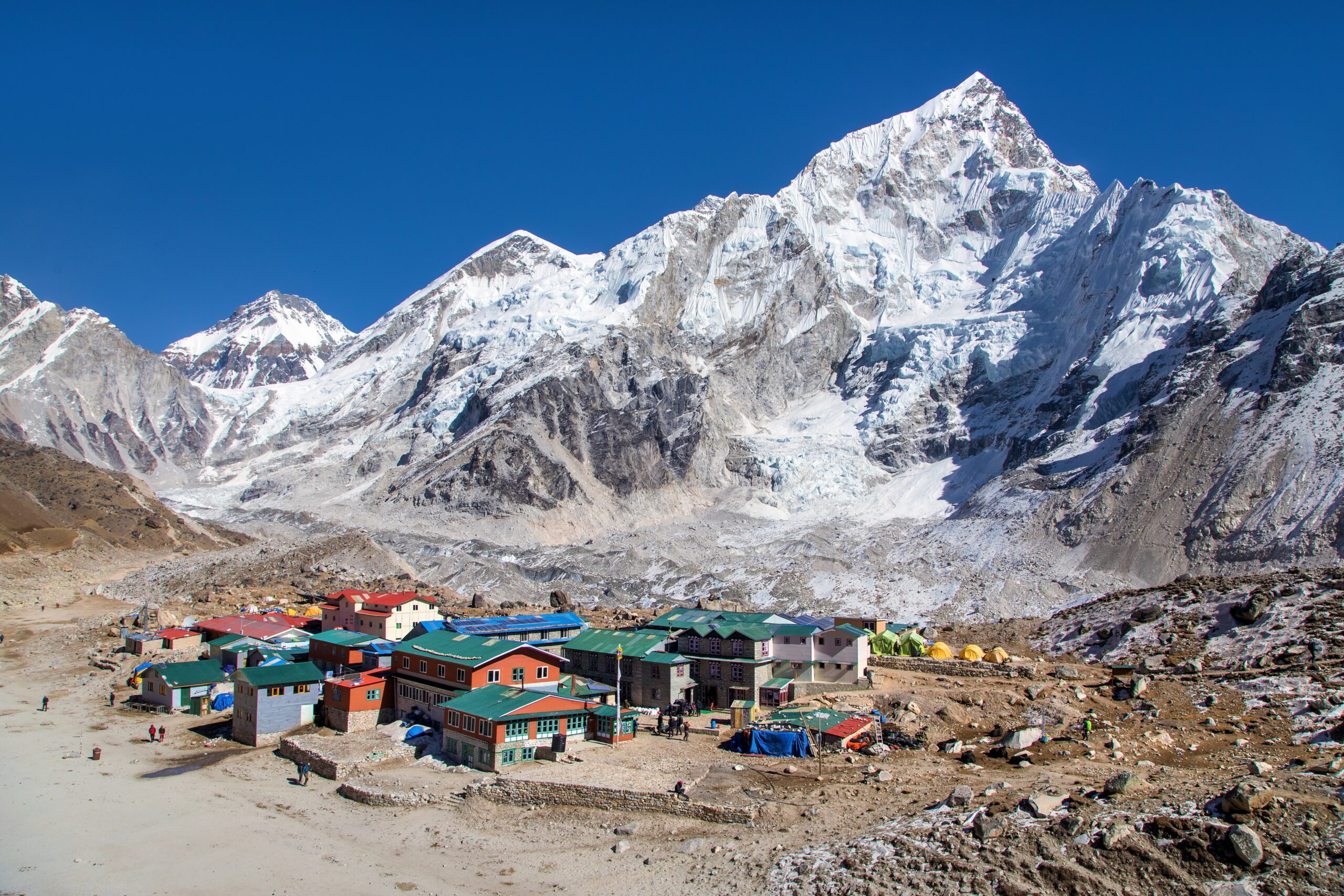
Everest South Col vs North Ridge: Which Route Is Better?
Nepal’s South Col and Tibet’s North Ridge reach the same 8,848.86-metre summit through very different expedition systems. Compare the Icefall, upper-route technicality, camps, summit day, rescue, crowds, permits and the route that fits an experienced climber best.
South Col is the default commercial choice. North Ridge is the specialist alternative—when it is actually open.
For a first Everest expedition with strong prior high-altitude experience, the South Col generally offers the stronger support ecosystem. The North Ridge removes repeated exposure to the Khumbu Icefall but replaces it with more sustained wind exposure, a more technical upper ridge and a weaker rescue chain.
- Choose South Col for deeper operator choice, Sherpa infrastructure and lower-route evacuation options.
- Choose North Ridge only when access is confirmed and your résumé supports a colder, more technical upper route.
- For 2026: foreign teams climbed from Nepal because Chinese authorities issued no North-side permits.
- Neither route is “safe.” The risk profile changes; it does not disappear.
South Col vs North Ridge at a glance
The useful question is not which route is “easy.” It is which collection of hazards, logistics and support better matches your experience—and which route is legally available for your season.
| Factor | South Col · Nepal | North Ridge · Tibet |
|---|---|---|
| 2026 foreign access | Operating route Nepal hosted the foreign commercial season. | No foreign spring 2026 climbing permits; future seasons require fresh confirmation. |
| Approach | Multi-day trek through the Khumbu to Base Camp at about 5,364 m. | Road-supported access to North Base Camp when climbing access is open. |
| Defining hazard | Khumbu Icefall: moving seracs, crevasses and ladder crossings. | Cold, wind, exposure, the Three Steps and prolonged high-ridge movement. |
| Upper-route technicality | Steep fixed-line climbing on the Lhotse Face; less technical summit ridge. | More technical high Mixed rock/snow and the Three Steps at extreme altitude. |
| Commercial support | Deeper system Largest operator and Nepali high-altitude support ecosystem. | Smaller market and team pool when foreign access operates. |
| Rescue | Helicopter evacuation can sometimes be coordinated from Base Camp and lower camps; altitude and weather sharply limit capability higher up. | No comparable routine high-altitude helicopter chain; team-assisted descent is more central. |
| Crowds | Heavier, especially when summit windows compress. | Historically quieter when open to foreign expeditions. |
| 2026 spring royalty | $15,000 per foreign climber on Nepal’s normal route. | No responsible 2026 foreign permit price because the route did not operate for foreign teams. |
| Best fit | Most experienced first-time Everest clients who want the strongest support system. | Highly experienced 8,000 m climbers comfortable with technical movement, cold and access uncertainty. |
The routes are not mirror images of one another.
Camp names and exact elevations vary slightly by operator and season. What matters is how the terrain and exposure build from Base Camp to the summit.
Icefall → Lhotse Face → South Col → Southeast Ridge
The established commercial system and the route used by nearly all foreign teams in 2026.
ABC → North Col → Northeast Ridge → Three Steps
The route avoids the Khumbu Icefall but becomes more technical and exposed high on the mountain.
See the 65-day South Col Everest expedition, day by day for the approach, rotations, recovery period, summit push and exit. This is one of the most useful pages for understanding how little of an Everest expedition is actually “summit day.”
South Col concentrates objective hazard lower. North Ridge concentrates technical exposure higher.
This distinction is more useful than calling one route safer.
South Col is worse
Repeated Khumbu Icefall crossings expose climbers to moving seracs and crevasses that personal skill cannot fully control.
North Ridge is harder
The Three Steps and exposed mixed terrain demand more technical concentration at roughly 8,500 m and above.
North Ridge is harsher
The North side is typically more exposed to persistent wind and cold, especially through the high camps and ridge.
South Col is worse
Large permit numbers and narrow weather windows can create queues that consume oxygen and descent margin.
South Col is stronger
Nepal has the larger operator market, Nepali workforce infrastructure, Base Camp medical ecosystem and lower-route evacuation network.
South Col wins in 2026
Tibet-side climbing access is policy-dependent. A published North-side itinerary is not the same thing as an issued climbing permit.
A climber who chooses the North Ridge only to avoid the Icefall may be trading a lower-mountain objective hazard for colder, more technical and less-rescuable terrain high on the mountain. Route choice should follow demonstrated skills, not one scary photograph.
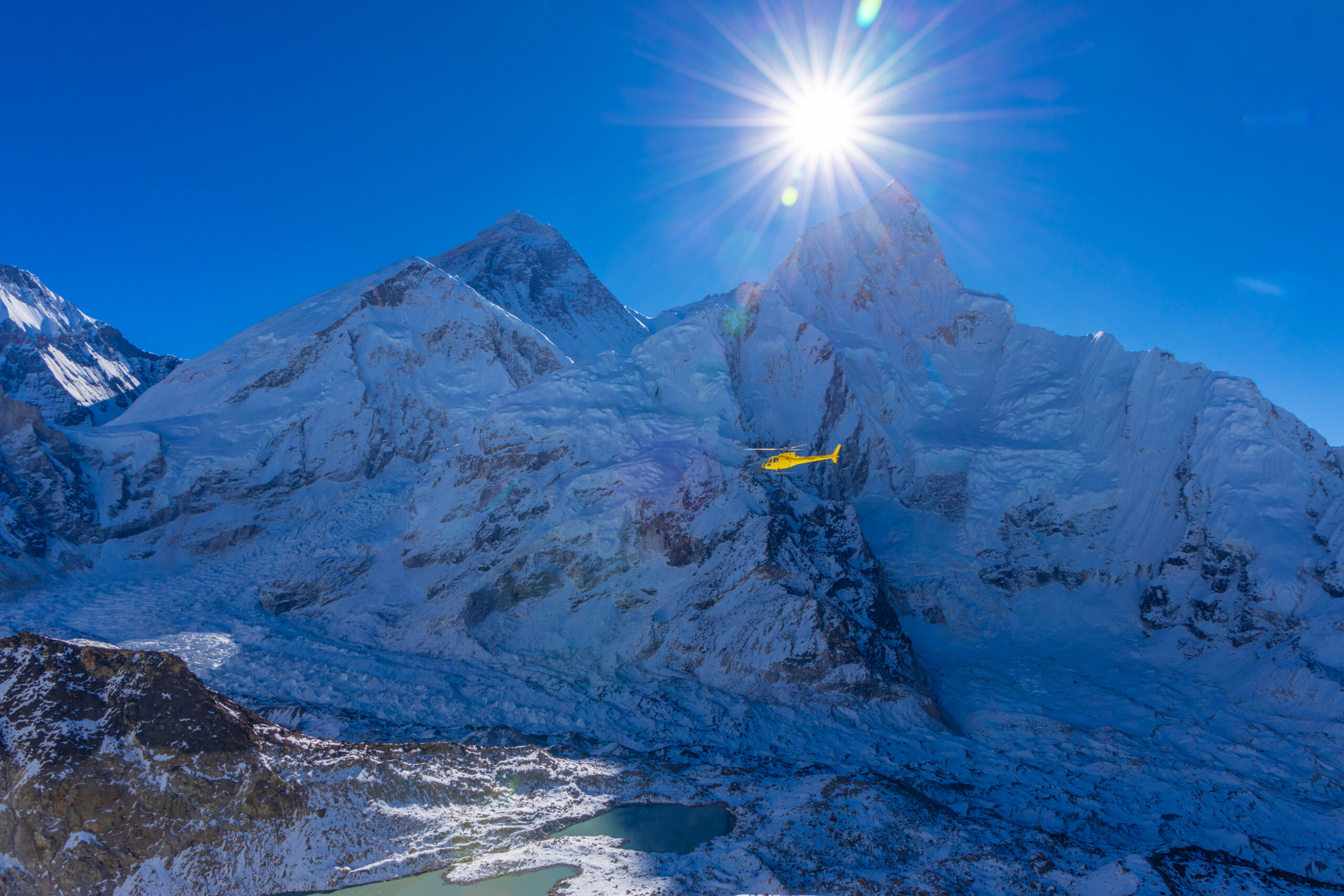
The biggest route difference may be what happens after something goes wrong.
On the South side, the Khumbu has a large expedition ecosystem and helicopters can sometimes evacuate from Base Camp and selected lower-camp locations when aircraft, weather and landing conditions allow. That does not mean a climber can expect helicopter rescue from the Lhotse Face, South Col or summit ridge.
The North Ridge has historically offered less comparable high-altitude aviation support. An injured climber may depend far more heavily on teammates and high-altitude workers to descend through the same exposed route.
For the medical consequences of that gap, use the Everest medical guide to the death zone, HACE, HAPE and evacuation limits. It explains why rescue assumptions become less realistic with every camp above Base Camp.
For this season, availability decides the comparison before price does.
Nepal’s revised royalty schedule sets the spring Everest normal-route fee at $15,000 per foreign climber. In 2026, Nepal issued 494 Everest permits and all foreign commercial traffic approached from the South because Chinese authorities did not issue North-side climbing permits to foreign teams.
That makes old “North is 10–30% cheaper” comparisons unreliable for 2026. An operator can publish a future North-side price, but no price is meaningful until the actual season’s access and authorization are confirmed.
Do not pay a non-refundable North Ridge deposit based only on a website itinerary. Ask the operator to identify what happens if CTMA authorization is delayed or denied, whether funds transfer to Nepal or a later year, and exactly what is refundable.
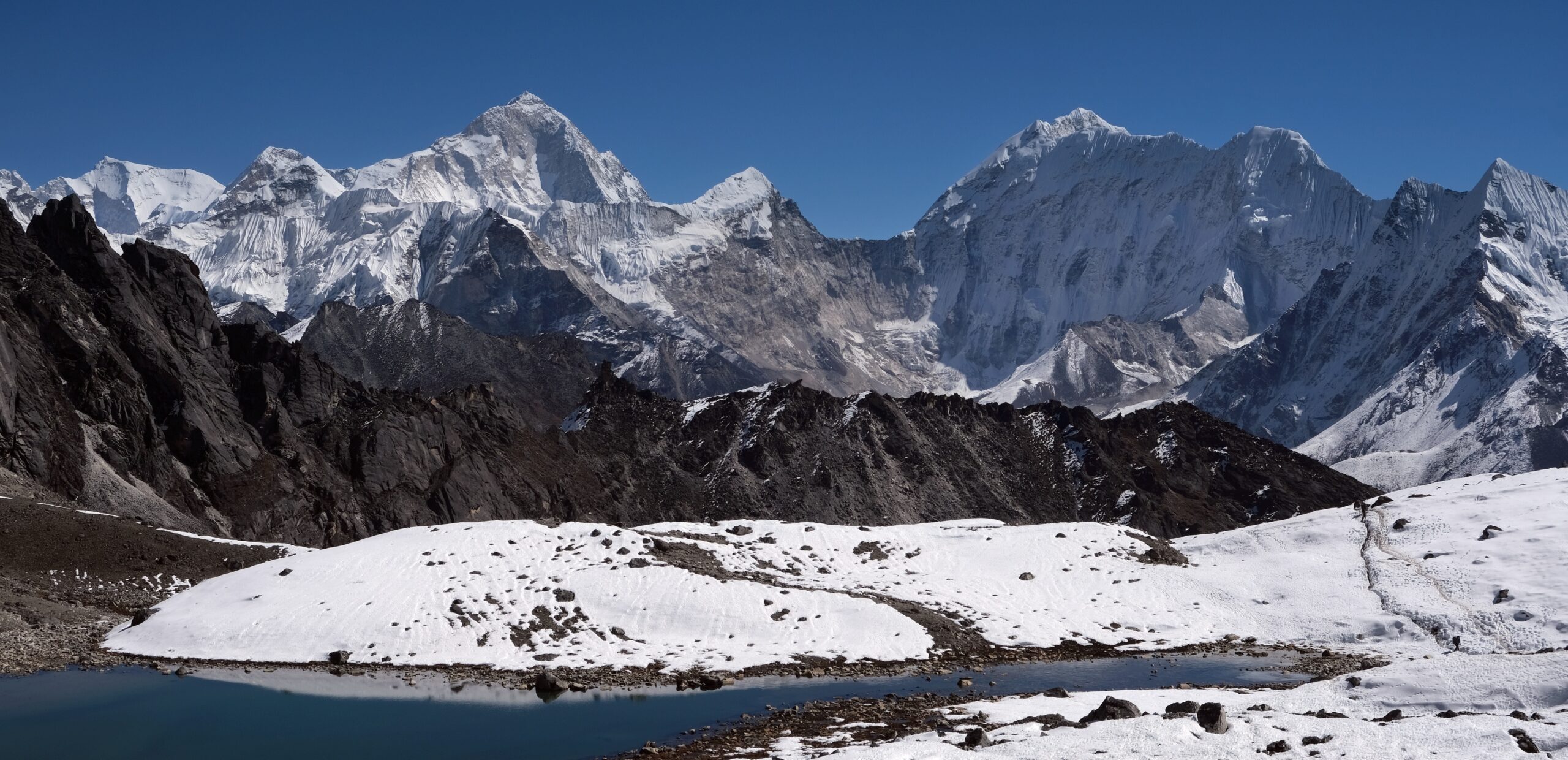
Which Everest route fits you?
For 2026 the South Col is the only practical foreign commercial answer. In a future year when Tibet is open, use these criteria before comparing prices.
Best for most first-time Everest clients
You should already be an experienced expedition climber. Within that population, South is usually the better fit if you value:
- the deepest operator and Nepali support market;
- more developed medical and evacuation infrastructure below the highest camps;
- a less technical upper summit ridge;
- a trekking approach that supports gradual acclimatization;
- more operator choice across service levels.
Best for a narrower, more experienced profile
The North Ridge becomes compelling if access returns and you already have:
- strong previous 8,000 m expedition performance;
- excellent fixed-line and mixed-terrain efficiency;
- high tolerance for cold and wind;
- comfort with more limited rescue options;
- a specific reason to avoid the Icefall that is stronger than simple fear.
Modern Everest depends on Icefall Doctors, rope-fixing teams, climbing Sherpas, load carries, oxygen placement, cooks, medical coordination and weather decisions. Before comparing route marketing, understand what Sherpas and other Nepali high-altitude workers actually do on Everest.
Three deeper planning resources
Use these after the route decision. They answer questions that a comparison page should not duplicate in full.
Everest South Col vs North Ridge FAQ
Which Everest route is easier, the South Col or North Ridge?
Neither route is easy. For most experienced commercial clients, the South Col is generally the more supported and less technical upper route. The North Ridge avoids the Khumbu Icefall but is colder, windier and generally more technical high on the Northeast Ridge.
Which Everest route is more dangerous?
There is no responsible single-word answer. The South Col carries major objective exposure in the Khumbu Icefall and more crowding. The North Ridge has greater upper-route technicality, cold and wind exposure and a more limited rescue chain. Individual risk also depends on weather, operator systems, oxygen, experience and turnaround decisions.
Can foreign climbers use Everest’s North Ridge in 2026?
No foreign climbing permits were issued for the Tibet side during the spring 2026 season. Foreign commercial expeditions therefore operated from Nepal. Future North-side access must be confirmed for the exact season before paying a deposit.
Why do climbers choose the North Ridge if it is more technical?
When open, the North Ridge avoids the Khumbu Icefall, has road-supported Base Camp access and has historically been less crowded. Some highly experienced climbers prefer that trade even though the upper route is colder, more exposed and more technical.
Which route has better rescue options?
The South side generally has the stronger lower-mountain rescue and medical ecosystem. Helicopter evacuation may be possible from Base Camp and some lower elevations in good conditions, but evacuation becomes increasingly difficult with altitude and should never be treated as a high-camp or summit rescue guarantee.
How much is the Everest permit from Nepal in 2026?
Nepal’s spring royalty for a foreign climber on the normal Everest route is $15,000, effective from September 1, 2025. Operator, oxygen, staff, camps, insurance, travel and other expedition costs are separate unless included in the contract.
How this route comparison was built
This page separates stable route geography from season-specific access and pricing so an old commercial listing is not mistaken for current permission.
Scope: the two normal commercial Everest routes: the South Col / Southeast Ridge from Nepal and North Col / Northeast Ridge from Tibet. Historic West Ridge, Southwest Face, Kangshung Face and other elite lines are outside this comparison.
- Elevation and route structure: established Everest expedition records and operator route descriptions.
- Nepal 2026 royalty: Nepal Department of Tourism’s updated mountaineering fee schedule effective September 1, 2025.
- 2026 access and permit count: current-season reporting after the spring season, including Nepal’s 494 permits and the absence of foreign North-side permits.
- Historical expedition records: use the Himalayan Database for expedition-level route and outcome records rather than treating a single ratio as personal risk.
- Editorial disclosure: Global Summit Guide does not claim a contributor has summited Everest. The comparison is research-led and should be verified against current operators and authorities before booking.
Primary/current references: Nepal Department of Tourism royalty schedule · Himalayan Database. Tibet access is season-specific and should be confirmed through the operating company and Chinese/Tibetan authorities before money changes hands.
For 2026, climb the comparison that actually exists.
The South Col is the operating foreign commercial route. For future seasons, compare the North Ridge only after access is confirmed—then decide whether avoiding the Icefall is worth the colder, more technical and less-rescuable upper mountain.
Was this helpful?
🏔More comparisons
🧭Explore & compare
Global Summit Guide is an independent mountaineering resource founded in 2026. The team combines first-hand trekking and climbing experience with in-depth research and professional health and nutrition review to help climbers choose objectives, prepare properly, and stay safe.
Health, altitude, and nutrition content is reviewed by Taylor Ludlow (Registered Nurse) and Brigg Hoopes (Nutritionist).
What We Don't Know Yet
Mountain information changes quickly. This box explains the limits of what this page can responsibly promise.
- Route conditions, trailhead access, crevasse exposure, stream crossings, and rescue access may vary from published planning guidance.
- Comparisons simplify complex decisions; the better mountain depends on current conditions, skills, timing, budget, and risk tolerance.
- Visa, passport, vaccination, border, insurance, and local transportation rules may change before your trip.
Verify current conditions with official land managers, guide services, local forecasts, and current route reports before booking or climbing.
Mountaineering, rock and ice climbing, glacier travel, and high-altitude activity are inherently dangerous and can result in serious injury or death. The information on Global Summit Guide is provided for general informational and educational purposes only and is not a substitute for professional instruction, qualified guiding, proper equipment, or your own judgment and experience.
Route conditions, weather, snowpack, permits, regulations, and hazards change constantly and may differ from what is described here. Details may be incomplete, out of date, or contain errors. Always verify current information with local authorities, certified guides, and official sources before making any decision in the mountains.
Nothing on this site is medical, legal, or financial advice. Our fitness, acclimatization, altitude, and nutrition content is general in nature; consult a qualified physician before beginning any strenuous exercise program or exposing yourself to high altitude.
You are solely responsible for your own safety and decisions. To the fullest extent permitted by law, Global Summit Guide and its team accept no liability for any loss, injury, damage, or expense arising from use of, or reliance on, this information. By using this site you acknowledge these risks and accept these terms.
Some links on this site may be affiliate links. If you buy through them we may earn a small commission at no extra cost to you; this never affects our recommendations.
Global Summit Guide recommendation path
Next Best Mountain to Research
Use these recommendations to continue the right planning path instead of stopping on one page.
Use current permit, weather, route, and operator information before booking or climbing.
Explore Travel Options for Your Destination
Once your mountain, dates and route are taking shape, compare flights, hotels and other travel options that fit the trip.
Affiliate link. We may earn a commission at no additional cost to you.