
Last updated October 20, 2026
Home / Nanga Parbat / Route Comparison
Pakistan · 8,126 m · Diamir vs Rupal vs RakhiotNanga Parbat Routes: Diamir vs Rupal vs Rakhiot
Which route should you choose on Nanga Parbat? The Diamir / modern Kinshofer system is the supported standard; the Rupal Face is an elite technical objective; and the Rakhiot system is the historic first-ascent side. Compare the actual commitments before choosing a line.
Global Summit Guide · Editorial refresh October 2026 · Source-based route comparison

Which is the normal climbing route on Nanga Parbat?
The Diamir Face / modern Kinshofer corridor is the standard route for supported Nanga Parbat expeditions. It has the most recurring fixed-rope and high-camp support. The Rupal Face contains major difficult alpine lines, not a parallel commercial “upgrade.” The Rakhiot side is the first-ascent system used by Hermann Buhl in 1953 and is rarely the supported choice today.
Normal does not mean safe: the Diamir route still involves steep rock and ice, crevasses, avalanche terrain, very high altitude and a demanding descent. Route-fixing arrangements and camps change by year.
This is the decision guide. For an exhaustive inventory of route variations and historical lines, open the Nanga Parbat climbing route atlas.
Nanga Parbat route comparison at a glance
| Factor | Diamir / modern Kinshofer | Rupal Face | Rakhiot / Buhl |
|---|---|---|---|
| Modern purpose | Supported summit expeditions | Elite alpine-style climbs and specialist lines | Historic ascent and specialist face projects |
| Aspect | West / northwest | South / southeast | North / northeast |
| Fixed lines and high camps | Usually seasonally established by operators; varies | No routine commercial route system | No routine commercial route system |
| Technical challenges | Lower steep rock/ice, glacier, upper snow, extreme altitude | Vast wall, mixed and steep ice, complex traverses, difficult retreat | Long ridge/plateau route, ice and mixed terrain, navigation and exposure |
| Retreat | Serious, but most established supported system | Often exceptionally complex and route-specific | Long and logistically demanding |
| Historic milestone | 1962 second ascent; 1978 Diamir solo | 1970 Messner ascent; 2005 central pillar | 1953 first ascent by Hermann Buhl |
| Best suited to | Experienced 8,000 m climbers with an expedition team | Elite independent alpinists | Highly experienced specialist parties |
Three faces of one 8,126-meter mountain

Diamir
Established expedition side, with lower technical terrain and a recurring shared camp and fixed-line system.
Understand Diamir →
Rupal
A mountain-scale wall with multiple independent lines and complicated retreat strategies.
Understand Rupal →
Rakhiot
Long approach and upper mountain architecture associated with Buhl’s extraordinary 1953 climb.
Understand Rakhiot →Photographs are for face and valley context, not a current marked climbing-route diagram. Verify each photograph and its attribution in the WordPress preview.
The only side with a recurring supported summit system
The Diamir / Kinshofer corridor is the starting point for almost every climber comparing commercial Nanga Parbat expeditions. Seasonal teams may provide fixed ropes, shared route knowledge, camp logistics, and high-altitude assistance.
The lower barrier includes steep mixed rock and ice—historical sources describe the Löw Ice Couloir and associated steep terrain. Higher up, the physical problem shifts toward broad snowfields, altitude, wind, avalanche loading, and the long summit descent.
- Strength: the deepest contemporary commercial logistics and established camp sequence.
- Weakness: repeated exposure to the lower technical wall during rotations and descent.
- Crucial variable: snow stability, fixing progress, and the actual camp positions for a particular season.
Rupal is not simply “Diamir, but harder.”
The Rupal Face rises more than four vertical kilometers and contains historically significant but very different routes. The 1970 Messner brothers’ Southeast Spur ascent, Schell Route, and House–Anderson central pillar cannot be described as one uniform Rupal standard.
Rupal expeditions need detailed independent plans for protection, camps or bivouacs, avalanche exposure and retreat. Certain Rupal-side lines reach the upper mountain through the Mazeno system or descend another face. That changes transport and rescue planning.
Who should consider it? A highly experienced alpine team with substantial high-altitude technical judgment and the ability to solve the route without assuming shared commercial infrastructure.

Messner ascent
Reinhold and Günther Messner reached the summit by the Rupal side; Günther died during the descent. The tragedy shaped decades of route history.
Schell Route
A Rupal-side ascent that crosses the Mazeno system onto the northwest side. Alpine-style completion in 2025 highlighted its continuing significance.
House–Anderson
Steve House and Vince Anderson climbed the central pillar in alpine style, a benchmark of technical mountain climbing.
Why the historic route is still strategically different
Hermann Buhl made Nanga Parbat’s first ascent on July 3, 1953, from the Rakhiot system and continued alone to the summit. This side traverses a complex upper mountain of glaciers, ridges, passes and broad high terrain—not a direct modern normal-route substitute.
Although the commercial system has moved to Diamir, climbers have used Rakhiot for later technical ascents and descents. Its historical value is not the same thing as present-day ease, availability or safety.
Main implication: Choose Rakhiot only when your goal and team specifically justify the route’s long mountain architecture and independent logistics.

Across Nanga Parbat’s valleys and mountain faces
These are authentic Nanga Parbat geographic views, not drawn lines of ascent. They illustrate how different the approach landscapes can look.


Eight milestones that explain the modern route map
First ascent via Rakhiot
Hermann Buhl makes Nanga Parbat’s first ascent, culminating in a solo summit push.
Second ascent via Diamir
Toni Kinshofer, Siegfried Löw and Anderl Mannhardt complete a new Diamir-side route and connect high on the mountain.
Rupal Southeast Spur
Reinhold and Günther Messner climb the Rupal side; Günther dies on the descent.
Schell Route
A Rupal-side route crosses the southwestern ridge system, illustrating how faces and summit lines can intersect.
Messner solo via Diamir
Reinhold Messner makes a landmark solo ascent by the Diamir Face.
House–Anderson central pillar
An alpine-style technical ascent demonstrates Rupal’s different level of commitment.
Complete Mazeno Ridge
Sandy Allan and Rick Allen finish the huge Mazeno Ridge traverse to Nanga Parbat’s summit.
Specialist new-route climbs
Alpine-style Schell Route and the Nezabudka line underscore continuing noncommercial exploration.
Historical overview only; confirm precise first-ascent attribution, route variants and year-specific details with original American Alpine Journal sources linked below.
What hazards dominate each face?
Diamir: repeated steep terrain
Steep fixed-line work, falling ice and rock, avalanche-prone snow, exposure during acclimatization rotations and a high-fatigue descent.
Rupal: commitment and retreat
Steep technical ground, limited safe bivouac positions, snow loading, long walls, complex escapes and little routine support.
Rakhiot: distance and navigation
Long exposed mountain systems, glaciers, complex upper terrain, difficult weather and limited ready-made logistics.
Neither face selection nor an old fatality ratio predicts your personal odds.
At 8,126 meters, weather, snow stability, team judgment, acclimatization, descent ability and rescue constraints matter more than a single route label. Route conditions and fixed-line coverage change annually. See the Nanga Parbat death-rate analysis for correctly defined historical statistics.
Which Nanga Parbat route should you choose?
Supported expedition climber
Usually Diamir. Confirm the operator’s exact approach, planned camps, line-fixing policy, weather contingencies, high-altitude support and rescue plan.
Elite alpine technical team
Potentially a specific Rupal line. Choose based on direct route history, partner capability, projected conditions and retreat options—not a generic face ranking.
Historic route objective
Rakhiot if deliberately justified. Plan around the north-side route’s length, uncertain infrastructure and much deeper independent logistics.
Uncertain about an 8,000 m technical climb
Do not choose a face yet. Start with objective readiness assessment, prior expedition experience and candid guidance from experienced professionals.
Plan the climb—not just the route name
For the supported Diamir system, begin with a clear operator discussion. Ask who coordinates seasonal line fixing, what happens if rope work stalls, how camps are supplied, what communication and medical provisions exist, and whether the descent plan relies on teams outside your expedition.
Then separate equipment ownership from the operator’s provided kit. Technical ice and fixed-rope equipment must suit both the lower face and the altitude; a generic gear list is not adequate.
Disclosure: Some linked gear or service resources may contain affiliate links. Editorial route judgments and operator rankings are independent of sponsorship.
The Nanga Parbat planning cluster
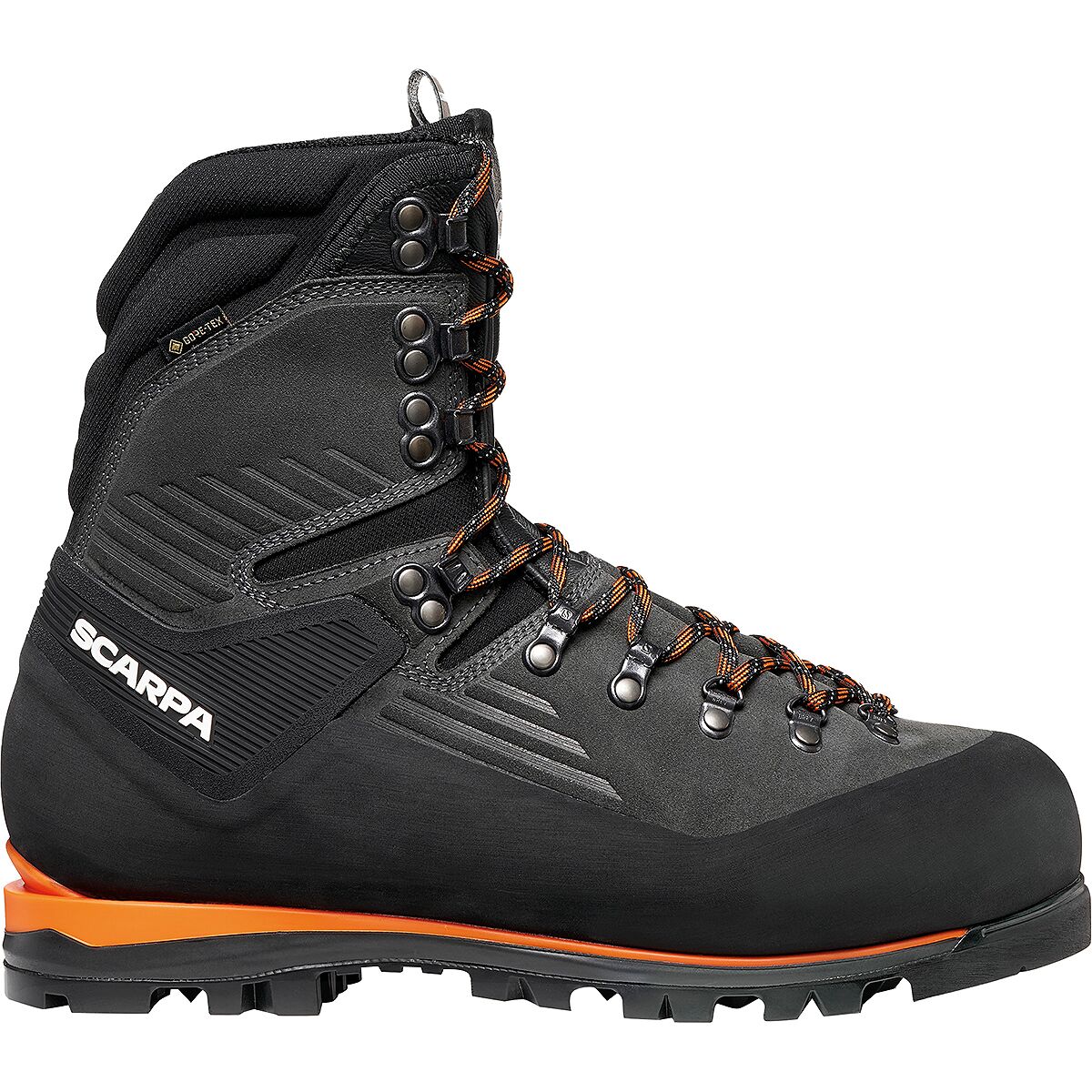
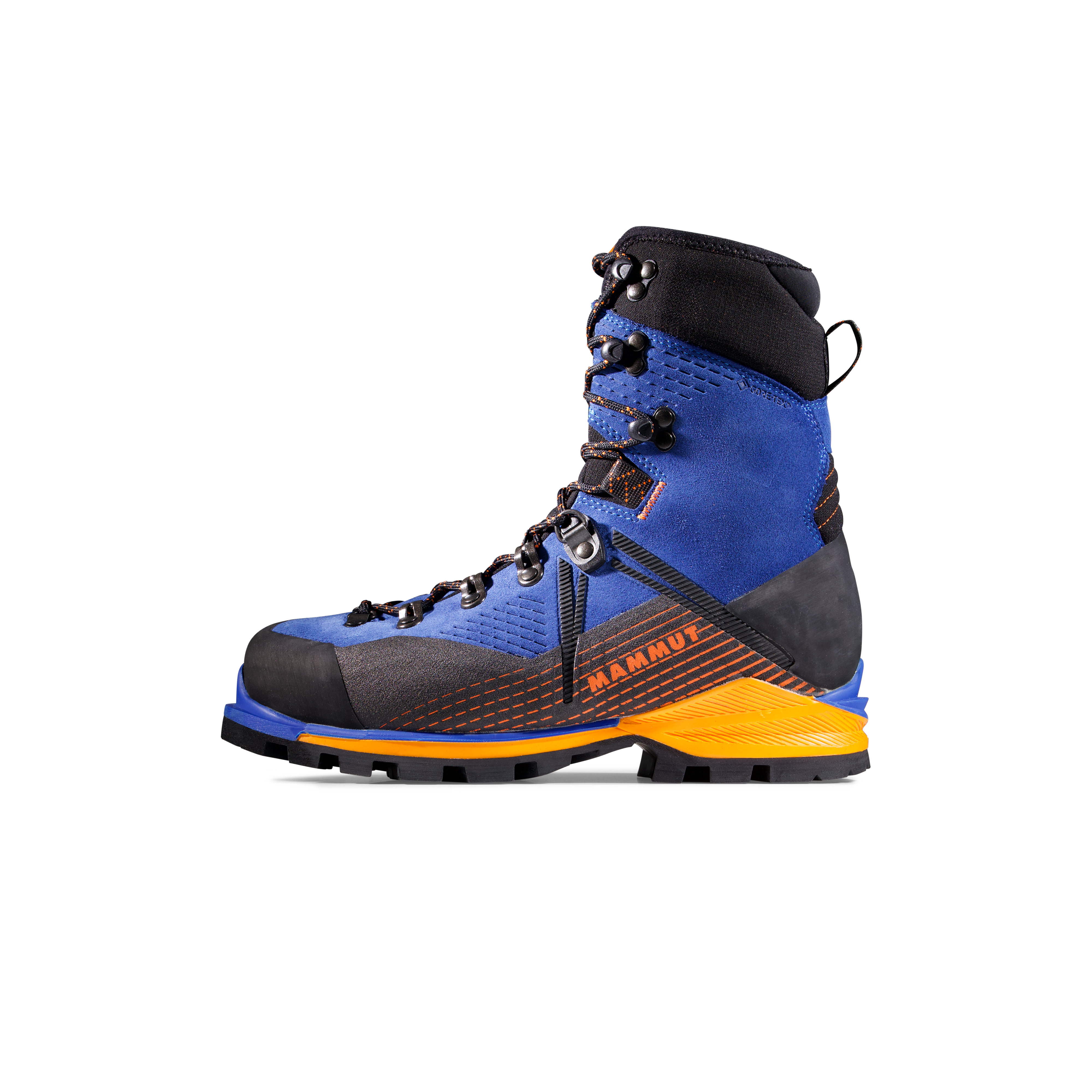
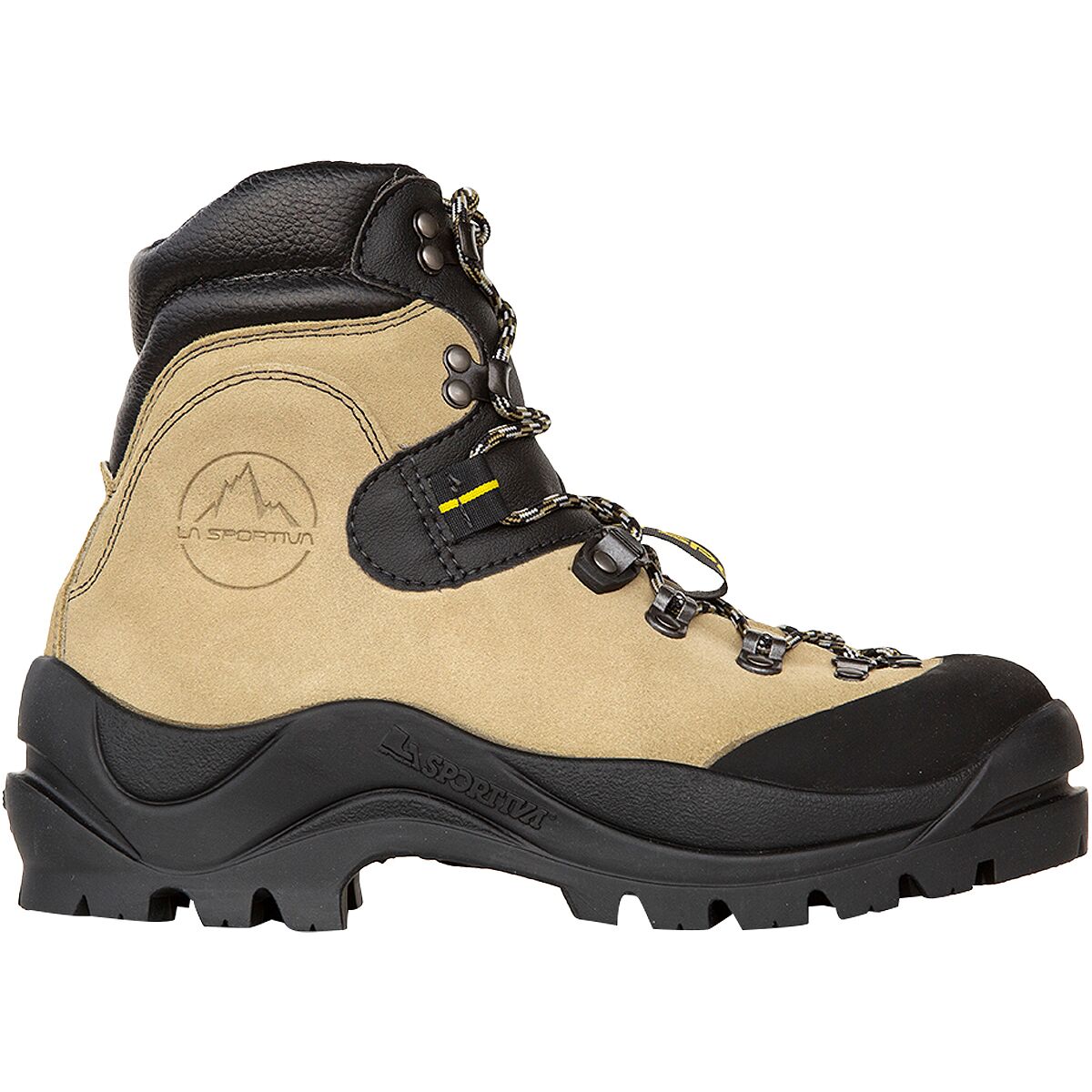
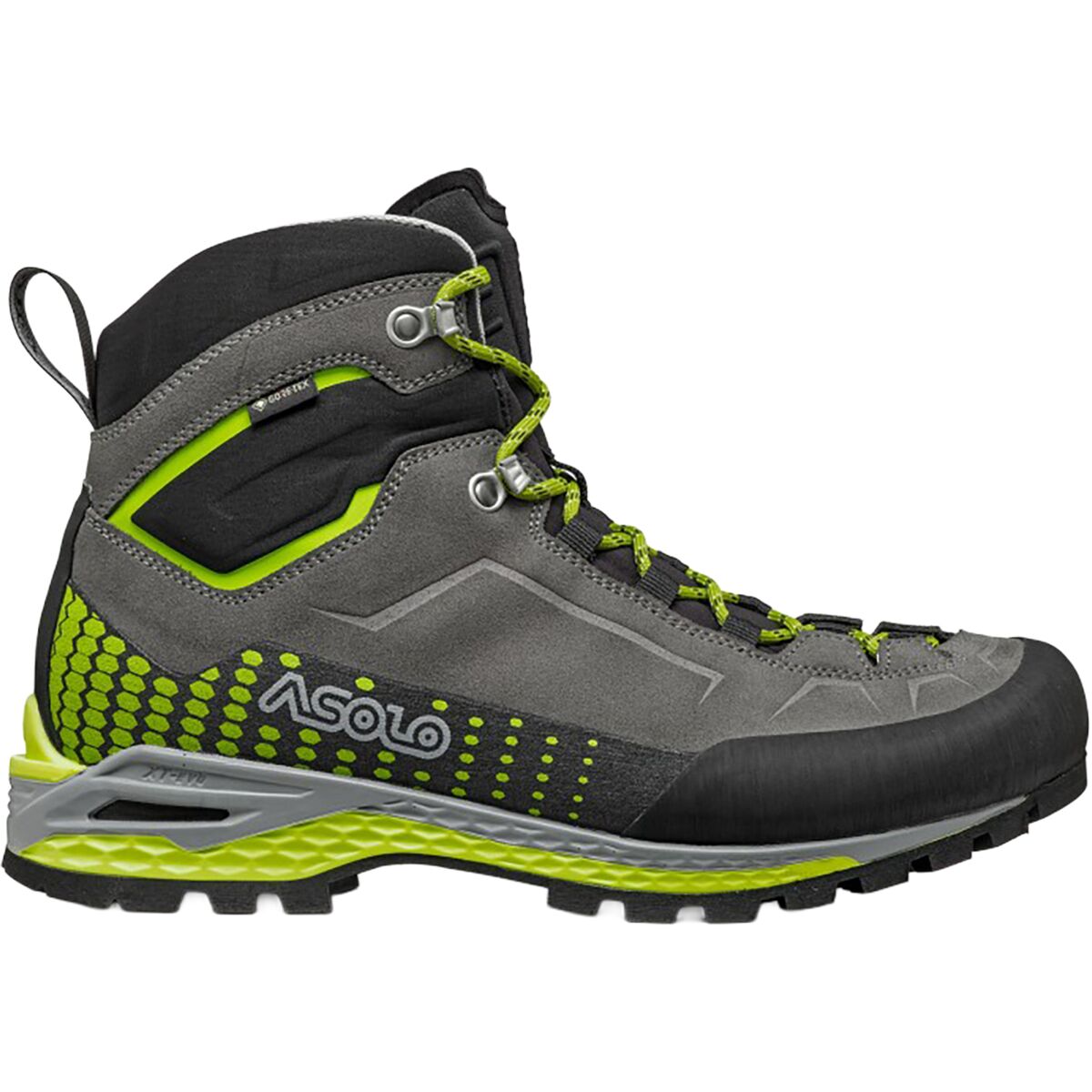
Expedition Mountaineering Boots
We may earn a commission if you buy through these links, at no extra cost to you. Affiliate disclosure
Nanga Parbat route FAQ
What is the normal route on Nanga Parbat?
The modern supported standard is the Diamir Face corridor commonly called the Kinshofer Route. It includes steep lower mixed terrain, high camps and upper snowfields.
Is the Diamir Face easy?
No. It is the most established supported route, but it remains a serious 8,126 m undertaking with steep ice and rock, avalanche exposure and a long descent.
Which Nanga Parbat face is hardest?
Major Rupal Face routes generally require the greatest independent technical alpine commitment. Individual lines vary, so no single grade fits the entire face.
Which route did Hermann Buhl use?
Buhl climbed through the Rakhiot system during the 1953 first ascent and made the final summit push alone.
Are there commercial expeditions on the Rupal Face?
There is no routine commercial fixed-rope system comparable to the Diamir normal route. Specialist projects have their own support and plans.
What is the Kinshofer Wall?
The term is commonly applied to the lower steep rock-and-ice barrier encountered by modern Diamir expeditions. Historical naming is more complicated.
Is the Mazeno Ridge a fourth normal route?
No. It is an exceptional ridge objective, first completed to the summit in 2012, rather than a normal supported expedition alternative.
How many camps does Diamir use?
Operators commonly describe three or four high camps; exact numbers, sites and elevations change by season and strategy.
Can I calculate a death rate for each face?
Not reliably from commonly repeated mountain-wide figures. Route-specific deaths require matched participant or ascent-exposure denominators for the same period.
Which page has all the individual route lines?
Use Global Summit Guide’s full Nanga Parbat route atlas for Schell, Messner, Rakhiot, Mazeno, Diamir variants and modern new routes.
Sources and route terminology
The route chronology and comparison follow the existing Global Summit Guide route research, with links to original mountaineering reporting. Route names can differ between historical accounts and operator language; individual seasons must be checked separately.
- American Alpine Journal — primary expedition reports and corrections.
- Original Global Summit Guide Nanga Parbat route comparison (preserved URL).
- GSG — Complete Nanga Parbat Route Atlas.
- GSG — Nanga Parbat mountain overview.
Photographs are attributed through their individual Wikimedia Commons file pages. Direct image load and licensing checks should be completed before publication; an image source-page citation is not proof of successful delivery.
Choose the expedition system first. Then choose the specific line.
Diamir, Rupal and Rakhiot cannot be compared by a single “easy-to-hard” number. Start with the type of expedition you can genuinely support, and use the detailed route atlas only after that decision.
Was this helpful?
🏔Related peaks nearby
🧭Explore & compare
Global Summit Guide is an independent mountaineering resource founded in 2026. The team combines first-hand trekking and climbing experience with in-depth research and professional health and nutrition review to help climbers choose objectives, prepare properly, and stay safe.
Health, altitude, and nutrition content is reviewed by Taylor Ludlow (Registered Nurse) and Brigg Hoopes (Nutritionist).
What We Don't Know Yet
Mountain information changes quickly. This box explains the limits of what this page can responsibly promise.
- Route conditions, trailhead access, crevasse exposure, stream crossings, and rescue access may vary from published planning guidance.
- Comparisons simplify complex decisions; the better mountain depends on current conditions, skills, timing, budget, and risk tolerance.
- Visa, passport, vaccination, border, insurance, and local transportation rules may change before your trip.
Verify current conditions with official land managers, guide services, local forecasts, and current route reports before booking or climbing.
Mountaineering, rock and ice climbing, glacier travel, and high-altitude activity are inherently dangerous and can result in serious injury or death. The information on Global Summit Guide is provided for general informational and educational purposes only and is not a substitute for professional instruction, qualified guiding, proper equipment, or your own judgment and experience.
Route conditions, weather, snowpack, permits, regulations, and hazards change constantly and may differ from what is described here. Details may be incomplete, out of date, or contain errors. Always verify current information with local authorities, certified guides, and official sources before making any decision in the mountains.
Nothing on this site is medical, legal, or financial advice. Our fitness, acclimatization, altitude, and nutrition content is general in nature; consult a qualified physician before beginning any strenuous exercise program or exposing yourself to high altitude.
You are solely responsible for your own safety and decisions. To the fullest extent permitted by law, Global Summit Guide and its team accept no liability for any loss, injury, damage, or expense arising from use of, or reliance on, this information. By using this site you acknowledge these risks and accept these terms.
Some links on this site may be affiliate links. If you buy through them we may earn a small commission at no extra cost to you; this never affects our recommendations.
Global Summit Guide recommendation path
Next Best Mountain to Research
Use these recommendations to continue the right planning path instead of stopping on one page.
Use current permit, weather, route, and operator information before booking or climbing.
Explore Travel Options for Your Destination
Once your mountain, dates and route are taking shape, compare flights, hotels and other travel options that fit the trip.
Affiliate link. We may earn a commission at no additional cost to you.