Last updated October 9, 2026

West Highland Way vs Tour du Mont Blanc: Which Trek Should You Hike?
The West Highland Way and Tour du Mont Blanc are two of Europe’s best-supported long-distance hikes, but they are not equivalent trips. Scotland gives you 96 miles of lower-altitude walking, inns, campsites and exceptionally simple logistics. TMB gives you sustained Alpine climbing, high passes, mountain refuges and a three-country circuit around the Mont Blanc massif.
Hike the West Highland Way First. Choose TMB When You Want the Alpine Step Up.
Choose the West Highland Way if this is your first serious multi-day walking trip, straightforward logistics matter, or you want the freedom to use inns, hotels, campsites, luggage transfer and frequent transport while still crossing the Scottish Highlands.
Choose Tour du Mont Blanc if you already know you handle consecutive mountain days well and want repeated 1,000-metre climbing days, passes above 2,000 metres, refuge culture and the scale of the Mont Blanc massif.
The mileage is surprisingly similar. The vertical is not. That is the heart of this comparison.
The Distance Makes These Trails Look More Similar Than They Really Are.
The West Highland Way runs 96 miles / 154 kilometres from Milngavie to Fort William. Tour du Mont Blanc is only modestly longer at roughly 170 kilometres / 105 miles.
That could make TMB look like a slightly longer version of the Scottish trail. It is not.
The West Highland Way’s highest point is around 550 metres at the Devil’s Staircase. TMB climbs close to 10,000 metres cumulatively over the entire circuit and repeatedly crosses high Alpine passes.
On the WHW, the challenge is keeping your feet and legs working through a week of rough trail, wet weather and substantial daily mileage. On TMB, you have all of that plus much larger daily climbs and descents.
Choose the Trail From the Daily Experience.
Compare vertical, terrain, weather, lodging and booking pressure before deciding which famous name belongs on your itinerary.
West Highland Way vs Tour du Mont Blanc
Both are famous, well-supported European hikes. One is an approachable long-distance trail. The other is a full Alpine mountain trek.
| Factor | West Highland Way | Tour du Mont Blanc |
|---|---|---|
| Route type | Point-to-point long-distance trail. | Mountain circuit around the Mont Blanc massif. |
| Countries | Scotland, UK. | France · Italy · Switzerland. |
| Distance | 96 mi / 154 km. | ≈105 mi / 170 km. |
| Typical duration | 6–8 days; seven is an excellent default. | 7–11 days; 9–10 works well for many regular hikers. |
| Highest point | ≈550 m / 1,805 ft. | 2,537 m / 8,323 ft on the classic route. |
| Total climbing | Moderate by major Alpine-trek standards. | Close to 10,000 m / 33,000 ft cumulative ascent. |
| Technical climbing | None on the normal route. | None on the classic summer hiking route. |
| Main physical challenge | Back-to-back mileage, rough Loch Lomond footing and wet weather. | Repeated major climbs and descents over consecutive days. |
| Accommodation | Hotels, inns, B&Bs, hostels, bunkhouses and campsites. | Mountain refuges, gîtes, village hotels and guesthouses. |
| Camping | Practical and common, subject to local rules. | Not necessary for the classic refuge-based itinerary. |
| Baggage transfer | Exceptionally easy to arrange. | Available on many itineraries, but not every high refuge is road-accessible. |
| Food access | Frequent villages, hotels, cafés and shops. | Refuges plus regular Alpine villages and towns. |
| Altitude issue | Essentially none. | Not a high-altitude expedition, but high passes materially change weather and effort. |
| Best first long walk | West Highland Way | Better after strong multi-day hiking fitness. |
| Best first Alpine hut trek | Useful preparation. | Tour du Mont Blanc |
West Highland Way
Lower elevation, excellent transport and highly flexible accommodation make mistakes easier to repair.
Tour du Mont Blanc
Glaciers, refuges, big passes and three countries deliver the stronger mountain-trek experience.
WHW → TMB
If you eventually want both, Scotland first and the Alps second creates an unusually sensible progression.

TMB Is Not Technically Difficult. The Vertical Makes It Serious.
The classic route requires no mountaineering equipment in normal summer conditions. Its difficulty comes from stacking substantial climbs and descents on top of one another for more than a week.
Mont Blanc from the TMB · Ldh98 · Wikimedia Commons · CC BY-SA 3.0.Scotland Builds Slowly. TMB Starts Climbing Almost Immediately.
The character of the first two days tells you almost everything about the difference between these trails.

The Landscape Gets Harder With You.
The traditional northbound journey begins gently outside Glasgow. The opening stages give your feet, pack and pacing time to settle before Loch Lomond, Rannoch Moor, Glen Coe and the final Highland stages increase the challenge.
That gradual progression is one reason the WHW works so well as a first serious long-distance walk.

The Mountains Are the Trip From Day One.
The TMB repeatedly climbs from Alpine valleys toward high passes, drops back into villages or refuge systems and then asks you to climb again the following morning.
TMB is still hiking—not mountaineering—but the physical experience is unmistakably Alpine.
TMB Is the Harder Trek—Even Though the Mileage Gap Is Small.
Distance alone completely misses the largest physical difference between these routes: sustained vertical gain.
| Difficulty factor | West Highland Way | Tour du Mont Blanc |
|---|---|---|
| Daily mileage | Often 12–19 miles on a seven-day plan. | Often lower mileage than WHW days but with much more climbing. |
| Vertical | Rolling terrain with several notable climbs. | Close to 10,000 m cumulative ascent over the circuit. |
| Footing | Tracks, stone, mud, roots, old roads and rough Loch Lomond trail. | Established Alpine paths, stone, scree and long pass descents. |
| Exposure | Generally modest on the standard route. | Greater mountain exposure, particularly on passes and optional variants. |
| Altitude | Not an acclimatization concern. | Moderate Alpine elevation rather than expedition altitude. |
| Pack options | Very easy to use baggage transfer. | Light hut-trekking packs are normal; baggage services can reduce load on many itineraries. |
| Recovery | Frequent villages, roads, buses and rail connections. | Excellent by Alpine standards, but high stages remain more committing. |
| Fitness floor | Fit beginner with long-walk preparation. | Regular mountain hiker comfortable with repeated climbing days. |
This is an important comparison lesson. A 19-mile Scottish day may sound harder than a 10-mile Alpine day until the Alpine day adds 1,000–1,400 metres of ascent and a major descent before dinner.

West Highland Way Difficulty Comes From Accumulation More Than Altitude.
By the time walkers reach Glen Coe, the legs already hold several days of mileage. Scottish wind and rain can turn otherwise straightforward paths into a much harder endurance problem.
West Highland Way walkers, Kingshouse · Richard Webb / Geograph · CC BY-SA 2.0.Scotland Has the Longer Season. TMB Has the Narrower Window.
Neither trail should be planned from a climate average alone, but their seasonal constraints are materially different.
| Weather factor | West Highland Way | Tour du Mont Blanc |
|---|---|---|
| Main walking season | Broad spring-through-autumn window. | Classic season roughly mid-June to mid-September. |
| Most popular period | May is especially popular. | July and August are peak Alpine season. |
| Rain | A defining planning issue throughout the route. | Afternoon storms and frontal weather matter, but sustained Scottish-style wetness is less defining. |
| Wind | Can materially affect exposed moorland and Highland stages. | High passes can become serious in storms and cold fronts. |
| Snow | Winter changes the route into a different skill problem. | Old snow can remain on passes in June and early July. |
| Summer nuisance | Midges can be a major comfort issue in warm, damp, still weather. | Crowds and refuge availability are the more predictable summer problem. |
| September | Often attractive with fewer midges and useful walking conditions. | Can be excellent early in the month; later dates increasingly face refuge closures and early snow. |
On the WHW, waterproofing and morale may decide whether a wet day remains enjoyable. On TMB, the same poor forecast can affect the wisdom of crossing a high pass at all.

Altitude Is Not the Main Problem. Mountain Weather Is.
Grand Col Ferret reaches 2,537 metres between Italy and Switzerland. That is not extreme altitude, but it is high enough for temperatures, wind, snow and visibility to differ markedly from the valley below.
This is why the TMB deserves to be treated as a mountain trek rather than merely a long European walk.
Grand Col Ferret · Dominicus Johannes Bergsma · Wikimedia Commons.WHW Feels Like Inn-to-Inn Walking. TMB Feels Like Hut-to-Hut Trekking.
You can make either route more luxurious or more economical, but their default lodging cultures are quite different.
| Accommodation | West Highland Way | Tour du Mont Blanc |
|---|---|---|
| Classic style | B&Bs, inns, hotels and hostels. | Refuges, gîtes and Alpine hotels. |
| Camping | Easy to integrate. | Not required for the standard hut trek. |
| Dormitories | Available in hostels and bunkhouses. | Central to the refuge experience. |
| Meals | Frequent village pubs, cafés, shops and lodging meals. | Half-board refuge stays are common: dinner, bed and breakfast. |
| Reservation pressure | Popular lodging can fill, especially in May and peak periods. | Very high; popular refuge beds can determine the entire itinerary. |
| Private rooms | Widely available with advance planning. | Available in some refuges and frequent valley hotels, but not guaranteed every night. |
| Luggage transfer | One of the route’s strongest beginner advantages. | Commonly available on supported itineraries, though route access varies by overnight. |
The WHW can be walked entirely using indoor accommodation. The classic TMB is built naturally around refuges and villages. That makes both strong candidates for hikers who want a multi-day journey without carrying a wilderness backpacking load.

The Bed Is Part of the Route on Tour du Mont Blanc.
Refuges are not simply somewhere to sleep. They determine stage length, meal timing, pack weight and often the entire structure of a TMB itinerary.
Refuge du Col de Balme · Victoria Lunyak · Wikimedia Commons · CC BY-SA.TMB Requires the Earlier Reservation Strategy.
The largest practical difference may happen months before you put on your boots.
Book the Trip—Not a Trail Permit.
There is no trail-wide hiking permit for the West Highland Way. The main planning constraint is accommodation availability, particularly during popular walking periods.
- May is the official route site’s most popular month.
- Indoor lodging should still be reserved ahead.
- Baggage transfer should be aligned with your accommodation chain.
- Camping rules beside Loch Lomond require separate attention.
Seasonal camping-management byelaws apply in designated parts of Loch Lomond & The Trossachs National Park from March 1 through September 30. Use campsites or the appropriate permit where required.
Build the Route Around the Hardest Beds.
The official Tour du Mont Blanc organization says reservations for member refuges and gîtes for summer 2027 open October 15, 2026.
- Popular refuge beds can disappear quickly.
- High-season reservations are often essential.
- Some accommodations are outside the centralized system.
- June and September opening dates vary between properties.
Do not reserve every easy valley night and discover afterward that the one high-demand refuge needed to connect the itinerary is unavailable.
You Can Use Nearly the Same Core Kit—but TMB Punishes Heavy Packing Faster.
Both reward proven footwear, reliable waterproofing, trekking poles and a layered clothing system.
| Gear priority | West Highland Way | Tour du Mont Blanc |
|---|---|---|
| Footwear | Comfort over long mileage; traction for mud, roots and wet stone. | Comfort plus confidence on steeper rocky ascents and descents. |
| Waterproof shell | Essential because prolonged rain is entirely plausible. | Essential for storms, wind and cold high-pass conditions. |
| Warm layer | Useful even in summer. | Important for high passes, refuges and rapidly changing mountain weather. |
| Trekking poles | Helpful for cumulative fatigue and rough footing. | Especially valuable on repeated long descents. |
| Pack size | Can be very small with baggage transfer. | Typically light hut-trekking pack when not carrying camping equipment. |
| Head net | Small item, potentially huge value during midge season. | Not a defining equipment need. |
| Sleeping liner | Depends on lodging. | Common refuge item and strongly useful. |
| Technical Alpine gear | Not required in normal walking-season conditions. | Not required on the classic route in normal summer conditions. |
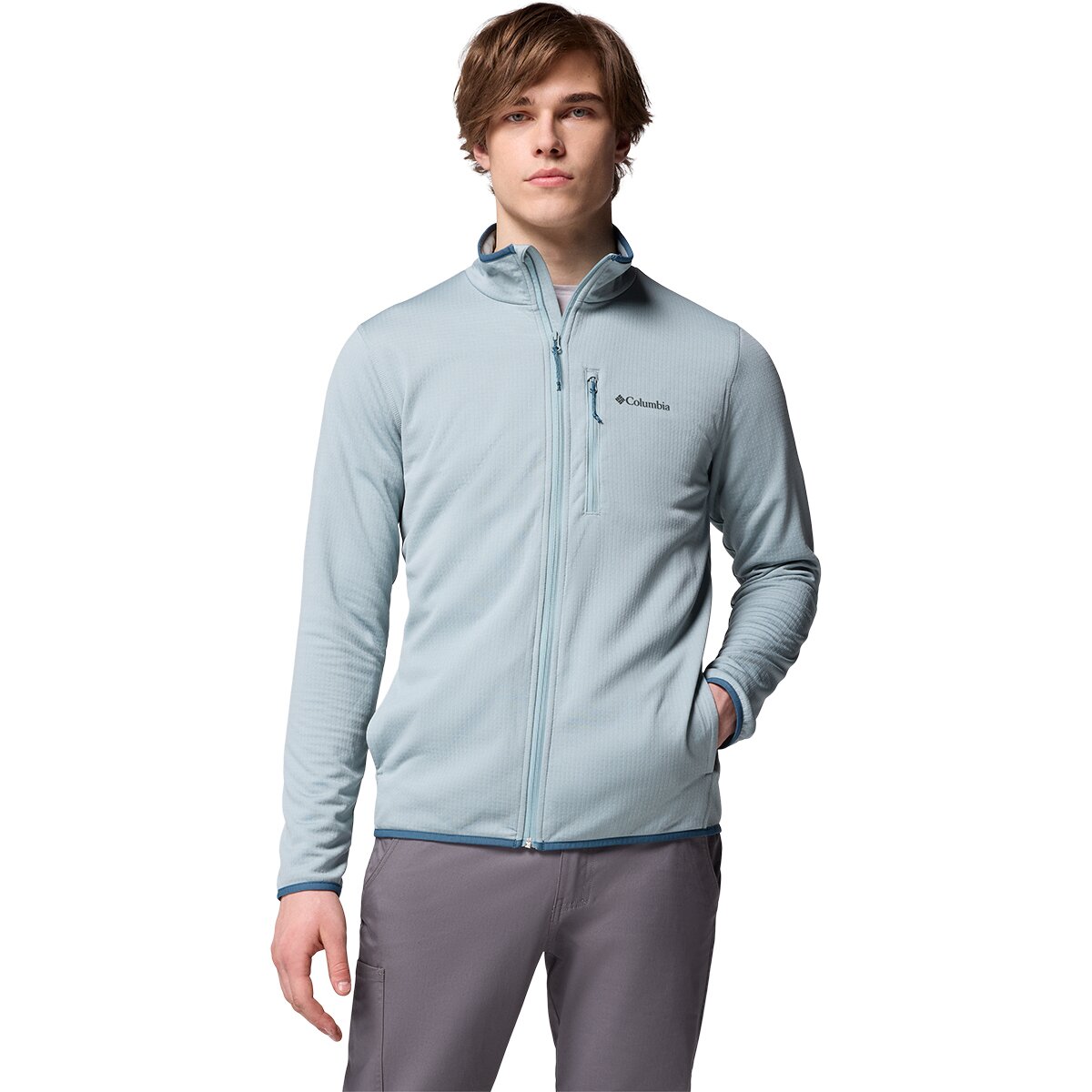
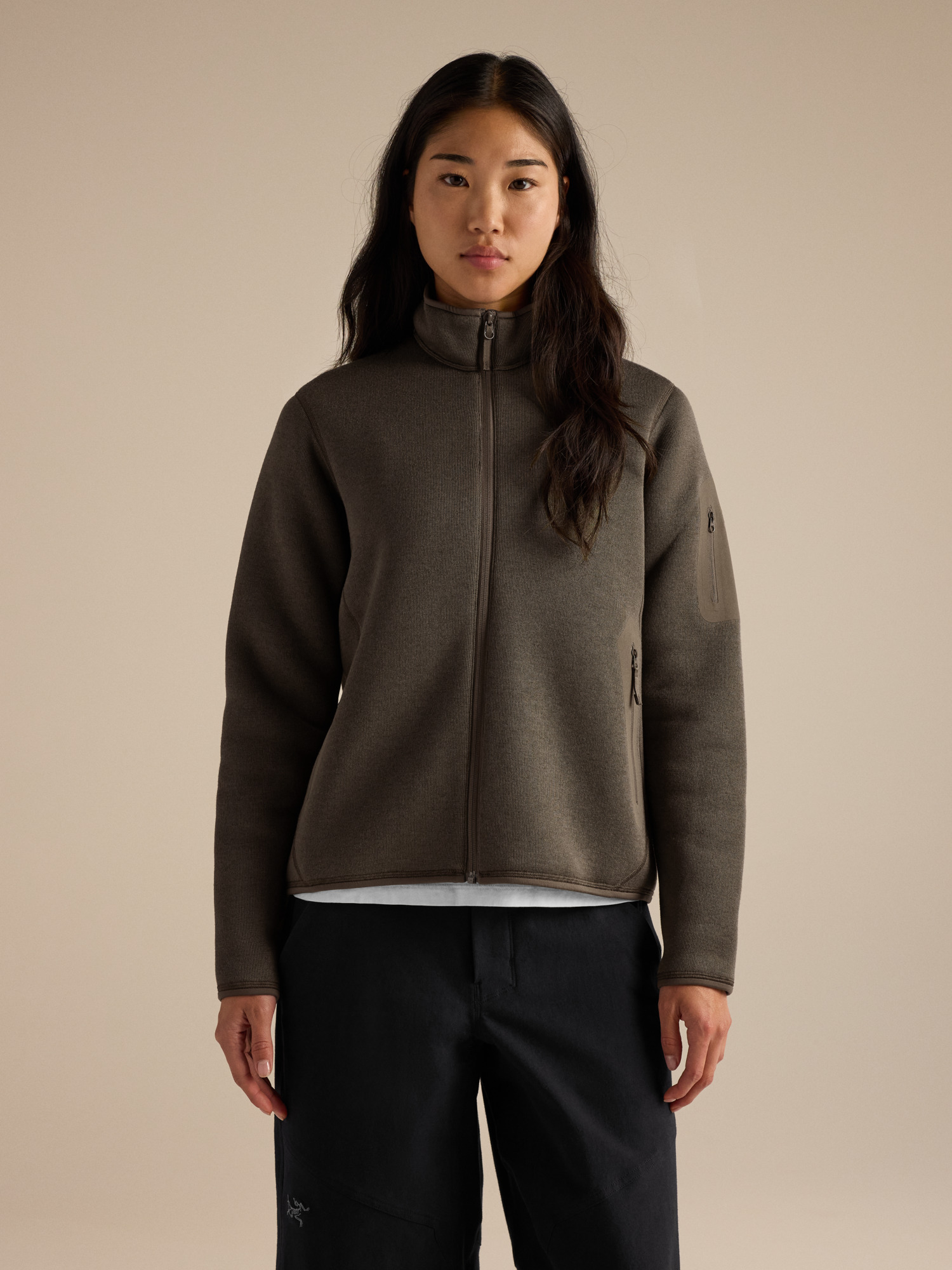
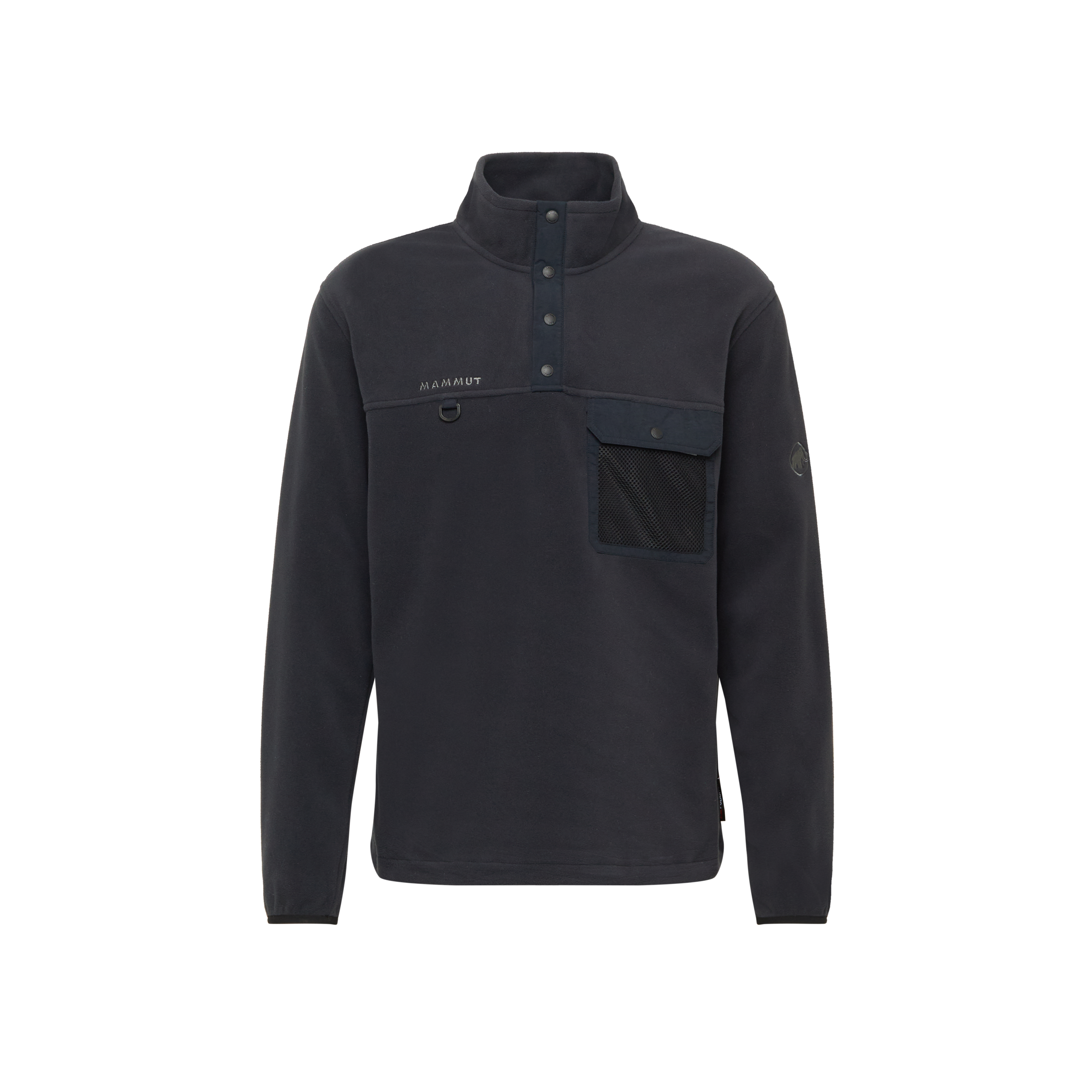
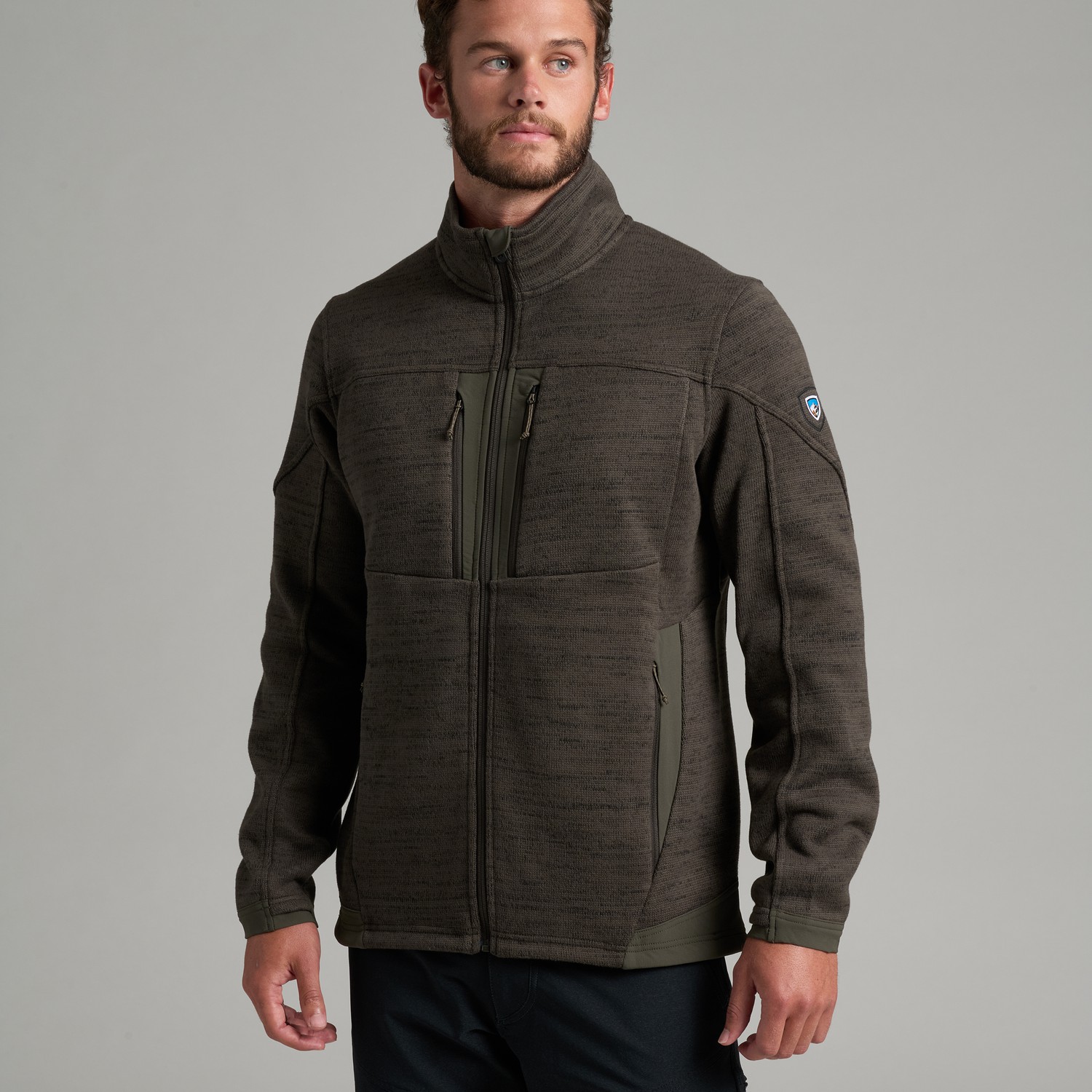
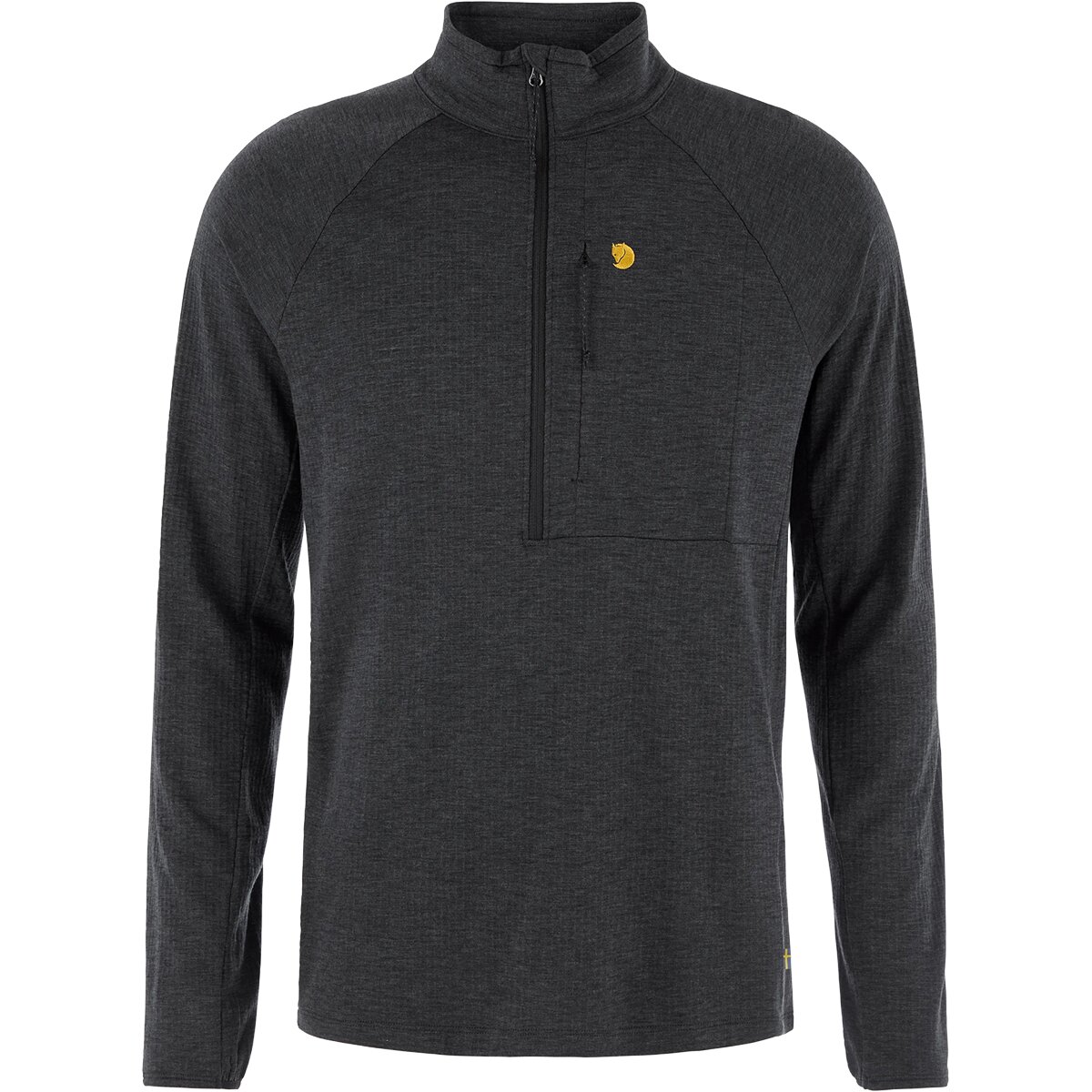
- Adidas TERREXAdidas TERREX Terrex Anylander Hiking Shoe – Women's$52.46
$74.95Check price at Back Country (opens in a new tab)
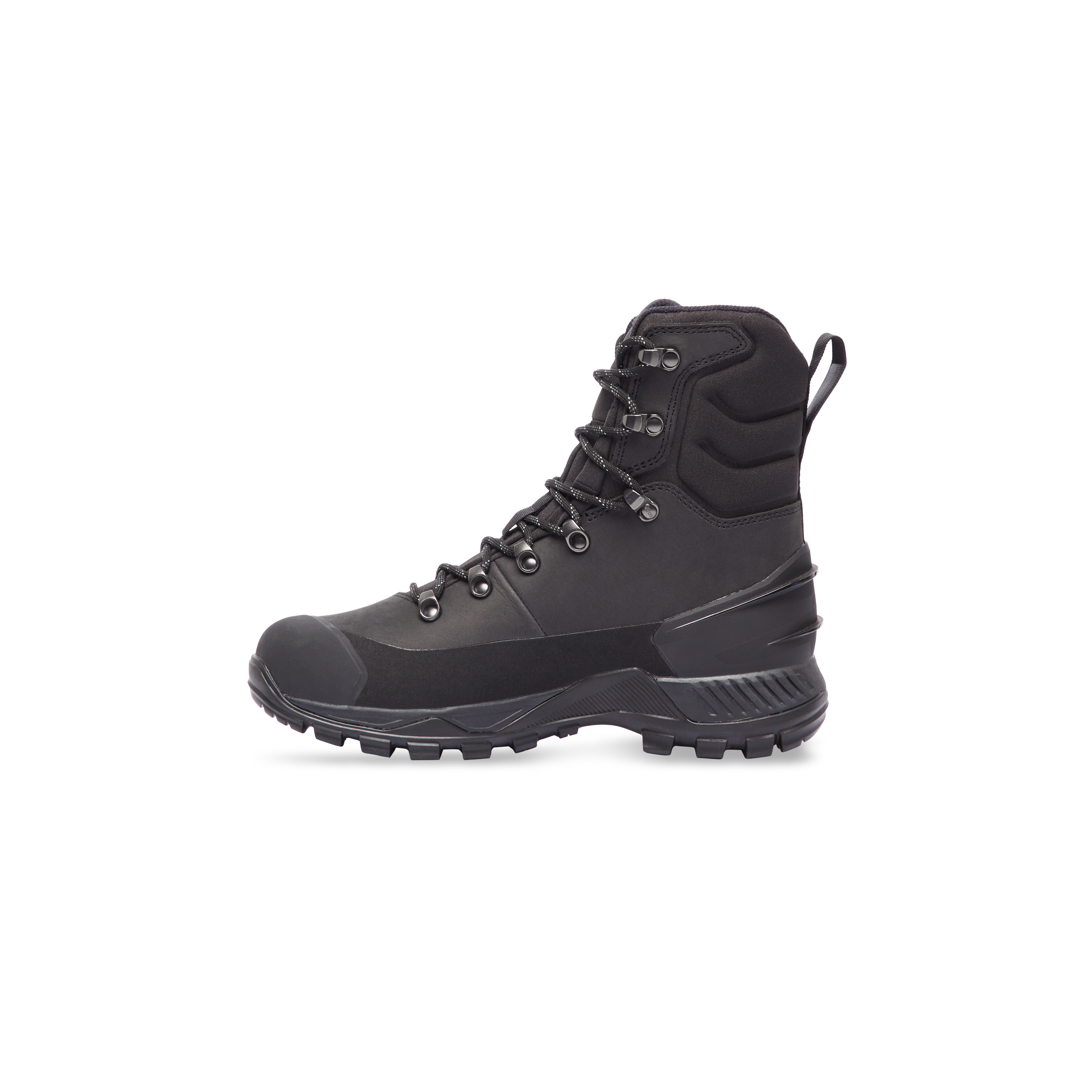
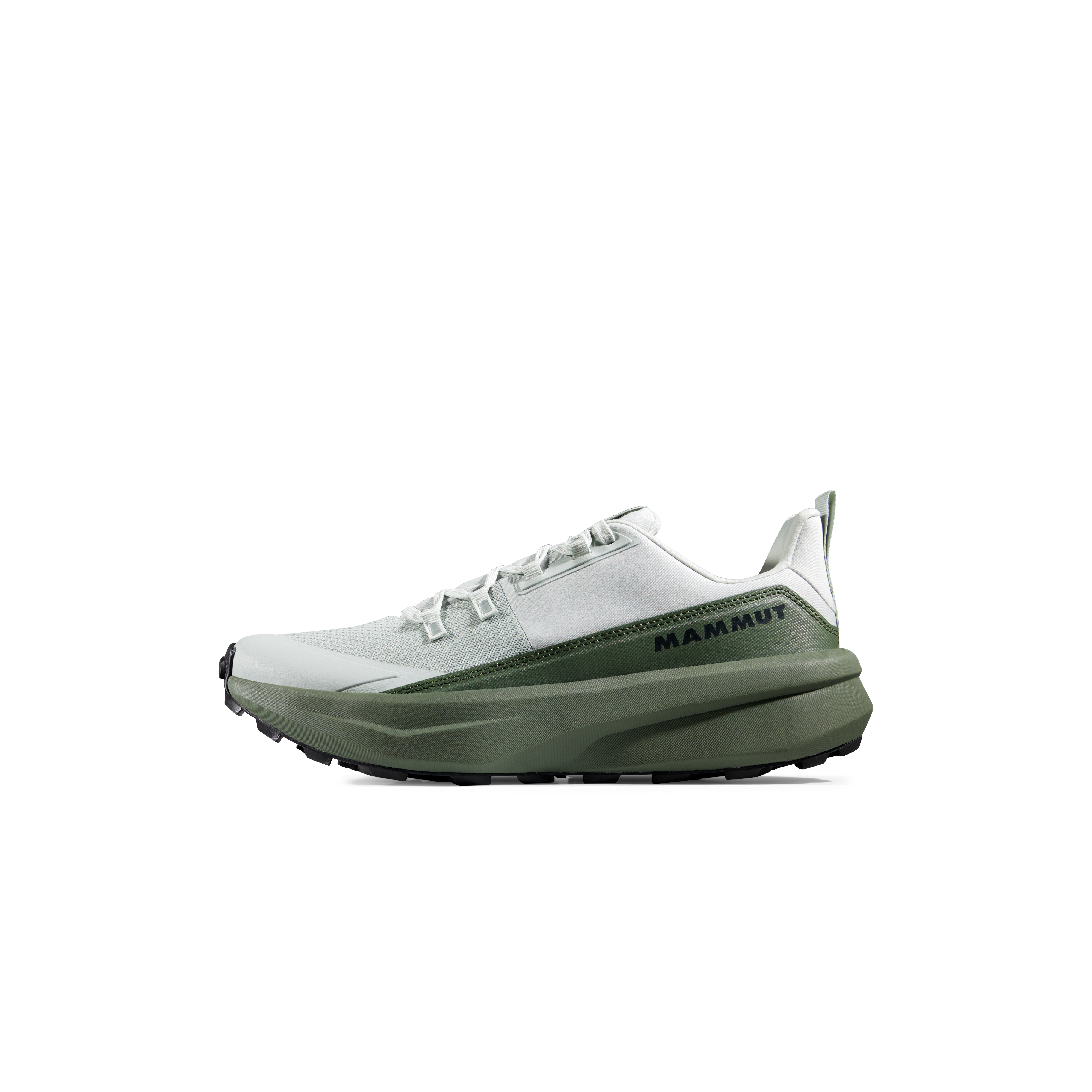

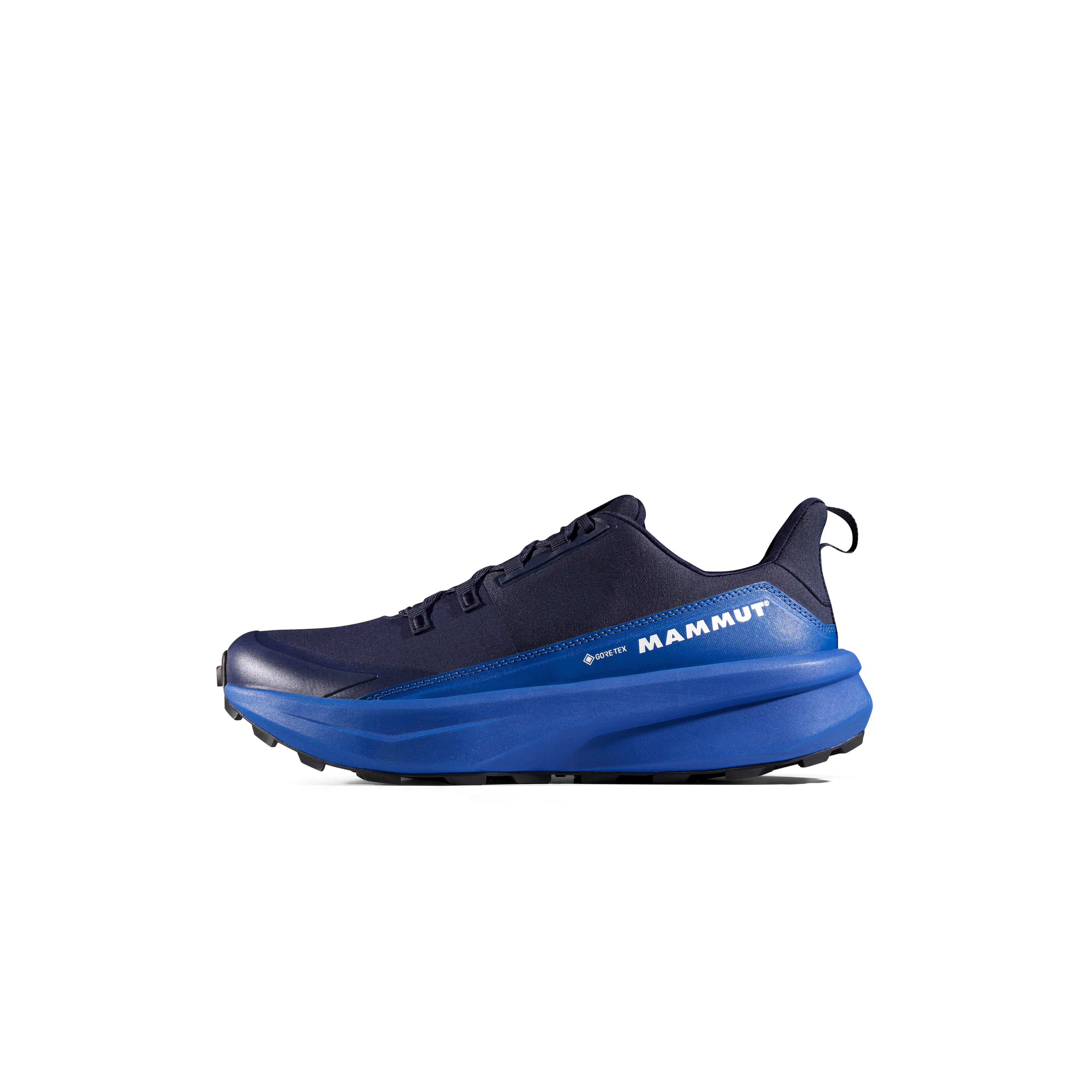
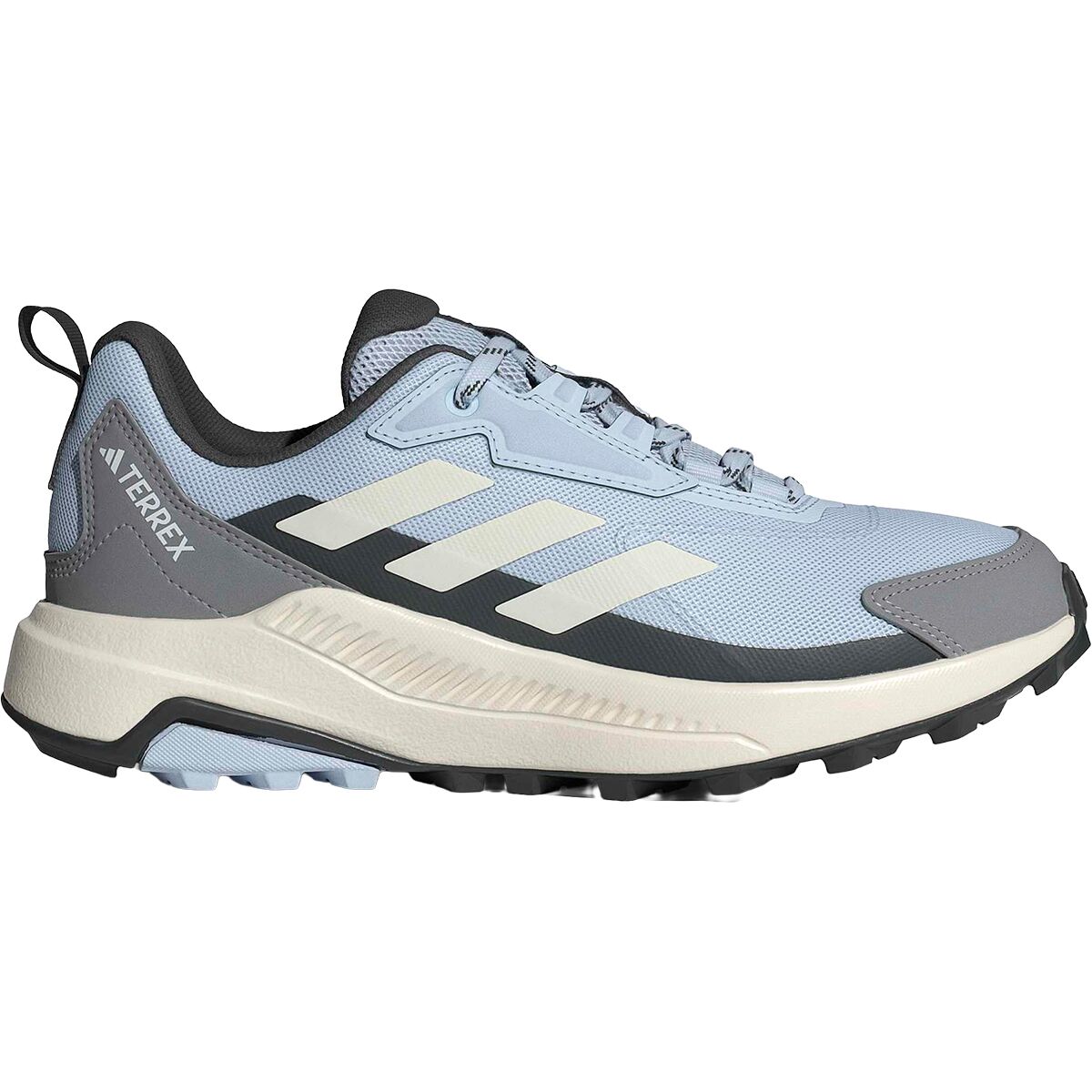
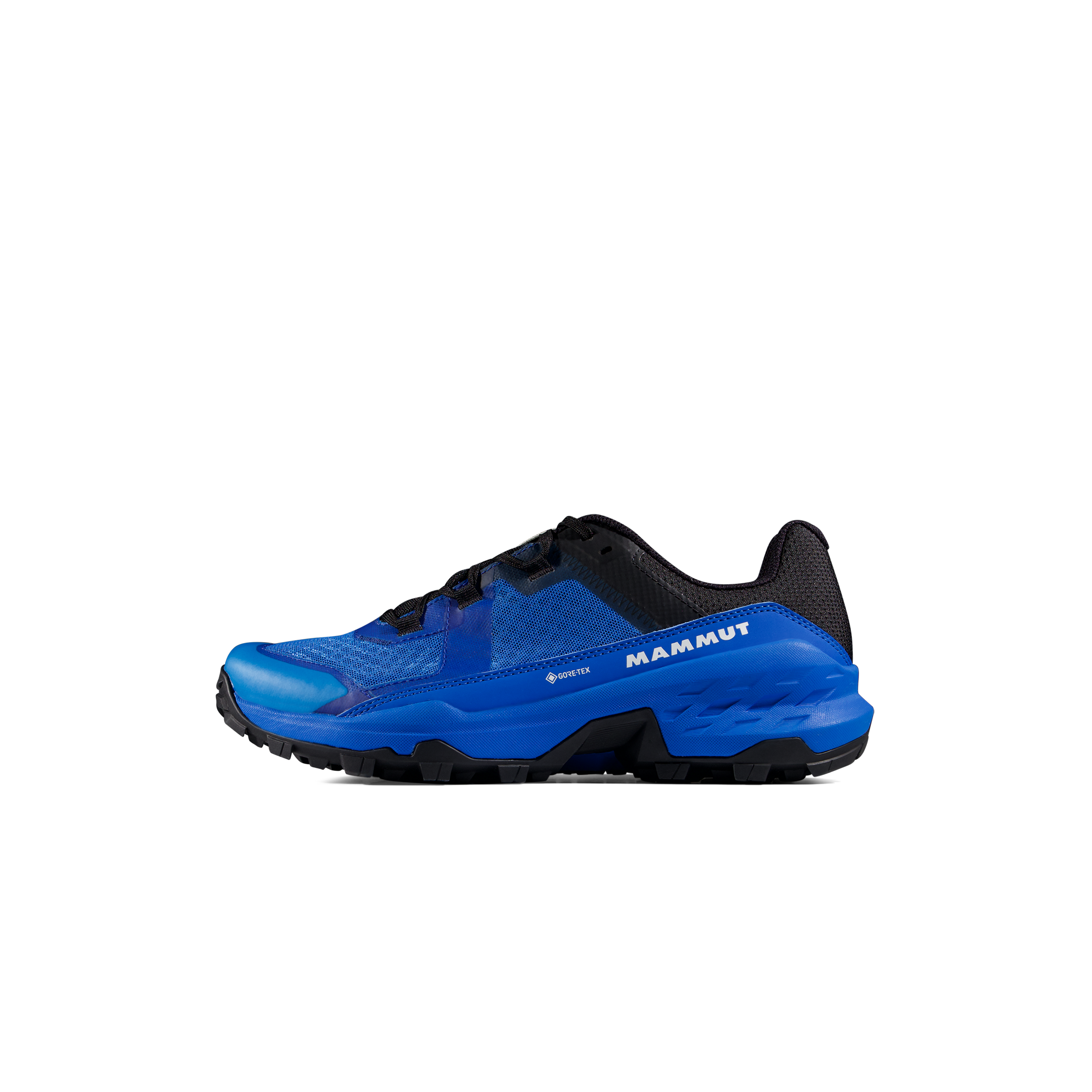
We may earn a commission if you buy through these links, at no extra cost to you. Affiliate disclosure

Every Extra Pound Has to Cross the Next Pass.
TMB’s refuge network makes it possible to travel relatively light. That is worth using. You generally do not need a tent, stove or week-long food carry on the classic refuge itinerary.
The goal is not ultralight purity. It is to keep enough reserve that the fifth major ascent still feels like hiking instead of survival.
Tour du Mont Blanc · Val Ferret · Rémih · Wikimedia Commons · CC BY-SA 4.0.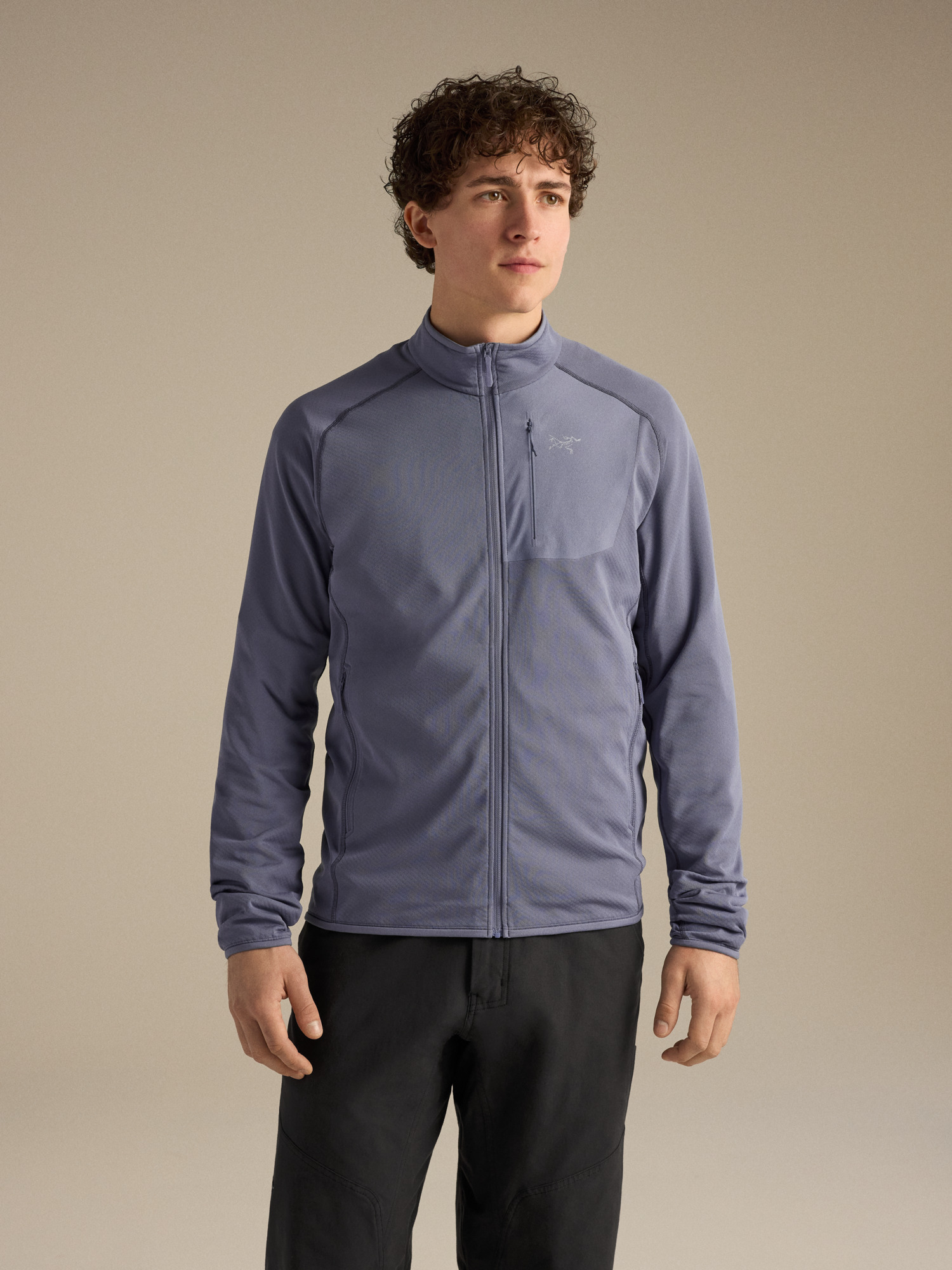
WHW Gives You More Control Over the Budget.
TMB is not necessarily an expensive luxury trek, but its refuge system puts a meaningful floor under accommodation cost.
| Planning factor | West Highland Way | Tour du Mont Blanc |
|---|---|---|
| Trail fee | No trail-wide walking fee. | No single classic-route trekking fee; accommodation drives planning. |
| Accommodation range | Wild camping, campsites, hostels, B&Bs and hotels create a wide range. | Refuges and hotels make the classic experience less flexible at the low-cost end. |
| TMB official lodging context | Not applicable. | Official TMB guidance currently suggests roughly €65–€95 per refuge night with half board and about €500–€900 for 7–10 nights of accommodation. |
| Baggage transfer | Very mature and straightforward. | Widely used but itinerary-dependent. |
| Gateway logistics | Milngavie is easily reached from Glasgow; Fort William has rail and coach links. | Most international hikers build the trip around the Chamonix / Geneva travel system. |
| Budget winner | West Highland Way | Higher likely lodging cost, especially with private rooms. |
A WHW camper and a WHW hotel walker may spend radically different amounts. The same is true of TMB dormitory hikers versus travelers using private valley hotels. Build the budget from the accommodation style you actually want.
Which Trail Fits You?
The right route becomes fairly obvious once you stop comparing scenery and start comparing what you want each day to demand.
You Want the Cleaner First Step.
- This is your first week-long walking trip.
- You want simple public transport.
- You like inns, villages and flexible lodging.
- You want luggage transfer to be easy.
- You are still learning how your feet recover day after day.
- Scottish landscapes are the main reason to go.
You Want the Mountains to Drive the Trip.
- You regularly hike substantial mountain days.
- You tolerate repeated steep ascent and descent well.
- You want Alpine refuge culture.
- High passes and glaciers are the scenery you want.
- You are comfortable booking months ahead.
- Three countries in one circuit sounds exciting.
Your Back-to-Back Hiking Is Untested.
- You have never walked long days on consecutive days.
- Your footwear is still experimental.
- Rain gear has never been tested for hours.
- You do not know how your knees handle long descents.
- You have not carried your intended pack for a full day.
When accessibility matters most.
When the Alpine experience matters most.
If You Want to Hike Both, the Progression Is Easy: Scotland → Alps.
You do not need to treat the routes as rivals. They form one of Europe’s cleanest long-distance hiking progressions.
Train on Long Day Hikes.
Build the ability to walk all day, recover overnight and do it again without foot or knee problems escalating.
Walk the West Highland Way.
Learn multi-day pacing, weather management, footwear discipline and logistical rhythm in a forgiving system.
Move Into Tour du Mont Blanc.
Keep the multi-day skills and add much larger daily vertical, higher passes and mountain-refuge logistics.

The Best Trail Is the One That Gives You Challenge Without Taking Away the Journey.
If TMB’s vertical would turn every day into survival, Scotland is the better trip. If WHW sounds like preparation for the mountain experience you really want, the Alps may already be the right choice.
TMB trail marker at Col de Balme · Victoria Lunyak · Wikimedia Commons.West Highland Way vs Tour du Mont Blanc FAQ
The questions that usually decide between Scotland’s classic long-distance walk and Europe’s best-known Alpine circuit.
Which is harder, West Highland Way or Tour du Mont Blanc?
Tour du Mont Blanc is substantially harder overall. The trails are surprisingly close in total distance, but TMB accumulates close to 10,000 metres of climbing and repeatedly crosses high Alpine passes. West Highland Way difficulty comes more from cumulative mileage, rough footing and Scottish weather.
Which trail is longer?
Tour du Mont Blanc is slightly longer at roughly 170 km / 105 miles. The West Highland Way is 154 km / 96 miles. The difference in distance is much smaller than the difference in vertical gain.
Which is better for beginners?
West Highland Way is the stronger first long-distance trek for most fit beginners. It has lower elevation, straightforward transport, frequent accommodation and food, strong baggage-transfer services and more ways to shorten or repair an itinerary.
Can a beginner hike Tour du Mont Blanc?
A fit hiker with good preparation can make TMB a first major Alpine trek, but it is a poor place to discover that your knees, feet or fitness cannot handle repeated 1,000-metre climbing days. Prior multi-day hiking experience is strongly useful.
Do you need mountaineering gear for Tour du Mont Blanc?
Not on the classic hiking route in normal summer conditions. The official TMB organization describes the standard route as well waymarked and not requiring mountaineering equipment. Early-season snow or optional variants can change the equipment question.
Do you need to camp on the West Highland Way?
No. The route can be completed entirely using B&Bs, hotels, hostels, bunkhouses and other indoor accommodation. Camping simply provides another way to structure the trip.
Do you need to camp on Tour du Mont Blanc?
No. The classic TMB is naturally completed using mountain refuges, gîtes and village accommodation. This is one of the route’s major attractions for hikers who want Alpine immersion without carrying a complete camping system.
When is the best time for the West Highland Way?
The official route can be walked through a broad part of the year, with spring and autumn especially attractive. May is the most popular month. Summer provides long daylight but also higher accommodation demand and greater midge activity.
When is the best time for Tour du Mont Blanc?
The official TMB organization describes the classic season as roughly mid-June through mid-September. Snow can remain on passes in June and early July, while late-season refuge closures and early snow become increasingly important in September.
When do 2027 Tour du Mont Blanc refuge bookings open?
The official Tour du Mont Blanc booking system says member refuge and gîte reservations for summer 2027 open October 15, 2026. Popular stages can fill rapidly.
Which trek is cheaper?
West Highland Way generally provides more budget flexibility because hikers can combine camping, hostels, inns and hotels. TMB refuge accommodation creates a higher baseline cost: official guidance currently gives approximately €65–€95 per night for half-board dormitory accommodation.
Which has better scenery?
They offer completely different scenery. West Highland Way gives Loch Lomond, open moorland, Glen Coe and classic Scottish Highland landscapes. Tour du Mont Blanc delivers huge Alpine passes, glaciers and repeated views of the Mont Blanc massif. Choose Highlands versus Alps rather than trying to declare one objectively better.
Choose From the Comparison. Depart From Current Information.
Weather, accommodation, temporary diversions, snow, camping restrictions and refuge openings can change after this page is published.
Once you choose the route, use the complete Global Summit Guide trail page and the official route authority immediately before travel.
Choose the Trail. Then Move Into the Complete Plan.
This page owns the WHW-versus-TMB decision. The individual trail guides own itinerary, accommodation, weather, gear and route logistics.

First Long Walk? Scotland. Ready for the Alpine Step Up? Mont Blanc.
Choose the West Highland Way when you want the stronger introduction: simple logistics, lower elevation and a genuine end-to-end Highland journey. Choose Tour du Mont Blanc when repeated Alpine climbing, refuge nights, high passes and three countries are exactly why you are going.
Was this helpful?
🏔Related peaks nearby
🧭Explore & compare
Global Summit Guide is an independent mountaineering resource founded in 2026. The team combines first-hand trekking and climbing experience with in-depth research and professional health and nutrition review to help climbers choose objectives, prepare properly, and stay safe.
Health, altitude, and nutrition content is reviewed by Taylor Ludlow (Registered Nurse) and Brigg Hoopes (Nutritionist).
What We Don't Know Yet
Mountain information changes quickly. This box explains the limits of what this page can responsibly promise.
- Comparisons simplify complex decisions; the better mountain depends on current conditions, skills, timing, budget, and risk tolerance.
- Visa, passport, vaccination, border, insurance, and local transportation rules may change before your trip.
- Route conditions, snowpack, closures, and weather can change quickly after this page is updated.
- Permit rules, fees, quotas, and reservation windows may change between review cycles.
- Operator availability, pricing, guide ratios, and cancellation terms can change by season.
Verify current conditions with official land managers, guide services, local forecasts, and current route reports before booking or climbing.
Mountaineering, rock and ice climbing, glacier travel, and high-altitude activity are inherently dangerous and can result in serious injury or death. The information on Global Summit Guide is provided for general informational and educational purposes only and is not a substitute for professional instruction, qualified guiding, proper equipment, or your own judgment and experience.
Route conditions, weather, snowpack, permits, regulations, and hazards change constantly and may differ from what is described here. Details may be incomplete, out of date, or contain errors. Always verify current information with local authorities, certified guides, and official sources before making any decision in the mountains.
Nothing on this site is medical, legal, or financial advice. Our fitness, acclimatization, altitude, and nutrition content is general in nature; consult a qualified physician before beginning any strenuous exercise program or exposing yourself to high altitude.
You are solely responsible for your own safety and decisions. To the fullest extent permitted by law, Global Summit Guide and its team accept no liability for any loss, injury, damage, or expense arising from use of, or reliance on, this information. By using this site you acknowledge these risks and accept these terms.
Some links on this site may be affiliate links. If you buy through them we may earn a small commission at no extra cost to you; this never affects our recommendations.
Global Summit Guide recommendation path
Next Best Mountain to Research
Use these recommendations to continue the right planning path instead of stopping on one page.
Use current permit, weather, route, and operator information before booking or climbing.