
Last updated October 5, 2026

Ama Dablam Gear List: What to Pack for the Southwest Ridge
Ama Dablam needs a hybrid kit: expedition double boots, steel crampons, fixed-line hardware, a technical harness and rappel system, heavy Himalayan insulation, cold-weather sleep equipment and a lighter trekking setup for the Khumbu approach. The common core is consistent—but hardware counts and exact temperature ratings vary by operator.
Build the Common Core First. Then Match Your Operator’s Rope System.
Current Ama Dablam programs consistently require an expedition-style double boot, 12-point steel crampons, helmet, harness, ascender system, rappel device, heavy insulation, warm handwear, glacier eyewear, headlamp, sleeping bag, insulated pads and a climbing pack.
What is not universal is whether you carry one handled ascender or another backup device, the exact number of carabiners, whether your team wants an ice axe or technical tools, whether overboots are required, whether a one-piece down suit is used, or whether the sleeping-bag requirement is −20°F or colder.
Your expedition company’s current written equipment list is the final authority because that company controls the rope system, camp strategy, support structure and guiding methods you will actually use.
The Equipment Categories That Show Up Across Current Commercial Lists
Brand and quantity vary. The underlying systems do not.
Harness + ascender + rappel system
You need a system for ascending fixed ropes, remaining attached during transitions and descending efficiently on the upper ridge.
Steel crampons + axe/tools
Twelve-point steel crampons are the common baseline. The exact axe or tool requirement varies by operator and season.
Expedition double boots
Warm double mountaineering boots are the common commercial standard. Fit, circulation and crampon compatibility matter more than an arbitrary “8,000m” marketing label.
Heavy insulation
Expedition parka, insulated pants or an equivalent system must preserve warmth without preventing efficient rope transitions.
Cold bag + insulated pads
Commercial requirements commonly fall somewhere between approximately −20°F and −40°F depending on the operator’s camp plan and philosophy.
Separate trekking system
Do not trek the Khumbu in your heavy climbing boots. Keep approach footwear and trekking clothing separate from the upper-mountain kit.

Ama Dablam Is Not a Trekking Peak With Warmer Clothing.
The Southwest Ridge combines exposed rock, fixed lines, snow and ice, repeated anchor transitions and rappels at high altitude. Your system has to work while wearing gloves, bulky clothing and a pack.
These Items Should Not Be Presented as Universal Rules
Current commercial equipment lists prove that legitimate operators can use different systems on the same Southwest Ridge.
| Gear item | What varies | Why it varies | What you should do |
|---|---|---|---|
| Mechanical ascenders | Some systems use one handled ascender plus a compact backup; others specify a different mechanical arrangement. | Rope systems, guide philosophy and hand use differ. | Bring exactly the system specified by your operator and practice transitions with it. |
| Sleeping bag | Current commercial lists range roughly from −20°F toward −40°F. | Camp use, personal cold tolerance and operator support differ. | Use the operator’s minimum rating as the floor, then adjust for your own cold tolerance. |
| Boot category | Expedition double or triple boots rather than one universal “8,000m-rated” category. | Modern boot insulation is not captured well by a simple altitude label. | Prioritize fit, warmth, circulation and crampon compatibility. |
| Ice axe / tools | Some teams specify a mountaineering axe; others use technical tools. | Route condition, guiding style and planned movement differ. | Confirm the current season’s list before purchasing tools. |
| Down suit | Some programs allow heavy parka + insulated pants instead. | Layering systems and cold tolerance differ. | Do not buy a one-piece suit solely because a generic checklist says “mandatory.” |
| Overboots | Required or recommended on some lists; not universal on others. | Boot model, season and individual circulation matter. | Match overboots to the actual boot and operator requirement. |

Hardware That Is Merely Annoying at Home Becomes a Problem When You Are Cold and Tired.
Carabiners, ascenders, rappel devices, boot bindings and glove systems need to work together before Nepal—not during the first high-camp rotation.
Harness, Ascender, Attachments & Rappel Gear
This is the equipment system most likely to differ between operators, so learn the function first and buy the exact pieces second.
Personal technical equipment
- Adjustable alpine climbing harness that fits over winter layers.
- Certified climbing helmet.
- Mechanical ascender specified by the operator.
- Belay/rappel device compatible with the team’s rope system.
- Locking and non-locking carabiners in the specified quantities.
- Personal attachment/cow’s-tail system if required.
- Accessory cord or friction-hitch backup as specified.
What you should be able to do
- Ascend fixed rope efficiently.
- Pass anchors without becoming completely detached.
- Transition from ascent to descent systems.
- Rappel in gloves and bulky clothing.
- Identify cross-loading or incorrect carabiner orientation.
- Operate the system in darkness with a headlamp.
For the route context behind these systems, see Ama Dablam Routes & High Camps .
Buy for Warmth, Circulation, Precision & Crampon Compatibility
A warm boot that crushes your toes or restricts circulation is not safer than a slightly lighter boot that fits correctly.
Expedition double boots
Current commercial lists consistently use warm double or triple mountaineering boots suitable for prolonged cold and high altitude.
12-point steel crampons
Match automatic or semi-automatic bindings to the exact boot. Fit the pair together before leaving home.
Trekking footwear
Use lighter trekking or approach footwear through the Khumbu and save the expedition boots for the climbing phase.

Check Every Fit-Critical System Before Sending Equipment Up the Mountain.
Base Camp is where boot-crampon fit, harness sizing, glove dexterity, headlamp batteries and attachment systems should be verified one final time.
Build Layers Around Movement, Waiting and Rope Dexterity
Ama Dablam alternates between hard climbing and cold periods of waiting. The clothing system needs enough range to handle both.
Moisture management
- Lightweight base-layer tops.
- Warm base-layer bottom.
- Dry replacement layer for high camps.
Mid-layers
- Fleece or light synthetic insulation.
- Soft-shell climbing pants.
- Breathable layer for approach and technical movement.
Hard shell
- Waterproof/breathable shell jacket.
- Full-protection shell pants or bibs.
- Fit over the full climbing system.
Expedition insulation
Heavy down parka and insulated pants are common. Some teams permit or prefer a one-piece down suit instead.
Lighter trekking clothing
The walk through the Khumbu requires a completely different temperature and exertion system than the upper Southwest Ridge.
Put it all on together
Harness, shell, parka, helmet and gloves must still allow you to clip, reach gear loops and operate your fixed-line hardware.
Warmth Is Useless if You Cannot Operate the Rope System
Handwear on Ama Dablam is a dexterity problem as much as a temperature problem.
Thin liners
Fine control for buckles, electronics and other tasks, but not sufficient protection on the upper mountain.
Durable climbing gloves
Abrasion-resistant gloves for rope, rock and repeated carabiner handling.
Insulated gloves + expedition mitts
The warmest layer comes out when pace slows, wind rises or technical dexterity is temporarily less important.
Mountaineering Gloves & Mittens
Build a layered hand system rather than relying on one pair. Confirm that your technical glove can actually operate your ascender, carabiners and rappel device.
- SpecializedSpecialized Trail Air Long Finger Glove – Women'sFrom $29.99
$34.99Check price at Back Country (opens in a new tab) - BurtonBurton GORE-TEX Glove – Women'sFrom $46.72
$84.95Check price at Back Country (opens in a new tab)
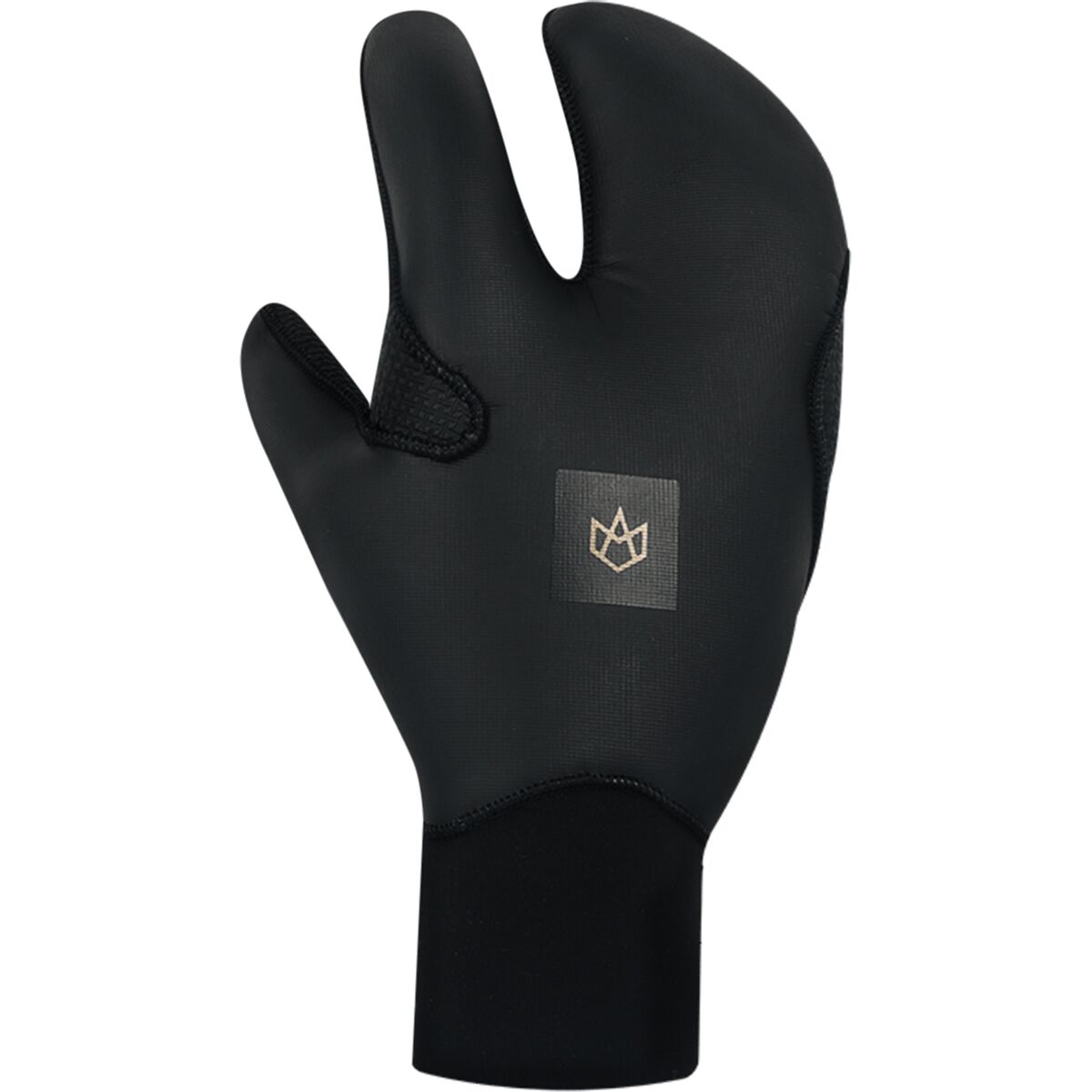
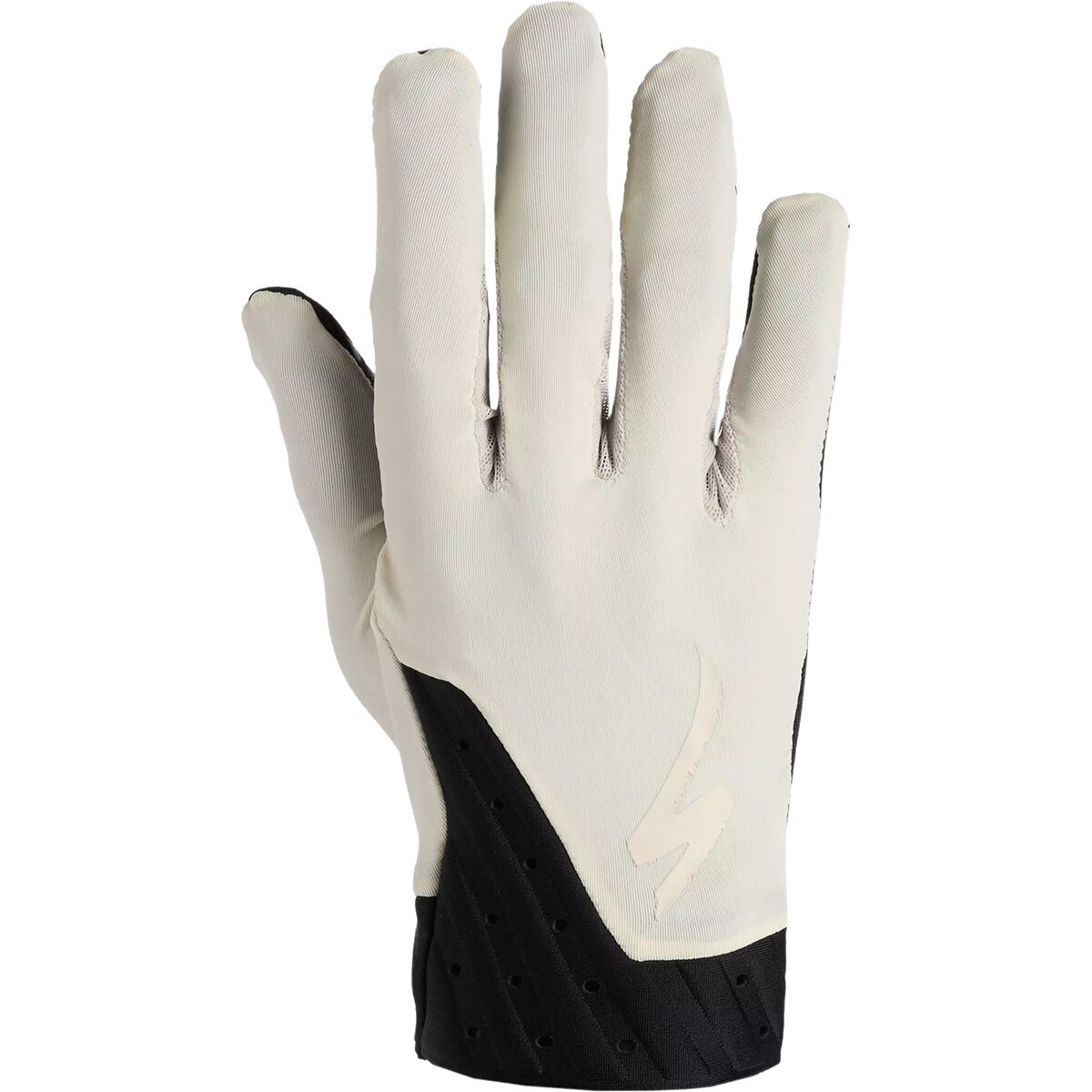
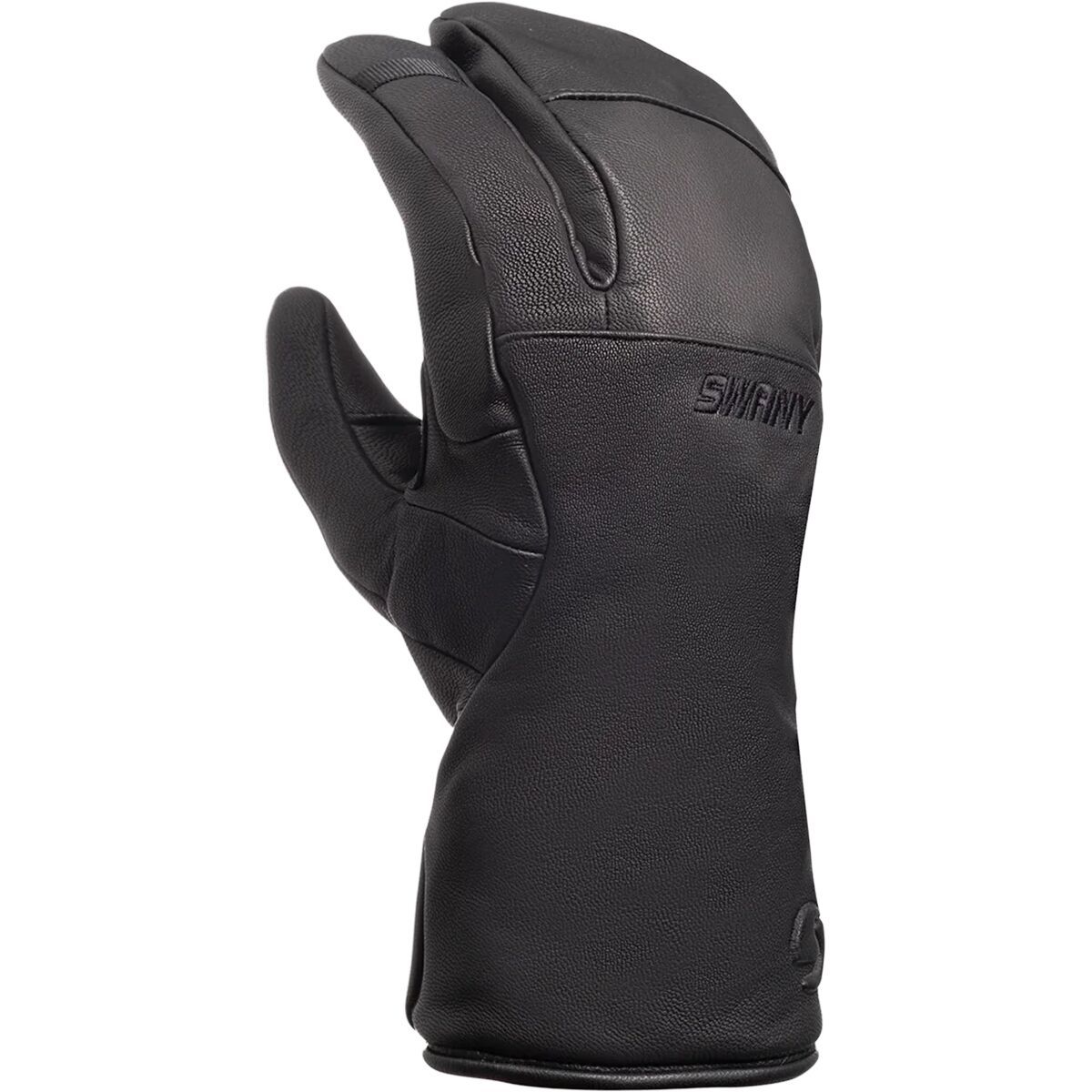
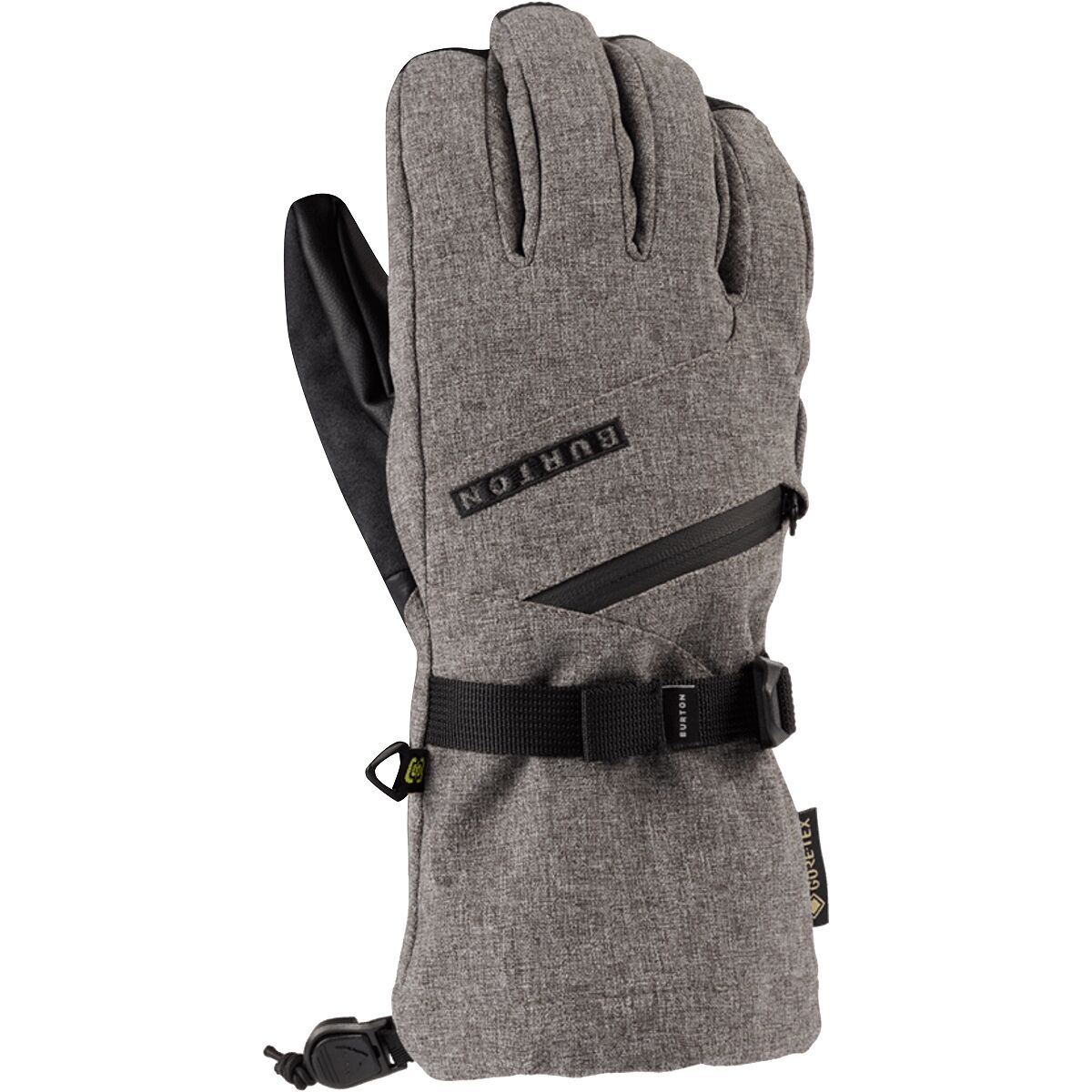
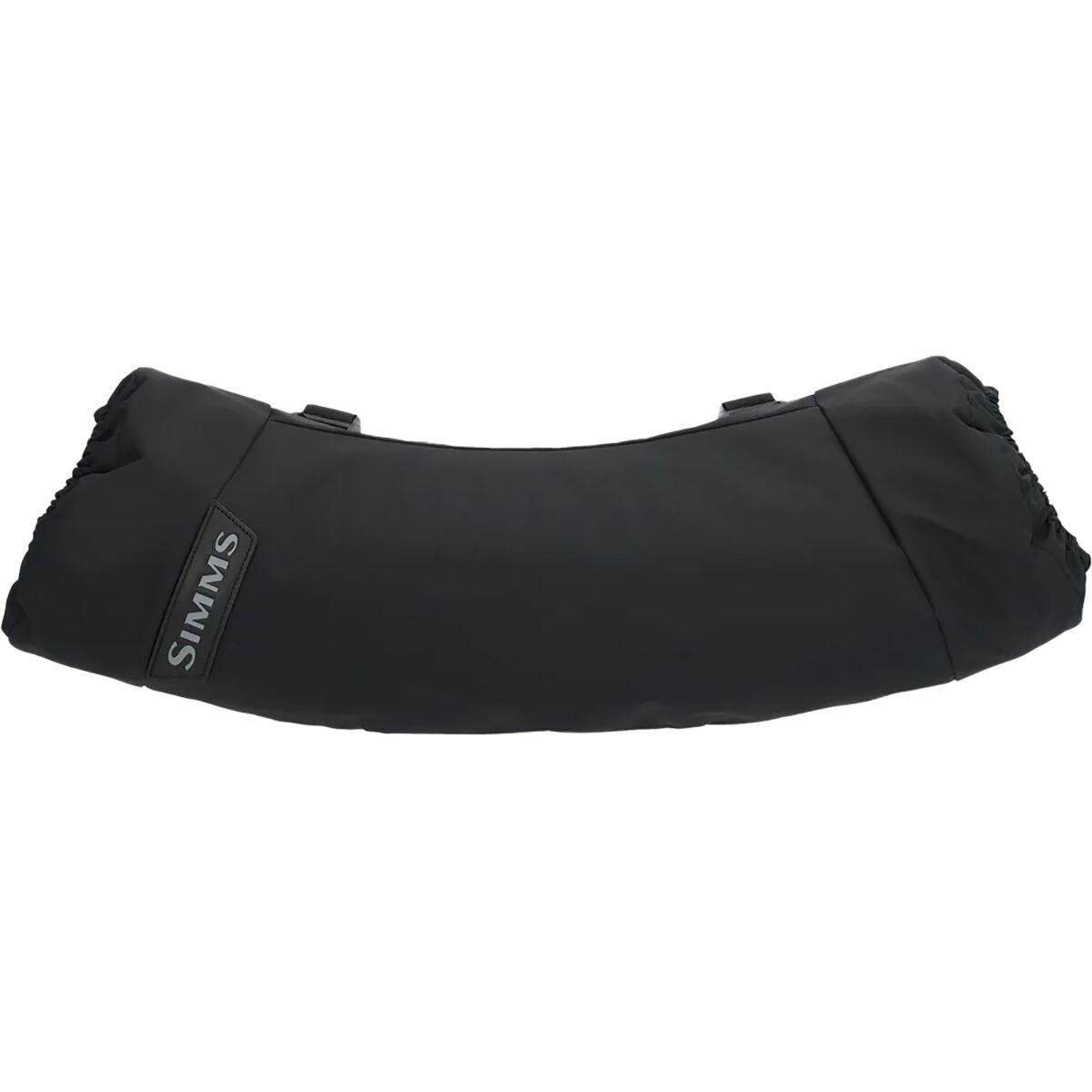
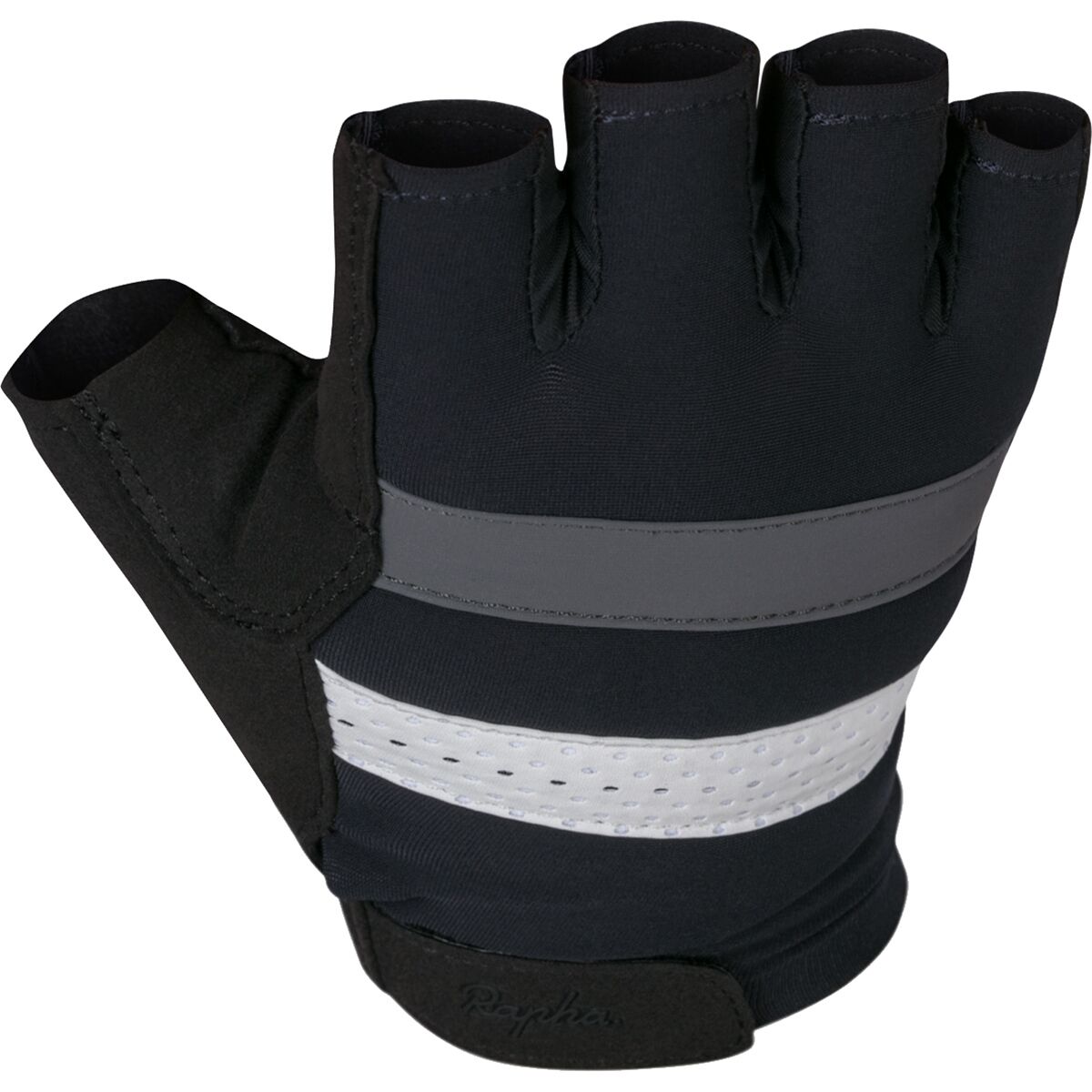
We may earn a commission if you buy through these links, at no extra cost to you. Affiliate disclosure
Glacier glasses + goggles
Use high-protection glacier glasses for strong UV and goggles for wind, spindrift, darkness and poor weather.
Balaclava / Buff system
Protect exposed skin while preserving enough ventilation to manage exertion and reduce eyewear fogging.

The Gear You Need in Pheriche Is Not the Gear You Want to Wear on Summit Day.
Separate the approach kit from the technical expedition kit. That keeps heavy boots, mitts and upper-mountain insulation dry and fresh until they are actually needed.
Do Not Reduce the Sleep System to One Temperature Number
Sleeping-bag rating, pad insulation, tent use, personal cold tolerance and what camps the bag actually reaches all determine the practical system.
Operator-required temperature range
Current commercial lists differ. Some specify around −20°F while others recommend colder systems. Follow your operator’s minimum requirement.
Inflatable + foam redundancy
A warm bag performs poorly if your sleeping pad conducts heat directly into frozen ground.
Keep the insulation dry
Use a waterproof internal liner or dry storage strategy during transport and rotations.
Carry What Keeps You Moving After Dark and in the Cold
Summit equipment must be warm enough for long exposure without making technical transitions so cumbersome that the gear itself slows the team.
Headlamp + redundant power
Carry a reliable headlamp and spare power protected from cold. Test the controls while wearing gloves.
Insulated bottles / thermos
Use a system that delays freezing and remains easy to open in gloves.
Small, useful redundancy
Carry only the spares you can realistically use: batteries, eyewear redundancy and simple repair materials.
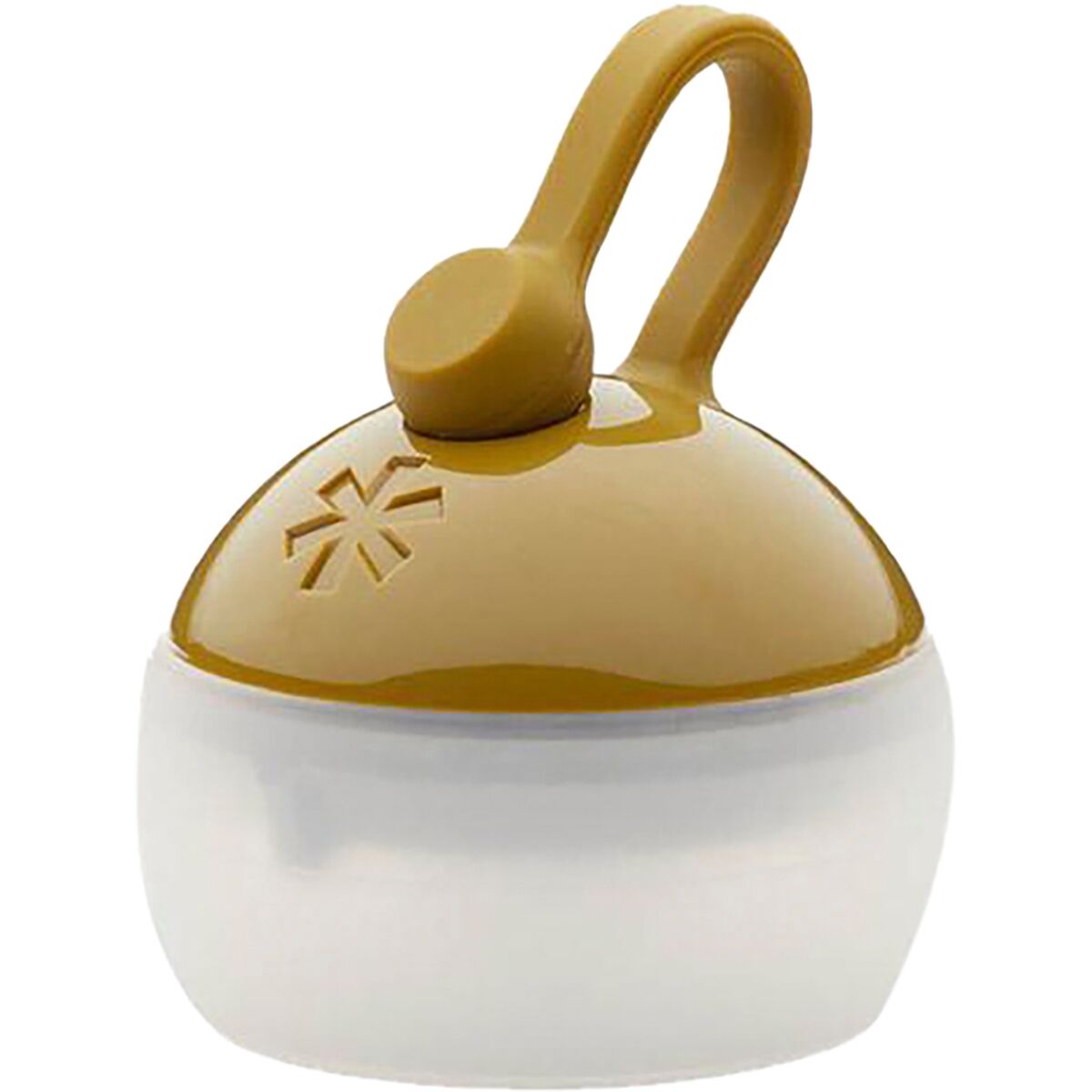
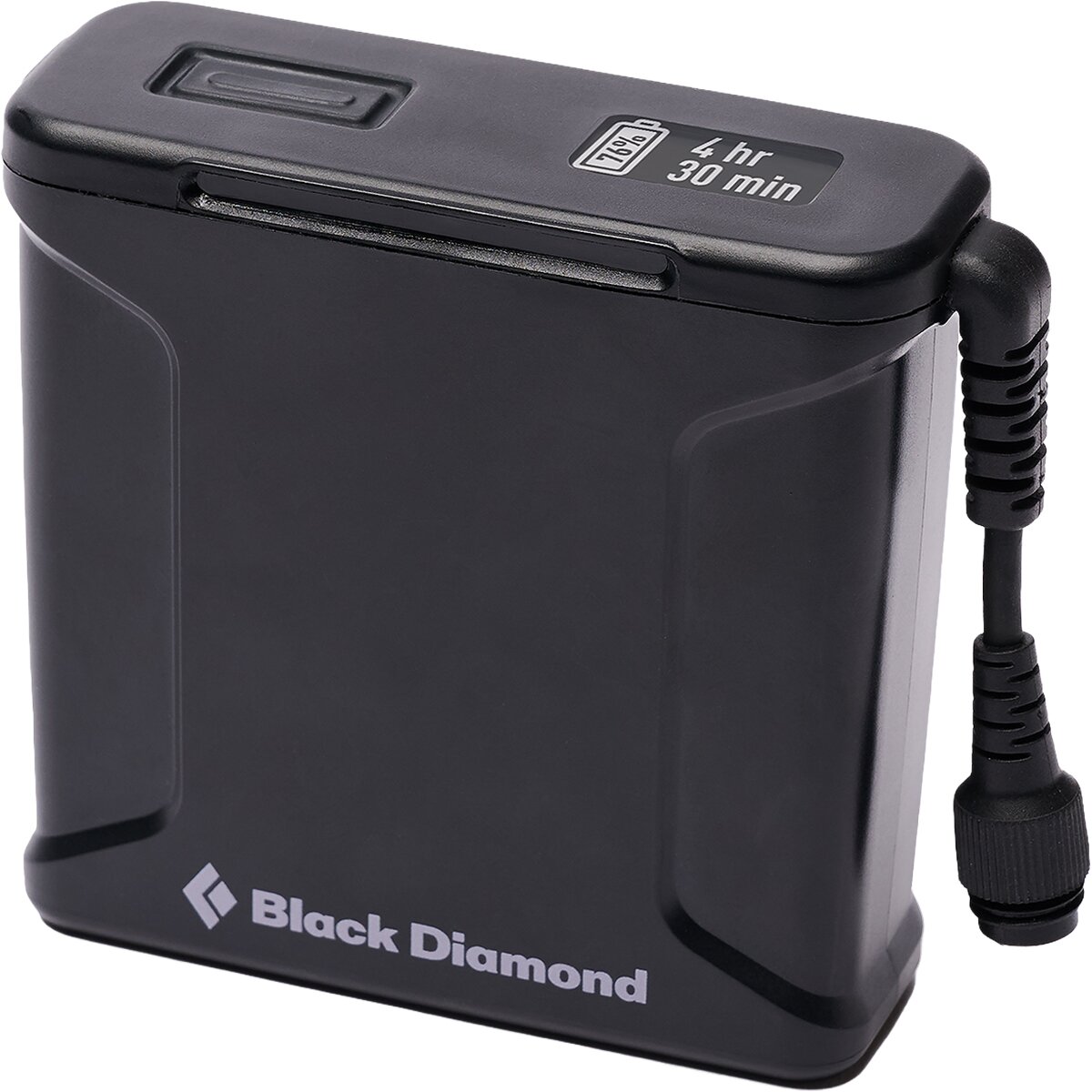
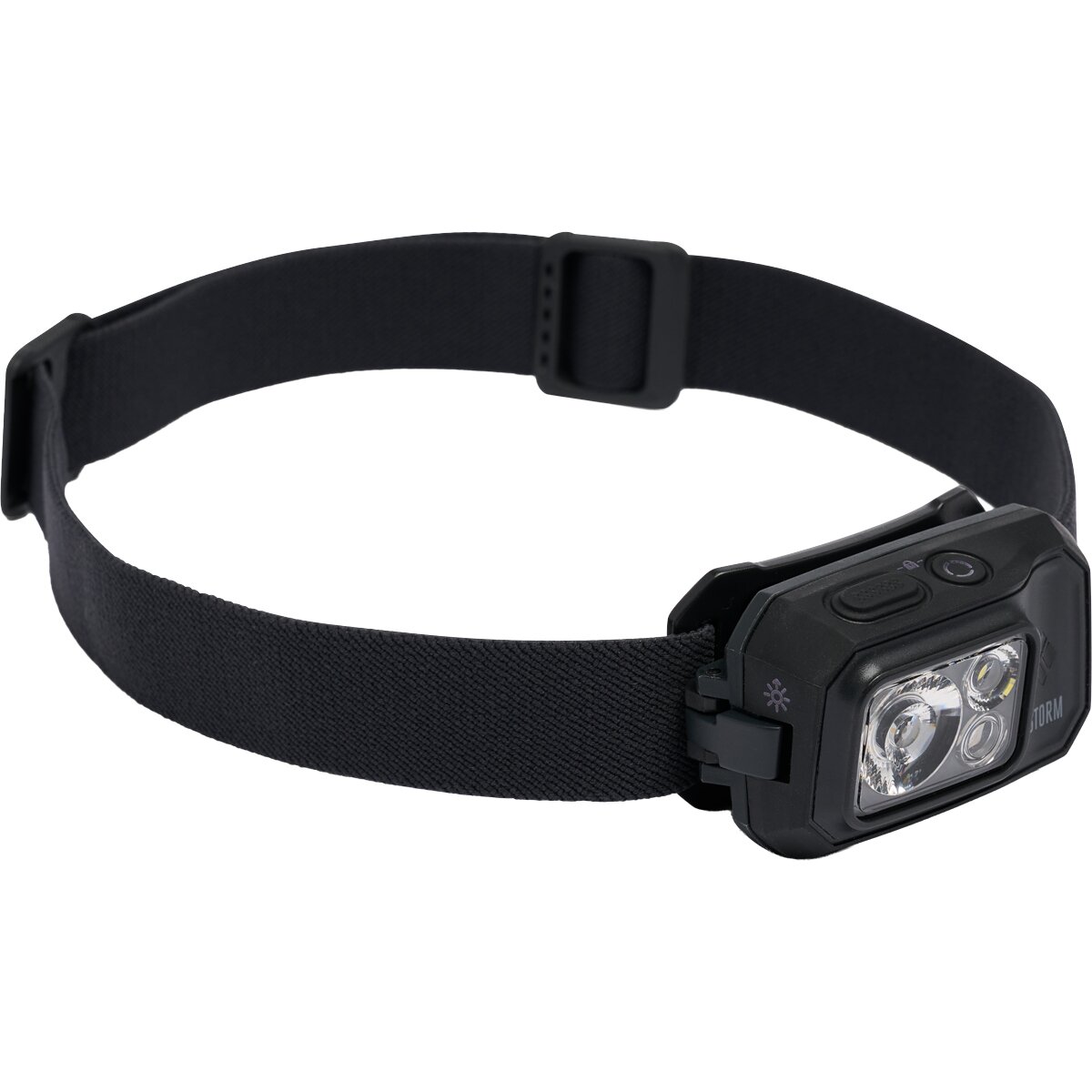
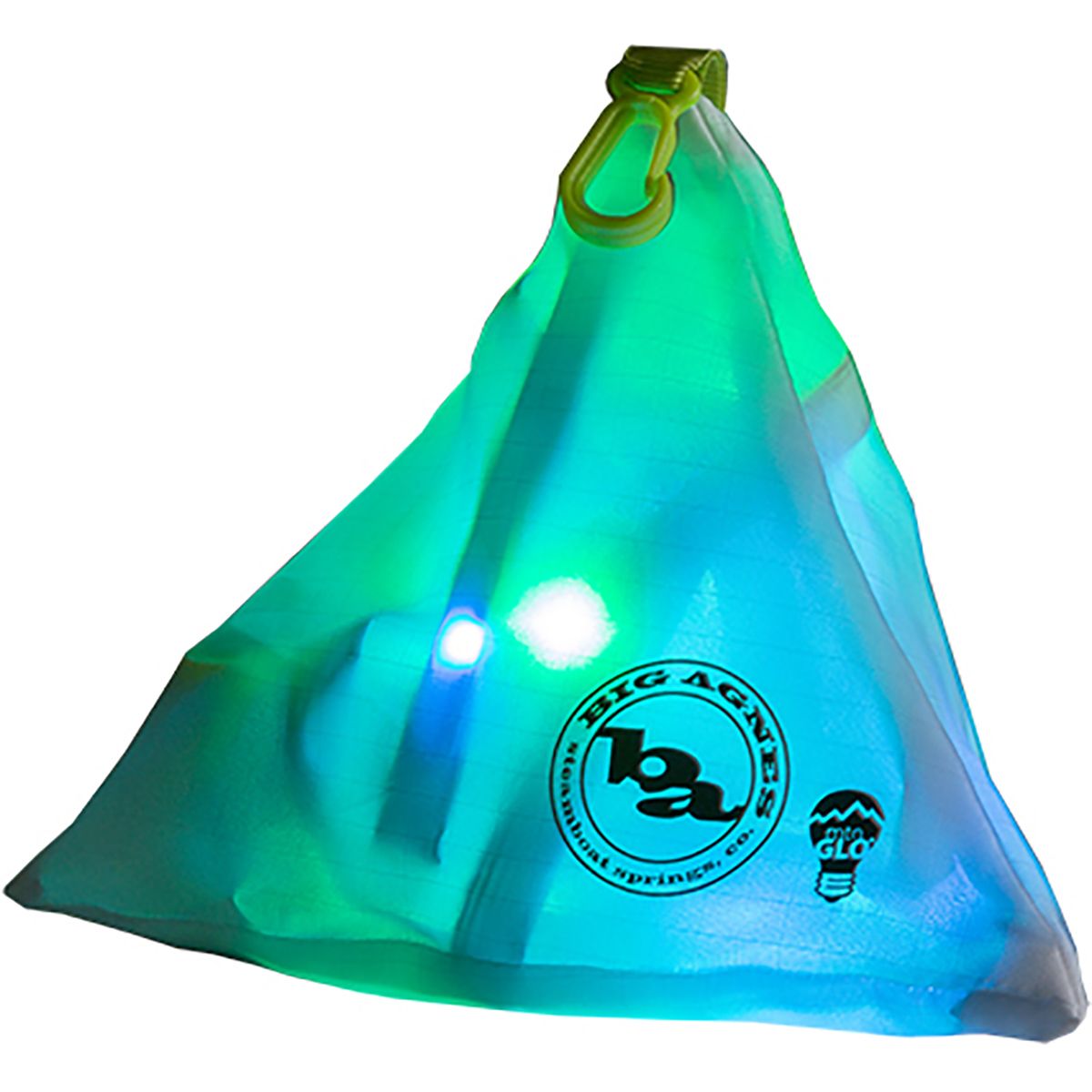
Expedition Headlamps
Look for glove-friendly controls, strong low-temperature performance and enough battery capacity for a long technical summit push.

The Best Ama Dablam Packing System Changes as You Move Up the Mountain.
The approach is about efficient trekking. Base Camp is about recovery. The ridge is about technical efficiency. The summit push is about cold protection without losing dexterity.
Organize the Kit by Where You Will Use It
This is more useful than one enormous checklist with no sense of when each item enters the system.
Trekking footwear, hiking layers, light rain protection, trekking poles, sun protection and a daypack. Keep heavy technical equipment in the supported baggage system.
Full sleep system, heavy insulation, camp footwear, charging equipment, duffel organization, personal repair items and all technical gear for final compatibility checks.
Harness, helmet, ascender system, boots, crampons, axe/tools, shell, climbing gloves, insulation and technical pack.
Maximum cold protection, full hand system, goggles, headlamp, insulated water, operator-specified hardware and only the equipment needed for the summit system.
Expedition Duffels
Use rugged duffels for the supported approach and Base Camp logistics, keeping the climbing pack reserved for the equipment you actually carry on technical terrain.
Khumbu Approach → Base Camp → Southwest Ridge
The map helps explain why Ama Dablam needs both a trekking system and a technical high-altitude climbing system.
Separate Fit-Critical Personal Gear From Expedition Infrastructure
Buying gear that your operator already supplies wastes money and baggage weight. Assuming the operator supplies fit-critical personal equipment can be worse.
Fit-critical equipment
- Double mountaineering boots.
- Crampons.
- Harness and helmet.
- Operator-specified ascender/rappel hardware.
- Personal clothing and hand system.
- Glacier glasses and goggles.
- Sleeping bag and often sleeping pads.
- Climbing pack and headlamp.
Shared infrastructure
- Base Camp tents and communal systems.
- High-camp tents.
- Fixed and group ropes.
- Cooking equipment and fuel.
- Communications systems.
- Group medical/rescue equipment.
- Porter/yak transport and camp logistics.
Never assume: inclusions vary between companies. Confirm the written operator list.
Before investing heavily in technical equipment, use the Mountain Readiness Assessment to make sure Ama Dablam is actually the right next objective.

The Summit Is Not the Place to Discover That Your System Only Worked in the Gear Shop.
Practice with the exact boots, gloves, crampons, harness, ascender and rappel system you plan to use before the expedition.
Before the Duffels Leave Home
The final checklist should be a reconciliation exercise between your own system and the operator’s current expedition list.
Broken in enough to know fit and circulation; tested with the exact summit sock system.
Mounted on both boots and adjusted correctly with no guesswork left for Base Camp.
Fits over your full upper-mountain clothing without blocking gear loops.
Exact operator-approved configuration practiced repeatedly in gloves.
Device, locking carabiners and backup arrangement confirmed with the guide service.
Technical gloves operate the hardware; warmer mitts fit over or replace them as planned.
Bag meets the operator rating and the pads provide enough ground insulation.
Tested with gloves and backed by cold-protected spare power.
Glacier glasses and goggles both fit correctly with helmet and face covering.
Every item reconciled against the current written expedition-company list, not a list from a previous season.
Gear familiarity should be part of the broader preparation system in Prepare to Climb .

Your Operator’s List Wins Every Disagreement.
If this page says one thing and your current guide service says another, ask why. Their rope system, camp plan and guiding method are the ones you will actually climb with.
Ama Dablam Gear FAQ
The recurring answer is deliberate: distinguish the common technical core from operator-specific details.
Do I need two ascenders for Ama Dablam?
Not as a universal rule. Current commercial systems differ. For example, International Mountain Guides lists one handled ascender plus a Tibloc. Use the exact ascender system specified by your operator.
What sleeping bag do I need for Ama Dablam?
Requirements vary by expedition. Current commercial lists range from around −20°F toward −40°F. Use the minimum specified by your operator and adjust for your own cold tolerance and pad system.
What boots should I use on Ama Dablam?
Expedition-style double mountaineering boots are common. Fit, insulation, circulation and compatibility with 12-point steel crampons are more useful selection criteria than a generic “8,000m boot” label.
What crampons should I use?
Current commercial lists commonly call for 12-point steel mountaineering crampons with a binding system that precisely matches the chosen boot.
Do I need a down suit for Ama Dablam?
Not universally. Some programs permit a heavy down parka and insulated pants instead. Follow the insulation system specified by your operator.
Do I need overboots?
Not on every commercial list. The answer depends on your double-boot model, season, personal circulation and the expedition company’s requirements.
Do I need an ice axe or technical ice tools?
Current operators do not all specify the same system. Confirm whether your team wants a general mountaineering axe, technical tools or another configuration for the planned season.
What gear should I practice with before Ama Dablam?
Practice with the exact boots, crampons, harness, ascender, attachment system, rappel device, carabiners, gloves and headlamp you expect to use on the mountain.
Does the operator provide ropes and tents?
Commercial operators commonly supply group ropes, high-camp tents, Base Camp infrastructure and other shared systems, but inclusions vary. Confirm the written program before assuming an item is supplied.
Use Multiple Current Commercial Lists—Then Defer to Your Own Team
Operator differences are useful evidence. They show which items are genuine route fundamentals and which are expedition-company preferences.
International Mountain Guides
IMG’s current Ama Dablam equipment list includes one handled ascender plus a Tibloc, 12-point crampons, harness, helmet, ice axe, ATC Guide, double/triple boots, heavy insulation and a −20°F sleeping bag.
Khangri Experience
Khangri’s list illustrates another valid configuration: one ascender, expedition footwear, full hand layering, down parka/pants with down suit optional, and both −20°F and −40°F sleeping-system options.
Continue Through the Ama Dablam Cluster
Once you know which companies fit your climbing style, compare their current requirements through the Expedition Operator Finder .

Practice the System Before You Pack It.
The most expensive boot, warmest sleeping bag and largest pile of hardware cannot compensate for unfamiliar fixed-line transitions. Reconcile the list with your operator, test every compatible system, and arrive in Nepal already knowing how the equipment works.
Open the Ama Dablam Guide Compare Ama Dablam OperatorsWas this helpful?
🏔Related gear guides
🧭Explore & compare
Global Summit Guide is an independent mountaineering resource founded in 2026. The team combines first-hand trekking and climbing experience with in-depth research and professional health and nutrition review to help climbers choose objectives, prepare properly, and stay safe.
Health, altitude, and nutrition content is reviewed by Taylor Ludlow (Registered Nurse) and Brigg Hoopes (Nutritionist).
What We Don't Know Yet
Mountain information changes quickly. This box explains the limits of what this page can responsibly promise.
- Gear requirements can change by season, route variation, weather window, personal cold tolerance, and guide-service requirements.
- Visa, passport, vaccination, border, insurance, and local transportation rules may change before your trip.
- Route conditions, snowpack, closures, and weather can change quickly after this page is updated.
- Permit rules, fees, quotas, and reservation windows may change between review cycles.
- Operator availability, pricing, guide ratios, and cancellation terms can change by season.
Verify current conditions with official land managers, guide services, local forecasts, and current route reports before booking or climbing.
Mountaineering, rock and ice climbing, glacier travel, and high-altitude activity are inherently dangerous and can result in serious injury or death. The information on Global Summit Guide is provided for general informational and educational purposes only and is not a substitute for professional instruction, qualified guiding, proper equipment, or your own judgment and experience.
Route conditions, weather, snowpack, permits, regulations, and hazards change constantly and may differ from what is described here. Details may be incomplete, out of date, or contain errors. Always verify current information with local authorities, certified guides, and official sources before making any decision in the mountains.
Nothing on this site is medical, legal, or financial advice. Our fitness, acclimatization, altitude, and nutrition content is general in nature; consult a qualified physician before beginning any strenuous exercise program or exposing yourself to high altitude.
You are solely responsible for your own safety and decisions. To the fullest extent permitted by law, Global Summit Guide and its team accept no liability for any loss, injury, damage, or expense arising from use of, or reliance on, this information. By using this site you acknowledge these risks and accept these terms.
Some links on this site may be affiliate links. If you buy through them we may earn a small commission at no extra cost to you; this never affects our recommendations.
Global Summit Guide recommendation path
Next Best Mountain to Research
Use these recommendations to continue the right planning path instead of stopping on one page.
Use current permit, weather, route, and operator information before booking or climbing.