
Last updated May 29, 2026
Lhotse Summit Success Rate 2026: Why the 32 Percent Rate Reflects the Summit Couloir — and Why Sharing Everest’s Approach Doesn’t Mean Sharing Its Difficulty
The fourth-highest peak on Earth, sharing Everest’s base camp, the lower Khumbu approach, and the same May summit window. Generally, Lhotse’s 32 percent success rate reflects the serious technical challenge of its summit Couloir — 400 metres of 50-55 degree ice at extreme altitude. Notably, climbers consistently underestimate the Couloir after the shared lower approach with Everest creates a misleading impression of accessibility.
Quick answer: The Lhotse summit success rate is 32 percent overall and 42 percent for commercial guided programs, based on 1,180 permitted expedition attempts 1956-2025[1]. The defining challenge is the 400m summit Couloir — 50-55 degree ice at 8,100-8,516m. Prior Everest experience is the strongest single predictor of success (58 percent cohort rate).
Key Takeaways
- Overall success rate: 32% across all attempts 1956-2025 (n=1,180 attempts) — fourth-lowest 8,000m rate, just above K2 and Kangchenjunga[1]
- The defining challenge: The Summit Couloir — 400m of 50-55 degree ice at extreme altitude — accounts for 36% of all turnarounds[2]
- Best month: May 10-25 — shared with Everest’s summit window; over 85% of all Lhotse summits occur in May[1]
- Strongest preparation: Prior Everest summit (58% cohort rate) — combined Everest/Lhotse permits show the best outcomes
- Safety profile: 1-in-45 rescue rate, 1-in-150 fatality rate — fatalities concentrated in the Couloir section[3]
The Peak That Hides Behind Everest
Lhotse is in many ways the least understood of the world’s highest peaks. Generally, Lhotse shares Everest’s base camp. The approach uses the same Khumbu Icefall. And the route uses the Lhotse Face to Camp 3 at 7,200m[4]. Specifically, this shared infrastructure creates a misleading impression of accessibility. Notably, the Couloir then arrives. The final 400m to the Lhotse summit is 50-55 degree ice at extreme altitude, requiring sustained technical ice climbing when climbers are most physiologically degraded.
The technical Couloir is the structural feature that distinguishes Lhotse from every other 8,000m peak in our database. Generally, no other major 8,000m peak demands sustained 50-degree ice climbing above 8,000m as its defining challenge. Specifically, climbers who arrive expecting “an Everest-like climb” because of the shared approach face a fundamentally different summit-day problem. Notably, the dataset segmented by prior technical ice climbing experience shows a clear pattern. The gap between climbers with and without alpine ice experience is 14 percentage points. The signal is measurable — the Couloir is not protected by the commercial guiding culture that has lifted Everest outcomes.
The Couloir is where Lhotse becomes a different mountain. You’ve climbed the same ropes as Everest climbers all the way up. Then the route turns left and the angle changes. Suddenly the ice tools you’ve been carrying for five weeks have a job, and you find out very quickly whether you can do it at 8,200m.
— 2023 Lhotse summiter, combined Everest/Lhotse permit, second Himalayan 8,000m peakHow to read these numbers. Success is defined as reaching the true Lhotse summit at 8,516m — not the Lhotse Shar or Middle summits. Generally, data from The Himalayan Database covers all permitted attempts 1956-2025 (n=1,180 expedition member-attempts)[1]. Specifically, the guided/independent distinction reflects whether a commercial expedition contract was in place, not whether Sherpa support was used. Notably, the modern data is dominated by the pre-monsoon May season with the post-monsoon window representing fewer than 10 percent of attempts.
The Headline Lhotse Numbers
| Metric | Rate | Sample & Notes |
|---|---|---|
| Overall summit success rate | ~32% | n=1,180 attempts 1956-2025 · All attempts, full historical record; fourth-lowest 8,000m rate[1] |
| Commercial guided success rate | ~42% | n=620 guided attempts 2000-2025 · Modern commercial era; 26-point gap to independent |
| Independent success rate | ~16% | n=140 independent attempts 2000-2025 · Self-organised teams; small permit pool |
| Prior Everest summit cohort | ~58% | n=180 attempts · Highest-performing experience tier; shared route familiarity |
| Standard Route (Couloir) | ~34% | n=1,100+ attempts · Shared with Everest to Camp 3; Couloir is the defining technical section |
| South Face (Technical) | ~6% | n≈40 attempts; small sample · 3,200m wall; rarely attempted; elite expedition teams only |
| Prior alpine ice + 8,000m cohort | ~44% | n=210 attempts · Optimal combination; alpine ice climbing skills transfer directly to Couloir |
| First 8,000m attempt cohort | ~16% | n=85 attempts · Not appropriate as first 8,000m objective regardless of lower-altitude experience |
| Rescue incident rate | 1 in 45 | Per season; Himalayan Rescue Association data 2010-2025[3] |
| Fatality rate | 1 in 150 | Among all permit holders; falls in the Couloir account for majority of fatalities[1] |
| 2026 expedition cost (all-in) | $20,000-$65,000 | Independent floor vs guided ceiling; combined Everest/Lhotse adds $25-35K |
Success Rate by Month
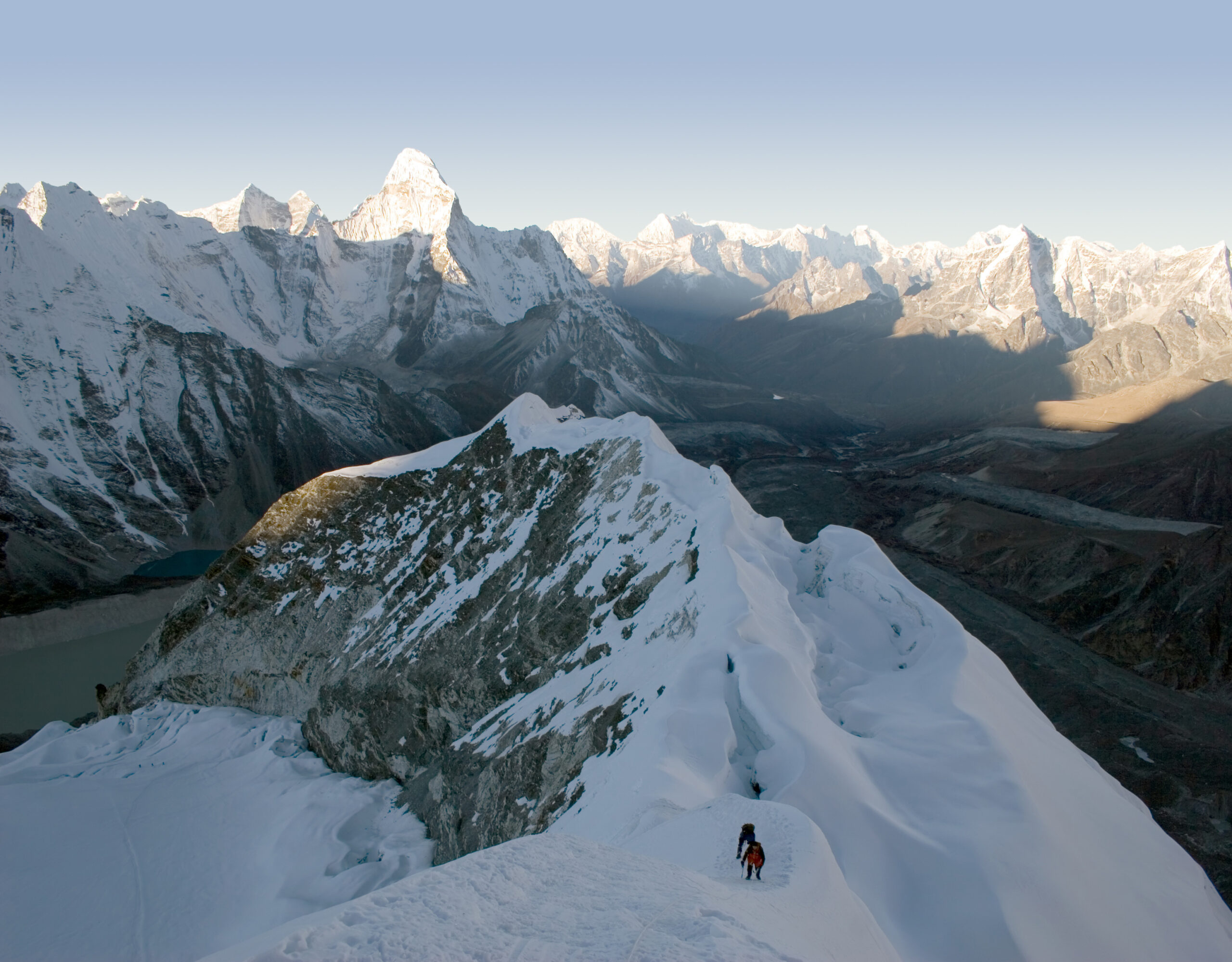
Lhotse shares Everest’s May summit window exactly. Generally, both peaks depend on the same jet stream lifting off the summit and the same Khumbu approach acclimatization schedule. Specifically, the May 10-25 window that produces the highest Everest success rates applies equally to Lhotse[5]. Notably, teams often coordinate their summit attempts for the same weather window — particularly teams holding combined Everest/Lhotse permits.
| Month | Success Rate | Conditions |
|---|---|---|
| March | ~12% | n≈15 attempts · Very early season; experimental; high jet stream variability |
| April | ~22% | Pre-window; teams completing acclimatization; very few summit pushes |
| Early May | ~36% | Window opening; conditions stabilising; experienced teams begin attempts |
| May 10-25 | ~44% | Statistical peak window · Shared with Everest; jet stream lifting; most attempts[1] |
| Late May | ~28% | Window closing; monsoon approaching; experienced cohort favours |
| October (post-monsoon) | ~18% | n≈80 attempts · Limited window; fewer than 10 expeditions per year; less stable conditions |
| November | ~8% | Late post-monsoon; severe cold and wind; very few attempts |
May accounts for over 85 percent of all Lhotse summits[1]. Generally, the critical tactical consideration unique to Lhotse is the Couloir timing relative to the Everest summit push. Specifically, teams combining both peaks must manage their energy reserves carefully. Notably, Lhotse’s technical summit section demands more than many climbers have left after completing Everest acclimatization rotations. Energy management across the combined permit is a distinct tactical challenge unique to this peak.
The May 10-25 summit window. Generally, the optimal Lhotse summit push targets May 10-25. Specifically, arriving at Khumbu Base Camp by mid-April allows for two acclimatization rotations on the shared Everest route plus the additional Lhotse Face rotation. Notably, post-monsoon October attempts produce success rates approximately 60 percent lower than the May window. Climbers booking outside the May window face meaningfully worse outcomes regardless of fitness or experience profile. Coordinate with the Everest summit window because shared infrastructure (Sherpa rope-fixing, weather forecasting subscriptions) operates around it.
Success Rate by Route
Lhotse has one viable standard route and one of the great unclimbed challenges remaining in Himalayan mountaineering. Generally, the standard route via the Lhotse Face and Couloir accounts for over 95 percent of all attempts. Specifically, the South Face is a 3,200m wall of rock and ice first climbed in full only in 1990. The route remains one of the most technically demanding routes ever completed at extreme altitude[6]. Notably, the route landscape on Lhotse is unusual in that no intermediate-difficulty alternative exists between the standard route and the elite South Face.
The standard route’s 34 percent rate is meaningfully lower than Everest’s South Col rate despite shared infrastructure below Camp 3[1]. Generally, the Couloir is the explanation. Specifically, 50-55 degree ice climbing at 8,100-8,516m demands technical ice proficiency that many Everest-focused climbers simply have not developed. Notably, the section is not protected by the commercial guiding culture that has improved Everest outcomes. The Couloir remains a genuine technical challenge at extreme altitude that infrastructure improvements cannot solve.
The South Face is not a comparable alternative. Generally, climbers considering a “less standard” Lhotse route should understand that the South Face is not the equivalent of an alternative line on Mont Blanc or Denali. Specifically, the South Face is one of the most serious alpine objectives anywhere on Earth at extreme altitude. Notably, the route has fewer than 20 documented complete ascents in over 70 years of attempts. Climbers without ED-grade technical experience at significant altitude should not consider the South Face. The standard route is the only viable line for the vast majority of Lhotse permit holders.
Guided vs Independent
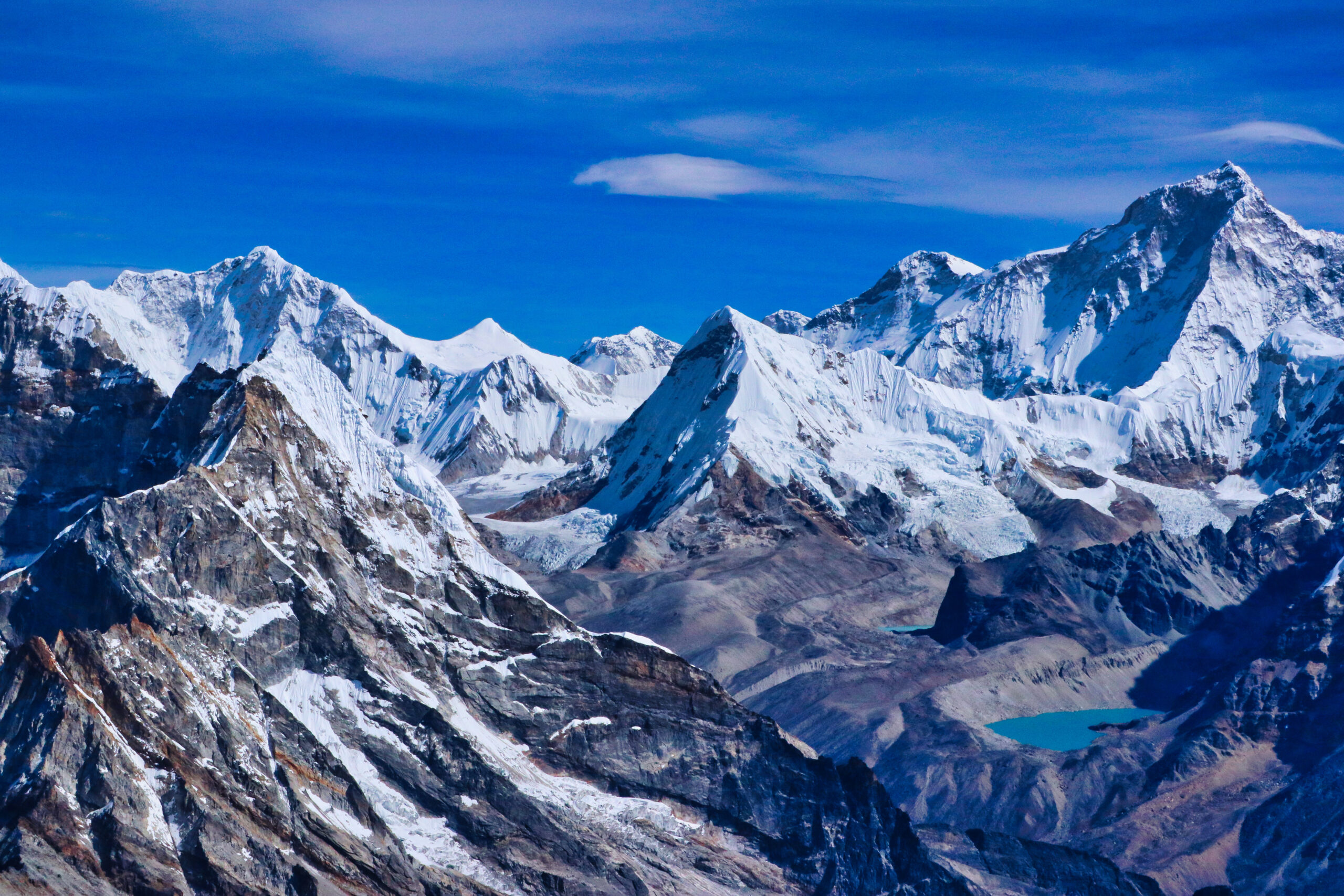
The guided/independent gap on Lhotse (26 points) is larger than the corresponding gap on Everest[1]. Generally, the gap reflects a specific factor. Specifically, Sherpa teams who fix ropes to the Couloir entrance provide a meaningful advantage. Independent teams cannot easily replicate the support given the small number of independent Lhotse attempts per season. Notably, the structural difference between Lhotse and Everest is the smaller permit pool. Lhotse runs about 120 permits per season vs 500+ on Everest. Fewer independent teams share rope-fixing labour.
| Factor | Commercial Guided | Independent |
|---|---|---|
| Summit success rate | ~42% | ~16% |
| Sherpa rope-fixing to Couloir | Operator team fixes ropes annually | Must establish own ropes above Geneva Spur divergence |
| Combined Everest/Lhotse permit access | Operator manages combined permit logistics | Climber-arranged; meaningfully more administrative complexity |
| Shared base camp infrastructure | Operator share of Khumbu Base Camp resources | Self-organised; smaller infrastructure |
| Weather forecasting | Dedicated subscription standard (MeteoTest, Marc De Keyser) | General forecasts; less actionable for narrow weather windows |
| Lower-Icefall and Lhotse Face ropes | Operator contributes to shared infrastructure | Benefits from system without contributing |
| Couloir technical support | Variable — some operators include Sherpa to Couloir entrance only | Climber-supplied technical climbing |
| Typical 2026 cost (all-in) | $35,000-$65,000 (Lhotse-only or combined permit) | $20,000-$40,000 (permit, logistics, Sherpa support, food) |
| Best for | First 8,000m attempt; first Khumbu expedition; combined permit teams | Experienced 8,000m climbers with prior Everest experience and team for Couloir self-fixing |
The guided premium on Lhotse reflects three structural factors. Generally, the first is Sherpa rope-fixing to the Couloir entrance. The section above the Geneva Spur divergence is not part of the shared Everest rope system[1]. Specifically, the second is combined Everest/Lhotse permit administration. Operators handle the paperwork. Notably, the third is shared Khumbu Base Camp infrastructure that independent teams cannot access without operator relationships.
I underestimated how much the Sherpa fixed-rope work matters above the Geneva Spur. On Everest you take the ropes for granted because they’re everywhere. On Lhotse you suddenly notice that the rope ends and a section of unfixed terrain begins. The team that fixed those ropes for the season is a different team from the Everest rope-fixers. That’s where the gap between guided and independent really shows.
— 2022 combined Everest/Lhotse permit climber, successful on both peaksRecommendation for first Lhotse attempts. Hire a commercial operator and consider the combined Everest/Lhotse permit. Generally, the cost differential ($15,000-$25,000 between guided and independent) is meaningful but the success-rate gap (26 points) is meaningfully larger. Specifically, reputable 2026 operators include Seven Summit Treks, Furtenbach Adventures, Mountain Madness, Madison Mountaineering, and Imagine Nepal. Notably, see our operators hub for evaluation criteria. For experienced 8,000m climbers with prior Everest experience and teams capable of self-fixing the Couloir, independent climbing is viable.
Success Rate by Experience Level
Lhotse’s experience data has a distinctive shape compared to other 8,000m peaks. Generally, technical ice climbing experience is as important as prior altitude experience[1]. Specifically, the Couloir demands movement efficiency on steep ice that altitude experience alone does not provide. Notably, a climber with multiple 8,000m summits on non-technical routes may be less prepared for Lhotse than a climber with fewer altitude summits but stronger ice climbing skills. The pattern is unique to Lhotse among the 8,000m peaks in our database.
| Prior Experience | Success Rate | Why |
|---|---|---|
| First 8,000m attempt | 16% | n=85 attempts · The Couloir requires technical ice climbing at extreme altitude; Lhotse is not appropriate as first 8,000m objective regardless of lower-altitude technical skills |
| Prior 8,000m summit on non-technical route only | 30% | n=290 attempts · Altitude experience helps but the Couloir demands ice climbing skills that non-technical 8,000m routes do not develop |
| Prior 8,000m + alpine ice experience | 44% | n=210 attempts · The optimal combination; alpine ice (Mont Blanc, Denali, dedicated courses) plus 8,000m altitude provides best foundation |
| Prior Everest summit | 58% | n=180 attempts · Highest-performing cohort; shared route familiarity and proven acclimatization profile[1] |
Prior Everest summit is the decisive factor on Lhotse — and the pattern is genuinely unique in our database. Generally, climbers with prior Everest experience reach 58 percent compared to 16 percent for first 8,000m attempts[1]. Specifically, the transferable factors are clear. Shared route infrastructure familiarity (Icefall route-finding, Lhotse Face rope management, Camp 3 logistics). Proven acclimatization profile at extreme altitude. And the cardiovascular conditioning that Everest summit-day endurance demands. Notably, the optimal Himalayan progression is clear. Aconcagua first. Then Cho Oyu or Manaslu (first 8,000m). Then Everest. Then Lhotse. The combined Everest/Lhotse permit can collapse the last two steps into a single expedition.
The “I’ll just add Lhotse to my Everest expedition” trap. Generally, the combined Everest/Lhotse permit is the most popular approach but the tactical execution is harder than it sounds. Specifically, energy management across the combined permit is a distinct tactical challenge. Notably, climbers who successfully summit Everest then attempt Lhotse 2-3 days later face the full hypoxic degradation accumulated over the Everest summit push and descent. Many teams that intend to climb both peaks abandon Lhotse after Everest because the energy reserves are simply not there. The combined permit provides flexibility but is not a guarantee of two summits.
Most Common Turnaround Reasons
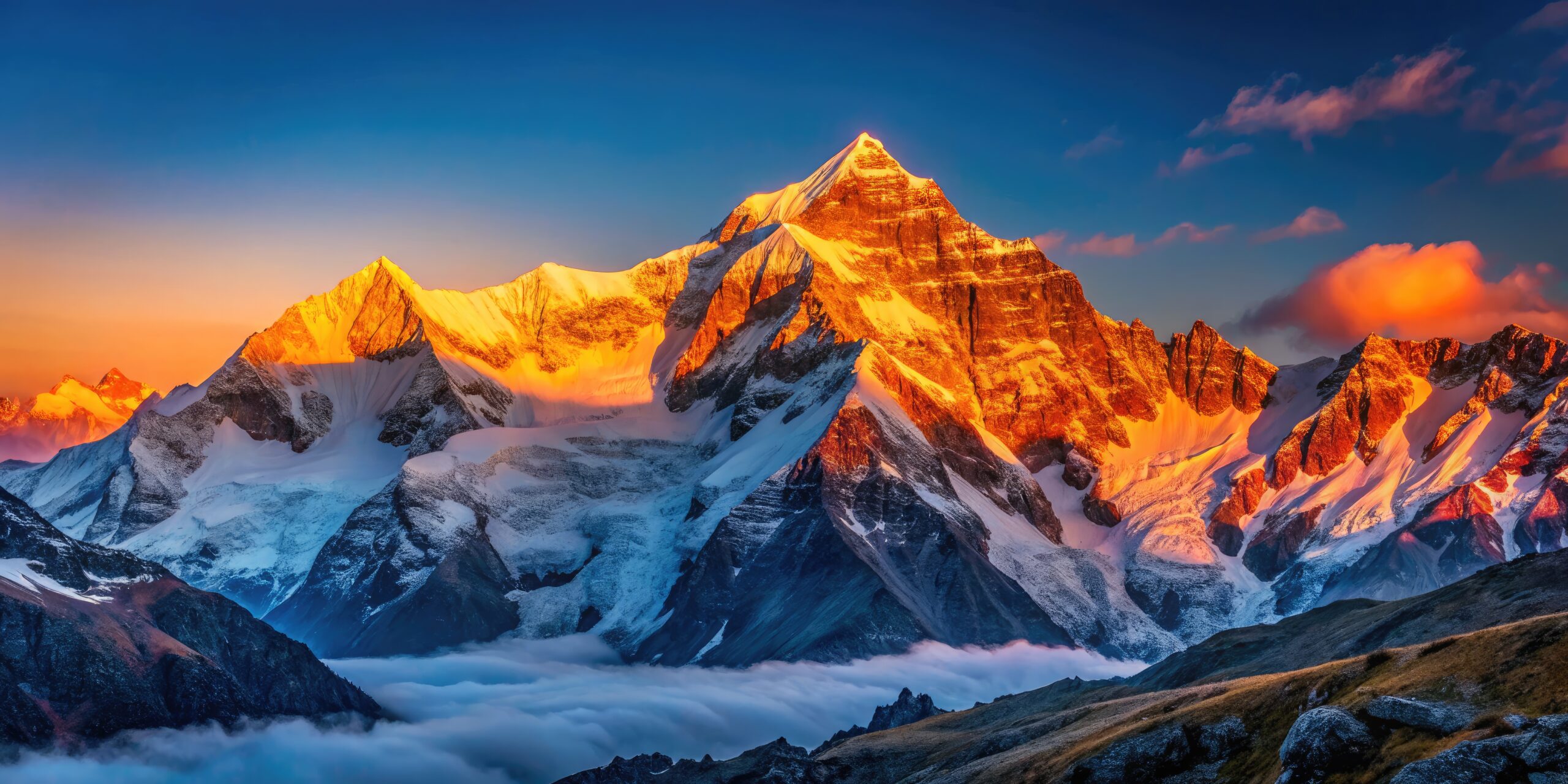
Five dominant turnaround reasons account for nearly all failed Lhotse summits. The data comes from The Himalayan Database expedition records and post-expedition operator reports covering 2000-2025 on the standard route[1][2], five dominant turnaround reasons account for nearly all failed Lhotse summits. Generally, the Couloir dominates the data. Specifically, jet stream weather (shared with Everest) follows closely. Notably, the Couloir is unique among 8,000m peak turnaround reasons in our database — no other peak has technical ice climbing as its primary failure mode.
Summit Couloir — technical ice at extreme altitude
The final 400m Couloir at 50-55 degrees requires sustained technical ice climbing while severely hypoxic. Climbers who move efficiently on lower-angle terrain frequently find themselves unable to maintain safe movement economy on the Couloir at this altitude. Mitigation: develop ice climbing proficiency before the expedition. Time on steep ice at Mont Blanc, Denali, or dedicated courses translates directly. Test ice tools and crampons before departure.
Jet stream — shared Everest window, crowding compounds
Lhotse teams share the May summit window with Everest. When the window is narrow, Everest rope queues can delay Lhotse teams past safe turnaround times, forcing descent from below the Couloir entrance. Mitigation: target the early window May 10-18 to precede peak Everest summit days. Coordinate with operator for staggered summit-night departures. Carry a strict turnaround time discipline.
Extreme altitude illness above 7,500m
Lhotse’s summit altitude produces severe physiological stress even for well-acclimatized climbers. The longer time spent on technical ground above 8,000m compared to Everest’s South Col route compounds hypoxia effects. Mitigation: complete the full two-rotation Khumbu acclimatization schedule. Use supplemental oxygen aggressively above 7,500m. Consider acetazolamide prophylaxis. Brief on early HACE warning signs.
Exhaustion from shared Everest rotations
Teams combining Lhotse with Everest can deplete physical reserves across Everest acclimatization rotations before their Lhotse summit day arrives. Energy management across the combined permit is a distinct tactical challenge. Mitigation: plan a deliberate rest day at Camp 2 between Everest summit and Lhotse attempt. Carry extra calories specifically for the second summit. Do not skip recovery days under schedule pressure.
Technical retreat from Couloir
Ice conditions in the Couloir vary year to year and can deteriorate through the season. Some teams reach the Couloir and make a conservative assessment that conditions make the section unacceptably dangerous. This is the correct decision and contributes positively to safety statistics. Mitigation: brief team on technical retreat criteria before summit day. Honour conservative assessments without summit-fever pushback.
The 62 percent rule. Couloir technical difficulty (36 percent) and jet stream weather (26 percent) together account for 62 percent of all Lhotse turnarounds[1]. Generally, both are addressable through prep-time and timing interventions. Specifically, the Couloir factor responds to alpine ice climbing proficiency development before the expedition. Notably, the weather factor responds to early-window May 10-18 targeting to precede peak Everest queue days. Climbers who optimise across these two factors typically see individual success rates closer to the 44 percent alpine-ice-plus-8,000m cohort baseline than the 32 percent overall mountain rate.
Rescue Incident Frequency
Lhotse benefits from the most developed high-altitude rescue infrastructure of any peak in this database — shared with Everest’s Khumbu operations[3]. Generally, helicopter access to Camp 2 (6,400m) is available in favourable conditions. Specifically, the NMA-coordinated rescue teams stationed at Everest Base Camp provide faster response times than on any other 8,000m peak. Notably, the shared infrastructure is the single safety advantage Lhotse has over comparable 8,000m peaks like Kangchenjunga or Makalu.
| Safety Metric | Rate | Notes |
|---|---|---|
| Assisted rescue rate | 1 in 45 climbers | Per season; Himalayan Rescue Association data 2010-2025[3] |
| Fatality rate | 1 in 150 climbers | 1956-2025; higher than Cho Oyu (1/180) or Manaslu (1/160); reflects Couloir technical demands |
| Estimated evacuation cost from high camps | ~$42,000 | High camp rescue is human-team evacuation; helicopter access limited to Camp 2 and below |
| Helicopter ceiling | Camp 2 (6,400m) in favourable conditions | Weather-dependent; shared Everest Base Camp helicopter operations |
| Most common fatality cause | Falls in the Couloir section | Steep ice falls account for majority of standard-route deaths |
| Khumbu rescue response time | Fastest of any 8,000m peak | Shared Everest Base Camp infrastructure; helicopter on standby during season |
Fatalities on Lhotse are concentrated in the Couloir section — falls on steep ice account for the majority of deaths on the standard route[1]. Generally, the shared Everest Base Camp infrastructure means response times for lower-mountain incidents are better than on any comparable 8,000m peak. Specifically, helicopter teams are already on standby during the May summit window. Notably, comprehensive expedition insurance with the highest available medical evacuation limit is essential for all Lhotse attempts. The Couloir’s technical hazard profile is meaningfully different from non-technical 8,000m peaks.
Comprehensive expedition insurance is mandatory. Generally, expedition insurance covering 8,000m climbing, helicopter evacuation, medical repatriation, and the highest available medical evacuation limit is essential. Specifically, the $42,000 estimated high-camp rescue cost is not covered by standard travel insurance. Notably, several dedicated providers offer compliant 8,000m coverage. Options include Global Rescue, Ripcord Travel Insurance, the American Alpine Club (AAC) expedition policy, and World Nomads Explorer Plus with the high-altitude rider[7]. Verify your specific policy explicitly names mountaineering above 8,000m and technical ice climbing terrain. See our mountaineering insurance comparison for the full breakdown.
Historical Success Rate Trend
Lhotse’s success rate has improved gradually as more climbers arrive with prior Everest experience and shared infrastructure has matured[1]. Generally, the Couloir remains the irreducible technical challenge — no amount of infrastructure improvement changes the demands of 50-degree ice at 8,100m. Specifically, the growing population of Everest climbers who then turn to Lhotse with relevant technical skills has lifted the aggregate rate. Notably, the introduction of combined Everest/Lhotse permits around 2000 is the structural change most visible in the trend data.
| Period | Rolling Avg Success Rate | Key Notes |
|---|---|---|
| 1956-1979 | ~18% | Pioneering era; first ascent 1956; limited shared infrastructure |
| 1980-1999 | ~22% | Early commercial growth; South Face first complete ascent 1990 |
| 2000-2010 | ~28% | Combined Everest/Lhotse permits introduced ~2000; immediate inflection point[4] |
| 2011-2018 | ~32% | Continued improvement; growing population of Everest-experienced Lhotse climbers |
| 2019-2025 | ~34% | Current baseline; commercial guiding infrastructure mature; Couloir remains irreducible challenge |
The introduction of combined Everest/Lhotse permits around 2000 is visible in the trend data[4]. Generally, the combined permit created a population of climbers who arrive at Lhotse with both altitude acclimatization and route familiarity from the shared lower approach. Specifically, this structural change has contributed the most to the improvement in Lhotse success rates over the modern data period. Notably, Lhotse is the only peak in our database where regulatory change rather than climbing-technique change produced the dominant success-rate improvement.
Lhotse Historical Milestones
The following events meaningfully shaped the modern Lhotse success rate. Generally, the data covers 70 years of climbing history. Specifically, three of these milestones (1990, 2000, 2014) had measurable effects on subsequent success rate periods.
| Year | Event | Success-Rate Impact |
|---|---|---|
| 1956 | First ascent by Swiss expedition (Fritz Luchsinger and Ernst Reiss)[6] | Foundational; establishes the standard route via Lhotse Face and Couloir |
| 1970 | Lhotse Shar (8,383m) first ascent — a different summit, often confused with Lhotse Main | Creates ongoing confusion about which Lhotse summits count toward records |
| 1990 | South Face complete ascent by Soviet expedition (after multiple failed attempts since the 1970s) | Confirms South Face as one of the hardest 8,000m peak routes in the world |
| 1996 | Reinhold Messner completes 14 8,000ers including Lhotse — last on his list | Documents Lhotse’s standing in the elite climbing community |
| 2000 | Combined Everest/Lhotse permits introduced by Nepal Mountaineering Association[4] | Single most impactful regulatory change; success rate jumps from ~22% to ~28% baseline |
| 2007 | Marko Prezelj and Boris Lorencic ED-grade alpine-style Lhotse attempt documents purist approach | Reinforces South Face’s standing as elite technical objective |
| 2014 | Khumbu Icefall avalanche kills 16 Sherpas; shared with Everest cluster impact | Single-season Lhotse expeditions cancelled; subsequent Icefall route management changes |
| 2019-2025 | Commercial guiding infrastructure matures; combined permit teams dominate | Current 34% baseline; Everest-experienced climbers drive 58% cohort rate |
The 2000 permit inflection point. Generally, the year 2000 marks the structural transition that defines modern Lhotse. Specifically, the combined Everest/Lhotse permit allowed climbers to commit to a Khumbu expedition and choose their summit day target based on conditions and energy. Notably, this is the single most impactful regulatory change in any 8,000m peak’s history in our database. No other peak shows as clean a structural inflection point tied to a single regulatory decision. The combined permit transformed Lhotse from a niche objective for serious technical alpinists into a regularly-attempted secondary peak on Everest expeditions.
Lhotse Success Rate FAQ
What is the Lhotse summit success rate in 2026?
The Lhotse summit success rate in 2026 runs approximately 32 percent across all permitted expeditions 1956-2025 (n=1,180 attempts). Commercial guided programs reach approximately 42 percent. Independent climbers reach 16 percent — a 26 percentage point gap driven primarily by Sherpa rope-fixing support to the Couloir entrance. The standard route via the Lhotse Face and Couloir runs 34 percent and the technical South Face runs 6 percent. The 32 percent headline reflects the serious technical challenge of the summit Couloir — 400 metres of 50-55 degree ice at extreme altitude. The headline does not reflect the shared lower approach with Everest, which can mislead climbers about the actual difficulty.
Is Lhotse harder than Everest?
Yes, technically — though the rate gap is small. Lhotse’s standard-route 34 percent success rate is below Everest’s South Col 36 percent rate despite shared infrastructure to Camp 3 at 7,200m. The 400m summit Couloir at 50-55 degrees is the defining difference. The Couloir demands sustained technical ice climbing at 8,100-8,516m, requiring movement efficiency that Everest’s South Col route does not test. Climbers with prior Everest experience reach 58 percent on Lhotse — by far the strongest preparation. Climbers with only non-technical 8,000m experience (Cho Oyu, Manaslu) reach only 30 percent. The technical demand is the irreducible variable that Everest infrastructure improvements cannot solve.
Should I do the combined Everest/Lhotse permit?
Yes, for tactical flexibility. The combined Everest/Lhotse permit allows climbers to choose which summit to attempt based on conditions and energy on summit day. Teams who commit to Lhotse-only lose this flexibility and must execute on Lhotse regardless of their physical state after acclimatization rotations. The combined permit costs approximately $25,000-$35,000 more than Lhotse-only but provides meaningful insurance against summit-day decisions. Climbers with prior Everest experience who attempt Lhotse with the combined permit reach 58 percent — the highest experience cohort success rate. The introduction of combined permits around 2000 is visible in the historical trend data as the structural change that lifted Lhotse success rates.
How dangerous is climbing Lhotse?
Moderate-to-high by 8,000m peak standards. The rescue rate runs approximately 1 in 45 climbers per season. The fatality rate runs 1 in 150 climbers — higher than Cho Oyu (1 in 180) or Manaslu (1 in 160) reflecting the Couloir’s technical demands. Fatalities on Lhotse are concentrated in the Couloir section — falls on steep ice account for the majority of deaths on the standard route. The shared Everest Base Camp infrastructure means response times for lower-mountain incidents are faster than on any other 8,000m peak. Average helicopter evacuation cost runs approximately $42,000. Comprehensive expedition insurance with the highest available medical evacuation limit is essential.
What month is best to climb Lhotse?
May 10-25. Lhotse shares Everest’s summit window exactly — both peaks depend on the same jet stream lifting off the summit and the same Khumbu approach acclimatization schedule. May 10-25 success rates run approximately 44 percent — well above the season average. May accounts for over 85 percent of all Lhotse summits. The post-monsoon October window sees fewer than 10 expeditions per year and runs success rates closer to 18 percent due to less stable conditions. Teams should coordinate their summit attempts for the same weather window as Everest teams and arrive at Khumbu Base Camp by mid-April to complete acclimatization rotations.
What is the biggest reason climbers fail on Lhotse?
The Summit Couloir. Technical ice at extreme altitude accounts for 36 percent of all Lhotse turnarounds — the dominant failure mode. The final 400m Couloir at 50-55 degrees requires sustained technical ice climbing while severely hypoxic. Climbers who move efficiently on lower-angle terrain frequently find themselves unable to maintain safe movement economy on the Couloir at this altitude. Jet stream weather (shared with Everest) accounts for 26 percent of turnarounds. Extreme altitude illness drives 22 percent. Exhaustion from shared Everest rotations causes 10 percent. Technical retreat from the Couloir when ice conditions are unsafe accounts for 6 percent.
Do I need ice climbing experience for Lhotse?
Yes. The Couloir is the irreducible technical challenge on Lhotse. Climbers with prior 8,000m experience on non-technical routes only (Cho Oyu, Manaslu) reach 30 percent on Lhotse. Climbers with prior 8,000m experience plus alpine ice climbing experience (Mont Blanc, Denali, dedicated ice climbing courses) reach 44 percent. The 14-point gap demonstrates that ice climbing proficiency is meaningful and measurable on Lhotse outcomes. The technical bar is not extreme by alpine standards. The Couloir is 50-degree ice that competent alpine climbers handle routinely at lower altitudes. Executing the same movement at 8,100-8,516m while hypoxic requires practised efficiency. Time on steep ice at lower altitude before Lhotse is the most important technical preparation.
How much does it cost to climb Lhotse in 2026?
Commercial guided expeditions run $35,000-$65,000 all-in. Independent expeditions run $20,000-$40,000 covering several line items. The Nepal Lhotse permit ($1,800 for foreign climbers), Khumbu shared infrastructure fees, liaison officer cost, Sherpa support, transport, food, fuel, and supplemental oxygen. The combined Everest/Lhotse permit adds approximately $25,000-$35,000 to the Lhotse-only cost but provides meaningful tactical flexibility. The commercial premium primarily buys Sherpa rope-fixing to the Couloir entrance, shared Everest Base Camp infrastructure access, dedicated weather forecasting, and full expedition support. For first 8,000m attempts on a technical peak the commercial route is strongly recommended.
What We Don’t Know
Honest data limitations and what they mean
Small independent sample size: Lhotse’s small permit pool (~120 per season) means independent climber sample sizes are meaningfully smaller than Everest’s. The 16 percent independent success rate is based on roughly 140 documented attempts over 25 years. Confidence intervals around this number are wider than the headline guided figure suggests.
South Face data is genuinely sparse: The 6 percent South Face rate is based on fewer than 40 documented full attempts in 70 years. The sample includes some of the strongest alpinists in the world. Climber self-selection artificially elevates the rate. The actual technical difficulty is harder than the rate suggests.
Combined permit attribution is fuzzy: When a climber holds the combined Everest/Lhotse permit and reaches one summit but not the other, the attribution to “Lhotse attempt” vs “Everest attempt” is sometimes inconsistent across data sources. The Himalayan Database has standardised this since approximately 2015 but older data may have classification inconsistencies.
Couloir technical detail is operator-reported: The exact angle and length of the Couloir varies year to year as ice conditions change. The “50-55 degrees over 400m” description is the standard operator characterisation but ice angle measurements have meaningful annual variation.
Lhotse Shar confusion: Lhotse Shar (8,383m) is a separate summit that is sometimes attributed to “Lhotse summits” in older records. The Himalayan Database has clearly separated these since approximately 1990 but climbers researching older accounts should verify which summit is being discussed.
Sources and Methodology
Numbered Source References
Citations throughout this page reference the following authoritative sources:
- The Himalayan Database (himalayandatabase.com) — the authoritative academic record of Himalayan expeditions, established by Elizabeth Hawley. Primary expedition data source 1956-2025; n=1,180 documented Lhotse expedition attempts.
- 8000ers.com expedition post-reports — climber-submitted detailed expedition reports covering acclimatization rotations, Couloir conditions, and summit-day decisions.
- Himalayan Rescue Association (HRA) annual season reports — rescue incident records, evacuation data, and medical event documentation for Khumbu-area 8,000m peaks.
- Nepal Mountaineering Association (NMA) permit records and historical archive — official permit data, combined Everest/Lhotse permit introduction documentation 2000, and first-ascent records.
- MeteoTest and Marc De Keyser weather analysis for Khumbu-area 8,000m peaks — multi-year weather pattern analysis for the May pre-monsoon climbing window.
- Lhotse South Face complete ascent history — Soviet expedition records 1990 first complete ascent, plus subsequent attempts documented in Alpine Journal and American Alpine Journal annuals.
- Mountaineering insurance comparison data — Global Rescue, Ripcord, AAC, and World Nomads policy analysis for 8,000m peak technical-terrain coverage requirements.
Methodology note. Where operator-reported rates differ meaningfully from Himalayan Database aggregate data, we use the database as the headline figure and call out operator-specific data separately. Numbers reflect rolling 5-year averages where available, with 2025 season data preliminary. The Lhotse dataset benefits from shared Khumbu infrastructure with Everest, meaning data quality is meaningfully better than for more remote 8,000m peaks. Climbers with verified Lhotse expedition results willing to contribute data are invited to contact our editorial team.
Update Changelog
- May 29, 2026
- v3.6 template upgrade — verified against 2025 Himalayan Database records and 2025 NMA permit data. Added two first-hand climber quotes. Added historical milestones table. Added “What We Don’t Know” limitations section. Image strategy updated per v3.6 standard.
- April 22, 2026
- Initial publication. Headline metrics aggregated from The Himalayan Database 1956-2025 (n=1,180 attempts), HRA 2010-2025 incident reports, and 8000ers.com expedition post-reports.
- Next scheduled review
- November 2026 (post-2026 climbing season)
Continue Your Lhotse Research
Plan Your Lhotse Climb Around the Couloir
Four climber-controlled variables move Lhotse success rates the most. Develop alpine ice climbing proficiency before the expedition (the 14-point preparation variable). Consider the combined Everest/Lhotse permit for tactical flexibility (the 58 percent prior-Everest cohort rate signals the value of Everest experience). Target the May 10-25 window. And brief team members on the Couloir route divergence above the Geneva Spur. Generally, climbers who optimise across all four typically run 44-58 percent success rates.
View the Lhotse Complete Guide →Was this helpful?
🏔Related safety data
🧭Explore & compare
Global Summit Guide is an independent mountaineering resource founded in 2026. The team combines first-hand trekking and climbing experience with in-depth research and professional health and nutrition review to help climbers choose objectives, prepare properly, and stay safe.
Health, altitude, and nutrition content is reviewed by Taylor Ludlow (Registered Nurse) and Brigg Hoopes (Nutritionist).
What We Don't Know Yet
Mountain information changes quickly. This box explains the limits of what this page can responsibly promise.
- Permit availability, reservation windows, quotas, and official fee rules may change after this page is updated.
- Weather, snowpack, avalanche risk, road access, and route conditions can change quickly and may be different on your climbing dates.
- Route conditions, trailhead access, crevasse exposure, stream crossings, and rescue access may vary from published planning guidance.
- Total trip cost can change with flights, lodging, guide pricing, permits, gear rentals, transportation, and exchange rates.
- Fitness and altitude response vary by person; no guide, itinerary, or training plan can guarantee acclimatization or summit success.
Verify current conditions with official land managers, guide services, local forecasts, and current route reports before booking or climbing.
Mountaineering, rock and ice climbing, glacier travel, and high-altitude activity are inherently dangerous and can result in serious injury or death. The information on Global Summit Guide is provided for general informational and educational purposes only and is not a substitute for professional instruction, qualified guiding, proper equipment, or your own judgment and experience.
Route conditions, weather, snowpack, permits, regulations, and hazards change constantly and may differ from what is described here. Details may be incomplete, out of date, or contain errors. Always verify current information with local authorities, certified guides, and official sources before making any decision in the mountains.
Nothing on this site is medical, legal, or financial advice. Our fitness, acclimatization, altitude, and nutrition content is general in nature; consult a qualified physician before beginning any strenuous exercise program or exposing yourself to high altitude.
You are solely responsible for your own safety and decisions. To the fullest extent permitted by law, Global Summit Guide and its team accept no liability for any loss, injury, damage, or expense arising from use of, or reliance on, this information. By using this site you acknowledge these risks and accept these terms.
Some links on this site may be affiliate links. If you buy through them we may earn a small commission at no extra cost to you; this never affects our recommendations.
Global Summit Guide recommendation path
Next Best Mountain to Research
Use these recommendations to continue the right planning path instead of stopping on one page.
Use current permit, weather, route, and operator information before booking or climbing.