
Last updated September 21, 2026
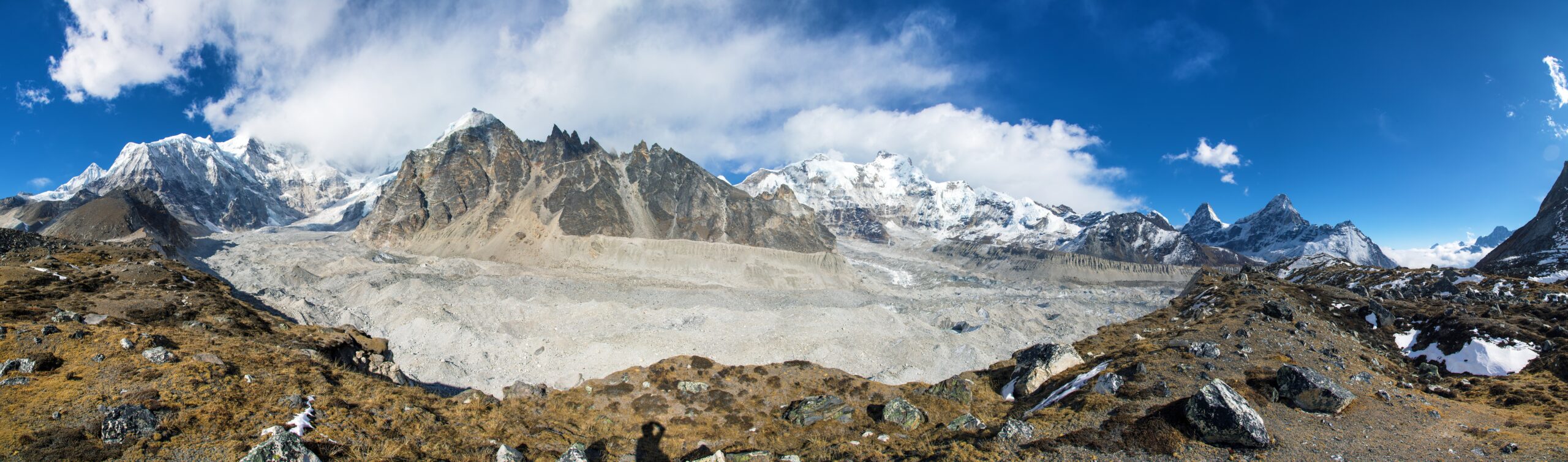
Cho Oyu Summit Success Rate: 44% Historical Record Explained
The current Himalayan Database record shows 4,056 Cho Oyu summit records from 9,208 member records through 2025 — a historical member-record summit rate of 44.0%. That number is useful, but it is not a personal prediction, an operator success rate or a guarantee for the next open climbing season.
What Is Cho Oyu’s Summit Success Rate?
Using the current Himalayan Database member-record denominator, Cho Oyu’s historical summit rate through 2025 is 44.0%: 4,056 summit records divided by 9,208 member records.
That is a strong historical rate for an 8,000-meter mountain, but it does not mean that a climber booking Cho Oyu today has a 44% probability of reaching the summit. The database spans many decades, seasons, nationalities, expedition styles, access regimes, oxygen strategies and changes in commercial support.
How the 44.0% Figure Is Calculated.
Global Summit Guide now uses the same Himalayan Database denominator across its directly comparable 8,000-meter table.
A Historical Database Rate
It describes the relationship between summit records and member records in the current Himalayan Database through 2025.
Your Personal Summit Probability
Fitness, experience, oxygen use, route conditions, weather, operator, access and decision-making make an individual expedition different from the complete historical population.
An Operator Client Rate
Individual guide companies may publish much higher client percentages, but those selected cohorts should not be substituted for the mountain-wide HDB denominator.

Cho Oyu’s Statistics Are Closely Tied to Its Tibetan Standard Route.
The mountain’s historical commercial reputation comes largely from the Northwest Ridge approached from Tibet: relatively moderate terrain by 8,000-meter standards, established expedition logistics and road access deep onto the Tibetan Plateau.
How Cho Oyu Compares With Other Major 8,000ers.
These figures use the same current Himalayan Database member-record method, which makes them far more useful than mixing operator percentages, expedition percentages and historical estimates.
| Peak | Member records | Summit records | HDB summit rate | Deaths | HDB death / member rate |
|---|---|---|---|---|---|
| Everest | 26,316 | 13,550 | 51.5% | 344 | 1.31% |
| Manaslu | 7,085 | 3,238 | 45.7% | 90 | 1.27% |
| Cho Oyu | 9,208 | 4,056 | 44.0% | 52 | 0.56% |
| Lhotse | 3,477 | 1,465 | 42.1% | 25 | 0.72% |
| Kangchenjunga | 1,749 | 682 | 39.0% | 54 | 3.09% |
| Makalu | 2,898 | 886 | 30.6% | 51 | 1.76% |
| Annapurna I | 2,059 | 557 | 27.1% | 75 | 3.64% |
| Dhaulagiri I | 2,999 | 706 | 23.5% | 92 | 3.07% |
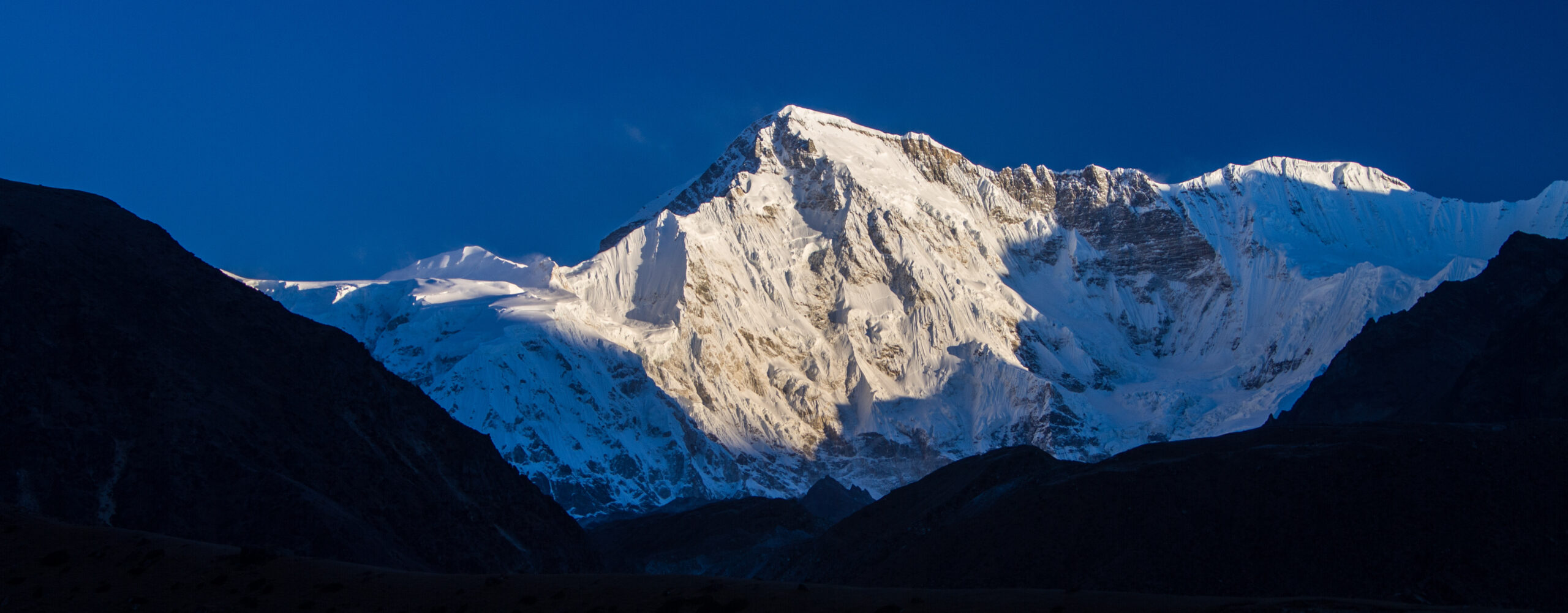
A Strong Historical Summit Rate Does Not Make 8,188 Meters Routine.
Cho Oyu still enters the death zone. The statistical record can help compare populations, but it cannot remove extreme altitude, cold, weather, exhaustion or the consequences of a bad decision high on the mountain.
What Does a 44% Historical Rate Actually Tell You?
The best use of the number is comparison and context—not forecasting one climber’s expedition.
Mountain Comparison
When the same denominator is used across peaks, Cho Oyu can be compared meaningfully with Everest, Manaslu, Lhotse and other Himalayan 8,000ers.
Historical Context
The number captures decades of expeditions and shows that Cho Oyu has historically produced a relatively high proportion of summit records.
Personal Odds
A climber cannot simply say, “I have a 44% chance.” The historical population is far too heterogeneous for that interpretation.
Next-Season Forecast
Access closures, permit policy, route conditions and weather can produce a future season that looks nothing like the historical average.

A Climbing Season Can Fail Before Anyone Steps Onto the Mountain.
Cho Oyu is unusual because permit and border policy can determine whether a foreign commercial season exists at all. That regulatory variable belongs beside weather and route conditions when interpreting future summit statistics.
Cho Oyu Was Closed to Foreign Climbers in 2026.
The historical 44.0% rate should not be described as the “2026 summit success rate.” Foreign teams did not receive normal access to the Tibet-side 8,000ers in spring 2026, and the closure was extended through the autumn Cho Oyu season.
Several companies had advertised September–October 2026 programs, but those planned departures do not constitute a completed foreign commercial climbing season.
Do Not Confuse a Mountain’s Long-Term Record With This Year’s Opportunity.
Cho Oyu can have a strong historical rate and still produce no normal foreign commercial statistics in a year when Tibet is closed. The two statements are completely compatible.
The Northwest Ridge Matters—but It Does Not Explain Everything.
Cho Oyu’s historical commercial standard route approaches from Tibet and is generally less technically sustained than many other 8,000-meter standard routes.
Relatively Moderate Technical Grade
The Tibet-side Northwest Ridge relies heavily on snow and glacier travel, fixed-line movement and high-altitude endurance rather than extended technical rock or steep ice climbing.
Established Tibet-Side Approach
When access is open, road infrastructure across Tibet historically reduces the long approach burden associated with many Himalayan expeditions.
Not a Random Population
People attempting an 8,188-meter expedition are already a highly selected group. That makes the historical member population very different from the general climbing population.

The Same Mountain Has Very Different Access Problems on Its Two Sides.
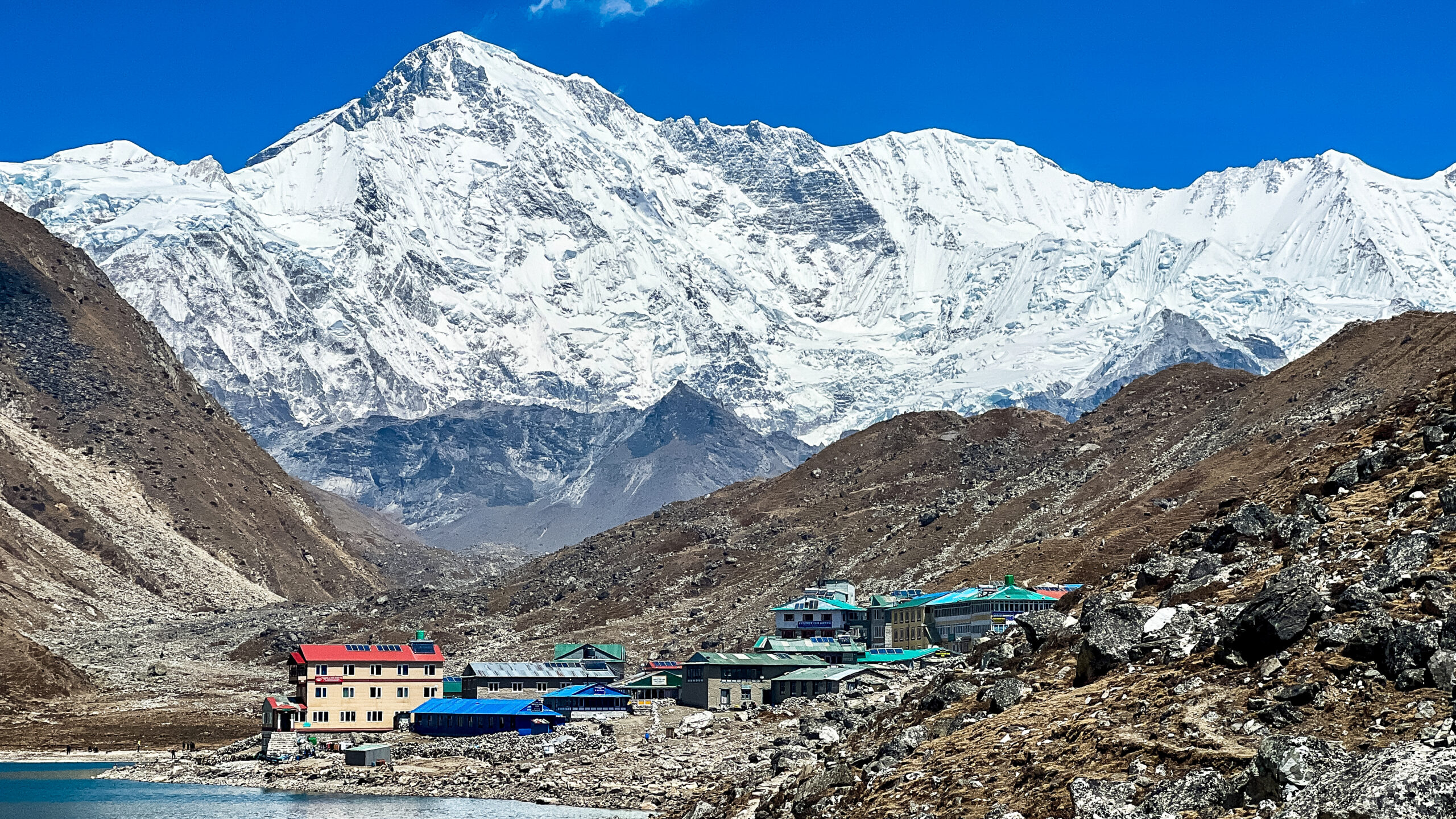
Cho Oyu rises directly above Nepal’s Gokyo region, but the historical commercial standard route lies on the Tibetan side. Nepal-side climbing is a substantially different proposition and should not simply inherit Tibet-side success assumptions.
Five Different Statistics Can All Be Called a “Success Rate.”
This is why Cho Oyu numbers on the internet can range from roughly the 40% range to operator claims above 80% without necessarily measuring the same thing.
Member Rate
Summit records divided by member records. This is the standardized HDB method used for the 44.0% figure here.
Expedition Rate
Expeditions with at least one summit divided by expeditions attempting. This can be much higher than an individual-member rate.
Operator Client Rate
A guide company may calculate only its paying clients, on selected departures, under its own support model.
Summit-Push Rate
Some reports exclude climbers who withdrew before the summit push, producing a different denominator again.
Cho Oyu on the Nepal–Tibet Border.
The mountain’s geography explains why access policy matters so much: the historical commercial standard route is north of the international border, while Nepal’s Gokyo Valley lies immediately south.
Cho Oyu Summit Success Rate FAQ.
These answers use the current Himalayan Database denominator and keep historical statistics separate from current access.
What is the Cho Oyu summit success rate?
The current Himalayan Database figures through 2025 show 4,056 summit records from 9,208 member records, producing a historical member-record summit rate of 44.0%.
Does a 44% success rate mean I have a 44% chance of summiting Cho Oyu?
No. The 44.0% figure describes a historical database population spanning many decades and expedition styles. It is not an individualized probability for a future climber.
Does Cho Oyu have the highest summit success rate of the 8,000ers?
Not in the current directly comparable Himalayan Database member-rate table. Everest is 51.5%, Manaslu 45.7%, Cho Oyu 44.0% and Lhotse 42.1% using the same denominator through 2025.
Why do some Cho Oyu operators advertise 70%, 80% or 90% success?
Operator statistics can describe a selected client cohort rather than all historical expedition members. A reputable percentage should identify exactly who is included in the numerator and denominator.
Was Cho Oyu open to foreign climbers in 2026?
No normal foreign Tibet-side commercial season occurred in 2026. China kept Cho Oyu and the other Tibetan 8,000ers closed to foreign climbers in spring and again in autumn.
What was the Cho Oyu success rate in 2026?
The 44.0% figure is not a 2026 rate; it is the historical Himalayan Database member rate through 2025. Because foreign climbers were denied normal Tibet-side access in 2026, a standard foreign commercial 2026 summit rate should not be inferred from the historical figure.
What is Cho Oyu’s standard route?
The historical commercial standard route is the Northwest Ridge from Tibet. It is generally considered one of the less technically sustained normal routes among the 8,000-meter peaks, although the extreme altitude remains serious.
How dangerous is Cho Oyu statistically?
The current Himalayan Database comparison records 52 deaths among 9,208 member records, a death-per-member rate of about 0.56%. That statistic uses a different denominator from death-to-summit ratios and should not be substituted for an individual risk estimate.
Why is Cho Oyu often chosen as a first 8,000-meter peak?
Its Tibet-side Northwest Ridge has historically offered comparatively moderate technical terrain and mature expedition logistics. That makes it an important progression objective when access is available, but 8,188 meters still places climbers deep into the death zone.
Keep the Success Statistic in Its Proper Context.
This page owns summit-rate methodology. The mountain guide, route page and expedition update handle different questions.
Where These Numbers Come From.
This page intentionally keeps the headline rate narrow: one current historical dataset, one stated denominator and one clearly defined result.
- The Himalayan Database — expedition archive through Autumn–Winter 2025
- Himalayan Database Online — peak, expedition, ascent, death and member reports
- ExplorersWeb — August 24, 2026 Tibet autumn closure report
- Alan Arnette — September 2026 Himalayan season access update
Data boundary: 44.0% is the historical Himalayan Database member-record summit rate through 2025. It should be updated when the next complete HDB dataset changes either the summit-record or member-record totals.
Cho Oyu’s Historical Summit Rate Is 44.0%—and the Denominator Matters More Than the Headline.
Cho Oyu remains one of the most important progression mountains in high-altitude climbing history. But the most useful lesson in its statistics is not that one mountain is “easy.” It is that credible summit-rate research begins by defining exactly who is being counted.
Was this helpful?
🏔Related safety data
🧭Explore & compare
Global Summit Guide is an independent mountaineering resource founded in 2026. The team combines first-hand trekking and climbing experience with in-depth research and professional health and nutrition review to help climbers choose objectives, prepare properly, and stay safe.
Health, altitude, and nutrition content is reviewed by Taylor Ludlow (Registered Nurse) and Brigg Hoopes (Nutritionist).
What We Don't Know Yet
Mountain information changes quickly. This box explains the limits of what this page can responsibly promise.
- Fitness and altitude response vary by person; no guide, itinerary, or training plan can guarantee acclimatization or summit success.
- Visa, passport, vaccination, border, insurance, and local transportation rules may change before your trip.
- Route conditions, snowpack, closures, and weather can change quickly after this page is updated.
- Permit rules, fees, quotas, and reservation windows may change between review cycles.
- Operator availability, pricing, guide ratios, and cancellation terms can change by season.
Verify current conditions with official land managers, guide services, local forecasts, and current route reports before booking or climbing.
Mountaineering, rock and ice climbing, glacier travel, and high-altitude activity are inherently dangerous and can result in serious injury or death. The information on Global Summit Guide is provided for general informational and educational purposes only and is not a substitute for professional instruction, qualified guiding, proper equipment, or your own judgment and experience.
Route conditions, weather, snowpack, permits, regulations, and hazards change constantly and may differ from what is described here. Details may be incomplete, out of date, or contain errors. Always verify current information with local authorities, certified guides, and official sources before making any decision in the mountains.
Nothing on this site is medical, legal, or financial advice. Our fitness, acclimatization, altitude, and nutrition content is general in nature; consult a qualified physician before beginning any strenuous exercise program or exposing yourself to high altitude.
You are solely responsible for your own safety and decisions. To the fullest extent permitted by law, Global Summit Guide and its team accept no liability for any loss, injury, damage, or expense arising from use of, or reliance on, this information. By using this site you acknowledge these risks and accept these terms.
Some links on this site may be affiliate links. If you buy through them we may earn a small commission at no extra cost to you; this never affects our recommendations.
Global Summit Guide recommendation path
Next Best Mountain to Research
Use these recommendations to continue the right planning path instead of stopping on one page.
Use current permit, weather, route, and operator information before booking or climbing.