
Last updated September 29, 2026
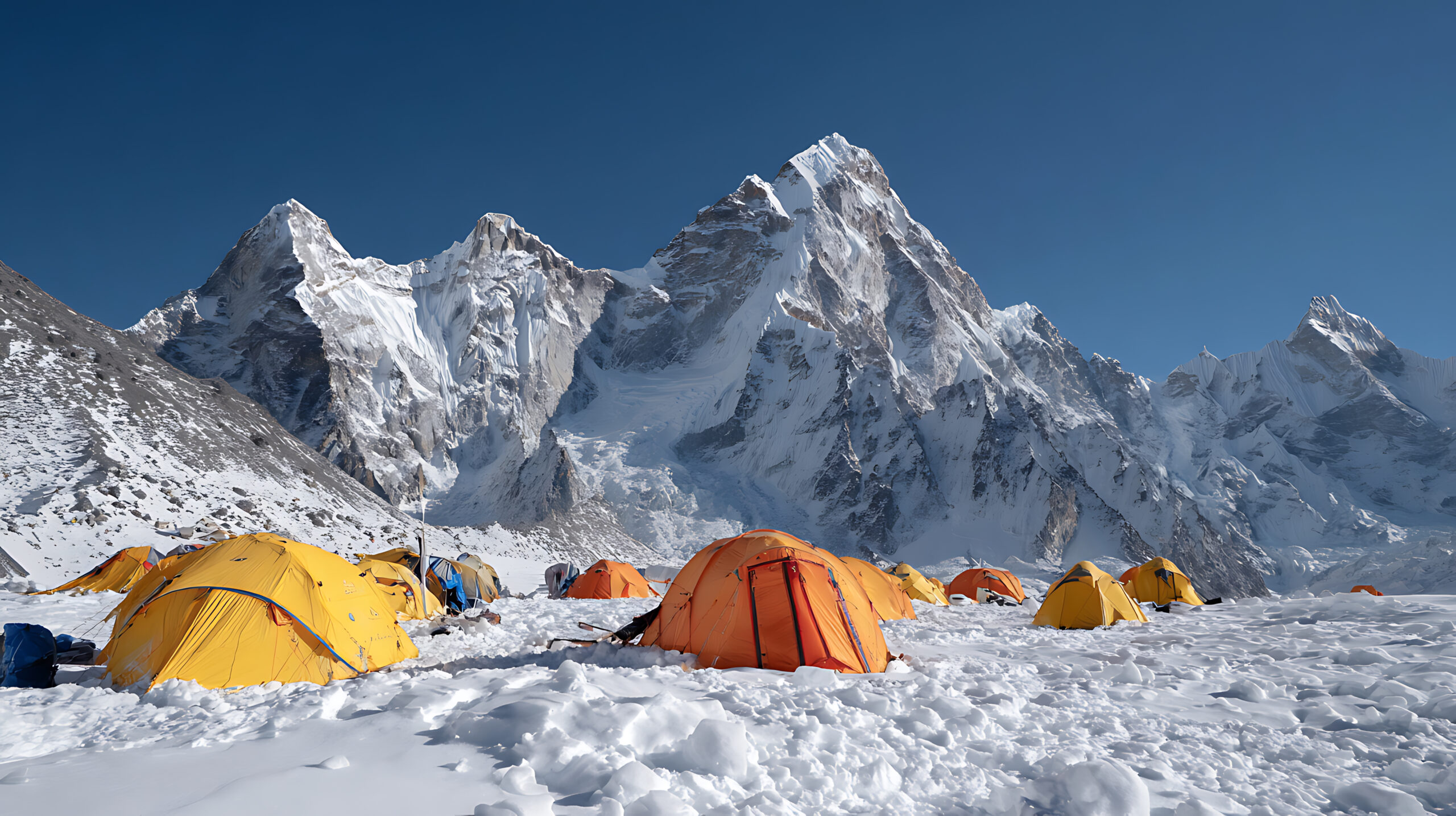
Best Expedition Base Camp Tents: 8 Shelters for Real Base Camps
Base camp is not high camp. The right expedition base camp tent must survive repeated storms, protect equipment, ventilate through long cold nights, remain repairable for weeks and provide enough space to recover between rotations. Weight matters—but living space and durability often matter more.
For Most Independent Expeditions, the Best Base Camp Tent Is a Strong 3–4 Person Dome Used by Two or Three People—Not the Lightest 4-Season Tent.
For a small private team, prioritize a self-supporting or nearly self-supporting structure, multiple pole crossings, two doors or vestibules, full-coverage weather protection and spare parts you can actually carry. Hilleberg Saivo 4, Hilleberg Saitaris, Mountain Hardwear Trango 4 and Black Diamond Mission 3 represent the personal expedition-tent side of the market.
Once a team needs dining, communications, medical space or a communal work area, the shelter category changes. Hilleberg Atlas, The North Face 2-Metre Dome, Mountain Hardwear Stronghold and Mountain Hardwear Space Station are group infrastructure—not reasonable unsupported carry tents.
The biggest mistake is buying a “4-season tent” without defining whether it will be a personal sleeping tent, long-duration base camp home, high-camp shelter or group operations dome.
Compare Current 4-Season Tents
Use the shelter-type framework first. Then compare live inventory, sizes and prices through the Global Summit Guide gear catalog.
Current 4-Season & Expedition Tents
Retail inventory changes. The module below updates from the current catalog rather than hard-coding stale product prices.
8 Expedition Shelters Worth Comparing
These are not eight interchangeable tents. They cover personal sleeping shelters, long-duration expedition domes and large communal base-camp infrastructure.
Hilleberg Saivo 4
A current Black Label four-person expedition dome with multiple pole crossings, very large interior volume and a larger second vestibule for gear-heavy trips.
- 4-person all-season dome
- Packed weight: 6.8 kg / 15 lb
- Kerlon 1800 · 10 mm poles
- Best for: long remote personal base camps
Hilleberg Saitaris
A large self-supporting Black Label dome with multiple pole crossings and one extended vestibule—built around severe-weather stability and storage.
- 4-person all-season dome
- Packed weight: 6.6 kg / 14 lb 9 oz
- 53.8 sq ft inner + dual vestibules
- Best for: gear-heavy private expeditions
Hilleberg Atlas
An eight-person current Blue Label group tent designed as modular all-season infrastructure rather than a personal carry-up shelter.
- 8-person group tent
- Modular vestibule / inner-tent options
- All-season group shelter
- Best for: dining, operations or team living
The North Face 2-Metre Dome
An eight-person geodesic expedition shelter with removable floor, two doors and steep walls that create a large usable interior.
- 8-person geodesic dome
- 22.61 kg / 49.8 lb total weight
- 15.5 m² / 167 sq ft floor area
- Best for: supported base camp infrastructure
Mountain Hardwear Stronghold Dome
A 15-pole group dome designed specifically for basecamp, expeditions and mountaineering, with snow flaps and enough height for serious communal use.
- 8+ person capacity
- 171 sq ft / 15.9 m² floor
- 77 in / 196 cm interior height
- Packed weight: about 48.8 lb / 22.1 kg
Mountain Hardwear Space Station
A huge group dome intended as the hub of an alpine or high-altitude base camp, with standing room for 20+ people and substantial ventilation.
- 284 sq ft / 26.4 m² floor
- 101 in / 257 cm interior height
- Packed weight: about 85.8 lb / 38.9 kg
- Best for: dining, medical or communications
Mountain Hardwear Trango 4
The current Trango family remains a dedicated expedition line, with the four-person version occupying the sweet spot between high-camp portability and base-camp livability.
- 4-person expedition tent
- Current 8000m collection model
- More portable than group domes
- Best for: Denali-style moving camps and smaller teams
Black Diamond Mission 3
A current double-wall four-season expedition tent with an external pole architecture, removable inner and dual vestibules.
- 3-person capacity
- 4.65 kg / 10.25 lb
- 4.7 m² published area
- Best for: compact teams needing one tent to cover several camp roles
Editorial note: Global Summit Guide does not claim field testing of every shelter above. Inclusion is based on current manufacturer positioning, geometry, capacity, published specifications and the role each tent fills in an expedition camp system.
| Shelter | Role | Capacity | Weight class | Best fit | Main trade-off |
|---|---|---|---|---|---|
| Hilleberg Saivo 4 | Personal expedition dome | 4 | 6.8 kg packed | Remote long-duration private team | Heavy if every load is human-carried |
| Hilleberg Saitaris | Personal expedition dome | 4 | 6.6 kg packed | Extreme-weather living + gear | Large packed load |
| Hilleberg Atlas | Modular group tent | 8 | Group infrastructure | Shared base-camp space | Not a personal carry-up tent |
| TNF 2-Metre Dome | Group geodesic dome | 8 | 22.61 kg | Supported Himalayan / polar-style camps | Freight and porter logistics required |
| MHW Stronghold | Large group dome | 8+ | ~22.1 kg packed | Dining / operations / team living | Expensive, heavy infrastructure |
| MHW Space Station | Very large operations dome | 8+ sleeping / 20+ standing use | ~38.9 kg packed | Commercial expedition hub | Requires serious transport support |
| MHW Trango 4 | Portable expedition tent | 4 | Carryable expedition class | Moving camps + small base camps | Less living space than group infrastructure |
| BD Mission 3 | Compact expedition crossover | 3 | 4.65 kg | Small teams / mixed camp roles | Tighter for multi-week personal living |
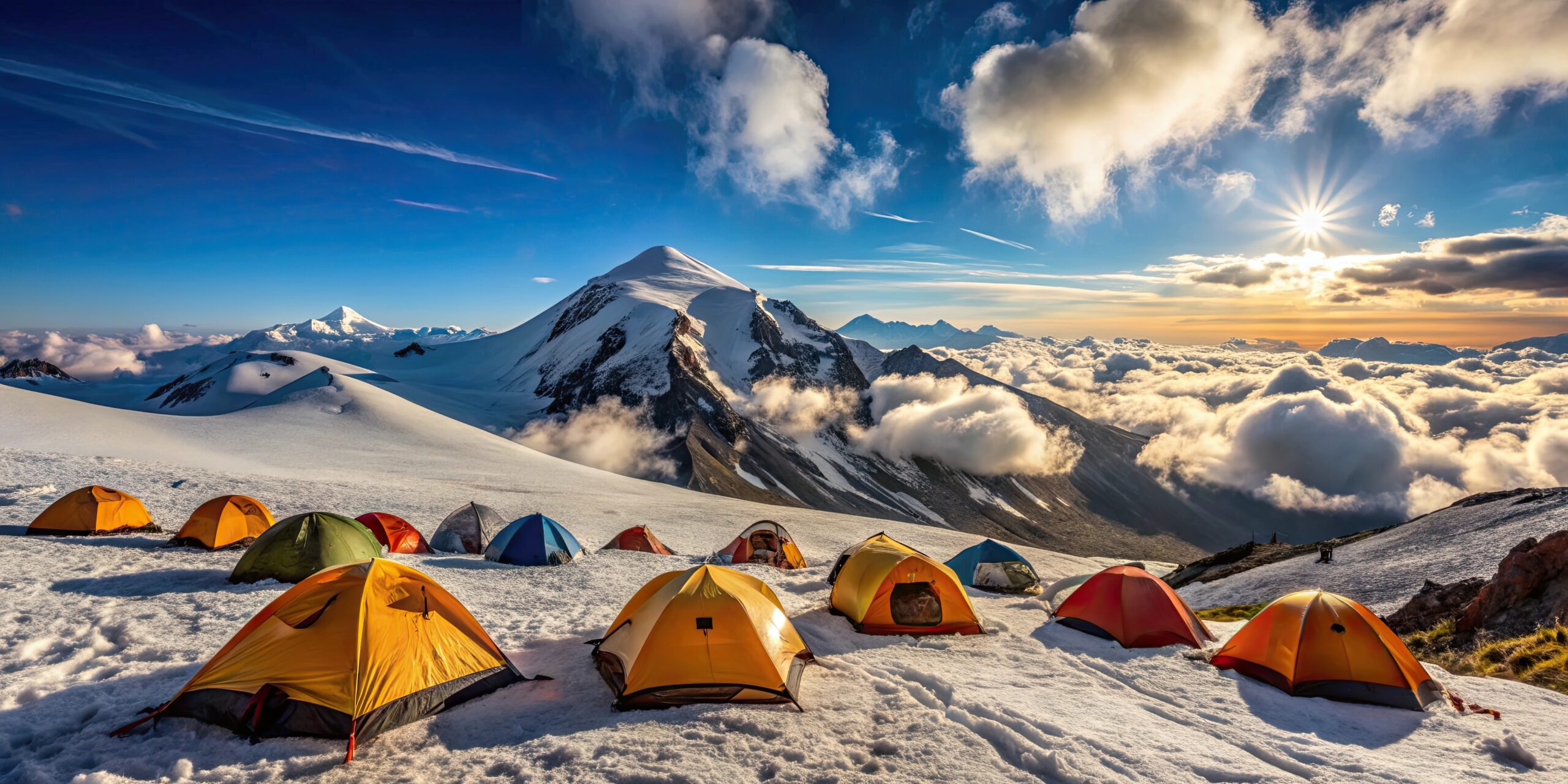
Base Camp Tent vs High Camp Tent
Base camp: long stays, repeated storms, gear storage, condensation management, maintenance and recovery. Every extra square foot gets used.
High camp: shorter stays, smaller tent platforms and repeated human carries. Weight and packed volume rise sharply in importance.
Denali complicates the distinction because the West Buttress camp system moves uphill. A heavy Himalayan group dome that makes sense at a porter-supported base camp can be completely wrong when your team must haul it on sleds and carries.
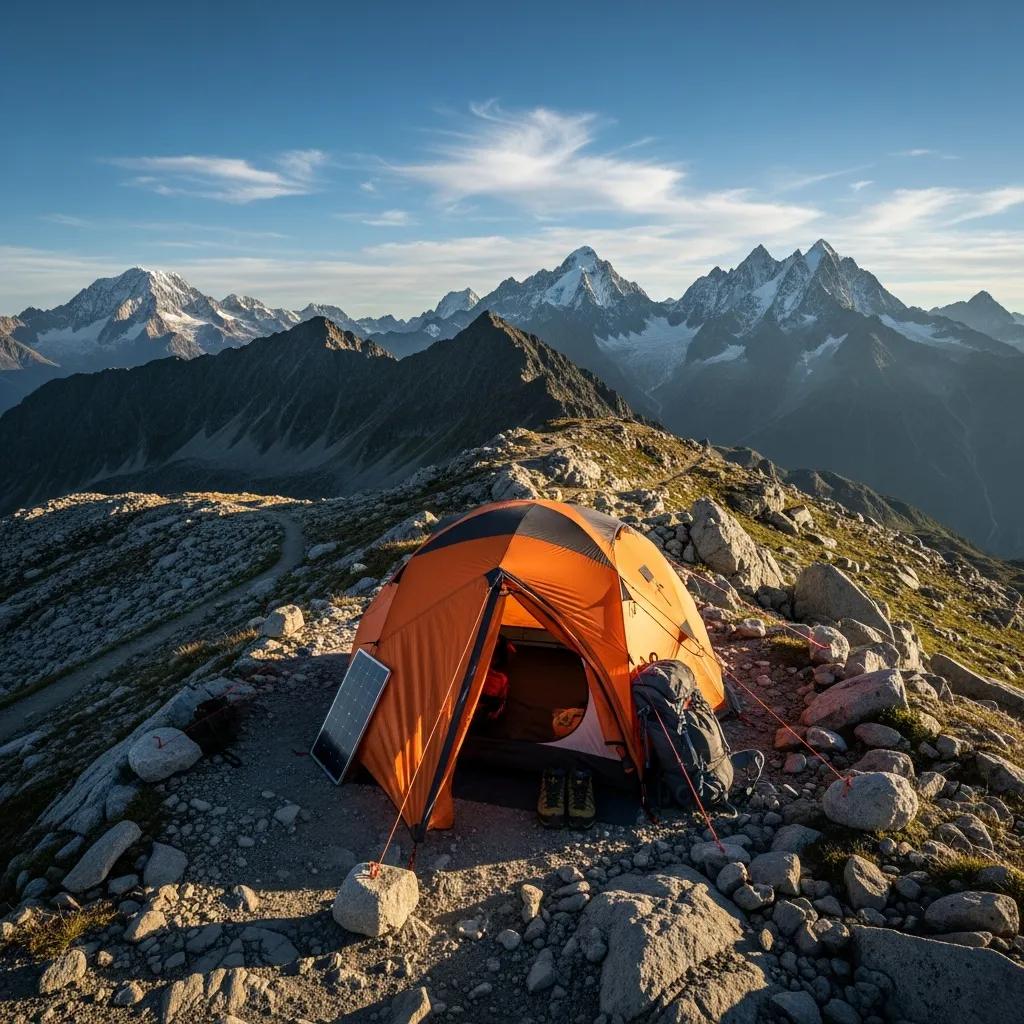
What Actually Matters in an Expedition Base Camp Tent?
Ignore marketing labels long enough to evaluate the structure that will have to work after ten days of wind, snow, UV and repeated entry.
Multiple pole crossings
More structural intersections generally distribute load better and improve stability when wind direction changes.
Self-supporting geometry
Especially useful on moraine, frozen ground or sites where ideal staking is impossible.
Interior volume
Long walls, steep sides and sufficient headroom matter after weeks of dressing, sorting equipment and waiting out weather.
Vestibules
Boots, duffels and wet equipment should not consume the sleeping footprint of a long-duration camp.
Ventilation
Cold camps create condensation. Adjustable low and high vents help manage moisture without opening the shelter to blowing snow.
Repairability
A good expedition tent needs repair sleeves, replaceable pole sections, compatible fabric patches and spare rigging you can carry.
Transport reality
An 85-pound dome can make sense with freight and porter support. It makes no sense when three climbers must carry every load.
Two doors if possible
Leeward entry, easier nighttime exits and less crawling over tent mates all become valuable during long stays.
Anchor options
Snow stakes, deadmen, rock anchors and long guylines often matter more than the lightweight pegs bundled with ordinary tents.
Geodesic Dome vs Tunnel Tent
Neither shape wins everywhere. The site, wind pattern, snow loading and transport system decide which architecture makes sense.
Strong from changing directions
Excellent when winds swirl or change direction. Multiple pole intersections also help distribute snow load and create self-supporting structures.
Efficient living volume
Can deliver excellent space-to-weight and strong performance when the tent is pitched correctly into the prevailing wind and anchored well.
Base camp infrastructure
Heavy poles, steep walls and large footprints create communal living space that would be absurd to carry but extremely useful in supported camps.
How Much Base Camp Tent Space Do You Really Need?
Manufacturer capacity is a sleeping-capacity number, not a long-expedition comfort recommendation.
| Team / role | Practical shelter direction | Why | Weight priority |
|---|---|---|---|
| 1 climber + gear | 2-person expedition tent | Space for boots, pack and bad-weather organization | Medium–high |
| 2 climbers + gear | 3-person expedition tent | Better sleep and storage over multi-week trips | Medium |
| 3 climbers | 4-person expedition dome | Reduces gear clutter and improves storm-day livability | Medium |
| 4+ personal sleeping | Split team across personal expedition tents | Redundancy is better than putting every climber in one shelter | Medium–low |
| Dining / comms / medical | Dedicated group dome | Standing or working space improves camp function | Low |
| High camp | Compact 2–3 person mountaineering tent | Carry weight and small platform dominate | Very high |
Choose the Tent by Expedition Style
The mountain name matters less than whether the camp stays fixed, moves repeatedly, and has porter, animal, sled or vehicle support.
| Objective style | Base camp direction | Why | Examples to compare |
|---|---|---|---|
| Everest / Manaslu supported | Personal sleeping tents + group infrastructure | Long stays, dining, medical, comms, equipment and staff | Saivo / Saitaris + Atlas / 2-Metre / Stronghold / Space Station |
| K2 / Karakoram private team | Strong personal expedition domes + one shared shelter if support allows | Long moraine-based base camp with severe wind and storms | Saivo / Saitaris / Trango + group shelter as logistics allow |
| Denali West Buttress | Portable expedition tents | The camp moves uphill; every pound becomes a sled or carry problem | Trango / Mission class |
| Aconcagua supported | Strong personal tent or operator infrastructure | Wind resistance and long-stay comfort matter; snow load varies by season | Saivo / Saitaris / operator tent system |
| Polar / sled expedition | Dome or tunnel matched to sled transport | Wind, repairability and pitch speed dominate once loads are sled-carried | Strong all-season dome or tunnel systems |
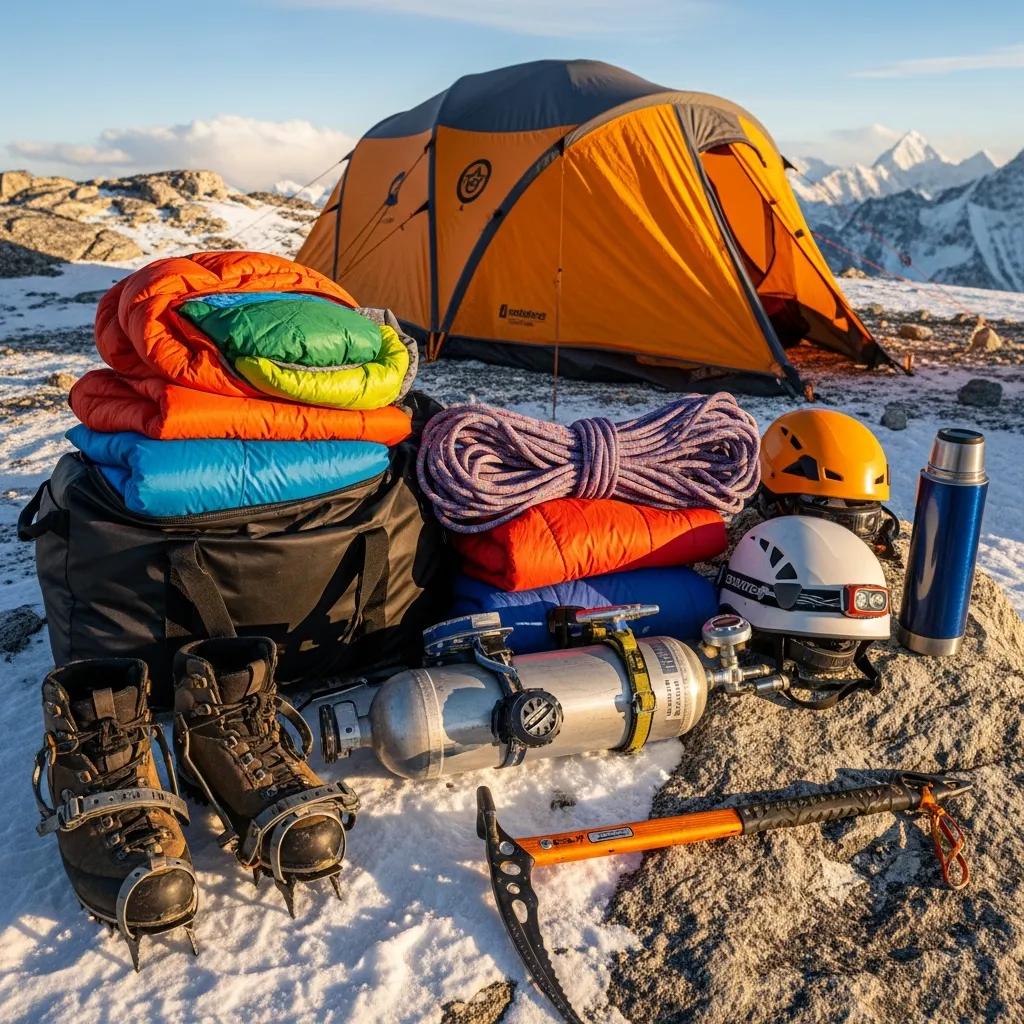
Expedition Tent Repairability
A tent can have excellent storm geometry and still be a poor expedition choice if you cannot repair its critical parts in the field.
Repair sleeve + spare section
Know the pole diameter and carry a model-compatible splint or spare section.
Patches + compatible adhesive
Fly, floor and canopy materials may require different repair products.
Guyline + cord locks
Wind damage often attacks the rigging before the main fabric fails.
Extra snow and rock options
Bring more than the minimum stake count and match anchors to the actual camp surface.
Buy, Rent or Use the Operator’s Base Camp Tent?
For many guided expeditions, the financially smartest tent is the one already included in the expedition package.
| Situation | Best direction | Why |
|---|---|---|
| One guided international expedition | Operator-provided | Transport, camp staff, spares and local setup are already integrated |
| One private trip | Rent / borrow if a suitable expedition model is available | Avoid buying and flying a major shelter for one trip |
| Repeated independent expeditions | Buy | You control condition, repair history, spares and setup familiarity |
| Large commercial-style camp | Team / operator infrastructure | Group domes are logistics assets rather than personal equipment |
| Denali-style moving expedition | Own or rent the exact portable tent system | Pitch speed, known repairs and weight become critical across repeated moves |
A Tent Is Only as Strong as the Site, Pitch and Anchoring System.
Even a premium expedition dome can be compromised by poor site selection, loose guylines, snow accumulation, damaged poles or a pitch that exposes the largest surface to prevailing wind.
Storm management continues after setup. Re-tension guylines, clear snow loading, inspect pole intersections and watch for fabric abrasion where rock or ice can contact the fly.
For current wind and storm planning, use the site’s mountain-weather framework rather than relying on tent marketing claims.
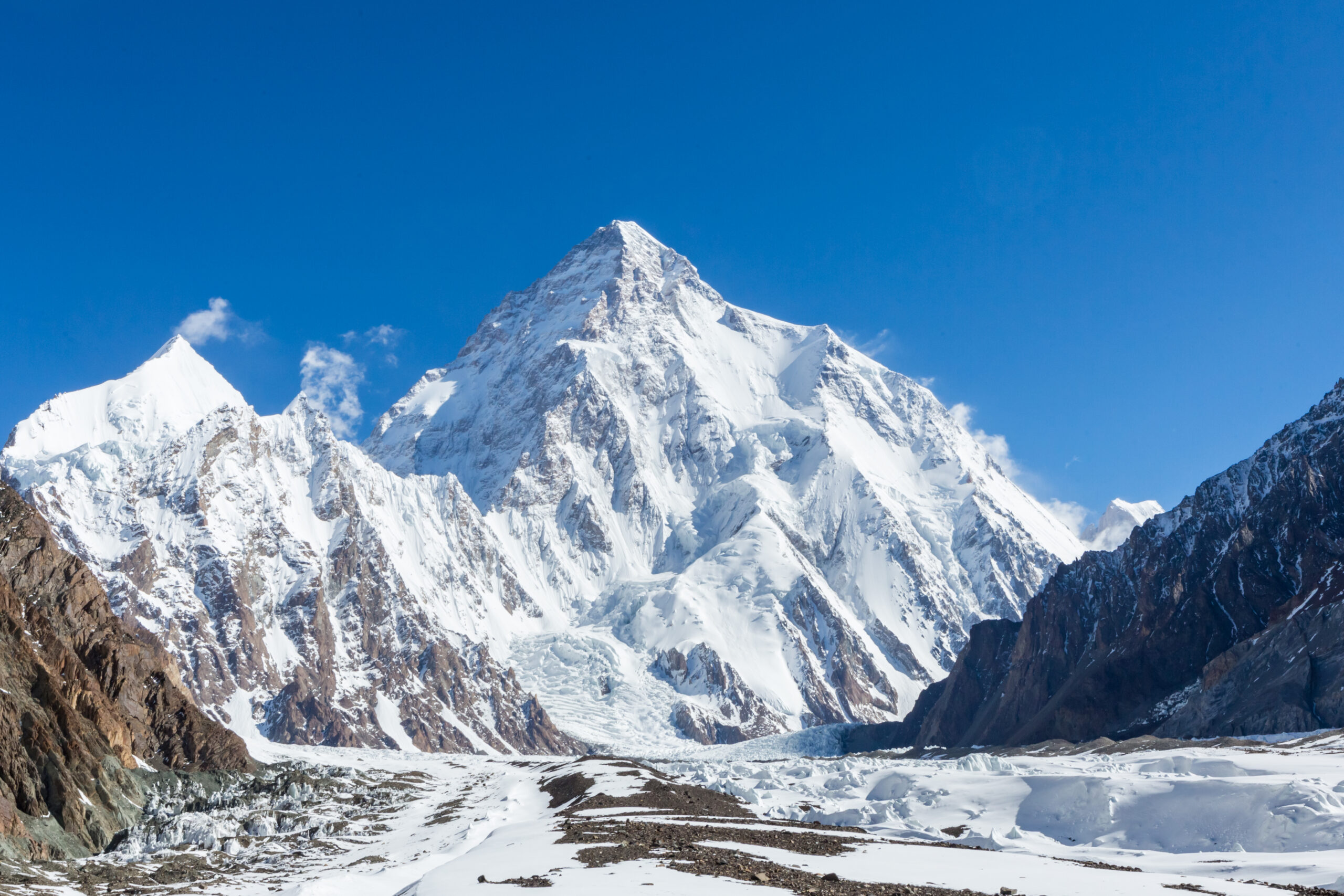
Current Expedition & 4-Season Tent Options
Return to current inventory after deciding whether you need a portable personal expedition tent or true group base-camp infrastructure.
Current 4-Season Tent Inventory
Availability rotates. Use the model framework above instead of buying solely on what happens to be in stock today.
How This Base Camp Tent Guide Is Built
This page is intentionally narrower than a generic 4-season tent roundup. It owns the expedition base-camp decision and separates personal shelters from group infrastructure.
Current products rechecked September 2026
Current manufacturer information was rechecked for Hilleberg Saivo 4, Saitaris and Atlas; The North Face 2-Metre Dome; Mountain Hardwear Stronghold, Space Station and Trango 4; and Black Diamond Mission 3.
Examples of current published specifications include the Saivo 4 at 6.8 kg packed, Saitaris at 6.6 kg packed, The North Face 2-Metre Dome at 22.61 kg and 15.5 m² of floor area, Mountain Hardwear Stronghold at roughly 22.1 kg packed and 171 sq ft of floor space, and the Black Diamond Mission 3 at 4.65 kg.
Manufacturer names are shown for transparency, but this published page intentionally does not send readers to non-affiliate manufacturer or retailer links. Shopping traffic stays inside Global Summit Guide’s affiliate system.
No fabricated testing: Global Summit Guide is not claiming that the team field-tested every shelter. The comparison is based on current specifications, intended use, expedition logistics and shelter-system design.
Expedition Base Camp Tent FAQ
What is the best tent for expedition base camp?
For a small independent team, a strong self-supporting 3- or 4-person expedition dome is usually the most versatile choice. Larger supported expeditions should add separate group infrastructure rather than making one enormous tent serve every function.
What is the difference between a base camp tent and a high camp tent?
Base camp prioritizes long-duration durability, living space, storage and repairability. High camp prioritizes lower carry weight, a compact footprint and enough storm strength for a shorter stay.
Do expedition tents need to be geodesic?
No, but geodesic and multi-pole dome designs are common because they handle changing wind direction and snow load well. Strong tunnel tents can also work extremely well when correctly oriented and anchored.
How many people should sleep in a base camp tent?
For long trips, do not automatically fill the tent to its maximum labeled capacity. Two climbers in a three-person tent or three climbers in a four-person tent often gives a better balance of living room, storage and redundancy.
Is a normal 4-season backpacking tent enough for base camp?
Sometimes. The question is not only whether it survives a storm. Long base-camp living also demands ventilation, vestibule storage, repairability and enough interior space to function for weeks.
Should I buy or rent an expedition tent?
Buy when you expect repeated private expeditions and want a known repair history. Rent or use operator-provided tents when the trip is occasional or local transport and camp infrastructure are already included.
What should I carry to repair the tent?
Carry model-specific pole repair parts, a repair sleeve, compatible fabric patches and adhesive, spare guyline, cord locks, extra anchors and basic sewing or tape supplies.
Build the Rest of the Expedition Camp System
Mountaineering & Hiking Gear Guide
Connect shelter selection to the complete technical equipment system.
Planning toolMountain Gear Planner
Decide what to own, rent, borrow or buy for the specific expedition.
Carry systemExpedition Pack Selection
Coordinate personal shelter weight with the rest of the carry system.
Sleep systemBest High-Altitude Sleeping Bags
Build the insulation system that works inside the chosen shelter.
DepartureFinal 72-Hour Climbing Checklist
Verify weather, repairs, transport and equipment before the expedition leaves.
PreparationPrepare to Climb
Connect gear with training, skills, acclimatization and departure readiness.
Deep recoveryMountain Weather for Climbers
Use wind, snowfall and storm duration to define the shelter problem.
Deep recoveryGear Safety
Inspect and maintain critical equipment as a system rather than a shopping list.
Deep recoveryThe Mountaineering Truth Project
Separate real expedition requirements from expensive gear theater and marketing.
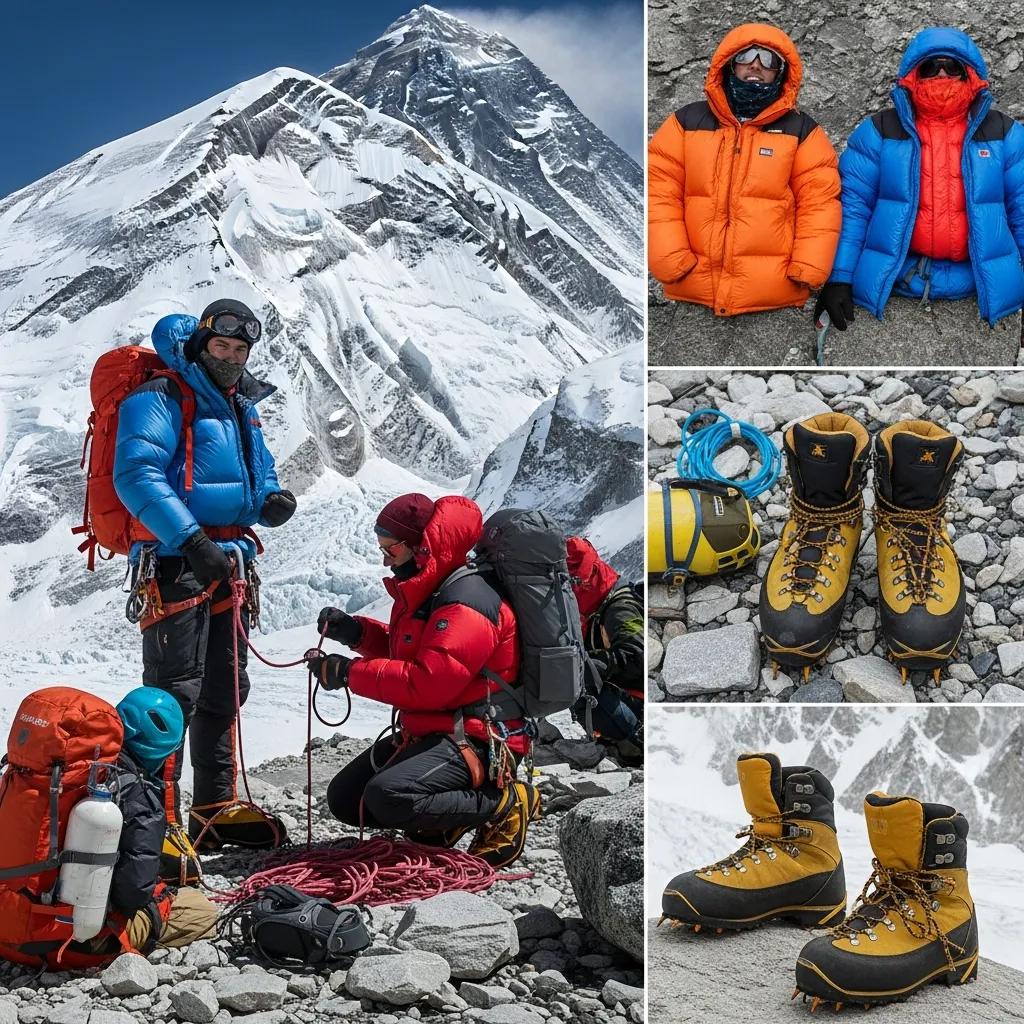
Choose for the Camp You Will Live In—not the Summit You Hope to Reach.
The best expedition base camp tent is the shelter that matches team size, transport, storm exposure, repair capability and the number of days you will actually live inside it.
Was this helpful?
Global Summit Guide is an independent mountaineering resource founded in 2026. The team combines first-hand trekking and climbing experience with in-depth research and professional health and nutrition review to help climbers choose objectives, prepare properly, and stay safe.
Health, altitude, and nutrition content is reviewed by Taylor Ludlow (Registered Nurse) and Brigg Hoopes (Nutritionist).
What We Don't Know Yet
Mountain information changes quickly. This box explains the limits of what this page can responsibly promise.
- Total trip cost can change with flights, lodging, guide pricing, permits, gear rentals, transportation, and exchange rates.
- Gear requirements can change by season, route variation, weather window, personal cold tolerance, and guide-service requirements.
- Visa, passport, vaccination, border, insurance, and local transportation rules may change before your trip.
Verify current conditions with official land managers, guide services, local forecasts, and current route reports before booking or climbing.
Mountaineering, rock and ice climbing, glacier travel, and high-altitude activity are inherently dangerous and can result in serious injury or death. The information on Global Summit Guide is provided for general informational and educational purposes only and is not a substitute for professional instruction, qualified guiding, proper equipment, or your own judgment and experience.
Route conditions, weather, snowpack, permits, regulations, and hazards change constantly and may differ from what is described here. Details may be incomplete, out of date, or contain errors. Always verify current information with local authorities, certified guides, and official sources before making any decision in the mountains.
Nothing on this site is medical, legal, or financial advice. Our fitness, acclimatization, altitude, and nutrition content is general in nature; consult a qualified physician before beginning any strenuous exercise program or exposing yourself to high altitude.
You are solely responsible for your own safety and decisions. To the fullest extent permitted by law, Global Summit Guide and its team accept no liability for any loss, injury, damage, or expense arising from use of, or reliance on, this information. By using this site you acknowledge these risks and accept these terms.
Some links on this site may be affiliate links. If you buy through them we may earn a small commission at no extra cost to you; this never affects our recommendations.
Global Summit Guide recommendation path
Next Best Mountain to Research
Use these recommendations to continue the right planning path instead of stopping on one page.
Use current permit, weather, route, and operator information before booking or climbing.