
Last updated October 1, 2026
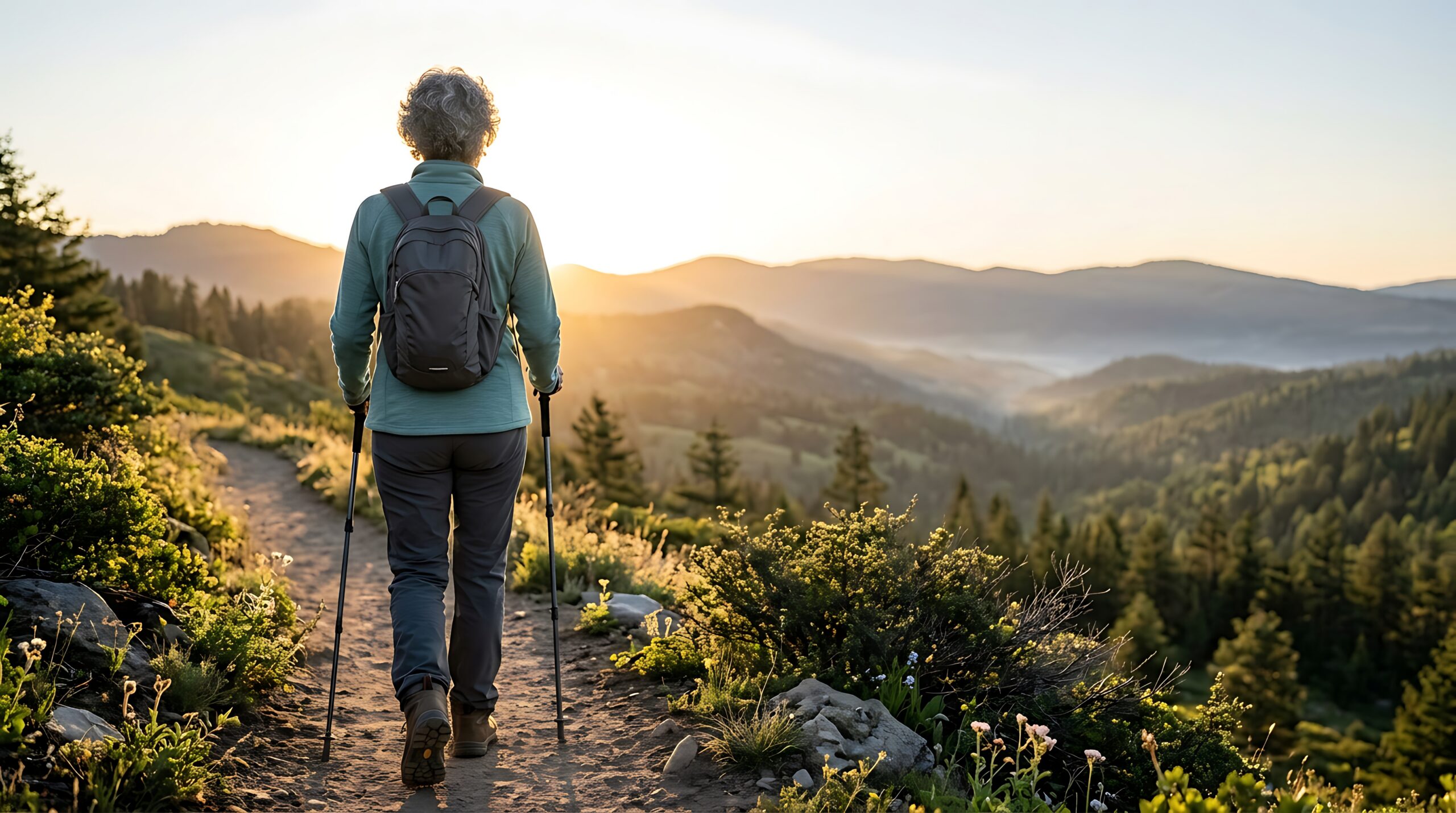
Best Backpacks for Hiking: 8 Daypacks & Mountain Packs Compared
The best hiking backpack is not the pack with the longest feature list. It is the one that fits your torso, carries your normal load comfortably, gives you the right amount of space and keeps the gear you use most within reach.
For Most Hikers, a 20–30 Liter Pack With Real Torso Fit, Accessible Water Storage and a Supportive Hipbelt Is the Best All-Around Choice.
Osprey Talon 22 sits near the fast, body-hugging end of the category. Osprey Stratos 24 gives up some weight for a suspended mesh backpanel and stronger ventilation. Gregory Zulu 30 moves farther toward load comfort for longer days, while deuter Speed Lite Pro 25 emphasizes low weight and a close vest-style carry.
Patagonia Terravia 28 and Black Diamond Pursuit 30 cover technical mountain day use from different directions. Cotopaxi Elqui 24L is a straightforward day-hiking pack with trekking-pole loops and a hydration sleeve, while the new Arenal 32L adds a supportive frame sheet and more room for big hikes or a minimalist overnight.
Fit matters more than brand. A lighter pack that sits badly on your shoulders can feel worse after six hours than a heavier pack whose torso length, hipbelt and suspension match your body.
8 Hiking Backpacks Worth Comparing in 2026
These are use-case selections rather than a universal first-through-eighth ranking. Current model families and specifications were rechecked in September 2026.
Osprey Talon 22
A body-hugging, multi-sport hiking pack that emphasizes movement and stability on technical trails.
- 22L capacity
- 2.38 lb current reference weight
- 10–30 lb load range
Osprey Stratos 24
A more structured daypack with a suspended AirSpeed backpanel and included rain cover for long, hot hiking days.
- 24L capacity
- 2.95 lb current reference weight
- 10–30 lb load range
Gregory Zulu 30
A 30-liter day pack with FreeFloat suspension and adjustable torso length for hikers carrying more layers, food or mountain equipment.
- 30L category
- Dynamic hipbelt
- Best for: long days / heavier day loads
deuter Speed Lite Pro 25
A lightweight speed-hiking pack with vest-style shoulder straps and quick-access storage.
- 25L capacity
- 680 g current reference weight
- 6–10 kg recommended load
Patagonia Terravia 28L
A breathable 28-liter pack that can handle a long day and stretch into a minimalist overnight when the rest of the kit is compact.
- 28L capacity
- 726 g current reference weight
- Integrated rain cover
Black Diamond Pursuit 30
A technical 30-liter pack built around fast peak-bagging with a close Continuous Fit harness and on-the-move storage.
- 30L category
- 796 g current men’s reference
- Trekking-pole + hydration storage
Cotopaxi Elqui 24L
A new daypack with breathable contact surfaces, trekking-pole loops and a hydration sleeve for straightforward trail use.
- 24L capacity
- Removable waist belt
- Front dump pocket + bottle pockets
Cotopaxi Arenal 32L
A more technical Cotopaxi option for full mountain days or light overnights with a frame sheet, contoured hipbelt and ice-axe / pole attachment.
- 32L capacity
- 1,162 g current reference weight
- Best for: big hikes / light overnight use
Weight note: published weights vary by size and gender-specific version. Compare the exact size you plan to buy rather than assuming one listed weight applies to every configuration.
| Pack | Capacity | Carry style | Best use | Main trade-off |
|---|---|---|---|---|
| Osprey Talon 22 | 22L | Close-body AirScape | Fast general hiking | Less airy than trampoline suspension |
| Osprey Stratos 24 | 24L | Suspended AirSpeed | Hot-weather long days | Heavier structure |
| Gregory Zulu 30 | 30L | FreeFloat dynamic suspension | Long / heavier day loads | More pack than short hikes need |
| deuter Speed Lite Pro 25 | 25L | Close LiteAir / vest style | Fast hiking | Minimalist support vs heavier frames |
| Patagonia Terravia 28 | 28L | Breathable technical harness | All-day mountain hiking | Lid / drawcord layout not for everyone |
| Black Diamond Pursuit 30 | 30L | Continuous Fit | Summits / scrambling | Close fit can run warmer |
| Cotopaxi Elqui 24 | 24L | Light foam / mesh | General day hiking | Less structured under heavy loads |
| Cotopaxi Arenal 32 | 32L | Frame sheet + contoured belt | Big mountain day / light overnight | Higher weight than minimalist daypacks |
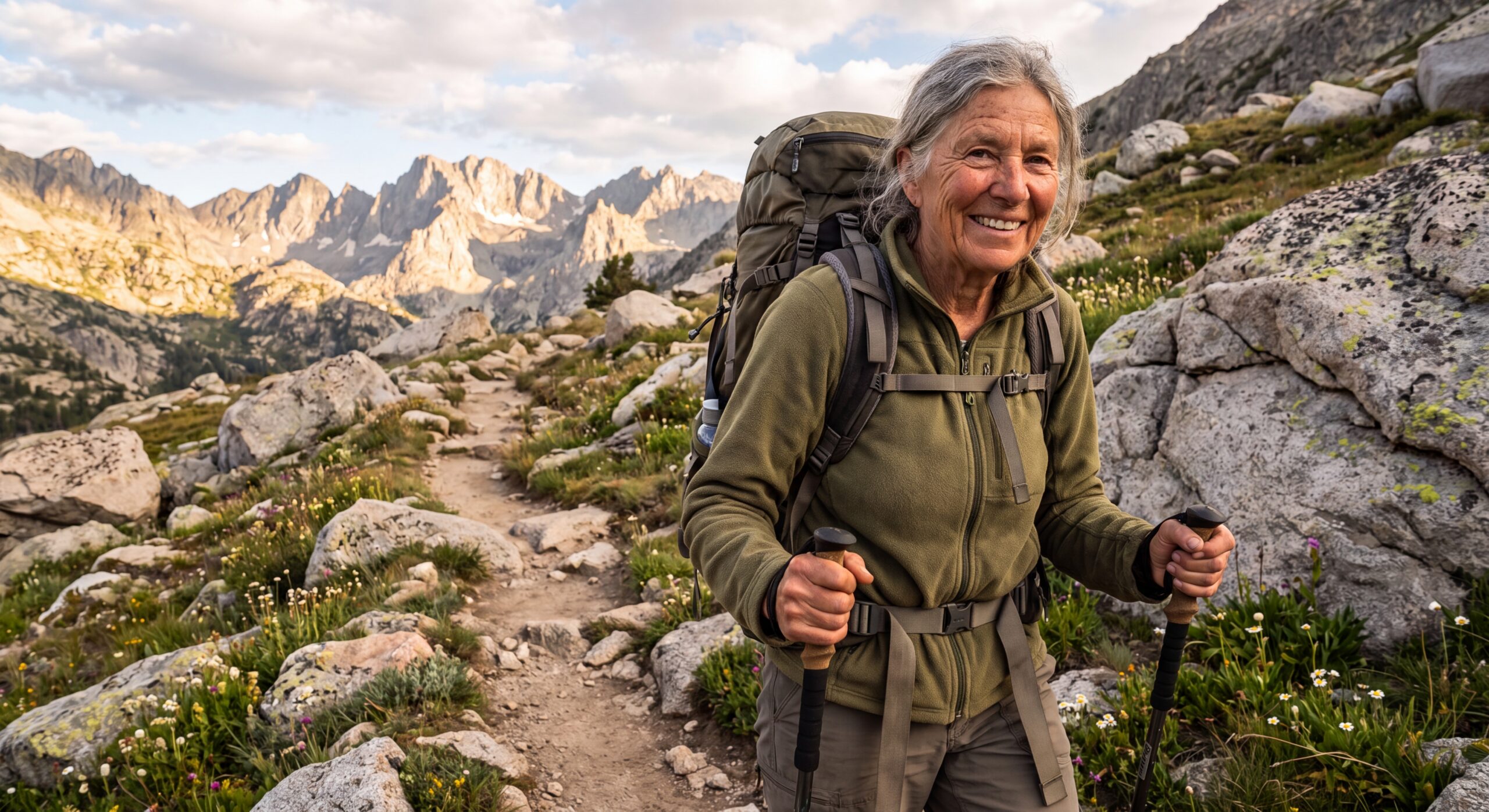
Choose the Smallest Pack That Carries Your Normal Mountain Day Without Strapping Everything Outside.
15–20L: warm-weather day hikes, trail running crossover and light local outings.
20–28L: the broad sweet spot for water, food, shell, insulation, first aid, headlamp and trekking accessories.
28–35L: colder summit days, snow travel, camera gear, technical equipment and very light overnight systems.
40L+: belongs in backpacking or expedition-pack territory unless your day objective genuinely requires bulky gear.
Torso Length Matters More Than Your Height.
Two hikers of the same height can have very different torso lengths. Adjustable packs help, but the correct starting size still matters.
Measure C7 to iliac crest
Find the bony bump at the base of the neck and measure to the horizontal line across the top of the hip bones.
Center it on the iliac crest
On supportive packs, the padded belt should wrap the hip bones instead of sitting entirely at the waist.
Wrap without gaps
Straps should follow the shoulder smoothly without carrying all the weight or creating pressure points near the neck.
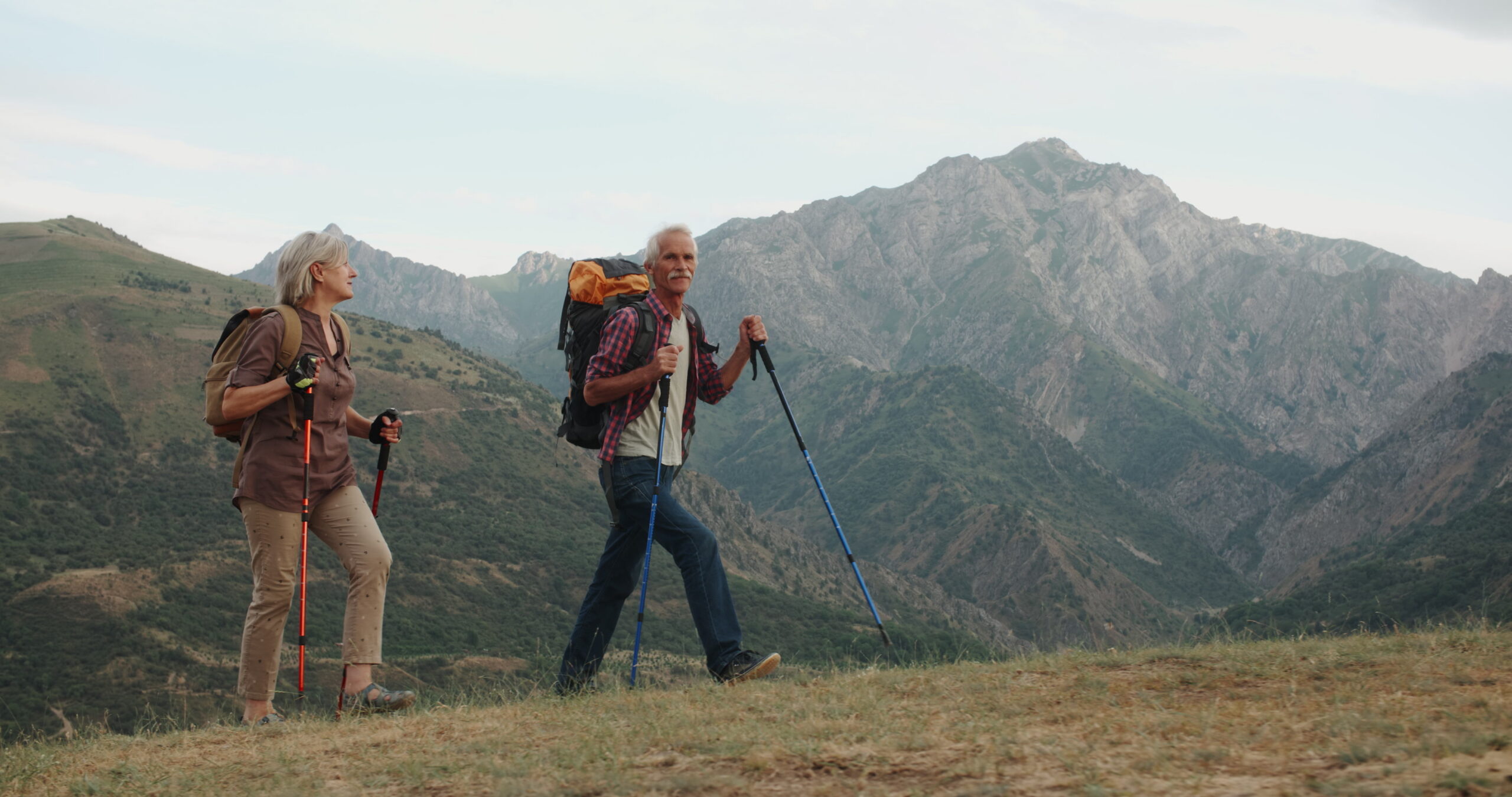
Ventilation vs Close-Body Stability
Backpanel design changes how the pack handles heat, scrambling and load movement.
Maximum airflow
Suspended mesh creates space between your back and the pack body. Excellent in hot weather, but the load sits farther from the body.
Balanced compromise
Air channels create some ventilation while keeping the load close enough for stable hiking and scrambling.
Fast movement
Broad shoulder straps and chest storage lock the pack close to the torso for quick movement, but more contact can feel warmer.
Five Features Worth Paying For
Organization should reduce friction on the trail, not add zippers and ounces that never get used.
Reachable bottle pockets
You should be able to drink without removing the pack, whether through side pockets, soft-flask pockets or a hydration reservoir.
Front shove-it pocket
A large stretch pocket makes wet shells and frequently used insulation easy to stash without opening the main compartment.
Hipbelt / harness pockets
Snacks, phone, sunscreen and navigation tools are more useful when they stay accessible while moving.
Pole / axe attachment
For mountain hiking, external attachment points should secure tools tightly rather than letting them swing or snag.
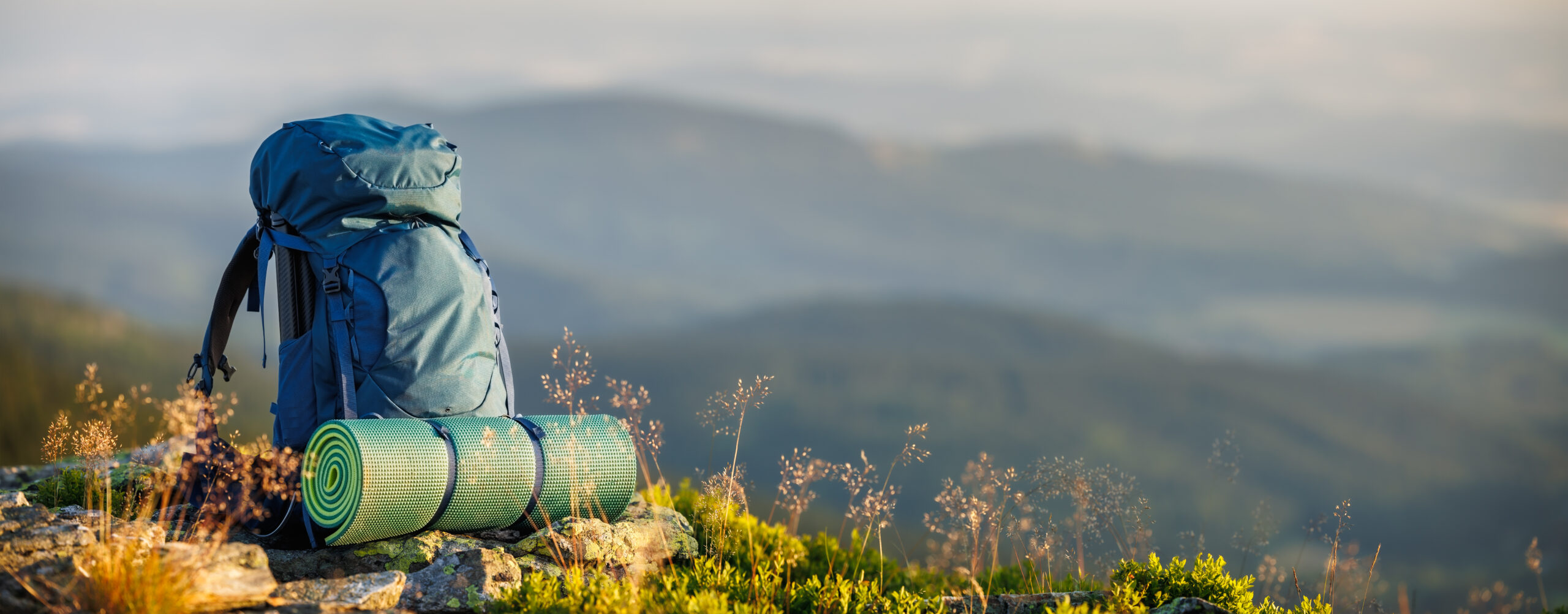
Summit Hiking Changes the Pack Requirement.
A technical mountain day may add helmet, microspikes or crampons, ice axe, extra gloves, heavier insulation, emergency bivy and more water. That pushes many hikers from 18–22 liters toward the 28–35 liter range.
Look for secure compression, tool attachment and a carry system that remains stable while scrambling. Packs such as Black Diamond Pursuit 30, Gregory Zulu 30 and Cotopaxi Arenal 32 sit closer to this use case than minimalist urban/day-hike packs.
If the route becomes true mountaineering with ropes, technical hardware and expedition loads, move to the separate expedition-pack guide instead of asking a daypack to haul climbing equipment.
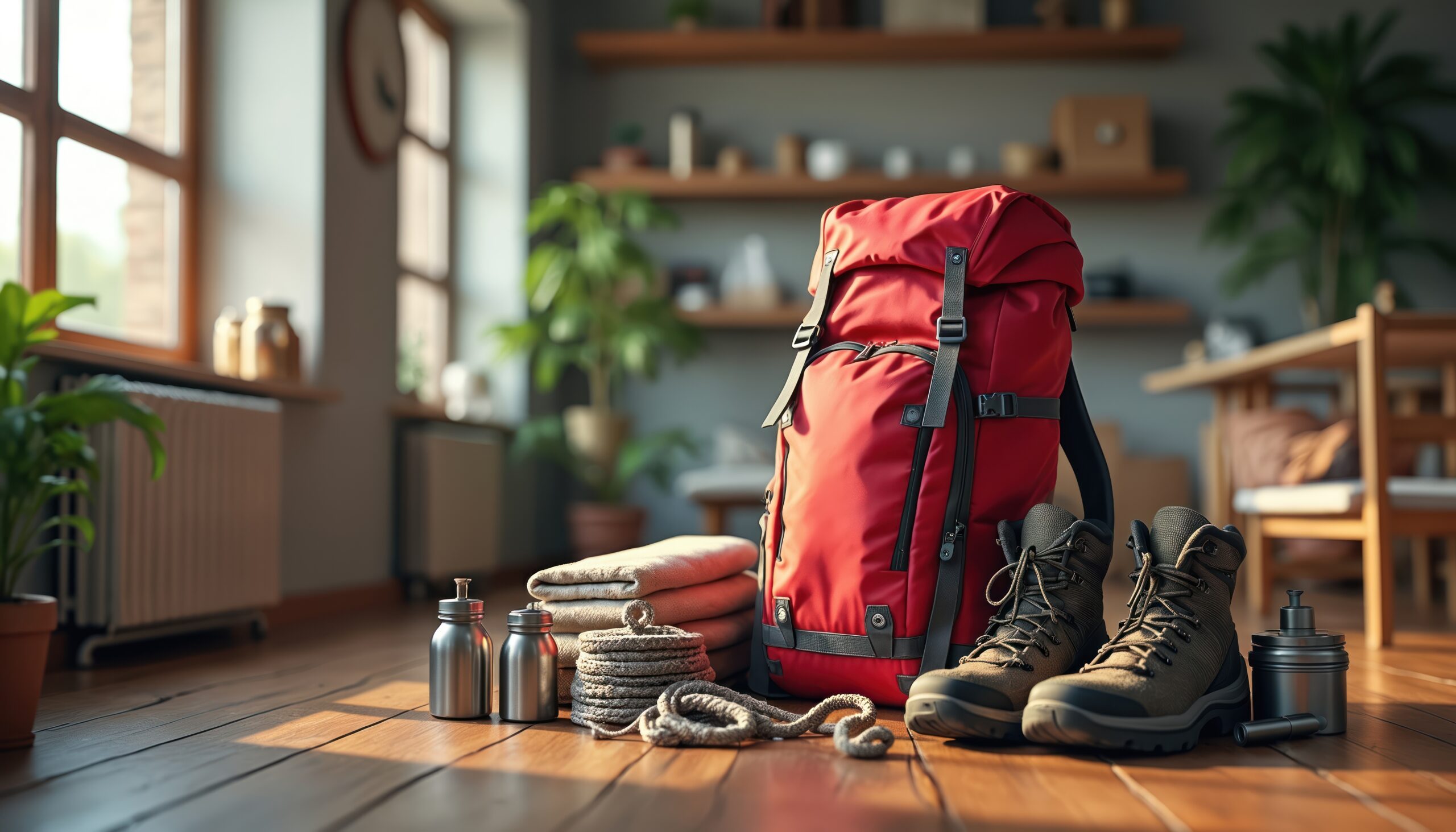
Elqui 24L vs Arenal 32L
Cotopaxi’s current hiking collection now includes a true progression from light daypacks into more technical big-day packs.
Elqui for the Day · Arenal for the Bigger Mountain Objective
Elqui 24L: a straightforward hiking daypack with recycled nylon shell, breathable back panel, hydration sleeve, trekking-pole / ice-axe loops, dual bottle pockets and removable waist belt. It is the cleaner choice for ordinary day hiking.
Arenal 32L: a more technical 32-liter pack with ventilated back panel, frame sheet, contoured hipbelt, hip pockets and pole / ice-axe attachment. Its additional structure and capacity make more sense for cold summit days or minimalist overnight loads.
Batac 24L: remains an ultralight, unstructured alternative for fast and simple day trips, but it gives up the more technical carry system of Elqui and Arenal.
Shop Hiking Backpacks & Daypacks
This page uses the established Gear Ads tags daypacks and backpacks, which use OR logic in the plugin.
Current Hiking Backpacks
Compare live sizes and availability after choosing the capacity and carry style you need.
Current Hiking Backpacks
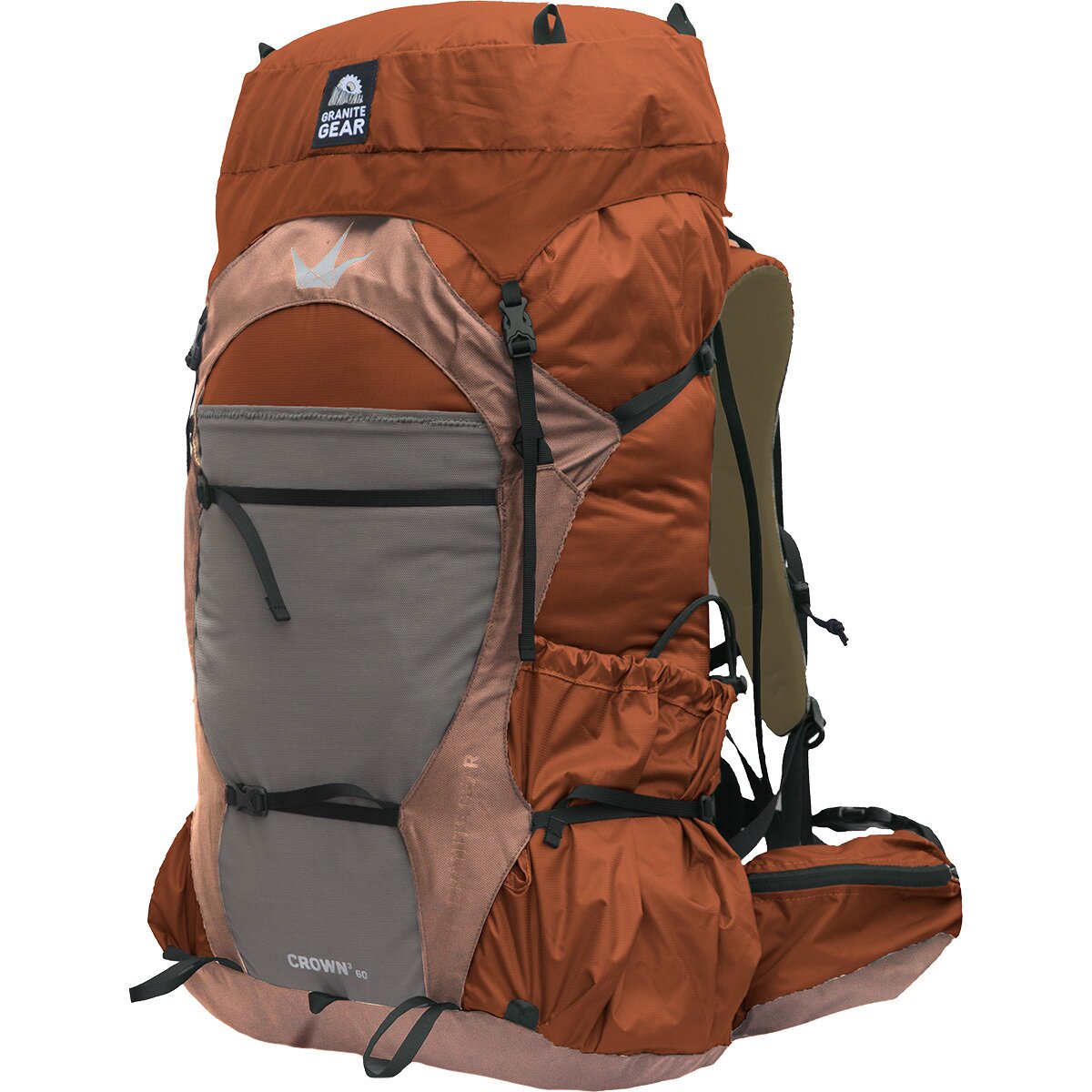
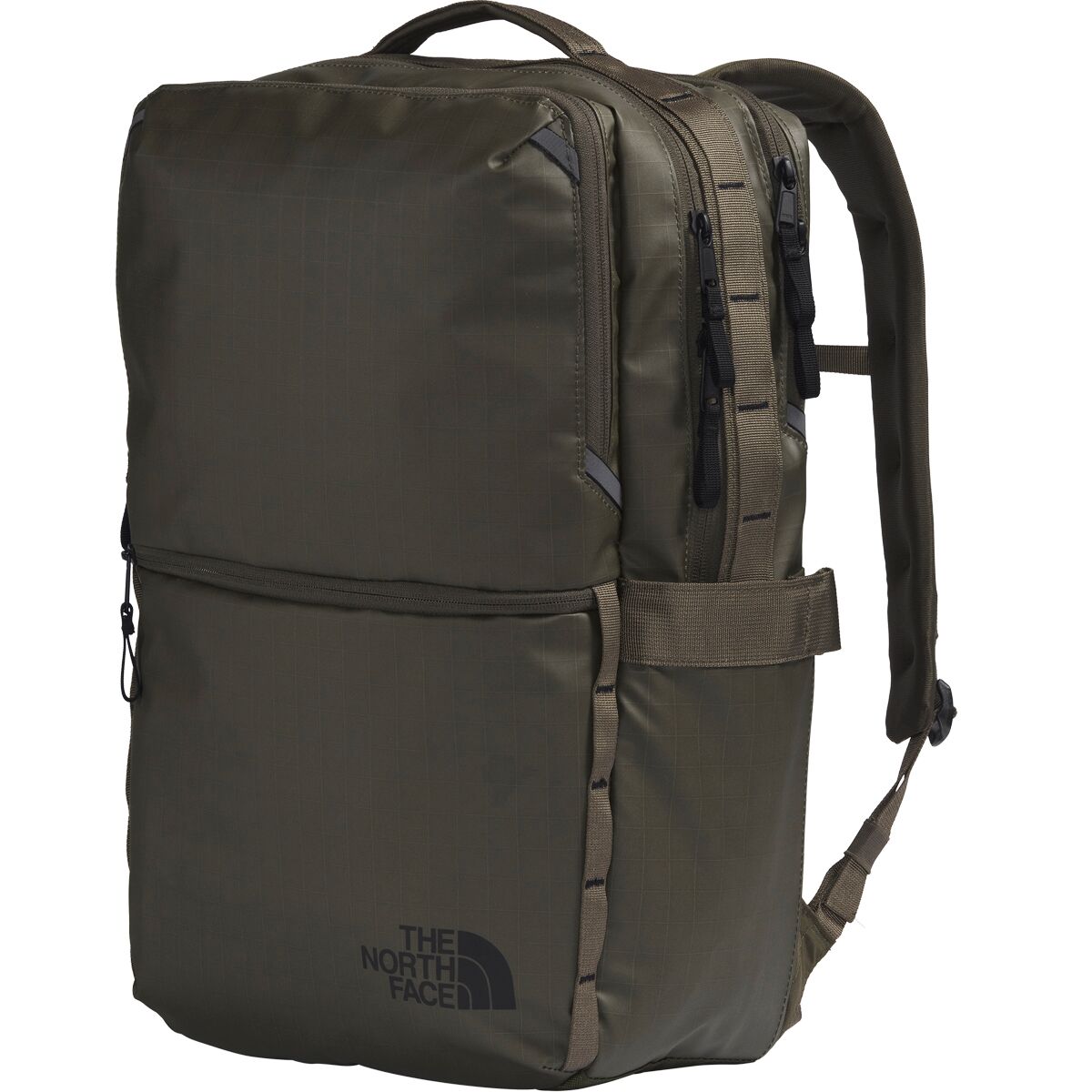
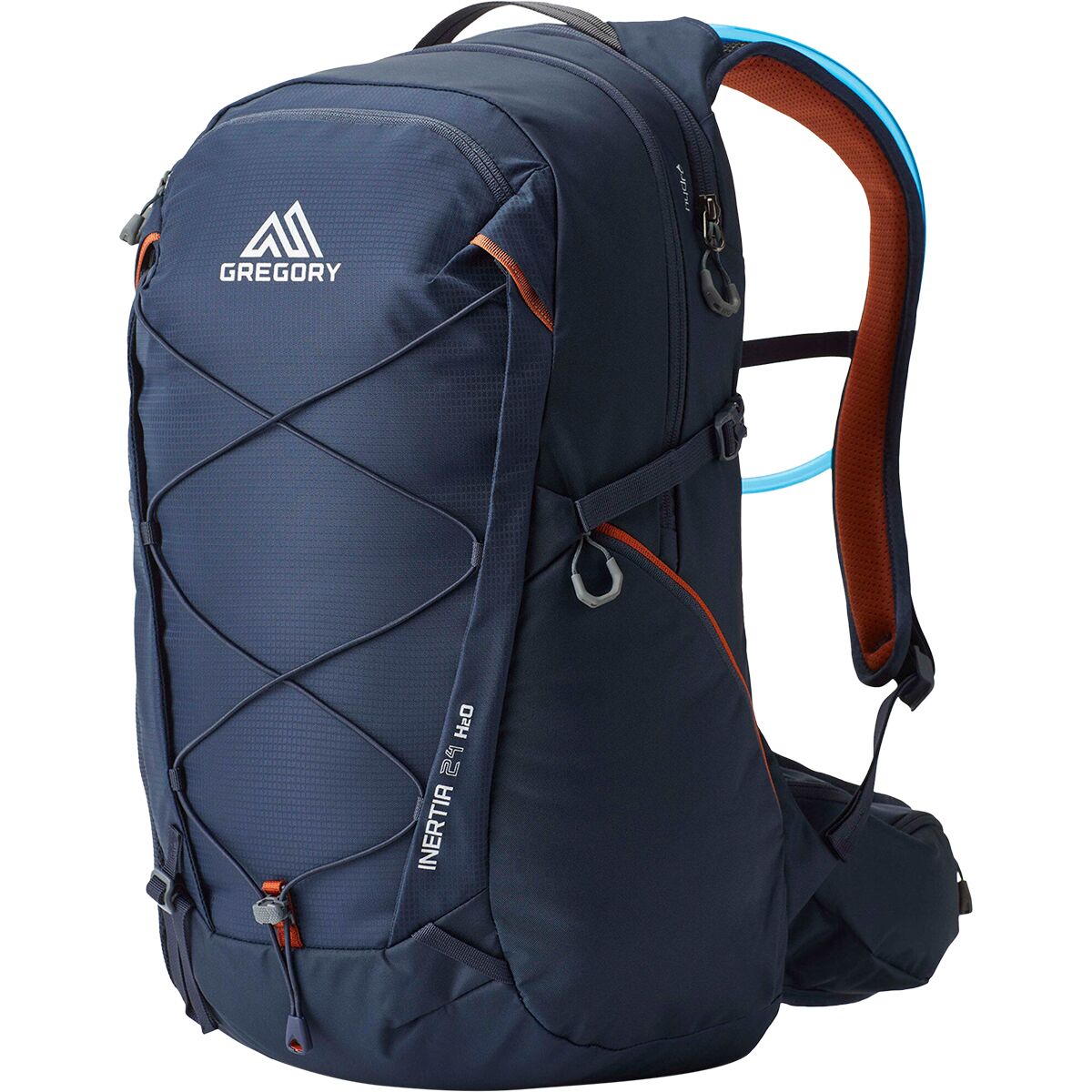
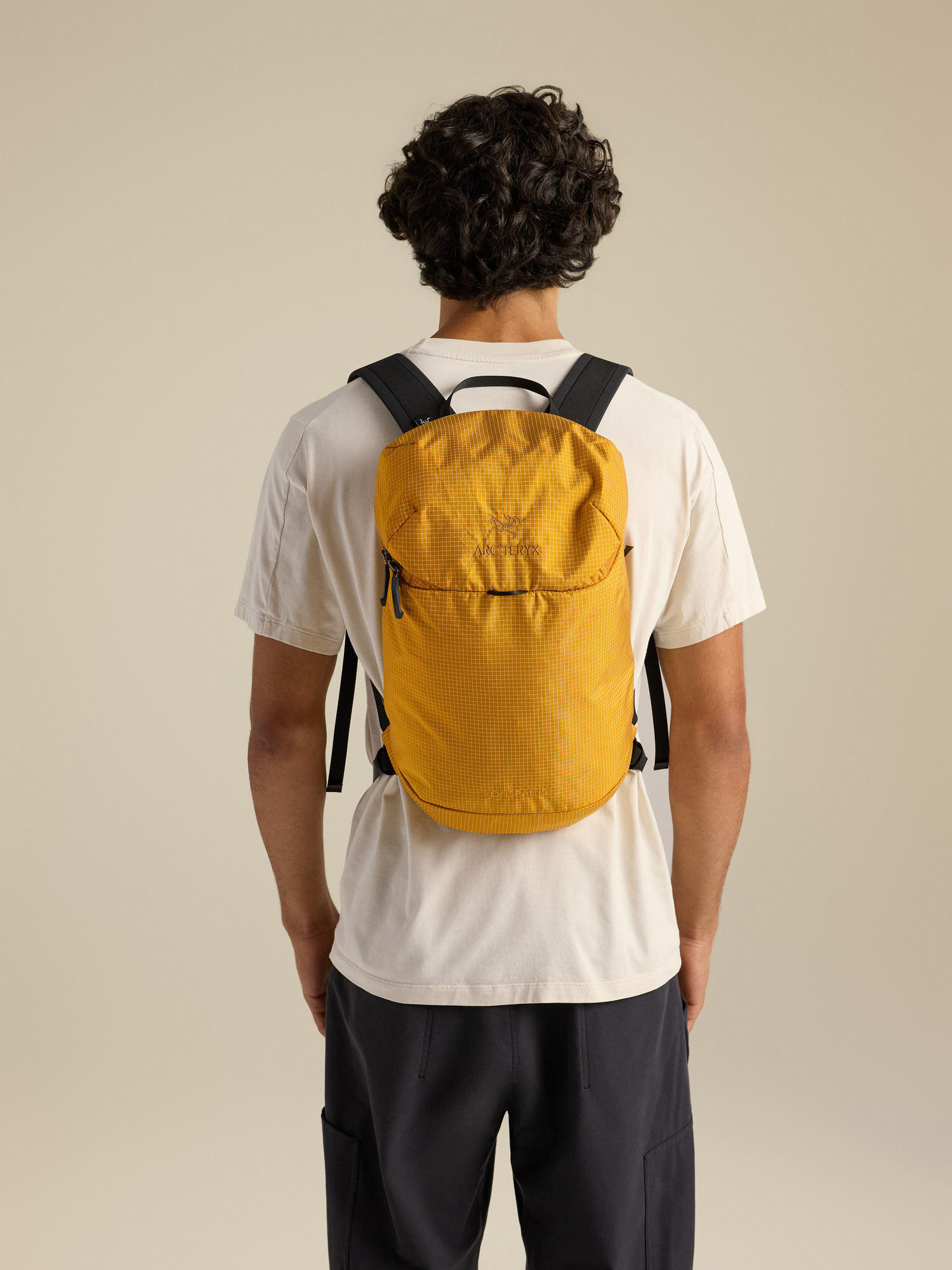
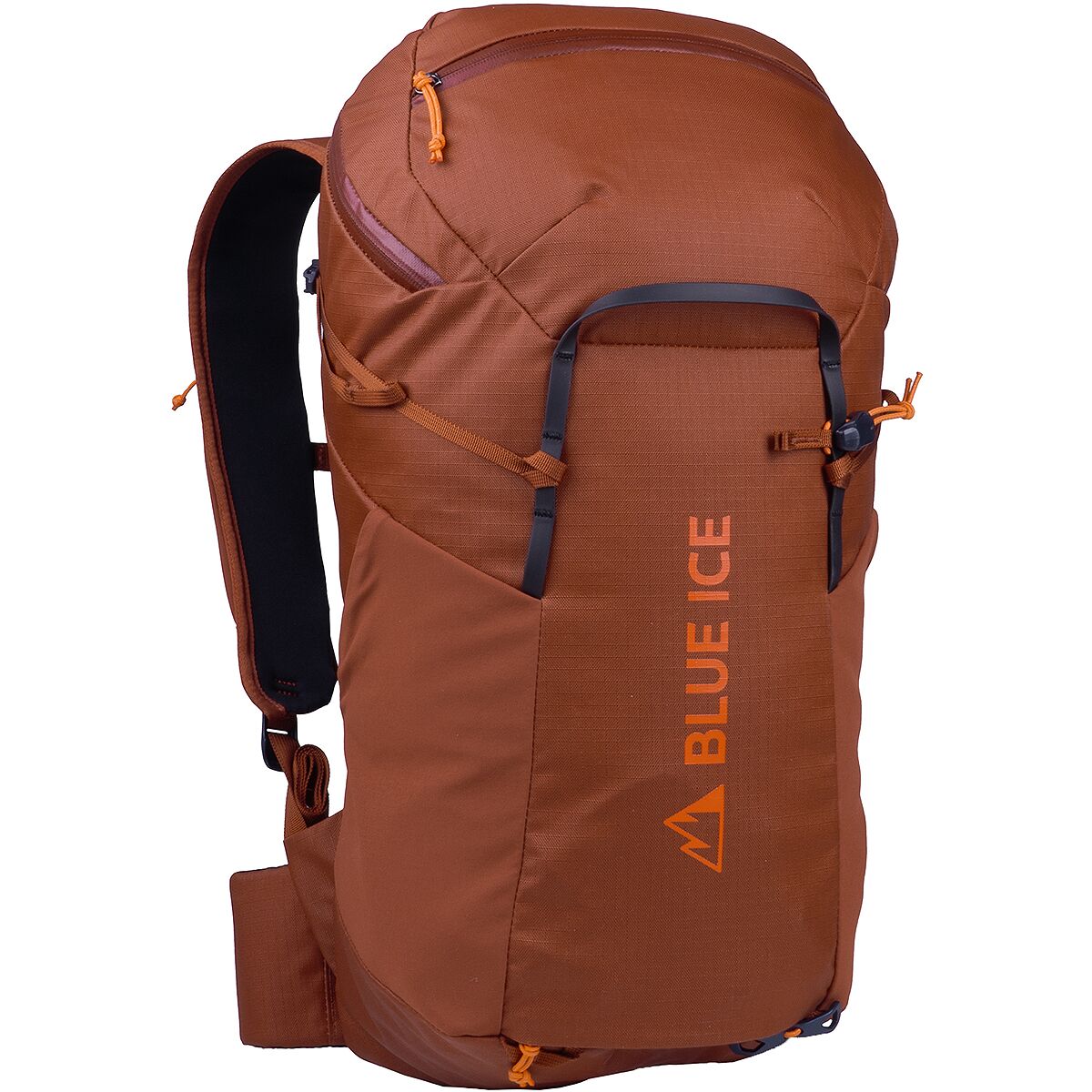
- Granite GearGranite Gear Crown3 60L Backpack$167.97
$279.95Check price at Back Country (opens in a new tab) - The North FaceThe North Face Base Camp Voyager Daypack – 26LFrom $105
$150Check price at Back Country (opens in a new tab)
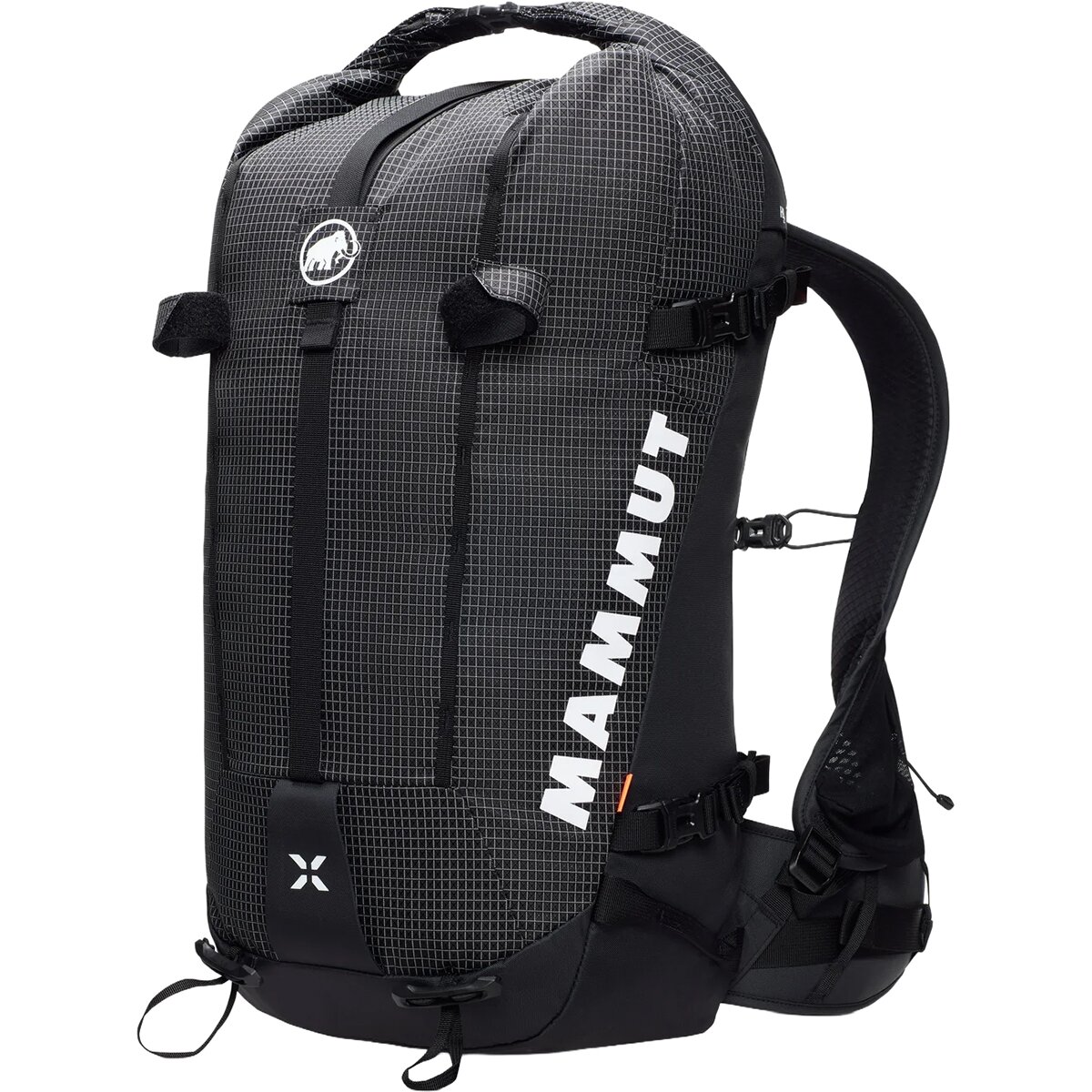
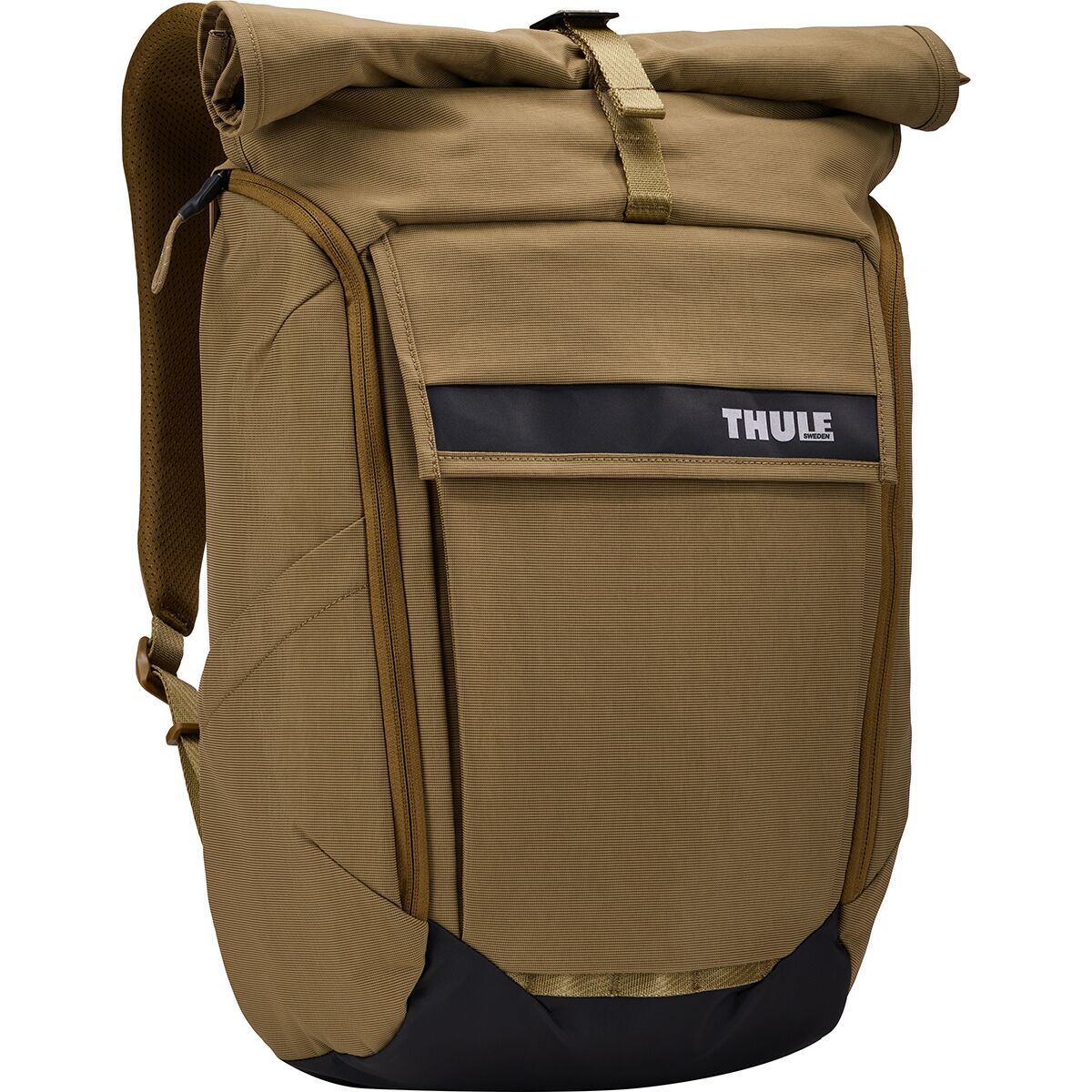
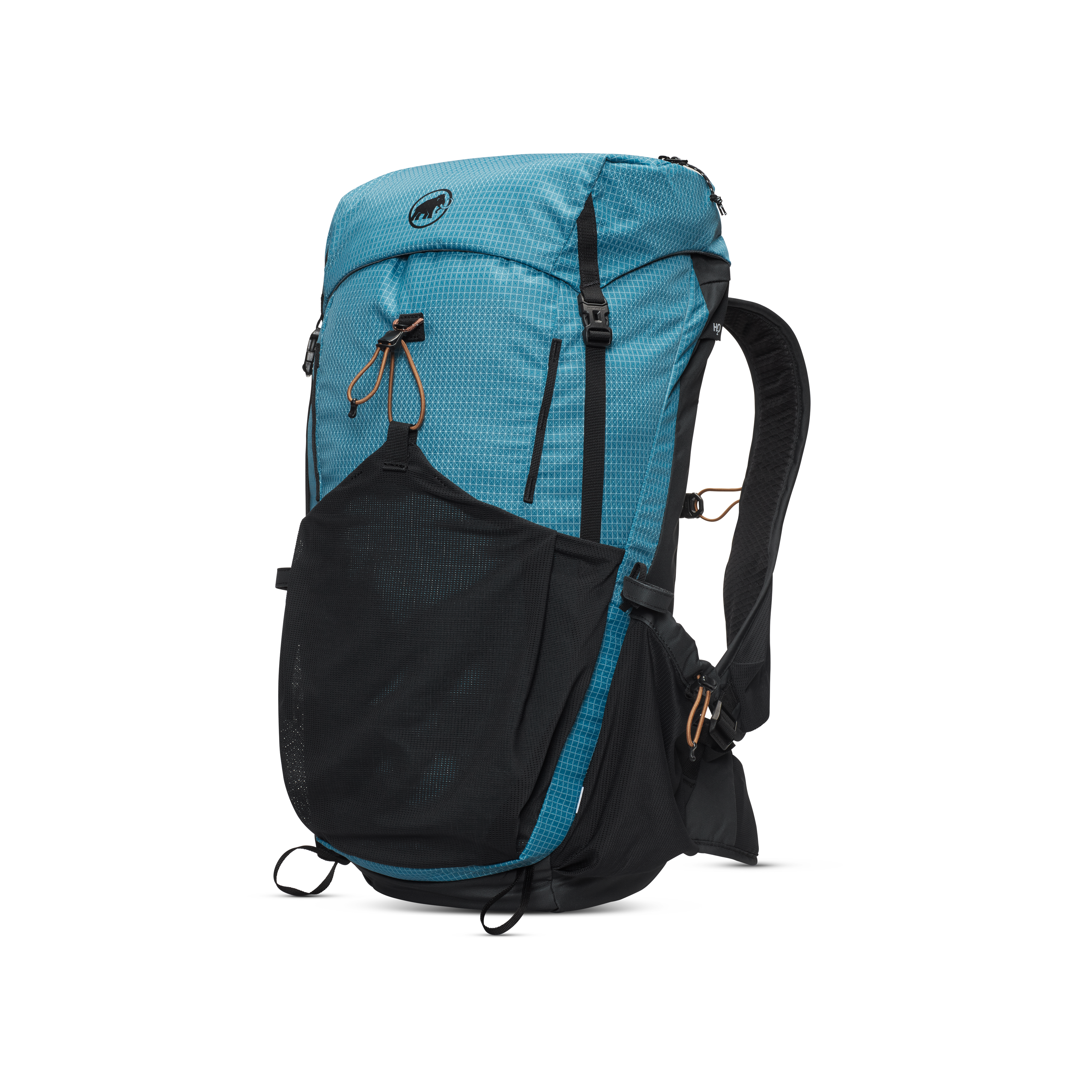
We may earn a commission if you buy through these links, at no extra cost to you. Affiliate disclosure
Current Cotopaxi Packs
Current Cotopaxi inventory from the Gear Ads catalog.
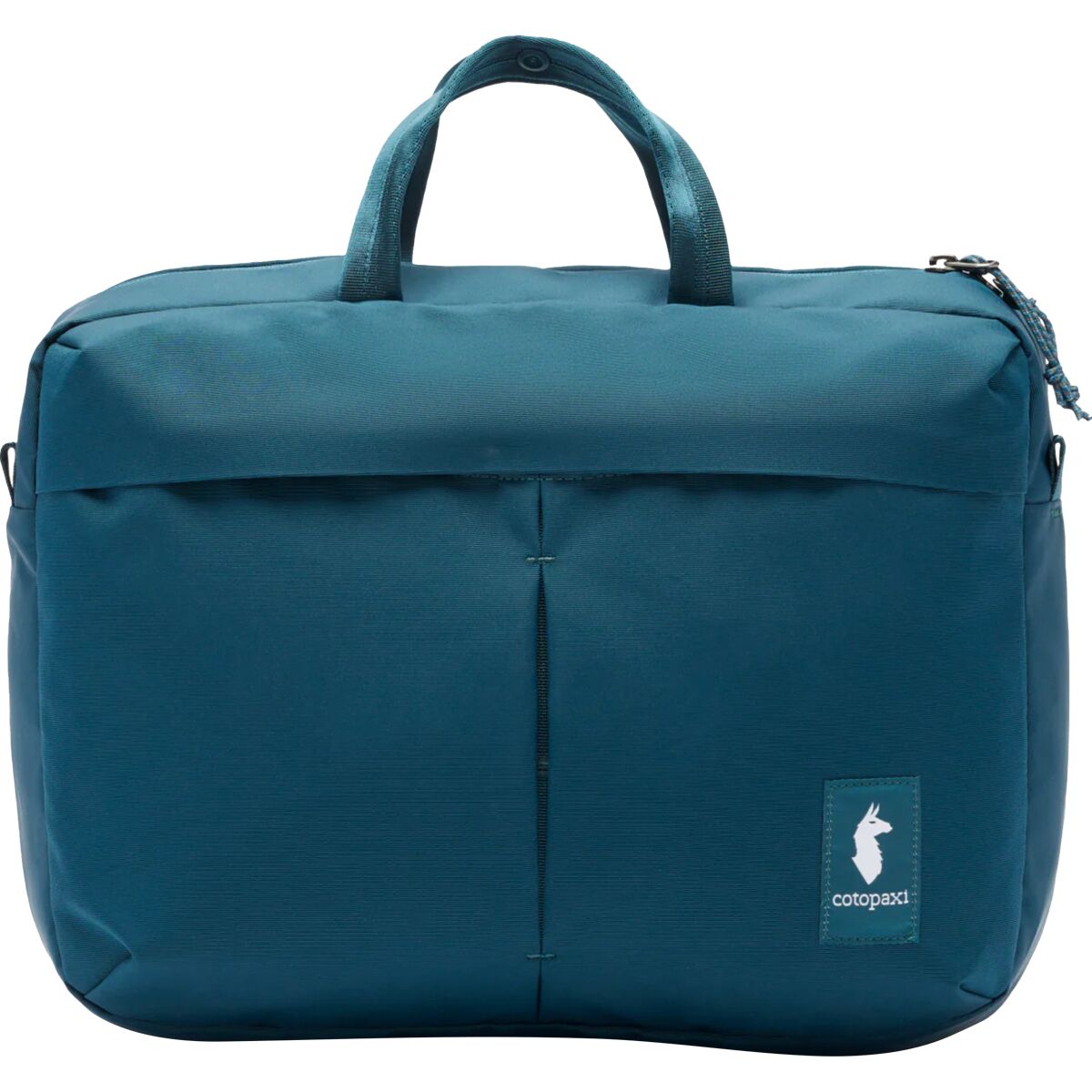
Current Cotopaxi Hiking Packs



Put Dense Weight Close to the Spine and Keep Frequently Used Gear Accessible.
A perfectly fitted pack can still carry badly if the load is unstable or the heaviest items sit far from the body.
Dense items near the back
Water and other dense items should sit close to the body rather than pulling the pack backward.
Soft items fill dead space
Insulation and soft clothing can stabilize irregular gear and reduce load movement.
Keep weather gear available
Shell, gloves, first aid and headlamp should not require unpacking the entire main compartment.
Secure, do not decorate
Anything attached outside should be tight enough that it cannot swing into legs, branches or scrambling terrain.
How This Hiking Backpack Guide Is Built
This GAP page is designed to own hiking-daypack intent without cannibalizing the existing expedition-pack selection guide.
Current 2026 product verification, no fabricated testing
Global Summit Guide rechecked current manufacturer information for Osprey Talon 22 and Stratos 24, Gregory Zulu 30, deuter Speed Lite Pro 25, Patagonia Terravia 28L, Black Diamond Pursuit 30, Cotopaxi Elqui 24L and Cotopaxi Arenal 32L.
The page is intentionally limited to roughly 18–32 liter hiking and mountain-day packs. Larger expedition and load-hauling packs remain on the separate Expedition Pack Selection Guide.
No invented star ratings or hands-on claims: the use-case framework is based on current capacity, published weight, suspension design, load range, fit system, trail features and intended use.
Best Hiking Backpacks FAQ
What size backpack is best for day hiking?
For most hikers, 18–30 liters is the most versatile range. Go smaller for short warm-weather hikes and larger for cold weather, technical equipment or long summit days.
How should a hiking backpack fit?
Match the pack to your torso length, then adjust the hipbelt, shoulder straps, sternum strap and load lifters in that order. The pack should stay stable without restricting breathing or shoulder movement.
Do I need a hipbelt on a daypack?
Not for every load. A simple webbing belt can stabilize a light pack, while padded structured belts become more valuable as load weight and trip duration increase.
Is 30 liters too large for a day hike?
No. Thirty liters is useful for long summit days, winter layers, camera equipment or technical hiking gear. It is simply more capacity than most short warm-weather hikes require.
Which is better: a suspended mesh backpanel or foam backpanel?
Suspended mesh maximizes airflow. Close-body foam or vest-style systems usually improve stability and freedom of movement. Choose based on heat, terrain and load rather than assuming one system is universally better.
Can I use a hiking backpack for an overnight?
A 28–35 liter pack can work for a compact minimalist overnight, but traditional backpacking gear often needs more capacity and stronger load support.
What is the difference between a hiking backpack and an expedition pack?
Day hiking packs prioritize mobility, ventilation and lighter loads. Expedition packs are larger, more structured and designed to transfer substantially heavier loads over longer approaches.
Build the Rest of the Trail System
Expedition Pack Selection Guide
Move into load-hauling and mountaineering packs when 30 liters is no longer enough.
Planning toolMountain Gear Planner
Size the pack around the gear required for the actual mountain.
Parent pillarMountaineering & Hiking Gear Guide
Connect the pack to footwear, layers, shelter and technical gear.
FootwearBest Hiking Boots & Shoes
Match pack load and trail terrain with the right footwear support.
Trail systemTrekking Poles Guide
Coordinate pole use with pack weight, balance and attachment points.
Overnight systemBest Backpacking Tents
Understand how shelter weight and volume change pack requirements.
Deep recoveryMountain Weather for Climbers
Use forecast conditions to decide how much clothing and storm protection the pack must carry.
Deep recoveryGear Safety
Inspect buckles, compression straps, tool attachments and emergency equipment before departure.
Deep recoveryFinal 72-Hour Checklist
Recheck load, weather layers, hydration and emergency gear before leaving.
Fit the Body First. Then Fit the Gear.
The best hiking backpack disappears into the day: the load stays stable, water and layers stay accessible, and the suspension carries the weight without constantly reminding you that it is there.
Was this helpful?
Global Summit Guide is an independent mountaineering resource founded in 2026. The team combines first-hand trekking and climbing experience with in-depth research and professional health and nutrition review to help climbers choose objectives, prepare properly, and stay safe.
Health, altitude, and nutrition content is reviewed by Taylor Ludlow (Registered Nurse) and Brigg Hoopes (Nutritionist).
What We Don't Know Yet
Mountain information changes quickly. This box explains the limits of what this page can responsibly promise.
- Visa, passport, vaccination, border, insurance, and local transportation rules may change before your trip.
- Route conditions, snowpack, closures, and weather can change quickly after this page is updated.
- Permit rules, fees, quotas, and reservation windows may change between review cycles.
- Operator availability, pricing, guide ratios, and cancellation terms can change by season.
- Your fitness, altitude response, risk tolerance, and experience level may change what is safe or realistic.
Verify current conditions with official land managers, guide services, local forecasts, and current route reports before booking or climbing.
Mountaineering, rock and ice climbing, glacier travel, and high-altitude activity are inherently dangerous and can result in serious injury or death. The information on Global Summit Guide is provided for general informational and educational purposes only and is not a substitute for professional instruction, qualified guiding, proper equipment, or your own judgment and experience.
Route conditions, weather, snowpack, permits, regulations, and hazards change constantly and may differ from what is described here. Details may be incomplete, out of date, or contain errors. Always verify current information with local authorities, certified guides, and official sources before making any decision in the mountains.
Nothing on this site is medical, legal, or financial advice. Our fitness, acclimatization, altitude, and nutrition content is general in nature; consult a qualified physician before beginning any strenuous exercise program or exposing yourself to high altitude.
You are solely responsible for your own safety and decisions. To the fullest extent permitted by law, Global Summit Guide and its team accept no liability for any loss, injury, damage, or expense arising from use of, or reliance on, this information. By using this site you acknowledge these risks and accept these terms.
Some links on this site may be affiliate links. If you buy through them we may earn a small commission at no extra cost to you; this never affects our recommendations.
Global Summit Guide recommendation path
Next Best Mountain to Research
Use these recommendations to continue the right planning path instead of stopping on one page.
Use current permit, weather, route, and operator information before booking or climbing.