
Last updated September 7, 2026
Aconcagua Gear List: Complete Packing Guide for the Americas’ Highest Peak
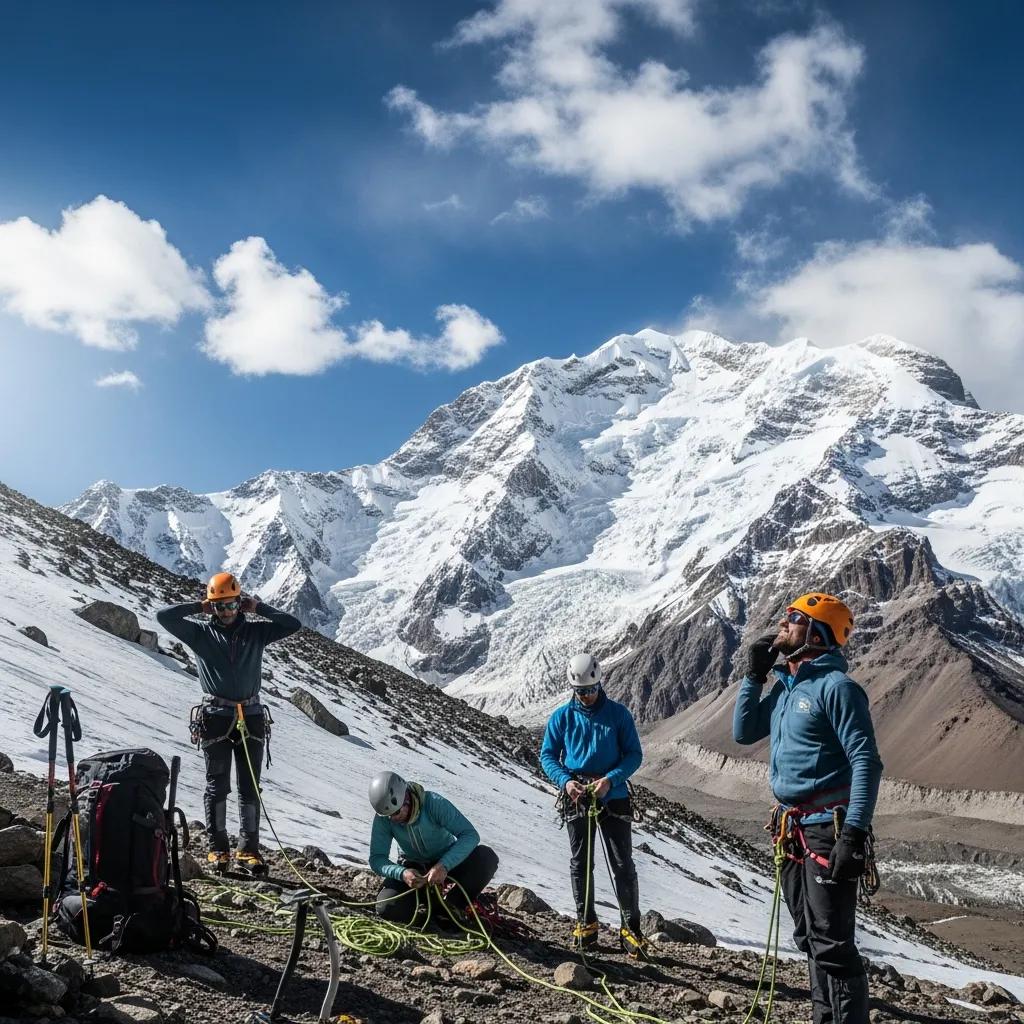
Climbing Aconcagua, the highest peak in the Americas, requires careful planning and the right gear to ensure a successful expedition. This comprehensive guide will help you understand what essential equipment is necessary for tackling this formidable mountain. From clothing layers to safety gear, we will cover everything you need to know to prepare for your climb. Many climbers face challenges in selecting the right gear, which can impact their safety and performance. By following this guide, you will be equipped with the knowledge to make informed decisions about your Aconcagua gear list. We will explore essential mountaineering equipment, clothing layers, footwear, sleeping bags, tents, safety gear, and much more.
What Essential Mountaineering Equipment Is Required for Aconcagua?
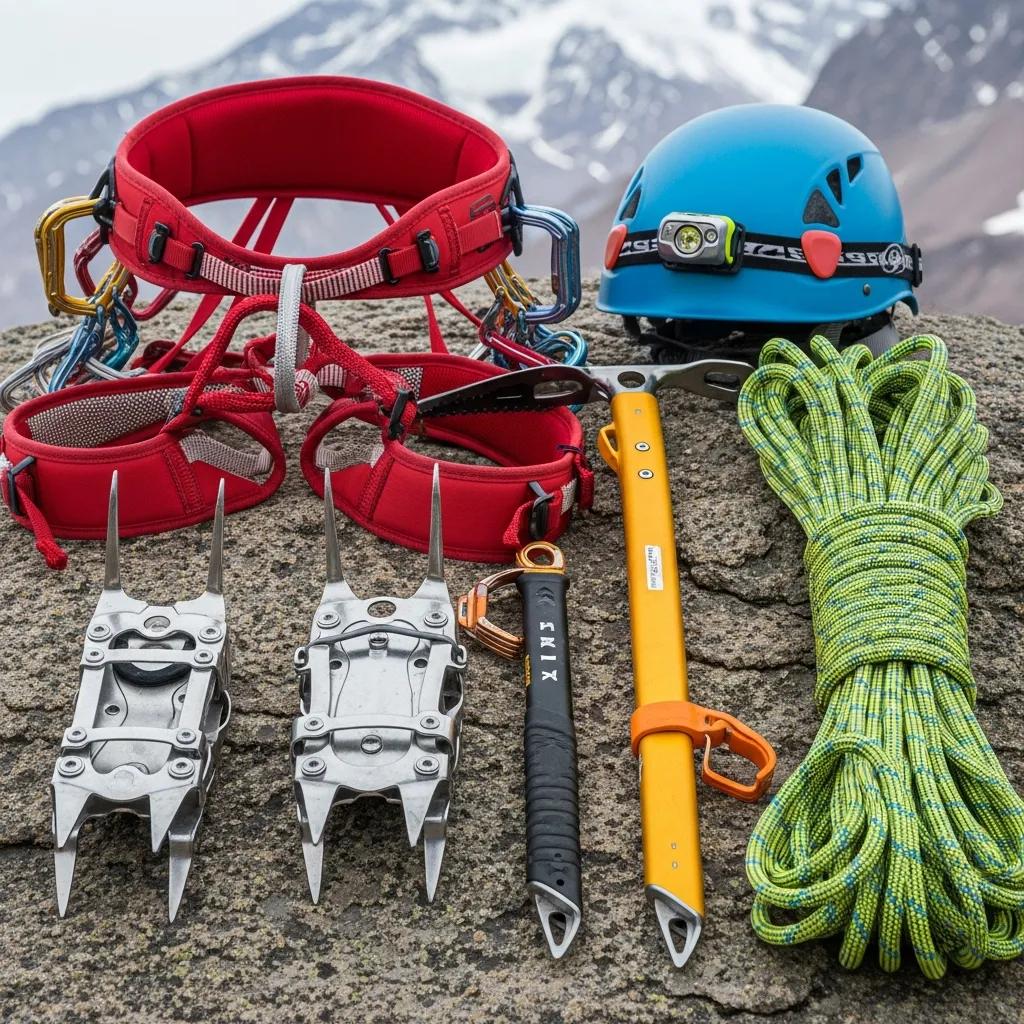
When preparing for an Aconcagua expedition, having the right mountaineering equipment is crucial. Essential gear includes:
- Climbing Harness: A well-fitted harness is vital for safety during ascents and descents.
- Crampons: These are essential for traction on icy surfaces, ensuring stability while climbing.
- Ice Axe: A necessary tool for self-arrest and stability on steep terrain.
- Helmet: Protects against falling rocks and other hazards.
- Ropes and Carabiners: Essential for securing yourself and your gear during climbs.
For those looking to purchase high-quality mountaineering equipment, Information Hub offers a range of products tailored for high-altitude expeditions.
Which Clothing Layers Are Best for High Altitude Climbing on Aconcagua?
Climbing at high altitudes requires a strategic layering system to manage temperature and moisture effectively. The best clothing layers include:
- Base Layer: This layer should wick moisture away from the skin, keeping you dry. Look for materials like merino wool or synthetic fabrics.
- Mid Layer: Insulation is key at high altitudes. Fleece or down jackets work well to retain body heat.
- Shell Layer: A waterproof and windproof outer layer is essential to protect against harsh weather conditions.
Choosing the right clothing layers can significantly enhance your comfort and performance on Aconcagua.
What Are the Recommended Boots and Footwear for Aconcagua Expeditions?
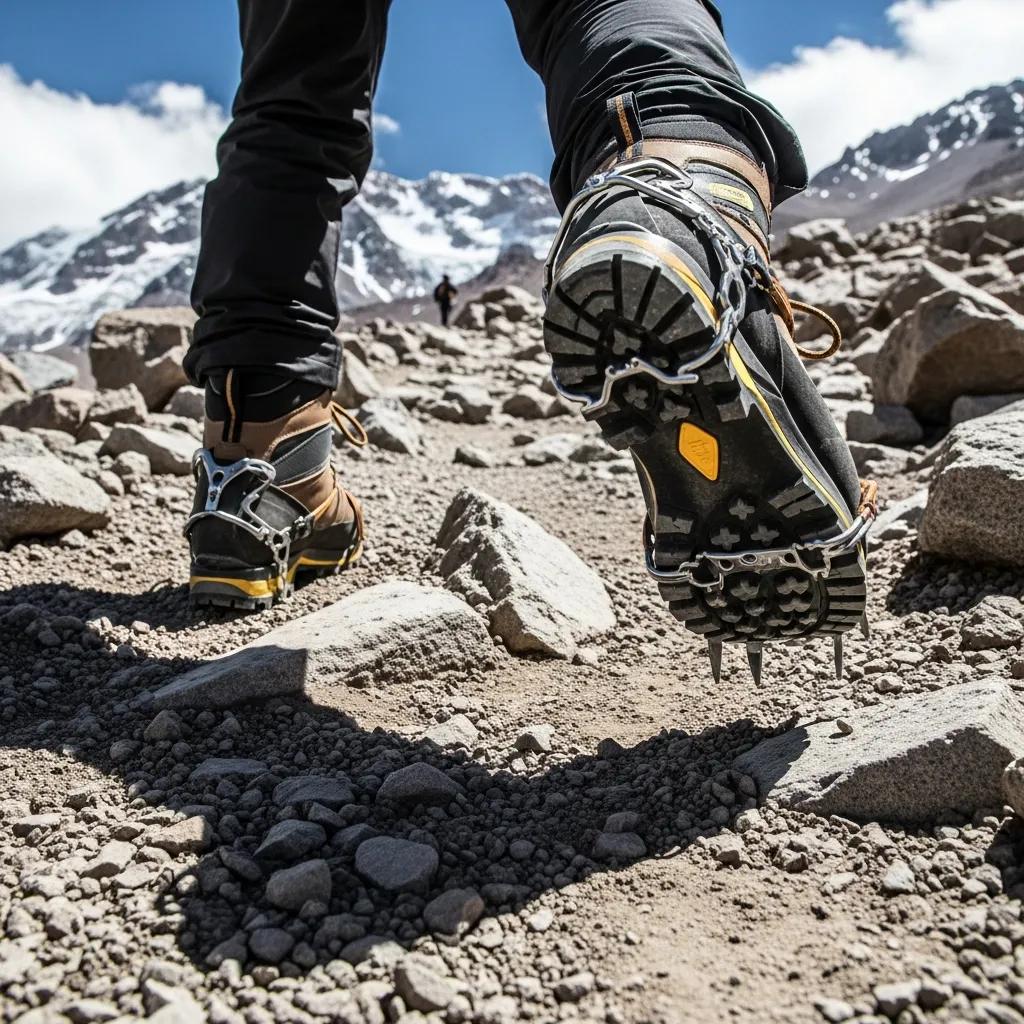
Selecting the right footwear is critical for a successful climb. Recommended boots for Aconcagua expeditions include:
- Mountaineering Boots: These should be insulated and compatible with crampons for icy conditions.
- Gaiters: Useful for keeping snow and debris out of your boots, providing additional protection.
- Approach Shoes: Ideal for the trek to base camp, offering comfort and support on varied terrain.
Proper footwear will help prevent injuries and ensure a more enjoyable climbing experience.
How to Choose the Best Sleeping Bags and Shelter Gear for Aconcagua?
When it comes to sleeping bags and shelter gear, comfort and warmth are paramount. Here are some tips for selecting the best options:
- Sleeping Bags: Choose a sleeping bag rated for extreme cold, ideally with a temperature rating of -20°F (-28.9°C) or lower.
- Insulated Pads: An insulated sleeping pad will provide comfort and additional warmth from the ground.
- Stove System: A reliable stove is essential for cooking meals and melting snow for water.
Investing in quality sleeping gear will enhance your rest and recovery during the expedition.
What Temperature Ratings Should Sleeping Bags Have for Aconcagua Climbs?
For Aconcagua climbs, sleeping bags should have specific temperature ratings to ensure warmth and safety. Recommended ratings include:
- -20°F to -30°F (-28.9°C to -34.4°C): Ideal for high-altitude conditions where temperatures can drop significantly.
- Insulation Type: Down insulation is preferred for its warmth-to-weight ratio, but synthetic options are also available for wet conditions.
Choosing the right sleeping bag can make a significant difference in your comfort level during the climb.
Which Tents and Shelter Equipment Are Suitable for Aconcagua Conditions?
Selecting the right tent and shelter equipment is crucial for protection against the elements. Suitable options include:
- Four-Season Tents: These tents are designed to withstand harsh weather conditions, including high winds and heavy snowfall.
- Weight Considerations: Opt for lightweight materials to ease the burden during the climb.
- Durability: Ensure that the tent is made from high-quality, weather-resistant materials.
A well-chosen tent will provide a safe haven during your expedition.
What Safety Equipment and High Altitude Gear Are Essential for Aconcagua?
Safety should always be a priority when climbing Aconcagua. Essential safety equipment includes:
- First Aid Kit: A comprehensive kit should include bandages, antiseptics, and altitude sickness medication.
- Emergency Beacon: A device for signaling for help in case of emergencies.
- Avalanche Gear: If climbing in avalanche-prone areas, carry a beacon, probe, and shovel.
Having the right safety gear can be life-saving in critical situations.
Is Supplemental Oxygen Necessary for Climbing Aconcagua?
Supplemental oxygen can be a crucial factor for climbers on Aconcagua, especially above 7,000 meters (22,966 feet). Considerations include:
- Oxygen Needs: At high altitudes, the body struggles to acclimatize, making supplemental oxygen beneficial for performance and safety.
- Health Considerations: Individuals with pre-existing health conditions should consult a physician before using supplemental oxygen.
Understanding your oxygen needs can help you prepare adequately for the climb.
Which First Aid and Emergency Equipment Should Be Included?
A well-prepared first aid kit is essential for any climbing expedition. Key items to include are:
- Basic First Aid Supplies: Band-aids, gauze, and antiseptic wipes.
- Altitude Sickness Medication: Such as acetazolamide to help prevent symptoms.
- Emergency Shelter: A lightweight emergency bivvy can provide protection in case of unexpected weather changes.
Being prepared with the right first aid supplies can make a significant difference in emergency situations.
How to Plan and Pack Efficiently for an Aconcagua Expedition?
Efficient packing is crucial for a successful expedition. Here are some strategies to consider:
- Choose the Right Objective: Define your climbing goals and select gear accordingly.
- Logistics and Itinerary Planning: Plan your route and ensure you have all necessary permits and supplies.
- Weight Management Strategies: Aim to keep your pack weight manageable by selecting lightweight gear.
Effective planning will enhance your overall climbing experience.
What Are the Best Backpacks and Carry Systems for Aconcagua Climbers?
Selecting the right backpack is essential for carrying your gear comfortably. Consider the following:
- Capacity: A backpack with a capacity of 60-80 liters is ideal for multi-day expeditions.
- Comfort and Fit: Look for adjustable straps and a padded hip belt for better weight distribution.
- Weight Distribution: Ensure the backpack allows for even weight distribution to reduce fatigue.
A well-fitted backpack will make your climb more enjoyable and efficient.
How to Manage Weight and Organize Gear for High Altitude Efficiency?
Managing weight and organizing gear is vital for high-altitude climbing. Here are some tips:
- Packing for Worst Conditions: Prepare for the worst-case scenario by including extra layers and emergency supplies.
- Layering Systems: Use a layering system to keep your gear organized and accessible.
- Hydration and Nutrition Planning: Ensure you have adequate food and water supplies to maintain energy levels.
Effective weight management will enhance your climbing efficiency and safety.
What Are the Latest Recommendations and Brand Comparisons for Aconcagua Gear?
Staying updated on the latest gear recommendations is essential for climbers. Some top brands to consider include:
- The North Face: Known for durable and high-performance outdoor gear.
- Black Diamond: Offers specialized climbing equipment and accessories.
- Marmot: Renowned for quality sleeping bags and tents.
Researching and comparing brands can help you make informed purchasing decisions.
How Do Leading Brands Like The North Face and Black Diamond Compare for Aconcagua Equipment?
When comparing leading brands, consider the following factors:
- Brand Reputation: Look for brands with a strong reputation in the mountaineering community.
- Product Range: Ensure the brand offers a comprehensive range of gear suitable for Aconcagua.
- User Feedback: Check reviews and testimonials from other climbers to gauge product performance.
Understanding brand comparisons can guide your gear selection process.
What Are the Recent Innovations in Lightweight Technical Gear for 2024-2026?
The outdoor gear industry is constantly evolving, with innovations aimed at enhancing performance. Recent advancements include:
- Material Advancements: New lightweight and durable materials that improve gear performance.
- Weight Reduction Techniques: Innovative designs that reduce weight without compromising functionality.
- Performance Improvements: Enhanced features that improve usability and comfort during climbs.
Staying informed about innovations can help you choose the best gear for your expedition.
How Does Weather and Altitude Affect Gear Selection for Aconcagua?
Weather and altitude play significant roles in gear selection. Key considerations include:
- Layering Systems: Adjusting your clothing layers based on weather conditions is essential for comfort.
- Weather Protection: Ensure your gear is designed to withstand high winds and precipitation.
- Altitude Considerations: Be aware of how altitude affects your body and gear performance.
Understanding these factors will help you make informed decisions about your gear.
What Weather Conditions Should Climbers Prepare for on Aconcagua?
Climbers should be prepared for a range of weather conditions on Aconcagua, including:
- Extreme Cold: Temperatures can drop significantly, especially at higher altitudes.
- High Winds: Strong winds can create dangerous conditions and affect climbing safety.
- Snow and Rain: Be prepared for sudden weather changes that can impact visibility and safety.
Being aware of potential weather conditions will help you prepare adequately.
How Does Altitude Influence Equipment Needs and Safety Measures?
Altitude significantly influences equipment needs and safety measures. Key points to consider include:
- Hydration Plans: Staying hydrated is crucial at high altitudes to prevent altitude sickness.
- Pacing Strategies: Adjust your climbing pace to accommodate for reduced oxygen levels.
- Safety Equipment Needs: Ensure you have the necessary safety gear for high-altitude conditions.
Understanding altitude’s impact on your climb will enhance your safety and performance.
Where Can Climbers Find Reliable Resources and Structured Data for Aconcagua Gear?
Reliable resources for Aconcagua gear information include:
- Gear Checklists: Comprehensive checklists can help ensure you pack all necessary items.
- Safety Guidelines: Resources that outline safety protocols for high-altitude climbing.
- Planning Resources: Websites and guides that provide detailed information on Aconcagua expeditions.
Utilizing these resources will help you prepare effectively for your climb.
How to Use Schema.org Product Markup for Gear Lists and FAQs?
Using schema markup can enhance the visibility of your gear lists and FAQs. Key benefits include:
- Improved Search Visibility: Schema markup helps search engines understand your content better.
- Enhanced User Experience: Structured data can improve how your content appears in search results.
- Implementation Strategies: Follow best practices for implementing schema markup on your website.
Incorporating schema markup can improve your online presence and accessibility.
What Are the Best Online Platforms for Updated Aconcagua Gear Reviews and Guides?
Finding reliable platforms for gear reviews is essential for climbers. Some top platforms include:
- Outdoor Gear Lab: Offers comprehensive reviews and comparisons of outdoor gear.
- REI Co-op Journal: Provides expert advice and gear recommendations for climbers.
- Climbing Magazine: Features articles and reviews focused on climbing gear and techniques.
Utilizing these platforms will help you stay informed about the latest gear and trends.
What Are the Key Safety Protocols and Risk Mitigation Strategies for Aconcagua Climbers?
Safety protocols are essential for minimizing risks during Aconcagua climbs. Key strategies include:
- Acclimatization Strategies: Gradually ascending to higher altitudes to allow your body to adjust.
- Emergency Planning: Having a clear plan for emergencies, including evacuation routes.
- Weather Preparedness: Staying informed about weather conditions and adjusting plans accordingly.
Implementing these safety protocols can significantly enhance your climbing experience.
How to Recognize and Prevent Altitude Sickness During the Expedition?
Recognizing and preventing altitude sickness is crucial for climbers. Key points include:
- Symptoms of Altitude Sickness: Headaches, nausea, and dizziness are common indicators.
- Prevention Strategies: Ascend slowly, stay hydrated, and consider medication if necessary.
- Treatment Options: Descending to a lower altitude is often the most effective treatment.
Being aware of altitude sickness can help you take proactive measures during your climb.
What Emergency Procedures and Communication Tools Are Essential?
Having effective emergency procedures and communication tools is vital for safety. Essential items include:
- Emergency Readiness: Always have a plan in place for emergencies, including evacuation routes.
- Communication Tools: Satellite phones or radios can be crucial for staying in contact with your team.
- Emergency Planning: Regularly review and practice emergency procedures with your climbing team.
Being prepared for emergencies can save lives and ensure a safer climbing experience.
To ensure you’re fully prepared, consider visiting Global Summit Guide’s trip planning resources for detailed guidance on logistics and preparation.
Many climbers find it helpful to consult with experienced guides and outfitters. Contact Global Summit Guide for expert advice and support in planning your Aconcagua expedition.
Before embarking on your climb, it’s essential to understand the potential dangers and how to mitigate them. Global Summit Guide’s gear and safety section offers valuable insights into essential safety protocols and equipment.
For more information on various mountain expeditions and climbing destinations, check out Global Summit Guide’s mountains page, where you can find detailed guides and resources.
For a comprehensive overview of mountaineering and expedition planning, visit Global Summit Guide, your ultimate resource for high-altitude adventures.
Conclusion
Preparing for an Aconcagua expedition with the right gear is essential for ensuring safety and enhancing performance. By understanding the necessary equipment, clothing layers, and safety protocols, climbers can confidently tackle the challenges of high-altitude climbing. For expert guidance and a comprehensive selection of gear, visit Global Summit Guide today. Equip yourself for success and make your Aconcagua adventure unforgettable.
Aconcagua Gear & the Full Guide
Gear is one piece of an Aconcagua expedition. See the full guide, the routes and the season below.
Was this helpful?
🏔Related gear guides
🧭Explore & compare
Global Summit Guide is an independent mountaineering resource founded in 2026. The team combines first-hand trekking and climbing experience with in-depth research and professional health and nutrition review to help climbers choose objectives, prepare properly, and stay safe.
Health, altitude, and nutrition content is reviewed by Taylor Ludlow (Registered Nurse) and Brigg Hoopes (Nutritionist).
What We Don't Know Yet
Mountain information changes quickly. This box explains the limits of what this page can responsibly promise.
- Weather, snowpack, avalanche risk, road access, and route conditions can change quickly and may be different on your climbing dates.
- Route conditions, trailhead access, crevasse exposure, stream crossings, and rescue access may vary from published planning guidance.
- Gear requirements can change by season, route variation, weather window, personal cold tolerance, and guide-service requirements.
- Fitness and altitude response vary by person; no guide, itinerary, or training plan can guarantee acclimatization or summit success.
Verify current conditions with official land managers, guide services, local forecasts, and current route reports before booking or climbing.
Mountaineering, rock and ice climbing, glacier travel, and high-altitude activity are inherently dangerous and can result in serious injury or death. The information on Global Summit Guide is provided for general informational and educational purposes only and is not a substitute for professional instruction, qualified guiding, proper equipment, or your own judgment and experience.
Route conditions, weather, snowpack, permits, regulations, and hazards change constantly and may differ from what is described here. Details may be incomplete, out of date, or contain errors. Always verify current information with local authorities, certified guides, and official sources before making any decision in the mountains.
Nothing on this site is medical, legal, or financial advice. Our fitness, acclimatization, altitude, and nutrition content is general in nature; consult a qualified physician before beginning any strenuous exercise program or exposing yourself to high altitude.
You are solely responsible for your own safety and decisions. To the fullest extent permitted by law, Global Summit Guide and its team accept no liability for any loss, injury, damage, or expense arising from use of, or reliance on, this information. By using this site you acknowledge these risks and accept these terms.
Some links on this site may be affiliate links. If you buy through them we may earn a small commission at no extra cost to you; this never affects our recommendations.
Global Summit Guide recommendation path
Next Best Mountain to Research
Use these recommendations to continue the right planning path instead of stopping on one page.
Use current permit, weather, route, and operator information before booking or climbing.