
Last updated September 16, 2026

Manaslu Gear List: What to Pack for an 8,000m Expedition
Manaslu needs a complete expedition system: high-altitude boots, extreme-cold insulation, fixed-line hardware, sleeping gear for multiple camps, redundant hand and eye protection, and an oxygen setup coordinated with your operator. The most important rule is simple: build from the common 8,000-meter core, then reconcile every item against the exact expedition package you booked.
Pack for Four Different Mountains Inside One Expedition.
Manaslu gear changes dramatically between the trek to Base Camp, rotations through Camps 1–3, the high-camp phase and the summit push. A good kit therefore is not simply “the warmest version of everything.” It is a layered system that lets you move efficiently low on the mountain and still retain a real safety margin above 7,000 meters.
The common core across current operator lists includes very warm high-altitude boots, crampons, harness, helmet, one mechanical ascender, rappel/belay hardware, ice axe, expedition mittens, glacier glasses, goggles, high-camp sleeping system, insulated water storage, expedition insulation and a climbing pack sized to the operator’s carry model.
Do not copy a universal bottle count, pack size or summit clothing formula from the internet. Madison, Alpine Ascents and Furtenbach currently use materially different oxygen packages, pack requirements and insulation systems. The expedition company’s current written list is the final authority.
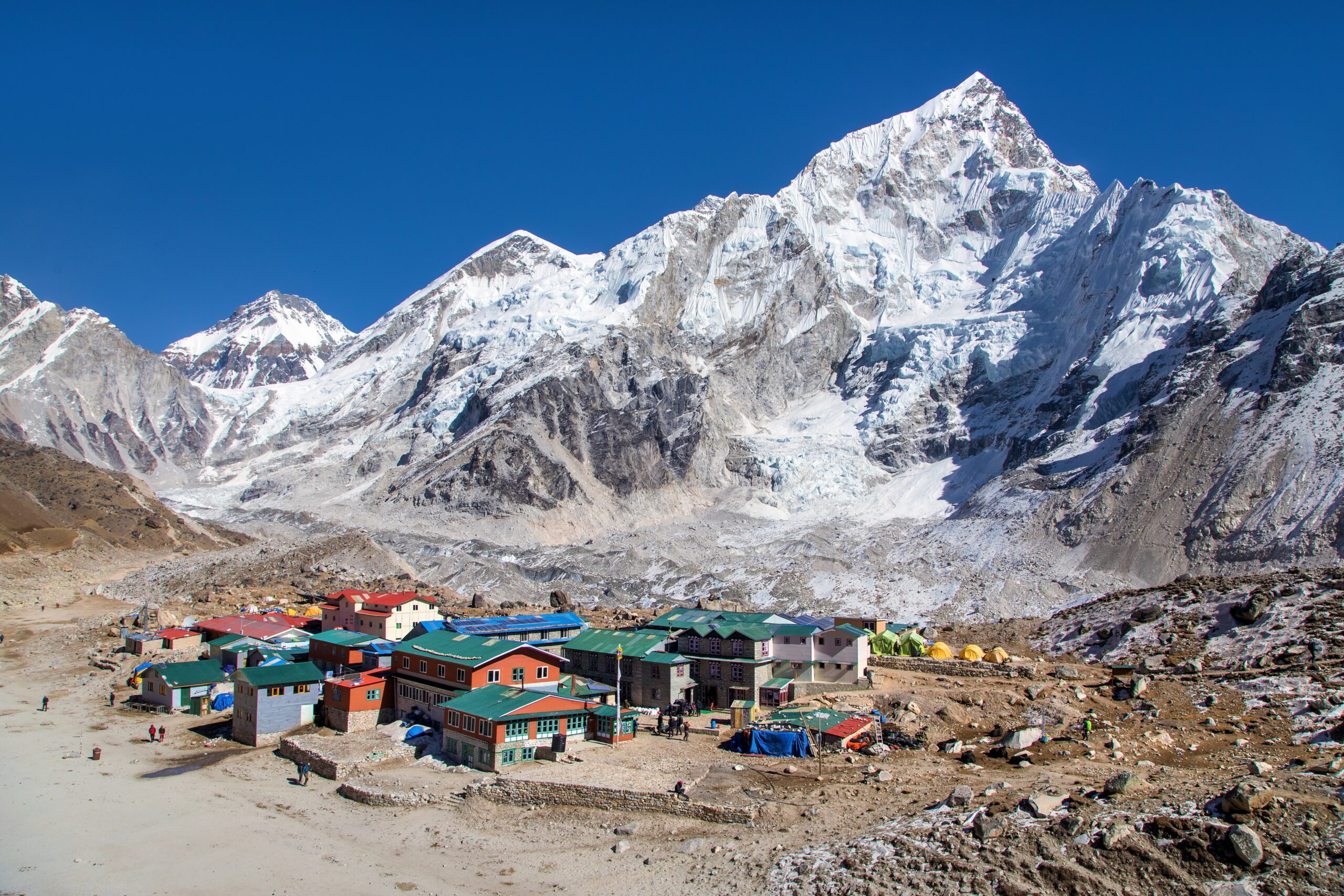
Manaslu Is an Expedition System, Not a Single Summit-Day Outfit.
The standard Northeast Ridge moves from a long Nepal approach and Base Camp around 4,700–4,800 meters through increasingly glaciated high camps, fixed lines, avalanche-exposed terrain, a high Camp 4 around the mid-7,000-meter range and a true summit above 8,000 meters. That sequence forces the climber to solve several different equipment problems.
Low on the mountain, weight, moisture control and mobility dominate. Higher up, warmth, oxygen integration, glove dexterity, eye protection and sleep-system redundancy become progressively more important. Your gear needs to work as one system through that transition.
Where Manaslu Gear Lists Actually Differ
These differences are exactly why the old “one checklist fits everyone” framing is too simple for an 8,000-meter expedition.
| System | Current commercial examples | What you should do |
|---|---|---|
| Summit insulation | Madison currently lists a down suit for climbing above Camp 2. Alpine Ascents lists a down suit as optional/recommended when expedition down pants plus an expedition parka are used instead. | Choose one complete operator-approved summit insulation system. Do not automatically buy both. |
| High-altitude boots | Alpine Ascents requires a high-altitude all-in-one boot. Madison’s current list recommends the La Sportiva Olympus Mons class. | Prioritize warmth, fit, circulation and crampon compatibility. Carry mission-critical boots in hand luggage when practical. |
| Sleeping bags | Madison and Alpine Ascents both currently separate a colder high-camp bag around -40°F from a Base Camp bag around -20°F. | Follow the operator’s camp system and consider personal cold tolerance rather than treating the temperature number as a universal law. |
| Expedition pack | Alpine Ascents lists approximately 65–75L. Madison currently lists an approximately 105L expedition pack. | Ask what loads you personally carry above Base Camp before choosing volume. |
| Supplemental oxygen | Furtenbach’s classic package includes 3 bottles; Madison lists 6 bottles per climber; Furtenbach Flash provides enough oxygen for two summit attempts and a different support model. | Do not buy bottles independently from a generic web recommendation. Coordinate the complete oxygen system through the operator. |
| Rappel system | Alpine Ascents specifically requires a figure-8 style rappel device for the larger-diameter fixed lines used on the climb. | Use the device and connector system specified by your operator, and practice with it before Nepal. |
Manaslu Gear List by Function
Use this as the common framework. Quantities, exact models and operator-supplied items must still be reconciled with the expedition company’s current list.
Boots, Crampons & Foot Warmth
Feet are one of the least forgiving systems on an 8,000-meter summit push.
- Very warm high-altitude all-in-one or triple-style mountaineering boot approved by the operator.
- General mountaineering crampons compatible with the exact boot system.
- Anti-balling plates where required by the crampon design.
- Multiple wool / synthetic expedition socks plus liners if your boot fit is built around them.
- Approach hiking boots or trekking shoes.
- Insulated Base Camp footwear and optional booties.
- Optional heated socks or insoles only if they fit the operator-approved system.
Down Suit—or Expedition Separates
This is one of the clearest places where current operator lists diverge.
- One-piece expedition down suit when required or chosen.
- OR expedition down parka plus expedition down pants when accepted by the operator.
- Lightweight insulated jacket for lower camps / movement.
- Synthetic insulated layer for damp conditions or intermediate use.
- Waterproof-breathable shell jacket.
- Waterproof shell pants with long or full side zips.
- Softshell upper and lower layers for active climbing.
Harness, Ascender, Rappel & Connectors
Manaslu may be less technically complex than K2, but the standard route still depends heavily on fixed-line efficiency.
- Alpine harness with adjustable leg loops that fits over bulky clothing.
- One mechanical ascender unless the operator specifies otherwise.
- Operator-approved rappel / belay device.
- Locking and non-locking carabiners in the exact quantity specified.
- Accessory cord / prusik material or proprietary safety tether system.
- Climbing helmet sized over warm headwear.
- General mountaineering ice axe.
Redundancy Where Frostbite Risk Is Highest
High altitude turns small glove or eyewear failures into expedition-ending problems.
- Light liner gloves.
- Softshell / climbing gloves.
- Warm insulated shell gloves.
- Expedition mittens large enough to fit an inner glove.
- Warm hat, balaclava system and neck gaiter.
- Glacier glasses with full high-altitude UV protection.
- Ski goggles for summit wind and blowing snow.
- Second lens or backup eyewear when required by operator.
Manage Moisture Before You Add Massive Insulation
- Multiple lightweight synthetic or wool base-layer tops and bottoms.
- Heavier expedition-weight base layer for very cold upper-mountain days.
- Midweight fleece or active-insulation top.
- Softshell climbing pants.
- Light trekking pants for the approach.
- Non-cotton underwear and T-shirts for the expedition duration.
Base Camp and High Camps Are Different Problems
Current major-operator lists commonly separate the two systems.
- High-camp sleeping bag meeting the operator’s required cold rating.
- Separate Base Camp sleeping bag when the company’s logistics allow it.
- Full-length insulated inflatable sleeping pad.
- Closed-cell foam pad used with the inflatable pad.
- Repair patches / valve kit for the inflatable pad.
- Compression and waterproof storage sacks.
- Earplugs and insulated sleep / camp booties if useful.
Size the Pack to the Support Model
The same mountain can require very different client carry loads under different operators.
- Expedition climbing pack in the operator-specified volume.
- Separate lighter trekking pack for the approach when required.
- Large soft-sided expedition duffels for porter / yak transport.
- Waterproof pack liners and compression sacks.
- Rain cover if desired or required.
- Trekking poles with snow baskets.
Keep Liquids From Freezing
- Two or three wide-mouth one-liter bottles.
- Fully insulated bottle parkas.
- One-liter vacuum thermos.
- Operator-approved water treatment for lower portions if needed.
- Personal high-calorie snacks you know you can eat at altitude.
- Electrolyte / drink mix if part of your tested fueling plan.
- Insulated mug and basic personal eating kit when required.
Cold-Weather Electronics Need Redundancy
- Reliable headlamp plus fresh spare batteries.
- Power bank sized to the expedition plan.
- Phone / camera protection from cold and moisture.
- Solar panel only if useful under the operator’s Base Camp power setup.
- Personal satellite communicator only if permitted and useful; many commercial teams provide group communications.
- Charging cables and adapters organized in a waterproof pouch.
Bring Personal Prescriptions—Let the Expedition Medical Plan Stay a Team System
- Personal prescription medicines in sufficient quantity plus documentation when needed.
- Small personal first-aid and blister kit.
- High-SPF sunscreen and lip protection.
- Hand sanitizer, wipes, toothbrush and basic hygiene supplies.
- Any altitude medication specifically prescribed or discussed with your clinician.
- Insurance and emergency documentation.
There Is No Universal “Bring 4–8 Bottles” Rule
Oxygen strategy is part of the expedition package, not a generic gear-shopping decision.
3 Bottles + Rental Mask / Regulator
Furtenbach’s current classic Manaslu package lists three oxygen bottles plus rental mask and regulator. Emergency oxygen and group medical equipment are also part of the package.
6 Bottles per Climber
Madison’s current 2026 Manaslu expedition inclusions specify six oxygen bottles per climber along with group equipment, tents, ropes, radios and medical support.
A Different Oxygen Model Entirely
The Flash package states that it provides enough oxygen for two summit attempts and uses a higher-support strategy. That illustrates why one bottle count cannot represent every Manaslu expedition.
Your oxygen plan should come from the operator. Mask, regulator, bottle compatibility, storage, summit strategy, backup oxygen, Sherpa support and high-camp caches all interact. This page intentionally does not prescribe a personal flow rate or bottle count.
Approach, Base Camp, Rotations & Summit Push
Organizing the equipment by where it is used makes the packing list much easier to understand.
Trek Efficiently
- Light hiking footwear
- Trekking layers
- Rain protection
- Sun hat + sunglasses
- Trekking poles
- Small trekking pack
Keep summit equipment in the transport system until it is actually needed.
Recover & Maintain Gear
- Base Camp sleeping bag
- Insulated camp footwear
- Heavy parka
- Charging / electronics
- Personal repair kit
- Extra clothing rotations
Base Camp is where you dry, inspect and reorganize equipment before each rotation.
Technical Movement
- High-altitude boots
- Crampons
- Harness + helmet
- Ascender / fixed-line system
- Ice axe
- High-camp sleep system
Weight and efficiency still matter, but failure of the technical system is no longer an inconvenience.
Maximum Cold Margin
- Summit insulation system
- Expedition mittens
- Goggles + glacier glasses
- Headlamp
- Insulated bottles / thermos
- Operator oxygen system
Every summit-day item has to work while you are cold, tired, oxygen-limited and wearing bulky gloves.
What You Bring vs What the Operator Usually Organizes
This distinction can save thousands of dollars in unnecessary purchases—and prevent you from arriving without something your package excludes.
Fit-Critical Clothing & Climbing Gear
High-altitude boots, clothing, gloves, goggles, harness, helmet, crampons, ascender / rappel system, sleeping bags, pads, pack, headlamp and personal health / travel items are commonly the climber’s responsibility.
Camp Infrastructure & Route Systems
High-camp tents, stoves, fuel, fixed-line systems, group ropes, radios, weather services, Base Camp infrastructure and group medical supplies are commonly included in full-service packages.
Oxygen, Mask, Regulator & Specialized Support
Oxygen packages vary substantially. Confirm bottle quantity, mask and regulator rental, backup system, Sherpa support, high-camp gear and whether oxygen is included in the quoted price.
What Should You Own Before Manaslu?
For an 8,000-meter expedition, familiarity matters more than saving a few hundred dollars on the wrong item.
Own and Train With These
- High-altitude boots once the operator approves the category.
- Harness, helmet and fixed-line hardware.
- Glove and mitten system.
- Goggles and glacier glasses.
- Base, mid, shell and active insulation layers.
- Headlamp.
- Climbing pack if you will train with the same load system.
Any item where fit, dexterity or practiced movement affects safety should feel familiar long before Nepal.
Rental Can Make Sense—When Controlled
- Down suit if your operator has a trusted rental source.
- Expedition sleeping bag.
- Specialist high-altitude boots only if fit can be confirmed well in advance.
- Some technical hardware when supplied directly by the operator.
- Mask and oxygen regulator when included as part of the expedition oxygen package.
Do not wait until Kathmandu to discover that the mission-critical item you expected to rent is unavailable in your size or incompatible with your system.
Six Manaslu Gear Mistakes That Matter
The expensive mistakes are usually system failures, not forgotten small items.
Buying Before Choosing the Operator
Pack size, oxygen system, summit insulation and technical hardware can differ. Choose the expedition model first.
Boot / Crampon Incompatibility
Do not assume every automatic or semi-automatic crampon fits every high-altitude boot. Test the exact combination.
Overheating During Rotations
Expedition insulation is not the default climbing layer at lower camps. Moisture management matters throughout the expedition.
Practicing Fixed Lines in Thin Gloves Only
Summit dexterity is different. Practice ascender and rappel transitions while wearing bulky cold-weather gloves.
Treating Oxygen as a Shopping List Item
Mask, regulator, bottles, caches, backups and Sherpa support are one expedition system. Coordinate them with the operator.
Using an Online Page as a Drug Protocol
Carry personal prescriptions and follow a clinician/operator medical plan. Do not self-build an emergency medication protocol from a gear checklist.
Gear Only Makes Sense Inside the Expedition Plan
Route, training, season, cost and operator structure determine what the final gear list looks like.
Manaslu Climb Guide
Full mountain overview, route, altitude, camps, hazards and expedition structure.
RouteManaslu Northeast Ridge
Understand exactly where fixed lines, glacier travel and high camps shape the equipment system.
TrainingManaslu Training Plan
Build the load-carrying endurance and expedition durability needed to use the gear effectively.
CostManaslu Expedition Cost
Separate personal gear purchases from operator inclusions, oxygen and expedition fees.
SeasonBest Time to Climb Manaslu
Weather window and cold exposure directly affect clothing and sleep-system choices.
OperatorCompare Manaslu Operators
Compare support ratios, oxygen inclusions, high-camp systems and expedition models.
Practice the Systems Before the Expedition
Owning the hardware is not the same as being ready to operate it under fatigue and altitude.
Fixed Lines & Jumars
Practice ascending, clipping, passing anchors and descending fixed lines efficiently.
HazardAvalanche Awareness
Manaslu’s route history makes snowpack and avalanche awareness part of expedition judgment.
Trip protectionInsurance Above 6,000m
Confirm the policy explicitly covers 8,163-meter mountaineering, evacuation and the activity type.
How This Gear Guide Was Checked
The previous page treated several operator choices as universal Manaslu requirements. This rebuild uses current commercial expedition lists to separate the common 8,000-meter core from package-specific systems.
- Madison Mountaineering 2026: down suit above Camp 2, Olympus Mons-class boots, approximately -40°F high-camp bag, approximately -20°F Base Camp bag, one ascender, approximately 105L expedition pack and six oxygen bottles per climber.
- Alpine Ascents International: high-altitude all-in-one boot, one ascender, figure-8 rappel device for larger fixed lines, approximately 65–75L pack, -40°F high-camp bag, -20°F Base Camp bag, and a down suit as an optional/recommended alternative to expedition parka + down pants.
- Furtenbach Adventures: classic package currently lists three oxygen bottles plus mask/regulator rental; its Flash package uses a materially different oxygen-support model with enough oxygen for two summit attempts.
Final authority: your expedition company’s current written equipment and inclusions list. High-camp logistics, Sherpa support, oxygen strategy and route-fixing systems can change what the individual climber is expected to carry.
Manaslu Gear Questions
The common theme is operator specificity: the 8,000-meter core is consistent, but the exact expedition system is not.
Do I need a down suit for Manaslu?
A down suit is common but not a universal one-piece requirement. Madison currently lists a down suit for climbing above Camp 2. Alpine Ascents treats a down suit as optional/recommended when expedition down pants plus a sufficiently warm expedition parka are used instead. Follow your operator’s approved summit insulation system.
What boots do I need for Manaslu?
Very warm high-altitude mountaineering boots are standard. Alpine Ascents specifies a high-altitude all-in-one boot, while Madison’s current list recommends the Olympus Mons class. Fit, warmth, circulation and crampon compatibility are more important than a generic marketing label.
How much oxygen should I bring?
There is no universal bottle count. Current packages range from three bottles in Furtenbach’s classic package to six bottles per climber at Madison, while Furtenbach Flash uses a different support strategy. Treat oxygen as an operator-managed system.
What sleeping bag do I need?
Current Madison and Alpine Ascents lists both use roughly -40°F for the high-camp bag and -20°F for Base Camp. Your exact requirement should still come from the expedition company and account for personal cold tolerance and the actual camp system.
What size pack do I need?
That varies by support model. Alpine Ascents currently lists approximately 65–75L, while Madison lists roughly 105L. Confirm exactly what personal and group equipment you are expected to move between camps before buying a pack.
Should I bring my own pulse oximeter?
Do not treat a pulse oximeter as a device that clears you to continue ascending. Some commercial teams include pulse oximetry within their group medical system. If your operator wants you to carry a personal unit, use it as context within their medical protocol rather than as a stand-alone decision tool.
What gear will the operator provide?
Full-service operators commonly provide high-camp tents, stoves, fuel, route-fixing or rope systems, communications, group medical equipment and at least some oxygen infrastructure. Exact inclusions differ dramatically, so compare the written package against the personal gear list before purchasing.
Build the System. Then Train Until It Feels Familiar.
On Manaslu, the important question is not whether every checkbox is filled. It is whether boots, crampons, insulation, fixed-line hardware, gloves, sleep system and oxygen support all work together when you are tired, cold and high on the Northeast Ridge.
Manaslu Gear & the Full 8000er Picture
Gear is one piece of a Manaslu expedition. See the full guide, the season and the wider set below.
Was this helpful?
🏔Related gear guides
🧭Explore & compare
Global Summit Guide is an independent mountaineering resource founded in 2026. The team combines first-hand trekking and climbing experience with in-depth research and professional health and nutrition review to help climbers choose objectives, prepare properly, and stay safe.
Health, altitude, and nutrition content is reviewed by Taylor Ludlow (Registered Nurse) and Brigg Hoopes (Nutritionist).
What We Don't Know Yet
Mountain information changes quickly. This box explains the limits of what this page can responsibly promise.
- Gear requirements can change by season, route variation, weather window, personal cold tolerance, and guide-service requirements.
- Visa, passport, vaccination, border, insurance, and local transportation rules may change before your trip.
- Route conditions, snowpack, closures, and weather can change quickly after this page is updated.
- Permit rules, fees, quotas, and reservation windows may change between review cycles.
- Operator availability, pricing, guide ratios, and cancellation terms can change by season.
Verify current conditions with official land managers, guide services, local forecasts, and current route reports before booking or climbing.
Mountaineering, rock and ice climbing, glacier travel, and high-altitude activity are inherently dangerous and can result in serious injury or death. The information on Global Summit Guide is provided for general informational and educational purposes only and is not a substitute for professional instruction, qualified guiding, proper equipment, or your own judgment and experience.
Route conditions, weather, snowpack, permits, regulations, and hazards change constantly and may differ from what is described here. Details may be incomplete, out of date, or contain errors. Always verify current information with local authorities, certified guides, and official sources before making any decision in the mountains.
Nothing on this site is medical, legal, or financial advice. Our fitness, acclimatization, altitude, and nutrition content is general in nature; consult a qualified physician before beginning any strenuous exercise program or exposing yourself to high altitude.
You are solely responsible for your own safety and decisions. To the fullest extent permitted by law, Global Summit Guide and its team accept no liability for any loss, injury, damage, or expense arising from use of, or reliance on, this information. By using this site you acknowledge these risks and accept these terms.
Some links on this site may be affiliate links. If you buy through them we may earn a small commission at no extra cost to you; this never affects our recommendations.
Global Summit Guide recommendation path
Next Best Mountain to Research
Use these recommendations to continue the right planning path instead of stopping on one page.
Use current permit, weather, route, and operator information before booking or climbing.