
Last updated October 1, 2026

Best Camping Stoves for Hiking & Backpacking: 8 Picks by Use
The best mountain stove is the one that matches your fuel supply, weather, party size and cooking style. A tiny burner can be ideal for a summer solo trip; a regulated or liquid-fuel system can make more sense when wind, cold and repeated snow melting become the real problem.
For Most Three-Season Backpackers, a Regulated Canister Stove Around 2–3 Ounces Is the Most Versatile Starting Point.
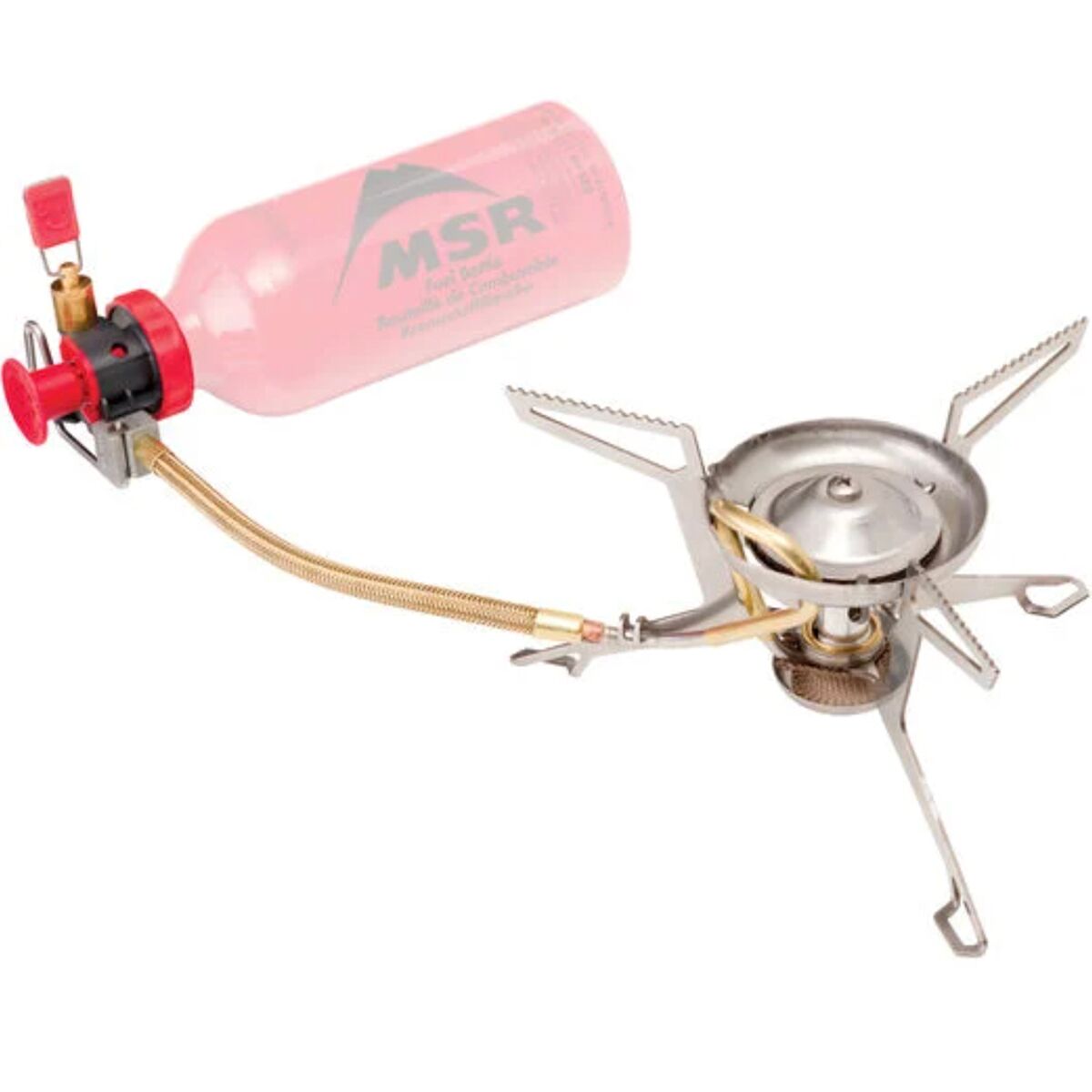
MSR PocketRocket Deluxe and SOTO WindMaster sit near the all-around sweet spot: both are compact, regulated burners with integrated ignition and better wind management than the simplest exposed burner. PocketRocket Deluxe is about 2.9 ounces; WindMaster is about 3.0 ounces with its 4Flex support.
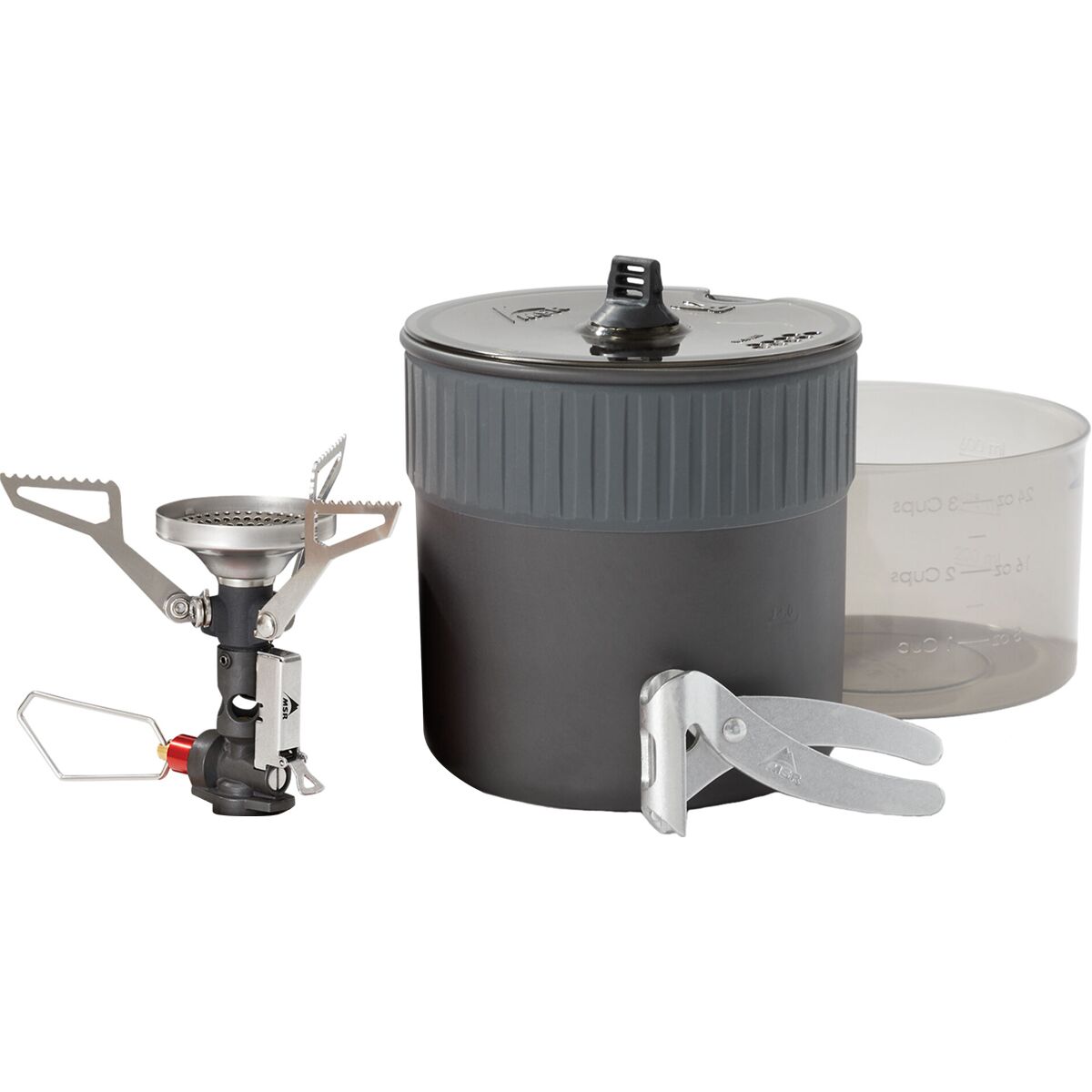
If the trip is mostly about boiling water, Jetboil Flash 1.0L integrates pot and burner into an efficient 13.1-ounce system. Jetboil MiniMo is heavier but adds a regulator and much better simmer control.
Snow Peak LiteMax and SOTO Amicus target lightweight simplicity. Primus Essential Trail trades a little weight for straightforward stability. For international fuel flexibility or extended cold-weather expeditions, MSR WhisperLite International remains a different tool entirely.
8 Camping & Backpacking Stoves Worth Comparing
These are grouped by use case rather than ranked first through eighth. Fuel architecture changes the job each stove does.
MSR PocketRocket Deluxe
Pressure-regulated canister stove with piezo ignition and broad burner head.
- 2.9 oz / 83 g
- 1 L boil: about 3:18
- Isobutane-propane
SOTO WindMaster
Recessed burner geometry keeps the flame close to the pot and reduces wind exposure.
- ~3.0 oz with 4Flex
- 11,000 BTU / 3260 W
- Micro Regulator + piezo
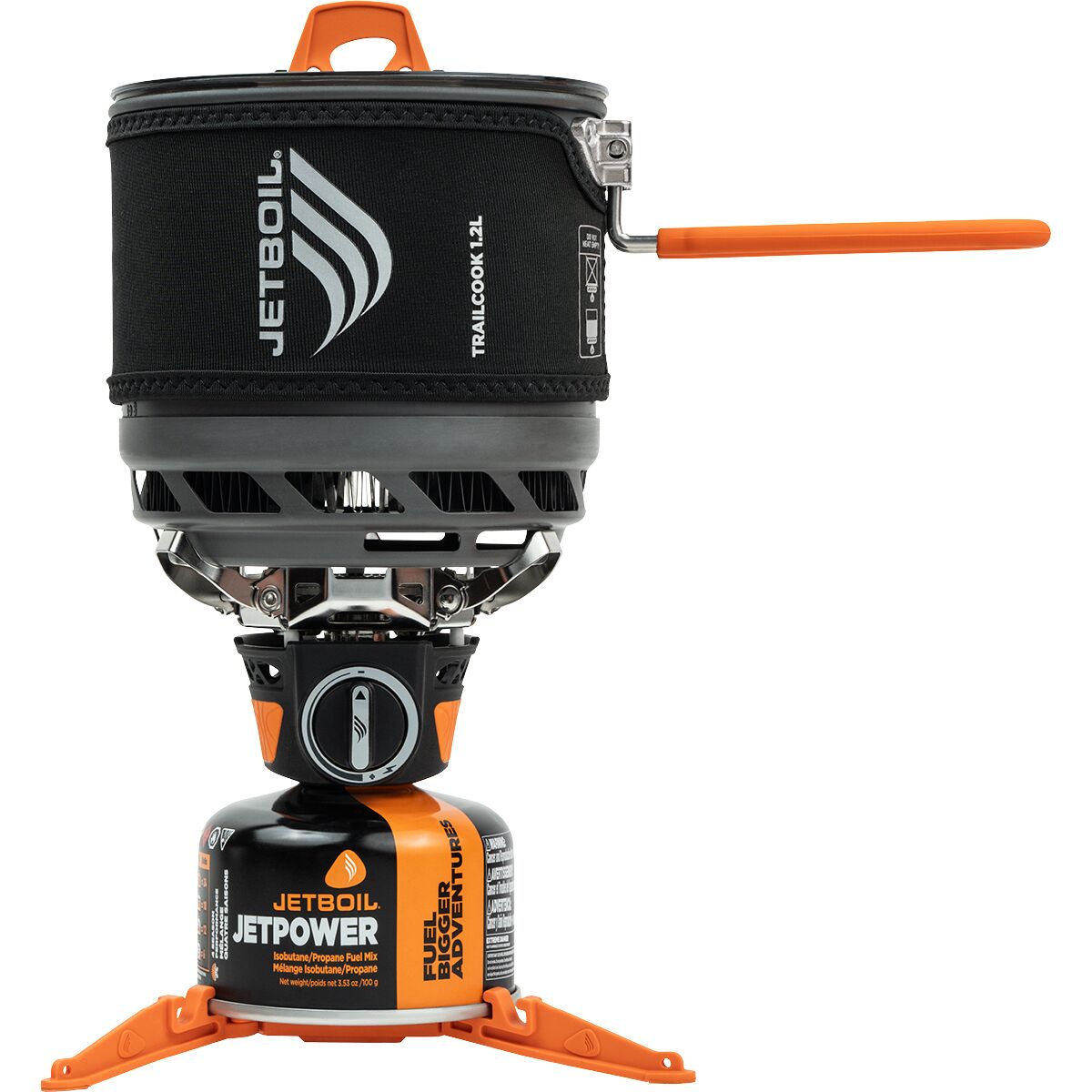
Jetboil Flash 1.0L
Integrated pot and burner for rapid water boiling and simple meals.
- 13.1 oz / 371 g
- 0.5 L boil: about 120 sec
- 1 L insulated cup
Jetboil MiniMo
Short one-liter system with regulator and better cooking control.
- 14.6 oz / 415 g
- 0.5 L boil: about 2:15
- Regulated
Snow Peak LiteMax
Minimal titanium canister burner for weight-focused trips.
- 1.9 oz / 56 g
- 11,200 BTU
- Iso-butane
Primus Essential Trail
Broad pot support and straightforward valve control.
- 112 g
- 2500 W
- 1 L boil: about 3:30
SOTO Amicus with Igniter
Compact canister stove with concave burner and integrated ignition.
- 2.9 oz / 81 g
- 10,210 BTU
- Simple trail value
MSR WhisperLite International
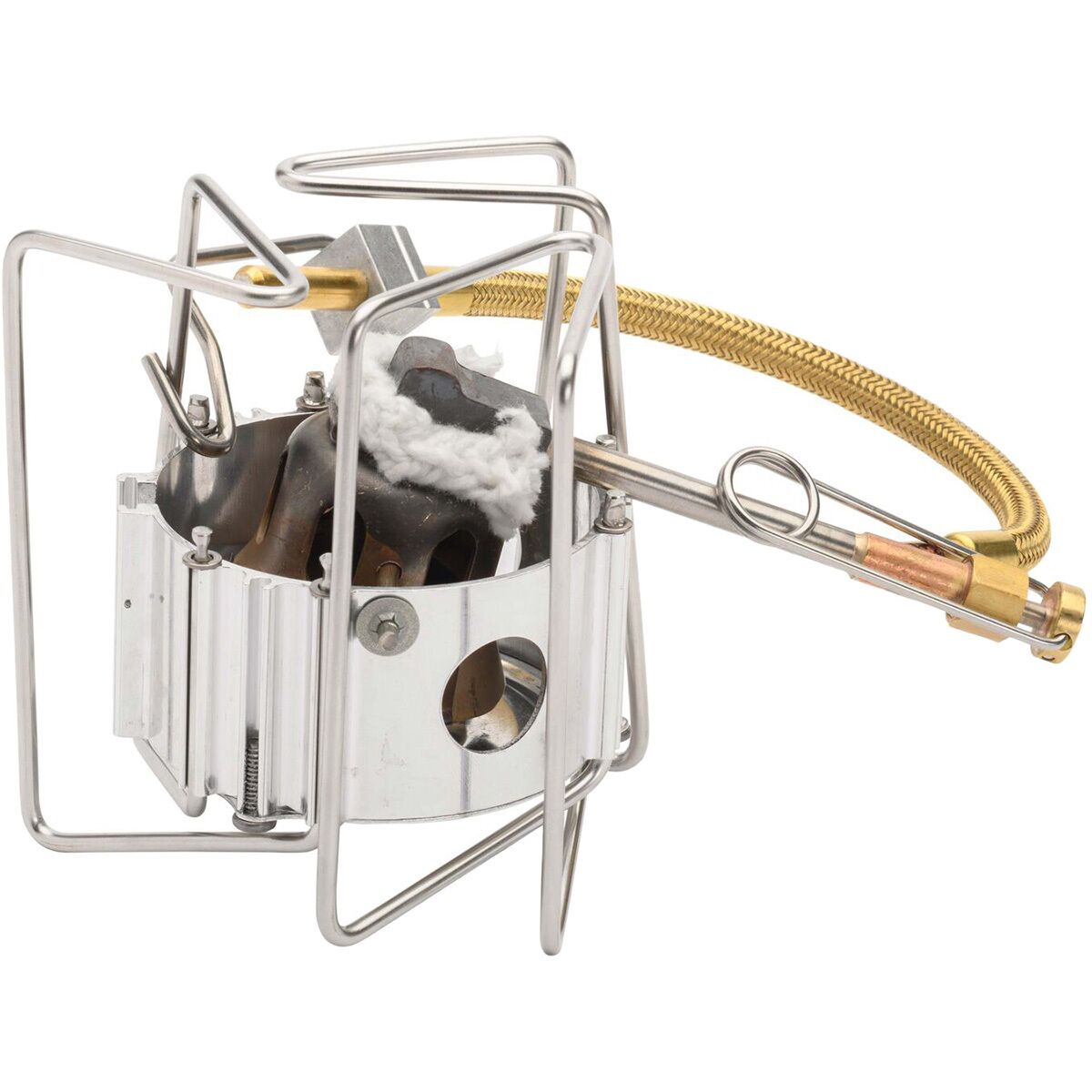
Field-serviceable multi-fuel stove for long trips and difficult fuel logistics.
- 11.2 oz stove + pump
- White gas / kerosene / unleaded auto fuel
- 1 L: about 3:30 on white gas
| Stove | Fuel | Weight | Best use | Main strength | Main trade-off |
|---|---|---|---|---|---|
| PocketRocket Deluxe | Canister | 2.9 oz | General backpacking | Regulated, light, simmers | Canister-dependent |
| SOTO WindMaster | Canister | ~3.0 oz | Windy 3-season trips | Wind-resistant geometry | Separate cookware |
| Jetboil Flash | Integrated canister | 13.1 oz | Fast water boiling | Efficient system | Less flexible cooking |
| Jetboil MiniMo | Integrated canister | 14.6 oz | Boiling + cooking | Regulated simmer | Heavier |
| Snow Peak LiteMax | Canister | 1.9 oz | Ultralight | Very low weight | Exposed burner |
| Primus Essential Trail | Canister | 112 g | Simple cooking | Stable, broad burner | Heavier than UL options |
| SOTO Amicus | Canister | 2.9 oz | Budget backpacking | Light + igniter | Less refined regulation |
| WhisperLite International | Liquid / multi-fuel | 11.2 oz + bottle | International / expedition | Fuel flexibility | Priming + maintenance |
Most Hikers Should Start With Canister Fuel.
Threaded isobutane-propane canisters are popular because there is no pumping or priming. Attach the stove, open the valve, ignite and cook.
Liquid-fuel stoves add complexity but solve different problems. Refillable fuel bottles make sense for long trips with high fuel demand, sustained winter use and destinations where compatible threaded canisters may be hard to find.
Do not choose liquid fuel simply because a trip is “high altitude.” Temperature, fuel availability, wind, party size and total cooking demand are more useful decision variables.
Freeze-Dried Meals and Real Cooking Need Different Stoves.
Integrated systems excel when the meal plan is mostly “boil water, pour, wait.” Standalone burners give more cookware and simmer flexibility.
Fast + efficient
Heat-exchanger pots capture more of the burner output and nest into a single system.
Light + flexible
Choose your own pot and keep easier access for stirring, simmering and frying.
Volume + logistics
Worth the extra complexity when fuel quantity, cold or international sourcing justify it.

Wind Protection Is Also a Safety Decision.
Wind strips heat from cookware, but the wrong windscreen around a fuel canister can create dangerous overheating.
WindMaster-style geometry
Recessed or broad burner heads reduce flame exposure without enclosing the canister.
Pot + burner geometry
Jetboil-style systems improve heat capture through integrated cookware.
Use only approved screens
Some systems are designed for supplied windscreens because the fuel source sits away from the flame.
Regulation Helps—but It Does Not Make a Canister Immune to Cold.
Pressure regulation can help maintain output as pressure drops. That is why PocketRocket Deluxe, WindMaster and MiniMo are useful in marginal conditions.
Fuel blend and canister temperature still matter. Do not heat a canister with a flame or improvise methods outside the manufacturer’s instructions.
For sustained winter travel and large fuel demand, liquid fuel remains relevant because it solves a different logistics and pressure problem.

Calculate Boils, Not Just Nights.
One canister-per-X-days rules break down because meal plans and conditions vary too much.
How much each boil?
Coffee plus two dinners may double the daily water-boiling demand.
Starting temperature matters
Near-freezing water requires more energy than warm summer water.
Lost heat costs fuel
Exposed camps can consume materially more fuel than calm reference tests.
Melting changes everything
If snow is the water source, the stove becomes part of the hydration system.


Ordinary Camping Stoves Belong Outside the Tent.
Fuel-burning stoves create both flame and carbon-monoxide hazards. The U.S. Consumer Product Safety Commission warns against using portable fuel-burning camping equipment inside tents unless a product is specifically designed and instructed for enclosed-space use.
MSR’s PocketRocket Deluxe manual is explicit: outdoor use only. Tents and vestibules can trap combustion gases while placing fabric close to an open flame.
Set the stove on a stable, nonflammable surface away from sleeping gear and dry vegetation. Follow the manufacturer’s leak-check, cookware-size and fuel instructions.
Shop Current Camping & Backpacking Stoves
A dedicated live stove tag is not confirmed in the current GSG project data, so this build avoids inventing one.
Current Backpacking Stoves
Use the fuel framework first, then compare current catalog inventory.
Current Camping & Backpacking Stoves
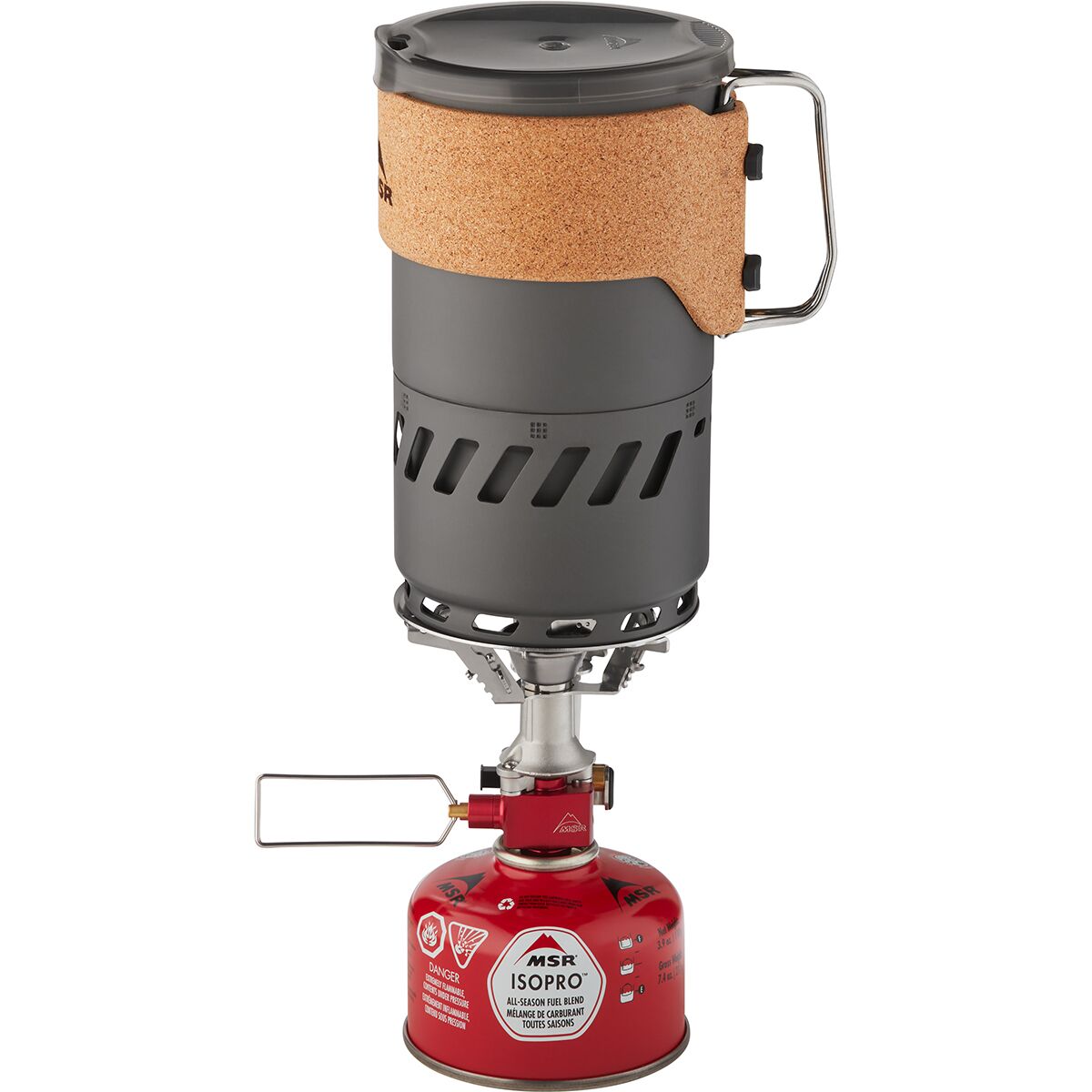
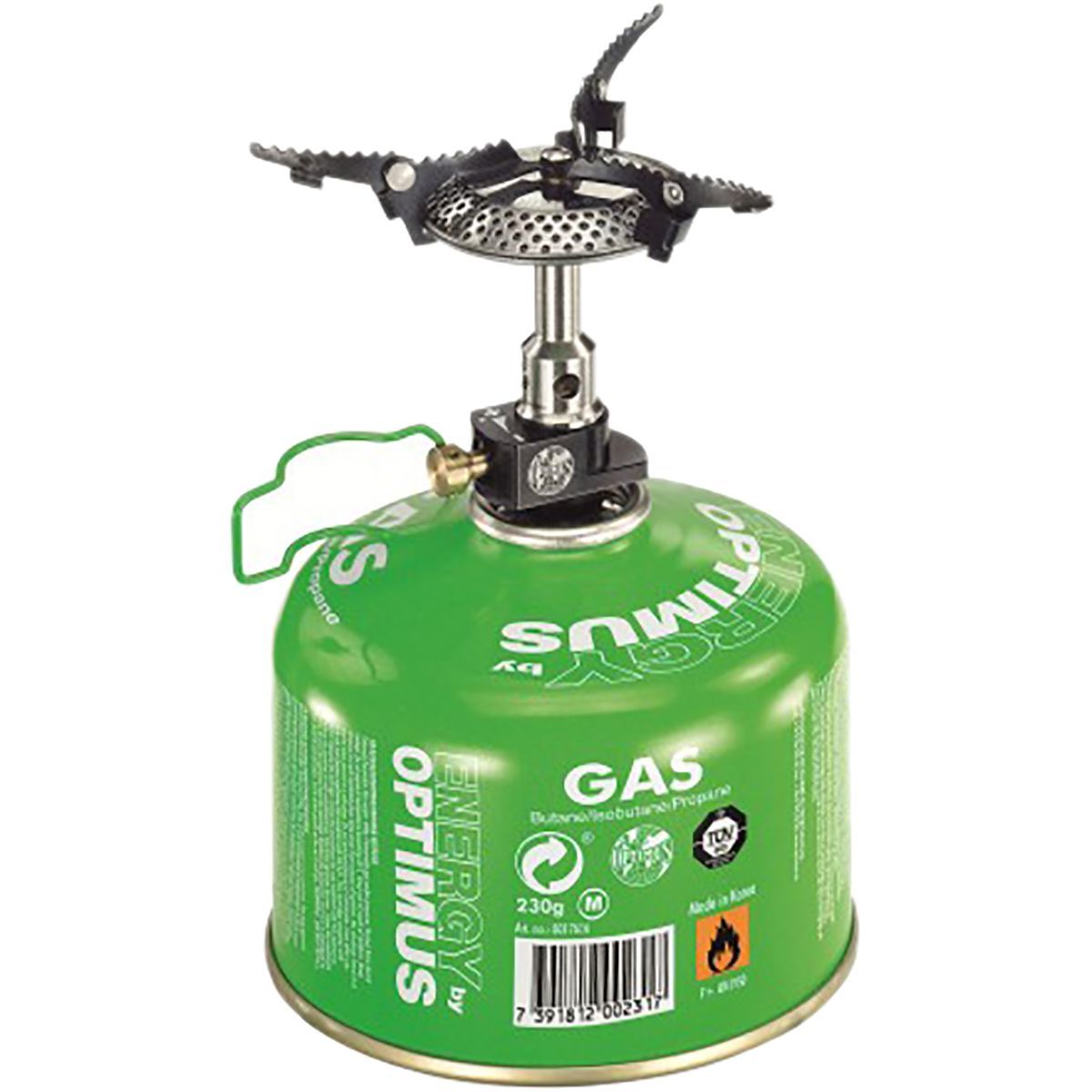
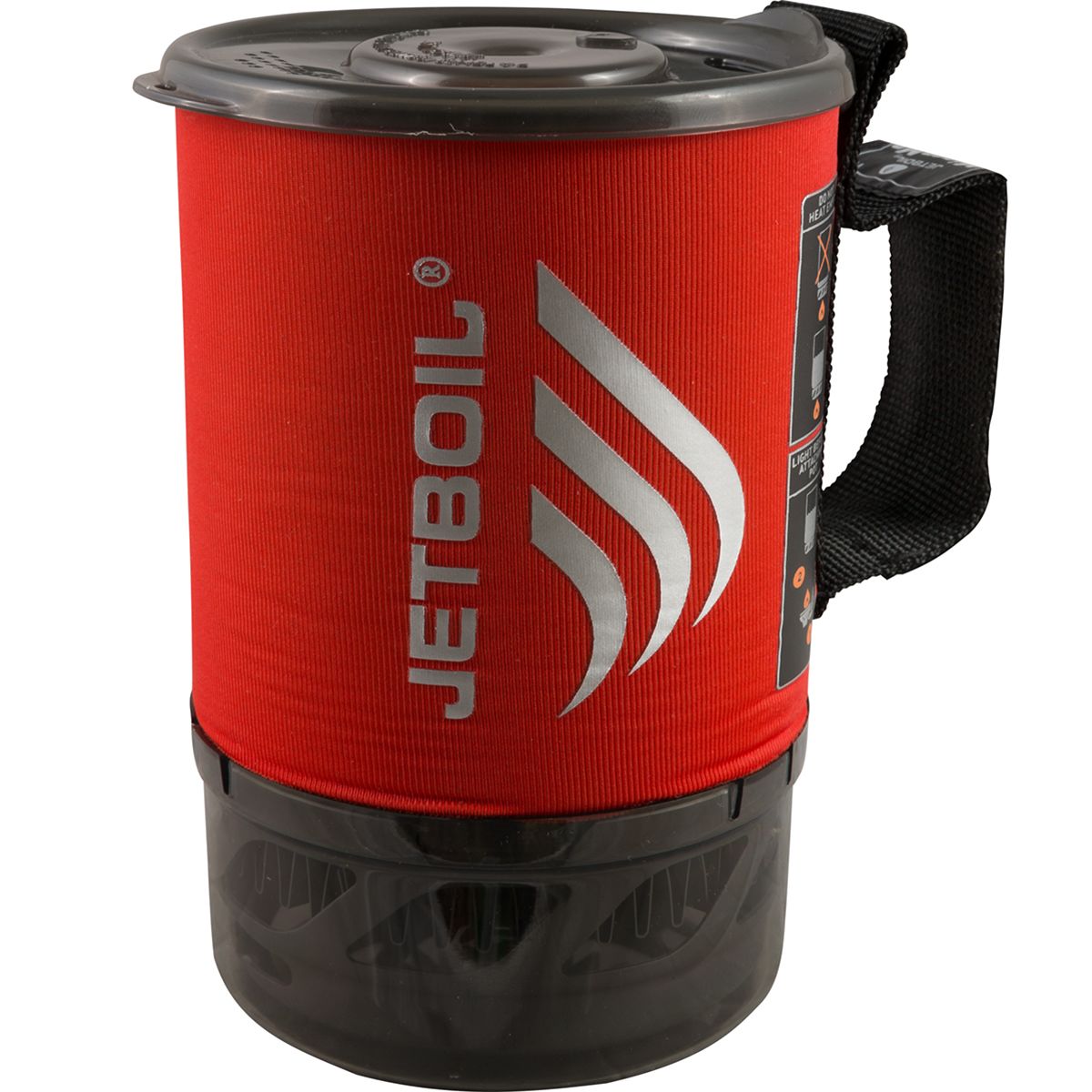
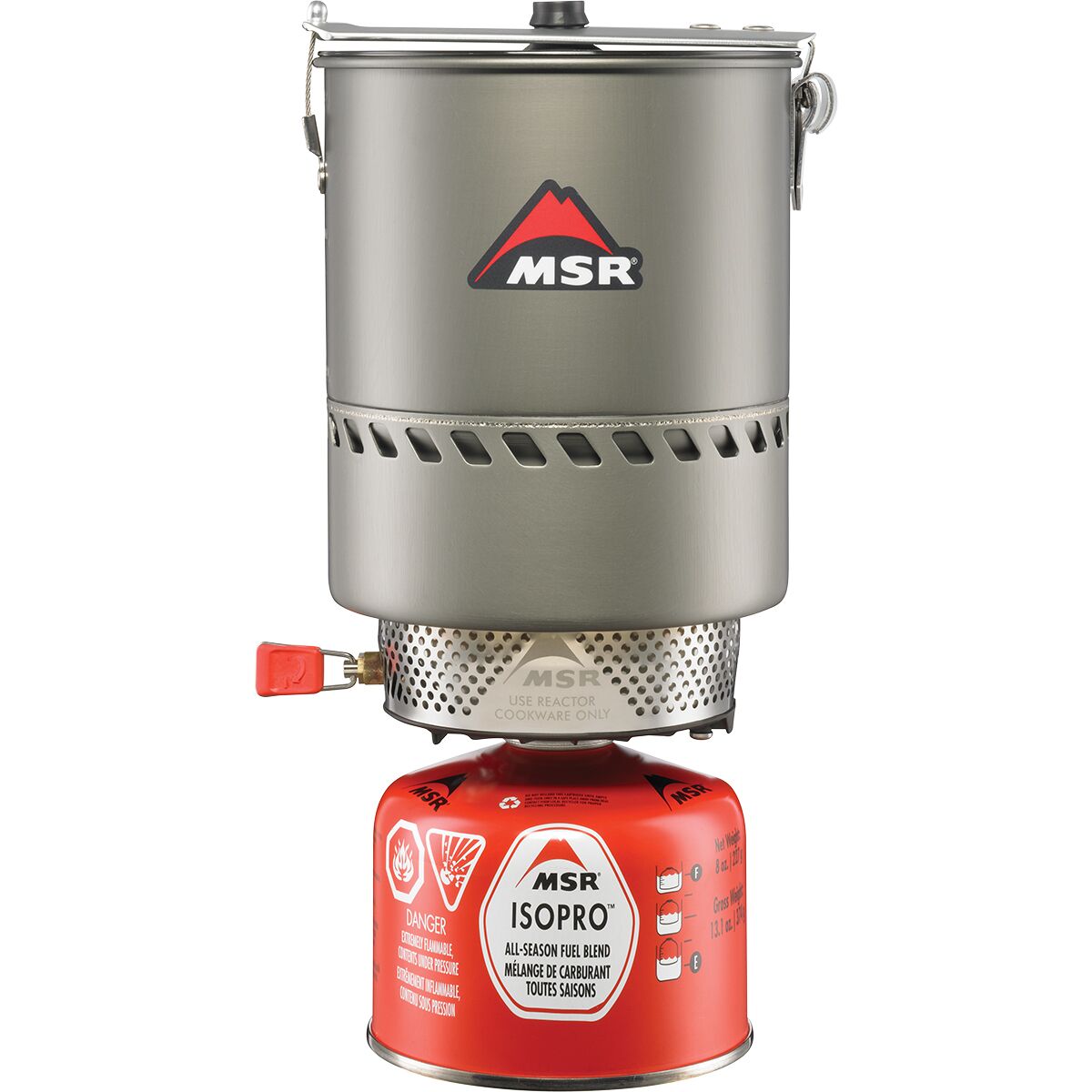
We may earn a commission if you buy through these links, at no extra cost to you. Affiliate disclosure
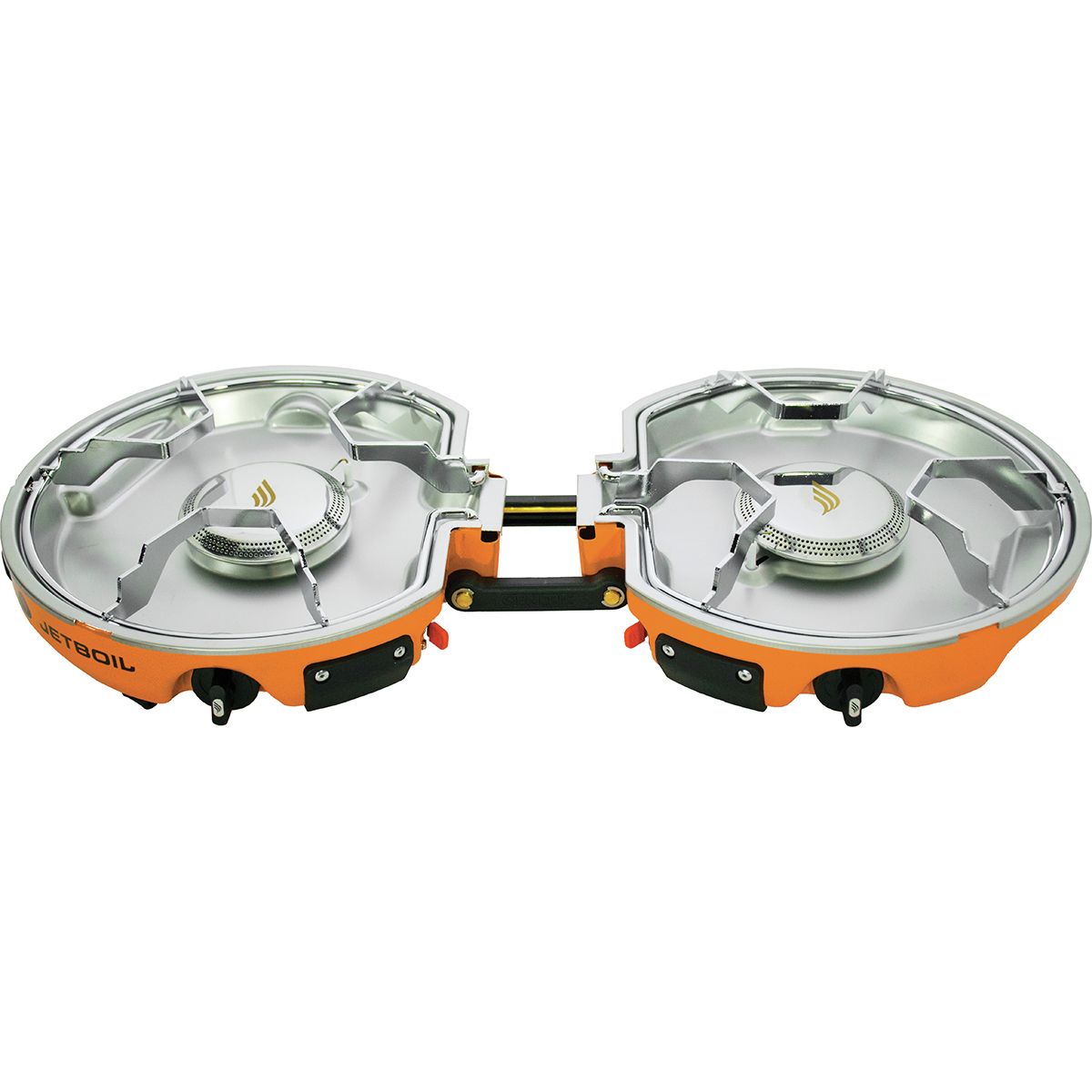
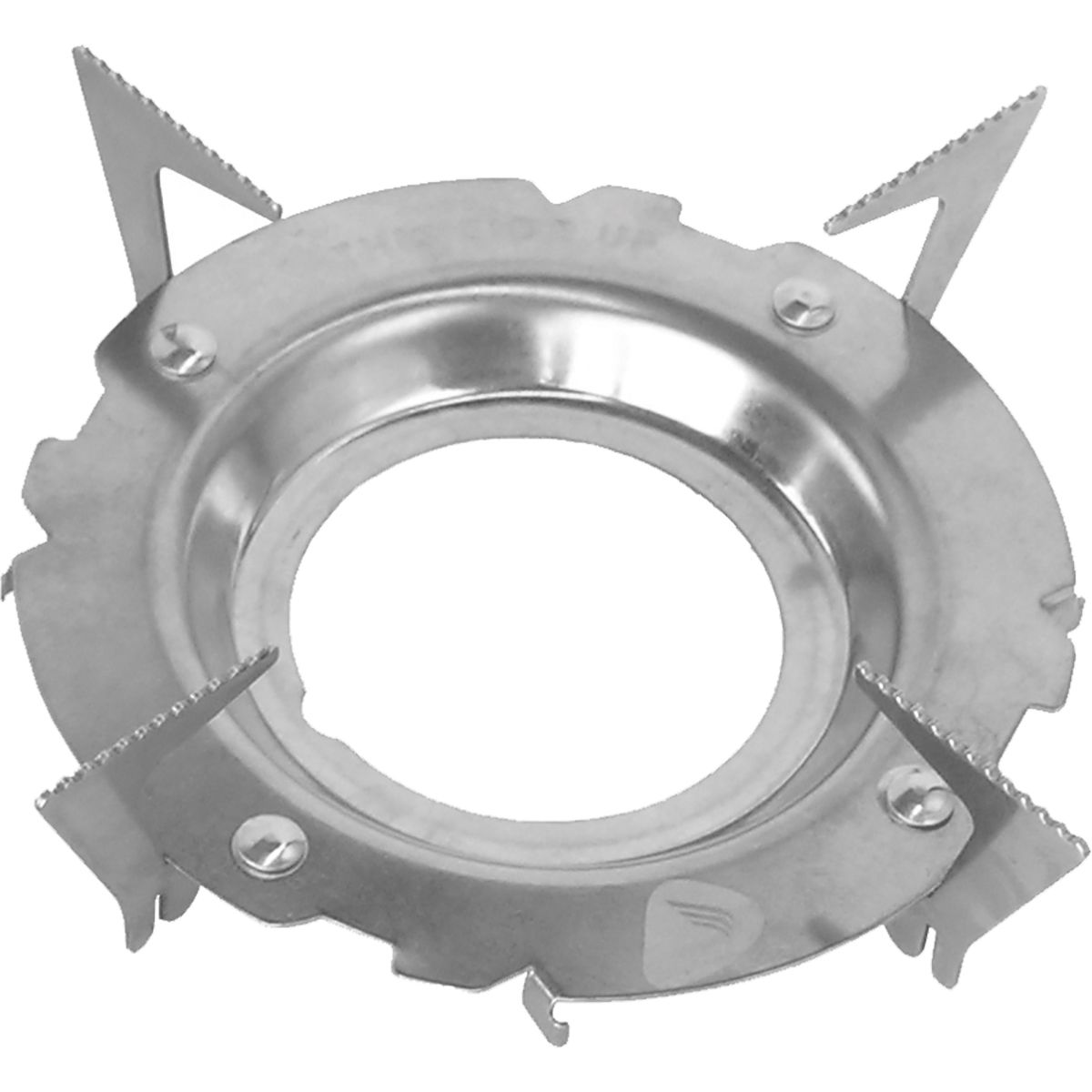
Current Jetboil Systems
Integrated systems fit hikers who primarily boil water.
Current Jetboil Stove Systems
Current Product Specs, Conservative Safety Guidance
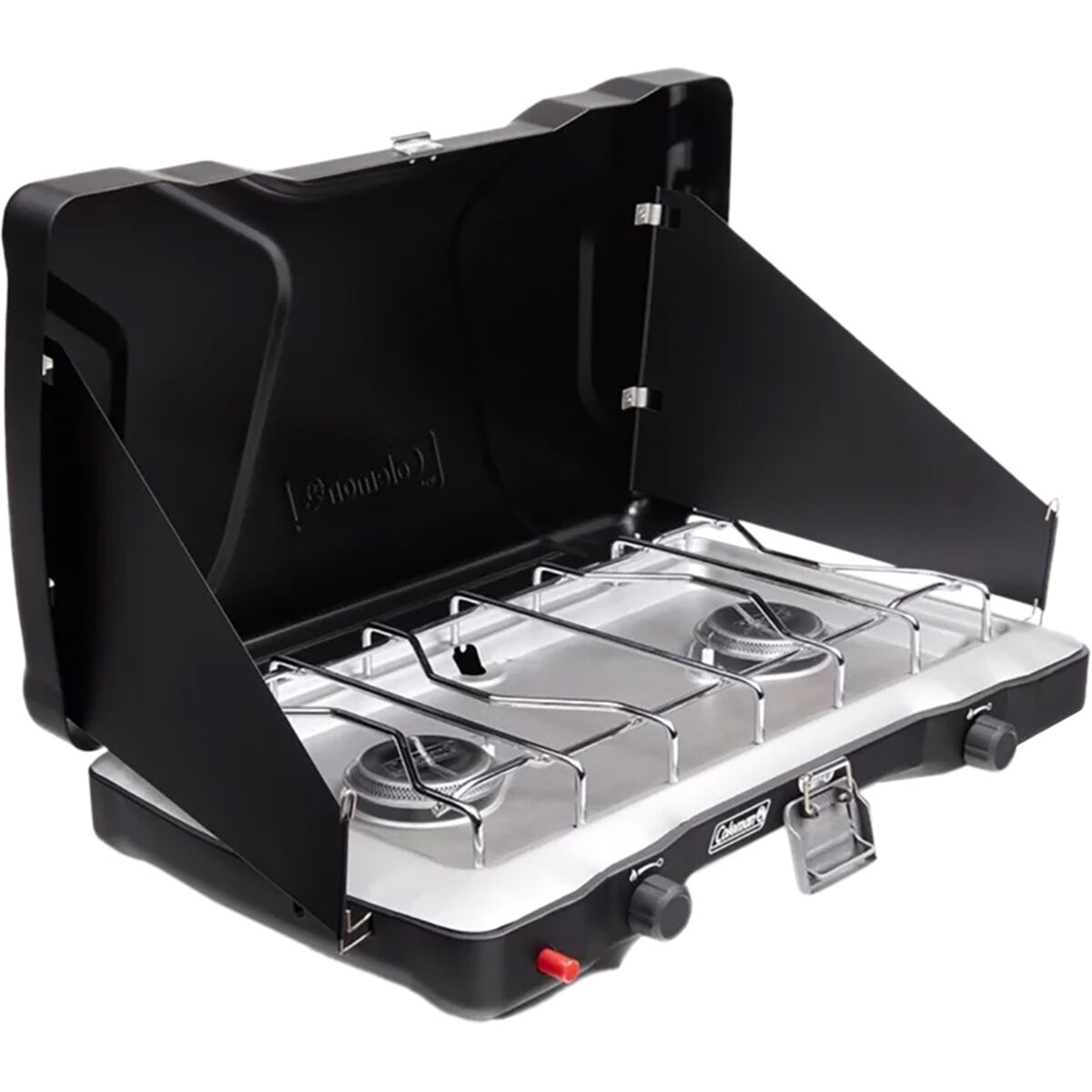
This page targets lightweight mountain and backcountry stoves rather than two-burner tabletop car-camping kitchens.
Current specifications were rechecked for MSR PocketRocket Deluxe and WhisperLite International, SOTO WindMaster and Amicus, Jetboil Flash 1.0L and MiniMo, Snow Peak LiteMax Titanium and Primus Essential Trail.
Safety framing follows manufacturer manuals and U.S. Consumer Product Safety Commission guidance on carbon monoxide, flame and fuel hazards.
No fabricated field testing or star ratings: the use-case framework is based on fuel architecture, published weight, regulation, wind design, boil performance, simmer ability and trip logistics.
Best Camping Stoves FAQ
What type of stove is best for backpacking?
For most three-season trips, a compact canister stove is the simplest choice. Integrated systems are excellent for boiling, while liquid-fuel stoves fit trips where cold, duration or fuel availability justify the extra complexity.
Can I use a camping stove inside a tent?
Do not use an ordinary backpacking stove inside a tent. Carbon monoxide, open flame and fuel hazards can be fatal. Follow the specific manufacturer’s instructions.
Are regulated canister stoves better in cold weather?
They can maintain output more consistently as pressure changes, but they do not eliminate cold-fuel limitations. Fuel blend, canister temperature and manufacturer limits still matter.
Is Jetboil better than a small canister stove?
Jetboil-style systems are excellent for efficient boiling. A standalone burner is lighter and more flexible for simmering and different cookware.
How much fuel should I carry?
Estimate actual boils and cooking time, then adjust for group size, cold water, wind and snow melting. Avoid fixed rules based only on number of nights.
What stove is best for international travel?
A multi-fuel liquid stove can be useful where compatible canisters are difficult to source. Research destination fuel availability and transport rules before choosing.
Do I need backup ignition?
Yes. Carry an appropriate backup ignition source even if the stove has an integrated piezo igniter.
Best Water Filters
Connect treatment and boiling backup.
ShelterBest Backpacking Tents
Keep cooking separate from sleeping space.
Parent pillarMountaineering Gear Guide
Build the full mountain system.
Hydration carryBest Water Bottles
Plan water capacity around treated sources.
Long trailThru-Hiking Gear List
Balance stove, fuel and resupply.
Expedition loadExpedition Pack Selection
Account for larger cooking systems.
Deep recoveryMountain Weather
Wind and cold change stove performance.
Deep recoveryGear Safety
Inspect fuel connections and cookware stability.
Deep recoveryFinal 72-Hour Checklist
Test stove and confirm fuel before leaving.

Choose the Fuel System First. Then Choose the Burner.
The lightest stove is not automatically the lightest cooking system, and the fastest boil is not automatically the best meal solution. Match stove architecture to weather, fuel availability, party size and how you actually cook.
Was this helpful?
Global Summit Guide is an independent mountaineering resource founded in 2026. The team combines first-hand trekking and climbing experience with in-depth research and professional health and nutrition review to help climbers choose objectives, prepare properly, and stay safe.
Health, altitude, and nutrition content is reviewed by Taylor Ludlow (Registered Nurse) and Brigg Hoopes (Nutritionist).
What We Don't Know Yet
Mountain information changes quickly. This box explains the limits of what this page can responsibly promise.
- Weather, snowpack, avalanche risk, road access, and route conditions can change quickly and may be different on your climbing dates.
- Gear requirements can change by season, route variation, weather window, personal cold tolerance, and guide-service requirements.
- Comparisons simplify complex decisions; the better mountain depends on current conditions, skills, timing, budget, and risk tolerance.
Verify current conditions with official land managers, guide services, local forecasts, and current route reports before booking or climbing.
Mountaineering, rock and ice climbing, glacier travel, and high-altitude activity are inherently dangerous and can result in serious injury or death. The information on Global Summit Guide is provided for general informational and educational purposes only and is not a substitute for professional instruction, qualified guiding, proper equipment, or your own judgment and experience.
Route conditions, weather, snowpack, permits, regulations, and hazards change constantly and may differ from what is described here. Details may be incomplete, out of date, or contain errors. Always verify current information with local authorities, certified guides, and official sources before making any decision in the mountains.
Nothing on this site is medical, legal, or financial advice. Our fitness, acclimatization, altitude, and nutrition content is general in nature; consult a qualified physician before beginning any strenuous exercise program or exposing yourself to high altitude.
You are solely responsible for your own safety and decisions. To the fullest extent permitted by law, Global Summit Guide and its team accept no liability for any loss, injury, damage, or expense arising from use of, or reliance on, this information. By using this site you acknowledge these risks and accept these terms.
Some links on this site may be affiliate links. If you buy through them we may earn a small commission at no extra cost to you; this never affects our recommendations.
Global Summit Guide recommendation path
Next Best Mountain to Research
Use these recommendations to continue the right planning path instead of stopping on one page.
Use current permit, weather, route, and operator information before booking or climbing.