
Last updated October 1, 2026

Best Water Bottles for Hiking & Mountaineering: 8 Picks by Use
For mountain travel, bottle design matters more than fashion. Weight, opening size, durability, insulation, filter compatibility and how easily you can drink while moving determine whether a bottle actually fits the route.
For Most Hikers, a 32-Ounce Wide-Mouth Bottle Is the Most Versatile Starting Point.
The classic Nalgene 32oz Wide Mouth weighs about 6.25 ounces, is dishwasher safe, uses Tritan Renew and has a large opening that works well for ice, drink mixes, cleaning and many water-treatment setups. It is difficult to beat as the simple all-around trail bottle.
Weight-focused hikers can cut that to roughly 3.75 ounces with Nalgene’s 32oz Wide Mouth Ultralite or 3.6 ounces with HydraPak’s collapsible 1-liter Flux. Insulated bottles move in the opposite direction: Hydro Flask’s 32oz Lightweight Trail bottle is around 0.76 pound, while Klean Kanteen’s 32oz TKWide Chug is about 18.7 ounces—but both add temperature control that lightweight plastic cannot provide.
The right bottle therefore depends on the route. Choose capacity first, bottle style second, and insulation third. Do not carry an 18-ounce insulated bottle on a long cool-weather hike simply because it is premium, and do not carry a minimalist soft bottle into a freezing summit environment without a cold-management plan.
8 Water Bottles Worth Comparing in 2026
These are use-case selections rather than a universal ranking. Current manufacturer specifications were rechecked October 1, 2026.
Nalgene 32oz Wide Mouth
The benchmark rigid hiking bottle: simple, durable, easy to clean and compatible with many filtration devices.
- 32 oz / 946 ml
- 6.25 oz / 177 g
- Tritan Renew · 2.5 in cap opening
Nalgene 32oz Wide Mouth Ultralite
Same basic one-liter trail format with substantially lower bottle weight through HDPE construction.
- 32 oz
- 3.75 oz / 106 g
- HDPE · wide-mouth filtration friendly
Nalgene 32oz Narrow Mouth
A familiar rigid bottle with a smaller opening that reduces splashing while walking and drinking on uneven terrain.
- 32 oz
- 6.25 oz / 177 g
- Tritan Renew · narrow drinking opening
CamelBak Chute Mag 32oz
A lightweight Tritan Renew bottle with a high-flow magnetic cap that stays out of the way while drinking.
- 32 oz / 1 L
- 192 g / 6.8 oz
- Leakproof closed cap · dishwasher safe
HydraPak Flux 1L
A soft bottle shaped to stand like a rigid bottle, then roll down when empty for pack-volume savings.
- 1 L / 32 oz
- 102 g / 3.6 oz
- 42 mm filter-cap compatible
Hydro Flask 32oz Trail Series
A lighter vacuum-insulated bottle for hikers who want cold-water performance without carrying the heaviest steel designs.
- 32 oz / 946 ml
- 0.34 kg / 0.76 lb
- Insulated stainless construction
Klean Kanteen TKWide 32oz Chug
A robust insulated 32-ounce bottle with quick-drinking chug cap and strong temperature retention.
- 32 oz / 946 ml
- 18.7 oz / 531 g
- 90% post-consumer recycled 18/8 stainless steel
CamelBak Eddy+ 32oz
A Tritan Renew bottle for hikers who prefer a bite-valve straw rather than tipping a wide bottle while moving.
- 32 oz / 1 L
- 198 g / 7 oz
- Leakproof closed · spill-resistant open
| Bottle | Capacity | Weight | Material | Best use | Main trade-off |
|---|---|---|---|---|---|
| Nalgene Wide Mouth | 32 oz | 6.25 oz | Tritan Renew | General hiking / filtration | Uninsulated; wide opening can splash |
| Nalgene Ultralite Wide Mouth | 32 oz | 3.75 oz | HDPE | Weight-conscious hiking | Softer feel / less transparent |
| Nalgene Narrow Mouth | 32 oz | 6.25 oz | Tritan Renew | Walking while drinking | Harder to clean and add ice |
| CamelBak Chute Mag | 32 oz | 6.8 oz | Tritan Renew | High-flow day hiking | More cap components than a simple screw lid |
| HydraPak Flux 1L | 1 L | 3.6 oz | TPU / POM | Ultralight / collapsible carry | Less rigid in pack pockets |
| Hydro Flask Trail 32oz | 32 oz | 12.2 oz | Insulated steel | Hot-weather hiking | Heavier than plastic |
| Klean Kanteen TKWide 32 | 32 oz | 18.7 oz | Insulated steel | Maximum temperature control | Highest carried bottle weight |
| CamelBak Eddy+ 32 | 32 oz | 7 oz | Tritan Renew | Straw-style trail hydration | More pieces to clean |
Why the 32oz Nalgene Still Works So Well in the Mountains
The partnership is commercially useful because the product itself fits the editorial intent: light, durable, inexpensive, easy to inspect and compatible with many outdoor hydration systems.
Wide Mouth for Versatility · Ultralite for Weight · Narrow Mouth for Cleaner Drinking
Classic Wide Mouth: the best Nalgene starting point for general hiking. The current 32oz Tritan Renew bottle weighs 6.25 ounces and has a 2.5-inch cap opening. Nalgene specifically lists filtration-device compatibility as a feature.
Ultralite Wide Mouth: the same basic one-liter capacity at 3.75 ounces by using HDPE. It is the stronger Nalgene choice when pack weight matters more than bottle transparency.
Narrow Mouth: keeps the familiar rigid 32-ounce platform while making it easier to drink without splashing during movement.
Affiliate implementation: insert the verified Nalgene direct-affiliate tracking URL into the CTA below before publishing. The page does not invent or guess a tracking parameter.

Plan Total Water Capacity Around the Longest Dry Section.
A 32-ounce bottle is a convenient unit, not a universal daily requirement. Some humid mountain trails have frequent streams; desert routes can require several liters between reliable sources.
For most day hikes, one or two 24–32 ounce bottles are easier to manage than one giant container. Multiple bottles also create redundancy if one cap leaks, freezes or is dropped.
On long trails, use the water-source map to decide total capacity. Carrying four liters every day when reliable streams appear hourly adds unnecessary weight; carrying one liter into a long dry section can create a serious problem.
Wide Mouth vs Narrow Mouth
This small design decision affects drinking, cleaning, filtration and cold-weather reliability.
Best for Filling, Cleaning & Filters
- Easy to add ice, electrolyte powder or hot-water-safe contents when the bottle allows it.
- Easy to inspect and scrub.
- Many outdoor filtration systems and adapters are built around common wide-mouth formats.
- Ice is easier to break free from a larger opening.
Best for Drinking While Moving
- Less chance of water splashing onto clothing or face.
- Easier to drink on rocky trails without stopping.
- Chug caps preserve high flow while controlling the opening.
- More complex caps require more cleaning than a simple screw lid.

Rigid Plastic, Insulated Steel or Collapsible?
Each material solves a different problem. The premium-looking bottle is not automatically the best mountain bottle.
Best weight-to-simplicity balance
Light, inexpensive and easy to monitor. Ideal for most hiking when temperature control is not the primary problem.
Best temperature control
Excellent for hot-weather cold water and some cold-weather applications, but significantly heavier before any water is added.
Best packability
Very light and rolls down when empty. Useful for thru-hiking, spare capacity and routes where bottle volume changes through the day.
Filter Compatibility Can Be More Important Than the Bottle Itself.
If you use a squeeze filter or filter-cap system, verify thread diameter and bottle compatibility before the trip.
General filter-friendly format
Nalgene explicitly lists its 32oz Wide Mouth as fitting most filtration units, but exact adapters and filter interfaces still vary.
42 mm filter ecosystem
The 1L Flux is compatible with 42 mm filter caps including HydraPak’s own system and Katadyn BeFree-style interfaces.
Common squeeze-filter strategy
Some hikers pair filters with disposable-style bottles because the threads match. Verify the filter manufacturer rather than assuming universal compatibility.
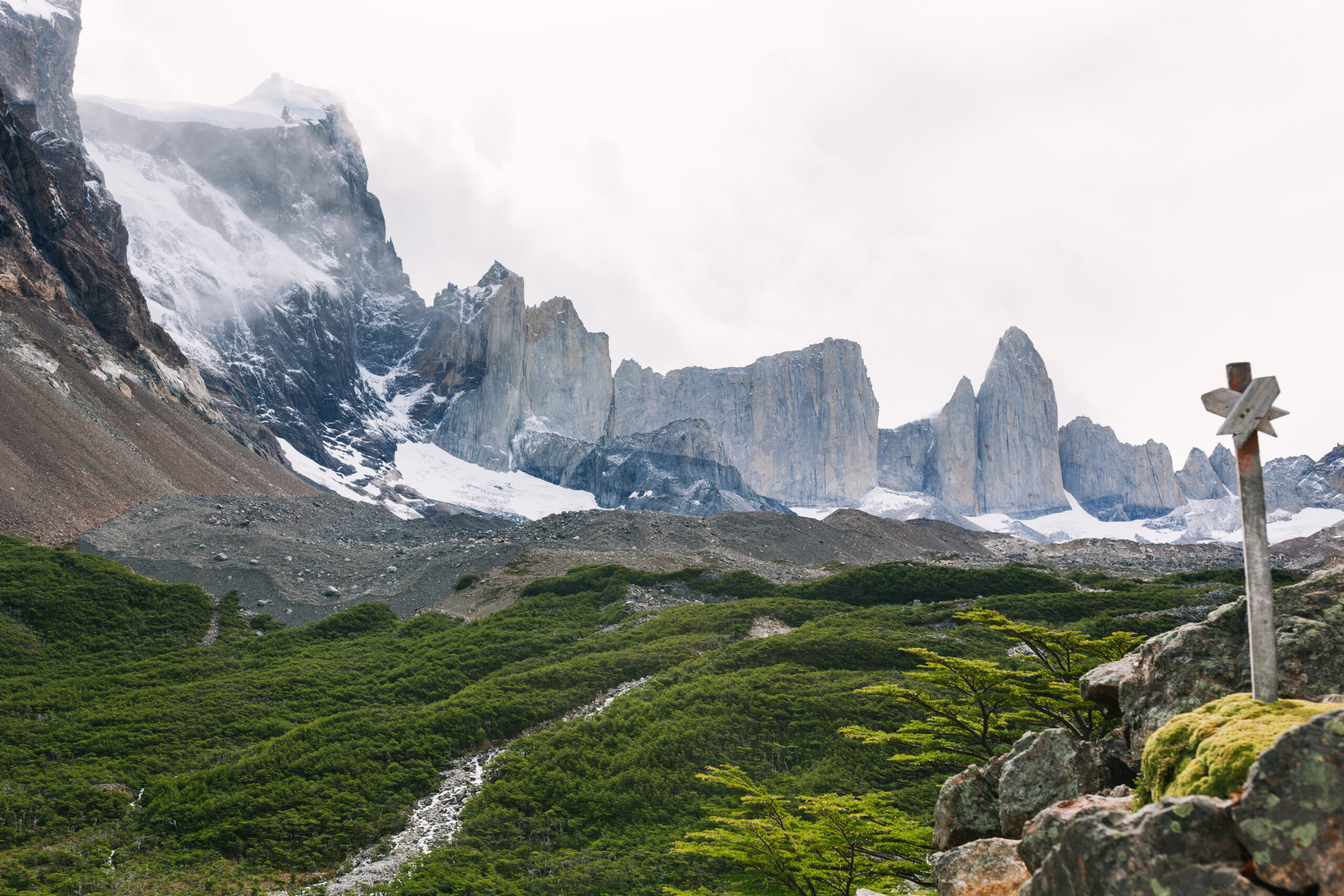
Freezing Conditions Change the Bottle Strategy.
In severe cold, hydration systems that work perfectly in summer can freeze at the cap, hose or narrow opening. Wide-mouth rigid bottles are easier to inspect and clear than complex bite valves or hydration tubes.
Insulated bottles and bottle sleeves slow heat loss, but no ordinary bottle should be treated as freeze-proof. Carry more than one container on consequential objectives and keep a usable bottle where body heat or pack insulation can protect it.
Do not fill a rigid bottle so completely that freezing water has no room to expand. Keep cap threads clean and dry when practical, and test the entire hydration setup with gloves before summit day.


Shop Current Water Bottles
A dedicated live Gear Ads tag for water bottles is not confirmed, so this build uses search-based catalog modules rather than inventing a tag.
Current Hiking Water Bottles
Use this after deciding whether you need a rigid, collapsible or insulated bottle.
Current Hiking Water Bottles
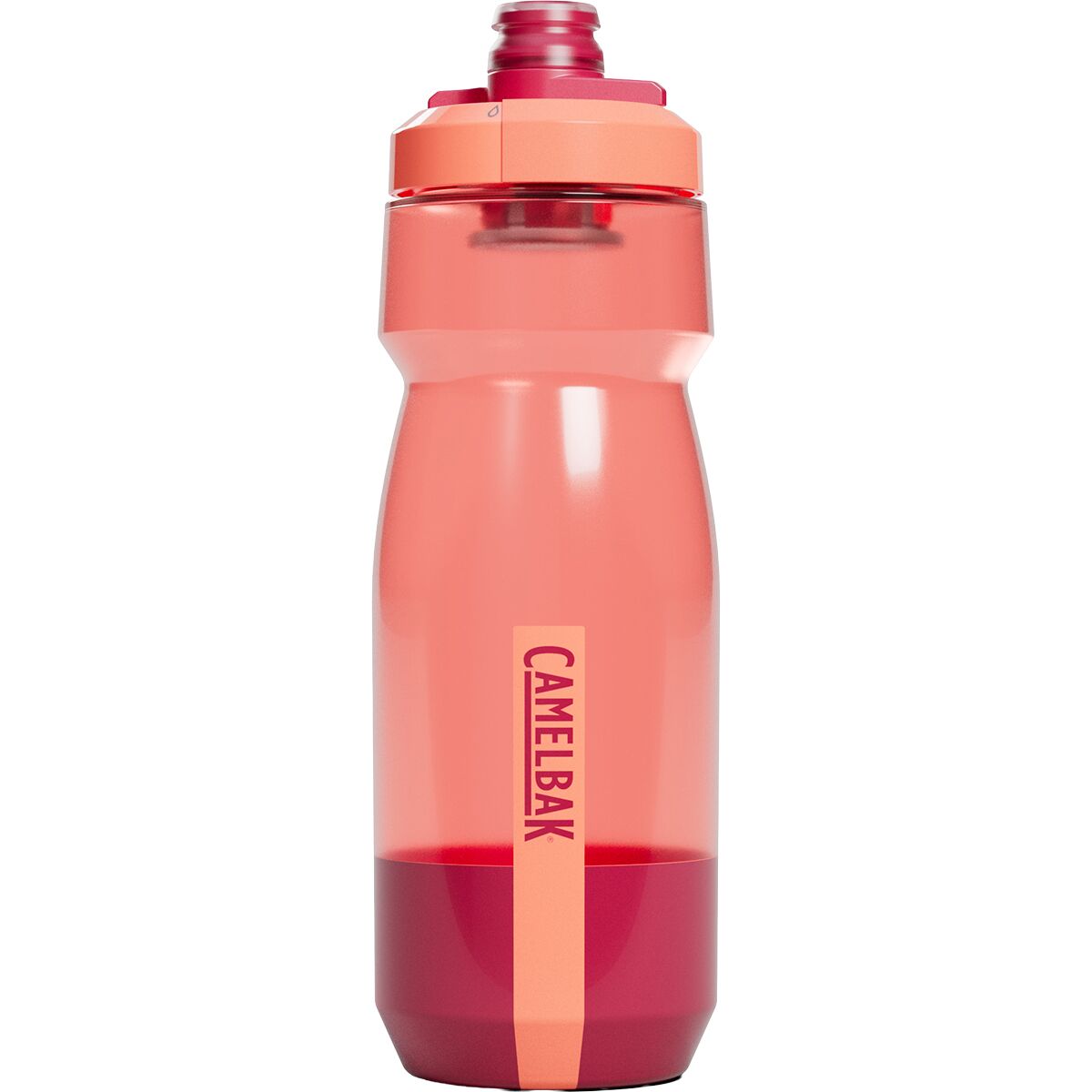
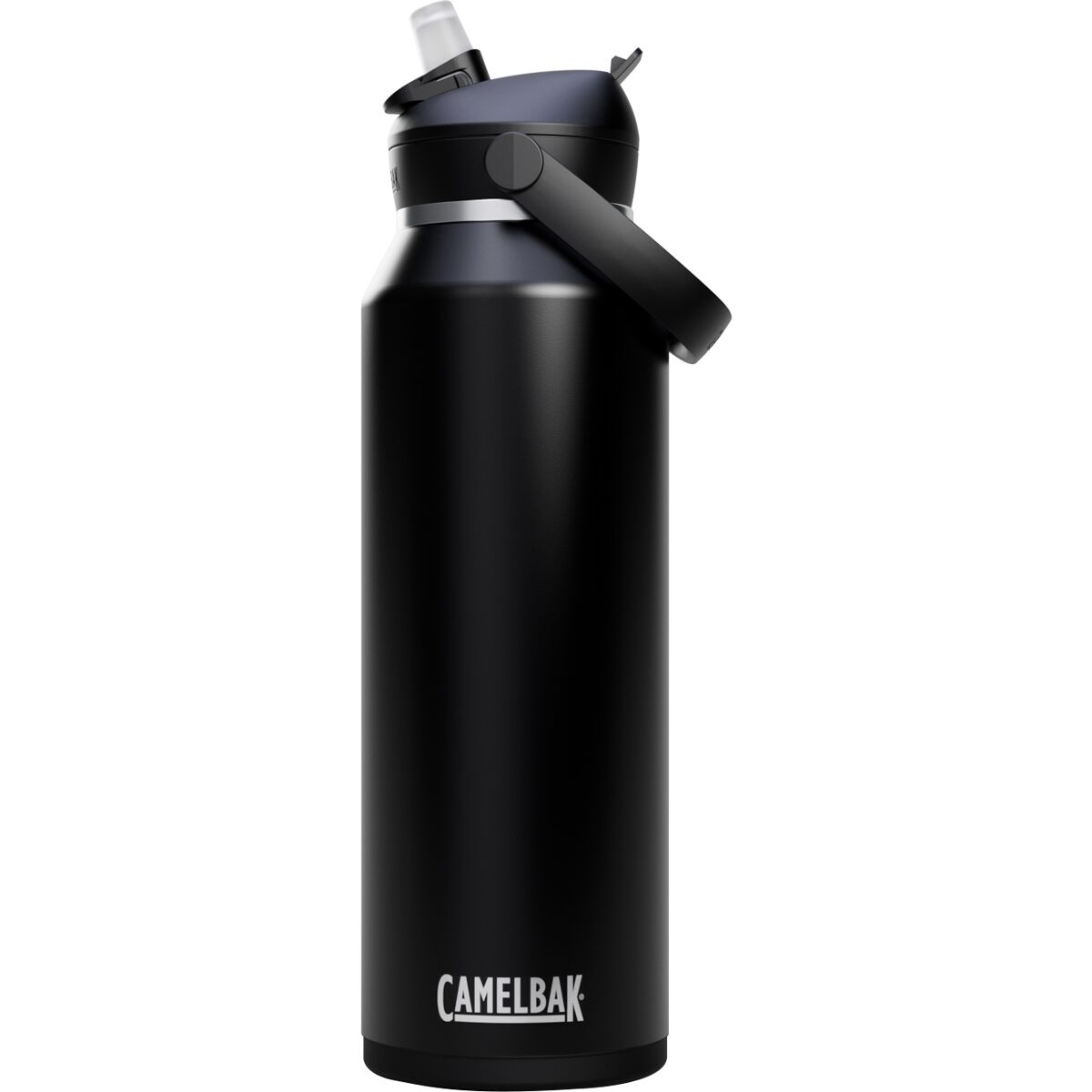

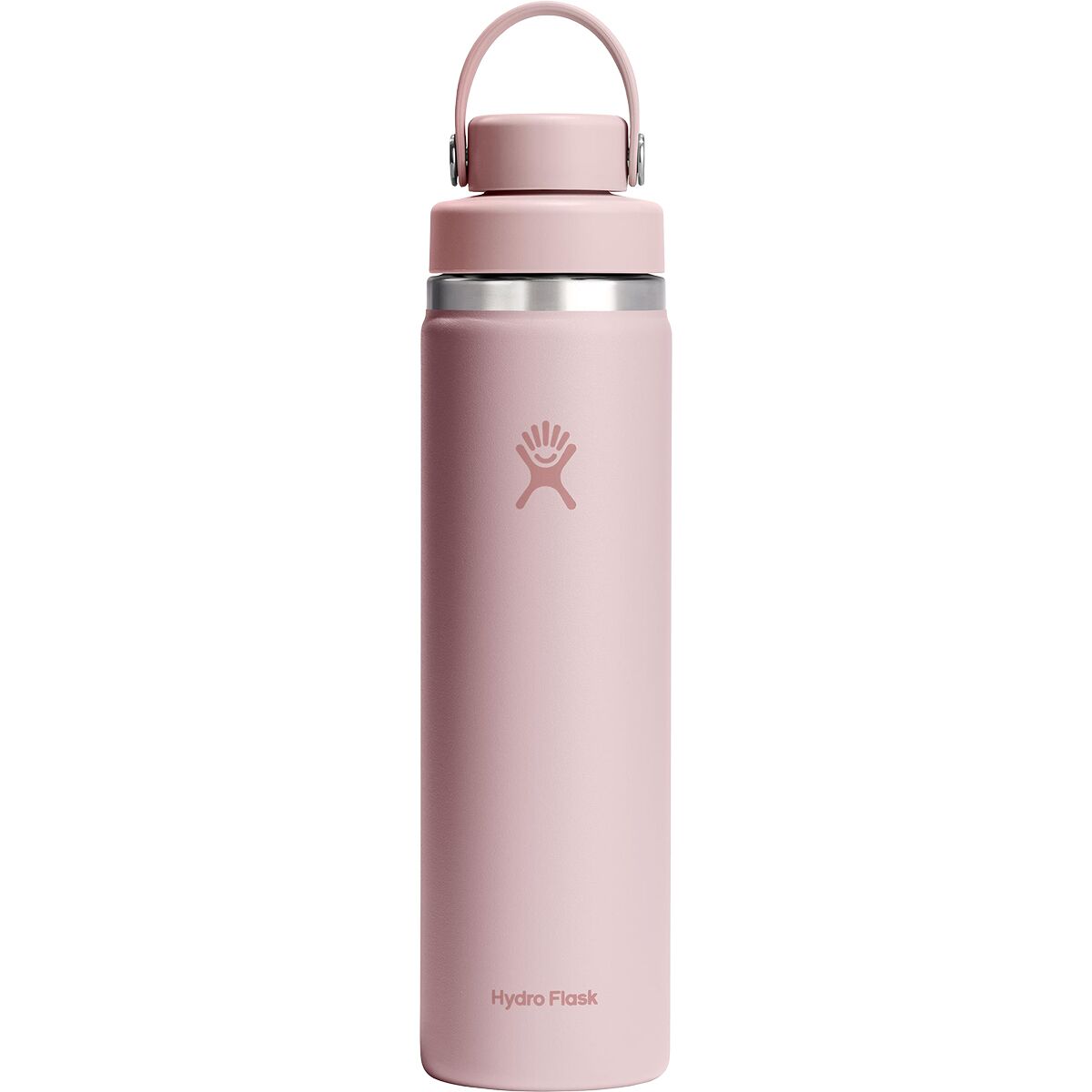
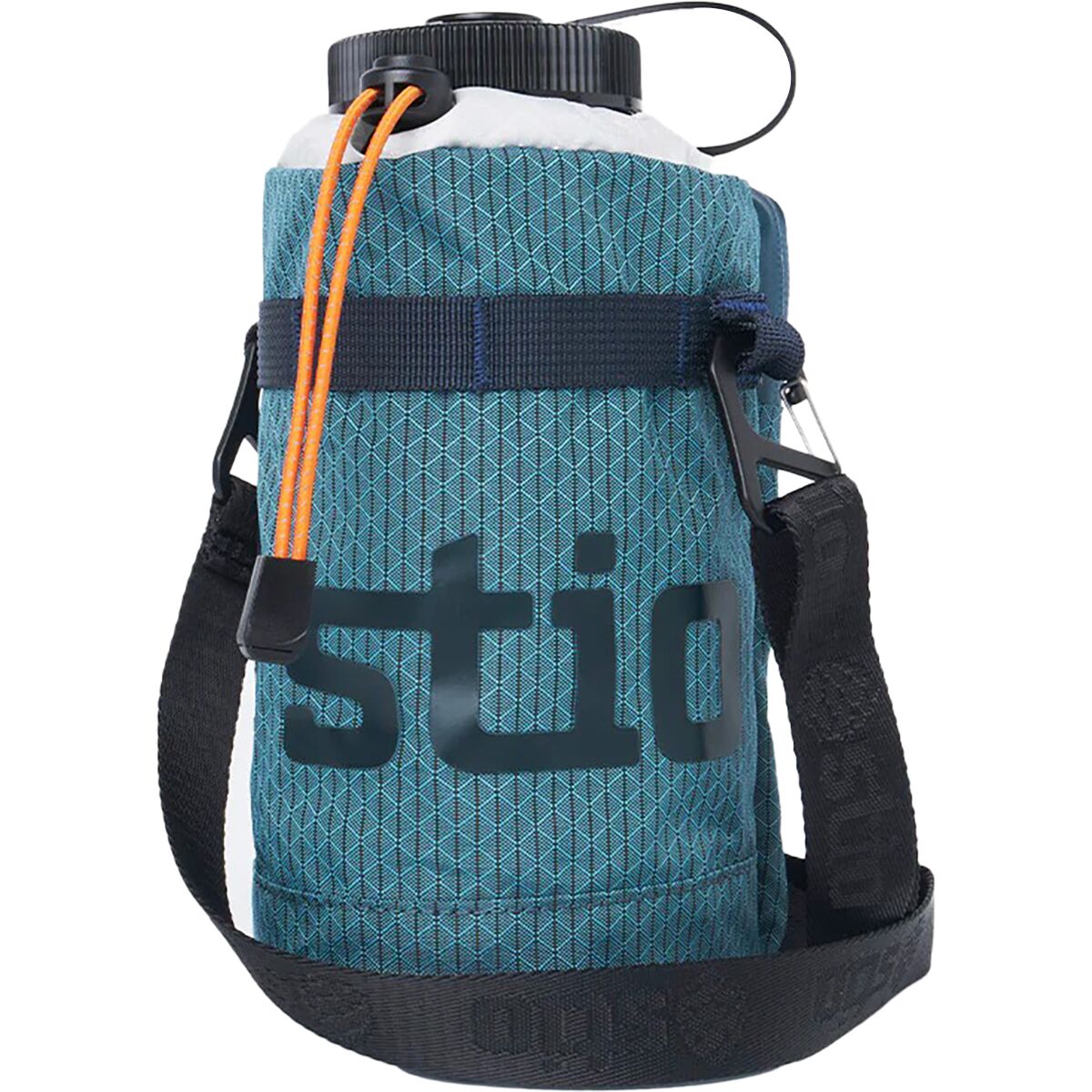
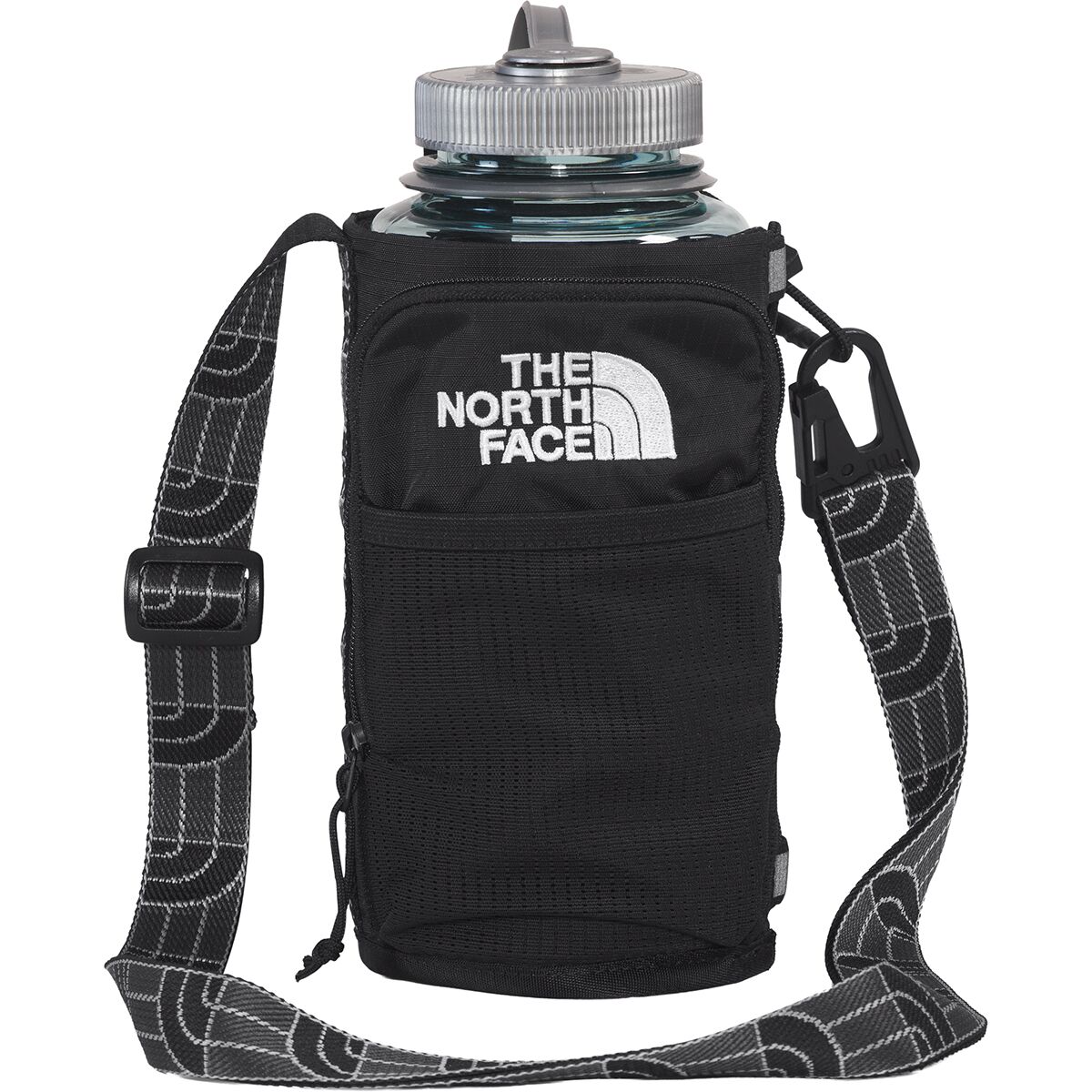
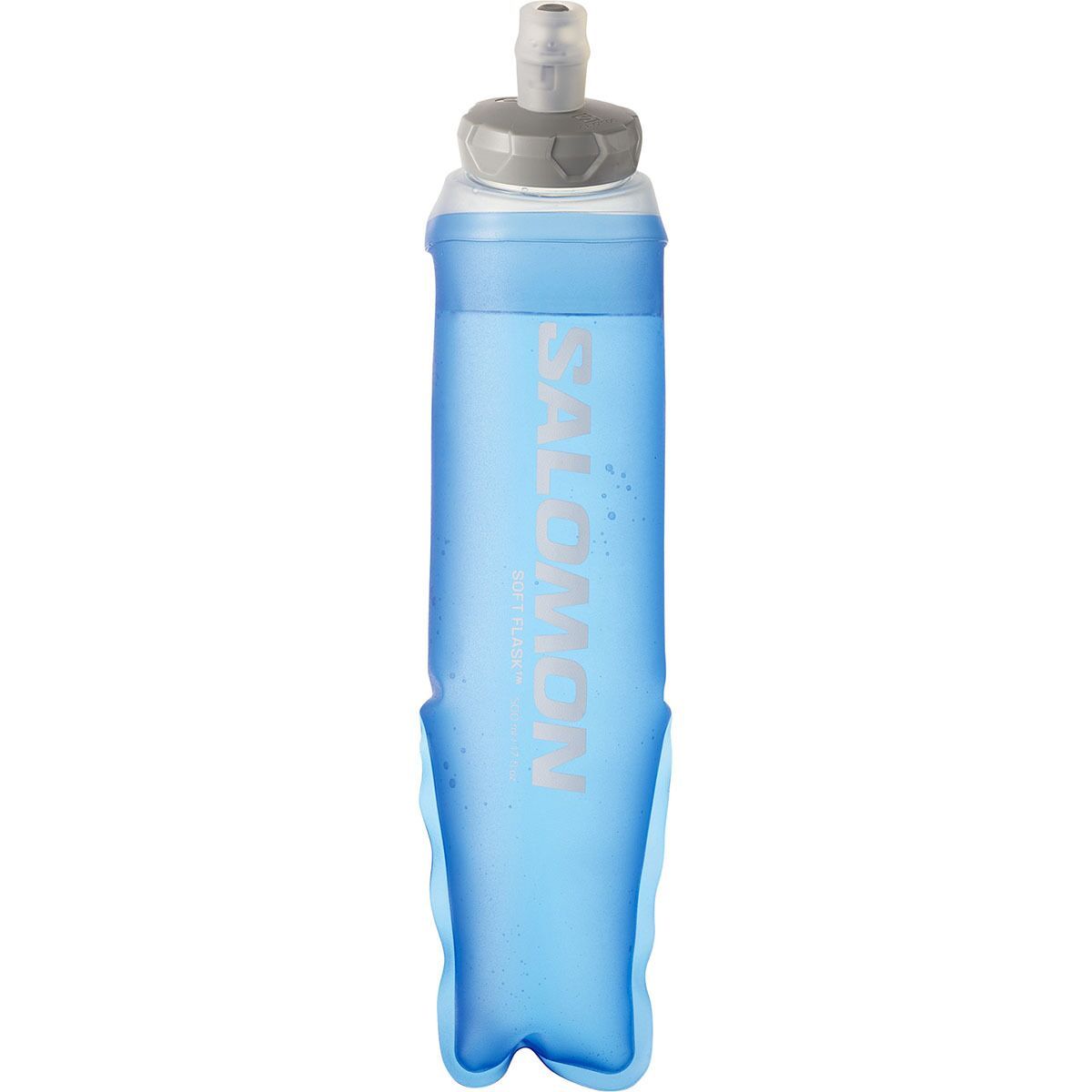
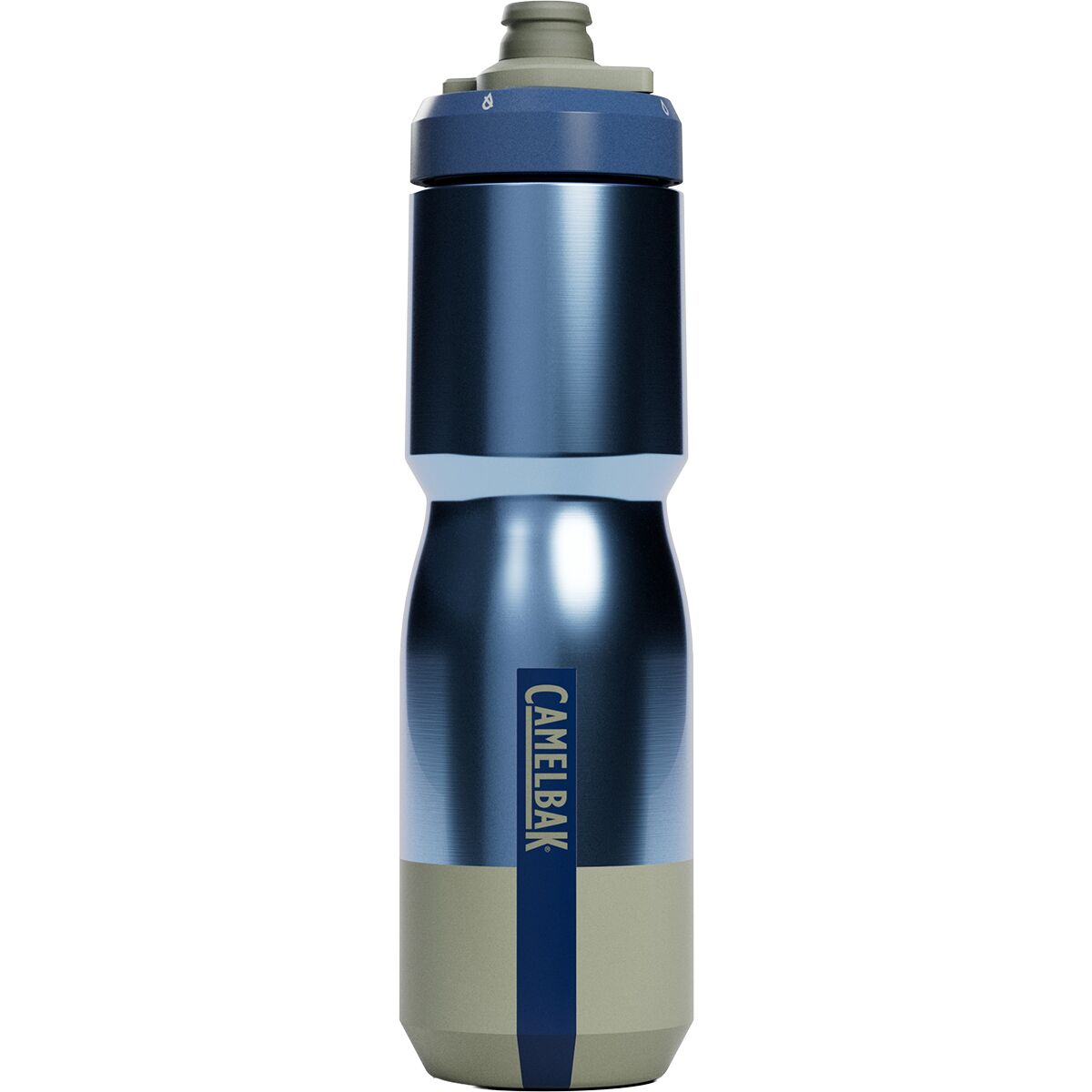
We may earn a commission if you buy through these links, at no extra cost to you. Affiliate disclosure
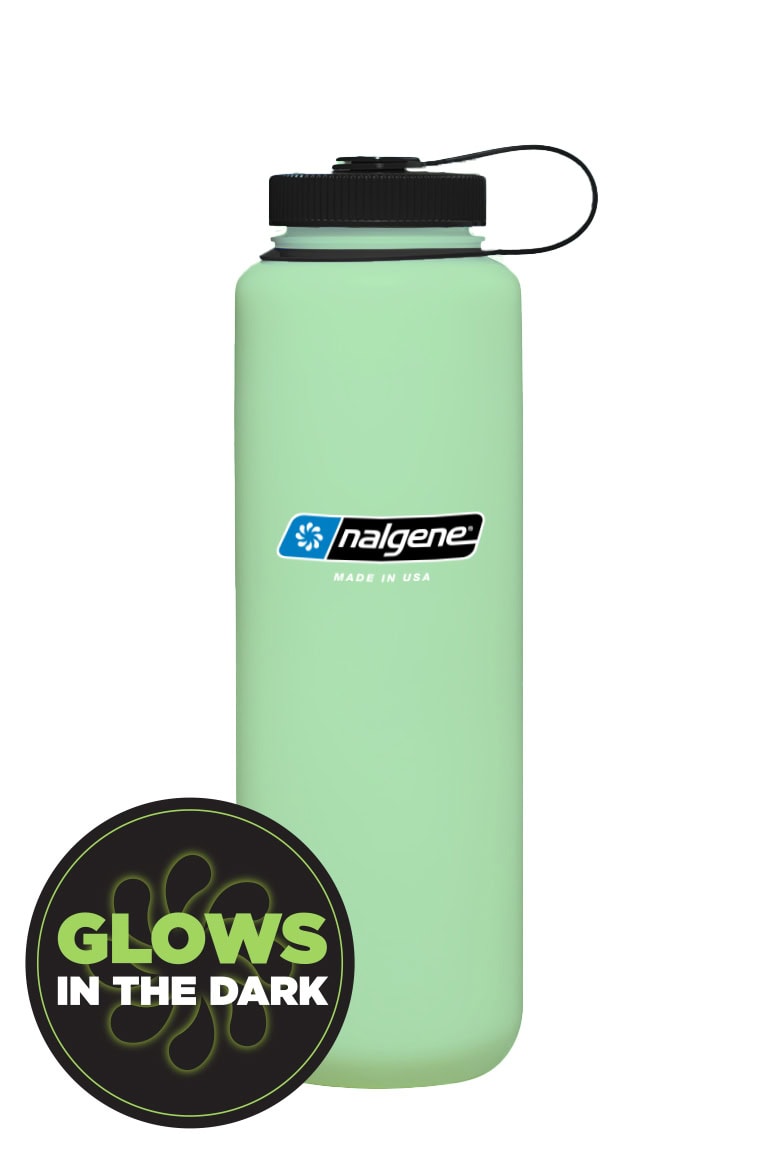
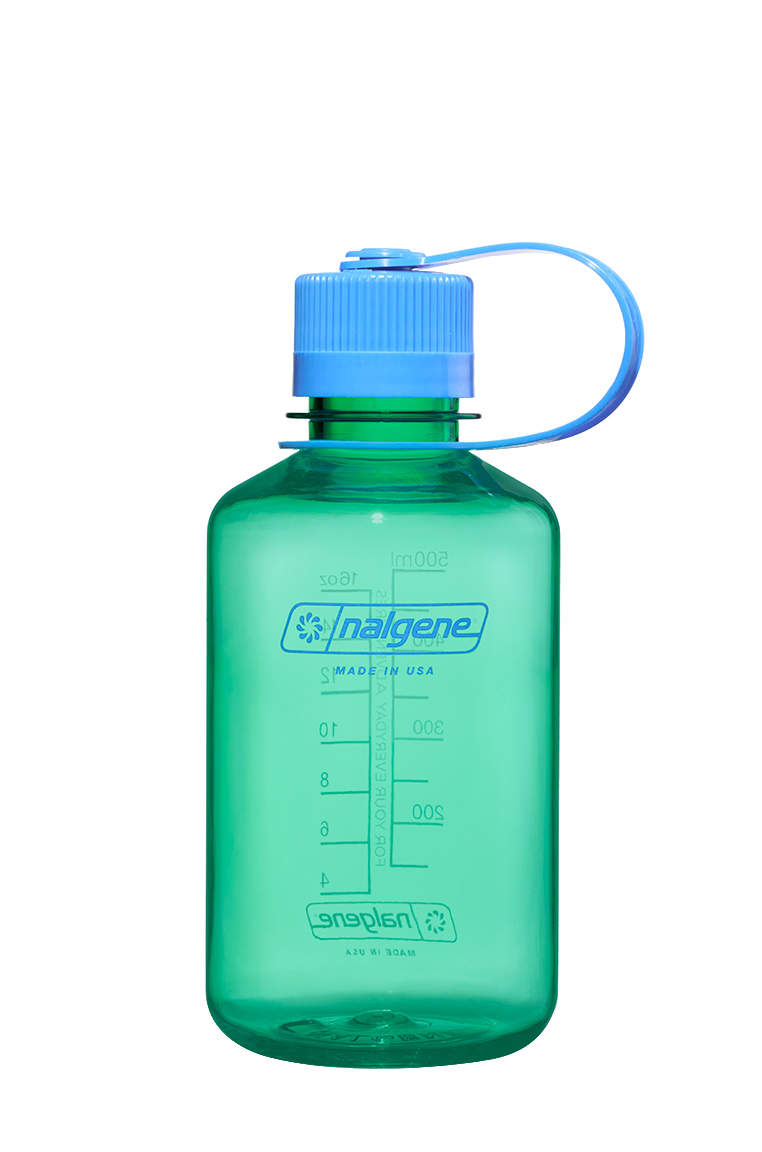
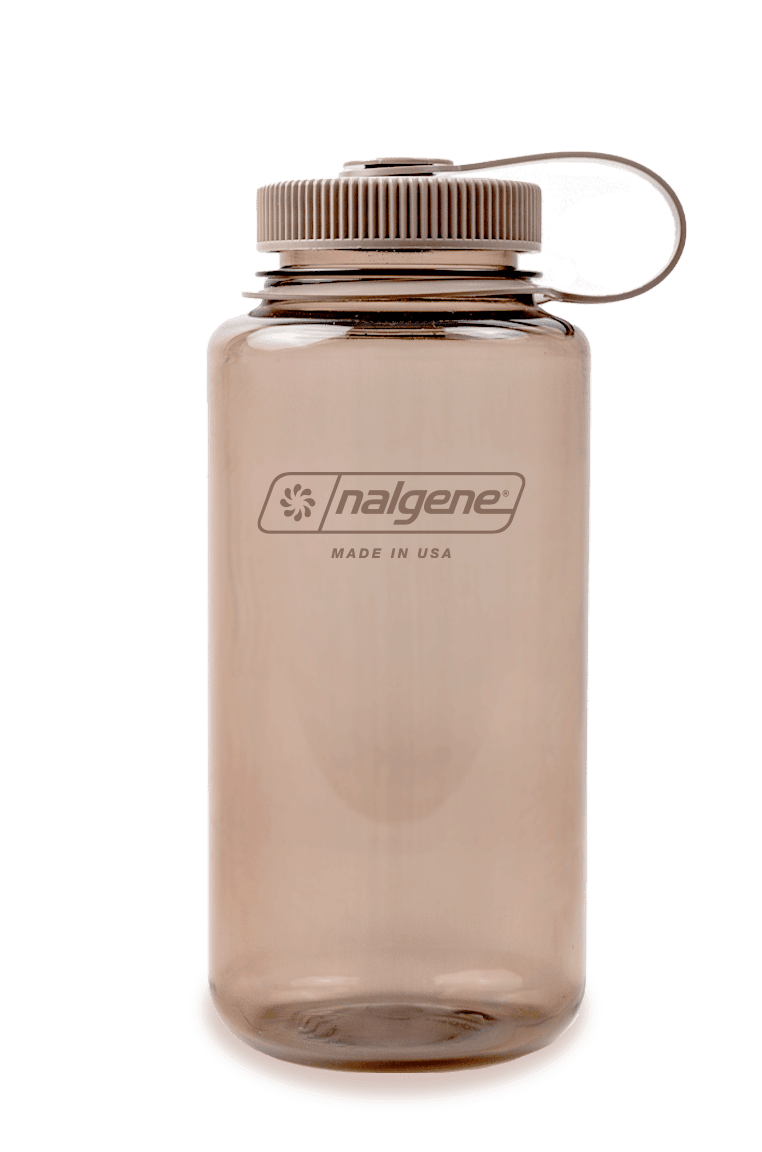
Current Nalgene Inventory
This module gives Nalgene a second commercial path when the Gear Ads catalog contains current Nalgene products.
Current Nalgene Bottles

How This Water-Bottle Guide Is Built
This page owns bottle-selection intent while the separate water-filter page owns purification and pathogen-treatment intent.
Current specifications, no fabricated field testing
Global Summit Guide rechecked current manufacturer specifications for Nalgene 32oz Wide Mouth, Wide Mouth Ultralite and Narrow Mouth; CamelBak Chute Mag 32oz and Eddy+ 32oz; HydraPak Flux 1L; Hydro Flask Lightweight Wide Mouth Trail Series 32oz; and Klean Kanteen TKWide 32oz.
Published bottle weights range from roughly 3.6–3.75 ounces for the lightest collapsible / HDPE options to about 18.7 ounces for the insulated Klean Kanteen TKWide before water is added.
No invented reviews, ratings or direct affiliate URLs: product placement is based on current weight, material, opening design, insulation, filter compatibility and mountain use. The Nalgene direct-affiliate CTA is intentionally left as a placeholder until the verified tracking deeplink is inserted.
Best Water Bottles FAQ
What size water bottle is best for hiking?
For most day hiking, 24–32 ounces per bottle is versatile. The correct total capacity depends on heat, route length and distance between reliable water sources.
Is wide mouth or narrow mouth better?
Wide-mouth bottles are easier to fill, clean and integrate with many treatment systems. Narrow-mouth and chug-cap bottles are easier to drink from while moving.
Are insulated bottles worth the weight?
They can be when temperature control matters. For ordinary cool-weather hiking, a lighter plastic bottle often provides a better weight-to-function ratio.
Can I use a Nalgene bottle with a water filter?
Nalgene lists the classic 32oz Wide Mouth as fitting most filtration devices. Always verify the exact filter, cap or adapter before the trip.
What is the lightest bottle type?
Collapsible soft bottles and HDPE bottles are among the lightest practical one-liter systems. HydraPak Flux 1L is about 3.6 ounces and Nalgene Wide Mouth Ultralite is about 3.75 ounces.
What bottle works best below freezing?
Use wide-mouth bottles, insulation or bottle sleeves, and multiple containers. Avoid relying on a single hydration tube or complex cap in severe cold.
How many bottles should I carry?
Carry enough total capacity for the longest reliable dry interval plus a reasonable route margin. Two smaller containers often provide better redundancy than one very large bottle.
Build the Complete Trail Hydration System
Best Water Filters
Match the bottle to the filter or purifier that handles the expected source risk.
Carry systemBest Hiking Backpacks
Make sure bottle diameter and capacity work with the pack’s side pockets and total load.
Parent pillarMountaineering & Hiking Gear Guide
Connect hydration with shelter, layers, footwear and technical equipment.
Long trailThru-Hiking Gear List
Balance bottle weight, treatment and dry-section capacity across a long-distance loadout.
Expedition useExpedition Pack Selection
Plan bottle placement and cold-weather redundancy around larger climbing loads.
Planning toolMountain Gear Planner
Build route-specific water capacity and hydration equipment requirements.
Deep recoveryMountain Weather for Climbers
Heat and freezing temperatures directly change bottle capacity and insulation decisions.
Deep recoveryGear Safety
Check caps, leaks, bottle condition and redundant hydration before departure.
Deep recoveryFinal 72-Hour Checklist
Recheck route water availability, forecast and container plan before leaving.

Carry the Water You Need—Without Carrying More Bottle Than You Need.
Capacity and route conditions come first. Once those are solved, choose the bottle that makes drinking, refilling and treatment simple enough that you will actually use the system all day.
Was this helpful?
Global Summit Guide is an independent mountaineering resource founded in 2026. The team combines first-hand trekking and climbing experience with in-depth research and professional health and nutrition review to help climbers choose objectives, prepare properly, and stay safe.
Health, altitude, and nutrition content is reviewed by Taylor Ludlow (Registered Nurse) and Brigg Hoopes (Nutritionist).
What We Don't Know Yet
Mountain information changes quickly. This box explains the limits of what this page can responsibly promise.
- Visa, passport, vaccination, border, insurance, and local transportation rules may change before your trip.
- Route conditions, snowpack, closures, and weather can change quickly after this page is updated.
- Permit rules, fees, quotas, and reservation windows may change between review cycles.
- Operator availability, pricing, guide ratios, and cancellation terms can change by season.
- Your fitness, altitude response, risk tolerance, and experience level may change what is safe or realistic.
Verify current conditions with official land managers, guide services, local forecasts, and current route reports before booking or climbing.
Mountaineering, rock and ice climbing, glacier travel, and high-altitude activity are inherently dangerous and can result in serious injury or death. The information on Global Summit Guide is provided for general informational and educational purposes only and is not a substitute for professional instruction, qualified guiding, proper equipment, or your own judgment and experience.
Route conditions, weather, snowpack, permits, regulations, and hazards change constantly and may differ from what is described here. Details may be incomplete, out of date, or contain errors. Always verify current information with local authorities, certified guides, and official sources before making any decision in the mountains.
Nothing on this site is medical, legal, or financial advice. Our fitness, acclimatization, altitude, and nutrition content is general in nature; consult a qualified physician before beginning any strenuous exercise program or exposing yourself to high altitude.
You are solely responsible for your own safety and decisions. To the fullest extent permitted by law, Global Summit Guide and its team accept no liability for any loss, injury, damage, or expense arising from use of, or reliance on, this information. By using this site you acknowledge these risks and accept these terms.
Some links on this site may be affiliate links. If you buy through them we may earn a small commission at no extra cost to you; this never affects our recommendations.
Global Summit Guide recommendation path
Next Best Mountain to Research
Use these recommendations to continue the right planning path instead of stopping on one page.
Use current permit, weather, route, and operator information before booking or climbing.