Last updated November 9, 2026
GLOBAL SUMMIT GUIDE / TENERIFE / SPAIN
Mount Teide Gear List: Complete 48-Item Summit Checklist
Choose your gear for the actual way you will visit Mount Teide: the upper cable-car summit trail, the Montaña Blanca walk-up, or a colder, snowy ascent. Get a printable route-specific checklist, seasonal adjustments and carefully selected gear examples.
Before you travel: confirm separate summit-trail reservations, approach-trail authorization, official equipment rules and current weather. A cable car ticket alone does not authorize the summit trail.
Open 48-item checklistSee gear photographsCheck permit guidance
THE KEY DECISION
Pack for your route, not a generic alpine expedition.
Dry hiking trails on Teide usually call for secure footwear, wind and sun protection, water, navigation and essential safety gear. Winter snow, ice, wind and trail restrictions change the problem. Do not assume that microspikes or an ice axe make an icy route safe without the relevant skills.
Official access requirements and equipment rules can change. Always check the Tenerife ON reservation system and the national park before departure, especially when using PNT 10 or a full-ascent trail.
Main Teide summit guidePermits and logisticsBefore packing: reservations and mandatory equipment
PNT 10 Telesforo Bravo summit trail requires a separate reservation. Walking via the regulated PNT 07 or PNT 09 approaches can require additional trail permits. A cable car ticket does not include summit access. Official regulations also call for hiking boots, long trousers and a warm fleece/equivalent, with extra mandatory supplies on certain approach trails.
Check Teide National Park’s official booking rules and current operator equipment guidance before starting.
Quick answer: what gear do you need?
For a clear, dry Teide visit, prioritize supportive hiking boots, long trousers, a warm layer, a wind/rain shell, water, sun protection, a headlamp where required, a thermal blanket and permit documents. A full Montaña Blanca ascent needs more food, water, energy and weather margin than the short PNT 10 climb from the cable car station. Snow and ice make this a different mountaineering decision, not just a longer packing list.
Short upper-trail visit
Travel light, but still carry mandatory layers and documents. The elevation is high even when the walk is short.
Full walk-up
Carry the emergency, lighting, water and food capacity for a long ascent and descent. Obtain all required permits.
Winter / snow conditions
Check closures, rules, ice, snow and experience requirements. Technical traction is not a default dry-season recommendation.
01 / Pack for the actual route
Three visits, three different kit decisions
| Visit / route | Main gear emphasis | Permit and winter note |
|---|---|---|
| Cable car to La Rambleta, then PNT 10 summit | Warm layer, hiking boots, water, sun protection, weather shell, ID | Separate PNT 10 reservation; cable car does not grant summit permission |
| Montaña Blanca – La Rambleta (PNT 07) plus summit | Full-day pack, water, food, headlamp, spare battery, thermal blanket, navigation | Regulated PNT 07 and summit PNT 10 reservations may both be required |
| Winter snow or icy approach | Site-specific approved technical clothing, traction and competent snow travel | Official access and winter-equipment restrictions govern; guide or turn back when beyond your skills |
The current authoritative instructions are linked in the permit section below. Check them again before departure because permissions, closures and mandatory equipment can change.
02 / Ten preparation steps
Choose, fit and pack your Teide equipment
Start with your route and permits
Select cable-car access or a full walk-up first, then verify reservations and entrance times. Trail PNT 10 access is not bundled with the cable car.

Read the summit-level weather
Check wind, precipitation, freezing level and visibility at high elevation, not only coastal Tenerife. Choose insulation based on the forecast.
Fit hiking boots before travel
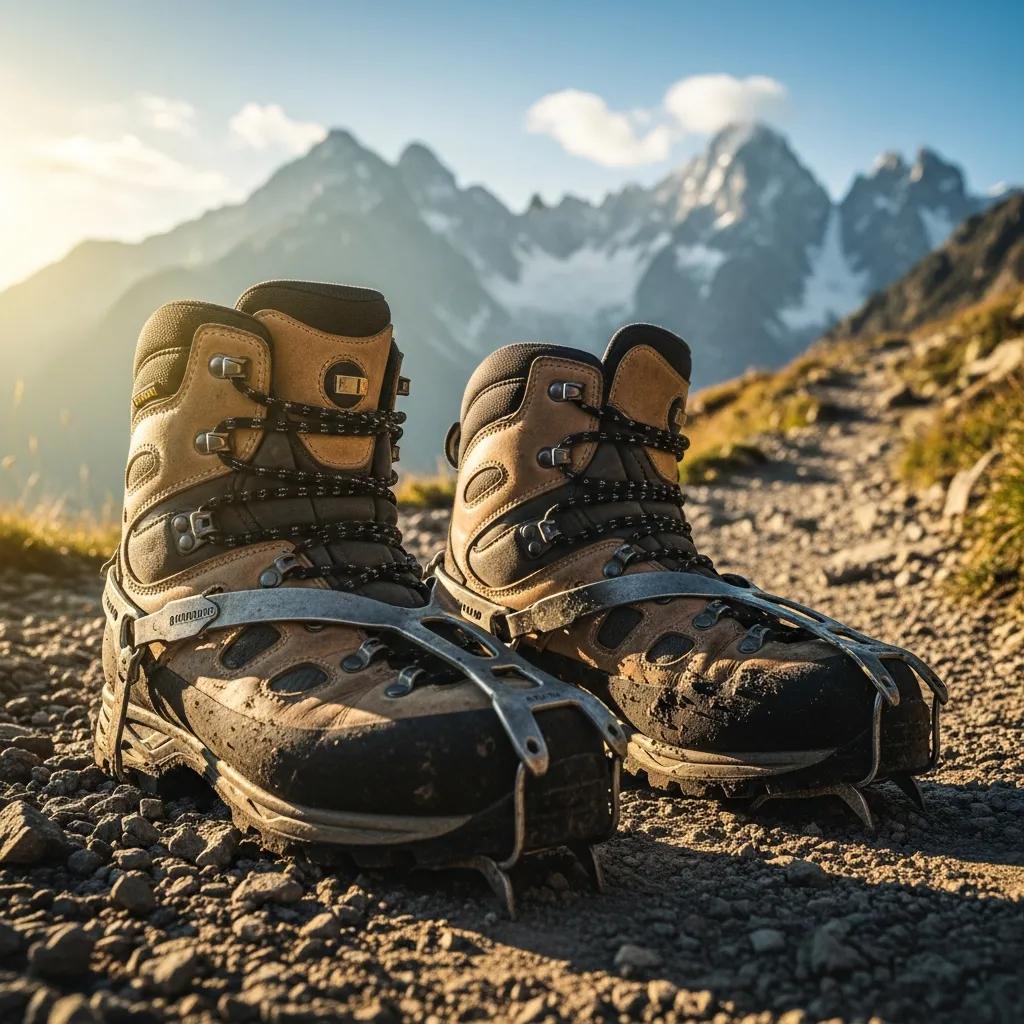
Dry routes are rocky and abrasive. Wear your boots with the exact socks and descend a steep practice slope to check heel movement.
Set your clothing system
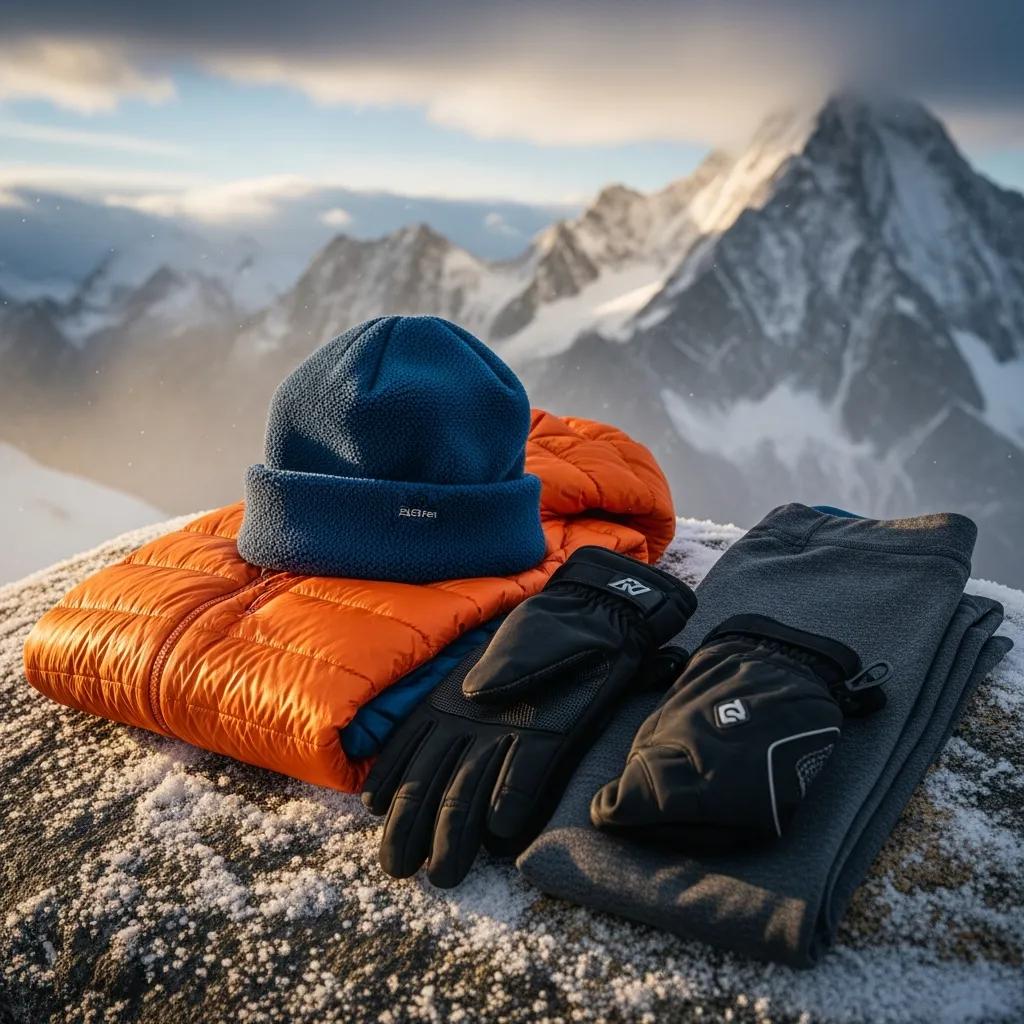
Pack a wicking top, fleece, wind/rain shell and extra insulation for prolonged stops. Long trousers and a warm layer are required for regulated trails.
Estimate water and food for the route
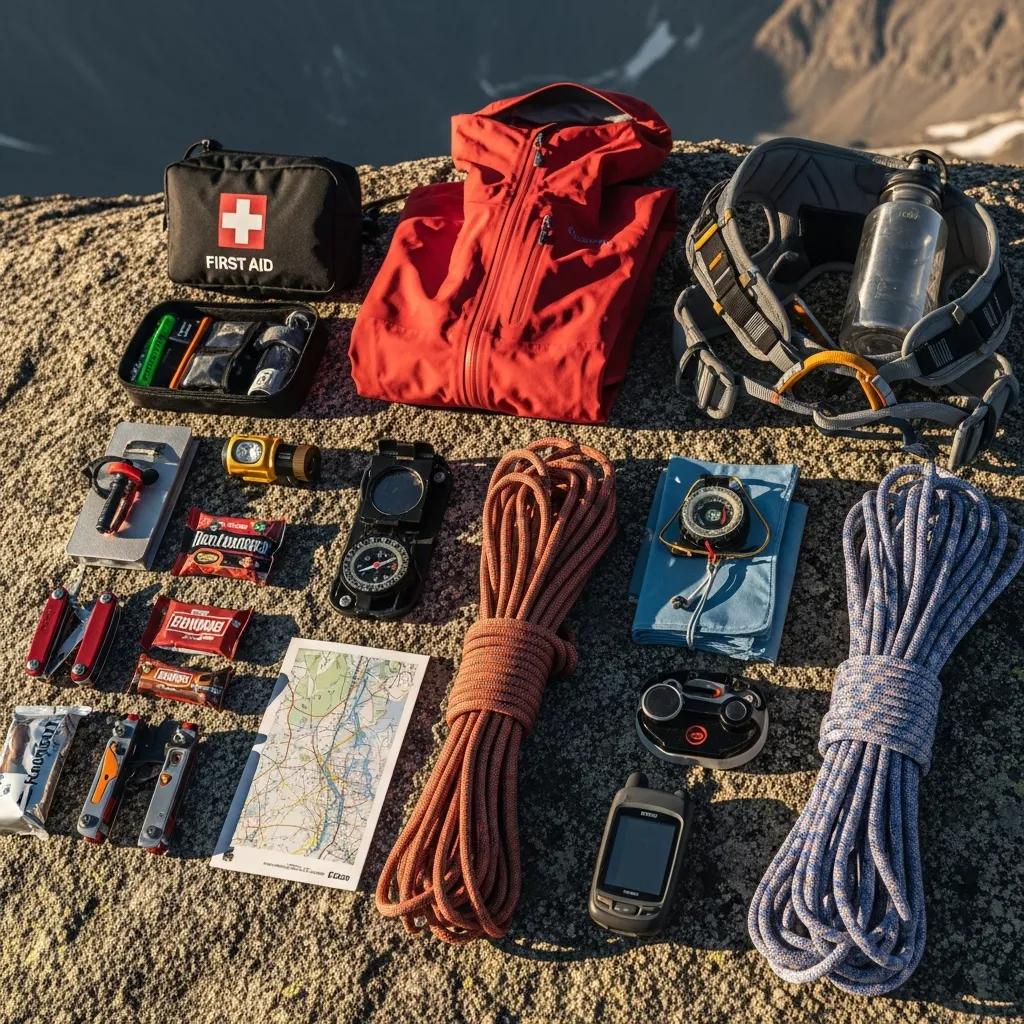
A full day from Montaña Blanca requires much more water and food than the short upper summit trail. Carry enough for delays; refill points are not guaranteed.
Prepare sun and cold protection
Wear UV-rated glasses, sun protection and a hat. Keep gloves and a warm hat easy to retrieve when the temperature drops.
Pack navigation and communication
Download an offline route and emergency contacts. Charge your phone, protect the battery and take backup lighting for a walk-up.
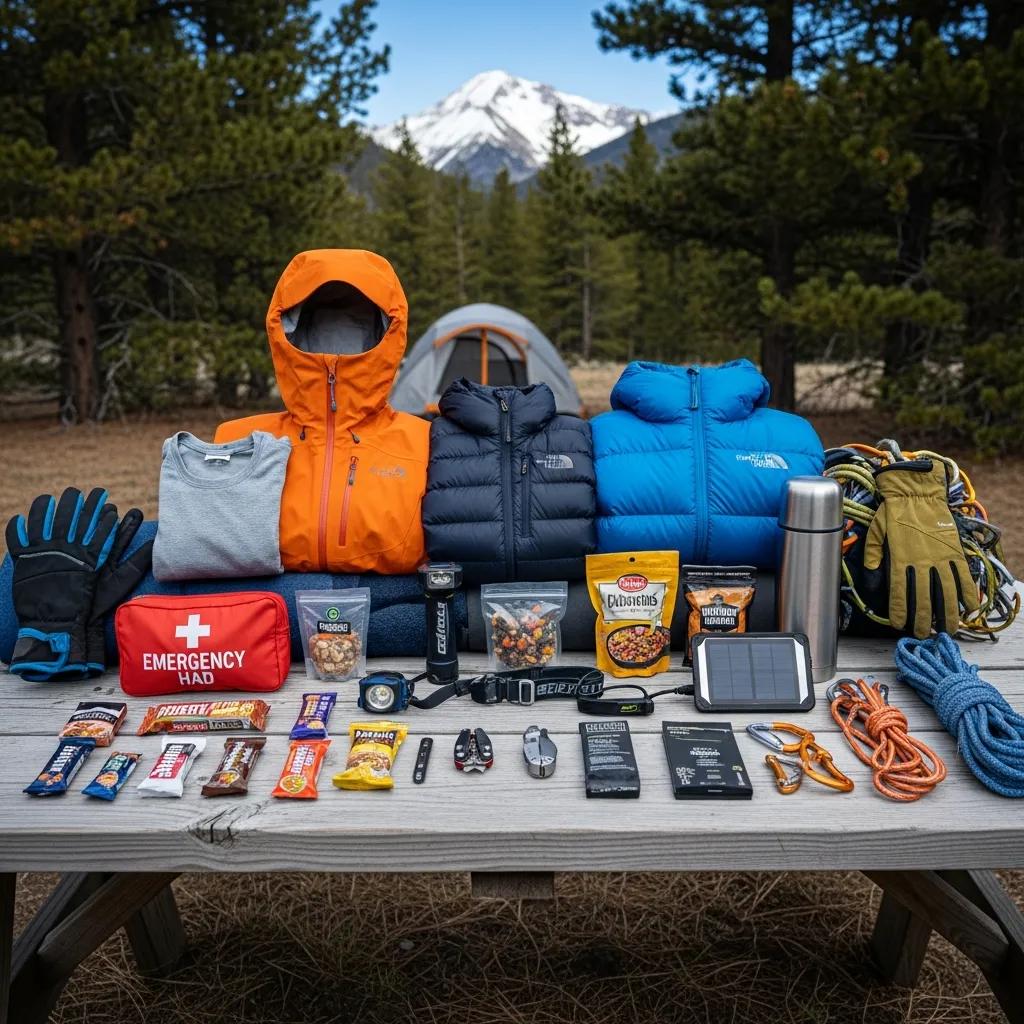
Meet the mandatory emergency baseline
For applicable controlled trails, carry a thermal blanket, charged mobile, fluids, headlamp with backup power and suitable footwear and clothing.
Decide on technical gear only from conditions
Dry trail hikes normally do not need an ice axe or rope. Snow/ice rules and technical competence can change that quickly.
Run a pre-departure check
Match permit and ID, confirm cable car status, closures, weather, return logistics and the full checklist before leaving the hotel.
03 / Temperature and pack-weight notes
How much warmth and weight do you need?
Temperature labels are not guarantees
Teide’s summit zone is high and exposed. There is no reliable single monthly summit temperature for packing. Select layers for the forecast, wind and length of stops. A fleece is part of the official minimum; a weather shell and insulated jacket add useful margin.
For overnight plans, any sleeping-bag temperature rating must be compared with the actual overnight conditions, shelter and sleeping-pad insulation. Do not pack a sleeping bag for a cable-car day trip.
Keep the kit efficient
A small daypack of roughly 15-30 L is a packing example, not a rule. Begin with the mandatory gear, food, water and insulation, then remove optional luxuries. Water alone adds about 1 kg for every liter.
A full walking ascent may demand a heavier carry than a cable-car visit. Never chase a low base weight by leaving required emergency equipment behind.
Buy, rent or skip?
| Item | Best decision | Why |
|---|---|---|
| Hiking boots and socks | Own or use familiar, well-fitting gear | Fit and blisters are individual. Break them in before travel. |
| Waterproof shell and warm fleece | Own or borrow properly fitting items | Useful across many outdoor trips and official gear rules. |
| Daypack and trekking poles | Own, borrow or rent | Adjust capacity to your route and verify pole usability. |
| Headlamp | Own or borrow with tested power | Required on certain trail approaches; check backup battery. |
| Crampons / winter equipment | Rent only with fit verification, training and legal route access | Conditions-specific, not a standard dry-summer purchase. |
| Sleeping bag and mat | Rent or use only when a confirmed authorized overnight plan needs them | No reason to carry sleeping gear on a simple day trip. |
For broader system advice see high-altitude layering and the complete mountain-climbing gear checklist.
04 / Approved shopping examples
Eight useful pieces of gear to compare
These are representative hiking essentials, not mandatory brands or first-hand tested winners. Every product card uses the approved Backcountry affiliate feed and its product image; always verify current fit, price and availability.
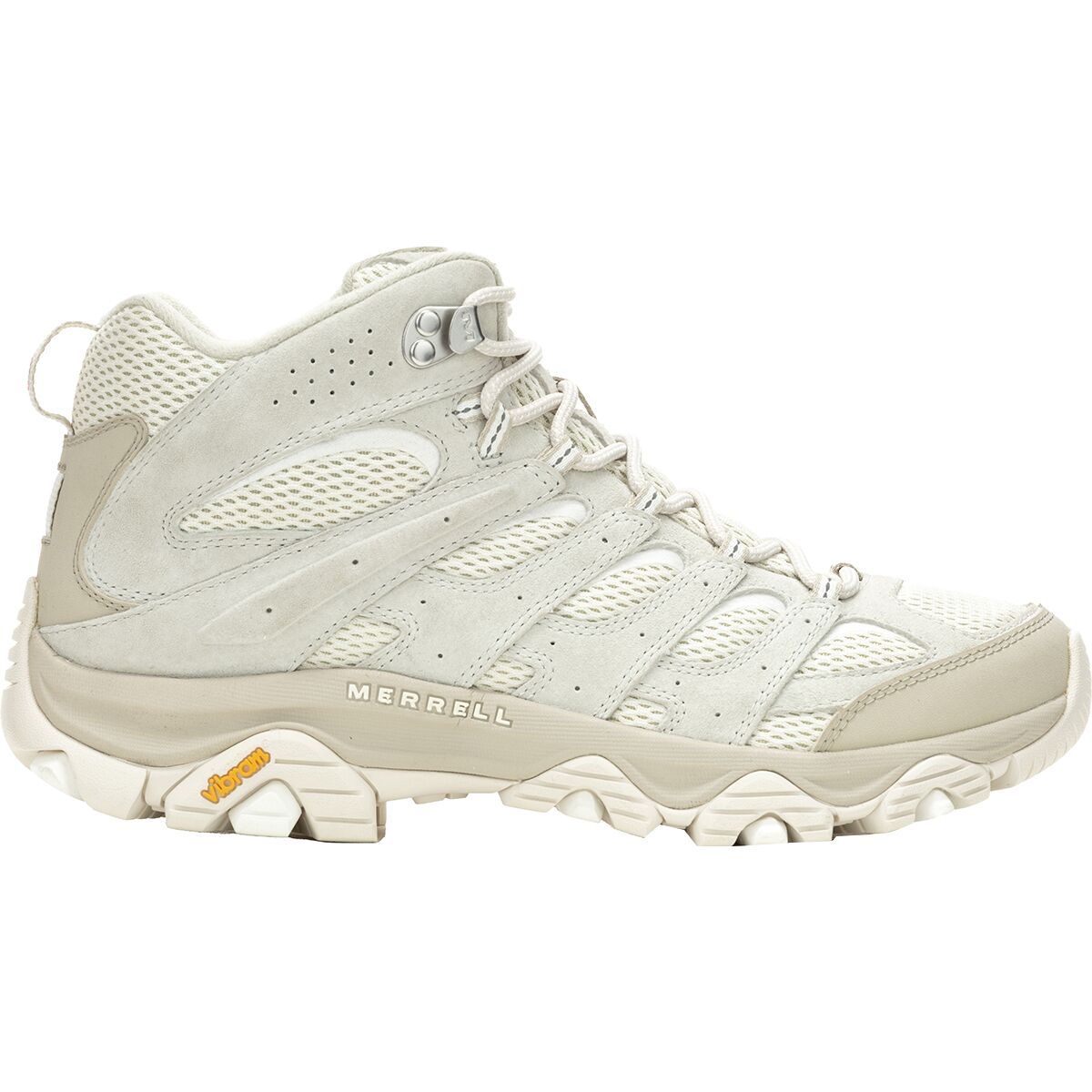 Photo unavailable. The product listing includes details.
Merrell Moab 3 Mid Hiking Boot – Men’s
Good boot category for rocky terrain; verify fit and grip before the trip.
$155.00
View approved gear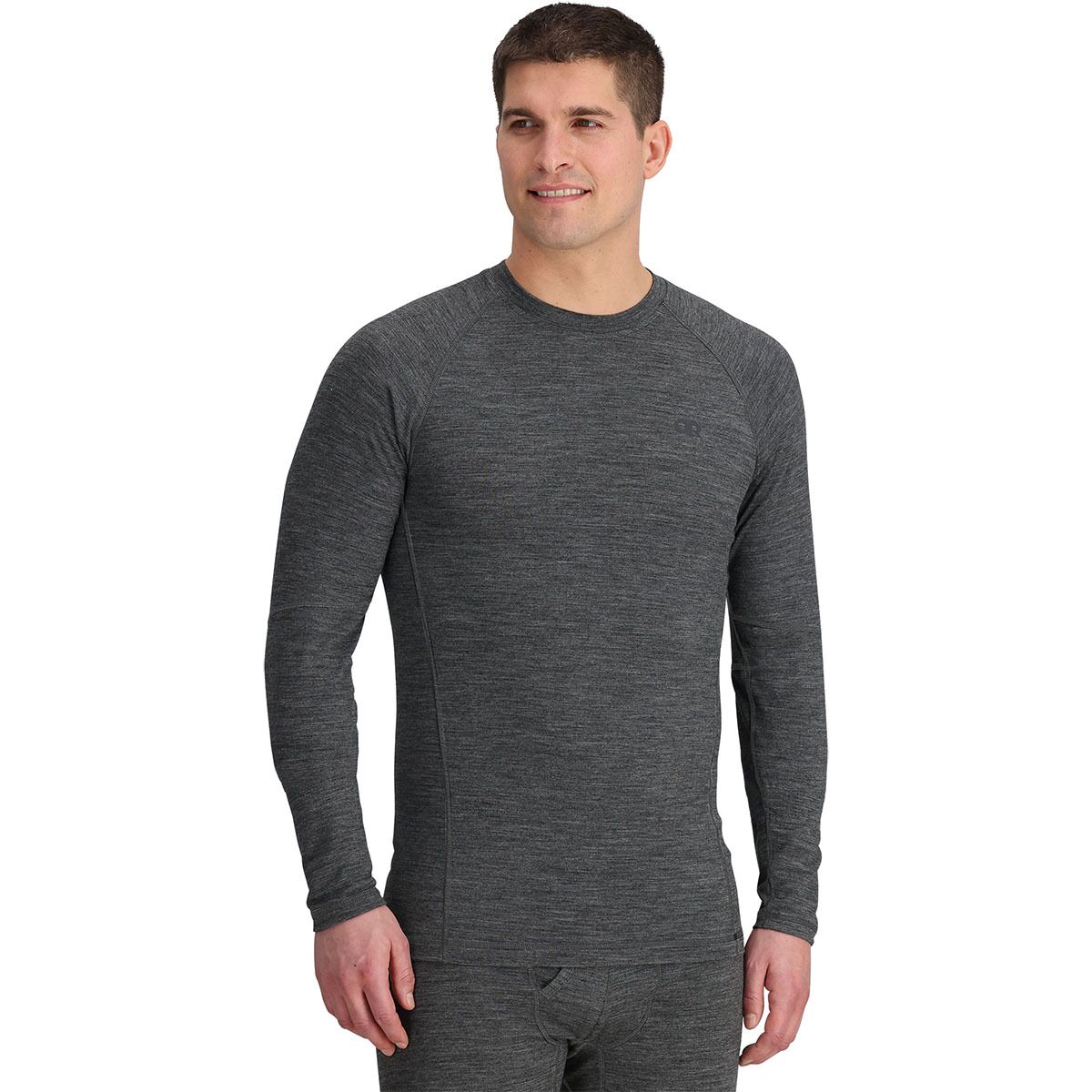 Photo unavailable. The product listing includes details.
Outdoor Research Alpine Onset Merino 150 Crew Top – Men’s
Moisture-managing next-to-skin layer for cool starts.
$98.95
View approved gear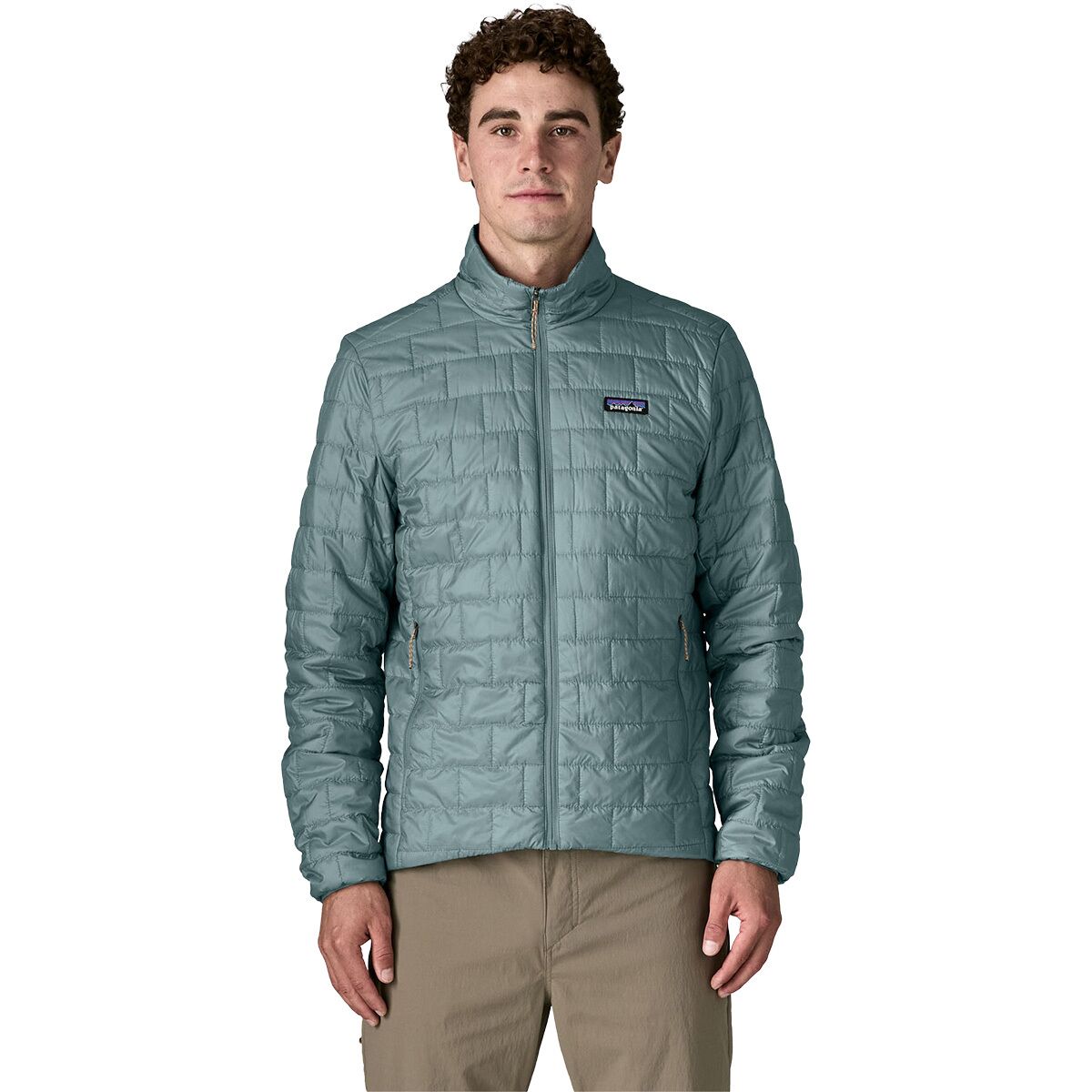 Photo unavailable. The product listing includes details.
Patagonia Nano Puff Insulated Jacket – Men’s
Insulation for exposed upper-mountain stops; personal cold tolerance varies.
$239.00
View approved gear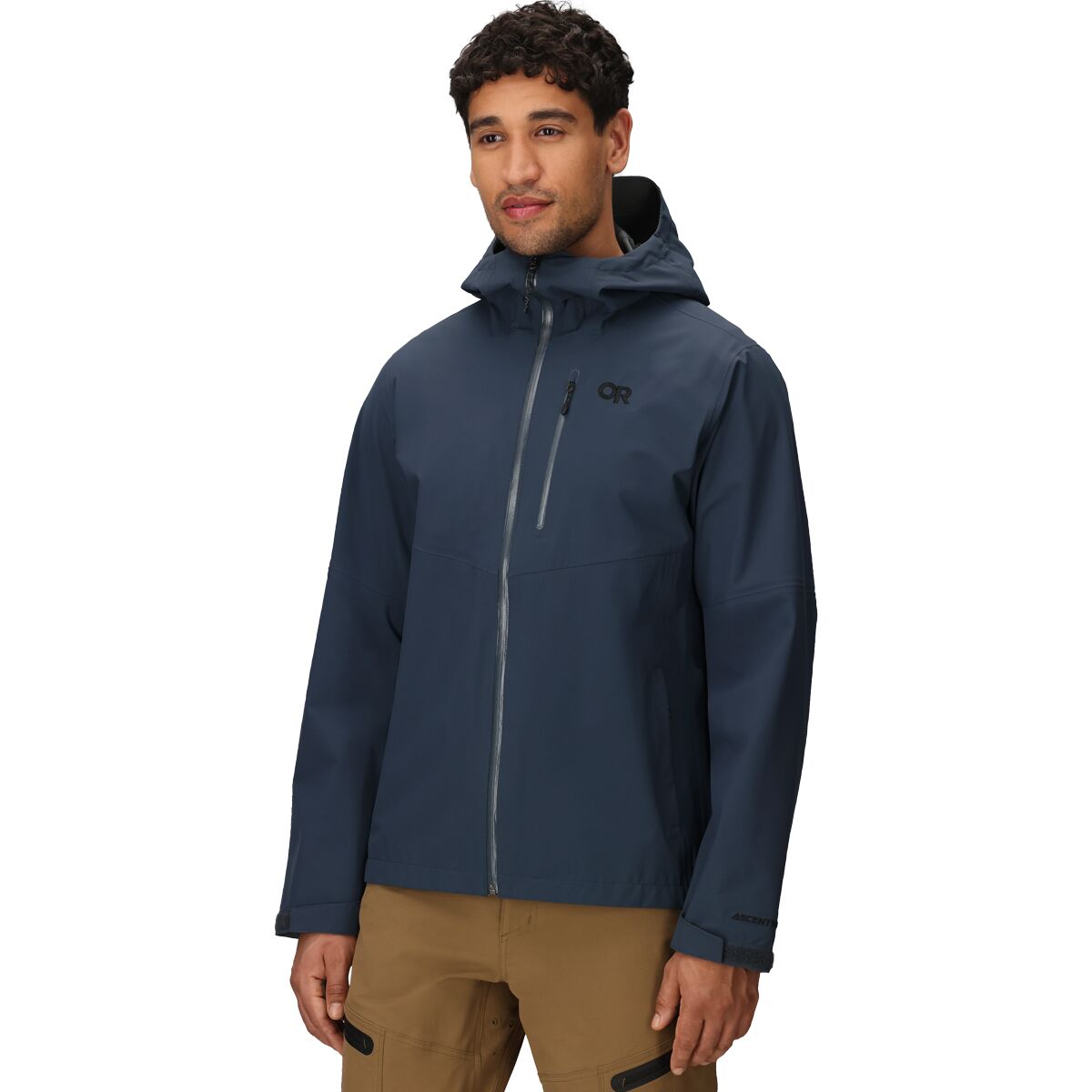 Photo unavailable. The product listing includes details.
Outdoor Research Foray 3L Jacket – Men’s
Wind and rain protection. Pack independently of a fair-weather forecast.
$182.00
View approved gear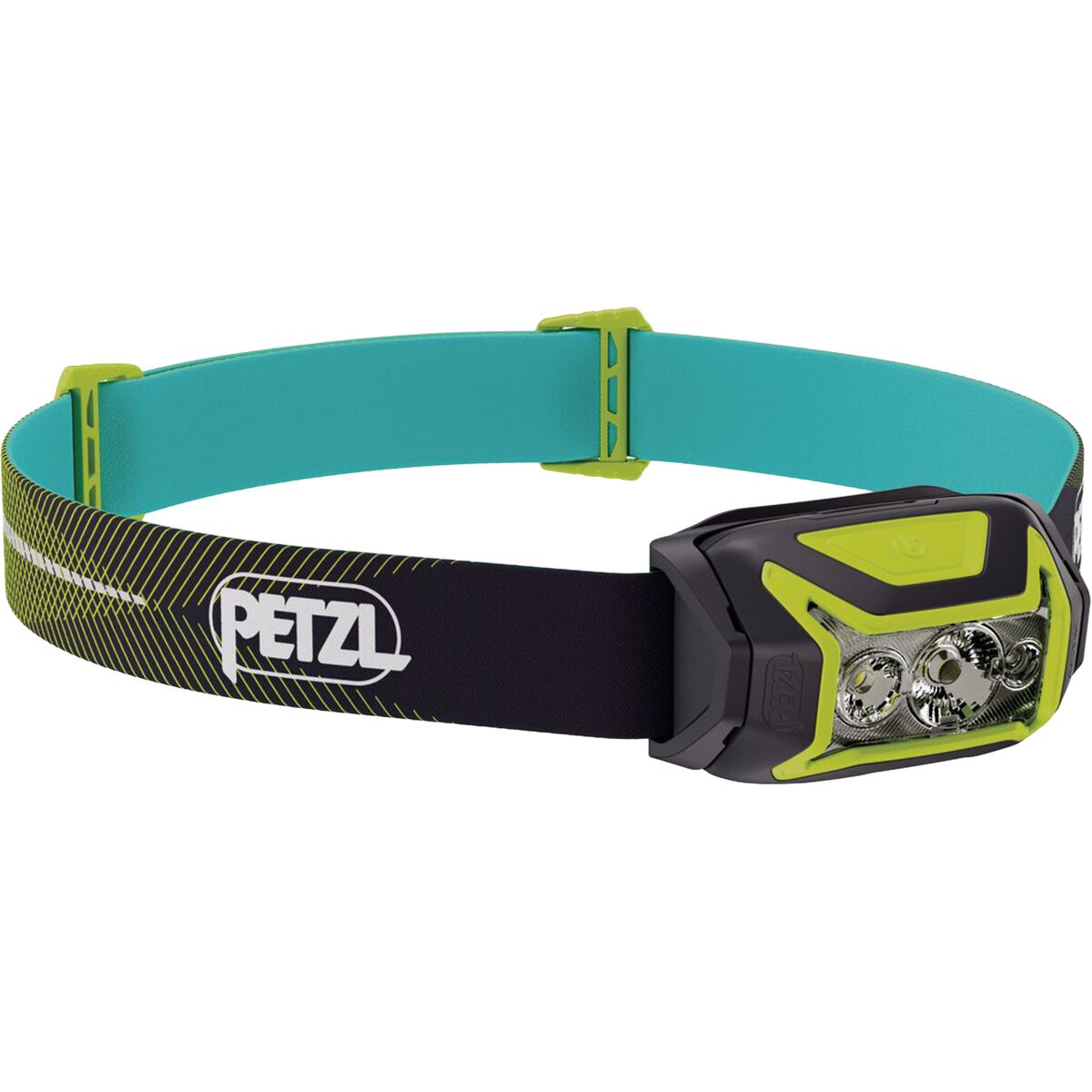 Photo unavailable. The product listing includes details.
Petzl Actik Core Headlamp
Headlamp with suitable power plan; check light before hiking.
$87.95
View approved gear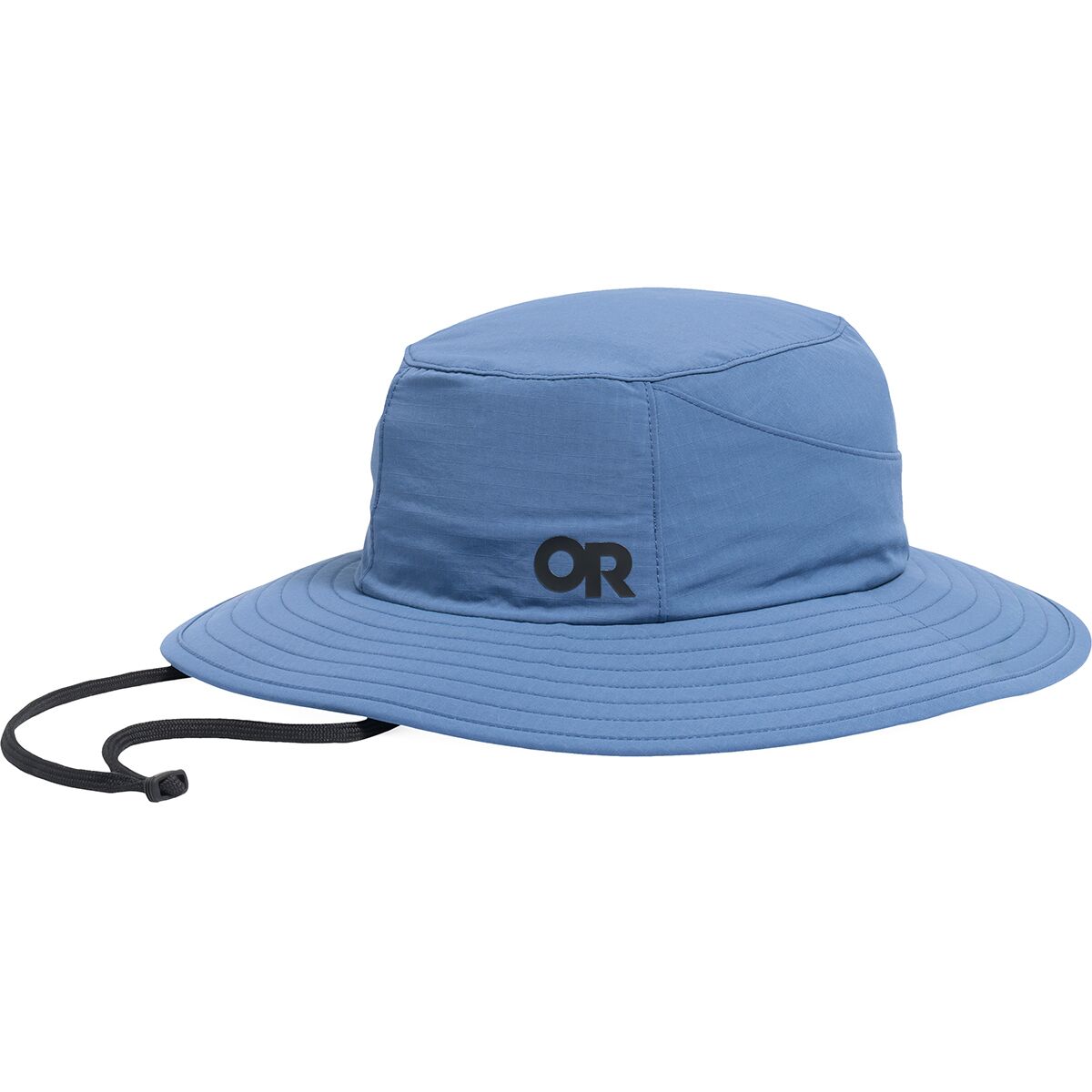 Photo unavailable. The product listing includes details.
Outdoor Research Helios Sun Hat
Sun hat for lower, exposed terrain; bring warmer headwear for the summit.
$52.00
View approved gear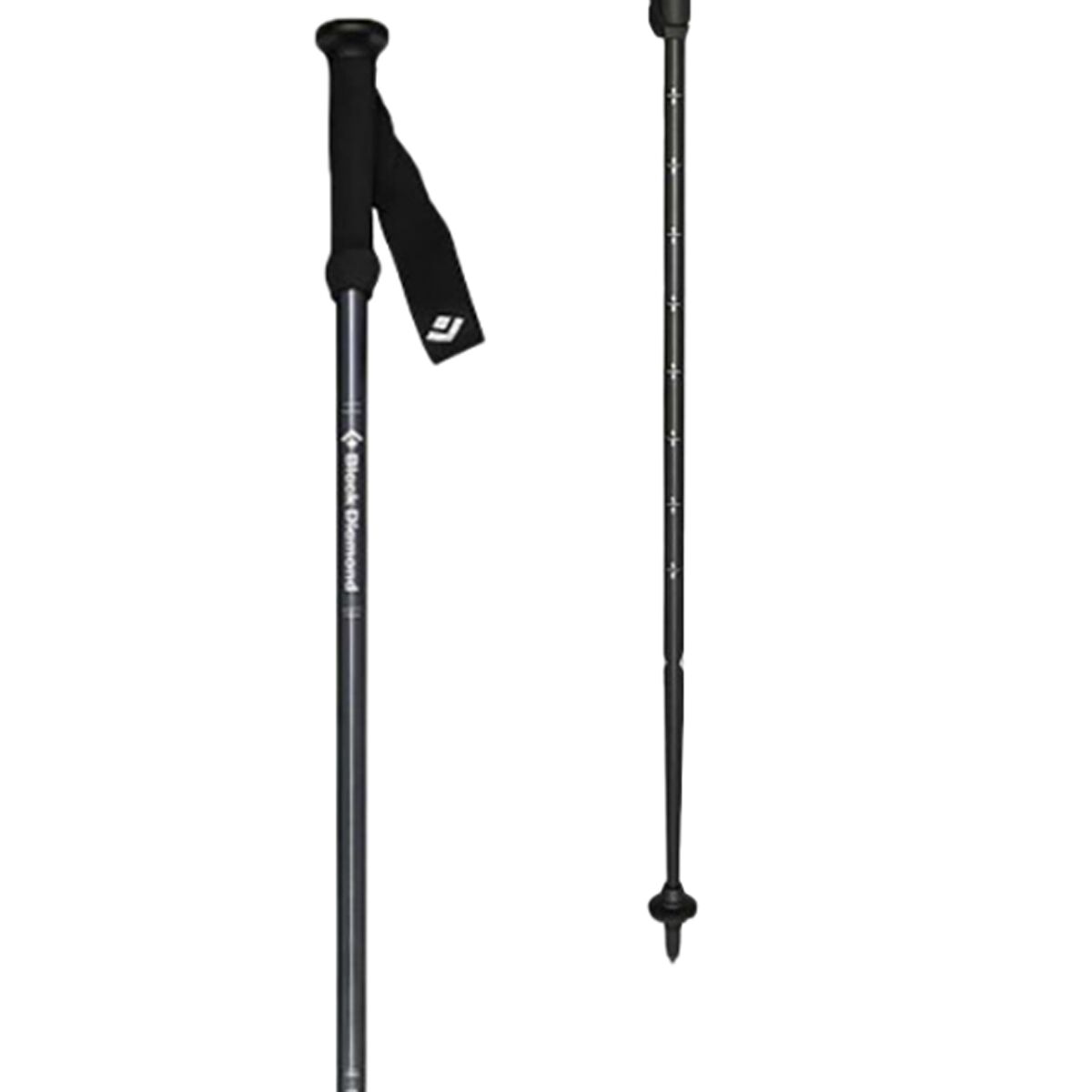 Photo unavailable. The product listing includes details.
Black Diamond Explorer 2 Trekking Poles
Useful on loose volcanic ground when permitted and safe to use.
$69.95
View approved gear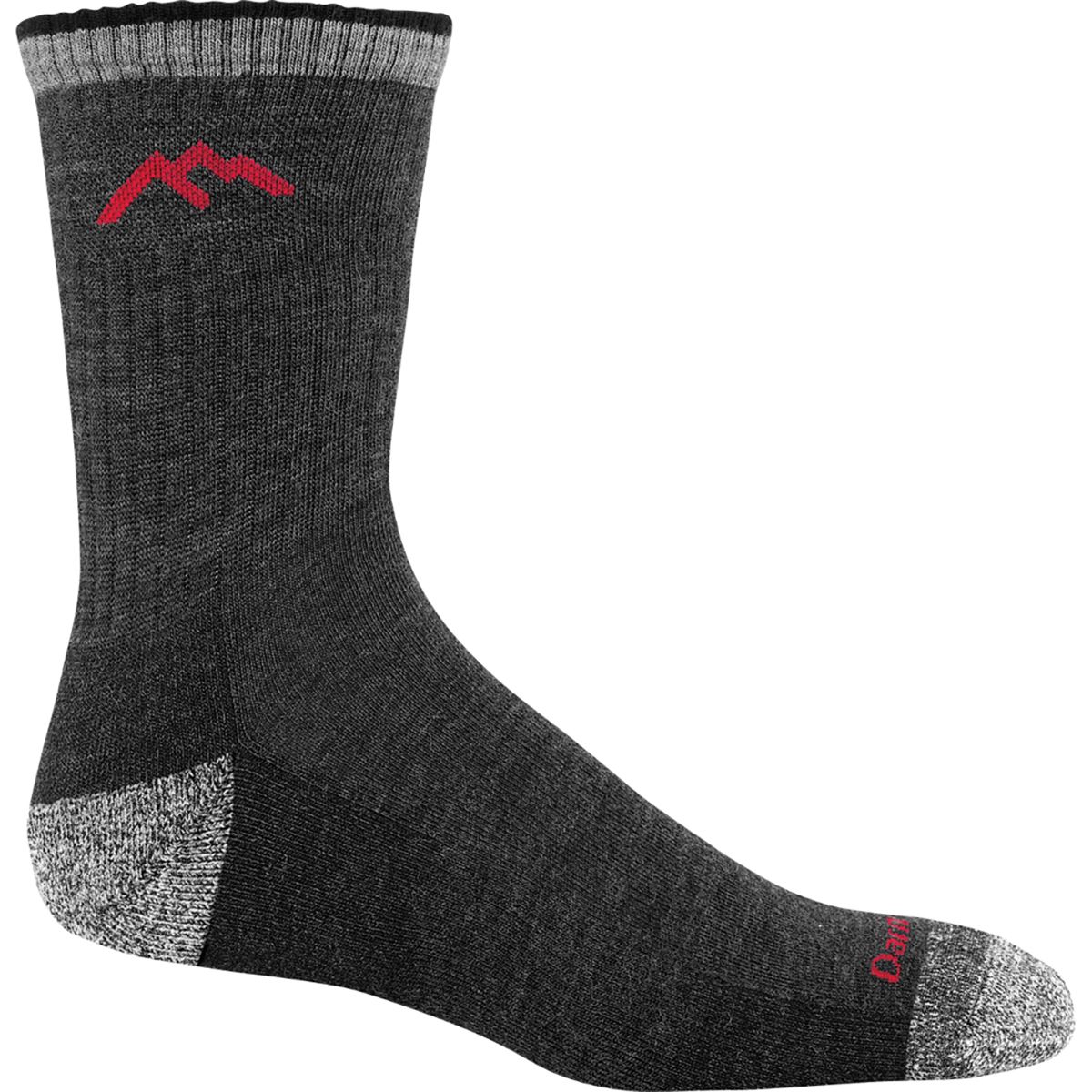 Photo unavailable. The product listing includes details.
Darn Tough Hiker Micro Crew Cushion Sock
Well-fitting hiking socks to test with the exact footwear.
$25.95
View approved gearPrices are a November 2026 approved-feed snapshot and may change. Affiliate links may earn GSG a commission. Read our affiliate disclosure.
For more choices see rain jackets, base layers, insulated jackets and mountaineering boot selection. Product links are not an assertion that these items meet every possible winter condition.
05 / Seasonal variation
Teide by month: what changes in your pack?
These groupings are planning guidance rather than historical temperature measurements or a live conditions report. Winter storms can occur in shoulder months; icy sections and closures must always be checked at the time of travel.
| Period | Gear emphasis | Decision before departure |
|---|---|---|
| December – February | Winter insulation, wind protection and possible snow/ice equipment | Check ice/snow rules, closures and whether the trail exceeds your skills |
| March – April | Layers for cold high elevation and variable shoulder-season weather | Review freezing levels, trail status and technical-equipment requirements |
| May – June | Sun protection, water, warm stop layer and weather shell | Check wind, high-elevation cold and weather before packing |
| July – September | UV protection and hydration with emergency warmth and wind protection | Do not confuse warm beaches with safe summit conditions |
| October – November | Flexible layering and readiness for seasonal cold or storms | Check current snow and ice status and revised access notices |
06 / Printable packing list
48-item Mount Teide gear checklist
Tick each applicable item. Some entries are mandatory checks or conditional equipment, not items every visitor should purchase. Download the separate printable PDF below or use the browser print/save command. For a permanent on-site PDF download, upload the PDF to WordPress and add its media-library URL.
Clothing and thermal layers (11)
Footwear and trail equipment (7)
Water, food, safety and navigation (13)
Permits, tickets, travel and documents (9)
Conditional cold-weather and overnight kit (8)
07 / Access and safety
Permits, closures and equipment rules come first
Official Teide National Park guidance requires permits for PNT 10 and for certain full-ascent routes. Some regulated trails have mandatory clothing, hydration and emergency-equipment requirements. An advance reservation is not a promise that access will remain open if weather or safety restrictions change.
For PNT 10, the permitted summit trail is short but steep and high: approximately 0.69 km from near 3,555 m to the summit. The cable car may stop operating in wind, independently of the summit permit. Keep enough margin for the itinerary you actually planned.
08 / Common questions
Mount Teide gear FAQ
Do I need crampons to hike Mount Teide?
Not for every visit. Ordinary dry-weather hiking on authorized trails does not automatically require crampons. When ice or snow is present, closures and official equipment or qualification requirements may apply. Check Tenerife ON before travel and do not use traction gear as a substitute for training.
Do I need a permit to reach Teide summit?
Yes. The upper PNT 10 Telesforo Bravo trail from La Rambleta to the crater requires a reservation. Some full-ascent approach trails require a separate authorization. A cable car ticket is not a summit permit.
Can I use the cable car without summiting?
Yes, subject to service availability and applicable access conditions. The cable car and upper summit path are separate bookings; check current rules for other controlled paths near the top station.
What footwear is best for a dry Teide summit hike?
Broken-in hiking boots with grippy soles and a stable fit are the straightforward choice. Check the current legal equipment requirements and trail surface. Stiff alpine boots are not normally necessary for a clear, dry hiking route.
Do I need a down jacket in summer?
Not always, but a warm insulating layer is sensible for the exposed high-elevation zone, especially wind, early hours, and long waits. A fleece, insulation layer and wind/rain shell work as a flexible system.
How much water should I carry?
There is no single universal amount: use the time, effort, heat, individual needs and whether a reliable refill point exists. Carry more for the full walk-up than for a short cable-car summit visit. Follow any official minimum water requirement.
How heavy should my Teide daypack be?
Aim for a daypack that holds all required water, warm layers, sun protection and emergency gear without unnecessary extras. A roughly 15 to 30 liter pack is an illustrative range, not a mandatory specification.
What is the temperature at Mount Teide summit?
It changes with season, wind, sun, storms and time of day. Do not assume Tenerife coastal temperatures apply at 3,700 meters. Check an elevation-relevant forecast and plan for substantial wind chill.
Can I hike Teide in January or February?
Potentially, but winter brings snow, ice, closures and stricter equipment conditions. Only attempt routes currently open and appropriate to your experience; book a qualified guide when needed.
Is the Altavista refuge included in the gear plan?
Do not assume an overnight refuge stay is available. Confirm current accommodation status and permissions with park authorities and authorized operators before packing a sleeping system.
Should I rent or buy winter technical equipment for Teide?
For an occasional trip, renting can make sense when equipment is available, properly fitted and permitted. Neither rental nor purchase makes a winter route safe without the required technique and current access authorization.
Is Teide climbing the same as mountaineering on a glacier?
No. In dry hiking conditions the main issues are elevation, sun, wind, loose volcanic trail surfaces and permits. Snow and ice can introduce a different winter mountaineering problem, but glacier rescue systems are not standard equipment for a dry trail visit.
Continue planning
From gear list to summit-day plan
Sources, methodology and review
Based on Teide National Park’s official reservation guidance and mountain-trail regulations, the Teide Cable Car operator’s published mandatory-equipment policy, and GSG’s Mount Teide route and weather pages. The catalog products are approved affiliate listings, not items claimed to be independently laboratory tested by GSG.
Teide National Park permits | Official PNT 10 route information | Cable car and required equipment
Editorial review: November 8, 2026. Conditions, permissions, seasonal restrictions and prices can change.
Was this helpful?
🏔Related gear guides
🧭Explore & compare
Global Summit Guide is an independent mountaineering resource founded in 2026. The team combines first-hand trekking and climbing experience with in-depth research and professional health and nutrition review to help climbers choose objectives, prepare properly, and stay safe.
Health, altitude, and nutrition content is reviewed by Taylor Ludlow (Registered Nurse) and Brigg Hoopes (Nutritionist).
What We Don't Know Yet
Mountain information changes quickly. This box explains the limits of what this page can responsibly promise.
- Weather, snowpack, avalanche risk, road access, and route conditions can change quickly and may be different on your climbing dates.
- Total trip cost can change with flights, lodging, guide pricing, permits, gear rentals, transportation, and exchange rates.
- Gear requirements can change by season, route variation, weather window, personal cold tolerance, and guide-service requirements.
- Visa, passport, vaccination, border, insurance, and local transportation rules may change before your trip.
Verify current conditions with official land managers, guide services, local forecasts, and current route reports before booking or climbing.
Mountaineering, rock and ice climbing, glacier travel, and high-altitude activity are inherently dangerous and can result in serious injury or death. The information on Global Summit Guide is provided for general informational and educational purposes only and is not a substitute for professional instruction, qualified guiding, proper equipment, or your own judgment and experience.
Route conditions, weather, snowpack, permits, regulations, and hazards change constantly and may differ from what is described here. Details may be incomplete, out of date, or contain errors. Always verify current information with local authorities, certified guides, and official sources before making any decision in the mountains.
Nothing on this site is medical, legal, or financial advice. Our fitness, acclimatization, altitude, and nutrition content is general in nature; consult a qualified physician before beginning any strenuous exercise program or exposing yourself to high altitude.
You are solely responsible for your own safety and decisions. To the fullest extent permitted by law, Global Summit Guide and its team accept no liability for any loss, injury, damage, or expense arising from use of, or reliance on, this information. By using this site you acknowledge these risks and accept these terms.
Some links on this site may be affiliate links. If you buy through them we may earn a small commission at no extra cost to you; this never affects our recommendations.
Global Summit Guide recommendation path
Next Best Mountain to Research
Use these recommendations to continue the right planning path instead of stopping on one page.
Use current permit, weather, route, and operator information before booking or climbing.