
Last updated September 7, 2026
Essential Matterhorn Climbing Gear List for Safe Alpine Ascents
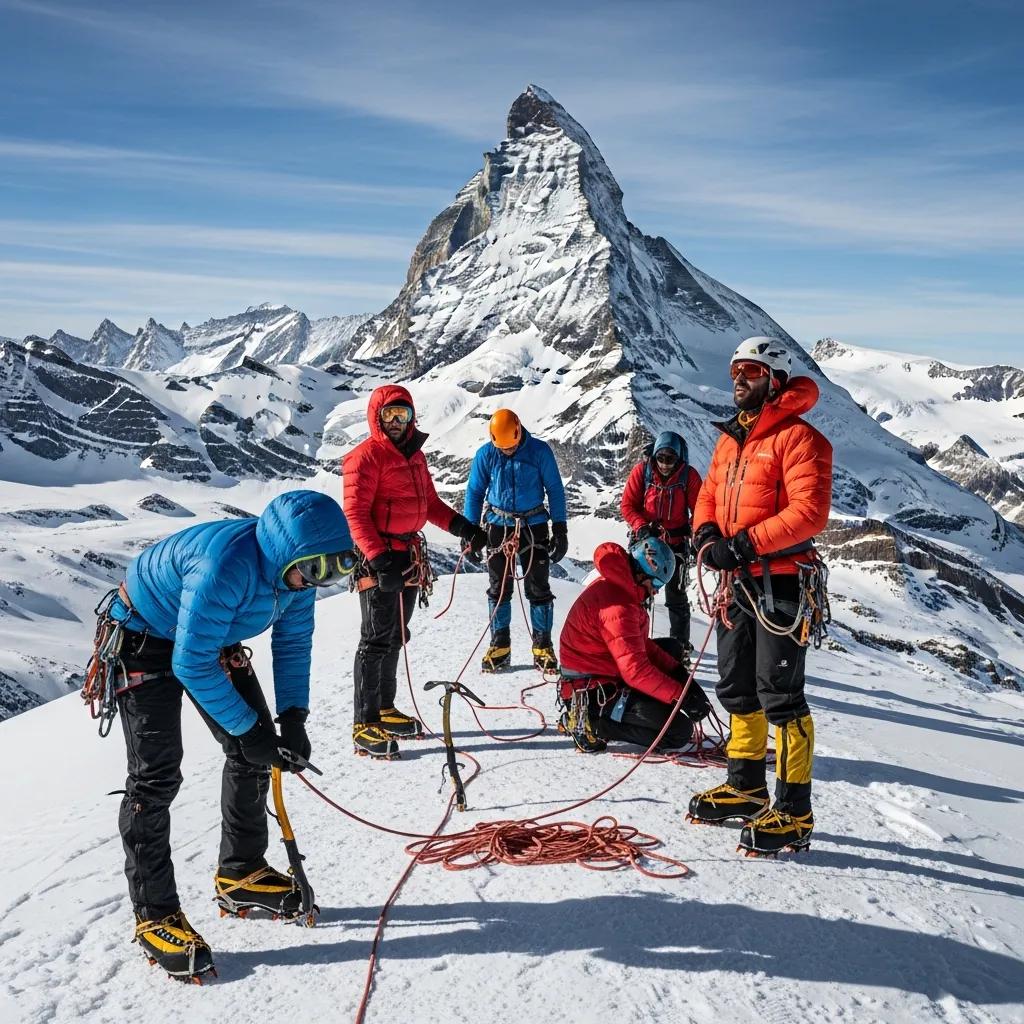
Climbing the Matterhorn is a thrilling adventure that requires careful preparation and the right gear. This comprehensive guide will help you understand the essential alpine climbing equipment needed for a successful ascent of this iconic peak. Whether you’re a seasoned climber or a first-timer, knowing what to pack is crucial for both safety and performance. In this article, we will explore the necessary gear, how to prioritize your packing list, and tips for organizing your climbing kit effectively. Additionally, we will discuss safety equipment, weather considerations, and the latest innovations in alpine gear. By the end of this guide, you’ll be well-equipped to tackle the Matterhorn with confidence.
What Are the Essential Alpine Climbing Equipment for the Matterhorn?
When preparing for a Matterhorn ascent, it’s vital to have the right alpine climbing equipment. Essential gear includes clothing layers, footwear, and navigation tools. Each piece of equipment plays a crucial role in ensuring your safety and comfort during the climb.
The rigorous evaluation of mountaineering equipment has a long history, ensuring climbers are well-prepared for diverse conditions.
Mountaineering Equipment Evaluation for Alpine & High-Altitude Climbs
1. Pursuant to a request from US Army Natick Laboratories, the Arctic Institute of North America carried out testing and evaluation of certain commercially available mountaineering equipment, considered by the project investigator to be the best available on the commercial market today. This equipment was tested under varying climatic conditions and extremes in the St. Elias Mountains of the southwestern Yukon Territory, Canada. Tests were carried out in the low altitude forested region near Kluane Lake, in the medium altitude alpine environment of the central St. Elias Mountains, and in the severe high altitude polar environment of Canadas highest mountain, Mt. Logan.
Mountaineering Equipment Evaluation, 1972
- Clothing Layers: Proper layering is essential for managing body temperature and moisture. Start with a moisture-wicking base layer, followed by an insulating mid-layer, and finish with a weather-resistant shell.
- Footwear and Traction: High-quality climbing boots with good insulation and traction are necessary for navigating rocky and icy terrain. Crampons may also be required for added grip on ice.
- Navigation and Communication: A reliable map, compass, or GPS device is crucial for navigation, while a communication device ensures you can reach help if needed.
For those seeking high-quality alpine climbing gear, Information Hub offers a range of products tailored for mountain climbing enthusiasts.
Which Mountain Climbing Gear Essentials Should You Prioritize?
Prioritizing your gear is essential for a successful climb. Focus on the most critical items that will enhance your safety and performance.
- Clothing Layers: Ensure you have a complete layering system to adapt to changing weather conditions.
- Emergency and Repair Kit: Always carry a basic repair kit for your gear, including duct tape, a multi-tool, and spare parts.
- Weather Protection: Invest in high-quality waterproof and windproof gear to shield yourself from the elements.
By focusing on these essentials, you can ensure that you are well-prepared for the challenges of climbing the Matterhorn.
How to Choose the Best Climbing Boots for Alpine Peaks?
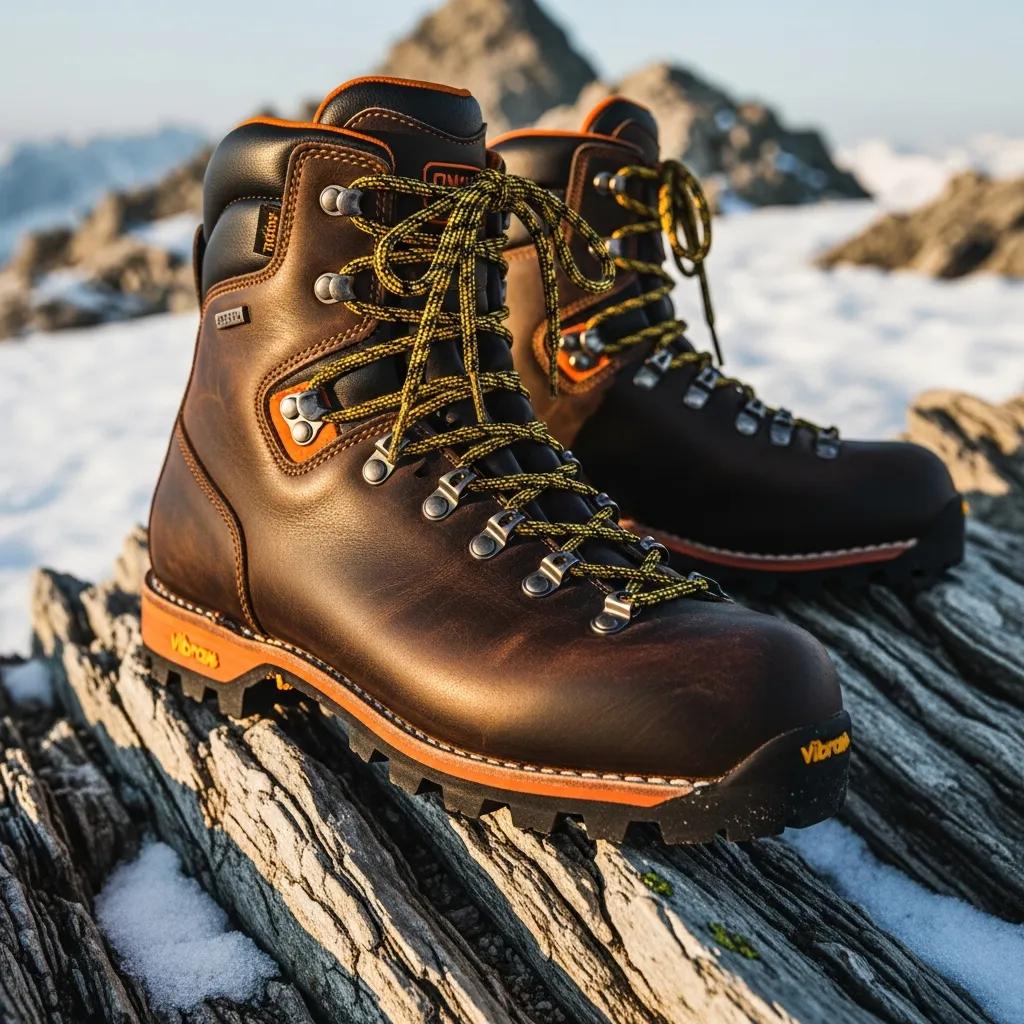
Selecting the right climbing boots is crucial for your comfort and safety on the Matterhorn. Look for boots that offer a snug fit, excellent traction, and insulation.
- Fit and Comfort: Ensure the boots fit well and allow for some movement without being too loose. Consider trying them on with the socks you plan to wear.
- Traction and Insulation: Choose boots with a rugged sole for grip on rocky surfaces and insulation to keep your feet warm in cold conditions.
- Durability: Opt for boots made from high-quality materials that can withstand the rigors of alpine climbing.
Investing in the right climbing boots will significantly enhance your climbing experience.
How to Prepare a Comprehensive Matterhorn Summit Packing Checklist?
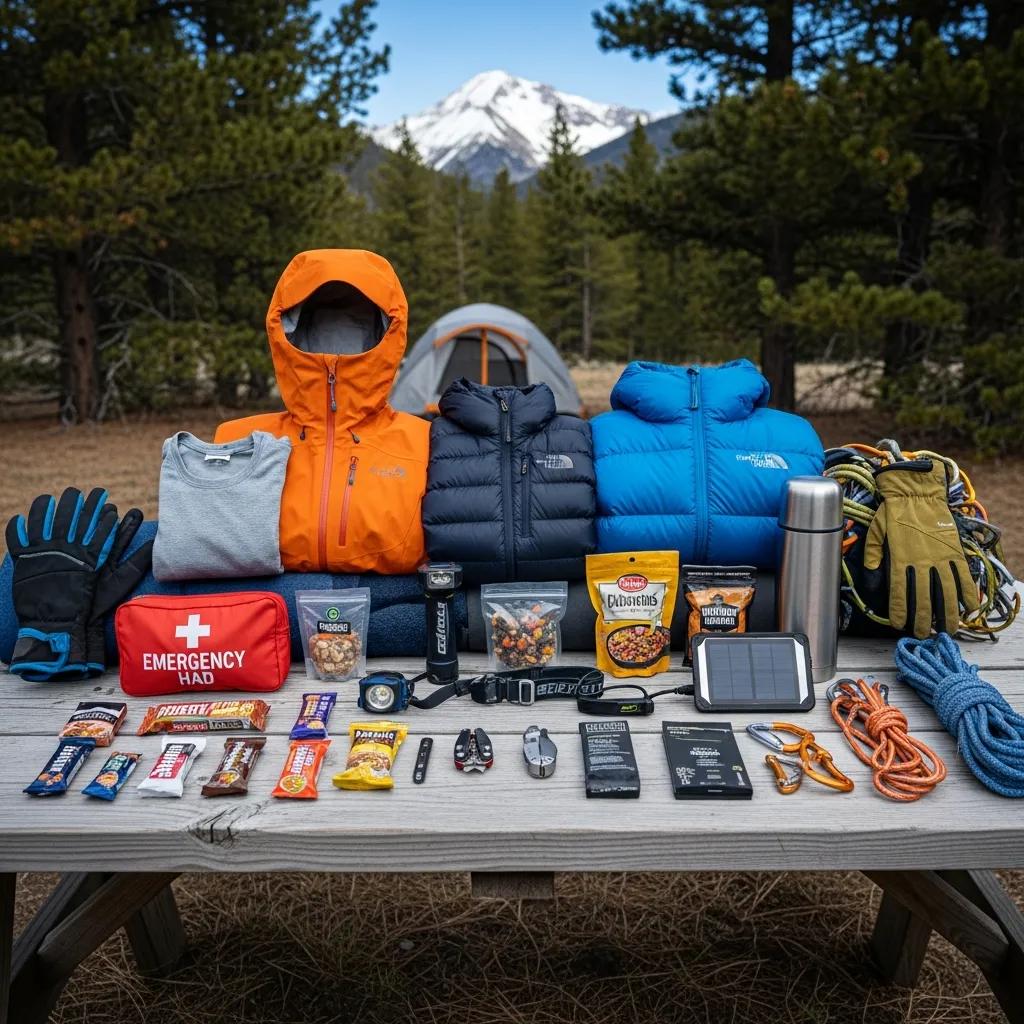
Creating a packing checklist is an effective way to ensure you have everything you need for your Matterhorn climb. Here are key items to include:
- Clothing Layers: Base layer, mid-layer, and shell.
- Emergency Gear: First aid kit, headlamp, and whistle.
- Food and Hydration: High-energy snacks and sufficient water supply.
By following this checklist, you can minimize the risk of forgetting essential items.
What Are the Step-by-Step Packing Tips for High Altitude Climbing?
Packing for high altitude climbing requires careful consideration of weight and accessibility. Here are some tips to optimize your packing:
- Layering Systems: Pack clothing in layers to easily adjust to temperature changes.
- Emergency Preparedness: Keep emergency gear easily accessible in case of unexpected situations.
- Weight Management: Use lightweight gear to reduce overall pack weight, making it easier to carry.
These strategies will help you pack efficiently for your Matterhorn adventure.
How to Organize and Optimize Your Alpine Climbing Kit?
Organizing your climbing kit can enhance your efficiency on the mountain. Here are some best practices:
- Build Your Kit by Function: Group similar items together, such as clothing, safety gear, and navigation tools.
- Think in Layers and Systems: Organize your gear based on the layering system you will use during the climb.
- Follow the ’10 Essentials’ Checklist: Ensure you have the ten essential items for outdoor survival, including navigation tools, sun protection, and a first aid kit.
By optimizing your kit, you can ensure that you have quick access to everything you need.
What Safety Equipment Is Required for a Secure Matterhorn Ascent?
Safety should always be your top priority when climbing the Matterhorn. Essential safety equipment includes:
- Snow Travel Gear: Items like snowshoes or skis may be necessary for traversing snowy terrain.
- Glacier Travel Gear: A harness, rope, and ice axe are crucial for glacier travel and crevasse rescue.
- Emergency and Repair Kit: Always carry a well-stocked emergency kit to address any unforeseen issues.
Having the right safety equipment can make a significant difference in your climbing experience.
Which Safety Gear Minimizes Risks on the Matterhorn?
To minimize risks during your ascent, consider the following safety gear:
- Clothing Layers: Properly layered clothing can help regulate body temperature and prevent hypothermia.
- Navigation Tools: A reliable GPS or compass is essential for staying on course.
- Emergency Preparedness: Carrying a whistle and a signaling device can be lifesaving in emergencies.
By prioritizing safety gear, you can significantly reduce the risks associated with climbing the Matterhorn.
How to Inspect and Maintain Your Climbing Safety Equipment?
Regular inspection and maintenance of your climbing gear are essential for safety. Here are some tips:
- Regular Checks: Inspect your gear before each climb for any signs of wear or damage.
- Cleaning Procedures: Clean your equipment after each use to prevent dirt and moisture buildup.
- Storage Tips: Store your gear in a cool, dry place to prolong its lifespan.
Maintaining your equipment ensures it remains reliable when you need it most.
How Do Weather and Environmental Conditions Affect Your Gear Selection?
Weather conditions play a significant role in your gear selection for the Matterhorn. Consider the following factors:
- Layering for Moisture Management: Choose materials that wick moisture away from your body to stay dry.
- Footwear Matching Terrain: Select boots that provide adequate grip for the specific terrain you will encounter.
- Planning for Variability: Be prepared for sudden weather changes by packing versatile gear.
Understanding how weather affects your gear choices can enhance your climbing experience.
What Weather-Resistant Materials Are Recommended for Alpine Gear?
Choosing the right materials for your alpine gear is crucial for protection against the elements. Recommended materials include:
- Base Layer Materials: Look for moisture-wicking fabrics that keep you dry.
- Mid Layer Insulation: Fleece or down materials provide warmth without adding bulk.
- Shell Protection: Waterproof and windproof materials are essential for outer layers.
Selecting the right materials will help you stay comfortable and protected during your climb.
How to Adjust Your Packing List Based on Matterhorn Weather Forecasts?
Adjusting your packing list according to weather forecasts is essential for a successful climb. Here are some tips:
- Layering Systems: Be prepared to add or remove layers based on temperature changes.
- Emergency Gear: Always include extra emergency gear in case of unexpected weather conditions.
- Decision Points: Know when to turn back if conditions become too dangerous.
By staying informed about the weather, you can make better decisions regarding your gear.
What Are the Latest Innovations in Lightweight and Durable Alpine Gear?
The alpine gear market is constantly evolving, with new innovations enhancing performance. Some of the latest advancements include:
- Lightweight Materials: New synthetic fabrics reduce weight without sacrificing durability.
- Durability Advancements: Enhanced stitching and materials increase the lifespan of gear.
- Sustainability Trends: Eco-friendly materials are becoming more prevalent in alpine gear production.
Staying updated on these innovations can help you choose the best gear for your climb.
How Do Advances in Smart Wearable Tech Enhance Climbing Safety?
Smart wearable technology is revolutionizing climbing safety. Key advancements include:
- Wearable Tech Benefits: Devices that monitor vital signs can alert climbers to potential health issues.
- Integration with Gear: Smart technology can be integrated into climbing gear for enhanced functionality.
- Safety Monitoring: Real-time tracking devices can help keep climbers safe by providing location data.
Embracing these technologies can significantly enhance your safety on the mountain.
Which Sustainable Materials Are Emerging in Alpine Climbing Equipment?
Sustainability is becoming increasingly important in the climbing gear industry. Emerging materials include:
- Eco-Friendly Materials: Fabrics made from recycled plastics are gaining popularity.
- Sustainability Certifications: Look for gear that has been certified for its environmental impact.
- Market Trends: The demand for sustainable gear is driving innovation in the industry.
Choosing sustainable materials not only benefits the environment but also supports responsible climbing practices.
How to Integrate Trip Planning with Your Matterhorn Gear Preparation?
Effective trip planning is essential for a successful Matterhorn ascent. Here are some strategies:
- Choosing the Right Objective: Assess your climbing goals and select appropriate routes.
- Logistics and Itinerary: Plan your travel and accommodation in advance to avoid last-minute issues.
- Emergency Preparedness: Always have a contingency plan in case of unexpected events.
Integrating trip planning with gear preparation ensures a smoother climbing experience.
What Are the Key Logistics to Consider for a Matterhorn Expedition?
Planning a Matterhorn expedition involves several logistical considerations:
- Route Overview: Familiarize yourself with the climbing route and its challenges.
- Permits and Regulations: Ensure you have the necessary permits to climb the Matterhorn.
- Altitude and Risk Management: Be aware of altitude sickness and how to manage it effectively.
Addressing these logistics will help you prepare for a successful climb.
How to Link Gear Choices with Climbing Techniques and Training?
Understanding the connection between gear choices and climbing techniques is crucial for success. Here are some insights:
- Matching Gear to Techniques: Select gear that complements your climbing style and techniques.
- Practice with Gear: Familiarize yourself with your equipment before the climb to ensure proficiency.
- Emergency Preparedness: Train for emergency scenarios to enhance your response during the climb.
By linking gear choices with techniques, you can improve your overall climbing performance.
What Are Common FAQs About Matterhorn Gear and Packing Strategies?
Addressing common questions can help climbers prepare effectively. Here are some frequently asked questions:
- What are the packing essentials?: Include clothing layers, emergency gear, and food.
- How do I manage water and food?: Plan for hydration and high-energy snacks to maintain energy levels.
- What should I do for emergency preparedness?: Always carry a first aid kit and know basic rescue techniques.
By answering these questions, climbers can feel more confident in their preparations.
What Gear Is Essential for First-Time Matterhorn Climbers?
First-time climbers should focus on essential gear to ensure a safe and enjoyable experience. Key items include:
- Clothing Layers: Proper layering is crucial for temperature regulation.
- Footwear and Traction: Invest in high-quality climbing boots with good insulation.
- Emergency Gear: A first aid kit and signaling device are essential for safety.
By prioritizing these items, first-time climbers can enhance their chances of a successful ascent.
How to Troubleshoot Common Equipment Issues on Alpine Ascents?
Being prepared for equipment issues can save you time and stress during your climb. Here are some common troubleshooting tips:
- Common Issues: Be aware of potential gear failures, such as broken buckles or torn clothing.
- Maintenance Tips: Regularly check your gear for wear and tear before each climb.
- Emergency Fixes: Carry duct tape and a multi-tool for quick repairs on the go.
By knowing how to troubleshoot common issues, you can ensure a smoother climbing experience.
For more information on gear safety, consult resources like Global Summit Guide.
Matterhorn: Gear & the Alpine Cluster
Gear is one piece of the Matterhorn. See the full guide, the conditions and the cluster below.
Was this helpful?
🏔Related peaks nearby
🧭Explore & compare
Global Summit Guide is an independent mountaineering resource founded in 2026. The team combines first-hand trekking and climbing experience with in-depth research and professional health and nutrition review to help climbers choose objectives, prepare properly, and stay safe.
Health, altitude, and nutrition content is reviewed by Taylor Ludlow (Registered Nurse) and Brigg Hoopes (Nutritionist).
What We Don't Know Yet
Mountain information changes quickly. This box explains the limits of what this page can responsibly promise.
- Weather, snowpack, avalanche risk, road access, and route conditions can change quickly and may be different on your climbing dates.
- Gear requirements can change by season, route variation, weather window, personal cold tolerance, and guide-service requirements.
- Fitness and altitude response vary by person; no guide, itinerary, or training plan can guarantee acclimatization or summit success.
Verify current conditions with official land managers, guide services, local forecasts, and current route reports before booking or climbing.
Mountaineering, rock and ice climbing, glacier travel, and high-altitude activity are inherently dangerous and can result in serious injury or death. The information on Global Summit Guide is provided for general informational and educational purposes only and is not a substitute for professional instruction, qualified guiding, proper equipment, or your own judgment and experience.
Route conditions, weather, snowpack, permits, regulations, and hazards change constantly and may differ from what is described here. Details may be incomplete, out of date, or contain errors. Always verify current information with local authorities, certified guides, and official sources before making any decision in the mountains.
Nothing on this site is medical, legal, or financial advice. Our fitness, acclimatization, altitude, and nutrition content is general in nature; consult a qualified physician before beginning any strenuous exercise program or exposing yourself to high altitude.
You are solely responsible for your own safety and decisions. To the fullest extent permitted by law, Global Summit Guide and its team accept no liability for any loss, injury, damage, or expense arising from use of, or reliance on, this information. By using this site you acknowledge these risks and accept these terms.
Some links on this site may be affiliate links. If you buy through them we may earn a small commission at no extra cost to you; this never affects our recommendations.
Global Summit Guide recommendation path
Next Best Mountain to Research
Use these recommendations to continue the right planning path instead of stopping on one page.
Use current permit, weather, route, and operator information before booking or climbing.