
Last updated October 3, 2026
Matterhorn Death Rate: why one of the Alps’ deadliest peaks kills so many
The Matterhorn has killed more climbers than almost any mountain on Earth, roughly 500 to 600 since its first ascent in 1865 and 8 to 12 more every year. Yet the risk to any single climber is low. That paradox is the key to understanding this mountain. Here is what the death rate really means: the numbers, the 1865 disaster that started them, why the toll stays high, and how absolute deaths differ from per-climber risk.
Deadly by the numbers, not by the odds.
The Matterhorn has claimed roughly 500 to 600 lives since 1865, one of the highest absolute death tolls of any mountain, and it adds 8 to 12 a year. But the risk to an individual climber is low, on the order of 0.1 to 0.4 percent per ascent. The mountain kills so many because so many climb it, and because its loose rock and exposure punish the underprepared, not because any single attempt is especially likely to end in death. This is the opposite of a peak like Nanga Parbat, where the toll is small but the per-climber odds are brutal.
The death rate
An absolute-count story, where popularity, not per-climber odds, drives the toll.
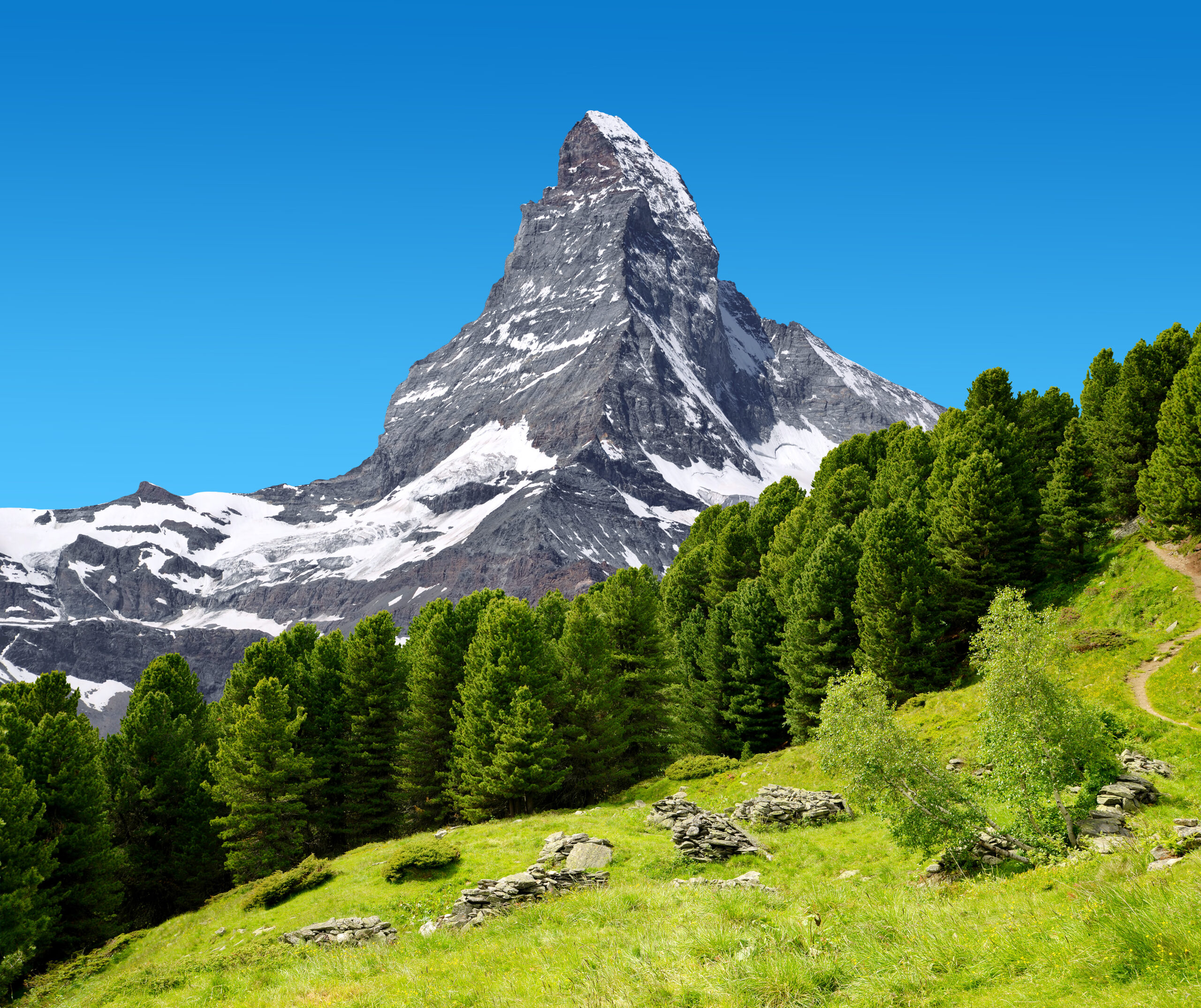
The Matterhorn, at 4,478 m (14,692 ft), stands on the Swiss-Italian border above Zermatt, and it is one of the most recognisable and most-climbed mountains in the world. Since Edward Whymper’s party first reached the summit in 1865, roughly 500 to 600 climbers have died on it, according to Zermatt figures, a total that ranks among the highest of any peak anywhere. In the modern era the mountain claims about 8 to 12 lives a year. Set against the thousands who attempt the Hornli Ridge each summer, that works out to a per-climber fatality rate of only about 0.1 to 0.4 percent. The Matterhorn is therefore deadly in the aggregate and comparatively safe per attempt, and holding both facts at once is the only honest way to read its numbers.
Historical vs modern
The toll began on the very first descent and has climbed steadily ever since.
Few mountains have a darker opening chapter. The Matterhorn’s first ascent in 1865 ended with four of the seven-man party dead on the descent, and the disaster set the tone for everything that followed. Over the next 160 years the mountain drew ever larger numbers of climbers, and the cumulative toll grew with them to its present 500 to 600. Modern rescue is far better than in Whymper’s day, with Zermatt operating one of the busiest helicopter rescue services in the Alps, and that has kept the annual figure roughly steady even as crowds have grown. But the underlying hazards, loose rock and exposure, have not changed, and neither has the steady stream of climbers who arrive underprepared for them.
Why climbers die here
Falls and stonefall, amplified by crowds and the long, tiring descent.
The Matterhorn’s rock is loose and friable, and stonefall, both natural and dislodged by climbers above, is a constant threat on all four ridges. Every route is steep, sustained, and exposed, with no easy line to the summit, so a slip or a moment of poor footing has serious consequences. The standard Hornli Ridge is technically within reach of fit, experienced scramblers, which is exactly why it draws so many climbers who are not ready for it. Add frequent afternoon storms and a long descent tackled when climbers are already tired, and the result is a mountain where the dominant causes of death are falls and stonefall rather than the altitude illness that defines the high Himalaya.
As on most technical peaks, a large share of Matterhorn accidents happen on the way down, when concentration fades, legs tire, and afternoon weather closes in. Guides push hard for an early summit and a prompt descent for exactly this reason. Climbers who summit late, or who are slower than the route demands, put themselves into the mountain’s most dangerous window.
The defining events
The 1865 tragedy shaped the mountain’s reputation and mountaineering itself.
How it compares
The Matterhorn tops the absolute-toll charts while sitting low on per-climber risk.
| Peak | Approx. total deaths | Per-climber rate | What drives the toll |
|---|---|---|---|
| Mont Blanc | ~6,000-8,000 | ~0.1-0.4% | Huge volume, Grand Couloir rockfall |
| Matterhorn | ~500-600 | ~0.1-0.4% | Volume, loose rock, exposure |
| Everest | ~340 | ~1% | Altitude, death-zone time |
| Nanga Parbat | ~70-80 | ~20% | Avalanche, technical scale |
| Annapurna I | ~75 | ~13-32% | Serac and avalanche exposure |
The table makes the point plainly. Mont Blanc and the Matterhorn sit at the top for total deaths yet near the bottom for per-climber risk, because their toll is a function of popularity. The Himalayan giants are the reverse: small absolute numbers, savage individual odds. Neither measure alone tells the whole story, which is why our death rates by mountain hub always shows both. For a direct Alpine comparison, see Mont Blanc vs the Matterhorn.
Live map & weather
The Matterhorn’s location and a live summit-altitude forecast for planning.
📍 Matterhorn location
🌬 Live weather (Windy.com)
Matterhorn death rate FAQ
The questions people ask most.
What is the death rate on the Matterhorn?
Roughly 500 to 600 deaths since 1865 and about 8 to 12 a year, one of the highest absolute tolls of any mountain. The per-climber rate, though, is low at around 0.1 to 0.4 percent, because so many thousands climb it. The high toll is a function of volume and loose rock, not steep individual odds.
How many people have died on the Matterhorn?
Around 500 to 600 since the 1865 first ascent, per Zermatt figures, growing by roughly 8 to 12 a year, which keeps Zermatt’s rescue service among the busiest in the Alps.
Why is it so dangerous?
Loose rock and constant stonefall, extreme exposure on all four ridges with no easy line, large numbers of underprepared climbers on the standard Hornli Ridge, and frequent afternoon storms. Most deaths are falls and stonefall, and the tired descent is the most dangerous phase.
Is it more dangerous than Everest?
By absolute deaths, far deadlier, 500 to 600 against Everest’s roughly 340. By per-climber risk, Everest is more dangerous, about 1 percent versus 0.1 to 0.4 percent. The Matterhorn kills more people mainly because more people climb it.
What happened in 1865?
On 14 July 1865, Whymper’s party of seven made the first ascent; on the descent, Croz, Hadow, Hudson and Lord Francis Douglas fell to their deaths when the rope broke. The tragedy shocked Victorian Europe and remains the mountain’s defining event.
Methodology, sources & editorial standards
How this analysis was built, and the limits of what it can promise.
📋 Editorial standards & source verification
This Matterhorn death-rate analysis cross-checks figures against Zermatt and Swiss alpine-rescue reporting and published Alpine histories. The roughly 500 to 600 cumulative total and the 8 to 12 annual figure are the most widely cited estimates; the per-climber rate is derived from those totals against the large seasonal climber numbers. All are approximate, because a peak this heavily climbed is hard to count precisely and figures vary by source and period.
The mountain’s hazards, loose rock, stonefall, and exposure on every ridge, are unchanged since 1865. Better rescue has helped hold the annual toll roughly steady, but it has not made the Matterhorn safe.
◆ Research-based, honestly framed
The Global Summit Guide editorial team has not climbed the Matterhorn. This analysis synthesizes authoritative fatality reporting and Alpine history rather than first-hand experience of the peak. The team’s own high-altitude experience includes Kilimanjaro (5,895 m, summited by Dawson Ludlow), Pico de Orizaba (5,636 m), Iztaccihuatl, Rainier-class glaciated volcanoes, and Utah peaks. Death and rescue statistics are objective records verifiable across sources, which is what makes a research-based synthesis useful here.
Sources & references
- Zermatt Tourism and Zermatt mountain rescue – cumulative and annual Matterhorn fatality figures.
- Air Zermatt / Swiss alpine rescue (Rega) – modern rescue and accident context.
- Edward Whymper, Scrambles Amongst the Alps – primary account of the 1865 first ascent and the descent disaster.
- Published Alpine histories and the Alpine Club archives – the 1865 events, the Italian-side ascent, and the 1931 North Face climb.
- Global Summit Guide companion analyses – the death rates by mountain hub and Mont Blanc vs the Matterhorn.
✓ Editorial trust signals
- Source: Zermatt Tourism / Zermatt rescue
- Source: Swiss alpine rescue (Rega / Air Zermatt)
- Source: Whymper, Scrambles Amongst the Alps
- Source: Alpine Club archives
- Safety review: Dawson Ludlow (Wilderness First Aid certified)
- Last verified: July 18, 2026 · reviewed quarterly
About the author
Travis Ludlow is the founder of Global Summit Guide, an independent mountaineering and hiking resource. This page is part of the Death Rates by Mountain series, built on the same method of synthesizing authoritative fatality records with primary mountaineering history. The wider team who support this work:
- Dawson Ludlow – Climbing & Mountaineering Lead and safety reviewer; Wilderness First Aid certified; summited Kilimanjaro.
- Walker Ludlow – Climber and gear contributor.
- Taylor Ludlow (RN) and Brigg Hoopes (Nutritionist) – review health, altitude, and nutrition content.
Published: July 18, 2026 · Last verified: July 18, 2026 · next scheduled review after the 2026 season. Part of the Global Summit Guide Death Rates by Mountain series.
How Matterhorn Compares to the Deadliest Mountains
One peak is only one denominator. See how Matterhorn compares with the other deadliest mountains, or step up to the ranked overview and the full collection.
The Disaster That Defined the Matterhorn
The Matterhorn’s fatality history begins with the dramatic first-ascent descent of July 1865.
14 July 1865The Matterhorn 1865: The First Great DisasterFour members of Edward Whymper’s first-ascent party died during the descent in an event that shocked Victorian Europe.→Was this helpful?
🏔Related peaks nearby
🧭Explore & compare
Global Summit Guide is an independent mountaineering resource founded in 2026. The team combines first-hand trekking and climbing experience with in-depth research and professional health and nutrition review to help climbers choose objectives, prepare properly, and stay safe.
Health, altitude, and nutrition content is reviewed by Taylor Ludlow (Registered Nurse) and Brigg Hoopes (Nutritionist).
What We Don't Know Yet
Mountain information changes quickly. This box explains the limits of what this page can responsibly promise.
- Visa, passport, vaccination, border, insurance, and local transportation rules may change before your trip.
- Route conditions, snowpack, closures, and weather can change quickly after this page is updated.
- Permit rules, fees, quotas, and reservation windows may change between review cycles.
- Operator availability, pricing, guide ratios, and cancellation terms can change by season.
- Your fitness, altitude response, risk tolerance, and experience level may change what is safe or realistic.
Verify current conditions with official land managers, guide services, local forecasts, and current route reports before booking or climbing.
Mountaineering, rock and ice climbing, glacier travel, and high-altitude activity are inherently dangerous and can result in serious injury or death. The information on Global Summit Guide is provided for general informational and educational purposes only and is not a substitute for professional instruction, qualified guiding, proper equipment, or your own judgment and experience.
Route conditions, weather, snowpack, permits, regulations, and hazards change constantly and may differ from what is described here. Details may be incomplete, out of date, or contain errors. Always verify current information with local authorities, certified guides, and official sources before making any decision in the mountains.
Nothing on this site is medical, legal, or financial advice. Our fitness, acclimatization, altitude, and nutrition content is general in nature; consult a qualified physician before beginning any strenuous exercise program or exposing yourself to high altitude.
You are solely responsible for your own safety and decisions. To the fullest extent permitted by law, Global Summit Guide and its team accept no liability for any loss, injury, damage, or expense arising from use of, or reliance on, this information. By using this site you acknowledge these risks and accept these terms.
Some links on this site may be affiliate links. If you buy through them we may earn a small commission at no extra cost to you; this never affects our recommendations.
Global Summit Guide recommendation path
Next Best Mountain to Research
Use these recommendations to continue the right planning path instead of stopping on one page.
Use current permit, weather, route, and operator information before booking or climbing.