
Last updated October 4, 2026
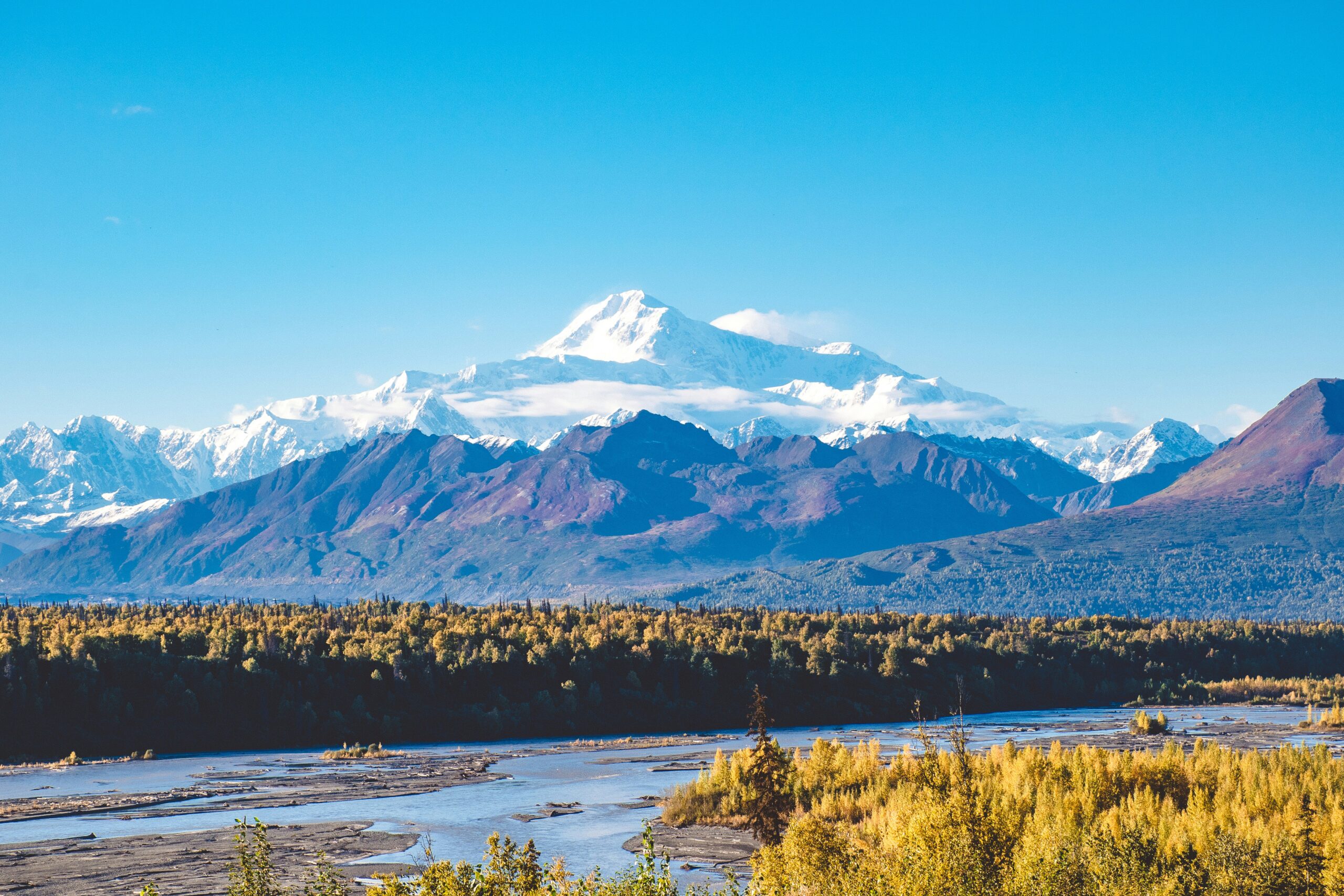
Denali Death Rate: Historic Fatality Risk, 2026 Deaths & Deadliest Sections
Denali’s best-supported historic fatality rate is 3.08 deaths per 1,000 summit attempts—about 0.3%—from a peer-reviewed study covering 1903–2006. That is a historical rate, not a current 2026 percentage. The National Park Service said in 2025 that more than 130 total deaths had been recorded on the mountain, and its preliminary 2026 season wrap-up reported five West Buttress deaths.
What Is the Denali Death Rate?
The landmark Denali fatality study found 3.08 deaths per 1,000 summit attempts, equivalent to about 0.308%. For a readable headline, that rounds to about 0.3%.
The study examined 96 fatalities from 1903 through 2006. It also found that 45% of deaths resulted from falls, 61% occurred during descent and 51% occurred on the West Buttress.
That number should not be described as Denali’s “2026 death rate.” The study’s denominator is summit attempts over more than a century. Current NPS season reports use registered climbers, individual incidents and annual counts. Those are valuable, but they are not mathematically interchangeable.
For the modern cumulative count, the NPS said in June 2025 that more than 130 total deaths had occurred on Denali. Five more West Buttress deaths were reported in the preliminary 2026 season, but NPS has not published a new exact cumulative total that should replace the official “130+” wording.
Five Deaths on Denali’s West Buttress in 2026
The NPS July 20 wrap-up called the season particularly tragic. Its figures were explicitly preliminary.
Three climbers died in a fall near 18,200 feet
Inese Pučeka, Vija Olte and Renārs Kunigs-Salaks of Latvia were members of a seven-person team involved in a fall near Denali Pass. NPS recovered their bodies on June 3 when weather and terrain allowed.
Logan McKenna died during descent
Logan McKenna experienced a medical emergency while descending at approximately 18,600 feet after the team’s summit effort. NPS and guides on the mountain assisted with the recovery.
Mountaineering ranger Robin Pendery died in a crevasse fall
NPS mountaineering ranger Robin Pendery died after falling into a crevasse near 14,000 Foot Camp while working on a West Buttress patrol.
Denali Deaths by Year: 2024–2026
These are Denali mountain deaths, not every mountaineering fatality elsewhere in Denali National Park’s Alaska Range.
| Year | Denali deaths | Documented incidents | Data status |
|---|---|---|---|
| 2024 | 2 | T. Hagiwara died after a fall from the Denali Pass traverse. Zulkifli Bin Yusof died after prolonged exposure and altitude-related illness high on Denali. | NPS incident record |
| 2025 | 2 | Alex Chiu died in a roughly 3,000-foot fall toward Peters Glacier. Nicholas Vizzini died in an avalanche in Rescue Gully. | NPS final-season record |
| 2026 | 5 | Three-person fall near Denali Pass, one medical emergency during descent, one NPS ranger crevasse fall near 14,000 Foot Camp. | Preliminary |
Annual death counts are useful for recent context, but three years are not enough to redefine Denali’s long-term fatality rate. Weather, traffic, route choice and accident type change each season.
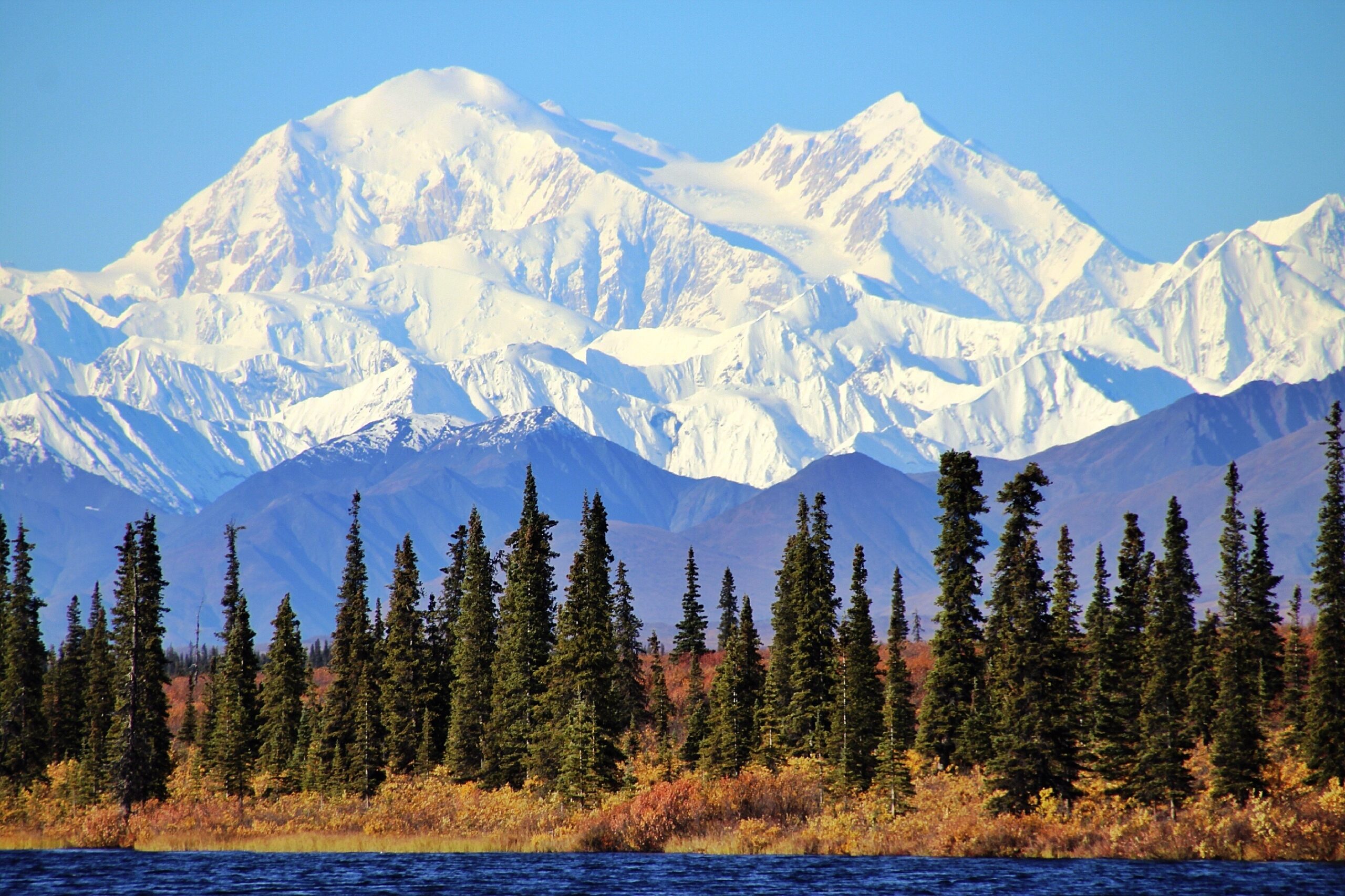
96 Fatalities, 1903–2006, and a 3.08-per-1,000 Rate.
The 2008 peer-reviewed study remains the strongest single long-term Denali mortality analysis because it evaluated the fatality record against the National Park Service climber database.
| Study finding | Result | What it means |
|---|---|---|
| Deaths analyzed | 96 | Fatalities from 1903 through the end of the 2006 climbing season. |
| Fatality rate | 3.08 / 1,000 summit attempts | About 0.308%, usually rounded to 0.3%. |
| Falls | 45% | Largest single mechanism of death in the study. |
| Descent | 61% | Most fatalities occurred after the climber’s high point or summit. |
| West Buttress | 51% | Half of deaths occurred on the route that also carries most Denali traffic. |
| After 1995 registration | 53% decrease | The study found a substantial decline after NPS registration and screening were established. |
What Causes Fatalities on Denali?
The historical record is led by falls, while recent incidents also show medical, avalanche, crevasse, cold and altitude hazards.
The Leading Historic Cause
Falls accounted for 45% of the 96 deaths in the peer-reviewed study. Steep hard snow, exposed traverses, fatigue and protection errors can turn one slip into a catastrophic fall.
Weather Magnifies Every Other Problem
Cold injury, hypothermia and exhaustion can accumulate during storm delays or long upper-mountain days, especially when a team reaches the limit of its food, fuel or insulation margin.
Illness Is Harder to Manage High on the Mountain
HAPE, HACE and non-altitude medical emergencies are more difficult to diagnose, treat and evacuate above 14,000 feet.
Less Common Than Falls, Still Lethal
In June 2025, NPS said approximately 13 avalanche-related deaths had occurred on Denali in the park’s recorded history.
Gentle Glacier Terrain Can Still Kill
Snow bridges, unroped movement or an unexpected break-through can produce a deep fall. Robin Pendery’s 2026 death near 14,000 Foot Camp is a current reminder that crevasse risk is not confined to the lower Kahiltna.
Fatigue Changes Decisions
Long carries, poor sleep, dehydration, summit commitment and pressure from weather windows can all reduce the margin for careful movement and conservative turnarounds.
Why 61% of Historic Denali Deaths Occurred on Descent
Physical Reserve Is Lowest
Summit day comes after weeks of carries, camp moves, cold nights and weather waiting. The most technical return terrain may arrive when the climber has the least reserve.
Judgment Can Degrade
Low oxygen, dehydration and cold can narrow attention and make rushed transitions or protection mistakes more likely.
The Exposure Must Be Crossed Again
Denali Pass, upper ridges, fixed-line terrain and glacier hazards do not disappear because the summit is behind you.
A Window Can End Mid-Descent
Cloud, wind and falling temperatures can make navigation and protection harder on the way back to camp.

The Traverse Has a Long Fatal-Fall History.
In May 2024, NPS said at least fourteen climbers had died in falls on the traverse between the 17,200-foot High Camp area and Denali Pass since 1980. Three climbers died near Denali Pass in May 2026, but NPS has not published a revised official cumulative count for that specific section.
| West Buttress zone | Main hazard pattern | Why it matters |
|---|---|---|
| High Camp → Denali Pass | Steep traverse, hard snow/ice, exposure, protection decisions and fatigue. | Long fatal-fall history; 2026 three-person accident occurred near Denali Pass. |
| Headwall / fixed lines | Steep snow/ice, traffic and load carrying. | Climbers are still hauling loads and acclimatizing rather than moving light on summit day. |
| 14,000 Foot Camp zone | Crevasses and avalanche terrain in nearby gullies. | Major operational hub does not mean hazard-free terrain. |
| Kahiltna Glacier | Crevasses and snow bridges. | Low-angle terrain can disguise high-consequence glacier hazards. |
Has Denali Become Safer?
The evidence supports a decline in fatalities over time, but not the disappearance of objective or human-factor risk.
53% Fewer Fatalities After the 1995 Registration System
The peer-reviewed study found fatalities decreased by 53% after the NPS registration system was established in 1995.
The authors specifically pointed to registration and screening as tools for identifying and educating at-risk groups.
Better Communication and Rescue Capability
- Structured registration and ranger contact.
- Ranger presence at 14,200 feet.
- Satellite communications.
- Improved forecasting and weather access.
- Modern cold-weather equipment.
- High-altitude helicopter rescue capability.
Why Denali Death-Rate Comparisons Can Be Misleading
| Metric | Denominator | What it can tell you | Main limitation |
|---|---|---|---|
| Deaths per registered climber | Registered climbers in a season | Annual population exposure under one registration system. | Not identical to a summit-attempt denominator. |
| Deaths per summit attempt | Climbers defined as making summit attempts | The denominator used in the landmark Denali study. | “Attempt” definitions differ among mountains and datasets. |
| Deaths per successful summit | Summiteers | Useful for some historical comparisons. | Leaves unsuccessful climbers out of the denominator. |
| Annual death count | None | Shows what happened in one season. | Does not adjust for climber traffic or weather exposure. |
| Cumulative deaths | None | Shows total historical burden. | Mixes very different eras of equipment, rescue, forecasting and registration. |
That is why Denali’s 0.3% historic attempt rate should not be placed beside an 8,000-meter peak’s deaths-per-summit ratio and treated as an apples-to-apples danger ranking.
Risk Lessons From Denali’s Fatality History
Protect the Return to Camp
- Define turnaround time before summit commitment rises.
- Preserve calories, hydration and insulation for descent.
- Keep protection standards high after the summit.
Respect Denali Pass
- Understand the current protection system before summit day.
- Do not rush exposed traverses because other teams are moving faster.
- Be conservative in hard snow, wind or poor visibility.
Treat Crevasse Systems as Core Skills
- Arrive competent in roped glacier travel.
- Practice crevasse rescue before Alaska.
- Do not relax rope discipline merely because terrain looks flat.
Carry Enough Margin to Wait
- Food and fuel are safety margin, not just logistics.
- Cold systems should be tested before the expedition.
- A summit window is not worth consuming the descent margin.
Denali Fatality Sources
The strongest claims on this page come from the peer-reviewed Denali study and National Park Service incident reporting.
McIntosh et al. — Mountaineering Fatalities on Denali
96 deaths, 1903–2006; 3.08 per 1,000 summit attempts; falls, descent, route and post-1995 trend.
Open PubMed →NPS 2026 Season Wrap-Up
Preliminary 976 registered climbers, 582 summits, 28 helicopter SAR operations and five West Buttress deaths.
Open NPS wrap-up →NPS Fatality Releases
Official recovery information for the Denali Pass fatalities, Logan McKenna and Robin Pendery.
Open June 11 release →NPS 2025 Avalanche Release
Source for “more than 130 total deaths” and approximately 13 avalanche-related deaths recorded on Denali.
Open NPS release →NPS May 2024 Fatal Fall Release
Source for the statement that at least fourteen climbers had died in falls along the Denali Pass traverse since 1980.
Open NPS release →NPS Mountaineering Summaries
Historical annual statistics, rescues, medical summaries and route-specific climbing records.
Open annual summaries →Use the Fatality Data in Context
Denali Climbing Guide
West Buttress, permits, camps, cost, route and expedition planning.
Open Denali →Outcome dataDenali Summit Success Rate
Keep summit-success percentages separate from mortality statistics.
See success data →Current routeWest Buttress Conditions
Use current condition reporting for the route in front of you.
Check conditions →GuidesDenali Operators
Compare authorized guide services and expedition support.
Compare operators →Deep recovery 1Glacier Travel Basics
Build rope-team habits before the Kahiltna Glacier.
Review glacier travel →Deep recovery 2Crevasse Rescue Basics
Practice rescue systems before they are needed on an expedition.
Review rescue →Deep recovery 3Mountain Weather
Understand why weather margin is part of route safety.
Read weather guide →SafetyMountain Accident Lessons
Turn recurring accident patterns into better decisions.
Study accident lessons →Denali Death Rate FAQ
What is the Denali death rate?
The best-supported historic rate is 3.08 deaths per 1,000 summit attempts, or about 0.3%, from a peer-reviewed study covering 1903–2006. It should not be presented as a current 2026 percentage.
How many people have died on Denali?
NPS said in June 2025 that more than 130 total deaths had been recorded on Denali. Five West Buttress deaths were then reported in the preliminary 2026 season, but NPS has not published a new exact cumulative mountain total that should replace the “130+” wording.
How many people died on Denali in 2026?
The preliminary NPS 2026 wrap-up reported five West Buttress deaths: three climbers in a fall near Denali Pass, Logan McKenna after a medical emergency during descent, and mountaineering ranger Robin Pendery after a crevasse fall near 14,000 Foot Camp.
How many people die on Denali each year?
The count varies. Denali had two mountain deaths in 2024, two in 2025 and five preliminary West Buttress deaths in 2026. Annual counts are not a stable death rate because climber traffic and conditions vary.
What is the leading cause of death on Denali?
Falls accounted for 45% of the 96 deaths in the peer-reviewed 1903–2006 study, making falls the leading mechanism in that dataset.
Do most Denali deaths occur on descent?
In the 1903–2006 study, 61% of fatalities occurred during descent.
Where is the most dangerous part of the West Buttress?
The traverse between 17,200-foot High Camp and Denali Pass has a long fatal-fall history. NPS said in May 2024 that at least fourteen climbers had died in falls along that section since 1980. Three climbers died near Denali Pass in May 2026, but NPS has not published a revised official section total.
Has Denali become safer over time?
The peer-reviewed study found a 53% reduction in fatalities after the NPS registration system was established in 1995. Modern rescue and communication systems have improved, but major hazards remain.
Was 2026 unusually deadly?
NPS described the season as particularly tragic and reported five West Buttress deaths. It also reported 976 registered Denali climbers, 582 summits and 28 helicopter search-and-rescue operations in its preliminary wrap-up.
Why not calculate a 2026 death rate from five deaths and 976 climbers?
You can calculate that arithmetic, but it would use registered climbers as the denominator, while the landmark 0.3% study uses summit attempts. Presenting the two percentages side by side as a trend would imply comparable datasets when they are not directly comparable.
About 0.3% Is the Landmark Historic Rate—not a Promise About a Modern Climb.
Denali’s long-term record shows improved safety alongside persistent high-consequence hazards. Falls and descent dominate the historical study; 2026 again showed the consequences of exposed terrain, medical emergencies and crevasses. Use the data to understand where margin disappears, not to reduce an expedition to one percentage.
How Denali Compares to the Deadliest Mountains
One peak is only one denominator. See how Denali compares with the other deadliest mountains, or step up to the ranked overview and the full collection.
The 1967 Wilcox Expedition
Denali’s long-term fatality statistics include one of the defining disasters in American mountaineering history.
1967Denali 1967: The Wilcox ExpeditionSeven climbers died high on Denali during a violent storm, creating one of the mountain’s most studied expedition tragedies.→Was this helpful?
🏔Related safety data
🧭Explore & compare
Global Summit Guide is an independent mountaineering resource founded in 2026. The team combines first-hand trekking and climbing experience with in-depth research and professional health and nutrition review to help climbers choose objectives, prepare properly, and stay safe.
Health, altitude, and nutrition content is reviewed by Taylor Ludlow (Registered Nurse) and Brigg Hoopes (Nutritionist).
What We Don't Know Yet
Mountain information changes quickly. This box explains the limits of what this page can responsibly promise.
- Permit availability, reservation windows, quotas, and official fee rules may change after this page is updated.
- Weather, snowpack, avalanche risk, road access, and route conditions can change quickly and may be different on your climbing dates.
- Route conditions, trailhead access, crevasse exposure, stream crossings, and rescue access may vary from published planning guidance.
Verify current conditions with official land managers, guide services, local forecasts, and current route reports before booking or climbing.
Mountaineering, rock and ice climbing, glacier travel, and high-altitude activity are inherently dangerous and can result in serious injury or death. The information on Global Summit Guide is provided for general informational and educational purposes only and is not a substitute for professional instruction, qualified guiding, proper equipment, or your own judgment and experience.
Route conditions, weather, snowpack, permits, regulations, and hazards change constantly and may differ from what is described here. Details may be incomplete, out of date, or contain errors. Always verify current information with local authorities, certified guides, and official sources before making any decision in the mountains.
Nothing on this site is medical, legal, or financial advice. Our fitness, acclimatization, altitude, and nutrition content is general in nature; consult a qualified physician before beginning any strenuous exercise program or exposing yourself to high altitude.
You are solely responsible for your own safety and decisions. To the fullest extent permitted by law, Global Summit Guide and its team accept no liability for any loss, injury, damage, or expense arising from use of, or reliance on, this information. By using this site you acknowledge these risks and accept these terms.
Some links on this site may be affiliate links. If you buy through them we may earn a small commission at no extra cost to you; this never affects our recommendations.
Global Summit Guide recommendation path
Next Best Mountain to Research
Use these recommendations to continue the right planning path instead of stopping on one page.
Use current permit, weather, route, and operator information before booking or climbing.