
Last updated October 21, 2026
Kangchenjunga Gear Guide: Complete 8,000m Expedition Checklist
For Kangchenjunga (8,586 m), prioritize an expedition-grade insulation system, properly fitted high-altitude boots, proven fixed-line equipment, and redundant essentials. Match your final list to your exact route, operator and season—not a generic Himalayan checklist.
Quick verdict: Fit and reliability matter more than brand. Start with boots, crampon compatibility, down insulation and summit mitts, then verify operator-provided systems.
See the gear checklistMountaineering gear hub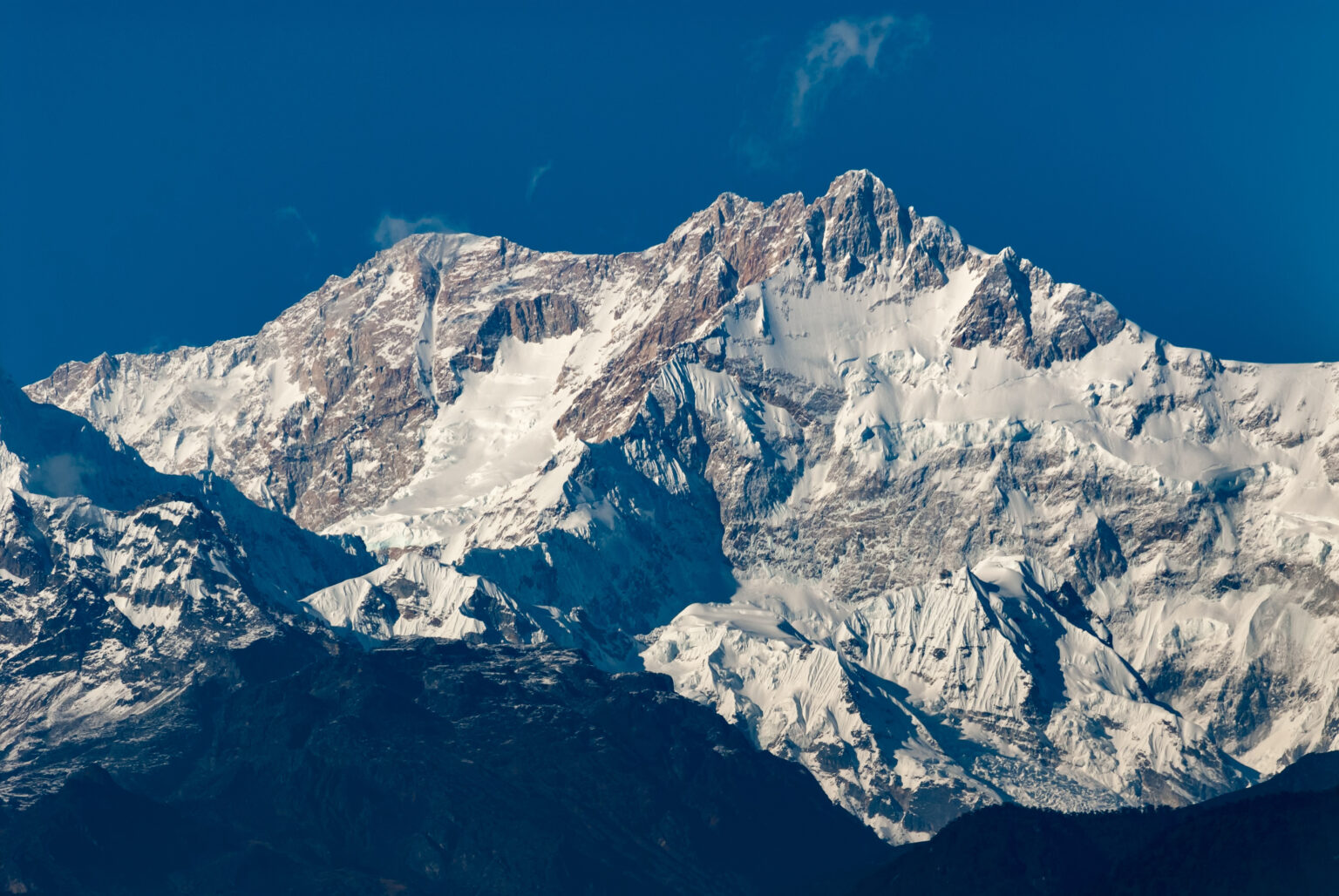
Kangchenjunga massif: prepare for a remote expedition, not a standard trekking peak.
Advertisement · Global Summit Guide may earn a commission from eligible purchases. Confirm all technical equipment with your expedition leader.
Essential Kangchenjunga equipment checklist
Use this as a planning baseline, not as authorization to climb. The expedition leader’s required list, route conditions and personal cold tolerance take precedence.
| System | What to plan for | Responsibility | Important check |
|---|---|---|---|
| Summit warmth | 8,000 m expedition down suit or operator-approved equivalent; expedition mitts; insulated face protection | Climber | Non-negotiable fit and warmth |
| Summit footwear | 8,000 m double/triple boots, compatible steel crampons, spare socks | Climber | Fit-test with actual crampons |
| Climbing hardware | Harness, helmet, ice axe, ascender, descender, carabiners, appropriate backup lanyards | Climber + operator | Follow guide-specific system |
| Visibility & light | Category 4 glacier eyewear, storm goggles, two headlamps, spare cold-managed batteries | Climber | Check lens compatibility |
| Clothing layers | Moisture-wicking base layers, fleece/softshell, waterproof shell, warm gloves and hats | Climber | Plan for trek and rotations |
| Sleep system | Cold-weather expedition sleeping bag and insulated pads as specified | Confirm inclusion | Do not assume bag is provided |
| Oxygen system | Cylinders, mask, regulator, backup and flow strategy if used | Confirm with operator | Never assume a standard cylinder count |
| Medical and communication | Personal prescriptions, first aid, rescue communications and emergency protocol | Shared plan | Review with expedition medical staff |
| Approach and cargo | Approach boots, weatherproof duffel, 30–45 L daypack, high-camp pack as specified | Climber | Check porter and cargo allowances |
Operators often specify additional quantities, backups, tether configurations and approved equipment models; do not treat this table as the complete operator-required kit.
Four decisions to make before purchasing
01 · Your 8,000 m boots
Use insulated expedition double/triple boots suited to severe cold, long exposure and your specific foot shape. Try them with expedition socks. Test compatible crampons in the field and confirm heel/toe retention, heel lift and circulation. A comfortable trekking boot is not sufficient for summit elevations.
02 · Your down protection
An 8,000 m down suit is a common summit system. A two-piece expedition parka-and-pants system may be acceptable if your operator approves it. Ensure harness, bathroom access, ventilation and oxygen-mask integration work while fully dressed.
03 · Hand and face protection
Bring liner gloves, working climbing gloves, expedition mitts and appropriate spares. Fit everything around ascender and carabiner operations. Combine glacier glasses with storm goggles and face protection for changing sun, wind and cold.
04 · Redundancy, not clutter
Carry backup headlamp/batteries, essential glove replacements and equipment repair basics. Identify which oxygen, communication and technical components are operator-managed; avoid transporting duplicate group equipment without reason.
Gear picks · Mountaineering gloves
Compare Mountaineering Gloves
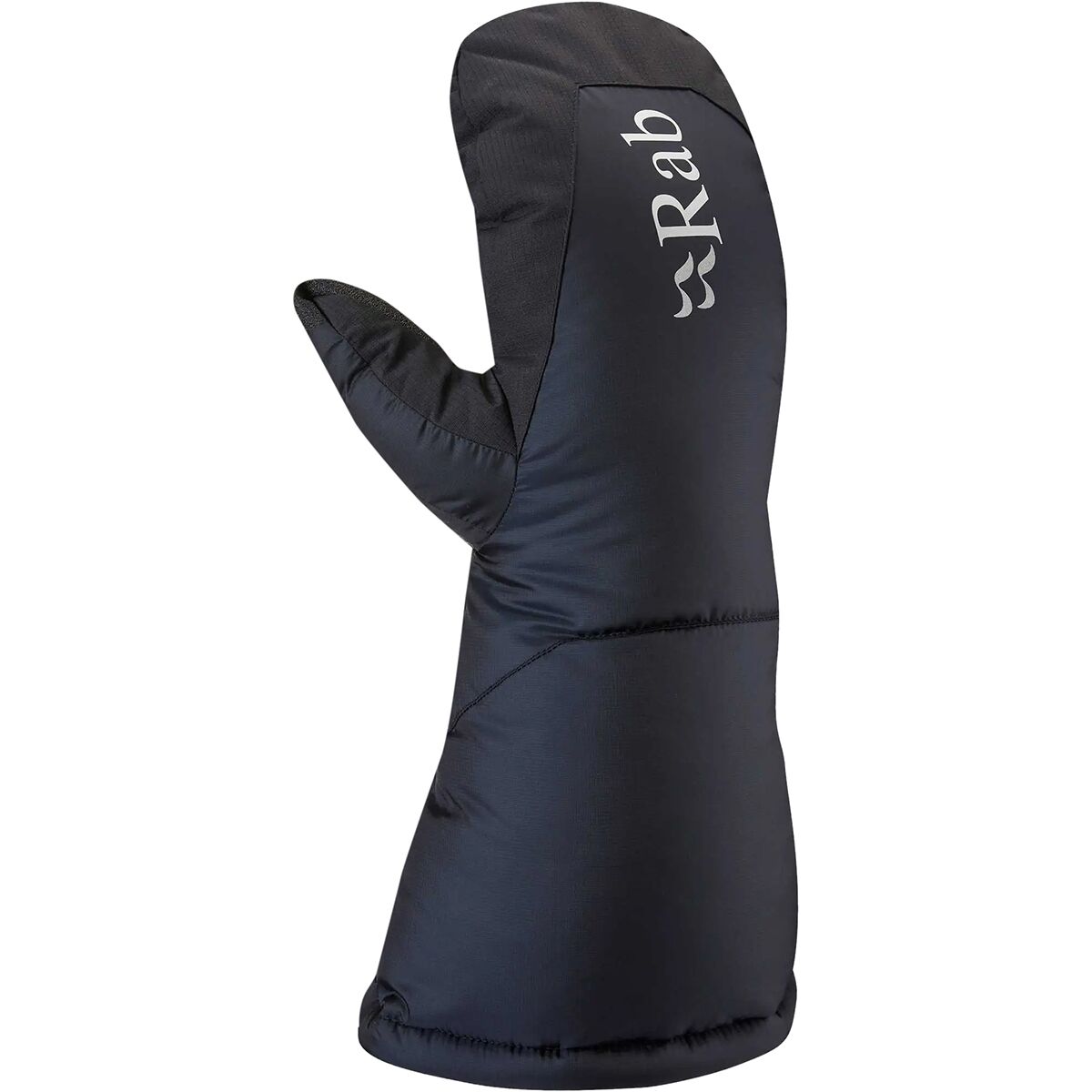
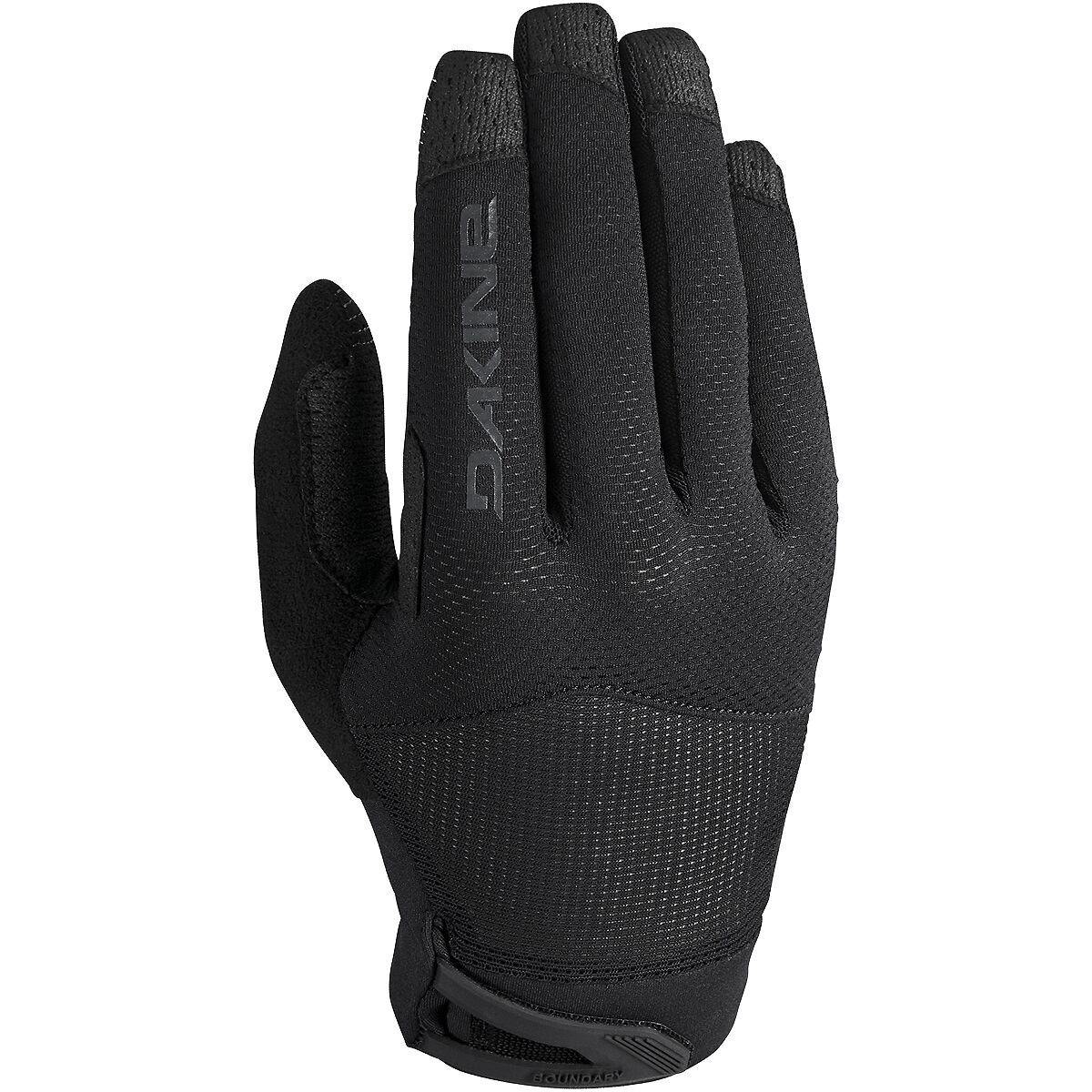
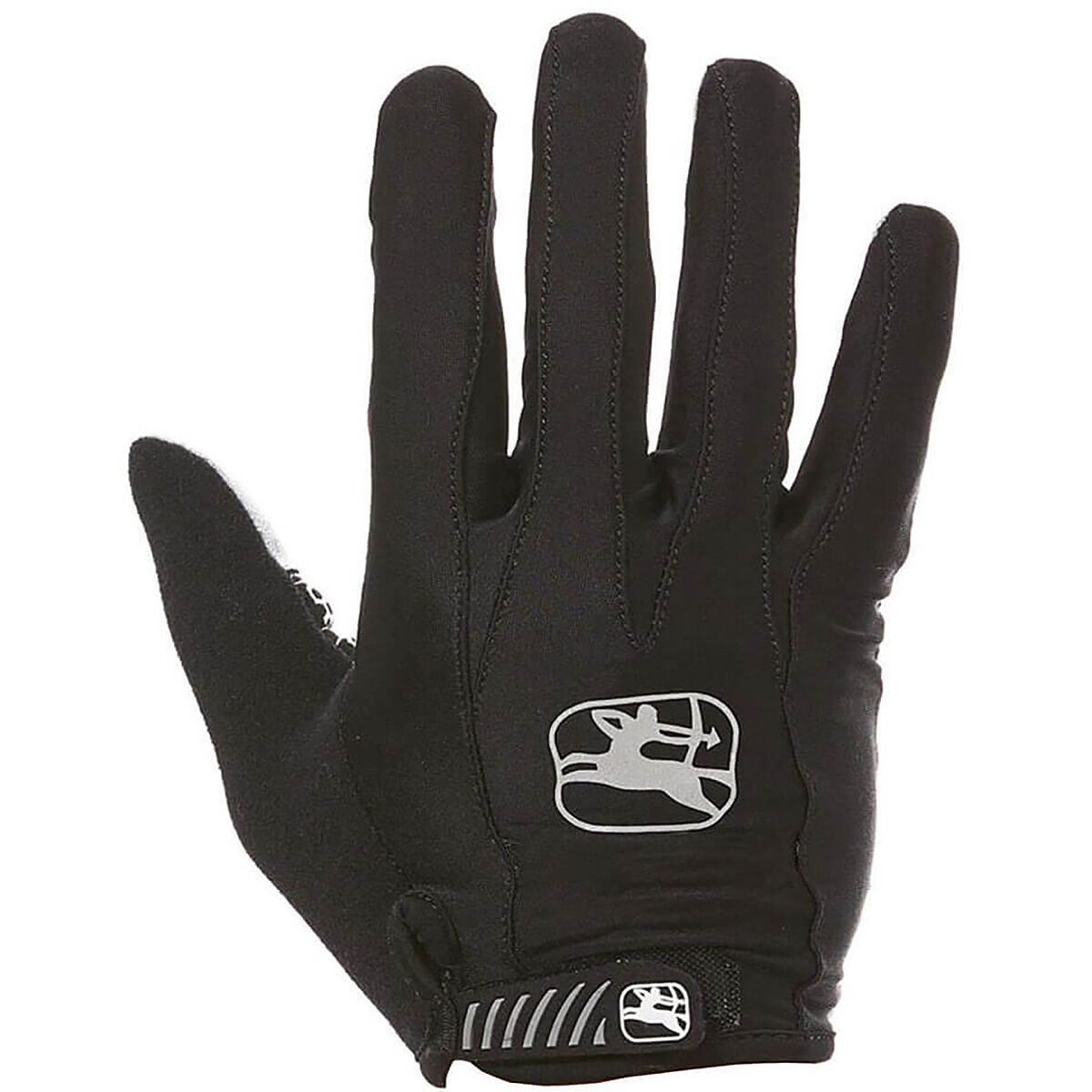
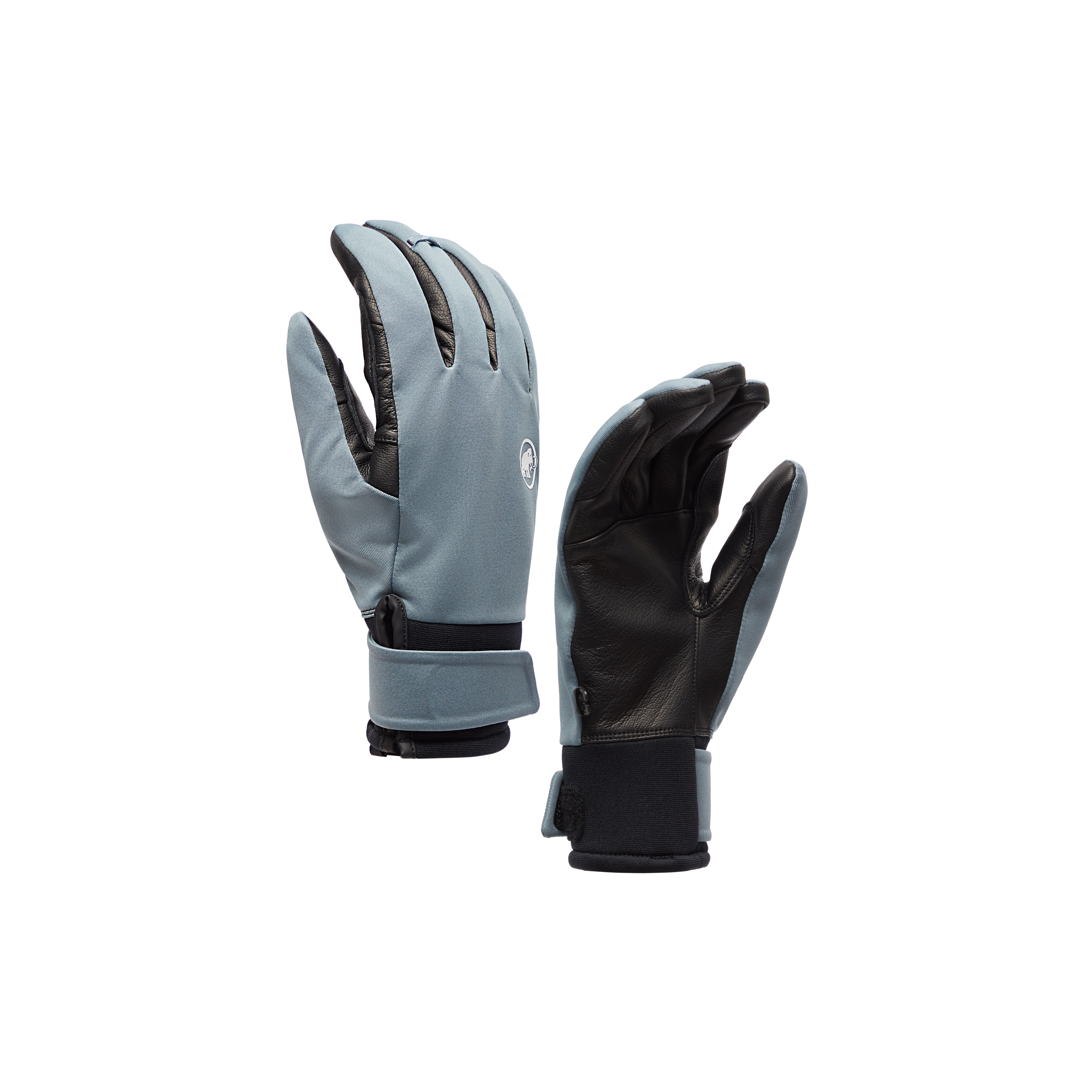
We may earn a commission if you buy through these links, at no extra cost to you. Affiliate disclosure
Train with the exact gear you’ll take
A climber must already be competent using crampons, ice axe, harness, an ascender, fixed lines and controlled descents in bulky clothing and at altitude. Confirm whether your operator requires a particular lanyard, device, tether length or redundancy scheme.
Practice with the gloves and outerwear you plan to use. Test transitions between climbing and fixed-line protection and rehearse equipment failures with qualified instruction. No written checklist substitutes for technical training.
Crampon buyer’s guide
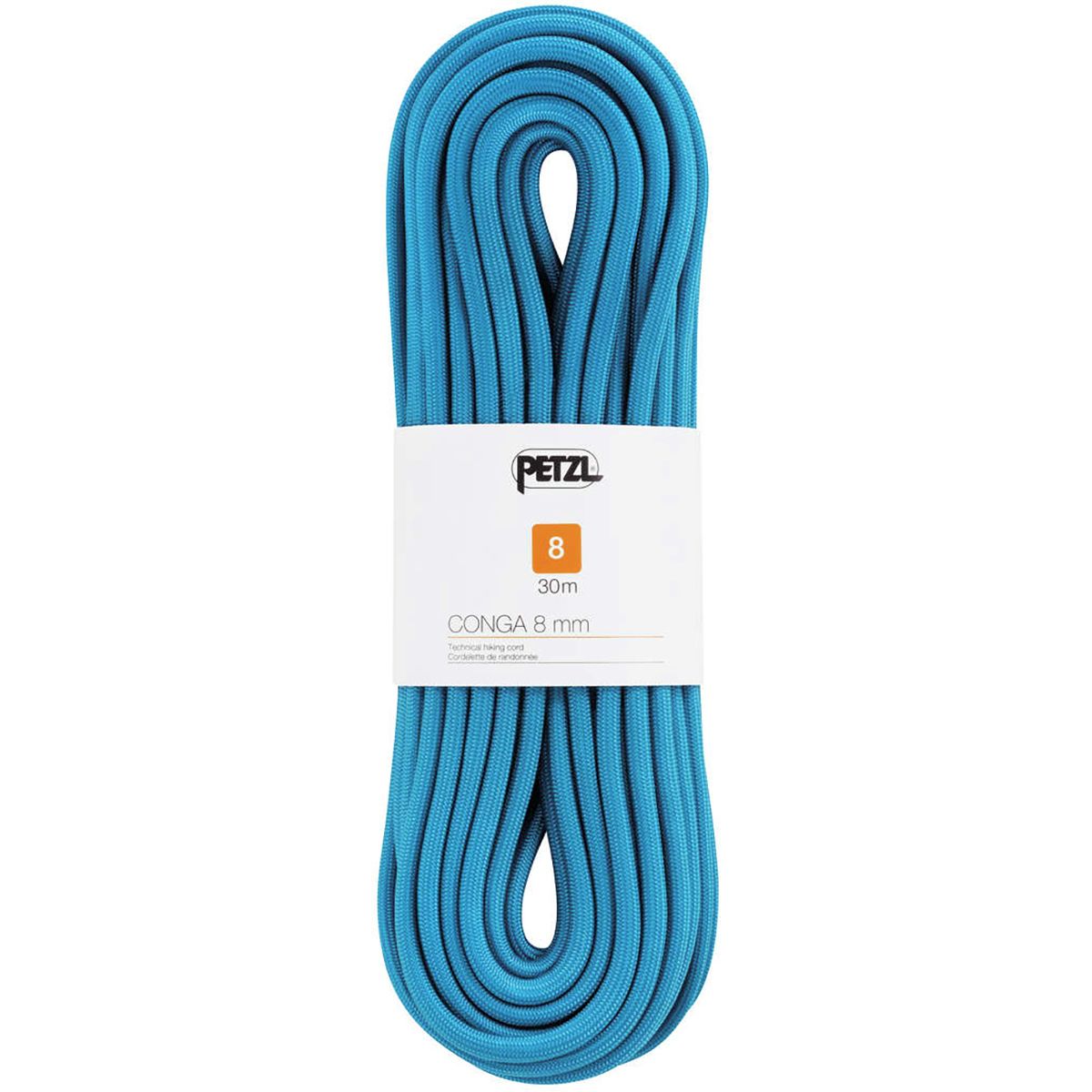
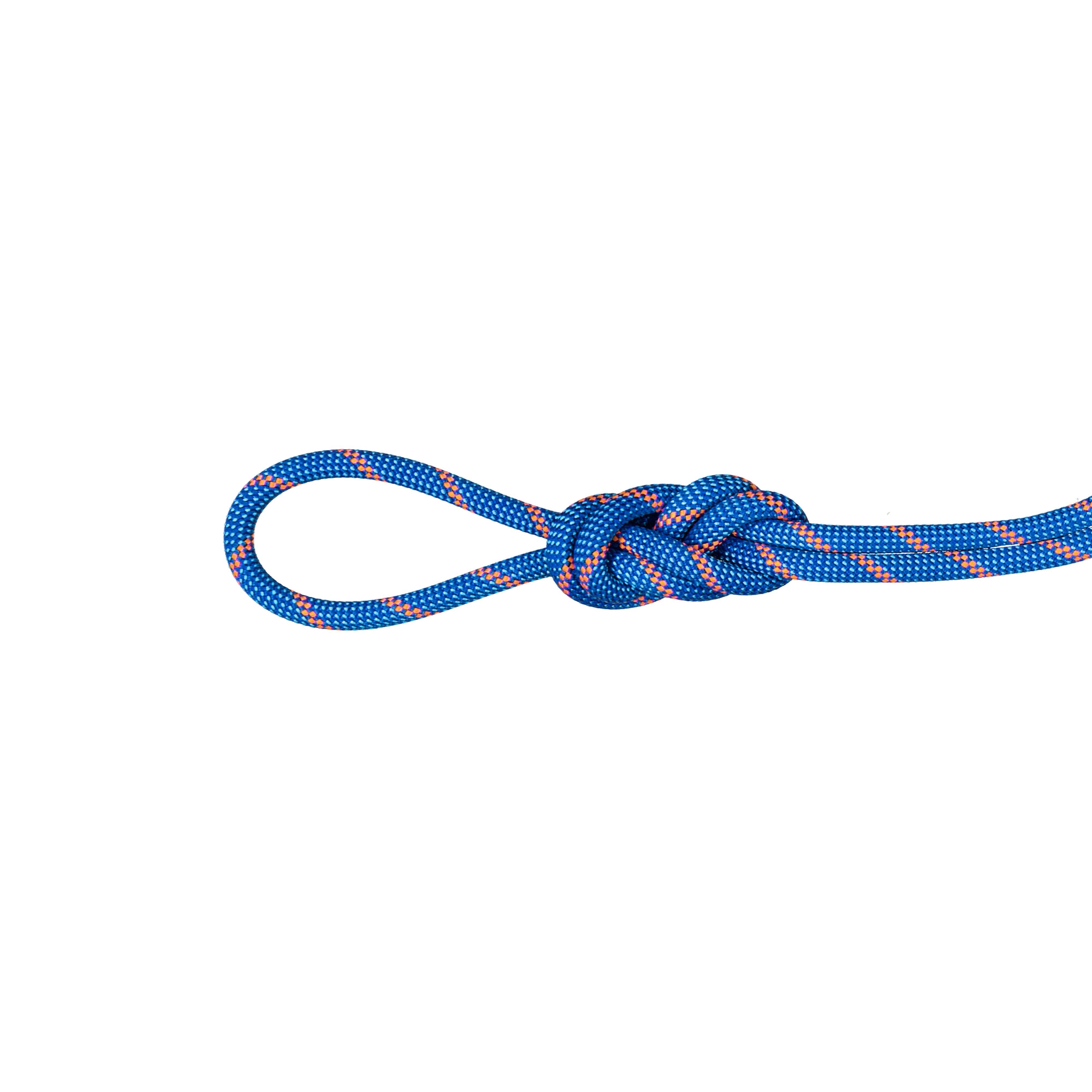
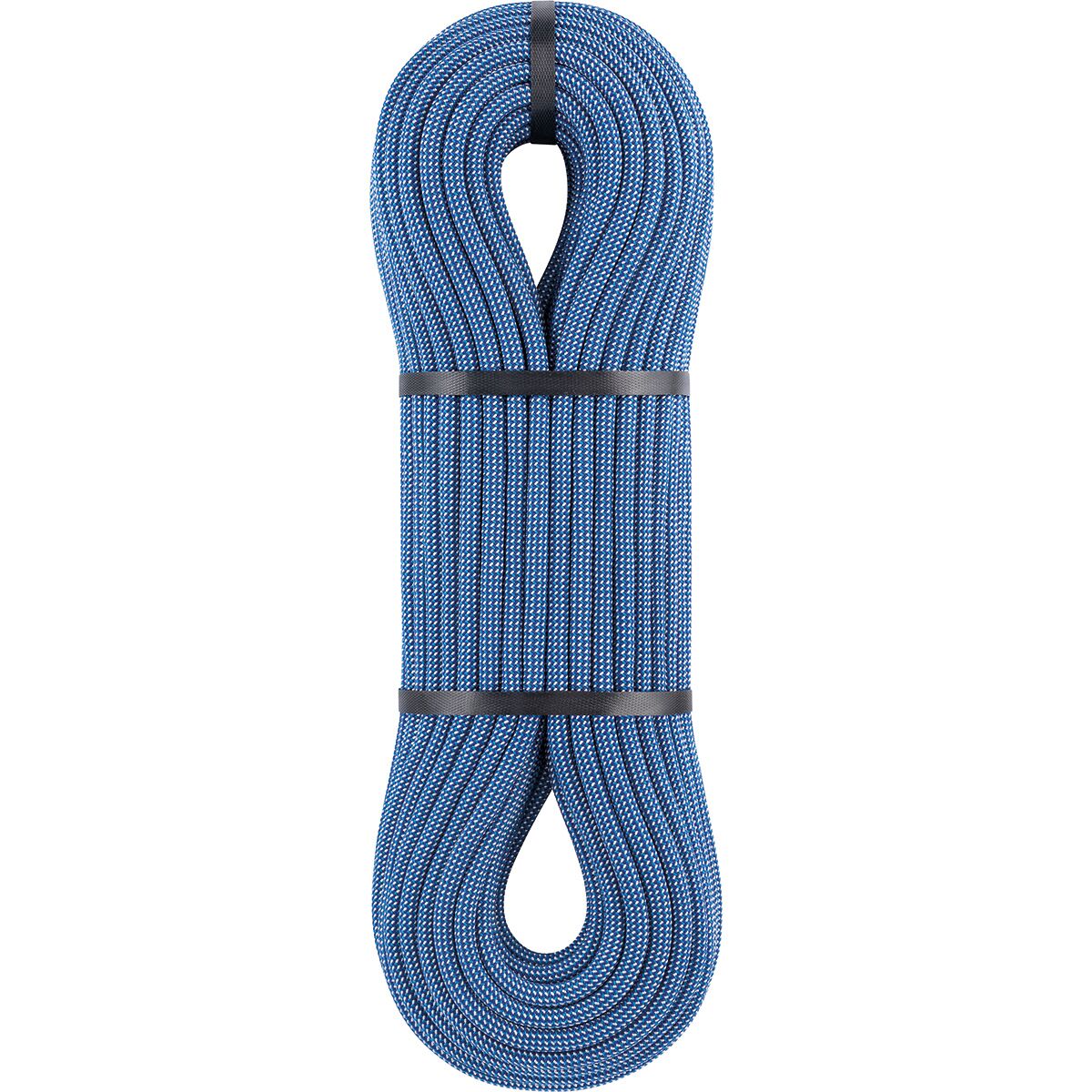
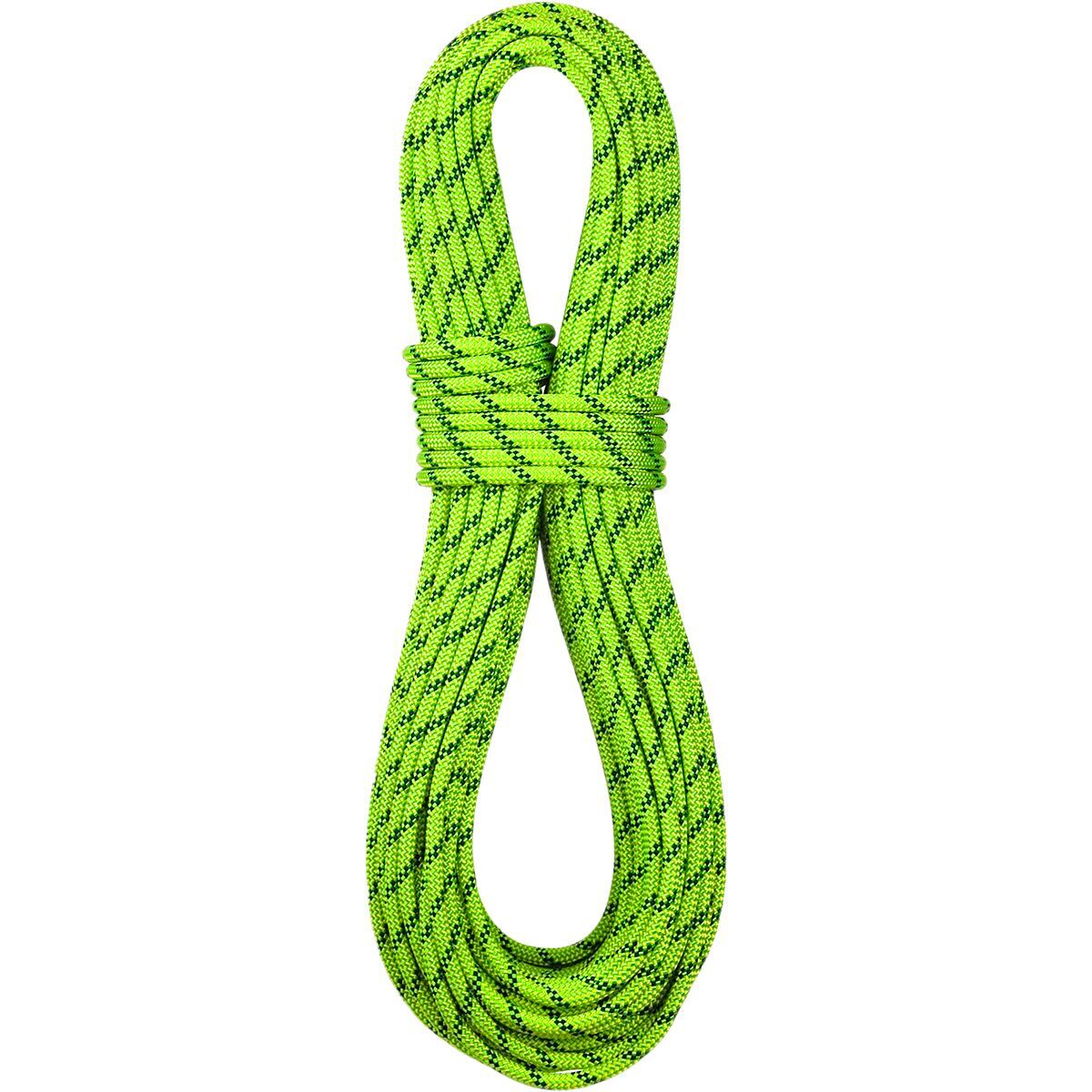
Gear picks · Technical ropes
Technical Climbing Ropes
- PetzlPetzl Contact Standard Climbing Rope – 9.8mmFrom $269.95
$299.95Check price at Back Country (opens in a new tab) - BlueWaterBlueWater Lightning Pro Double Dry 9.7mm Climbing RopeFrom $271.95
$358.95Check price at Back Country (opens in a new tab)
Gear worth researching before you pack
These categories are practical shopping starting points—not Kangchenjunga-approved product recommendations. Extreme-altitude boots, down suits, oxygen and all fixed-line systems must meet the expedition operator’s written specifications.
Gloves, insulation & weather protection
Compare layering, shell compatibility, dexterity and cold protection during acclimatization and base-camp rotations.
Read the gear buyer’s guideApproach gear & expedition organization
Focus on trekking layers, durable socks, sunglasses, waterproof duffels, headlamps and other items you will use every day.
Browse outdoor gear at BackcountryAffiliate link · Purchases may earn GSG a commission.
What should you buy versus rent?
Prefer to own and fit-test
- High-altitude boots and compatible crampons
- Gloves, mitts, goggles and face protection
- Personal layers, socks and base-camp footwear
- Harness and personal climbing hardware if specified
Rent only after inspection
- Expedition down suit if available in the exact right size
- Specialized insulated sleeping equipment
- Selected technical items approved by the guide
- Never assume rental stock will be available or correctly fitted
Gear picks · Expedition duffels
Compare equipment categories in the dedicated gear guides
For high-value items, use our technical buying guidance first. Final compatibility and approved models must come from your expedition team.
Boots and crampon compatibilityCompare cramponsEditorial resources · No brand purchases are required to access these guides.
Final predeparture verification
Climber test
- Wear all summit layers together; verify circulation and movement
- Test boots, crampons, harness and rope equipment as a complete system
- Use goggles, mitts and headlamp together in a simulated cold day
- Mark batteries, gear sizes and replacement parts
Operator confirmation
- Written personal and group gear responsibilities
- Oxygen setup and backup protocol where applicable
- Required technical system and high-camp sleep ratings
- Duffel weight allowances, porter limits and customs requirements
- Weather-related contingencies and emergency evacuation plan
Kangchenjunga gear FAQ
Do I need an 8,000-metre down suit?
Most commercial summit strategies use expedition-grade down protection, commonly a full suit. The right system depends on your operator’s protocol, weather expectations and whether an equivalent two-piece setup is accepted.
Can I use ordinary double mountaineering boots?
Not without a model- and route-specific assessment. Kangchenjunga summit conditions call for purpose-built extreme-altitude insulation and a verified crampon fit. Ordinary alpine boots may be dangerously inadequate.
Is supplemental oxygen included?
It varies by expedition package and climbing strategy. Confirm the number of cylinders, masks, regulators, backup equipment and cost in writing. Never infer inclusion from the overall expedition price.
Should I rent my down suit in Kathmandu?
Only when a reliable, appropriately sized, inspected suit is available and permitted by the operator. Test layering, freedom of movement and closure systems long before the summit attempt.
How much gear should be carried to high camp?
The load depends on camp strategy, weather, fixed-rope logistics and porter or climbing-support arrangements. Follow the operator’s specific carry plan rather than a generic pack-weight target.
Was this helpful?
🏔Related peaks nearby
🧭Explore & compare
Global Summit Guide is an independent mountaineering resource founded in 2026. The team combines first-hand trekking and climbing experience with in-depth research and professional health and nutrition review to help climbers choose objectives, prepare properly, and stay safe.
Health, altitude, and nutrition content is reviewed by Taylor Ludlow (Registered Nurse) and Brigg Hoopes (Nutritionist).
What We Don't Know Yet
Mountain information changes quickly. This box explains the limits of what this page can responsibly promise.
- Guide-company prices, departure dates, guide ratios, included services, and cancellation rules can change without notice.
- Weather, snowpack, avalanche risk, road access, and route conditions can change quickly and may be different on your climbing dates.
- Route conditions, trailhead access, crevasse exposure, stream crossings, and rescue access may vary from published planning guidance.
- Gear requirements can change by season, route variation, weather window, personal cold tolerance, and guide-service requirements.
- Fitness and altitude response vary by person; no guide, itinerary, or training plan can guarantee acclimatization or summit success.
Verify current conditions with official land managers, guide services, local forecasts, and current route reports before booking or climbing.
Mountaineering, rock and ice climbing, glacier travel, and high-altitude activity are inherently dangerous and can result in serious injury or death. The information on Global Summit Guide is provided for general informational and educational purposes only and is not a substitute for professional instruction, qualified guiding, proper equipment, or your own judgment and experience.
Route conditions, weather, snowpack, permits, regulations, and hazards change constantly and may differ from what is described here. Details may be incomplete, out of date, or contain errors. Always verify current information with local authorities, certified guides, and official sources before making any decision in the mountains.
Nothing on this site is medical, legal, or financial advice. Our fitness, acclimatization, altitude, and nutrition content is general in nature; consult a qualified physician before beginning any strenuous exercise program or exposing yourself to high altitude.
You are solely responsible for your own safety and decisions. To the fullest extent permitted by law, Global Summit Guide and its team accept no liability for any loss, injury, damage, or expense arising from use of, or reliance on, this information. By using this site you acknowledge these risks and accept these terms.
Some links on this site may be affiliate links. If you buy through them we may earn a small commission at no extra cost to you; this never affects our recommendations.
Global Summit Guide recommendation path
Next Best Mountain to Research
Use these recommendations to continue the right planning path instead of stopping on one page.
Use current permit, weather, route, and operator information before booking or climbing.