
Last updated October 1, 2026

Best Women’s Hiking Gear 2026: A Complete Trail System That Actually Fits
The best women’s hiking gear is not simply outdoor equipment made in smaller sizes. The right system starts with footwear that matches your feet, a backpack that fits your torso, clothing that moves with your body, and enough weather and safety margin for the terrain ahead.
Start With Fit. Then Build Footwear, Pack, Clothing and Trail Safety Around It.
The four most important comfort decisions are usually footwear, socks, backpack and hiking bottoms. They remain in direct contact with your body for hours, and a bad fit cannot be repaired by buying more accessories.
Next build a flexible weather system: sun or base layer, active insulation, rain shell and enough warmth for the route. A breathable hiking shirt is not a rain jacket, and a waterproof shell is not an insulating jacket.
Finish with water, navigation, lighting, food, trekking poles where useful, first aid and route-specific emergency equipment.
12 Women’s Hiking Gear Essentials
The categories stay mostly the same from short trail walks to demanding mountain days. What changes is how protective, durable and technical each piece needs to become.
Hiking Boots or Trail Shoes
Match footwear to your foot shape, terrain, load and weather. Secure heel fit and enough toe room matter more than the gender label on the box.
Properly Fitted Daypack
Torso length, shoulder-strap shape and hipbelt position matter more than color, pocket count or advertised capacity.
Hiking Pants or Shorts
Prioritize mobility, quick drying, pocket placement and comfort beneath a backpack hipbelt.
Technical Tee or Sun Layer
A good first layer manages perspiration and stays comfortable beneath shoulder straps for hours.
Fleece or Midlayer
Carry breathable warmth that can be added quickly for cool mornings, windy ridges or long rest stops.
Waterproof Rain Jacket
The shell should fit over your hiking layers without restricting arm movement or becoming too tight beneath backpack straps.
Insulating Jacket
Mountain temperatures can feel dramatically colder once you stop. Carry enough insulation for breaks and unexpected delays.
Hiking Socks
Socks change shoe volume, moisture behavior and friction. Test the exact sock-and-shoe combination before long days.
Trekking Poles
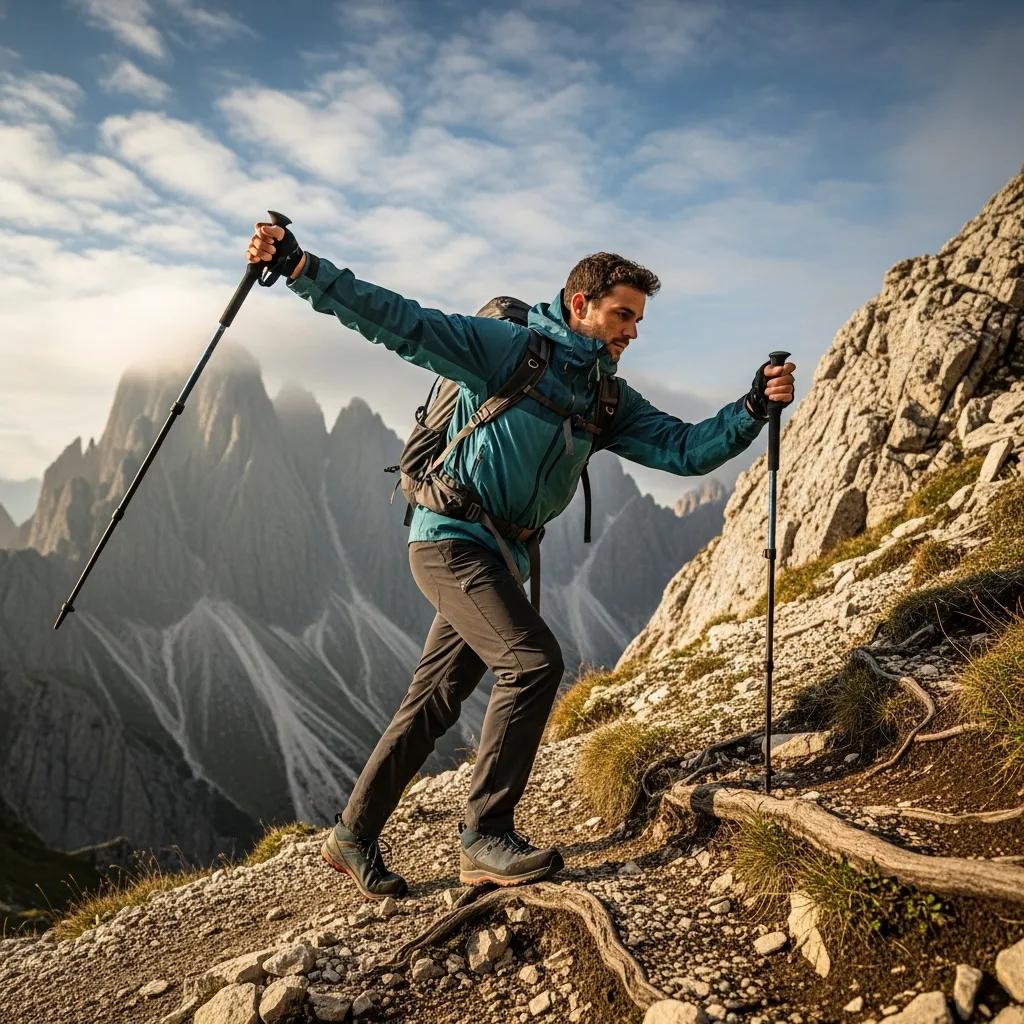
Poles can be useful on steep climbs, long descents, unstable surfaces and stream crossings.
Headlamp
A planned daylight hike can run late. A dependable headlamp is a small item with outsized value.
Water System
Bottles, reservoirs and soft flasks can all work. Capacity depends on heat, distance and reliable refill opportunities.
Navigation + Emergency Gear
Offline route information, first aid, extra food, emergency warmth and route-specific safety equipment complete the system.
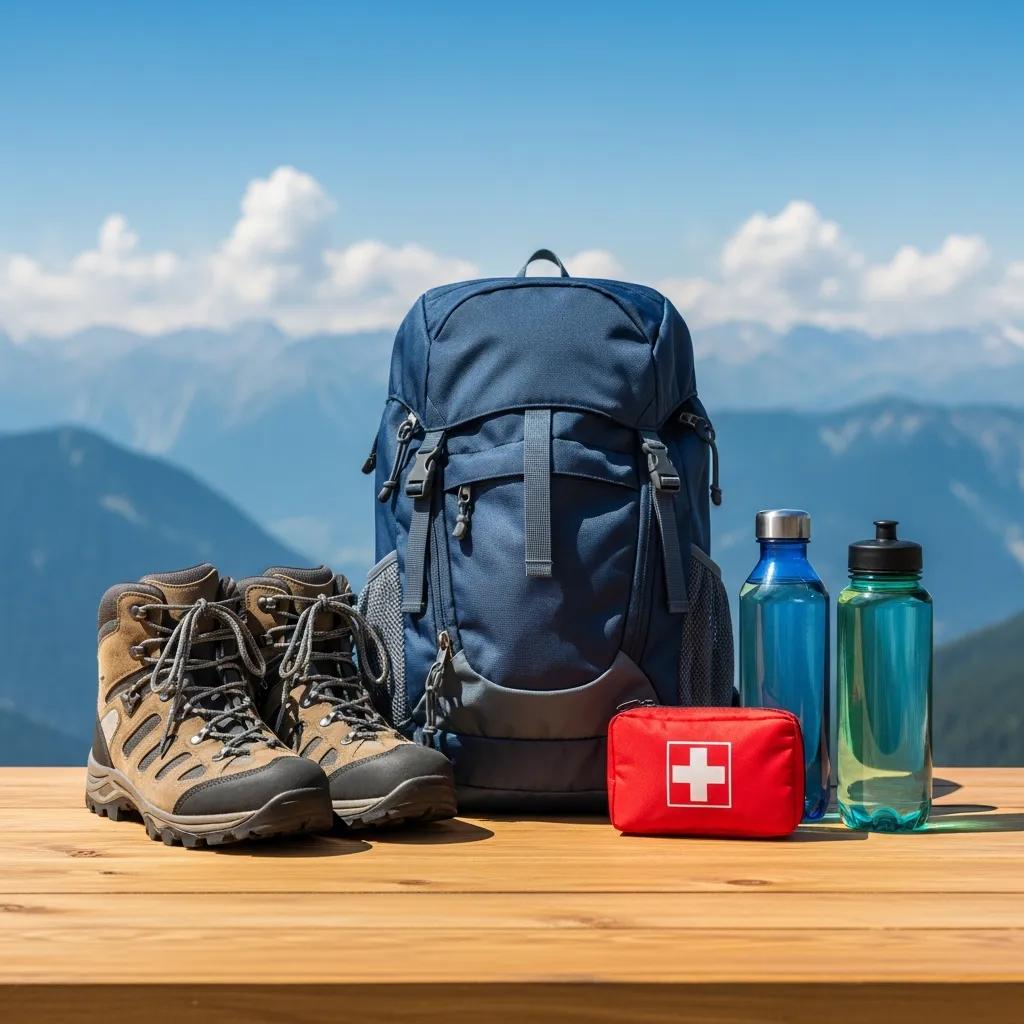
What “Women’s Fit” Actually Means
Women’s-specific equipment can improve fit for many hikers, but body proportions vary too much for gender labels to replace an actual fitting process.
Torso + Hipbelt
Women’s packs may use shorter torso ranges, different shoulder-strap geometry or differently shaped hipbelts.
Last Shape
Women’s shoes may use different heel and forefoot proportions. Some hikers still fit men’s or unisex lasts better.
Pattern + Layering
Bust, waist, hip, shoulder and sleeve proportions affect how layers move and how they sit beneath a backpack.
Grip + Range
A shorter adjustment range or smaller grip may help some hikers, but pole fit is fundamentally about body height and hand comfort.
Hiking Boots vs Trail Runners
Trail runners usually reduce weight and feel flexible immediately. Hiking boots can add structure, upper protection and durability in rougher terrain, colder weather or when carrying heavier loads.
Neither category automatically fits women better. The more important questions are whether your heel stays secure, whether your toes have enough room during descents and whether the shoe creates pressure across the forefoot.
Try footwear with the hiking socks you intend to use, preferably after your feet have been active rather than at their smallest point first thing in the morning.
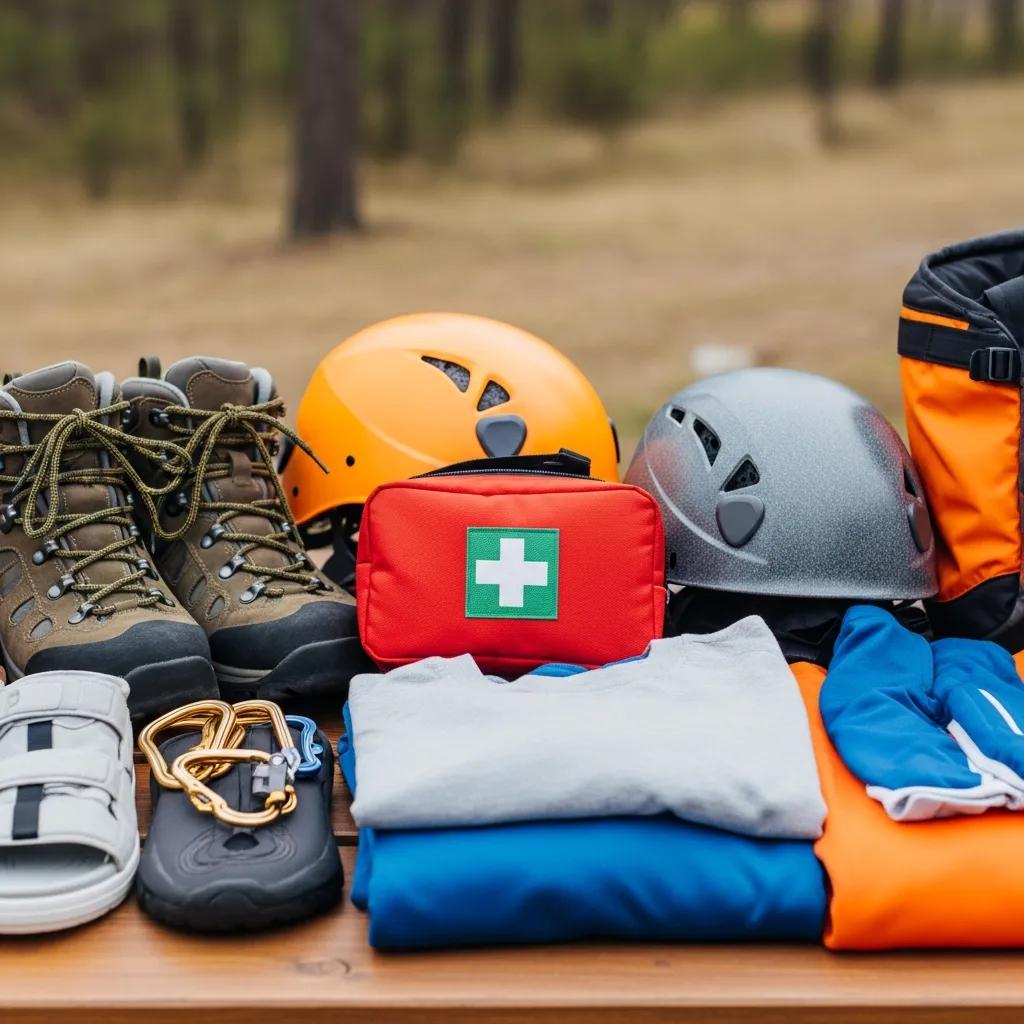
Choose the Backpack by Fit Before Capacity
A perfectly sized 20-liter pack can be miserable if the torso length and shoulder harness are wrong. Fit comes before volume.
Measure It
Overall body height does not determine pack size. Use the manufacturer’s torso-length range.
Follow the Body
Shoulder straps should follow your body comfortably without cutting into the neck or creating large gaps.
Transfer the Load
Packs designed around a load-bearing hipbelt should sit securely without continually riding up or sliding down.
| Hike Type | Useful Capacity Starting Point | Typical Contents | Priority |
|---|---|---|---|
| Short fair-weather hike | 10–18 L | Water, food, shell, basic emergency gear | Simple comfort |
| Full day hike | 18–25 L | Layers, rain gear, lunch, water, safety kit | Torso fit + access |
| Mountain day | 22–35 L | Extra insulation, gloves, weather gear, larger safety margin | Load transfer |
| Fast & light | 12–22 L | Compact route-specific gear | Low bulk after safety needs |
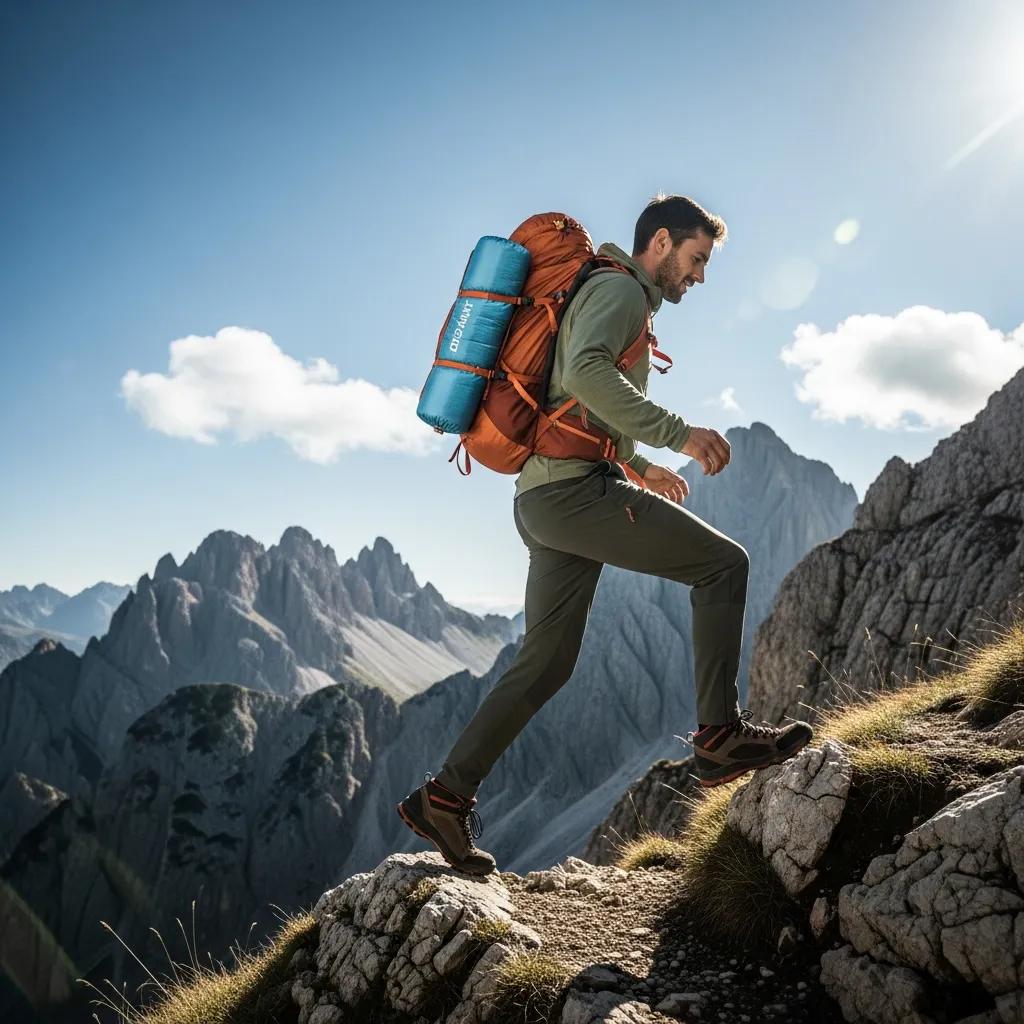
Lightweight Gear Helps Only When the System Still Works.
Remove unnecessary weight, but protect footwear comfort, rain protection, adequate warmth, hydration, navigation and emergency margin first.
Build Layers That Work Together
Hiking layers are tools. You should be able to add and remove them as effort, wind, precipitation and temperature change.
Manage Moisture
Begin with a quick-drying technical shirt or sun layer that remains comfortable beneath backpack straps.
Choose Trail Bottoms
Pants, shorts or tights should permit a full stride, high stepping and scrambling without binding.
Add Active Warmth
A fleece or breathable midlayer handles cool starts, wind and lower-output moments.
Add Rain Protection
Carry a waterproof shell rather than expecting a water-repellent hiking shirt or pant to handle sustained rain.
Add Insulation
On colder mountain routes, carry a warmer layer for stops, delays and falling temperatures.
Test the Stack
Put the complete clothing system on with the actual pack and test arm movement, hood fit, waistband position and hipbelt interaction.
Women’s Hiking Pants: Fit, Mobility and Drying Speed First
Good hiking pants disappear while you walk. Poor ones remind you they are there every time you climb a step, tighten a hipbelt or sit down.
High-Step Test
Lift one knee toward your chest. The pants should not pull aggressively across the seat, thigh or knee.
Test the Hipbelt
Bulky buttons, stiff waistbands and large belt buckles can become uncomfortable beneath a backpack.
Repellent Is Not Waterproof
DWR treatments help light moisture bead off but do not turn a normal hiking pant into a storm shell.
Ventilation Matters
Lightweight fabrics and ventilation become more important in warm weather, while denser fabrics can help in cooler or abrasive terrain.

A Rain Jacket Is Part of a System, Not a Standalone Solution
A waterproof shell protects your insulation and first layers from external precipitation. It does not prevent perspiration, and no waterproof membrane makes ventilation irrelevant.
Check whether the hood can be secured in wind, whether the cuffs adjust easily and whether the jacket still allows a full arm range when worn over the other layers you expect to carry.
A mountain-oriented shell often trades some softness and packability for added protection and durability. A lightweight trail shell can be more pleasant to carry on warm-weather day hikes.
Pioneer Camp + Cotopaxi
These partners fit different portions of a women’s hiking system. They are most useful when positioned around the categories they genuinely sell rather than forcing them into every equipment decision.
Strongest Fit: Hiking Pants, Rainwear & Trail Layers
Pioneer Camp currently has a broad women’s outdoor catalog spanning hiking pants, waterproof rain pants, sun-protection tops, wind layers, lightweight rain jackets and more protective hardshells.
- Women’s convertible hiking pants
- Quick-dry and water-repellent trail pants
- Waterproof packable rain pants
- Sun-protection tops
- Packable wind layers
- Waterproof hiking and mountain jackets
That makes Pioneer Camp especially relevant to the clothing and weather-protection portions of this guide.
Strongest Fit: Sun Layers, Fleece, Rainwear & Day Gear
Cotopaxi’s women’s collection includes several useful pieces for a simple hiking layering system, including the Sombra Sun Hoodie, Abrazo fleece family and Cielo rainwear.
- Sombra: technical sun-protection layer
- Abrazo: fleece warmth for cool conditions
- Cielo: waterproof rain protection
- Day gear: compact packs and trail accessories
Rather than treating one brand as the answer to every category, use Cotopaxi where its packs and layering pieces match the specific trip.
A Simple Layering Matrix
Use expected conditions to determine which layers travel in the pack. Do not make the decision from the trailhead temperature alone.
| Conditions | First Layer | Midlayer | Rain Shell | Insulation |
|---|---|---|---|---|
| Warm, low elevation | Technical tee / sun layer | Optional light fleece | Forecast dependent | Usually minimal |
| Variable mountain day | Sun or technical layer | Light fleece | Carry | Route dependent |
| Cool / windy ridge | Technical long sleeve | Fleece / active insulation | Carry | Often useful |
| Cold exposed terrain | Moisture-managing first layer | Warm midlayer | Carry | Strongly consider |
Women’s Trekking Poles: Ignore the Label and Check the Range
Women’s-specific poles can have useful differences, but the critical questions are length, grip comfort, lock reliability and packed size.
Adjustment Range
Make sure the pole reaches your normal hiking length with room to shorten it uphill and lengthen it downhill.
Hand Comfort
Smaller-diameter grips can feel better for smaller hands, but the correct shape is individual.
Telescoping or Folding
Telescoping poles are simple and highly adjustable. Folding poles reduce packed length and can suit fast-moving hikers.
Do Not Optimize Safety Out of the Pack
An ultralight hiking kit is not successful if it lacks the equipment required to handle a wrong turn, weather delay or unexpectedly late finish.
Offline Route Data
Download route information before leaving coverage and carry the backup appropriate for the terrain.
Carry a Headlamp
Darkness is predictable. A delayed hike should not become a route emergency because your only light was a phone.
Plan for Stopping
Clothing that feels warm enough while climbing may be inadequate if you must stop for an extended period.
Know the Coverage
Do not assume cellular service. Remote trips may justify satellite communication or a more deliberate emergency plan.
Shop Current Hiking Gear
These blocks deliberately avoid nonexistent apparel tags. The primary live inventory uses established categories already present in the Global Summit Guide Gear Ads system.
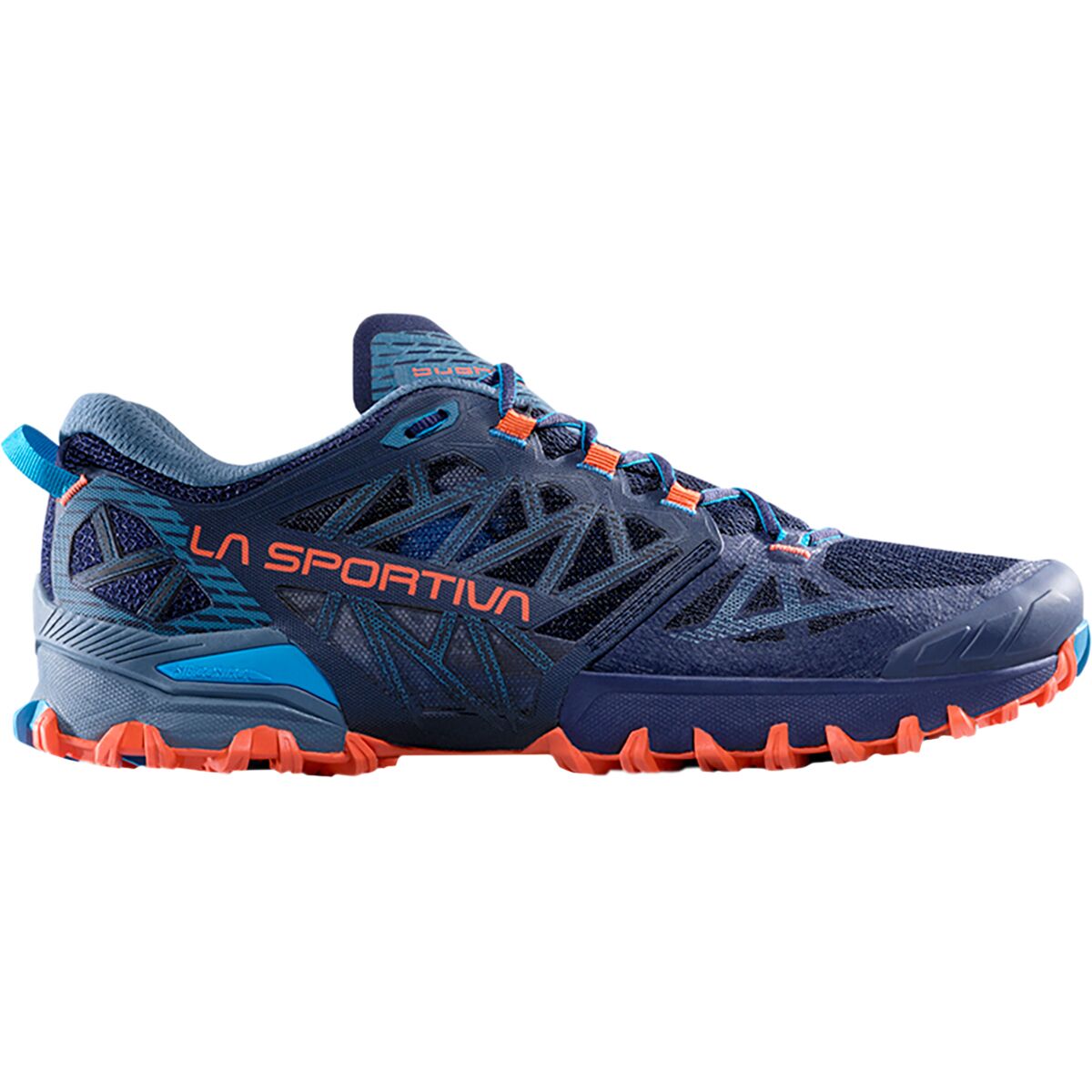
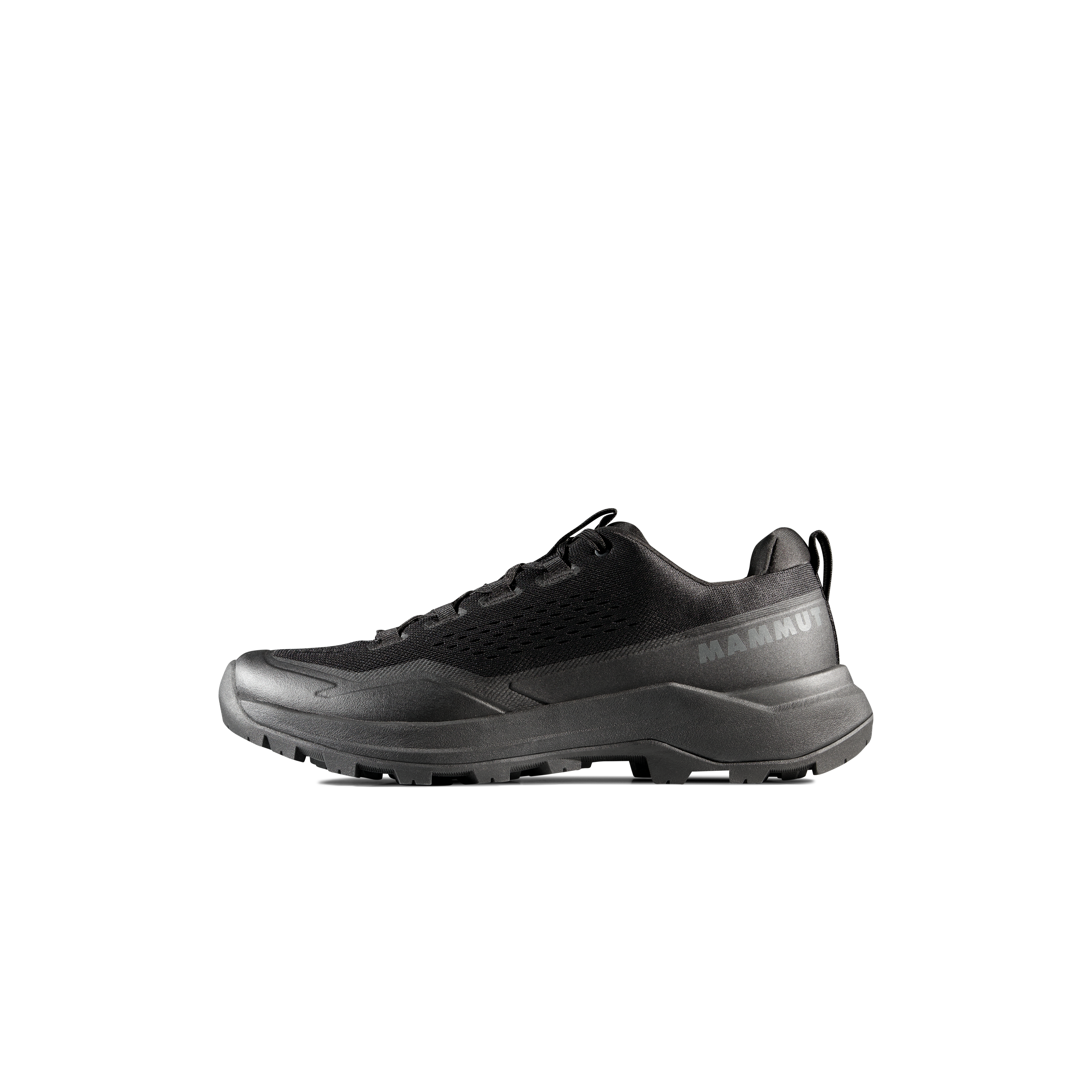
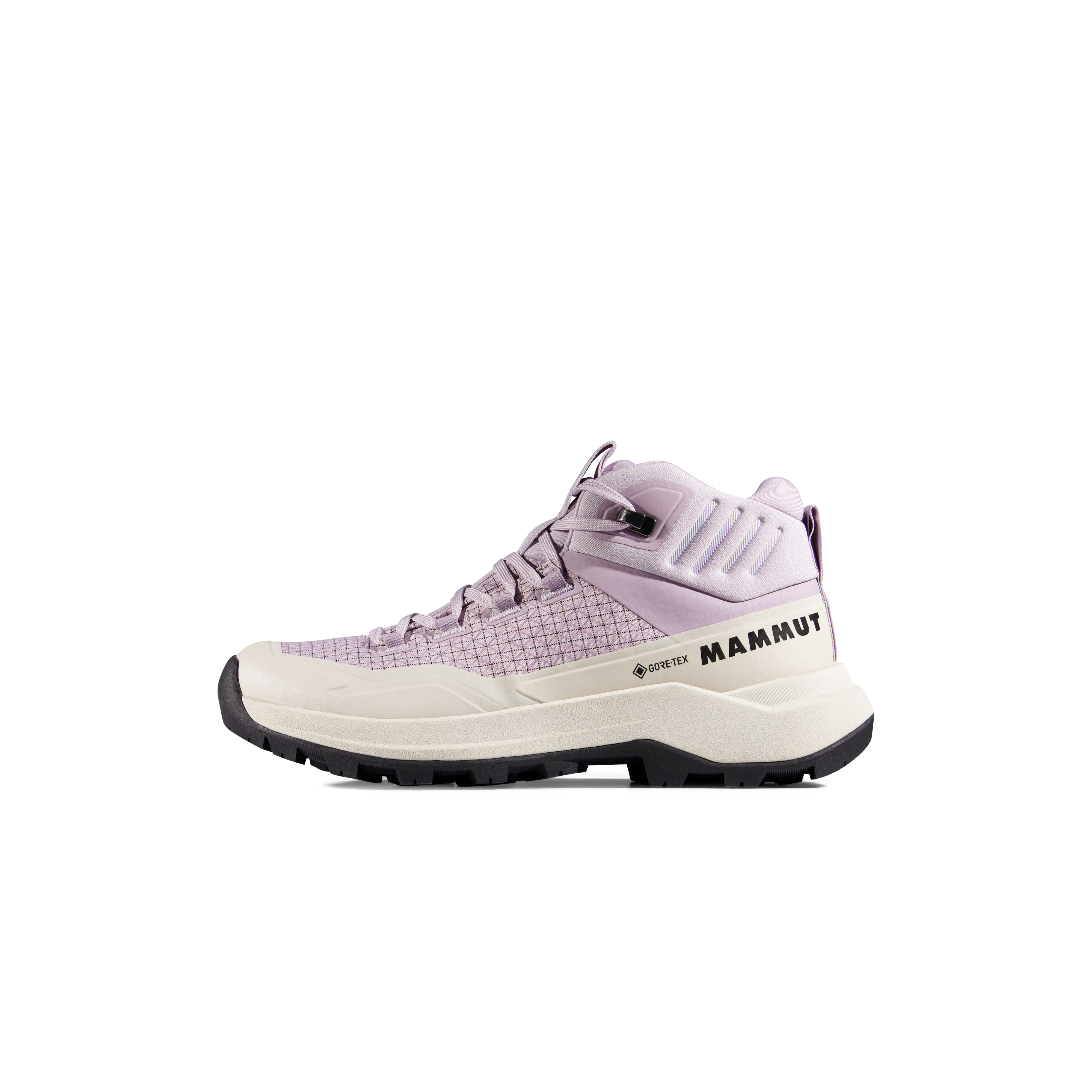
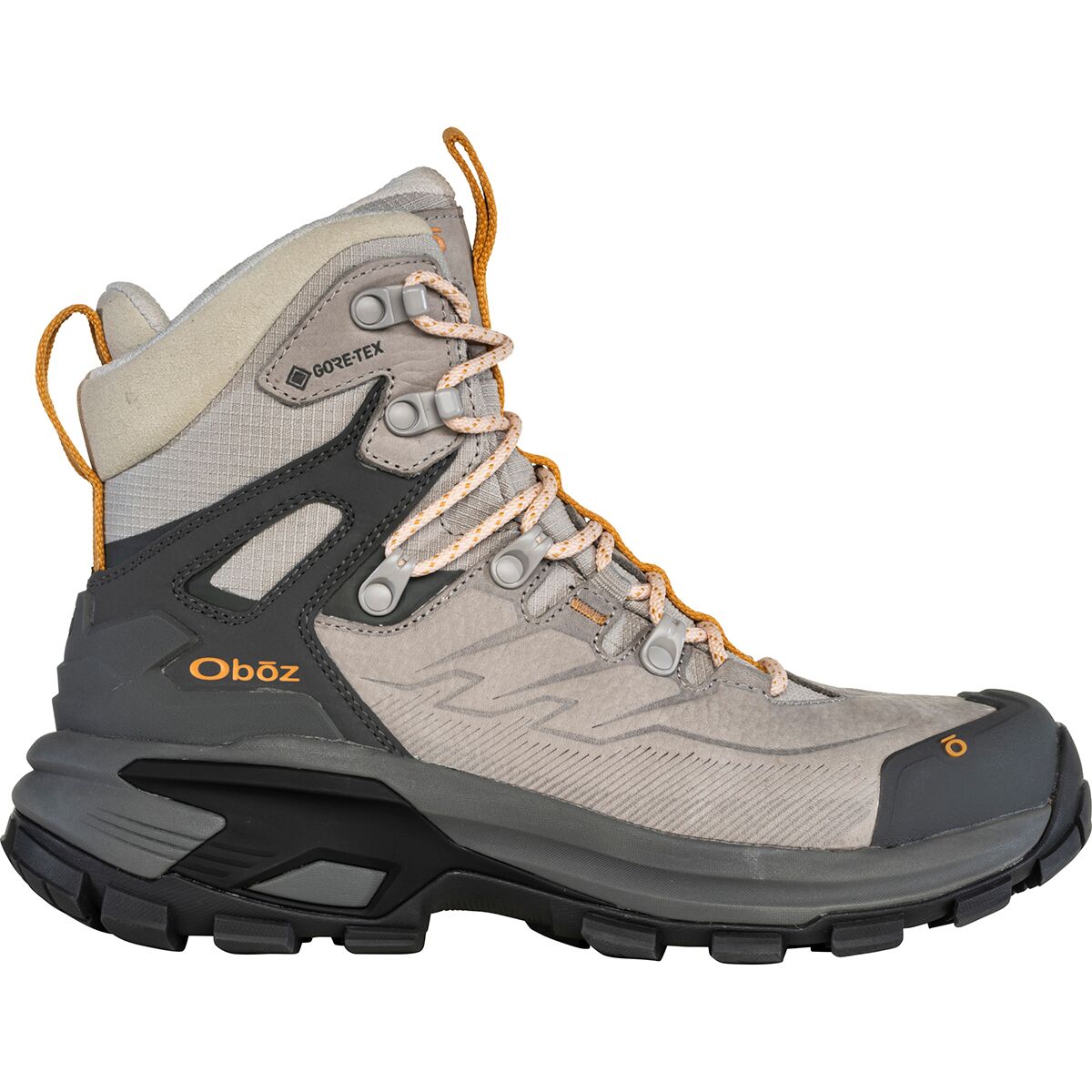
Hiking Footwear, Packs & Trekking Poles
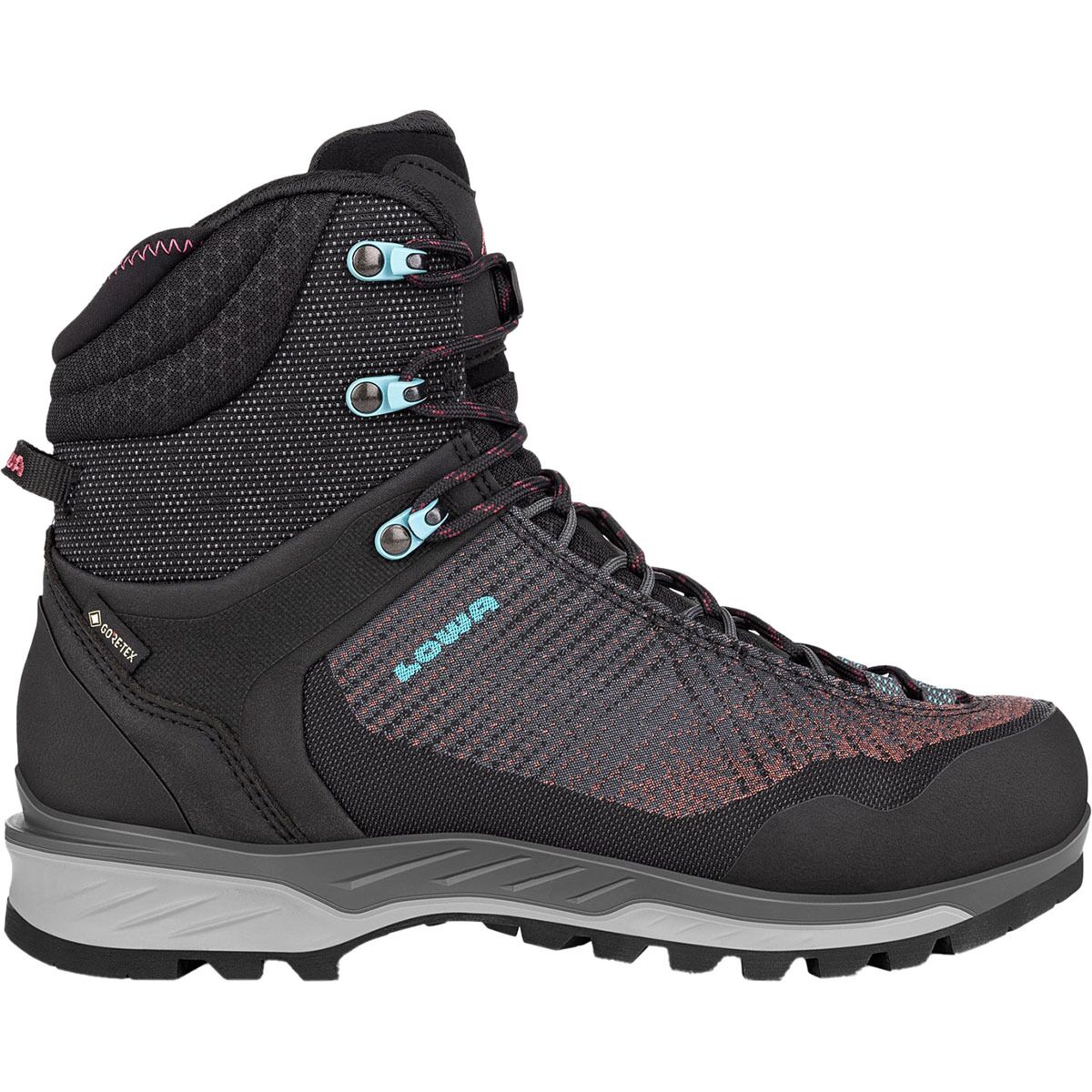
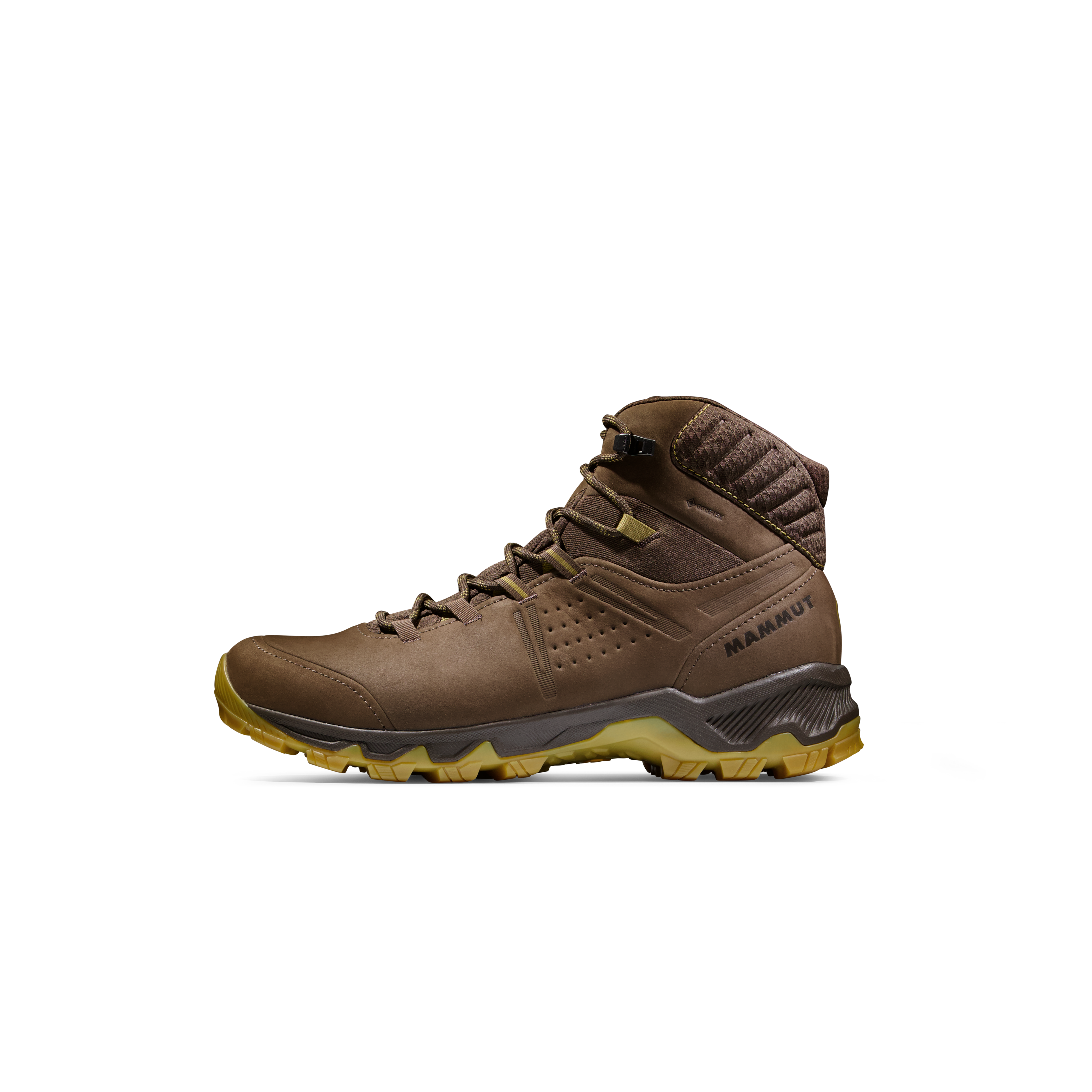
Compare current trail footwear, daypacks and trekking poles after narrowing your decision by fit, terrain and expected load.
Current Hiking Footwear, Packs & Poles
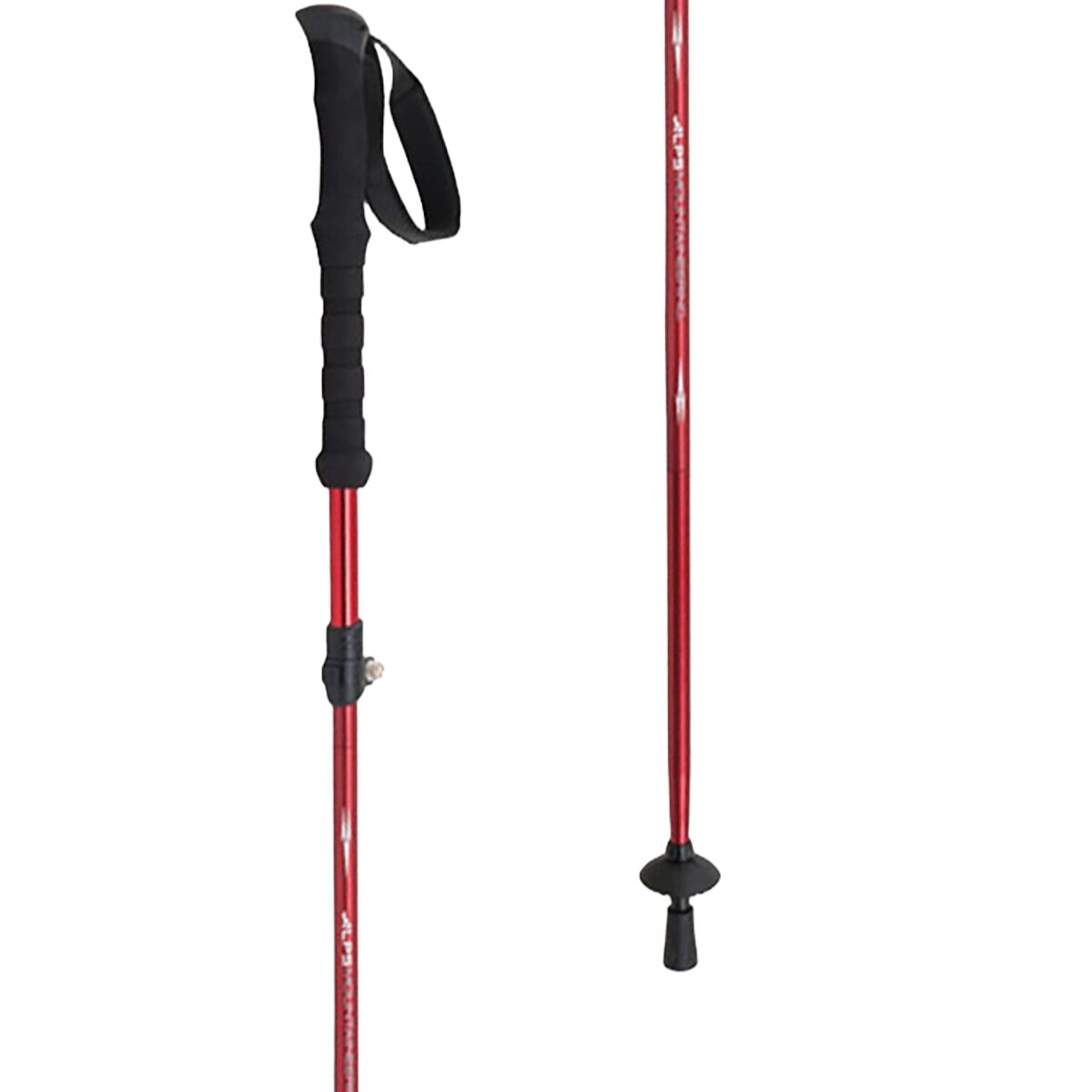
- ALPS MountaineeringALPS Mountaineering Conquest Trekking Pole$27.99
$39.99Check price at Back Country (opens in a new tab)

We may earn a commission if you buy through these links, at no extra cost to you. Affiliate disclosure
Trail Safety Essentials
Current headlamps and other proven trail equipment categories from the Global Summit Guide catalog.
Current Hiking Headlamps
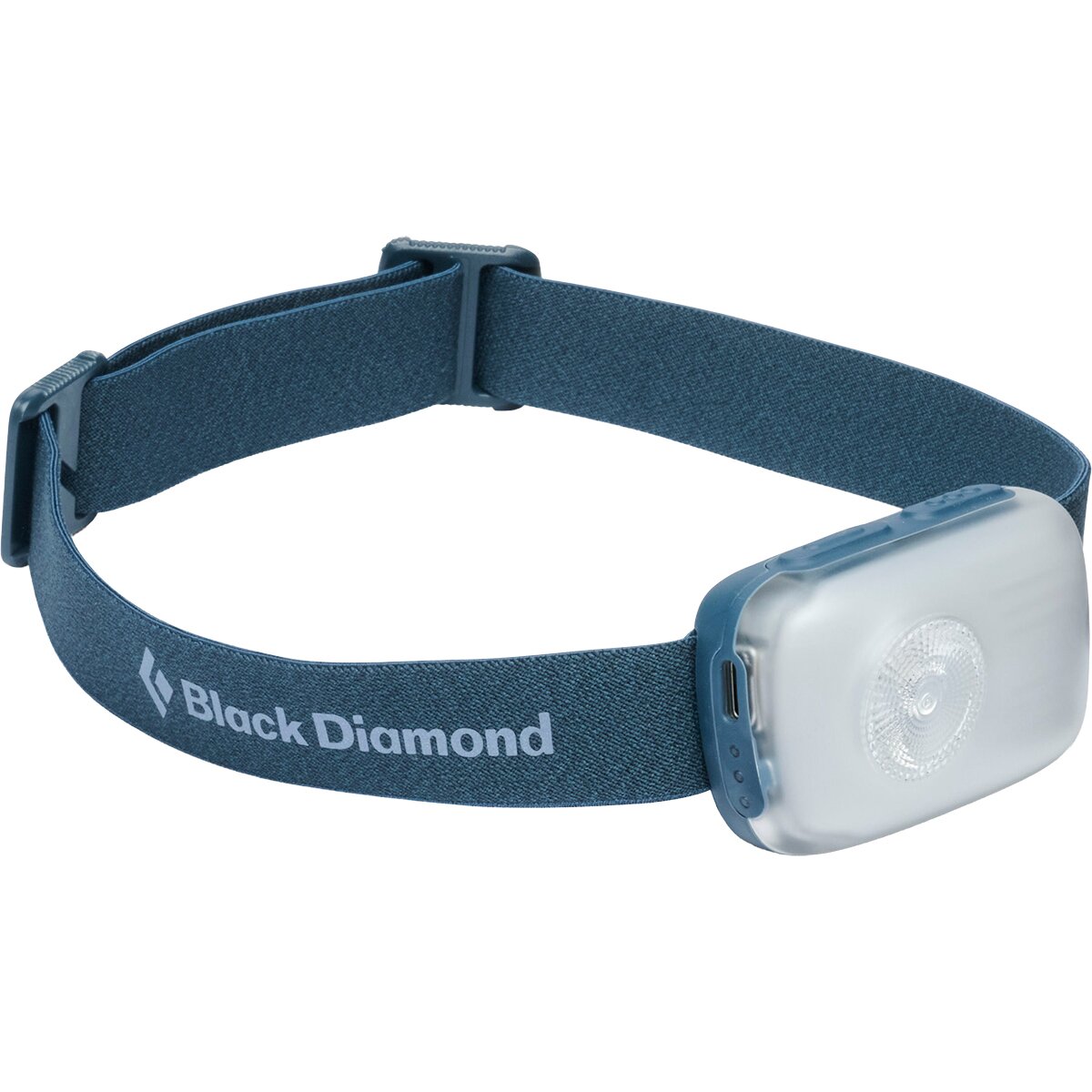
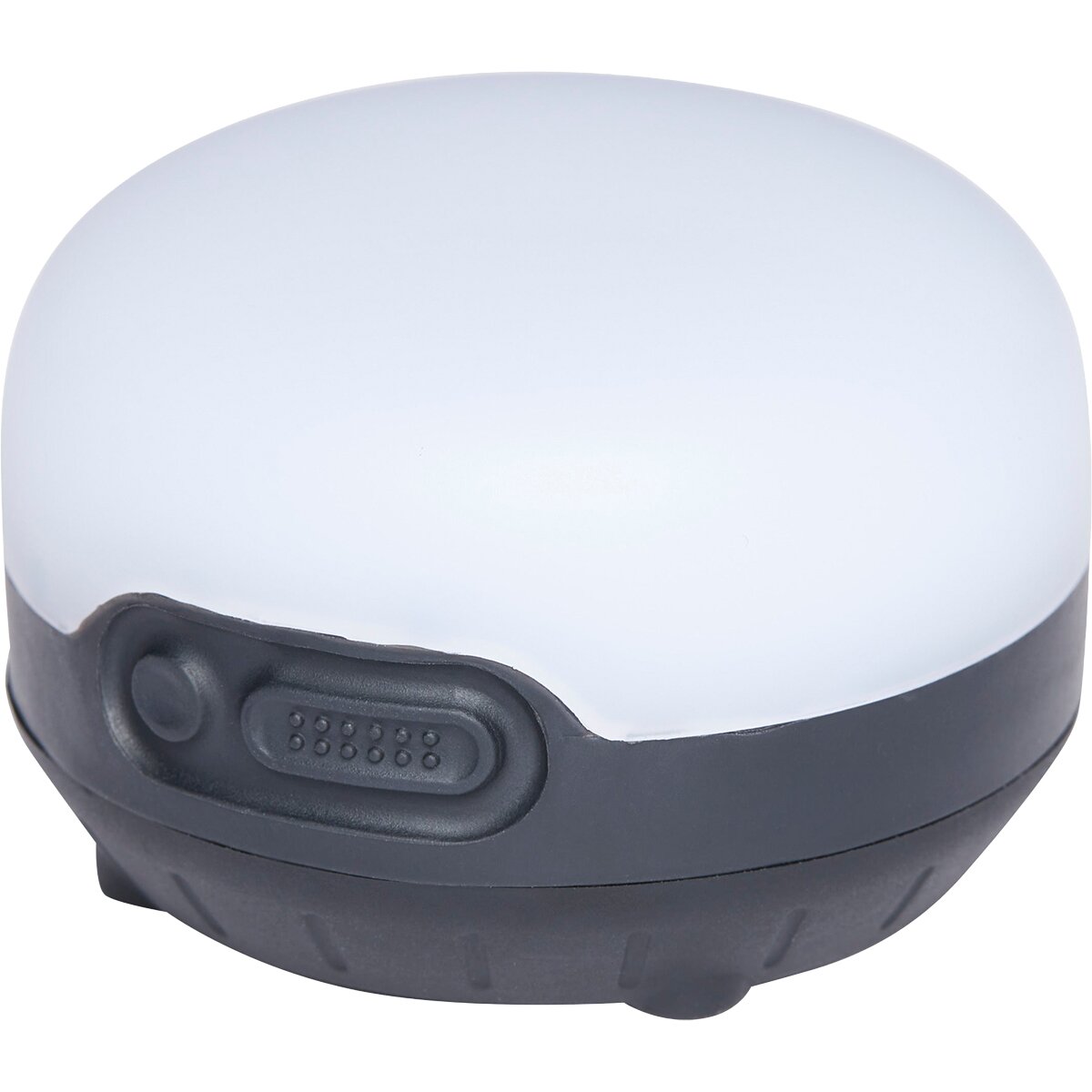
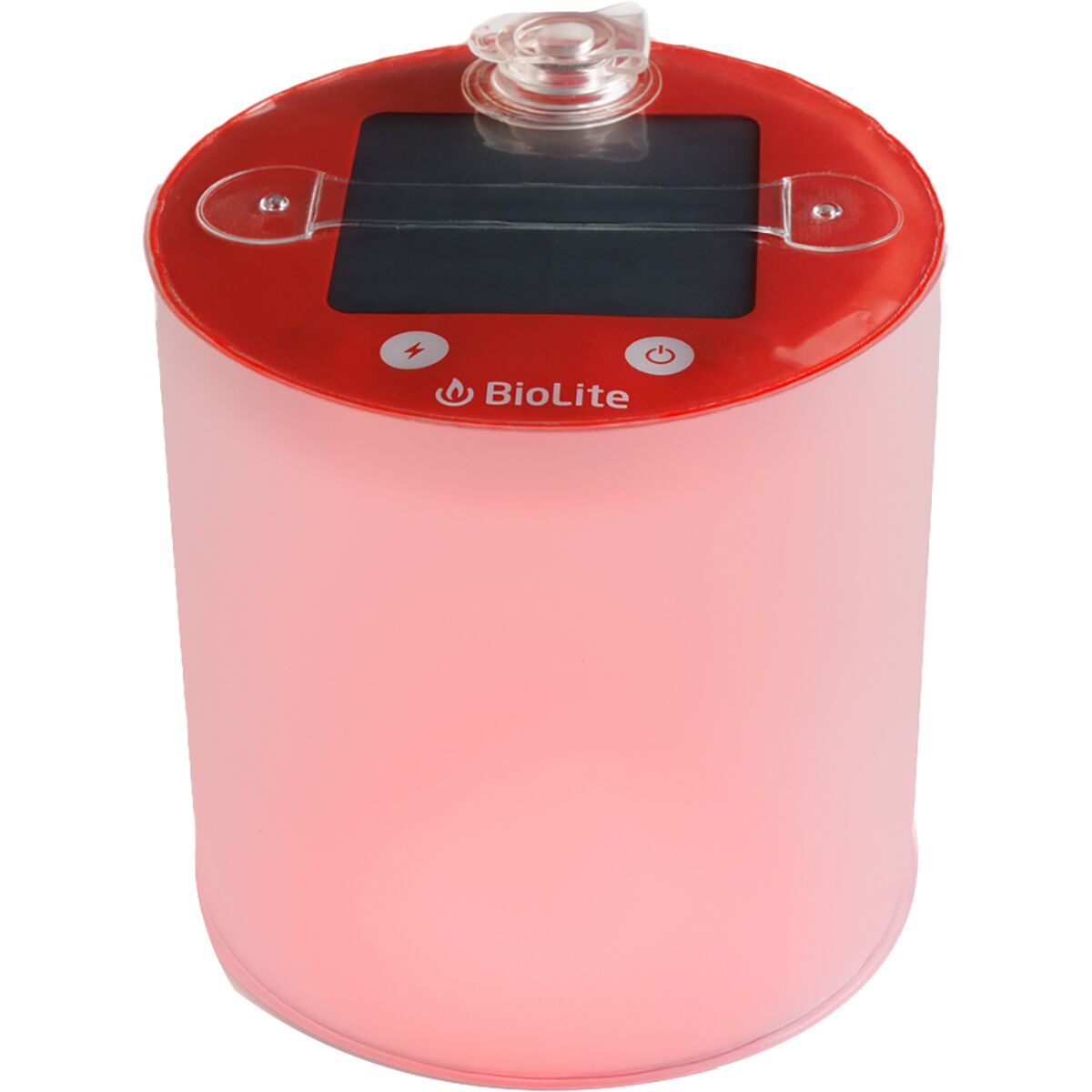
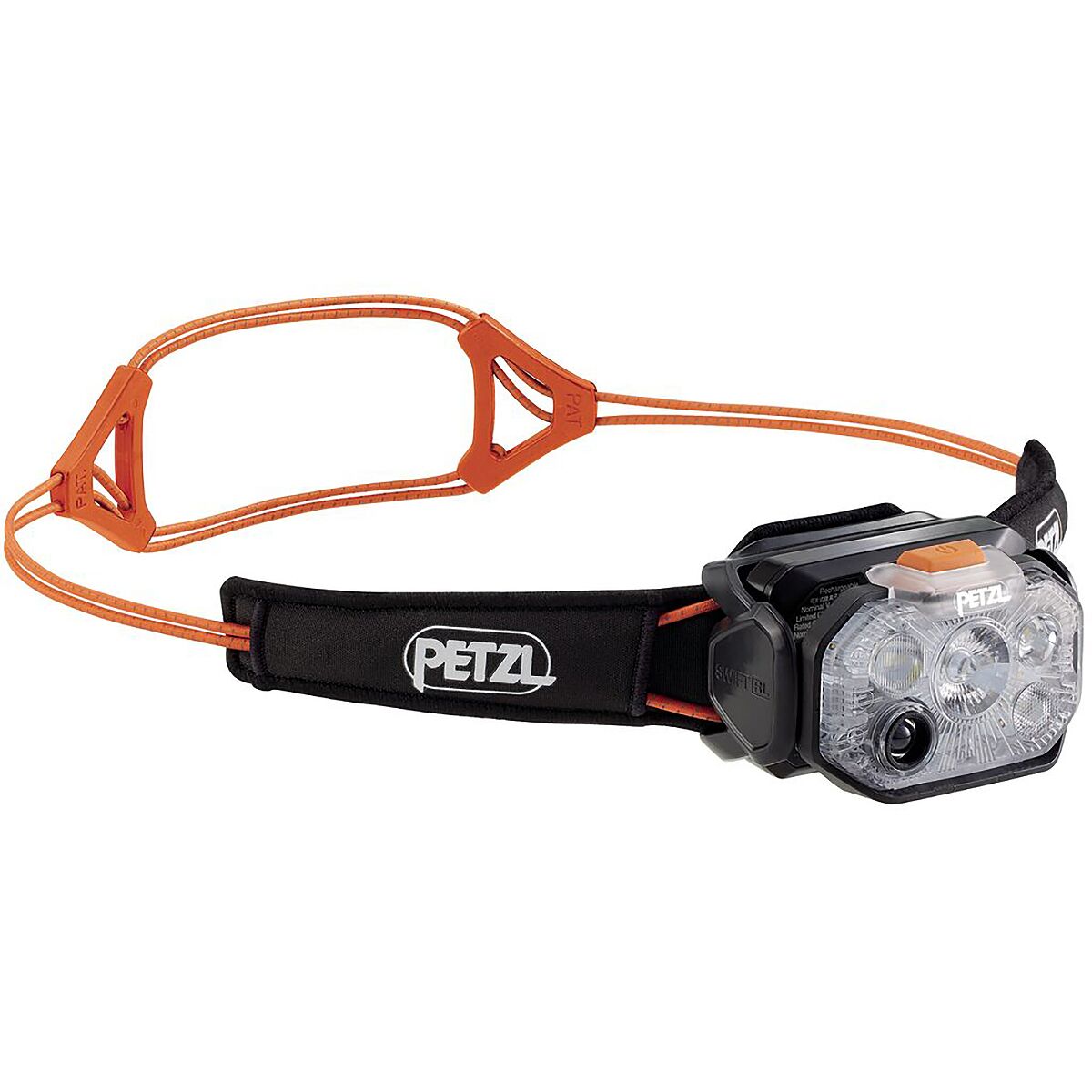
brand="Pioneer Camp" with the previous filters returned no
matching products. The partner remains integrated contextually above
rather than displaying an empty Gear Ads module.rain-shells and base-layers are not current GSG
Gear Ads tags. Apparel is therefore handled through the editorial partner
sections rather than an invented category.Spend First on Fit and Weather Protection
Premium equipment can save weight and improve comfort, but the most expensive item is not automatically the most useful.
Footwear
Poorly fitted shoes can end a hike faster than almost any other equipment problem.
Backpack Fit
A pack that distributes weight correctly is more useful than a feature-heavy pack that does not fit.
Rain Protection
Frequent hikers in wet or exposed environments gain more from dependable shell construction than fair-weather casual hikers.
Ultralight Details
Save grams after you know which equipment you actually use and which comfort features matter to you.
How This Women’s Hiking Gear Guide Is Built
This page is intended to help readers build a system—not to manufacture a ranking from affiliate inventory.
Women’s-specific fit is treated as one possible starting point rather than a requirement. The page prioritizes footwear fit, backpack torso fit, clothing interaction, route conditions and weather protection.
Merchant inventories, promotions, sizes and colors change more quickly than evergreen editorial guidance, which is why live Gear Ads listings remain separate from the core recommendations.
Women’s Hiking Gear FAQ
Is women’s hiking gear really different from men’s hiking gear?
Sometimes. Women’s backpacks may use shorter torso ranges or different harness geometry, footwear may use different lasts, and apparel is patterned differently. Those differences help many hikers, but actual fit matters more than gender labeling.
What hiking gear should a woman buy first?
Start with footwear that fits, a correctly sized daypack, weather-appropriate clothing, rain protection, water capacity, navigation, a headlamp and basic emergency equipment. Upgrade specialized gear after learning what your routes actually demand.
Are hiking boots or trail runners better?
Neither is universally better. Trail runners reduce weight and feel flexible, while hiking boots can add structure, upper protection and durability. Terrain, weather, load and individual foot shape should determine the choice.
What size daypack is best for women’s hiking?
Roughly 18 to 30 liters works for many day hikes, but weather, insulation, water requirements and route-specific safety equipment can increase the necessary capacity. Torso fit matters more than choosing one exact volume.
What should women wear hiking in summer?
Use lightweight quick-drying clothing, sun protection and appropriate footwear. Mountain hikers should still carry the rain and insulation layers required for conditions that may be much cooler or wetter than the trailhead.
What should women wear hiking in the rain?
Use quick-drying clothing beneath a waterproof shell. Waterproof rain pants become more valuable during sustained precipitation, cold weather and exposed terrain. Water-repellent hiking pants are not a substitute for a true rain layer.
Do women need women’s-specific trekking poles?
No. Choose poles by usable length range, grip comfort, locking mechanism, packed size and weight. A women’s model can be useful when its range or grip happens to fit better.
Is expensive hiking gear worth it?
Sometimes, particularly when higher-end materials improve durability, weight or weather performance. But spend first on equipment where fit and protection directly affect the hike: footwear, pack and core weather layers.
Build the Rest of Your Hiking System
Mountaineering Gear Guide
Move from hiking equipment into complete mountain gear systems.
Long-distance hikingThru-Hiking Gear List
Expand the hiking system into shelter, sleep, cooking and trail resupply equipment.
StabilityBest Trekking Poles
Compare pole materials, locks, weights and mountain-hiking use.
FootwearMountaineering Boots Guide
Understand fit, stiffness and the transition from hiking footwear to mountain boots.
LightingBest Headlamps
Compare trail lighting for early starts and unexpected late exits.
ChecklistGear Checklist
Turn equipment selection into a repeatable pre-trip check.
Safety hubGear & Safety
Match equipment choices to terrain, weather and consequences.
Overnight progressionHigh-Altitude Sleeping Bags
Move from day hiking toward colder overnight mountain systems.
Next levelHow to Plan a Thru-Hike
Turn individual gear choices into a complete long-distance hiking strategy.
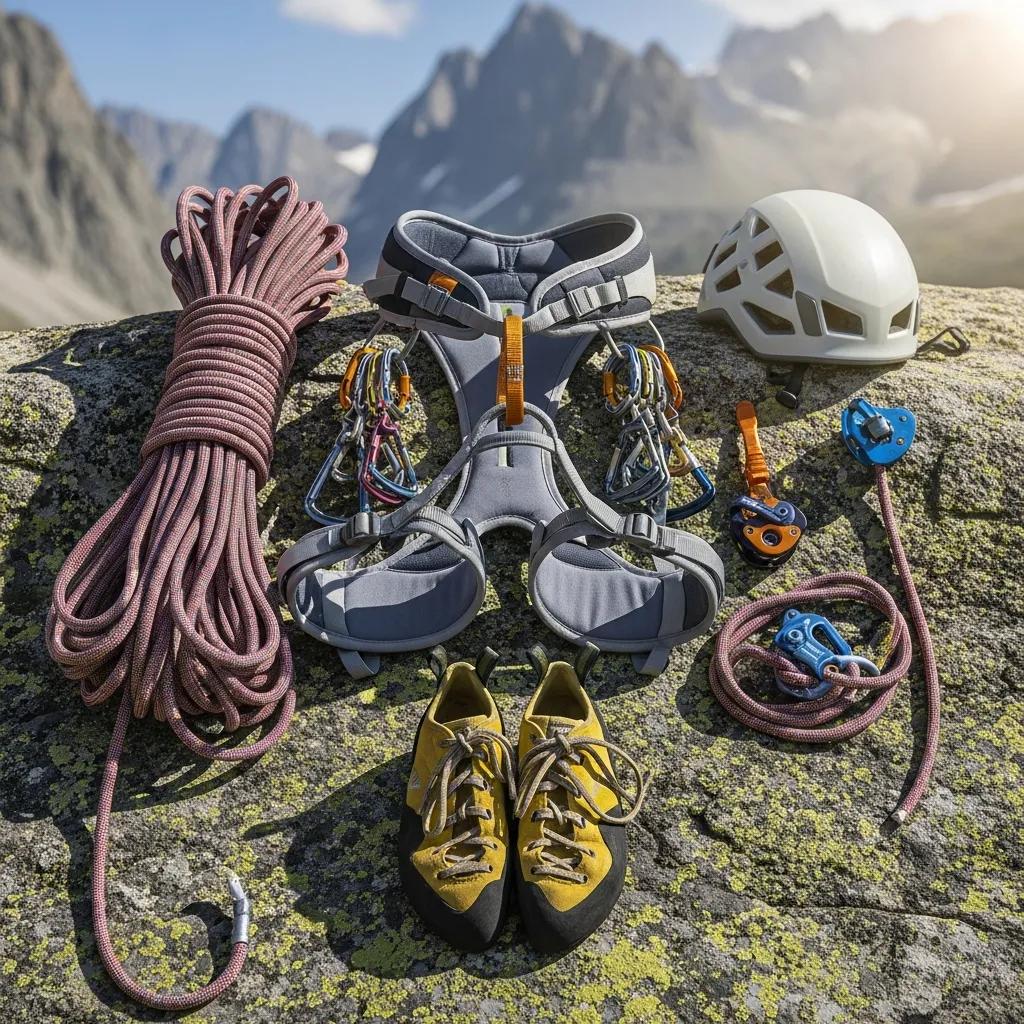
Fit Your Body. Dress for the Weather. Pack for the Route.
The best hiking kit is not automatically the lightest, newest or most expensive. It is the system that fits comfortably and still gives you enough margin when the trail takes longer—or the weather turns worse— than expected.
Was this helpful?
Global Summit Guide is an independent mountaineering resource founded in 2026. The team combines first-hand trekking and climbing experience with in-depth research and professional health and nutrition review to help climbers choose objectives, prepare properly, and stay safe.
Health, altitude, and nutrition content is reviewed by Taylor Ludlow (Registered Nurse) and Brigg Hoopes (Nutritionist).
What We Don't Know Yet
Mountain information changes quickly. This box explains the limits of what this page can responsibly promise.
- Gear requirements can change by season, route variation, weather window, personal cold tolerance, and guide-service requirements.
- Visa, passport, vaccination, border, insurance, and local transportation rules may change before your trip.
- Route conditions, snowpack, closures, and weather can change quickly after this page is updated.
- Permit rules, fees, quotas, and reservation windows may change between review cycles.
- Operator availability, pricing, guide ratios, and cancellation terms can change by season.
Verify current conditions with official land managers, guide services, local forecasts, and current route reports before booking or climbing.
Mountaineering, rock and ice climbing, glacier travel, and high-altitude activity are inherently dangerous and can result in serious injury or death. The information on Global Summit Guide is provided for general informational and educational purposes only and is not a substitute for professional instruction, qualified guiding, proper equipment, or your own judgment and experience.
Route conditions, weather, snowpack, permits, regulations, and hazards change constantly and may differ from what is described here. Details may be incomplete, out of date, or contain errors. Always verify current information with local authorities, certified guides, and official sources before making any decision in the mountains.
Nothing on this site is medical, legal, or financial advice. Our fitness, acclimatization, altitude, and nutrition content is general in nature; consult a qualified physician before beginning any strenuous exercise program or exposing yourself to high altitude.
You are solely responsible for your own safety and decisions. To the fullest extent permitted by law, Global Summit Guide and its team accept no liability for any loss, injury, damage, or expense arising from use of, or reliance on, this information. By using this site you acknowledge these risks and accept these terms.
Some links on this site may be affiliate links. If you buy through them we may earn a small commission at no extra cost to you; this never affects our recommendations.
Global Summit Guide recommendation path
Next Best Mountain to Research
Use these recommendations to continue the right planning path instead of stopping on one page.
Use current permit, weather, route, and operator information before booking or climbing.