
Last updated October 1, 2026
Best Headlamps for Hiking & Mountaineering: 8 Picks by Use
A mountain headlamp has one job that matters more than its maximum lumen number: it must still provide usable light when the start is dark, the weather deteriorates, the batteries are cold and your hands are inside gloves.
For Most Hiking and Mountaineering, 400–700 Lumens With a Lockout, Red Mode and a Practical Backup-Power Plan Is the Best Starting Point.
Petzl ACTIK CORE is a strong all-around mountain format because it combines 625 lumens with an 88-gram body and can run from the included rechargeable CORE battery or three AAA batteries. Black Diamond’s current Spot takes a similar flexibility-first approach with 450 lumens, an 86-gram weight and Dual-Fuel compatibility.
For harsher all-mountain use, Black Diamond Storm+ increases output to 750 lumens and adds large glove-friendly controls, IP67 protection and a serviceable rechargeable battery. For routes where long-distance light and rapid movement matter, Petzl SWIFT RL and Fenix HM55R RENEGADE move into the 1200-lumen class while staying near 3–4 ounces.
Ultralight hikers can go much smaller. Nitecore NU25 MCT UL delivers 400 lumens at roughly 1.66 ounces, while BioLite Range 500 balances a 500-lumen output, 2.6-ounce weight and IP67 protection.
Do not buy by lumens alone. Beam distance, usable runtime, control layout, lockout, weather protection and battery architecture determine whether the light actually works for the route.
8 Headlamps Worth Comparing
The products are grouped by use case rather than ranked from first to eighth. Current manufacturer specifications were rechecked October 1, 2026.
Petzl ACTIK CORE
A versatile mountain light with strong output and the ability to switch between a rechargeable CORE pack and standard AAA cells.
- 625 lumens with CORE
- 88 g
- 115 m max beam · IPX4
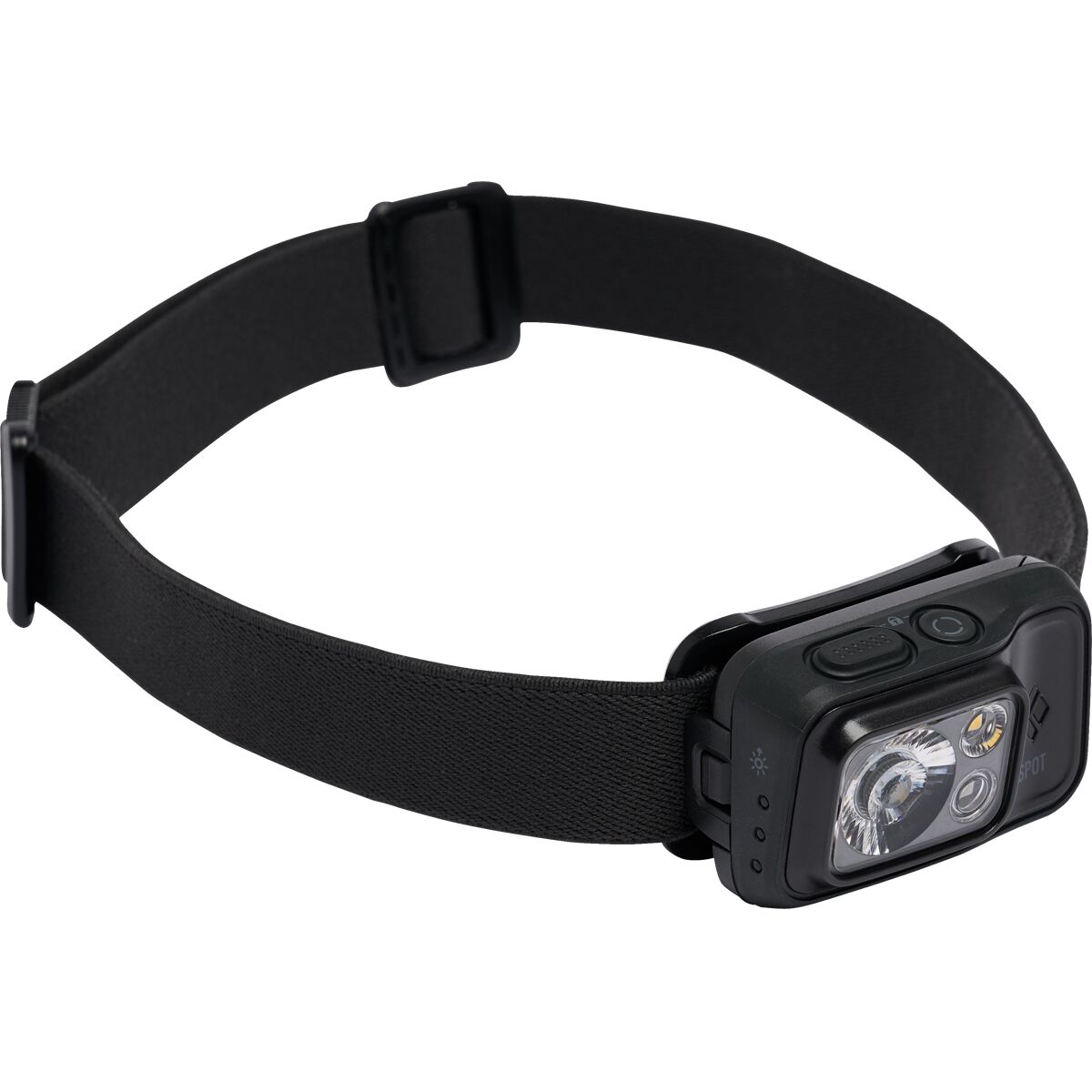
Black Diamond Spot
The current Spot moves to 450 lumens and keeps the flexible AAA-or-BD1500 power architecture.
- 450 lumens
- 86 g
- IPX7 · RGB + flood + spot modes
Black Diamond Storm+
A tougher 750-lumen design with oversized controls, dual-lens optics and a serviceable rechargeable battery.
- 750 lumens
- 114 g
- IP67 · 2200 mAh battery
Petzl SWIFT RL
A light 1200-lumen headlamp that automatically adjusts brightness and beam pattern with REACTIVE LIGHTING.
- 1200 lumens
- 92 g
- 168 m max beam · removable battery
Nitecore NU25 MCT UL
A compact USB-C headlamp with multiple color temperatures and strong output for its weight.
- 400 lumens
- 1.66 oz
- IP66 · red light + SOS / beacon
BioLite Range 500
A balanced 500-lumen rechargeable headlamp with low-profile fit and exceptionally quick USB-C charging.
- 500 lumens
- 2.6 oz / 75 g
- IP67 · 100 m beam
Fenix HM55R RENEGADE
A compact 1200-lumen aluminum headlamp with replaceable rechargeable battery, separate spot/flood beams and strong ingress protection.
- 1200 lumens
- 3.7 oz / 105 g
- IP68 · 175 m max beam
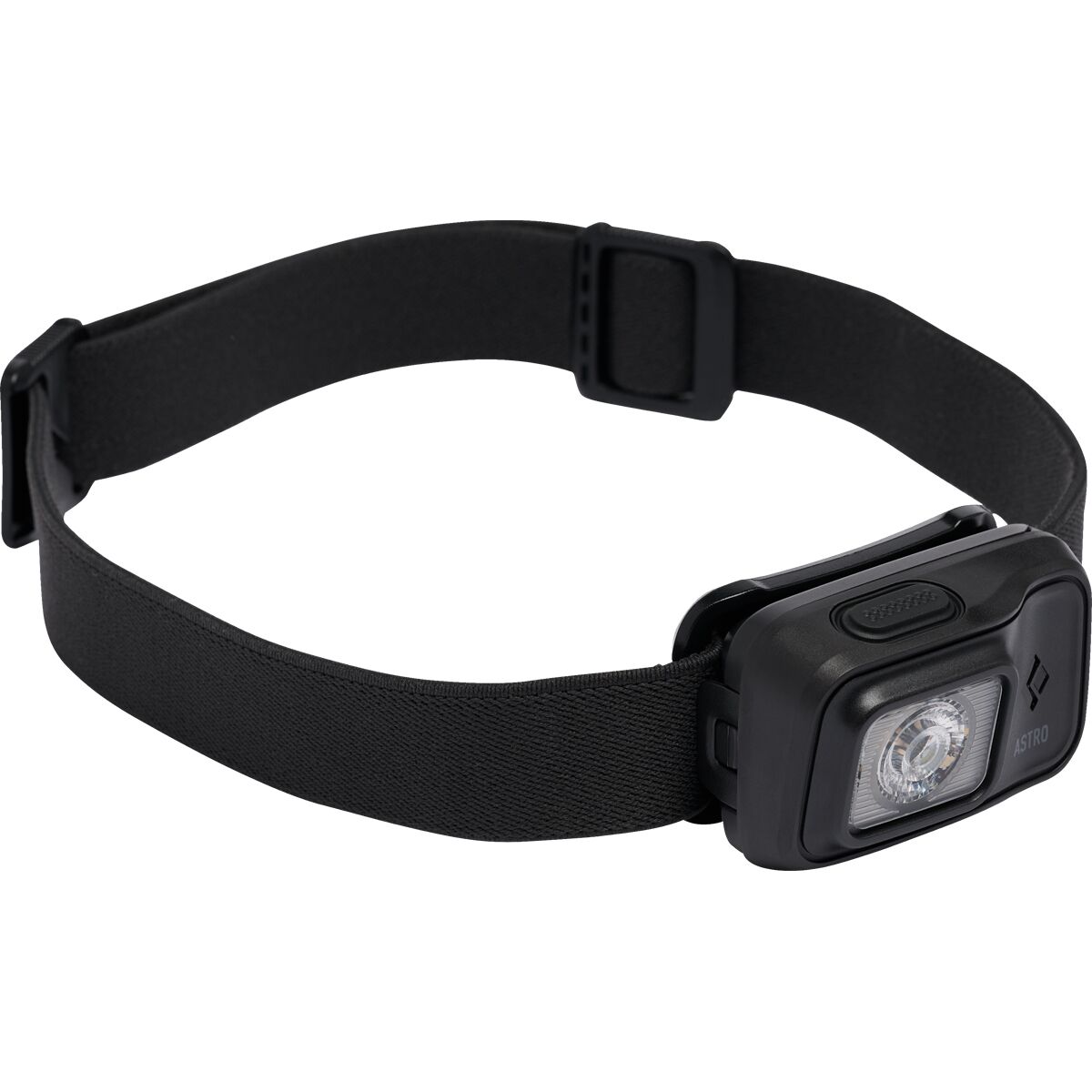
Black Diamond Astro 300
A stripped-down 300-lumen dual-fuel light for camp, easy trails or backup duty when complex lighting modes are unnecessary.
- 300 lumens
- AAA or BD1500 power
- Digital lockout
Lumen note: maximum output is not the same as sustained output. Many headlamps step down from their highest setting as battery state, heat and control logic change.
| Headlamp | Max output | Weight | Power | Weather rating | Best use |
|---|---|---|---|---|---|
| Petzl ACTIK CORE | 625 lm | 88 g | CORE rechargeable or 3 AAA | IPX4 | All-around hiking / mountaineering |
| Black Diamond Spot | 450 lm | 86 g | 3 AAA or BD1500 | IPX7 | General trail / climbing |
| Black Diamond Storm+ | 750 lm | 114 g | Serviceable 2200 mAh Li-ion | IP67 | Wet / technical all-mountain |
| Petzl SWIFT RL | 1200 lm | 92 g | Replaceable R2250 Li-ion | IPX4 | Fast / technical alpine movement |
| Nitecore NU25 MCT UL | 400 lm | 1.66 oz | USB-C rechargeable | IP66 | Ultralight backpacking |
| BioLite Range 500 | 500 lm | 2.6 oz | 1634 mAh Li-ion | IP67 | Trail / backpacking / fast charging |
| Fenix HM55R RENEGADE | 1200 lm | 3.7 oz | Replaceable 1600 mAh Li-ion | IP68 | Rugged high-output use |
| Black Diamond Astro 300 | 300 lm | about 100 g | 3 AAA or BD1500 | IPX4 | Budget / simple backup |

Beam Shape and Distance Matter More Than a Giant Number on the Box.
A camp light needs broad, comfortable illumination a few feet in front of you. A moving hiker needs a beam that shows the next trail feature early enough to react. A climber may need both: flood light for hands, rope and anchor work plus a focused beam for route finding.
For ordinary hiking, 300–500 lumens is a useful range. Technical routes, faster movement and long-distance route finding can justify 600–1200 lumens, but the brightest mode may only be needed in short bursts.
Look at beam distance and low / medium settings. A headlamp that offers a comfortable 100–200 lumen middle mode can often be more useful all night than one built around an enormous maximum-output number.
Rechargeable, Replaceable or Dual-Fuel?
Battery strategy is a trip-planning decision. Charging access, duration and cold exposure determine which architecture is strongest.
Simple for routine use
USB-C rechargeability is convenient for day hiking and trips with power banks, vehicles or regular charging access. The weakness is dependence on one battery system.
Better for long nights
Petzl SWIFT RL and Fenix HM55R allow the main rechargeable battery to be swapped rather than waiting for the lamp itself to recharge.
Maximum flexibility
Petzl ACTIK CORE and Black Diamond Spot can use a rechargeable pack or standard cells, creating a straightforward backup-power path.
IPX4 and IP68 Are Not the Same Kind of Protection.
Read the exact manufacturer’s test description. A lamp built for rain and splashing can be entirely appropriate for mountaineering even if another model has a higher immersion rating.
Weather resistant
Designed for splashing and ordinary weather exposure. Petzl ACTIK CORE and SWIFT RL sit in this category.
Dust-tight + strong water jets
Nitecore NU25 MCT UL adds stronger environmental sealing while remaining extremely light.
Temporary immersion class
BioLite Range 500 and Black Diamond Storm+ are built for deeper water protection under specified test conditions.
Highest group here
Fenix HM55R RENEGADE is rated for dustproof protection and water immersion to the manufacturer’s stated limits.
In the Cold, Protect the Battery Before You Need the Light.
Battery performance can drop as temperatures fall, and a light that worked perfectly at the trailhead may deliver less runtime or output higher on the mountain. Keep spare batteries protected from deep cold and follow the manufacturer’s operating limits.
Petzl’s current SWIFT RL is explicitly designed with guaranteed burn time in temperatures down to -20°C. ACTIK CORE adds another kind of flexibility by accepting the CORE battery or compatible AAA chemistries.
On cold summit days, do not wait until the primary lamp is nearly dead to locate the spare. Store the backup power where it can be reached with gloves and where body heat can help protect it.
Mountaineering Changes the User Interface.
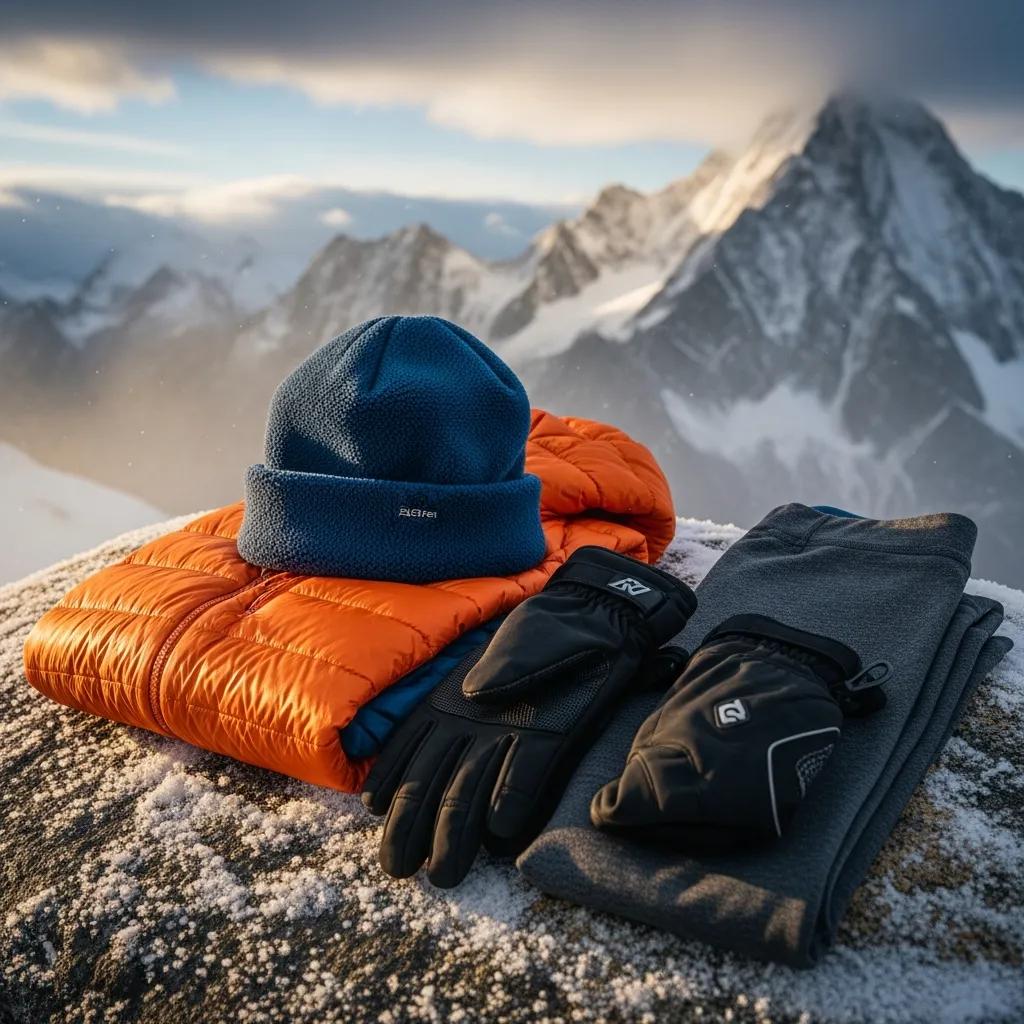
The headlamp must still be operable after you add a helmet, hood, goggles and insulated gloves.
Test over the helmet
Confirm the band stays secure on the exact helmet shell and does not interfere with adjustment hardware.
Operate with gloves
Large or clearly separated controls reduce fumbling. Black Diamond Storm+ explicitly uses oversized glove-friendly buttons.
Aim without removing it
The lamp should tilt through useful trail and close-work angles without forcing you to grab the housing awkwardly.
Protect the battery in the pack
A digital lock or protected switch reduces the chance that the lamp turns on against clothing and arrives at the start partially discharged.
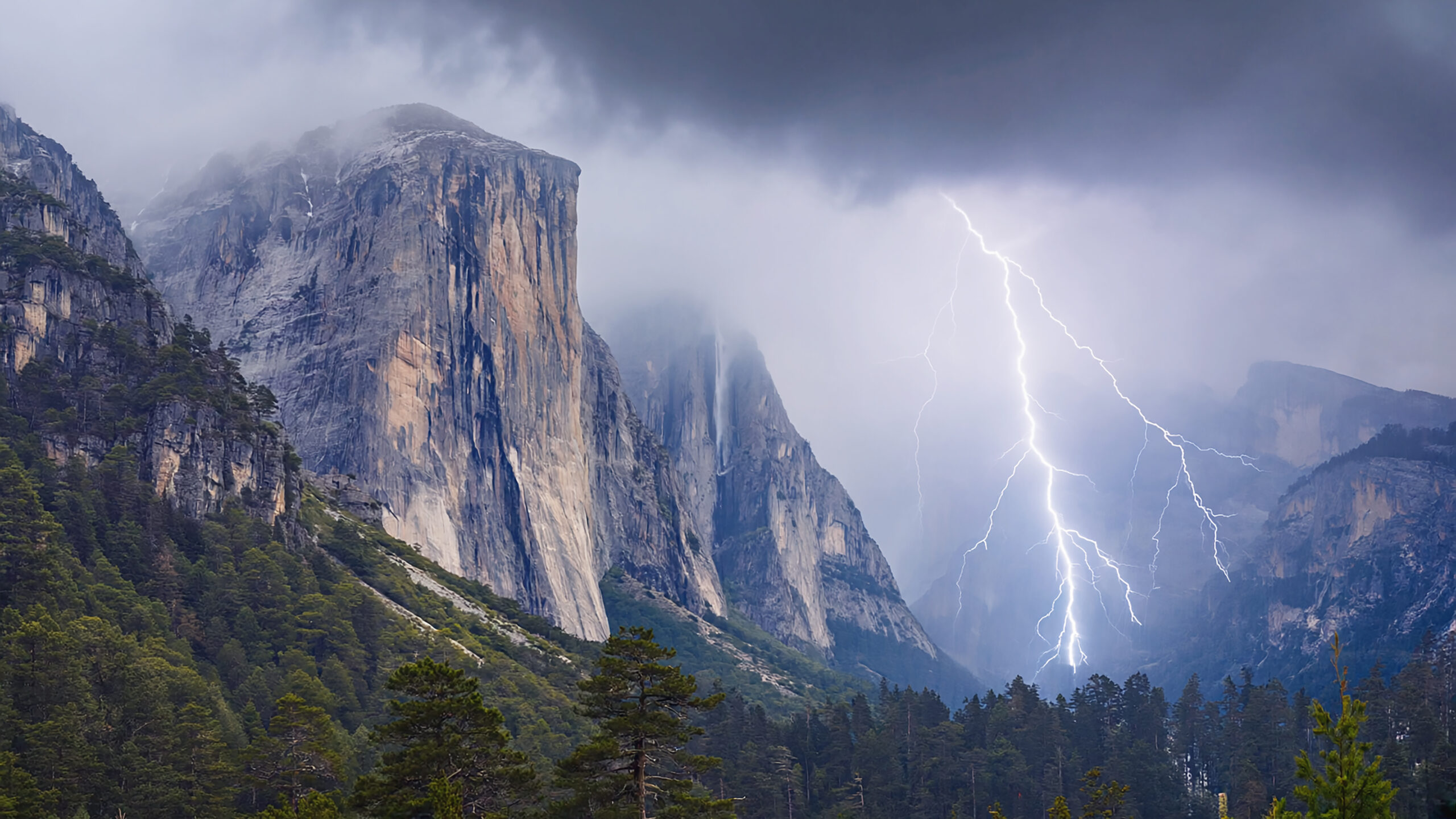
When Darkness Is a Safety Constraint, Carry a Second Independent Light.
For a short local hike where sunset is merely inconvenient, spare batteries may be enough. For an alpine start, overnight descent, expedition or long technical route, a total lighting failure can stop movement immediately.
A second headlamp is stronger redundancy than a second battery alone because it also covers LED, housing, switch and strap failure. The backup does not have to match the primary lamp’s output; it needs enough light to continue moving or retreating safely.
Keep the backup where it can be reached in darkness without unpacking the entire pack. On guided climbs, follow the operator’s required headlamp and spare-battery specification even if it exceeds your normal system.
Six Checks Before You Leave the Tent or Trailhead
This is the simple lighting rehearsal to complete before a route that begins in darkness.
Charge or Replace
Start with a full rechargeable battery or fresh cells and verify the backup power is actually in the pack.
Test Every Mode
Confirm low, medium, high, red mode and any lockout or boost function you intend to use.
Fit With Real Gear
Put on the hat, hood or helmet you will wear and adjust the headlamp now rather than in the dark.
Set the Beam Angle
Aim the beam so normal walking lights the trail ahead without forcing your neck into an unnatural position.
Place the Backup
Store the spare lamp or spare power where you can reach it without relying on the light that just failed.
Lock Before Packing
Activate lockout or protect the switch so the headlamp does not turn on inside the pack during the approach.

Shop Current Headlamps
The Global Summit Guide Gear Ads registry includes the established headlamps tag, so this page uses the category directly rather than a guessed search filter.
Current Hiking & Mountaineering Headlamps
Compare the current catalog only after choosing the beam, power system and weather protection your route needs.
Current Headlamps
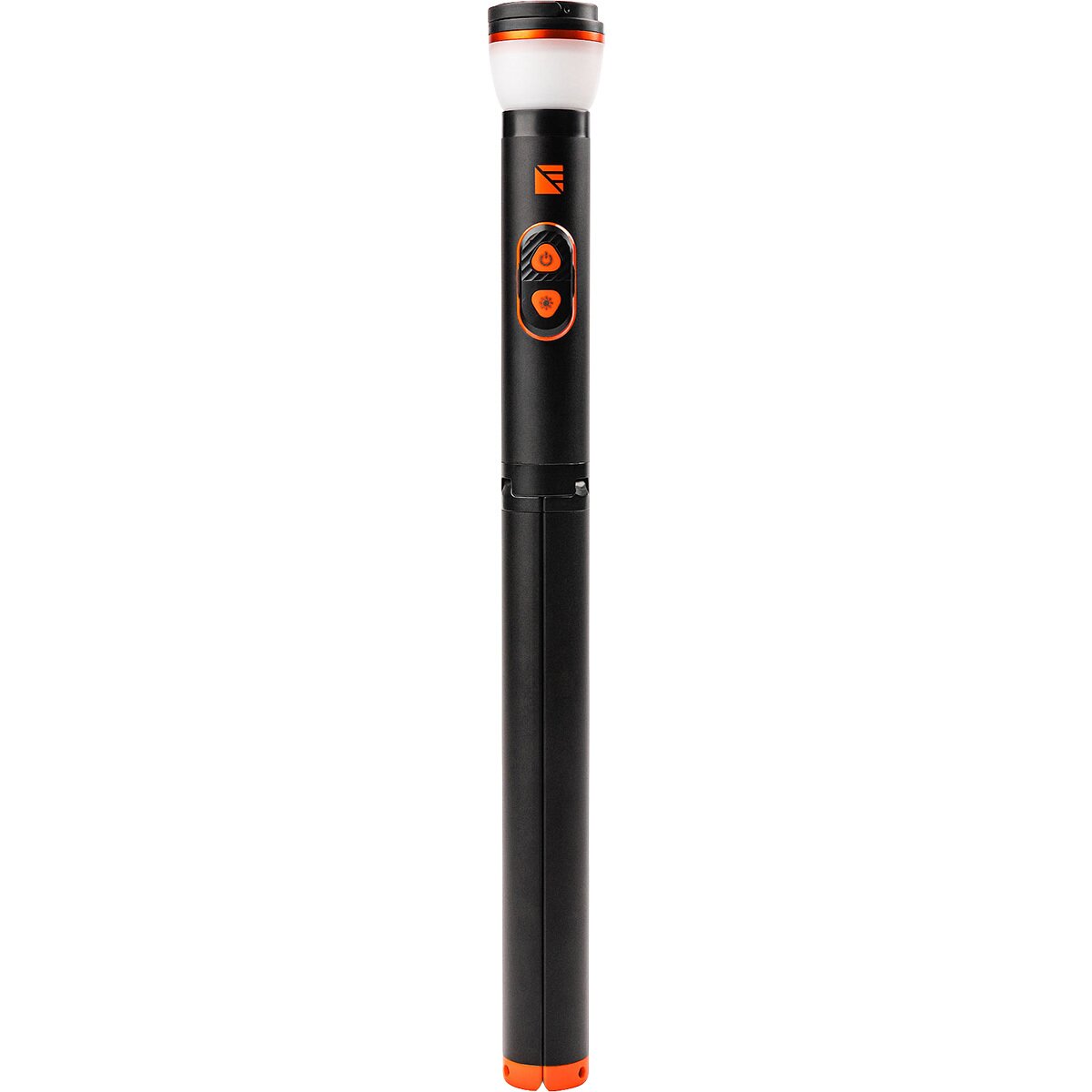
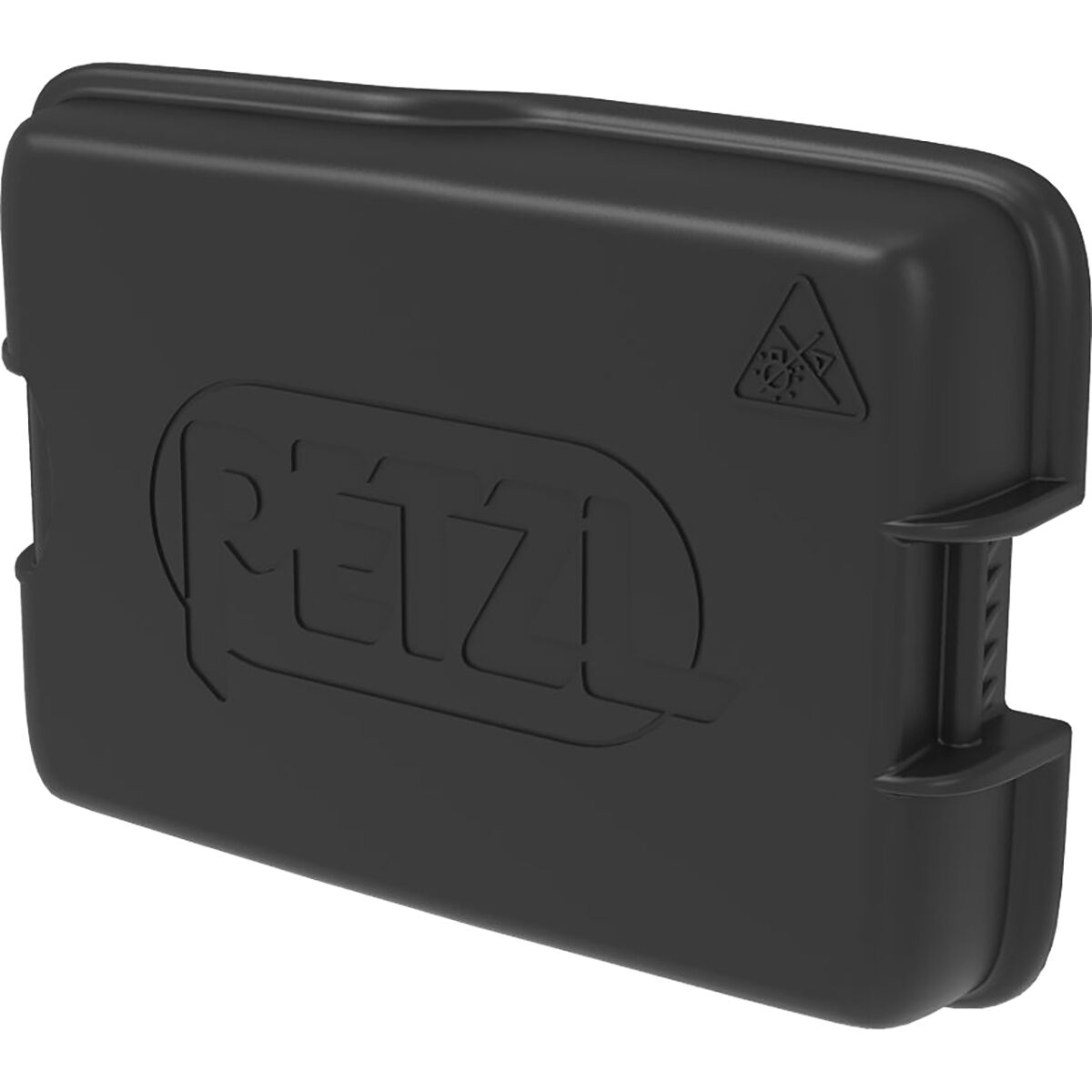
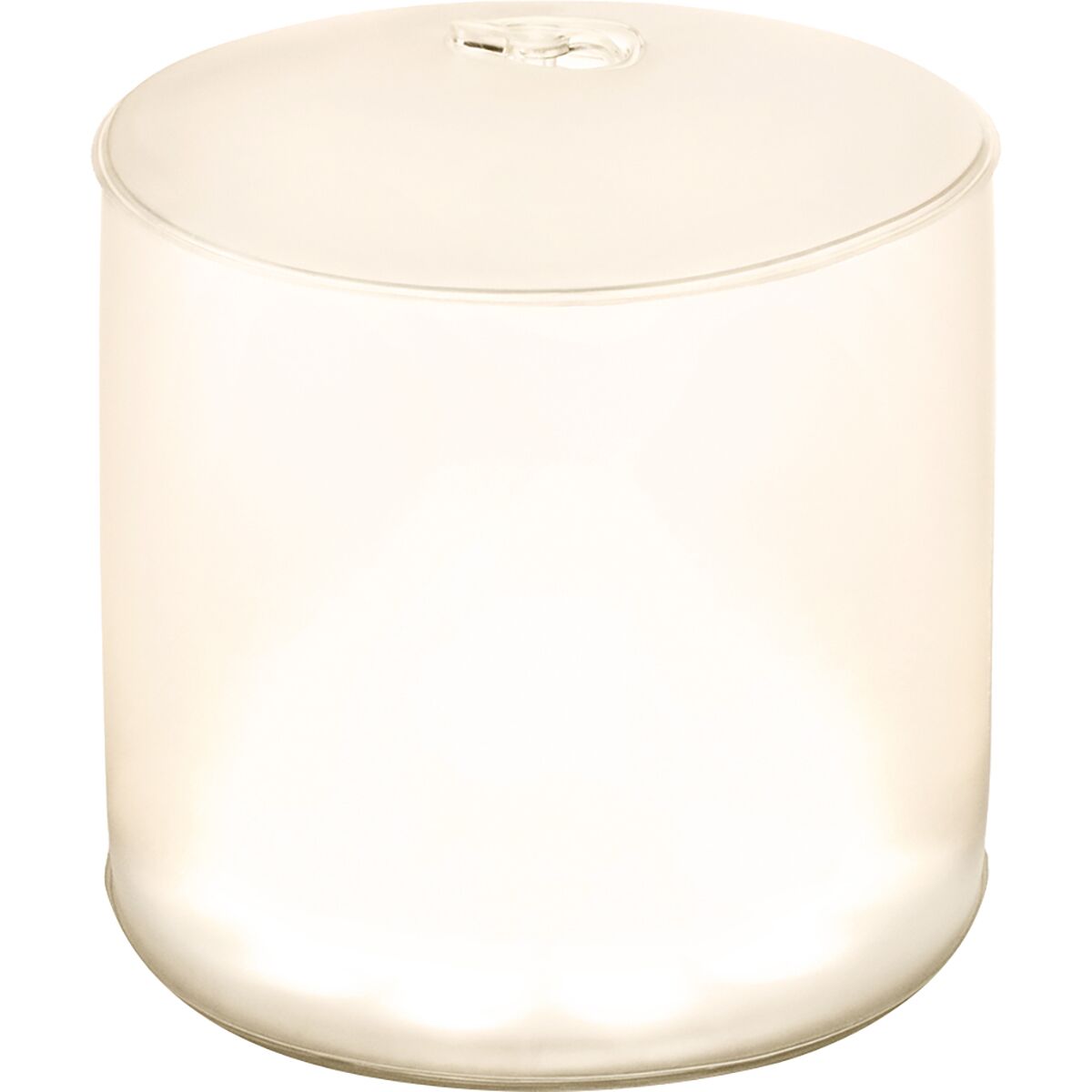
We may earn a commission if you buy through these links, at no extra cost to you. Affiliate disclosure
Current Headlamp Deals
Sale inventory changes. Recheck output, battery type and water rating before buying.
Current Headlamp Deals
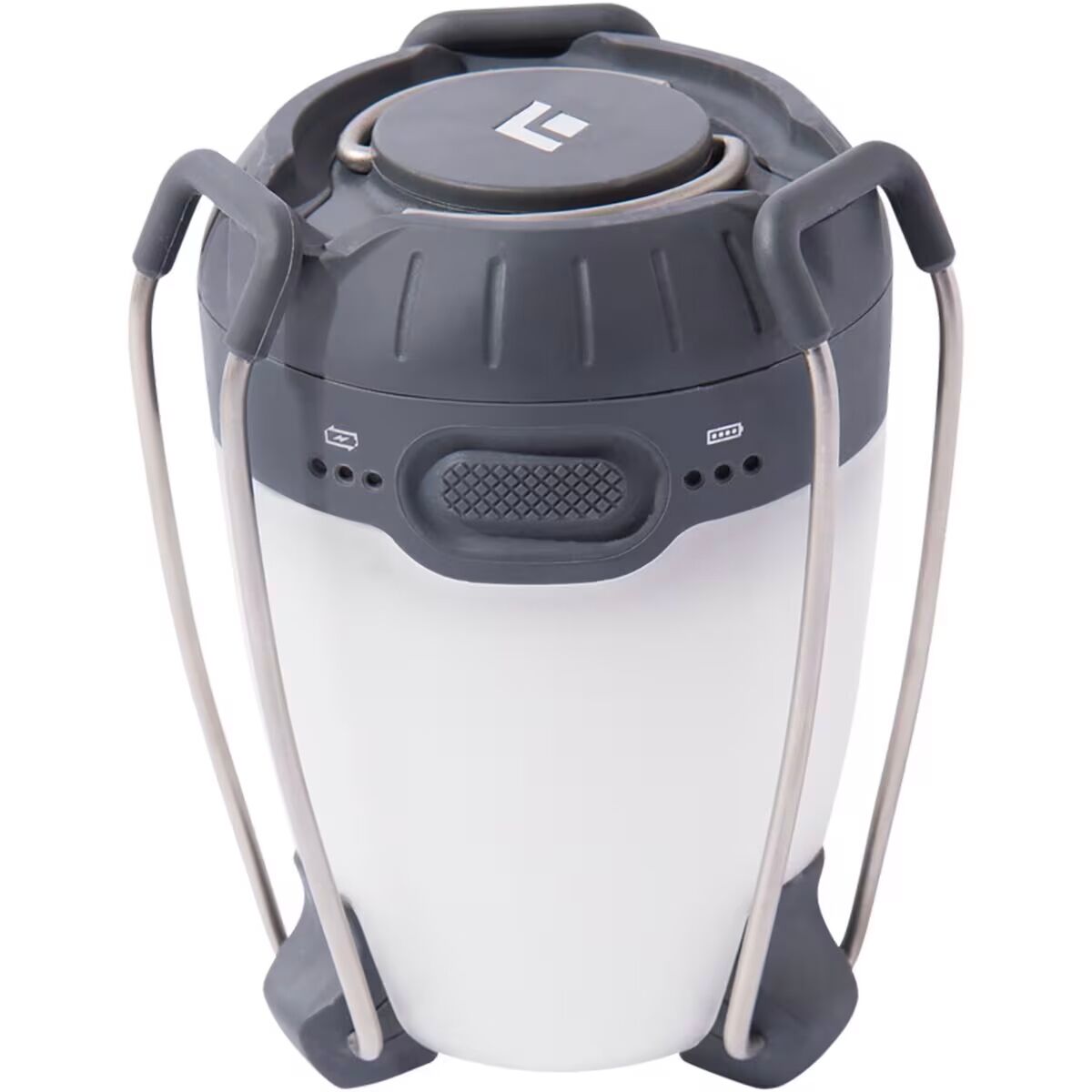
- Black DiamondBlack Diamond Apollo Lantern$48.96
$69.95Check price at Back Country (opens in a new tab) - Black DiamondBlack Diamond Spot Ops 400 Headlamp$44.96
$59.95Check price at Back Country (opens in a new tab)
How This Headlamp Guide Is Built
This GAP page focuses on lighting architecture rather than fabricating one “winner” for every activity.
Current 2026 specifications, no invented field testing
Global Summit Guide rechecked current manufacturer information for Petzl ACTIK CORE and SWIFT RL; Black Diamond Spot, Storm+ and Astro 300; Nitecore NU25 MCT UL; BioLite Range 500; and Fenix HM55R RENEGADE.
Current published specifications used here include ACTIK CORE at 625 lumens / 88 g; current Black Diamond Spot at 450 lumens / 86 g; Storm+ at 750 lumens / 114 g; current sport SWIFT RL at 1200 lumens / 92 g; Nitecore NU25 MCT UL at 400 lumens / 1.66 oz; BioLite Range 500 at 500 lumens / 75 g; and Fenix HM55R RENEGADE at 1200 lumens / 105 g.
No fabricated star ratings or hands-on claims: the use-case framework is based on current output, beam behavior, power architecture, weight, controls, weather protection and mountain-use requirements.
Best Headlamps FAQ
How many lumens do I need for hiking?
Roughly 300–500 lumens is useful for ordinary trail travel. Faster movement, technical terrain and route finding can justify more, but maximum lumens matter less than beam quality and usable runtime.
Is a rechargeable headlamp better than AAA batteries?
Rechargeables are convenient and reduce disposable battery use. Dual-fuel lights add flexibility by accepting rechargeable packs and standard cells. The better choice depends on trip duration, charging access and cold-weather requirements.
Do I need a red-light mode?
Red light is useful for close camp tasks and preserving dark adaptation around other people. Use adequate white light when terrain, route finding or speed requires more visibility.
Should I carry two headlamps for mountaineering?
For high-consequence alpine starts, long technical routes and overnight descents, a second independent light is sensible redundancy. Guided expeditions may specifically require one.
Is IP68 always better than IPX4?
It represents stronger tested ingress protection, but it does not automatically make the headlamp better for your route. Weight, beam, controls, battery system and helmet fit still matter.
What is the best headlamp for freezing temperatures?
Choose a lamp with documented cold-weather performance and a battery system you can protect and back up. Petzl specifically publishes cold-use performance for the current SWIFT RL, while dual-fuel models offer another redundancy strategy.
What should my backup headlamp be?
It does not need the same maximum output as the primary lamp. It needs an independent power source, enough light to continue or retreat, and a storage location you can reach if the primary fails.
Build the Rest of the Mountain System
Mountaineering & Hiking Gear Guide
Connect lighting to footwear, clothing, technical gear, shelter and expedition systems.
ChecklistGear Climbing Checklist
Place primary lighting, backup power and spare lighting inside the full objective-specific list.
Planning toolMountain Gear Planner
Match lighting requirements to route start time, season and objective.
Carry systemBest Hiking Backpacks
Store backup lighting where it remains accessible without emptying the pack.
Expedition systemExpedition Pack Selection
Integrate lighting redundancy and battery storage into long expedition loads.
Long trailThru-Hiking Gear List
Balance headlamp weight and charging strategy across multi-week trail systems.
Deep recoveryMountain Weather for Climbers
Storm timing and cloud cover can turn a daylight plan into a headlamp-dependent descent.
Deep recoveryGear Safety
Inspect lighting, batteries, lockout, weather sealing and backup systems before departure.
Deep recoveryFinal 72-Hour Checklist
Charge, test and pack the complete lighting system after the final route and weather review.
Buy Enough Light for the Hardest Hour—Then Build Enough Redundancy for the Longest Night.
A headlamp is a small piece of gear with outsized consequences. Match the beam to the terrain, match the battery to the trip, and do not let one switch or one empty cell become a single point of failure.
Was this helpful?
Global Summit Guide is an independent mountaineering resource founded in 2026. The team combines first-hand trekking and climbing experience with in-depth research and professional health and nutrition review to help climbers choose objectives, prepare properly, and stay safe.
Health, altitude, and nutrition content is reviewed by Taylor Ludlow (Registered Nurse) and Brigg Hoopes (Nutritionist).
What We Don't Know Yet
Mountain information changes quickly. This box explains the limits of what this page can responsibly promise.
- Visa, passport, vaccination, border, insurance, and local transportation rules may change before your trip.
- Route conditions, snowpack, closures, and weather can change quickly after this page is updated.
- Permit rules, fees, quotas, and reservation windows may change between review cycles.
- Operator availability, pricing, guide ratios, and cancellation terms can change by season.
- Your fitness, altitude response, risk tolerance, and experience level may change what is safe or realistic.
Verify current conditions with official land managers, guide services, local forecasts, and current route reports before booking or climbing.
Mountaineering, rock and ice climbing, glacier travel, and high-altitude activity are inherently dangerous and can result in serious injury or death. The information on Global Summit Guide is provided for general informational and educational purposes only and is not a substitute for professional instruction, qualified guiding, proper equipment, or your own judgment and experience.
Route conditions, weather, snowpack, permits, regulations, and hazards change constantly and may differ from what is described here. Details may be incomplete, out of date, or contain errors. Always verify current information with local authorities, certified guides, and official sources before making any decision in the mountains.
Nothing on this site is medical, legal, or financial advice. Our fitness, acclimatization, altitude, and nutrition content is general in nature; consult a qualified physician before beginning any strenuous exercise program or exposing yourself to high altitude.
You are solely responsible for your own safety and decisions. To the fullest extent permitted by law, Global Summit Guide and its team accept no liability for any loss, injury, damage, or expense arising from use of, or reliance on, this information. By using this site you acknowledge these risks and accept these terms.
Some links on this site may be affiliate links. If you buy through them we may earn a small commission at no extra cost to you; this never affects our recommendations.
Global Summit Guide recommendation path
Next Best Mountain to Research
Use these recommendations to continue the right planning path instead of stopping on one page.
Use current permit, weather, route, and operator information before booking or climbing.