
Last updated October 1, 2026

Best Climbing Helmets for Rock & Mountaineering: 8 Picks by Use
The right helmet is the one that fits securely enough to stay in position, meets the appropriate climbing standard, protects the areas its design is intended to cover, and remains comfortable enough that you keep it on when rockfall or impact risk is still present.
For Most Climbers, a 200–250 Gram Hybrid Helmet With Extended Side and Rear Coverage Is the Best All-Around Starting Point.
Mammut Crag Sender, Petzl METEOR, Black Diamond Vision and EDELRID SALATHE all live in this broad zone: light enough for long days, ventilated enough for summer climbing, and more structured than the most minimal foam-first helmets.
If weight is the priority, Petzl SIROCCO drops to 160–170 grams. If you want MIPS, Mammut Wall Rider MIPS Twiceme 2.0 and Black Diamond Vision MIPS add a low-friction impact-management system while keeping weight relatively low. For maximum durability, Black Diamond Capitan MIPS uses a more substantial EPP + EPS + ABS construction and weighs more.
Fit overrides the comparison table. A technically impressive helmet that creates pressure points, sits too high, interferes with glasses or shifts when you look upward is the wrong helmet for your head.
8 Climbing Helmets Worth Comparing
These are use-case selections rather than a universal first-through-eighth ranking. Current manufacturer specifications were rechecked for the present model families.
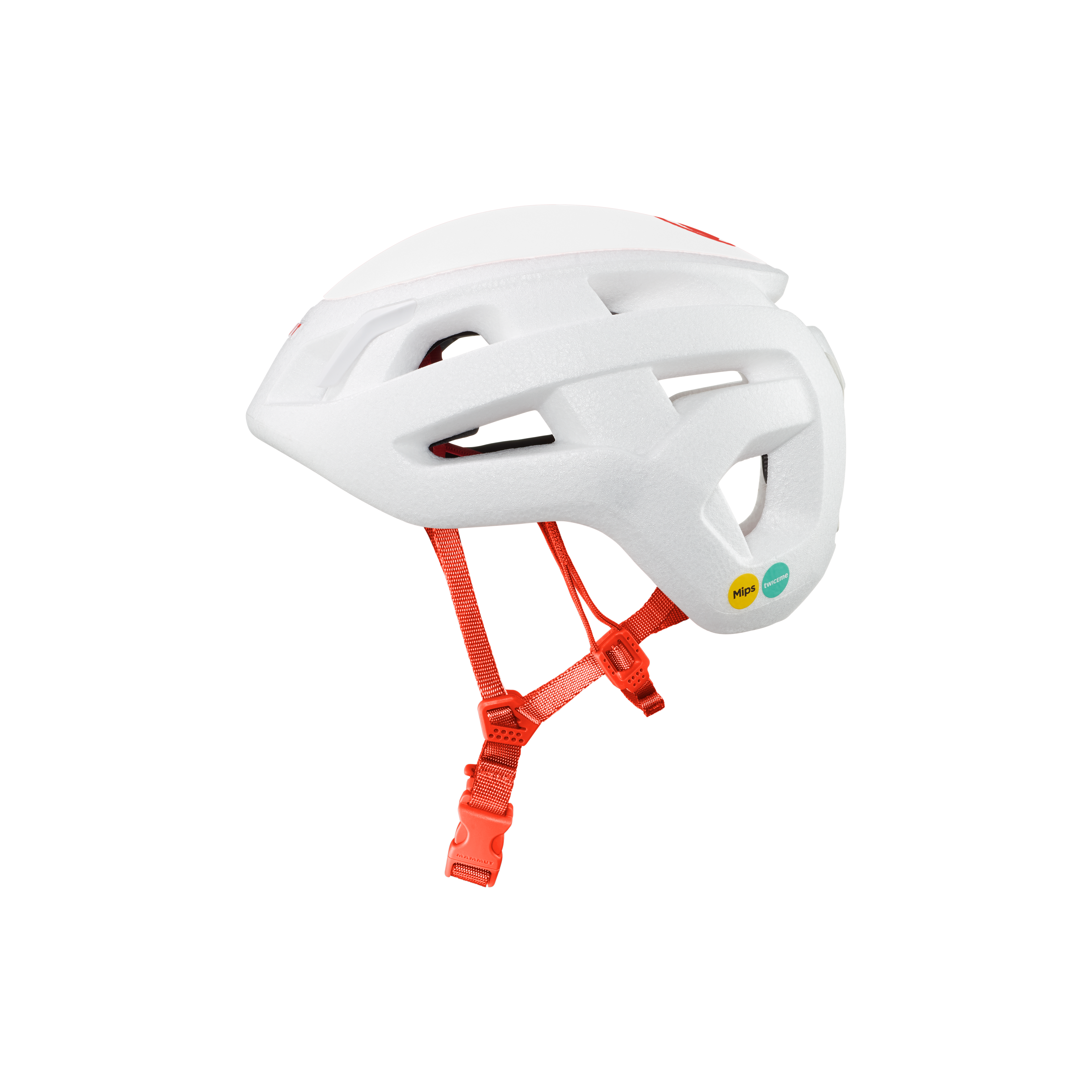
Wall Rider MIPS Twiceme 2.0
An ultralight hybrid mountaineering helmet with MIPS Evolve Core and integrated Twiceme safety technology.
- 205 g / 225 g by size
- EPP + EPS + partial ABS shell
- Front/rear headlamp attachment
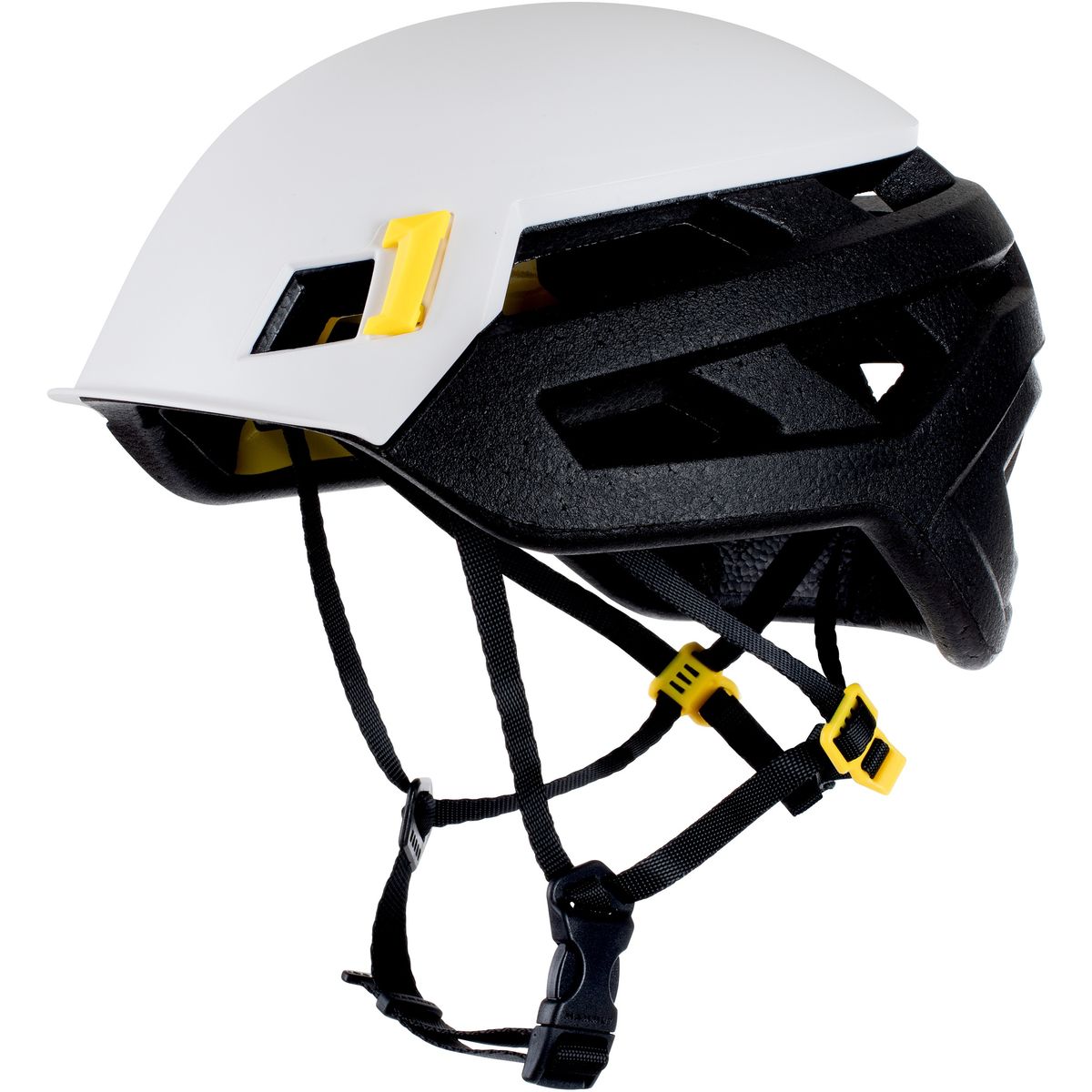
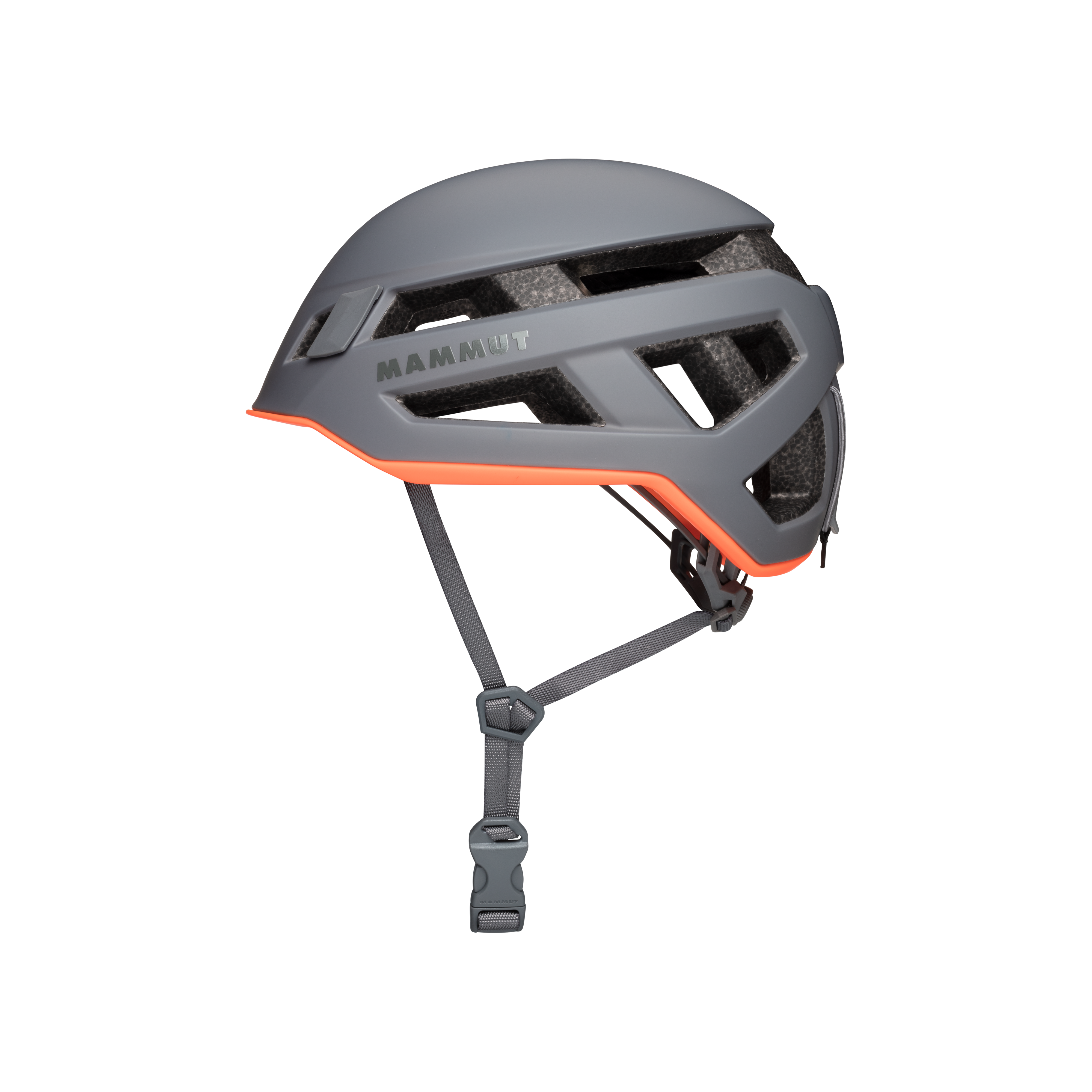
Crag Sender
A low-profile EPS in-mold helmet reinforced with Kevlar and designed for strong ventilation and broad head coverage.
- about 210–220 g current listed weights
- CE EN 12492
- Climbing + mountaineering use
Petzl SIROCCO
A very light EPP / EPS hybrid for climbers who wear a helmet for long alpine days and want minimum carried weight.
- 160 g S/M · 170 g M/L
- CE EN 12492 · UIAA
- Front clips + rear elastic headlamp holder
Petzl METEOR
A lightweight climbing and mountaineering helmet with a polycarbonate shell over EPS and extended protection design.
- 235 g S/M · 245 g M/L
- CE EN 12492 · UIAA
- Good weight / comfort compromise
Black Diamond Vision MIPS
A durable foam helmet combining EPP, EPS and ABS with MIPS and increased side / rear coverage.
- about 250 g current listed weight
- EPP + EPS + ABS
- Integrated headlamp clips
Black Diamond Capitan MIPS
A heavier, robust helmet for climbers who prioritize shell durability and extended coverage over minimum grams.
- 320 g S/M · 355 g M/L
- EPP + EPS + 2-piece ABS shell
- MIPS rotational-impact system
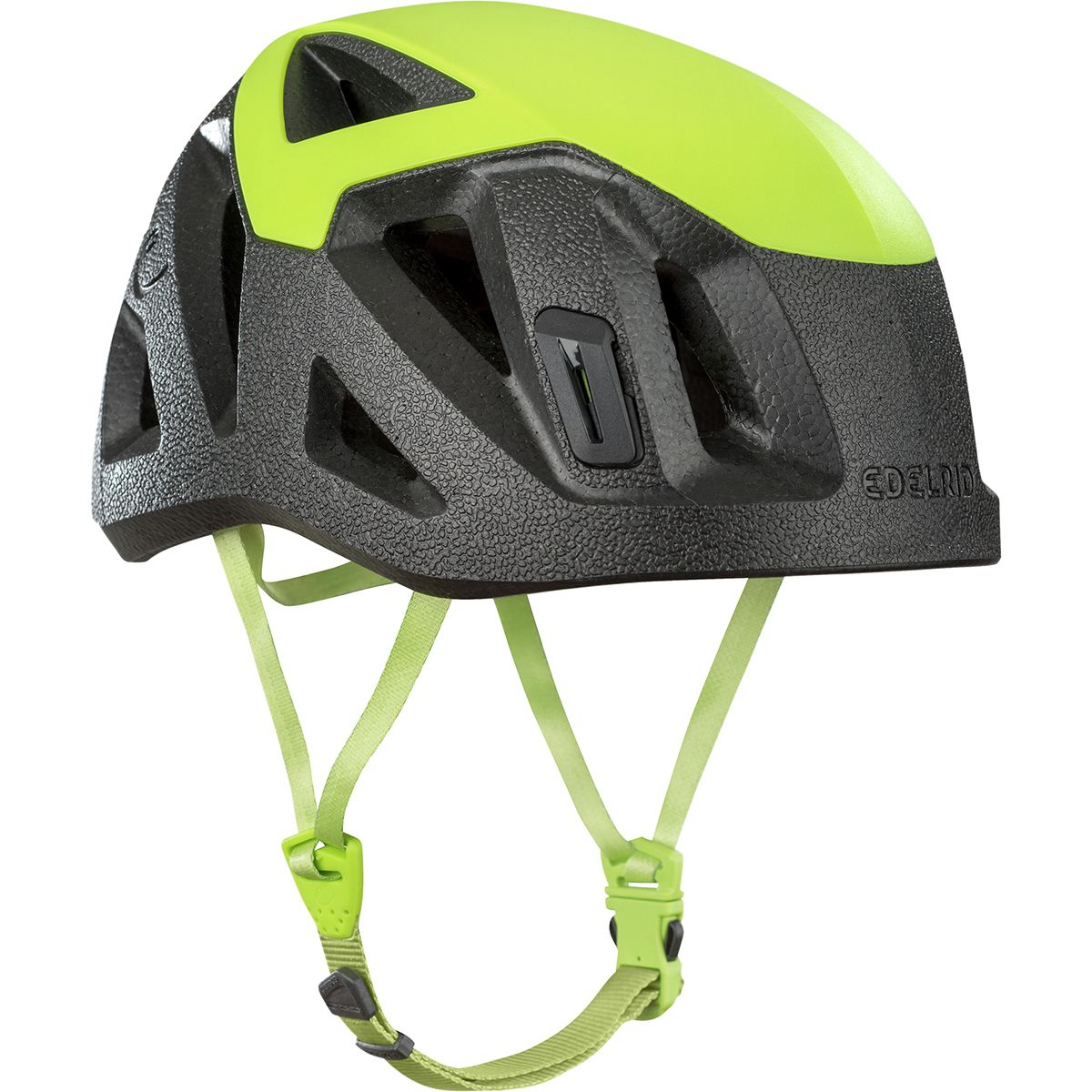
EDELRID SALATHE
A low-weight hybrid combining an EPP core with a partial ABS hard shell and large vents.
- 210 g current listed weight
- EN 12492
- 50–58 cm and 52–62 cm sizes
CAMP Storm
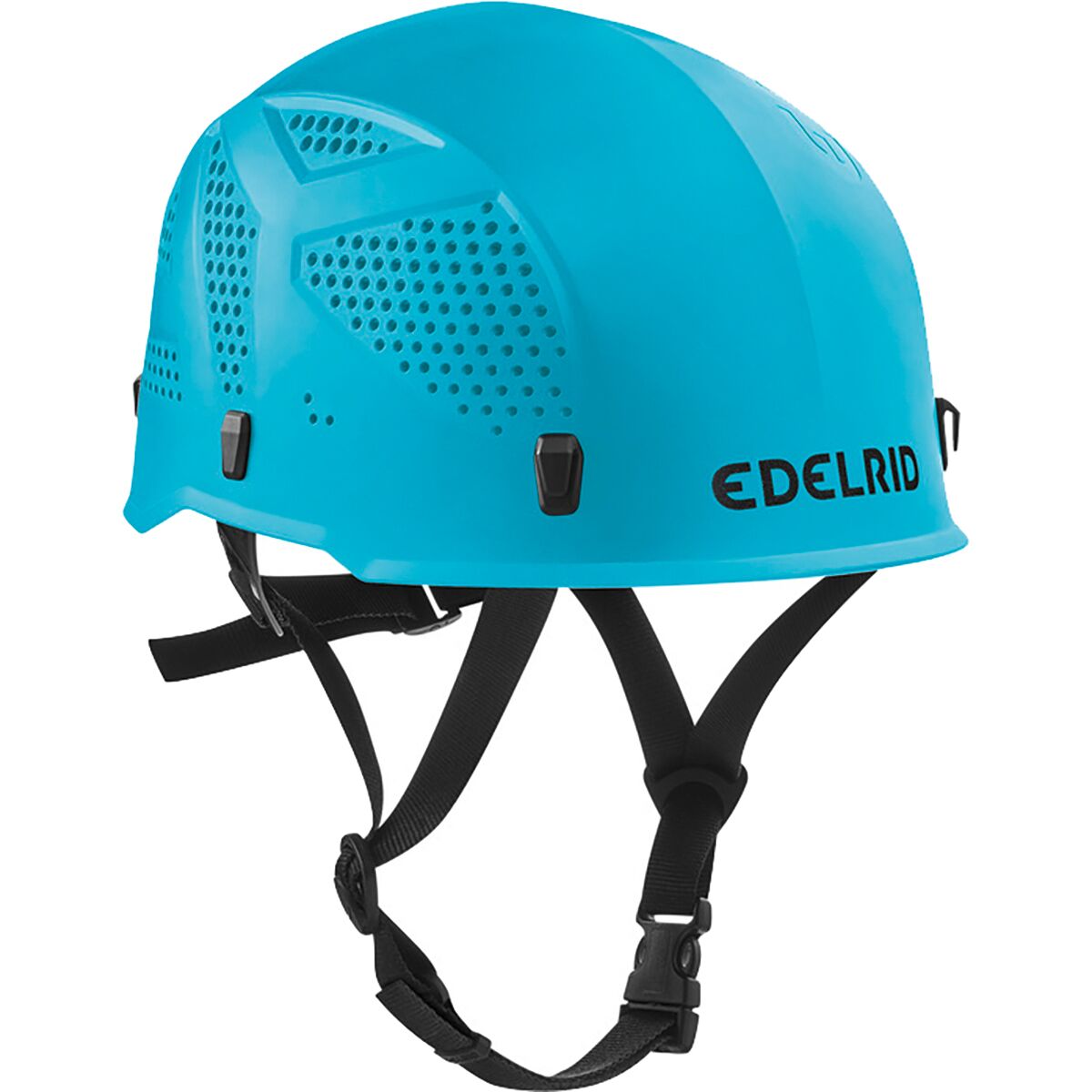
A vented EPS / polycarbonate in-mold helmet with rear-wheel adjustment and traditional headlamp clips.
- 230 g / 250 g by size
- EN 12492
- 22 ventilation openings
| Helmet | Weight | Construction | Certification / standard | Best use | Main trade-off |
|---|---|---|---|---|---|
| Mammut Wall Rider MIPS Twiceme 2.0 | 205–225 g | EPP + EPS + partial ABS | Check current product marking / manual | Alpine / mountaineering / MIPS | Premium price |
| Mammut Crag Sender | about 210–220 g | EPS in-mold + Kevlar | CE EN 12492 | All-around climbing | Foam-first construction needs careful transport |
| Petzl SIROCCO | 160–170 g | EPP + EPS + polycarbonate | CE EN 12492 · UIAA | Ultralight alpine | Minimalist fit system |
| Petzl METEOR | 235–245 g | EPS + polycarbonate | CE EN 12492 · UIAA | Rock + mountaineering | Less shell coverage than hard-shell styles |
| BD Vision MIPS | about 250 g | EPP + EPS + ABS | Verify current product marking | Durable MIPS hybrid | Heavier than ultralight foam helmets |
| BD Capitan MIPS | 320–355 g | EPP + EPS + 2-piece ABS | Verify current product marking | Durability / high-use | Highest weight in this set |
| EDELRID SALATHE | 210 g | EPP + partial ABS | EN 12492 | Light multipitch / alpine | Minimal adjustment hardware |
| CAMP Storm | 230–250 g | EPS + in-mold polycarbonate | EN 12492 | Mountaineering / robust general use | Traditional design / less ultralight |

A Climbing Helmet Is PPE, Not Just Outdoor Apparel.
For climbing and mountaineering, look for the certification stated by the manufacturer for the exact model and market. EN 12492 is the common European climbing and mountaineering helmet standard and appears on many globally sold models. Some products also carry UIAA certification.
Do not assume that every helmet sold for climbing is certified for every adjacent activity. Petzl, for example, explicitly notes that current SIROCCO and METEOR climbing helmets do not meet the separate EN 18100:2024 ski-mountaineering helmet standard.
MIPS, Twiceme and extended side / rear coverage are additional design features. They do not replace the baseline activity certification.
Foam, Hybrid and Hard-Shell Designs Solve Different Problems.
There is no universal construction winner. Weight, dent resistance, repeated transport and how often the helmet rides inside or outside a pack all matter.
Lowest weight
EPS and EPP structures can create very light helmets with excellent ventilation, but exposed foam and thin shells require careful packing and inspection.
Weight + durability balance
Partial ABS or polycarbonate shells protect high-wear areas while EPP / EPS foam controls overall weight. This is the broad all-around category.
Durability-first
Heavier shells tolerate pack abuse better and suit high-use environments, but the weight difference is noticeable on long alpine days.

Six Steps to Fit a Climbing Helmet
Two helmets with identical certifications can feel completely different because shell shape and adjustment systems vary.
Measure Circumference
Measure around the widest part of your head and compare the number with the exact manufacturer’s size chart.
Set the Shell Level
Place the helmet level so it protects the forehead without blocking upward vision.
Adjust the Rear Cradle
Tighten until the helmet is secure without pressure points at the temples or back of the skull.
Set the Chin Strap
Secure the strap comfortably so the helmet stays in place without limiting jaw movement.
Shake and Look Up
Turn, nod and look upward. The shell should remain centered rather than sliding backward off the forehead.
Add Route Gear
Test the headlamp, hood, sunglasses and goggles you will actually use before deciding the fit is correct.
Wall Rider MIPS vs Crag Sender
Mammut has two useful positions in this comparison: a premium hybrid MIPS alpine helmet and a lighter-value in-mold all-rounder.
Wall Rider MIPS for Alpine Protection Features · Crag Sender for Lightweight Simplicity
Wall Rider MIPS Twiceme 2.0: uses a hybrid ABS / EPP / EPS construction, MIPS Evolve Core and Twiceme digital safety technology. Mammut lists 205 g for the smaller size and 225 g for the larger.
Crag Sender: uses EPS foam with Kevlar reinforcement, a low-profile shape and large ventilation openings. Mammut lists current weights around 210–220 g depending on size and states CE EN 12492 certification.
Both include front clips and rear retention for a headlamp. The decision is less “premium vs cheap” than MIPS / hybrid feature set vs simpler ultralight construction.

MIPS Is an Added Impact-Management Layer, Not a New Climbing Standard.
MIPS systems use a low-friction layer intended to allow some relative movement between the helmet and head during certain angled impacts. Mammut Wall Rider MIPS and Black Diamond Vision MIPS / Capitan MIPS integrate versions of this concept.
That does not mean a non-MIPS climbing helmet is automatically inferior. The helmet still needs to meet the relevant climbing standard, fit correctly, remain in position and be replaced when damaged.
For some buyers, MIPS is worth a modest weight or price increase. For others, the best-fitting certified helmet without MIPS is a more rational choice than a MIPS model that does not fit their head shape.

Headlamp Compatibility Is Part of Helmet Compatibility.
Helmet clips look like a small feature until the route begins at 2 a.m. or finishes after dark.
Hold the lamp body
Check that the clips capture the exact headband width without forcing the band into a twisted position.
Control strap movement
Rear retention reduces the chance that the headlamp band slides upward as you look down or move under a hood.
Install it before darkness
Some minimalist clips are difficult to manipulate with winter gloves. Set the lamp before the route starts.
Keep lighting independent
A second light should remain accessible even if the primary lamp or helmet attachment is damaged.

A Helmet Can Look Fine and Still Need Replacement.
Foam damage, shell cracks, strap cuts and major impacts are more important than cosmetic scratches.
Follow the manufacturer
After a significant blow, use the manufacturer’s retirement guidance. Impact damage is not always obvious from the outside.
Look for cracks and crushing
Inspect EPS / EPP structures for visible cracking, deformation or areas where the liner no longer sits correctly.
Inspect the whole retention system
Check clips, buckles, webbing, adjustment hardware and headlamp mounts—not only the outer shell.
Use the model’s service-life guidance
Manufacturers publish inspection and retirement instructions for PPE. Do not invent one universal replacement interval for every helmet.

Shop Current Climbing Helmets
The Global Summit Guide Gear Ads registry already uses the established helmets tag, so this page can route through a real category rather than an invented filter.
Current Climbing & Mountaineering Helmets
Compare live size and stock only after narrowing the decision by construction, fit and intended use.
Current Climbing Helmets
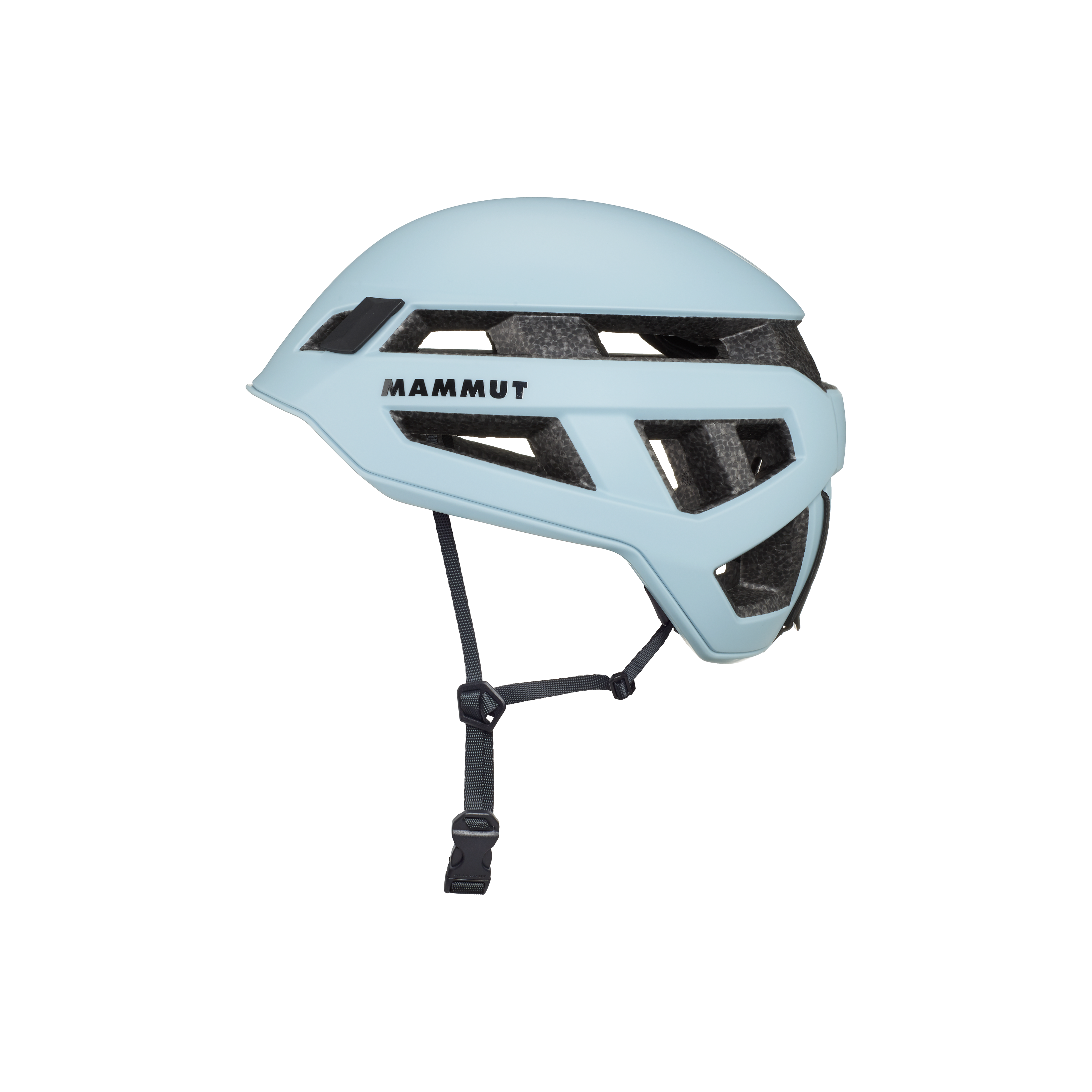
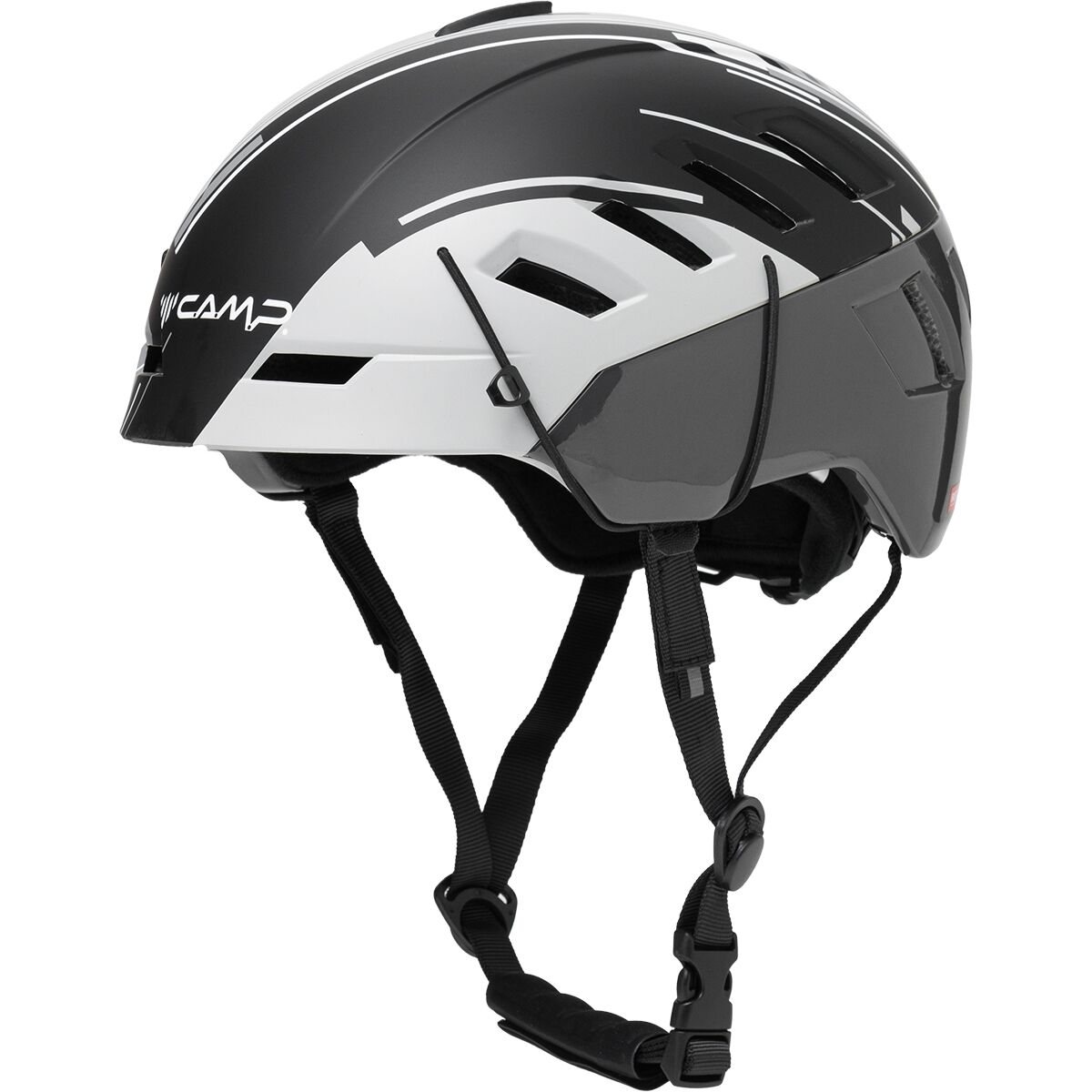
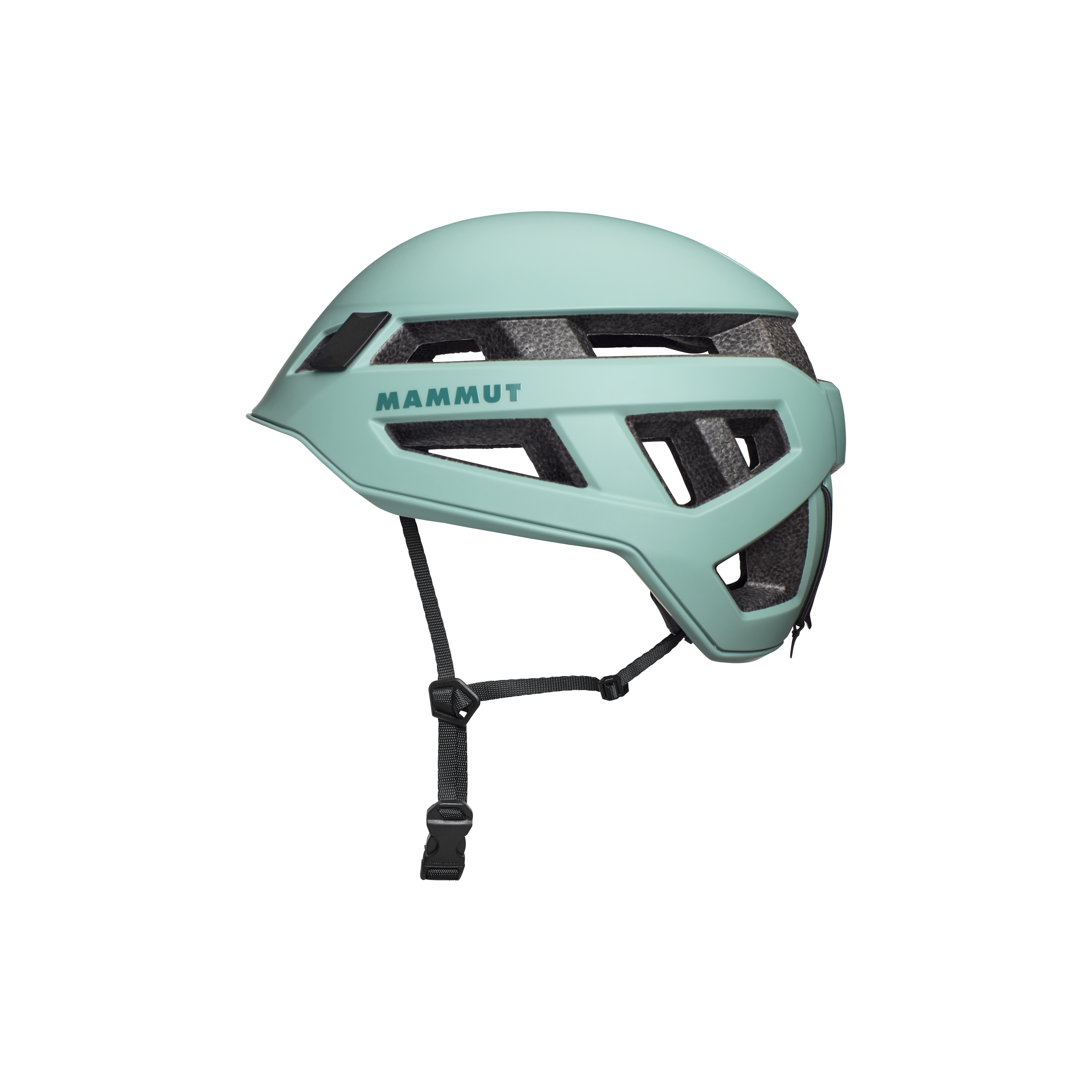
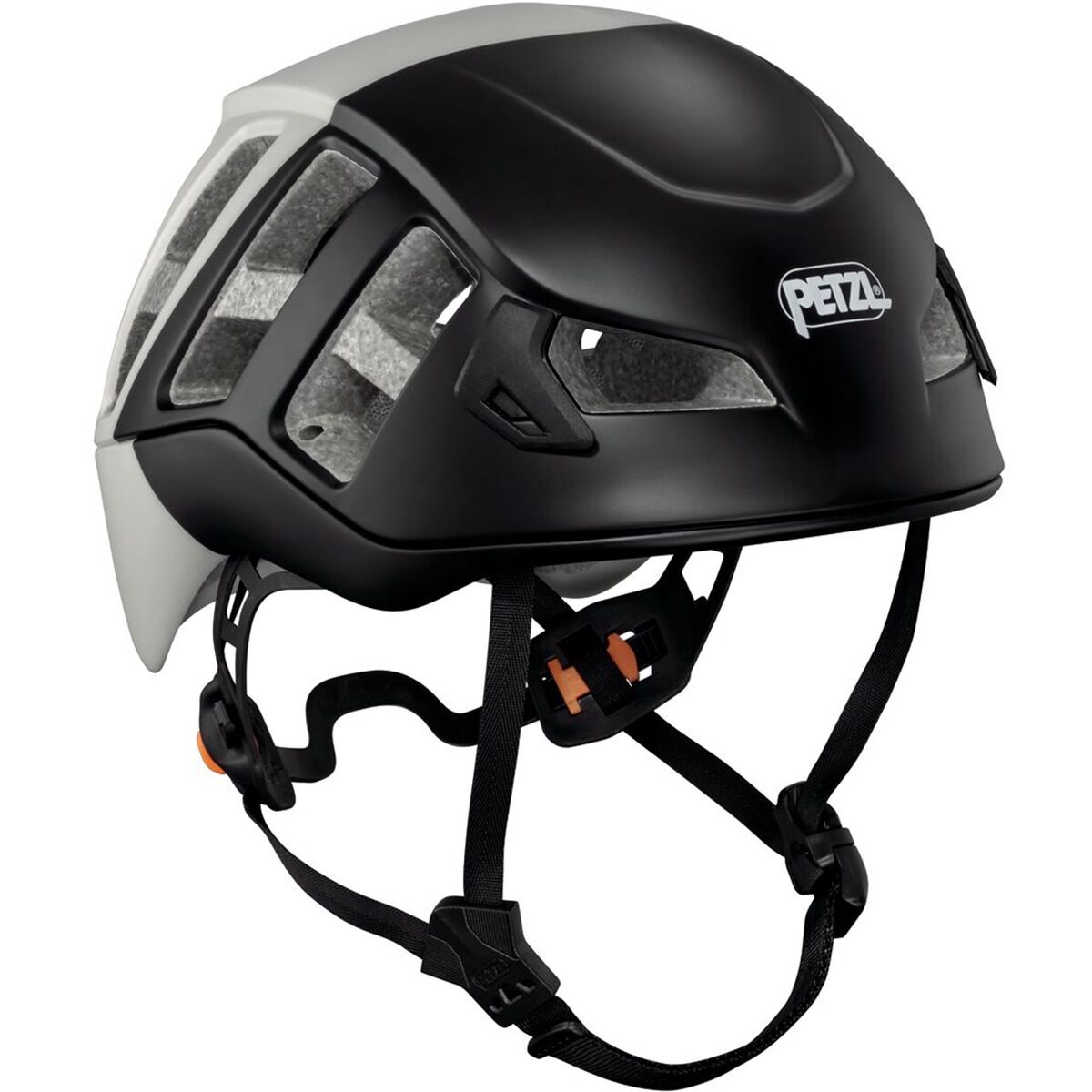
We may earn a commission if you buy through these links, at no extra cost to you. Affiliate disclosure
Current Mammut Helmets
Mammut-specific inventory for the partner spotlight.
Current Mammut Helmets
How This Helmet Guide Is Built
The comparison separates certification, construction and fit from optional features so the reader does not mistake a premium technology for a guarantee of fit or universal superiority.
Best Climbing Helmets FAQ
What certification should a climbing helmet have?
Look for the exact climbing or mountaineering certification stated for the model and market. EN 12492 is common on climbing helmets sold globally, and some also carry UIAA certification.
Is MIPS necessary?
No. It is an additional rotational-impact management system, not a substitute for certification or fit. Some climbers value it; others choose a lighter certified helmet that fits their head better.
How tight should a climbing helmet fit?
It should remain centered when you turn, nod and look upward without creating pressure points. It should not need an excessively tight chin strap just to stay in place.
Is an ultralight helmet less protective?
Do not infer protection from weight alone. Compare the model’s certification, construction and coverage. Ultralight helmets often use advanced foam structures to reduce weight while still meeting the stated standard.
When should I replace a climbing helmet?
Replace it after a significant impact or when the shell, foam, straps or adjustment system show damage. Follow the manufacturer’s inspection and service-life guidance for the exact helmet.
Can I wear a climbing helmet for ski mountaineering?
Not automatically. Activity standards differ. Petzl states that current SIROCCO and METEOR do not meet EN 18100:2024 for ski-mountaineering helmets.
Should I try a helmet on before buying?
Yes when possible. Head shape varies, and the best size on paper can still create pressure points or sit poorly with sunglasses, a hood or headlamp.
Build the Rest of the Climbing System
Mountaineering Gear Guide
Connect helmet choice to the complete mountain equipment system.
LightingBest Headlamps
Verify headlamp band and helmet-clip compatibility before the route.
Technical gearMountaineering Ice Axe Guide
Build the helmet into a complete snow and alpine climbing system.
TractionBest Mountaineering Crampons
Coordinate helmet, axe and crampon choices around the same route conditions.
Carry systemExpedition Pack Selection
Protect lightweight helmets from crushing during transport and approaches.
ChecklistGear Climbing Checklist
Add inspection, fit and headlamp compatibility to the pre-climb check.
Deep recoveryMountain Weather for Climbers
Storm, ice and wind change how helmet, hood, goggles and lighting interact.
Deep recoveryGear Safety
Treat PPE inspection and retirement as part of the route-preparation process.
Deep recoveryFinal 72-Hour Checklist
Do the final helmet, headlamp and technical-gear inspection before departure.

Choose the Standard. Fit the Head. Then Compare the Features.
Weight, MIPS, ventilation and shell construction matter—but only after the helmet is appropriate for the activity and stable on your head.
Was this helpful?
Global Summit Guide is an independent mountaineering resource founded in 2026. The team combines first-hand trekking and climbing experience with in-depth research and professional health and nutrition review to help climbers choose objectives, prepare properly, and stay safe.
Health, altitude, and nutrition content is reviewed by Taylor Ludlow (Registered Nurse) and Brigg Hoopes (Nutritionist).
What We Don't Know Yet
Mountain information changes quickly. This box explains the limits of what this page can responsibly promise.
- Gear requirements can change by season, route variation, weather window, personal cold tolerance, and guide-service requirements.
- Visa, passport, vaccination, border, insurance, and local transportation rules may change before your trip.
- Route conditions, snowpack, closures, and weather can change quickly after this page is updated.
- Permit rules, fees, quotas, and reservation windows may change between review cycles.
- Operator availability, pricing, guide ratios, and cancellation terms can change by season.
Verify current conditions with official land managers, guide services, local forecasts, and current route reports before booking or climbing.
Mountaineering, rock and ice climbing, glacier travel, and high-altitude activity are inherently dangerous and can result in serious injury or death. The information on Global Summit Guide is provided for general informational and educational purposes only and is not a substitute for professional instruction, qualified guiding, proper equipment, or your own judgment and experience.
Route conditions, weather, snowpack, permits, regulations, and hazards change constantly and may differ from what is described here. Details may be incomplete, out of date, or contain errors. Always verify current information with local authorities, certified guides, and official sources before making any decision in the mountains.
Nothing on this site is medical, legal, or financial advice. Our fitness, acclimatization, altitude, and nutrition content is general in nature; consult a qualified physician before beginning any strenuous exercise program or exposing yourself to high altitude.
You are solely responsible for your own safety and decisions. To the fullest extent permitted by law, Global Summit Guide and its team accept no liability for any loss, injury, damage, or expense arising from use of, or reliance on, this information. By using this site you acknowledge these risks and accept these terms.
Some links on this site may be affiliate links. If you buy through them we may earn a small commission at no extra cost to you; this never affects our recommendations.
Global Summit Guide recommendation path
Next Best Mountain to Research
Use these recommendations to continue the right planning path instead of stopping on one page.
Use current permit, weather, route, and operator information before booking or climbing.