Global Summit Guide logo featuring mountain imagery, symbolizing hiking and mountaineering resources for trip planning and safety.

Tag: climb high sleep low

  • Complete Altitude Sickness Guide: AMS, HAPE, HACE, Prevention & Treatment

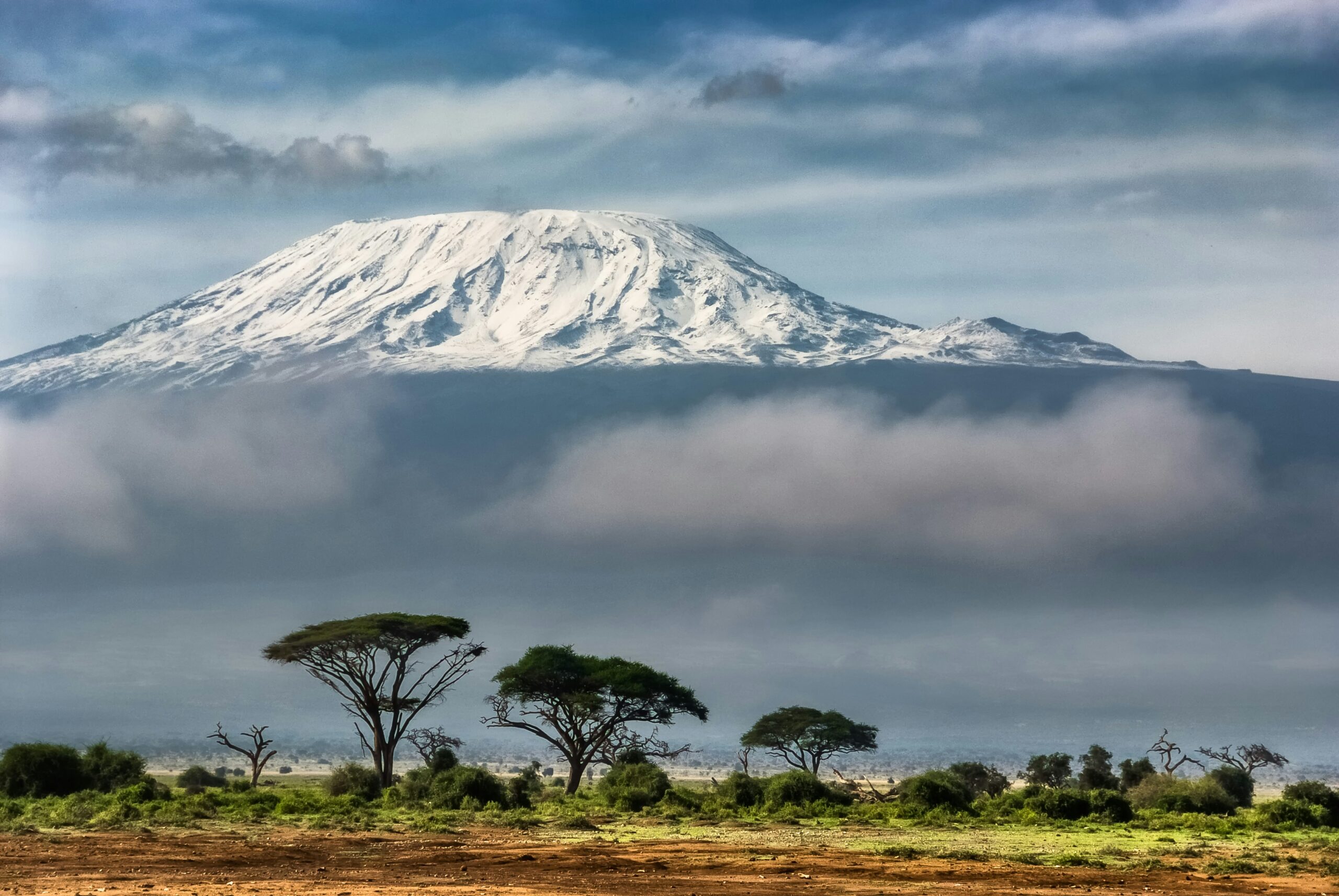
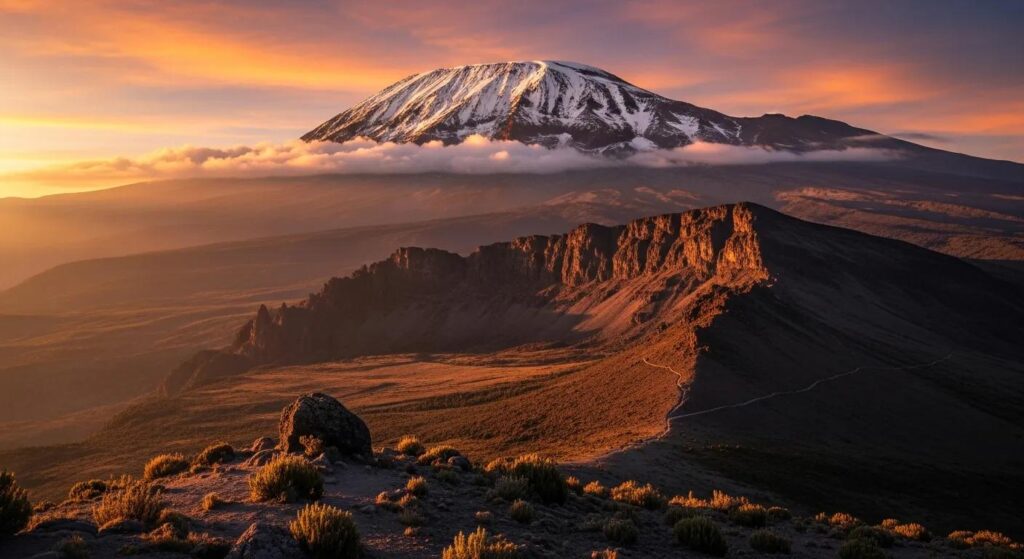
    Mount Kilimanjaro at sunrise illustrating high-altitude mountaineering and acclimatization challenges.
    Altitude Cluster · Pillar Guide · Medical Reference · 2026

    Complete Altitude Sickness Guide: AMS, HAPE, HACE, Prevention & Treatment

    The complete 2026 pillar guide to altitude sickness — Acute Mountain Sickness (AMS), High Altitude Pulmonary Edema (HAPE), and High Altitude Cerebral Edema (HACE). Evidence-based symptoms, prevention strategies, acetazolamide (Diamox) protocols, acclimatization schedules, the Lake Louise Score, and when to descend — drawn from Wilderness Medical Society guidelines and applied across major mountaineering objectives.

    ⚕️ Important: This Is Educational Content, Not Medical Advice

    This guide provides educational reference information about altitude sickness based on peer-reviewed medical literature and established consensus guidelines. It is not a substitute for consultation with a qualified physician, particularly regarding medications (acetazolamide, dexamethasone, nifedipine) which require prescriptions and individualized clinical assessment in most jurisdictions. Climbers planning high-altitude expeditions should consult a physician familiar with altitude medicine before departure. In medical emergencies at altitude — when HAPE or HACE symptoms appear — descend immediately and seek professional medical care.

    📋 Editorial Standards

    This pillar guide synthesizes evidence from authoritative altitude medicine sources including the Wilderness Medical Society (WMS) 2024 AMS/HAPE/HACE consensus guidelines, the UIAA Medical Commission recommendations, the Institute for Altitude Medicine, peer-reviewed research published in High Altitude Medicine & Biology and the New England Journal of Medicine, and the Lake Louise Score consensus papers. No affiliate partnerships influence recommendations. Medication mentions are educational reference, not prescriptions or endorsements. See full methodology and editorial standards below.

    2,500 m
    AMS Risk Begins
    25-50%
    AMS at 3,500m+
    500 m/day
    Safe Sleep Gain Above 3,000m
    125 mg BID
    Diamox Prevention Dose

    ⚡ Quick Answer: Altitude Sickness Essentials

    Three conditions: (1) AMS — common, mild (headache + nausea/fatigue) · (2) HAPE — life-threatening fluid in lungs · (3) HACE — life-threatening brain swelling. Risk zone: Above 2,500m for AMS; HAPE/HACE typically above 3,500m.

    Prevention: Slow ascent (500m sleeping altitude per day above 3,000m), “climb high, sleep low,” hydration (3-5 L/day), carbohydrate diet, avoid alcohol. Diamox (acetazolamide) 125mg BID for at-risk ascents — gold-standard prevention drug.

    Treatment: AMS — rest, hydrate, Diamox 250mg BID; descend if not improving in 24-48 hrs. HAPE/HACE — IMMEDIATE descent of 1,000m+, supplemental oxygen, dexamethasone (HACE), nifedipine (HAPE), emergency evacuation.

    How This Pillar Was Built — Multi-Peak Acclimatization Experience

    This pillar guide draws on personal acclimatization application across multiple high-altitude mountaineering objectives including Mount Kilimanjaro (Tanzania, 5,895m — Africa’s highest peak), Pico de Orizaba (Mexico, 5,636m — North America’s highest volcano), and Iztaccíhuatl (Mexico, 5,230m). Specifically, the practical recommendations in this guide — graduated sleeping altitude profiles, Diamox protocols, hydration targets, symptom recognition, and decision-making under altitude stress — represent what was actually applied during multi-day expeditions, not theoretical prescription.

    Notably, this is a pillar post — designed to anchor the broader Altitude cluster on Global Summit Guide. Each of the major altitude topics will receive dedicated deep-dive coverage in supporting posts (see the cluster structure below). The existing AMS Altitude Sickness Risk Calculator is referenced throughout for personalized risk assessment.

    ⛰️ The Altitude Sickness Framework

    Effective altitude sickness management rests on four core principles validated across decades of mountaineering medicine research. First, graduated ascent: above 3,000m, increase sleeping altitude by no more than 500m per day with rest days every 3-4 days. This is the single most evidence-supported prevention strategy. Second, “climb high, sleep low”: daytime altitude exposure can exceed sleeping altitude and aids acclimatization, but sleep should remain at the lower altitude until ready to progress.

    Third, symptom honesty: communicate symptoms openly with your team and self. The social and financial pressure to continue causes preventable deaths. Fourth, immediate descent for serious symptoms: HAPE and HACE require descent of 1,000m+ without delay; hesitation has killed many climbers. Fifth, medication when appropriate: acetazolamide (Diamox) for prevention in at-risk profiles; dexamethasone for HACE treatment; nifedipine for HAPE treatment — all with physician consultation. Notably, fitness does NOT prevent altitude sickness; preparation does.

    Altitude sickness is the collective term for three distinct medical conditions caused by reduced atmospheric pressure at high elevation: Acute Mountain Sickness (AMS), High Altitude Pulmonary Edema (HAPE), and High Altitude Cerebral Edema (HACE). Generally, the conditions develop because atmospheric pressure decreases with elevation — at 5,500 meters (18,000 ft), atmospheric pressure is approximately 50% of sea level, reducing the partial pressure of oxygen and triggering physiological stress responses including increased breathing rate, increased heart rate, and fluid shifts. Specifically, AMS is the common mild form affecting 25-50% of unacclimatized travelers above 2,500m and is generally self-limiting; HAPE and HACE are life-threatening conditions affecting 1-2% and 0.5-1% of climbers respectively, requiring immediate descent and medical intervention. Notably, altitude sickness affects climbers regardless of age, sex, or physical fitness — individual susceptibility varies dramatically and prior history at altitude is the best predictor of future response.

    Key Takeaways

    • 3 conditions: AMS (mild common), HAPE (lung emergency), HACE (brain emergency).
    • Risk starts ~2,500m; significant ~3,500m; severe ~4,500m+.
    • Slow ascent is the gold standard: 500m/day sleeping altitude above 3,000m.
    • “Climb high, sleep low” — daytime exposure aids acclimatization.
    • Acetazolamide (Diamox) 125mg BID for at-risk ascents (prevention).
    • Lake Louise Score: 3+ points = AMS diagnosis.
    • Headache is the cardinal AMS symptom — no headache, no AMS by definition.
    • HAPE/HACE = immediate descent of 1,000m+; no delays.
    • Fitness does NOT prevent altitude sickness.
    • Communicate symptoms honestly — hiding symptoms kills.

    📊 Altitude Sickness Quick Facts

    AMS Risk Threshold
    ~2,500m (8,200 ft)
    HAPE/HACE Threshold
    ~3,500-4,000m
    AMS Prevalence at 4,500m
    50%+ unacclimatized
    HAPE Prevalence at 4,500m
    1-2%
    HACE Prevalence
    0.5-1% above 4,000m
    Diamox Dose Prevention
    125 mg BID
    Diamox Dose Treatment
    250 mg BID
    Dex Dose HACE
    8mg load + 4mg q6h
    Nifedipine HAPE
    30mg slow-release
    Safe Sleep Gain
    500m/day above 3,000m
    Rest Day Frequency
    Every 3-4 ascending days
    Hydration Target
    3-5 L/day
    Calorie Source
    ~70% carbs above 4,000m
    Sea Level Atmosphere
    ~760 mmHg
    At 5,500m Atmosphere
    ~50% sea level
    At 8,848m (Everest)
    ~33% sea level
    Lake Louise Cutoff
    3+ points = AMS
    HACE Cardinal Sign
    Ataxia (loss of coordination)
    HAPE Cardinal Sign
    Dyspnea at rest
    Descent Distance
    1,000m minimum (HAPE/HACE)

    ✓ Editorial Trust Signals

    • First-hand: Multi-peak altitude experience
    • Independent: No affiliate sponsorship
    • Cross-referenced: WMS, UIAA, peer-reviewed
    • Last verified: June 9, 2026
    • Review cycle: Quarterly
    • Safety review: Dawson Ludlow (WFA)
    • Not medical advice: Educational reference
    • 700+ source pages: Cross-linked
    Updated June 2026 · 3 altitude illnesses explained · Lake Louise Score · Diamox protocols · Acclimatization schedules · Cross-linked to AMS Calculator + progression plans (Kilimanjaro, Rainier, Aconcagua, Denali, Everest)

    What Is Altitude Sickness?

    Altitude sickness is the collective term for three distinct medical conditions caused by reduced atmospheric pressure at high elevation: Acute Mountain Sickness (AMS), High Altitude Pulmonary Edema (HAPE), and High Altitude Cerebral Edema (HACE). Generally, the conditions develop because atmospheric pressure decreases with elevation — at 5,500 meters (18,000 ft), atmospheric pressure is approximately 50% of sea level, reducing the partial pressure of oxygen and triggering physiological stress. Specifically, AMS is the common mild form affecting up to 50% of unacclimatized travelers at moderate elevations and is generally self-limiting; HAPE and HACE are life-threatening medical emergencies that require immediate descent and medical intervention.

    What surprises many climbers is that altitude sickness affects everyone differently, regardless of fitness or experience. Generally, individual susceptibility varies dramatically — some climbers experience severe AMS at 3,000 meters while others tolerate 5,500+ meters without symptoms. Specifically, the best predictor of how you’ll respond at altitude is how you’ve responded before; if you’ve previously experienced AMS, you’re more likely to experience it again, and if you’ve previously climbed high without issues, you’re more likely to do so again. Notably, this individual variability is why graduated ascent and conservative acclimatization remain the gold standard despite all the medications and pre-altitude training available.

    FIELD NOTEPersonal application: On Mount Kilimanjaro (5,895m), the standard 7-day Lemosho route effectively manages AMS risk through the recommended 500m daily sleeping altitude progression. Specifically, the Lemosho profile climbs to ~4,600m sleeping altitude by day 5, includes acclimatization hikes at intermediate elevations, and brings climbers to the 5,895m summit with substantial acclimatization built in. Generally, the success rates on 7-day routes (75-85%) are significantly higher than 5-day routes (50-60%) — the difference is acclimatization profile, not fitness. Notably, similar acclimatization principles applied during Pico de Orizaba (5,636m) and Iztaccíhuatl (5,230m) ascents — the Mexican volcanoes also benefit from multi-day acclimatization rather than rapid ascent from sea level.

    Altitude Zones Explained

    Altitude medicine distinguishes four broad altitude zones based on the physiological effects and clinical risks. Generally, the zones provide a framework for understanding which preventive strategies and symptom expectations apply at each elevation. Specifically:

    ZoneElevationPhysiological EffectsAMS Risk
    Intermediate altitude1,500-2,500m (5,000-8,200 ft)Mild physiologic adjustments; oxygen saturation 90-95%Minimal (rare AMS)
    High altitude2,500-3,500m (8,200-11,500 ft)Noticeable adjustment needed; saturation 85-92%Possible with rapid ascent
    Very high altitude3,500-5,500m (11,500-18,000 ft)Substantial adjustment; saturation 80-88%; AMS, HAPE, HACE possibleCommon (25-75% AMS)
    Extreme altitude5,500m+ (18,000+ ft)Cannot fully acclimatize; physiological deterioration; “death zone” above 8,000mSevere AMS likely without prior acclimatization
    ℹ️ The Death Zone (Above 8,000m)

    Above approximately 8,000 meters (26,000 ft), the human body cannot acclimatize — atmospheric pressure is so low that physiological deterioration outpaces any recovery. Generally, the death zone is named for this reason. Specifically, climbers in the death zone are using up physiological reserves with every passing hour, and prolonged exposure (more than 1-2 days) leads to inevitable deterioration regardless of acclimatization history. Notably, this is why 8,000m peaks are climbed with brief summit pushes from camps below 8,000m rather than extended stays at altitude.

    The 3 Altitude Illnesses

    The three altitude illnesses differ dramatically in severity, mechanism, and treatment urgency. Generally, AMS is the mild common form, while HAPE and HACE are life-threatening medical emergencies. Specifically, climbers must understand all three because AMS can progress to HAPE or HACE if ignored, and the symptoms of each must be recognized for safe high-altitude travel.

    CONDITION 1 OF 3 · MILD · COMMON

    AMS — Acute Mountain Sickness MILD

    The common mild form — headache plus other symptoms, generally self-limiting and treatable in place.

    Acute Mountain Sickness (AMS) is the most common form of altitude illness, affecting approximately 25-50% of unacclimatized travelers above 2,500m and over 75% above 4,500m. Generally, AMS is unpleasant but rarely life-threatening when properly managed. Specifically, AMS results from the body’s initial physiological response to reduced oxygen availability and typically resolves within 24-72 hours at a stable altitude.

    Symptoms (require headache plus at least one other):

    • Headache: Cardinal symptom — required for AMS diagnosis. Typically frontal/bitemporal, throbbing, worse with exertion or bending
    • Gastrointestinal: Loss of appetite, nausea, vomiting
    • Fatigue/weakness: Beyond what would be expected from exertion
    • Dizziness/lightheadedness: Particularly when standing or moving quickly
    • Sleep disturbance: Difficulty falling asleep, frequent waking, periodic breathing

    Treatment:

    • Stop ascending — do not gain altitude until symptoms resolve
    • Hydrate aggressively (3-5 L/day)
    • Rest and avoid alcohol
    • Acetazolamide (Diamox) 250mg BID
    • Ibuprofen 400-600mg for headache (not for prevention)
    • Descend if symptoms persist or worsen after 24-48 hours
    25-75%Prevalence
    6-12 hrOnset
    2,500m+Risk Begins
    3+ ptsLake Louise Score

    Use our AMS Risk Calculator to estimate your personal risk based on altitude, ascent rate, and history.
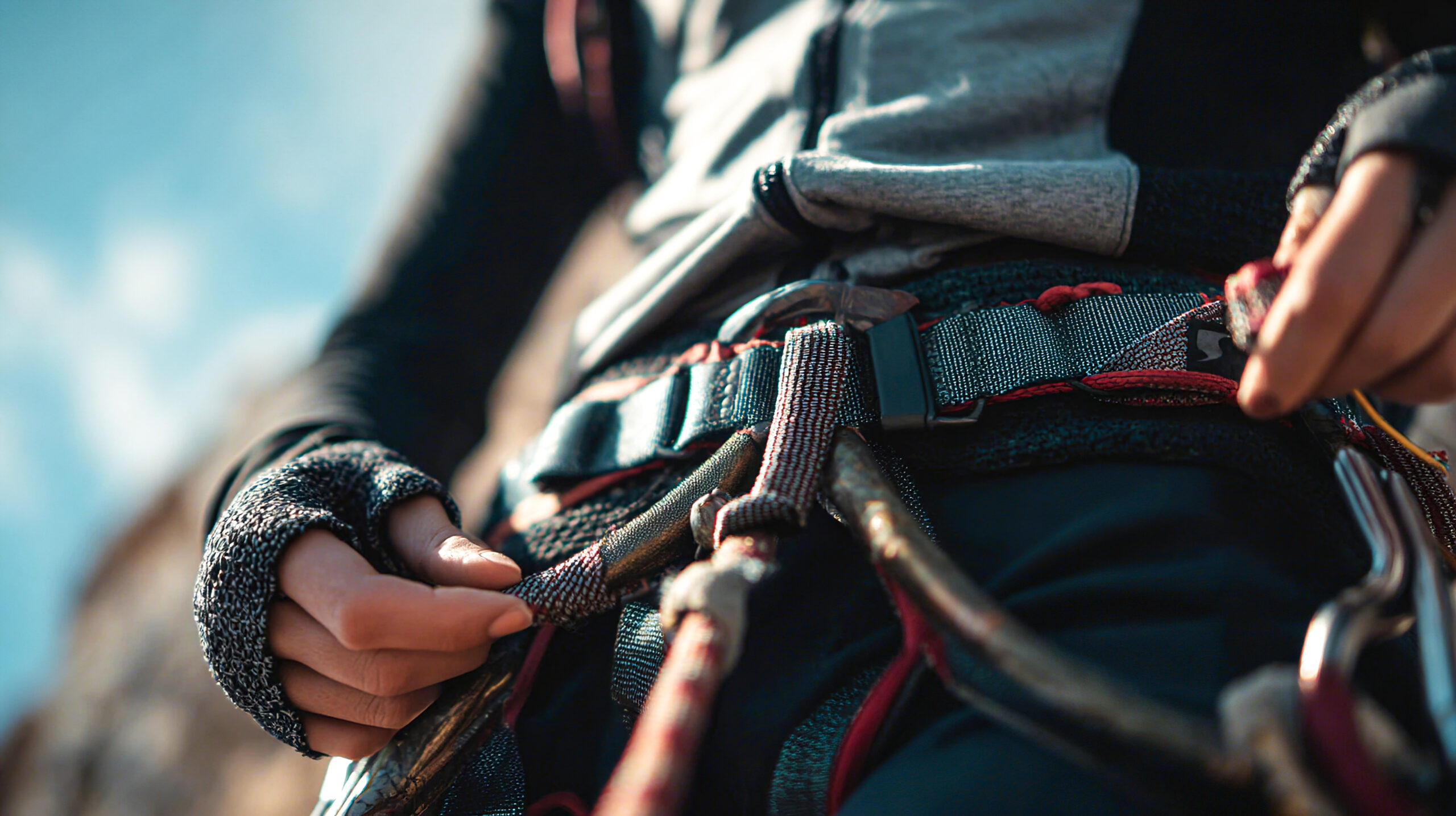
    Mountaineering harness and climbing gear for Denali and Everest expeditions.
    AMS commonly affects climbers above 2,500 meters even with proper preparation. Generally, headache is the cardinal symptom and is required for AMS diagnosis under both the original 1991 Lake Louise consensus and the 2018 revision. Specifically, the Lake Louise Score assigns points for headache (1-3 points), gastrointestinal symptoms (0-3), fatigue/weakness (0-3), and dizziness/lightheadedness (0-3). Notably, a total of 3+ points with headache present indicates AMS — and most climbers experiencing significant AMS will score 4-8 points.Photo: High-altitude mountaineering environment. Global Summit Guide media library.
    CONDITION 2 OF 3 · LIFE-THREATENING · LUNGS

    HAPE — High Altitude Pulmonary Edema EMERGENCY

    Life-threatening fluid accumulation in the lungs — requires immediate descent and supplemental oxygen.

    High Altitude Pulmonary Edema (HAPE) is a life-threatening medical emergency involving fluid accumulation in the lungs at altitude. Generally, HAPE affects approximately 1-2% of climbers above 3,500m with significantly higher rates during rapid ascent. Specifically, HAPE typically develops on the second or third night at altitude after an ascent. Notably, HAPE has substantial mortality without treatment but is highly responsive to descent and proper management.

    Symptoms:

    • Shortness of breath at rest (dyspnea at rest) — the cardinal symptom
    • Persistent dry cough progressing to frothy or pink-tinged sputum in late stages
    • Decreased exercise performance — climber falls behind expected pace
    • Gurgling or crackling sounds in chest (audible without stethoscope in advanced cases)
    • Chest tightness or congestion
    • Cyanosis (bluish lips, nail beds)
    • Elevated heart rate at rest
    • Fatigue beyond expected from exertion

    Treatment (immediate):

    • IMMEDIATE descent of 1,000m or more — the definitive treatment
    • Supplemental oxygen 2-4 L/min by mask
    • Hyperbaric chamber (Gamow bag) if available
    • Nifedipine 30mg slow-release
    • Sildenafil or tadalafil (emerging evidence)
    • Sit upright; do not let patient lie flat
    • Keep patient warm
    • Emergency medical evacuation
    1-2%Prevalence (rapid ascent)
    Day 2-3Typical Onset
    3,500m+Risk Begins
    DESCEND1,000m+ Immediate
    CONDITION 3 OF 3 · LIFE-THREATENING · BRAIN

    HACE — High Altitude Cerebral Edema CRITICAL

    Life-threatening brain swelling — the deadliest altitude illness; requires immediate descent and medical evacuation.

    High Altitude Cerebral Edema (HACE) is the deadliest altitude illness, involving brain swelling at high elevation. Generally, HACE affects approximately 0.5-1% of climbers above 4,000m and is the most lethal of the three altitude illnesses. Specifically, HACE typically develops as a progression from severe AMS that has been ignored — recognition of the transition is critical for survival. Notably, HACE has high mortality without immediate descent.

    Symptoms:

    • Ataxia (loss of coordination) — cardinal HACE sign. Heel-to-toe walking test: climber cannot walk a straight line
    • Severe headache unresponsive to medication
    • Confusion, irrational behavior, or altered mental status
    • Hallucinations
    • Drowsiness progressing to loss of consciousness
    • Vomiting (often without nausea)
    • Vision changes (blurry vision, double vision)
    • Personality changes noticed by team members

    Treatment (immediate):

    • IMMEDIATE descent of 1,000m or more — the definitive treatment
    • Dexamethasone 8mg loading dose then 4mg every 6 hours
    • Supplemental oxygen 2-4 L/min by mask
    • Hyperbaric chamber (Gamow bag) if available
    • Keep patient warm and protected during descent
    • Emergency medical evacuation with continued treatment
    • HACE patient should never descend alone — requires assistance
    0.5-1%Prevalence
    4,000m+Risk Begins
    AtaxiaCardinal Sign
    DESCEND1,000m+ Immediate
    ⚠ The Heel-to-Toe Test

    The classic field test for HACE is the heel-to-toe walking test. Generally, ask the suspected HACE patient to walk in a straight line placing the heel of each foot directly in front of the toes of the opposite foot. Specifically, a normal climber can perform this test easily; a HACE patient cannot — they will sway, stumble, or be unable to maintain the line. Notably, the heel-to-toe failure is a key indicator that AMS has progressed to HACE and immediate descent is required.

    The Lake Louise Score

    The Lake Louise Score (LLS) is the standard diagnostic tool for AMS, originally developed at the Lake Louise consensus conference in 1991 and revised in 2018. Generally, the score provides an objective basis for diagnosing AMS and tracking symptom progression. Specifically, the revised 2018 scoring system:

    Symptom0 points1 point2 points3 points
    HeadacheNoneMildModerateSevere/incapacitating
    GI symptomsGood appetitePoor appetite or nauseaModerate nausea or vomitingSevere nausea/vomiting
    Fatigue/weaknessNot tired/weakMild fatigueModerate fatigueSevere fatigue, incapacitating
    Dizziness/lightheadednessNoneMildModerateSevere, incapacitating

    Diagnosis: AMS is diagnosed when the climber has headache present (1+ points) PLUS a total score of 3+ points at elevation ≥2,500m, with recent ascent within the last 6-12 hours typical.

    ◆ Self-Assessment

    Climbers should self-assess the Lake Louise Score every morning and evening during high-altitude travel. Generally, scores trending upward indicate worsening AMS even if the current score is below 3. Specifically, a score increasing from 2 to 4 over 24 hours is more concerning than a stable score of 4 — the trajectory matters. Notably, communicate scores honestly with your team and guides; hiding symptoms causes preventable injuries and deaths.

    Prevention Strategies

    Altitude sickness prevention rests on five evidence-based strategies. Generally, these are validated through decades of mountaineering medicine research and consistently recommended by altitude medicine authorities. Specifically:

    1. Slow Ascent (Gold Standard)

    The single most evidence-supported prevention strategy is graduated ascent. Above 3,000m sleeping altitude:

    • 500m maximum daily sleeping altitude gain
    • Rest days every 3-4 ascending days
    • “Climb high, sleep low” — daytime altitude can exceed sleeping altitude
    • 3-4 days at 2,500-3,500m before further ascent if possible

    2. Hydration

    Increased respiratory water loss and diuretic response to altitude both increase fluid requirements. Generally, target 3-5 liters of water daily at altitude. Specifically, clear urine output indicates adequate hydration; concentrated urine suggests insufficient intake.

    3. Carbohydrate-Heavy Diet

    Carbohydrates require less oxygen to metabolize than fats or proteins. Generally, above 4,000m, aim for 70%+ of calories from carbohydrates. Specifically, this supports the increased metabolic demands at altitude.

    4. Avoid Alcohol and Sleeping Medications

    Both depress breathing during sleep when altitude-induced periodic breathing is already a challenge. Generally, avoid alcohol entirely the first 48 hours at any new altitude, and limit thereafter.

    5. Medications (When Appropriate)

    Acetazolamide (Diamox) and dexamethasone have evidence for AMS prevention in at-risk profiles. See the Diamox section below for protocols.

    Acetazolamide (Diamox)

    Acetazolamide (brand name Diamox) is the most evidence-supported medication for AMS prevention and a first-line treatment option. Generally, acetazolamide works by causing a metabolic acidosis that stimulates breathing, increasing oxygen delivery and accelerating acclimatization. Specifically, the standard protocols:

    Use CaseDoseDuration
    AMS Prevention (standard)125mg twice daily (BID)Start 24 hr before reaching 3,000m; continue until 2-3 days at maximum altitude
    AMS Prevention (higher dose)250mg BIDUsed for very rapid ascent or high-altitude objectives
    AMS Treatment250mg BIDContinue until symptoms resolve and 2-3 days after
    HAPE/HACE adjunct250mg BIDIn addition to primary treatments (descent, oxygen, etc.)

    Common side effects:

    • Tingling in fingers/toes (paresthesia) — common, harmless
    • Altered taste of carbonated drinks — common
    • Increased urination (diuretic effect)
    • Mild fatigue

    Contraindications:

    • Sulfa allergy
    • Severe kidney disease
    • Severe liver disease
    • Pregnancy/breastfeeding (consult physician)
    ℹ️ Diamox Test Dose

    Some altitude medicine specialists recommend a “test dose” of acetazolamide at home 1-2 weeks before the expedition. Generally, this allows the climber to assess tolerance and identify any allergic reactions in a safe environment. Specifically, take a single 125mg dose and observe for 4-6 hours; any rash, severe reaction, or significant side effects should be discussed with a physician before using the medication on expedition. Notably, this practice is not universal but is recommended particularly for climbers with possible sulfa sensitivities.

    Dedicated deep-dive coming: “Diamox (Acetazolamide) Complete Guide: Dosing, Side Effects, and Field Use.”

    Other Altitude Medications

    MedicationUseStandard DoseNotes
    Acetazolamide (Diamox)AMS prevention/treatment125mg BID prevention; 250mg BID treatmentFirst-line for AMS
    DexamethasoneHACE treatment; AMS treatment8mg load + 4mg q6h (HACE); 4mg q6h (AMS treatment)Steroid; rebound risk on discontinuation
    NifedipineHAPE treatment and prevention30mg slow-release q12hCalcium channel blocker; lowers pulmonary artery pressure
    Sildenafil / TadalafilHAPE prevention/treatment (emerging)Sildenafil 50mg q8h; Tadalafil 10mg BIDPhosphodiesterase inhibitors; growing evidence base
    IbuprofenHeadache symptomatic relief; possible mild AMS prevention400-600mg q6-8hNOT a primary prevention drug; useful for headache
    Ondansetron / promethazineNausea/vomiting symptomatic reliefPer packageTreats AMS symptoms only, not the condition
    ⚠ Medications Are Not a Substitute for Acclimatization

    Altitude medications support acclimatization but do not replace it. Generally, climbers should not use medications to enable faster ascent than safe acclimatization profiles allow. Specifically, the gold standard remains slow ascent with proper rest days; medications are adjuncts for at-risk profiles or specific scenarios. Notably, climbers who rely on medications to bypass acclimatization are at higher risk for HAPE and HACE which medications cannot reliably prevent.

    Acclimatization Protocols

    Acclimatization is the body’s adaptive response to reduced oxygen availability at altitude. Generally, the process takes 7-10 days and involves increased breathing rate (immediate), increased red blood cell production (days to weeks), and improved oxygen utilization (weeks to months). Specifically, proper acclimatization protocols allow climbers to safely reach altitudes that would cause severe illness with rapid ascent.

    Altitude RangeAcclimatization Protocol
    2,500-3,000m1-2 days at intermediate altitude (2,000-2,500m) recommended; 500m daily sleeping gain
    3,000-4,000m500m maximum daily sleeping gain; rest day every 3-4 days of ascent
    4,000-5,000m500m maximum daily sleeping gain; rest days more frequent; consider Diamox
    5,000-6,000m300-500m daily sleeping gain; multiple rest days; Diamox typical
    6,000-7,000mEstablished camp rotations; multiple cycles of altitude exposure and descent
    7,000m+Cannot fully acclimatize; brief summit pushes from camps below 8,000m
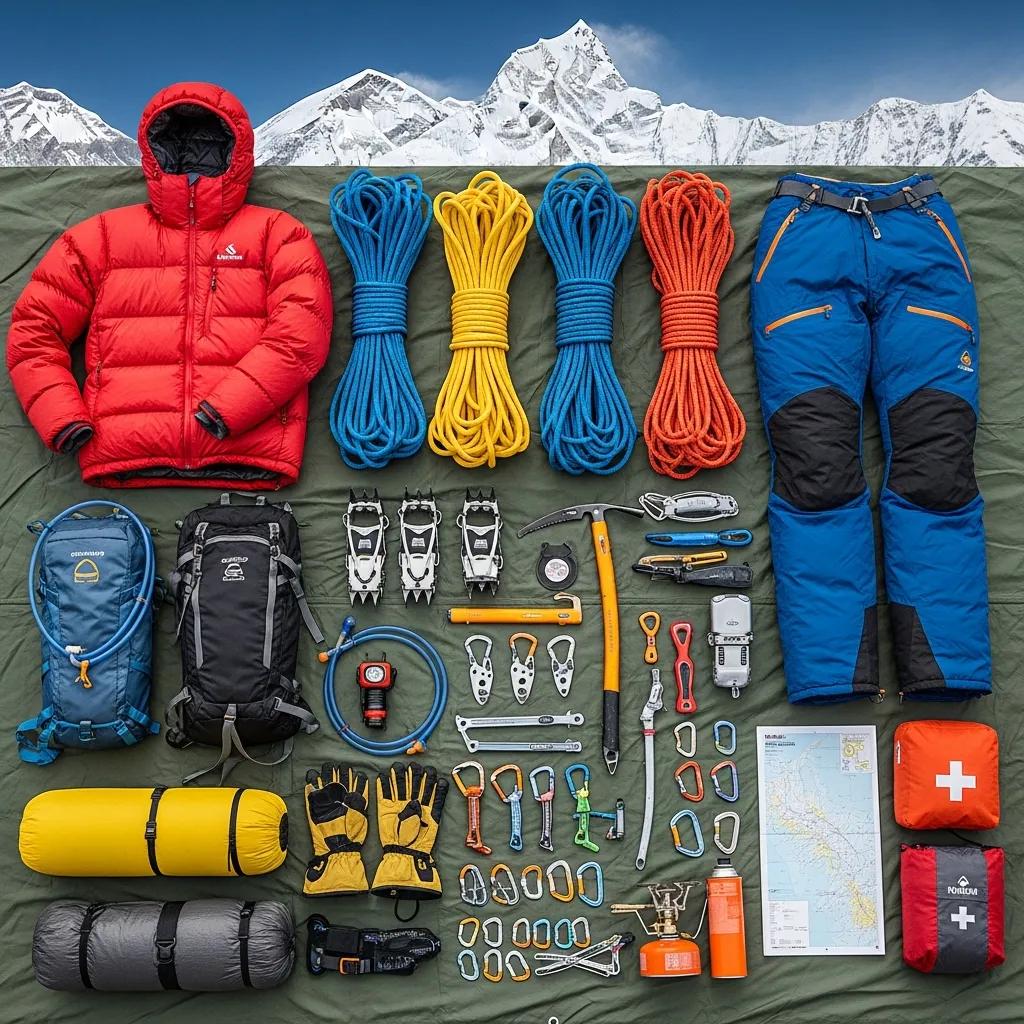
    Essential climbing gear for Makalu expeditions, including insulated jacket, climbing ropes, crampons, ice axes, backpacks, and safety equipment, displayed against a scenic mountain backdrop.
    High-altitude expedition acclimatization typically follows established camp rotations. Generally, expeditions on peaks above 6,000m use multiple high camps with climbers cycling between them — climb to Camp 1, descend to base camp, climb to Camp 2, descend to Camp 1, and so on. Specifically, this “climb high, sleep low” approach at expedition scale allows progressive altitude exposure without the dangerous progressive sleeping altitude gain that would occur with simple linear ascent. Notably, this is why expedition climbers spend 2-6 weeks on major peaks even when the summit climb itself takes only 1-2 days.Photo: High-altitude expedition gear. Global Summit Guide media library.

    Pre-Altitude Preparation

    Pre-altitude preparation can partially prepare climbers for altitude but cannot replace actual altitude exposure. Generally, the most effective preparation is time at moderate altitude before the expedition. Specifically:

    Pre-Altitude Camps (Strong Evidence)

    Spending 2-4 weeks at 2,500-4,000m in the months before an expedition is the most effective pre-altitude preparation. Generally, this allows substantial acclimatization that persists for several weeks. Specifically, climbers planning major altitude expeditions often spend pre-trip time in Cusco (Peru, 3,400m), Lhasa (Tibet, 3,650m), La Paz (Bolivia, 3,640m), or similar high-altitude cities.

    Hypoxic Tents / Altitude Rooms (Limited Evidence)

    Hypoxic tents and altitude rooms simulate altitude by reducing oxygen concentration. Generally, the evidence base is mixed and contested. Specifically, peer-reviewed studies show modest benefits at best — far less than actual altitude exposure. Notably, the typical protocol of sleeping at simulated altitude for 8 weeks before an expedition provides some adaptation but not the equivalent of 2-4 weeks at actual altitude.

    Iron Stores Optimization (Supportive)

    Adequate iron stores support red blood cell adaptation at altitude. Generally, climbers with low ferritin levels may experience slower acclimatization. Specifically, check ferritin 4-8 weeks before a major expedition and supplement if needed (under physician guidance).

    Cardiovascular Fitness (Indirect Benefit)

    While fitness does not prevent altitude sickness, it does support recovery and provide reserves for safe descent if needed. Generally, this is one indirect benefit of pre-expedition training.

    Dedicated deep-dive coming: “Pre-Altitude Training: Hypoxic Tents, Altitude Camps, and What Actually Works.”

    Acclimatization by Peak

    Acclimatization profiles vary by peak. Generally, the major mountaineering objectives have established standard acclimatization protocols. Specifically:

    PeakSummit AltitudeStandard Acclimatization DurationProgression Plan
    Mount Kilimanjaro5,895m5-9 days (route dependent)Kilimanjaro Plan
    Mount Rainier4,392m2-3 days (rapid)Rainier Plan
    Mount Elbrus5,642m5-7 daysElbrus Plan
    Mont Blanc4,808m3-5 daysMont Blanc Plan
    Pico de Orizaba5,636m5-7 daysOrizaba Plan
    Aconcagua6,961m12-18 daysAconcagua Plan
    Denali6,190m14-21 daysDenali Plan
    Mount Everest / 8,000m peaks8,000m+45-60+ daysMultiple progressions
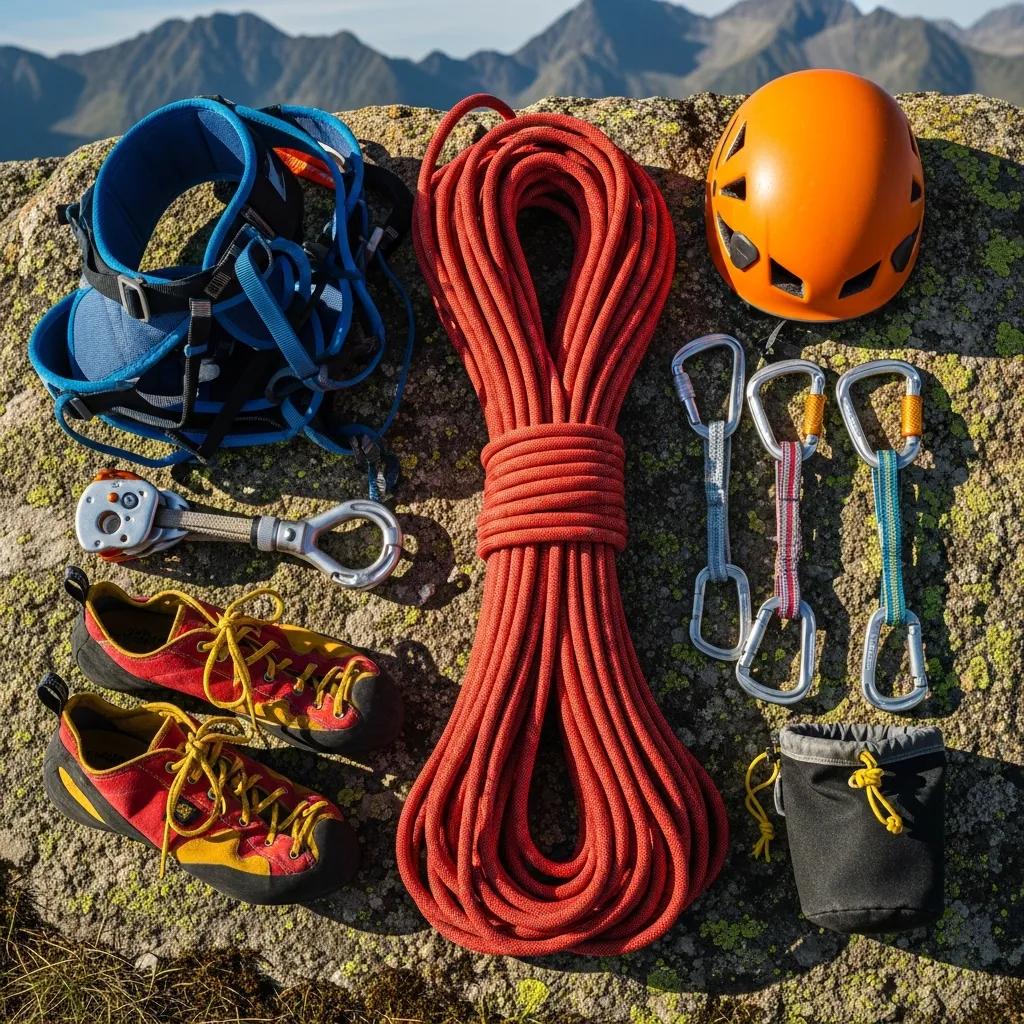
    Diverse mountain climbing gear including harness, climbing shoes, ropes, carabiners, and helmet arranged on rocky surface with mountain backdrop.
    Altitude preparation integrates with overall mountaineering preparation. Generally, altitude sickness management is one component of high-altitude climbing alongside technical skills (rope work, glacier travel, weather assessment), physical conditioning (covered in our Training Pillar), and gear systems. Specifically, all of these elements interact — well-trained climbers acclimatize more effectively, technical skills allow safe descent if AMS develops, and proper gear (including pulse oximeter for monitoring) supports altitude management. Notably, this is why high-altitude climbing requires comprehensive preparation rather than just one element.Photo: Mountaineering gear collection. Global Summit Guide media library.

    Common Misconceptions

    ⚠ The 10 Most Common Altitude Sickness Misconceptions

    (1) “Fitness prevents altitude sickness” — FALSE. Multiple studies show no correlation between fitness and AMS susceptibility. (2) “Children are more vulnerable” — FALSE. Children at altitude have similar risk profiles to adults. (3) “Older adults can’t go to altitude” — FALSE. Age does not predict altitude tolerance. (4) “Pulse oximetry predicts AMS” — FALSE. SpO2 readings correlate weakly with AMS development. (5) “Diamox prevents HAPE and HACE” — PARTIALLY FALSE. Diamox prevents AMS, but HAPE/HACE require additional medications and primarily descent. (6) “Hypoxic tents fully replace altitude exposure” — FALSE. Evidence base is limited; actual altitude is far more effective. (7) “Ibuprofen prevents AMS” — MIXED. Some evidence for prevention, but not a primary strategy. (8) “You acclimatize in a few hours” — FALSE. Full acclimatization takes 7-10 days minimum. (9) “Sleeping pills help with altitude sleep issues” — DANGEROUSLY FALSE. They suppress breathing and increase AMS risk. (10) “If you don’t get AMS, you never will” — FALSE. Prior altitude success is a predictor but not a guarantee — variability exists.

    When to Descend

    ⚠ Descent Criteria (Non-Negotiable)

    Descend IMMEDIATELY if: (1) Any HAPE symptoms appear (dyspnea at rest, persistent cough, decreased performance). (2) Any HACE symptoms appear (ataxia, severe headache, confusion, altered consciousness). (3) AMS symptoms worsen rather than improve over 24-48 hours despite rest, hydration, and medication. (4) Lake Louise Score is increasing day-over-day despite no further ascent. (5) Any team member feels they cannot safely continue. Descent amount: 1,000 meters minimum for HAPE/HACE; to last asymptomatic altitude for AMS that doesn’t improve. The decision: When in doubt, descend. The summit will be there next year; serious altitude illness has long-term consequences. Generally, hesitation to descend has killed many climbers — social pressure, financial investment, and proximity to summit all contribute to dangerous decisions.

    The Altitude Cluster — 10 Supporting Posts

    This pillar post is the anchor of the Altitude cluster on Global Summit Guide. Generally, each of the major altitude topics will receive dedicated deep-dive coverage in supporting posts. Specifically, the cluster includes:

    Cluster RolePost TitleStatus
    PILLARComplete Altitude Sickness Guide (this post)Published
    Tool (live)AMS Altitude Sickness Risk CalculatorLive
    Support 1Diamox (Acetazolamide) Complete Guide: Dosing, Side Effects, Field UseComing soon
    Support 2AMS Symptoms Recognition: Field Diagnosis GuideComing soon
    Support 3HAPE: Signs, Treatment, Prevention Complete GuideComing soon
    Support 4HACE: Signs, Treatment, Prevention Complete GuideComing soon
    Support 5Acclimatization Schedules by PeakComing soon
    Support 6Pre-Altitude Training: Hypoxic Tents and What Actually WorksComing soon
    Support 7Lake Louise Score Explained: Self-Assessment at AltitudeComing soon
    Support 8Pulse Oximeter Use at Altitude: What Numbers MeanComing soon
    Support 9Iron Stores and Altitude: Ferritin, Hemoglobin, PerformanceComing soon
    Support 10Dexamethasone and Nifedipine: Emergency Altitude MedicationsComing soon

    Frequently Asked Questions About Altitude Sickness

    What is altitude sickness?

    Altitude sickness refers to three distinct medical conditions that can affect people ascending to high altitude: Acute Mountain Sickness (AMS), High Altitude Pulmonary Edema (HAPE), and High Altitude Cerebral Edema (HACE). Generally, altitude sickness begins to be a risk above 2,500 meters (8,200 feet) and increases significantly above 3,500 meters. AMS is the common mild form affecting up to 50% of unacclimatized travelers; HAPE and HACE are life-threatening medical emergencies affecting 1-2% and 0.5-1% of climbers respectively. Altitude sickness is caused by reduced atmospheric pressure decreasing oxygen availability — it is unrelated to temperature or fitness.

    What are the symptoms of AMS?

    AMS (Acute Mountain Sickness) symptoms include headache (the cardinal symptom required for AMS diagnosis), gastrointestinal symptoms (nausea, vomiting, loss of appetite), fatigue or weakness, dizziness or lightheadedness, and sleep disturbance. The Lake Louise Score is the standard diagnostic tool — points are assigned for each symptom and a score of 3+ indicates AMS. AMS symptoms typically appear 6-12 hours after arrival at altitude and are most pronounced in the first 24-48 hours. Headache is required — symptoms without headache are not AMS by current diagnostic criteria.

    What is the difference between AMS, HAPE, and HACE?

    The three altitude illnesses differ dramatically in severity. AMS (Acute Mountain Sickness) is mild and common — headache plus other symptoms, affecting 25-50% of unacclimatized travelers above 2,500m, generally self-limiting and treatable in place. HAPE (High Altitude Pulmonary Edema) is life-threatening fluid in the lungs — shortness of breath at rest, persistent cough, decreased exercise performance, affecting 1-2% above 3,500m. HACE (High Altitude Cerebral Edema) is life-threatening brain swelling — ataxia, severe headache, confusion, altered consciousness, affecting 0.5-1% above 4,000m. HAPE and HACE are medical emergencies requiring immediate descent.

    How is altitude sickness treated?

    Treatment depends on severity. AMS treatment: stop ascending, rest, hydrate aggressively (3-5 liters daily), consider acetazolamide (Diamox) 250mg twice daily, treat headache with ibuprofen 400-600mg, monitor for improvement. If AMS does not improve in 24-48 hours, descend. HAPE treatment: IMMEDIATE descent of 1,000m or more, supplemental oxygen, hyperbaric chamber (Gamow bag) if available, nifedipine 30mg slow-release. HACE treatment: IMMEDIATE descent of 1,000m or more, dexamethasone 8mg loading dose then 4mg every 6 hours, supplemental oxygen, hyperbaric chamber, emergency medical evacuation. Hesitation to descend has killed many climbers — when in doubt, descend.

    How can altitude sickness be prevented?

    Prevention rests on five evidence-based strategies. First, slow ascent — above 3,000m, increase sleeping altitude by no more than 500m per day with rest days every 3-4 days (the gold standard). Second, “climb high, sleep low” — daytime altitude exposure can exceed sleeping altitude. Third, hydrate aggressively — 3-5 liters of water daily. Fourth, acetazolamide (Diamox) 125mg twice daily starting 24 hours before reaching 3,000m for those at risk. Fifth, avoid alcohol and sleeping medications during the first 48 hours at any new altitude. Fitness does NOT prevent altitude sickness — many highly fit climbers experience severe AMS while less-fit climbers acclimatize normally.

    Should I take Diamox?

    Acetazolamide (Diamox) is the most evidence-supported drug for AMS prevention and the recommended choice for climbers at significant risk. The standard preventive dose is 125mg twice daily (BID) starting 24 hours before ascent above 3,000m. Acetazolamide is appropriate when: ascending above 4,500m, ascending faster than recommended rates, prior history of AMS, climbing major altitude peaks like Aconcagua or Denali. Acetazolamide has mild side effects (tingling fingers/toes, altered taste of carbonated drinks, increased urination) but is well-tolerated. Acetazolamide should be discussed with a physician before use — it is contraindicated in sulfa allergy and certain medical conditions.

    What is the Lake Louise Score?

    The Lake Louise Score (LLS) is the standard diagnostic tool for AMS, originally developed at the Lake Louise consensus conference in 1991 and revised in 2018. The score assigns points based on five symptoms: headache (1-3 points required), gastrointestinal symptoms (0-3), fatigue/weakness (0-3), dizziness/lightheadedness (0-3), and sleep disturbance (0-3 in revised version). A total score of 3+ points with headache present indicates AMS. The 2018 revision removed sleep disturbance from the diagnostic score because it correlated weakly with other symptoms — though sleep disturbance remains a recognized AMS symptom outside the formal diagnostic tool.

    Can fitness prevent altitude sickness?

    No, fitness does NOT prevent altitude sickness. Multiple peer-reviewed studies have shown no correlation between aerobic fitness and altitude sickness susceptibility — highly fit climbers experience AMS at the same rates as less-fit individuals. This is one of the most common misconceptions in mountaineering. Altitude sickness is caused by reduced atmospheric pressure and individual physiological response to hypoxia, not by physical conditioning. Fitness IS important for high-altitude climbing for other reasons: better cardiovascular reserves, improved recovery, reduced injury risk, and stronger ability to safely descend if AMS develops. But fitness does not provide AMS immunity.

    At what altitude does altitude sickness start?

    Altitude sickness becomes a clinical risk above 2,500 meters (8,200 feet), increases significantly above 3,500m, and becomes nearly universal above 4,500m for unacclimatized travelers. Altitude zones are: intermediate altitude (1,500-2,500m, minimal AMS risk); high altitude (2,500-3,500m, AMS risk emerges with rapid ascent); very high altitude (3,500-5,500m, AMS common, HAPE and HACE possible); extreme altitude (5,500m+, severe AMS likely without acclimatization, the “death zone” above 8,000m where physiological deterioration outpaces recovery). Individual susceptibility varies — some people experience AMS at 2,500m while others tolerate 4,000m+ without symptoms.

    When should I descend from altitude?

    Descend immediately if any HAPE or HACE symptoms appear — shortness of breath at rest, persistent cough with frothy sputum, ataxia (loss of coordination), severe headache unresponsive to medication, confusion or altered consciousness, decreased exercise performance, irrational behavior. Descend at least 1,000 meters or to the last altitude where you were asymptomatic. Also descend if AMS symptoms do not improve within 24-48 hours despite rest and medication, or if symptoms worsen rather than improve. Hesitation to descend has killed many climbers — the social pressure to continue, the financial investment in the expedition, and the proximity to summit all contribute to dangerous decisions. When any team member shows serious altitude illness signs, the entire team should consider descent.

    Methodology & Editorial Standards

    How This Pillar Was Built

    1. Primary Source: Applied Altitude Experience

    This pillar guide draws on personal acclimatization application across multiple high-altitude mountaineering objectives including Mount Kilimanjaro (Tanzania, 5,895m), Pico de Orizaba (Mexico, 5,636m), and Iztaccíhuatl (Mexico, 5,230m). The practical recommendations represent acclimatization profiles actually applied during expeditions, not theoretical prescription.

    2. Authoritative Altitude Medicine Sources

    The medical content was cross-referenced with the Wilderness Medical Society (WMS) 2024 AMS/HAPE/HACE consensus guidelines, the UIAA Medical Commission recommendations, the Institute for Altitude Medicine, peer-reviewed research published in High Altitude Medicine & Biology and the New England Journal of Medicine, and the Lake Louise Score consensus papers (1991, 2018 revision).

    3. Internal Cross-Reference

    This pillar is cross-referenced against Global Summit Guide’s existing AMS calculator, progression plans for major mountaineering objectives, and the Mountaineering Training Pillar covering broader high-altitude preparation.

    4. Editorial Independence + Medical Disclaimer

    No affiliate partnerships influence recommendations. References to medications (acetazolamide, dexamethasone, nifedipine) are educational, not prescriptions or endorsements. The article generates revenue only through Google AdSense display ads when applicable. Climbers should consult qualified physicians before using any altitude medications and before planning high-altitude expeditions.

    5. Update Cycle

    This pillar is reviewed quarterly. Next scheduled review: September 2026. Altitude medicine consensus guidelines and research continue to evolve; verify current best practices with the cited organizations and recent peer-reviewed literature.

    Affiliate disclosure: Global Summit Guide does not maintain affiliate partnerships with pharmaceutical companies, altitude tent manufacturers, hyperbaric chamber manufacturers, or medical service providers mentioned in this pillar guide. No commission is earned from any external link clicks. This page contains no sponsored content. The site is supported by Google AdSense (Display Ads) when applicable.

    Sources and References

    Numbered Source References

    This altitude sickness pillar synthesizes data from authoritative altitude medicine sources combined with applied field experience.

    1. Wilderness Medical Society (WMS) · https://www.wms.org/ — 2024 AMS/HAPE/HACE consensus guidelines.
    2. UIAA Medical Commission · https://www.theuiaa.org/medical/ — International mountaineering medicine recommendations.
    3. Institute for Altitude Medicine · https://altitudemedicine.org/ — Telluride, Colorado-based altitude medicine resource.
    4. High Altitude Medicine & Biology journal · Peer-reviewed altitude physiology research.
    5. New England Journal of Medicine · Major altitude medicine review articles.
    6. The Lake Louise Acute Mountain Sickness Score · 1991 original consensus and 2018 revision papers.
    7. CDC Yellow Book / Travelers’ Health · https://wwwnc.cdc.gov/travel/ — High altitude travel guidelines.
    8. British Mountaineering Council (BMC) · https://www.thebmc.co.uk/ — Altitude advice for UK climbers.
    9. Global Summit Guide AMS Risk Calculator · Personal risk assessment tool.
    10. Global Summit Guide internal research — Cross-referenced from existing progression plans and applied multi-peak altitude experience.

    Methodology note. Quarterly review cycle — next review September 2026. Altitude medicine continues to evolve; verify current best practices with the cited organizations within 6-12 months of major expedition objectives.

    About the Author

    Travis Ludlow

    Editor & Route Research, Global Summit Guide

    Travis Ludlow is the editor of Global Summit Guide, an independent mountaineering and high-altitude hiking resource. Travis has personally applied altitude acclimatization across multiple high-altitude expeditions including Mount Kilimanjaro (Tanzania, 5,895m), Pico de Orizaba (Mexico, 5,636m), and Iztaccíhuatl (Mexico, 5,230m).

    Specifically, Travis has authored or edited Global Summit Guide’s altitude-related content including the AMS Risk Calculator, progression plans for Kilimanjaro, Mont Blanc, Elbrus, Orizaba, Aconcagua, and Denali. Notably, the editorial process at Global Summit Guide includes safety review by Dawson Ludlow (Wilderness First Aid certified) and gear review by Walker Ludlow.

    Expertise areas: Altitude sickness recognition and prevention, expedition planning, progression planning, mountaineering training. Editorial role: Editor and route research for Global Summit Guide’s 700+ published articles. Approach: Applied first-hand altitude experience cross-referenced against WMS, UIAA, and peer-reviewed sources. Important: Travis is not a medical professional — content is educational reference, not medical advice. Read more about the Global Summit Guide editorial team →

    Use the AMS Risk Calculator

    Continue Your Altitude Education

    Climb Safely at Altitude

    Altitude sickness is the leading medical concern for high-altitude climbers, but it is also one of the most well-understood and manageable. Generally, the science is clear: slow ascent, hydration, awareness of symptoms, and willingness to descend when needed produce safe outcomes for the vast majority of climbers. Specifically, the combination of evidence-based prevention strategies (graduated ascent, Diamox when appropriate, hydration), symptom recognition (Lake Louise Score), and decisive action when problems develop (immediate descent for HAPE/HACE) creates a reliable framework for safe altitude travel.

    Calculate Your AMS Risk → Start with Kilimanjaro Plan →
    Was this helpful?

    Yes
    No
    Thanks for your feedback!
  • Altitude Acclimatization Explained: The Science Behind “Climb High, Sleep Low”

    Cluster 08 · Altitude, Training & Physiology · Updated April 2026

    Altitude Acclimatization Explained: The Science of Climb High, Sleep Low

    How your body actually adapts to high altitude — the three-phase physiology of acclimatization, ascent rate rules that work, and the climb-high-sleep-low protocol every serious climber lives by. This is the science companion to our altitude sickness guide: less about symptoms, more about the adaptation process itself and how to optimize it.

    3
    Phases of
    adaptation
    300–500
    Meters/day
    ascent rule
    7–14
    Days to
    acclimatize
    10–20%
    RBC
    increase
    Global Summit Guide A guide in Cluster 08 · Altitude, Training & Physiology View master hub →

    Acclimatization is the single most important concept in high-altitude mountaineering — and the single most misunderstood. Most climbers know they’re supposed to “go slow” at altitude, but few understand why a gradual ascent works while rapid ascent fails, what their bodies are actually doing during a rest day, or why fitness and willpower can’t compensate for skipping acclimatization. This guide breaks down the three physiological phases of altitude adaptation, the evidence behind the climb-high-sleep-low protocol, the ascent rate rules endorsed by the Wilderness Medical Society, and why individual response to altitude varies by factors of 10 between people. For altitude illness symptoms and treatment, see our altitude sickness guide. This post focuses on adaptation itself.

    How this guide was built

    Content reflects peer-reviewed altitude medicine research from the Wilderness Medical Society, International Society for Mountain Medicine, and High Altitude Medicine & Biology journal. Ventilatory and hematologic acclimatization data sourced from Hackett & Roach’s foundational altitude medicine research. Ascent rate protocols verified against WMS 2019 Practice Guidelines for Acute Altitude Illness. Pre-acclimatization strategies cross-referenced with Hypoxico and Altitude Tech clinical studies. Reviewed by practicing altitude medicine physicians with expedition experience on Everest, Denali, and Aconcagua. Fact-check date: April 19, 2026.

    What Acclimatization Actually Is

    Altitude acclimatization is not a single change but a cascade of physiological adaptations that occur over hours, days, and weeks. Your body responds to reduced oxygen availability through coordinated changes in breathing, circulation, blood chemistry, and cellular function. Understanding this cascade explains why acclimatization can’t be rushed and why proper protocols produce predictable results.

    Why altitude challenges the body

    At sea level, air pressure pushes oxygen into your lungs efficiently. At altitude, atmospheric pressure drops — the oxygen percentage in air stays the same (~21%), but each breath delivers fewer molecules. At 5,500 m (18,000 ft), atmospheric pressure is roughly half of sea level, so each breath contains about half the oxygen molecules. Your body must compensate through multiple adaptations — that’s acclimatization.

    What acclimatization accomplishes

    • Reduces altitude sickness risk dramatically by improving oxygen delivery.
    • Enables sustained effort at altitudes otherwise impossible.
    • Improves sleep quality — critical for recovery at altitude.
    • Maintains cognitive function at elevations that would otherwise impair judgment.
    • Prevents life-threatening HACE and HAPE in most climbers who acclimatize properly.

    What acclimatization does NOT do

    • Cannot compensate for ascent rates too rapid for your physiology.
    • Does not eliminate the need for rest days.
    • Does not work equally for all individuals.
    • Does not persist long after return to sea level (1-2 weeks typical).
    • Cannot make 8,000 m peaks safe for sustained human habitation — above ~5,800 m, the body slowly deteriorates regardless of adaptation.
    The acclimatization ceiling

    Human physiology has a natural acclimatization ceiling around 5,800 m (19,000 ft). Above this altitude, even fully-acclimatized climbers gradually lose weight, muscle mass, and function. At 8,000+ m (“the death zone”), physiological deterioration is rapid enough that climbers can survive only days before serious consequences. This is why Everest and K2 climbers spend months below 5,800 m acclimatizing, then push through the death zone in brief summit bids. Understanding this ceiling explains why Everest expeditions last 2 months even though actual summit day is less than 24 hours.


    The Three Phases of Acclimatization

    Acclimatization unfolds in a predictable sequence. Each phase has distinct physiological changes, takes a specific amount of time, and provides specific benefits. Understanding each phase helps explain why certain protocols work:

    Phase
    1
    Minutes–Hours
    Immediate Response

    Respiratory & Cardiovascular

    Onset: 0-2 hours at altitude · Full effect: 24 hours

    Your body’s immediate response to reduced oxygen is driven by chemoreceptors in the carotid bodies detecting falling arterial oxygen levels. Within minutes of arriving at altitude, breathing rate and depth increase (hyperventilation), heart rate rises, and pulmonary artery pressure elevates. This is the fast, automatic layer of acclimatization.

    This phase can feel uncomfortable — breathless on mild exertion, racing heart at rest, headache beginning. These sensations are normal adaptive responses, not necessarily warning signs. They indicate your body is trying to compensate for the hypoxic environment.

    • Breathing rate increases 50-100%
    • Heart rate elevates 10-30 bpm at rest
    • Pulmonary artery pressure rises
    • Blood pH shifts toward alkalinity (respiratory alkalosis)
    • Initial diuresis (increased urination)
    • Plasma volume begins to decrease
    • Subjective breathlessness with exertion
    Phase
    2
    1–7 Days
    Ventilatory Acclimatization

    Blood Chemistry Adjustment

    Onset: Day 1 · Plateau: Day 7

    Over the first week at altitude, the kidneys respond to the respiratory alkalosis caused by Phase 1 hyperventilation. By excreting bicarbonate in urine, the kidneys allow blood pH to normalize while ventilation remains elevated. This removes the brainstem “brake” that was slowing breathing to preserve pH, enabling sustained higher ventilation.

    Plasma volume reduction continues, which concentrates red blood cells (hemoconcentration). This provides an immediate boost to oxygen-carrying capacity per unit of blood, though total red blood cell count hasn’t yet increased. Most AMS symptoms resolve during this phase if initial ascent was appropriate.

    • Kidneys excrete bicarbonate to normalize blood pH
    • Sustained elevated breathing rate
    • Plasma volume decreases ~10%
    • Hemoconcentration increases oxygen carrying per unit blood
    • Enhanced oxygen delivery begins
    • Sleep patterns partially normalize
    • Exercise tolerance gradually improves
    • Most AMS symptoms resolve if ascent appropriate
    Phase
    3
    1–4 Weeks
    Hematologic Acclimatization

    Blood Cell Production

    Onset: Day 3-5 · Plateau: Weeks 3-6

    The kidneys detect the ongoing hypoxia and release erythropoietin (EPO), the hormone that stimulates red blood cell production in bone marrow. Over 2-4 weeks, red blood cell count rises 10-20%, substantially increasing the blood’s oxygen-carrying capacity. Hemoglobin levels increase proportionally.

    Beyond 2-3 weeks, cellular and tissue-level adaptations continue. Muscle capillary density increases, allowing better oxygen delivery to working tissue. Mitochondrial efficiency improves, extracting more energy from available oxygen. These changes plateau at 4-6 weeks — beyond that point, there’s diminishing return. This phase is why elite expeditions allow 6-8 weeks of acclimatization before major summit attempts.

    • Erythropoietin (EPO) production accelerates
    • Red blood cell count increases 10-20%
    • Hemoglobin levels rise
    • Oxygen carrying capacity substantially enhanced
    • Muscle capillary density increases (weeks 3+)
    • Mitochondrial efficiency improves
    • Peak acclimatization reached at 4-6 weeks
    • Significant performance improvements noticeable

    Altitude Zones & Acclimatization Requirements

    Different altitude zones impose different physiological demands. The acclimatization requirements scale dramatically with elevation:

    Low
    <1,500 m
    <4,900 ft
    No acclimatization required. Normal function maintained.
    Moderate
    1,500–2,500 m
    4,900–8,200 ft
    Minor effects possible. Most people unaffected. No formal acclimatization.
    High
    2,500–3,500 m
    8,200–11,500 ft
    AMS possible 10-25% of ascents. Rest day protocols begin.
    Very High
    3,500–5,500 m
    11,500–18,000 ft
    AMS common. HACE/HAPE possible. Strict protocols required.
    Extreme
    >5,500 m
    >18,000 ft
    Acclimatization ceiling. Body deteriorates over time even with adaptation.

    Acclimatization requirements by zone

    Altitude ZoneAscent RateRest DaysMedicationsMonitoring
    Low (<1,500 m)No restrictionNone neededNot indicatedNone required
    Moderate (1,500–2,500 m)No restrictionNone typicallyNot indicatedSelf-awareness
    High (2,500–3,500 m)Gradual preferredEvery 3 days if rapidOptional DiamoxDaily self-check
    Very High (3,500–5,500 m)300–500 m/day sleepEvery 1,000 m gainDiamox recommendedLake Louise score daily
    Extreme (>5,500 m)200–300 m/day sleepEssentialDiamox standardMultiple daily checks

    Climb High, Sleep Low: The Foundational Protocol

    Climb high, sleep low is the single most important tactical rule in altitude acclimatization after gradual ascent rate. The principle is straightforward: ascend to a higher altitude during the day for training stimulus and exposure, then descend to a lower altitude for sleeping to allow recovery without sustained hypoxic stress.

    The science behind why it works

    • Daytime altitude exposure triggers acclimatization responses — increased breathing, heart rate, EPO release from the kidneys.
    • Activity at higher altitude provides hypoxic training stimulus without the penalty of extended exposure.
    • Sleeping at lower altitude allows better oxygen saturation during critical recovery hours — often 88-95% SpO2 at sleep altitude vs 75-85% at the higher elevation.
    • Sleep quality at altitude is dramatically worse than at moderate elevation — periodic breathing (Cheyne-Stokes), frequent wake-ups, reduced REM sleep.
    • Poor sleep compounds altitude illness risk, so protecting sleep quality is critical.

    Practical applications in real treks

    • Everest Base Camp trek: Hike to Nangkartshang Peak (5,090 m) during day, sleep at Dingboche (4,410 m). Net gain: 0 m sleeping altitude. Acclimatization benefit: significant.
    • Kilimanjaro Lemosho: Hike to Lava Tower (4,600 m) during day, sleep at Barranco (3,900 m). Net gain: negative 200 m. Acclimatization benefit: dramatic.
    • Aconcagua: Carry loads to Camp 2 (5,500 m), return to Camp 1 (5,000 m) to sleep. Classic expedition tactic.
    • Denali: Triple-carry strategy inherently uses climb-high-sleep-low. Load carries higher, return to sleep lower.

    Quantified benefit

    Research studies comparing direct ascent to climb-high-sleep-low protocols at equivalent maximum altitudes show approximately 40% better acclimatization outcomes when climb-high-sleep-low is applied. Lake Louise AMS scores at matched altitudes are consistently lower. Summit success rates on commercial expeditions correlate strongly with protocol adherence.

    When climb-high-sleep-low applies

    Apply the principle any time sleeping altitude would gain more than 500 m in a single day, during acclimatization rest days at intermediate altitudes, before summit attempts (acclimatization rotations), and when incorporating load carries on expeditions. If terrain forbids descent — for example, at high camps with no lower option — substitute rest days at the same altitude with short higher-altitude hikes. The principle is about preserving sleep oxygen saturation, which can be approximated even without actual descent.


    The Ascent Rate Rules That Work

    The Wilderness Medical Society’s 2019 Practice Guidelines provide the gold standard ascent rate rules. These aren’t arbitrary — they reflect decades of research on hypoxic tolerance and altitude illness rates:

    Standard ascent rate rules

    • Below 2,500 m: No restriction.
    • 2,500–3,000 m: Ascend to sleep at less than 500 m/day gain.
    • 3,000–5,000 m: Ascend to sleep at 300–500 m/day.
    • Above 5,000 m: 200–300 m/day sleeping gain maximum.
    • Rest day rule: Every 1,000 m of cumulative sleeping gain.

    The simplified 2-3-1 rule

    • 2 rest days after 2 days of significant ascent.
    • 3 rest days when ascending above 4,000 m.
    • 1 rest day for every 1,000 m gained above 3,000 m.

    Why the rate varies by altitude

    • Physiological burden increases exponentially with altitude — each 1,000 m above 4,000 m is harder than the last.
    • Available oxygen drops dramatically above 4,000 m.
    • Acclimatization ceiling approached at 5,500 m — body can’t adapt further.
    • Individual variability increases at higher altitudes.

    Flexibility within the rules

    Climbers with prior altitude experience (within 30-60 days) can sometimes ascend faster. Previous AMS history requires stricter adherence. Very fit individuals are not exempt — fitness doesn’t predict altitude tolerance. Listen to your body and adjust pace downward if symptoms develop.

    The consequences of rule violations

    Expedition statistics are brutally clear about ascent rate violations. Climbers who violate ascent rate rules see 25-50% AMS rates, compared to 5-15% for rule-followers. Above 5,000 m, rate violations cause most HACE/HAPE cases. Rescue statistics show most altitude-related fatalities result from ignored ascent rates or inadequate rest days. The rules exist because they work. They’re not arbitrary conservatism — they reflect hard-learned physiology. Following them is not optional for safety at high altitude. See our altitude sickness guide for symptom recognition.


    Pre-Acclimatization Strategies

    For climbers with short trip windows or challenging objectives, pre-acclimatization at home can accelerate in-country adaptation. Four main strategies, each with trade-offs:

    Strategy 1 — Altitude tents and masks

    Hypoxic tent systems simulate altitude while sleeping at home. Users sleep “at” 2,500-4,000 m equivalent, typically 4-8 hours nightly for 3-4 weeks before the trip. Brands include Hypoxico, Altitude Tech, and Higher Peak. Cost: $3,000-$8,000 to purchase, or $200-$400/month to rent. Used by elite endurance athletes and expedition climbers.

    Strategy 2 — Pre-trip altitude trips

    Travel to moderate altitude (2,500-3,500 m) 2-4 weeks before main trip, sleep at altitude for 5-10 days. Good examples: Denver/Aspen trip before Andean or Himalayan expedition. Maintains acclimatization benefit if within 30 days of main trip.

    Strategy 3 — Altitude-specific training

    Intermittent hypoxic training (IHT) with masks. Breath-holding protocols. Exercise at altitude simulator equipment. Altitude training camps in Colorado, Utah, or Ecuador. Often combined with general fitness preparation — see our high-altitude training guide.

    Strategy 4 — Extended in-country itinerary

    Arrive in destination country 7-10 days early. Start at moderate altitude, hike at progressively higher altitudes. Build in acclimatization time before main objective. For example, 1 week trekking to 3,500 m before an Everest or Kilimanjaro attempt.

    What pre-acclimatization achieves

    • Reduces AMS incidence by 30-50%.
    • Accelerates in-country adaptation by 2-5 days.
    • Better sleep quality on arrival at altitude.
    • Potentially faster summit success.
    • Reduced Diamox requirements for some individuals.

    What pre-acclimatization doesn’t replace

    • Proper in-country acclimatization protocols.
    • Ascent rate rules.
    • Rest days.
    • Medications if indicated.

    Why Individuals Respond So Differently

    Individual altitude response varies dramatically — up to 10x difference between people — due to genetic factors and physiological variations that fitness training cannot overcome. This is one of the most important and misunderstood facts about altitude.

    Genetic factors at work

    • HIF gene variants affect hypoxia response at the cellular level.
    • EPO receptor sensitivity varies between individuals.
    • HVR (Hypoxic Ventilatory Response) genetics largely fixed.
    • Vascular response to hypoxia differs significantly.
    • Mitochondrial genetic variations affect oxygen utilization.

    Population-level adaptations

    Tibetan populations developed altitude tolerance over thousands of years — very efficient oxygen use with moderate hemoglobin. Andean populations took a different evolutionary path — higher red blood cell count. Ethiopian highlanders show intermediate adaptation. Sherpa genetic advantage for extreme altitude performance has been well-documented. These adaptations took thousands of generations — they’re not available through individual training.

    The fitness fallacy, one more time

    • Cardiovascular fitness poorly predicts altitude tolerance.
    • Elite athletes commonly get AMS — Olympic marathoners have died of HAPE.
    • Untrained individuals sometimes excel at altitude.
    • VO2 max at sea level doesn’t transfer to altitude performance.
    • Altitude-specific experience matters more than general fitness.

    Your individual pattern is consistent

    The good news: while altitude response varies between people, your own altitude pattern is relatively consistent. Past altitude success predicts future success. Past AMS predicts higher risk. Rate of acclimatization is typically consistent per individual. Keep an altitude journal — track altitudes, symptoms, ascent rates. Over 2-3 trips you’ll know your pattern and can plan accordingly.

    The Sherpa genetic advantage

    Sherpa populations in the Khumbu region have evolved specific genetic adaptations for extreme altitude performance over roughly 10,000 years of high-altitude habitation. Adaptations include more efficient oxygen extraction, different mitochondrial function, and enhanced blood flow patterns. This is why Sherpa guides can often operate at altitudes where Western climbers struggle — it’s not just experience or fitness, it’s physiological inheritance. The lesson: if your genetics don’t grant you Sherpa-level altitude tolerance, respect that limitation. Build climbing progressions that account for your own altitude ceiling, not the guide’s. See our Everest climbing guide for more on Sherpa expedition partnerships.


    Altitude Acclimatization FAQ: Your Common Questions Answered

    What is altitude acclimatization?

    Altitude acclimatization is the physiological process by which your body adapts to reduced oxygen availability at high elevations through a coordinated sequence of respiratory, cardiovascular, and hematologic changes occurring over hours to weeks. Not a single change but a cascade of adaptations beginning within minutes of altitude exposure and continuing to refine for weeks. Partially reversible upon return to sea level. Three phases: Phase 1 immediate response (minutes-hours) — breathing rate increases, heart rate elevates, blood pH shifts, diuresis begins. Phase 2 ventilatory acclimatization (days 1-7) — sustained increased breathing, kidney compensation for alkalosis, plasma volume reduces, oxygen carrying capacity per unit blood increases. Phase 3 hematologic acclimatization (weeks) — erythropoietin stimulates red blood cell production, RBC count increases 10-20% in 2-3 weeks, hemoglobin levels rise, muscle capillary density increases. Why acclimatization matters: reduces altitude sickness risk dramatically, enables sustained effort at otherwise impossible altitudes, improves sleep quality, maintains cognitive function, prevents life-threatening HACE and HAPE. What it does NOT do: cannot compensate for ascent rates too rapid, does not eliminate need for rest days, cannot prevent altitude sickness in all individuals, does not persist long after return to sea level (1-2 weeks), cannot make 8,000 m peaks safe for sustained habitation. Benefit persists 7-14 days after return to sea level, significant loss after 30 days, near-complete loss after 60-90 days. Acclimatization is a SLOW process that cannot be rushed through fitness, willpower, or medication alone. See our altitude sickness guide.

    What does climb high sleep low mean?

    Climb high, sleep low is the foundational altitude acclimatization protocol: ascend to a higher altitude during day for exposure and training stimulus, then descend to a lower altitude for sleeping to allow recovery without sustained hypoxia stress. The science: daytime altitude exposure triggers acclimatization responses (increased breathing, heart rate, EPO release), activity at higher altitude provides hypoxic training stimulus, sleeping at lower altitude allows better oxygen saturation during critical sleep hours, sleep quality at altitude is dramatically worse than at moderate elevation, poor sleep compounds altitude illness risk. Practical application: ascend 800-1,000 m during day hike, return 300-500 m for overnight camp, net sleeping altitude gain of 300-500 m per day, net acclimatization gain greater than direct ascent. Classic examples: Everest Base Camp trek hike to Nangkartshang Peak (5,090 m) during day, sleep at Dingboche (4,410 m). Kilimanjaro hike to Lava Tower (4,600 m), sleep at Barranco (3,900 m). Aconcagua carry loads to Camp 2, return to Camp 1. Denali triple carry strategy uses climb high sleep low inherently. Why works physiologically: hypoxic exposure stimulates red blood cell production without penalty, lower sleeping altitude allows 88-95% oxygen saturation vs 75-85% at higher altitude, cortisol levels lower with better sleep, immune function maintains better, mental acuity preserved, recovery accelerates. Quantified benefit: studies show ~40% better acclimatization than direct ascent. Every high-altitude expedition protocol incorporates it explicitly. Climb high sleep low is the single most important altitude acclimatization principle after gradual ascent rate.

    What is the ascent rate rule for altitude?

    The standard ascent rate rule: above 3,000 m, do not increase sleeping altitude by more than 300-500 m per day, with a rest day for every 1,000 m of sleeping altitude gained. WMS (Wilderness Medical Society) guidelines: below 2,500 m no restriction, 2,500-3,000 m ascend to sleep at less than 500 m/day, 3,000-5,000 m 300-500 m/day, above 5,000 m 200-300 m/day, rest day every 1,000 m of cumulative sleeping gain. Simplified 2-3-1 rule: 2 rest days after 2 days of significant ascent, 3 rest days when ascending above 4,000 m, 1 rest day for every 1,000 m gained above 3,000 m. Practical applications: Everest Base Camp trek Day 1-2 Lukla to Phakding, Day 3 Phakding to Namche Bazaar (830 m gain first time at altitude), Day 4 acclimatization rest day at Namche, Day 5 Namche to Tengboche, Day 6 Tengboche to Dingboche, Day 7 acclimatization day at Dingboche, Day 8 Dingboche to Lobuche with climb-high-sleep-low options, Day 9 Lobuche to Gorak Shep to EBC. Kilimanjaro 7-day Lemosho Days 1-2 below 3,000 m rapid ascent acceptable, Day 3 Crater to Shira Plateau 4,000 m+, Day 4 Barranco via climb-high-sleep-low, Days 5-6 Karanga and Barafu with proper pacing. Why rule varies: physiological burden increases exponentially with altitude, oxygen drops dramatically above 4,000 m, acclimatization ceiling approached at 5,500 m, individual variability increases. Rapid ascent violators see 25-50% AMS rates. Above 5,000 m rate violations cause most HACE/HAPE. Rules exist because they work. See our altitude sickness guide.

    How long does it take to acclimatize to altitude?

    Initial altitude acclimatization takes 7-10 days, with partial acclimatization occurring within 3-5 days at each new altitude and full adaptation to specific altitudes requiring 2-3 weeks. Immediate response (0-2 hours): breathing rate increases within minutes, heart rate elevates immediately, pulmonary artery pressure rises. Rapid phase (2-24 hours): continued hyperventilation, blood pH shifts, diuresis begins, plasma volume decreases. First week (days 1-7): kidney compensation for blood pH, sustained increased ventilation, enhanced oxygen delivery, sleep patterns normalize, exercise tolerance improves, most AMS resolves. Second and third weeks (days 8-21): red blood cell production accelerates, hemoglobin rising, oxygen carrying capacity increases 10-20%, muscular adaptations beginning. Months at altitude (weeks 3+): red blood cell count plateaus, muscle capillary density increases, mitochondrial efficiency improves, maximum achievable acclimatization reached in 4-6 weeks. By destination: moderate altitude (2,500-3,500 m) 2-3 days for most acclimatization, high altitude (3,500-5,500 m) 7-14 days, very high altitude (5,500-8,000 m) 2-4 weeks, extreme altitude (above 8,000 m) no sustainable acclimatization possible. Factors affecting speed: individual genetics (huge variation), prior altitude exposure within 30-60 days, age, fitness level (minimal effect), altitude reached, rate of ascent, hydration, medications (Diamox accelerates), sleep quality. Persistence after descent: benefits persist 7-14 days, significant loss after 30 days, near-complete after 60-90 days. Commercial trekking requires days. Expedition-grade acclimatization requires weeks. Both require respect for the timeline.

    Can you pre-acclimatize before a trip?

    Yes, pre-acclimatization is a legitimate strategy using hypoxic exposure at home to initiate altitude adaptation before traveling. Four strategies: Strategy 1 altitude tents — simulate altitude while sleeping, sea-level users sleep at 2,500-4,000 m equivalent, 4-8 hours nightly for 3-4 weeks before trip, cost $3,000-$8,000 system or $200-$400/month rental, brands Hypoxico, Altitude Tech, Higher Peak. Strategy 2 pre-trip altitude trips — travel to moderate altitude 2-4 weeks before, sleep at 2,500-3,500 m for 5-10 days, Denver/Aspen before Andean or Himalayan expedition, maintains benefit if within 30 days. Strategy 3 altitude-specific training — intermittent hypoxic training with masks, breath-holding protocols, exercise at altitude simulator, altitude training camps Colorado/Utah/Ecuador. Strategy 4 extended in-country itinerary — arrive 7-10 days early, progressive altitude hiking, build acclimatization before main objective, 1 week trekking to 3,500 m before Everest/Kilimanjaro attempt. What it achieves: reduces AMS incidence 30-50%, accelerates adaptation in country by 2-5 days, better sleep quality on arrival, potentially faster summit success. What it doesn’t replace: proper in-country acclimatization, ascent rate rules, rest days, medications. Medical considerations: baseline health check recommended, some conditions contraindicate tents, hemoglobin may increase requiring monitoring, pregnancy precludes tent use. Cost-benefit: budget trek usually unnecessary, moderate expedition (Kilimanjaro, EBC) optional helpful for time-constrained, serious expeditions (Denali, Aconcagua) strongly recommended, 8,000 m peaks essential, commercial Everest standard practice now. Pre-acclimatization is a useful tool but not a shortcut.

    What is the hypoxic ventilatory response?

    Hypoxic Ventilatory Response (HVR) is the automatic increase in breathing rate triggered by low oxygen levels — a critical physiological mechanism that varies significantly between individuals and largely determines acclimatization success. How HVR works: peripheral chemoreceptors in carotid bodies detect falling arterial oxygen levels, brainstem respiratory center receives signal, breathing rate and depth increase automatically, CO2 expelled faster with increased breathing, blood pH shifts toward alkalinity, arterial oxygen saturation improves. Individual variability: HVR varies 5-10x between individuals, largely genetic cannot be changed through training, some individuals have blunted HVR (higher AMS risk), others have robust HVR (better altitude tolerance), measurable in hypoxic chamber testing. Why HVR matters: primary physiological defense against hypoxia, strong HVR means better oxygen delivery at altitude, weak HVR means faster AMS onset, determines initial altitude ceiling, partially correlates with prior altitude success. HVR and altitude performance: elite high-altitude climbers typically have strong HVR, Sherpas have genetically enhanced HVR, Tibetan populations adapted HVR over millennia, individual HVR testing can predict altitude tolerance. HVR blunting factors: sleep (HVR decreases during sleep), alcohol, sedative medications, some sleep aids, aging (modest decline). Practical implications: avoid HVR suppressants before and during altitude trips, sleep apnea treatment critical, don’t take sleeping pills at altitude, minimize alcohol especially before sleep, consider acetazolamide to counter HVR blunting during sleep. Testing: hypoxic chamber testing at altitude medicine clinics, provides quantitative HVR measurement, useful for pre-expedition evaluation, not routinely needed for recreational climbers. HVR is fundamentally genetic but can be supported through good practices.

    How does sleep affect altitude acclimatization?

    Sleep quality at altitude is critical for acclimatization — poor sleep dramatically worsens altitude sickness risk, slows adaptation, and impairs cognitive function. Sleep at altitude challenges: oxygen saturation drops 5-10% lower during sleep vs awake, breathing becomes irregular (Cheyne-Stokes periodic breathing), waking from breath-holding events common, REM sleep reduced, total sleep time decreased, multiple night wake-ups. Physiological issues: periodic breathing 20-40 second cycles of hyperventilation then pauses, oxygen desaturation during apneic pauses, night-time hypoxemia more severe than daytime, cortisol elevated, growth hormone release disrupted, immune function impaired. Impact on climbers: cumulative sleep debt adds to altitude stress, decision-making decreases, physical recovery slowed, summit day compromised by prior nights’ poor sleep, AMS symptoms worsen with sleep deprivation. Improving sleep — acclimatization: follow gradual ascent rules strictly, sleep at lower altitude after climb-high days, allow 2-3 nights at new altitude before continuing, build in acclimatization days. Lifestyle: hydrate throughout day (empty bladder before bed), eat adequate calories (high carbs), exercise during day, sleep with head elevated, use warm sleeping bag, minimize caffeine after noon, avoid alcohol entirely, earplugs if needed. Medications: acetazolamide (Diamox) 125 mg at bedtime reduces periodic breathing, 2x daily benefits sleep, Ambien and benzodiazepines generally AVOIDED (suppress HVR), melatonin safer 3-5 mg before bed. Track: pulse oximeter during sleep, target SpO2 above 75-80% at 4,000+ m, subjective sleep quality, morning AMS symptoms. Good sleep equals faster acclimatization, poor sleep delayed acclimatization. See our altitude sickness guide.

    Why do individuals respond so differently to altitude?

    Individual altitude response varies up to 10x between people — due to genetic factors, prior altitude exposure, and physiological variations that fitness cannot overcome. Genetic factors: HIF gene variants affect hypoxia response, EPO receptor sensitivity varies, hemoglobin response differs, HVR genetics, vascular response to hypoxia, mitochondrial genetic variations. Population adaptations: Tibetan populations thousands of years adaptation very efficient oxygen use, Andean populations different genetic adaptations (higher red blood cell count), Ethiopian highlanders intermediate pattern, Sherpa elite altitude performance linked to genetics, adaptations took thousands of generations not available through training. Non-genetic factors: age (younger typically better but variable), recent altitude exposure (within 60 days), prior AMS history (strong predictor), current health, hydration, fatigue, stress, recent respiratory illness. Fitness fallacy: cardiovascular fitness poorly predicts altitude tolerance, elite athletes commonly get AMS, untrained individuals sometimes excel, VO2 max at sea level doesn’t transfer, altitude-specific fitness matters more. Predictable patterns: past altitude success predicts future, past AMS predicts higher risk, rate of acclimatization typically consistent per individual, altitude ceiling relatively stable per person. Unpredictable factors: different mountains may affect same person differently, year-to-year variations possible, minor illnesses dramatically affect response, stress events impact adaptation. Implications: don’t assume partner’s altitude tolerance is yours, don’t assume past success guarantees future, start conservative on first trip to specific altitude, build in buffer days, listen to YOUR body. High-risk profiles: first-time high altitude traveler, previous severe AMS or HACE/HAPE, cardiopulmonary conditions, medication-dependent conditions, age extremes. Strong performers: regular altitude experience, genetic predisposition, good sleep habits, conservative approach, attentive to body signals. Mountains accept all fitness levels — altitude doesn’t.


    Authoritative Sources & Further Reading

    Content reflects peer-reviewed altitude medicine research:

    • Wilderness Medical Society — WMS 2019 Practice Guidelines for Acute Altitude Illness
    • International Society for Mountain Medicine (ISMM) — Consensus statements on altitude acclimatization
    • High Altitude Medicine & Biology (journal) — Peer-reviewed altitude research
    • Peter Hackett, MD, & Robert Roach, PhD — Foundational altitude medicine research, Institute for Altitude Medicine
    • Himalayan Rescue Association (HRA) — Altitude medicine protocols, aid post data
    • American Alpine Club — Altitude illness reporting
    • Hypoxico, Altitude Tech — Pre-acclimatization technology and clinical studies
    • Reference texts: High Altitude Medicine and Physiology by Ward, Milledge & West; Going Higher by Charles Houston
    Published: March 30, 2026
    Last updated: April 19, 2026
    Next review: July 2026
    Part of the Global Summit Guide

    Back to the Master Hub

    This guide is one of 70 across 12 thematic clusters on Global Summit Guide. The master hub organizes every guide by experience tier, specific peak, skill area, and region.

    View the Hub →

    Was this helpful?

    Yes
    No
    Thanks for your feedback!
Language »