
Last updated June 3, 2026
What to Expect on Summit Day: A Beginner’s Hour-by-Hour Walkthrough
Hour by hour, from the night before to the drive home — the real version of what summit day feels like, with the hard parts included so none of it catches you off guard. The single best thing you can do to prepare for your first summit isn’t physical — it’s mental. When you know exactly what’s coming, the hard parts don’t feel like signs that something is wrong. They feel like landmarks.
A beginner summit day is a 9-stage chronological experience from preparation through recovery, with the hard parts predictable, the dangerous parts identifiable, and the emotional highs and lows recognizable as landmarks rather than warning signs. Generally, the nine stages are: the night before (sleep, nutrition, gear layout, weather check), pre-dawn start at 4-5 AM (safety logic not machismo — be off exposed terrain by 1 PM), first hour 5-6 AM (universally the worst part, no turnaround decisions in first 40 minutes), middle section 6-9 AM (finding rhythm at miles 1.5-3, eating every 60-90 minutes, drinking 500ml per hour), the bonk at mile 3 (four recovery stages from Early through Full Bonk), the false summit problem near top, the summit moment with 15-30 minute target and 6-item checklist, the descent (where 65% of mountain accidents occur with 3-4x knee impact and 40% reduced reaction speed), and post-summit recovery (anabolic window refueling, DOMS peaks 24-48 hours later). Specifically, first-timers quit more often for psychological reasons than physical ones — not because they’re unfit but because something unexpected happens and they have no framework for deciding whether that’s normal summit day hard or a genuine warning sign. Notably, the single best preparation isn’t physical training — it’s mental preparation through knowing exactly what’s coming so the hard parts feel like landmarks rather than reasons to turn back.
Key Takeaways
- 9 chronological stages from night before through recovery — every stage is predictable and identifiable.
- The first hour is universally the worst part — cold, dark, stiff. Do NOT make turnaround decisions in the first 40 minutes.
- Start at 4-5 AM (pre-dawn). Not tradition or machismo — safety logic. Be off exposed terrain by 1 PM regardless of summit progress.
- The bonk has 4 stages (Early → Medium → Severe → Full) and is almost always reversible in 15-20 minutes with food and rest.
- False summits are common — never assume you’re at the summit until GPS confirms. Treat every high point as a waypoint.
- Stay 15-30 minutes at the summit — long enough to refuel, short enough to stay alert for descent.
- 65% of mountain accidents happen on descent — tired legs, mental relaxation, 3-4x more knee impact, 40% reduced reaction speed.
- Eat within 30 minutes of finishing — anabolic window is real. Protein + carbs.
- DOMS peaks 24-48 hours after descent — completely normal, resolves in 3-5 days.
Why Knowing What to Expect Makes You Safer
First-timers quit more often for psychological reasons than physical ones. Generally, not because they’re unfit — but because something unexpected happens (it’s colder than they thought, their legs feel heavier than expected, a false summit demoralizes them) and they have no framework for deciding whether that’s a normal part of summit day or a genuine warning sign. Specifically, this walkthrough gives you that framework. Notably, every section covers what you’ll experience, why it happens, and how to distinguish “normal summit day hard” from “something that warrants a turnaround.”
How to use this walkthrough. Read it fully the night before your summit. Then on the mountain, when you hit each section — the cold first hour, the mental wall at mile 3, the false summit — you’ll recognize it. That recognition is the difference between “this is normal, keep going” and “something is wrong, consider turning back.”
The 9-Stage Summit Day Walkthrough
The Night Before
Set two alarms 15 minutes apart. Summit days typically start between 4 and 5 AM. Set alarms so you don’t oversleep and can’t talk yourself out of getting up with snooze. Tell someone your plan. Leave a note or send a text with trailhead name, route, expected return time, and what to do if you don’t check in by a specific time.
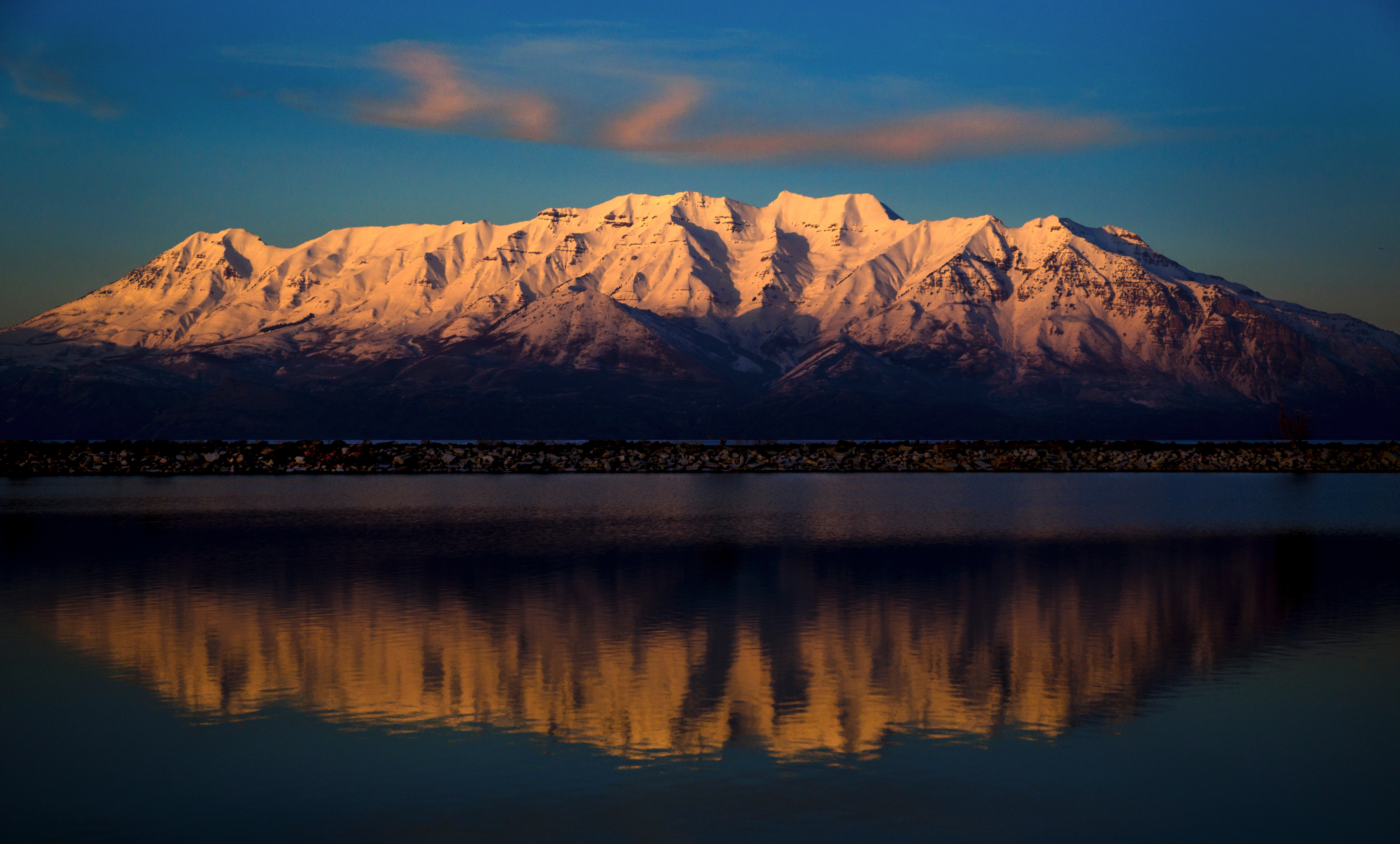
Why Most Summits Begin Before Sunrise
Cold, Dark, and the Temptation to Turn Back
Finding Your Rhythm, Hydration, and Pacing
What “Bonking” Feels Like and How to Avoid It
The 4 Stages — and What to Do at Each One
Heaviness
Legs feel heavier than expected. Slightly less enthusiastic. A bit quieter than normal. Not alarming — eat a snack now before it progresses.
Energy Drop
Marked energy drop. Difficulty concentrating. Legs feel like concrete. Mild irritability. Stop, eat 250+ calories, drink water, rest 10 min. You will likely recover fully.
Lightheadedness
Shaking, lightheadedness, difficulty thinking clearly. Sit down immediately. Eat fast-acting sugar (gel, candy, juice). 15-20 min recovery. Reassess descent options.
Emergency
Can’t maintain balance, disoriented, partner is concerned. This is an emergency. Descend immediately with assistance. Do not attempt to push to summit.
How to avoid bonking entirely. Eat before you’re hungry. Drink before you’re thirsty. Start slowly. Never go more than 90 minutes without calories. Carry one emergency gel or packet of chews specifically as a bonk rescue — don’t eat it as a regular snack, save it for the moment you feel Stage 2 symptoms arriving.
The Psychological Test
The antidote is simple: never assume you’re looking at the summit until your GPS or topo map confirms it. Check your route description before you start and identify known false summits. If none are listed and you see a high point ahead, assume there might be another one beyond it. Approach every high point as a waypoint, not a finish line.
What to Do, How Long to Stay, Photo Tips
The 6-Item Summit Checklist (In This Order)
- Note your arrival time — tells you how long you can stay within your turnaround window
- Add your mid layer — you’ll cool rapidly when you stop moving; put on your fleece before you feel cold
- Eat a real snack — not a bite, a meal. Your body needs it for the descent ahead
- Drink water — you’re still dehydrating even sitting still at altitude
- Take photos — then genuinely look at the view without a phone in your hand for at least 5 minutes
- Check weather — look at the sky and horizon before descending; conditions should be stable
Photo Tips for Summit Shots
Face Toward the Light
Point the lens away from the sun for the clearest shots. Early morning light (the golden hour you hiked into) produces the best natural portraits.
Include the Landscape
A tight face shot tells nothing. Step back and include the drop-off, the horizon, the ridgeline — the context that makes a summit photo worth more than any gym selfie.
Don’t Spend 20 Minutes On It
Take your photos in the first 5 minutes while everyone is still energized and smiling. Then put the phone away and actually be at the summit. You’ll remember it better.
Most Critical Section of the Day
Descent by the Numbers
Refueling, Driving Home, Muscle Soreness
Immediate Refueling
Eat within 30 minutes of finishing — the “anabolic window” is real. Protein + carbohydrates: a sandwich, chocolate milk, a proper snack. Change your socks. Take your boots off. Sit down for 10 minutes before driving.
Driving Fatigued
Summit days are physically exhausting. If you drove two hours to get there, you now have to drive two hours back on tired legs and a depleted brain. Drink a coffee or energy drink before the drive. Have a passenger if possible. Stop if drowsy — a trail parking lot nap beats an accident.
The DOMS Surprise
Delayed Onset Muscle Soreness from downhill hiking peaks 24-48 hours after the descent, not immediately. Your quads and calves will be most affected. Walking stairs will be comically difficult. Completely normal — resolves in 3-5 days. Light walking helps; sitting still doesn’t.
What your first summit actually gives you beyond the summit. You now have a reference experience. You know how your body responds to altitude, how long you can sustain effort with a pack, how you handle the mental wall, and which gear worked and which didn’t. Every summit you plan from here will be built against that reference — which makes you a meaningfully better planner, a more honest self-assessor, and a safer climber every time out.
The 8 Common Mistakes Beginners Make on Summit Day
Avoid These Common Beginner Summit Day Mistakes
- Starting later than planned because the alarm felt too early. The pre-dawn start exists for safety reasons — being off exposed terrain by 1 PM requires a 4-5 AM start. Starting at 7 AM “because you needed sleep” puts you on the summit at 11 AM and on the descent during afternoon thunderstorm window. The pain of the early alarm is significantly less than the danger of an afternoon storm on exposed terrain.
- Making a turnaround decision in the first 40 minutes. The first hour is universally the worst part of summit day. Your body hasn’t warmed up, your cardiovascular system hasn’t found rhythm. The “I can’t do this” feeling at minute 30 transforms into “I feel good” by minute 45 for nearly every first-timer. Never quit in the first 40 minutes — wait it out.
- Going too hard in the first hour because you feel fresh. The biggest pace mistake on summit day. You cannot bank energy early; you can only waste it. Start slower than feels necessary — the pace that feels embarrassingly easy at mile 1 is the pace that gets you to the summit with energy to spare for the descent.
- Skipping breakfast because of pre-summit nerves. Hiking fasted undermines everything the training built. Eat a proper breakfast 60-90 minutes before your hike start (oatmeal, eggs, toast) regardless of how hungry you feel. Your body needs time to begin processing fuel before the demand starts.
- Eating only when hungry instead of on schedule. Hunger is a lagging signal — by the time you feel it, your blood sugar is already dropping. Eat every 60-90 minutes proactively (200-250 calories) whether you feel hungry or not. This single habit prevents most bonking episodes.
- Treating a false summit as a turnaround signal. False summits are common and demoralizing only if you weren’t warned about them. The high point you’re approaching may not be the actual summit. Check route descriptions before you start, identify known false summits, and treat every high point as a waypoint until GPS confirms otherwise.
- Treating the descent as “the easy part.” 65% of mountain trail accidents happen on the descent, not the ascent. Tired legs, mental relaxation, 3-4x more knee impact, and 40% reduced reaction speed all combine to make descent the most dangerous part of the day. Use poles, slow down on loose surfaces, keep eating and drinking, and get your headlamp out before you need it.
- Driving home immediately while exhausted. Summit days are physically depleting. Driving 2+ hours home on tired legs and depleted brain is a real accident risk. Sit down at the trailhead for 10 minutes before starting the engine. Drink a coffee or energy drink. Stop if drowsy — a trail parking lot nap beats a highway accident.
What We Don’t Know
Honest limitations of any summit day walkthrough
Individual experience varies significantly. The 9-stage walkthrough represents the typical chronological structure of a beginner Class 1-2 summer summit day — but individual physiology, fitness, mental resilience, and altitude tolerance create substantial variation. Climbers who experience their bonk at mile 2 instead of mile 3, who feel their best in the first hour instead of in the middle section, or who experience no false summits on their specific route are not doing anything wrong — they’re just having their own version of the day.
Mountain-specific variation matters. A 5,000-foot regional peak summer summit looks very different from a 14,000-foot Colorado 14er summit, which looks different again from a Cascade volcano with persistent snow. The walkthrough applies generally to Class 1-2 summer beginner peaks; high-altitude objectives add altitude sickness considerations not fully covered here, and shoulder-season attempts add weather variability beyond the typical summer pattern.
The 65% descent accident statistic varies by source. Mountain accident research from the American Alpine Club, the Mountain Rescue Association, and federal land managers consistently shows that descent accidents outnumber ascent accidents — but the specific percentage varies between studies depending on definitions (technical falls vs trail slips, fatal vs non-fatal, beginner vs experienced). The general principle holds across all studies: the descent is more dangerous than climbers expect.
The “anabolic window” claim is contested in current sports science. Recent research suggests the post-exercise refueling window is wider than the traditional 30-minute rule implied, perhaps 60-90 minutes for most beginners. The practical advice (eat soon after finishing) remains sound, but the specific 30-minute deadline may be more relaxed than once thought. Either way, eating protein and carbohydrates within 30-90 minutes of finishing is the right move.
Mental experiences are highly variable. Some climbers don’t experience a “wall” at all. Some experience multiple walls. Some find the first hour effortless and struggle at mile 4 instead. The framework of “this is normal, keep going” applies broadly, but your specific psychological experience may differ — and recognizing your own patterns across multiple summits is how you become a self-aware climber.
The walkthrough assumes a healthy first-timer. Climbers with cardiovascular conditions, chronic injuries, or specific medical considerations should consult their physician before attempting any summit. The 9-stage framework is designed for the typical healthy adult completing the 8-week training plan from Guide 06 — modifications may be appropriate for climbers with specific health considerations.
Summit Day FAQ
What time should I start hiking on summit day?
Most beginner summits start between 4 and 5 AM. The early start isn’t tradition or machismo — it’s safety logic. Most mountain weather deteriorates in the afternoon, particularly in summer when convective thunderstorms build rapidly after midday. Starting at 5 AM means your most exposed terrain (the ridge, the upper slopes, the summit itself) happens in the morning window when conditions are most stable. For Rocky Mountain peaks and many Cascade objectives, the rule is simple: be below treeline or off exposed terrain by 1 PM regardless of where you are on the route. Starting at 5 AM gives you an 8-hour buffer to work with. Eat breakfast 60-90 minutes before your hike start (oatmeal, eggs, toast) — your body needs time to begin processing fuel. Don’t skip breakfast because you’re nervous or not hungry; hiking fasted undermines everything the training built.
What is bonking and how do I avoid it?
Bonking (also called “hitting the wall”) is the sudden, dramatic drop in energy that occurs when your blood glucose falls too low to sustain aerobic exercise. It’s different from ordinary tiredness — it comes on suddenly and completely. One minute you’re moving fine, the next you feel shaky, weak, mentally foggy, and unable to imagine taking another step. Bonking has four stages: Stage 1 Early (legs feel heavier than expected — eat a snack now); Stage 2 Medium (marked energy drop, difficulty concentrating — stop, eat 250+ calories, drink water, rest 10 minutes); Stage 3 Severe (shaking, lightheadedness — sit down, eat fast-acting sugar, reassess descent options); Stage 4 Full Bonk (can’t maintain balance, disoriented — emergency, descend immediately with assistance). The critical distinction is that bonking is almost always reversible in 15-20 minutes with food and rest — it’s a signal that your fuel system ran low, not that your body has reached its limit. To avoid bonking: eat before you’re hungry, drink before you’re thirsty, start slowly, never go more than 90 minutes without calories, and carry one emergency gel as a bonk rescue.
What is a false summit?
A false summit is a high point on the ridge or upper mountain that appears to be the summit — until you reach it and discover the real summit is further behind it. False summits are extremely common on beginner peaks and are one of the most demoralizing experiences for first-timers who weren’t warned about them. When you reach what you believe is the summit and discover it isn’t, your brain performs an instant and brutal recalculation — the finish line you were running toward just moved, energy you thought you’d already spent now has to stretch further, and the emotional crash can be significant. The antidote is simple: never assume you’re looking at the summit until your GPS or topo map confirms it. Check your route description before you start and identify known false summits — if none are listed and you see a high point ahead, assume there might be another one beyond it. Treat every high point as a waypoint, not a finish line. The practical move on a false summit: sit down for 5 minutes, eat something, drink water, look at how far you’ve come rather than how far you have to go.
Why is the descent more dangerous than the ascent?
The descent is when first-timers get hurt — not the ascent, not the summit. Approximately 65 percent of mountain trail accidents occur on the descent rather than the ascent. Three factors compound to make descent more dangerous: tired legs (6+ hours of climbing has depleted muscles), mission-accomplished mental relaxation (summit pressure is gone so attention drifts), and the physical demands of downhill movement on uneven terrain. Downhill hiking creates 3-4 times more impact force on knee joints than uphill walking, and fatigued climbers experience approximately 40 percent reduction in reaction speed — meaning your foot doesn’t move fast enough when you slip. The safety protocol: use trekking poles (reduce knee impact by up to 25 percent on downhill sections, plant in front of you as a brace with each step). Slow down on loose rock and wet surfaces (wet granite, loose gravel, and damp roots become dramatically more slippery when legs are tired). Keep eating and drinking on the same schedule as ascent — muscles are still working and consuming glycogen. Get your headlamp out before you need it.
How long should I stay at the summit?
Most beginner summits warrant 15-30 minutes at the top. Long enough to eat, drink, take photos, take it in, and let your legs breathe. Not so long that muscles cool and stiffen, wind chill becomes an issue, or your turnaround window closes. Check the time when you arrive and check it again when you leave. The 6-item summit checklist in order: (1) Note your arrival time; (2) Add your mid layer — you’ll cool rapidly when you stop moving, put on fleece before you feel cold; (3) Eat a real snack — not a bite, a meal, your body needs it for the descent ahead; (4) Drink water — you’re still dehydrating even sitting still at altitude; (5) Take photos in the first 5 minutes, then look at the view without a phone for at least 5 more minutes; (6) Check weather — look at the sky and horizon before descending. The summit moment is real and you earned it. But the descent is still ahead, and staying alert at the summit is part of how you stay safe on the way down.
Will I feel terrible during my first summit day?
The first hour is almost universally the worst part of a summit day — and recognizing that this is normal is half the battle. In the first hour your body is cold, your muscles are stiff, your headlamp is showing a narrow slice of dark trail, and some part of your brain is asking why you are doing this instead of sleeping. Nearly every first-timer has a serious conversation with themselves in this window about whether to continue — and almost all of those who push through transform from “I can’t do this” at minute 30 to “I feel good, let’s go” by minute 45. The rule is do NOT make any turnaround decisions in the first 40 minutes. Your body hasn’t warmed up; your cardiovascular system hasn’t found its rhythm. Give yourself that time before making any calls. Somewhere between miles 1.5 and 3, something shifts — your breathing settles, your legs stop complaining and start working with you, the sun comes up. This is the section most people describe when they say they “love hiking.” The hardness of the first hour is part of summit day, not a sign that something is wrong.
Sources and Methodology
Numbered Source References
This summit day walkthrough synthesizes data from mountain rescue statistics, climbing accident reporting, sports physiology research, and beginner climbing community experience.
- American Alpine Club (AAC). AAC — climbing organization providing annual Accidents in North American Climbing reporting that informs the descent accident statistics and beginner-specific risk patterns.
- The Mountaineers (Pacific Northwest). The Mountaineers — established climbing education organization whose Mountaineering: The Freedom of the Hills text remains the standard reference for alpine start protocols and summit day decision frameworks.
- National Park Service (NPS). NPS — federal land management authority providing trail safety statistics, accident reporting, and weather-based recommendations for major US peaks including Mount Whitney, Mount Rainier, Grand Teton, and Rocky Mountain National Park 14ers.
- USFS (United States Forest Service). Trail safety statistics and shoulder-season conditions reporting that supports the descent risk awareness and weather-window timing recommendations.
- Climbing physiotherapy and sports nutrition literature. Standard physical therapy assessments for hiking/climbing-related descent stress, bonking physiology (blood glucose and aerobic metabolism), and DOMS (Delayed Onset Muscle Soreness) patterns from eccentric muscle damage during descent.
- Mountain-Forecast.com. Mountain-Forecast — specialized forecasting service providing summit-elevation weather data referenced throughout the night-before weather check recommendations.
- 14ers.com and SummitPost. Community trip report databases providing the empirical evidence base for false summit common locations, typical timing patterns, and descent route conditions across major US beginner peaks.
- Internal Global Summit Guide research. Cross-referenced with our Beginner Climbing Guide hub, 8-Week Training Plan, Mountain Safety Basics (Guide 08), and Altitude Acclimatization Explained.
Methodology note. Quarterly review cycle — next review September 2026 (post-summer climbing season). Statistics and protocols reflect typical Class 1-2 summer beginner peaks in the continental US; high-altitude (>10,000ft), shoulder-season, or technical objectives may require additional safety considerations beyond this baseline walkthrough.
What’s Next?
You Now Know What’s Coming. That’s the Single Best Preparation.
Generally, knowing the chronological structure of summit day — the cold first hour, the rhythm at mile 2, the bonk at mile 3, the false summit, the moment at the top, the dangerous descent — makes the hard parts feel like landmarks instead of warning signs. Specifically, that recognition is the difference between “this is normal, keep going” and “something is wrong, consider turning back.” Notably, read this fully the night before your summit and refer back to it as needed.
Review All 9 StagesRead Safety Basics →Was this helpful?
🏔Related guides
🧭Explore & compare
Global Summit Guide is an independent mountaineering resource founded in 2026. The team combines first-hand trekking and climbing experience with in-depth research and professional health and nutrition review to help climbers choose objectives, prepare properly, and stay safe.
Health, altitude, and nutrition content is reviewed by Taylor Ludlow (Registered Nurse) and Brigg Hoopes (Nutritionist).
What We Don't Know Yet
Mountain information changes quickly. This box explains the limits of what this page can responsibly promise.
- Weather, snowpack, avalanche risk, road access, and route conditions can change quickly and may be different on your climbing dates.
- Route conditions, trailhead access, crevasse exposure, stream crossings, and rescue access may vary from published planning guidance.
- Gear requirements can change by season, route variation, weather window, personal cold tolerance, and guide-service requirements.
Verify current conditions with official land managers, guide services, local forecasts, and current route reports before booking or climbing.
Mountaineering, rock and ice climbing, glacier travel, and high-altitude activity are inherently dangerous and can result in serious injury or death. The information on Global Summit Guide is provided for general informational and educational purposes only and is not a substitute for professional instruction, qualified guiding, proper equipment, or your own judgment and experience.
Route conditions, weather, snowpack, permits, regulations, and hazards change constantly and may differ from what is described here. Details may be incomplete, out of date, or contain errors. Always verify current information with local authorities, certified guides, and official sources before making any decision in the mountains.
Nothing on this site is medical, legal, or financial advice. Our fitness, acclimatization, altitude, and nutrition content is general in nature; consult a qualified physician before beginning any strenuous exercise program or exposing yourself to high altitude.
You are solely responsible for your own safety and decisions. To the fullest extent permitted by law, Global Summit Guide and its team accept no liability for any loss, injury, damage, or expense arising from use of, or reliance on, this information. By using this site you acknowledge these risks and accept these terms.
Some links on this site may be affiliate links. If you buy through them we may earn a small commission at no extra cost to you; this never affects our recommendations.
Global Summit Guide recommendation path
Next Best Mountain to Research
Use these recommendations to continue the right planning path instead of stopping on one page.
Use current permit, weather, route, and operator information before booking or climbing.