Last updated November 16, 2026
Kilimanjaro Expedition Update: Route Decisions for 2027
This dispatch separates confirmed field experience from present-day planning. GSG’s July 2025 Lemosho trip report offers a real account of summit-night experience; it is not evidence of what every 2026 route looks like today. For upcoming trips, actual acclimatization, weather and operator judgment matter more than one universal success number.
GSG editorial research · November 15, 2026 · Tanzania

What matters before you book
For a 2027 Kilimanjaro climb, choose a responsible guide and enough mountain days, then verify conditions close to departure. Draw lessons from historic trip reporting without passing those experiences off as new 2026 summit observations.
What we know and what we are not claiming
GSG previously published firsthand reporting from a Lemosho climb with Peak Planet in July 2025. It describes the stages from mountain camps to summit, including a demanding night ascent and the logistical value of guide support. Those are observations from a defined time and party—not a mountain-wide performance dataset.
This page adds sourced route planning, updated weather and cost verification context for late 2026. We have not observed every active route, summit snow patch or guide team during the past few days, so we do not label any route “currently perfect” or forecast exact summit conditions.

What mountain days buy you—and what they cannot promise
| Typical trip | Useful itinerary question | Main trade-off |
|---|---|---|
| Machame (6–7 days) | Where are the high/low sleeping camps? | A compressed schedule may allow less acclimatization time |
| Lemosho (7–9 days) | Which Shira/Barranco camps and acclimatization day? | Longer mountain time adds service cost and days away |
| Northern Circuit (8–9 days or more) | What is the actual camp progression? | Longer traverse needs appropriate logistics and commitment |
| Marangu (5–6 days) | How many hut nights and extra acclimatization days? | Huts do not remove altitude risk |
| Rongai (6–7 days) | How are northern approach days and weather managed? | Geographic approach differs; days still matter |
Exact itineraries vary; an operator might advertise a total trip duration that includes hotels. Use the number of days on the mountain.

What the historical field report can teach
Cold changes routine tasks
Clothing, gloves, headlamp use and water accessibility should be tested beforehand. Frozen water or numb hands are planning problems worth discussing, not badges of toughness.
The team matters
Good guiding is more than walking speed. It includes clear instructions, observing client changes, managing rest, and making difficult decisions if symptoms appear.
Weather is not the story alone
Even a clear night can be demanding because low oxygen and cumulative hiking fatigue remain.
The descent is part of the climb
Training should include repeated downhill walking, boot comfort and long moving hours after the summit.
These are general practical lessons informed by the 2025 article and high-altitude guidance. They are not presented as newly recorded climber quotations.

Why one successful summit does not validate a percentage
A trip report answers questions about a participant’s route, experience and decisions. Research statistics answer different questions, using defined populations and counting methods. Neither should be made to impersonate the other.
The CDC Yellow Book emphasizes acclimatization and individual risk. For summit success rates, use Summit success: what studies can show →; for narrative, use Peak Planet Lemosho 2025 trip report →.
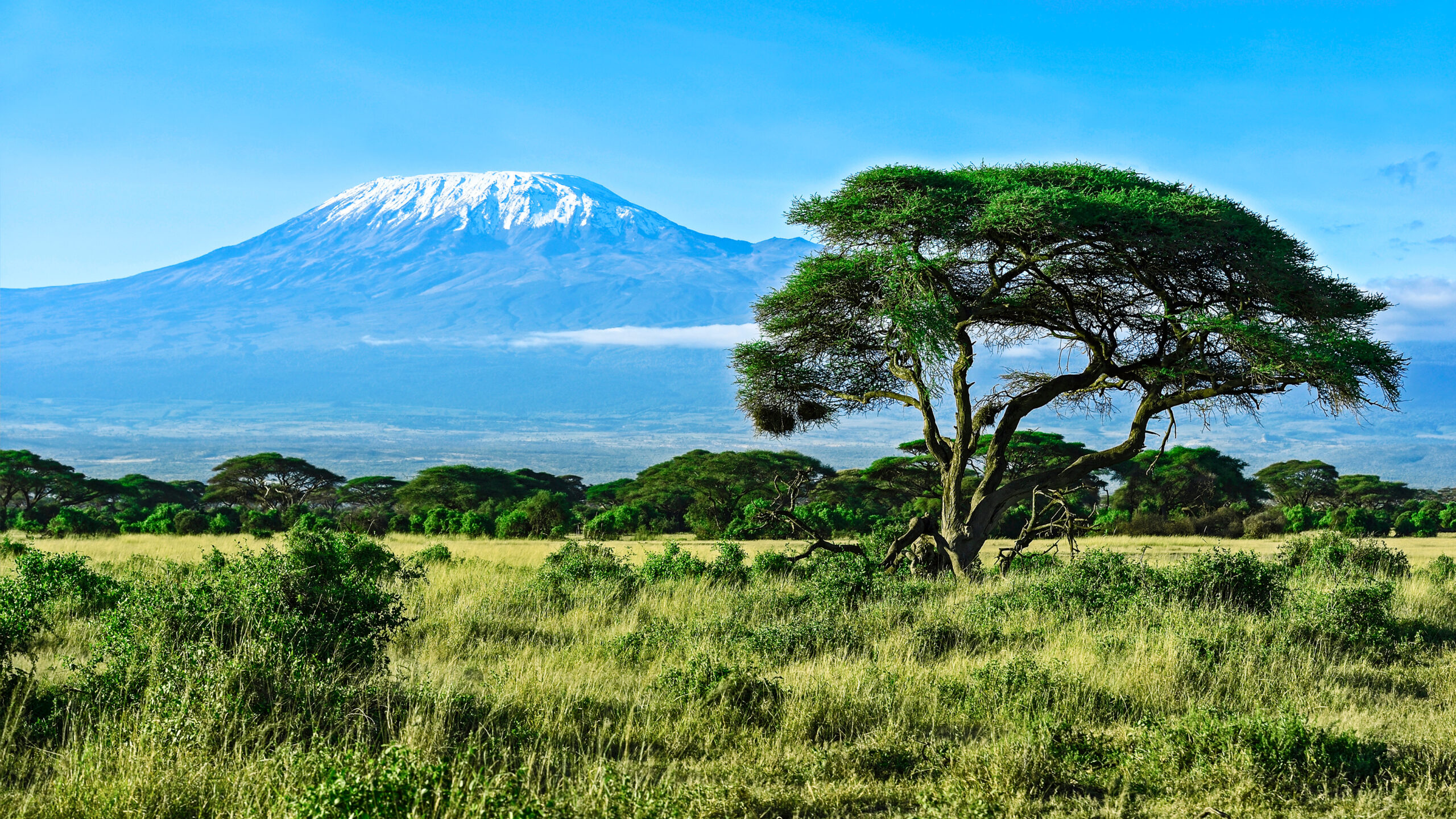
What climbers need to verify for the next season
November is in the short-rains period rather than the July–September peak trekking season. The Tanzania Meteorological Authority provides regional seasonal guidance, but mountain-specific weather and gate conditions require local checking immediately before departure. TANAPA’s public tariffs likewise must be checked against an actual current operator invoice.
For the most recent research approach, see Kilimanjaro route-conditions guide → and Kilimanjaro 2026 season and fee update →. Neither of these should be substituted for official notice on the day you climb.
The next five decisions after reading the dispatch
- Decide whether the goal is a supported trek or a faster itinerary with less altitude adjustment.
- Select the route on its actual camps and mountain nights, not its marketing label.
- Check your own training, medical and prior-altitude context.
- Evaluate the operator’s guide systems, emergency plan and responsible-labor practices.
- Book flights and hotels with enough buffer for travel disruption and recovery.
A meaningful expedition update should lead to better choices—not encourage travelers to chase a predicted “100% summit window.”
Turn the guide into an action plan
Use this page-specific tool to identify the next question you should ask—not to replace an operator’s on-mountain decisions.
What kind of trip would you compare?
This tool gives route-research starting points, not a medical clearance or summit guarantee.
See the mountain beyond the headline
Documentary photographs of Kilimanjaro landscapes, camps and preparations. Credits are listed on every image; general training photos are illustrative where noted.


Compare flights, stays, tours and extensions
Travel and tour inventory is supplied by Expedia, Viator and TourRadar and may change without notice. GSG may earn a commission on qualifying bookings; listings are not editorial endorsements.
Expedia — flights and hotels
Compare air travel to Kilimanjaro International Airport (JRO), Moshi or Arusha stays and buffer-night options. The visible links remain available if the Expedia widget cannot load.
Use Expedia for travel arrangements, not as a substitute for a licensed summit operator.Viator — Tanzania day experiences
Browse optional activities around Moshi and Arusha; a day tour is separate from the guided climb and its safety plan.
Commercial listings and availability are provided by Viator.TourRadar — compare guided travel inventory
Check the named climb operator, route length, number of park nights, crew-welfare system, fees, and medical plans before putting down a deposit.
Powered by TourRadar. Sponsored travel inventory; not GSG editorial rankings.Answers before your next step
Is this a report from a new November 2026 expedition?
No. It is a November 2026 editorial planning update referencing a separately dated July 2025 firsthand Kilimanjaro account.
Which route has the best success rate?
It is not sound to pick a single winner from unmatched operator claims. Compare mountain days, acclimatization, leader experience and your circumstances.
Is Lemosho good for a first Kilimanjaro climb?
A well-designed Lemosho itinerary is popular for strong scenery and more acclimatization options, though there is no guaranteed safe route.
Do longer trips cost more?
They commonly add guide, porter, camp and park-day costs; request an actual package quote with day counts and inclusions.
How current are GSG’s route observations?
The firsthand Lemosho reporting is dated July 2025. Route and weather notes for 2026 are planning context unless specifically documented as live observations.
How can I keep up with park regulations?
Use TANAPA and your licensed operator for park-specific requirements and local conditions before departure.
Keep researching the mountain
Each linked guide answers a specific planning question. Continue through the parent pillar and supporting evidence pages without leaving the Kilimanjaro cluster.
Official sources and verification
Research completed November 15, 2026. Conditions, tariffs and operator programs can change. Check sources again before paying for or undertaking an expedition.
TANAPA — official visitor guide and regulations
TANAPA — public park tariff portal (check validity)
CDC — 2026 Yellow Book altitude health
KRTO/KPAP — responsible travel and porter standards
Tanzania Meteorological Authority — 2026–27 seasonal outlook
Google — breadcrumb structured data requirements
Put the expedition briefing into context.
Combine this summit perspective with the full route guide, recent conditions and independent operator evaluation.
Was this helpful?
🏔Related peaks nearby
🧭Explore & compare
Global Summit Guide is an independent mountaineering resource founded in 2026. The team combines first-hand trekking and climbing experience with in-depth research and professional health and nutrition review to help climbers choose objectives, prepare properly, and stay safe.
Health, altitude, and nutrition content is reviewed by Taylor Ludlow (Registered Nurse) and Brigg Hoopes (Nutritionist).
What We Don't Know Yet
Mountain information changes quickly. This box explains the limits of what this page can responsibly promise.
- Route conditions, trailhead access, crevasse exposure, stream crossings, and rescue access may vary from published planning guidance.
- Visa, passport, vaccination, border, insurance, and local transportation rules may change before your trip.
- Route conditions, snowpack, closures, and weather can change quickly after this page is updated.
- Permit rules, fees, quotas, and reservation windows may change between review cycles.
- Operator availability, pricing, guide ratios, and cancellation terms can change by season.
Verify current conditions with official land managers, guide services, local forecasts, and current route reports before booking or climbing.
Mountaineering, rock and ice climbing, glacier travel, and high-altitude activity are inherently dangerous and can result in serious injury or death. The information on Global Summit Guide is provided for general informational and educational purposes only and is not a substitute for professional instruction, qualified guiding, proper equipment, or your own judgment and experience.
Route conditions, weather, snowpack, permits, regulations, and hazards change constantly and may differ from what is described here. Details may be incomplete, out of date, or contain errors. Always verify current information with local authorities, certified guides, and official sources before making any decision in the mountains.
Nothing on this site is medical, legal, or financial advice. Our fitness, acclimatization, altitude, and nutrition content is general in nature; consult a qualified physician before beginning any strenuous exercise program or exposing yourself to high altitude.
You are solely responsible for your own safety and decisions. To the fullest extent permitted by law, Global Summit Guide and its team accept no liability for any loss, injury, damage, or expense arising from use of, or reliance on, this information. By using this site you acknowledge these risks and accept these terms.
Some links on this site may be affiliate links. If you buy through them we may earn a small commission at no extra cost to you; this never affects our recommendations.
Global Summit Guide recommendation path
Next Best Mountain to Research
Use these recommendations to continue the right planning path instead of stopping on one page.
Use current permit, weather, route, and operator information before booking or climbing.