Last updated September 21, 2026
Kilimanjaro 2026 Update: Season, Park Fees & Success Data
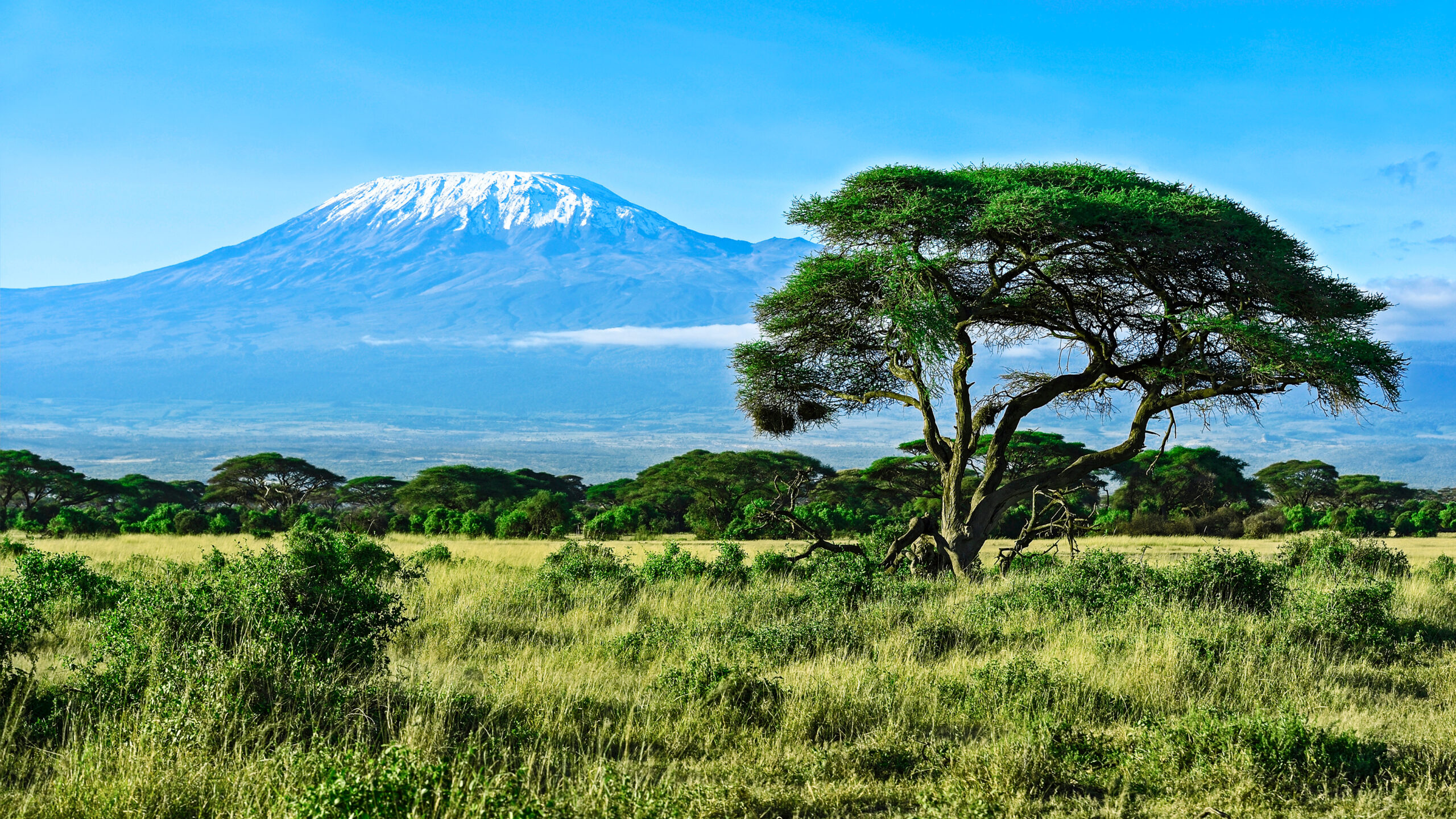
Kilimanjaro remains inside its main June–October dry-season window in late September 2026. The important booking questions are no longer which website publishes the biggest summit percentage. They are how many days the itinerary gives you, what evidence sits behind the claimed success rate, what TANAPA fees are actually included, and whether the operator protects acclimatization, descent decisions and porter welfare.
What Is the Kilimanjaro Situation in September 2026?
Kilimanjaro is still within the mountain’s main June–October dry-season planning window. September normally remains one of the stronger months for trekking before the short-rain period that commonly affects November.
The biggest correction to older Kilimanjaro advice is statistical: there is no current public TANAPA/KINAPA dataset that supports one precise 2026 summit-success percentage for every route. Longer, slower itineraries remain the stronger acclimatization choice, but figures such as “Northern Circuit 98%” or “Lemosho 90%” should be labeled as operator-reported estimates, not official park statistics.
Kilimanjaro Is Still in Its Main Dry-Season Window.
Seasonal labels are useful for planning but not a substitute for the actual mountain forecast delivered by the operator immediately before and during the trek.
First Dry Window
Often a strong period with somewhat warmer conditions and generally less traffic than peak Northern Hemisphere summer.
Long Rains
Wetter forest trails, more persistent cloud and more difficult camp drying make this the least attractive period for many first-time trekkers.
Main Dry Window
The broadest popular season. September remains inside this window, with cold high on Kibo regardless of conditions lower down.
Short Rains
A more variable period. Kilimanjaro does not close simply because the calendar says November, but weather becomes less predictable.
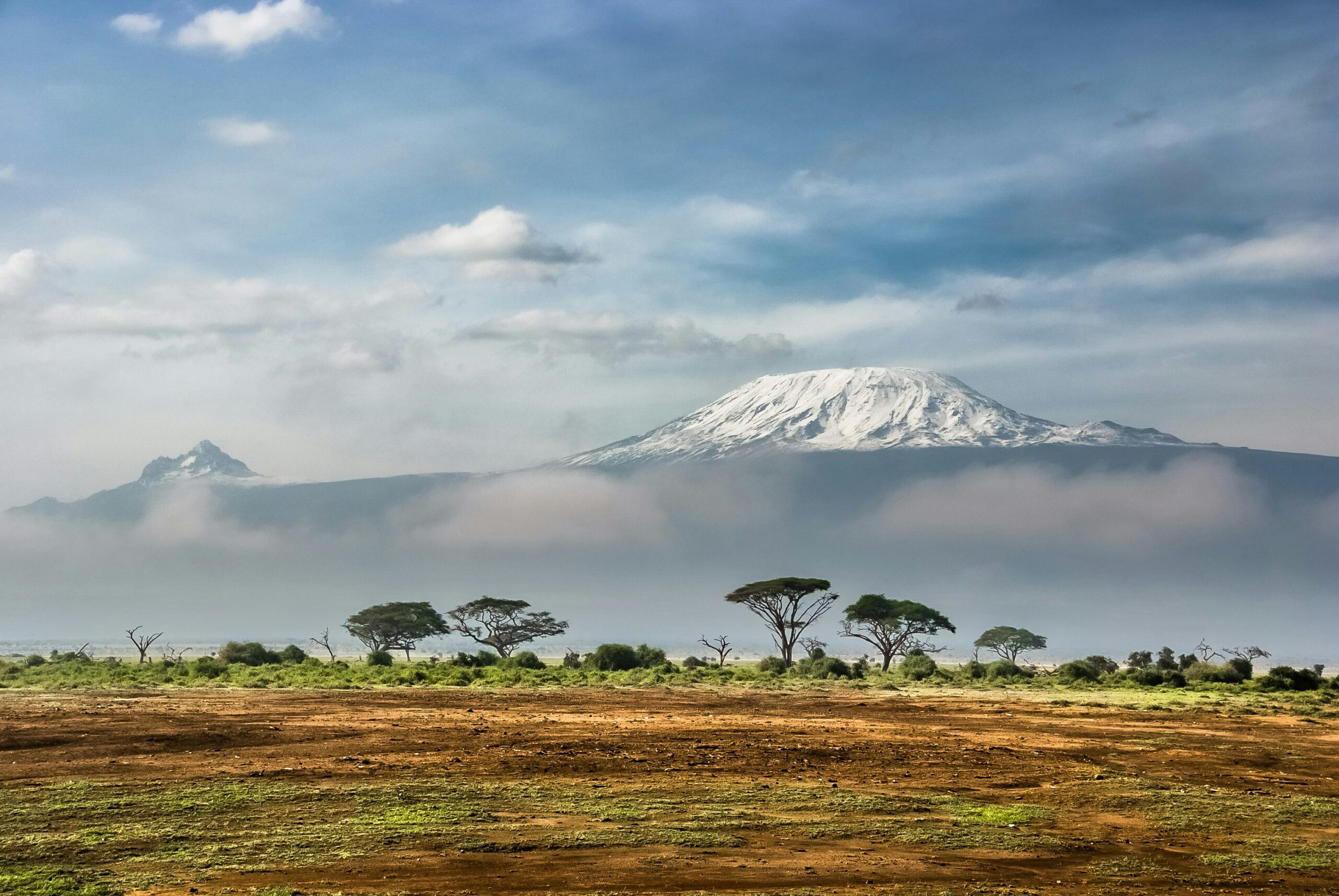
Season Is a Planning Window—not a Promise of Summit Weather.
Kilimanjaro crosses rainforest, moorland, alpine desert and an arctic summit environment in less than a week. A dry-season forecast at the trailhead can still become wind, snow or sub-zero cold near the crater rim.
There Is No Audited Current Success Rate for Every Kilimanjaro Route.
Numbers on Kilimanjaro pages often look more precise than the underlying evidence supports.

Fitness Helps You Walk. It Cannot Force Your Body to Acclimatize.
A stronger climber may move efficiently and recover well, but altitude response remains individual. Adding useful acclimatization time is one of the few planning levers available before you discover how your body responds.
Choose the Itinerary Profile, Not the Biggest Success Percentage.
Two companies can sell the same route name with materially different day counts and sleeping-elevation schedules.
| Route | Useful duration | Planning strength | What the data lets us say |
|---|---|---|---|
| Lemosho | 7–8 days | Strong all-round profile | Eight-day versions give excellent acclimatization structure. High published operator rates should remain labeled as operator data. |
| Northern Circuit | 8–9 days | Maximum standard time | Long itinerary strongly favors acclimatization. There is no current TANAPA-verified universal “98%” route rate. |
| Machame | 6–7 days | Strong at seven days | Seven days is the more conservative choice. Operator success reporting varies substantially. |
| Rongai | 6–7 days | Quieter northern approach | A peer-reviewed six-day cohort reached 88%, but that study is not a universal modern all-operator route rate. |
| Marangu | 5–6 days | Avoid unnecessary compression | Short historical profiles performed poorly compared with longer itineraries. Six days is preferable to five when Marangu is chosen. |
| Umbwe | 6–7+ days when modified | Steep, specialist choice | Route character is clear; a defensible universal success percentage is not. |
| Shira | 7–8 days | High-start alternative | Starting high removes some of the gentler early adaptation offered by Lemosho. |

Route Days Are Doing More Than Adding Scenery.
Every additional well-designed day lets the body spend more time adapting while the trek moves from forest through heath and alpine desert toward Kibo. Cutting days saves money largely by removing physiological time.
What We Can Verify About Kilimanjaro Park Fees.
The correct way to present 2026 fees is to separate the official public tariff reference from the operator’s actual current TANAPA payment calculation.
| Charge | Official public TANAPA reference | How to use it |
|---|---|---|
| Conservation | $70 per non-EA adult per day | Primary daily park-access component. |
| Public camping | $50 per non-EA adult per night on the Kilimanjaro schedule | Applies to tented routes according to the applicable itinerary. |
| Marangu huts | Verify the current hut calculation with TANAPA/operator | Marangu uses huts rather than the tented-route camping structure. |
| Rescue | $20 per non-EA visitor per trip | Park rescue charge; not a replacement for travel/evacuation insurance. |
| Crew fees | Separate Tanzanian crew fee structure | Your operator pays the guide, porter and cook park-related charges. |
| VAT | Official public PDF says standard charges are 18% VAT-exclusive | Verify the final TANAPA/GePG control-number calculation because current TANAPA web wording is not perfectly consistent across public pages. |
How Many Park Days?
Verify that the quote’s park-entry days match the actual itinerary rather than a shorter itinerary used to make the package appear cheaper.
Are Taxes Included?
Ask whether every government charge and applicable VAT is inside the quoted package rather than due after arrival.
What Is Not a Park Fee?
Tips, hotels, airport transfers, personal gear, travel insurance and international flights remain separate unless explicitly included.

Government Charges Do Not Explain Why One Operator Costs Twice Another.
Once the same park-cost base is accounted for, the remaining price difference comes from route days, group size, guide ratios, food, tents, safety equipment, hotels, wages, porter treatment and company overhead.
Use the Climb Experience Where It Is Strongest.
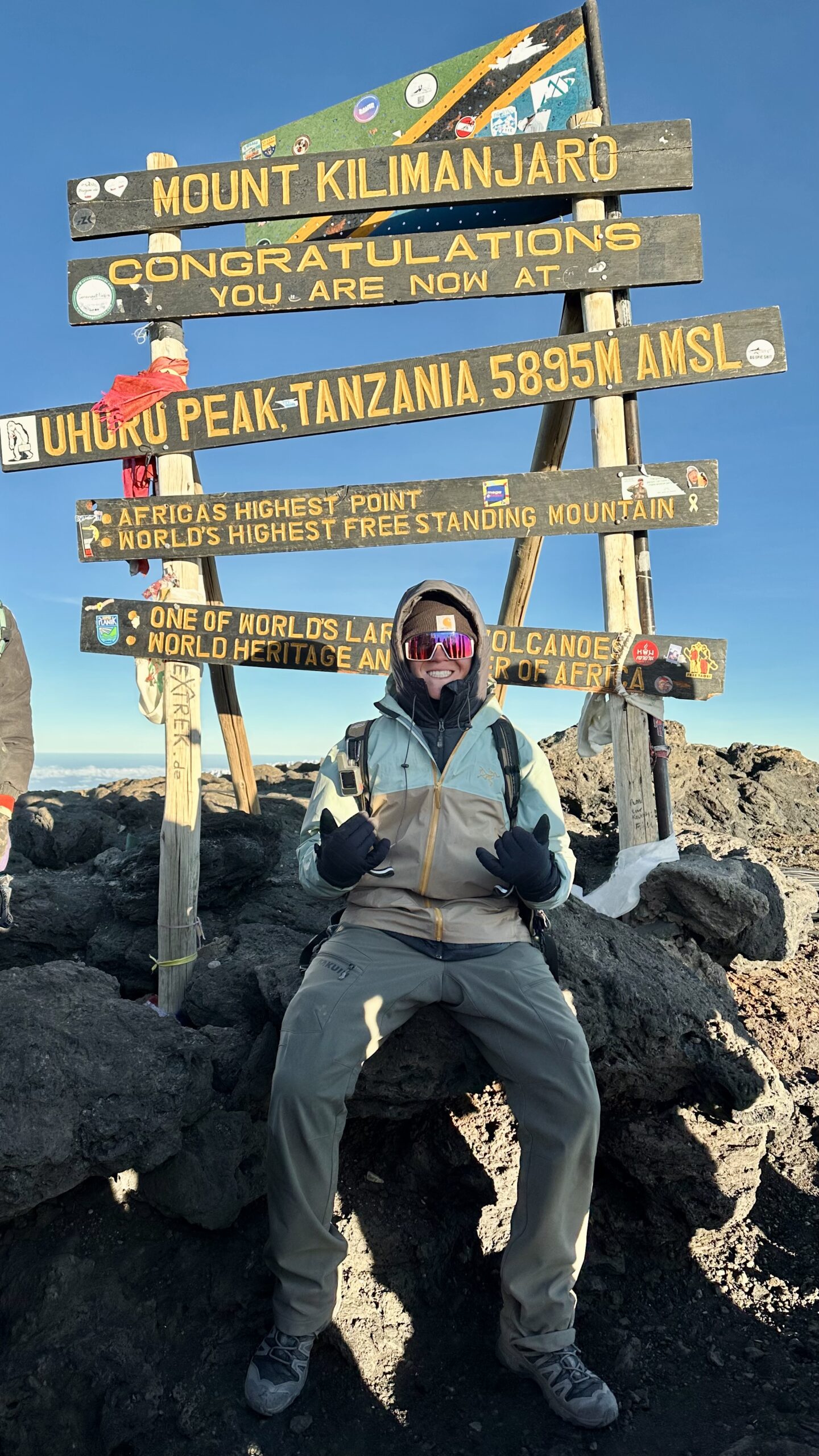
Dawson Ludlow reached Uhuru Peak by the Lemosho route in 2024. That experience gives Global Summit Guide direct evidence for what the route feels like, how slow pacing works in practice, what summit night demands and how important the descent becomes after the summit photo.
It does not turn one climb into a universal route-success percentage. First-hand observation and statistical evidence answer different questions, and this page keeps them separate.
The Longest Day Begins Before Midnight—and Ends Well After the Summit.
On the common southern routes, teams typically leave high camp during the night, climb slowly toward Stella Point, continue around the crater rim to Uhuru Peak if conditions and symptoms allow, and then descend thousands of vertical feet before the day is finished.

Uhuru Peak Is an Outcome Marker—not the End of the Risk.
Pages that count only whether someone stood beside the summit sign can miss the most important part of expedition success: whether the climber descended safely and without preventable altitude deterioration.
Compare the System Behind the Price.
On Kilimanjaro the guide-and-crew system determines pacing, monitoring, food, camp quality and whether a struggling climber is pressured upward or turned around.
Exact Itinerary
Request actual mountain days and sleeping elevations rather than accepting a route name as enough information.
Decision Authority
Ask how many guides are present, who makes turnaround decisions and how a sick climber is escorted down without compromising the group.
Monitoring System
Understand how symptoms are assessed, whether oxygen is carried and what evacuation resources are actually available.
Porter Welfare
Verify current responsible-tourism monitoring rather than assuming a low package price can coexist with strong crew treatment.
Where Kilimanjaro’s Main Routes Begin.
Route names describe different approaches around the mountain, but many ultimately converge around Kibo before summit night.
Kilimanjaro 2026 FAQ.
Current-season answers without presenting operator marketing estimates as official park data.
Is Kilimanjaro in season in September 2026?
Yes. September falls within Kilimanjaro’s main June–October dry-season planning window. Weather still changes rapidly by elevation and from day to day.
What is Kilimanjaro’s summit success rate in 2026?
There is no current public TANAPA/KINAPA dataset that supports one audited park-wide 2026 summit percentage or an exact current percentage for every named route. Available figures come from historical park data, research cohorts and operator reporting.
Does the Northern Circuit really have a 95–98% success rate?
Some operators publish very high success rates for their Northern Circuit clients, and the route’s long itinerary gives it a strong acclimatization profile. However, 95–98% is not a current audited TANAPA-wide Northern Circuit statistic.
Is Lemosho really a 90% route?
Around 90% is commonly reported by quality operators for longer Lemosho itineraries, but it should be treated as operator-specific evidence rather than an official all-operator park measurement.
How many days should I take to climb Kilimanjaro?
Seven to nine days is the stronger planning range for most first-time high-altitude trekkers. Eight-day Lemosho is a strong default because it adds acclimatization time without making the trip unusually long.
How much are Kilimanjaro park fees?
TANAPA’s public tariff materials list major components including a $70-per-day conservation fee for non-East-African adults, camping or hut charges and a $20 rescue fee. The current operator invoice should be used for the final total because taxes, itinerary days and published tariff materials must be reconciled.
Is 18% VAT added to Kilimanjaro park fees?
TANAPA’s downloadable public tariff PDF states that standard charges are 18% VAT-exclusive, while newer TANAPA web wording says fees are VAT-inclusive where applicable. Because public wording is inconsistent, confirm the actual current TANAPA control-number total rather than relying on an internet calculator.
Can you climb Kilimanjaro without an operator?
Kilimanjaro climbs operate through licensed guiding and park systems rather than normal independent unguided trekking. Confirm the current operator and park requirements when booking.
What is the main reason people fail on Kilimanjaro?
No single cause explains every turnaround, but rapid altitude exposure is a central recurring problem. Short itineraries, poor pacing, illness, fatigue, inadequate fueling, weather and summit-night decisions can all contribute.
What is the best Kilimanjaro route for a first-time climber?
For many first-time climbers, an eight-day Lemosho itinerary provides a strong balance of acclimatization time, scenery and route structure. A nine-day Northern Circuit is another strong option when extra time and cost are acceptable.
Move From the Update Into the Exact Question.
This URL owns the current-season snapshot. Permanent route, cost, success-rate and operator research belong on their dedicated pages.
Keep Current Status, Historical Data and Operator Claims Separate.
This update intentionally avoids presenting a commercial route-success estimate as an official national-park statistic. Seasonal status, tariff information, research cohorts and operator outcomes answer different questions.
- Tanzania National Parks — public park tariff portal
- TANAPA — currently accessible detailed Kilimanjaro tariff schedule
- Global Summit Guide — Kilimanjaro success-rate methodology and research cohorts
- Mountaineering Truth Project — Kilimanjaro failure-pattern investigation
Last researched: September 21, 2026. Recheck the current TANAPA control-number calculation, route conditions, operator status and weather before making non-refundable decisions.
Choose More Time Before You Choose a Bigger Success Percentage.
Kilimanjaro is still in season. The strongest planning decision is not finding the operator that advertises 98%. It is choosing a gradual itinerary, understanding the real fee structure, selecting a responsible guide team, reporting altitude symptoms honestly and preserving enough margin to descend safely.
Kilimanjaro 2026: Routes, Fees & the Full Guide
This season update is one snapshot. See the routes, operators and the full Kilimanjaro guide below.
Was this helpful?
🏔Related peaks nearby
🧭Explore & compare
Global Summit Guide is an independent mountaineering resource founded in 2026. The team combines first-hand trekking and climbing experience with in-depth research and professional health and nutrition review to help climbers choose objectives, prepare properly, and stay safe.
Health, altitude, and nutrition content is reviewed by Taylor Ludlow (Registered Nurse) and Brigg Hoopes (Nutritionist).
What We Don't Know Yet
Mountain information changes quickly. This box explains the limits of what this page can responsibly promise.
- Weather, snowpack, avalanche risk, road access, and route conditions can change quickly and may be different on your climbing dates.
- Route conditions, trailhead access, crevasse exposure, stream crossings, and rescue access may vary from published planning guidance.
- Visa, passport, vaccination, border, insurance, and local transportation rules may change before your trip.
Verify current conditions with official land managers, guide services, local forecasts, and current route reports before booking or climbing.
Mountaineering, rock and ice climbing, glacier travel, and high-altitude activity are inherently dangerous and can result in serious injury or death. The information on Global Summit Guide is provided for general informational and educational purposes only and is not a substitute for professional instruction, qualified guiding, proper equipment, or your own judgment and experience.
Route conditions, weather, snowpack, permits, regulations, and hazards change constantly and may differ from what is described here. Details may be incomplete, out of date, or contain errors. Always verify current information with local authorities, certified guides, and official sources before making any decision in the mountains.
Nothing on this site is medical, legal, or financial advice. Our fitness, acclimatization, altitude, and nutrition content is general in nature; consult a qualified physician before beginning any strenuous exercise program or exposing yourself to high altitude.
You are solely responsible for your own safety and decisions. To the fullest extent permitted by law, Global Summit Guide and its team accept no liability for any loss, injury, damage, or expense arising from use of, or reliance on, this information. By using this site you acknowledge these risks and accept these terms.
Some links on this site may be affiliate links. If you buy through them we may earn a small commission at no extra cost to you; this never affects our recommendations.
Global Summit Guide recommendation path
Next Best Mountain to Research
Use these recommendations to continue the right planning path instead of stopping on one page.
Use current permit, weather, route, and operator information before booking or climbing.
Search Flights, Hotels & Rental Cars
Have the mountain or destination picked? Use Expedia to compare the flights, lodging and rental cars that fit your actual trip dates. For mountain travel, consider arriving early enough for delays and adding a buffer night after the climb before a fixed flight home.
Compare current flight, hotel and car options.
Affiliate disclosure: Global Summit Guide may earn a commission if you book through this link, at no additional cost to you.