
Last updated September 21, 2026
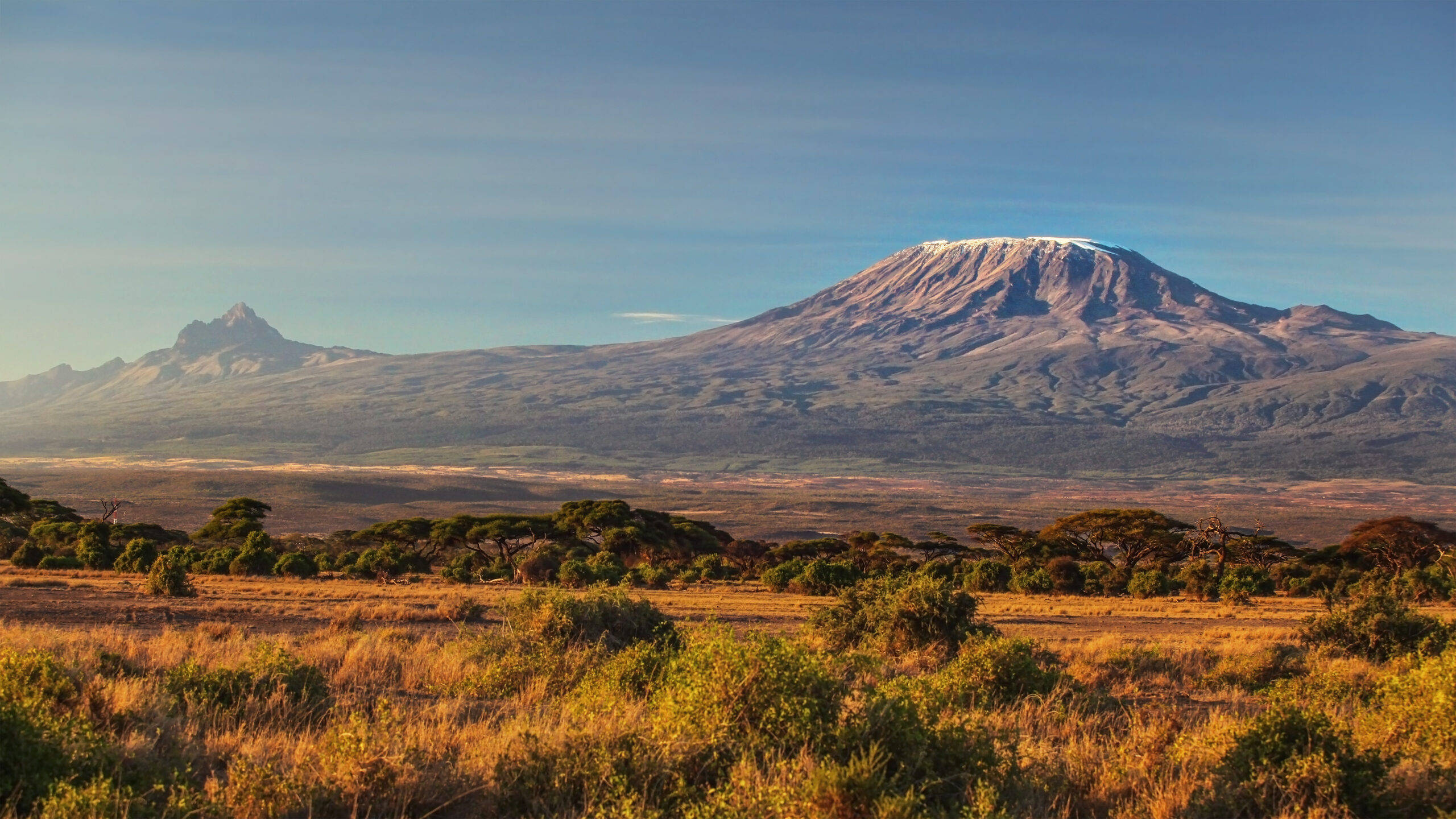
African Walking Company Review: Kilimanjaro Routes, Prices & Current Status
The African Walking Company name is still attached to current Kilimanjaro programs sold through Gane & Marshall and KilimanjaroClimbs.com, with a 1:2 guide ratio and 2026 open-group Lemosho pricing of £2,796. But travelers should verify the exact contracting company before paying because Tanzania’s official Gazette records a 2022 voluntary winding-up resolution for The African Walking Company Ltd.
Is African Walking Company a Good Kilimanjaro Choice?
Potentially yes—especially if you book the current program through Gane & Marshall and want a high guide-to-climber ratio, established Kilimanjaro logistics and a longer acclimatization route. The 8-day Lemosho and 9-day Northern Circuit are the strongest current choices.

The important 2026 distinction is who you are actually contracting with. Current Gane & Marshall and KilimanjaroClimbs.com pages still say they work with African Walking Company. Tanzania’s Gazette, however, records a voluntary winding-up resolution for The African Walking Company Ltd in 2022. That makes contract verification essential.
African Walking Company at a Glance
| Question | Current answer | Our read |
|---|---|---|
| Can you currently book climbs using AWC crews/name? | Yes, via current Gane & Marshall / KilimanjaroClimbs material | Verify exact legal entity |
| Guide ratio | 1 guide for every 2 climbers | Excellent staffing ratio |
| Typical group | 8–12; maximum 15 | Reasonable open-group size |
| Best first route | Lemosho 8 days | Best balance for most climbers |
| Best acclimatization | Northern Circuit 9 days | Worth the extra day/cost |
| 2026 open-group price | £2,151–£3,186 by route | Competitive midrange |
| Booking model | Gane & Marshall / KilimanjaroClimbs | UK booking support is a strength |
| Corporate status | Needs buyer verification | Do not skip this question |
Current 2026 Kilimanjaro Pricing
These are current Gane & Marshall rates valid through December 31, 2026—not estimated USD conversions.
| Route | Open-group price | Duration | Best for |
|---|---|---|---|
| Lemosho | £2,796 pp | 8 climbing days | Best overall first Kilimanjaro |
| Northern Circuit | £3,186 pp | 9 climbing days | Maximum acclimatization |
| Machame | £2,396 pp | 7 climbing days | Classic route / lower price |
| Rongai | £2,151 pp | 6 climbing days | Fast northern approach |
Private pricing also changes by group size. The published 2025–26 rate sheet lists Lemosho/Shira 8 days from £4,053 solo down to £2,487 per person for groups of seven or more, and Northern Circuit from £4,529 solo to £2,700 per person for seven or more.
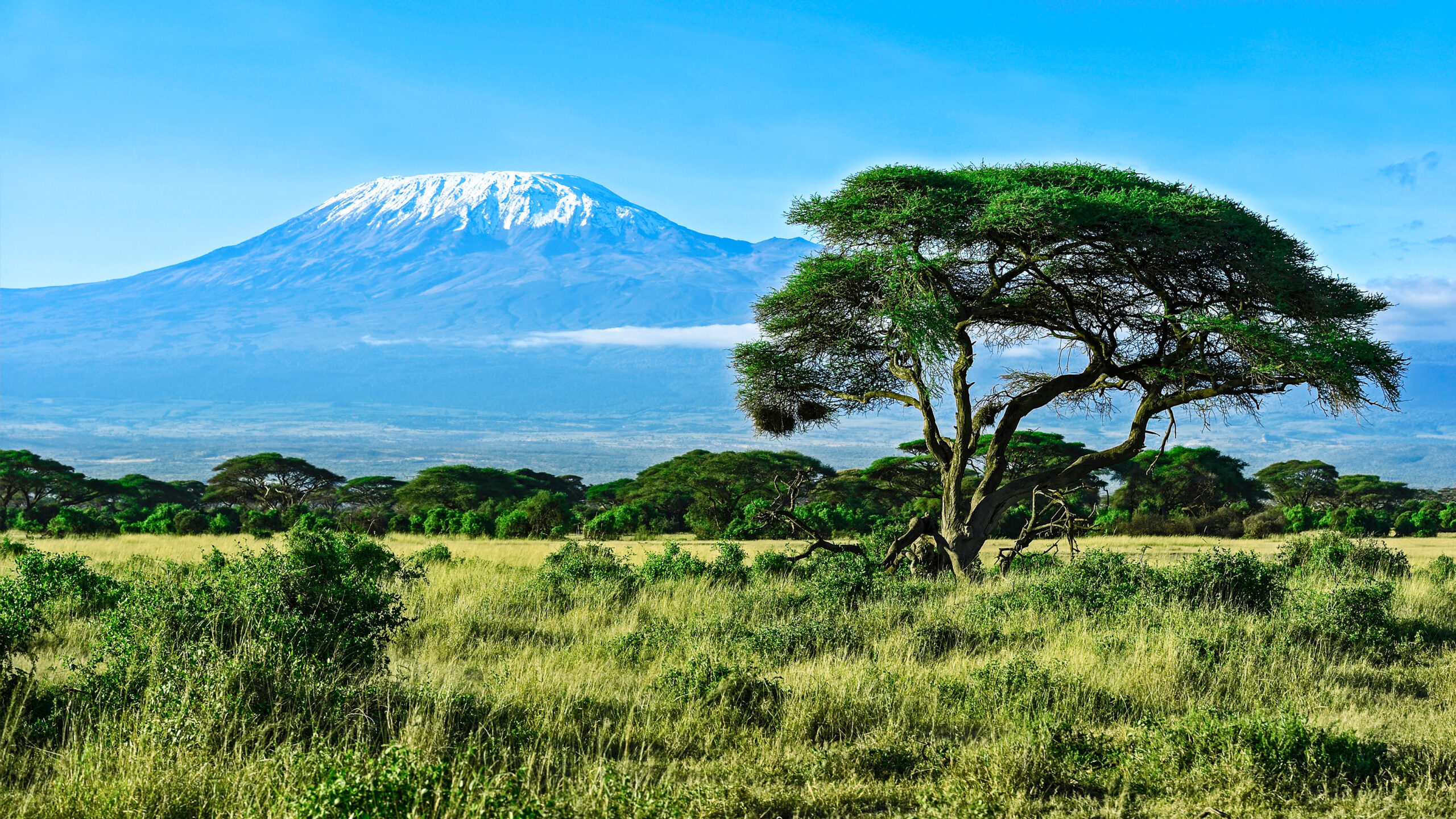
The Best Operator Cannot Fix an Overly Fast Acclimatization Schedule.
For most first-time climbers, the 8-day Lemosho or 9-day Northern Circuit is a stronger purchase than saving money by compressing the mountain into six days.
Best AWC / Gane & Marshall Route by Traveler
Lemosho — 8 Days
Best balance of acclimatization, scenery and price for most first-time Kilimanjaro climbers.
Northern Circuit — 9 Days
Spend the extra day if summit probability and a slower altitude profile matter most.
Machame — 7 Days
A sensible middle option for fit climbers who still want a reasonably paced itinerary.
Rongai — 6 Days
Current seller guidance warns the shorter acclimatization reduces summit chances and recommends pre-acclimatization.
Where the Current AWC Program Looks Strong
1:2 Guide Ratio
KilimanjaroClimbs currently advertises one qualified mountain guide for every two climbers.
8–12 Typical
Open groups are described as typically 8–12 and capped at 15.
Full-Service Trekking
Food, camping logistics, guides, porters and park fees are packaged rather than piecemeal.
UK-Based Gane & Marshall
The current buying funnel offers established UK travel-company support and published consumer-protection credentials.
What Is African Walking Company’s Current Corporate Status?
The public record is not simple enough to justify saying “AWC is definitely closed,” but it is also not responsible to present the Tanzanian legal company as obviously unchanged.
| Evidence | What it shows | What it does not prove |
|---|---|---|
| Tanzania Gazette, July 2022 | The African Walking Company Ltd passed a voluntary winding-up resolution | Does not explain the legal structure of today’s AWC-branded operations |
| 2025 High Court matter | A later winding-up proceeding involving The African Walking Company Limited exists | The available search extract does not establish every current booking arrangement |
| Current KilimanjaroClimbs.com | Open groups are still advertised “in cooperation with the African Walking Company” | Does not identify every entity in the contracting chain |
| Current Gane & Marshall | Says it works with AWC and publishes 2026 climb prices | Does not remove the need to read the booking contract |
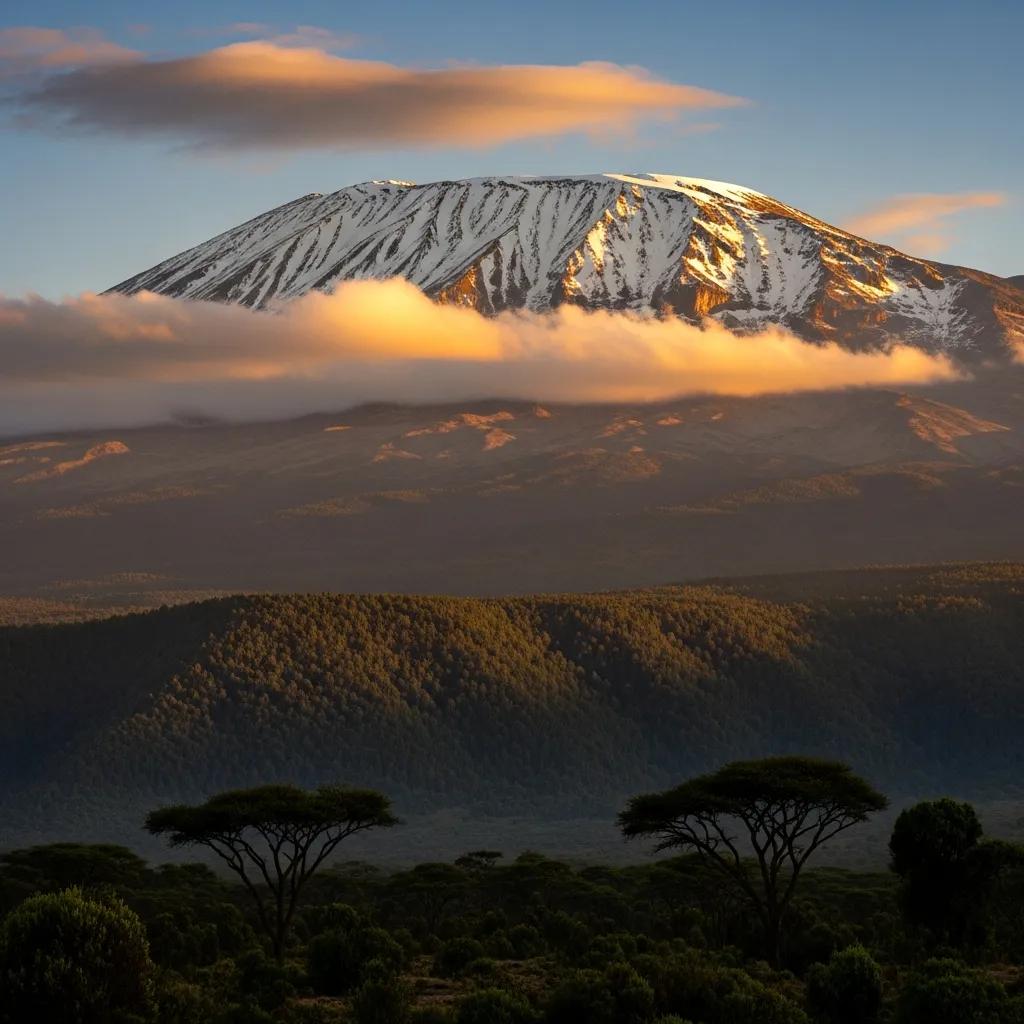
Guide Quality, Route Length and Contract Protection Matter More Than Brand History.
The current climbing team, acclimatization schedule, emergency plan and legal seller are what matter on your actual departure.
Best Fit vs Better Alternatives
| Traveler | Fit | Why |
|---|---|---|
| First-time Kilimanjaro climber wanting Lemosho | Strong | 8-day itinerary + 1:2 guide ratio |
| Climber prioritizing acclimatization | Very strong | 9-day Northern Circuit |
| UK traveler wanting protected booking support | Strong through Gane & Marshall | Published ATOL/ABTOT credentials |
| Lowest-cost local-operator shopper | Maybe not | Cheaper Tanzania operators exist |
| Traveler wanting medical-specialist altitude program | Compare alternatives | Some operators specialize more heavily in medical monitoring |
| Buyer uncomfortable with unclear corporate history | Verify first / compare | Contracting structure matters before deposit |
12 Questions to Ask Before Booking
| # | Question |
|---|---|
| 1 | What is the exact legal company named on my contract? |
| 2 | Who receives and holds my deposit? |
| 3 | Which licensed Tanzania operator is running my departure? |
| 4 | Is the 1:2 qualified-guide ratio guaranteed for my group? |
| 5 | What is the maximum group size? |
| 6 | What altitude checks are performed daily? |
| 7 | Is emergency oxygen carried, and in what quantity? |
| 8 | What evacuation system is used? |
| 9 | What is the current porter-welfare / KPAP status? |
| 10 | Which park fees, hotels, transfers and meals are included? |
| 11 | What are the cancellation and refund terms? |
| 12 | What insurance and evacuation coverage are required? |
Current facts checked
- Gane & Marshall 2026 published route prices
- Current Lemosho / Northern Circuit departure pages
- KilimanjaroClimbs 1:2 guide ratio
- Typical group size 8–12 / max 15
- Current Gane & Marshall partnership wording
- Tanzania Gazette 2022 winding-up resolution
What we will not assume
- That the historic legal company is unchanged today
- That every departure uses the same guides
- That porter-association membership never changes
- That old reviews describe current management
- That all AWC-branded bookings have identical legal protection
- That any historical summit rate predicts your climb
African Walking Company FAQ
Is African Walking Company still operating Kilimanjaro climbs in 2026?
The name is still used in current Gane & Marshall and KilimanjaroClimbs.com sales material. Because a 2022 Tanzanian winding-up resolution exists for The African Walking Company Ltd, verify the exact current legal contracting and ground-operating entities before paying.
How much does it cost in 2026?
Published open-group rates valid through December 31, 2026 are £2,796 for Lemosho 8 days, £3,186 for Northern Circuit 9 days, £2,396 for Machame 7 days and £2,151 for Rongai 6 days.
What is the guide ratio?
Current KilimanjaroClimbs material states one qualified mountain guide for every two climbers.
Which route is best?
Lemosho 8 days for most first-timers; Northern Circuit 9 days if acclimatization is the priority.
What is included?
Current published rates include pre/post-climb accommodation, on-mountain meals, transfers, park fees, guides and porters. Verify the exact quote.
Is AWC a KPAP partner?
Current seller material says staff are paid in line with KPAP recommendations and Gane & Marshall supports KPAP. Verify current partner status directly.
Who is this program best for?
Climbers wanting a high guide ratio, established Kilimanjaro systems, small open groups and UK booking support.
What should I verify before booking?
The legal seller, Tanzania ground operator, refund protection, route length, guide ratio, porter-welfare status, emergency oxygen, evacuation system and insurance requirements.
Choose the Route and Climbing Team—Then Verify the Company Taking Your Money.
The current AWC/Gane & Marshall Kilimanjaro program has compelling features, especially the 1:2 guide ratio and longer routes. The corporate-history question does not automatically disqualify the program, but it is important enough that no climber should skip contract verification.
We Have Actually Climbed Kilimanjaro With African Walking Company.
Most operator reviews are assembled entirely from company websites, testimonials and pricing sheets. African Walking Company is different for Global Summit Guide: our team has direct experience with the company on Kilimanjaro. That first-hand experience is useful context—but it must be separated from the current 2026 facts that can change.
Dawson Ludlow Reached Uhuru Peak With African Walking Company.
Global Summit Guide’s Climbing & Mountaineering Lead, Dawson Ludlow, climbed Kilimanjaro via the Lemosho Route with African Walking Company in 2024 and reached the 5,895-meter summit at Uhuru Peak.
That gives us first-hand experience with the AWC Kilimanjaro system rather than simply repeating operator marketing.
It does not mean every 2026 departure uses the same guides, management, staffing, contract structure or operating company. Those current facts still need to be verified independently.
Separate the 2024 Climb From the 2026 Booking Decision.
| Question | What we know first-hand | What is currently verified | What you should still verify |
|---|---|---|---|
| Has GSG climbed with AWC? | Yes — Lemosho in 2024 | Our team reached Uhuru Peak | No additional verification needed for that historical fact |
| Can AWC-branded climbs still be booked? | Not determined by our 2024 climb | Current seller material still advertises AWC cooperation | Exact contracting company |
| Guide ratio | Historical experience is not enough to establish today’s ratio | Current material publishes 1 guide for every 2 climbers | Confirm it applies to your departure |
| Group size | One trip cannot define all departures | Current material says 8–12 typical, maximum 15 | Your actual booked group |
| Corporate status | Our climb does not answer the current legal question | Historic AWC Ltd winding-up records exist | Seller, Tanzania ground operator and liability entity |
| Porter welfare | A single climb cannot establish current organization status | Current seller material describes fair-pay practices | Current KPAP / porter-welfare status |
Three Operator Questions Matter More Once You Have Been on the Mountain.
Who Controls the Pace?
Kilimanjaro rewards disciplined slow movement. Ask how the guide team handles strong clients who naturally want to walk faster than the acclimatization plan.
What Happens When the Team Separates?
A published guide ratio matters most when clients move at different speeds. Ask whether guide coverage remains adequate when the group stretches out.
How Is a Struggling Climber Supported?
Staffing, turnaround decisions and descent support become more important on summit night than marketing claims about historical success rates.
Was this helpful?
🏔Related operators
🧭Explore & compare
Global Summit Guide is an independent mountaineering resource founded in 2026. The team combines first-hand trekking and climbing experience with in-depth research and professional health and nutrition review to help climbers choose objectives, prepare properly, and stay safe.
Health, altitude, and nutrition content is reviewed by Taylor Ludlow (Registered Nurse) and Brigg Hoopes (Nutritionist).
What We Don't Know Yet
Mountain information changes quickly. This box explains the limits of what this page can responsibly promise.
- Guide-company prices, departure dates, guide ratios, included services, and cancellation rules can change without notice.
- Total trip cost can change with flights, lodging, guide pricing, permits, gear rentals, transportation, and exchange rates.
- Visa, passport, vaccination, border, insurance, and local transportation rules may change before your trip.
Verify current conditions with official land managers, guide services, local forecasts, and current route reports before booking or climbing.
Mountaineering, rock and ice climbing, glacier travel, and high-altitude activity are inherently dangerous and can result in serious injury or death. The information on Global Summit Guide is provided for general informational and educational purposes only and is not a substitute for professional instruction, qualified guiding, proper equipment, or your own judgment and experience.
Route conditions, weather, snowpack, permits, regulations, and hazards change constantly and may differ from what is described here. Details may be incomplete, out of date, or contain errors. Always verify current information with local authorities, certified guides, and official sources before making any decision in the mountains.
Nothing on this site is medical, legal, or financial advice. Our fitness, acclimatization, altitude, and nutrition content is general in nature; consult a qualified physician before beginning any strenuous exercise program or exposing yourself to high altitude.
You are solely responsible for your own safety and decisions. To the fullest extent permitted by law, Global Summit Guide and its team accept no liability for any loss, injury, damage, or expense arising from use of, or reliance on, this information. By using this site you acknowledge these risks and accept these terms.
Some links on this site may be affiliate links. If you buy through them we may earn a small commission at no extra cost to you; this never affects our recommendations.
Global Summit Guide recommendation path
Next Best Mountain to Research
Use these recommendations to continue the right planning path instead of stopping on one page.
Use current permit, weather, route, and operator information before booking or climbing.