
Last updated June 28, 2026
Kilimanjaro vs Everest Base Camp: Which to Do? (2026)
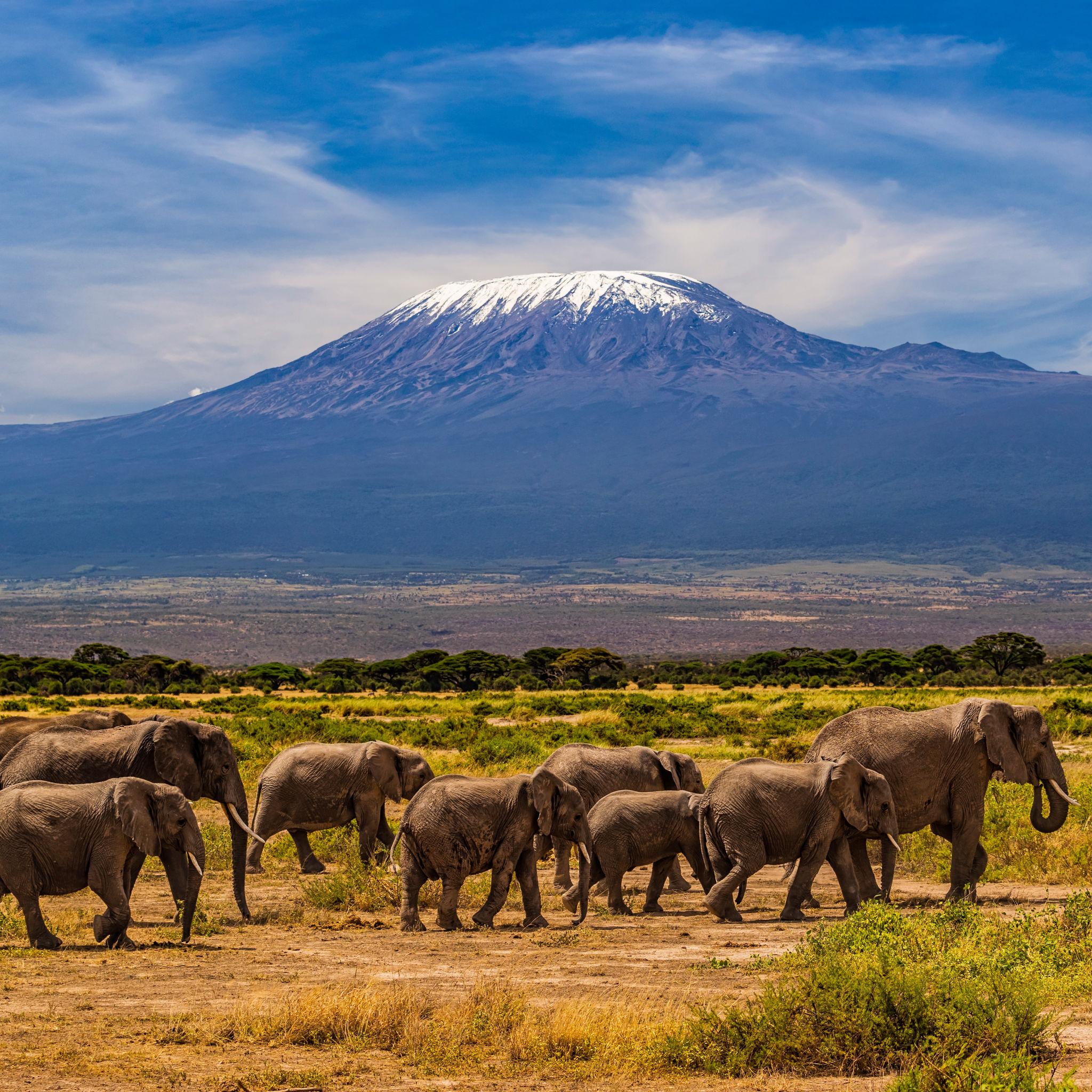
They top the same bucket lists, but they’re not the same kind of trip. Kilimanjaro is a summit — you stand on the highest point in Africa (5,895 m), one of the Seven Summits. Everest Base Camp is a trek — you walk to the foot of Everest in Nepal but never climb it. This guide compares them head to head on altitude, days, cost, and difficulty, and helps you choose the right one.
Want to stand on a summit? Climb Kilimanjaro — a true summit (5,895 m) and a Seven Summit, in about a week.
Want a Himalayan journey & Sherpa culture? Trek Everest Base Camp — 12-14 days, teahouse comfort, and the iconic Everest views, but you don’t summit anything.
Harder to summit: Kilimanjaro (higher, faster ascent, brutal summit night). Longer endurance test: EBC. Cheaper: EBC. Shorter: Kilimanjaro.
📑 Contents
At a Glance
| Factor | Mount Kilimanjaro 🇹🇿 | Everest Base Camp 🇳🇵 |
|---|---|---|
| Type | Summit climb (Seven Summit) | Trek to base camp / viewpoint |
| You reach | Uhuru Peak summit, 5,895 m | EBC 5,364 m; Kala Patthar 5,545 m |
| Climb Everest? | N/A — you summit Kilimanjaro | No — you trek to its foot only |
| Duration | 5-9 days (7-8 recommended) | 12-14 days round trip |
| Accommodation | Camping (tents); huts on Marangu | Teahouses (beds, cooked meals) |
| Ascent profile | Fast — less acclimatization | Gradual — built-in rest days |
| Cost (package) | $2,000-6,000 | $1,300-2,200 |
| Completion / success | ~65% summit (route-dependent) | ~80-85% reach base camp |
| Guide | Mandatory (licensed) | Mandatory since 2023 |
| Getting there | Fly JRO, drive to gate | Fly Kathmandu → Lukla (dramatic) |
| Best seasons | Jan-mid Mar; Jun-Oct | Mar-May; late Sep-Nov |
| Signature draw | Standing on the roof of Africa | Sherpa culture + Everest views |
Mount Kilimanjaro
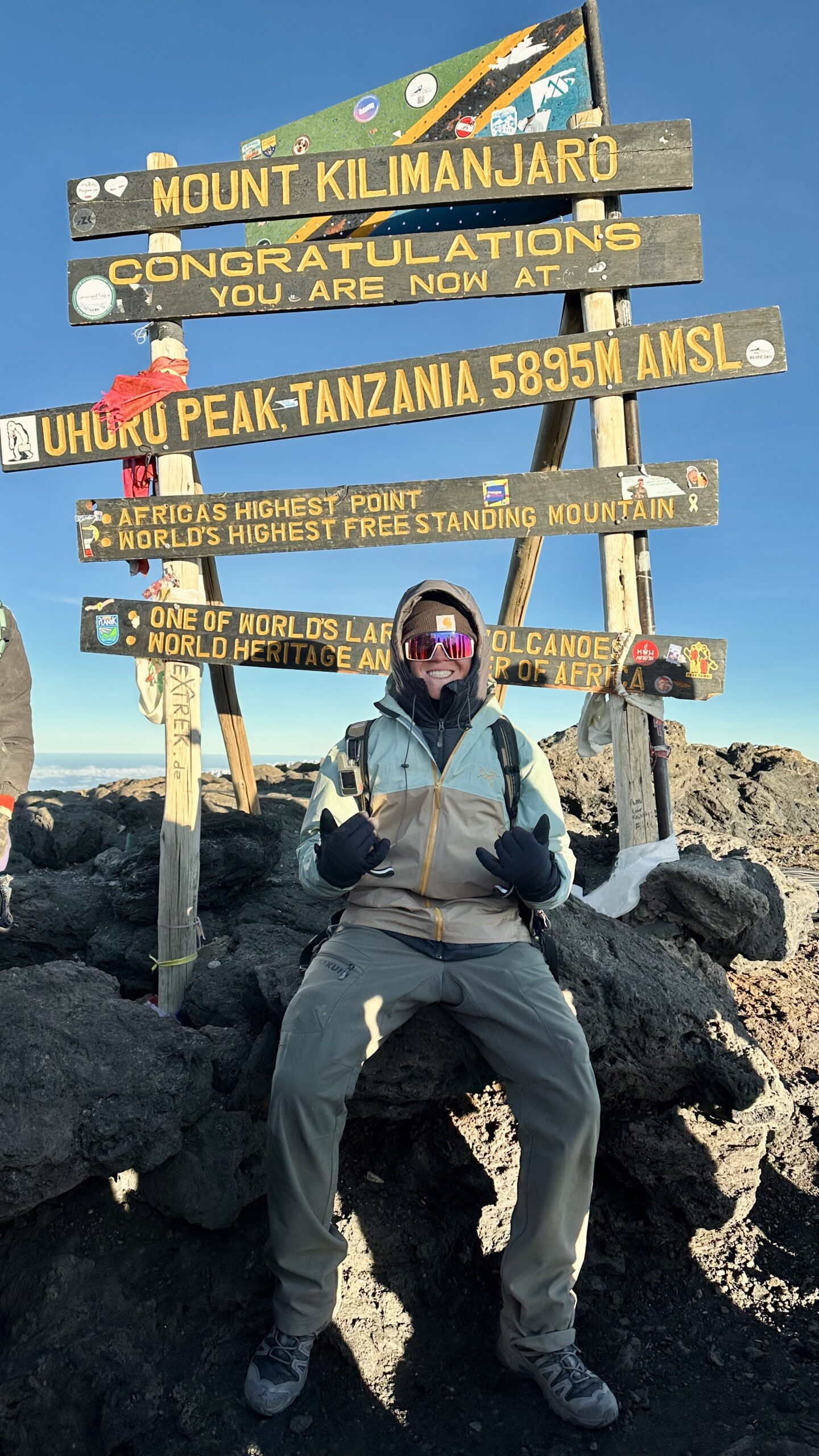
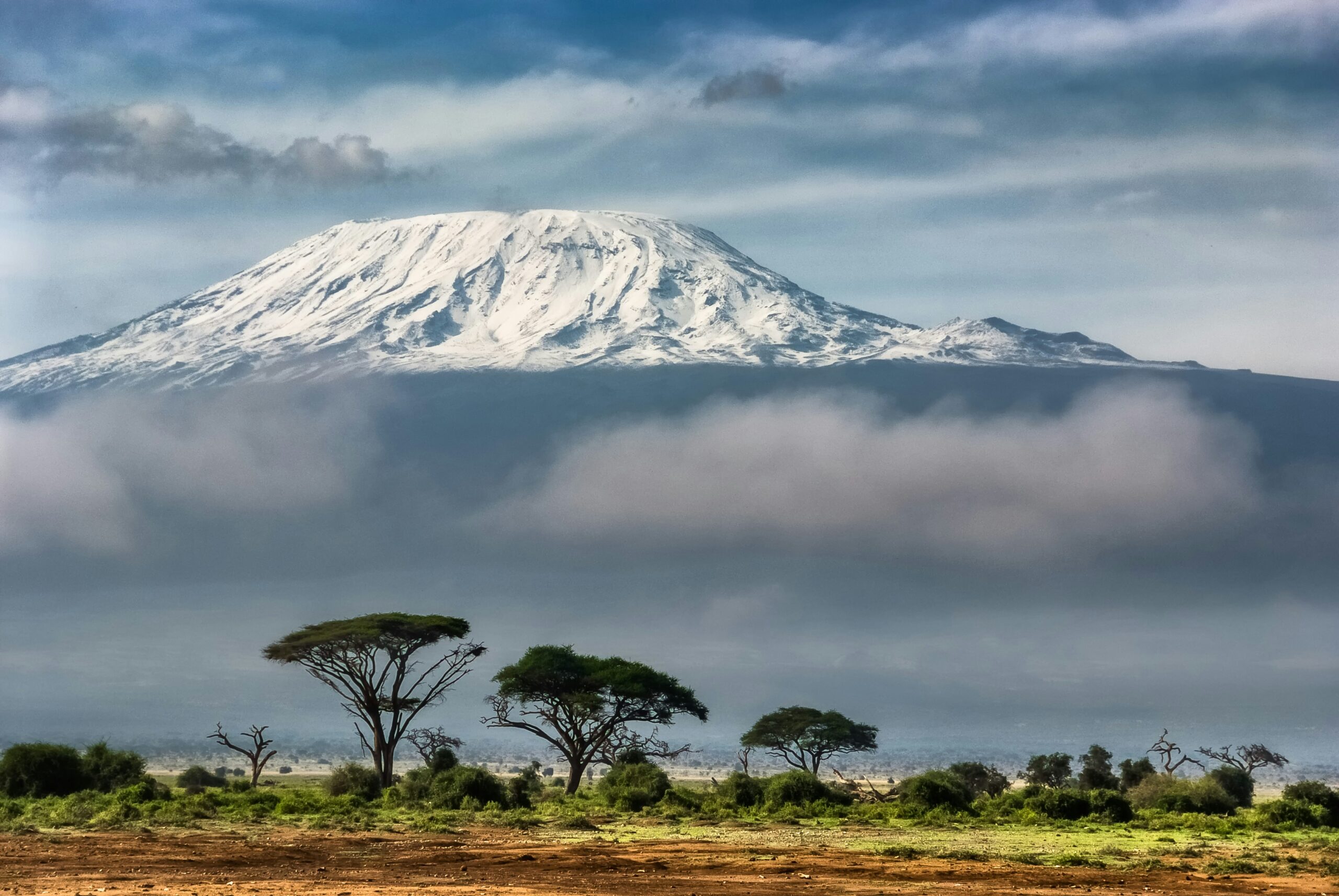
Kilimanjaro is the highest mountain in Africa (5,895 m), the highest free-standing peak on Earth, and the most accessible of the Seven Summits. Crucially, it’s a summit: you climb through five climate zones — rainforest to arctic ice — over 5 to 9 days and stand on the actual top. There’s no technical climbing, but the altitude is serious and the midnight summit push from Barafu to Uhuru Peak is brutally cold and steep.
Because the standard ascent is fast, acclimatization is the limiter, and the summit failure rate is meaningful — roughly a third of climbers turn back, mostly on rushed itineraries. Choose enough days (8 is the sweet spot) and the odds swing strongly in your favor. The payoff is unambiguous: you reach a named summit and bag a Seven Summit. Full detail in our Kilimanjaro climbing guide.
Everest Base Camp
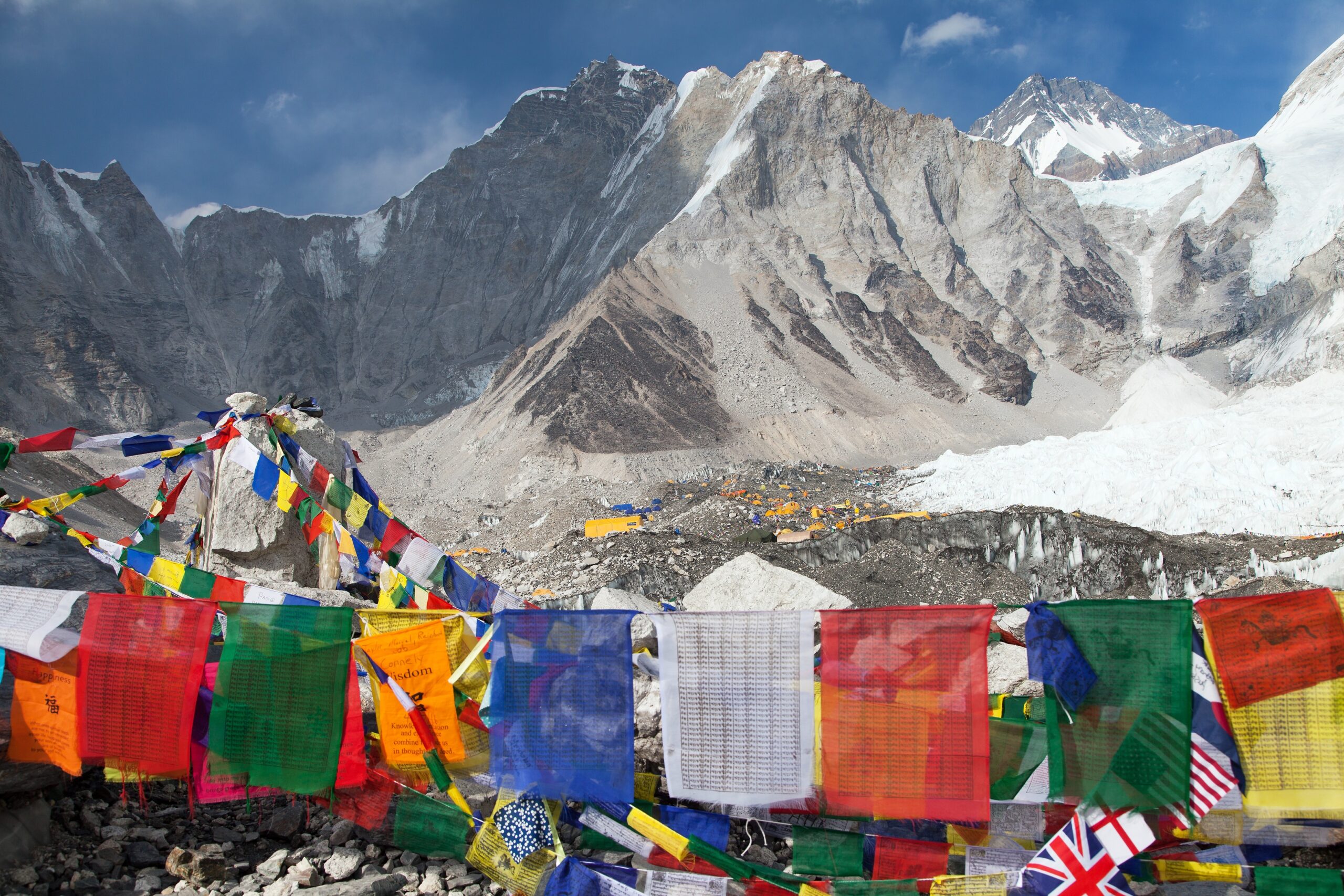
The Everest Base Camp trek is one of the world’s great walks — but it is a trek, not a summit. You fly into Lukla and walk roughly 130 km round trip over 12-14 days through the Khumbu, staying in teahouses and passing Sherpa villages, Namche Bazaar, and Tengboche Monastery. You reach Everest Base Camp at 5,364 m and climb Kala Patthar (5,545 m) for the classic Everest view. You do not climb Everest — its summit isn’t even visible from base camp.
EBC’s difficulty is endurance and altitude over many days rather than a single hard summit. With acclimatization days built in at Namche and Dingboche and a lower maximum altitude than Kilimanjaro, completion rates are higher (~80-85%). The reward is different too: Himalayan scenery, Sherpa culture, monasteries, and views of Everest, Lhotse, Nuptse, and Ama Dablam — a journey rather than a peak.
Head to Head
The biggest difference. Kilimanjaro gives you a summit — a named high point and a Seven Summit. EBC gives you a destination and a journey — the foot of Everest and the Khumbu experience. Decide which matters more to you, because nothing else on this list is as fundamental.
Kilimanjaro is higher (5,895 m vs 5,545 m at Kala Patthar) and ascends faster, so altitude hits harder. EBC spreads the gain over more days with dedicated rest days, making the altitude more manageable despite the longer exposure.
Kilimanjaro is shorter (5-9 days) but pricier ($2,000-6,000). EBC is longer (12-14 days) but cheaper ($1,300-2,200), thanks to the teahouse model versus Kilimanjaro’s full camping crew.
EBC wins on comfort: teahouses mean a bed, hot food, and (slow) WiFi each night. Kilimanjaro is camping in tents (except hut-based Marangu), carried and set up by your crew.
EBC is a cultural immersion — Sherpa villages, monasteries, and a parade of legendary peaks. Kilimanjaro is a focused single-mountain ascent through dramatic climate zones. One is a journey; the other is a climb.
Which Should You Choose?
You want to summit
You want to stand on an actual summit and tick off a Seven Summit; you have about a week rather than two; you’d like to combine the trip with an African safari; and a clear, defined “I reached the top” goal motivates you more than a long journey.
You want the Himalayan journey
You want Sherpa culture, monasteries, and the iconic Everest views; you prefer teahouse comfort over camping; you have two weeks; you’d rather a gradual, lower-max-altitude trek; and the experience of the journey matters more to you than a summit.
Which Is Harder?
There’s no single answer — they’re hard in different ways:
It’s higher, the ascent is faster with less acclimatization, and the summit night is a single, brutal midnight push in extreme cold. Its ~35% turn-back rate reflects that. If “hard” means the moment of maximum suffering and the risk of not making the top, Kilimanjaro wins.
It’s 12-14 days of consecutive walking at altitude — more cumulative fatigue, more time exposed to the cold and thin air. But the gradual profile, rest days, and lower maximum altitude mean most trekkers complete it (~80-85%). If “hard” means sustained, multi-day grind, EBC wins.
Reaching Kilimanjaro’s summit is harder than reaching Everest Base Camp — it’s higher, faster, and has a real summit-day failure rate. But EBC asks more days of you. Pick based on the kind of challenge you want, not which sounds tougher.
How We Researched This
Our method.
- Kilimanjaro (first-hand): our safety reviewer summited via Lemosho in 2024 — the basis for the altitude, pacing, and summit-night assessment.
- Everest Base Camp (research-based): cross-referenced against Sagarmatha National Park / Khumbu permit rules, Nepal’s 2023 guide requirement, and current 2026 operator itineraries and pricing.
- Altitudes from official park and survey data: Uhuru 5,895 m, EBC 5,364 m, Kala Patthar 5,545 m.
- Last verified June 28, 2026. Permit fees and rules change in both countries — confirm current details before booking.
Kilimanjaro vs EBC FAQ
What’s the difference between Kilimanjaro and Everest Base Camp?
Kilimanjaro is a summit — you reach the top of Africa’s highest peak (5,895 m), a Seven Summit. Everest Base Camp is a trek to the foot of Everest in Nepal; you don’t climb Everest. The high point trekkers reach is Kala Patthar (5,545 m); base camp is 5,364 m.
Which is harder?
Kilimanjaro is the harder summit — higher, faster ascent, brutal summit night, ~35% turn-back rate. EBC is the longer endurance test (12-14 days) but with better acclimatization and a lower max, so ~80-85% complete it.
Which is higher?
Kilimanjaro. You summit at 5,895 m; on EBC the base camp is 5,364 m and the highest point you reach is Kala Patthar at 5,545 m.
Which is more expensive?
Kilimanjaro ($2,000-6,000, with ~$1,000 in park fees alone) is generally pricier than a standard EBC trek ($1,300-2,200, including the Lukla flight and permits).
How long does each take?
Kilimanjaro is 5-9 days on the mountain (7-8 recommended); EBC is a 12-14 day round trip from Lukla with acclimatization days at Namche and Dingboche.
Do you climb Everest on the EBC trek?
No — you trek to its base only. Everest’s summit isn’t even visible from base camp; you hike Kala Patthar for the view. Climbing Everest is a separate two-month technical expedition.
Which has better scenery and culture?
EBC offers Himalayan scenery, Sherpa culture, monasteries, and views of Everest, Lhotse, and Ama Dablam, with teahouse comfort. Kilimanjaro offers a focused ascent through five climate zones with camping. Different experiences.
Which should I do first?
For a summit and a Seven Summit, do Kilimanjaro. For a Himalayan immersion and the Everest views, do EBC. Many adventurers do both — they’re complementary, and either is excellent altitude experience.
About the Author
Summit or Journey — Pick Your Adventure
Want to stand on top? Kilimanjaro. Want two weeks in the Himalaya? Everest Base Camp. Either way, train your aerobic base and respect the altitude.
Plan Kilimanjaro → What to climb next →Was this helpful?
🏔Related peaks nearby
🧭Explore & compare
Global Summit Guide is an independent mountaineering resource founded in 2026. The team combines first-hand trekking and climbing experience with in-depth research and professional health and nutrition review to help climbers choose objectives, prepare properly, and stay safe.
Health, altitude, and nutrition content is reviewed by Taylor Ludlow (Registered Nurse) and Brigg Hoopes (Nutritionist).
What We Don't Know Yet
Mountain information changes quickly. This box explains the limits of what this page can responsibly promise.
- Permit availability, reservation windows, quotas, and official fee rules may change after this page is updated.
- Total trip cost can change with flights, lodging, guide pricing, permits, gear rentals, transportation, and exchange rates.
- Fitness and altitude response vary by person; no guide, itinerary, or training plan can guarantee acclimatization or summit success.
- Comparisons simplify complex decisions; the better mountain depends on current conditions, skills, timing, budget, and risk tolerance.
Verify current conditions with official land managers, guide services, local forecasts, and current route reports before booking or climbing.
Mountaineering, rock and ice climbing, glacier travel, and high-altitude activity are inherently dangerous and can result in serious injury or death. The information on Global Summit Guide is provided for general informational and educational purposes only and is not a substitute for professional instruction, qualified guiding, proper equipment, or your own judgment and experience.
Route conditions, weather, snowpack, permits, regulations, and hazards change constantly and may differ from what is described here. Details may be incomplete, out of date, or contain errors. Always verify current information with local authorities, certified guides, and official sources before making any decision in the mountains.
Nothing on this site is medical, legal, or financial advice. Our fitness, acclimatization, altitude, and nutrition content is general in nature; consult a qualified physician before beginning any strenuous exercise program or exposing yourself to high altitude.
You are solely responsible for your own safety and decisions. To the fullest extent permitted by law, Global Summit Guide and its team accept no liability for any loss, injury, damage, or expense arising from use of, or reliance on, this information. By using this site you acknowledge these risks and accept these terms.
Some links on this site may be affiliate links. If you buy through them we may earn a small commission at no extra cost to you; this never affects our recommendations.
Global Summit Guide recommendation path
Next Best Mountain to Research
Use these recommendations to continue the right planning path instead of stopping on one page.
Use current permit, weather, route, and operator information before booking or climbing.
Explore Travel Options for Your Destination
Once your mountain, dates and route are taking shape, compare flights, hotels and other travel options that fit the trip.
Affiliate link. We may earn a commission at no additional cost to you.