
Last updated September 16, 2026
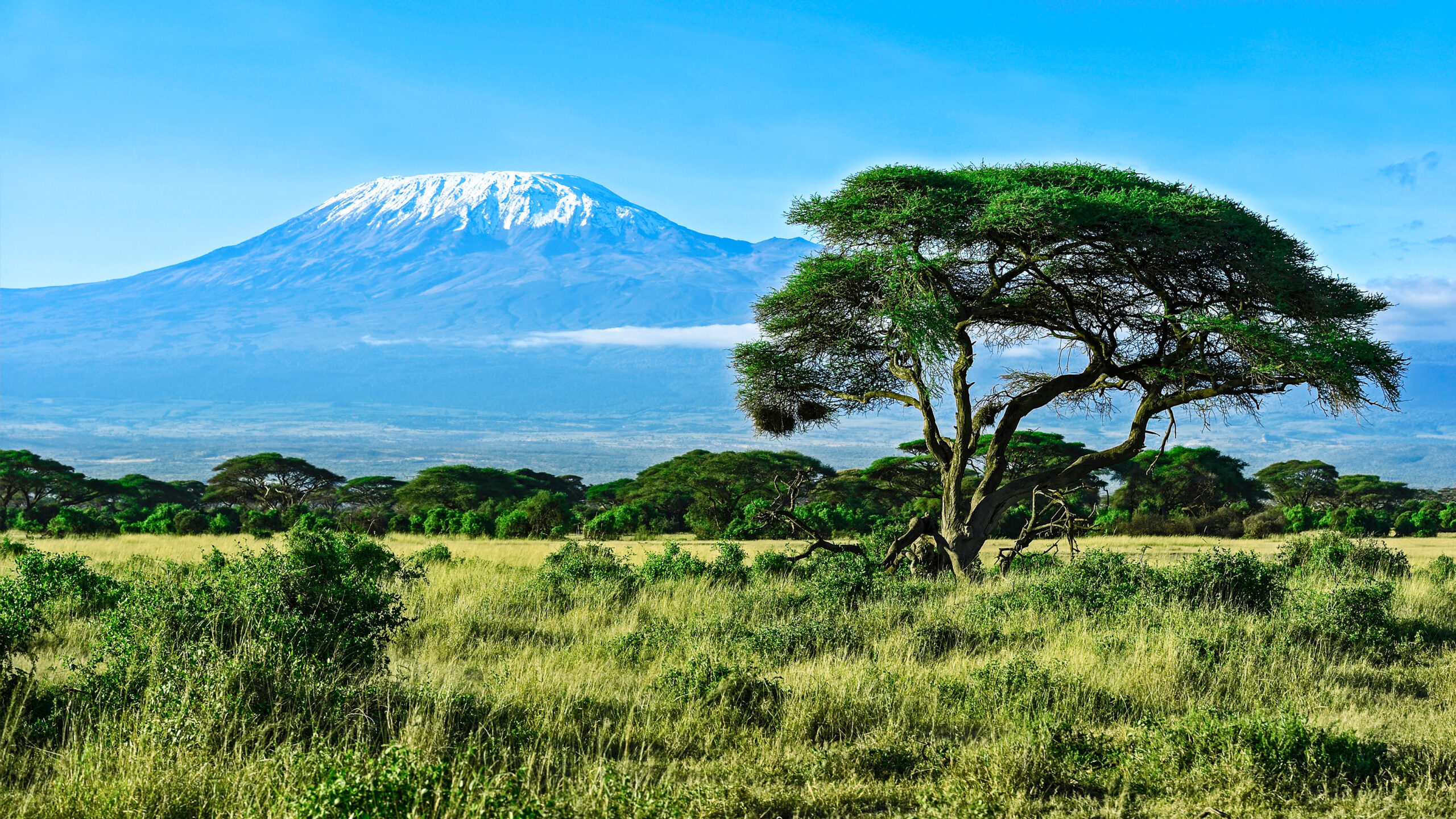
Best Peaks to Climb After Kilimanjaro
Kilimanjaro gives you valuable altitude experience. Your next mountain should add something Kilimanjaro did not: glacier travel, snow skills, fixed lines, a first 6,000-meter summit or a true expedition-length commitment.
Do not choose the next mountain by elevation alone.
If you want a compact high-altitude bridge: look at Pico de Orizaba. If you want glacier skills: Cotopaxi or Mount Baker. If you want a major North American technical progression: Rainier. If you want your first Himalayan 6,000er: Mera Peak. If you want fixed-line experience: Island Peak. If you want a true expedition-altitude jump: Aconcagua.
Elbrus still belongs in the Seven Summits progression conversation, but current access and travel guidance make it a separate decision from mountaineering fit.
What Kilimanjaro Actually Proves — and What It Does Not
Kilimanjaro is useful because it gives you personal evidence. You now know far more about your pacing, appetite, sleep, cold tolerance, recovery and mental response to a multi-day ascent than you knew before the mountain. If you reached Uhuru Peak, you also know what a long summit push feels like near 5,900 meters.
That matters. But it is easy to over-read the result. Kilimanjaro’s standard routes do not teach glacier navigation, crevasse rescue, rope-team travel, fixed-line systems, steep alpine climbing or expedition self-sufficiency. A summit is not a universal “ready for the next level” certificate.
The smartest next objective therefore depends on the gap you want to close. A lower glaciated peak can be a better progression than a higher trek. A longer 6,000-meter objective can be more useful than a technical weekend climb if the ultimate goal is the Himalaya. The right answer is not “the next highest mountain.” It is the mountain that adds the next missing capability.
Use your Kilimanjaro trip as a debrief, not just a summit badge.
Ask: Did altitude affect your sleep or appetite? How did you feel above 5,000 m? Did your feet, layering and hydration system work? Were you still moving well on summit day? Those answers should influence whether your next step emphasizes altitude, technical skill, cold, expedition duration or simply more mountain time.
Best Mountains After Kilimanjaro by Goal
The “best” next mountain changes with the skill you are trying to gain. Relative budget symbols compare overall trip complexity—not live operator quotes.
| Mountain | Elevation | Main thing it adds | Typical trip shape | Relative budget | Best fit |
|---|---|---|---|---|---|
| Pico de Orizaba | 5,636 m | Snow / ice + alpine-style summit day | 5–9 days with acclimatization | $$ | Compact high-altitude bridge |
| Cotopaxi | 5,897 m | Roped glacier travel | 7–10 days with acclimatization | $$ | First glacier volcano |
| Mount Baker | 3,286 m | Glacier and rope-team fundamentals | 3–5 climbing days | $$ | Skill building |
| Mount Rainier | 4,392 m | Sustained glacier systems + endurance | 4–6 climbing days | $$$ | Major North American progression |
| Mera Peak | 6,476 m | First 6,000 m Himalayan altitude | 16–20+ days | $$$ | Himalaya + altitude |
| Island Peak | 6,189 m | Fixed lines + steeper upper mountain | 15–20+ days | $$$ | Himalayan technical entry |
| Aconcagua | 6,961 m | Expedition duration + extreme altitude | 18–22 days | $$$$ | High-altitude expedition path |
| Mount Elbrus | 5,642 m | Snow, cold + Seven Summits context | 8–12 days | $$ | Progression reference; access caveat |
Trip lengths are broad planning ranges, not prescriptions. Acclimatization days, guide programs, weather reserves, route changes and travel logistics can materially change the itinerary.
Choose the Peak That Adds the Skill You Need
These are not ranked from “easy” to “hard.” Each mountain is useful for a different progression problem.
 01
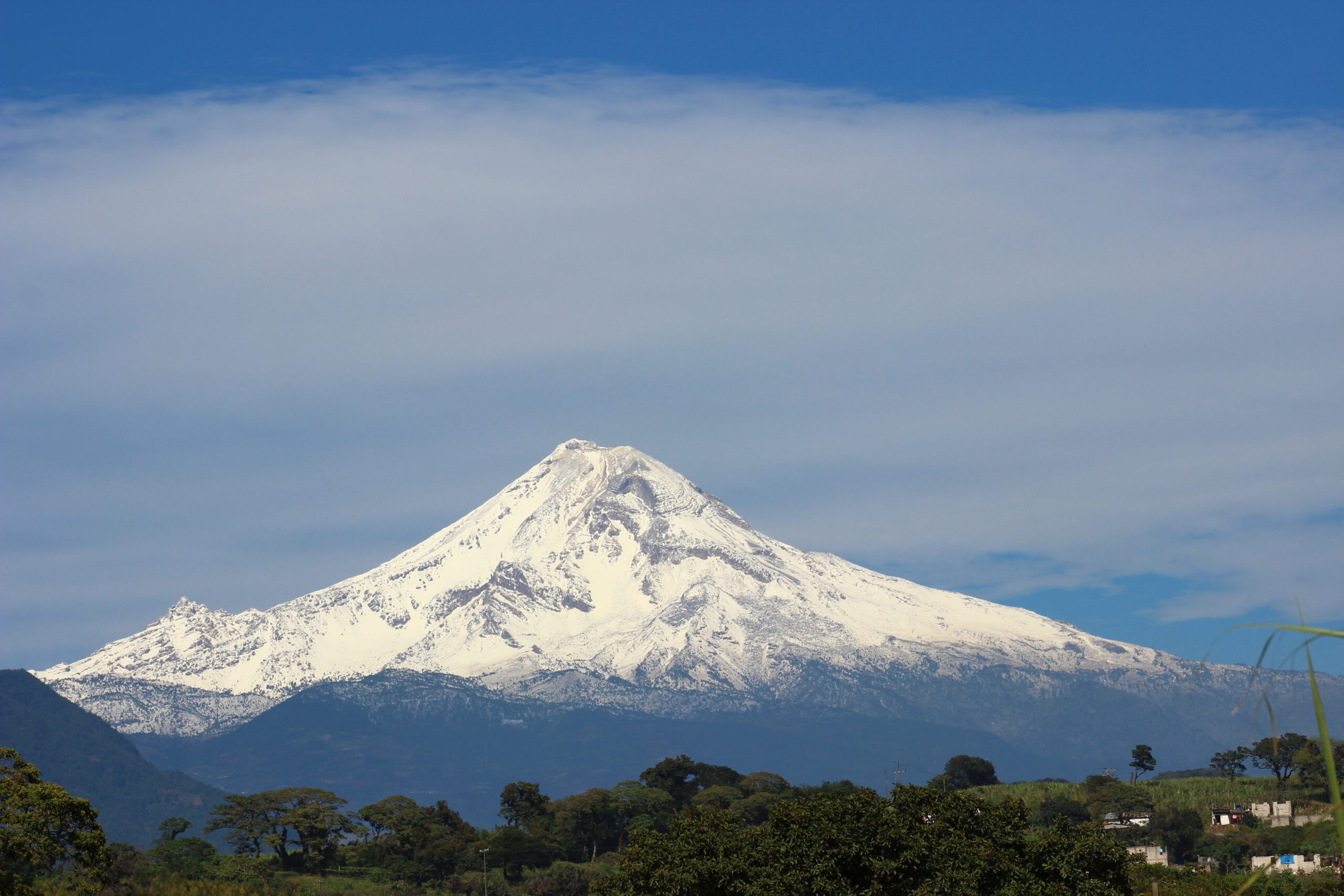
01 Pico de Orizaba
For climbers coming from North America, Pico de Orizaba is one of the cleanest ways to turn a Kilimanjaro summit into a more mountaineering-specific skill set without immediately committing to a three-week expedition. The elevation is slightly lower than Kilimanjaro, but that misses the point: Orizaba can introduce snow or ice travel, crampons, an alpine start and a summit day that feels more like mountaineering than trekking.
Route character changes with snow and glacier conditions, so do not treat an older route description as permanent. The useful progression is the combination of familiar high-altitude pacing with a new surface and new movement skills. If the long-term goal is Rainier, Aconcagua, Denali or higher volcanoes in the Andes, that makes Orizaba unusually efficient.
What it adds after Kilimanjaro
- Crampon movement on snow or firm surfaces
- A more alpine-style summit day
- A short international objective that still tests altitude
- A logical bridge toward bigger volcanoes or glacier climbs
Who it fits
Best for climbers who want a relatively compact next trip and want the next mountain to add actual mountaineering skills—not merely another high trek.
 02
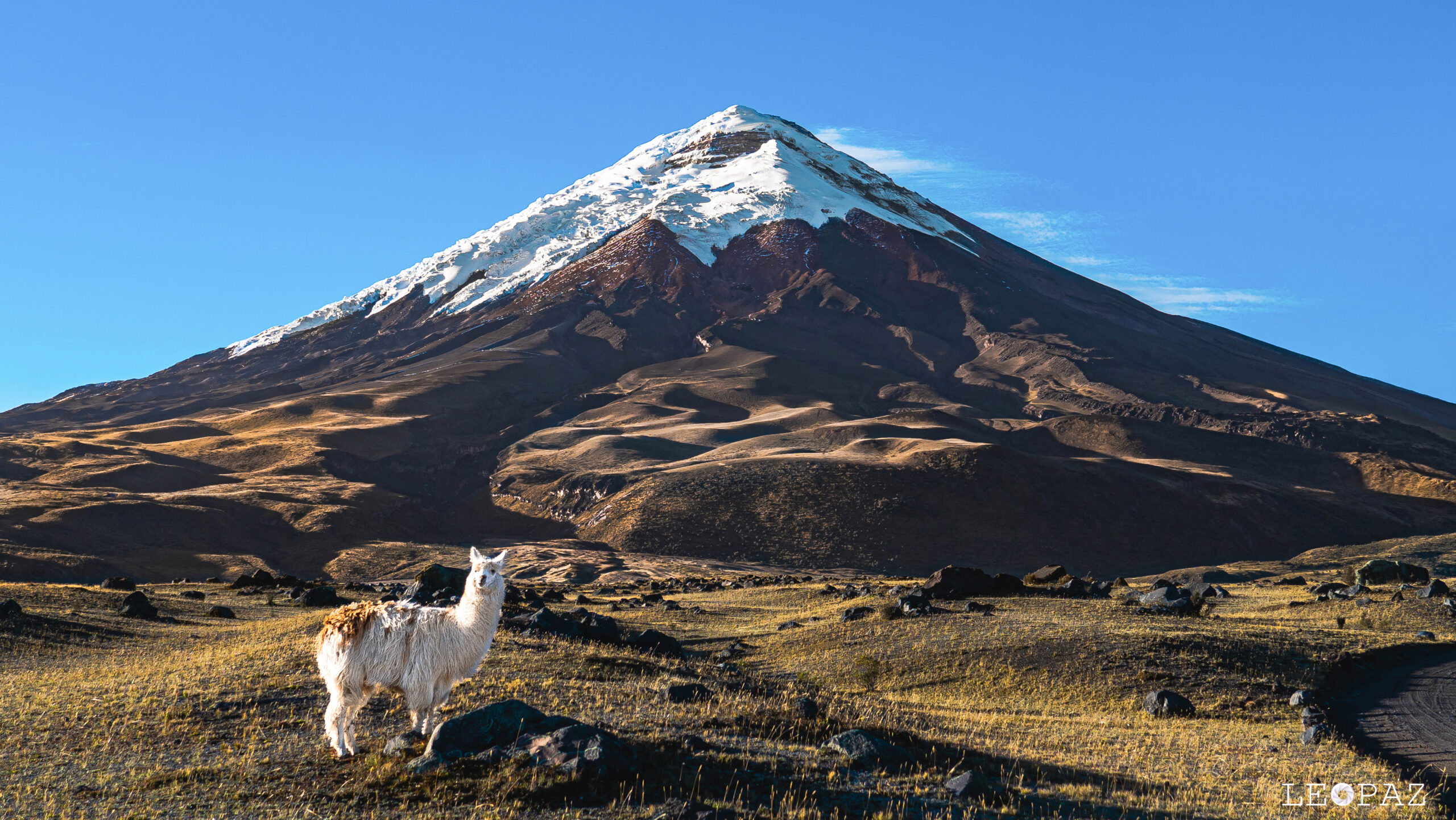
02 Cotopaxi
Cotopaxi sits almost exactly in Kilimanjaro’s altitude band but changes the type of climbing. A normal guided ascent introduces glacier travel, rope-team movement, crampons, an ice axe and crevasse awareness. That makes it a stronger skills progression than simply selecting a mountain because its summit is higher.
Ecuador also makes it possible to build acclimatization around several peaks rather than gambling the whole trip on one summit. Climbers can use lower volcanoes first, then Cotopaxi, and potentially continue toward Chimborazo. Because Cotopaxi is an active volcano and glacier conditions evolve, access and route conditions should be rechecked close to the trip rather than assumed from an older itinerary.
What it adds after Kilimanjaro
- Roped glacier travel
- Crampon and ice-axe use
- Crevasse awareness
- An Andes acclimatization sequence
Who it fits
Best for climbers who liked Kilimanjaro’s altitude challenge but want the next trip to teach glacier systems and rope-team habits.
 03
03 Mount Baker
Mount Baker is lower than Kilimanjaro by more than 2,600 meters, yet it can be a better next mountain than a higher trekking peak if the goal is to become a mountaineer. Baker’s value is the glacier classroom: rope systems, crevasse rescue concepts, crampon technique, ice-axe use, snow travel and moving as a team.
That is exactly the skill gap Kilimanjaro does not fill. A climber who handled 5,895 meters well but has never traveled on a rope team often gains more from a guided Baker course than from another non-technical 5,000-meter trek. It is especially useful for a future Rainier or Denali progression.
What it adds after Kilimanjaro
- Rope-team fundamentals
- Glacier travel and crevasse awareness
- Snow-camp routines
- A technical foundation for Rainier and Denali
Who it fits
Best for climbers whose next goal is competence rather than a higher number on the altimeter.
 04
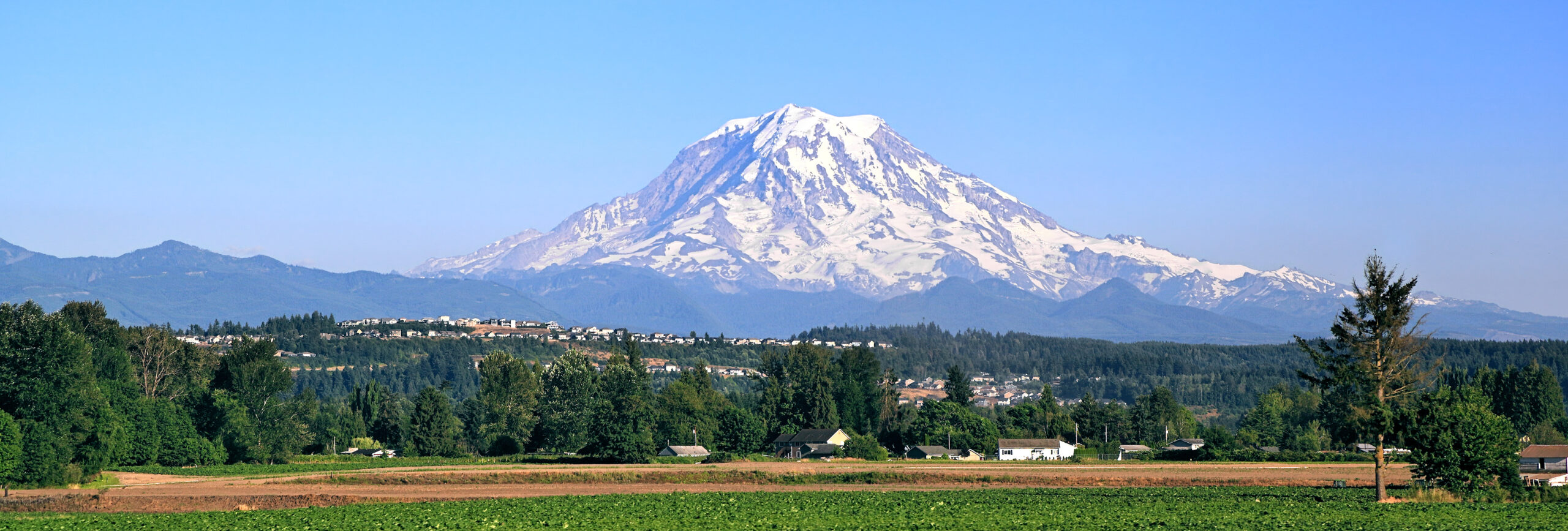
04 Mount Rainier
Rainier is lower than Kilimanjaro but usually represents a substantial increase in mountaineering complexity. The challenge shifts from thin air and multi-day trekking to heavily glaciated terrain, large vertical gain, weather, team movement and efficiency on snow and ice. A standard guided route is not an introductory hike with crampons added at the end.
For a climber who wants Denali, technical volcanoes or more independent alpine objectives later, Rainier can be a better developmental choice than immediately chasing 6,000 meters. If glacier skills are completely new, Baker or a dedicated mountaineering course can make the Rainier step more productive.
What it adds after Kilimanjaro
- More continuous glacier exposure
- Efficiency on crampons and rope
- Weather and turnaround discipline
- A stronger North American expedition foundation
Who it fits
Best for climbers willing to trade altitude prestige for a real increase in mountain systems and movement skills.
 05
05 Mera Peak
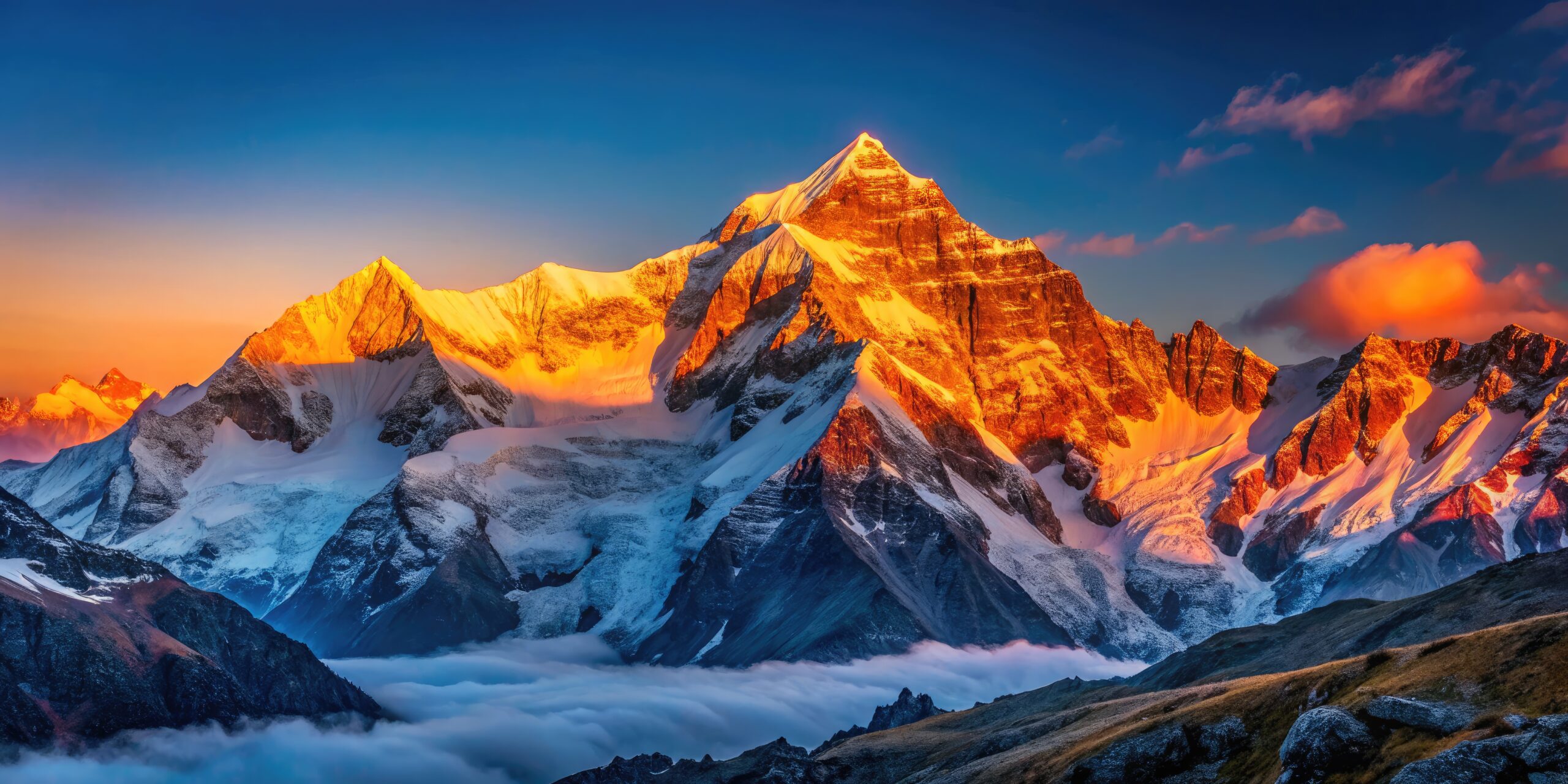
Mera Peak is the strongest next choice when the real dream is the Himalaya. It pushes well above Kilimanjaro, adds a longer expedition rhythm and introduces glaciated upper-mountain travel without making technical climbing the central challenge. That combination lets a climber learn how their body behaves above 6,000 meters while absorbing Nepal logistics, mountain lodges, expedition pacing and colder summit conditions.
The altitude jump is large enough that a Kilimanjaro summit should not be treated as automatic readiness. The more useful question is how well you functioned on Kilimanjaro: Did you eat, sleep and move reasonably well at altitude? Did you finish strong or merely survive summit night? Mera is a much better follow-up when the answer is supported by training and a conservative acclimatization schedule.
What it adds after Kilimanjaro
- A first 6,000-meter summit
- A longer Himalayan itinerary
- Glacier and crampon experience
- Altitude data beyond Kilimanjaro’s range
Who it fits
Best for climbers who want the Himalaya and want altitude progression before adding steeper technical terrain.
06 Island Peak
Island Peak is not simply “Kilimanjaro, but higher.” Its value is the added technical layer: steeper upper terrain, fixed-line systems and the need to move efficiently while clipped into a rope system. That makes it a better match for climbers who specifically want to learn the style of movement used on many larger commercial Himalayan objectives.
Mera Peak and Island Peak answer different questions. Mera is stronger when the priority is altitude and a first 6,000-meter Himalayan summit. Island Peak is stronger when the priority is technical systems. A climber with no crampon or fixed-line background should build those skills before treating Island Peak as the next automatic step.
What it adds after Kilimanjaro
- Fixed-line movement
- Ascending and descending rope systems
- Steeper snow and ice
- A bridge toward more technical Himalayan climbs
Who it fits
Best for climbers who want the next trip to introduce fixed ropes and technical movement rather than only greater altitude.
 07
07 Aconcagua
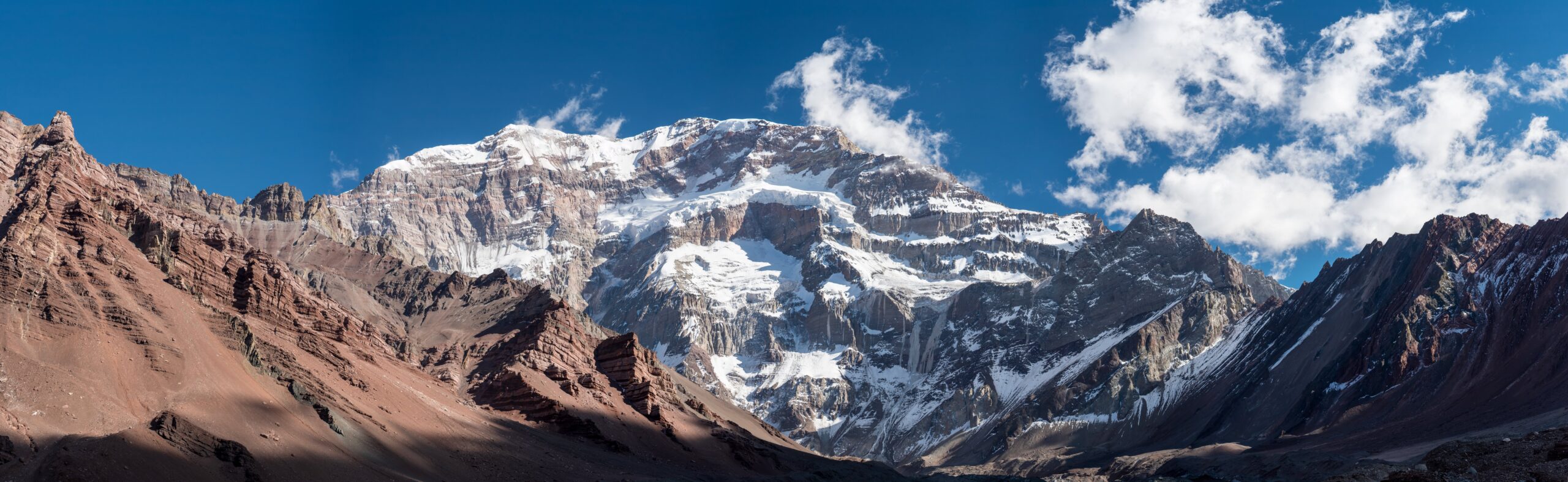
Aconcagua is the big jump on this list. The Normal Route is not defined by technical climbing, but that description can make the mountain sound easier than it is. Nearly 7,000 meters, severe wind, cold, load carries, long expedition days and a much longer commitment create a different problem from Kilimanjaro.
A direct Kilimanjaro-to-Aconcagua progression is possible for some well-prepared climbers, but it should be based on evidence rather than ambition alone. If Kilimanjaro was your first high mountain, adding an intermediate snow/glacier objective or another high-altitude climb can expose weaknesses before the stakes and cost increase. The reward is significant: Aconcagua is the highest mountain outside Asia and one of the defining non-technical expedition-altitude tests.
What it adds after Kilimanjaro
- Nearly 7,000 meters of altitude
- Expedition camp rhythm and load carries
- Longer weather and recovery cycles
- A major Seven Summits progression step
Who it fits
Best for climbers whose long-term goal is high-altitude expedition climbing and who are ready for a much bigger commitment.
 08
08 Mount Elbrus
On pure mountaineering progression, Elbrus has long been paired with Kilimanjaro: it adds snow, colder summit conditions and another continental high point without requiring advanced technical climbing. That is why older progression lists often call it the obvious next Seven Summit.
In 2026, however, practical access has to be separated from theoretical progression. The U.S. Department of State currently advises U.S. citizens not to travel to the North Caucasus and specifically says not to attempt Mount Elbrus. That means Elbrus can remain in the page as a useful comparison and Seven Summits reference, but it should not be presented to U.S. readers as a routine booking choice. Travelers should check their own government’s latest guidance before making plans.
What it adds after Kilimanjaro
- Cold-weather summit systems
- Crampon travel on a glaciated mountain
- Another Seven Summits objective
- A useful comparison point for progression planning
Who it fits
Best viewed as a Seven Summits progression reference right now; practical suitability depends on nationality, access and current government travel guidance.
Four Ways to Build From Kilimanjaro
You do not need to collect every intermediate mountain. Choose the path that matches the future objective and build only the missing capabilities.
Kilimanjaro → Baker → Rainier
Ideal when the next priority is glacier systems, crampons, rope travel and efficiency before larger expedition peaks.
Compare Baker vs Rainier →Kilimanjaro → Cotopaxi → Chimborazo → Aconcagua
Build glacier skills and higher-altitude experience before committing to the nearly 7,000-meter expedition.
Open the Chimborazo guide →Kilimanjaro → Mera → Island Peak
First extend altitude and expedition rhythm, then add fixed-line technique and steeper upper-mountain movement.
Compare Island Peak vs Mera →Kilimanjaro → Skills Peak → Aconcagua
Do not force the sequence by continent alone. Add the snow, glacier and expedition skills your eventual Seven Summits objectives require.
See the Seven Summits progression →Why “Higher Than Kilimanjaro” Is the Wrong Filter
A climber who chooses only by altitude may accidentally repeat the same capability. Another non-technical trek can produce more experience, but it does not necessarily prepare you for a glacier, fixed ropes, expedition loads or independent decision-making.
That is why Mount Baker and Rainier belong on this page even though both summits are far lower than Kilimanjaro. If Denali is the long-term goal, glacier movement and cold-weather systems can be more valuable than immediately pushing above 6,000 meters. If the Himalaya is the goal, Mera Peak’s altitude and longer itinerary may be the better investment. If Aconcagua is the goal, a high Andean volcano can add the exact missing combination of crampons, snow and altitude.
The progression question is therefore: What will the mountain teach you that Kilimanjaro did not? That single filter makes the list much more useful.
When Are You Ready for a Bigger Next Step?
A summit alone is not enough information. Use how the climb went—not just whether you stood on top.
You functioned, not merely endured.
You could eat, drink, sleep reasonably, maintain pace and think clearly enough to make good decisions late in the climb.
You finished with a reserve.
If Kilimanjaro emptied the tank completely, more training may deliver more progression than booking a harder mountain immediately.
Your gear and routines worked.
Boots, layers, hydration, nutrition and pacing should become more reliable as the next objective gets colder or longer.
You know what you still do not know.
Glacier travel, fixed ropes, crevasse rescue or alpine movement may need instruction before the next peak is appropriate.
Three Useful Progression Guides That Are Easy to Miss
These pages solve narrower next-step questions and strengthen the path from a Kilimanjaro summit into a deliberate mountaineering progression.
What to Climb After Kilimanjaro
Use these answers as a planning framework. Conditions, permits, operator programs and access can change before your trip.
What is the best mountain to climb after Kilimanjaro?
There is no single best next peak. Pico de Orizaba is a strong compact high-altitude bridge; Cotopaxi or Mount Baker add glacier skills; Rainier adds a major glacier-and-endurance challenge; Mera Peak adds Himalayan altitude; Island Peak adds fixed-line technique; and Aconcagua adds expedition length and nearly 7,000-meter altitude.
Is Aconcagua a good next mountain after Kilimanjaro?
It can be, but it is a much larger jump than the Normal Route’s “non-technical” label suggests. Aconcagua adds more than 1,000 meters of altitude, a much longer expedition, severe wind and cold, load carries and a larger financial commitment. An intermediate snow, glacier or high-altitude peak can make the progression more conservative.
Should I climb a mountain higher than Kilimanjaro next?
Not automatically. A lower glaciated mountain may teach more useful mountaineering skills than a higher trekking peak. Choose the next objective according to the capability you need—altitude, glacier travel, fixed lines, expedition systems or technical movement.
Is Mera Peak or Island Peak better after Kilimanjaro?
Mera Peak is generally the stronger fit when the priority is a first 6,000-meter Himalayan altitude experience. Island Peak is the stronger progression when the priority is steeper terrain and fixed-line systems. Neither should be treated as an automatic step purely because Kilimanjaro went well.
Is Mount Rainier harder than Kilimanjaro?
They are hard in different ways. Kilimanjaro is much higher and puts more emphasis on altitude acclimatization. Rainier is lower but usually requires more technical mountain systems: glaciers, rope teams, crampons, crevasse hazard and efficient movement in a colder, more complex environment.
Is Mount Elbrus still a normal next Seven Summit after Kilimanjaro?
It still makes sense as a mountaineering progression comparison because it adds snow, cold and another continental high point. Practical travel is a different question. As of September 2026, the U.S. Department of State advises U.S. citizens not to attempt Mount Elbrus or travel in the North Caucasus. Climbers should check current guidance for their nationality before planning.
Current-access note for Mount Elbrus
Because access and security are time-sensitive, this page does not treat Elbrus as a routine booking recommendation. U.S. readers should check the current Department of State Russia travel information before planning: Russia International Travel Information.
For every mountain on this page, verify current permits, route conditions, guide availability and local access before paying deposits.
Do Not Just Climb Higher. Build Forward.
Kilimanjaro gives you a real foundation. Use it to choose the next missing capability—snow, glacier travel, fixed lines, 6,000-meter altitude or expedition duration—and your next summit becomes part of a progression instead of another isolated trip.
Was this helpful?
🏔Related guides
🧭Explore & compare
Global Summit Guide is an independent mountaineering resource founded in 2026. The team combines first-hand trekking and climbing experience with in-depth research and professional health and nutrition review to help climbers choose objectives, prepare properly, and stay safe.
Health, altitude, and nutrition content is reviewed by Taylor Ludlow (Registered Nurse) and Brigg Hoopes (Nutritionist).
What We Don't Know Yet
Mountain information changes quickly. This box explains the limits of what this page can responsibly promise.
- Visa, passport, vaccination, border, insurance, and local transportation rules may change before your trip.
- Route conditions, snowpack, closures, and weather can change quickly after this page is updated.
- Permit rules, fees, quotas, and reservation windows may change between review cycles.
- Operator availability, pricing, guide ratios, and cancellation terms can change by season.
- Your fitness, altitude response, risk tolerance, and experience level may change what is safe or realistic.
Verify current conditions with official land managers, guide services, local forecasts, and current route reports before booking or climbing.
Mountaineering, rock and ice climbing, glacier travel, and high-altitude activity are inherently dangerous and can result in serious injury or death. The information on Global Summit Guide is provided for general informational and educational purposes only and is not a substitute for professional instruction, qualified guiding, proper equipment, or your own judgment and experience.
Route conditions, weather, snowpack, permits, regulations, and hazards change constantly and may differ from what is described here. Details may be incomplete, out of date, or contain errors. Always verify current information with local authorities, certified guides, and official sources before making any decision in the mountains.
Nothing on this site is medical, legal, or financial advice. Our fitness, acclimatization, altitude, and nutrition content is general in nature; consult a qualified physician before beginning any strenuous exercise program or exposing yourself to high altitude.
You are solely responsible for your own safety and decisions. To the fullest extent permitted by law, Global Summit Guide and its team accept no liability for any loss, injury, damage, or expense arising from use of, or reliance on, this information. By using this site you acknowledge these risks and accept these terms.
Some links on this site may be affiliate links. If you buy through them we may earn a small commission at no extra cost to you; this never affects our recommendations.
Global Summit Guide recommendation path
Next Best Mountain to Research
Use these recommendations to continue the right planning path instead of stopping on one page.
Use current permit, weather, route, and operator information before booking or climbing.
Search Flights, Hotels & Rental Cars
Have the mountain or destination picked? Use Expedia to compare the flights, lodging and rental cars that fit your actual trip dates. For mountain travel, consider arriving early enough for delays and adding a buffer night after the climb before a fixed flight home.
Compare current flight, hotel and car options.
Affiliate disclosure: Global Summit Guide may earn a commission if you book through this link, at no additional cost to you.